
The best insulative building material for cold storage warehouse construction is Insulated Concrete Forms (ICF), specifically when paired with high-performance expanded polystyrene (EPS) inserts. Standard industrial buildings often fail to maintain the strict temperature requirements needed for perishable goods, leading to catastrophic inventory loss and skyrocketing energy bills. Inefficient insulation creates thermal bridges and moisture buildup, forcing refrigeration systems to work overtime while compromising the structural integrity of the facility. By selecting advanced materials and professional cold storage warehouse construction methodology, developers can achieve superior thermal efficiency and long-term durability.
Why is logistics vital for cold storage warehouse construction?
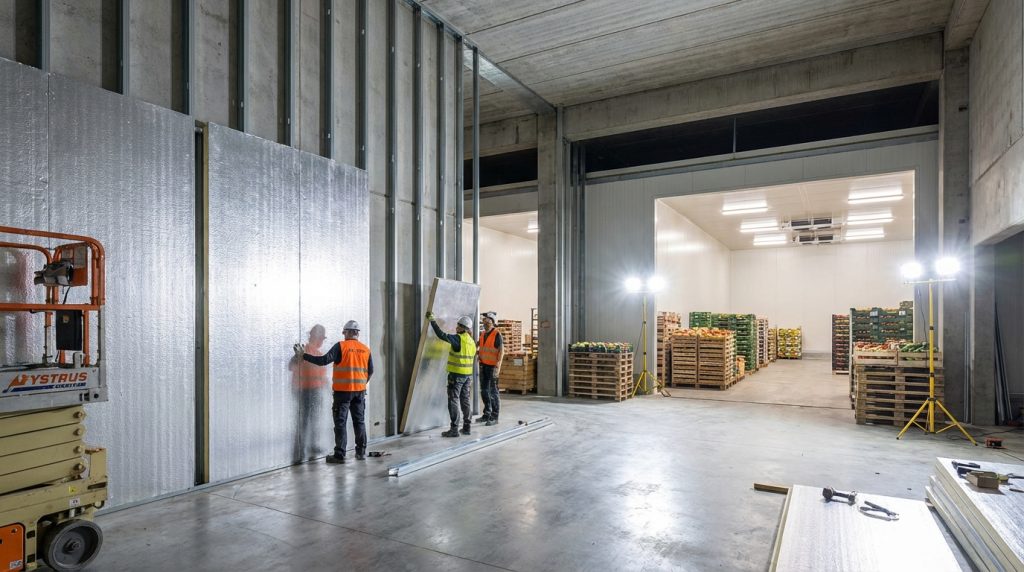
Logistics is the backbone of cold storage warehouse construction because it ensures the continuous flow of temperature-sensitive goods from production to the end consumer. You must realize that without a robust thermal envelope, the entire global supply chain for perishables would collapse.
The Role of Food and Dairy Supply Chains
Industrial food production relies heavily on these environments to prevent spoilage between harvest and retail. Proper insulation keeps the cold chain intact, ensuring that products reach dinner tables safely.
Think about it: A single hour of temperature deviation can ruin an entire shipment of dairy.
- Critical food commodities include:
- Fresh meat and poultry.
- Dairy products and eggs.
- Seasonal vegetables and fruits.
Protecting Pharmaceutical and Biological Assets
Vaccines and research biologics are incredibly sensitive to even minor temperature fluctuations. These assets require high-precision climatic control to remain active and effective for patient use.
Here is why: Medical integrity is non-negotiable, and the building’s shell is the first line of defense.
Supporting Chemical and Floral Storage Needs
The global floral industry and refined chemical sectors demand high-speed logistics and stable environments. Preserving these goods is vital for economic stability and meeting just-in-time delivery requirements.
And the best part? Advanced thermal design allows these industries to expand into warmer climates without risking product loss.
Key Takeaway: Logistics excellence is dependent on the thermal reliability of the warehouse infrastructure to prevent spoilage and financial loss.
| Commodity Type | Min Temp Required | Max Temp Allowed | |
|---|---|---|---|
| Fresh Produce | 0°C | 4°C | |
| Frozen Meats | -25°C | -18°C | |
| Pharmaceuticals | 2°C | 8°C |
This table illustrates the narrow margins for error in temperature-controlled logistics.
What drives cold storage warehouse construction costs?

Refrigeration demand and insulation quality are the primary factors driving cold storage warehouse construction costs throughout the building’s lifecycle. You should view initial material investments not as expenses, but as a strategy for long-term operational savings.
Balancing Refrigeration and Insulation Efficiency
The relationship between mechanical cooling and thermal resistance determines your monthly overhead. If you invest in superior insulation, you can often downsize your HVAC equipment needs.
Think about it: Why spend more on heavy-duty HVAC systems when superior insulation can do the heavy lifting?
Impact of Energy Consumption on Long-term ROI
Thermal leakage and poor air tightness lead to “life-of-the-facility” costs that can dwarf the original construction price. High-performance envelopes ensure that the energy you pay for actually stays inside the building.
Here is why: Energy prices are volatile, but a well-insulated wall provides a fixed benefit for decades.
Key Takeaway: High-quality insulation is a primary driver of long-term economic viability by reducing mechanical stress and energy use.
| Insulation Type | Initial Cost | 20-Year Energy Savings | |
|---|---|---|---|
| Standard Metal | Low | Moderate | |
| High-Performance ICF | Moderate | High |
Strategic material selection directly impacts the cumulative return on investment over twenty years.
How does insulation affect cold storage warehouse construction?
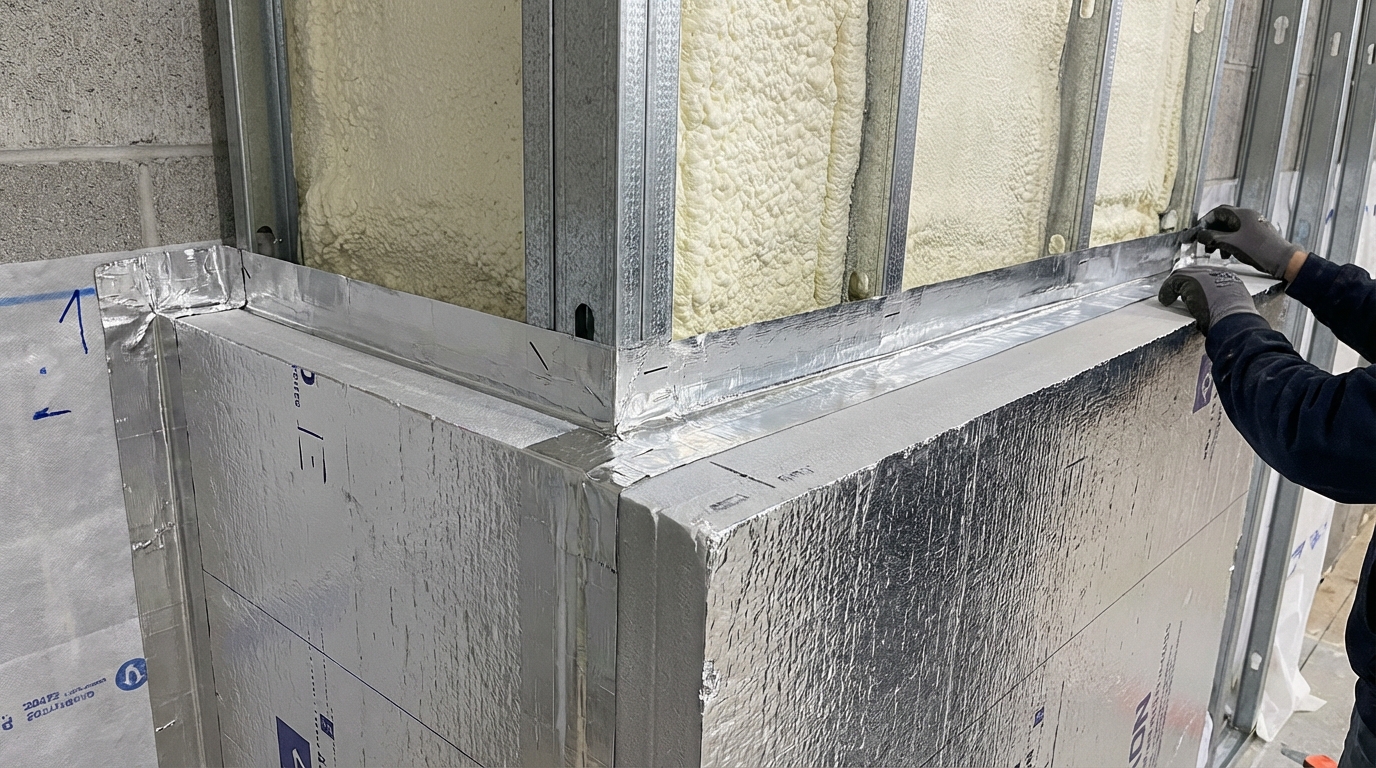
Insulation dictates the thermal stability and moisture control levels within every cold storage warehouse construction project. You need a system that prevents air exchange while simultaneously managing the dew point within the wall assembly.
Achieving Air Tightness in Wall Assemblies
Preventing air exchange is a technical necessity for maintaining a stable internal climate. When warm air enters a cold space, it disrupts the equilibrium and forces the cooling units to cycle more frequently.
Think about it: An airtight building is essentially a giant thermos that protects your bottom line.
Eliminating Interior Condensation and Moisture
Moisture is the ultimate enemy of cold storage, causing mold, ice buildup, and structural rot. Modern assemblies must include a vapor barrier that keeps humidity from penetrating the core of the wall.
Here is the catch: Moisture is the enemy of cold storage, leading to mold and ice buildup that damages products.
Understanding R-Values and Thermal Performance
Baseline R-values for chilled and frozen storage typically range from R22 to R38+. Selecting the right thermal resistance level depends on your specific geographic location and the internal temperature targets.
Here is why: Higher R-values equate to lower thermal transfer and more consistent internal temperatures.
- Basics of insulation performance:
- R-value measures thermal resistance.
- Continuous insulation prevents leaks.
- Vapor barriers stop condensation.
Key Takeaway: Wall assemblies must be airtight and moisture-resistant to protect inventory and maintain structural integrity.
| Setup | Recommended R-Value | Target Environment | |
|---|---|---|---|
| Chilled Storage | R22 – R28 | 2°C to 10°C | |
| Frozen Storage | R32 – R38+ | -18°C and below |
Understanding these metrics is vital for matching the building’s performance to its intended use.
Why use ICF for cold storage warehouse construction?
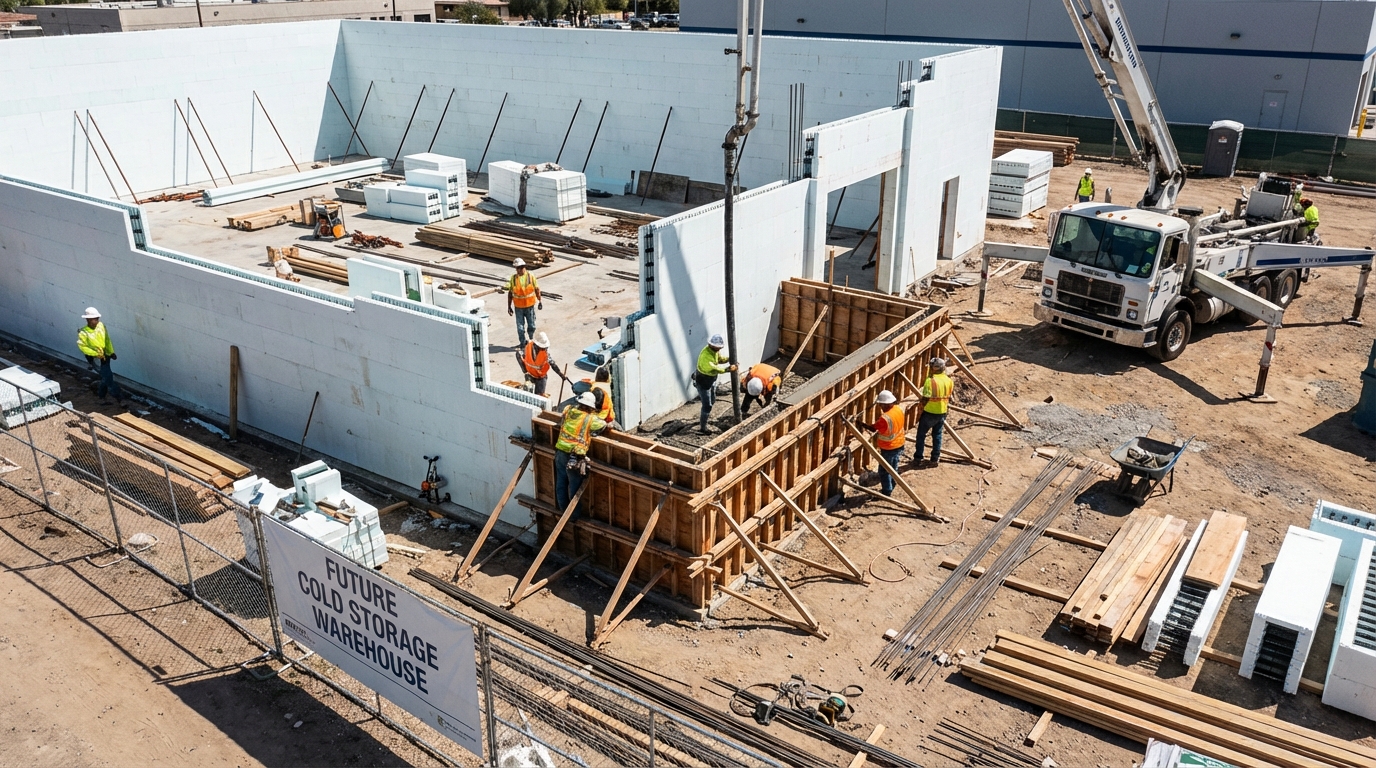
Using ICF for cold storage warehouse construction provides a dual-layer solution that combines high-density insulation with incredible structural mass. You benefit from a system that is easy to assemble and offers performance that traditional masonry simply cannot match.
Combining EPS Insulation with Concrete Mass
Expanded polystyrene foam blocks act as stay-in-place forms for structural concrete, creating a sandwich of efficiency. This combination provides both the thermal break and the strength needed for industrial scales.
Think about it: You are getting two critical building components—structure and insulation—in one single installation step.
Benefits of Rapid Interlocking Block Systems
Interlocking blocks allow for a faster construction timeline than traditional multi-step insulation applications. This “Lego-like” assembly reduces labor costs and gets your facility operational much sooner.
And the best part? Precision engineering ensures that every block fits perfectly, reducing the risk of human error.
Enhancing Durability Against Severe Weather
Beyond thermal benefits, ICF structures are remarkably resilient against natural disasters. They provide a safe environment for high-value assets in regions prone to high winds or seismic activity.
Here is why: Concrete cores offer a level of protection that metal panels cannot provide during extreme weather.
- Structural benefits of ICF:
- Resistance to high-wind events.
- Enhanced fire resistance ratings.
- Reduced vibration and noise transfer.
Key Takeaway: ICF provides a dual-layer solution combining structural strength with high R-value insulation for maximum longevity.
| Feature | ICF Performance | Traditional Masonry | |
|---|---|---|---|
| Air Tightness | Exceptional | Poor | |
| Speed of Build | Fast | Slow | |
| Fire Rating | Up to 4 Hours | Variable |
Comparing these systems highlights why ICF is becoming the standard for modern cold storage.
Can steel assist in cold storage warehouse construction?
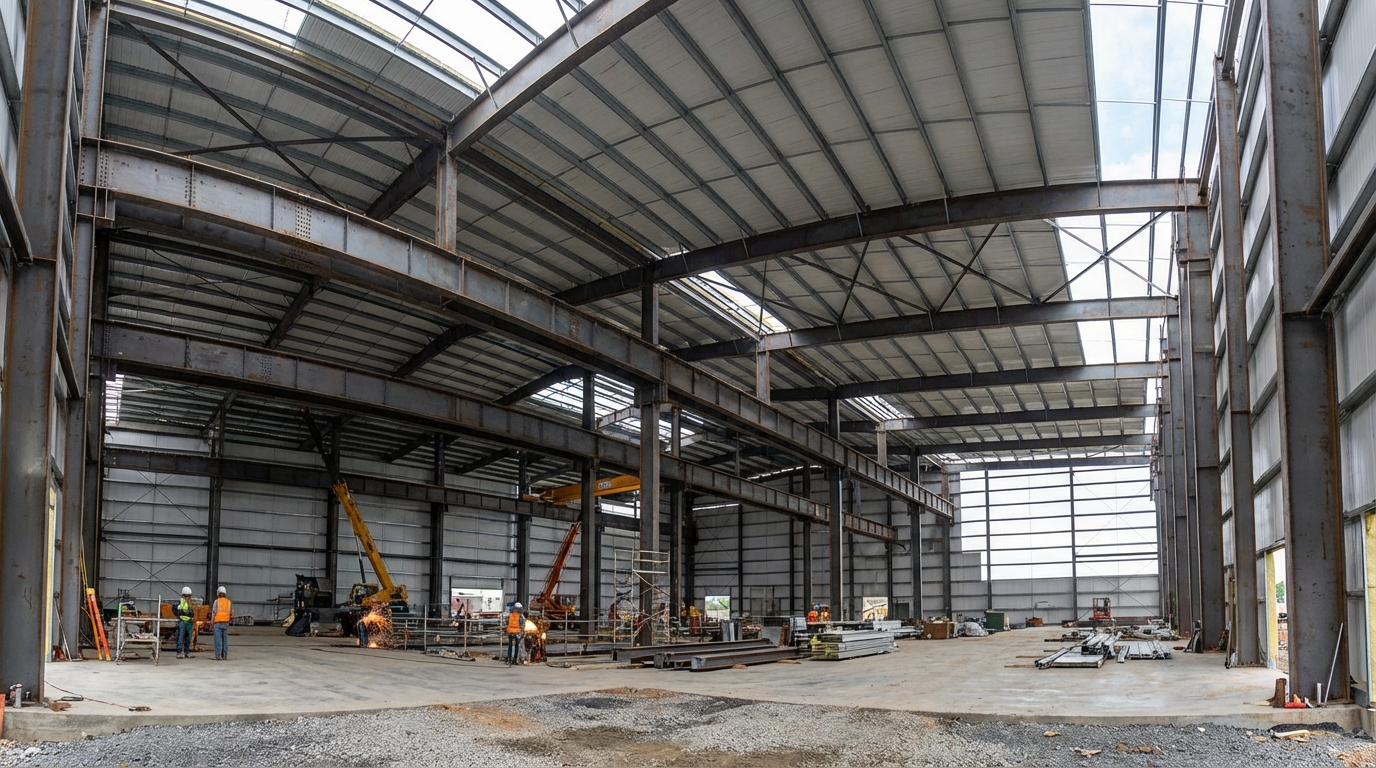
Steel frames are essential in cold storage warehouse construction for providing the long clear spans required for modern logistics. You can integrate heavy-duty steel structure warehouse skeletons with advanced insulation to create massive, efficient spaces.
Integrating Steel Frames with Insulated Panels
A steel skeleton provides the load-bearing support for the roof and heavy refrigeration equipment. When paired with high-performance wall systems, it creates a flexible and durable industrial environment.
Think about it: Steel allows you to build higher and wider, maximizing every square meter of your land.
Structural Stability for Clear Span Requirements
Modern warehouses require spans of up to 40m without internal columns to allow for forklift maneuverability. Steel is the only material that can cost-effectively achieve these open-floor layouts.
Here is why: More open space means better racking efficiency and improved warehouse throughput.
Factory-Direct Solutions for Global Projects
Precision engineering in a factory setting ensures that every steel component is manufactured to tight tolerances. This reduces on-site modifications and ensures a seamless assembly process anywhere in the world.
You might be wondering: How do you ensure quality when components are manufactured off-site?
- Advantages of steel integration:
- Scalability for massive builds.
- Integration with overhead crane systems.
- Rapid erection timelines.
Key Takeaway: Precision-engineered steel frames provide the necessary scale and structural stability for modern cold storage logistics.
| Metric | Steel Frame | Traditional Concrete | |
|---|---|---|---|
| Max Clear Span | 40m+ | ~15m | |
| Erection Time | Fast | Moderate | |
| Seismic Resiliency | High | Variable |
Steel’s superior span capabilities make it the ideal choice for high-volume storage facilities.
How is thermal bridging in cold storage warehouse construction?
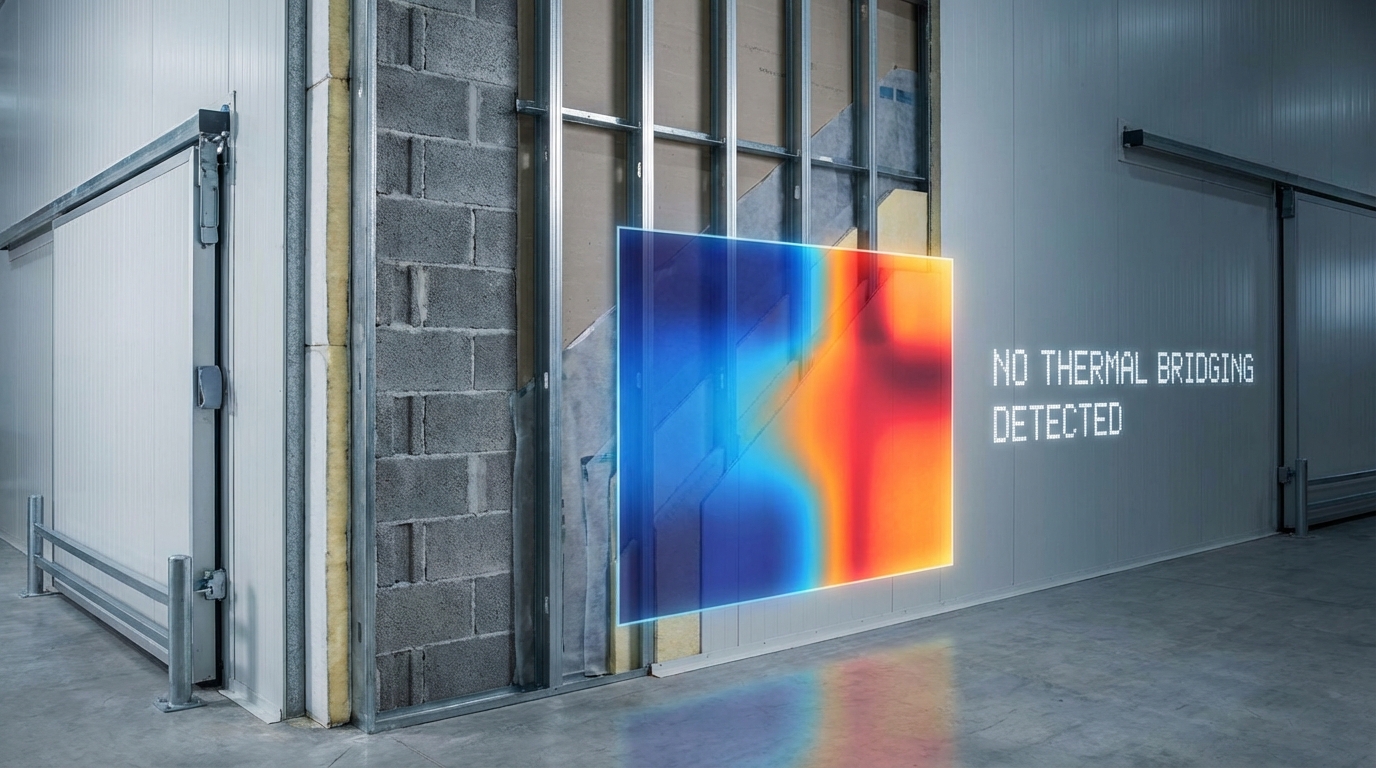
Thermal bridging in cold storage warehouse construction refers to the “leaks” where heat transfers through the building’s joints and fasteners. You must proactively eliminate these weak points to prevent your refrigeration system from overworking.
Identifying Weak Points in Building Envelopes
Heat transfers most easily through metal fasteners, slab edges, and structural connections. Identifying these areas during the design phase allows you to implement continuous insulation solutions.
Think about it: A thermal bridge is like a hole in a bucket; no matter how much you cool, the energy still escapes.
Preventing Heat Transfer Through Wall Joints
Continuous insulation layers act as a barrier that “wraps” the building, stopping heat in its tracks. Utilizing modular systems with overlapping joints is the best way to ensure a seamless thermal coat.
And the best part? Modern sealing techniques and interlocking forms make achieving a bridge-free envelope easier than ever.
Maintaining Constant Internal Temperatures
Thermal mass, particularly in concrete-based systems, helps modulate temperature swings. This inertia is crucial during power outages or equipment maintenance cycles to protect your goods.
Here is why: The more thermal mass your building has, the longer it can “hold” its temperature without active cooling.
- Common thermal bridge locations:
- Wall-to-roof junctions.
- Foundation slab edges.
- Door and window frames.
Key Takeaway: Minimizing thermal bridging is the most effective way to reduce refrigeration workload and energy consumption.
| Risk Level | Construction Detail | Mitigation Strategy | |
|---|---|---|---|
| High | Uninsulated Fasteners | Plastic-capped Anchors | |
| High | Exposed Slab Edges | Perimeter Insulation | |
| Moderate | Door Frames | Thermal Break Inserts |
Addressing these risks during construction ensures a more efficient and stable environment.
Is ICF best for cold storage warehouse construction?
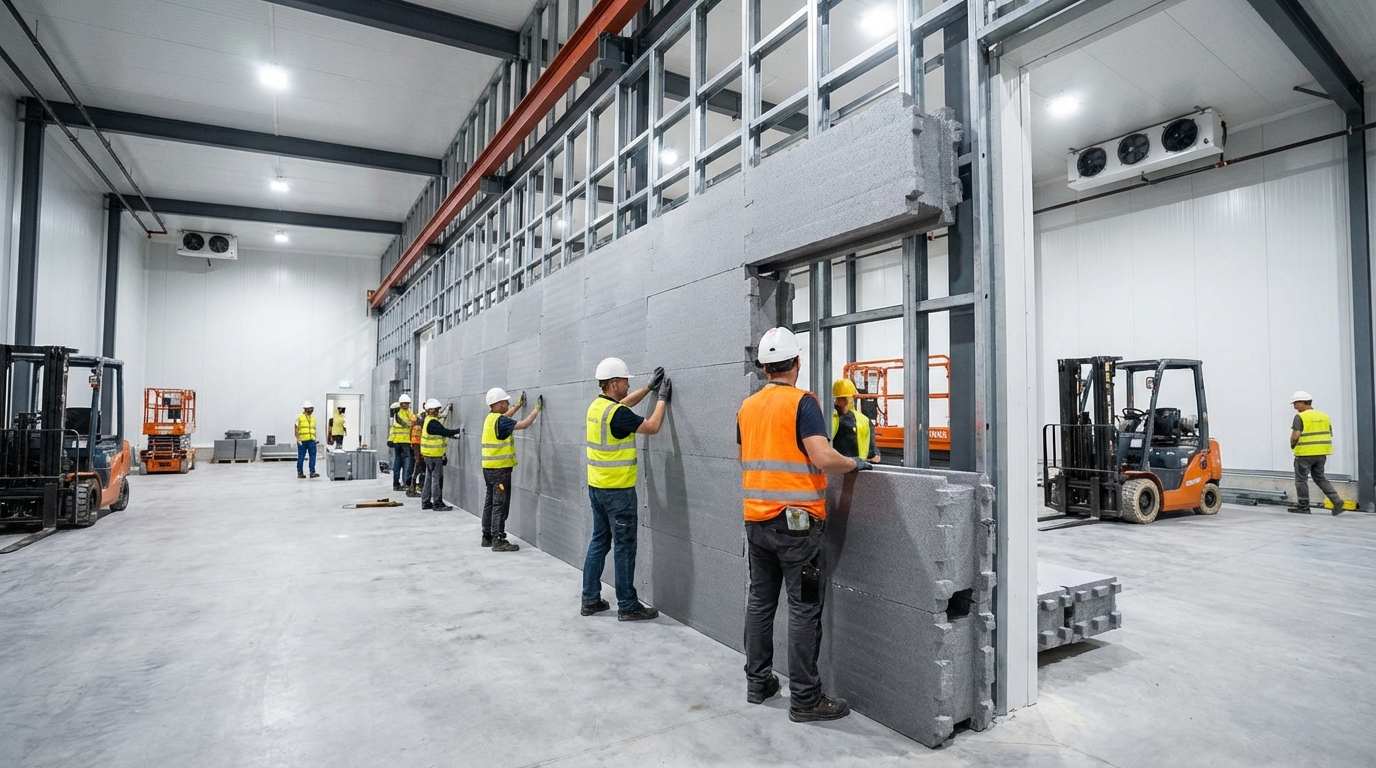
ICF is widely considered the best choice for cold storage warehouse construction because it offers a higher degree of temperature “inertia” than thin-metal panels. You get a building that stays cold longer and responds more slowly to external temperature spikes.
Thermal Mass vs. Traditional Prefab Panels
The density of an ICF wall provides a buffer that absorbs and slowly releases thermal energy. This is far superior to thin sandwich panels that rely solely on foam and have zero mass.
Think about it: Mass is the secret weapon for temperature stability in extreme climates.
Modular Blocks for Specialized Produce Storage
Modular insulation is ideal for specialized facilities like potato or fish storage where humidity and temperature must be exact. The blocks can be configured to meet the specific requirements of any commodity.
But there’s more: A properly insulated facility can often use mid-tier refrigeration systems while achieving better results.
Optimizing Energy Costs for Large Facilities
By utilizing the high R-value and mass of ICF, large warehouses can see a significant drop in their monthly utility bills. The efficiency grows as the facility size increases, maximizing your savings.
Here is why: Scale rewards efficiency; the more square footage you have, the more you save with high-performance walls.
- Why ICF beats panels:
- Air tightness is built-in.
- No thermal bridges through the foam.
- Structural concrete core is indestructible.
Key Takeaway: The combination of EPS and concrete offers a superior thermal barrier for specialized commodities and general cold storage.
| Comparison Factor | ICF System | Sandwich Panels | |
|---|---|---|---|
| Temp Stability | Very High | Low | |
| Durability | Exceptional | Moderate | |
| Maintenance | Minimal | Frequent Sealing |
The inherent mass of ICF provides a level of stability that lightweight panels cannot match.
What are the phases of cold storage warehouse construction?
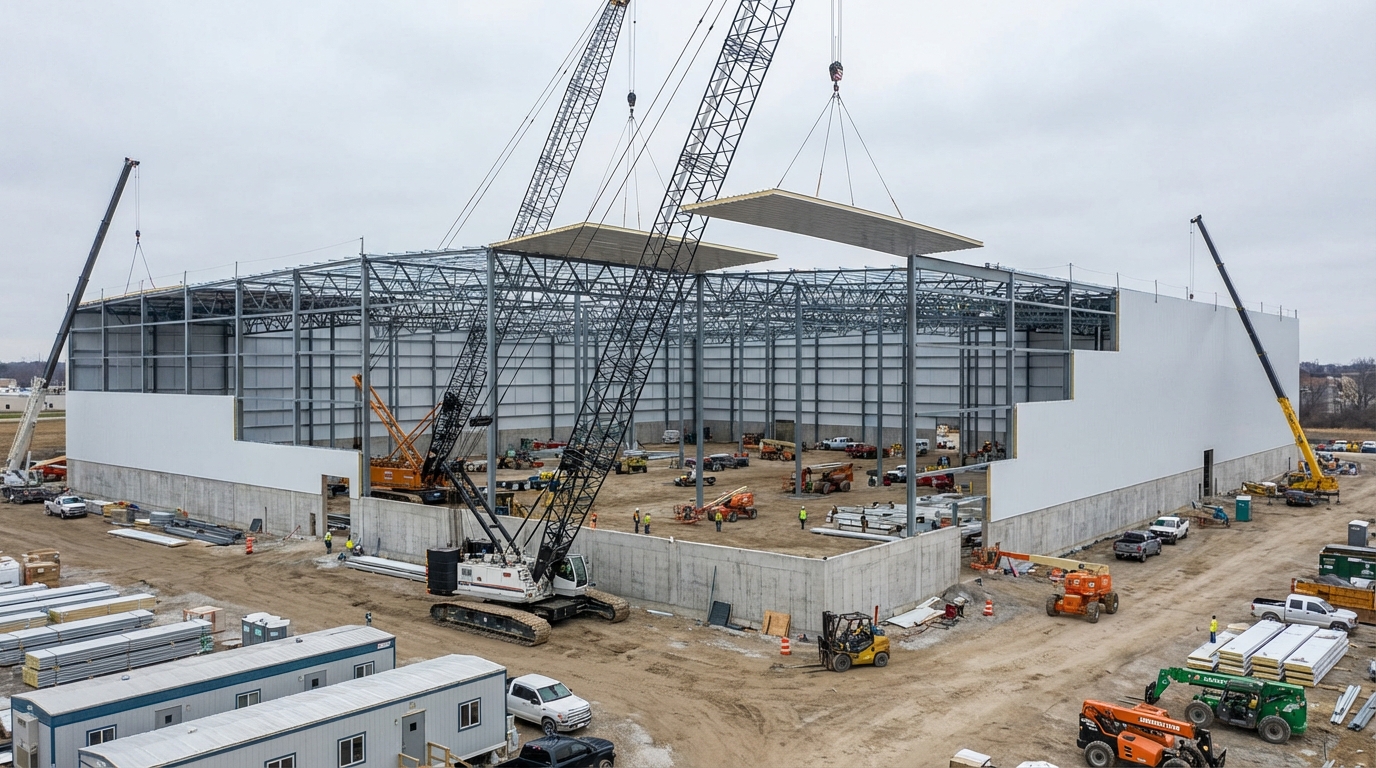
The phases of cold storage warehouse construction start with specialized engineering and move through heavy fabrication to on-site assembly. You must follow a structured approach to ensure the complex thermal and structural systems work in harmony.
Designing for Local Wind and Seismic Codes
Expert design ensures the facility meets regional requirements for safety and compliance. This includes modeling how the massive insulated walls will react to local wind loads and environmental stressors.
Think about it: A building is only as good as the engineering that went into the initial plans.
Quality Control During Component Fabrication
Rigorous checkpoints from raw material to final packing prevent errors from reaching the job site. This ensures that every steel beam and insulation block fits perfectly upon arrival.
Here is why: Catching a mistake in the factory is a minor fix; catching it on-site is a major delay.
- QC checkpoints include:
- Material mill certificates.
- Welding and coating inspections.
- Third-party verification of insulation density.
Installation Steps from Anchor to Facade
Execution follows a logical sequence from foundation bolts to the final cladding. Pre-sequenced deliveries ensure that the crew always has exactly what they need at every step.
And the best part? A structured, phase-based approach ensures no missing parts or field modifications are required.
Key Takeaway: A structured, phase-based approach ensures a buildable structure without missing parts or costly field modifications.
| Phase | Core Activity | Deliverable | |
|---|---|---|---|
| Design | Structural Modeling | Approved Drawings | |
| Fabrication | Component Production | Verified Materials | |
| Erection | Site Assembly | Finished Structure |
Following these phases carefully is the key to delivering a successful project on time.
How to ensure cold storage warehouse construction quality?
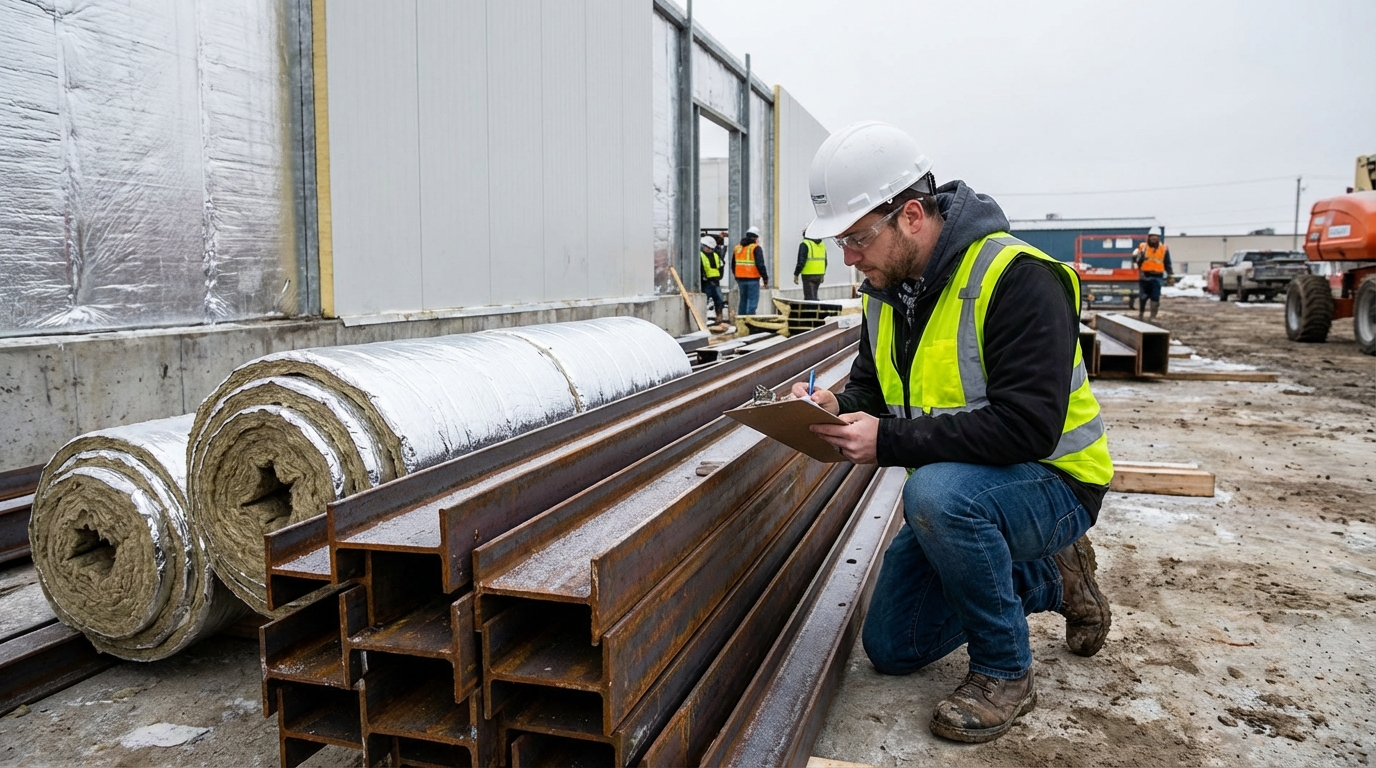
Ensuring quality in cold storage warehouse construction requires a combination of high-grade raw materials and expert site supervision. You must verify that your integrated delivery system meets international standards before a single bolt is tightened.
Third-Party Inspections and Material Certificates
Verifying raw steel and insulation density before they leave the factory is essential for long-term safety. Always request mill certificates and support independent inspections to confirm material integrity.
Think about it: Verification builds trust and guarantees the performance levels you paid for.
Addressing Marine and Corrosive Climates
Specialized coating systems are required for facilities built in humid or coastal environments. Protecting the steel core from corrosion is just as important as the insulation itself.
Here is why: Rust never sleeps, and in a high-humidity cold environment, protection is mandatory.
Site Guidance for Precise Building Erection
Remote or on-site supervision ensures that the insulation and framing are installed exactly to original specifications. Expert guidance prevents the common mistakes that lead to thermal leaks or structural weakness.
The best part? Remote or on-site supervision ensures that the insulation and framing are installed exactly to specifications.
- Quality assurance steps:
- Verify all welds and fasteners.
- Check insulation continuity.
- Confirm vapor barrier integrity.
Key Takeaway: Quality control must be integrated from the manufacturing stage to final assembly to ensure peak performance.
| Inspection Point | Standard | Method | |
|---|---|---|---|
| Steel Grade | ASTM/ISO | Mill Certificate | |
| Insulation Density | Project Specs | Lab Testing | |
| Coatings | Micron Depth | Gauge Testing |
Rigorous quality standards prevent sub-par materials from compromising your cold storage facility.
Where to start your cold storage warehouse construction?
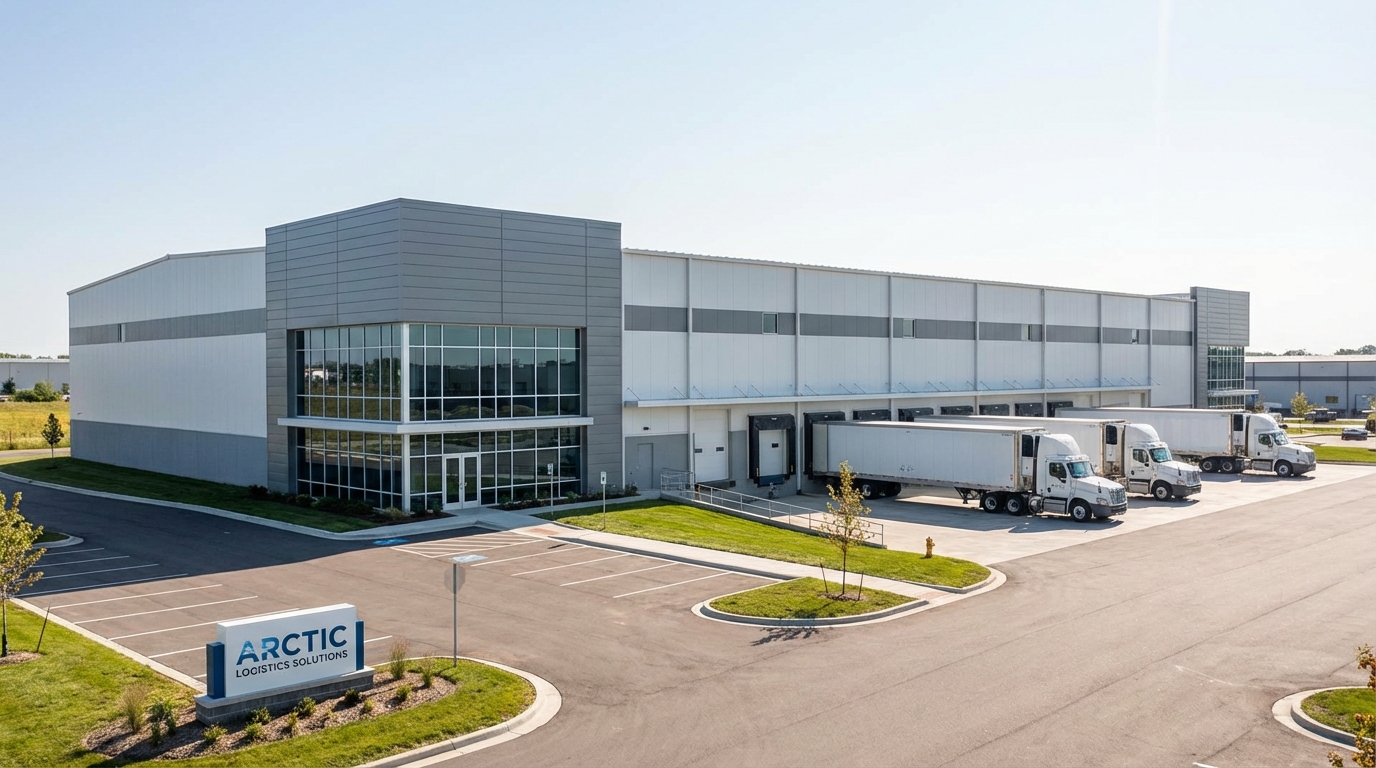
The best place to start your cold storage warehouse construction is by reviewing global benchmarks and consulting with specialized engineers. You need a partner who understands both the structural steel world and the nuances of high-performance insulation.
Analyzing Global Case Studies and Results
Reviewing successful projects from diverse climates—from Australia to Uzbekistan—provides valuable insights into proven thermal performance. Look for facilities that have been operational for years to see how they age.
Think about it: Experience in different environments reveals which materials truly stand the test of time.
Requesting a Customized Engineering Consultation
Modern providers can offer customized solutions and 24-hour quotes tailored to your specific logistics needs. Early consultation helps you optimize the design before you commit to a specific material path.
And the best part? Expert advice at the start can save you thousands in unnecessary energy or material costs later.
Streamlining Logistics for Project Delivery
Managing the delivery of complete modules ensures rapid construction timelines and fewer headaches on site. Look for a one-stop-shop that handles design, fabrication, and shipping.
Here is why: Streamlined logistics get your products into storage and your business into profit faster.
- Steps to project initiation:
- Define temperature requirements.
- Assess local environmental loads.
- Connect with an engineering expert.
Key Takeaway: Early consultation with engineering experts reduces project risk and optimizes material selection for better ROI.
| Action Item | Priority | Expected Outcome | |
|---|---|---|---|
| Custom Quote | High | Budget Clarity | |
| Case Study Review | Medium | Performance Benchmarking | |
| Engineering Audit | High | Design Optimization |
Proactive planning is the single most important factor in construction success.
Conclusion
Building a superior cold storage facility requires more than just cooling units; it requires a structural envelope designed for peak thermal efficiency. By utilizing advanced materials like ICF and precision-engineered steel frames, you can protect your high-value inventory while minimizing long-term energy costs. At Showhoo Building, we specialize in delivering high-performance, installation-ready environments for global logistics. To start your next project with a partner who understands technical excellence, contact us today .
Decision FAQ
Can I use traditional masonry for cold storage warehouse construction?While possible, traditional masonry lacks the integrated thermal break provided by ICF or specialized panels. This typically leads to significantly higher energy costs and potential moisture issues over the life of the building.
What’s the best R-value for a frozen food warehouse?Most industry experts recommend a minimum R-value between R32 and R38+. This ensures the facility remains energy-efficient while keeping products consistently at sub-zero temperatures.
Can I build a cold storage warehouse in a hurricane-prone area?Yes. By using steel-reinforced ICF or high-grade steel frames designed for local wind codes, you can create a resilient facility that survives extreme weather while maintaining high thermal performance.
What’s the best way to prevent floor heaving in cold storage?Proper sub-floor insulation combined with heating systems (like glycol or electric) is essential. These systems prevent the ground from freezing and shifting, which would otherwise crack the concrete slab.
Can I integrate solar panels with cold storage warehouse construction?Absolutely. Cold storage warehouses have large roof surfaces and high electricity demands, making them ideal candidates for solar arrays that can offset the costs of the refrigeration system.