
Building a modern warehouse typically costs between 2.8 and 6 per square foot depending on the total size and complexity of the facility. You may find that your business is outgrowing its current footprint, causing inventory bottlenecks and shipping delays. This lack of space agitates your operational workflow, leading to increased labor costs and lost revenue opportunities. The solution is to accurately calculate how much is a warehouse for your specific expansion needs so you can secure your supply chain’s future.
How much is a warehouse to build in today’s market?
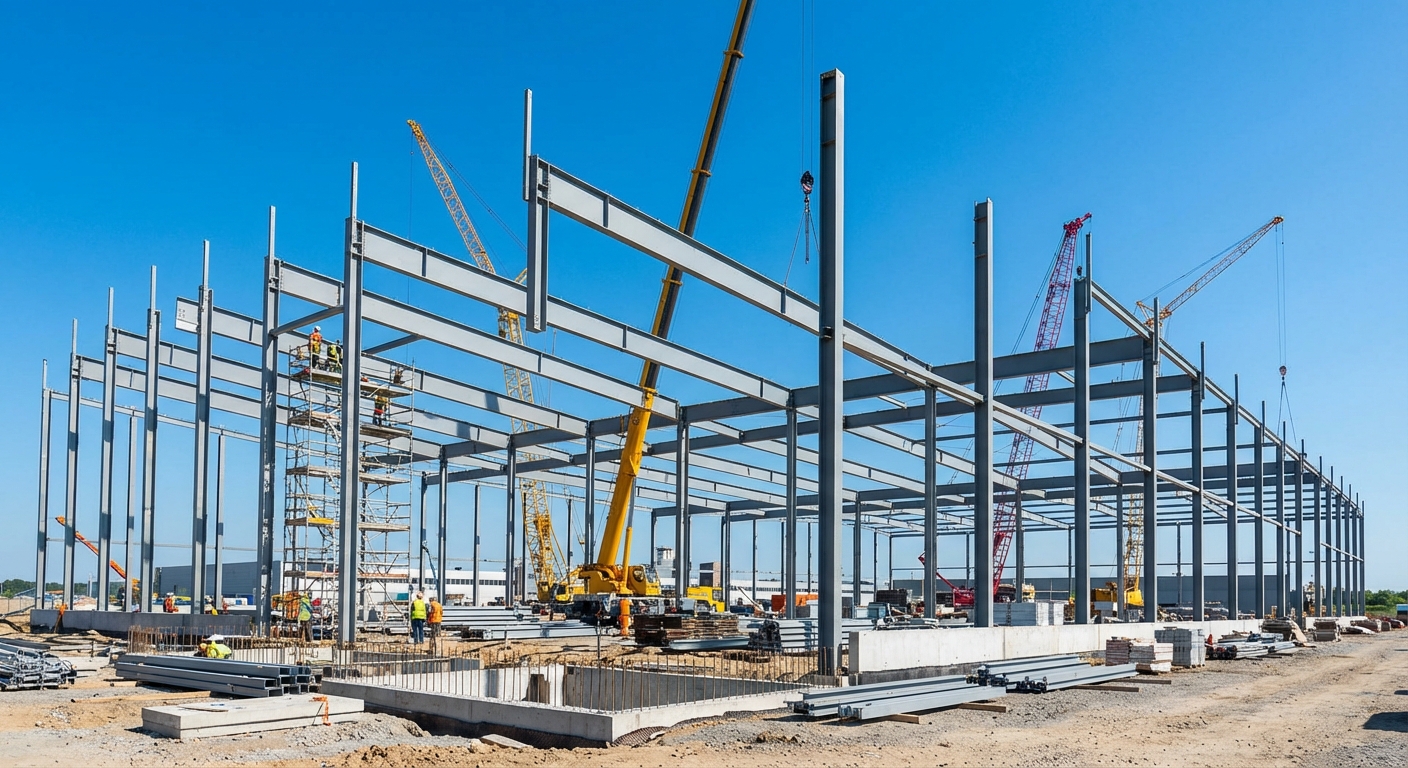
Building a modern warehouse typically costs between 2.8 and 6 per square foot depending on the total size and complexity of the facility. When evaluating how much is a warehouse, you must account for functional requirements like clear height and dock counts. These factors determine the structural integrity and long-term utility of your industrial investment.
Initial Investment for Steel Shells
Basic dry storage shells represent the most cost-effective entry point for industrial space. These structures provide the necessary enclosure without the high costs of specialized climate control.
Here is the deal: Starting with a pre-engineered steel shell can significantly reduce your upfront capital requirements.
- Small facilities (10k-20k sq ft): ~$6/sq ft.
- Mid-size facilities (30k-50k sq ft): ~$4.5-5.5/sq ft.
- Large facilities (100k+ sq ft): ~$2.8-4/sq ft.
Key Takeaway: Small projects often carry higher per-square-foot costs due to fixed mobilization fees.
| Size Category | Average Cost per Sq Ft | Primary Cost Driver | |
|---|---|---|---|
| 10,000 – 20,000 sq ft | $6 | Fixed Mobilization | |
| 30,000 – 50,000 sq ft | $4.5-5.5 | Shell Complexity | |
| 100,000+ sq ft | $2.8-4 | Efficiency of Scale |
The data confirms that spreading fixed costs over a larger footprint drastically improves your investment efficiency.
Why should you investigate warehouse expansion costs?
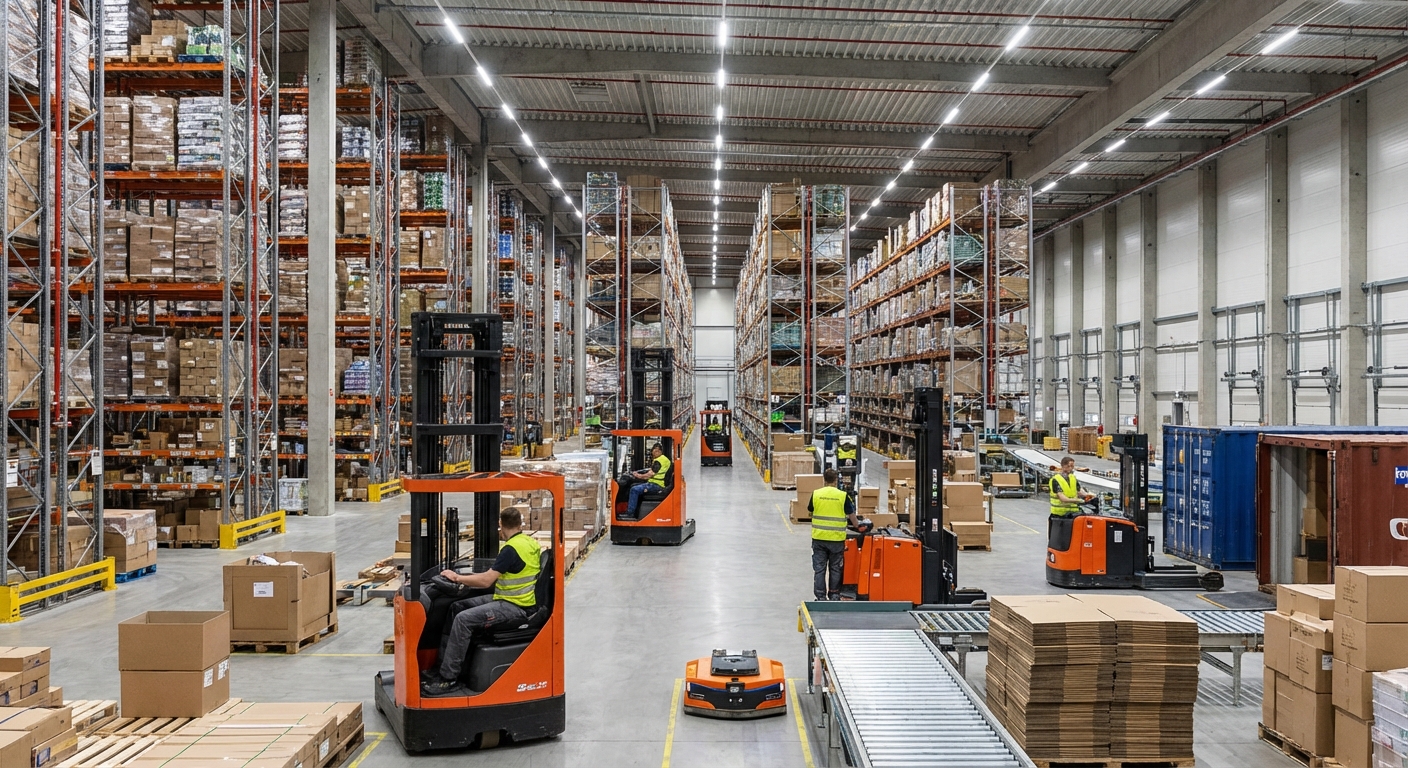
Investigating warehouse costs is essential for businesses experiencing inventory growth or needing to optimize distribution routes. Understanding how much is a warehouse allows you to plan for customized layouts that support modern racking loads. New facilities enable faster throughput and more efficient pick-and-pack operations for your team.
Meeting Functional Inventory Needs
Planning begins by defining how products move through the space and the specific clear height required. These early decisions establish the cost baseline before a single piece of steel is ordered.
Look: Optimizing your vertical space can be more cost-effective than expanding your building’s footprint.
- Improved inventory management capacity.
- Integration of automated storage and retrieval.
- Enhanced climate control for sensitive goods.
Key Takeaway: Functional design ensures the building supports the speed of your business rather than hindering it.
| Functional Need | Impact on Cost | Strategic Benefit | |
|---|---|---|---|
| High Clear Height | Moderate Increase | 30% more storage volume | |
| Increased Dock Count | Significant | Faster loading cycles | |
| Racking Load Capacity | Low to Moderate | Supports heavy automation |
Case Study: A regional logistics provider invested in a 50,000 sq ft facility at $5/sq ft, resulting in a 40% efficiency boost and full ROI within 32 months.
How do materials change warehouse square foot costs?
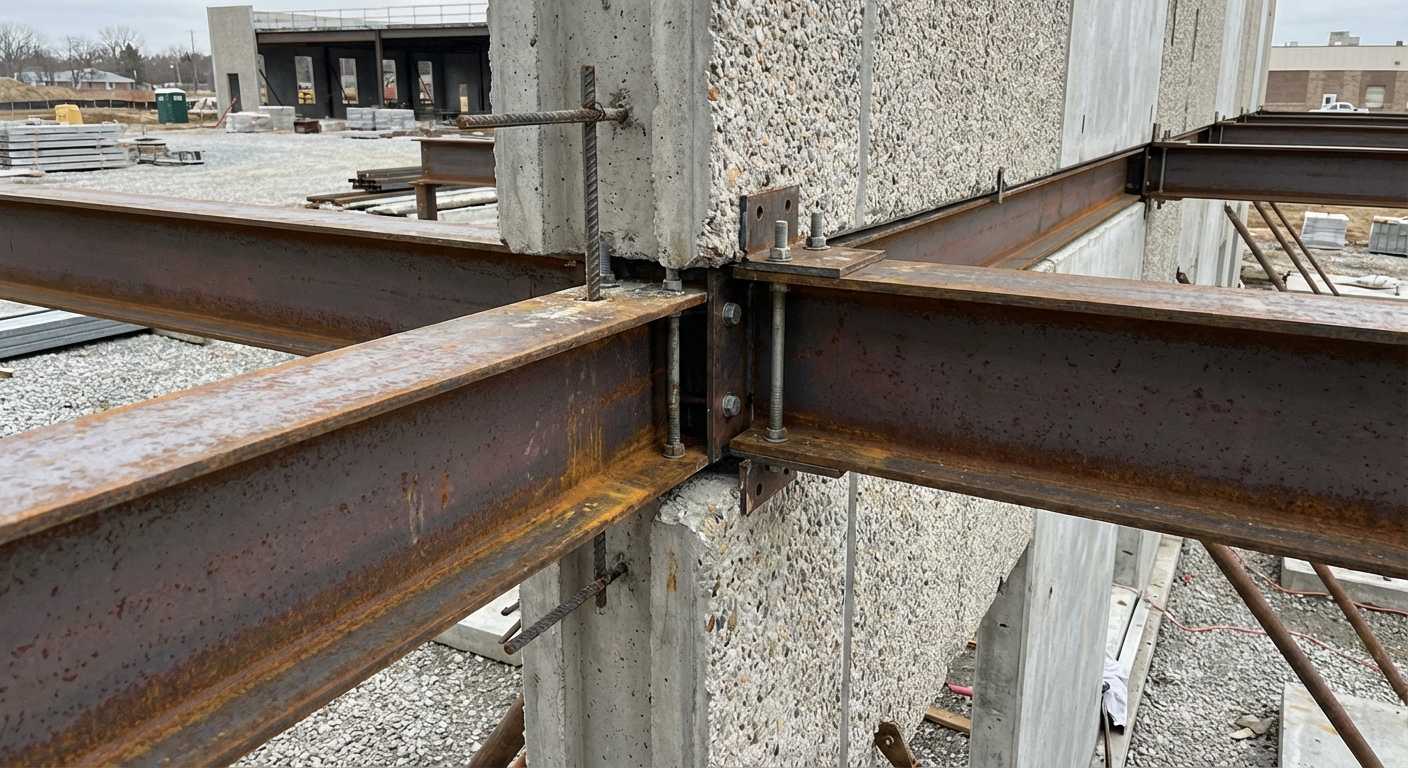
Material systems, specifically the choice between steel and concrete, are the most significant factors in determining the price per square foot. When calculating how much is a warehouse, steel-frame buildings generally offer the lowest initial cost and fastest assembly. While other materials provide thermal mass, steel offers unmatched flexibility for industrial layouts.
Steel Structure Efficiency and Value
Steel remains the industry standard because it allows for wide clear spans and flexible interior configurations. Pre-engineered systems reduce on-site labor costs and significantly shorten the construction timeline.
The truth is: Choosing steel for your warehouse shell balances durability with rapid return on investment.
- Steel frame: $15–$35 per sq ft for the shell.
- Tilt-up concrete: $25–$50 per sq ft for the shell.
- Insulated panels: Higher initial cost, lower energy expense.
Key Takeaway: Material selection dictates both the construction speed and the long-term maintenance requirements of your facility.
| Material Type | Speed of Build | Thermal Performance | |
|---|---|---|---|
| Pre-engineered Steel | Very Fast | Low (requires insulation) | |
| Tilt-Up Concrete | Fast | Moderate | |
| Insulated Panels | Moderate | High |
Selecting the right material helps you manage the balance between upfront capital and future operational expenses.
What specific components determine a warehouse budget?
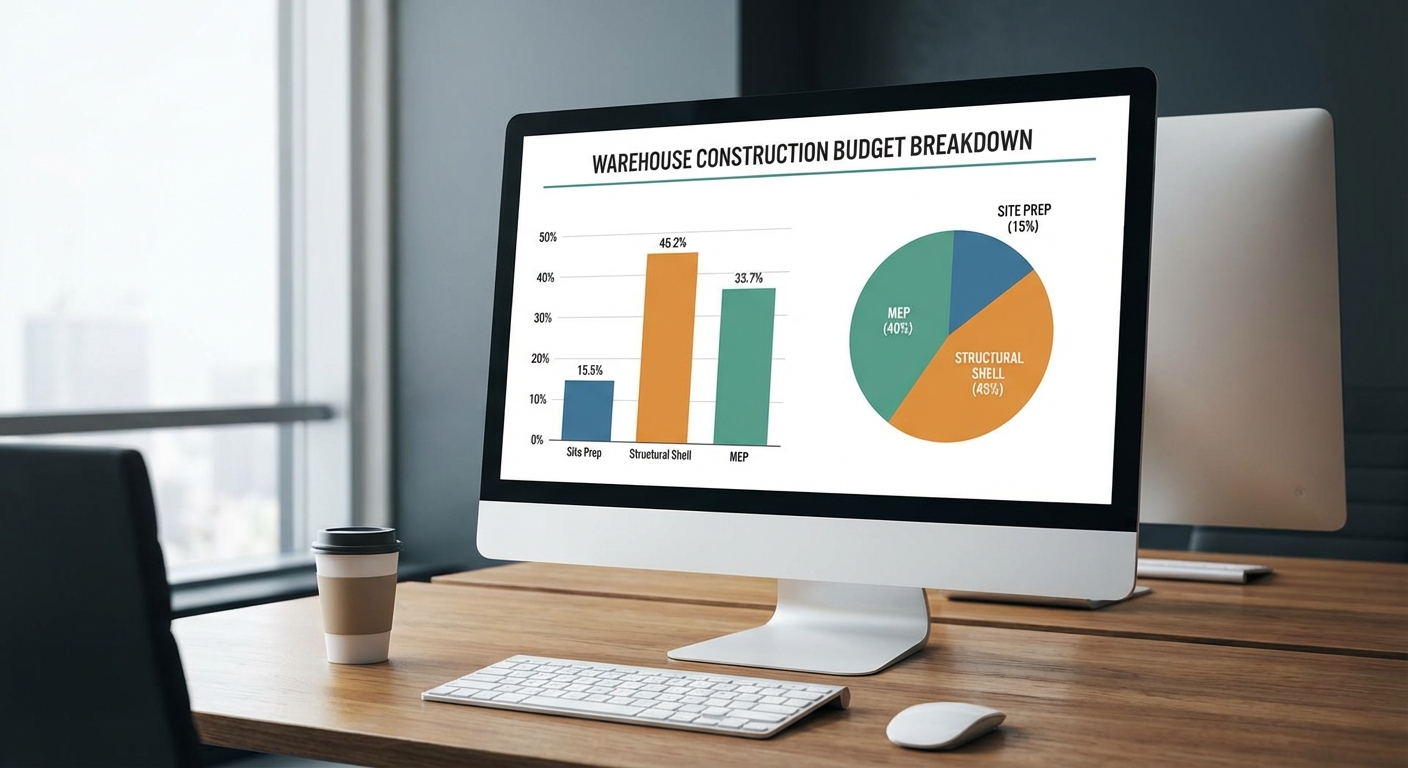
A reliable warehouse budget is built on a combination of site development, structural framing, and mechanical infrastructure. Beyond the shell, the slab thickness and fire protection systems represent significant portions of the how much is a warehouse total investment. Foundations must be engineered to handle specific forklift traffic and heavy racking point loads.
Mechanical and Electrical Infrastructure
Industrial floors must withstand constant vibration and heavy point loads without cracking. Even basic warehouses require sophisticated fire suppression systems and high-bay lighting to meet local codes.
Think about it: The mechanical systems often dictate how effectively you can utilize the internal square footage.
- Foundations and Slab: $5 – $10 per sq ft.
- Structural Frame: $10 – $25 per sq ft.
- MEP (Mechanical/Electrical): Varies by use.
Key Takeaway: Focusing on the ground and infrastructure prevents costly retrofitting as your equipment needs evolve.
| Component | Estimated % of Budget | Key Variable | |
|---|---|---|---|
| Site Preparation | 10% – 15% | Soil conditions | |
| Structural Shell | 35% – 45% | Material prices | |
| MEP Systems | 20% – 30% | Automation levels |
Careful allocation of these budget components ensures structural stability and operational compliance.
How does building size influence total project cost?
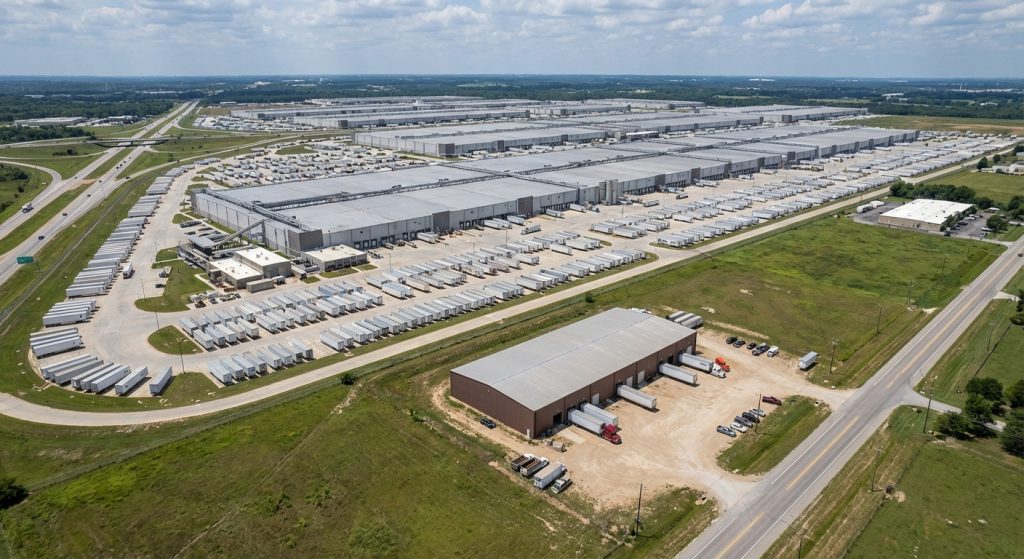
Building size influences cost through the principle of economies of scale, where larger footprints see a reduction in average cost. When asking how much is a warehouse, smaller buildings often suffer from “fixed-cost bloat” where permitting and utility hookups are not diluted. Once you move past the 100,000 square foot mark, material procurement becomes much more efficient.
Economies of Scale for Large Facilities
Large-scale facilities benefit from repetitive construction processes and bulk material shipping from manufacturers. The cost of the building envelope becomes a smaller percentage of the total project value.
The best part? Scaling your project can lead to deeper discounts on primary steel and roofing components.
- 10k sq ft: Heaviest cost per square foot.
- 50k sq ft: The sweet spot for mid-size growth.
- 100k+ sq ft: Maximum efficiency for global logistics.
Key Takeaway: Larger projects allow you to leverage bulk purchasing power to lower the blended square-foot rate.
| Project Size | Relative Cost | Efficiency Level | |
|---|---|---|---|
| Small (10k) | Premium | Low | |
| Medium (50k) | Standard | Moderate | |
| Large (100k+) | Discounted | High |
This scaling effect makes larger warehouses the more fiscally responsible choice for long-term distribution plans.
Does the intended use case dictate your investment?
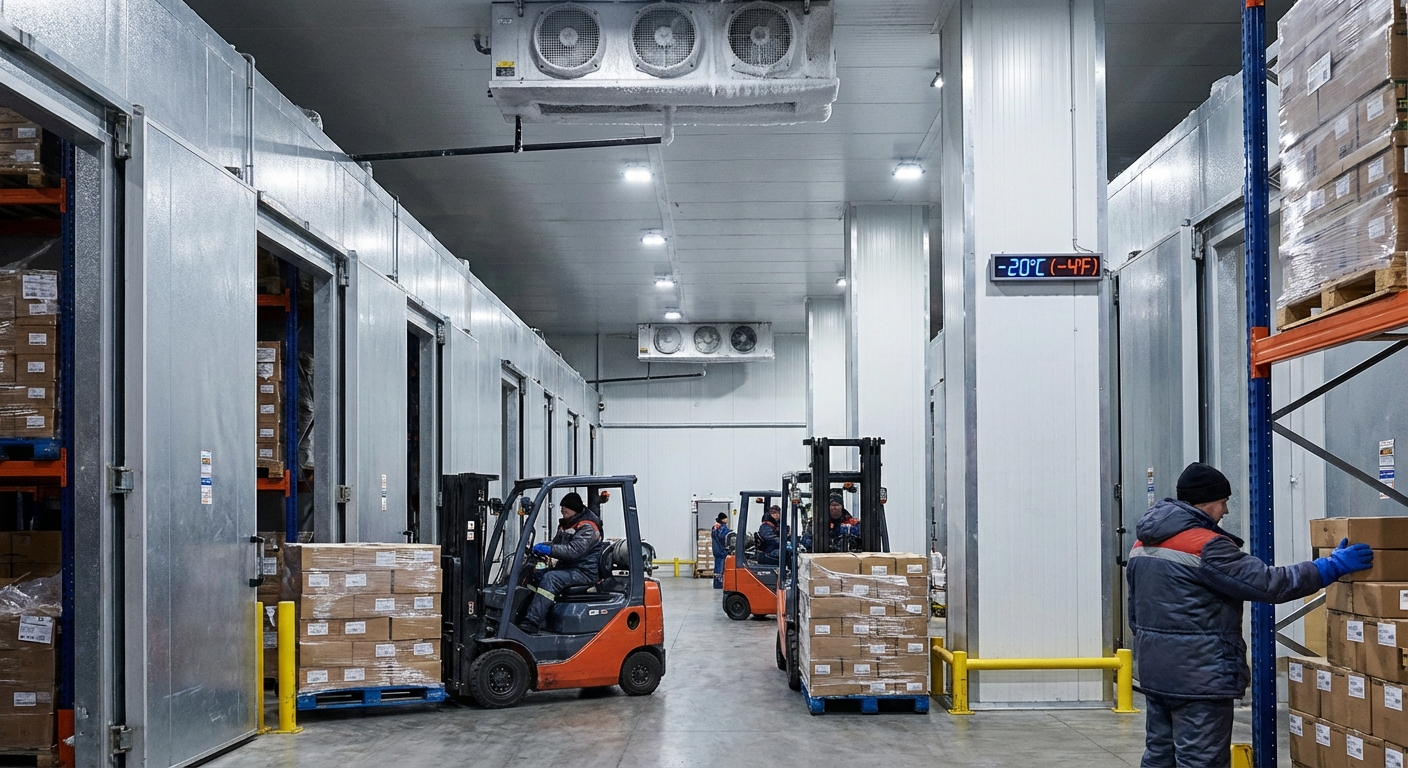
The intended use case—whether dry storage or manufacturing—is a primary driver of the total investment required. To understand how much is a warehouse for your specific industry, you must evaluate specialized insulation and refrigeration needs. Cold storage is significantly more expensive due to vapor barriers and high-tonnage mechanical systems.
Specialized Needs for Industrial Facilities
Cold storage requires a high-performance envelope to prevent thermal bridging and moisture infiltration. Manufacturing facilities used for assembly need higher electrical loads and specialized ventilation systems.
Look: Planning for your specific industry requirements early prevents expensive equipment modifications later.
- Dry Storage: $15 – $25per sq ft.
- Cold Storage: $40 – $80 per sq ft.
- Manufacturing/Flex: $20 – $35 per sq ft.
Key Takeaway: Use cases with high utility demands require robust infrastructure that raises the baseline budget.
| Use Case | Energy Demand | Finishing Level | |
|---|---|---|---|
| Distribution | Moderate | Low | |
| Cold Storage | Very High | High (Insulation) | |
| Workshop | High | Moderate (Process) |
Case Study: A food distributor invested in an 80,000 sq ft cold storage facility; high-performance insulation reduced annual utility costs by $45,000.
How do regional site factors impact your bottom line?
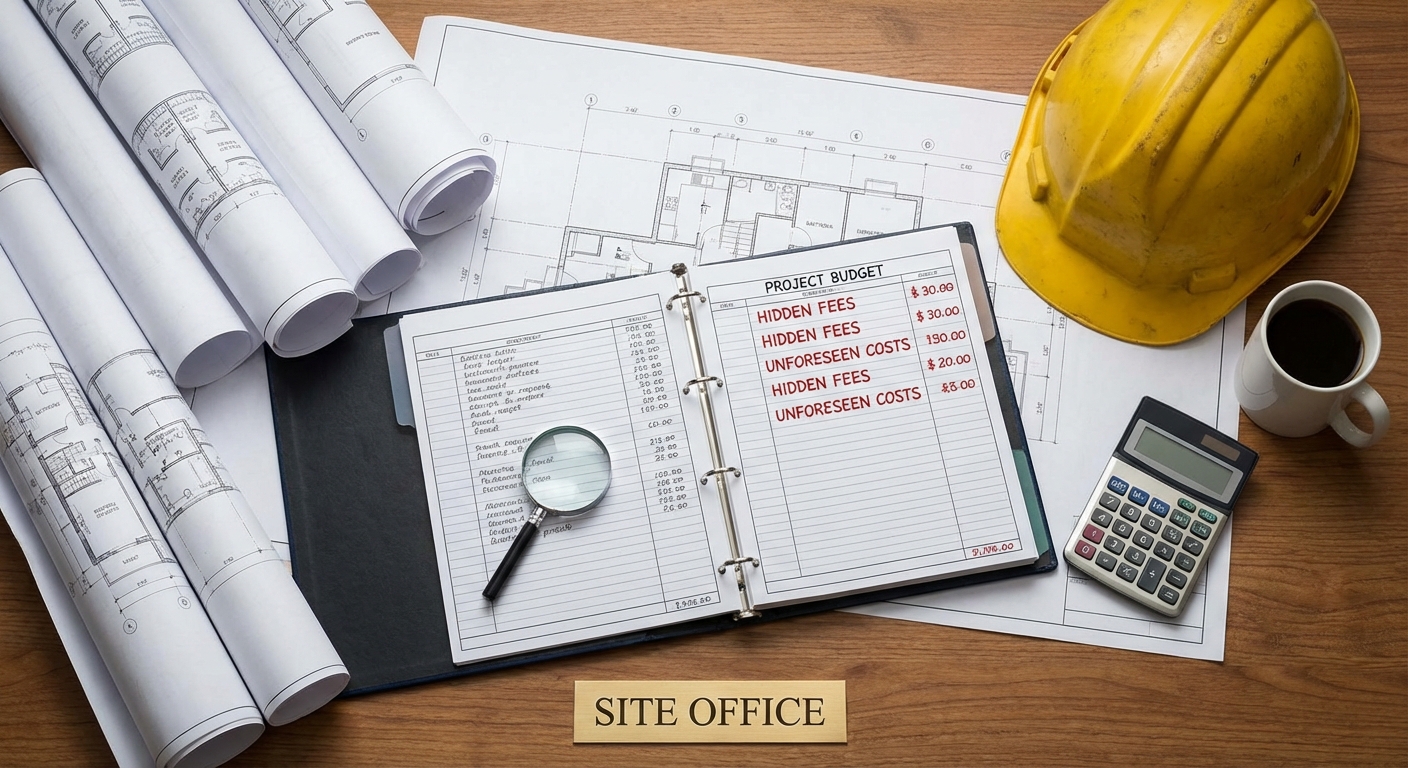
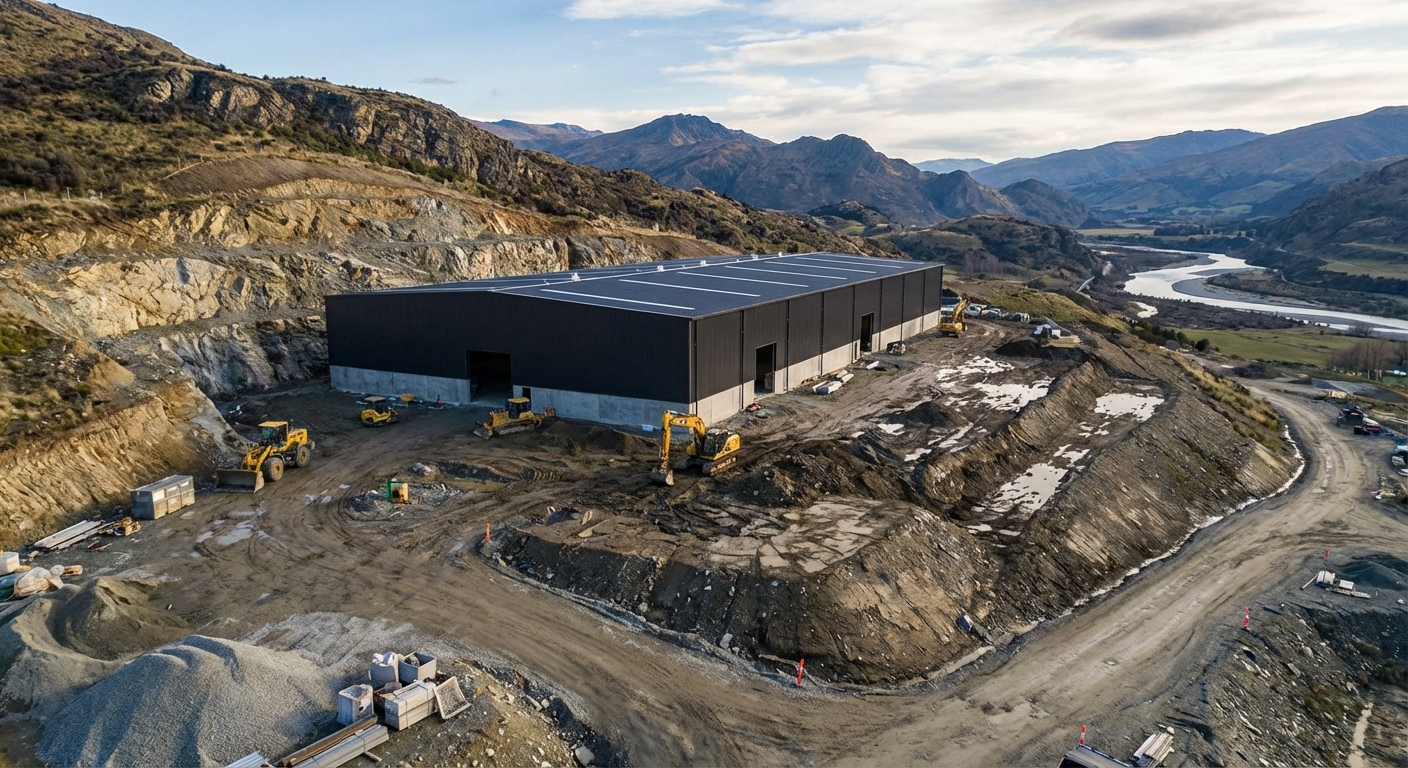
Regional factors such as local labor rates and climate-specific building codes can cause warehouse cost swings of 20% or more. You cannot use a national average to budget for a project without adjusting for local how much is a warehouse variables. Coastal areas may require expensive corrosion-resistant coatings, while northern climates need deeper foundations.
Labor Rates and Structural Compliance
In major metropolitan areas, union labor and strict inspection schedules can lengthen timelines and increase budgets. Buildings in hurricane-prone regions must be engineered for high wind uplift, requiring more steel.
Here is the thing: Soil quality and grading needs are often the most unpredictable variables in site development.
- High-cost labor markets (Urban).
- Seismic and wind load requirements.
- Stormwater management regulations.
Key Takeaway: Local code compliance is non-negotiable and must be integrated into your initial financial modeling.
| Regional Factor | Cost Impact | Solution | |
|---|---|---|---|
| High Wind Zone | +10-15% | Extra Bracing/Steel | |
| Cold Climate | +5-10% | Higher R-Value Insulation | |
| Poor Soil | Variable | Deep Piles/Reinforcement |
Evaluating these regional nuances early ensures your project stays within the planned financial parameters.
What long-term operational costs affect total value?
Over the 30-to-50-year life of a warehouse, energy and maintenance costs can eventually exceed the initial construction price. Investing in a durable envelope reduces the mechanical load required to maintain internal temperatures when calculating how much is a warehouse . A building that is cheap to build but expensive to run will hurt your bottom line every month.
Energy Performance and Maintenance
High-performance wall systems and efficient lighting stabilize interior temperatures and lower electrical bills. Durable steel facades minimize the need for frequent repairs and reduce your long-term insurance premiums.
Think about it: Total cost of ownership is a more critical metric than just the initial construction bid.
- Utility expenses (HVAC and lighting).
- Roof and facade maintenance.
- Insurance for fire-rated structures.
Key Takeaway: Efficiency in the envelope leads to massive savings in operational overhead over several decades.
| Operational Factor | Short-term View | Long-term Impact | |
|---|---|---|---|
| Insulation Level | Save on material | Lower utility bills | |
| Lighting Type | Save on fixtures | LED reduces heat/cost | |
| Wall Durability | Standard steel | Lower maintenance costs |
Prioritizing sustainable materials ensures your warehouse remains a profitable asset throughout its entire lifecycle.
How can factory-direct sourcing reduce your expenses?
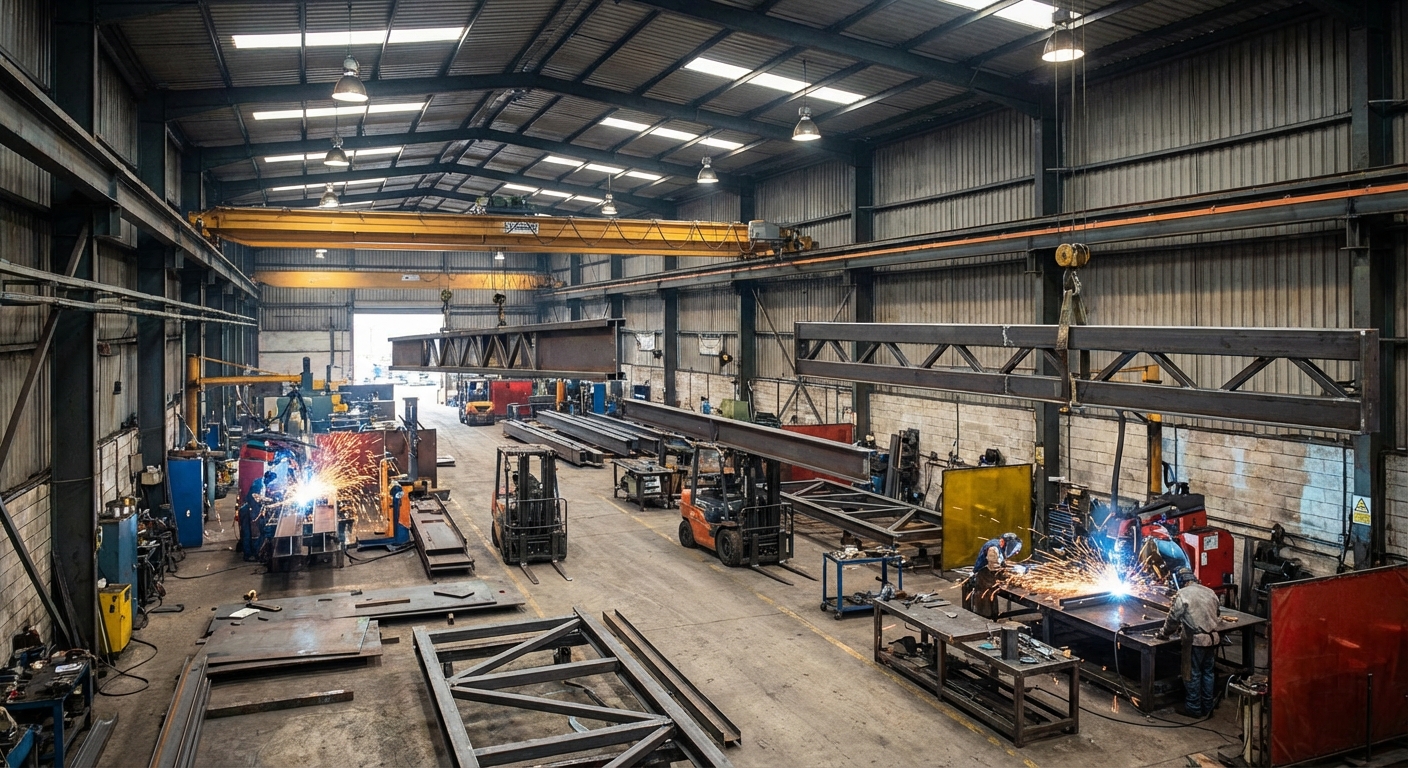
Sourcing materials directly from a manufacturer eliminates middleman markups and ensures all components are engineered to work together seamlessly. When you research how much is a warehouse, factory-direct models provide a single point of accountability for quality. This reduces the risk of missing parts or field modifications that can stall your project.
Eliminating Middleman Markups
By working directly with the fabricator, you gain access to wholesale pricing on primary and secondary steel members. This transparency allows for better budget control and more accurate project forecasting for your board.
Look: A coordinated shipping process ensures that all components arrive ready for immediate on-site assembly.
- Eliminate distributor commissions.
- Direct engineering support.
- Integrated quality control.
Key Takeaway: Direct sourcing streamlines the supply chain and puts more of your budget into the building itself.
| Sourcing Model | Typical Markup | Quality Control | |
|---|---|---|---|
| Local Distributor | 15% – 25% | Third-party | |
| Factory-Direct | 0% | In-house/Direct | |
| General Contractor | 10% – 15% | Delegated |
Cutting out intermediaries is the fastest way to improve your project’s overall financial health and delivery speed.
What are the final steps in calculating your quote?
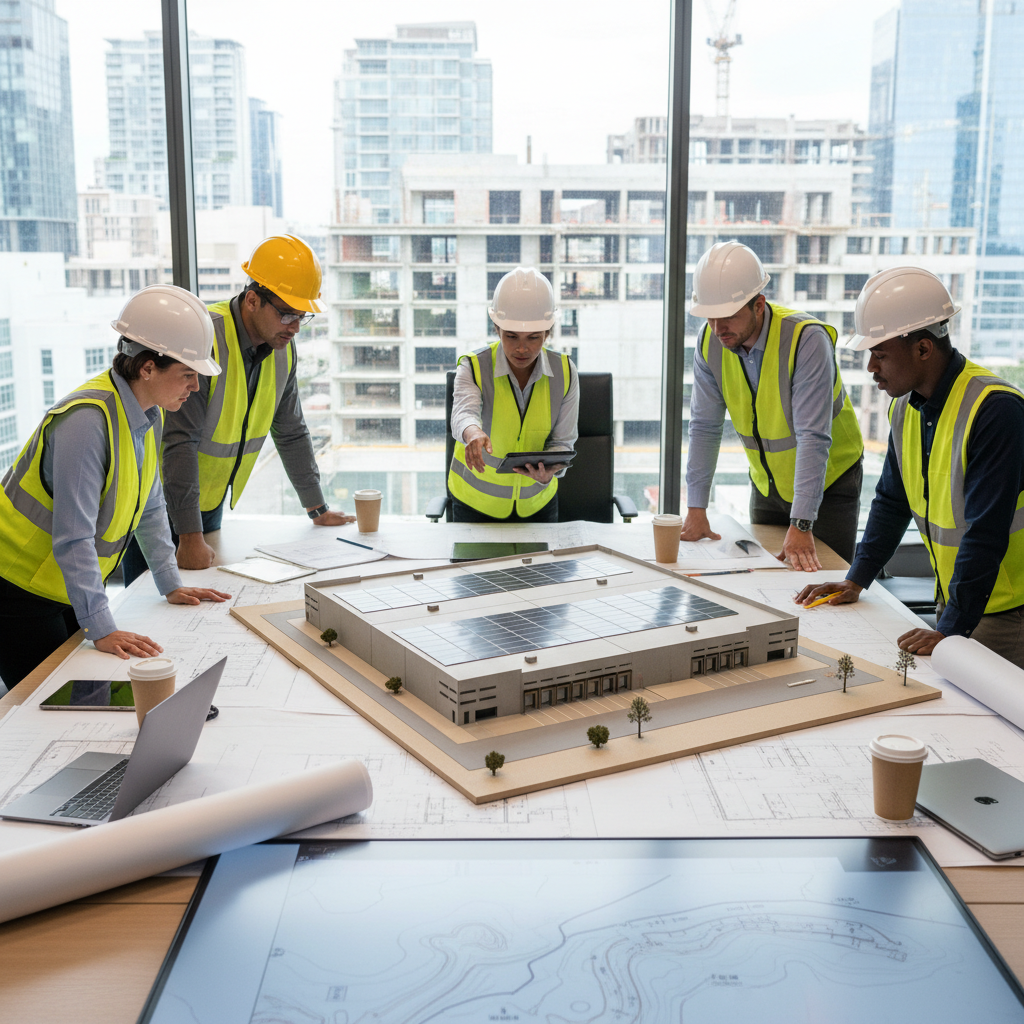
The final step in determining your budget is moving from generic averages to a project-specific quote based on actual site data. You should how much is a warehouse consult with specialists who can define your clear height and bay spacing. Early consultation with engineers helps avoid “cost creep” during the fabrication and installation phases.
Moving from Estimates to Firm Pricing
Once you have defined your requirements, a manufacturer can provide a precise quote that includes delivery and installation guidance. This eliminates the guesswork and provides a firm number for financing and stakeholder approval.
Here is the deal: A detailed Bill of Materials (BOM) is your best tool for ensuring budget accuracy.
- Define clear height requirements.
- Confirm local wind and snow loads.
- Request a detailed load analysis.
Key Takeaway: Professional engineering ensures your building is compliant, safe, and built to your exact operational specifications.
| Final Step | Requirement | Output | |
|---|---|---|---|
| Site Audit | Local Code Data | Structural Compliance | |
| Load Analysis | Racking/Equip Plan | Slab Specification | |
| Quote Request | Full Dimensions | Fixed Pricing |
Finalizing these details allows you to transition from the planning phase to active construction with total confidence.
Frequently Asked Questions
Can I build a warehouse myself using a kit?Yes, pre-engineered metal building kits are designed for rapid assembly, but professional oversight is highly recommended for foundations and heavy structural framing to ensure safety.
What is the best way to reduce the cost per square foot?Increasing the total square footage and optimizing the building’s height-to-footprint ratio are the most effective ways to lower the average cost per square foot.
How long does it take to construct a steel warehouse?A standard steel warehouse typically takes 4 to 8 months from foundation work to completion, depending on the complexity of internal systems.
Can I add cold storage to an existing warehouse?Yes, you can install “box-in-a-box” units within an existing shell, though this requires assessing the slab’s thermal properties and electrical capacity.
What is the most durable material for warehouse walls?Insulated metal panels and heavy-gauge steel offer the highest durability against equipment impact and extreme weather conditions for modern facilities.
Calculating the investment for a new facility is a critical step in securing your company’s growth. To ensure your project remains on budget and on schedule, contact us today for a comprehensive structural assessment and quote. Showhoo Building delivers engineering excellence and factory-direct value to industrial partners worldwide.