
In 2026, you should expect the cold storage warehouse construction cost to range between 130 and 350 per square foot depending on temperature requirements and automation levels. Most developers find that standard dry storage budgeting fails to account for the specialized insulation and refrigeration systems required for thermal integrity. Without a precise financial roadmap, your project risks significant budget overruns and operational inefficiency. By choosing an integrated design-build approach, you can bridge the gap between initial investment and long-term profitability.
What is the cold storage warehouse construction cost per sq ft?
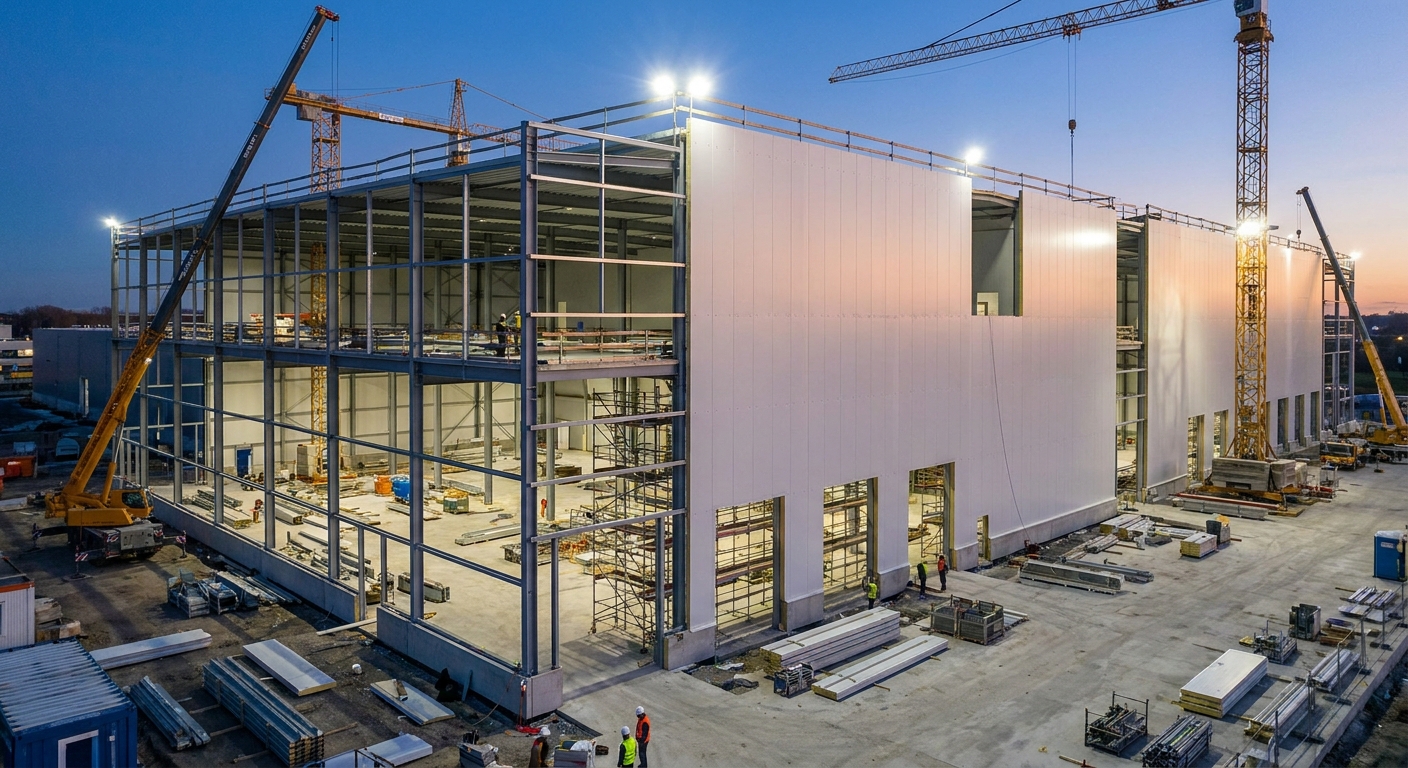
The average cold storage warehouse construction cost per square foot typically falls between 150 and 250 for mid-sized facilities in the current market. These figures represent a baseline that covers the structural steel frame, specialized panels, and basic mechanical systems.
How does facility size impact the budget?
Building a larger facility often allows you to benefit from economies of scale regarding material procurement and engineering. Smaller units often face higher per-square-foot costs because fixed expenses like refrigeration units and specialized doors do not scale down linearly.
- Small scale (under 20k sq ft): $250+ per sq ft.
- Medium scale (50k-100k sq ft): 170−220 per sq ft.
- Large scale (200k+ sq ft): 130−160 per sq ft.
Think about it.
Key Takeaway: Scaling your facility upwards generally lowers the unit price per square foot due to better resource distribution.
| Facility Type | Est. Cost Per Sq Ft | Construction Timeline | |
|---|---|---|---|
| Distribution Center | 140−190 | 10-14 Months | |
| Specialized Processing | 210−320 | 14-18 Months | |
| Last-Mile Hub | 180−260 | 8-12 Months |
Scaling the physical footprint reduces the impact of fixed mobilization and design costs on your total budget.
How do temperature zones affect cold storage warehouse construction cost?
Managing multiple temperature zones significantly increases the cold storage warehouse construction cost due to the need for internal thermal barriers and independent refrigeration circuits. Each distinct zone requires its own set of controls and insulation specifications to prevent thermal leakage.
What are the standard zone requirements?
Freezer zones operating at -10°F require much thicker insulation and more robust vapor seals than chilled zones held at 34°F. When you mix these zones, the complexity of the transition areas adds to the labor and material expenses.
- Ambient/Dock area: Minimal insulation.
- Chiller room: 4-inch PIR/PU panels.
- Deep freeze: 6 to 8-inch high-performance panels.
Here is the kicker.
Key Takeaway: Multi-zone facilities require more complex engineering, which can add 15-25% to your total mechanical budget.
| Temperature Zone | Temp Range | Relative Cost Multiplier | |
|---|---|---|---|
| Controlled Ambient | 55°F to 75°F | 1.0x | |
| Chilled | 32°F to 40°F | 1.4x | |
| Freezer | -10°F to 0°F | 1.9x |
Complex zoning requires precise engineering to ensure that different thermal environments do not compromise each other.
Does insulation impact your cold storage warehouse construction cost?
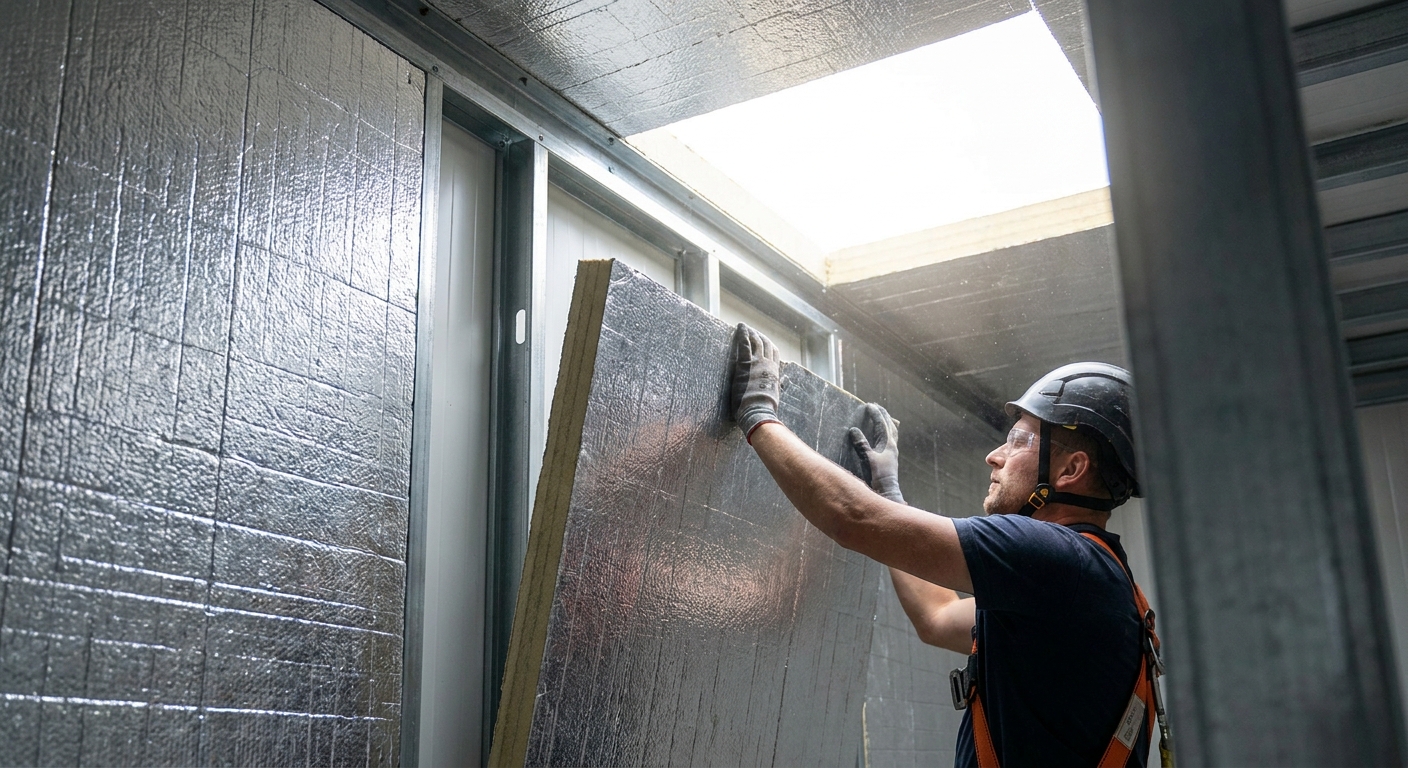
High-quality thermal envelopes are a primary driver of the cold storage warehouse construction cost because they dictate the long-term energy efficiency of the building. Investing in superior insulation panels reduces the cooling load, allowing you to install smaller, less expensive refrigeration systems.
Which panel types offer the best value?
Polyisocyanurate (PIR) and Polyurethane (PU) sandwich panels are the industry standard for maintaining strict temperature control. These materials provide high R-values and structural integrity, though their procurement cost varies with global chemical prices.
- PIR Panels: Superior fire resistance and thermal performance.
- PU Panels: Cost-effective with excellent moisture resistance.
- Vapor Barriers: Essential for preventing ice buildup in the core.
It gets better.
Key Takeaway: Choosing the right R-value for your climate can reduce mechanical equipment costs by up to 10% during construction.
| Panel Thickness | Typical R-Value | Recommended Application | |
|---|---|---|---|
| 100mm (4″) | R-32 | Chilled Rooms | |
| 150mm (6″) | R-48 | Freezers | |
| 200mm (8″) | R-64 | Ultra-Low Temp |
Thicker insulation involves a higher upfront material cost but dramatically lowers the operational energy requirements over the building’s life.
Receive a tailored engineering quote for your project quickly
Email:sales@showhoo.com.cn
Phone/WhatsApp: +86 186 7895 5927
Can refrigeration design lower cold storage warehouse construction cost?
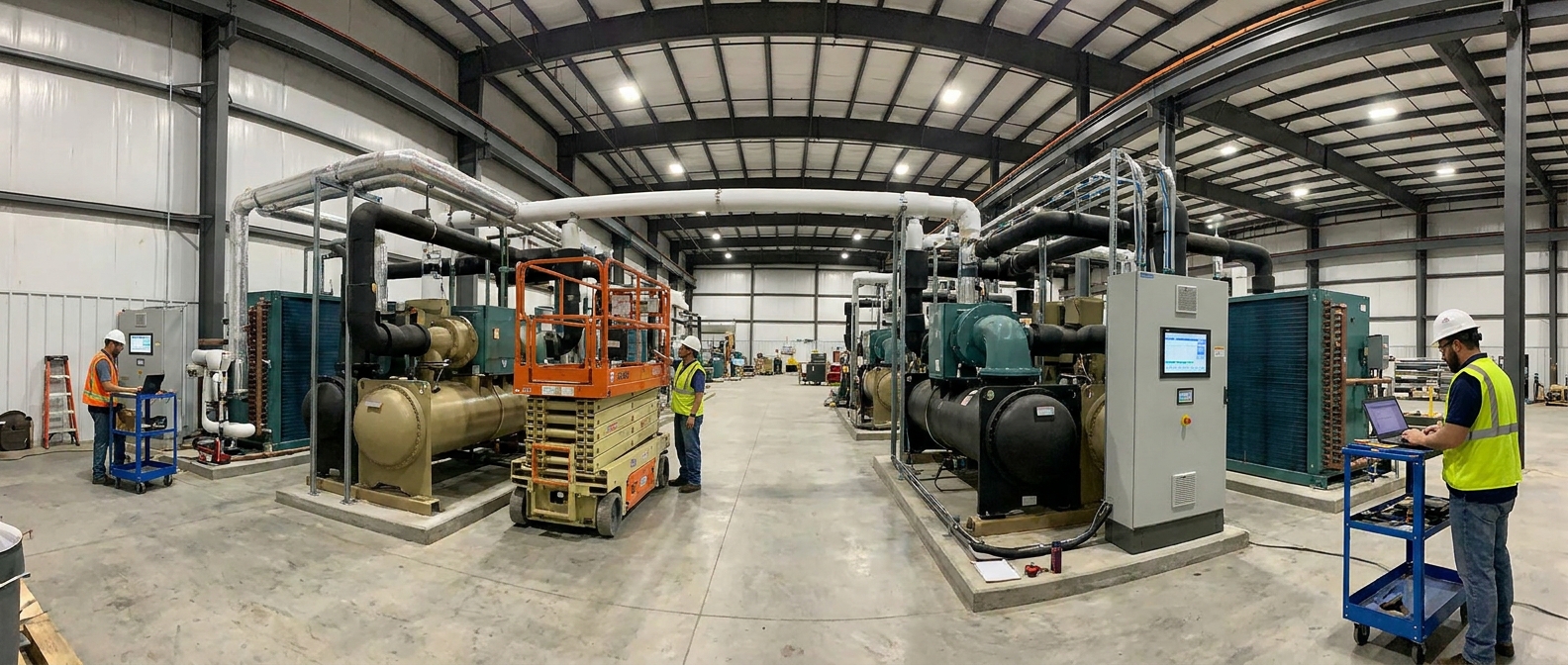
Optimizing your refrigeration system design is the most effective way to manage the cold storage warehouse construction cost without sacrificing performance. Modern centralized systems often have a higher initial price tag but offer better reliability than decentralized “plug-and-play” units.
What system type is most efficient?
Ammonia-based systems are highly efficient for large-scale operations, while CO2 systems are becoming popular for their lower environmental impact. Your choice depends on local regulations, safety requirements, and the specific cooling capacity needed for your throughput.
- Ammonia (NH3): High efficiency, higher safety install cost.
- CO2 (R744): Natural refrigerant, handles low temps well.
- Freon/Synthetic: Lower install cost, higher long-term regulatory risk.
You see.
Key Takeaway: Selecting a future-proof refrigerant avoids expensive retrofitting costs that often occur within five years of construction.
| System Type | Efficiency Rating | Maintenance Level | |
|---|---|---|---|
| Central Ammonia | High | Specialized | |
| Transcritical CO2 | Medium-High | Moderate | |
| Distributed DX | Low-Medium | High |
Refrigeration systems represent the heart of your facility and account for approximately 30-40% of the total building budget.
Will automation increase the cold storage warehouse construction cost?

Integrating automated storage and retrieval systems (ASRS) will significantly raise the initial cold storage warehouse construction cost but drastically lowers labor and energy expenses. Automation allows for much higher storage density, meaning you can build a smaller physical footprint to store the same volume of goods.
How does automation change the structure?
Automated facilities often require much tighter tolerances in the floor slab and structural steel. These precision requirements mean that engineering and specialized construction labor will demand a larger portion of your budget.
- ASRS Integration: High upfront tech and rack cost.
- High-Density Racking: Maximizes cube utilization.
- Floor Flatness: Requires “Superflat” concrete specifications.
Let’s look closer.
Key Takeaway: Automation can double the construction cost per square foot while halving the required land and energy footprint.
| Automation Level | Cost Impact | ROI Period | |
|---|---|---|---|
| Manual Racking | Baseline | N/A | |
| Semi-Automated | +20-35% | 4-6 Years | |
| Fully Automated | +60-100% | 7-10 Years |
The decision to automate should be based on your long-term throughput goals rather than just the initial capital expenditure.
Is floor design vital for cold storage warehouse construction cost?
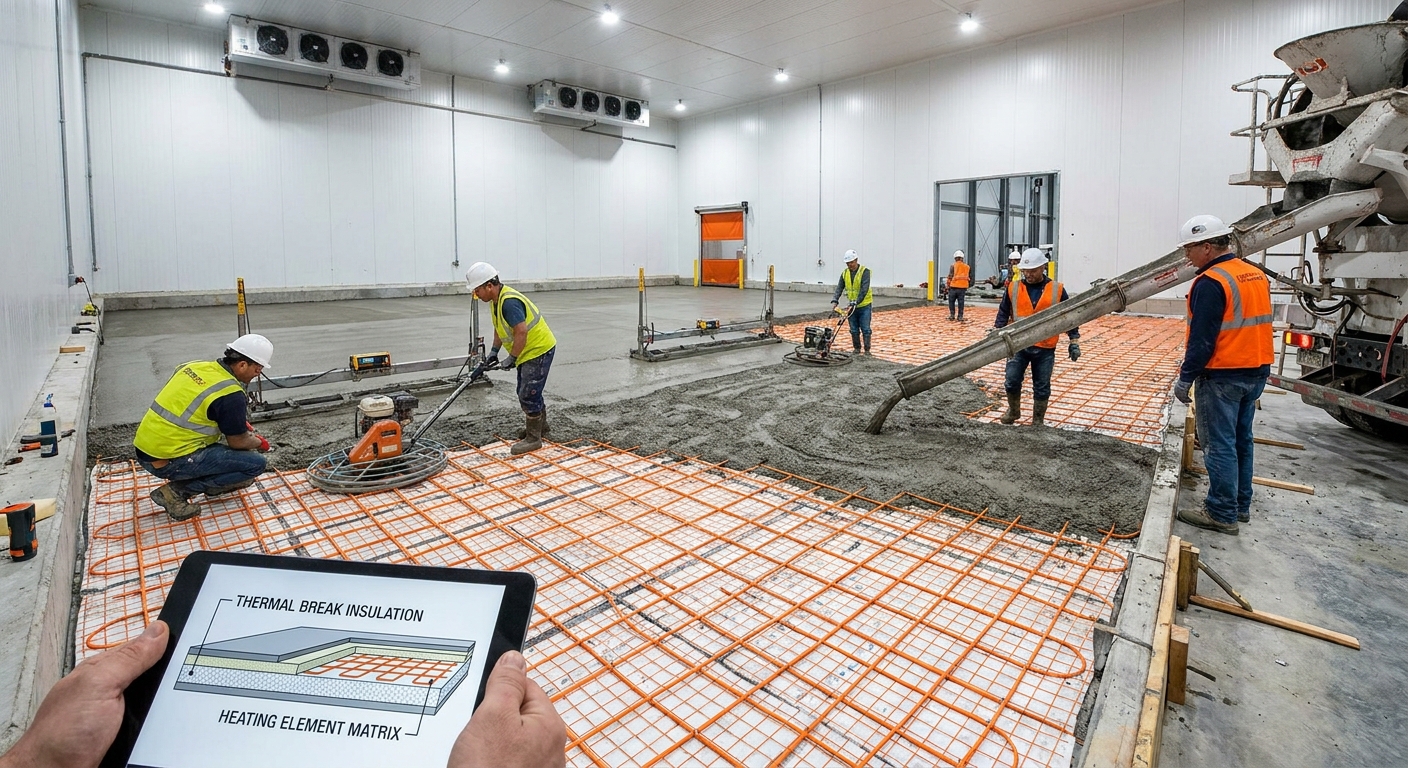
The floor is a critical component of the cold storage warehouse construction cost because it must include insulation and frost heave prevention. If the ground freezes beneath your freezer slab, it can heave and destroy the entire structural integrity of the warehouse.
Why is under-slab heating necessary?
In sub-zero environments, thermal energy must be introduced beneath the floor insulation to prevent the soil from freezing. This is usually achieved through electric heating mats or glycol-based hydronic systems embedded in the sub-base.
- Sub-base Insulation: High-density XPS boards are required.
- Heating Elements: Glycol loops or electric cables.
- Thermal Breaks: Essential at all door and column interfaces.
Don’t ignore this.
Key Takeaway: A poorly designed floor system can lead to total facility failure, making the 5-10% extra cost for frost protection a mandatory investment.
| Floor Component | Purpose | Cost Factor | |
|---|---|---|---|
| Frost Heave System | Prevents soil freezing | High Labor | |
| Insulation Layers | Retains cold in slab | Material Volume | |
| Structural Slab | Supports racking loads | Concrete Grade |
Your floor system must balance heavy structural loads with complex thermal protection to ensure long-term stability.
Receive a tailored engineering quote for your project quickly
Email:sales@showhoo.com.cn
Phone/WhatsApp: +86 186 7895 5927
Does clear height influence cold storage warehouse construction cost?
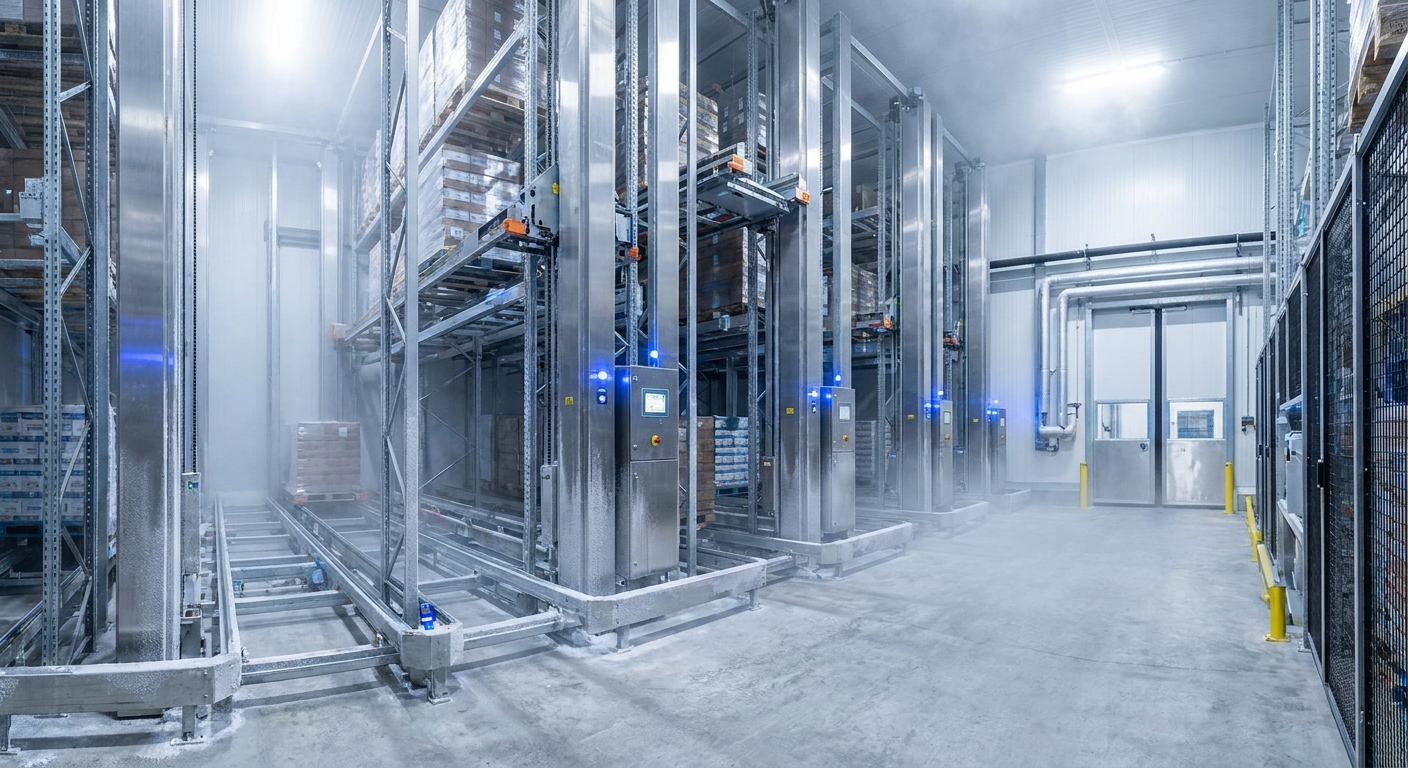
Increasing the clear height of your building is a strategic way to manage the cold storage warehouse construction cost by maximizing vertical storage capacity. Building higher rather than wider reduces the square footage of the roof and floor slab, which are the most expensive parts of the envelope to insulate.
What is the ideal height for 2026?
Modern cold storage facilities are trending toward clear heights of 40 to 60 feet to accommodate high-density racking. While the structural steel cost increases with height, the reduction in land and slab area often results in a lower cost per pallet position.
- Standard Height: 32 – 36 feet (Manual).
- High-Bay: 40 – 60 feet (Automated/Reach).
- Rack-Clad: 100+ feet (Structural Racking).
The numbers don’t lie.
Key Takeaway: Building taller can reduce your cost per pallet by 15% compared to a low-rise facility with the same capacity.
| Clear Height | Pallet Positions | Structure Complexity | |
|---|---|---|---|
| 32 Feet | 1.0x (Base) | Low | |
| 50 Feet | 1.6x | Moderate | |
| 80 Feet+ | 2.5x+ | High (Rack-Clad) |
Vertical expansion optimizes the most expensive components of the cold storage envelope, providing superior ROI for high-volume operators.
Can location change your cold storage warehouse construction cost?
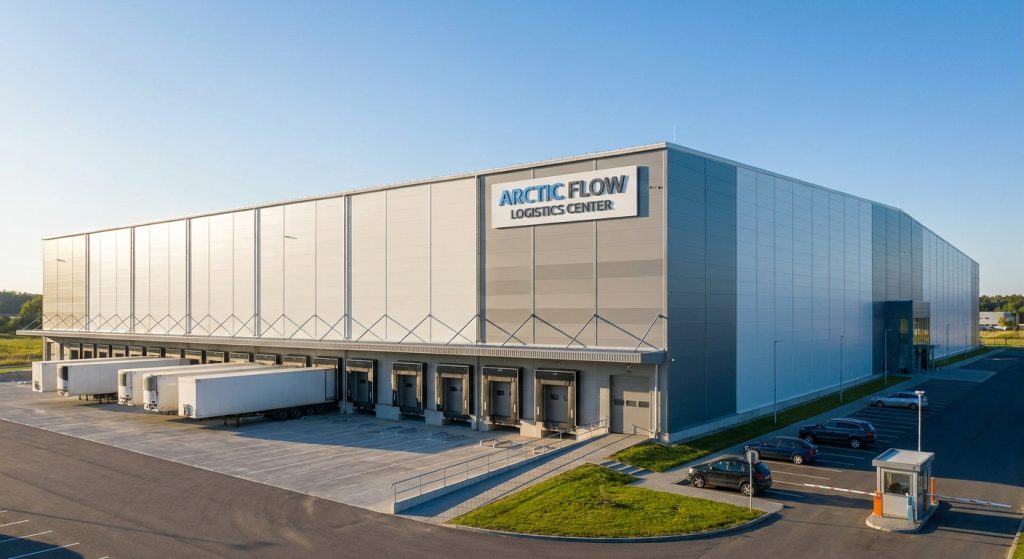
Regional labor rates and utility availability are external factors that can shift your cold storage warehouse construction cost by as much as 30%. Facilities built in remote areas may face higher transportation costs for materials, while urban sites often deal with expensive land and strict permitting.
Are utility upgrades expensive?
Cold storage requires a massive amount of electrical power for refrigeration and charging equipment. If your chosen site requires a new substation or significant line upgrades, these “beyond-the-bid” costs can add millions to your project.
- Power Grid: High demand requires heavy-duty service.
- Labor Market: Availability of specialized welders/insulators.
- Permit Fees: Vary wildly by municipality and zoning.
Wait for it.
Key Takeaway: Always perform a utility feasibility study before finalizing your site selection to avoid unexpected infrastructure costs.
| Location Type | Land Cost | Utility Ready | Labor Supply | |
|---|---|---|---|---|
| Urban Infill | High | Usually | High | |
| Suburban Park | Moderate | Variable | Moderate | |
| Rural/Remote | Low | Rare | Low |
Strategic site selection involves balancing the low cost of rural land against the high cost of bringing in necessary power and specialized labor.
Why does energy efficiency shift cold storage warehouse construction cost?
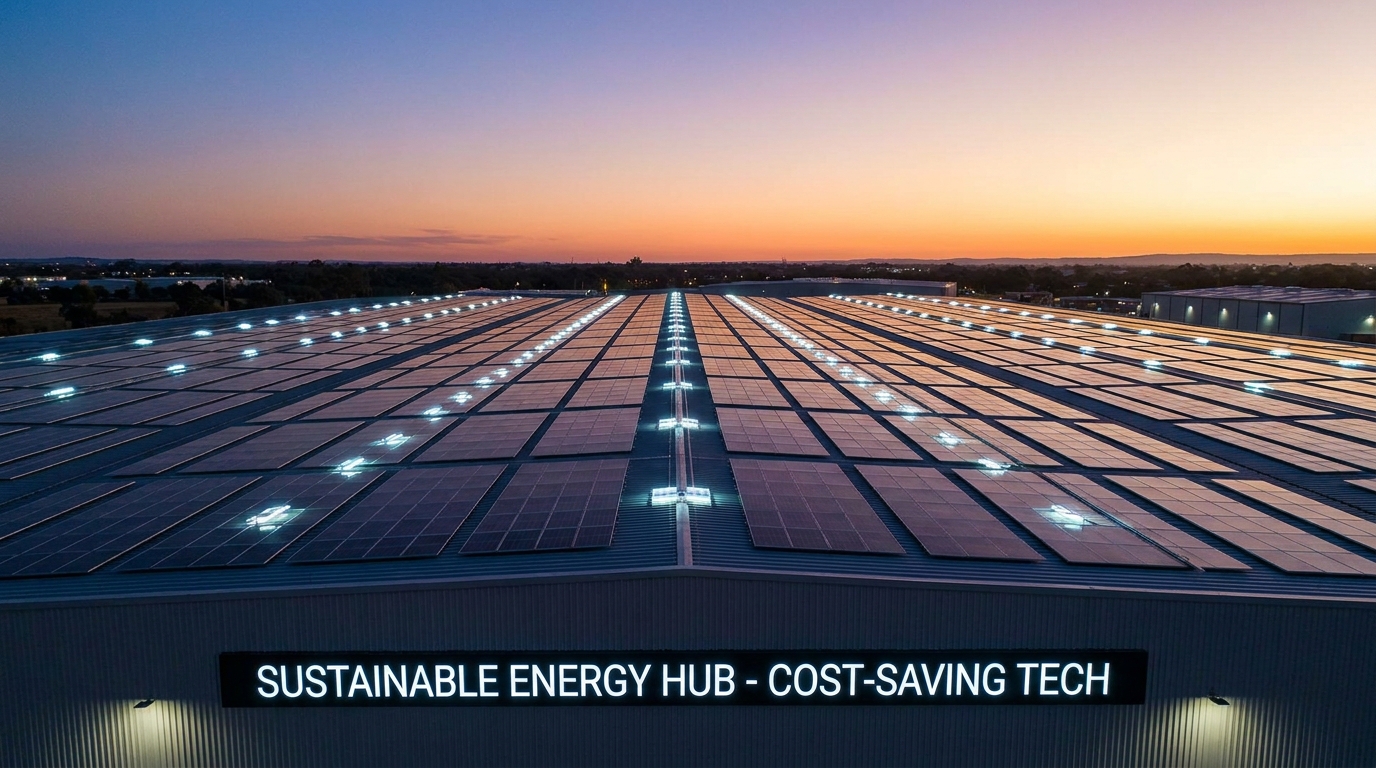
Investing in sustainable tech like solar arrays and smart controls increases the upfront cold storage warehouse construction cost but creates a more resilient asset. In 2026, many investors prioritize “green” facilities because they are less vulnerable to fluctuating energy prices.
How do solar panels help?
Large-scale cold storage roofs are ideal for solar installations because the peak energy production from the sun often aligns with the peak cooling demand of the refrigeration system. This synergy significantly shortens the payback period for renewable energy investments.
- Rooftop Solar: Offsets peak refrigeration loads.
- LED Lighting: Reduces internal heat gain.
- Smart Controls: Optimizes compressor cycles based on demand.
It’s a game changer.
Key Takeaway: Energy-efficient upgrades typically pay for themselves within 3 to 5 years through reduced utility bills and tax incentives.
| Efficiency Feature | Initial Cost | Est. Annual Saving | |
|---|---|---|---|
| Solar PV Array | 250k−750k | 20-40% of Power | |
| VFD Compressors | 50k−150k | 15% of Power | |
| Advanced BMS | 30k−80k | 10% of Power |
Sustainable design choices transform your facility from a massive energy consumer into a modern, cost-controlled logistics hub.
How to get a firm cold storage warehouse construction cost quote?
To secure an accurate cold storage warehouse construction cost estimate, you must provide a detailed operational scope that includes temperature requirements, pallet counts, and throughput speed. General contractors cannot give a reliable number without knowing the specific thermal loads and mechanical demands of your product.
What data do engineers need?
You should prepare a list of your expected inventory turnover rates and the exact temperature ranges for every zone. This data allows engineers to size the refrigeration system and insulation panels precisely, preventing over-specification and wasted capital.
- Inventory Specs: What is the product and its inflow temp?
- Pallet Logic: Dimensions, weight, and racking type.
- Automation Goal: Manual, semi, or fully automated?
Just ask.
Key Takeaway: The most accurate quotes come from “design-build” partners who manage both the engineering and the fabrication under one roof.
| Step in Quoting | Information Required | Outcome | |
|---|---|---|---|
| Conceptual Design | Facility size & Zones | Ballpark Budget | |
| Engineering Phase | Soil reports & Utility specs | Detailed Estimate | |
| Final Fabrication | Approved BIM models | Firm Contract Price |
Early collaboration with specialized manufacturers ensures that your budget remains stable from the initial concept to the final handover.
Conclusion
Navigating the complexities of cold storage warehouse construction cost in 2026 requires a balance between initial capital investment and long-term operational performance. We have solved the uncertainty of budgeting by highlighting the critical roles of insulation, refrigeration design, and vertical optimization. At Showhoo Building, we specialize in providing factory-direct steel structures and high-performance panel systems that ensure your facility remains competitive for decades. What we can do for you is streamline the entire process from design to delivery, reducing site errors and controlling costs through integrated manufacturing. Our brand vision is to empower global logistics through engineered excellence and sustainable building solutions. To start your journey toward a high-performance facility, contact us today for a comprehensive project consultation.
Receive a tailored engineering quote for your project quickly
Email:sales@showhoo.com.cn
Phone/WhatsApp: +86 186 7895 5927
FAQ
Can I build a cold storage facility on a standard warehouse budget? No, cold storage typically costs two to three times more than standard dry storage due to specialized floors, insulation, and refrigeration equipment.
What’s the best way to reduce the cost per pallet? Building vertically with a high-bay design is the most effective way to lower the cost per pallet position by reducing the roof and slab area.
Can I retrofit an existing dry warehouse into cold storage? Yes, but it is often expensive and requires adding a “box-in-a-box” insulation system and potentially reinforcing the floor for freezer applications.
What is the biggest hidden cost in cold storage projects? Utility upgrades and power infrastructure are often overlooked and can add significant unexpected expenses if the local grid cannot handle the load.
Can I expect any tax incentives for energy-efficient construction? In 2026, many regions offer significant tax breaks and grants for solar integration and high-efficiency refrigeration systems that use natural refrigerants.