
A metal aircraft hangar typically costs between 15 and 35 per square foot for the building kit, while a fully installed structure ranges from 50 to 120 per square foot depending on complexity.
Imagine standing on a windy airfield, watching your prized aircraft sit exposed to the elements because you are paralyzed by the complexity of construction pricing. The fear of hidden fees and fluctuating steel prices often prevents pilots and fleet owners from securing their investments. By understanding the specific variables of airplane hangar cost , you can move from uncertainty to a concrete plan for a durable, custom-engineered shelter.
What Is the Base Price for an Airplane Hangar Cost?
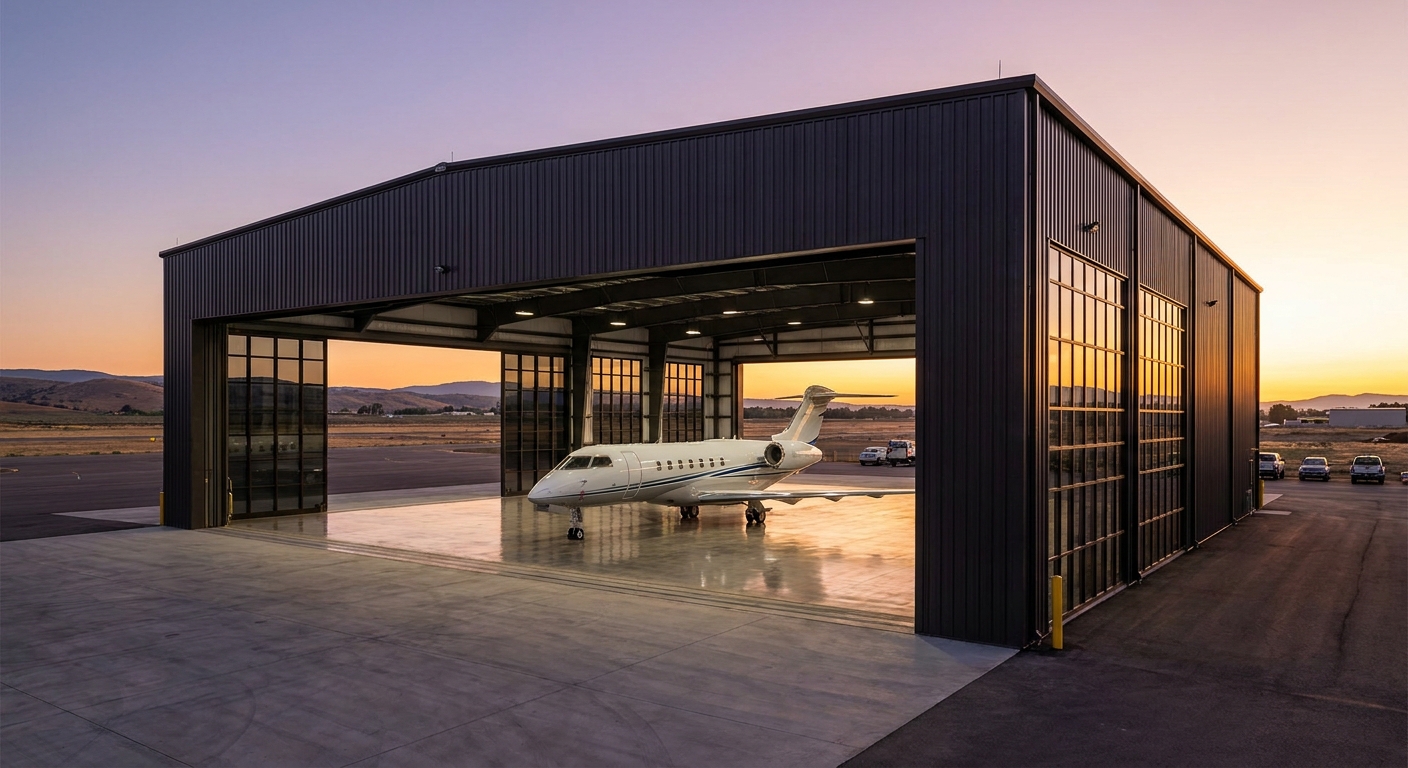
The base airplane hangar cost usually starts with the rigid-frame steel kit, which remains the most economical choice for wide-span aviation needs. Most owners find that a standard 40×40 hangar kit begins around $25,000, though this does not include the foundation or specialized doors.
Is a Pre-Engineered Kit More Affordable?
Choosing a pre-engineered metal building can save you up to 30% compared to traditional construction methods. These kits are manufactured with precision, meaning you won’t deal with the waste or labor intensity of on-site fabrication.
Think about it.
- Fast Assembly: Components arrive ready to bolt together.
- Precision Engineering: Every hole is pre-drilled to match standards.
- Material Efficiency: Steel provides the highest strength-to-weight ratio available.
| Component | Estimated Cost (Per Sq. Ft.) | Impact on Budget | |
|---|---|---|---|
| Steel Building Kit | 15–35 | Primary Expense | |
| Concrete Foundation | 6–12 | High Stability | |
| Basic Erection | 10–20 | Labor Intensive |
Detailed analysis of base pricing helps you establish a realistic floor for your total project investment.
Key Takeaway: Starting with a factory-direct kit is the most effective way for you to lock in a lower base price before adding customizations.
Which Factors Impact Airplane Hangar Cost?
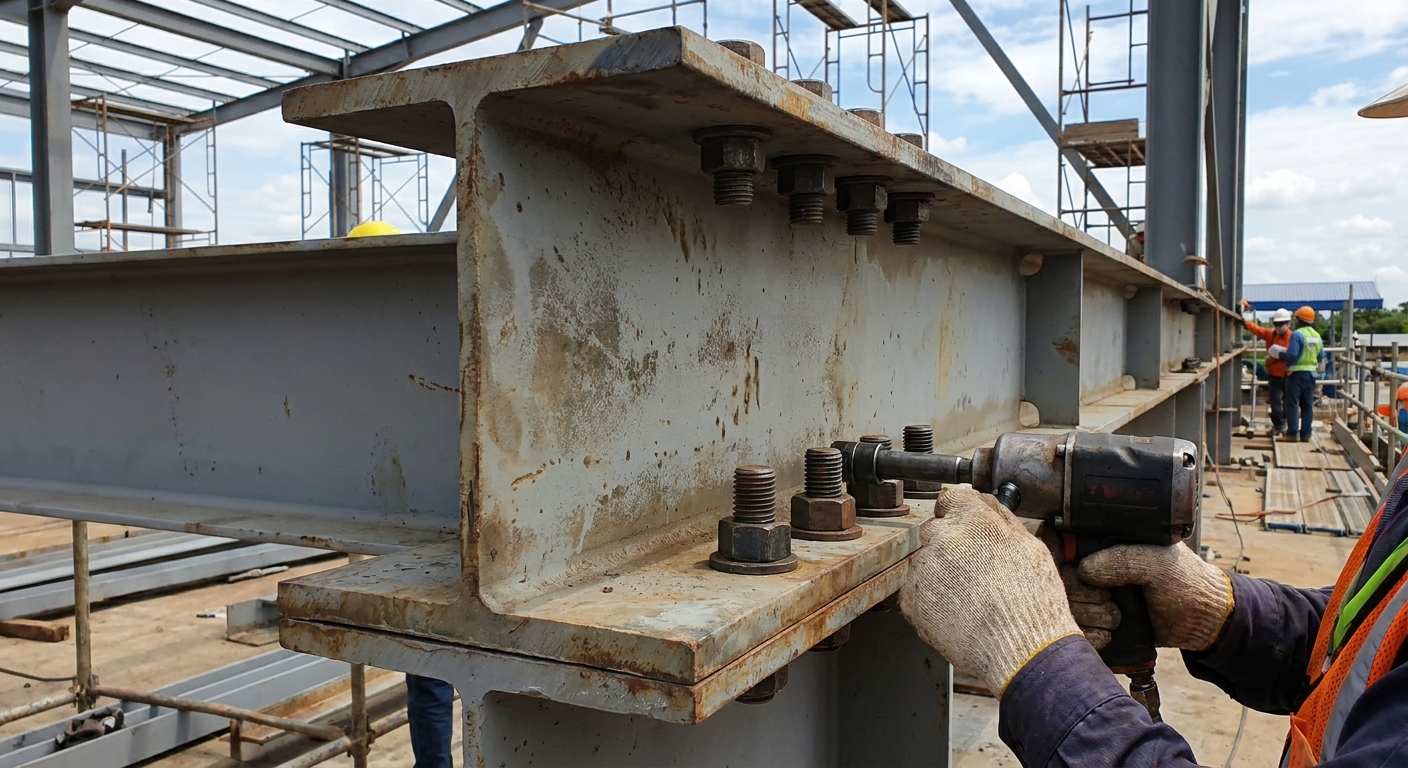
Several variables significantly shift the airplane hangar cost, ranging from local climate requirements to the current global price of raw steel. Understanding these factors allows you to prioritize features that matter most for your specific aircraft storage needs.
Do Design Loads Affect the Price?
Modern steel structures are designed to withstand extreme environmental stress without doubling the price. If you are building in an area with high snow loads or hurricane-force winds, the gauge of the steel and the bracing requirements will increase.
But here is the kicker:
- Wind Resistance: Higher wind speed ratings require more secondary bracing.
- Snow Loads: Heavier roof purlins are necessary for northern climates.
- Seismic Activity: Specialized connections may be required in earthquake zones.
| Factor | Cost Impact | Recommendation | |
|---|---|---|---|
| Steel Market Price | Variable | Order during price dips | |
| Wind/Snow Load | 10% – 20% Increase | Use local code minimums | |
| Custom Colors | 2% – 5% Increase | Stick to standard palettes |
Evaluating environmental factors early prevents you from facing unexpected design surcharges during the fabrication phase.
Key Takeaway: Customizing your design for local codes ensures safety and prevents expensive retrofitting in the future.
Email:sales@showhoo.com.cn
Phone/WhatsApp:+86 186 7895 5927
How Do Size and Clear Span Affect Your Budget?
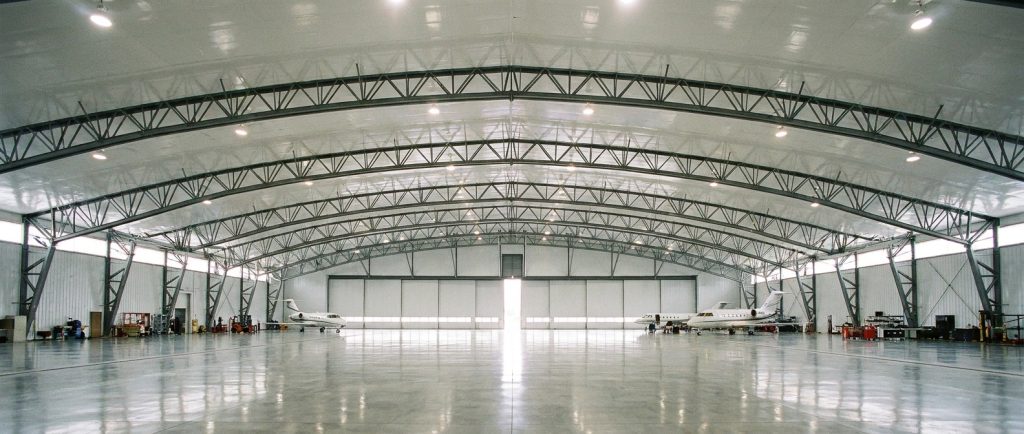
Calculating the airplane hangar cost is heavily dependent on the “clear span” width, which allows aircraft to move freely without interior support columns. As the width of the building increases, the size and weight of the steel rafters must also increase to support the roof load.
Why Is Clear Span More Expensive?
Every foot of width you add without a center column increases the structural demand on the main frame. While a general warehouse might use columns, an aviation hangar requires a specialized rigid frame to maintain an open floor plan for your fleet.
Look at it this way:
- 30-60 Feet: Most affordable span for private pilots.
- 70-100 Feet: Requires heavy-duty H-section steel beams.
- 120+ Feet: Specialized engineering for large jets.
| Hangar Size | Typical Aircraft | Estimated Kit Price | |
|---|---|---|---|
| 40′ x 40′ | Single Engine Prop | 28,000–35,000 | |
| 60′ x 60′ | Light Twin Engine | 55,000–70,000 | |
| 100′ x 100′ | Corporate Jet | 180,000–230,000 |
Size optimization is the most direct way for you to control the total volume of steel required for your build.
Key Takeaway: Optimizing your hangar’s width to the minimum necessary clear span can save you thousands in structural steel weight.
Does Location Influence Aviation Hangar Build Cost?
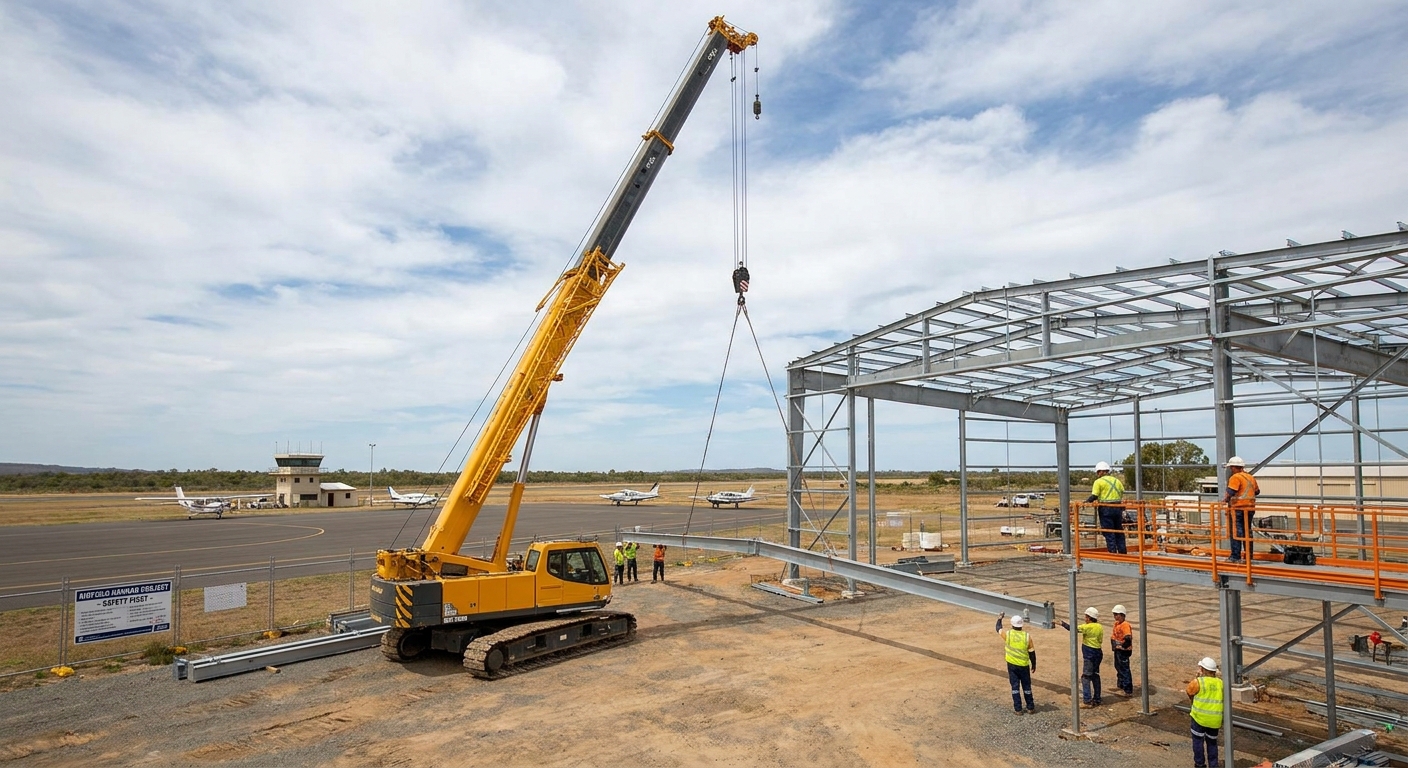
Your geographic location dictates the aviation hangar build cost because of varying shipping distances, local labor rates, and regional permit fees. Building in a remote airfield may increase logistical expenses, while urban locations often face stricter zoning and environmental regulations.
How Does Shipping Affect the Price?
Shipping heavy steel components can account for 5% to 10% of your total project expenses. Working with a manufacturer that offers integrated delivery can help you mitigate these logistical hurdles and stay on schedule.
The result?
- Freight Distance: Longer routes increase fuel surcharges for your delivery.
- Site Accessibility: Difficult terrain requires specialized delivery vehicles.
- Offloading Equipment: You will need a crane or heavy forklift on-site.
| Regional Factor | Cost Impact | Mitigation Strategy | |
|---|---|---|---|
| Shipping Distance | 2,000–8,000 | Group shipments | |
| Local Permits | 500–5,000 | Consult local engineers | |
| Labor Rates | High Variance | Use pre-drilled kits |
Regional logistics and regulatory requirements should be factored into your initial feasibility study to avoid delays.
Key Takeaway: Choosing a supplier with international logistics experience can streamline your delivery and reduce hidden shipping fees.
What Are the Options for Aircraft Shelter Pricing?
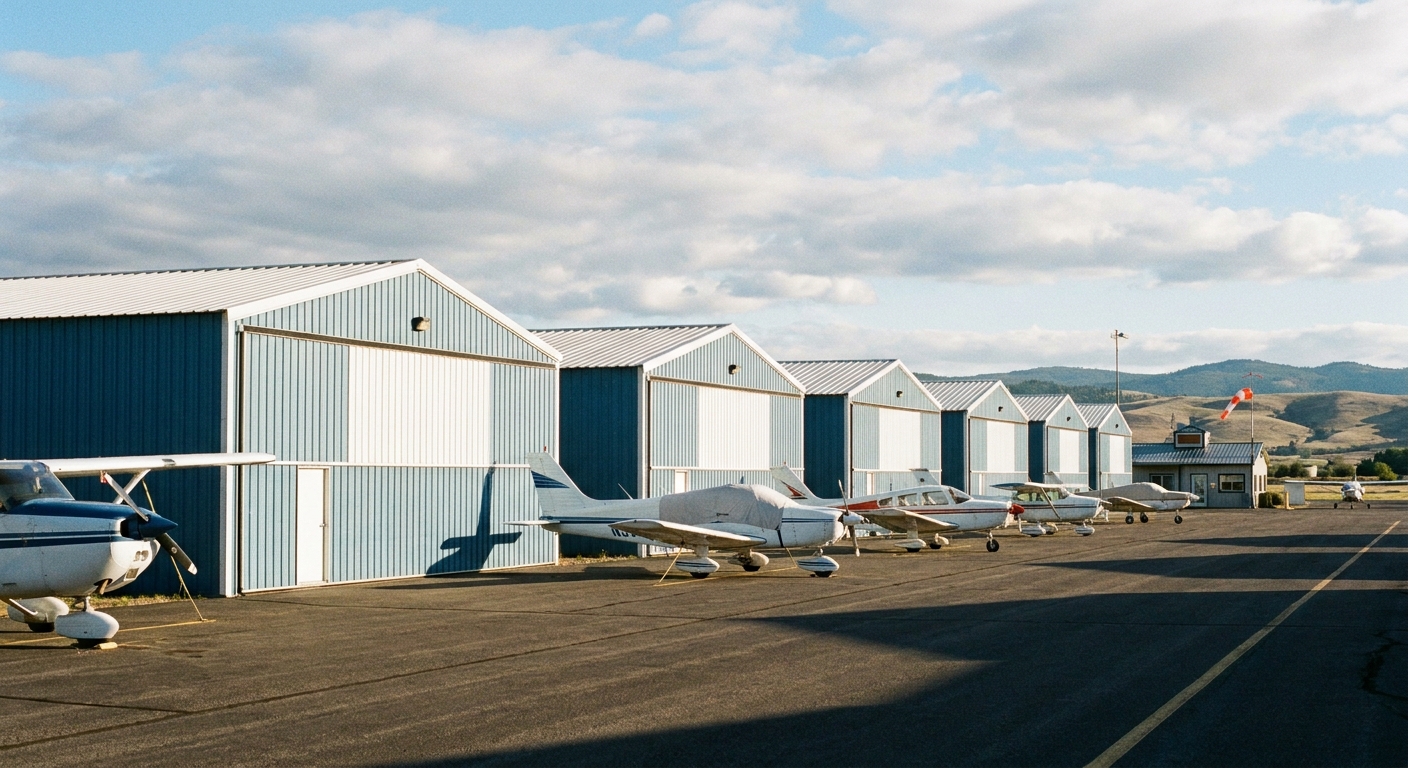
When looking at airplane hangar cost and aircraft shelter pricing, you must decide between a basic T-hangar or a large box hangar configuration. T-hangars are often more cost-effective for multiple aircraft, while box hangars offer more versatile storage and maintenance space.
Is a Box Hangar Worth the Investment?
A box hangar provides the flexibility most owners eventually desire for workshops or lounge areas. While the initial investment is higher, the resale value and utility of a square or rectangular structure are significantly better for your long-term needs.
Bottom line?
- T-Hangars: Efficient for stacking multiple small planes together.
- Box Hangars: Ideal for single-plane owners who want extra space.
- Executive Hangars: Include office suites and climate-controlled bays.
| Shelter Type | Primary Use | Cost Category | |
|---|---|---|---|
| T-Hangar | Rental Units | Moderate | |
| Box Hangar | Private Storage | Flexible | |
| Shade Hangar | Minimal Protection | Low |
Selecting the right hangar configuration ensures your space matches your operational workflow and aircraft type.
Key Takeaway: Evaluate your long-term needs; a larger box hangar often proves more economical over a ten-year period than a cramped T-hangar.
How Much Are Aircraft Maintenance Hangar Costs?
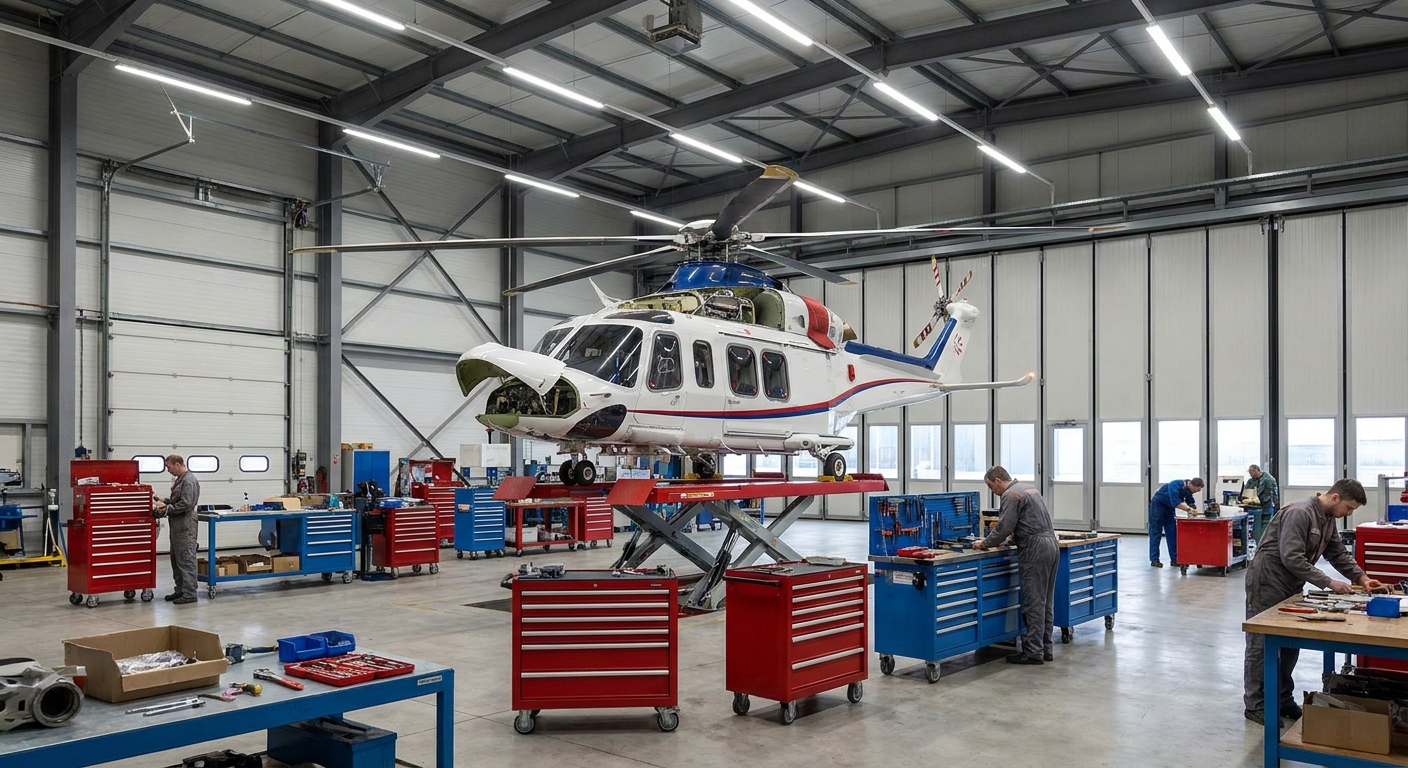
Specialized aircraft maintenance hangar costs are typically higher because these buildings require additional features like reinforced floors and overhead cranes. If you plan to perform repairs, your budget will include heavy-duty utility hookups and fire suppression systems.
What Features Drive Maintenance Costs?
A building designed for aviation maintenance must meet higher safety standards than a standard storage unit. This includes specialized lighting, ventilation for fumes, and often a thicker concrete slab to support your jacking points.
Keep this in mind:
- Epoxy Flooring: Protects your concrete from fuel and hydraulic fluid.
- Crane Rails: Integrated into the steel frame for engine lifts.
- High-Intensity Lighting: Essential for your detailed inspection work.
| Maintenance Feature | Purpose | Cost Impact | |
|---|---|---|---|
| Reinforced Slab | Support Jacking | +4 /sq.ft. | |
| Crane Brackets | Engine Removal | +7,000 | |
| Fire Suppression | Code Compliance | High Variable |
Maintenance hangars are high-value assets that require specific structural reinforcements for industrial use.
Key Takeaway: Investing in maintenance-ready features during the initial build is cheaper than adding them to a finished structure later.
Email:sales@showhoo.com.cn
Phone/WhatsApp:+86 186 7895 5927
What Are the Expenses for Airfield Hangar Development?
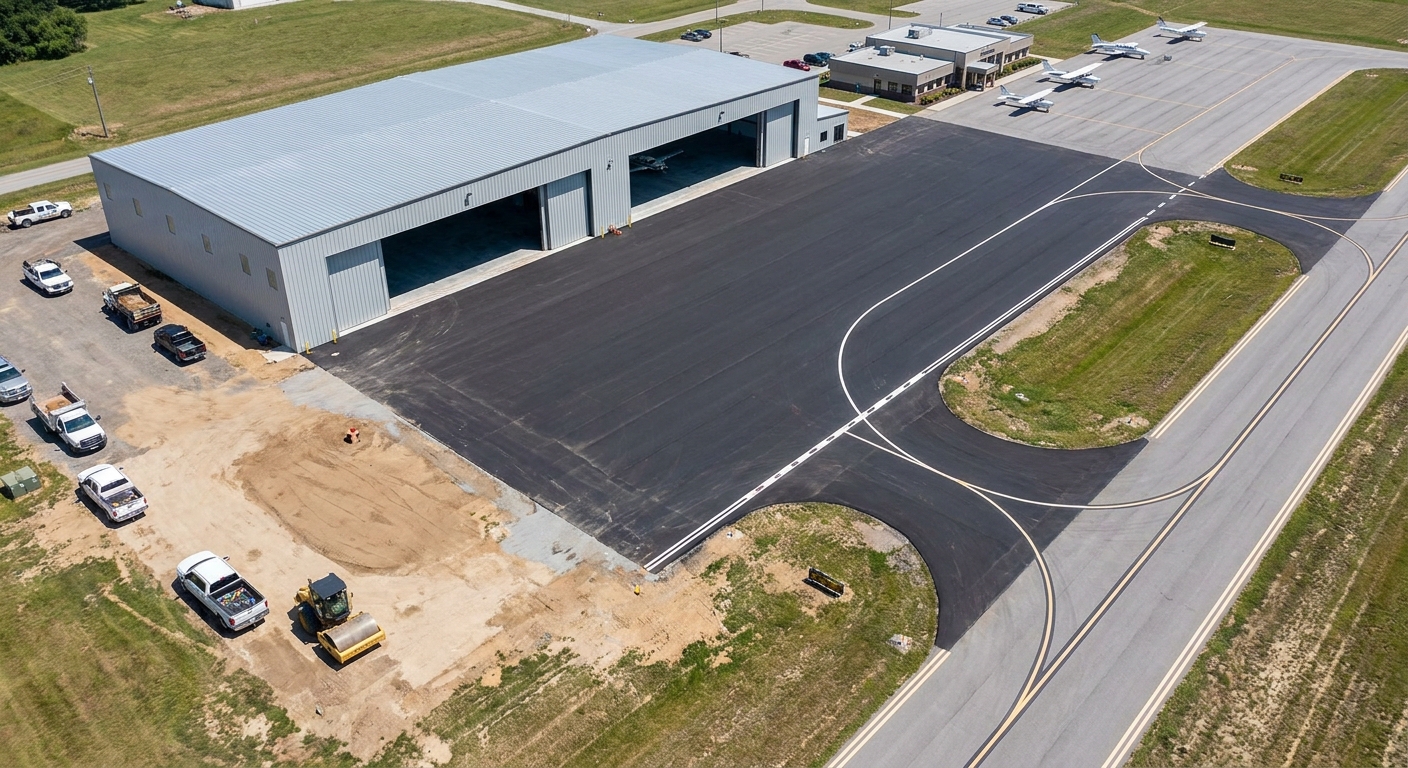
Planning for airfield hangar development cost involves more than just the building; it includes the taxiway access and utility tie-ins. The airplane hangar cost can grow quickly if you have to pave a long apron to connect to the main runway.
Are Utility Connections Expensive?
Bringing power, water, and sewage to an airfield lot can be one of the biggest unseen expenses for your project. You must coordinate with the airport authority to ensure your development meets their master plan and utility capacity.
Think about it.
- Taxiway Paving: Must meet weight-bearing standards for your aircraft.
- Drainage Systems: Prevents water pooling around your hangar doors.
- Security Fencing: Often required for airport-side developments.
| Development Item | Average Cost | Priority | |
|---|---|---|---|
| Paved Apron | 8–15 /sq.ft. | Critical | |
| Utility Trenching | 50–100 /linear ft. | High | |
| Land Clearing | 2,000–10,000 | Moderate |
Comprehensive development planning prevents your hangar from becoming an island without runway access.
Key Takeaway: Always get a customized quote that accounts for the site work required to make your building functional.
Why Choose Steel for Airplane Storage Facility Cost?

When comparing airplane storage facility cost options, steel is the industry standard for durability and fire resistance. The price of a metal building is offset by lower insurance premiums and minimal maintenance over decades of use.
How Does Steel Protect Your Investment?
Wood or fabric structures simply cannot offer you the same level of protection against pests, fire, and rot. Steel is non-combustible, which is a major safety factor when you are storing thousands of gallons of aviation fuel.
But here is the kicker:
- Longevity: Steel frames can last 50+ years with basic care.
- Pest Resistance: No risk of termites or wood-boring insects.
- Insurance Savings: Metal buildings often qualify for lower fire insurance rates.
| Material | Durability | Maintenance Level | |
|---|---|---|---|
| Pre-Engineered Steel | Very High | Low | |
| Wood Frame | Moderate | High | |
| Fabric/PVC | Low | Moderate |
Steel’s inherent properties provide a level of security and longevity that other materials cannot match for your aircraft.
Key Takeaway: The lifecycle cost of steel is significantly lower than any other material, making it the smartest long-term investment.
What Are the Long-Term Airplane Hangar Installation Costs?
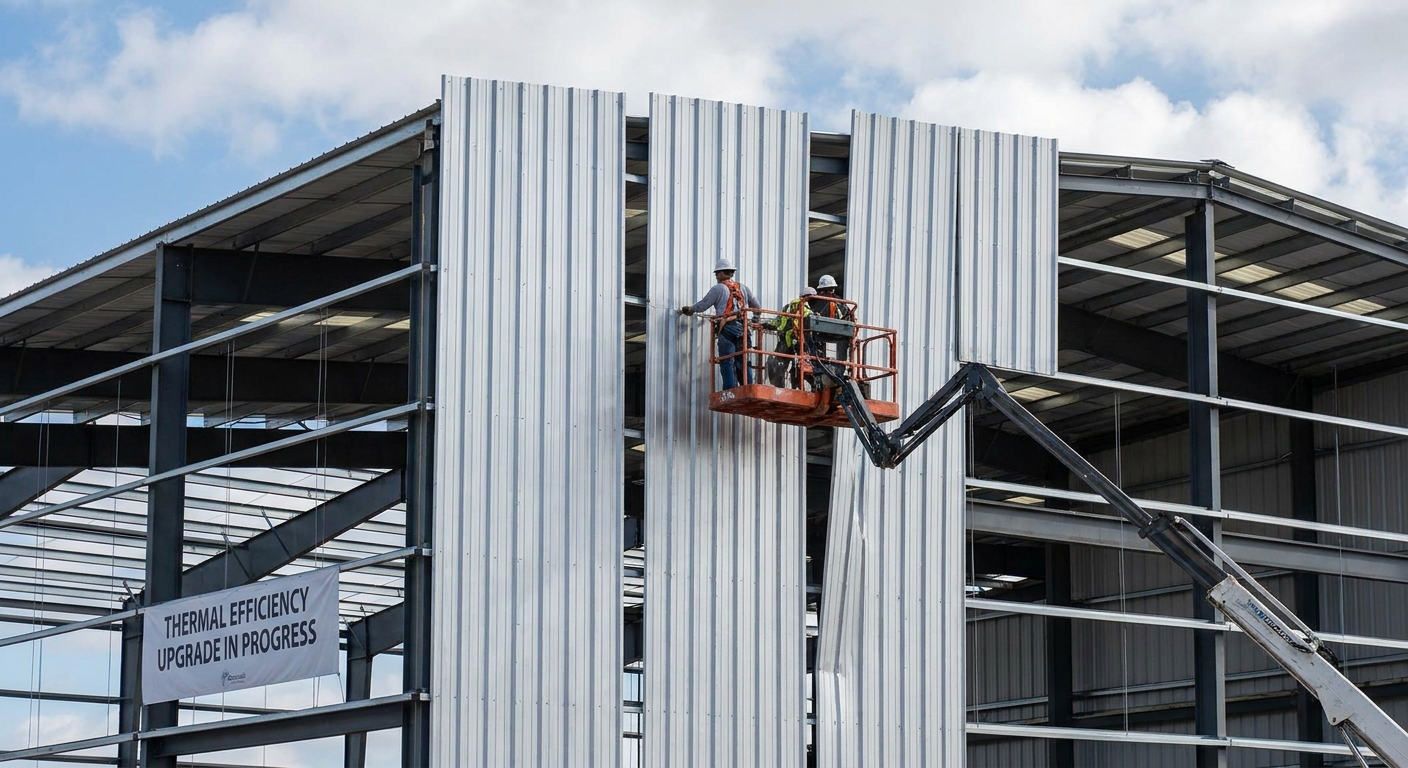
Beyond the initial purchase, airplane hangar cost and installation expenses include the long-term items like insulation and door maintenance. A poorly insulated hangar will result in a higher cost over time due to energy loss and condensation damage.
Why Is Insulation Necessary?
Condensation is the enemy of your aviation electronics and metal surfaces. High-quality insulation not only keeps the hangar comfortable for you but also maintains a stable environment to prevent corrosion on your airframe.
The result?
- Fiberglass Batt: Economical and effective for most climates.
- Spray Foam: Superior air sealing and moisture control for you.
- Insulated Metal Panels: The gold standard for climate control.
| Insulation Type | R-Value | Performance | |
|---|---|---|---|
| 4″ Fiberglass | R-13 | Basic | |
| 2″ Spray Foam | R-14 | Excellent Seal | |
| 3″ IMP Panel | R-21+ | Premium |
Long-term operational costs are heavily influenced by the thermal efficiency of your building envelope.
Key Takeaway: Spending more on insulation upfront will pay for itself through lower utility bills and better aircraft preservation.
How Can You Reduce the Total Airplane Hangar Cost?

Reducing the total airplane hangar cost is possible by focusing on standard sizes and factory-direct sourcing. By avoiding middleman markups and choosing a customized solution, you can keep your project within a strict budget.
Can You Save Money on Doors?
Hangar doors are often the single most expensive accessory, sometimes costing as much as the building itself. Choosing a standard sliding door instead of a hydraulic bi-fold can save you $10,000 or more on your total expenses.
Look at it this way:
- Sliding Doors: Simplest and most cost-effective for your budget.
- Bi-fold Doors: Great for snow-prone areas but more expensive.
- Standard Dimensions: Stick to off-the-shelf sizes to avoid custom fees.
| Savings Strategy | Estimated Benefit | Effort Level | |
|---|---|---|---|
| Use Standard Sizes | 5,000–15,000 | Easy | |
| Choose Sliding Doors | 8,000–20,000 | Moderate | |
| DIY Site Prep | 2,000–5,000 | Hard |
Strategic decision-making during the design phase is the most effective way for you to slash your total expenditure.
Key Takeaway: Small adjustments in door style and building dimensions can lead to massive savings without sacrificing structural integrity.
Conclusion
Determining the right budget for your aviation project requires a balance between structural needs and long-term utility. This guide has explored the primary drivers of airplane hangar cost, from the efficiency of pre-engineered steel kits to the specialized requirements of maintenance facilities. By prioritizing clear-span engineering and high-quality materials, you ensure your aircraft is protected by a structure that retains its value for decades.
At the core of every successful build is a commitment to precision and factory-direct transparency. We specialize in delivering integrated, installation-ready steel systems that eliminate the frustration of site delays and missing components. If you are ready to move from planning to action, contact us today to receive a detailed quote tailored to your airfield’s specific requirements. Our mission is to provide global aviation leaders with the structural excellence they need to fly with confidence.
Email:sales@showhoo.com.cn
Phone/WhatsApp:+86 186 7895 5927
Frequently Asked Questions
1.Can I build a metal hangar myself to save money?
Yes, it is possible if you have experience with heavy machinery and structural assembly. However, because hangar components like long-span rafters are extremely heavy, most owners hire a professional crew for the primary frame erection to ensure safety and structural alignment.
2.What’s the best type of door for a budget-friendly hangar?
The most cost-effective option is typically a manual sliding door system. These doors require fewer mechanical parts and no electrical motors, which significantly reduces both your initial purchase price and long-term maintenance costs compared to hydraulic versions.
3.How do I know if I need a specialized foundation?
You will definitely need a specialized foundation if your aircraft is heavy or if you plan to use heavy jacking equipment. A standard 4-inch slab is usually sufficient for light prop planes, but maintenance hangars often require 6 to 8 inches of reinforced concrete.
4.Can I insulate my hangar after it has been built?
Absolutely, though it is much more labor-intensive and expensive than doing it during the initial build. Adding spray foam after the wall and roof panels are already in place requires more prep work and often leaves gaps that reduce your thermal efficiency.
5.What’s the best way to prevent condensation in a metal hangar?
The best way is to combine high-quality insulation with a proper vapor barrier and adequate ventilation. By keeping the interior surface temperature of the steel above the dew point, you prevent moisture from forming and dripping onto your aircraft’s sensitive electronics.