
Metal church buildings are the most efficient way to build a high-capacity sanctuary without the financial burden of traditional masonry. You are likely facing the stress of a growing congregation while dealing with a stagnant building fund that cannot keep up with rising material costs. This gap between your vision and your reality often leads to stalled outreach and crowded services that turn away new visitors. By choosing metal church buildings , you can bridge this gap with a structure that offers 30-50% savings and superior durability.
Why choose metal for church construction?
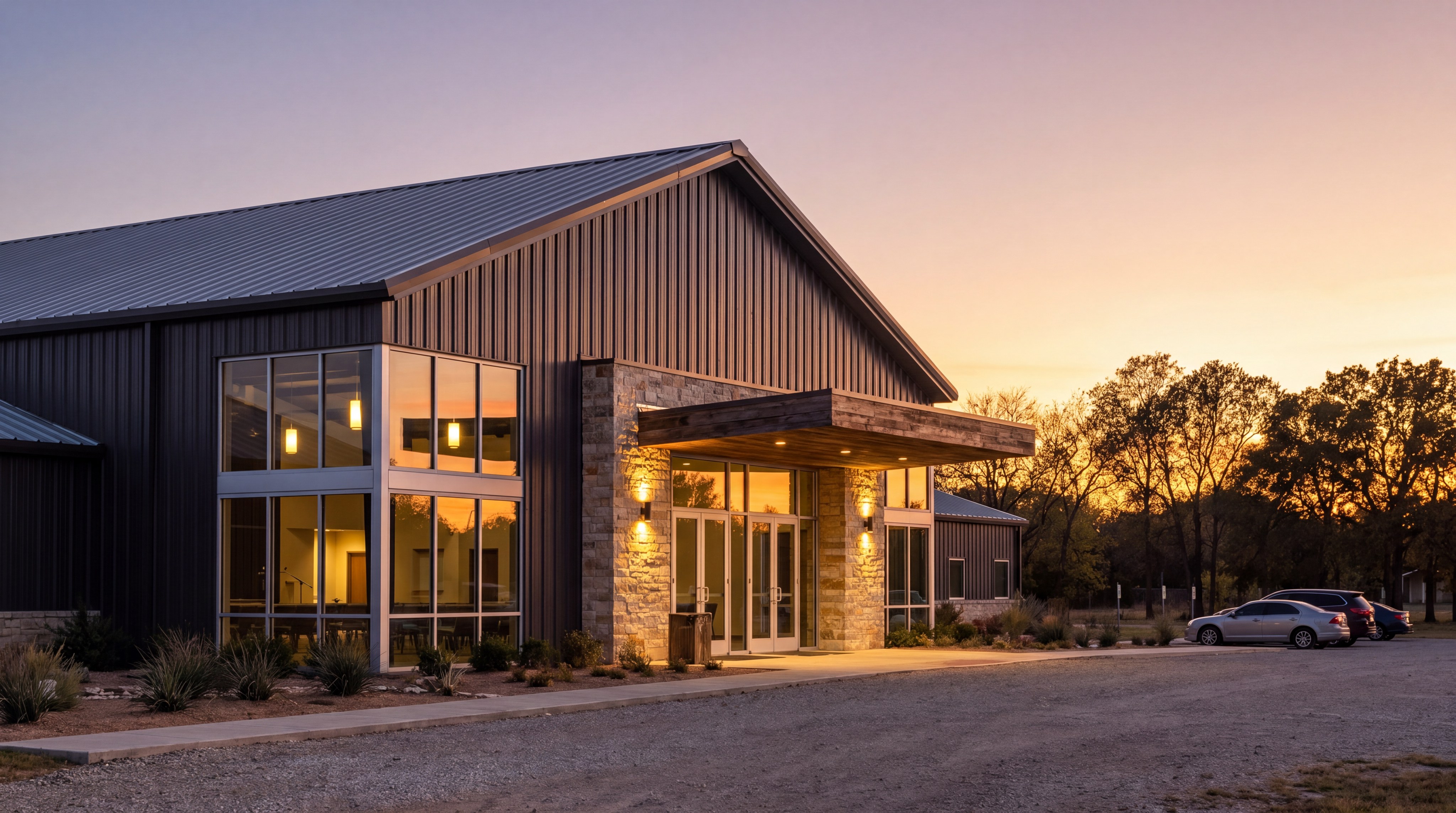
Metal church buildings offer unmatched structural integrity and cost-efficiency compared to wood-frame or brick alternatives. You benefit from a material that resists rot, termites, and fire, ensuring your sanctuary remains a safe haven for decades. This reliability allows your leadership to focus on ministry rather than constant facility repairs.
Superior structural durability
Steel frames provide the highest strength-to-weight ratio of any modern building material available today. This means your facility can withstand extreme weather events, including heavy snow loads and high wind speeds, without compromising safety.
- High-grade carbon steel components
- Non-combustible building materials
- Resistance to seismic activity
- Anti-corrosive coating systems
The best part is: the inherent strength of steel allows for larger windows and taller ceilings that would be cost-prohibitive in wood.
Low maintenance requirements
You can significantly reduce your monthly operational budget by opting for pre-finished metal panels and standing seam roofs. These systems require minimal upkeep, freeing up thousands of dollars in your annual budget for community outreach.
- 40-year paint warranties
- No siding replacement needed
- Easy-to-clean exterior surfaces
- Highly durable roofing systems
Here is the kicker: because the materials are inorganic, you never have to worry about the structural rot that plagues traditional timber buildings.
Key Takeaway: Metal construction provides a “set it and forget it” foundation that protects your congregation’s financial future.
| Benefit | Metal Buildings | Traditional Wood | |
|---|---|---|---|
| Lifespan | 50+ Years | 20-30 Years | |
| Maintenance | Extremely Low | Moderate to High | |
| Fire Safety | Non-Combustible | Highly Flammable |
The comparison above illustrates why religious organizations are increasingly pivoting toward steel to maximize their long-term investment.
How do metal buildings maximize worship space?
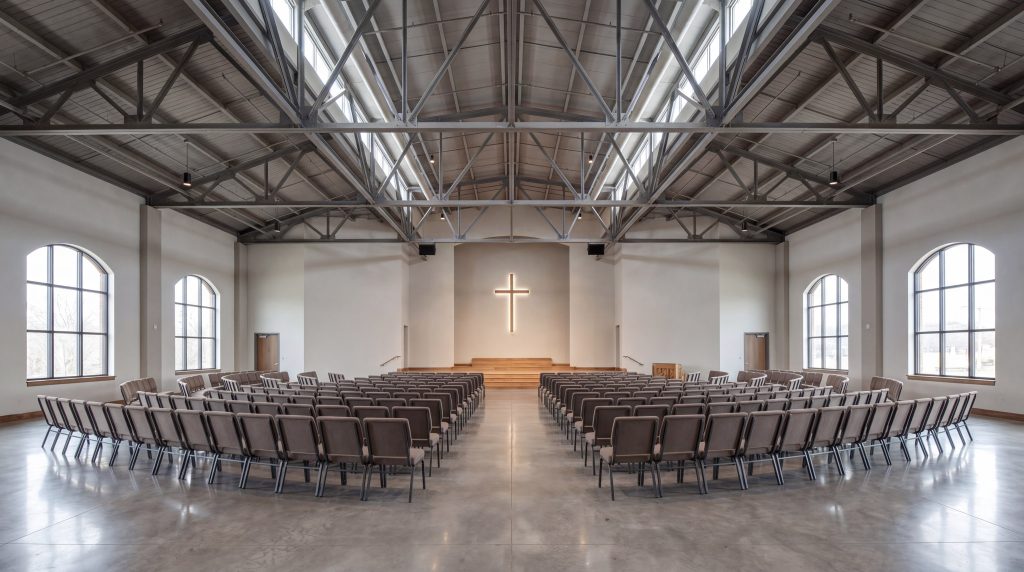
Metal church buildings utilize clear-span engineering to create massive, open interiors without the need for intrusive support columns. You can design a sanctuary that seats hundreds or thousands of people with completely unobstructed sightlines to the pulpit or stage. This flexibility ensures that every member of your congregation feels connected to the service.
Clear-span engineering advantages
This technology allows you to span distances of over 200 feet without a single interior pillar. This creates a versatile footprint that can accommodate revolving stages, large choir lofts, and expansive seating arrangements tailored to your worship style.
- Column-free interior layouts
- High-pitched ceiling options
- Mezzanine level compatibility
- Heavy equipment support
Think about it: you can host large-scale productions and conferences without worrying about pillars blocking the view of your visitors.
Flexible interior floor plans
Because the exterior steel frame carries the entire structural load, you have the freedom to move interior walls as your needs change. You can easily partition the space for Sunday school, administrative offices, or a dedicated youth center.
- Removable partition wall systems
- Modular classroom configurations
- Multi-use fellowship areas
- Integrated storage solutions
But wait, there’s more: as your ministry grows, you can reconfigure the interior overnight without needing a structural engineer to approve load-bearing changes.
Key Takeaway: Clear-span designs offer the ultimate freedom to create a worship environment that is both grand and functional.
| Layout Feature | Clear-Span Steel | Traditional Post-and-Beam | |
|---|---|---|---|
| Pillar Frequency | Zero Interior Columns | Every 15-20 Feet | |
| Sightlines | 100% Unobstructed | Frequently Blocked | |
| Renovation Ease | High (Non-load walls) | Low (Structural walls) |
Unobstructed space is the primary reason many modern mega-churches utilize steel to foster a sense of unity during worship.
Email:sales@showhoo.com.cn
Phone/WhatsApp:+86 186 7895 5927
What is the cost of metal church buildings?
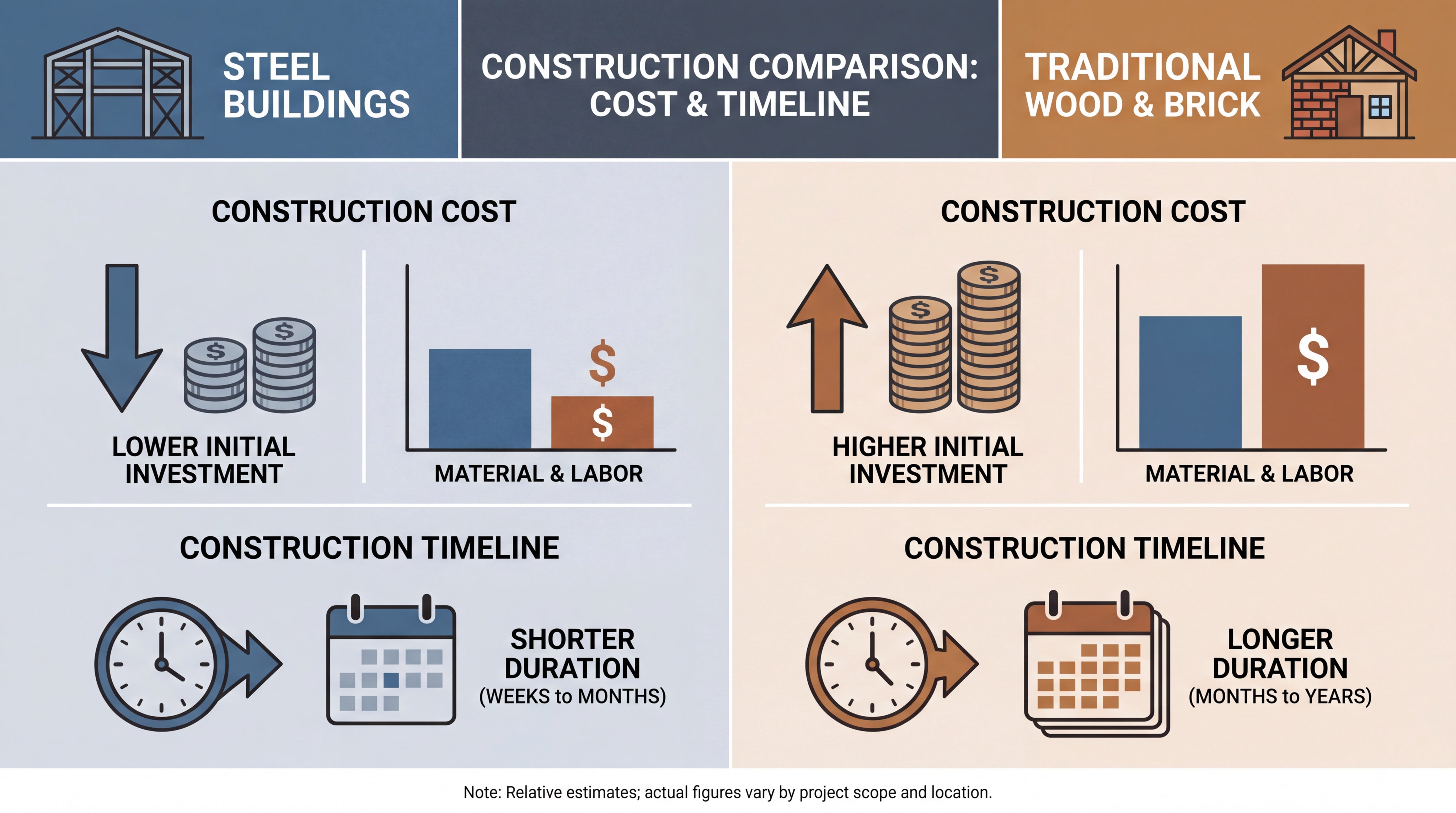
Metal church buildings typically range from 12 to 25 per square foot for the primary building package from a reputable church building manufacturer . You will find that these factory-direct prices allow for significant savings compared to the rising costs of lumber and masonry. By streamlining the procurement process, you can lock in prices and avoid the inflationary spikes common in local hardware markets.
Affordable base package pricing
The base building package includes your engineered steel frame, high-performance wall panels, and all necessary connection hardware. This all-in-one delivery model reduces the complexity of your supply chain and ensures every piece arrives ready for assembly.
- Engineered H-section steel columns
- Galvanized purlins and girts
- Color-matched metal cladding
- High-strength anchor bolts
Believe it or not, you can save up to 40% on material costs alone by bypassing traditional construction retail channels.
Reduced labor and site costs
You save substantial money during the erection phase because the components are pre-cut, pre-drilled, and welded at the factory. This precision manufacturing reduces the on-site labor hours required to get your building dried-in and ready for interior finishes.
- Minimal on-site welding needed
- Faster foundation preparation
- Reduced heavy equipment rental
- Smaller construction crews
It gets even better: since the building kit arrives organized, your local contractor can complete the exterior shell in a fraction of the usual time.
Key Takeaway: Factory-direct steel buildings offer a predictable and low-cost path to owning your own permanent worship facility.
| Cost Category | Steel Building Kit | Traditional Construction | |
|---|---|---|---|
| Material Cost | Lower (Direct) | Higher (Retail) | |
| Labor Hours | Reduced (Assembly) | High (Custom Build) | |
| Waste Disposal | Near Zero | Substantial |
The financial data confirms that steel provides a much lower entry point for congregations seeking to move out of rented spaces.
How fast can a steel church be erected?
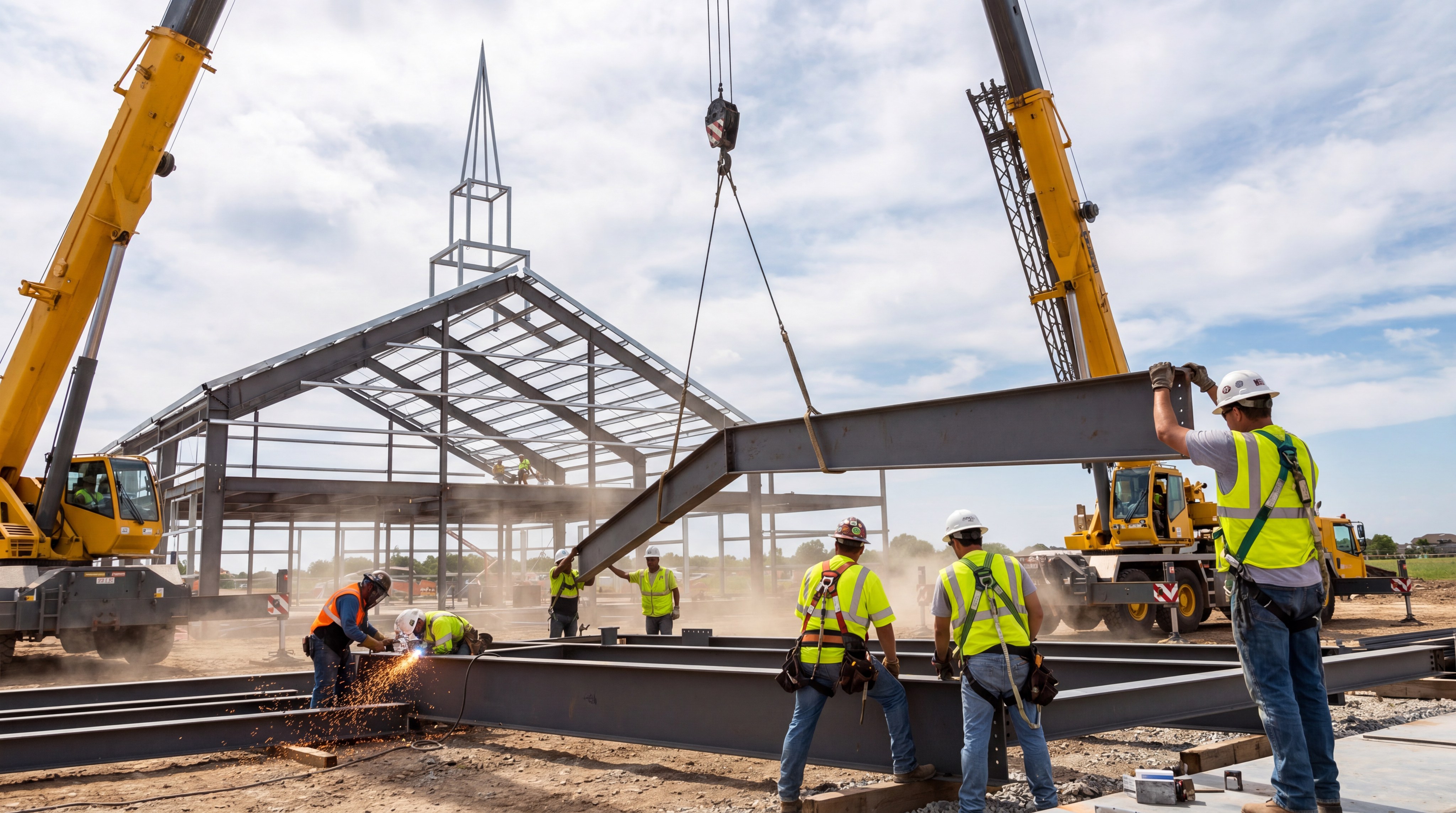
Metal church buildings are designed for rapid assembly, often reducing the total construction timeline by 50% or more. You can expect your primary structure to be standing and weather-tight in a matter of weeks rather than the many months required for traditional builds. This speed allows your ministry to occupy its new home sooner and start generating community impact immediately.
Pre-engineered for speed
Every component of your building is precision-engineered using advanced BIM software before it ever leaves the factory floor. This means there is no “guesswork” on-site; every beam and panel fits perfectly into place according to the detailed blueprints provided.
- Laser-cut steel components
- Pre-drilled bolt hole patterns
- Sequenced delivery logistics
- Simplified assembly manuals
Make no mistake: this “Lego-like” assembly process is what allows churches to go from foundation to roof in record time.
Weather-independent construction
Unlike wood or brick, steel components are not affected by humidity, rain, or extreme cold during the assembly process. You avoid the costly delays associated with material warping or masonry curing times, keeping your project on a strict schedule regardless of the season.
- Resilient during rain/snow
- No drying time required
- Instant structural loading
- Year-round build capability
Here is the kicker: once the roof panels are secured, your interior trades can begin work immediately, regardless of outside conditions.
Key Takeaway: Speed of construction translates directly into lower interest on loans and faster growth for your ministry.
| Milestone | Steel Timeline | Traditional Timeline | |
|---|---|---|---|
| Frame Erection | 1-2 Weeks | 4-8 Weeks | |
| Exterior Cladding | 1-2 Weeks | 6-12 Weeks | |
| Total Build Time | 3-5 Months | 10-14 Months |
Rapid occupancy is often the deciding factor for churches that have outgrown their current leases and need immediate solutions.
Can metal churches look traditional?
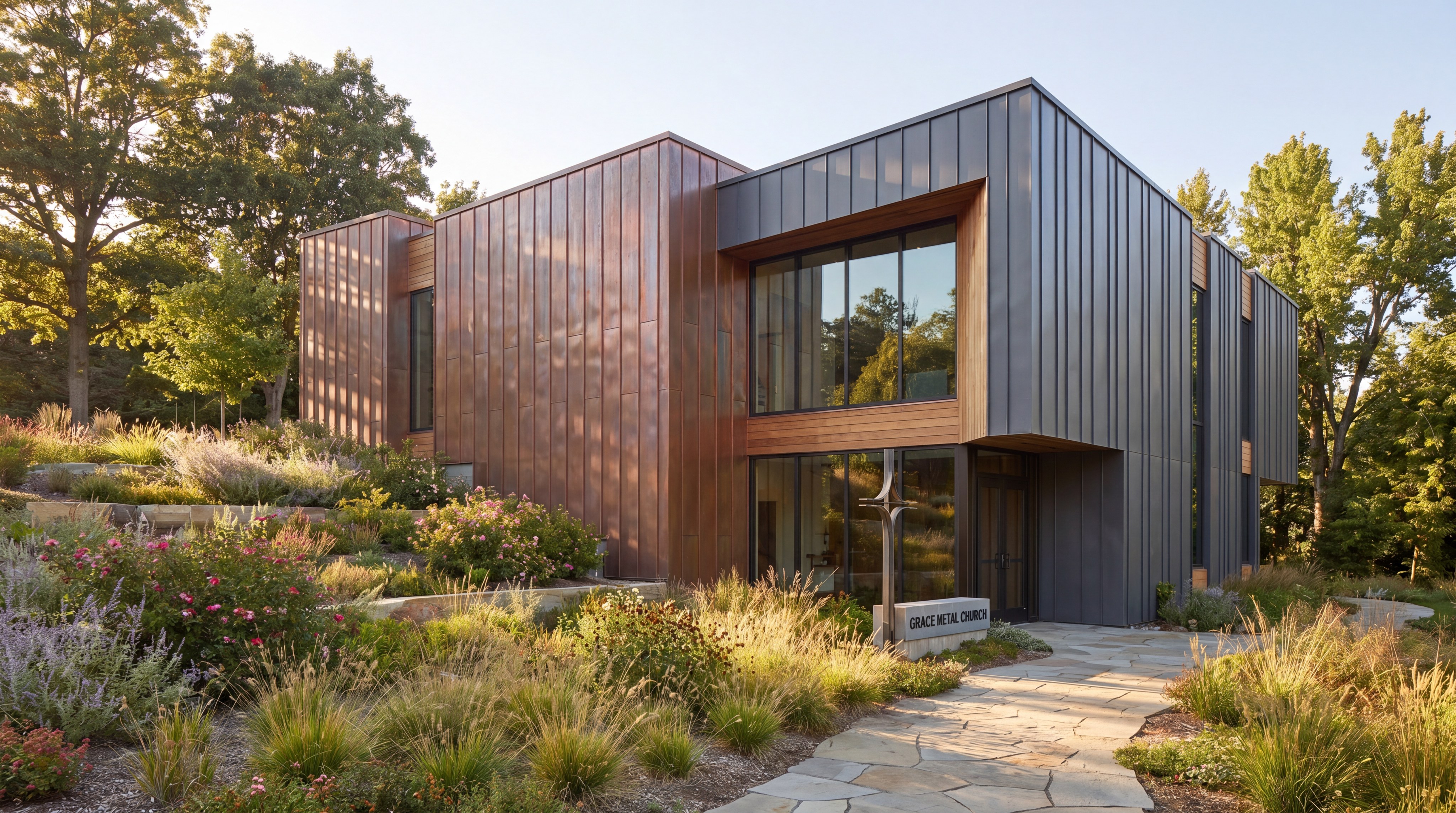
Metal church buildings can be fully customized with traditional architectural elements such as steeples, stone veneers, and arched entryways. You can find specialized church design solutions that blend the efficiency of steel with the aesthetic of a classic sanctuary. There is no need to sacrifice the sacred look of your building for the sake of industrial durability.
Integration of classic veneers
You can easily apply brick, stone, or stucco finishes to the exterior of a steel frame building to match the surrounding community. This “hybrid” approach gives you the beauty of a historic cathedral with the structural benefits and low cost of a modern steel system.
- Real stone and brick facade options
- Decorative EIFS (stucco) systems
- Wood-grain metal panel accents
- Classic white “church” siding
But wait, there’s more: these finishes are applied as non-load-bearing veneers, which means they are easier and cheaper to install than structural masonry.
Custom rooflines and steeples
You are not limited to a simple flat or low-slope roof; steel frames support steep pitches and Gothic arches with ease. You can integrate custom bell towers and ornate steeples directly into the primary structure to create a recognizable landmark for your town.
- 4:12 to 12:12 roof pitches
- Integrated steeple supports
- Arched window framing
- Decorative entry porches
Here is the best part: the structural strength of steel allows for much taller steeples than wood frames could safely support in high-wind areas.
Key Takeaway: Modern metal buildings are aesthetic chameleons that can mirror any architectural style from Gothic to modern.
| Design Element | Metal Compatibility | Visual Result | |
|---|---|---|---|
| Stone Veneer | Excellent Support | Traditional / Stately | |
| Steeple | Integrated Base | Iconic / Religious | |
| Arched Windows | Precision Cut | Gothic / Classic |
Versatility ensures that your new facility honors your denomination’s heritage while utilizing 21st-century technology.
What are the best exterior finish options?
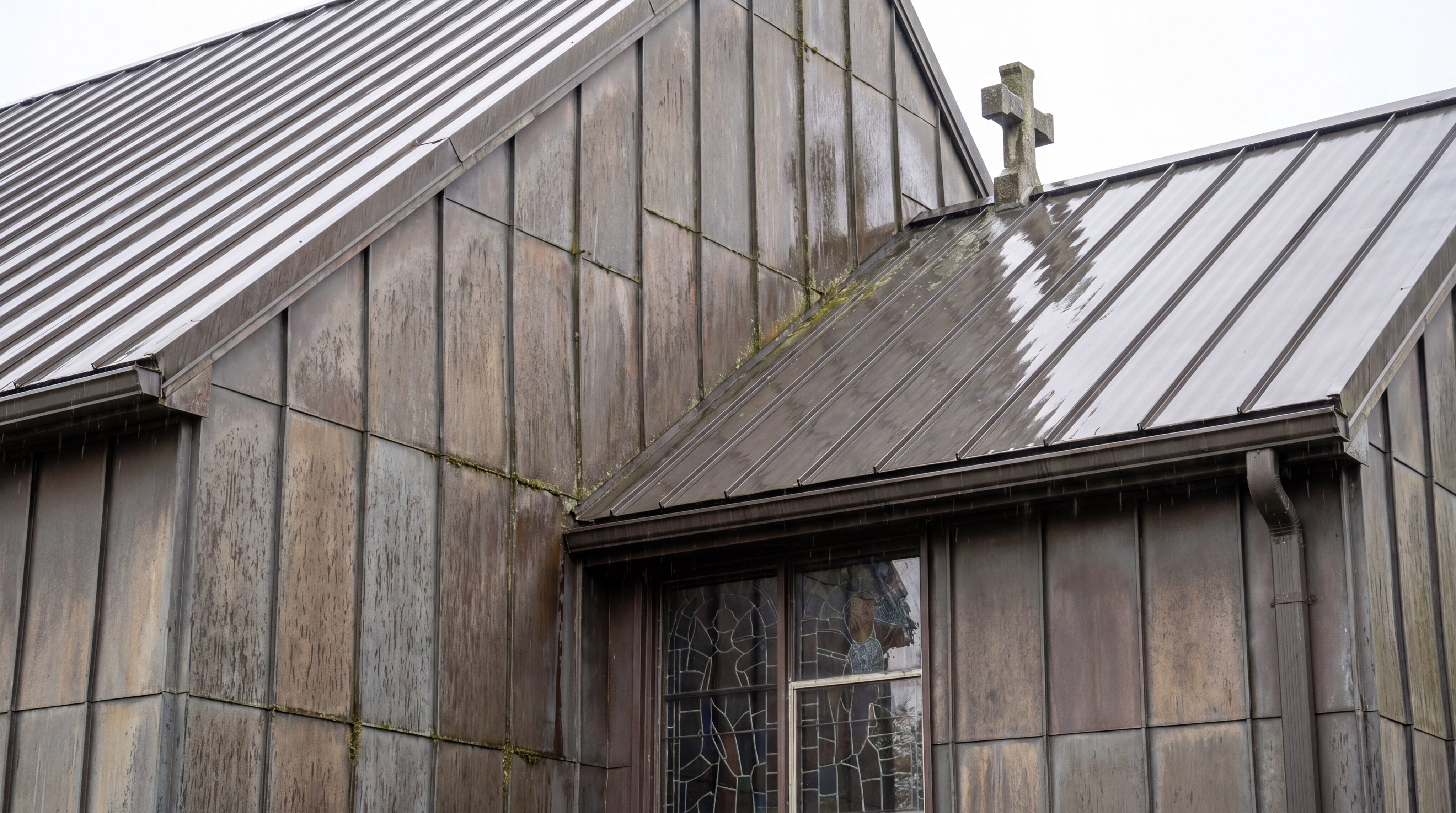
Metal church buildings come with a vast array of panel profiles and colors designed to enhance curb appeal and reflect your ministry’s brand. You can choose from textured finishes that mimic natural materials or sleek, contemporary panels that give your facility a modern, inviting look. These high-performance coatings are designed to stay vibrant for decades without repainting.
High-performance coating systems
Modern metal panels are treated with Kynar 500 or HDP coatings that provide maximum resistance to UV fading and chalking. This ensures that the deep blues, vibrant reds, or classic whites of your church exterior look as good in twenty years as they do on day one.
- UV-resistant pigment tech
- Anti-graffiti coating options
- Salt-spray resistant finishes
- 30-40 year paint warranties
The truth is: these panels act as a protective shield, reflecting solar heat and keeping your building’s core safe from the elements.
Textured and insulated panels
You might consider insulated metal panels (IMPs) which provide both an exterior finish and a high R-value insulation in a single piece. These panels can be manufactured with a “sand-stone” or “stucco-flex” texture that is virtually indistinguishable from traditional plaster.
- R-14 to R-42 insulation values
- Embossed wood-grain patterns
- Flush-mount “architectural” series
- Sound-dampening core material
Believe it or not, using these integrated panels can cut your exterior installation time and costs by nearly a third.
Key Takeaway: Selecting high-quality finishes protects your investment and ensures your church remains a beautiful community staple.
| Finish Type | Durability | Aesthetic Appeal | |
|---|---|---|---|
| Textured Metal | High (Steel) | Stucco / Masonry Look | |
| Ribbed Panels | Extreme | Modern / Industrial | |
| Wood-Grain Steel | High | Warm / Traditional |
Choosing the right finish allows you to balance budget requirements with the specific visual identity of your congregation.
Email:sales@showhoo.com.cn
Phone/WhatsApp:+86 186 7895 5927
Are steel churches easy to expand later?
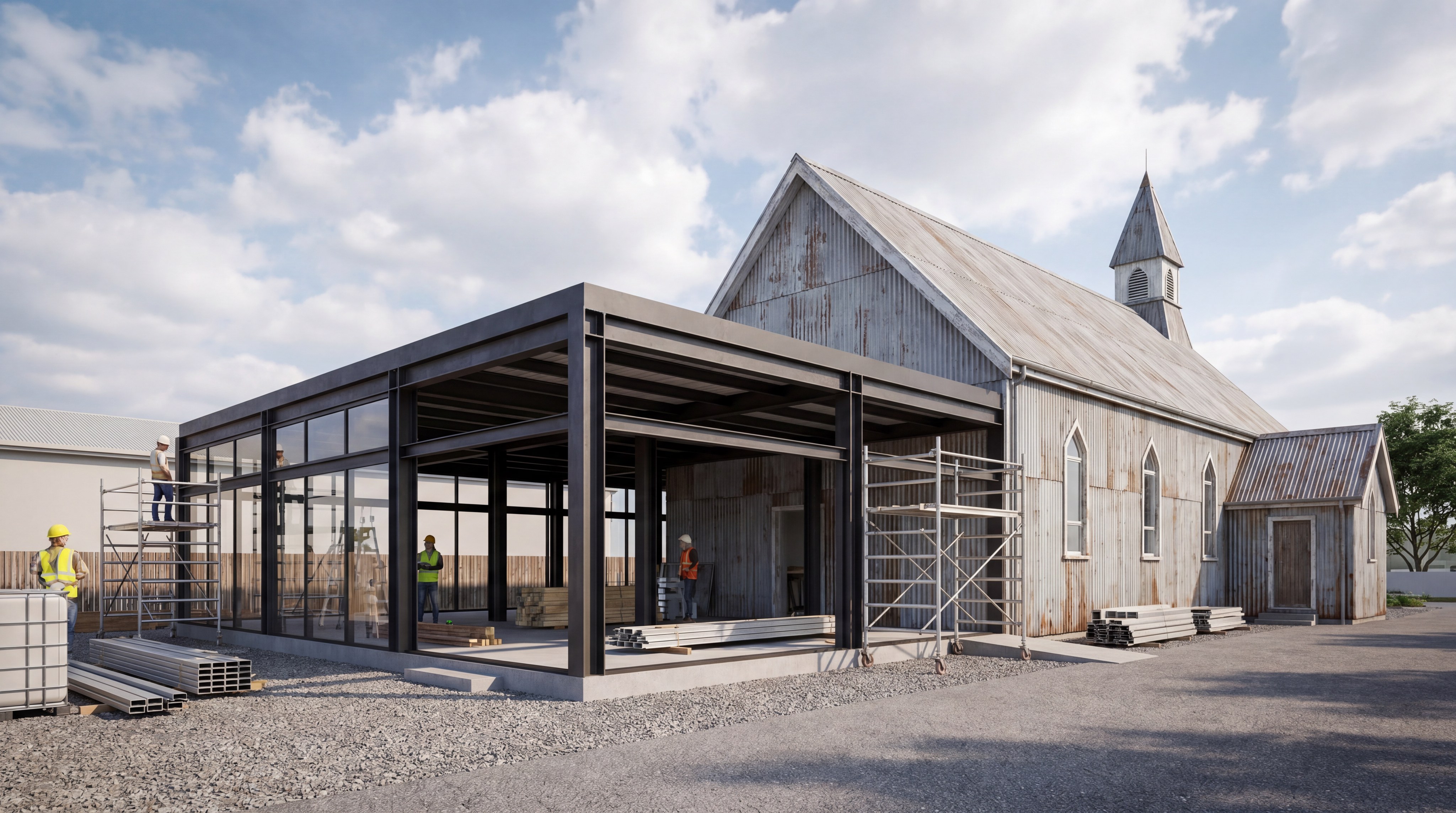
Metal church buildings are inherently modular, making them the easiest structures to expand as your congregation grows. You can consult with an expert metal building supplier to design an “expandable” end-wall that allows for future additions without major demolition. This forward-thinking design ensures that your current building is a platform for future growth, not a limitation.
Modular bay expansion
The frame-and-purlin system allows you to simply remove an end wall and bolt on additional structural bays. You can double the length of your sanctuary or add a new fellowship wing in a fraction of the time it would take to build a separate structure.
- Bolt-on frame additions
- Minimal disruption to services
- Reusable wall panel systems
- Integrated roof extensions
Here is the kicker: since the parts are standardized, your new addition will match the original building perfectly in both color and profile.
Scalable multi-phase planning
You can start with a modest multi-purpose room and phase in a larger sanctuary, gym, or educational wing as your capital campaigns succeed. This “pay-as-you-grow” strategy reduces financial risk and allows you to build debt-free over time.
- Phase 1: Small fellowship hall
- Phase 2: Main sanctuary wing
- Phase 3: Educational offices
- Shared structural foundations
Think about it: you are building a legacy facility that adapts to the size of your vision at every stage of the journey.
Key Takeaway: Steel’s modular nature provides a safety net for growing ministries that need flexible facility options.
| Expansion Method | Steel Difficulty | Wood/Brick Difficulty | |
|---|---|---|---|
| Lengthening | Simple (Add Bays) | Complex (Re-framing) | |
| Wing Addition | Moderate | High (Structural Tie-ins) | |
| Interior Gutting | Easy (Non-load walls) | Risky (Load-bearing) |
The ease of expansion is a critical strategic advantage for churches located in rapidly developing suburban areas.
Can metal buildings host community events?
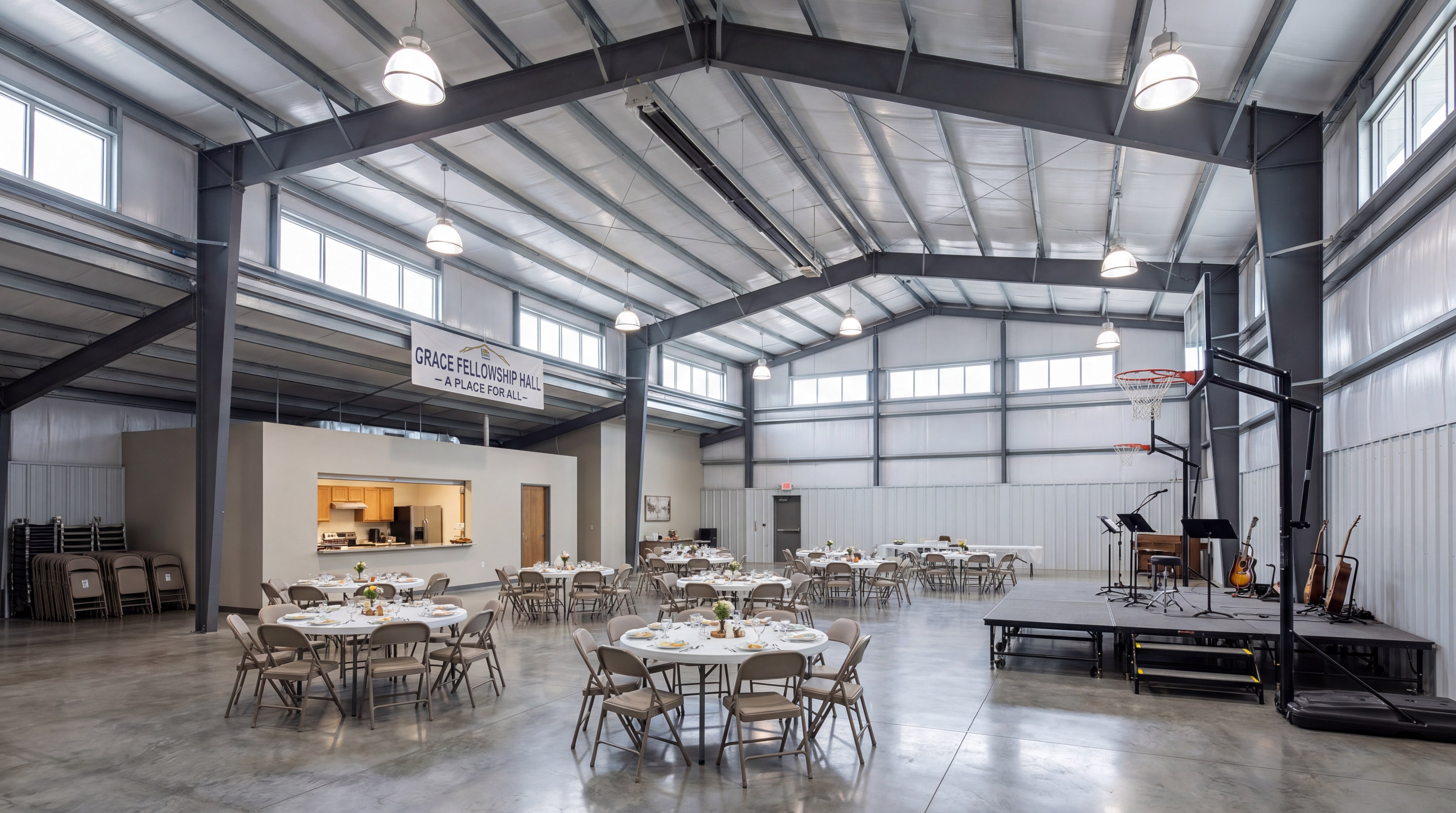
Metal church buildings are perfect for multi-purpose use, easily transitioning from a Sunday sanctuary to a community gymnasium or banquet hall. You can design the interior with durable, high-impact surfaces that withstand the wear and tear of youth sports, community dinners, and town hall meetings. This versatility makes your church a central hub for the neighborhood seven days a week.
Multi-purpose gym and stage design
With high ceilings and clear-span interiors, your sanctuary can double as a regulation-sized basketball or volleyball court. You can install retractable seating and professional sound systems to switch from a worship environment to a sports arena in minutes.
- Reinforced wall panels for sports
- Professional acoustic treatment
- Heavy-duty flooring options
- High-clearance roof heights
But wait, there’s more: the open floor plan allows you to host large-scale community events that wouldn’t fit in a traditional chapel.
Fellowship and banquet capabilities
Steel structures support the weight of commercial kitchen equipment and large HVAC systems needed for hosting hundreds of guests. You can create an inviting fellowship hall that serves as a kitchen for the hungry or a wedding venue for your members.
- Commercial kitchen tie-ins
- Industrial-grade plumbing
- Massive open banquet floors
- Modular partition walls
The best part is: the durability of metal means you don’t have to worry about the maintenance costs associated with high-traffic community usage.
Key Takeaway: A multi-purpose metal building increases your “return on ministry” by serving the community every day of the week.
| Event Type | Steel Compatibility | Revenue/Impact Potential | |
|---|---|---|---|
| Youth Sports | High (Clear span) | High Community Reach | |
| Weddings | High (With decor) | Member Service | |
| Food Pantry | High (Storage) | Mission Focused |
Transforming your building into a community center is the most effective way to build bridges with those outside your congregation.
Is steel architecture suitable for city use?
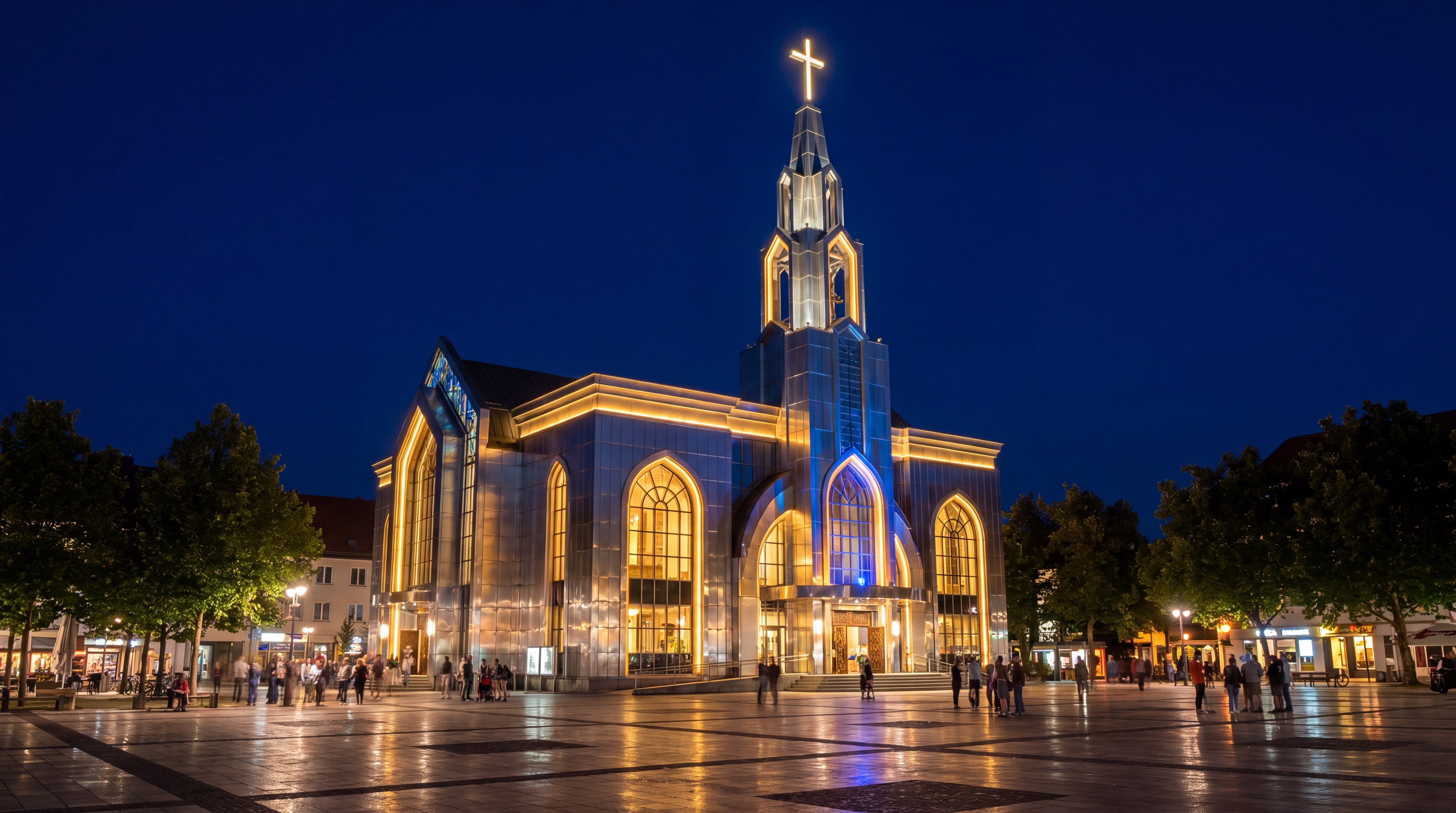
Metal church buildings are ideal for urban environments where space is limited and fire codes are extremely strict. You can find high-end architectural steel buildings that fit seamlessly into a modern city skyline while meeting the highest safety standards. The precision of steel fabrication also makes it easier to build on narrow or irregularly shaped city lots.
Compliance with urban fire codes
Most cities have rigorous fire safety requirements for assembly spaces that steel meets or exceeds naturally. Because steel is non-combustible, your church can often be built closer to property lines or other buildings than a wood-frame structure would allow.
- Non-combustible framing
- Fire-rated wall assemblies
- Integrated sprinkler supports
- Urban zoning compliance
Make no mistake: using steel often simplifies the permitting process in major metropolitan areas where safety is the top priority.
Modern urban aesthetics
In a city setting, a sleek metal and glass church can act as a beacon of modern ministry and innovation. You can utilize large glass curtain walls and LED lighting to create a “transparent” church that invites the city in rather than hiding behind thick stone walls.
- Glass and steel “light” designs
- Compact multi-story options
- Rooftop garden compatibility
- Energy-efficient urban shells
Here is the kicker: a modern steel design often attracts a younger, professional demographic looking for a church that feels relevant to their lifestyle.
Key Takeaway: Steel’s safety profile and modern look make it the premier choice for inner-city church planting and urban expansion.
| Urban Challenge | Steel Solution | Result | |
|---|---|---|---|
| Fire Zoning | Non-combustible | Easier Permitting | |
| Limited Space | Precision Design | Maximum Lot Usage | |
| Curb Appeal | Modern Finishes | High Visibility |
Building in the city requires a sophisticated structural approach that only industrial steel can provide at an affordable price point.
How do you select a steel manufacturer?
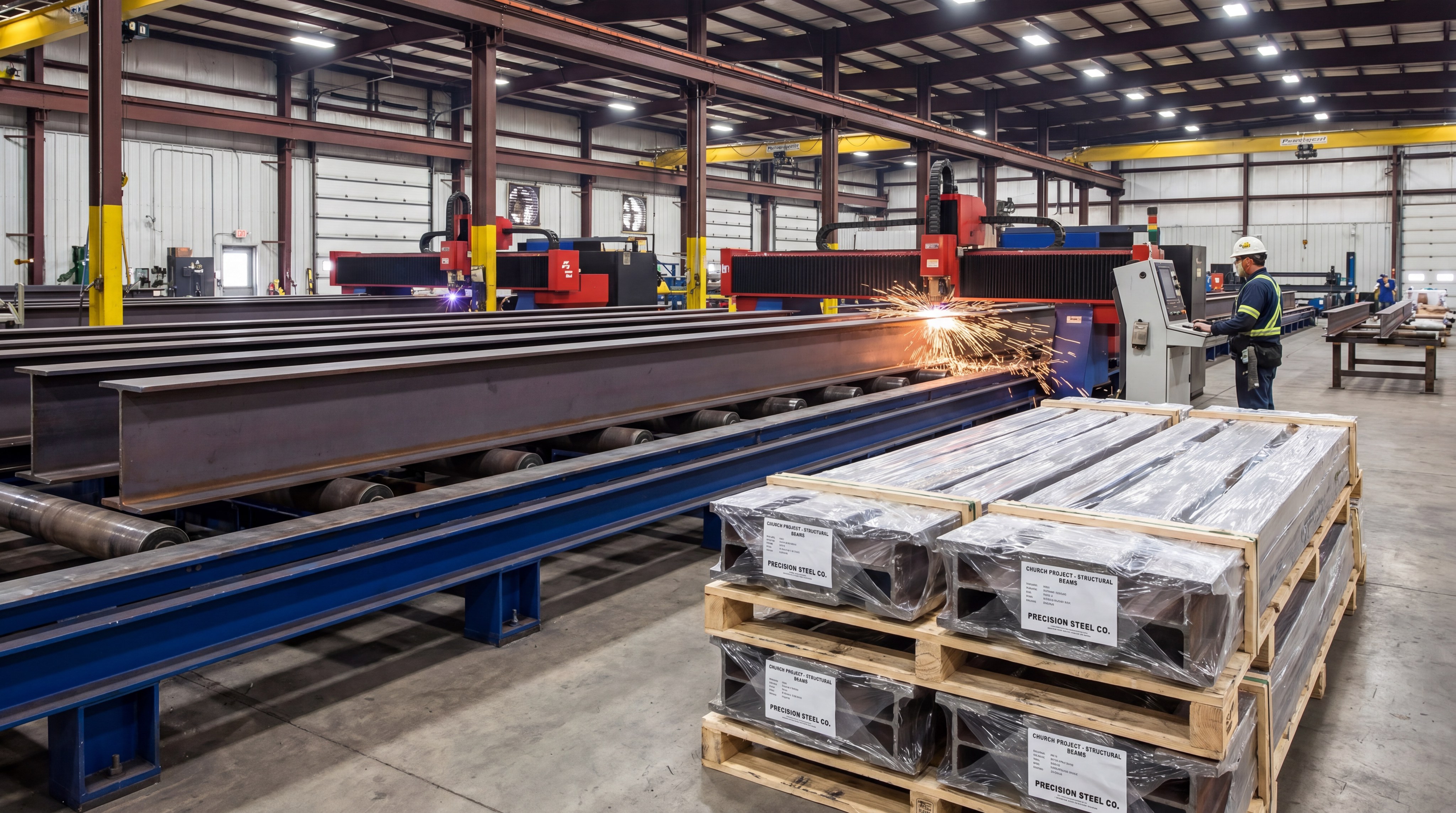
Selecting the right partner for your metal church buildings depends on finding a manufacturer with factory-direct pricing and certified quality control. You should look for a company that manages the entire process from engineering to delivery to ensure structural integrity and timeline accuracy. A transparent supply chain is the only way to protect your congregation’s building fund from hidden markups.
Factory-direct manufacturing benefits
By working directly with the manufacturer, you eliminate the middleman and ensure that every beam is made to your specific local building codes. This direct connection also means that if you have a question during installation, you are talking to the engineers who actually designed the building.
- No third-party markups
- Direct QC inspections
- Custom engineering support
- Streamlined communication
Wait, there’s more: factory-direct suppliers can often provide faster shipping because they control the production schedule from start to finish.
Certification and quality assurance
Ensure your manufacturer holds international certifications like CE, AISC, or ISO to guarantee the steel quality and welding precision. These certifications prove that the building you are trusting to house your congregation meets the highest global safety standards.
- Full welding inspection reports
- Raw material mill certificates
- International safety compliance
- Third-party inspection access
The truth is: a cheap building without certifications is a liability; a high-quality engineered system is a generational asset.
Key Takeaway: Partnering with a vertically integrated manufacturer ensures the highest safety standards at the lowest possible price.
| Partner Feature | Why It Matters | Your Benefit | |
|---|---|---|---|
| Direct Control | No outsourcing | Consistent Quality | |
| In-House Design | Code compliance | Safe Occupancy | |
| Export Experience | Logistics mastery | On-time Delivery |
The right manufacturing partner acts as an extension of your building committee, guiding you through every technical decision.
Conclusion
Building a new sanctuary is a landmark moment in the life of any ministry. Throughout this guide, we have seen how metal church buildings offer a superior path to growth by combining rapid construction, architectural flexibility, and significant cost savings. Whether you are building a traditional chapel or a modern multi-purpose center, steel provides the structural backbone necessary for a safe and enduring worship space.
We believe that every congregation deserves a beautiful home that supports their mission without draining their resources. Our commitment is to provide high-quality, factory-direct steel solutions that empower ministries to build for the future. If you are ready to stop dreaming and start building, contact us today for a professional consultation. Together, we can construct a space that serves your community and honors your vision for generations to come.
Email:sales@showhoo.com.cn
Phone/WhatsApp:+86 186 7895 5927
FAQ
Can I customize the interior layout of metal church buildings later?
Yes, you can. Because the exterior steel frame is load-bearing, interior walls can be moved or removed without compromising the building’s structural integrity, allowing for easy future renovations.
What’s the best way to ensure our church is energy efficient?
The most effective method is using insulated metal panels (IMPs) or high-grade fiberglass insulation combined with a “cool roof” coating to reflect solar heat and reduce HVAC costs.
Can I get help with the installation of my steel church building?
Absolutely. We provide detailed 3D erection drawings and step-by-step manuals, and we can often recommend certified local crews or provide on-site supervision to ensure a smooth build.
What’s the best roof pitch for a traditional church look?
A pitch between 6:12 and 10:12 is typical for traditional church architecture, and steel frames can easily support these steep angles while maintaining high wind-load ratings.
Can I add a brick or stone facade to a metal church?
Yes, steel frames are designed to support heavy exterior veneers such as real brick, cultured stone, or stucco, giving you the traditional look you want with the strength of steel.