
Innovative steel structure solutions offer a high-performance, cost-effective, and aesthetically versatile framework for any modern religious project. Many growing congregations face the daunting challenge of traditional construction methods that are often too slow and prohibitively expensive. This leads to years of fundraising while existing facilities become overcrowded and inadequate for spiritual needs. A prefabricated steel solution eliminates these hurdles, providing a rapid assembly process that allows your community to worship in a new sanctuary much sooner by utilizing a church design build approach.
Why Is Understanding the Essentials of Church Design Build Critical?
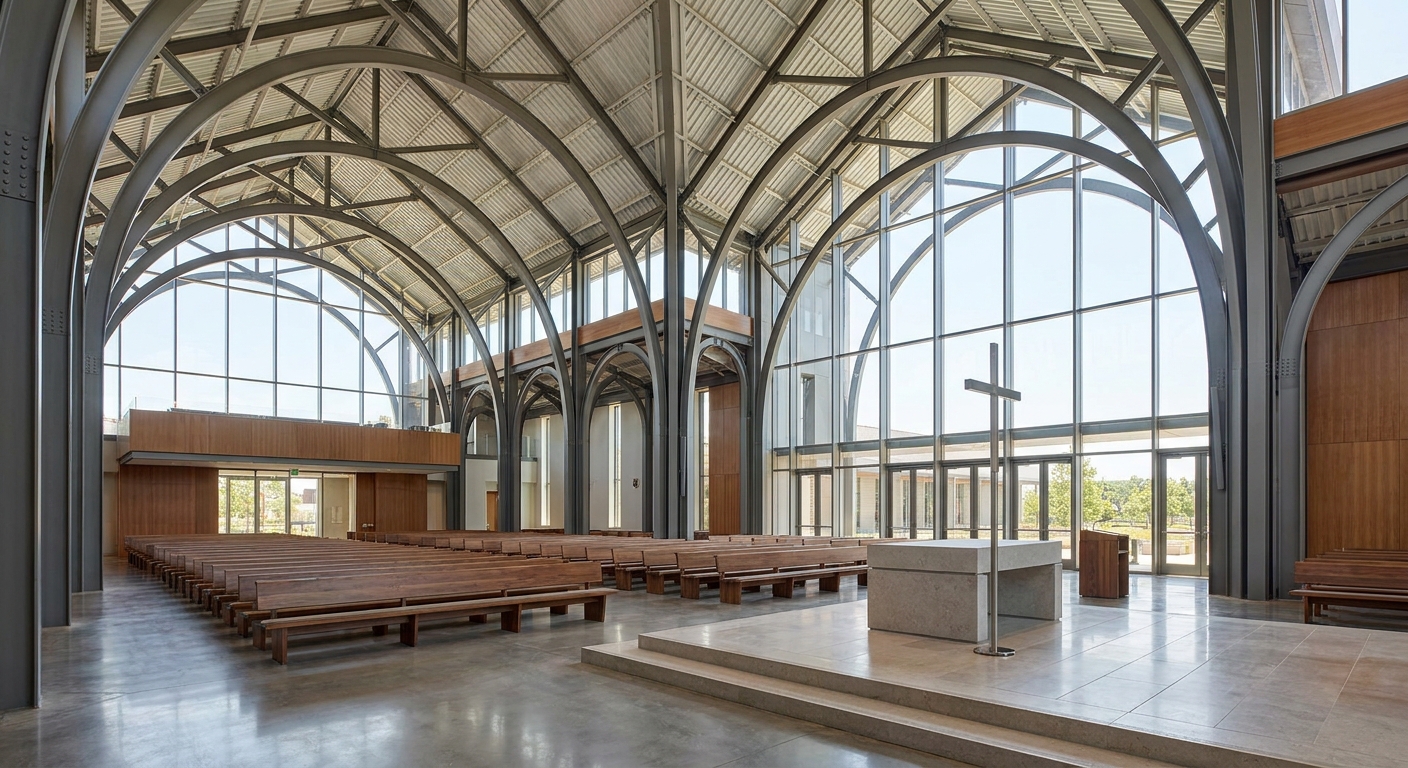
Understanding the church design build process is critical because it ensures that structural engineering aligns perfectly with your congregation’s functional needs. Steel allows for expansive interiors that are difficult to achieve with timber or masonry. This foundational knowledge prevents costly mistakes during the early planning stages of your sanctuary.
Prioritizing Large Clear Spans for Worship
The primary goal of most religious structures is to provide an unobstructed view of the pulpit or altar for all attendees. Steel H-section beams can span over 40 meters without the need for internal support columns.
Consider these benefits:
- Column-free interiors maximize seating capacity effectively.
- Clear sightlines improve the worship experience for every member.
- Flexible floor plans allow for diverse multi-purpose usage.
Planning for Future Congregational Growth
Your building should be able to expand as your community grows over the next few decades. Steel structures are uniquely suited for modular additions or vertical expansions without compromising the original frame.
Here is why:
- Bolted connections allow for easy dismantling and re-attachment.
- Secondary structures like mezzanines can be added later.
- Load-bearing frames are designed to support future modifications.
Optimizing Functional Layouts
The inherent modularity of steel ensures that your initial investment remains viable even as spatial needs evolve over time. High-strength steel components provide a skeleton that supports heavy glass or stone finishes seamlessly.
Key Takeaway: Mastering the essentials of steel design allows you to create a sanctuary that is both spiritually inspiring and functionally adaptable.
| Expansion Factor | Steel Advantage | |
|---|---|---|
| Scalability | Easy to add bays or side modules | |
| Flexibility | Non-load bearing internal walls | |
| Speed | Modifications take weeks, not months |
The structural versatility of modern steel enables congregations to dream big while maintaining a realistic and adaptable construction roadmap.
What Are the Financial Benefits of Steel Structures for Churches?
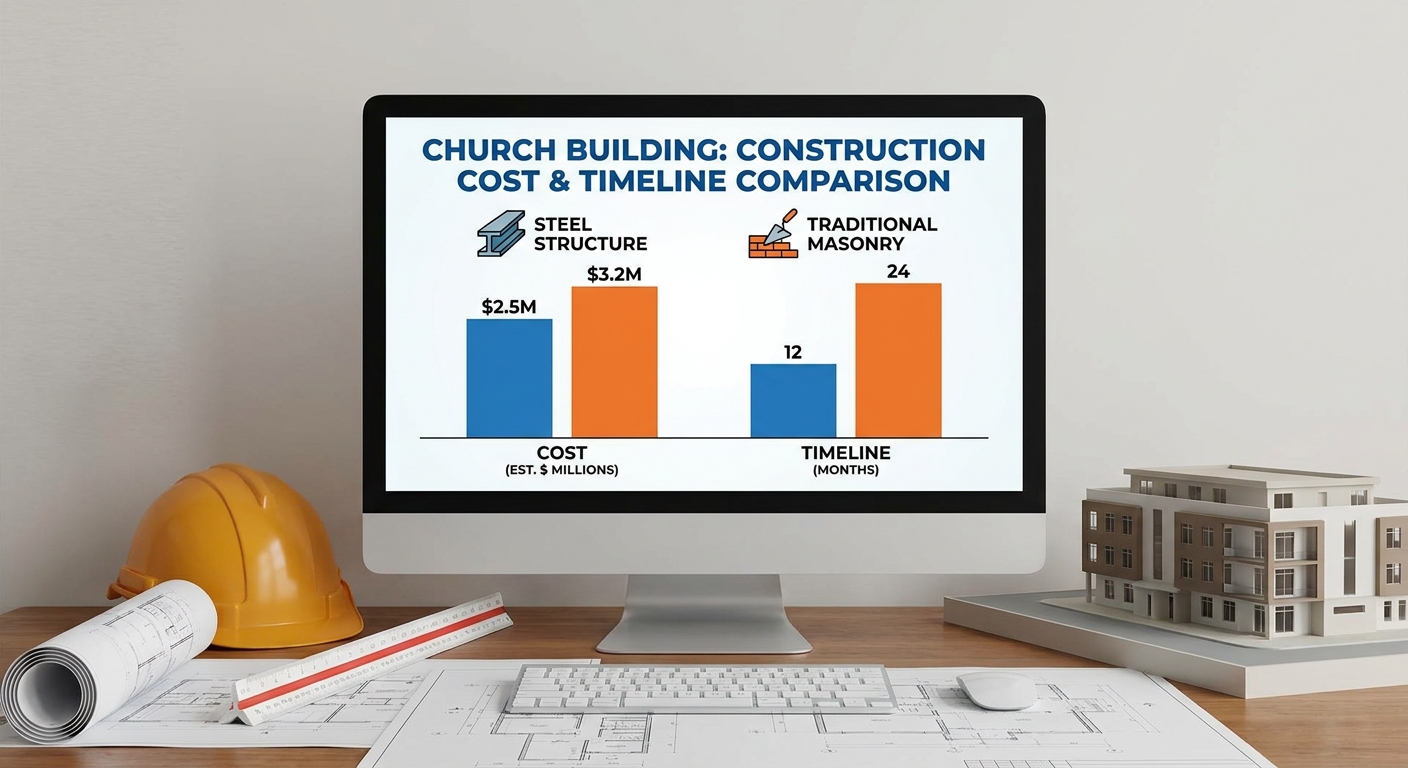
Steel structures provide substantial financial benefits for church design build by drastically reducing the total cost of ownership. Prefabricated components are manufactured in a controlled factory environment, which minimizes expensive on-site labor and material waste. This precision translates directly into lower initial capital expenditure for your building committee.
Reducing Construction Timelines and Labor
Time is money when it comes to construction, and steel buildings can be erected in a fraction of the time. Most components arrive on-site pre-drilled and ready for immediate assembly with minimal heavy equipment.
The best part?
- On-site labor hours are reduced by up to 50%.
- Accelerated timelines mean lower interest on construction loans.
- Faster occupancy allows the church to utilize the space sooner.
Lowering Long-Term Maintenance Expenses
Steel is resistant to many common issues that plague traditional church buildings, such as rot, termites, and warping. This lead to significant savings on annual upkeep and prevents the need for major structural repairs.
It gets better:
- High-quality paint systems prevent rust for several decades.
- Fire-resistant properties can lead to lower insurance premiums.
- Steel does not settle or crack like heavy concrete.
Key Takeaway: The financial efficiency of steel construction provides a sustainable path for congregations to build high-quality facilities without excessive debt.
| Financial Metric | Steel Structure | Traditional Masonry | |
|---|---|---|---|
| Initial Cost | Lower due to factory precision | Higher due to manual labor | |
| Maintenance | Minimal (periodic inspections) | High (pest control/structural repairs) | |
| Insurance | Generally lower rates | Higher rates due to fire risk |
Choosing steel translates to a predictable budget that allows more funds to be directed toward community outreach rather than building repairs.
Phone/WhatsApp: +86 186 7895 5927
Email: sales@showhoo.com.cn
How Do Modern Architectural Styles Enhance the Worship Space?
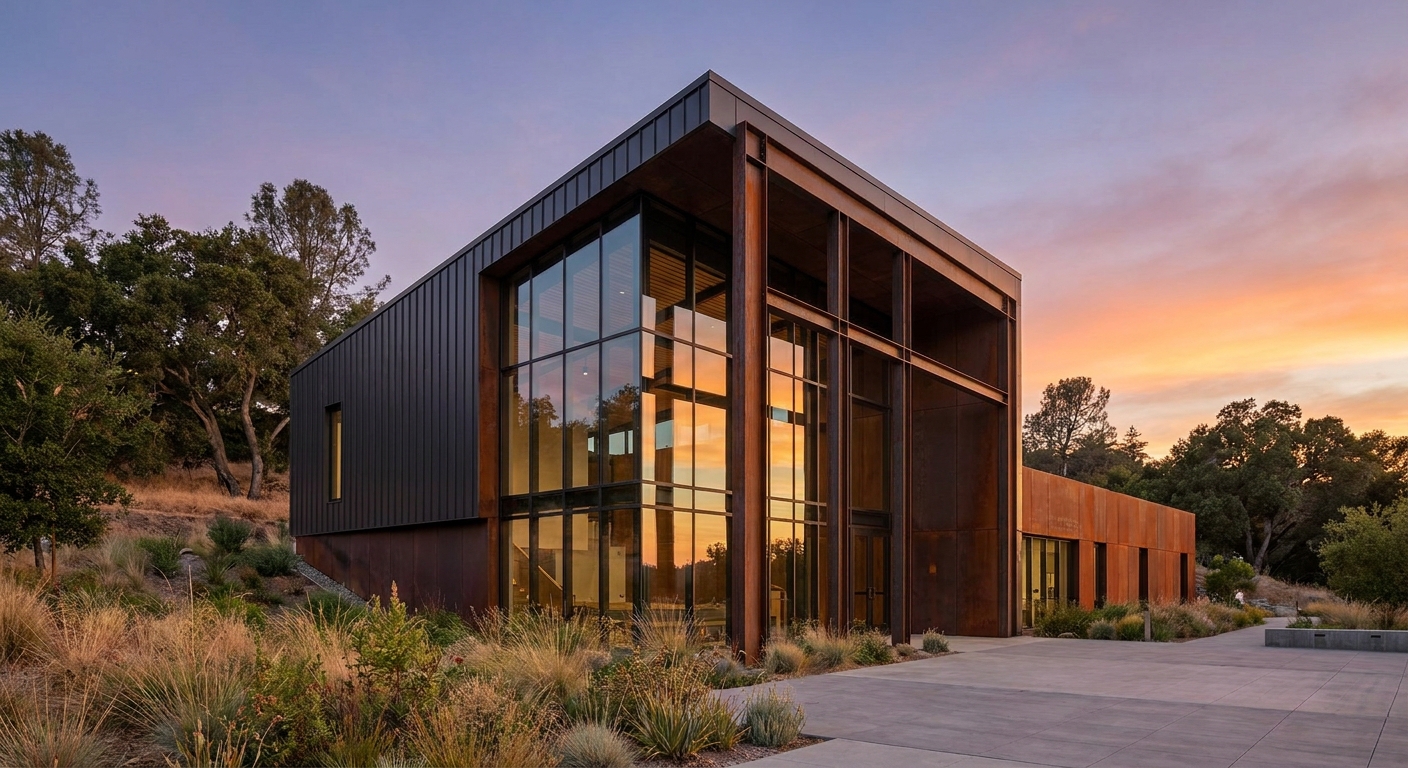
Modern architectural styles in church design build utilize the high strength-to-weight ratio of structural steel to create soaring ceilings. This versatility allows you to move beyond the metal box stereotype to create truly iconic landmarks. Architects can experiment with complex geometries that reflect your congregation’s unique spiritual identity.
Integrating Natural Light and Glass
Steel frames can easily support massive glass curtain walls that flood the sanctuary with natural light. This creates an atmosphere of openness and transparency that modern congregations find highly appealing.
Look at these facts:
- Steel frames support heavier glass loads than wood.
- Slim profiles minimize visual obstruction for worshipers.
- Strategic window placement reduces the need for artificial lighting.
Utilizing Creative Cladding and Facades
The exterior of a steel church can be finished with a variety of materials, from architectural sandwich panels to stone. This ensures the building fits the local aesthetic while maintaining a modern edge and structural integrity.
Why does this matter?
- Metal panels come in hundreds of colors and textures.
- Insulated panels provide both beauty and thermal efficiency.
- Modern designs can incorporate curved roofs and unique angles.
Key Takeaway: Modern steel engineering empowers architects to design sanctuaries that are visually stunning and spiritually uplifting without structural limitations.
| Aesthetic Element | Modern Steel Capability | |
|---|---|---|
| Roof Design | Support for complex pitches and domes | |
| Interior Volume | High vaulted ceilings with exposed trusses | |
| Wall Texture | Compatibility with glass, stone, and metal |
The structural flexibility of steel allows for the realization of complex visions that inspire awe and reverence in everyone who enters.
Is Structural Planning for Roofs the Key to Your Project?
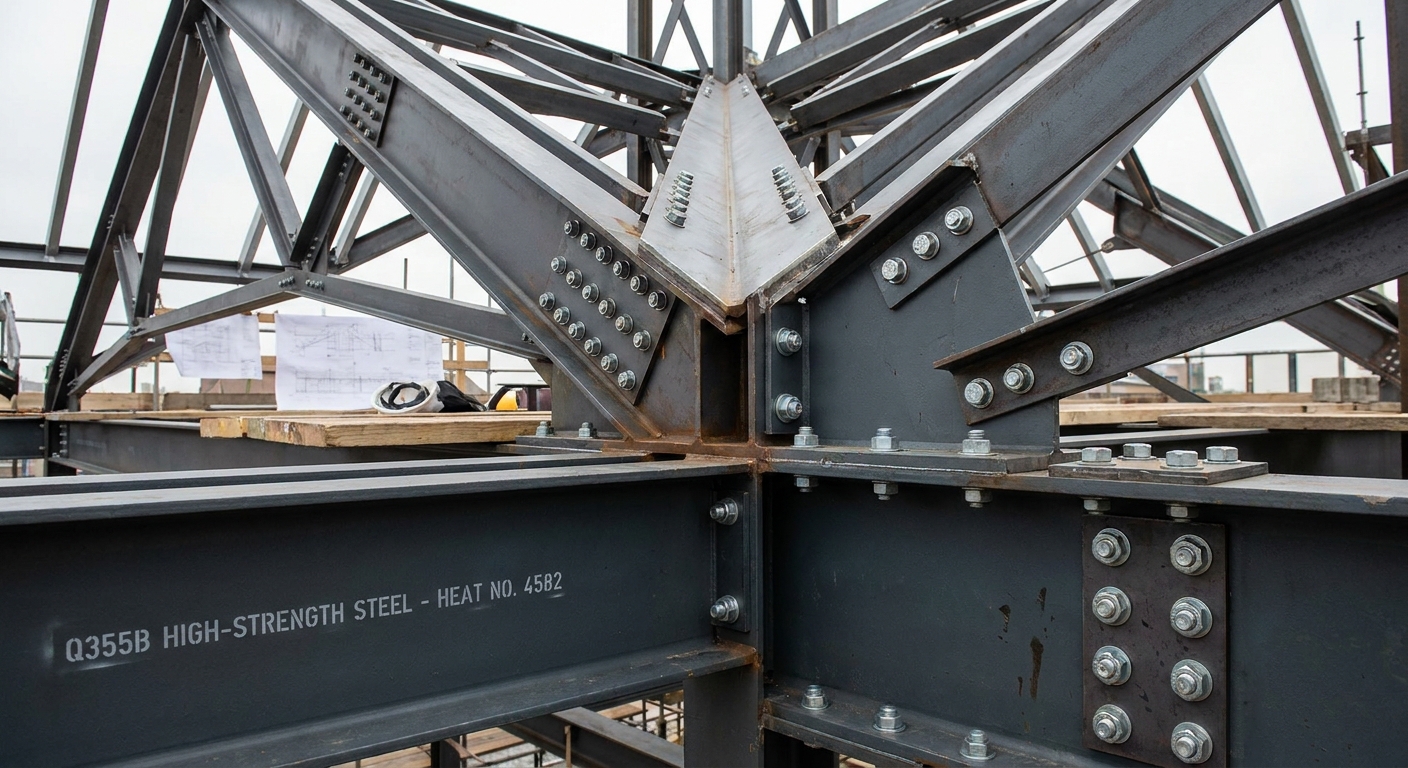
Proper structural planning for roofs and spires is indeed the key to church design build , as these elements define the building’s identity. Steel is the ideal material for these high-profile features due to its precision and strength-to-weight ratio. Expert engineering ensures these symbols of faith withstand significant environmental loads over their lifetime.
Engineering for Extreme Wind Resistance
Church spires often act like sails in high winds, requiring specialized engineering to remain stable and secure. High-grade structures are designed to withstand wind speeds of up to 150km/h in storm-prone regions.
Make no mistake:
- Heavy-duty anchor bolts secure the frame to foundations.
- Cross-bracing systems distribute lateral loads effectively.
- High-strength Q355B steel prevents long-term structural fatigue.
Creating Iconic Spires and Steeples
Steel allows for the creation of intricate spires that are both lightweight and incredibly durable. These can be pre-assembled on the ground and lifted into place by a crane quickly.
The result?
- Reduced risk for workers at high elevations.
- Precise alignment with the main building frame.
- Ability to support heavy bells or lighting systems.
Key Takeaway: Expert engineering of roofs and spires guarantees that your church’s most visible symbols are structurally sound and weather-resistant.
| Component | Engineering Standard | |
|---|---|---|
| Wind Load | Resistance up to 150km/h | |
| Material Grade | Q355B High-strength steel | |
| Joint Type | High-strength bolted connections |
Advanced structural planning ensures that the most iconic parts of your sanctuary remain safe and beautiful for a 50-year lifespan.
Why Does Material Selection and Corrosion Protection Matter?
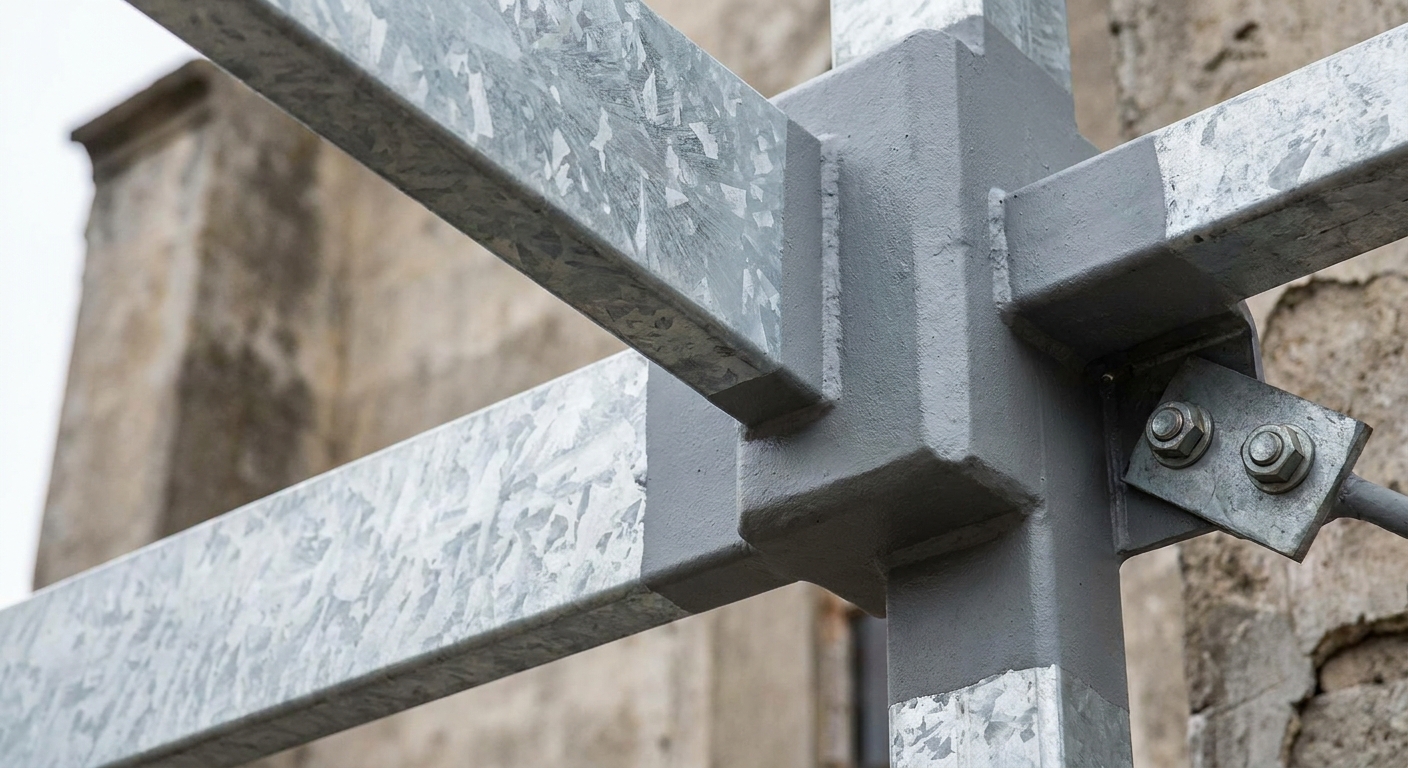
Selecting the right materials for your church design build project is vital for ensuring the building lasts for decades. Corrosion protection is especially critical in humid or coastal regions where salt air can degrade metal quickly. Proper material selection prevents the hidden costs of rust that can devastate a long-term budget.
Using High-Grade Structural Steel
The quality of the raw steel determines the overall stability and safety of the final structure. Using Q355B steel provides a superior yield strength compared to standard lower-grade materials.
Here is the secret:
- Higher strength allows for thinner, lighter beams.
- Better ductility improves performance during seismic events.
- Consistency in material quality reduces fabrication errors.
Implementing Advanced Coating Systems
To achieve a 50-year lifespan, the structural steel must be protected from environmental elements. Hot-dip galvanization or high-performance epoxy paints are the standard for high-quality religious buildings today.
But that’s not all:
- Sandblasting to Sa2.5 grade ensures maximum paint adhesion.
- Multi-layer coatings protect against salt spray and UV rays.
- Galvanized purlins prevent rust in hidden roof cavities.
Key Takeaway: Investing in premium materials and professional corrosion protection is the only way to guarantee a maintenance-free 50-year lifespan.
| Protection Method | Lifespan Expectancy | Best Use Case | |
|---|---|---|---|
| Epoxy Painting | 15 – 25 Years | Inland/Standard climates | |
| Hot-Dip Galvanizing | 30 – 50 Years | Coastal/High-humidity areas | |
| Sandblasting | Required Pre-treatment | All high-quality projects |
Strategic material selection prevents the “hidden costs” of rust and structural failure that can devastate a church’s long-term budget.
How Can Efficient Construction Processes Save Your Time?
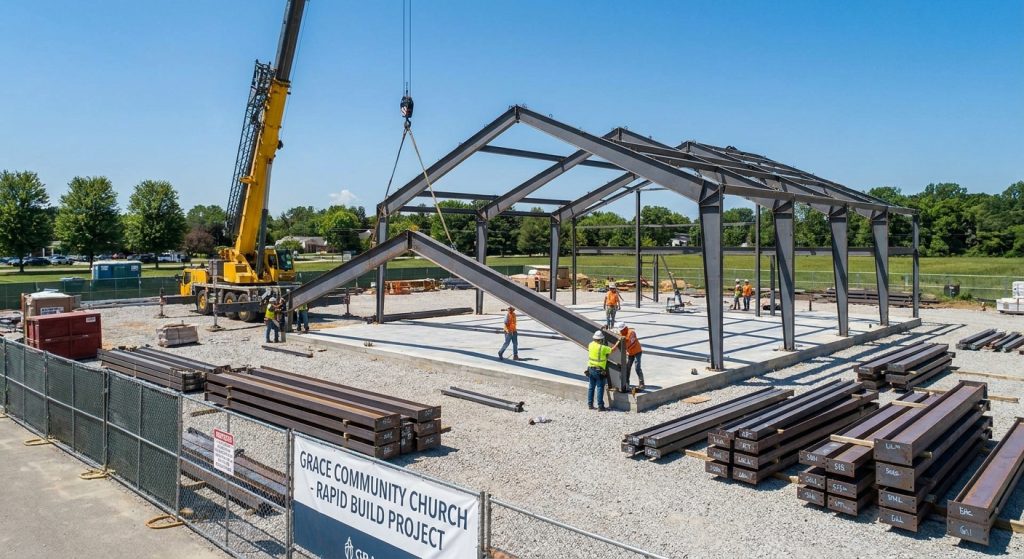
Efficient construction processes in church design build utilize a kit-of-parts approach that simplifies the building stage significantly. This method ensures that your project stays on schedule and avoids the common delays of traditional masonry. A streamlined workflow minimizes the time your congregation spends in temporary facilities during construction.
Prefabrication and Component Labeling
Every steel beam and column is fabricated to exact specifications in a controlled factory environment. Each piece is clearly labeled to match the installation drawings provided to your on-site crew.
It is simple:
- No cutting or welding is required on the construction site.
- Labeling systems reduce sorting time for the erection crew.
- Missing parts are eliminated through rigorous packing checks.
Streamlined Assembly Workflows
Because the structure is engineered as a complete system, the assembly follows a logical sequence. This predictability allows you to coordinate other trades, like plumbing and electrical, much more effectively.
Now consider this:
- Main frames are erected first for immediate stability.
- Secondary purlins follow quickly to support cladding.
- The building can be dried-in fast to protect interior work.
Key Takeaway: Factory-controlled fabrication and systematic on-site assembly are the most effective ways to accelerate your church’s construction timeline.
| Process Step | Estimated Time Frame | Impact on Project | |
|---|---|---|---|
| Foundations | 2 – 4 Weeks | Provides the structural base | |
| Steel Erection | 2 – 6 Weeks | Forms the building envelope | |
| Cladding | 1 – 2 Weeks | Seals the building from weather |
A streamlined workflow minimizes the time your congregation spends in temporary facilities, allowing for a faster transition to your new home.
Phone/WhatsApp: +86 186 7895 5927
Email: sales@showhoo.com.cn
Is Sustainability and Energy Efficiency Possible for Churches?
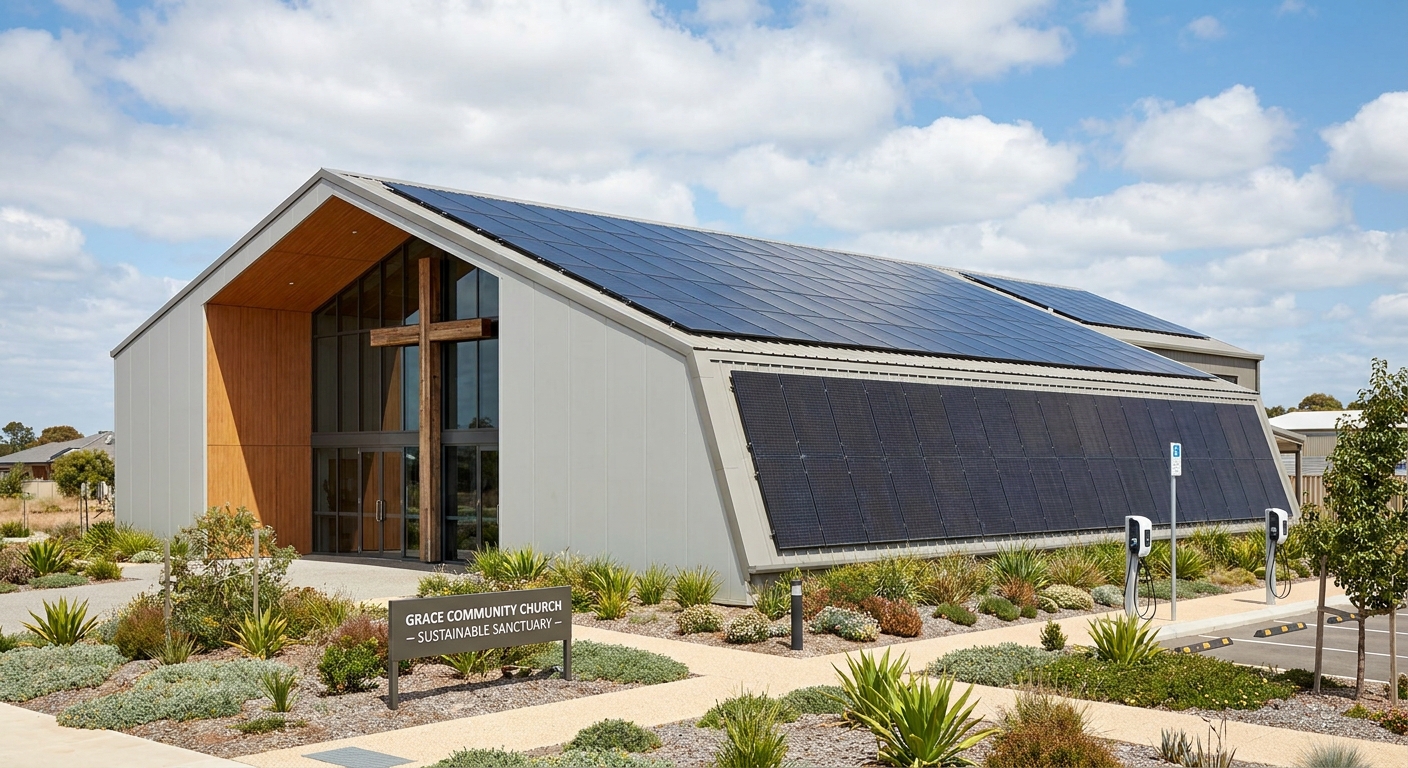
Sustainability is a hallmark of modern church design build because steel is one of the most recycled materials. Furthermore, steel buildings can be highly insulated to reduce the carbon footprint and utility bills of your ministry. Energy-efficient design ensures that church resources are spent on mission goals rather than electricity.
High-Performance Insulation Systems
Churches are large volumes that can be expensive to heat or cool without proper thermal protection. Using sandwich panels with PIR or rock wool cores provides exceptional thermal resistance for the sanctuary.
The advantage is clear:
- Energy costs for HVAC systems are reduced significantly.
- Superior acoustics minimize outside noise during services.
- Condensation is prevented, protecting all interior finishes.
Steel as a Green Building Material
When you choose steel, you are choosing a material that can be recycled indefinitely without losing its properties. This aligns with the stewardship values held by many religious organizations today.
Check this out:
- Steel production has become much cleaner in recent years.
- Less site disturbance occurs compared to heavy masonry work.
- The building can be repurposed or recycled in the future.
Key Takeaway: Incorporating sustainable materials and high-grade insulation creates an eco-friendly sanctuary that is inexpensive to operate.
| Feature | Eco-Benefit | Savings | |
|---|---|---|---|
| Sandwich Panels | High Thermal R-Value | 30% reduction in AC costs | |
| Recycled Content | Lowers carbon footprint | Sustainable building credits | |
| Durability | Reduces replacement waste | Decades of use without rebuilds |
Energy-efficient design ensures that church resources are spent on the mission rather than on excessive electricity and heating bills.
How to Ensure Compliance with Building Codes and Safety?
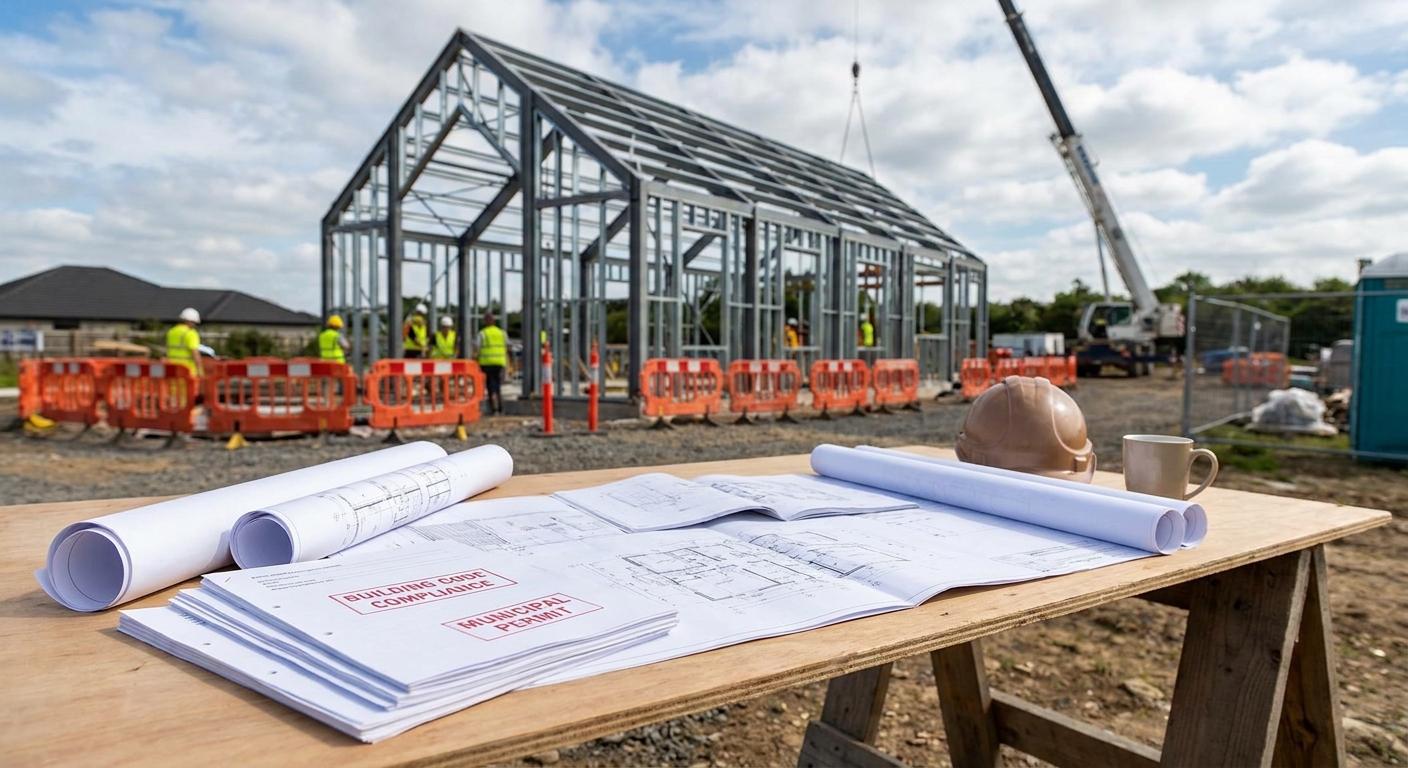
Ensuring compliance with local standards is a non-negotiable aspect of church design build , especially for public assembly areas. The engineering must account for specific regional risks such as earthquakes, heavy snow, or tropical storms. Meeting these safety codes protects your congregation and ensures the building permit process proceeds smoothly.
Engineering to International Standards
Your structure should be designed according to recognized codes like AISC or Eurocode, adapted for your location. This ensures the building remains safe for hundreds of worshippers simultaneously.
It is non-negotiable:
- Seismic loads must be calculated for earthquake-prone zones.
- Snow loads are critical for projects in colder climates.
- Occupancy category standards are applied for public safety.
Verification and Quality Control
Rigorous quality control during fabrication ensures that every weld and bolt hole meets the design specs. Third-party inspections are often welcomed to provide extra peace of mind for the building committee.
You might wonder:
- How do we track material quality? (Mill certificates).
- Are welds tested? (Ultrasonic or X-ray testing).
- Can we inspect before shipping? (Pre-shipment audits).
Key Takeaway: Professional engineering that adheres to local safety codes is the foundation of a secure and legally compliant worship space.
| Safety Factor | Engineering Response | |
|---|---|---|
| Seismic Risk | Flexible moment frames | |
| Fire Safety | Fire-retardant coatings and panels | |
| Public Safety | Higher structural importance factors |
Meeting and exceeding local building codes protects your congregation and ensures that your building permit process proceeds without delays.
What Factors Influence Cost Estimation and Budgeting?
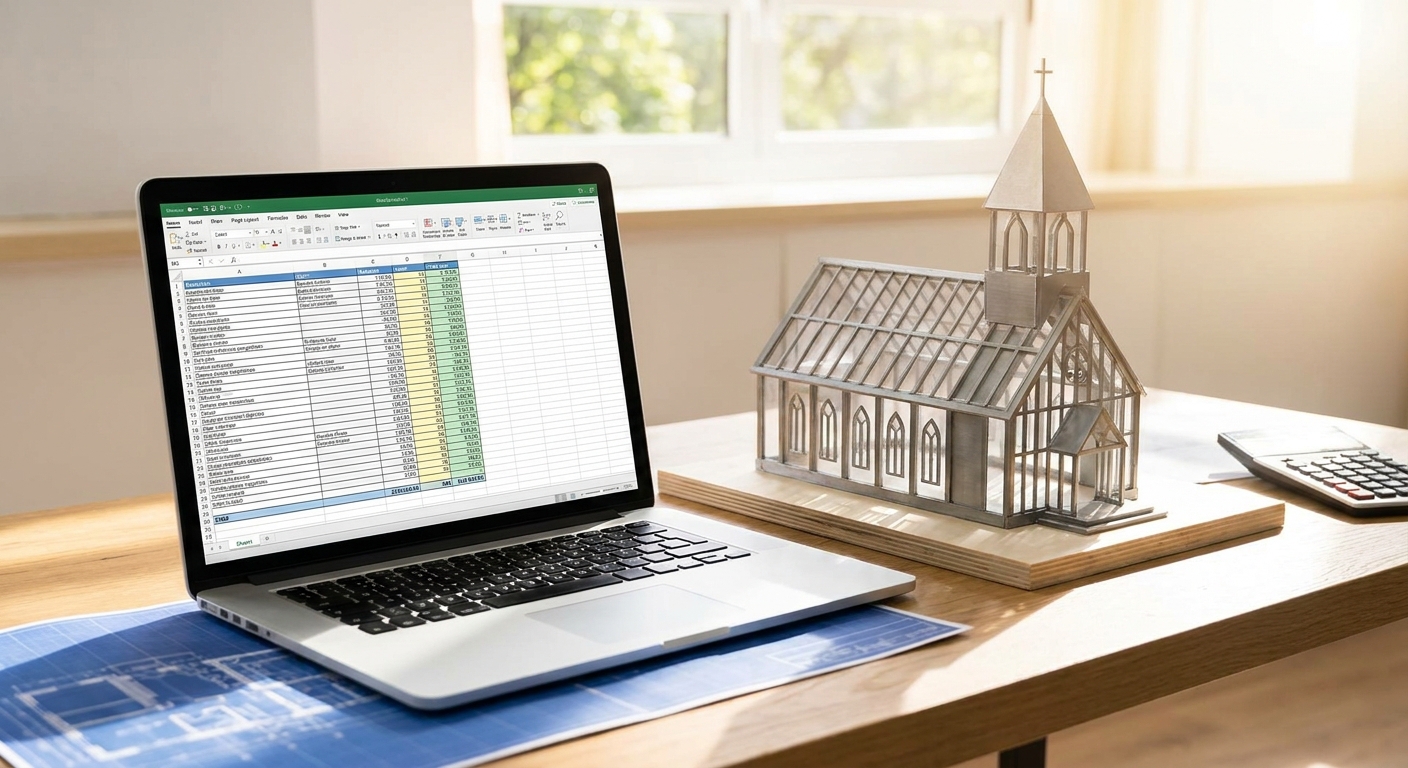
Accurate budgeting for church design build projects requires a deep understanding of variables beyond the raw steel price. You must account for logistics, architectural complexity, and site-specific environmental requirements. A transparent cost estimation process allows your committee to make informed decisions and avoid financial surprises.
Logistics and International Shipping
Shipping a complete church building to various regions involves careful planning and volume optimization. Costs are influenced by container availability and the distance from the port to your construction site.
Keep this in mind:
- Efficient packing reduces the number of containers needed.
- Open-top containers may be required for very large beams.
- Local customs duties and taxes must be factored in early.
Design Complexity and Customization
While steel is cost-effective, highly complex architectural designs will naturally increase the fabrication price. Balancing iconic features with structural simplicity is the key to staying on budget.
The reality?
- Large clear spans are more expensive than shorter spans.
- Custom decorative elements add to the total fabrication time.
- Standardized panel profiles are much more budget-friendly.
Key Takeaway: Comprehensive budgeting that includes logistics and design choices ensures your project remains financially viable from start to finish.
| Budget Factor | Impact Level | Strategy | |
|---|---|---|---|
| Steel Grade | Medium | Use Q355B for high-stress areas | |
| Shipping | High | Optimize container loading | |
| Interior Finishes | Variable | Phases for future completion |
A transparent cost estimation process allows your church committee to make informed decisions and avoid unexpected financial surprises.
What Can We Learn from Successful Steel Churches Worldwide?
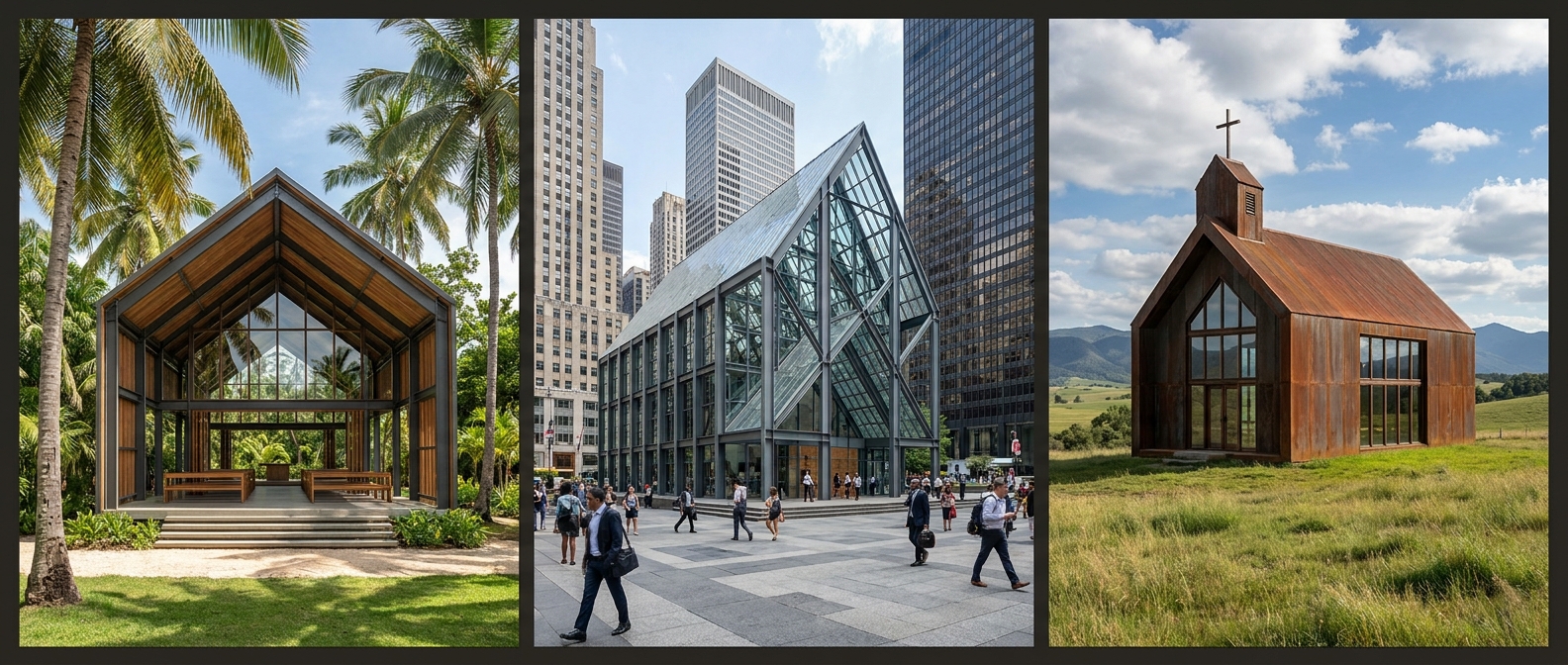
Successful church design build projects across the globe provide valuable lessons in adaptability and resilience. From the tropical islands to rugged landscapes, steel has proven its worth as a reliable building material. The global track record confirms that this technology is the most reliable choice for diverse religious communities.
Adaptability in Tropical Regions
In humid climates, successful projects prioritize ventilation and superior corrosion resistance to ensure longevity. These buildings remain cool and rust-free despite challenging environmental conditions year-round.
It is fascinating:
- Elevated roof monitors allow hot air to escape naturally.
- Hot-dip galvanization prevents salt-air corrosion effectively.
- Rapid construction allows for quick recovery after major storms.
Rapid Deployment in Emerging Markets
In many developing regions, the ability to ship a complete building system to a remote location is revolutionary. Local teams can be trained to assemble the structure using simple tools and documentation.
There is more:
- All-in-one delivery ensures no local sourcing is needed.
- Clear documentation allows for successful local assembly.
- Structures provide a high-quality community hub in months.
Key Takeaway: Looking at global success stories proves that steel structures can be tailored to any environment, budget, or architectural tradition.
| Region | Primary Challenge | Steel Solution | |
|---|---|---|---|
| Philippines | Typhoons/Humidity | 150km/h wind design + Galvanization | |
| Ghana | Remote Logistics | Integrated delivery with clear labeling | |
| Australia | Strict Building Codes | Engineered to AS/NZS standards |
The global track record of steel structures confirms that this technology is the most reliable choice for diverse religious communities worldwide.
Conclusion
Innovative steel structure solutions represent the future of modern religious architecture. By choosing this path, you gain a building that is structurally superior, financially responsible, and aesthetically inspiring for your congregation. Whether you are building a small community chapel or a massive cathedral, the benefits of speed, durability, and flexibility are undeniable. Don’t let traditional construction delays hold back your ministry’s vision any longer. To receive a customized engineering solution and a factory-direct quote within 24 hours, contact us today.
Phone/WhatsApp: +86 186 7895 5927
Email: sales@showhoo.com.cn
Address: Lixianzhuang Industrial Park, Shangma Street, Chengyang, Qingdao of China
FAQ
Can I customize the interior layout of a steel church?Yes. Because steel frames carry the structural load, you have complete freedom to place internal walls anywhere or leave the space entirely open.
What’s the best way to prevent rust in coastal church buildings?Hot-dip galvanization is the superior choice. This process coats the steel in a protective zinc layer that prevents corrosion for up to 50 years in marine environments.
How long does a steel church building typically last?A minimum of 50 years. With proper material selection like Q355B steel and professional coating systems, these structures often exceed their design life with minimal maintenance.
Will a steel structure support traditional religious ornaments?Absolutely. The high strength of steel allows it to support heavy stone veneers, bells, and large decorative glass windows without the bulk of traditional frames.
Does a steel church require specialized maintenance?No. Aside from periodic inspections of the roof gutters and the exterior paint finish, steel structures require significantly less upkeep than wood or masonry buildings.