
An aviation hangar is a specialized, large-scale structure designed to provide a secure and controlled environment for the storage, maintenance, and repair of aircraft. Leaving your multi-million dollar aviation assets exposed to unpredictable weather, UV radiation, and moisture is a significant operational risk. You are not just facing cosmetic wear; you are risking structural corrosion and avionics failure that can ground your fleet and skyrocket insurance premiums. By investing in a high-quality Aircraft Hangar , you ensure your planes remain flight-ready while providing technicians with a professional workspace. Understanding what is an airplane hangar and how it integrates with your logistics is the first step toward long-term asset protection.
Why is an aviation hangar necessary for your fleet?
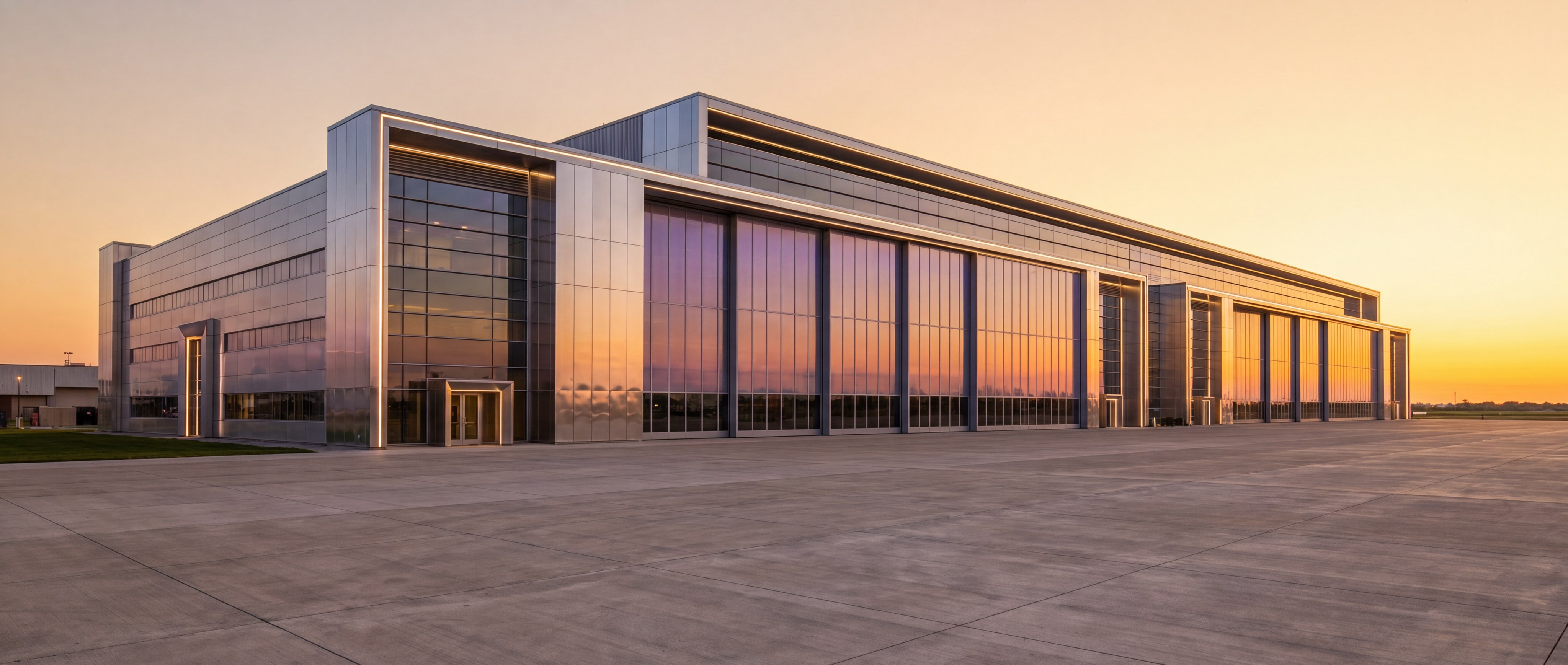
An aviation hangar is necessary because it shields sensitive airframes and complex electronic systems from harsh environmental conditions that cause rapid degradation. When you consider the high value of your flight assets, understanding what is an airplane hangar reveals it as a protective shield against corrosion and mechanical failure. Without this shelter, your maintenance costs will inevitably climb due to constant exposure to sun, rain, and extreme temperature fluctuations.
How does protection impact your bottom line?
You might be wondering if the investment is truly justified.
- Reduces long-term maintenance cycles by preventing weather-related wear.
- Lowsees insurance premiums by providing a secure, fire-protected environment.
- Maintains the resale value of the aircraft by keeping the exterior in peak condition.
- Ensures consistent operational readiness regardless of local weather patterns.
Here is the deal: a well-protected aircraft spends more time in the air and less time in the shop. This operational efficiency is the primary driver for professional hangar construction.
Key TakeawayAn aviation hangar is a financial safeguard that extends the lifespan of your aircraft and reduces the total cost of ownership through environmental control.
| Protection Factor | Benefit to Owner | Asset Impact | |
|---|---|---|---|
| UV Shielding | Prevents paint and seal degradation | Extended exterior life | |
| Moisture Control | Minimizes airframe and engine corrosion | Improved safety | |
| Security | Prevents unauthorized access or tampering | Reduced liability |
Strategic asset protection through steel structures provides the most durable solution for long-term fleet management.
How do you define the primary purpose of a hangar?
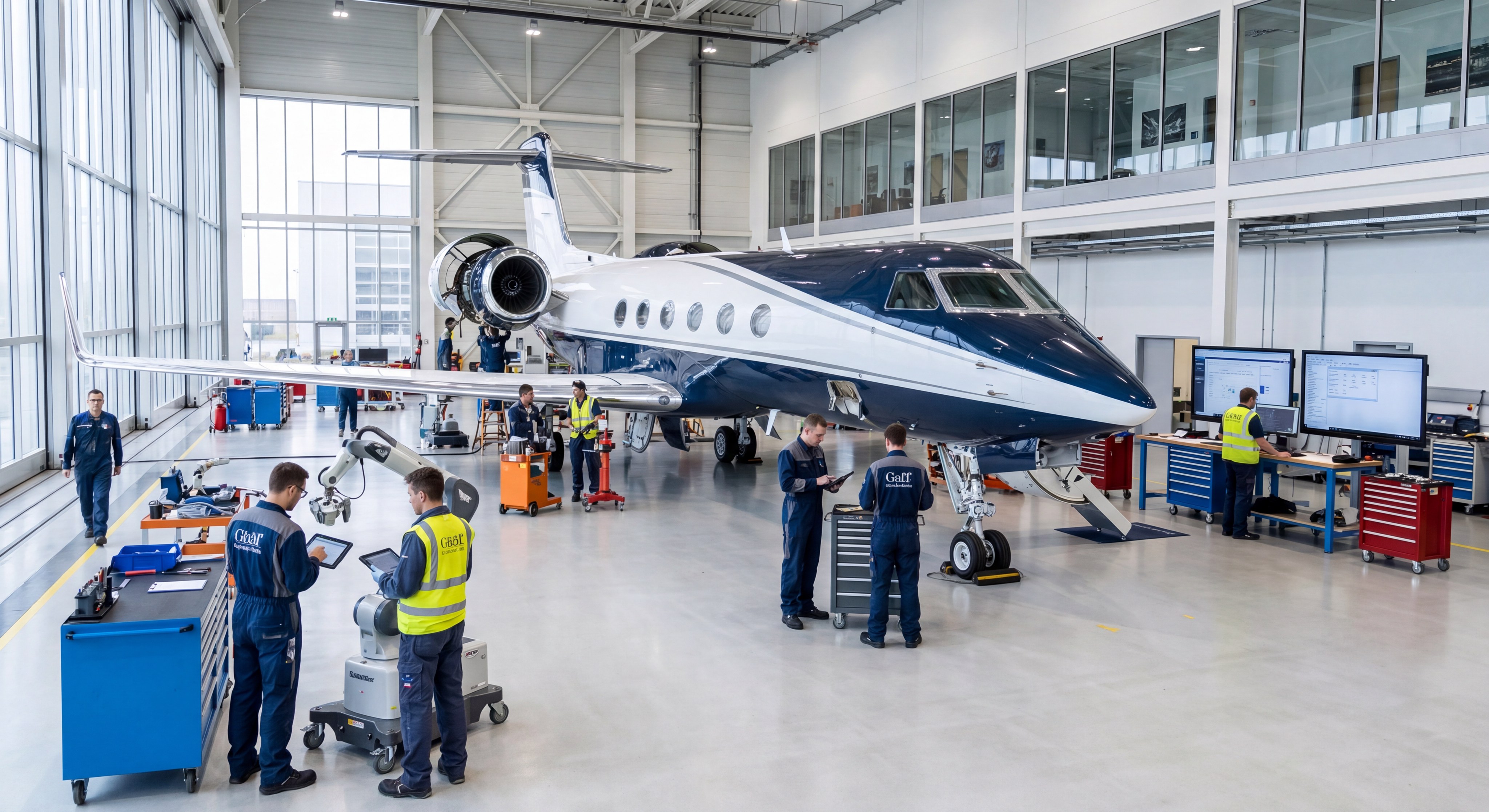
The primary purpose of a hangar is to serve as a mission-critical hub where aircraft can be safely stored and technically maintained without external interference. When you evaluate what is an airplane hangar , you realize it is much more than a “glorified garage”; it is a laboratory for aviation excellence. It provides the clear-span space needed to maneuver large wingspans while offering specialized utility access for heavy-duty repairs.
Is it more than just a storage facility?
Think about it.
- Acts as a climate-controlled base for sensitive avionics calibration.
- Provides a safe platform for structural inspections and engine overhauls.
- Functions as a logistics center for flight planning and crew administration.
- Offers a secure perimeter for high-value ground support equipment.
But wait, there’s more: a hangar also acts as a professional headquarters that reflects the quality of your aviation operations to clients and partners.
Key TakeawayThe hangar’s purpose is to maximize aircraft availability and technical precision by providing a dedicated, high-spec environment for all ground operations.
| Operational Use | Specific Function | Value Added | |
|---|---|---|---|
| Base Maintenance | Heavy repairs and overhauls | Operational longevity | |
| Line Maintenance | Daily checks and inspections | Flight safety | |
| Administrative | Crew and logistics management | Business efficiency |
Defining the facility’s purpose early allows for a more tailored engineering approach that optimizes internal workflow.
Email:sales@showhoo.com.cn
Phone/WhatsApp:+86 186 7895 5927
What are the essential space types in a hangar?
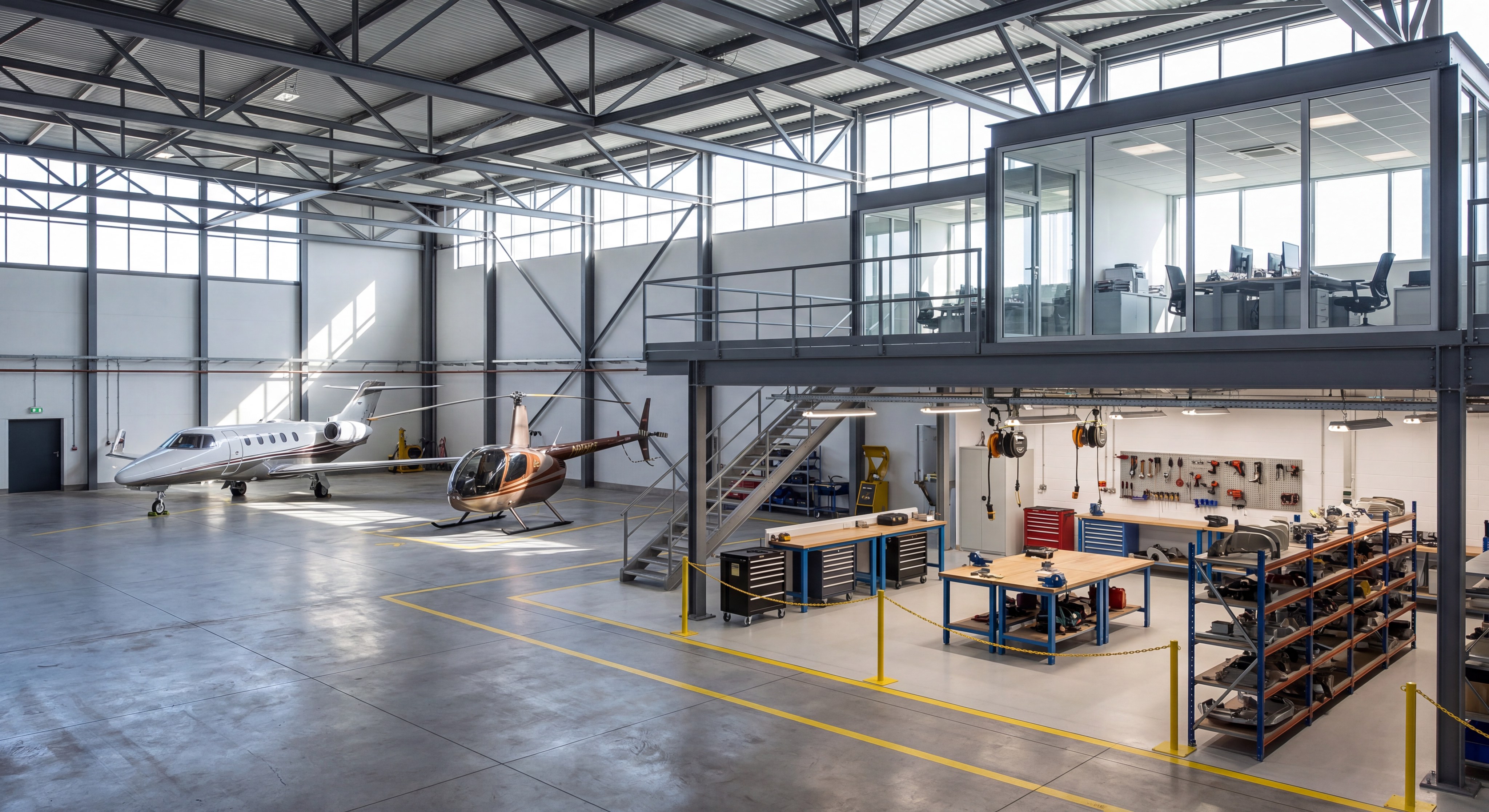
Modern hangars are designed as multi-functional ecosystems that include the main bay, specialized workshops, and secure storage for high-value components. A comprehensive understanding of what is an airplane hangar includes recognizing that it must accommodate diverse activities, from wing inspections to administrative flight planning. You need to ensure that each zone is logically connected to minimize the movement of parts and personnel.
How do shops and offices integrate?
The truth is, layout is everything.
- Hangar Floor: The core clear-span area for parking and maneuvering.
- Maintenance Shops: Specialized zones for battery, engine, and airframe work.
- Parts Warehouse: A secure area for inventory and consumable management.
- Admin Suite: Offices for records, flight planning, and crew rest.
It gets even better: by utilizing mezzanine levels, you can maximize your vertical space for offices without sacrificing the ground floor area needed for planes.
Key TakeawayEfficient hangar design relies on the seamless integration of technical workshops and administrative spaces with the primary aircraft parking area.
| Space Zone | Requirement | Design Focus | |
|---|---|---|---|
| Main Bay | Large clear span | Structural load bearing | |
| Workshops | Specialized ventilation | Technical utility access | |
| Warehouse | Climate control | Inventory security |
Organizing these zones effectively reduces operational downtime and improves the safety of your maintenance technicians.
How do you determine the size of your facility?

Determining the size of your facility requires a precise calculation of your fleet’s wingspan, tail height, and the necessary safety clearances between aircraft. When planning what is an airplane hangar for your project, you must account for your largest aircraft while leaving room for future fleet expansions. You also need to consider the “aircraft mix,” which describes the specific combination of planes that will occupy the floor simultaneously.
What metrics define your footprint?
Let’s get down to business.
- Wingspan and fuselage length of the largest aircraft in the fleet.
- Tail height clearances for door header and truss positioning.
- Turning radius for tugs and ground support equipment (GSE).
- Mandatory separation distances required by local fire and safety codes.
Bottom line: accurate sizing prevents the costly mistake of building a facility that becomes obsolete as soon as you upgrade your aircraft.
Key TakeawaySuccessful hangar sizing balances current fleet requirements with future growth projections and essential operational clearance standards.
| Metric | Design Influence | Critical Check | |
|---|---|---|---|
| Max Wingspan | Column-to-column width | Clearance for movement | |
| Tail Height | Hangar door vertical opening | Truss bottom chord height | |
| Fleet Count | Total square footage | Stacking and parking layout |
Properly sized facilities ensure that maneuvering aircraft remains a safe and routine part of your daily operations.
Which mechanical systems are required for safety?
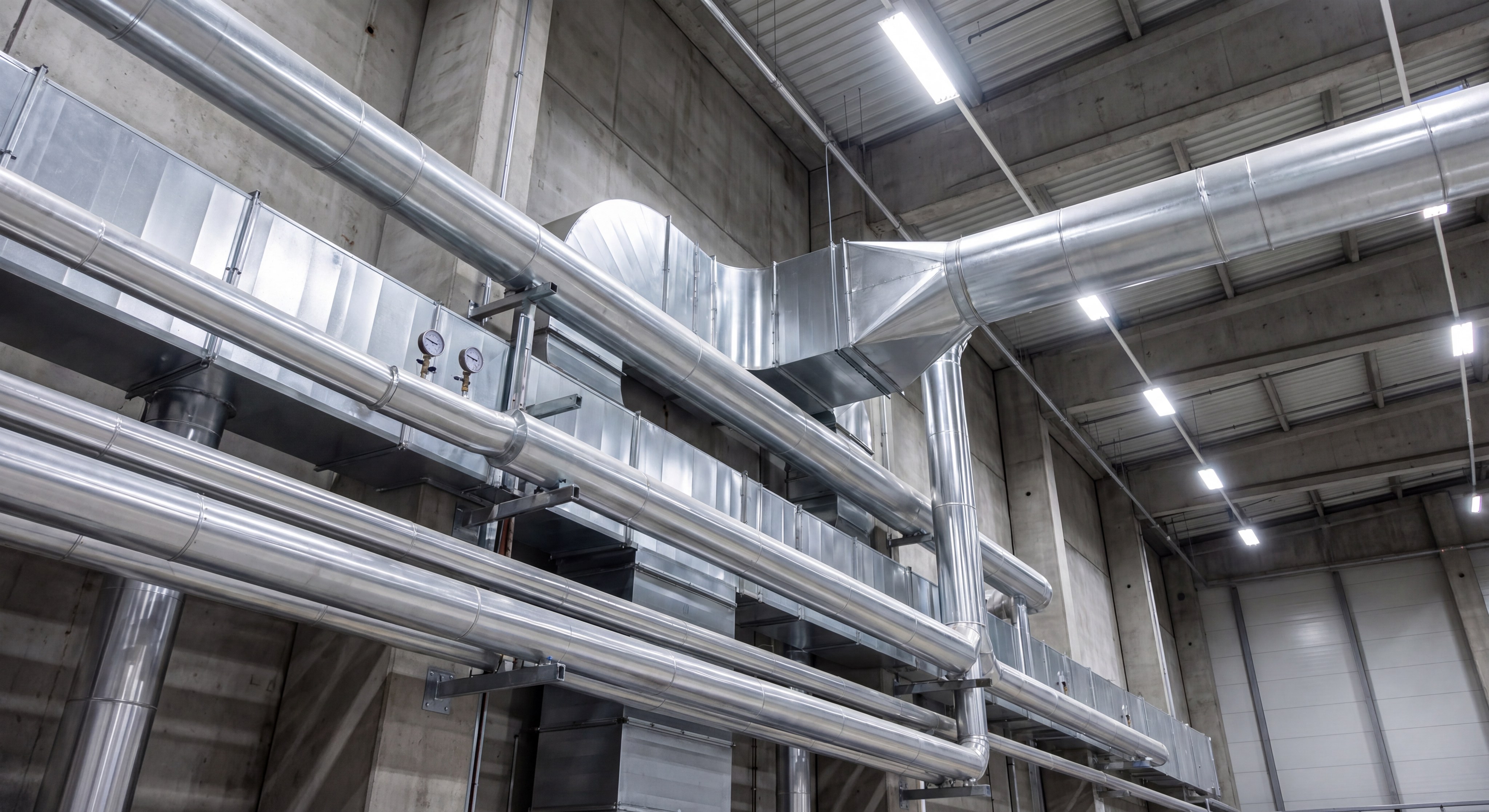
Safety in an aviation environment is driven by robust mechanical systems, including fire suppression, industrial-grade ventilation, and hazardous waste drainage. Because you are dealing with large fuel loads and specialized chemicals, what is an airplane hangar is largely defined by its ability to mitigate these specific risks. You must ensure that your HVAC systems can handle the massive air volume changes that occur when the hangar doors are opened.
How do ventilation and drainage work?
Believe it or not, these systems are your first line of defense.
- High-Volume HVAC: Removes toxic fumes and maintains technician comfort.
- Industrial Interceptors: Captures fuel spills to prevent environmental contamination.
- Humidity Control: Essential for protecting sensitive avionics from moisture.
- Compressed Air: Dedicated lines throughout the floor for maintenance tools.
You might be wondering about the cost; high-efficiency systems are necessary to keep utility expenses manageable in such large open spaces.
Key TakeawayMechanical systems in a hangar protect the facility from fire, ensure environmental compliance, and provide a healthy workspace for personnel.
| System | Component | Goal | |
|---|---|---|---|
| HVAC | High-output air handlers | Fume extraction and comfort | |
| Drainage | Fuel-water separators | Environmental protection | |
| Fire Safety | Deluge or foam systems | Rapid asset protection |
Integrating these systems into the structural design ensures a high-performance facility that meets all modern industrial standards.
What electrical standards must your hangar meet?
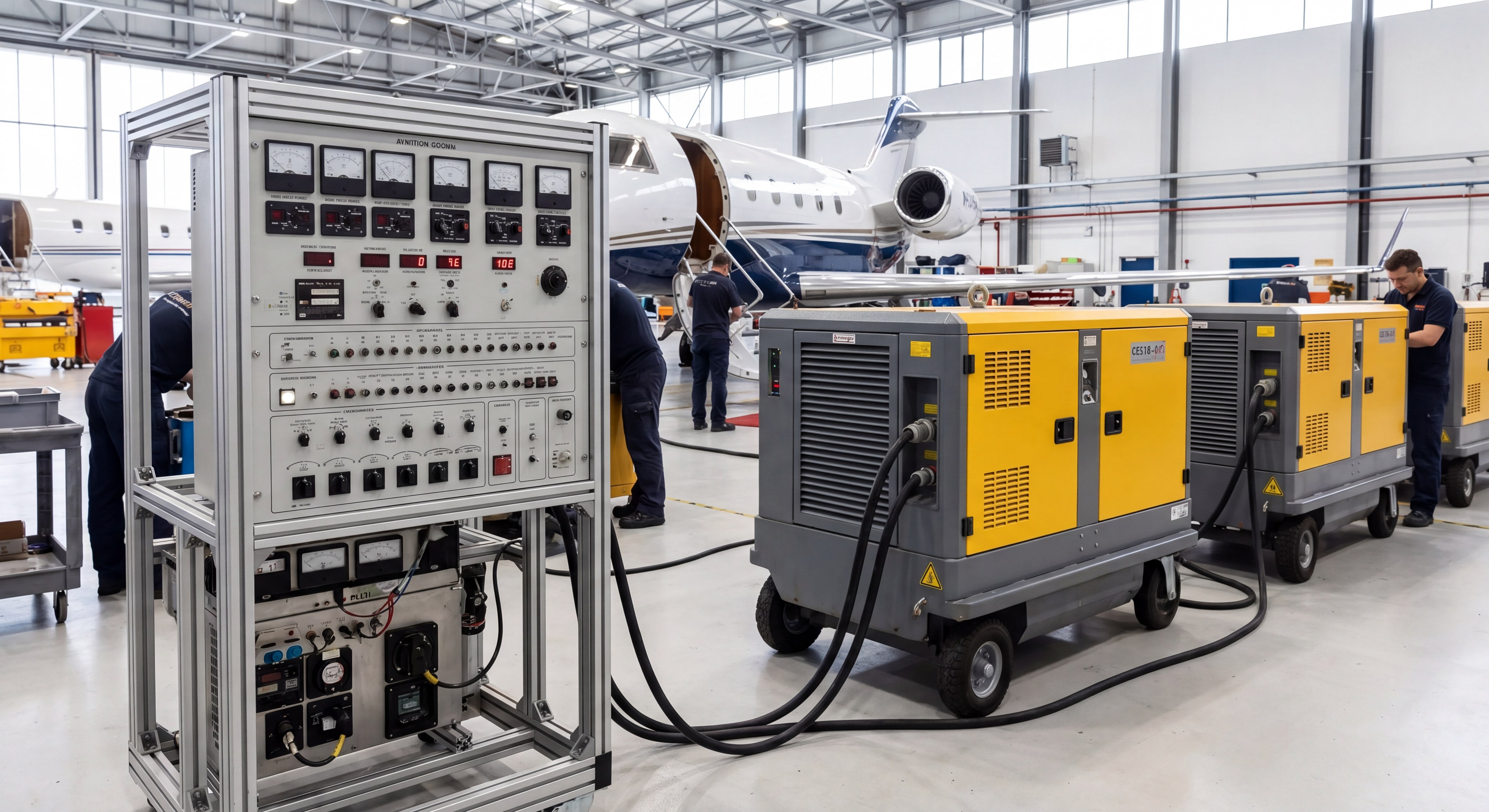
Hangars must meet specialized electrical standards that include hazardous area classifications (NFPA 70) and dedicated power frequencies for aircraft systems. When you look at what is an airplane hangar , you see a facility that requires 400Hz power to keep avionics running while the aircraft engines are off. You need to ensure all wiring near fueling zones is explosion-proof to comply with international safety regulations.
Why is specialized power necessary?
The truth is, standard 60Hz power isn’t enough for modern flight decks.
- 400Hz Systems: Specialized frequency required for aircraft avionics.
- Explosion-Proof Fixtures: Necessary for safety in Class I, Division 1 zones.
- Ground Power Units (GPU): Integrated units for starting and testing planes.
- Emergency Lighting: Redundant systems for safe egress during power failures.
The best part? Modern electrical designs include flexible floor pits that allow you to access power anywhere without trailing cables across the hangar floor.
Key TakeawayElectrical systems in a hangar must provide high-voltage industrial power while meeting the delicate requirements of aircraft electronic systems.
| Standard | Requirement | Application | |
|---|---|---|---|
| NFPA 70 | Hazardous Classifications | Fueling and maintenance zones | |
| Power Output | 400Hz Frequency | Aircraft avionics and systems | |
| Protection | NEMA 4 Enclosures | Resistance to water and foam |
Correct electrical engineering prevents hazardous incidents and provides the necessary tools for advanced technical troubleshooting.
Email:sales@showhoo.com.cn
Phone/WhatsApp:+86 186 7895 5927
How do fire suppression systems function in hangars?
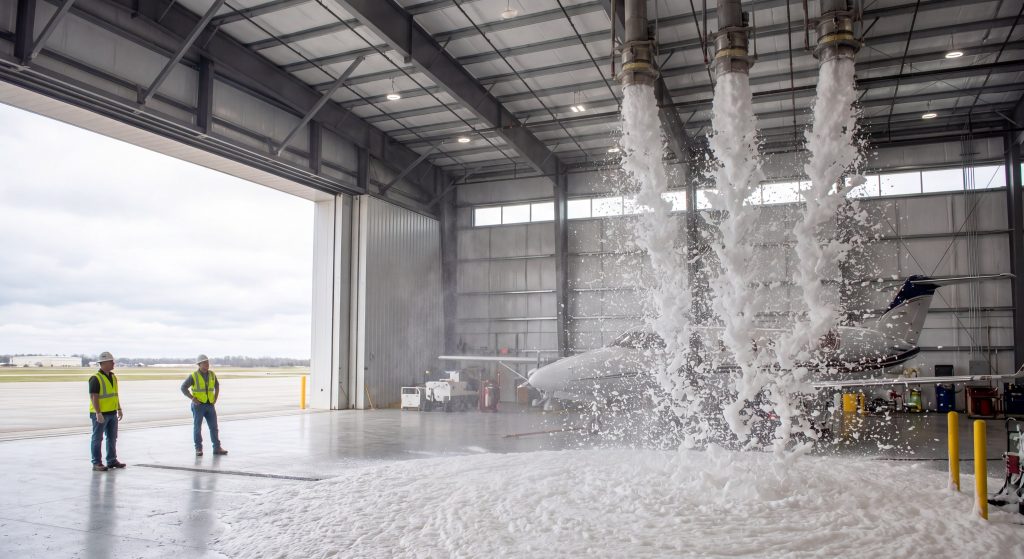
Fire suppression in an aviation facility typically utilizes Aqueous Film Forming Foam (AFFF) to rapidly extinguish potential fuel fires. Understanding what is an airplane hangar means recognizing that water alone is insufficient for flammable liquid fires, which can spread instantly across a flat floor. You must have a system that can blanket the entire hangar floor in a matter of seconds to protect your assets.
How does AFFF protect your aircraft?
It’s simpler than you think.
- Rapid Blanketing: Foam cuts off the oxygen supply to the fuel.
- Overhead Deluge: Provides cooling to the airframe to prevent structural failure.
- Under-Wing Monitors: Specialized nozzles that target hard-to-reach fire zones.
- Automatic Activation: Linked to UV/IR flame detectors for instant response.
Wait, there’s more: these systems must be carefully integrated with the building’s drainage to ensure foam can be contained and disposed of properly.
Key TakeawayModern fire suppression systems are designed to minimize asset damage by extinguishing high-intensity fuel fires before they can affect the structure.
| System Type | Mechanism | Best Use | |
|---|---|---|---|
| AFFF Foam | Chemical oxygen barrier | Large commercial fuel fires | |
| Water Deluge | Cooling and containment | General structural protection | |
| Floor Monitors | Targeted suppression | Under-wing and engine fires |
Choosing the right suppression group depends on the size of your facility and the type of aircraft being serviced.
How do you choose the right type of hangar door?
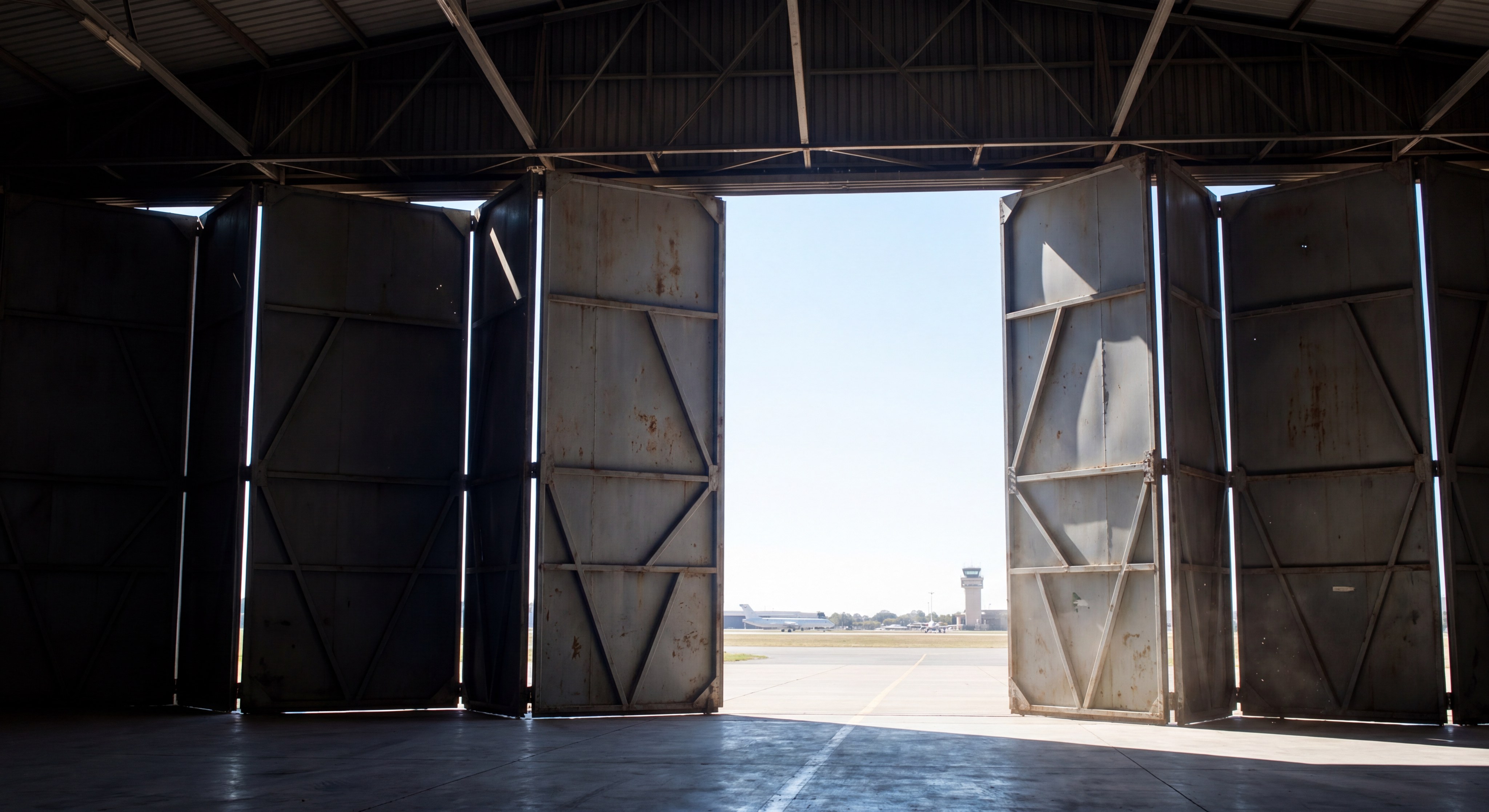
The door system is the most significant mechanical component of your building, determining how easily you can move aircraft in and out of the facility. When selecting what is an airplane hangar door for your project, you must balance operational speed with thermal efficiency and wind load resistance. You need a door that provides a full clear opening to accommodate the widest wingspan in your fleet.
Which configuration fits your operations?
Which should you choose?
- Sliding Doors: Reliable and simple, though they require side pockets.
- Bifold Doors: Offer a canopy effect for extra shade during maintenance.
- Vertical Lift: Ideal for saving horizontal footprint in crowded airports.
- Fabric Doors: Lightweight and fast, perfect for extreme clear spans.
Bottom line: the door system you choose will significantly impact the structural design and overall cost of the steel frame.
Key TakeawayThe ideal hangar door maximizes the usable opening while maintaining the building’s structural integrity and energy efficiency.
| Door Type | Operational Benefit | Structural Impact | |
|---|---|---|---|
| Hydraulic Bifold | Canopy shade and speed | High header load | |
| Rolling Sliding | Simple and low maintenance | Requires side pockets | |
| Fabric Vertical | High-speed cycles | Minimal weight load |
Selecting a door that matches your specific operational tempo is critical to maintaining high productivity.
Which codes and standards govern hangar construction?

Hangar construction is governed by a strict hierarchy of international standards, primarily NFPA 409, which classifies facilities into groups based on fire risk. When you define what is an airplane hangar for compliance purposes, you must adhere to local building codes regarding wind loads, snow loads, and seismic activity. You must ensure that your design is approved by aviation authorities to maintain insurance eligibility and legal operation.
Why is NFPA 409 so important?
Ready to get compliant?
- Group I: Largest hangars with comprehensive fire suppression requirements.
- Group II: Mid-sized facilities with specific construction and safety rules.
- Group III/IV: Smaller or row-style hangars with simplified code needs.
- Life Safety: Egress standards ensure all personnel can exit quickly.
Here is the deal: failing to meet these standards can result in your facility being uninsurable, putting your entire business at risk.
Key TakeawayCompliance with NFPA and local building codes is non-negotiable for ensuring the safety, legality, and insurability of your aviation facility.
| Code / Standard | Focus Area | Regulatory Impact | |
|---|---|---|---|
| NFPA 409 | Fire Protection | Determines sprinkler type | |
| IBC / Local Code | Structural Integrity | Wind and snow load safety | |
| NFPA 101 | Life Safety | Egress and emergency exits |
Partnering with an experienced manufacturer ensures that these complex requirements are built into your project from the start.
How do you start your aircraft hangar project?

Starting a hangar project involves a detailed analysis of your fleet requirements followed by partnering with a specialized factory-direct steel building manufacturer. When you move forward with what is an airplane hangar , you should look for a partner who offers engineering, fabrication, and quality control under one roof. You need a solution that is customized to your local environmental conditions and operational needs.
Why choose factory-direct steel solutions?
Ready to take the next step?
- Direct engineering for wind, snow, and seismic compliance.
- Factory-direct pricing eliminates middleman markups.
- Full QC checkpoints ensure every component meets high standards.
- Integrated delivery of frames, panels, and specialized doors.
You see, a factory-direct approach reduces communication errors and ensures that your building arrives ready for a seamless installation.
Key TakeawayA successful hangar project begins with professional engineering and a commitment to high-quality manufacturing standards.
| Project Step | Action Item | Success Metric | |
|---|---|---|---|
| Consultation | Define fleet and maintenance goals | Accurate project scope | |
| Engineering | Apply local and NFPA codes | Compliant and safe design | |
| Fabrication | Factory-direct production | Quality and cost control |
Taking the first step with a professional manufacturer simplifies the complex journey from initial blueprint to flight-ready facility.
Secure Your Aviation Investment
Building a professional aviation hangar is the only way to ensure the long-term safety and operational efficiency of your fleet. By addressing environmental risks, fire safety, and technical maintenance needs through a custom steel structure, you solve the problems of rapid asset depreciation and high repair costs. Our factory-direct engineering and fabrication services ensure that your facility meets all local codes and international safety standards while staying within your budget. Don’t leave your high-value aircraft exposed to the elements— contact us today to receive a customized project quote and start building the future of your aviation operations.
Email:sales@showhoo.com.cn
Phone/WhatsApp:+86 186 7895 5927
Aircraft Hangar FAQ
Can I customize the interior layout of my hangar?
Yes, steel structures are highly flexible, allowing you to integrate mezzanines, workshops, and office spaces tailored to your specific maintenance workflow.
What’s the best way to handle climate control in a large hangar?
The most efficient method is using insulated sandwich panels for the roof and walls, combined with high-performance doors that minimize thermal loss during opening cycles.
Can I expand my steel hangar in the future?
Absolutely, because steel buildings are modular, you can plan for future expansion by engineering the frame to accept additional bays or extensions as your fleet grows.
What’s the best material for the hangar floor?
A reinforced concrete slab with a high-performance epoxy coating is the industry standard because it resists fuel spills and provides a bright, reflective surface for technicians.
Can I install my own specialized doors in a steel hangar?
Yes, but you must coordinate with the building engineer early in the design process to ensure the steel frame can support the specific weight and wind loads of your chosen door.