
A properly designed and maintained steel building can easily last between 50 and 100 years, or even longer under optimal conditions. Imagine investing hundreds of thousands of dollars into a new commercial facility, only to watch it warp, rot, or succumb to pest infestations within a decade. It is incredibly frustrating to see your hard-earned capital drain into endless structural repairs and costly maintenance cycles that disrupt your daily business operations. Fortunately, pre-engineered metal construction offers a permanent remedy to these structural headaches. By understanding how long do steel buildings last , B2B buyers can confidently secure a high-performing asset designed for maximum operational longevity.
How Long Can You Expect a Steel Building to Last?
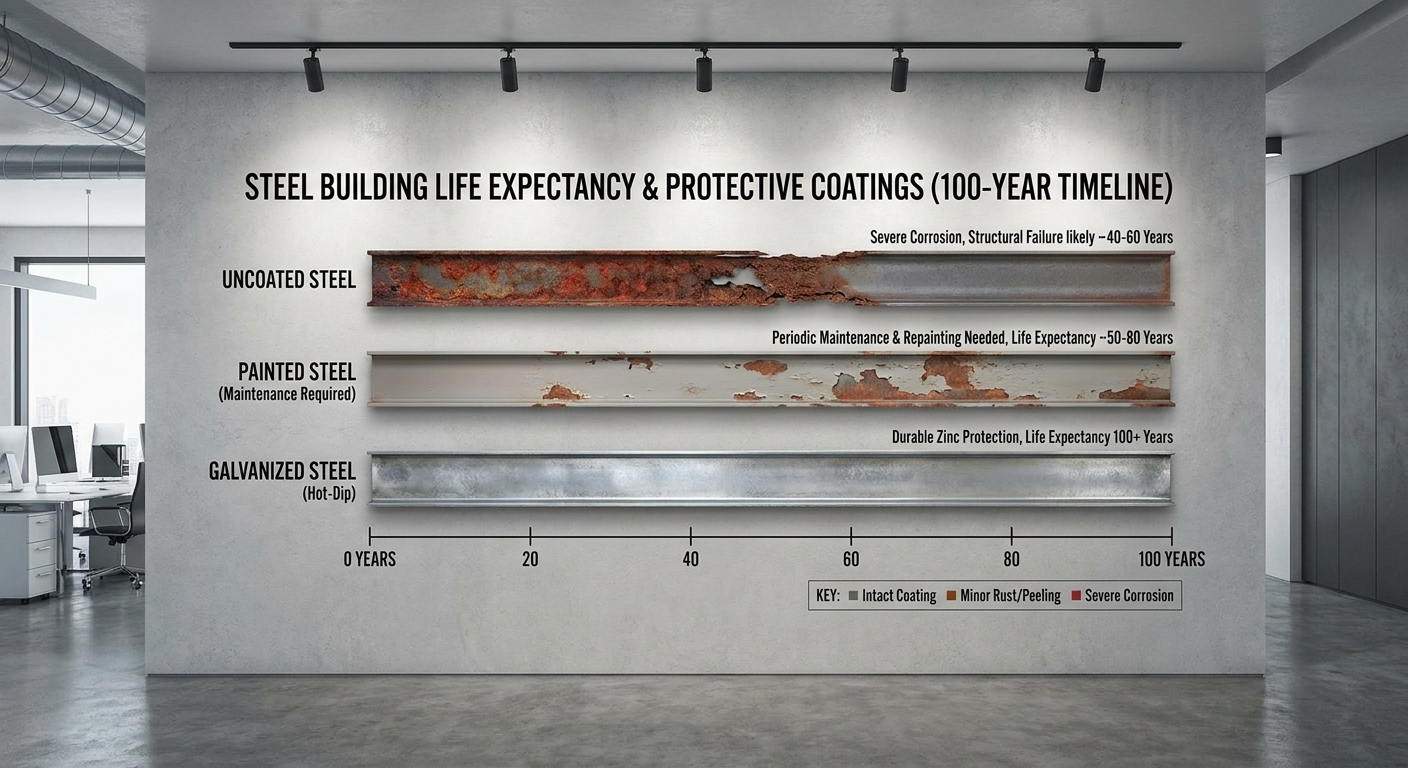
Under normal conditions, you can expect a steel building to last up to a century when it is engineered with premium materials. If you are assessing long-term commercial investments, understanding how long do steel buildings last under various protective coatings is the first step toward safeguarding your capital. Selecting the correct finishes ensures your structure remains highly resilient for generations.
Uncoated steel deteriorates significantly faster when exposed to atmospheric moisture. However, implementing modern protective measures like hot-dip galvanizing or high-performance paint systems completely changes this degradation timeline. These treatments insulate the metal, preventing rust and ensuring your building maintains its load-bearing capacity.
What is the typical lifespan of a metal structure?
Steel buildings offer an incredibly stable baseline that resists natural wear. Here is the deal: organic materials rot, but structural steel remains straight and secure for decades.
- Average lifespan: 50 to 100+ years
- Corrosion resistance: Excellent with coatings
- Dimensional stability: 100% stable
You do not have to worry about the structural frame shifting or settling unevenly over time. This consistent reliability translates to fewer disruptions for your industrial operations.
Why do modern industries favor structural steel?
Modern industrial operators choose structural steel because it offers unparalleled durability and low life-cycle costs. Think about it: why spend money on constant rebuilds when steel provides a permanent solution?
- Adaptability: Easy to expand or modify
- Sustainability: Fully recyclable materials
- Fast Erection: Drastically reduced construction times
You can adapt the clear-span frame easily to suit new heavy-machinery loading layouts as your B2B enterprise grows. This long-term adaptability extends the useful life of your physical assets far beyond their original design.
Key Takeaway: Investing in steel framing guarantees a stable, low-maintenance facility that preserves your business capital and keeps your operations running without structural interruptions.
| Coating Option | Expected Lifespan | Main Preventative Impact | |
|---|---|---|---|
| Uncoated Steel | 40 – 60 Years | Vulnerable to atmospheric moisture and oxidation | |
| Painted Steel | 50 – 80 Years | Requires periodic repainting to maintain barrier | |
| Hot-Dip Galvanized | 100+ Years | Sacrificial zinc layer prevents structural rust |
Selecting hot-dip galvanization is the single most effective way to guarantee your steel framing passes the century mark.
How Does Fire Protection Extend Steel Durability?
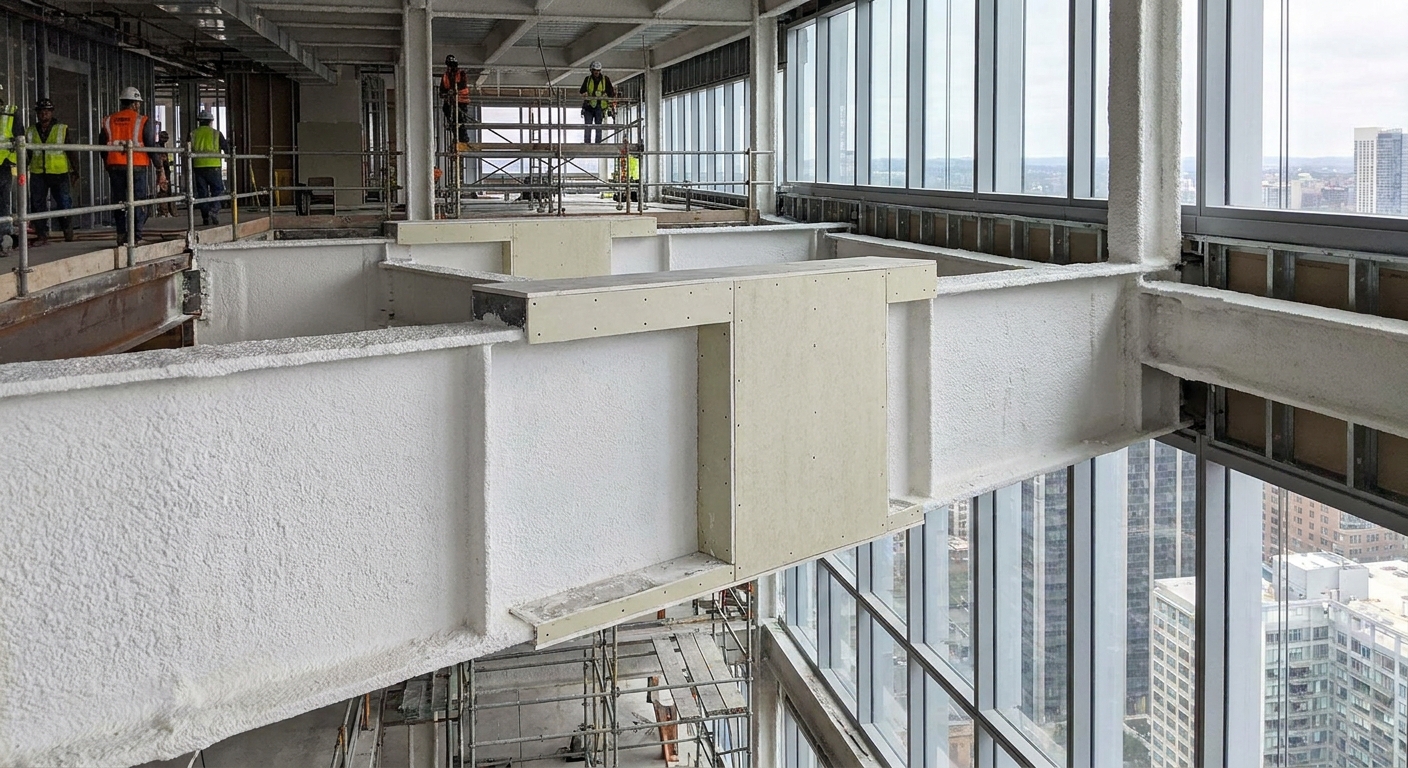
Fire protection extends steel durability by preventing the structural framing from reaching critical temperatures that compromise its load-bearing strength. If you want to maximize how long do steel buildings last, you must implement adequate passive fire resistance to protect your assets during thermal crises. Non-combustible steel does not add fuel to a fire, making it inherently safer than timber.
While steel does not burn, extreme temperatures over 1,100°F can cause the material to lose ductility. Applying specialized coatings ensures the structural framework remains intact even during prolonged thermal exposure. This safeguards your building envelope and provides essential safety margins.
Is structural steel completely non-combustible?
Steel is rated as a non-combustible material, which means it will not ignite or spread flames. Believe it or not: this simple fact can drastically lower your commercial insurance premiums.
- Combustibility: 0% contribution to fuel load
- Flame spread rating: Class A (highest safety)
- Structural shape: Retained under moderate heat
You can rest easy knowing that your building’s frame will not fuel an unexpected localized fire. This fire resistance preserves the overall integrity of your physical plant.
How do fire protection coatings extend lifespans?
Passive fire protection systems insulate the metal from intense heat. Make no mistake: these coatings are essential for multi-story structures or high-hazard warehouses.
- Intumescent coatings: Expand to form an insulating barrier
- Gypsum board encasements: Provide high thermal resistance
- Mineral wool wraps: Stop heat transfer to columns
You can easily combine these methods to achieve up to four hours of certified fire resistance. This thermal barrier prevents the steel framing from warping during structural fires.
Key Takeaway: Implementing professional fireproofing safeguards your building’s skeletal frame, ensuring it survives extreme thermal events and protects your physical assets.
| Protection Type | Structural Survival Time | Key Material Advantage | |
|---|---|---|---|
| Unprotected Steel | 30 – 60 Minutes | Quick installation but lacks high-heat defense | |
| Gypsum Board Encasement | 2 – 4 Hours | Economical barrier with high thermal resistance | |
| Intumescent Paint | 1 – 3 Hours | Aesthetically clean and expands under heat |
Combining intumescent coatings with high-strength steel gives your structure maximum survival time during critical fire emergencies.
Build a 100-Year Steel Structure — Get Your Quote Today!
Email:sales@showhoo.com.cn
Phone/WhatsApp: + 86 186 7895 5927
Does Structural Design Impact Longevity?
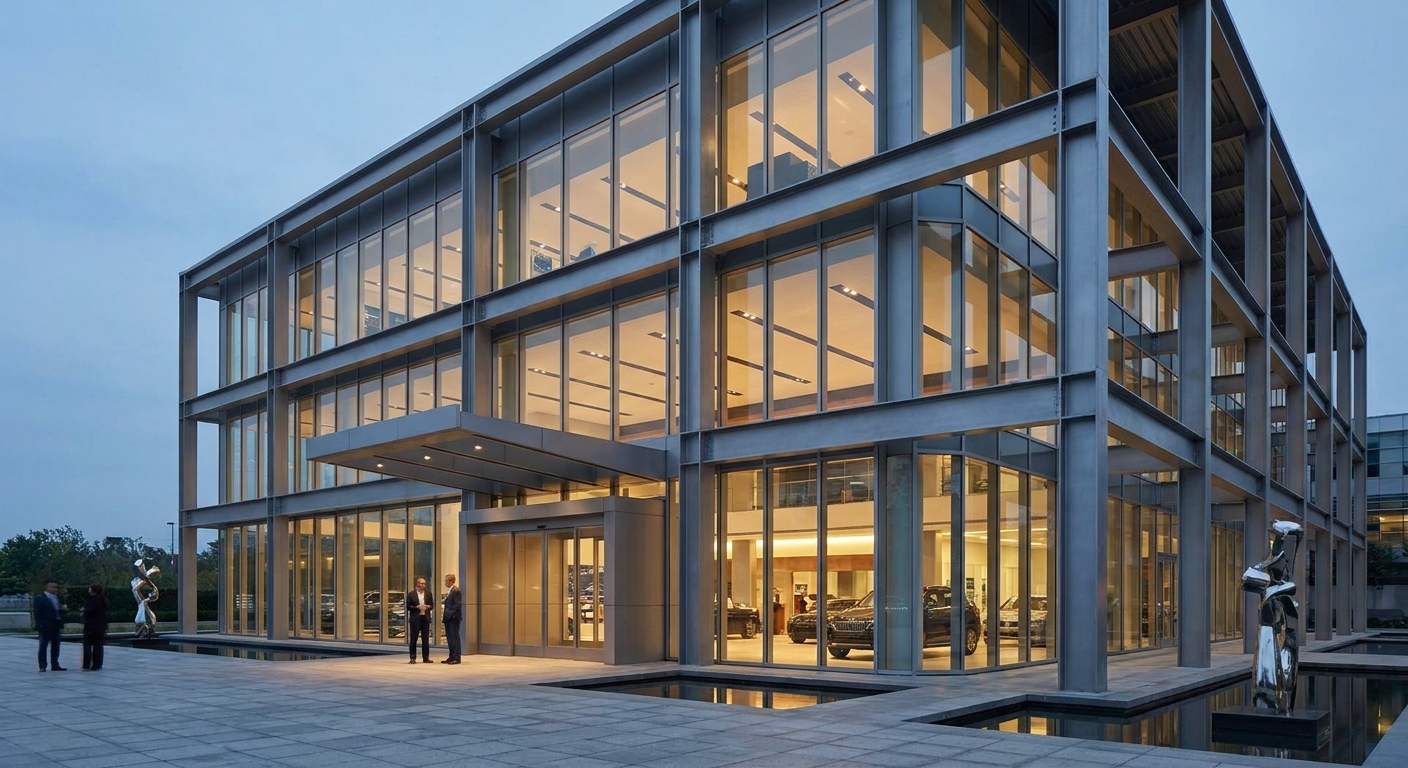
Yes, precision engineering and smart structural layouts directly determine how long your building will remain viable. When evaluating how long do steel buildings last , the architectural integration of clear-span frames and envelope seals plays a major role in preventing structural fatigue. A well-designed layout distributes physical stresses evenly, preventing localized failures.
Modern commercial designs often feature expansive glass facades coupled with sturdy portal frames. These configurations provide both visual appeal and robust support without sacrificing interior workspace. By engineering the structure to handle specific load paths, you eliminate early wear and tear.
How does portal framing mitigate stress?
Portal frame designs distribute heavy wind and seismic loads efficiently to the foundation. Here is the deal: a rigid frame handles side-to-side forces far better than standard post-and-beam construction.
- Load distribution: Uniform across all connections
- Clear-span capacity: Eliminates restrictive interior columns
- Structural rigidity: Keeps the entire building aligned
You get a highly versatile interior that can be reconfigured as your business needs evolve. This design flexibility ensures your building never becomes obsolete.
Can intelligent water routing prevent decay?
Preventing water accumulation at structural joints is critical for keeping rust at bay. Think about it: a roof designed with custom slopes will automatically shed water away from sensitive connections.
- Custom slopes: Guide heavy rain to gutters quickly
- Sealed fasteners: Prevent moisture from leaking inside
- Thermal breaks: Stop condensation in wall cavities
You must ensure that your design team routes precipitation completely off the building footprint. This keeps water from pooling around critical steel-to-concrete baseplates.
Key Takeaway: Investing in a professionally designed portal frame system guarantees structural longevity while maximizing your usable interior square footage.
| Framing Type | Clear-Span Limit | Structural Longevity Impact | |
|---|---|---|---|
| Portal Frame | Up to 40m+ | Excellent stress distribution and minimal joints | |
| Truss Frame | Up to 60m+ | Ideal for heavy roof loads and massive spans | |
| Column-Supported | Unlimited | Requires interior supports but lowers framing costs |
Opting for a portal frame design maximizes both structural efficiency and long-term layout flexibility.
Can Steel Withstand Harsh Weather Climates?
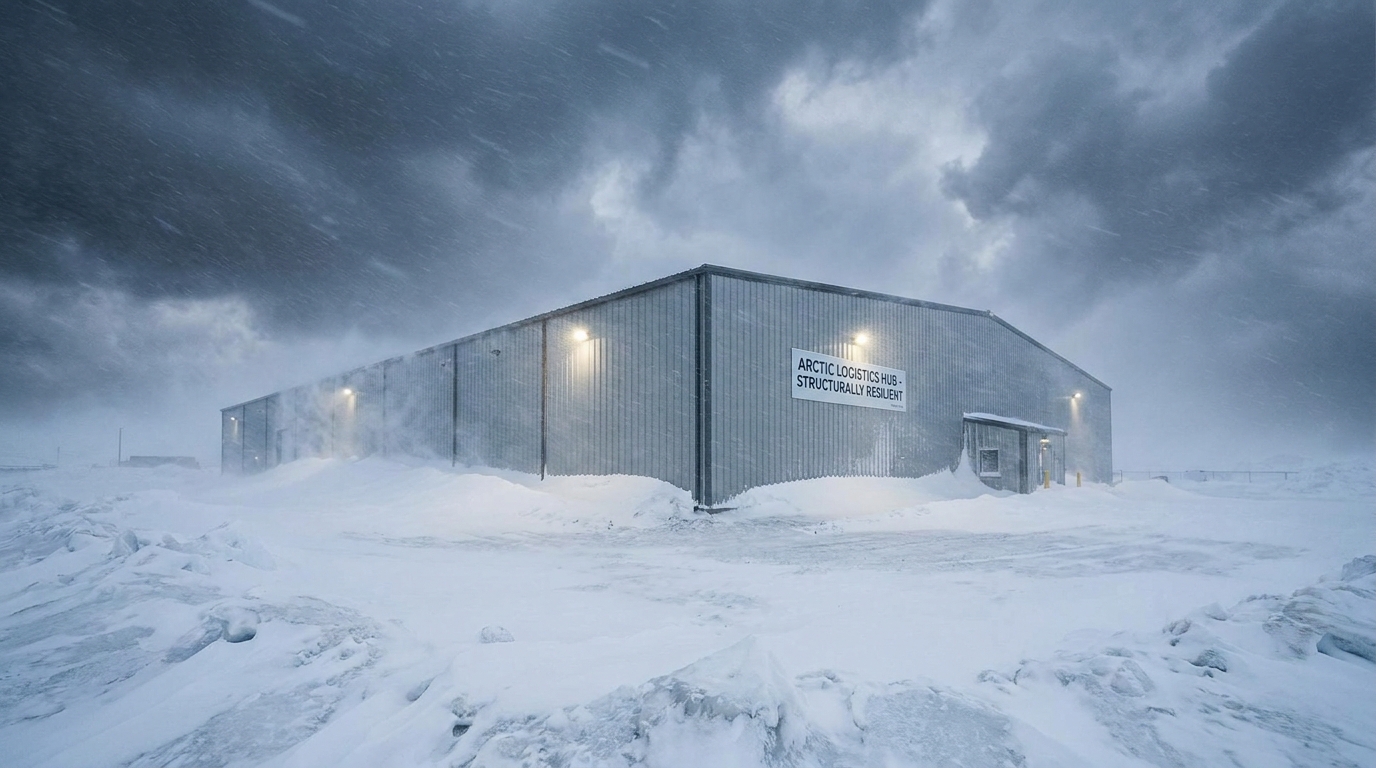
Steel is exceptionally capable of withstanding the harshest weather climates, from heavy arctic snow to coastal hurricanes. To understand how long do steel buildings last, you must examine how pre-engineered steel frames are calculated to survive extreme local environmental loads. Unlike traditional materials, steel does not become brittle in freezing temperatures.
Heavy snow and high winds apply massive physical stress to any commercial roof. Pre-engineered steel buildings use high-strength purlins and panels to distribute these heavy loads safely. This guarantees that your facility remains structurally secure during the worst winter storms.
Why is ductility critical in high winds?
Steel’s inherent ductility allows it to bend and sway slightly without fracturing under extreme wind pressure. Let’s face it: rigid, brittle materials like concrete crack when subjected to sudden, violent forces.
- Ductility: High capacity to absorb kinetic energy
- Wind rating: Easily engineered up to 180+ MPH
- Joint resilience: Heavy-duty bolts secure vital connections
You do not have to worry about your building collapsing during a severe storm. The structural frame is designed to flex and return to its original shape.
How does steel manage heavy snow loads?
High-performance steel trusses are calculated to support massive weight accumulations. Believe it or not: steel maintains its complete mechanical properties even in sub-zero conditions.
- Truss strength: Optimized for heavy winter weight
- Purlin spacing: Custom-spaced for local snow loads
- Panel shedding: Slick surfaces encourage snow slide-off
You will enjoy peace of mind knowing your building is calculated to handle extreme weight. This prevents long-term sagging or roof system deformation.
Key Takeaway: Choosing steel engineered for your local climate ensures your building stands strong against severe weather, saving you from catastrophic roof failures.
| Weather Threat | Wood Performance | Steel Performance | |
|---|---|---|---|
| Heavy Snow Loads | Prone to cracking and structural sagging | Retains structural shape and easily supports weight | |
| Hurricane Winds | High risk of roof uplift and frame detachment | Bolted connections resist extreme wind forces | |
| Sub-Zero Cold | Brittle fasteners can snap under pressure | Retains ductile strength without structural degradation |
Custom-engineered steel frames provide the highest level of structural security in extreme weather zones.
Why Does Professional Assembly Prevent Early Wear?
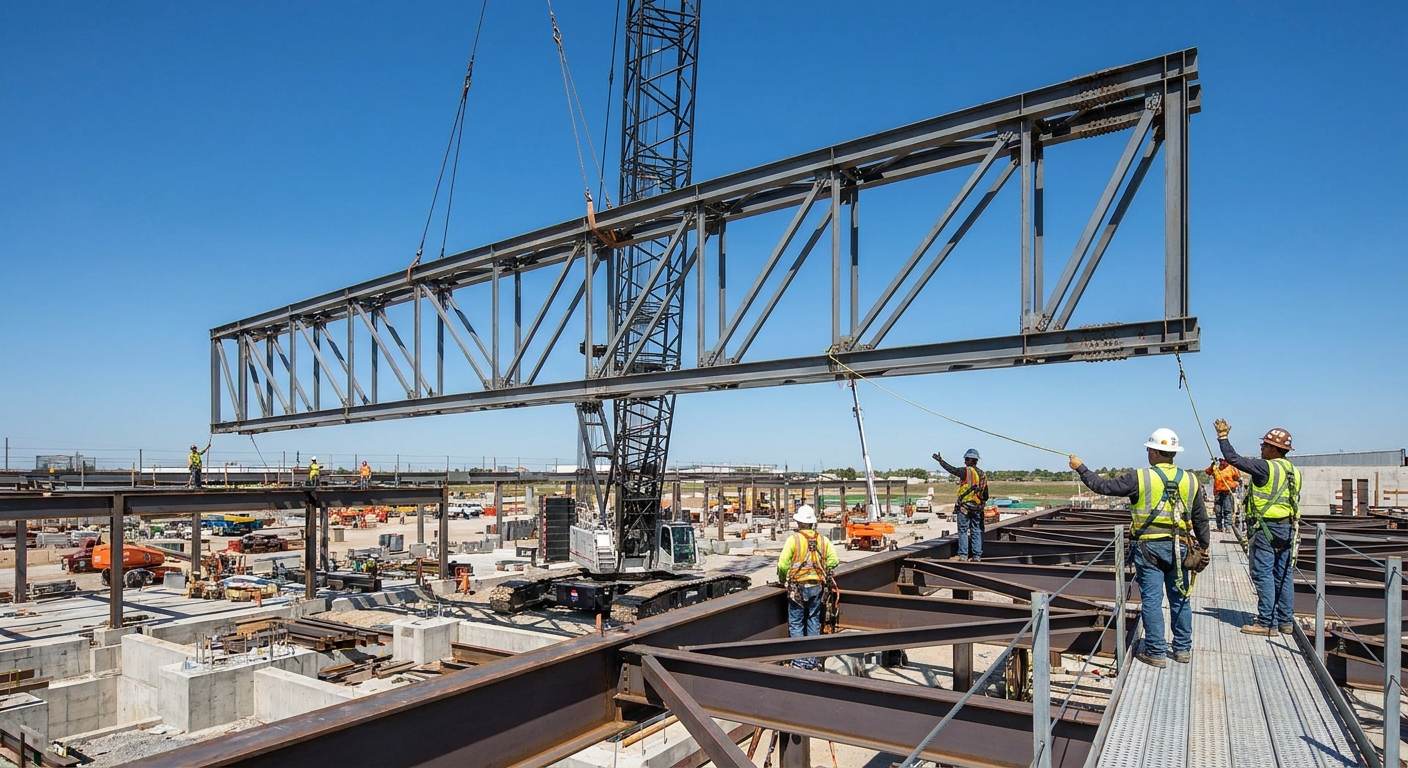
Professional assembly prevents early wear by ensuring that every component is aligned, bolted, and sealed according to exact engineering specifications. If you are planning a large-scale project, understanding how long do steel buildings last when erected by certified crews is critical to avoiding structural alignment issues. Proper crane lifts and tensioned bolting secure the frame against lifelong physical stress.
Poor installation practices can introduce unintended structural stresses that lead to early failure. When components are forced into alignment, it can damage protective coatings and create gaps. Professional installers use precision equipment to place every heavy truss safely.
Why are calibrated bolts essential?
Calibrated bolting ensures that structural connections are tensioned to exact engineering requirements. Make no mistake: loose bolts can lead to structural shifting and accelerated wear at key joints.
- Tension control: Eliminates movement at vital connections
- Thread protection: Prevents stripping during high-stress loads
- Structural alignment: Keeps the skeletal frame perfectly square
You will avoid the dangerous structural shifting that plagues poorly assembled metal kits. Properly tensioned connections are the backbone of a long-lasting steel frame.
How does proper crane handling protect coatings?
Professional crane crews handle heavy steel components with specialized lifting straps to avoid surface abrasions. Think about it: a single deep scratch can expose raw metal to moisture and trigger rust.
- Nylon slings: Prevent scratching of protective paint
- Controlled lifting: Eliminates impact damage to structural steel
- On-site touch-ups: Instantly seals any minor installation marks
You must verify that your contractor takes these precautions. Keeping the factory paint barrier intact is the best way to safeguard the structural metal.
Key Takeaway: Utilizing a certified assembly crew preserves your building’s protective barriers, ensuring the framing remains completely rust-free and structurally sound.
| Assembly Aspect | Certified Professional Crew | Unskilled General Labor | |
|---|---|---|---|
| Bolt Tensioning | Calibrated to precise torque specifications | High risk of loose or over-tightened connections | |
| Coating Protection | Nylon slings prevent scratches and rust spots | Metal chains scrape off protective finishes | |
| Frame Alignment | Perfect alignment via precision transit levels | Forced fits create permanent structural stress |
Professional installation is a necessary investment that directly secures your steel building’s 100-year lifespan.
How Does Pest Resistance Increase Lifespan?
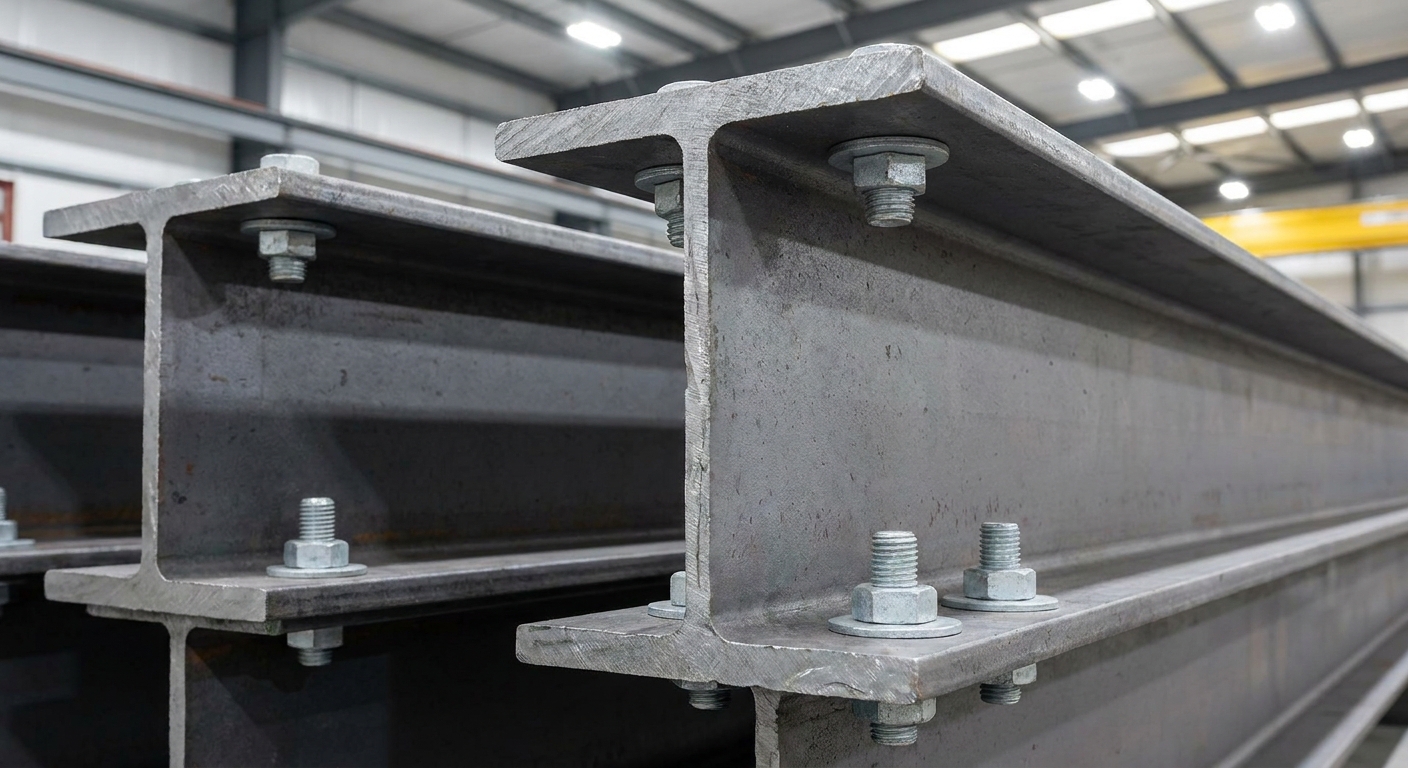
Pest resistance increases a building’s lifespan by eliminating the risk of internal structural damage caused by wood-boring insects and nesting rodents. When calculating how long do steel buildings last, you must consider the immense cost savings of a material that is completely impervious to termites. Steel’s inorganic composition ensures that the structural core of your facility remains entirely intact.
Pests like termites and carpenter ants can quietly destroy the load-bearing capacity of a timber-framed building. By the time you notice the damage, it often requires incredibly expensive structural repairs. Inorganic steel completely eliminates this hidden threat.
Why are termites powerless against steel?
Termites cannot consume or tunnel through inorganic structural steel columns and beams. Here is the deal: choosing steel completely removes the food source that attracts wood-destroying pests.
- Inorganic composition: 0% risk of biological digestion
- Zero nesting sites: Solid steel prevents pest burrowing
- Chemical-free: Eliminates the need for toxic soil treatments
You will save thousands of dollars on annual chemical barrier treatments and exterminator fees. This pest resistance keeps your maintenance budget clean and predictable.
How does steel stop rodent infestations?
Rodents cannot chew through solid steel framing or exterior metal panels to gain access to your facility. Believe it or not: this pest barrier protects your electrical wiring and insulation from costly damage.
- Solid barriers: Rodents cannot gnaw through metal panels
- Tight seals: Precision joints leave no entry gaps
- Asset protection: Keeps stored inventory safe from pest damage
You will drastically reduce pest control expenses over the building’s lifetime. This keeps your operating overhead incredibly low.
Key Takeaway: Building with pest-resistant steel completely eliminates the risk of hidden structural destruction, saving you from unexpected and costly repair bills.
| Pest Threat | Traditional Wood Framing | Structural Steel Framing | |
|---|---|---|---|
| Termite Ingestion | High vulnerability; requires constant chemical treatments | 100% immune; zero risk of structural digestion | |
| Rodent Gnawing | Easy access; pests chew through framing and wiring | Impenetrable metal stops pests from breaching walls | |
| Annual Treatment Cost | 150to500+ for mandatory pest inspections | $0; no ongoing pest control required for the frame |
Eliminating pests protects both your building’s physical structure and the valuable inventory stored inside.
Build a 100-Year Steel Structure — Get Your Quote Today!
Email:sales@showhoo.com.cn
Phone/WhatsApp: + 86 186 7895 5927
Why Is a Solid Foundation Vital for Steel?
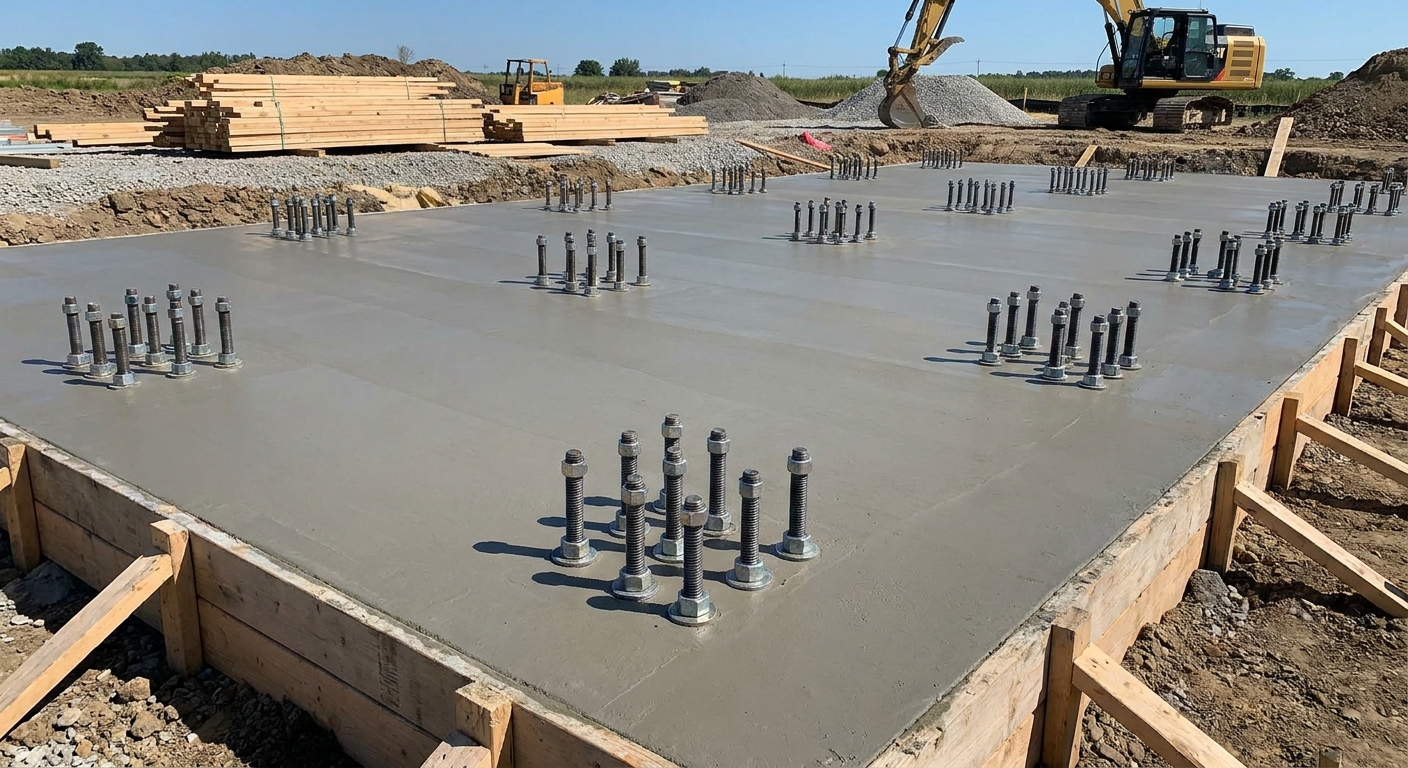
A solid foundation is vital because it anchors the heavy steel columns securely and prevents uneven settling that can stress the framing. To maximize how long do steel buildings last , you must pair your steel framing with a precisely engineered concrete slab and heavy-duty anchor bolts. A stable foundation ensures that your structure remains perfectly plumb and balanced for its entire lifecycle.
Uneven foundation settling can cause structural components to shift out of alignment. This puts undue stress on bolted connections and can create gaps in wall panels. Pouring a high-quality concrete slab is the first step toward securing a lifetime investment.
Why are precision anchor bolts critical?
High-strength anchor bolts transfer massive vertical and lateral loads directly from the steel columns to the concrete foundation. Let’s face it: if your anchor bolts are misaligned, the entire structural integrity of your building is compromised.
- Load transfer: Safely channels heavy wind and snow forces
- Precision alignment: Keeps columns perfectly straight and stable
- Corrosion protection: Galvanized bolts resist underground moisture
You will prevent localized structural shifting during extreme high-wind events. Properly embedded anchor bolts keep your facility rooted firmly to the earth.
Can foundation drainage prevent base rust?
Routing water away from the concrete slab prevents moisture from pooling at the base of your steel columns. Think about it: dry foundations prevent the chemistry of rust from ever starting.
- Graded drainage: Directs rain away from structural base plates
- Slab moisture barriers: Stop underground vapor from rising
- Base flashing: Seals the joint between metal walls and concrete
You must establish proper slope grading before pouring your foundation. Keeping water from accumulating around steel column bases is critical to your building’s health.
Key Takeaway: Engineering a solid foundation with proper water drainage keeps the base of your steel columns dry, preventing rust and ensuring lifelong structural stability.
| Foundation Feature | Structural Lifespan Impact | Key Preventative Impact | |
|---|---|---|---|
| Heavy-Duty Anchor Bolts | Vital for lateral stability | Prevents structural shifting during severe windstorms | |
| Integrated Slab Drainage | Adds 30+ years to column bases | Stops standing water from corroding vital steel plates | |
| Vapor Barrier | Prevents internal condensation | Keeps interior flooring and wall insulation dry |
Pouring a structurally sound foundation with proper drainage is key to preventing base corrosion.
Why Choose Steel Over Traditional Timber Framing?
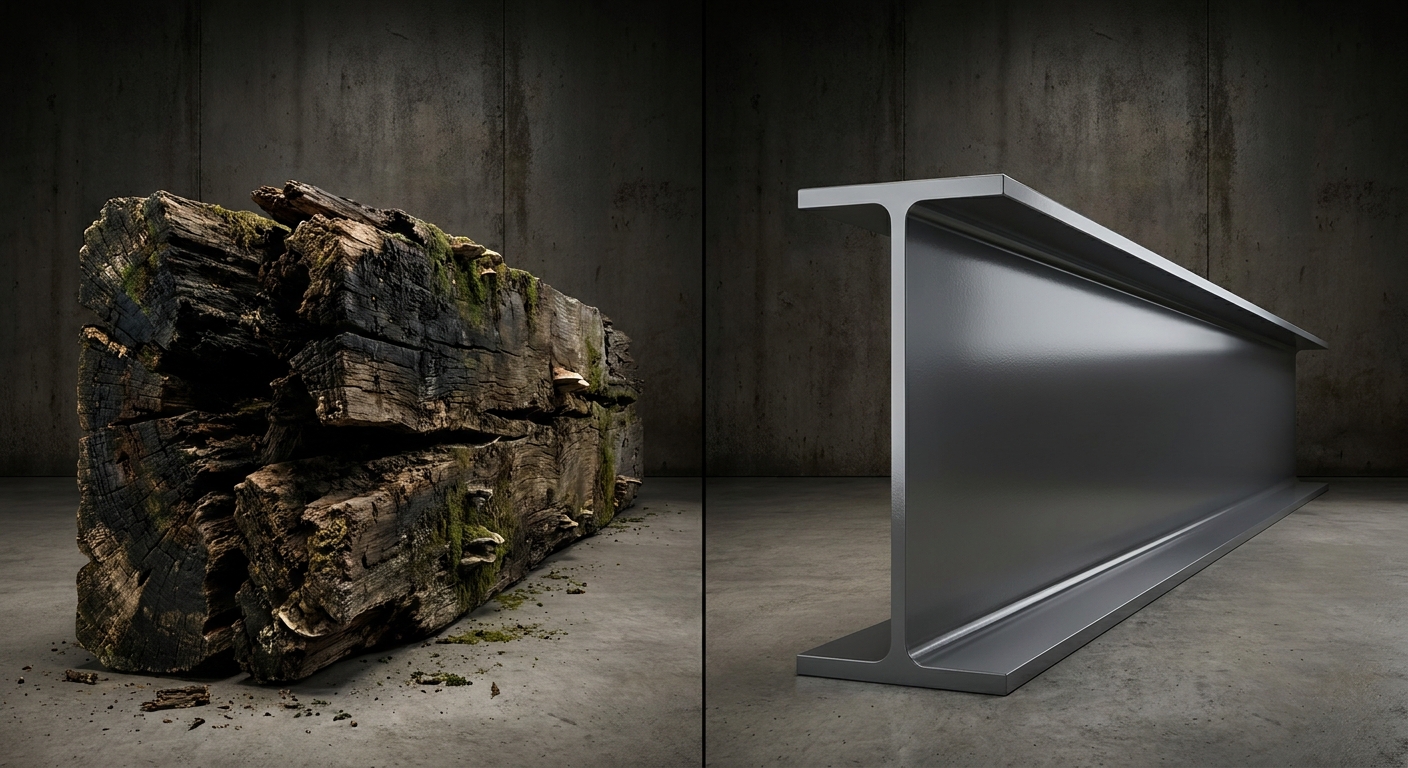
You should choose steel because it is a completely inorganic material that will not rot, warp, split, or decay like traditional timber framing. When comparing how long do steel buildings last against timber alternatives, the structural advantages of high-performance steel become clear. Steel provides a highly reliable framing option that maintains its shape and strength for decades.
Wood is highly vulnerable to moisture, which triggers mold, rot, and structural decay over time. As wood dries out, it also warps and twists, compromising the building’s airtight seals. Choosing inorganic steel eliminates these frustrating maintenance headaches from day one.
Why does timber rot reduce building lifespans?
Timber framing quickly loses its structural capacity when internal moisture levels exceed 18 percent. Here is the deal: damp wood rot breaks down cellular fibers, leaving the frame soft and weak.
- Moisture retention: Wood absorbs atmospheric water easily
- Fungal decay: Organisms consume wood fibers rapidly
- Structural sagging: Weakened timber frames sag under weight
You do not want to worry about your building’s skeleton quietly rotting behind drywall. Steel’s inorganic composition ensures that your framing remains completely immune to mold.
Does steel maintain dimensional consistency?
Structural steel is completely dimensionally stable and does not expand or contract with humidity changes. Make no mistake: this consistency is critical for keeping your facility energy-efficient.
- Airtight seals: Panels maintain straight, tight joints over decades
- Zero warping: Columns and beams never twist or split
- Lower energy costs: Eliminates drafts caused by framing shifts
You will secure an energy-efficient structure that retains its value over time. This structural stability simplifies long-term facility management.
Key Takeaway: Choosing steel over timber guarantees a dimensionally stable, rot-free structure, protecting your facility from costly moisture damage and structural warping.
| Material Characteristic | Timber Framing | Pre-Engineered Steel | |
|---|---|---|---|
| Rot & Mold Susceptibility | High; organic fibers support fungal growth | Completely immune; inorganic material | |
| Dimensional Stability | Low; wood warps and splits with humidity | High; maintains exact structural dimensions | |
| Lifetime Maintenance | High; requires ongoing inspections and repairs | Low; minimal maintenance required for framing |
Choosing steel over timber eliminates the risk of rot, ensuring your structural frame remains straight for its entire lifespan.
Does Regular Inspection Keep Steel Standing Strong?
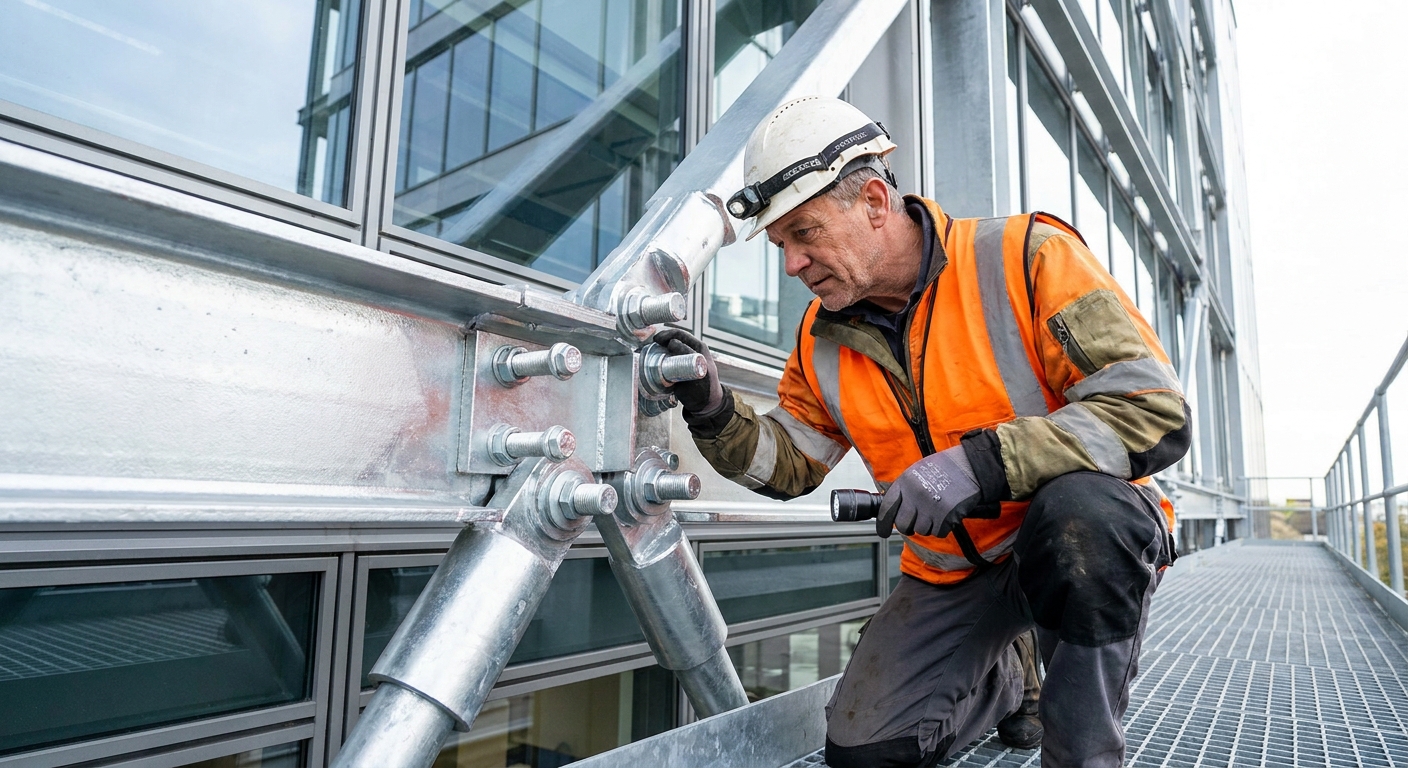
Yes, regular, proactive inspections identify and resolve minor wear before it can compromise the building’s overall structural integrity. If you want to maximize how long do steel buildings last , conducting simple annual maintenance checks ensures your protective coatings remain fully intact. Catching minor scratches early prevents rust from taking hold.
Environmental elements like rain, salt air, and dirt can wear down protective coatings over time. A quick yearly inspection allows you to touch up minor abrasions before they escalate. This simple habit keeps your physical asset in pristine condition.
How do yearly checklist inspections work?
A standard annual checklist focuses on identifying moisture buildup, loose fasteners, and minor coating damage. Think about it: a few minutes of inspection can save you thousands in future repair bills.
- Fastener checks: Tighten or replace loose panel screws
- Coating touch-ups: Clean and paint over minor abrasions
- Seal integrity: Inspect weatherstripping around doors and windows
You can easily perform these checks yourself or assign them to your facility maintenance team. This proactive care keeps your building envelope secure.
Why is clearing roof debris important?
Letting leaves, dirt, or metallic dust build up on your roof traps moisture against the panels and can trigger rust. Believe it or not: simple debris removal is the easiest way to prevent localized panel wear.
- Debris clearing: Stops moisture from sitting on metal panels
- Gutter cleaning: Ensures rain drains away quickly and safely
- Rust prevention: Keeps standing water from damaging seals
You will keep your roof panels in excellent condition for decades. This simple maintenance routine maximizes the life of your building envelope.
Key Takeaway: Performing quick yearly inspections and simple roof maintenance preserves your protective barriers, keeping your steel building looking and performing like new.
| Maintenance Task | Recommended Frequency | Key Preventative Impact | |
|---|---|---|---|
| Inspect Bolts & Screws | Annually | Keeps structural connections tight and secure | |
| Clean Gutters & Drains | Twice Per Year | Prevents water from backing up and causing panel rust | |
| Patch Wall Scratches | Immediately | Seals the metal substrate to prevent localized oxidation |
A consistent, simple inspection plan keeps minor wear from turning into expensive structural repairs.
Are Pre-Engineered Warehouses a Lifetime Investment?
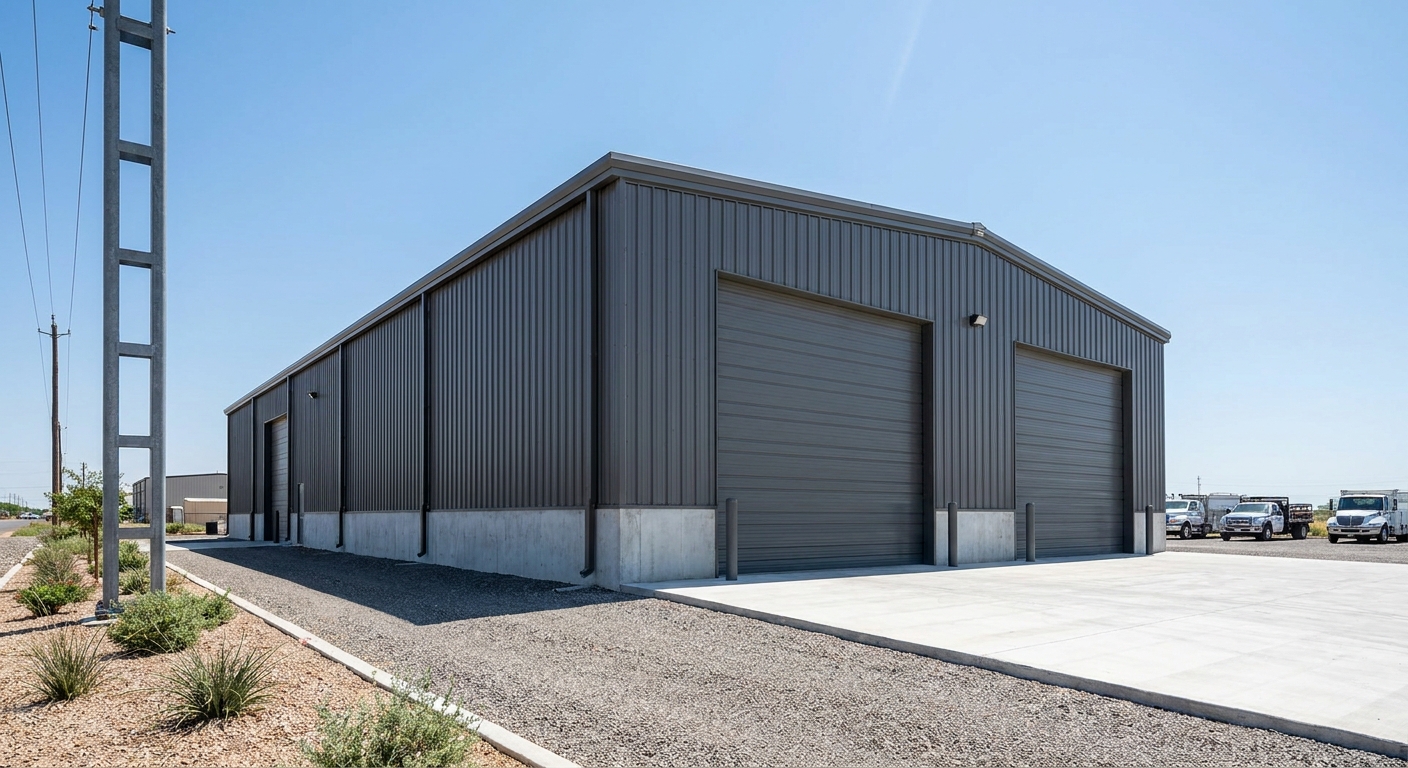
Yes, pre-engineered steel warehouses are a true lifetime investment, designed to provide over 80 to 100 years of low-maintenance service. When deciding how long do steel buildings last, you must evaluate the long-term ROI of a structure that easily adapts to changing B2B needs. Steel’s durability makes it the most cost-effective solution for industrial space.
Traditional concrete or brick structures require massive upfront capital and are difficult to modify. Pre-engineered steel buildings offer fast construction times and a lower total cost of ownership. This makes them the ideal choice for modern businesses looking to secure their physical operations.
Why do steel warehouses offer superior ROI?
Steel buildings require minimal ongoing maintenance, which directly reduces your lifetime operating costs. Here is the deal: you save money on repairs, paint, and pest control every single year.
- Lower maintenance: Save on repairs and pest treatments
- Energy efficiency: Easy to insulate for lower heating costs
- High resale value: Steel structures maintain their value over time
You can reallocate your maintenance budget back into growing your core business. This long-term financial freedom is why smart developers choose steel.
Can pre-engineered frames be easily expanded?
Pre-engineered steel framing allows you to expand your warehouse layout with minimal hassle. Let’s face it: your business will grow, and your building needs to grow with it.
- Modular design: Add new bays quickly and economically
- Removable endwalls: Expand your footprint without structural damage
- Clear-span adaptability: Reconfigure interior storage layouts easily
You will avoid the costly structural alterations associated with traditional brick or timber framing. This modular flexibility ensures your investment is fully future-proof.
Key Takeaway: Choosing a pre-engineered steel warehouse gives you a highly adaptable, long-lasting physical asset that grows with your business and delivers maximum lifetime value.
| Building Type | Core Lifespan Target | Ideal Engineering Feature | |
|---|---|---|---|
| Pre-Engineered Warehouse | 80 to 100+ Years | Clear-span framing for maximum storage layout flexibility | |
| Office Building | 80+ Years | Integrated shear walls for high wind and seismic resistance | |
| Commercial Showroom | 80+ Years | Modifiable floorplans with expansive glass facades |
Selecting pre-engineered steel is the smartest way to secure a durable facility that adapts to your company’s future needs.
Conclusion & CTA
Structural decay, weather vulnerability, pest damage, and high maintenance costs are major challenges that can threaten the lifespan of your physical facilities. Pre-engineered steel buildings solve these frustrations by providing a completely inorganic, highly ductile, and pest-resistant structure. Our factory-direct prefabricated steel solutions are engineered to withstand extreme winds, heavy snow, and seismic forces while keeping construction times fast and predictable. From clear-span warehouses to modern multi-story office buildings, we customize every structural frame to match your local building codes and operational requirements. We are committed to engineering durable, sustainable steel structures that provide global businesses with the lifetime security they need to grow. To start planning your next high-performance commercial project, contact us today for a custom quote tailored to your specific operational needs.
Build a 100-Year Steel Structure — Get Your Quote Today!
Email:sales@showhoo.com.cn
Phone/WhatsApp: + 86 186 7895 5927
FAQ
Can I customize an old steel building for a new industrial use?
Absolutely, you can easily modify and customize pre-engineered steel frames to accommodate new equipment, overhead cranes, or physical expansions. Because steel frames are modular and highly ductile, engineers can weld or bolt additional reinforcements directly to existing columns and beams, allowing the structure to safely support heavier loads.
What is the best way to protect a steel structure in a salty coastal environment?
It depends on the protective coating, but opting for hot-dip galvanization is the absolute best way to defend steel in coastal areas. The thick sacrificial zinc layer prevents salt spray and marine moisture from oxidizing the steel, and performing a simple bi-annual wash to rinse away salt buildup will ensure the frame achieves its 100-year lifespan.
How do I know if my steel building requires structural repairs?
Yes, you can easily identify repair needs through a simple visual inspection of the building’s exterior and key connections. Look for signs of surface discoloration, red rust on panels or trim, loose panel screws, or sagging gutters, and address these issues immediately with spot priming and paint to keep your building envelope fully secure.
Is it possible to insulate steel buildings for cold climates?
Yes, you can easily install high-performance fiberglass insulation or insulated metal panels (IMPs) to keep your facility energy-efficient. Proper insulation controls interior temperature and stops condensation from forming inside the wall cavities, which protects the framing from localized moisture buildup.
Do steel buildings cost more to maintain than timber structures?
No, steel buildings actually cost significantly less to maintain than traditional timber structures over their lifespans. Because steel is completely immune to rotting, warping, mold, and wood-destroying pests, you save thousands of dollars on chemical soil treatments, structural pest repairs, and frame alignments.