
To insulate a metal building effectively, you must install a high-performance vapor barrier and choose the right insulation material—such as fiberglass blankets, rigid foam, or spray foam—to eliminate thermal bridging and condensation. Imagine walking into your metal garage on a freezing winter morning or a sweltering mid-July afternoon, only to find the interior climate mimics the extreme outdoors. This severe temperature fluctuation creates a highly uncomfortable working environment, but the real damage occurs when warm air meets cold steel, triggering a relentless drip of condensation that rusts tools, ruins electronics, and threatens structural integrity. Professional insulation solves these painful issues completely by establishing a robust thermal envelope that locks in temperature control and shuts out moisture. When planning how to insulate a metal garage , understanding the best methods and materials is the key to protecting your investment and maximizing your workspace efficiency.
Why learn how to insulate a metal garage?

You need to learn how to insulate a metal garage because steel is highly conductive and transfers exterior heat and cold rapidly into your building. Without a proper thermal barrier, your energy bills will skyrocket as your HVAC system struggles to regulate the temperature. This professional guide will show you exactly how to insulate a metal garage to protect your assets and maintain structural integrity.
Uninsulated steel framing acts as an open energy conductor, matching outside ambient temperatures almost instantly. This unchecked thermal transfer creates extreme interior climate shifts that ruin working conditions. Retaining interior heat and blocking radiant solar energy are essential steps to lower utility costs.
What are steel thermal dynamics?
Steel transfers ambient heat approximately 400 times faster than standard timber structures. Think about it.
Here is the deal:
- Conduction coefficients of raw steel vs wood must be balanced.
- Overworked heating units increase daily operating expenses.
- Radiant solar energy penetrates uninsulated metal cladding immediately.
How does heat escape in winter?
During freezing winter cycles, an uninsulated steel building sheds its convective warmth in minutes. Look:
Establishing a stable climate requires trapping this energy.
- Protecting liquid tools, paints, and automotive equipment is critical.
- Lowering wear and tear on overhead radiant heaters saves machinery.
- Reducing overall thermal energy loss keeps operating budgets lean.
Key Takeaway: Adding a thermal barrier is essential because uninsulated steel structures conduct exterior temperatures quickly, turning your workspace into a freezer or an oven.
| Metric | Uninsulated Steel | Insulated Steel | |
|---|---|---|---|
| Thermal Conductivity | Extremely High | Low to Moderate | |
| Energy Efficiency | Poor | High | |
| Condensation Risk | Severe | Minimal |
Proper thermal breaks are necessary to prevent rapid energy transfer through conductive metal panels.
How does moisture affect how to insulate a metal garage?
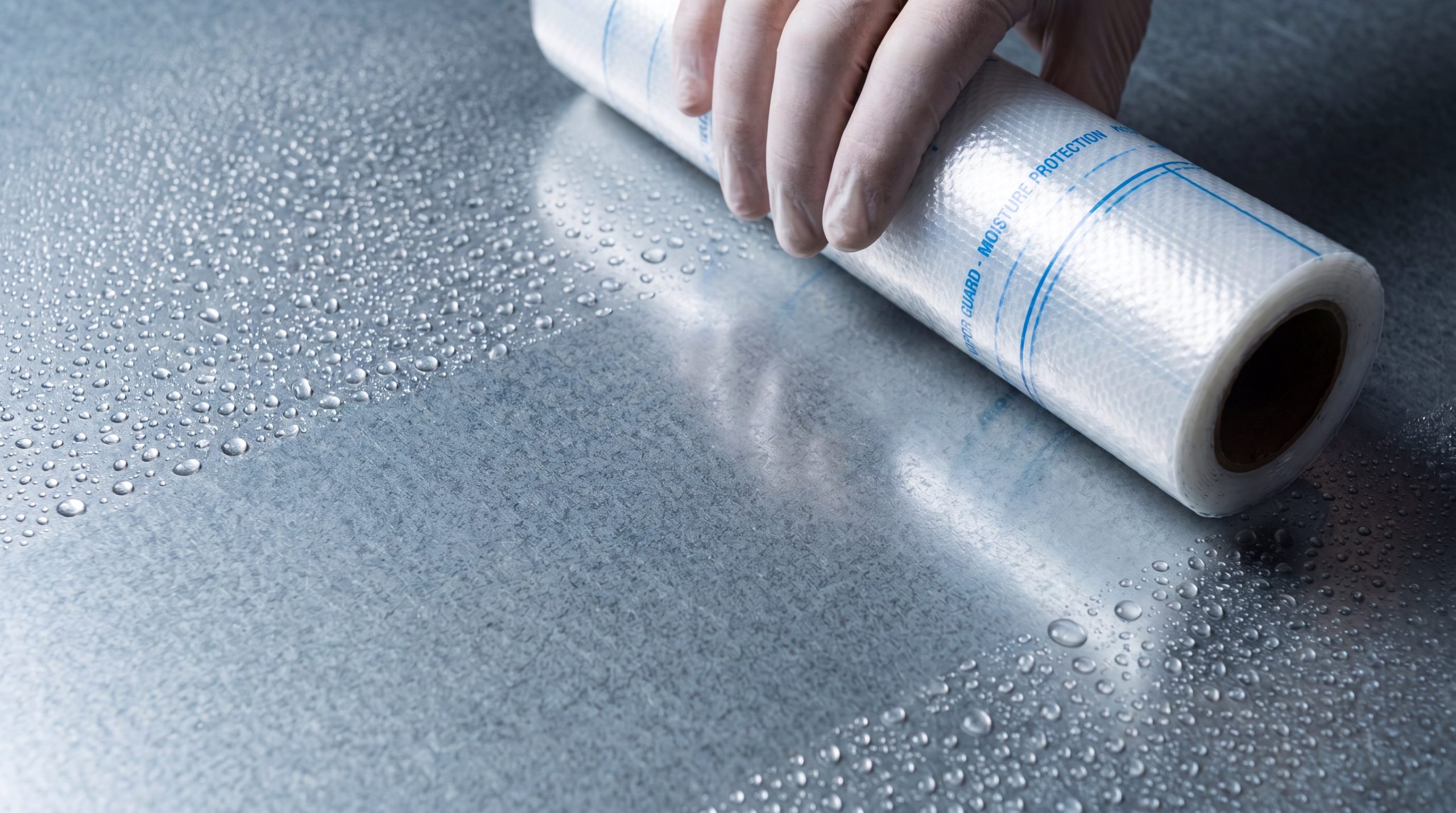
Moisture affects how to insulate a metal garage by causing condensation on cold steel sheets, which leads to structural rust and mold. If you do not manage this moisture properly, your insulation material will fail and your steel frames will eventually corrode. Understanding these vapor dynamics is critical when designing a highly efficient steel structure workshop.
When warm, humid interior air contacts cold steel panels, the gaseous moisture shifts instantly to a liquid state. This physical process causes structural “sweating” that drips onto your valuable tools and machinery. Controlling condensation is just as important as keeping your workspace warm.
Why does condensation occur?
Condensation occurs when warm interior air collides directly with freezing exterior metal sheets. Look:
Preventing water collection preserves structural connections.
- Dripping water promotes severe corrosion around steel base plates.
- High humidity levels trigger biological hazard risks like mold.
- Standing water ruins organic stored materials and packaging.
What do vapor barriers do?
A vapor barrier blocks gaseous water molecules from migrating through insulation layers to reach the steel panels. Here is the deal:
Sealing these vapor-retarding sheets tightly across all wall spans keeps the assembly completely dry.
- High-durability vinyl or foil backings easily repel damp air.
- Taping overlapping insulation tabs seals out humid air.
- Class-I vapor retarders with a perm rating of 0.1 or lower provide optimal safety.
Key Takeaway: Moisture control is just as critical as temperature control, meaning vapor barriers are vital to prevent condensation from rusting your steel frames.
| Protection Layer | Main Function | Placement Rule | |
|---|---|---|---|
| Vapor Barrier | Prevents vapor movement and condensation | Installed on the warm-in-winter side | |
| Insulation Core | Slows heat transfer and conduction | Sandwiched between framing and panels |
Vapor barriers must be continuously sealed to stop moisture from slipping behind the insulation layer and causing hidden rust.
Insulate your metal garage now—save energy and prevent rust fast!
Email:sales@showhoo.com.cn
Phone/WhatsApp: + 86 186 7895 5927
Which fiberglass works for how to insulate a metal garage?
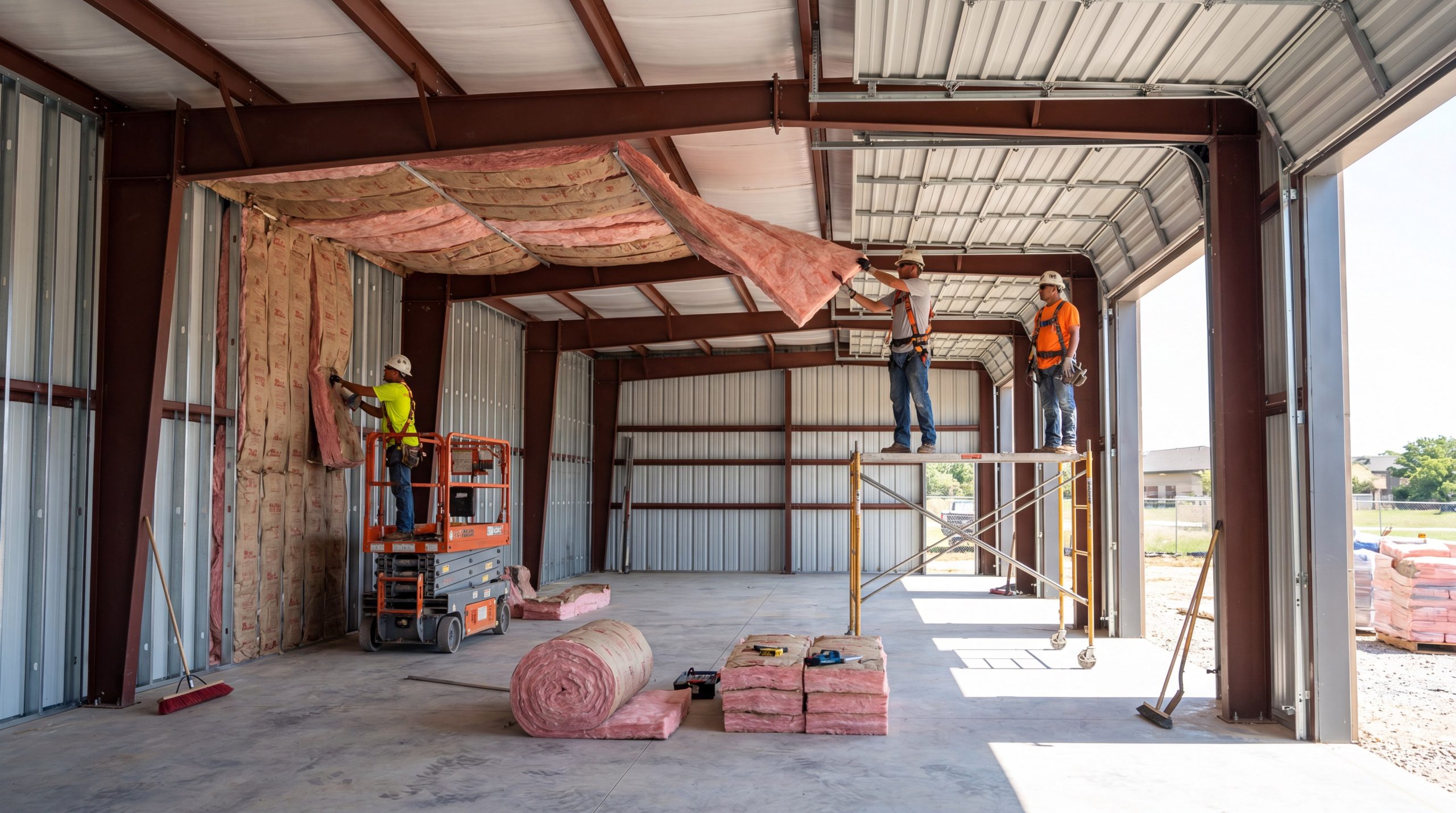
Faced blanket insulation and standard batts are the primary fiberglass options when deciding how to insulate a metal garage on a budget. These cost-effective materials provide excellent thermal resistance and can be customized to fit your specific framing cavities. Learning how to insulate a metal garage with fiberglass is the most common approach for standard workspaces.
Faced fiberglass rolls feature a thick core backed by a heavy vinyl or foil vapor barrier facing. They are designed to drape easily over structural purlins and girts during construction. The durable interior facing serves a double purpose by blocking moisture and creating a bright, polished finish.
Why use faced blankets?
Faced blankets are designed to cover large spans of steel framing quickly and affordably. Think about it.
Here is the deal:
- Polypropylene-scrim-kraft (PSK) facings resist tearing during setup.
- Maintaining standard depth profiles ensures target R-values.
- Long rolls drape over steel purlins before cladding is secured.
When are batts preferred?
Fiberglass batts are pre-cut panels that fit snugly into framed stud cavities during a retrofit. But wait, there is more:
They are highly effective for finished workspaces where you are building out interior wall structures.
- Standard R-13 to R-19 batts install easily within wall studs.
- Unfaced batts slide securely into framed channels without sag.
- Fiberglass absorbs sound, reducing noise from rain and wind.
Key Takeaway: Fiberglass is the most cost-efficient, widely accessible solution, making it ideal for standard workshops and high-performance storage on a budget.
| Fiberglass Type | R-Value Range | Relative Cost | Best Used For | |
|---|---|---|---|---|
| Faced Blankets | R-8 to R-11 | Low | Easy roof draping | |
| Standard Batts | R-13 to R-19 | Medium | Retrofit wall cavities |
Select faced blankets for new metal structures, and rely on standard batts for interior framing retrofits.
Is spray foam best when looking how to insulate a metal garage?
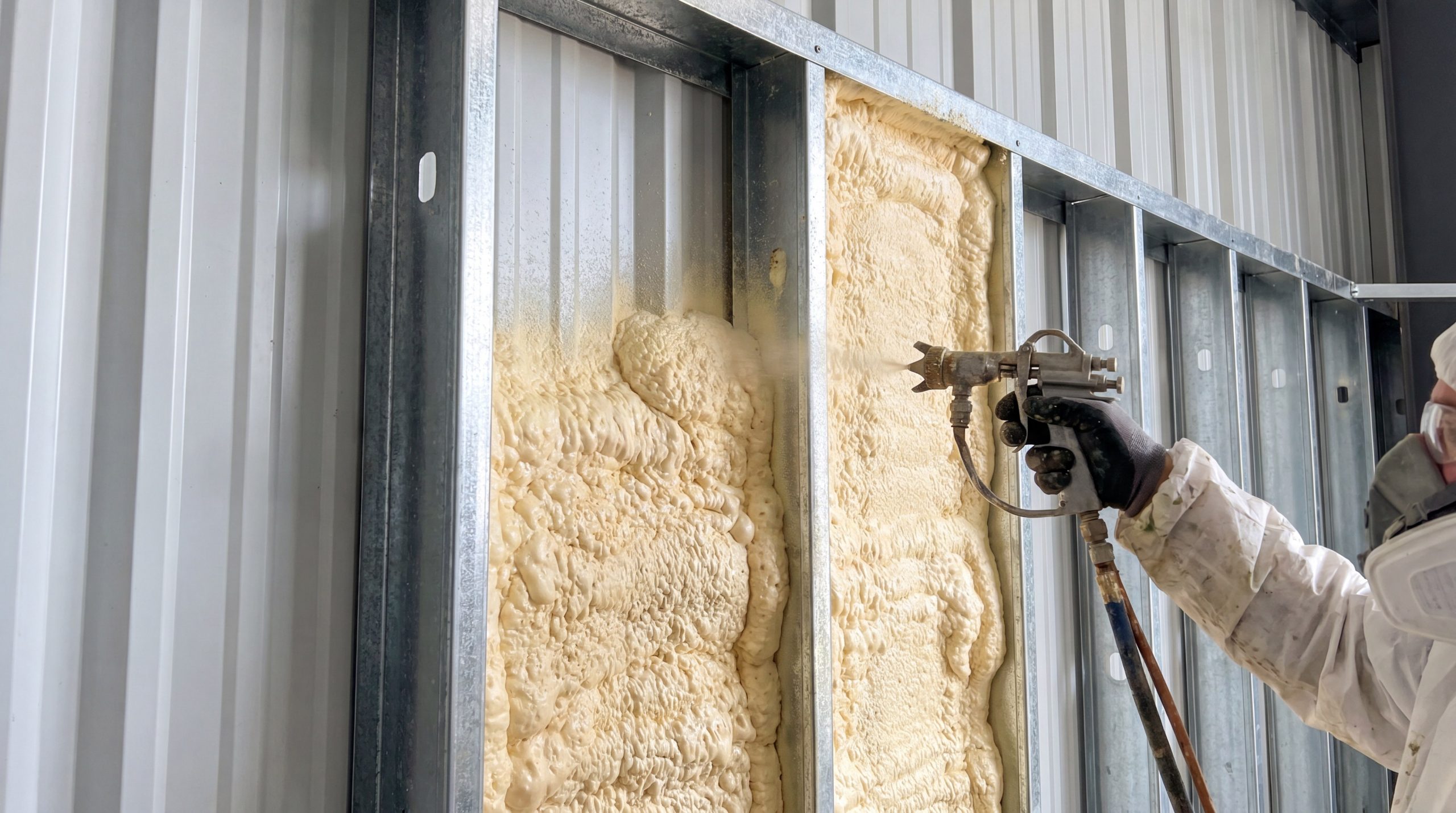
Yes, spray foam is the best option when investigating how to insulate a metal garage because it creates a completely seamless air seal and delivers the highest R-value per inch. By choosing this premium method, you completely eliminate drafts and significantly strengthen your building’s structural integrity. Understanding these benefits helps you see why our team is dedicated to providing high-quality solutions for your workspace.
Spray foam expands rapidly to fill every tiny crack and joint in your steel frame. It creates an airtight envelope that stops drafts and keeps moisture from contacting cold metal. This high-performance approach is ideal for fully climate-controlled metal buildings.
Closed versus open cell foam?
Closed-cell foam offers a built-in vapor barrier and rigid structure, while open-cell foam is better for soundproofing. Look:
Closed-cell spray foam expands into a rigid, rock-hard layer that actually makes the building stronger.
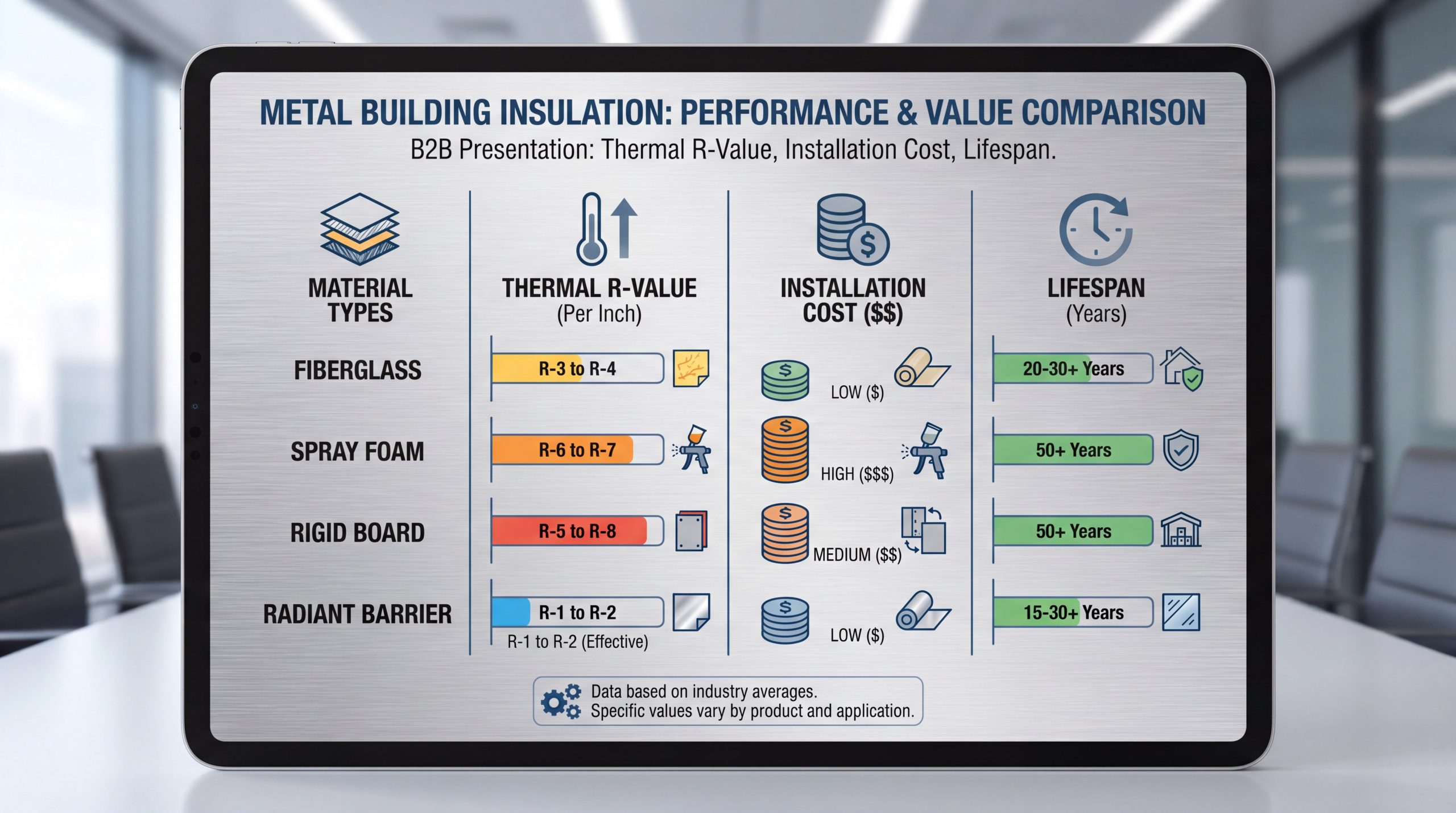
- Closed-cell foam achieves up to R-7 per inch of thickness.
- Open-cell foam deadens loud echoes and power tool noises.
- Rigid closed-cell foam glues the steel sheeting to the frame.
What is the seal efficiency?
Spray foam expands into every nook and cranny, creating a draft-free thermal barrier. Here is the deal:
It blocks leaks around corner trims, base plates, and girt lines.
- It seals tricky gaps around corner trims and girt lines.
- Eliminating air leaks prevents cold air infiltration.
- Specialized high-pressure spray rigs require professional installation.
Key Takeaway: Spray foam offers unmatched air-sealing and structural support, justifying its premium cost for fully climate-controlled metal buildings.
| Spray Foam Type | R-Value per Inch | Vapor Barrier Built-in? | Cost Profile | |
|---|---|---|---|---|
| Open-Cell | R-3.5 to R-3.7 | No (requires barrier) | $$ | |
| Closed-Cell | R-6.0 to R-7.0 | Yes | $$$ |
Use closed-cell spray foam for maximum thermal performance and built-in moisture control without needing a separate vapor retarder.
Does rigid board help in how to insulate a metal garage?
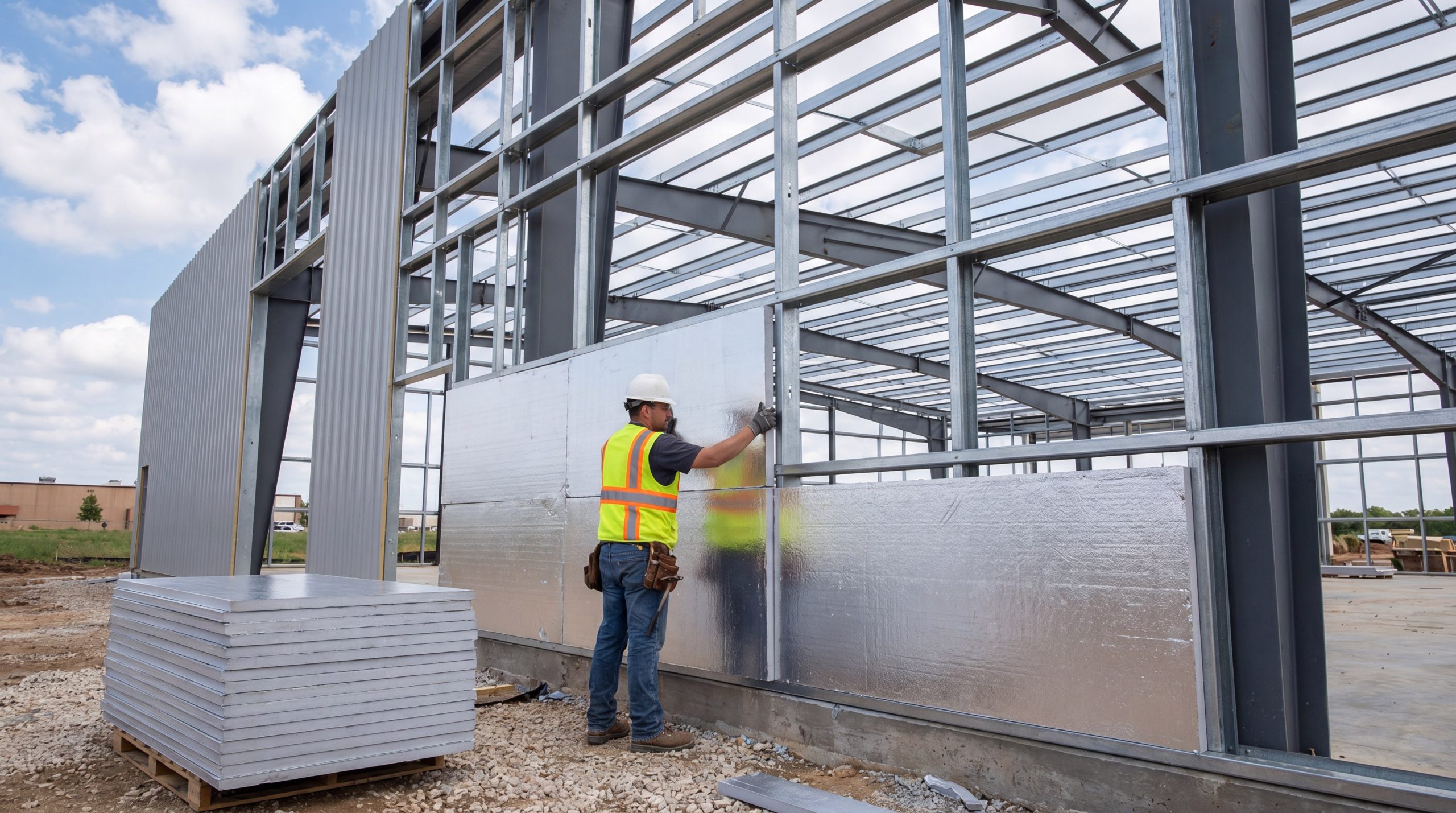
Rigid board helps immensely with how to insulate a metal garage by creating a continuous thermal break that blocks conductive pathways through steel framing. This prevents “thermal bridging,” where steel framing transfers outdoor cold directly into your building. Learning how to insulate a metal garage with rigid board is an excellent choice for a thin-profile, high-performance setup.
These dense foam boards pack a high R-value into a very thin sheet. They are highly DIY-friendly, allowing you to easily cut the panels with a utility knife and secure them to the steel walls. They keep the cold steel from pulling heat out of your building, keeping your workspace comfortable.
How to stop thermal bridging?
Installing rigid board directly over steel girts and purlins breaks conductive heat pathways. Think about it.
Here is the deal:
- Continuous insulation layers eliminate structural cold spots.
- Sizing fasteners properly secures cladding through the foam.
- XPS or polyiso boards block convective drafts.
What materials are available?
You can choose between extruded polystyrene (XPS) and foil-faced polyisocyanurate for different insulation goals. But wait, there is more:
Lightweight boards can be secured with heavy-duty adhesive or mechanical fasteners.
- XPS offers high moisture resistance for under-slab installations.
- Polyiso boards feature foil facings that redirect radiant heat.
- Lightweight boards can be secured with heavy-duty adhesive.
Key Takeaway: Rigid foam boards are exceptional for stopping thermal bridging along framing columns, providing a continuous protective layer.
| Rigid Board Material | R-Value per Inch | Moisture Resistance | Prime Application | |
|---|---|---|---|---|
| Polystyrene (XPS) | R-5.0 | Very High | Under-slab and walls | |
| Polyisocyanurate | R-6.0 to R-6.5 | Medium | Roof and walls |
Select foil-faced polyisocyanurate for interior walls to gain both conductive insulation and radiant heat reflection.
Is reflective foil useful for how to insulate a metal garage?
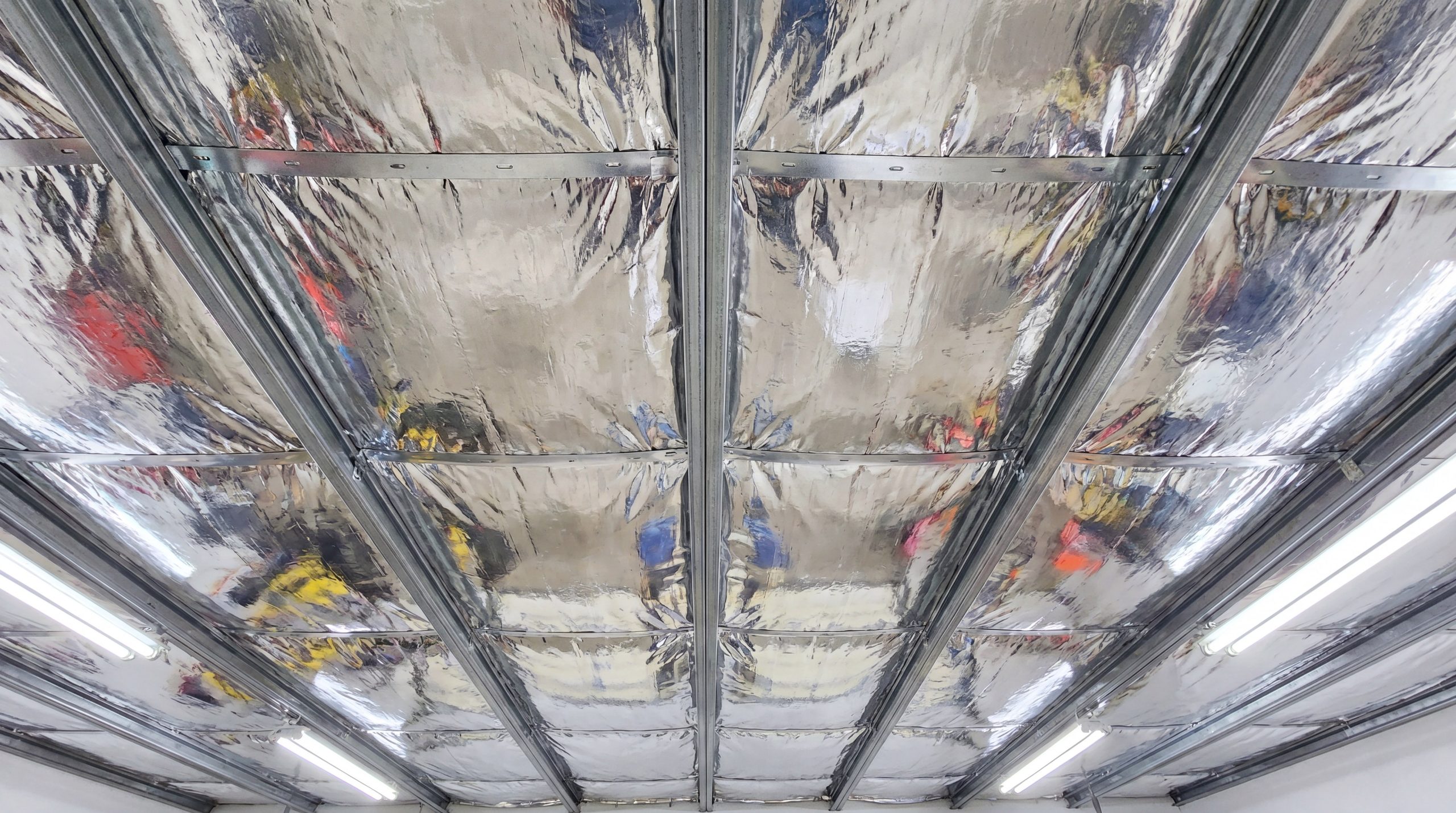
Reflective foil is highly useful for how to insulate a metal garage because it reflects up to 97% of radiant solar heat, keeping your building much cooler in the summer. If you want to prevent your metal structure from baking under intense sunlight, installing a radiant barrier is the perfect solution. This technology is incredibly effective for large-scale steel buildings in warmer climates.
Radiant barriers work differently than standard mass insulation like fiberglass or foam. Instead of slowing down heat conduction, they reflect infrared energy away from your workspace. This significantly lowers your cooling loads during hot summer afternoons.
What is solar heat gain?
Solar heat gain occurs when the sun beats down on your metal panels and transfers radiant heat inside. Look:
To work properly, a radiant barrier needs a small physical air gap next to the foil face.
- Reflective foil deflects incoming infrared solar radiation.
- Creating a physical air gap is essential for the foil to work.
- Without an air space, heat transfers directly by conduction.
Why use double bubble?
Double-bubble reflective insulation combines a plastic bubble core with two sheets of reflective foil. Here is the deal:
This design provides a clean, easy-to-install vapor barrier with a built-in thermal break.
- The air bubbles provide a minor conductive thermal break.
- Foil coatings act as a highly effective Class-I vapor retarder.
- Hybrid systems combine radiant foils with fiberglass blankets.
Key Takeaway: Reflective radiant barriers excel in warm climates by bouncing away solar energy, but they require a physical air gap to function properly.
| Foil Configuration | Heat Block Target | Best Climate | Combined Setup | |
|---|---|---|---|---|
| Single Foil Barrier | Radiant Heat | Hot / Southern | Best with fiberglass | |
| Double Bubble Foil | Radiant + Minor Conductive | Hot / Mixed | Stands alone or as vapor barrier |
Always ensure a minimum 3/4-inch dead air space next to the reflective foil surface to maximize radiant heat deflection.
Insulate your metal garage now—save energy and prevent rust fast!
Email:sales@showhoo.com.cn
Phone/WhatsApp: + 86 186 7895 5927
How to insulate a metal garage ceiling and roof?
To insulate a metal garage ceiling and roof, you should drape faced fiberglass blankets over the roof purlins before laying down the metal sheets. This creates a continuous barrier that traps rising heat in the winter and blocks solar heat in the summer. Mastering how to insulate a metal garage ceiling is the single most important step in lowering your energy bills.
Up to 50% of your building’s heating and cooling losses happen through an uninsulated roof. Heat naturally rises, making the ceiling a primary escape route for warm air during winter. Insulating this area also stops condensation from forming and dripping onto your tools and workbenches.
How to drape blankets?
Laying faced fiberglass blankets over the roof purlins is the most reliable installation method. Think about it.
Here is the deal:
- Overlapping blanket edges and taping seams blocks rising vapor.
- Screwing roof sheets directly through compressed insulation holds them tight.
- The vinyl facing creates a clean, bright, white interior ceiling.
Can you do a retrofit?
Retrofitting an existing metal roof can be done using rigid boards, spray foam, or supported blankets. But wait, there is more:
Expanding spray foam sprayed directly onto the underside of metal sheets seals drafts completely.
- Spray foam sprayed directly onto the underside of metal sheets seals drafts.
- Double-sided tape and washers can secure fiberglass blankets between purlins.
- Adding insulation retrofits stops ceiling condensation instantly.
Key Takeaway: Insulating the roof must always be your top priority, as it mitigates the highest percentage of heat transfer and prevents ceiling dripping.
| Roof Method | Installation Stage | Relative Difficulty | Performance Level | |
|---|---|---|---|---|
| Over-Purlin Draping | New Construction | Low | High | |
| Retrofit Spray Foam | Existing Structure | Medium | Extreme |
Focus on sealing all ceiling seams to trap convective heat plumes before they escape through the roof metal.
How to insulate a metal garage wall step by step?
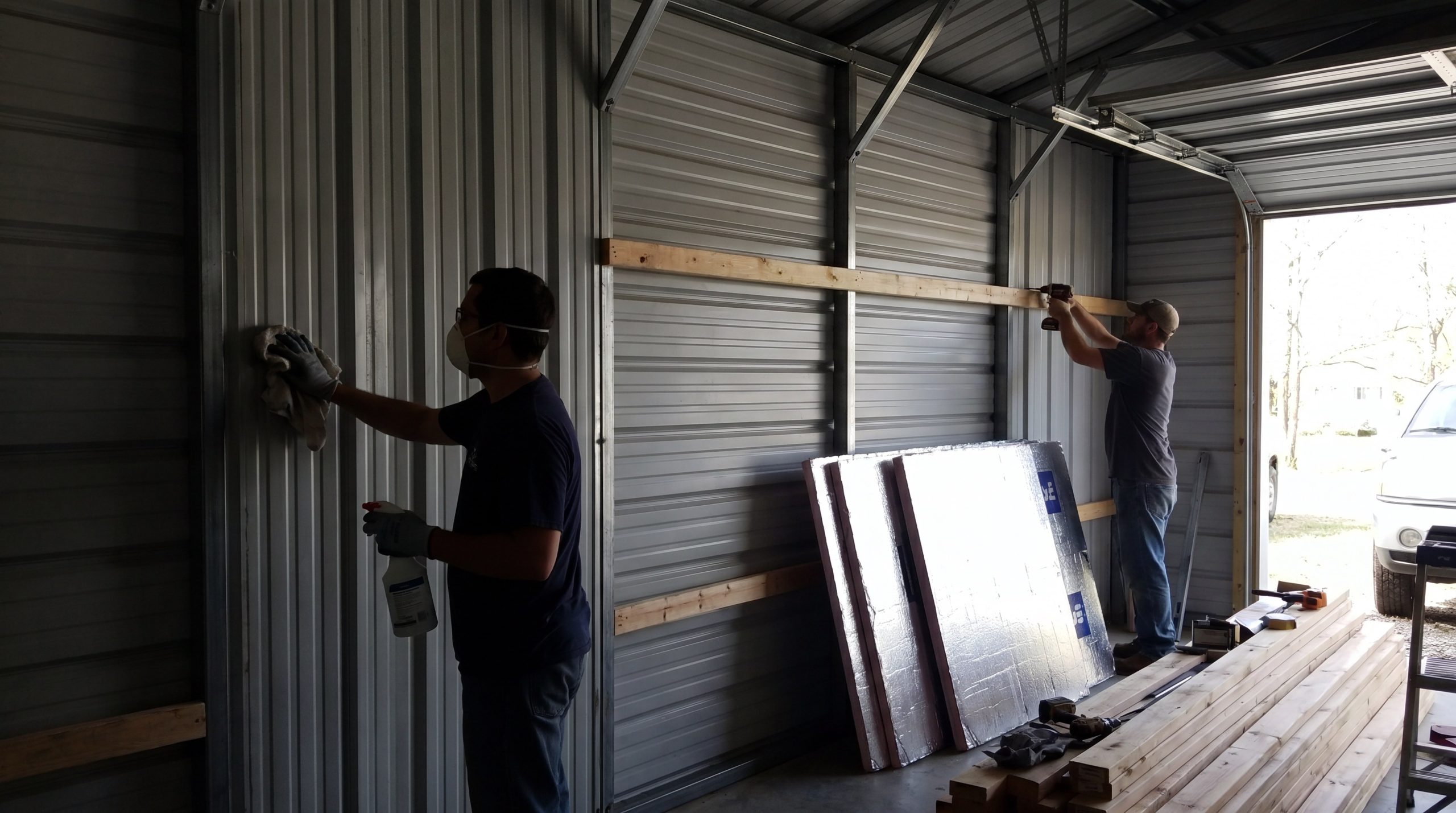
You can insulate your walls step by step by first building an interior stud frame slightly offset from the outer steel panels, then sliding standard insulation batts snugly into the cavities. This physical separation prevents moisture from transferring directly from the cold steel panels into your new insulation. By learning how to insulate a metal garage wall systematically, you can easily transform your building into a cozy, climate-controlled space.
Once your new wall cavities are constructed, you can use budget-friendly fiberglass batts or rigid boards to fill the space. It is vital to fit the materials tightly without crushing them, as compression reduces their overall thermal efficiency. Taping all seams secures a reliable vapor barrier that keeps the interior dry.
Why offset interior framing?
Setting your new wood or steel stud walls slightly away from the metal siding prevents mold and rot. Look:
This offset design leaves a small air gap that stops conductive moisture transfer.
- Leaving a 1-to-2-inch air gap breaks moisture transfer pathways.
- Offset stud alignment creates clear paths for electrical wiring.
- Strong anchoring systems secure the new walls to the steel columns.
How to secure the batts?
Friction-fitting fiberglass batts into your framing channels is simple and highly effective. Here is the deal:
Be sure to seal all vapor barrier seams with high-tack tape to prevent condensation.
- Cutting insulation slightly wider than the stud bays keeps them snug.
- Always face the vapor barrier toward the warm inside workspace.
- High-tack tape seals all seam lines to block humid air.
Key Takeaway: Building robust interior wall cavities allows you to use standard, budget-friendly home insulation materials effectively.
| Installation Step | Tool Needed | Critical Caution | |
|---|---|---|---|
| Stud Framing | Mitre Saw / Steel Snips | Maintain 1-inch air gap | |
| Insulation Placement | Utility Knife | Avoid crushing or folding batts | |
| Seam Sealing | Vapor Barrier Tape | Overlap seams by at least 3 inches |
Maintain a physical air gap between the outer steel cladding and your interior wood studs to prevent wood rot.
How to insulate a metal garage doors and windows?
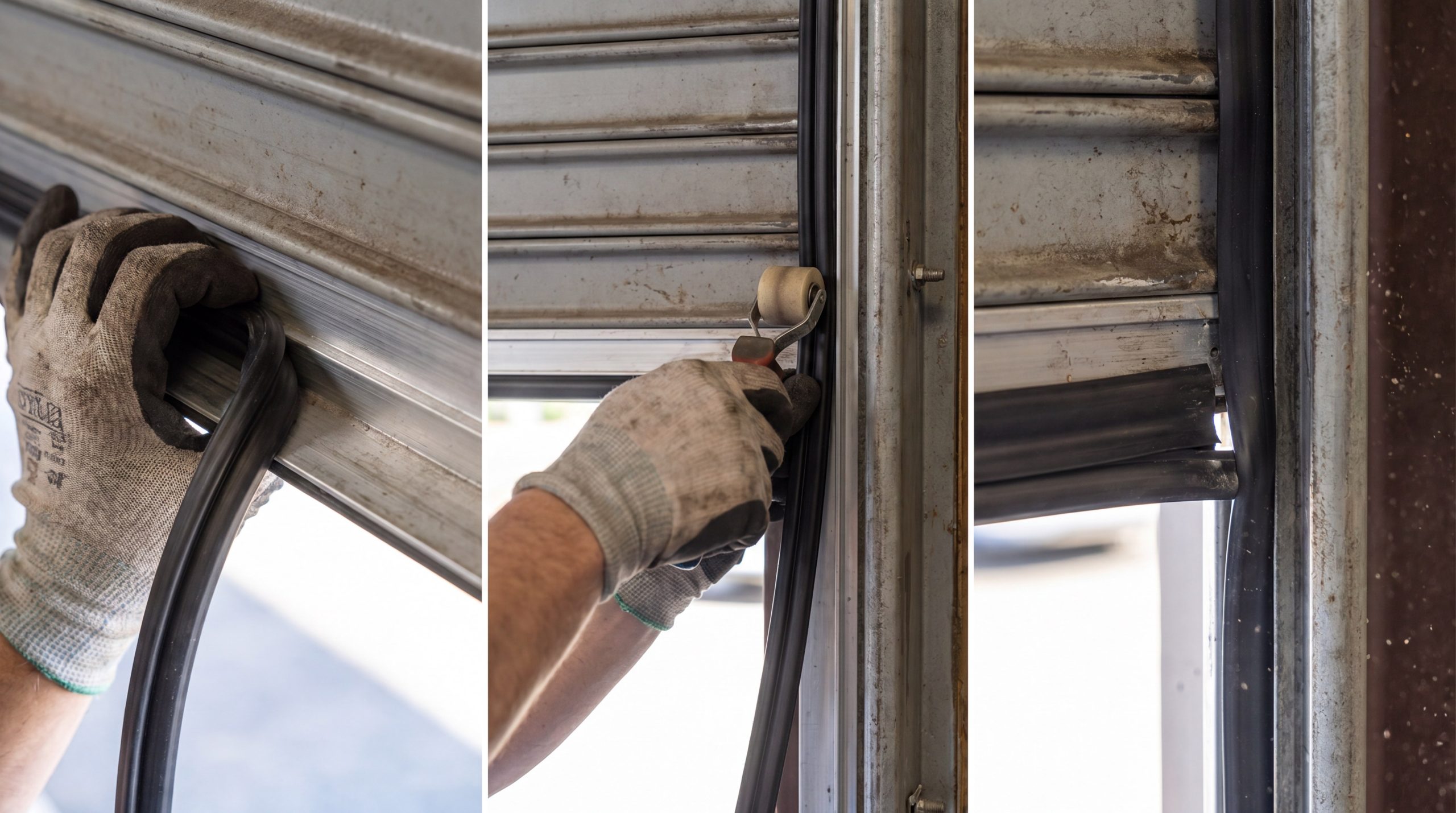
Insulating your metal garage doors and windows requires installing heavy-duty weatherstripping and sliding pre-cut foam panels into the open door frame channels. If you leave these large entry points unsealed, cold drafts will easily bypass your insulated walls and ceilings. Knowing how to insulate a metal garage fully means addressing every gap, window frame, and entry door.
Large overhead doors are notorious for leaking massive amounts of air into a building. Even a small gap along the bottom threshold or side jambs can quickly drop your interior temperatures. Sealing these areas keeps your expensive heated or cooled air inside.
How to seal garage doors?
Installing durable vinyl sweeps and foam panel kits is the best way to block door drafts. Think about it.
Here is the deal:
- Thick rubber gaskets seal the uneven bottom threshold perfectly.
- Side jamb brush seals keep howling winter winds from blowing inside.
- Pre-cut foam panels slip directly into the door panel framing.
How to stop window drafts?
Windows and trim joints are common sources of minor air leaks that add up quickly. But wait, there is more:
Applying premium sealant and choosing high-performance windows blocks drafts and saves energy.
- Low-expansion spray foam fills thin gaps around window frames.
- High-grade silicone caulking seals exterior trim joints and utility entries.
- Selecting double-pane glass reduces drafty window condensation.
Key Takeaway: Weatherstripping doors and sealing windows prevents your expensive heating or cooling from slipping out through tiny structural gaps.
| Leak Source | Sealant Material | Inspection Frequency | |
|---|---|---|---|
| Roll-Up Door Sides | Vinyl / Brush Sweep | Annually before winter | |
| Window Trim | Low-expansion Foam | Check for cracking every 2 years |
Pay special attention to the bottom rubber threshold, as it suffers the most wear and tear from vehicle traffic.
What are FAQs on how to insulate a metal garage?
Finding professional answers to common questions about how to insulate a metal garage helps ensure your project runs smoothly and delivers lasting comfort. By using high-quality materials and following proven steps, you can avoid common installation mistakes. Let’s look at the most frequent concerns builders face when planning how to insulate a metal garage.
Choosing the correct R-values and putting the vapor barrier in the right direction are crucial for protecting your steel structures. This section provides direct answers to guide your decision-making. These insights will help you design a workspace that remains durable, comfortable, and energy-efficient.
Is it DIY-friendly?
Many homeowners successfully insulate their own steel structures using basic tools and materials. Look:
Using straightforward materials like rigid boards or fiberglass batts makes the process highly accessible.
- Rigid foam boards can be cut easily with a utility knife.
- Fiberglass blankets drape over steel framing without professional machinery.
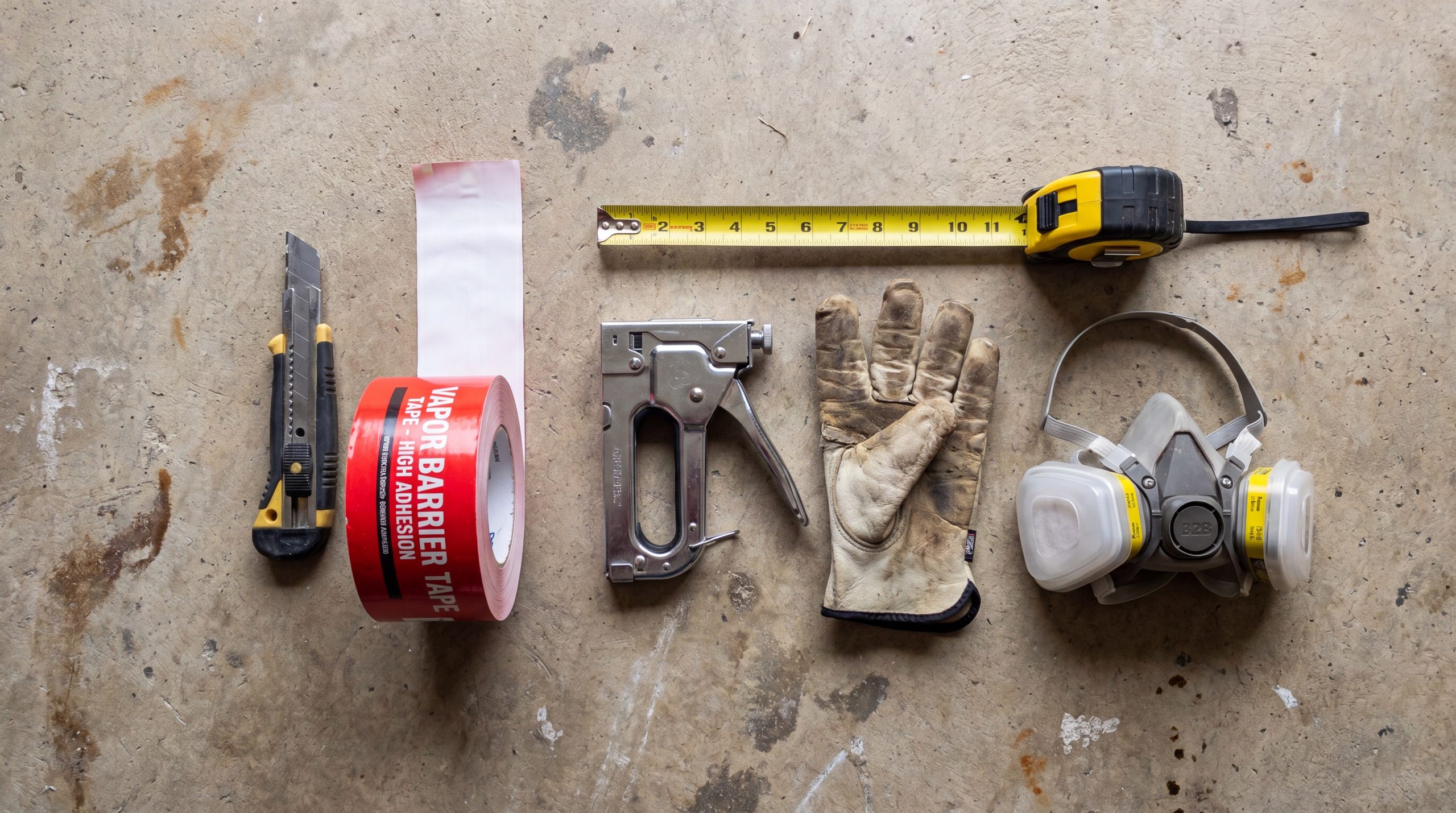
- Always wear protective gear like masks and gloves during setup.
What about the vapor barrier?
Placing the vapor barrier on the warm, conditioned side of the building is critical to prevent condensation. Here is the deal:
Installing the vapor barrier facing toward the inside of the garage prevents moisture from getting trapped.
- The foil or vinyl backing must face the inside of your garage.
- Trapping moisture behind backwards insulation leads to rapid rust.
- Sealing every single seam ensures a continuous protective seal.
Key Takeaway: Navigating insulation questions properly helps secure your steel garage against extreme weather, ensuring it remains highly functional for decades.
| Question | Quick Answer | Key Action | |
|---|---|---|---|
| Can I DIY? | Yes, easily. | Use rigid boards or fiberglass batts | |
| Barrier Direction? | Face inside. | Tape all overlapping seams tightly |
Check your local building codes to ensure your insulation R-values meet the minimum energy standards for your climate zone.
Conclusion
Properly insulating your metal building is the single most effective way to eliminate thermal conductive dynamics, prevent structural rusting from condensation, and lower your annual heating and cooling costs. By carefully selecting the right materials—whether that is budget-friendly faced fiberglass blankets, seamless closed-cell spray foam, or continuous rigid foam boards—you protect your stored equipment and build a highly comfortable, functional workspace.
We encourage you to contact us today to explore our engineering options and find the perfect prefabricated steel structures designed to fit your insulation goals. At Showhoo Building, we provide custom-tailored, precision-engineered metal buildings that easily accommodate professional insulation systems, ensuring your industrial assets are shielded from extreme weather. Let us help you construct high-performance steel structures built to deliver thermal stability, lasting durability, and energy efficiency for decades to come.
Insulate your metal garage now—save energy and prevent rust fast!
Email:sales@showhoo.com.cn
Phone/WhatsApp: + 86 186 7895 5927
Frequently Asked Questions
Can I insulate an existing metal garage myself?
Yes, you can easily retrofit insulation into an existing metal structure using straightforward DIY materials like rigid foam boards or fiberglass batts. Always ensure you build out proper interior framing and leave a one-inch air gap next to the outer steel cladding to avoid trapping moisture.
What’s the best R-value for an unheated metal shop?
An R-value of R-13 in the walls and R-19 in the roof is highly recommended to prevent freezing and maintain stable internal temperatures. If you live in an area with extreme northern winters, bumping these specs up to R-19 in the walls and R-30 in the roof will provide maximum thermal safety.
How do I know if my vapor barrier is backwards?
You can tell by checking which way the foil, plastic, or vinyl facing is oriented; it must always face the warm, conditioned side of the building. In most climates, this means the facing should point toward the inside of your workspace rather than against the outer steel panels.
Can I use open-cell spray foam on metal panels?
Yes, you can use open-cell foam, but you must apply an additional vapor retarder paint or sheet over it because open-cell structures naturally absorb moisture. For steel buildings, closed-cell spray foam is highly preferred because it provides an automatic vapor barrier.
What’s the best material for a tight budget?
Faced fiberglass blanket insulation is the most economical solution for covering large spans of steel framing. It delivers solid thermal resistance while providing an integrated vapor barrier and a clean, bright interior finish at a low cost.