
Custom steel sheep hangars optimize farm efficiency by providing a durable, climate-controlled environment that simplifies livestock management and animal protection. Imagine waking up to find your flock shivering in a drafty, traditional barn that fails to stop the biting winter wind. This stress doesn’t just hurt the sheep; it costs you time, money, and sleep as you scramble to prevent illness or loss. By choosing a modern, prefabricated sheep hangar , you secure a professional-grade solution that ensures long-term flock health and operational ease.
What is a Sheep Hangar and Its Key Applications?
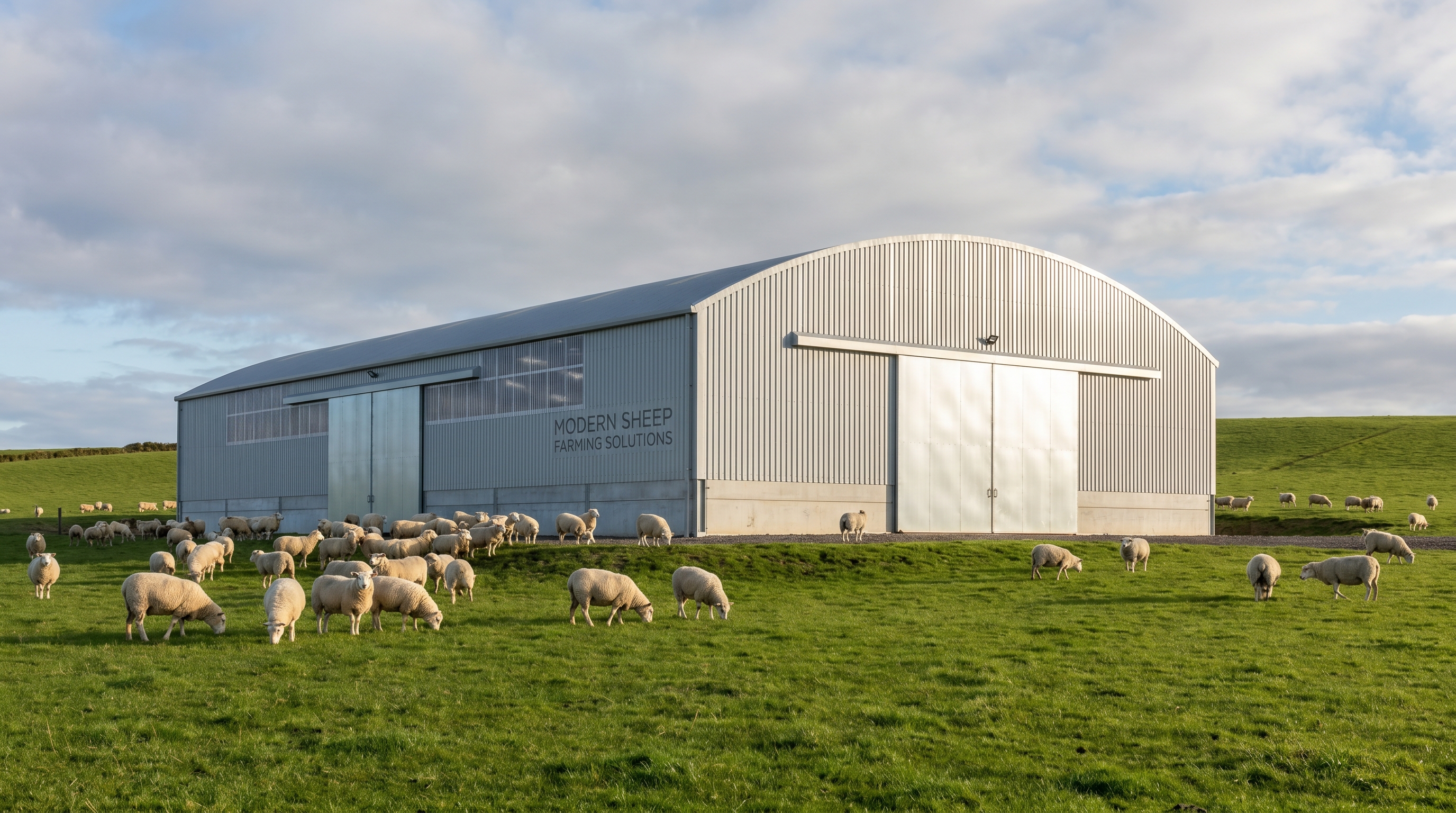
A sheep hangar is a specialized steel-framed structure designed to provide high-capacity shelter and a controlled environment for large-scale livestock operations. This modern facility serves as a multi-functional hub where you can manage lambing, feeding, and medical care under one roof.
Why is this structure essential for modern farmers?
You need a building that can withstand harsh environmental pressures while providing clear, unobstructed floor space. These buildings use wide-span engineering to eliminate internal pillars, making it much easier to move machinery and pens.
Think about this:
- Maximizes usable floor area for larger flocks.
- Simplifies mechanical cleaning and waste removal.
- Enhances biosecurity through easy-to-sanitize surfaces.
Here is the kicker: you can finally stop worrying about structural rotting or termites that plague traditional wood shelters.
How do different farm applications use these buildings?
The versatility of this structure allows it to transition from a winter shelter to a storage unit for hay and equipment during the off-season. You will find that the open design accommodates various gate systems and temporary partitions with ease.
The best part?
- Ideal for automated feeding system installations.
- Provides a safe environment for shearing and wool storage.
- Functions as a high-clearance garage for farm tractors.
But wait, there is more. You can even partition sections for quarantine or veterinary checks to keep your herd in peak condition.
Key Takeaway: A steel hangar provides the structural flexibility and durability needed to scale your farming operations safely while protecting your primary assets.
| Feature | Application Benefit | |
|---|---|---|
| Clear Span Design | Unobstructed movement for animals and machines | |
| Steel Framing | High resistance to wind and snow loads | |
| Multi-purpose Layout | Switch between shelter and storage easily |
This structure acts as the backbone of your farm’s infrastructure by consolidating livestock care into one durable facility.
What are the Advantages of Steel Structure Sheep Hangars?
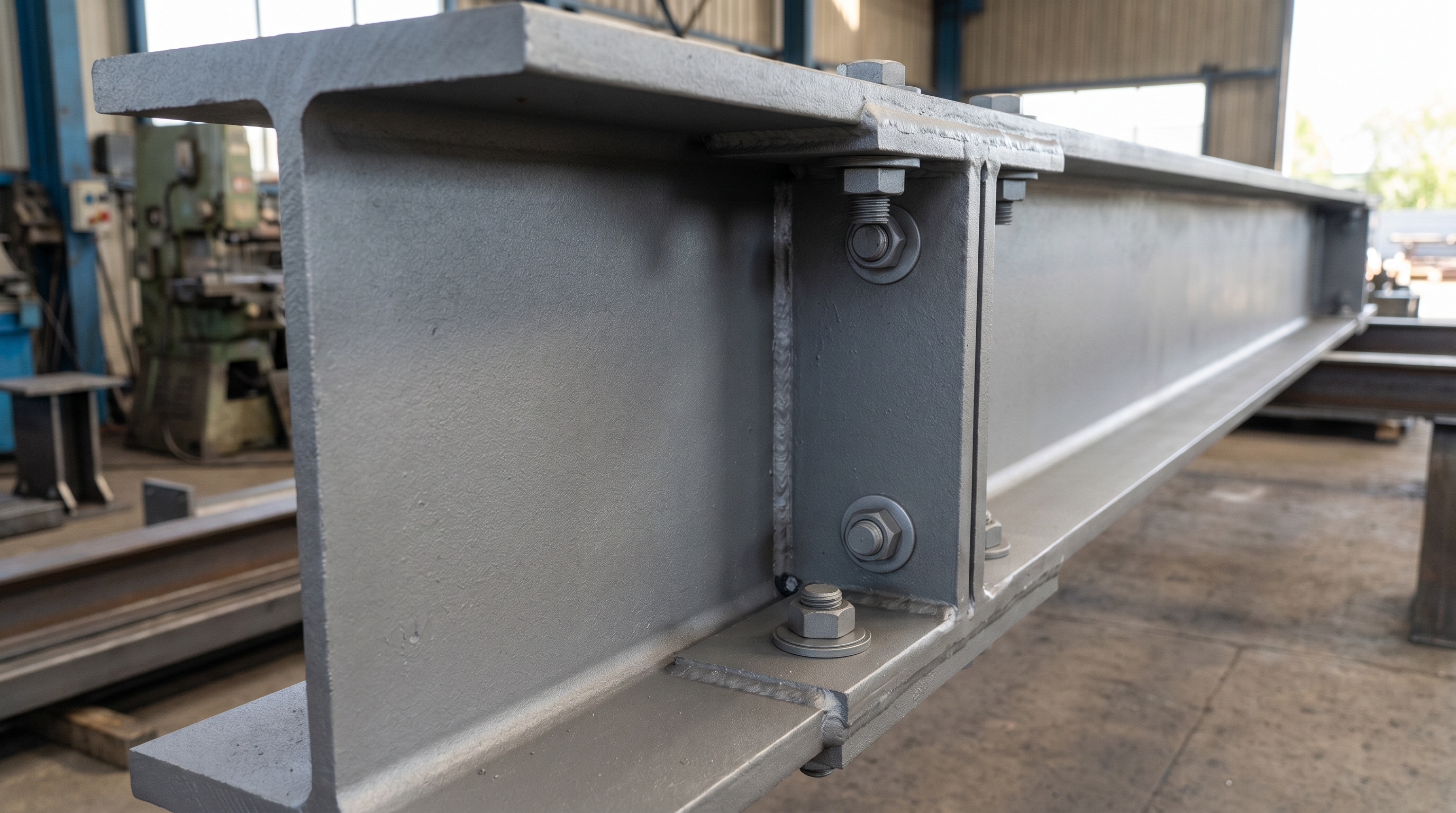
A steel structure sheep hangar offers superior strength-to-weight ratios compared to wood, ensuring your livestock remains safe even during extreme weather events. These buildings are engineered to resist pests, rot, and fire, which are common risks in traditional timber barns.
Is steel more durable than traditional materials?
You will notice immediately that steel doesn’t warp, crack, or twist over time, meaning your doors will always swing straight and your roof won’t leak. Unlike wood, steel is completely impervious to termites and other boring insects that can compromise structural integrity.
Look at this:
- Steel components are pre-treated to resist heavy corrosion.
- Minimal structural maintenance is required over decades.
- Fire-resistant properties lower your insurance premiums significantly.
Make no mistake: a steel building is a one-time investment that outlasts multiple generations of wooden sheds.
Does steel improve the health of your flock?
The non-porous nature of steel prevents the buildup of mold and bacteria, creating a much more hygienic environment for your sheep. You can high-pressure wash the interior without worrying about water damage or rot.
Check this out:
- Reduced risk of respiratory issues for livestock.
- Easier to maintain a sterile environment during lambing season.
- Reflective roof coatings help regulate internal temperatures.
Believe it or not, a cleaner environment translates directly into lower veterinary bills and higher growth rates for your animals.
Key Takeaway: Investing in steel ensures a long-lasting, pest-free environment that directly contributes to lower upkeep and higher biosecurity levels.
| Material | Durability | Pest Resistance | Maintenance | |
|---|---|---|---|---|
| Steel | High (50+ years) | Complete | Very Low | |
| Wood | Medium (15-20 years) | Low | High |
Steel provides a sanitary and indestructible foundation that protects your animals more effectively than any other material.
How Do Design and Ventilation Impact Your Sheep Hangar?
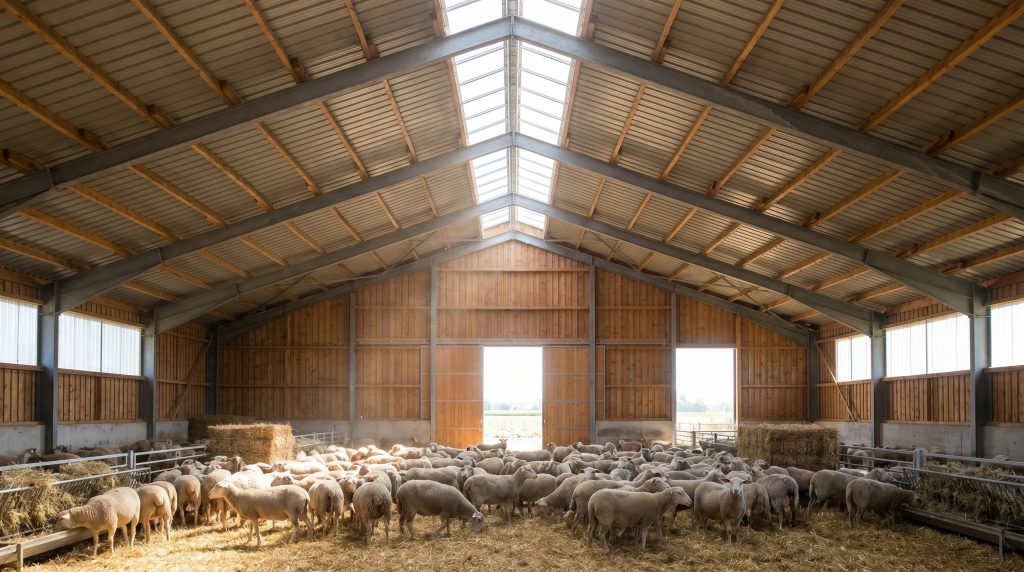
Designing an effective sheep hangar requires balancing natural airflow with easy entry points for both animals and large agricultural machinery. Proper ventilation is critical because it removes moisture and ammonia, keeping the bedding dry and the air fresh.
What are the best ventilation strategies?
You should utilize ridge vents and eave openings to create a natural chimney effect that draws stale air up and out of the building. This passive system works 24/7 without adding any electricity costs to your monthly farm budget.
The best part?
- Ridge vents prevent condensation buildup on the roof.
- Louvered windows allow for adjustable airflow during storms.
- High ceilings facilitate better air circulation for the flock.
You might be surprised how much simple airflow can reduce disease transmission within a crowded pen.
How do you optimize access for daily chores?
The placement of oversized sliding or roller doors allows you to drive tractors directly through the building for efficient feeding or mucking. You can also incorporate smaller personnel doors to keep the building secure while providing quick access for staff.
Think about this:
- Large doors reduce the time spent on manual labor.
- Multiple exit points improve safety during emergency evacuations.
- Wide entries prevent animal crowding and potential injuries.
Here is the kicker: smart access design can cut your daily feeding time in half, giving you more time for other tasks.
Key Takeaway: Strategic ventilation and door placement transform a simple shelter into a highly efficient, healthy workspace for both humans and animals.
| Design Element | Purpose | Impact | |
|---|---|---|---|
| Ridge Vents | Moisture Control | Dry bedding and healthy lungs | |
| Oversized Doors | Machine Access | 40% faster cleaning cycles | |
| Eave Openings | Natural Airflow | Constant fresh air supply |
Smart design choices ensure that your building works for you, rather than becoming a bottleneck in your daily routine.
Which Materials and Coatings are Best for a Sheep Hangar?
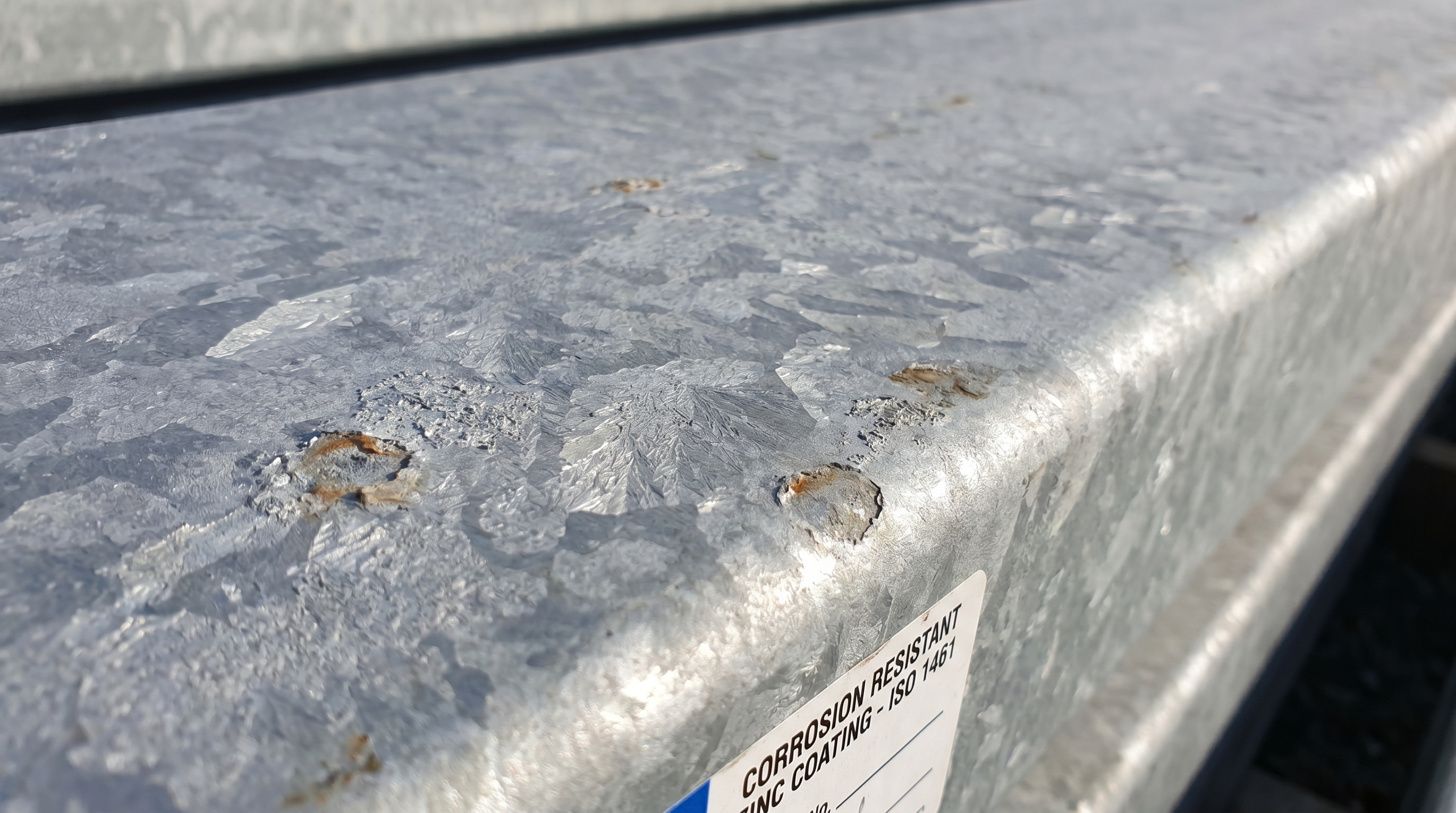
Selecting high-grade materials for your sheep hangar involves choosing between hot-dip galvanized steel or specialized paint systems to combat the corrosive effects of livestock waste. High-strength H-section steel beams form the primary frame, ensuring the structure can handle heavy snow and wind loads.
Why is hot-dip galvanization the gold standard?
You want a coating that chemically bonds with the steel to create a sacrificial layer of protection against rust and moisture. This process is particularly important for sheep shelters where high humidity and animal urine can quickly degrade inferior metals.
Look at this:
- Galvanization provides 360-degree protection, even inside tubes.
- The coating is self-healing if scratched during installation.
- It can last over 50 years in rural environments without a repaint.
Believe it or not, this simple choice can save you tens of thousands of dollars in structural repairs down the road.
What secondary materials complete the structure?
The secondary frame consists of galvanized C or Z-section purlins that support the roof and wall panels while adding lateral stability to the entire building. High-tensile bolts and specialized fasteners ensure that every connection remains tight and secure under pressure.
It gets better:
- Purlins are pre-drilled for fast and accurate assembly.
- Zinc-aluminum alloy panels provide superior heat reflection.
- High-quality gaskets prevent leaks at every screw point.
But wait, there is more: you can add insulated sandwich panels to further enhance the thermal comfort of your livestock during harsh winters.
Key Takeaway: High-quality coatings and grade-A steel are the only way to ensure your building survives the corrosive farm environment for decades.
| Component | Recommended Material | Benefit | |
|---|---|---|---|
| Main Frame | H-Section Steel | Maximum structural strength | |
| Coating | Hot-Dip Galvanized | Extreme corrosion resistance | |
| Panels | Zinc-Aluminum | Thermal regulation and durability |
Choosing the right materials at the start prevents expensive structural repairs and replacements down the road.
Is a Steel Sheep Hangar More Cost-Effective Than Traditional Barns?
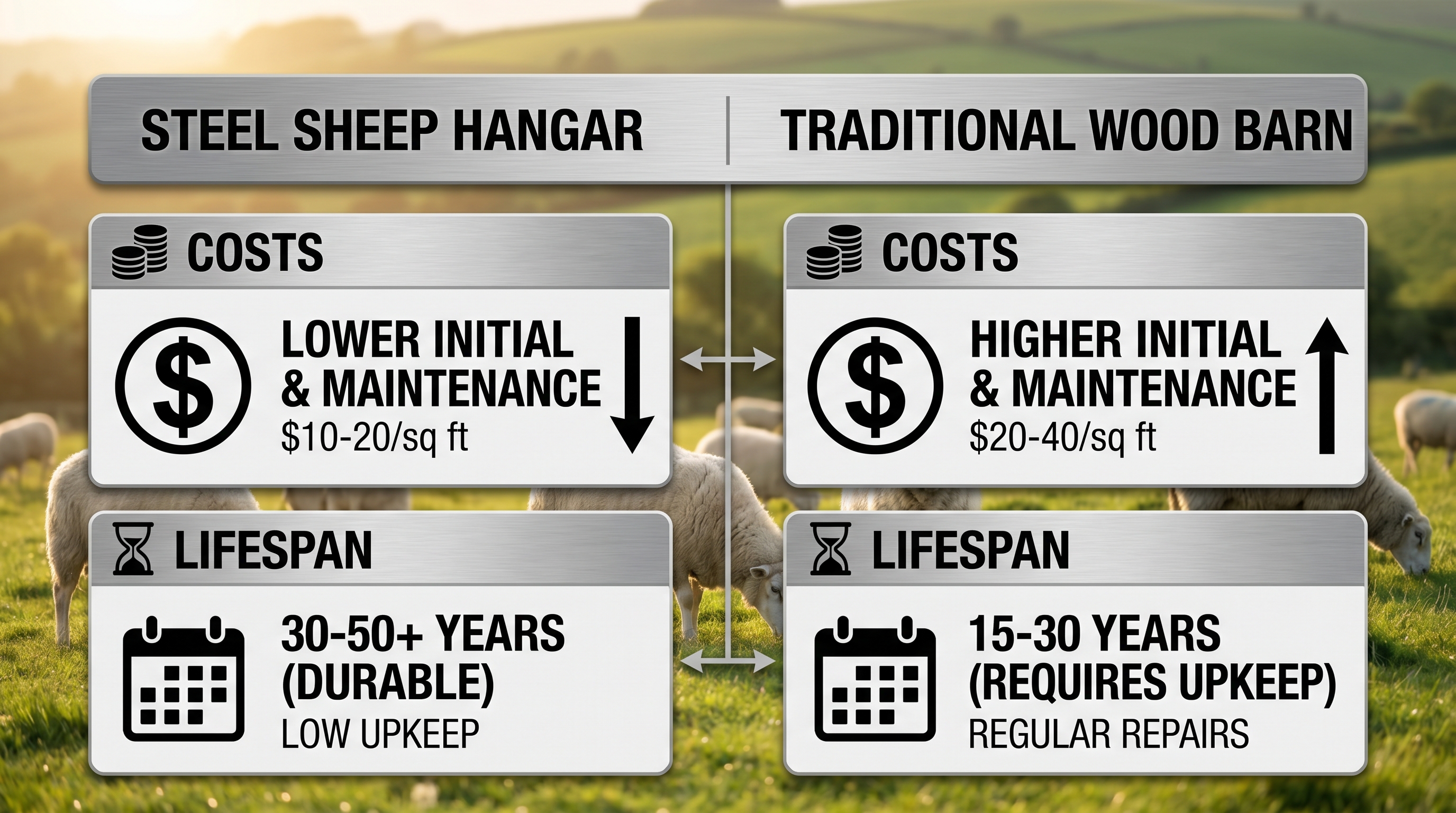
A modern sheep hangar provides a lower total cost of ownership than wood barns due to reduced maintenance requirements and faster construction times. While the initial material price might be comparable, the long-term savings on labor and repairs make steel the clear winner.
How does steel save you money during construction?
You will find that because steel components are prefabricated in a factory, the on-site labor costs are drastically reduced. Most structures arrive as a complete kit, allowing a small crew to bolt the building together in a fraction of the time.
Think about this:
- Precision engineering means zero material waste on site.
- Faster completion allows you to use the building sooner.
- Fixed factory pricing helps you stay within your budget.
Here is the kicker: you can often erect a steel hangar in half the time it takes to build a comparable wooden barn.
What are the long-term financial benefits?
The durability of steel means you won’t be spending thousands of dollars every few years on painting, shingle repairs, or structural reinforcements. Furthermore, steel buildings often retain a higher resale value and are eligible for better insurance rates.
The best part?
- Low maintenance costs save you money every single year.
- Energy-efficient panels reduce your heating and cooling bills.
- Steel is 100% recyclable, providing value even at the end of its life.
Check this out: your insurance provider likely offers lower rates for steel structures because they are non-combustible and wind-resistant.
Key Takeaway: Shorter build times and minimal upkeep make steel the most financially sound choice for any serious livestock operation looking for long-term ROI.
| Cost Factor | Steel Hangar | Traditional Wood | |
|---|---|---|---|
| Installation | Fast (Days/Weeks) | Slow (Months) | |
| Maintenance | Near Zero | High (Painting/Rot) | |
| Life Expectancy | 50+ Years | 15-25 Years |
The efficiency of steel construction and its resistance to the elements ensure a much higher return on investment for your farm.
What is the Installation Process for a Sheep Hangar?
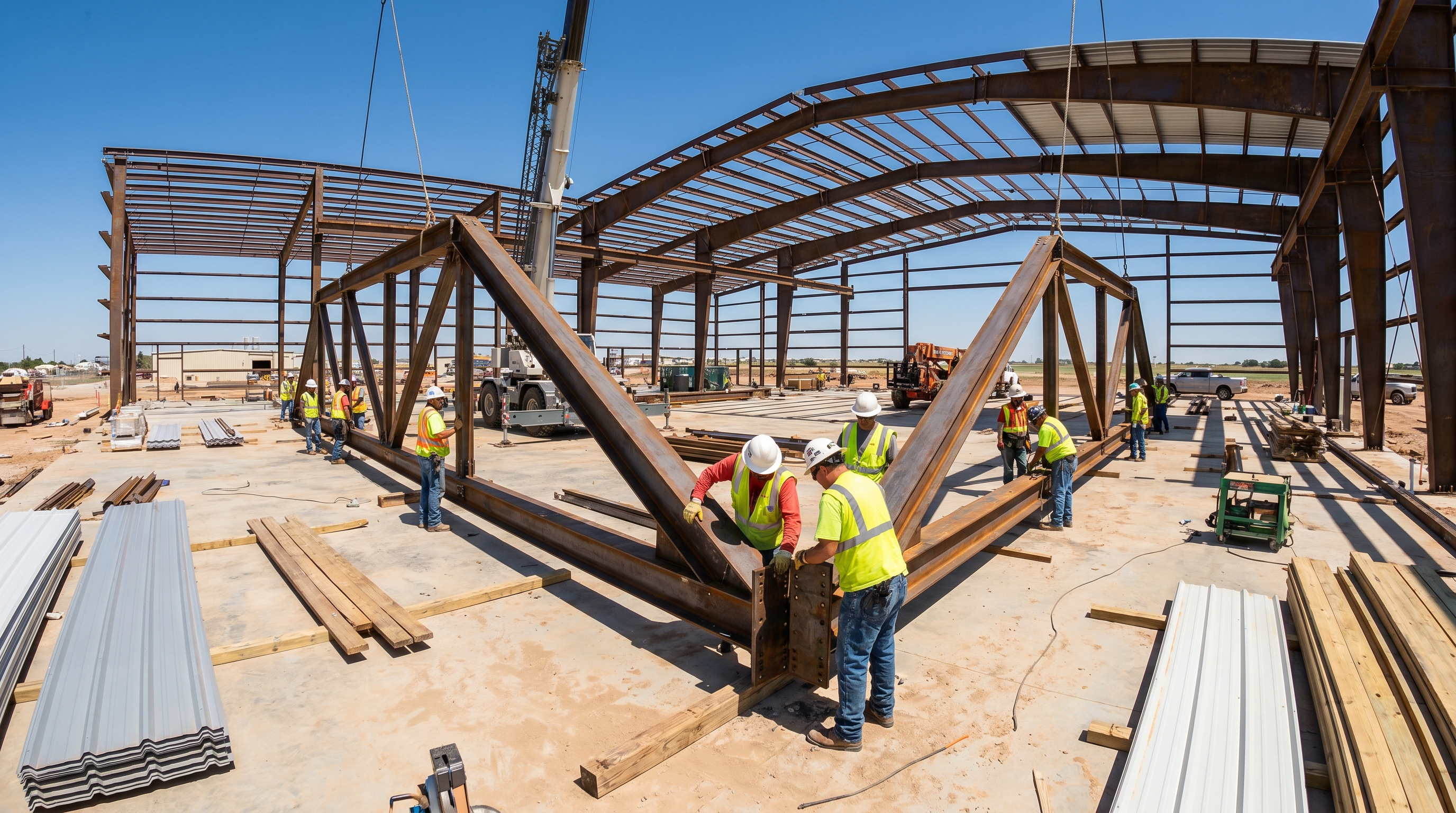
The most efficient way to set up your sheep hangar is through a systematic pre-engineered assembly process that utilizes high-strength bolts instead of site welding. This “Lego-like” approach ensures that every component fits perfectly according to the factory blueprints provided.
What are the first steps of the setup?
You must begin with a precise foundation and anchor bolt layout to ensure the main columns stand perfectly vertical and secure. Once the foundation is cured, the primary H-section beams are raised and bolted to the base, forming the skeleton of the building.
Don’t miss this:
- Accurate anchor bolt placement is critical for structural alignment.
- Using a crane speeds up the heavy lifting of main frames.
- Temporary bracing keeps the structure safe during the build.
The best part? Because everything is pre-drilled, there is no need for messy on-site cutting or welding.
How do the finishing stages work?
After the main frame is secure, you will install the purlins and girts, followed by the roof and wall panels which are fastened with weather-sealed screws. The final step involves installing doors, windows, and trim to create a completely weather-tight enclosure.
Check this out:
- Interlocking panels ensure a leak-proof roof system.
- Pre-cut openings make door installation fast and simple.
- Integrated gutters and downspouts protect your foundation from water.
But wait, there is more. You can easily add internal partitions once the shell is complete to finish your customized layout.
Key Takeaway: Pre-engineered components eliminate the guesswork and delays typically associated with traditional building methods, getting your flock under cover faster.
| Installation Step | Tool/Equipment | Key Success Factor | |
|---|---|---|---|
| Foundation | Laser Level | Millimeter-perfect anchor bolts | |
| Frame Erection | Mobile Crane | Proper torque on all structural bolts | |
| Cladding | Power Screwdriver | Correct seal on all weather fasteners |
Following a structured installation guide allows you to move from an empty lot to a finished building in record time.
What Maintenance Tips Extend the Lifespan of a Sheep Hangar?
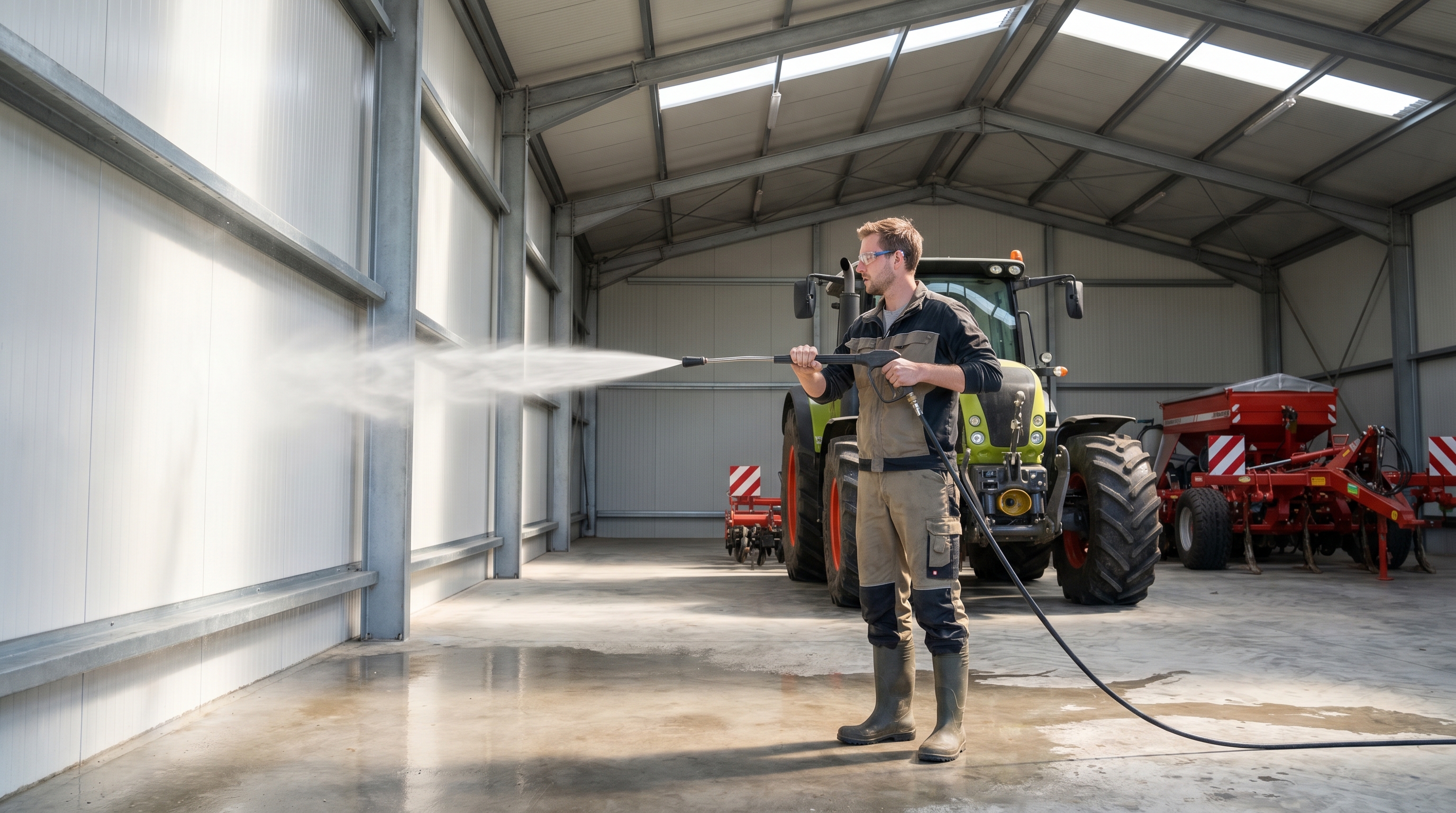
Maintaining your sheep hangar requires very little effort, but performing simple annual checks can prevent minor issues from becoming expensive repairs. Because steel is so durable, your primary focus will be on keeping the drainage systems clear and checking the integrity of the fasteners.
What should your annual inspection include?
You should walk around the perimeter once a year to ensure that the gutters are free of debris and that water is flowing away from the foundation. It is also wise to check for any physical damage caused by heavy machinery or livestock impacts.
Believe it or not:
- Cleaning gutters prevents water from backing up under the roof.
- Tightening loose bolts keeps the structure rigid and quiet.
- Washing the walls removes corrosive animal waste buildup.
The best part? You can do most of these checks in under an hour without any specialized training.
How do you handle minor repairs?
If the protective coating is scratched by a tractor or tool, you can simply apply a cold-galvanizing spray or touch-up paint to restore the barrier. This quick fix prevents rust from forming and keeps the building looking brand new for decades.
You might wonder:
- Small scratches do not compromise structural safety.
- Specialized touch-up kits match your original panel colors.
- Most repairs can be completed in just a few minutes.
Here is the kicker: catching a scratch early prevents a small spot from becoming a major structural headache ten years later.
Key Takeaway: Consistency in basic cleaning and inspection is the secret to getting a 50-year lifespan out of your livestock facility.
| Maintenance Task | Frequency | Time Required | |
|---|---|---|---|
| Gutter Cleaning | Twice per year | 1-2 hours | |
| Bolt Inspection | Once per year | 30 minutes | |
| Power Washing | Once per year | 3-4 hours |
A small investment of time each year ensures that your steel building remains a valuable asset for the next generation.
What Customization Options are Available for a Sheep Hangar?
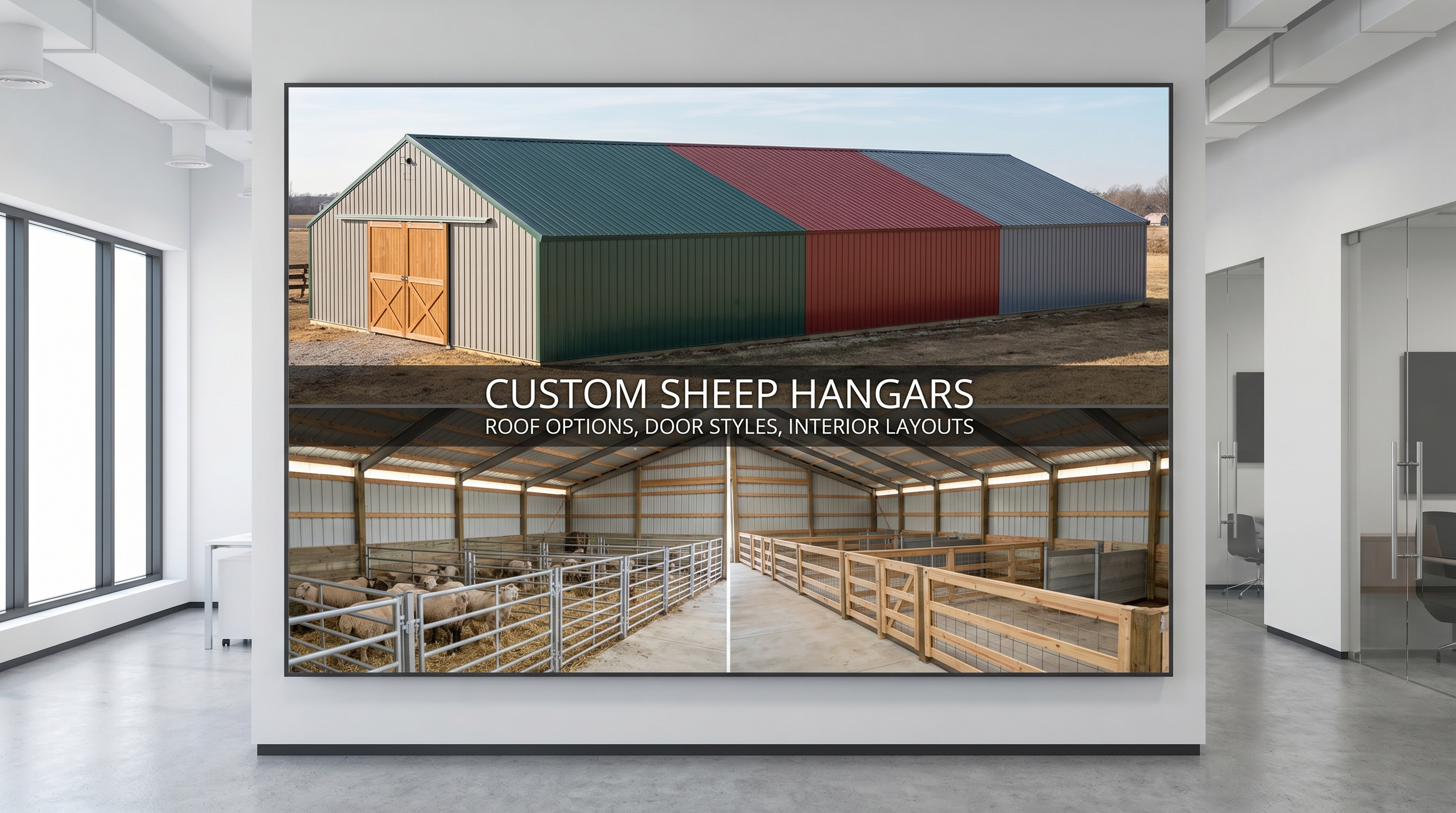
Customizing the internal layout of your sheep hangar allows you to create specific zones for feeding, lambing, and equipment storage that maximize every square inch. Since the building has no internal columns, you have total freedom to arrange your pens and alleys in the most efficient way possible.
Can you adjust the layout as your flock grows?
You can use modular gate systems that allow you to expand or contract pen sizes depending on the season and the age of your sheep. This flexibility is essential during the busy lambing season when you need many small, secure spaces.
The best part?
- Moveable partitions allow for easy machine cleaning.
- Dedicated “hospital” pens can be isolated for sick animals.
- Center-alley layouts speed up the feeding process.
Look at this: you can even install overhead mezzanines for hay storage to use the vertical space effectively.
What roofing and door options enhance the space?
You can choose translucent roof panels to bring in natural sunlight, reducing your dependence on artificial lighting during the day. Additionally, choosing between sliding or overhead doors allows you to optimize the space based on your external clearance.
Think about this:
- Natural light improves animal welfare and saves energy.
- Mezzanine levels can be added for extra hay storage.
- Insulated panels keep the interior cooler in summer heat.
But wait, there is more. You can choose from dozens of color options to match your existing farm buildings for a professional look.
Key Takeaway: An open-span design gives you the ultimate freedom to reorganize your farm operations as your business grows and evolves.
| Layout Feature | Benefit | Best For | |
|---|---|---|---|
| Clear Span | No columns | Maximum machinery maneuverability | |
| Skylights | Natural light | Reducing electricity costs | |
| Modular Pens | Flexible sizing | Adapting to lambing cycles |
Customizing your internal space ensures that the building adapts to your specific farming style rather than forcing you to change.
How Do Case Studies Prove the Success of the Sheep Hangar?
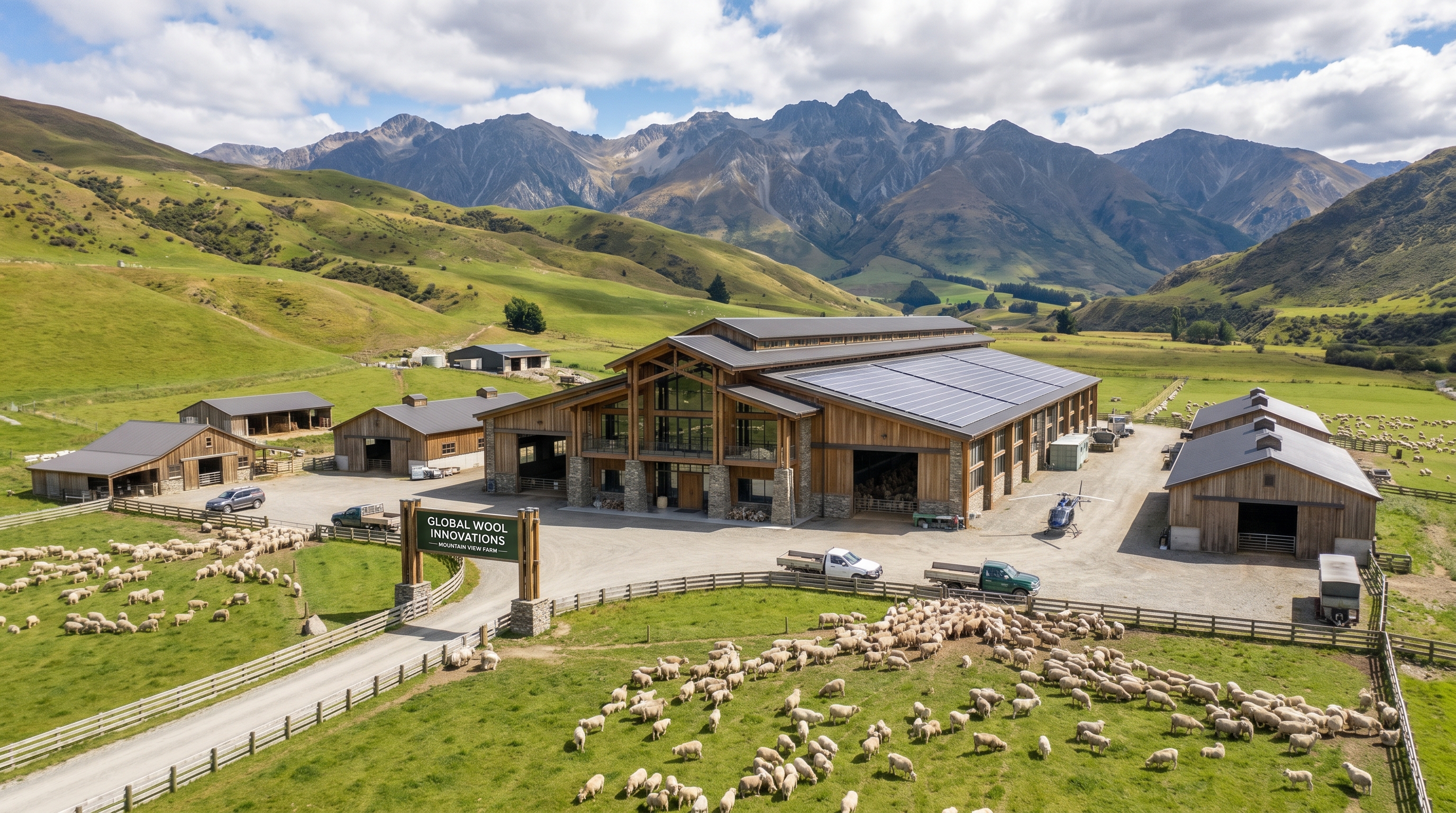
Across the globe, the adoption of the sheep hangar has led to significant increases in livestock productivity and drastic reductions in operational overhead. From the snowy plains of Europe to the humid regions of Southeast Asia, these structures have proven their ability to protect animal health in any climate.
How have these buildings performed in extreme weather?
You will find case studies where steel hangars survived Category 4 hurricanes and heavy snow loads that collapsed neighboring wooden barns. The precision engineering of the steel frame allows it to flex slightly under pressure without failing.
Check this out:
- Success in high-wind coastal regions of Australia.
- Proven durability in the heavy snow zones of Canada.
- High performance in the intense heat of the Middle East.
Here is the kicker: even after extreme events, most owners reported zero structural damage and immediate return to operations.
What impact does it have on farm revenue?
Farmers report that the improved environment leads to higher lamb survival rates and better quality wool due to cleaner living conditions. The efficiency of the layout also allows a single operator to manage a much larger flock than before.
It gets better:
- 20% increase in flock health and growth rates.
- Significant reduction in manual labor hours per day.
- Higher property valuation thanks to modern infrastructure.
But wait, there is more. The time saved on maintenance allows farmers to focus on breeding and scaling their business.
Key Takeaway: Global data proves that steel shelters are the most reliable way to future-proof your farm against climate volatility and economic shifts.
| Region | Climate Challenge | Result | |
|---|---|---|---|
| Australia | Intense UV/Heat | 15% cooler internal temps | |
| Canada | Heavy Snow Loads | Zero structural failures | |
| Philippines | Tropical Storms | Wind resistance up to 250km/h |
The global track record of steel buildings provides the peace of mind that your investment is backed by real-world success in harsh conditions.
What Regulations and Safety Standards Apply to a Sheep Hangar?
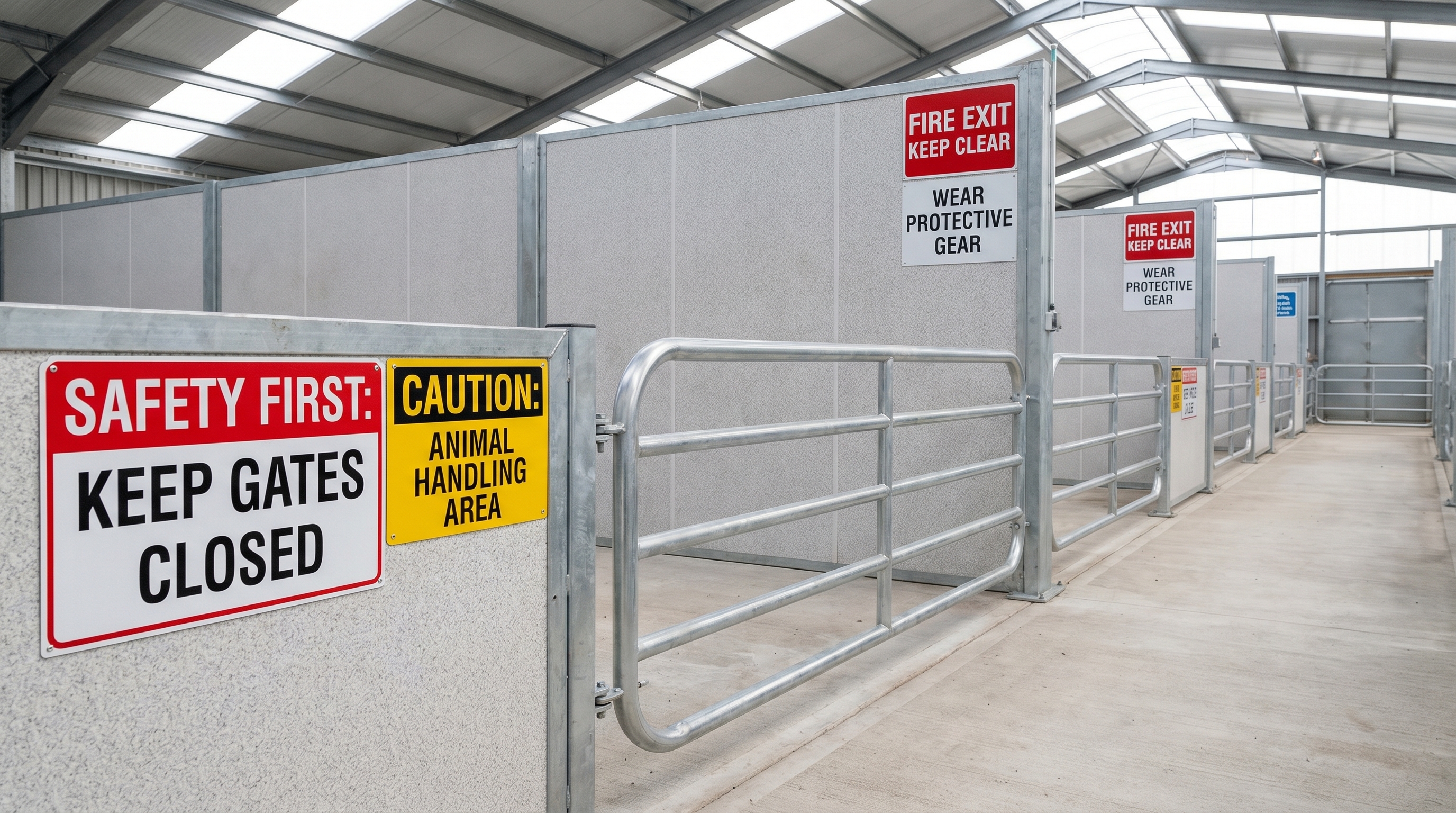
Your sheep hangar must comply with international engineering standards and local building codes to ensure the safety of both the animals and the people working inside. These regulations cover everything from the structural load capacity to the fire safety ratings of the cladding materials.
What engineering codes should you look for?
You should ensure your building is designed according to standards like the AISC for steel construction or the Eurocode for structural design. These codes guarantee that the building can handle the specific wind and snow loads of your geographic location.
You might wonder:
- Certified designs are easier to get approved by local councils.
- Engineering stamps provide proof of structural integrity.
- Code-compliant buildings have much higher insurance coverage.
Make no mistake: cutting corners on engineering codes is a risk that could cost you your entire flock during a storm.
How do safety standards affect livestock welfare?
Regulatory standards also dictate the minimum requirements for floor space per animal and the efficiency of the ventilation systems to prevent disease. Following these guidelines ensures that your farm remains compliant with animal welfare laws while maximizing productivity.
Don’t miss this:
- Non-toxic coatings protect animals from accidental poisoning.
- Smooth surfaces prevent injuries from sharp edges or splinters.
- Fire-rated panels provide extra time for evacuation if needed.
The best part? A safe, compliant building is a much more attractive asset if you ever decide to sell your property.
Key Takeaway: Building to code is the only way to ensure your facility is safe, insurable, and legally compliant for the long term.
| Standard Type | Focus Area | Why It Matters | |
|---|---|---|---|
| Structural Code | Wind/Snow Loads | Prevents building collapse | |
| Welfare Standard | Air Quality | Ensures flock health and survival | |
| Safety Code | Fire Resistance | Protects your assets and staff |
Adhering to strict safety standards is not just about paperwork; it is about protecting the lives and livelihoods that exist within the building walls.
Conclusion
Optimizing your farm with a custom steel sheep hangar is the most effective way to improve flock health, streamline your daily operations, and protect your financial future. We have seen how these wide-span structures provide superior durability, cost-efficiency, and design flexibility compared to traditional wood shelters. By investing in a high-quality, engineered hangar, you are not just buying a building; you are securing a professional asset that will serve your farm for decades. Whether you need better ventilation for animal welfare or a fast installation to meet the coming season, steel is the ultimate solution. To start your journey toward a more efficient farm, contact us today for a customized quote tailored to your specific livestock needs. We are committed to building a stronger future for the global agricultural community through engineering excellence.
Email:sales@showhoo.com.cn
Phone/WhatsApp: +86 186 7895 5927
FAQ
Can I install a sheep hangar on my own?Yes, most steel hangars are designed as pre-engineered kits that can be assembled with basic construction knowledge and the right equipment. However, for larger structures, hiring a professional crew or a supervisor is recommended to ensure safety and perfect alignment.
What is the best way to prevent rust in a high-moisture farm environment?Choose hot-dip galvanized steel for your primary and secondary frames, as this provides a thick zinc barrier that resists animal waste and humidity. Additionally, ensure your ventilation system is adequate to prevent condensation from sitting on the metal surfaces.
How do I know if the building will handle my local snow loads?Every building is custom-engineered based on your specific GPS coordinates to account for local historical weather data. A professional engineer will calculate the required steel thickness and roof pitch to ensure the building stays standing even in record-breaking storms.
What’s the best roofing material for temperature control?A sandwich panel with insulation or a zinc-aluminum coated panel with a high solar reflectance index (SRI) is ideal. These materials reflect sunlight during the summer and can be paired with insulation to keep the flock warm during freezing winters.
How do I clean the interior of a steel hangar?Simply use a high-pressure water sprayer and a mild detergent to wash down the walls and floors. Because the steel is non-porous and treated with protective coatings, it won’t absorb smells or harbor bacteria like wood, making it very easy to sanitize quickly.