
Achieving outstanding commercial success in the poultry industry requires replacing unstable manual methods with high-efficiency automated systems that guarantee uniform flock growth and minimal resource waste. Imagine walking into your chicken barn early in the morning only to find hundreds of birds suffering from heat stress, feed scattered across wet litter, and your labor costs spiraling out of control due to tedious manual cleaning. This chaotic scenario is a painful reality for many growers who struggle to maintain profitability under outdated farming practices. Fortunately, you can easily eliminate these costly bottlenecks and secure your business’s future by investing in state-of-the-art modern poultry farming equipment designed to automate feeding, drinking, and climate control.
Why Choose Modern Poultry Farming Equipment?
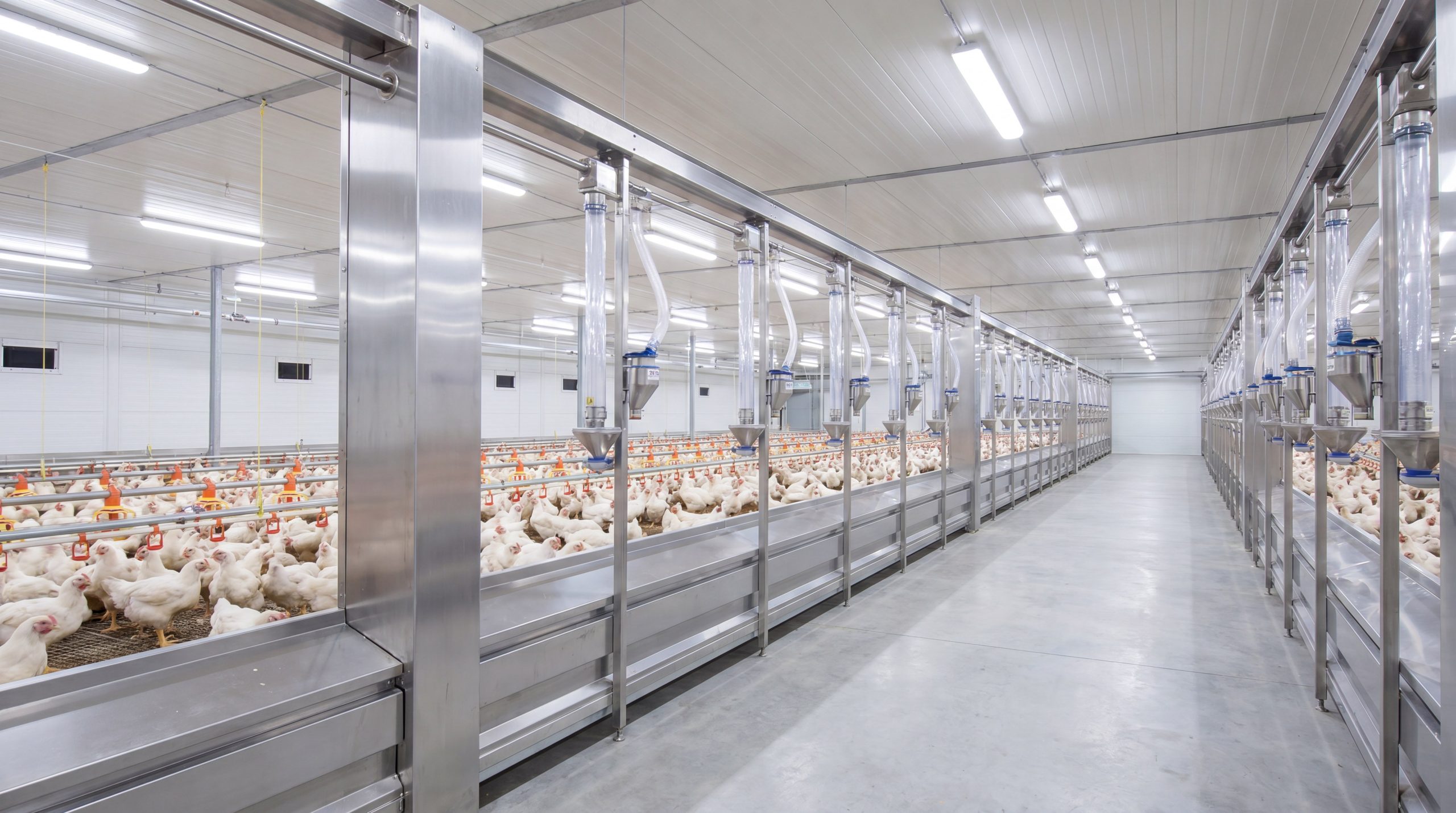
Modern poultry farming equipment is the ultimate solution for growers looking to scale their operations and maximize flock profitability. By automating feeding, drinking, and climate control, you eliminate human error and dramatically reduce overhead. Transitioning from traditional manual labor to high-efficiency automated systems allows your farm to run smoothly day and night.
Is Manual Farming Hurting Your Yields?
Traditional farming methods expose your flock to constant environmental fluctuations and inconsistent feeding schedules. Think about it: how much feed is wasted daily by manual pouring?
- Inconsistent feed delivery stunts bird growth.
- High labor requirements limit your scaling potential.
- Manual waste management increases disease exposure.
These bottlenecks ultimately eat away at your profit margins.
What Are the Key Automation Benefits?
By integrating automated systems, you establish a highly controlled environment where your poultry can thrive. Here is the deal: automation gives you complete control over resources, ensuring optimal feed-to-meat conversion rates.
- Precision Feeding: Eliminates feed waste entirely.
- Climate Control: Stabilizes temperature and humidity levels.
- 24/7 Security: Reduces risk of sudden operational failures.
These modern upgrades protect your business from unpredictable agricultural challenges.
Key Takeaway: Investing in automated systems transitions your farm from reactive management to proactive profitability, securing higher yields with minimal stress.
| Parameter | Manual System | Automated System | |
|---|---|---|---|
| Labor Requirement | High | Minimal | |
| Feed Waste | 8% – 12% | Under 1% | |
| Environmental Control | Unstable | 100% Stable |
This comparison shows that upgrading immediately eliminates operational inefficiencies while protecting your bottom line.
How Does Modern Poultry Farming Equipment Save Labor?
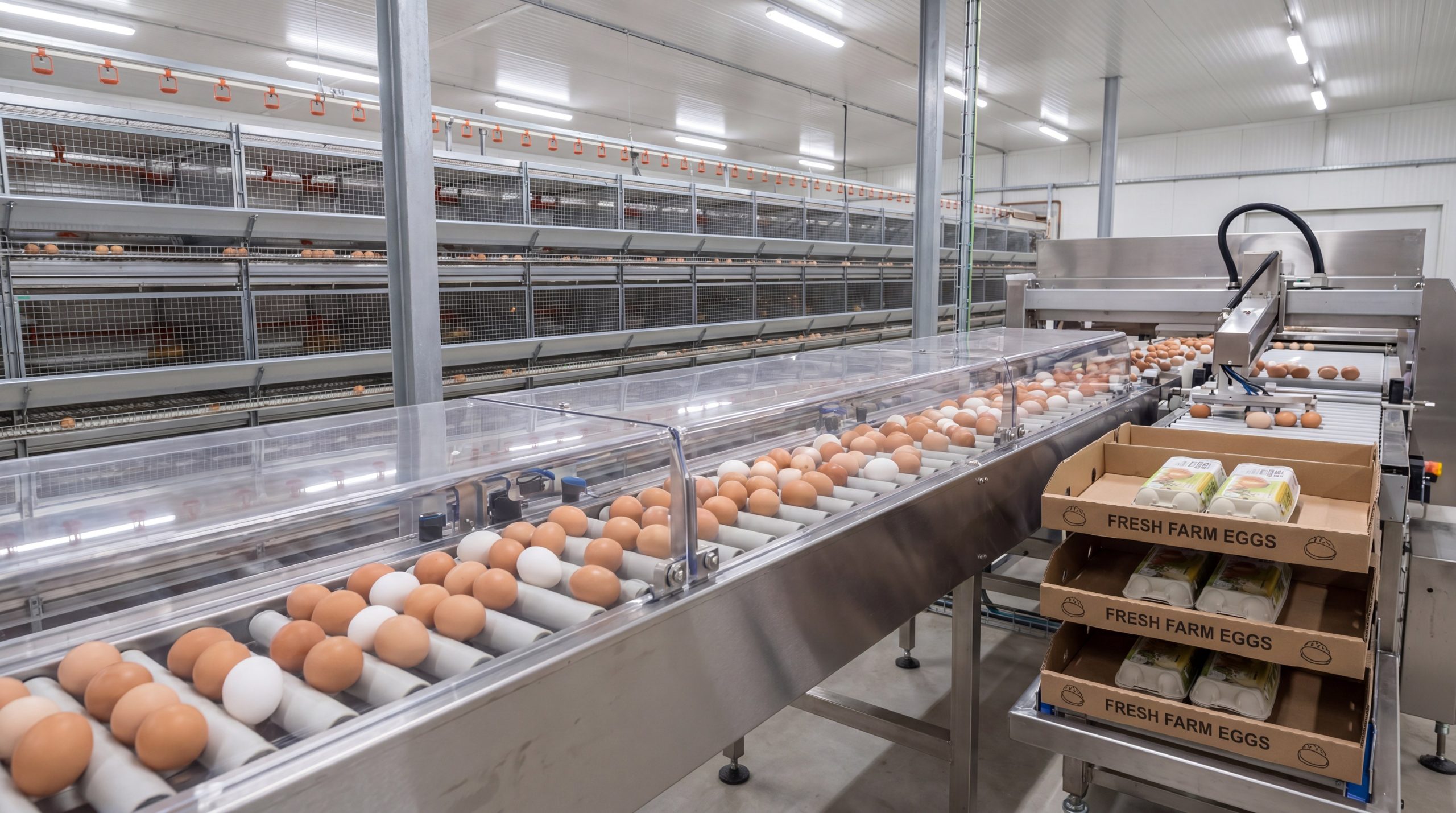
Modern poultry farming equipment saves thousands of labor hours annually by handling repetitive feeding and harvesting tasks automatically. This allows your staff to focus on biosecurity and flock health management rather than manual lifting. Implementing automated egg collection and feeding systems on your farm reduces daily manual chores by up to 80%.
Why Is Egg Collection Automation Essential?
Manual egg collection is incredibly slow and leads to higher egg breakage rates. Let’s face it: handling thousands of eggs daily by hand is a logistical nightmare.
- Gentle Transport: Soft-touch belts prevent shell fractures.
- Direct Delivery: Eggs travel straight to sorting rooms.
- Time Savings: Workers save hours of tedious manual harvesting.
Reducing cracked eggs directly improves your marketable yield.
How Do Automatic Feeders Reduce Overhead?
Automatic feeding lines distribute precise portions of feed to all birds simultaneously. But that’s not all. Uniform feed distribution ensures all birds grow at the same rate, preventing uneven flock sizes.
- Simultaneous Feeding: Reduces competition among birds.
- No Spillage: Controlled pans prevent scratch-out waste.
- Labor Reduction: No more manual feed hauling.
You will notice a massive drop in physical labor costs.
Key Takeaway: Eliminating manual chore-work through egg and feed automation lowers your labor overhead and maximizes intact egg yields.
| Operation | Manual Labor Hours | Automated Labor Hours | |
|---|---|---|---|
| Egg Collection | 4 Hours / Day | 15 Mins / Day | |
| Feed Distribution | 3 Hours / Day | 5 Mins / Day | |
| Bird Monitoring | 2 Hours / Day | 2 Hours / Day |
This data highlights that automation frees up your valuable staff to focus entirely on bird well-being and security.
“Upgrade now with modern poultry farming equipment—boost profits!”
Email:sales@showhoo.com.cn
Phone/WhatsApp: + 86 186 7895 5927
Can Modern Poultry Farming Equipment Stop Disease?
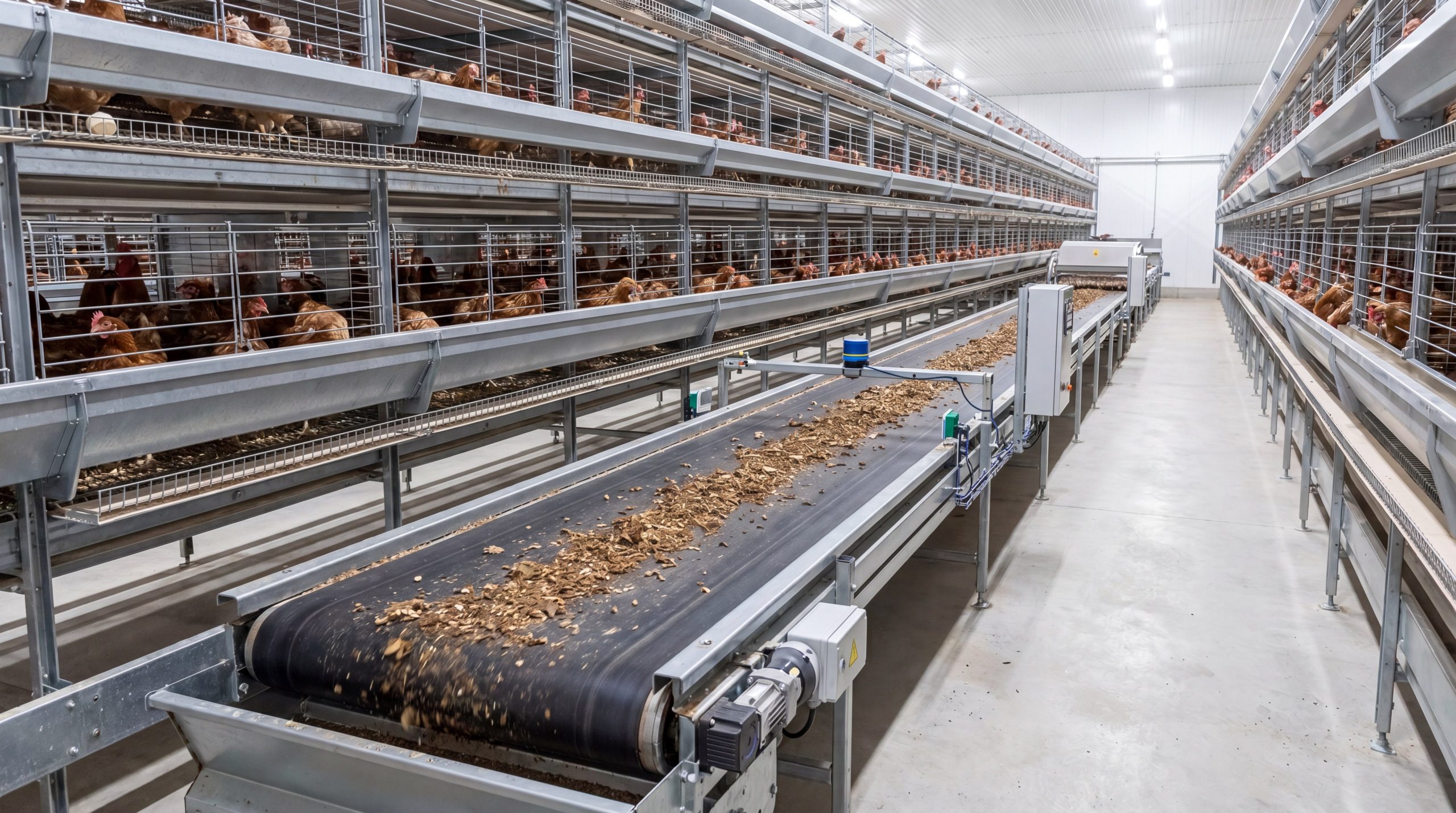
Modern poultry farming equipment prevents disease outbreaks by instantly removing waste and maintaining highly sanitary environment conditions. Proper ventilation and automated manure removal dramatically lower harmful ammonia levels in the air. By choosing computerized sanitizing and waste systems, you protect your flock from airborne pathogens and floor-level infections.
How Does Automated Waste Removal Help?
Accumulated manure is the primary source of ammonia gases and harmful bacterial growth on any poultry farm. What does this mean for you? High ammonia levels irritate your birds’ respiratory systems and weaken their immune defenses.
- Daily Removal: Heavy-duty manure belts clean the facility daily.
- Dry Environment: Quick waste removal reduces excess moisture.
- Pest Reduction: Clean floors attract fewer flies and rodents.
Keeping the floor pristine is your first line of defense.
Why Is Biosafety Critical for Your Farm?
An outbreak of disease can wipe out your entire investment within a matter of days. Look at the facts: a clean, bio-secure facility drastically reduces the need for expensive veterinary treatments.
- Fewer Meds: Healthy flocks require fewer antibiotics.
- Higher Survival: Lower mortality rates boost your profits.
- Better Rep: Clean operations attract top-tier commercial buyers.
You build a highly resilient, reliable business model.
Key Takeaway: Implementing automated waste removal creates a clean microclimate that shields your birds from deadly outbreaks.
| Health Metric | Manual Waste Removal | Automated Manure Belts | |
|---|---|---|---|
| Ammonia Levels | > 25 ppm (Dangerous) | < 10 ppm (Safe) | |
| Mortality Rate | 5% – 8% | Under 2% | |
| Vet Costs | High | Very Low |
These numbers prove that automated waste systems are essential to maintain a healthy and high-yielding farm environment.
Where to Place Modern Poultry Farming Equipment?
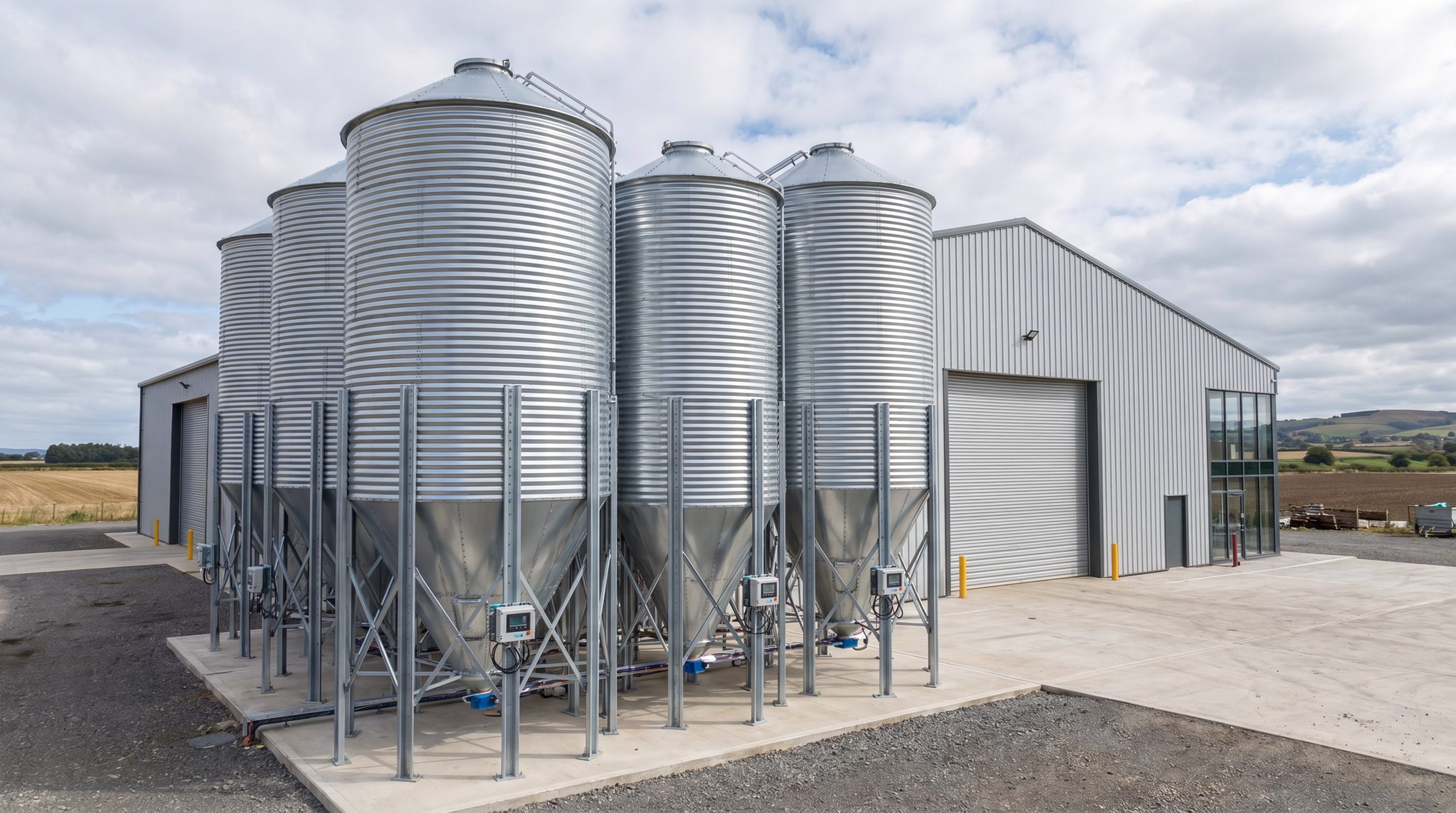
Modern poultry farming equipment must be placed inside high-quality galvanized steel structures to ensure maximum system durability and efficiency. A robust housing design protects your electronic automated lines from harsh external weather and moisture damage. Integrating your systems within a professionally designed steel barn optimizes the overall performance of your modern poultry farming equipment .
Why Is Housing Structural Design Vital?
Weak barn structures allow moisture, wind, and wild pests to enter and damage your equipment. Here is the deal: a sealed, insulated galvanized steel structure is the foundation of climate control.
- Weatherproof: Steel resists corrosion and extreme wind.
- Insulation Ready: Maintains stable indoor temperatures.
- Pest Proof: Prevents wild birds from introducing diseases.
Your advanced machinery requires a solid protective shell.
How Does Layout Improve Daily Workflow?
A strategic layout ensures your feed silos, drinking lines, and egg belts align seamlessly. Think about it: a poorly planned floor layout forces your workers to walk double the distance.
- Silo Alignment: Direct feed transport from exterior to pans.
- Straight Lines: Prevents jamming in egg collection belts.
- Easy Access: Wide alleys allow quick system maintenance.
An optimized layout turns chaotic chores into smooth operations.
Key Takeaway: Houses built with durable steel structures protect your equipment investment and keep your automated lines working flawlessly.
| Structure Type | Wood / Brick Barns | Galvanized Steel Barns | |
|---|---|---|---|
| Equipment Protection | Low | 100% Secure | |
| Lifespan | 10 – 15 Years | Over 50 Years | |
| Biosecurity | Poor | Excellent |
This comparison shows why modern steel housing is the best long-term investment for advanced automated farms.
Why Keep Modern Poultry Farming Equipment Cool?
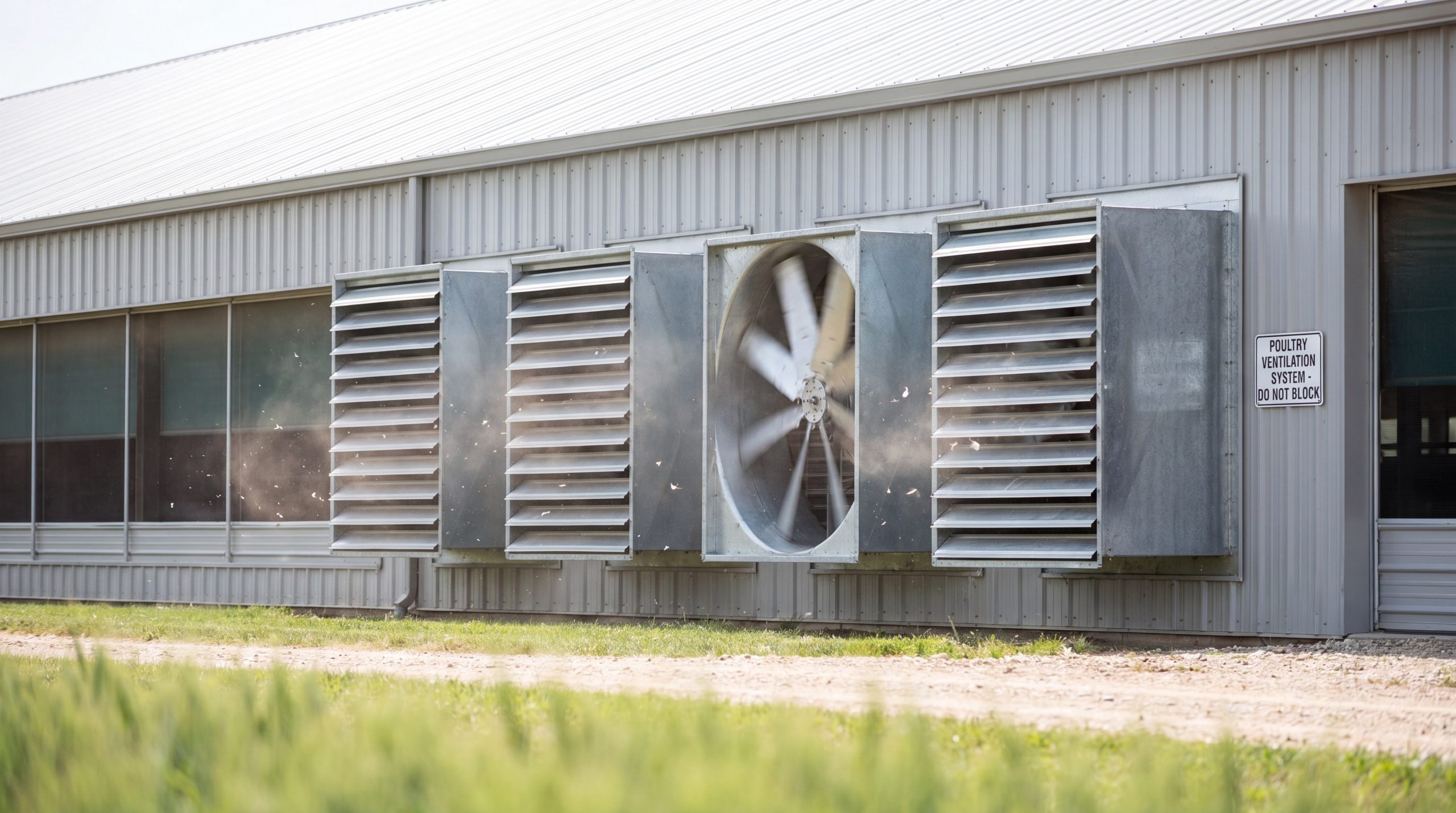
Modern poultry farming equipment must remain cool to prevent electronic system overheating and ensure continuous environmental regulation inside the barn. Keeping the ventilation and exhaust fans operating perfectly protects your birds from heat stress during hot summer months. By using automated cooling systems, you maintain the stable microclimates necessary for bird comfort and steady growth.
What Is the Best Ventilation Strategy?
Stagnant air inside a poultry house rapidly raises temperatures and traps toxic gases. Here is the truth: constant fresh airflow is essential for flock survival.
- Tunnel Ventilation: Pulls fresh air through the entire house.
- Exhaust Fans: Rapidly expel humid, stale air.
- Air Inlets: Distribute incoming air evenly without drafts.
Proper airflow keeps your flock energized and active.
How Do Cooling Pads Prevent Heat Stress?
Evaporative cooling pads lower incoming air temperatures by up to ten degrees. But that’s not all. When paired with high-volume exhaust fans, cooling pads create a wind-chill effect that keeps birds perfectly comfortable.
- Temperature Drop: Cools air naturally via water evaporation.
- Stress Reduction: Prevents bird panting and weight loss.
- Higher Feed Intake: Cool birds continue eating and growing.
Your production levels stay high even in heatwaves.
Key Takeaway: Combining exhaust fans with cooling pads prevents heat stress, keeping your birds comfortable and your growth rates on track.
| Cooling Method | Fans Only | Fans + Evaporative Cooling Pads | |
|---|---|---|---|
| Temp Reduction | 2°C – 3°C | 8°C – 12°C | |
| Bird Activity | Moderate | Extremely High | |
| Growth Consistency | Unstable | 100% Consistent |
The data proves that integrating cooling pads is necessary to maintain high flock productivity during summer.
Can Modern Poultry Farming Equipment Boost Feed Ratios?
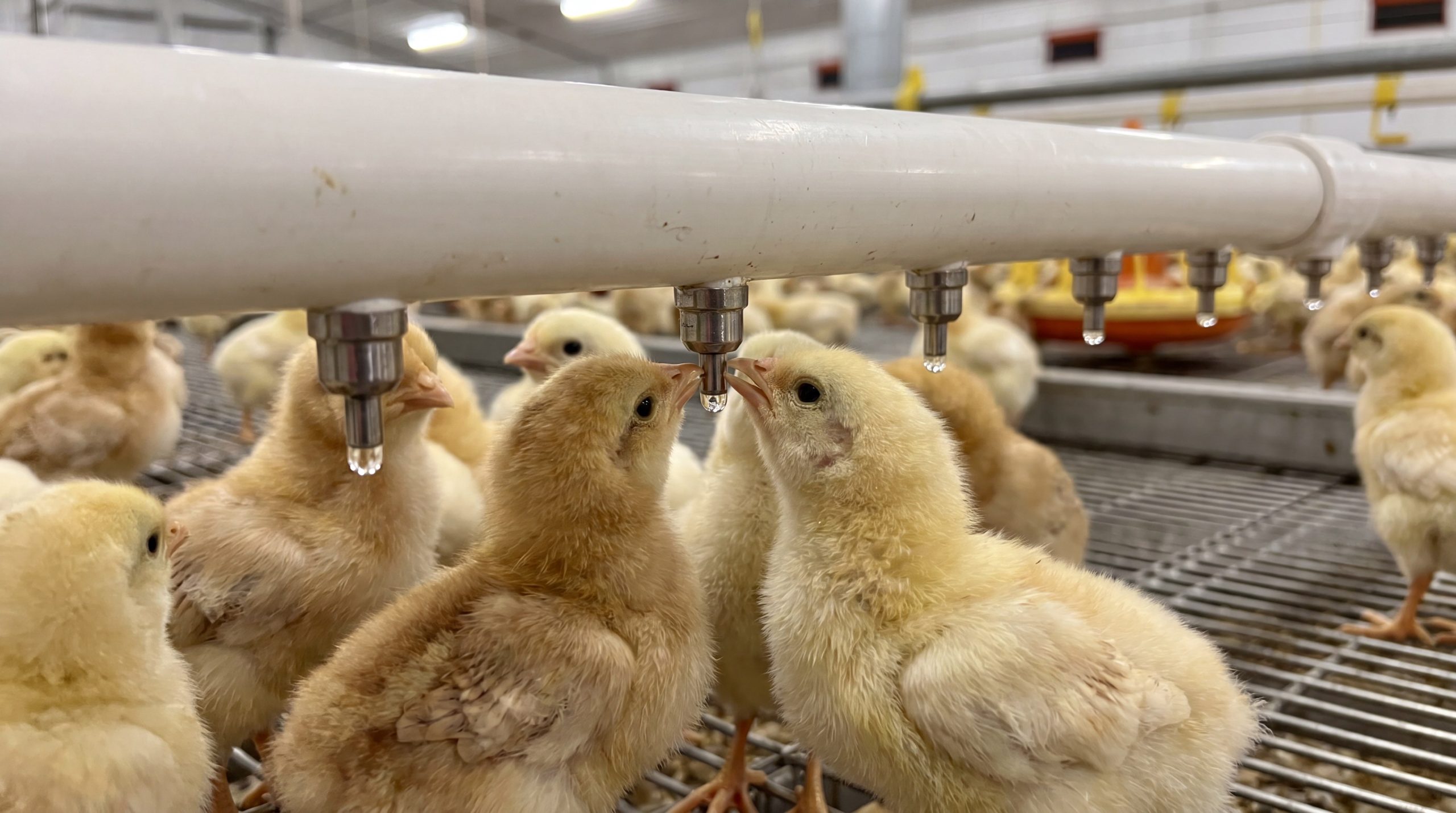
Modern poultry farming equipment boosts feed conversion ratios by delivering precise amounts of water and feed directly to the birds without waste. When birds have access to clean, fresh water and uniform feed, they convert nutrients into meat much more efficiently. Utilizing automated feeding and watering lines ensures your birds reach target market weights faster.
How Do Nipple Drinkers Prevent Waste?
Open water troughs easily get dirty, spill water onto the litter, and harbor dangerous bacteria. What does this mean for you? Wet litter releases high amounts of ammonia, harming your birds’ health.
- Closed System: Keeps water clean and free of debris.
- Pinpoint Flow: Releases water only when birds peck the valve.
- Dry Litter: Prevents mold and bacterial growth on floors.
Clean water is the key to healthy feed digestion.
What Controls Feed Delivery Precision?
Computerized feeding systems deliver exact feed portions to every pan on a strict schedule. Let’s make this simple: precise portion control prevents overfeeding while ensuring every bird gets its fair share.
- Timed Feeding: Promotes healthy eating patterns.
- Anti-Scraping Pans: Prevents birds from kicking feed onto the floor.
- Auger Delivery: Moves feed gently without breaking nutrients.
Every gram of feed is utilized for bird growth.
Key Takeaway: Eliminating water spills and feed waste directly improves your feed conversion ratio, saving you money on every batch.
| System Feature | Traditional Open Drinkers | Automated Nipple Drinkers | |
|---|---|---|---|
| Water Cleanliness | Poor | 100% Hygienic | |
| Water Spillage | High | Negligible | |
| Litter Moisture | High / Wet | Perfectly Dry |
This demonstrates how upgrading your drinking lines directly protects your litter quality and flock health.
“Upgrade now with modern poultry farming equipment—boost profits!”
Email:sales@showhoo.com.cn
Phone/WhatsApp: + 86 186 7895 5927
Is Modern Poultry Farming Equipment Easy to Manage?
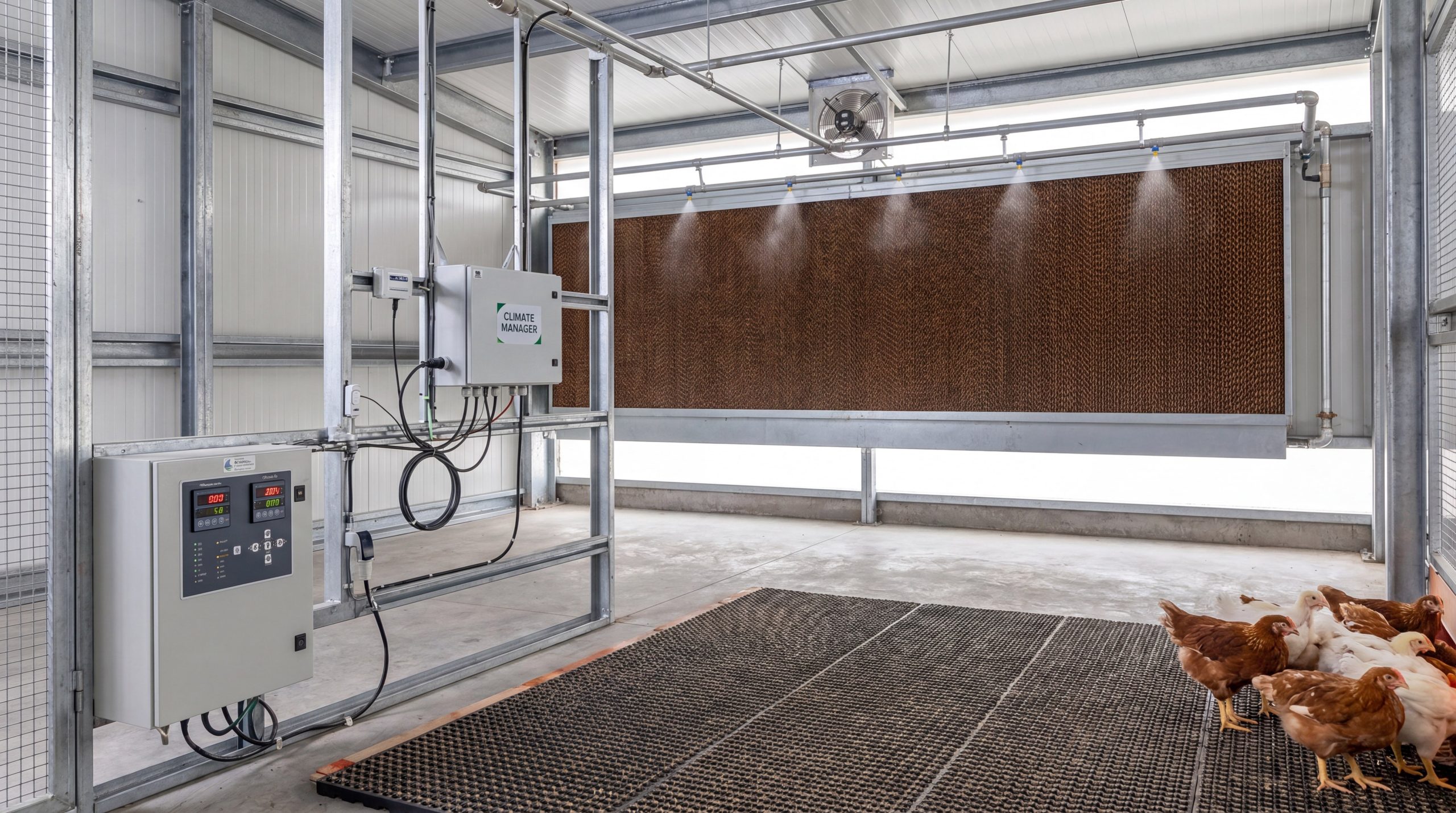
Modern poultry farming equipment is incredibly easy to manage thanks to integrated smart sensors and centralized digital control terminals. You no longer need to manually check temperatures or adjust fans every few hours. Smart controllers automatically regulate every piece of machinery on your farm to maintain perfect pre-set conditions.
How Do Smart Sensors Simplify Tracking?
Smart sensors continuously monitor ammonia levels, temperature, humidity, and water consumption in real-time. Look at the benefit: you receive instant alerts on your phone the moment any environmental reading drifts outside the safe zone.
- Continuous Monitoring: Detects issues before they affect your flock.
- Data Logs: Helps you analyze and improve seasonal performance.
- Wireless Alerts: Keeps you connected to your farm from anywhere.
Knowledge is power when managing thousands of birds.
Why Use a Centralized Control Terminal?
A centralized control terminal connects all your feeding, watering, and ventilation systems into one single dashboard. Think about it: instead of adjusting ten different switches, you manage everything from a single touch-screen.
- Unified Interface: Controls fans, heaters, and feeders together.
- Automatic Adjustments: Responds instantly to outdoor weather changes.
- Energy Efficiency: Optimizes power usage across all machines.
Centralized automation removes the guesswork from daily operations.
Key Takeaway: Centralized digital controllers simplify complex farm management, giving you peace of mind and reducing daily operational stress.
| Management Tool | Manual Adjustment | Centralized Control Panel | |
|---|---|---|---|
| Adjustment Speed | 30 – 60 Minutes | Instant (Under 1 Sec) | |
| Error Rate | High | Under 0.1% | |
| System Integration | None | Fully Integrated |
This shows that upgrading to a centralized panel ensures rapid response to critical environmental changes.
Does Modern Poultry Farming Equipment Secure Power?
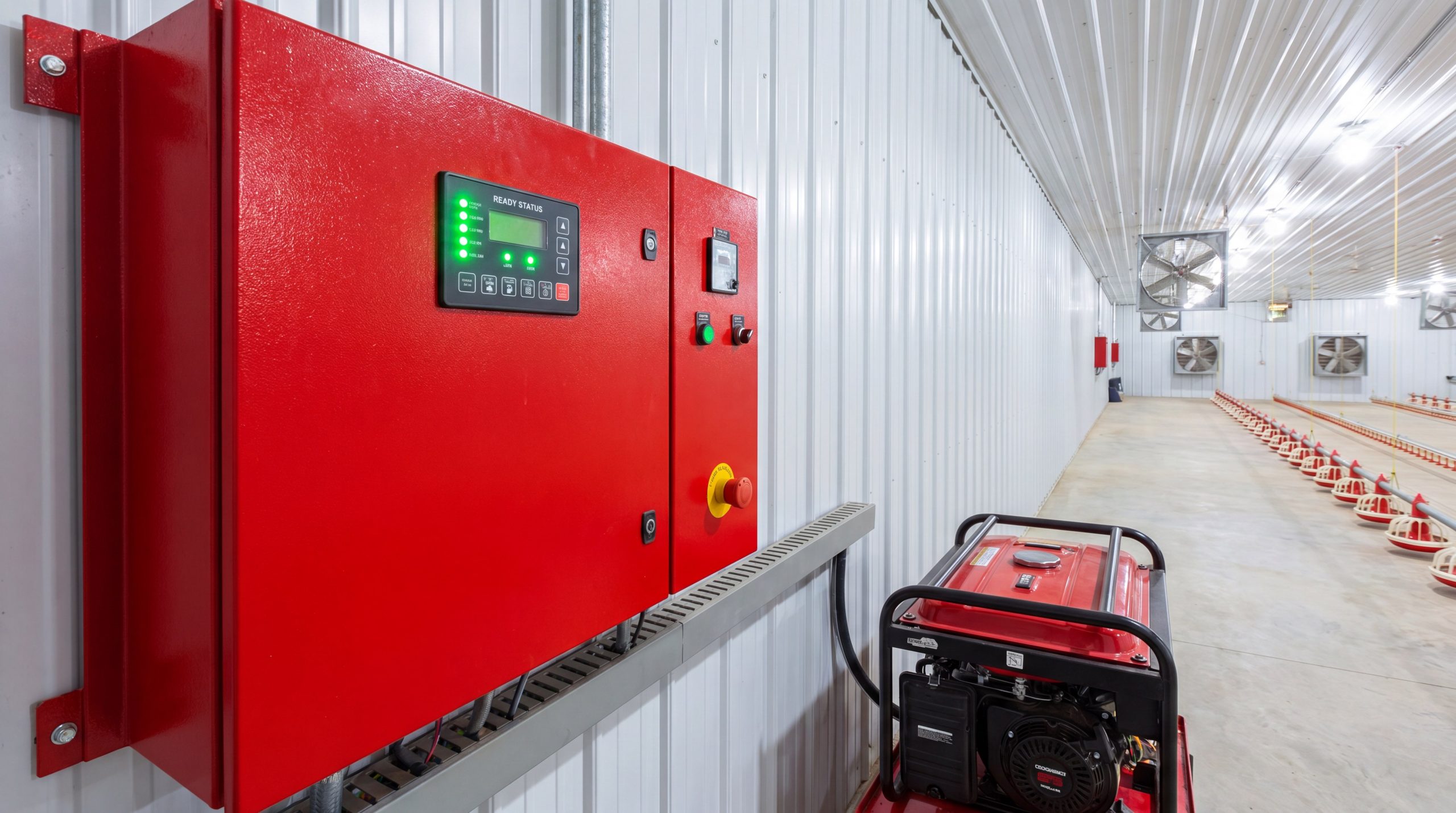
Modern poultry farming equipment secures continuous power by integrating automated emergency backup generators and safety control panels. A sudden power failure in an automated facility can cut off ventilation, putting your entire flock at risk within minutes. Installing reliable backup power ensures your modern poultry farming equipment never stops working.
Why Are Emergency Backup Systems Crucial?
In fully automated houses, birds rely on mechanical fans for fresh oxygen and cooling. Think about the risk: a power outage on a hot day can cause suffocation in less than an hour.
- Instant Start: Generators start automatically within seconds of an outage.
- Ventilation Continuity: Keeps exhaust fans spinning without interruption.
- Alarm Notification: Sends immediate emergency alerts to your phone.
A reliable backup system is your farm’s life insurance.
How Do Sensors Alert You to Outages?
Smart sensors monitor electricity flow and instantly trigger alarms if the main power grid fails. Here is the deal: immediate notification allows you to act quickly before any harm comes to your flock.
- Siren Alarms: Alerts on-site staff with loud warnings.
- SMS & Call Alerts: Notifies managers remotely in real-time.
- Voltage Tracking: Protects sensitive electronics from power surges.
You will never be caught off guard by a blackout.
Key Takeaway: Automated emergency power systems safeguard your entire investment, ensuring your flock stays safe during severe weather or grid failures.
| Power Solution | Grid Power Only | Grid + Auto Backup Generator | |
|---|---|---|---|
| Outage Risk | High (Flock Loss) | Extremely Low | |
| Response Time | Manual (Slow) | Automatic (Under 10 Sec) | |
| Electronics Protection | None | Surge Protected |
The table highlights that backup systems are critical to preventing catastrophic losses during power failures.
When to Upgrade to Modern Poultry Farming Equipment?
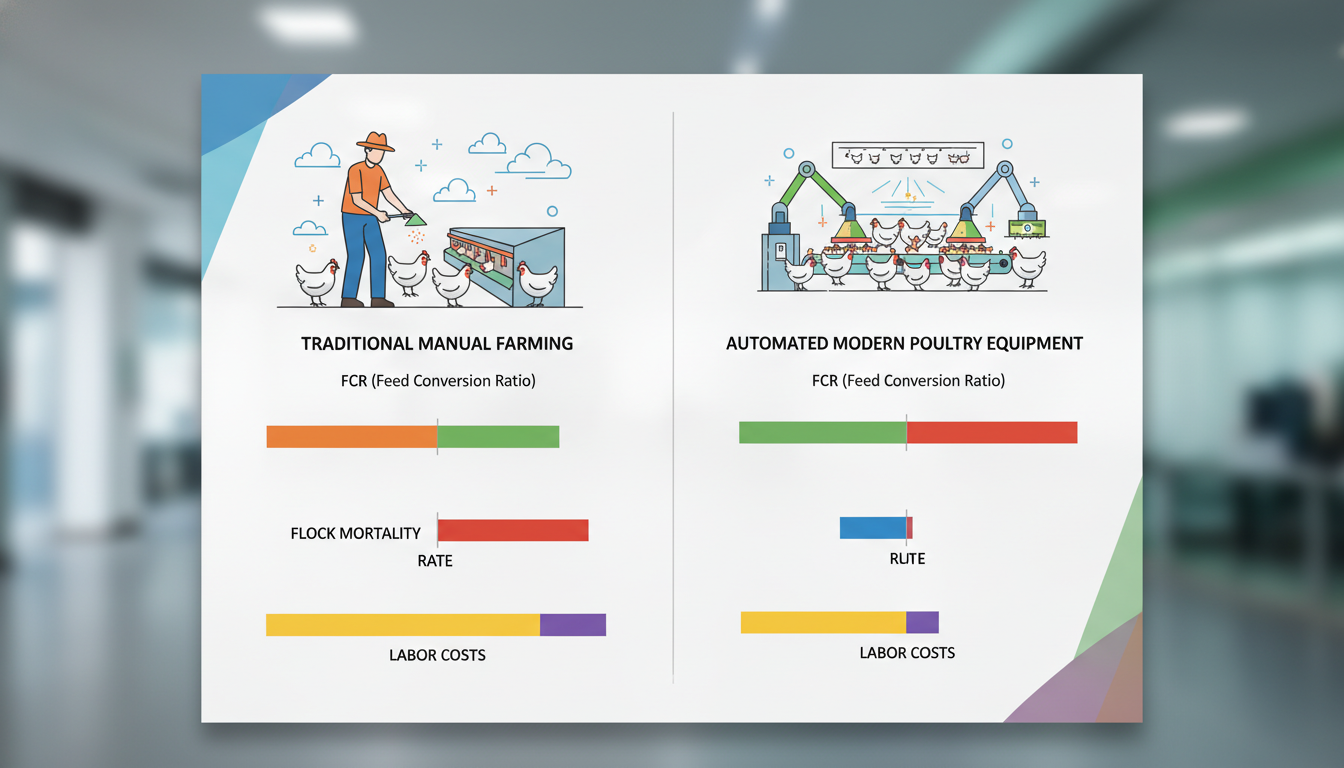
You should upgrade to modern poultry farming equipment when your manual labor costs rise and your flock’s feed conversion rates start to decline. Waiting too long to automate your systems leads to higher bird mortality and lower overall profit margins. Investing in automation early keeps your agricultural business competitive and highly profitable for years to come.
What Signs Highlight Inefficiency?
Frequent feed spills, high bird mortality rates, and rising electricity bills are clear signs of outdated machinery. Let’s face it: running an inefficient farm is like pouring money down the drain.
- Uneven Growth: Some birds are small while others are large.
- High Feed Bills: More feed is bought but less meat is produced.
- Constant Repairs: Outdated fans and belts break down frequently.
Recognizing these red flags helps you save your business in time.
How Do You Estimate Your Automation ROI?
Calculating your return on investment involves comparing your current labor costs and feed waste against automation savings. What does this mean for you? Most commercial growers recover their initial automation investment within the first two years of operation.
- Labor Savings: Reduces monthly payroll expenses significantly.
- Feed Efficiency: Lowers feed costs by eliminating spillage.
- Market Premium: Uniform, healthy birds sell for higher prices.
An upfront investment leads to massive long-term savings.
Key Takeaway: Upgrading your farm equipment turns operational losses into predictable profits, giving you a strong competitive edge in the market.
| Performance Metric | Traditional Manual Farm | Modern Automated Farm | |
|---|---|---|---|
| Feed Conversion Ratio | 1.9 – 2.1 | 1.4 – 1.6 (Highly Efficient) | |
| Average Mortality Rate | 6% – 10% | Under 3% | |
| Annual Labor Cost | High | Very Low |
This data proves that upgrading to modern systems is the fastest way to lower your operational expenses.
Who Builds Best Modern Poultry Farming Equipment?
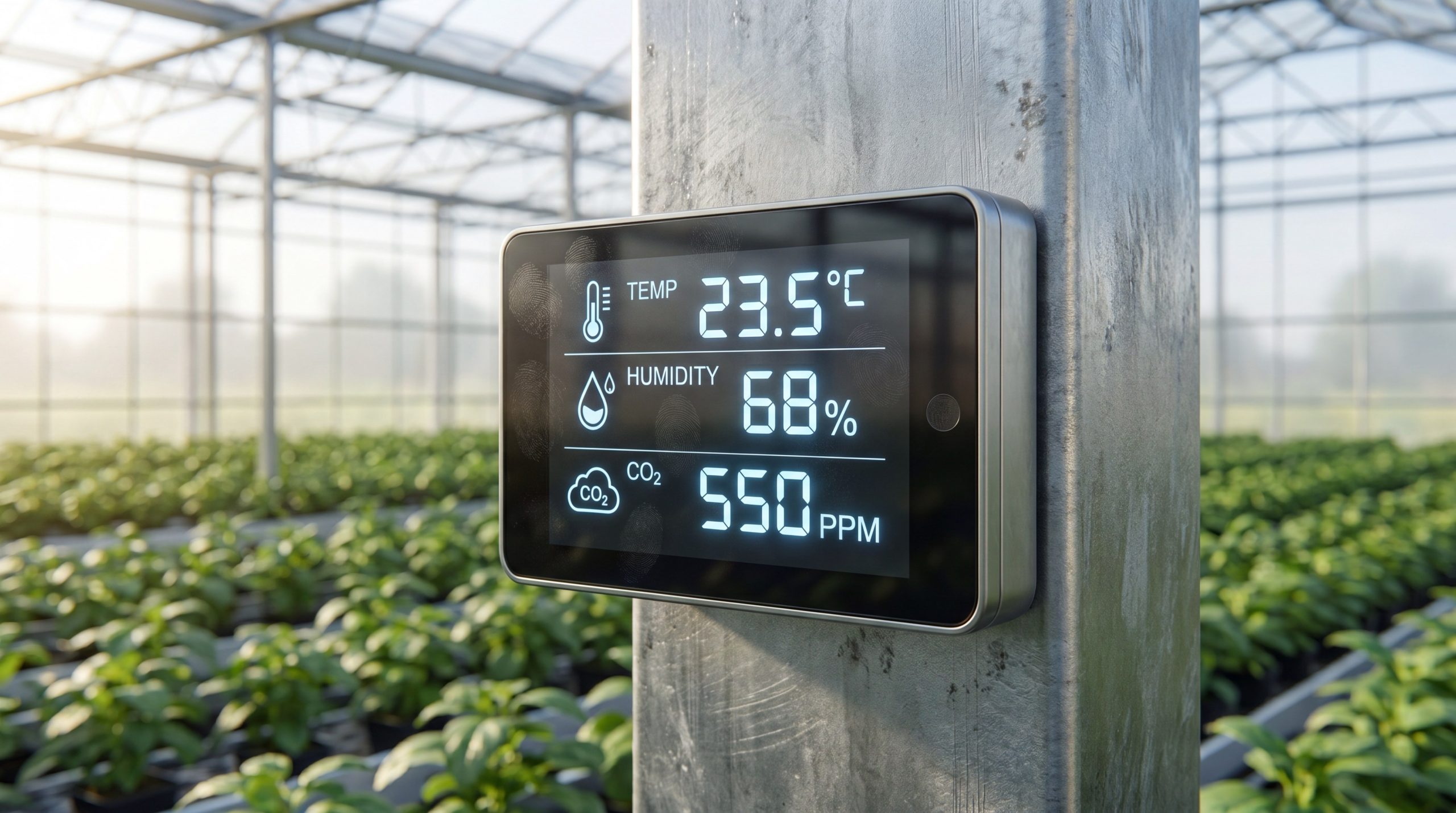
The best manufacturer of modern poultry farming equipment is a company that offers custom-engineered steel structures integrated with advanced digital automation technology. Choosing a supplier that designs both the structural housing and the internal electronic lines guarantees perfect system compatibility. Partnering with a comprehensive B2B supplier ensures you receive high-performance modern poultry farming equipment tailored to your specific region.
Why Is Custom Engineering Essential?
Every poultry farm operates in a unique climate with specific wind, heat, and moisture challenges. Think about it: a standard, off-the-shelf equipment setup cannot perform optimally in both tropical heat and freezing winters.
- Climate Tailoring: Ventilation and insulation designed for your local weather.
- Scale Compatibility: Equipment sized perfectly to match your barn dimensions.
- Structural Integration: Steel beams pre-drilled for seamless system mounting.
Custom engineering prevents expensive installation delays.
How Do You Select a Reliable Supplier?
A reliable supplier must provide premium materials, robust structural steel, and complete technical support. But that’s not all. You need a partner who supports you from initial barn design to final system calibration.
- Galvanized Steel: Look for heavy-duty zinc coatings that resist rust.
- Global Standards: Ensure all electronic controllers are certified and safe.
- Post-Sale Support: Choose suppliers with responsive engineering teams.
The right supplier is a long-term partner in your farming success.
Key Takeaway: Selecting a supplier that provides both custom steel housing and integrated electronics guarantees maximum efficiency and equipment durability.
| Supplier Criteria | Standard Retailer | Custom B2B Manufacturer | |
|---|---|---|---|
| Structural Customization | None (Standard Only) | 100% Customized | |
| Equipment Integration | High Risk of Mismatch | Perfectly Integrated | |
| Technical Support | Limited | Full Engineering Support |
This comparison shows why working with a custom manufacturer is essential to secure the best return on your farm investment.
Conclusion
Modernizing your poultry operation is the most effective way to eliminate labor bottlenecks, reduce costly feed waste, and protect your flock from devastating disease outbreaks. By transitioning to fully automated systems, you secure higher yields and a stress-free management experience. We are dedicated to engineering premium galvanized steel structures and smart machinery that empower growers worldwide to build highly sustainable, profitable agricultural businesses. If you are ready to revolutionize your commercial farm and maximize your operational efficiency, contact us today to discuss your custom project layout with our expert engineering team.
“Upgrade now with modern poultry farming equipment—boost profits!”
Email:sales@showhoo.com.cn
Phone/WhatsApp: + 86 186 7895 5927
FAQ
Can I upgrade my existing wooden chicken house with modern poultry farming equipment?
Yes, you can. However, upgrading wooden structures requires reinforcing the support beams and sealing all air gaps to ensure the automated ventilation systems work with high efficiency.
What’s the best way to prevent equipment rust in humid poultry environments?
The best way is to use heavy-duty hot-dip galvanized steel components. Galvanized coatings protect the metal from corrosive ammonia gases and moisture, extending the system’s lifespan.
How do I know if my automated feeding line is distributing feed evenly?
You can check by monitoring bird weights and observing feed levels in the end-pans. Automated systems feature sensor-controlled augers that stop delivering feed only when the furthest pan is full.
Can I run automated ventilation systems during a complete power grid failure?
Yes, absolutely. High-quality commercial setups integrate automated transfer switches that start backup diesel generators within ten seconds of a grid outage, keeping fans running.