
Building a 20,000 square foot steel warehouse typically requires an investment between 240,000 and 380,000 for the primary structural shell. Expanding your operational footprint often feels like a gamble against fluctuating market prices and opaque contractor quotes. You risk overextending your capital on inefficient building methods that stall your growth and drain your long-term maintenance budget. Choosing a precision-engineered steel structure provides a predictable, high-performance path to securing your inventory. Determining the accurate cost to build 20000 sq ft warehouse is the first step toward a scalable and profitable facility.
What is the cost to build 20000 sq ft warehouse today?
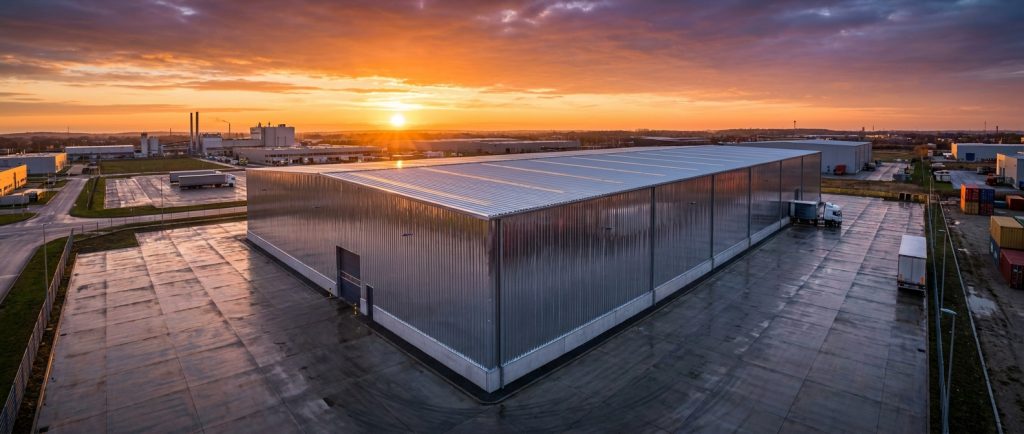
The current market rate for a 20,000 square foot steel warehouse shell ranges from 12 to 19 per square foot. This initial cost to build 20000 sq ft warehouse covers the pre-engineered steel frames, wall panels, and roof systems. Prices fluctuate based on global steel indices, but steel remains the most competitive medium for large-span industrial spaces.
Initial Budgeting Factors
Determining your base price requires looking at the raw material requirements for a 100-ft by 200-ft footprint. You must account for the primary structural members and the basic enclosure package.
Here is the kicker:
- Primary H-section steel frames.
- Standard R-panel wall and roof cladding.
- Basic fastener and trim packages.
Timeline and Delivery Costs
The speed of delivery for a steel kit significantly impacts your early-stage capital allocation. Most pre-engineered kits can be manufactured and delivered within a few months of design approval.
Think about it:
- Manufacturing lead times for 20k sq. ft.
- Freight and logistics to your specific site.
- Staged delivery for easier site management.
Key Takeaway: A 20,000 sq. ft. steel warehouse offers the most predictable entry point for industrial expansion, with base shell costs starting at $240,000.
| Metric | Estimated Range (Low) | Estimated Range (High) | |
|---|---|---|---|
| Base Shell Cost | $240,000 | $380,000 | |
| Cost Per Sq. Ft. | $12.00 | $19.00 | |
| Shell Lead Time | 6 Weeks | 12 Weeks |
This pricing structure allows for rapid financial planning and quick transition from investment to operational use.
How does steel compare to other building materials?
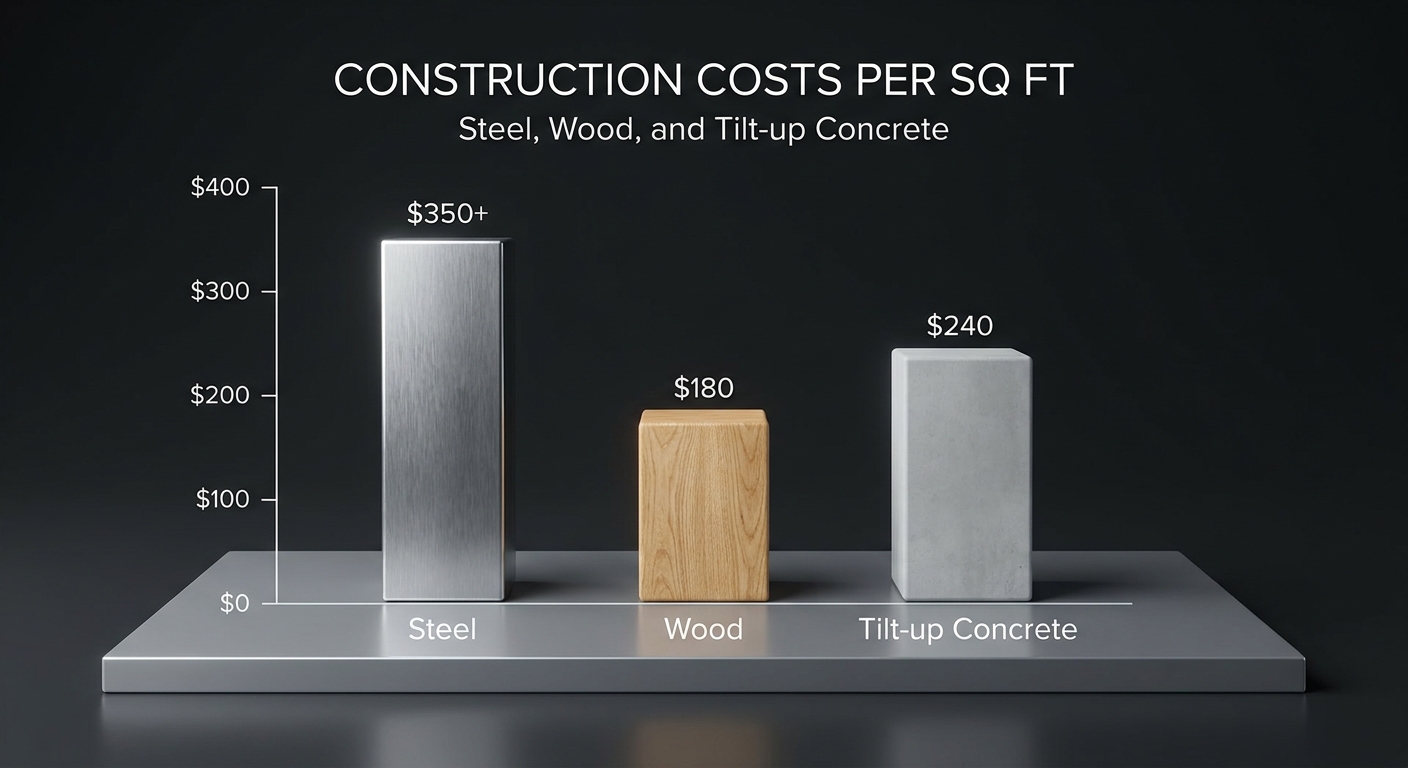
Steel offers a 30% to 50% cost advantage over traditional wood-framed or tilt-up concrete construction methods. When analyzing the cost to build 20000 sq ft warehouse , steel consistently ranks as the most affordable option for clear-span structures. Wood framing for a similar size can reach 39per square foot,while concretetilt−up soft enexceed 48 per square foot.
Comparative Financial Efficiency
Traditional materials require more intensive on-site labor and longer construction schedules. Steel’s pre-fabricated nature eliminates many of the hidden costs associated with field modifications and material waste.
Believe it or not:
- Steel: 12−19 per sq. ft.
- Wood Frame: 22−39 per sq. ft.
- Tilt-up Concrete: 28−48 per sq. ft.
Durability and Long-Term Value
While wood may seem cheaper for very small structures, at the 20,000 square foot scale, it becomes structurally complex and expensive. Steel provides a superior strength-to-weight ratio that ensures your building remains a high-value asset for decades.
The truth is:
- Resistance to rot and termites.
- Lower structural weight on foundations.
- Higher resale value for industrial zones.
Key Takeaway: Steel provides the lowest cost per square foot while offering the highest structural durability for 20,000 sq. ft. facilities.
| Material Type | Avg. Cost Per Sq. Ft. | Project Durability | |
|---|---|---|---|
| Pre-engineered Steel | 12−19 | Exceptional | |
| Wood Framing | 22−39 | Moderate | |
| Tilt-Up Concrete | 28−48 | High |
The data confirms that steel is the clear winner for any business looking to maximize square footage while minimizing capital expenditure.
What site factors influence the total project budget?
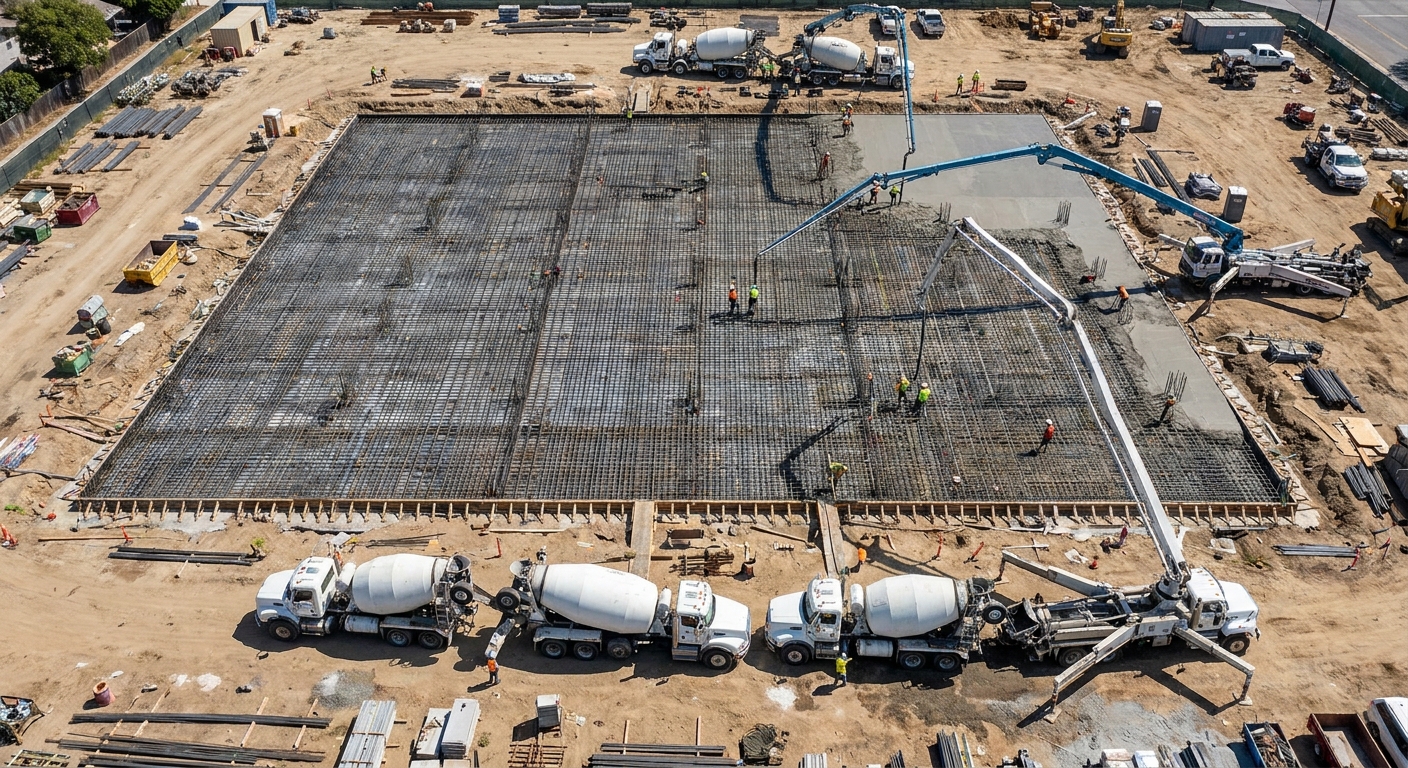
Foundation work and site grading are the primary external variables that can increase your total budget by 15% to 20%. The cost to build 20000 sq ft warehouse is heavily dependent on the condition of your land before the steel arrives. A standard poured concrete slab typically adds between 3.85 and 7.00 per square foot to your project total.
Ground Preparation and Grading
Clearing and leveling a 20,000 square foot area requires heavy machinery and significant time. Soil stability tests will determine if you need additional fill or specialized compaction to support the warehouse load.
Make no mistake:
- Soil testing and site survey fees.
- Removal of trees, debris, or existing structures.
- Leveling and drainage planning.
Foundation and Slab Requirements
A massive steel structure requires a precision-engineered foundation to prevent settling. The cost fluctuates based on local concrete prices and the thickness required for your specific industrial equipment.
Here is the kicker:
- Concrete volume for a 20k sq. ft. slab.
- Rebar and vapor barrier installation.
- Anchor bolt placement for steel columns.
Key Takeaway: Site preparation is a significant “hard cost” that requires early investment to ensure the structural integrity of your warehouse.
| Site Expense | Estimated Cost | Budget Impact | |
|---|---|---|---|
| Concrete Foundation | 77,000−140,000 | Major | |
| Site Grading | 10,000−30,000 | Moderate | |
| Utility Hookups | 5,000−25,000 | Variable |
Early site assessment prevents budget overruns by identifying soil and drainage issues before construction begins.
Speak to an Engineer for a Quick Quote
Email:sales@showhoo.com.cn
Phone/WhatsApp:+86 186 7895 5927
Which components drive the primary material expenses?
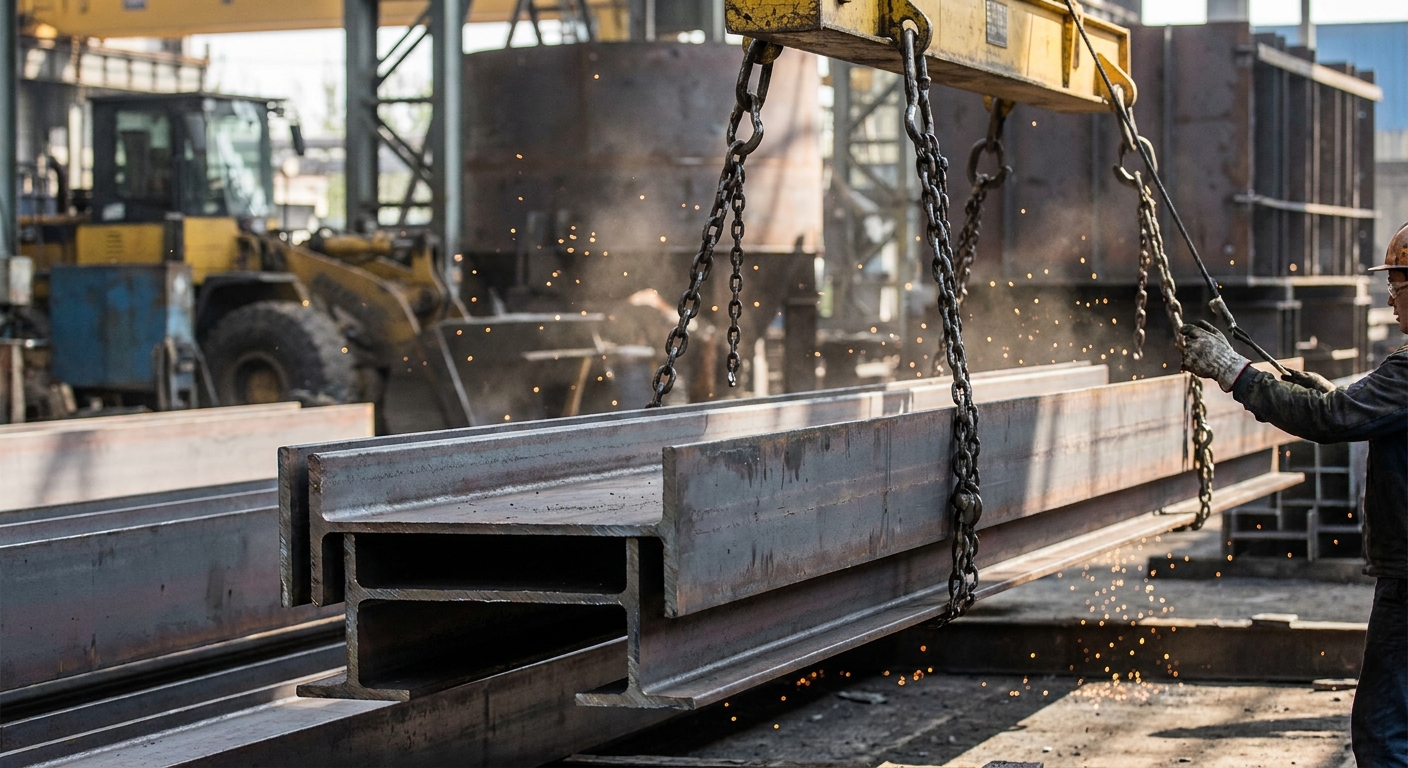
The main structural frame and the cladding system represent approximately 80% of your total material budget. When looking at our products , you will see that the quality of the H-section beams determines the final cost to build 20000 sq ft warehouse. Utilizing high-grade steel ensures that your clear-span space is safe and compliant with local building codes.
Structural Frame and Secondary Steel
The “skeleton” of your warehouse includes columns, rafters, and the secondary members like purlins and girts. These components are engineered to withstand specific wind and snow loads unique to your location.
Think about it:
- Main H-section steel columns.
- Roof rafters and peak connections.
- Galvanized purlins for roof support.
Cladding and Fastener Systems
Wall and roof panels protect your inventory and determine the aesthetic of the building. Standard metal panels are the most cost-effective, but upgrading to insulated metal panels (IMPs) can improve thermal performance.
The kicker is:
- Wall panel gauge and finish.
- Roof panel profile (Standing seam vs. screw-down).
- High-strength bolt and flashing packages.
Key Takeaway: Material costs are concentrated in the primary frame and panels, making supplier selection critical for budget control.
| Material Component | % of Material Budget | Primary Variable | |
|---|---|---|---|
| Primary Frame | 50% | Steel Market Index | |
| Cladding Panels | 30% | Finish/Gauge | |
| Fasteners/Flashing | 10% | Complexity |
Investing in high-quality primary steel reduces the risk of structural failure and lowers long-term repair needs.
How do labor rates affect the construction timeline?
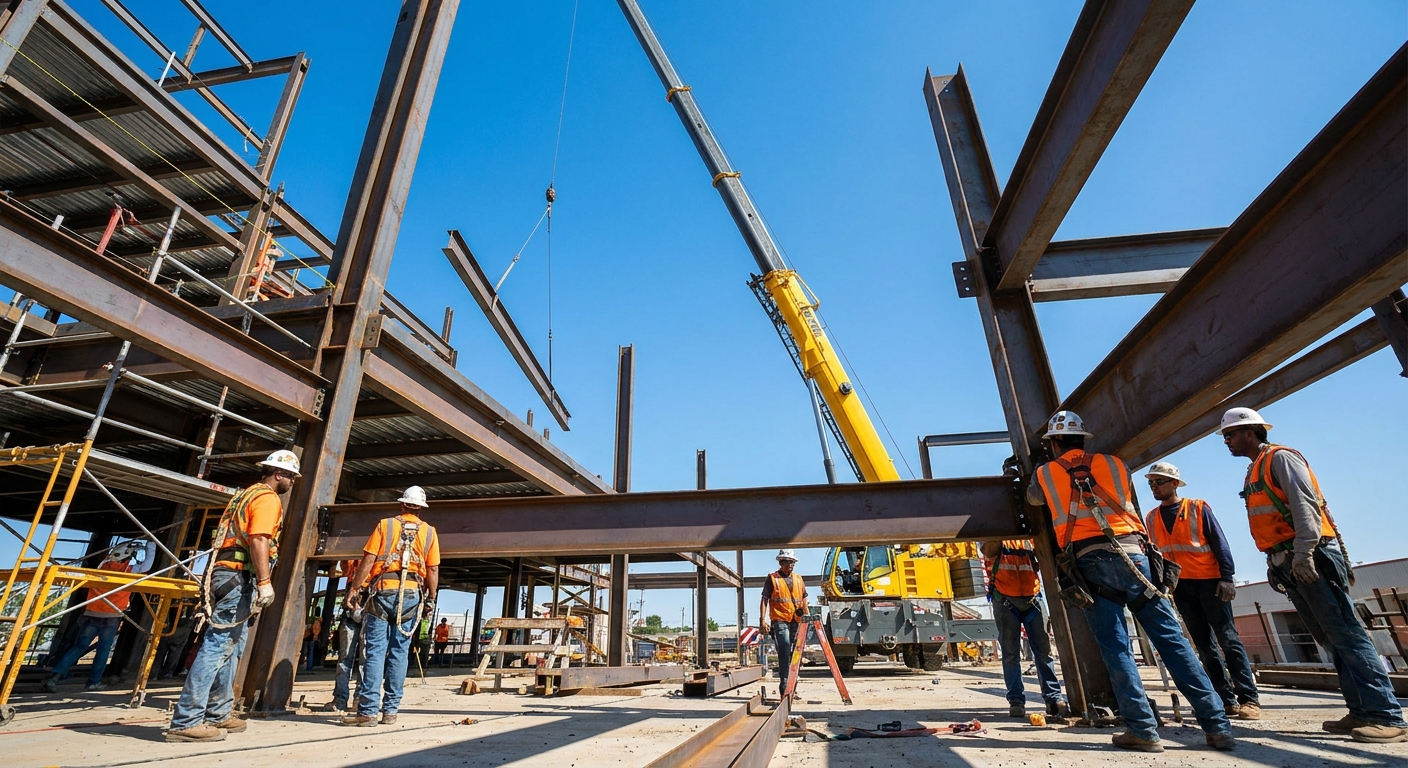
Labor typically constitutes 20% to 40% of the total project budget, with hourly rates ranging from 5 to 9 per square foot. The pre-engineered nature of these kits reduces the cost to build 20000 sq ft warehouse by allowing for rapid assembly. Erection of a steel warehouse can be completed in about 33% less time than a comparable wood or masonry structure.
Assembly and Erection Teams
Erecting a 20,000 square foot building requires a specialized crew and heavy equipment like cranes and scissor lifts. Professional installers ensure that every bolt is tensioned correctly and the building is perfectly plumb.
Believe it or not:
- Specialized steel erection crews.
- Rental costs for cranes and lifts.
- Site supervision and safety management.
Efficiency and Time Savings
Because the components arrive precision-cut and pre-punched, there is virtually no on-site fabrication required. This streamlining directly translates to lower “carrying costs” and faster operational readiness for your business.
The truth is:
- No on-site welding for standard kits.
- Faster enclosure of the building shell.
- Reduced weather-related delays.
Key Takeaway: Labor costs are minimized through the efficiency of the steel building kit, allowing you to open your facility months earlier.
| Labor Category | Avg. Cost Per Sq. Ft. | Timeline Impact | |
|---|---|---|---|
| Shell Erection | 5.00−9.00 | High | |
| Foundation Work | 2.00−4.00 | Medium | |
| MEP Detailing | 3.00−6.00 | Low |
The rapid assembly phase is the most critical period for managing labor efficiency and maintaining the project schedule.
Does design complexity increase the overall investment?
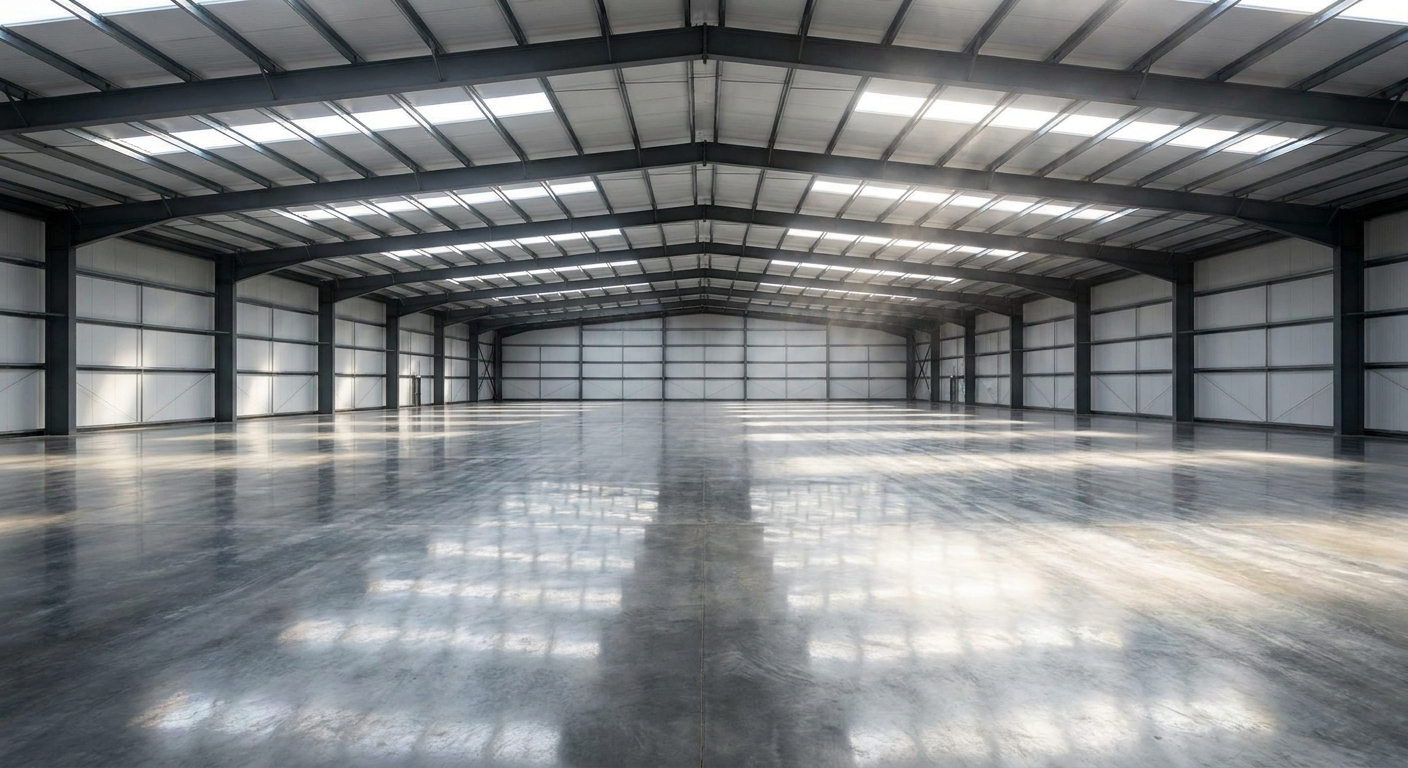
Customizations such as wide clear spans or extra eave heights can add 10% to 15% to your base investment. For projects like a specialized chicken house , the design must balance ventilation and structural loads, impacting the cost to build 20000 sq ft warehouse. A simple rectangular “box” design is always the most economical starting point.
Clear Span vs. Interior Columns
Creating a 100-foot wide space without interior columns requires heavier rafters to carry the roof load. While this maximizes your usable floor space for racking and maneuvering, it increases the total steel weight and cost.
Make no mistake:
- Unobstructed space for forklifts.
- Heavier steel rafter requirements.
- Higher engineering complexity.
Height and Vertical Storage
Increasing the height of your warehouse allows for high-bay racking, which maximizes your storage volume per square foot of land. However, taller walls require stronger vertical supports and more cladding material.
Here is the kicker:
- 20ft vs 30ft eave heights.
- Wind load considerations for taller walls.
- Specialized door and window openings.
Key Takeaway: Functional design choices like clear spans and increased height improve operational efficiency but require a higher initial material investment.
| Design Feature | Cost Impact | Operational Benefit | |
|---|---|---|---|
| Clear Span (100ft) | +10-12% | Total Maneuverability | |
| 25ft+ Eave Height | +5-8% | Higher Racking Volume | |
| Custom Openings | +3% | Workflow Efficiency |
Strategic design choices allow you to trade higher initial costs for significant gains in long-term operational productivity.
What are the long-term costs of a steel warehouse?
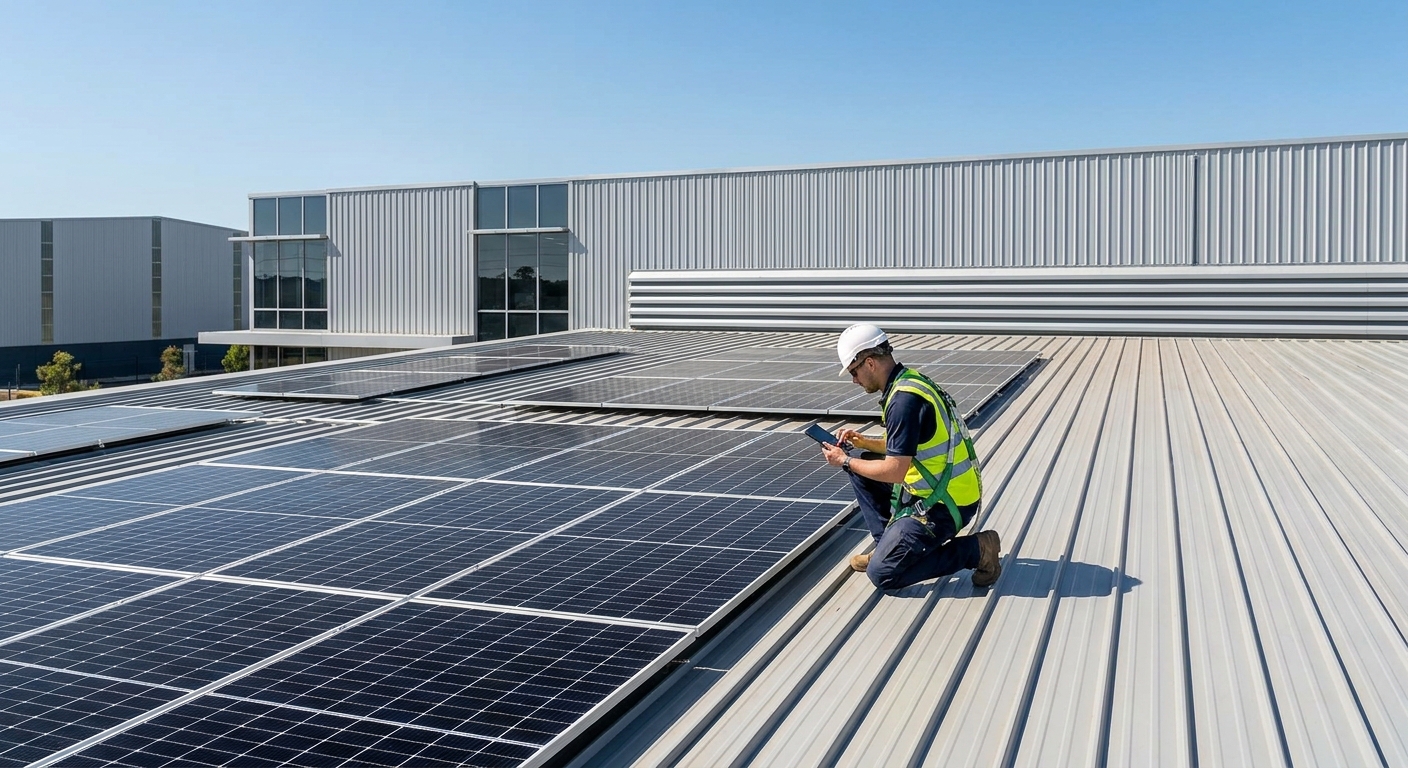
Ongoing maintenance for a 20,000 square foot steel facility typically averages 1.40 to 1.85 per square foot annually. When calculating the total cost to build 20000 sq ft warehouse, you must look beyond the initial construction to the building’s 20-year lifecycle. Steel’s resistance to mold, fire, and pests significantly lowers these recurring expenses compared to organic materials.
Maintenance and Repair Cycles
Steel buildings require very little routine upkeep. Annual inspections for seal integrity and paint finishes are usually sufficient to prevent structural degradation or leaks.
Think about it:
- High-performance paint warranties.
- No need for termite treatments.
- Easy-to-clean metal surfaces.
Energy Efficiency and Insulation
The precision fit of a pre-engineered building minimizes air gaps, making it easier to control internal temperatures. Investing in high-quality insulation during the construction phase drastically reduces your monthly utility bills.
Believe it or not:
- 40% reduction in HVAC costs with IMPs.
- Reflective roof coatings for cooling.
- Natural light through skylight integration.
Key Takeaway: Steel buildings offer the lowest lifecycle costs in the industry due to minimal maintenance and high energy efficiency.
| Long-Term Factor | Estimated Annual Cost | 20-Year Outlook | |
|---|---|---|---|
| Routine Maintenance | 28,000−37,000 | Very Stable | |
| Energy Consumption | Variable | Low (with IMPs) | |
| Structural Repairs | Minimal | Negligible |
The long-term financial stability of a steel building makes it a preferred asset for institutional investors and growing businesses alike.
Speak to an Engineer for a Quick Quote
Email:sales@showhoo.com.cn
Phone/WhatsApp:+86 186 7895 5927
Which soft costs must be included in the planning?
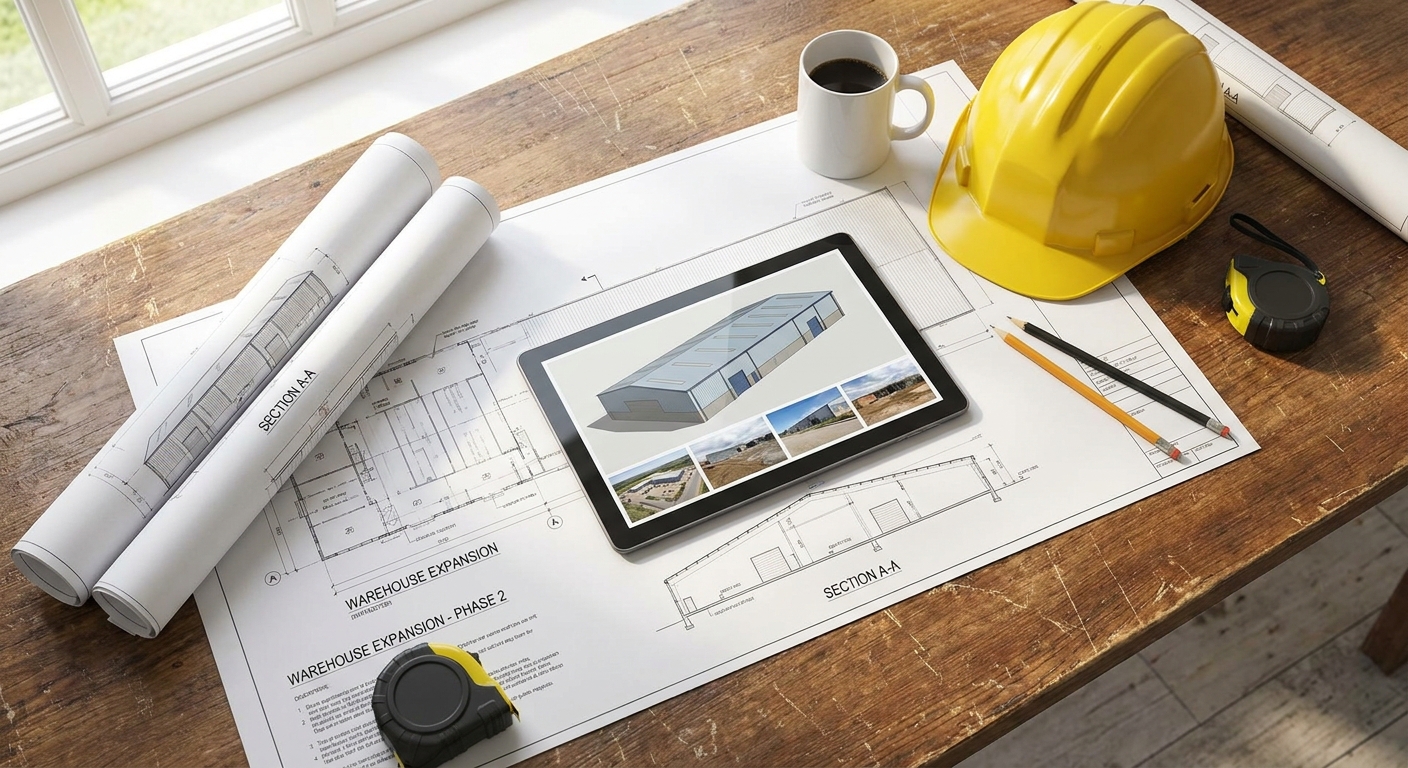
Soft costs, including permitting, insurance, and engineering fees, typically represent 30% of your total warehouse budget. If you contact us early, we can help you navigate these requirements to avoid surprises in your cost to build 20000 sq ft warehouse. These “intangible” costs are essential for ensuring your building is legal and insured.
Permitting and Local Compliance
Every jurisdiction has different requirements for structural engineering stamps and environmental impact fees. Navigating the local building department can be a time-consuming process that carries its own administrative costs.
The truth is:
- Local building permit fees.
- Seismic and wind load engineering stamps.
- Environmental and drainage impact fees.
Insurance and Risk Management
Steel buildings often qualify for significantly lower insurance premiums because they are non-combustible and highly resistant to natural disasters. This lower risk profile improves your business’s overall cash flow.
Here is the kicker:
- Fire-resistant building premiums.
- Lower earthquake and storm risk rates.
- Construction-phase liability insurance.
Key Takeaway: Soft costs are a necessary investment that protects your legal standing and long-term financial security.
| Soft Cost Type | Estimated % of Budget | Core Requirement | |
|---|---|---|---|
| Engineering/Design | 5% – 8% | Code Compliance | |
| Permitting/Taxes | 3% – 10% | Legal Authorization | |
| Insurance Premiums | 1% – 2% | Asset Protection |
Managing soft costs through early expert consultation ensures that your project stays on schedule and within its legal requirements.
How does location change the shipping and load costs?
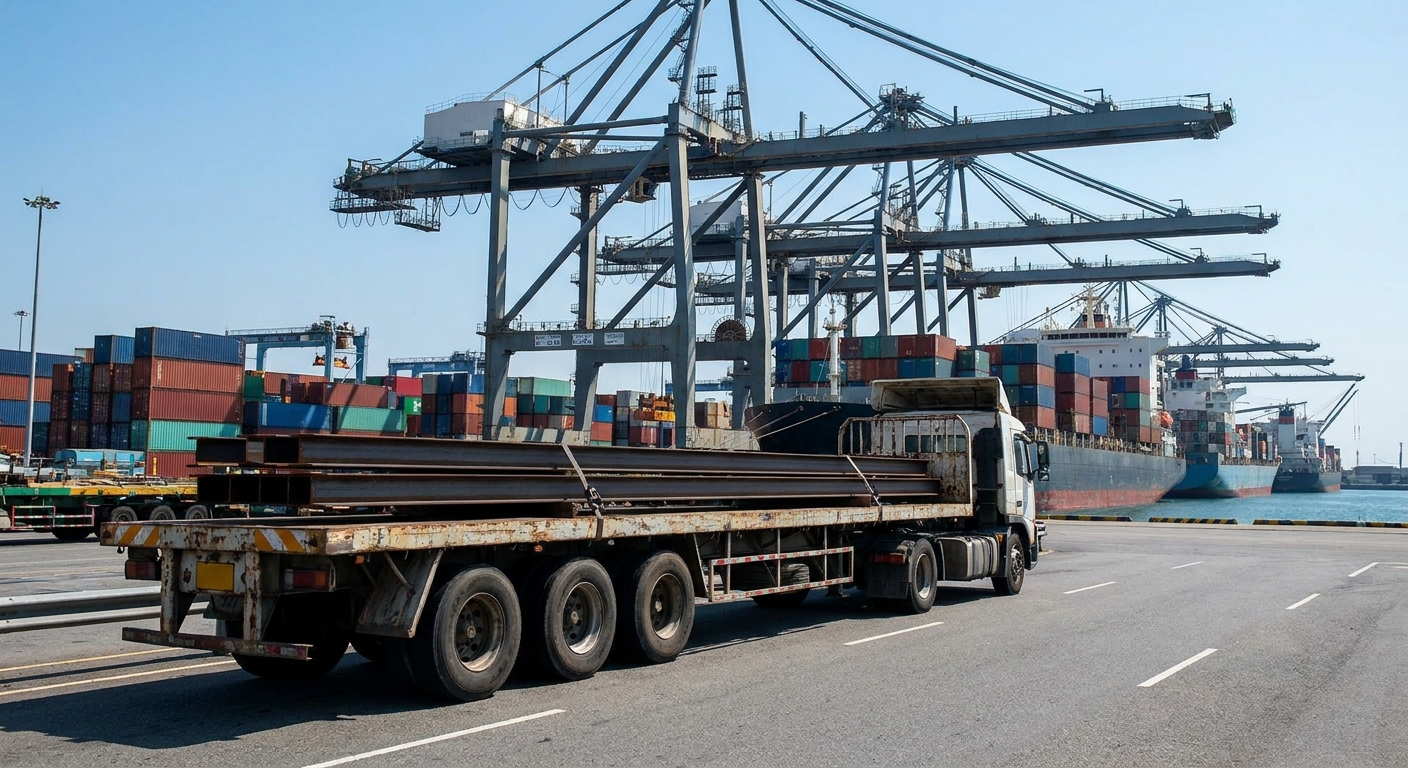
Geographic location dictates both the logistical costs of transport and the structural weight of the steel required. When assessing the cost to build 20000 sq ft warehouse, a site in a heavy snow zone like Montana will require more steel than one in a temperate climate. Additionally, shipping costs fluctuate based on the distance between the manufacturing plant and your project site.
Environmental Loadings
Your building must be engineered to handle the specific climate conditions of your region. High wind zones or areas prone to heavy snow require thicker beams and additional bracing, which adds weight and cost.
Make no mistake:
- Snow loads for northern climates.
- Hurricane-force wind bracing for coasts.
- Seismic engineering for active zones.
Logistics and Shipping Optimization
The physical size and weight of a 20,000 square foot building kit require multiple flatbed trucks or shipping containers. Proximity to major transit hubs or ports can significantly reduce your landed costs.
Think about it:
- Freight rates per mile/container.
- Import duties for international projects.
- Staging and storage at the port.
Key Takeaway: Your site’s local climate and distance from the factory are the ultimate deciders of the building’s final weight and shipping expense.
| Regional Factor | Cost Variable | Structural Impact | |
|---|---|---|---|
| Heavy Snow Zones | +8-12% | Thicker Roof Rafters | |
| High Wind Zones | +5-10% | Robust Wall Bracing | |
| Coastal Environments | +3-5% | Specialized Coatings |
Engineering your building specifically for your local environment ensures safety while avoiding the cost of over-designing.
How can you lower the total project expenditure?
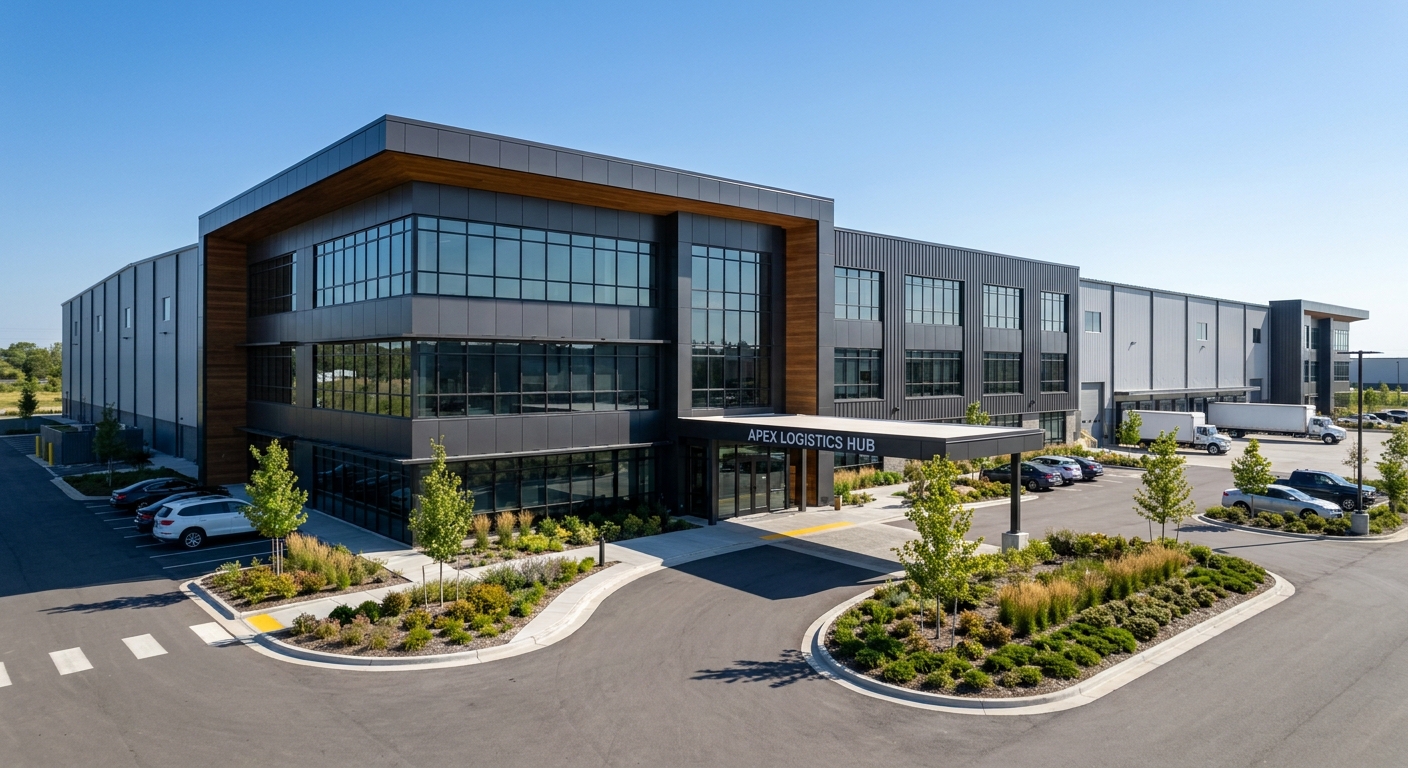
Purchasing directly from a factory-direct manufacturer is the most effective way to eliminate middleman markups and reduce costs. Reviewing a successful case study reveals how optimized engineering can shave thousands off the cost to build 20000 sq ft warehouse. By coordinating design, fabrication, and delivery under one roof, you maximize your purchasing power.
Factory-Direct Procurement
Eliminating distributors allows you to access wholesale pricing and direct engineering support. This transparency ensures that every dollar you spend goes directly into the quality of the materials.
Believe it or not:
- 10-20% savings on material markup.
- Direct communication with the designers.
- Faster resolution of site questions.
Modular and Scalable Planning
Designing your building for future expansion allows you to build what you need today while leaving the door open for growth. This phased approach protects your initial capital while ensuring your facility is future-proof.
The truth is:
- Expandable end-wall designs.
- Standardized parts for easy matching.
- Lower future reconstruction costs.
Key Takeaway: Strategic procurement and modular design are your best tools for minimizing initial investment without sacrificing quality.
| Strategy | Potential Savings | Action Item | |
|---|---|---|---|
| Factory Direct | 15% – 20% | Eliminate Middlemen | |
| Modular Design | 5% – 8% | Plan for Expansion | |
| Standardized Sizing | 5% | Use Stock Dimensions |
Smart procurement strategies empower you to build a larger, more capable facility for the same budget.
Strategic Vision for Your Warehouse
The challenge of managing a 20,000 square foot construction project is solved through precision engineering and factory-direct transparency. We can provide a comprehensive, installation-ready system that eliminates field modifications and reduces labor costs. Our brand vision focuses on delivering structural excellence and predictable financial outcomes for every global partner. To secure your customized quote and move your project from vision to reality, contact us today .
Speak to an Engineer for a Quick Quote
Email:sales@showhoo.com.cn
Phone/WhatsApp:+86 186 7895 5927
Frequently Asked Questions
Can I customize the dimensions of my 20,000 sq. ft. building?Yes. You can adjust the width, length, and height to fit your specific lot or operational requirements because steel is inherently flexible.
What’s the best way to ensure I stay on budget?Direct manufacturing. By removing distributors, you lock in factory pricing and avoid the hidden fees often found in third-party retail kits.
Can I add a mezzanine to a steel warehouse?Yes. Steel frames are strong enough to support an integrated second floor, though this must be included in the initial engineering stage.
What’s the typical construction time for this size?Generally 4 to 8 weeks. Pre-punched components allow a professional crew to assemble the shell much faster than masonry or wood.
Can I install the building myself?No. At 20,000 square feet, the structural members require heavy cranes and specialized knowledge that only professional erectors possess.