
Mature cows generally require a minimum of 80 to 100 square feet of indoor space to remain healthy and stress-free. Managing a livestock facility often involves dealing with cramped, dark, and poorly ventilated barns that lead to chronic health issues and stressed herds. If you are struggling with outdated structures that fail to protect your animals, investing in a professional steel structure is the definitive solution. Determining exactly how much space does a cow need in a shed is the first step toward building a sustainable, long-term home for your herd.
Just how much space does a cow need in a shed?
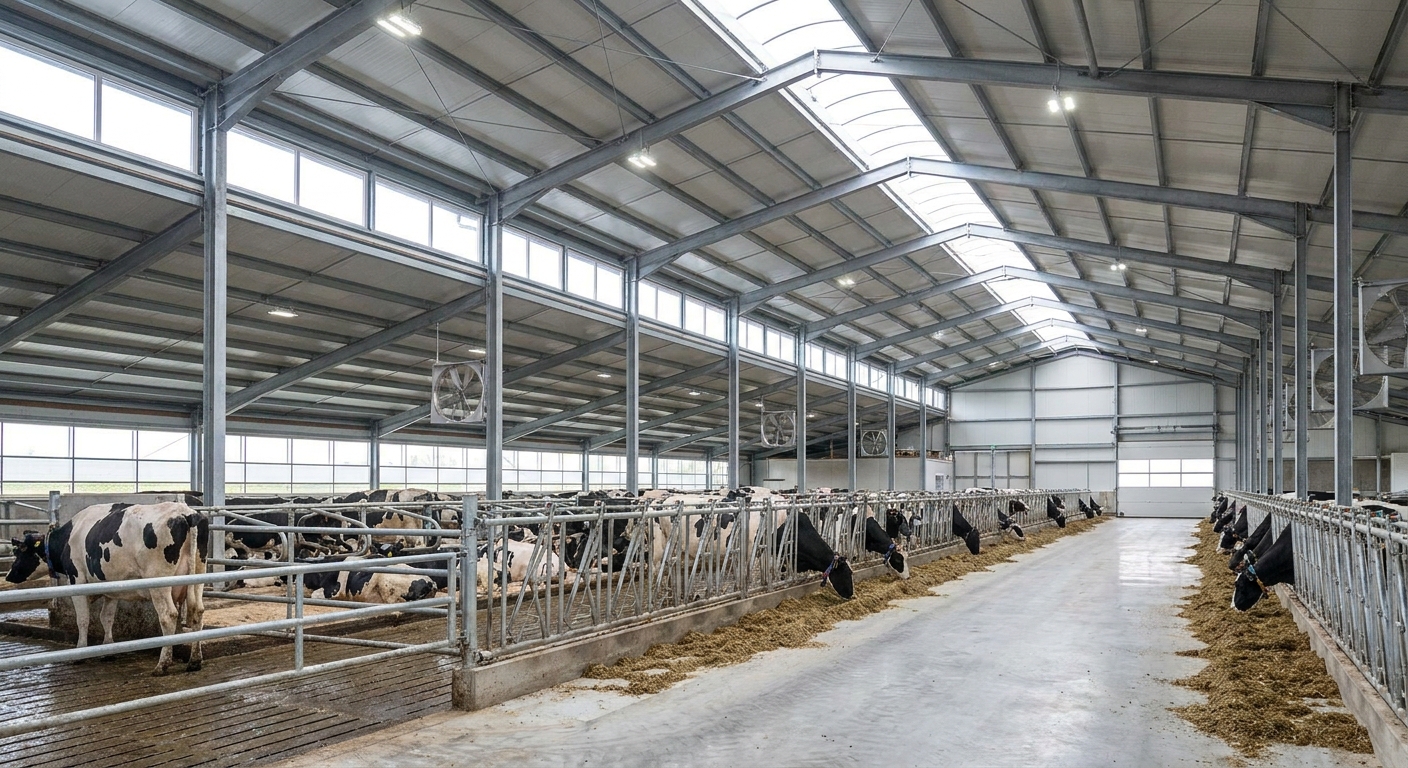
Adult cows typically need at least 80 square feet of indoor shelter to move and lie down comfortably. Calculating how much space does a cow need in a shed ensures you avoid overcrowding which causes social friction. Proper square footage allows each resident to express natural behaviors.
What are the minimum dimensions for adult cattle?
Think about it: while some industrial standards suggest 40 square feet, sanctuary environments often double this for better welfare. Providing extra room reduces the frequency of bedding changes and lowers pathogen levels.
- Standard Resting Area: 40 sq ft
- Sanctuary Recommendation: 80-100 sq ft
- Calving Space: 120-150 sq ft
How do age and breed impact housing requirements?
The fact is that a large Holstein requires significantly more turning radius than a smaller Jersey or a young calf. You must adjust your blueprints based on the physical size and temperament of the specific breeds you house.
| Age Group | Space Needed (sq ft) | Priority | |
|---|---|---|---|
| Calves | 30 – 40 | Warmth/Hygiene | |
| Yearlings | 50 – 70 | Growth/Socializing | |
| Adult Bulls | 120+ | Strength/Security |
Providing age-appropriate spacing ensures younger animals are not bullied or injured by larger adults.
Key TakeawayCustomizing floor space based on breed and age is essential for preventing injuries and ensuring the social harmony of your herd.
Why factor air in how much space does a cow need in a shed?
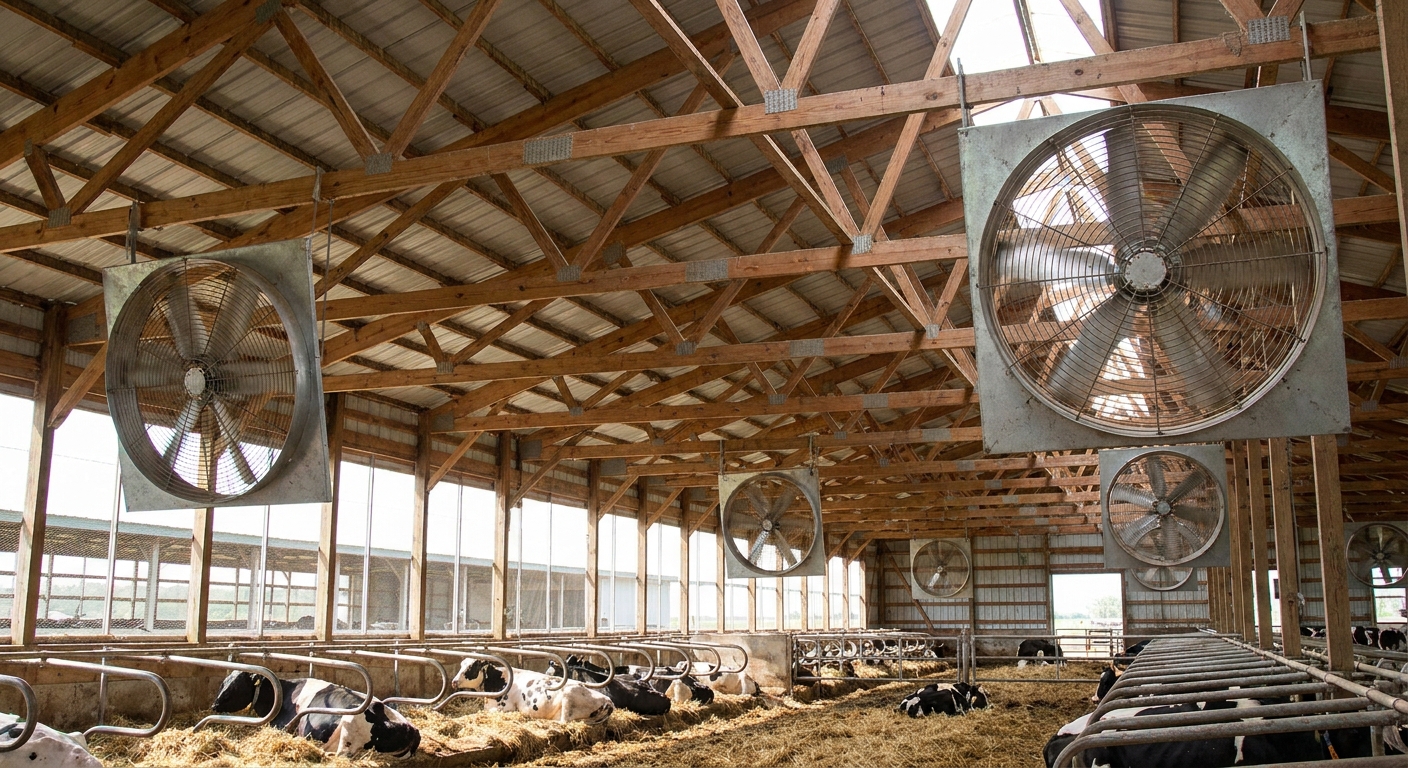
Proper ventilation is essential because a single mature cow can exhale up to five gallons of water vapor every day. If you don’t calculate how much space does a cow need in a shed with airflow in mind, ammonia and moisture will trap pathogens inside. High-quality steel buildings facilitate better air exchange through ridge vents and adjustable louvers.
How does ventilation prevent respiratory illness?
The secret is that constant fresh air movement at the “cow level” clears out stagnant gases that irritate their lungs. Pneumonia is frequently the result of poor air quality rather than just cold temperatures.
- Natural cross-breezes
- Mechanical fans
- Open ridge vents
Can poor airflow cause moisture buildup in your barn?
Look: damp bedding and wet walls are clear signs that your ventilation system is failing to keep up with the herd’s respiration. Moisture ruins your structure and creates a breeding ground for bacteria and hoof rot.
| Air Quality Marker | Good Status | Warning Sign | |
|---|---|---|---|
| Humidity | < 70% | Condensation on roof | |
| Ammonia Smell | None | Eye irritation | |
| Bedding Texture | Dry/Springy | Damp/Clumped |
Effective moisture control protects both the animal’s hooves and the structural integrity of your steel building.
Key TakeawayVentilation is just as critical as floor space for maintaining a disease-free environment and extending the life of your facility.
Does height change how much space does a cow need in a shed?
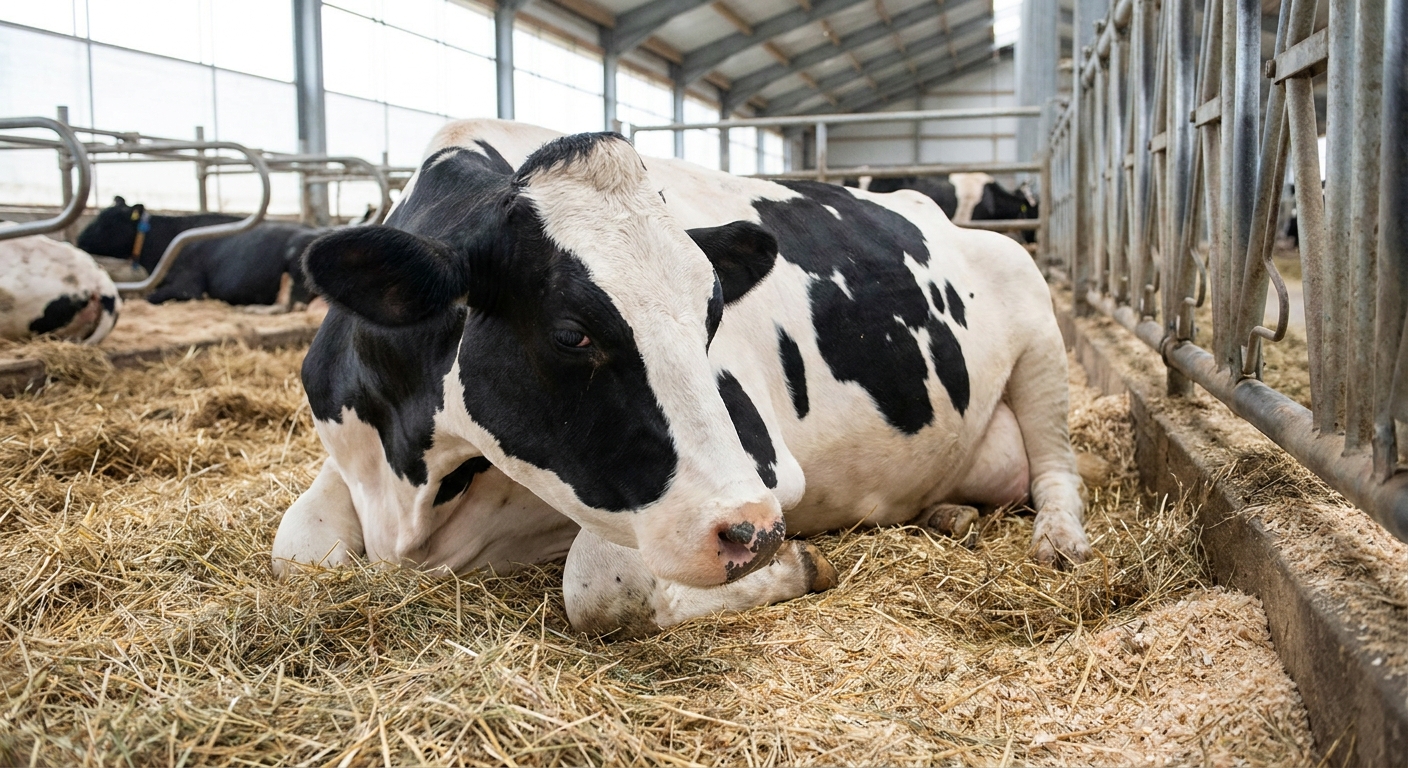
Vertical clearance is crucial for cow sheds because it allows for the use of mechanical cleaning equipment and ensures adequate headroom. When evaluating how much space does a cow need in a shed , you must account for the height of tractors needed for mucking out. High ceilings also contribute to better air distribution and keep light fixtures out of reach.
Why is vertical clearance vital for medical equipment?
Here is the kicker: if a cow becomes “downed” and cannot stand, you will need a tractor with a specialized hoist to assist them. Without at least 12 feet of clearance, your staff will struggle to maneuver life-saving machinery safely.
- Tractor loader access
- Emergency hoist room
- Fan and light safety
Should you avoid lofts in modern cattle sheds?
The fact is that traditional lofts often create low-ceiling environments that trap heat and restrict the use of maintenance tools. Removing lofts creates a clear-span interior that makes the building much easier to sanitize.
| Clearance Type | Min Height | Benefit | |
|---|---|---|---|
| Door Opening | 10 ft | Vehicle access | |
| Interior Peak | 16 ft | Air circulation | |
| Eave Height | 12 ft | Sidewall ventilation |
Ample vertical space allows for modern management techniques that were impossible in older, low-slung wooden barns.
Key TakeawayDesigning for height ensures you can use modern machinery for cleaning and emergency animal care without structural restrictions.
Get Free Engineering Design Advice
Email:sales@showhoo.com.cn
Phone/WhatsApp:+86 186 7895 5927
What walls affect how much space does a cow need in a shed?
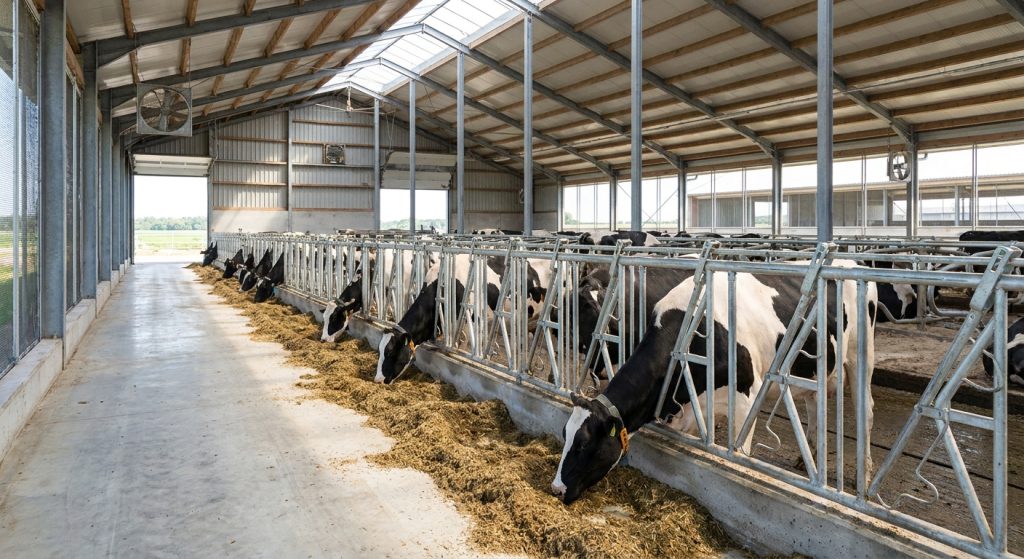
The choice of wall materials directly influences how much space does a cow need in a shed because thick or poorly insulated walls can restrict usable interior area. Robust materials like reinforced steel panels are necessary to withstand the immense pressure of a 1,500-pound animal rubbing or leaning. We recommend four-sided structures for maximum protection in harsh climates.
Which materials provide the best durability?
Look: cattle are incredibly strong and can easily dent or break lightweight siding during their daily activities. Using heavy-duty steel ensures the structure remains secure for decades without needing constant repairs from wood rot.
- Galvanized steel siding
- Concrete kick walls
- Treated timber framing
Can wall design improve the internal microclimate?
The secret is that breathable siding or adjustable curtains can help manage the humidity levels mentioned in earlier sections. If you choose metal siding, ensure there is a thermal break to prevent the barn from becoming an oven in summer.
| Wall Material | Durability | Insulation Level | |
|---|---|---|---|
| Wood Planks | Medium | Low | |
| Insulated Metal | High | High | |
| Open Curtains | Low | Variable |
Strategic wall design balances the need for physical protection with the requirement for consistent airflow throughout the year.
Key TakeawayChoosing durable, high-impact wall materials reduces maintenance costs and keeps animals safely contained within their designated space.
Do doors impact how much space does a cow need in a shed?
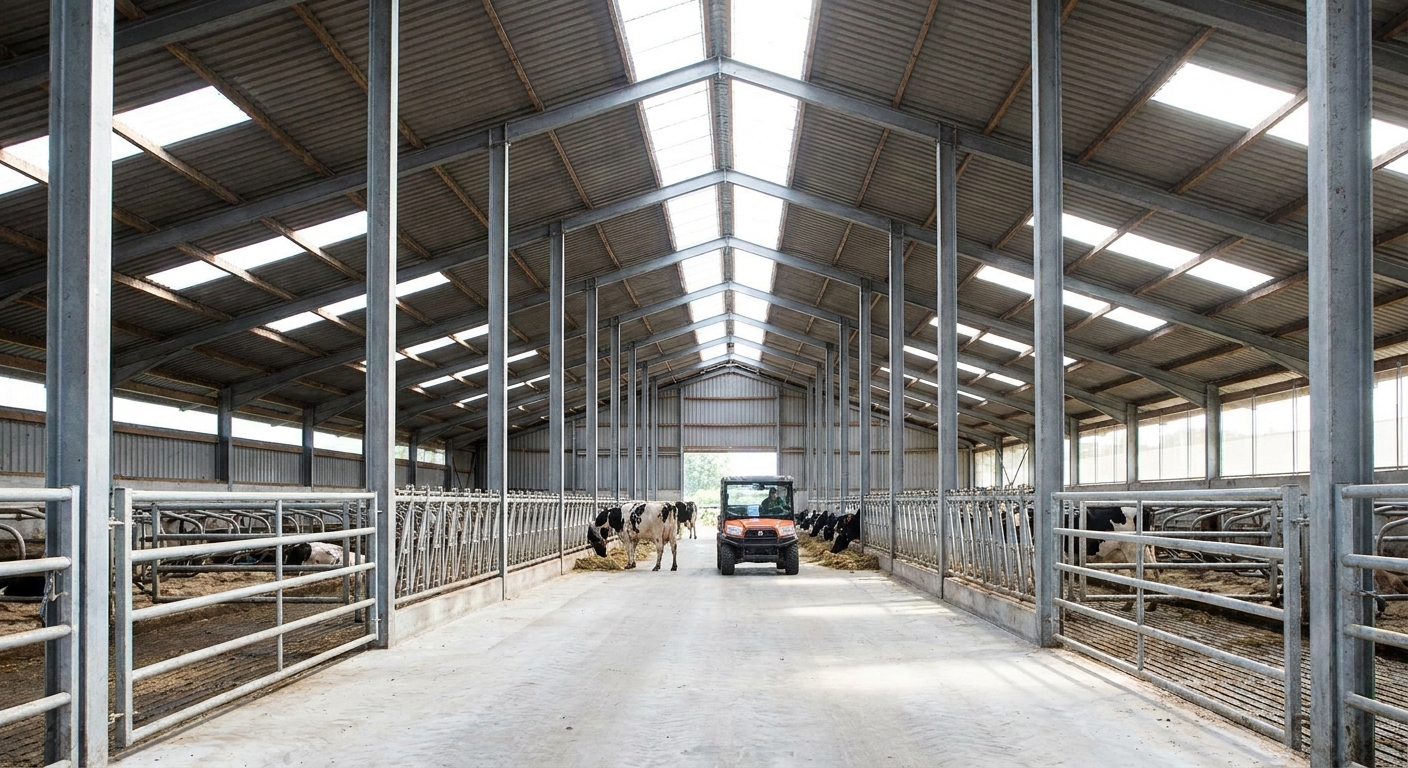
Doors significantly impact the flow of traffic and determine how much space does a cow need in a shed to prevent dangerous bottlenecks. Large sliding doors are the gold standard because they allow multiple animals to pass through without clumping or injury. When you analyze how much space does a cow need in a shed , the width of the entrance must accommodate at least two cows side-by-side.
Are sliding doors better for high-traffic entrances?
Think about it: swinging doors can be caught by the wind or pushed by a cow, potentially causing severe injury to both animals and humans. Sliders stay on a track, providing a predictable and secure opening that can be partially adjusted.
- Dual sliders for wide paths
- Stay rollers for stability
- Heavy-duty track systems
How do latches and gates improve animal safety?
Here is the deal: a single latch is often not enough for a strong, curious cow who might learn how to nudge a door open. We recommend a double-latching system with a chain and a heavy-duty bolt to ensure total containment.
| Door Feature | Function | Safety Level | |
|---|---|---|---|
| Slide Track | Easy opening | High | |
| Double Latch | Prevents escape | Maximum | |
| Kick Plate | Protects door | Medium |
Investing in high-quality door hardware is a critical step in professionalizing your livestock management and preventing accidents.
Key TakeawayWide, secure entrances prevent social bullying at bottlenecks and allow for the safe, stress-free movement of the entire herd.
How does dirt impact how much space does a cow need in a shed?
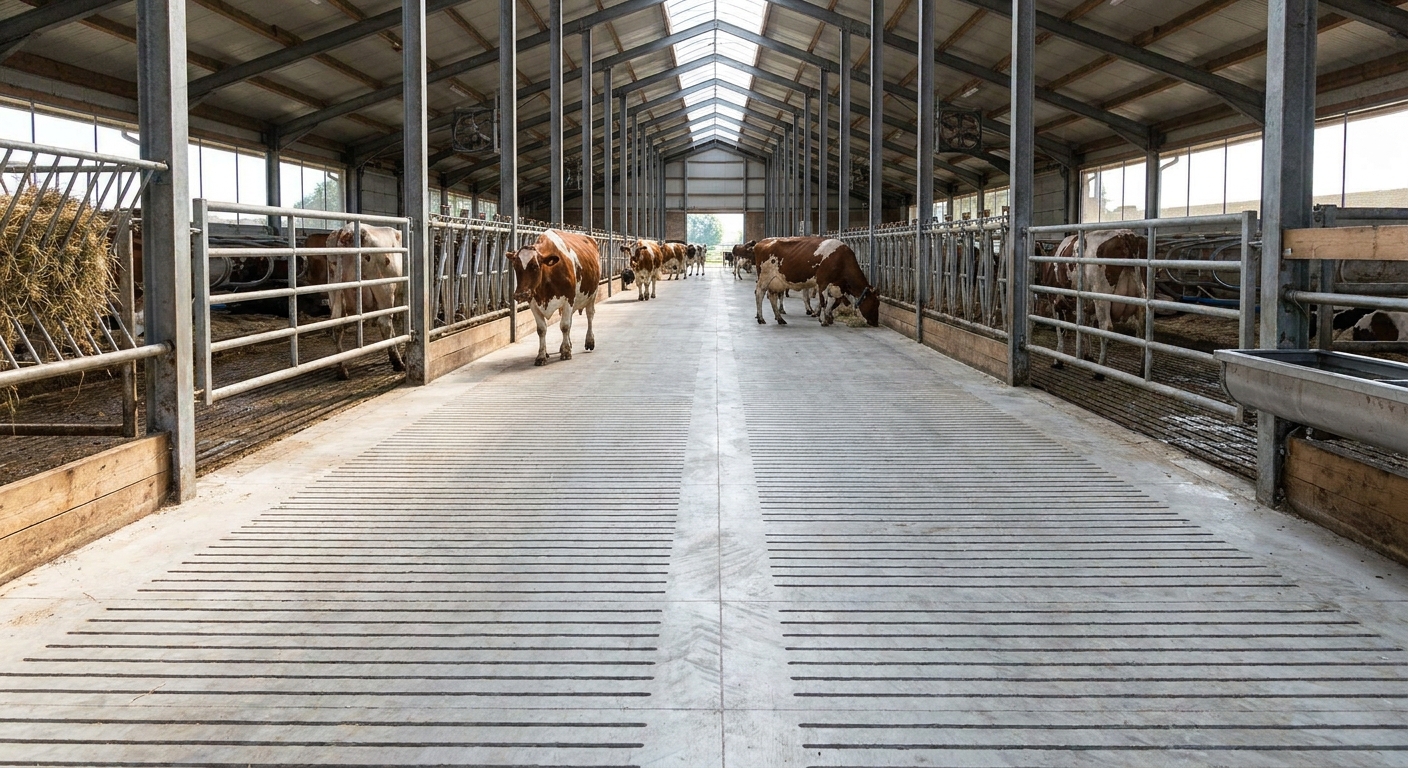
Flooring choice is a health priority that dictates how much space does a cow need in a shed to remain mobile as they age. Packed dirt is widely considered the best flooring because it provides superior traction and cushion for heavy joints compared to hard concrete. If you are forced to use concrete, it must be covered with thick rubber mats to prevent arthritis.
Why is packed dirt preferred over concrete flooring?
The fact is that concrete is incredibly hard on a cow’s hooves and joints, often leading to chronic lameness in older residents. Dirt floors allow for natural drainage and provide a softer surface that encourages cows to lie down and rest.
- Enhanced joint protection
- Natural moisture drainage
- Superior slip resistance
What bedding materials maximize resident comfort?
Look: straw and wood shavings are the most common choices, but they must be kept dry to be effective. Deep bedding systems provide warmth in the winter and further cushion the impact on the animals’ limbs.
| Floor Type | Traction | Joint Impact | |
|---|---|---|---|
| Packed Soil | High | Low | |
| Concrete | Low | High | |
| Rubber Mats | Medium | Medium |
A soft floor significantly extends the lifespan and comfort of your cattle, especially in sanctuary settings where they live to old age.
Key TakeawaySoft, high-traction flooring is essential for preventing long-term lameness and ensuring cows feel comfortable using their indoor space.
Can power limit how much space does a cow need in a shed?
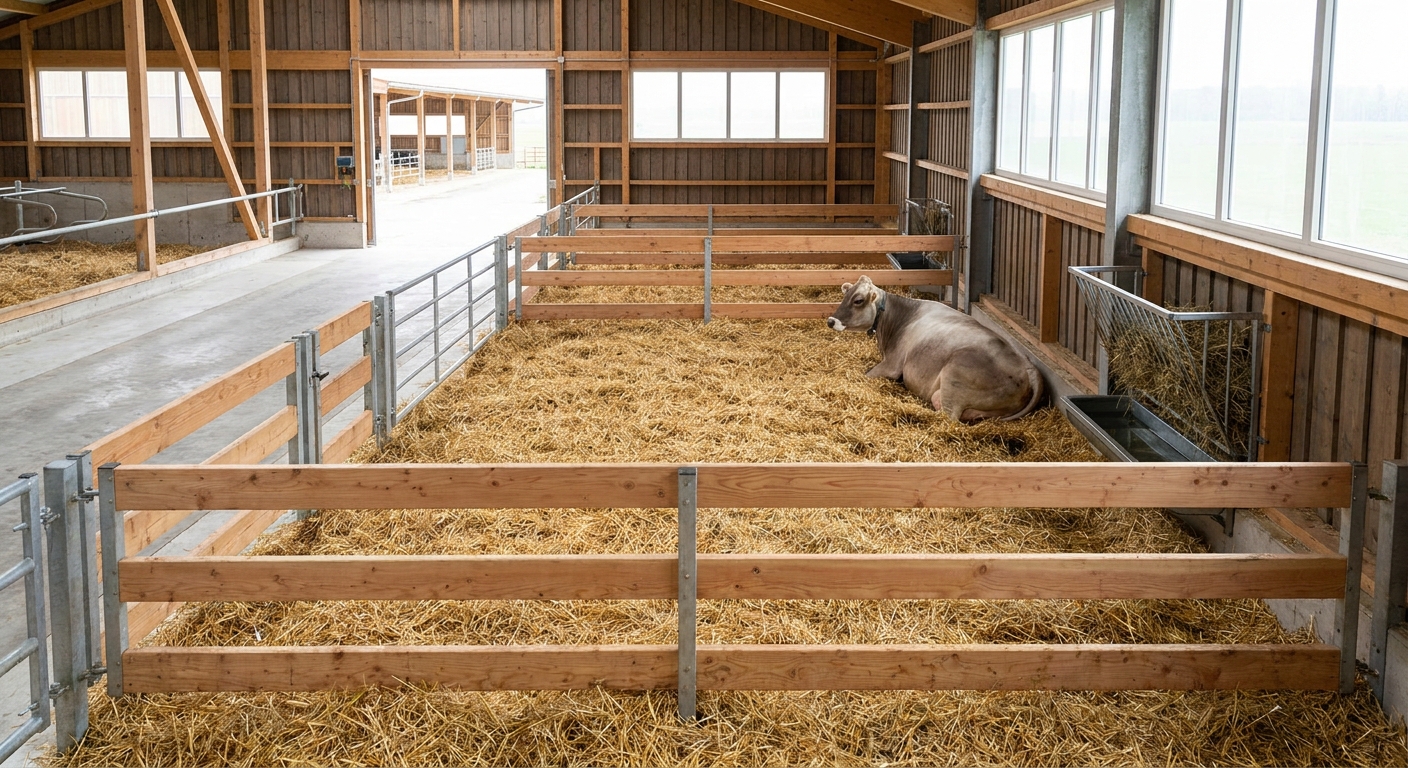
Access to electricity determines the functionality of your barn and how much space does a cow need in a shed to accommodate safety lighting and fans. When you integrate how much space does a cow need in a shed into your design, you must plan for conduit that is out of reach. Power allows for heated waterers, which are vital for keeping your herd hydrated during freezing winters.
Where should you install electrical outlets and conduit?
The secret is that cows will explore anything within reach of their tongues, so all wiring must be protected in metal conduit. Outlets should be placed high on the walls or in service rooms where animals cannot access them directly.
- Metal conduit protection
- High-mount outlets
- Dust-proof covers
How does lighting improve safety for staff and cows?
Here is the kicker: a well-lit barn reduces the risk of accidents during nightly checks or early morning feedings. Bright, evenly distributed LED lighting helps you spot early signs of illness or injury that might be missed in the dark.
| Electrical Component | Purpose | Safety Rule | |
|---|---|---|---|
| LED Fixtures | Visibility | Shatter-proof | |
| Metal Conduit | Wire Shielding | Cow-proof height | |
| GFCIs | Surge safety | Required for water |
Modern electrical infrastructure transforms a simple shed into a high-functioning healthcare facility for your herd’s daily needs.
Key TakeawaySafe electrical systems enable essential climate control and health monitoring tools that are necessary for professional cow care.
Get Free Engineering Design Advice
Email:sales@showhoo.com.cn
Phone/WhatsApp:+86 186 7895 5927
Does heat affect how much space does a cow need in a shed?
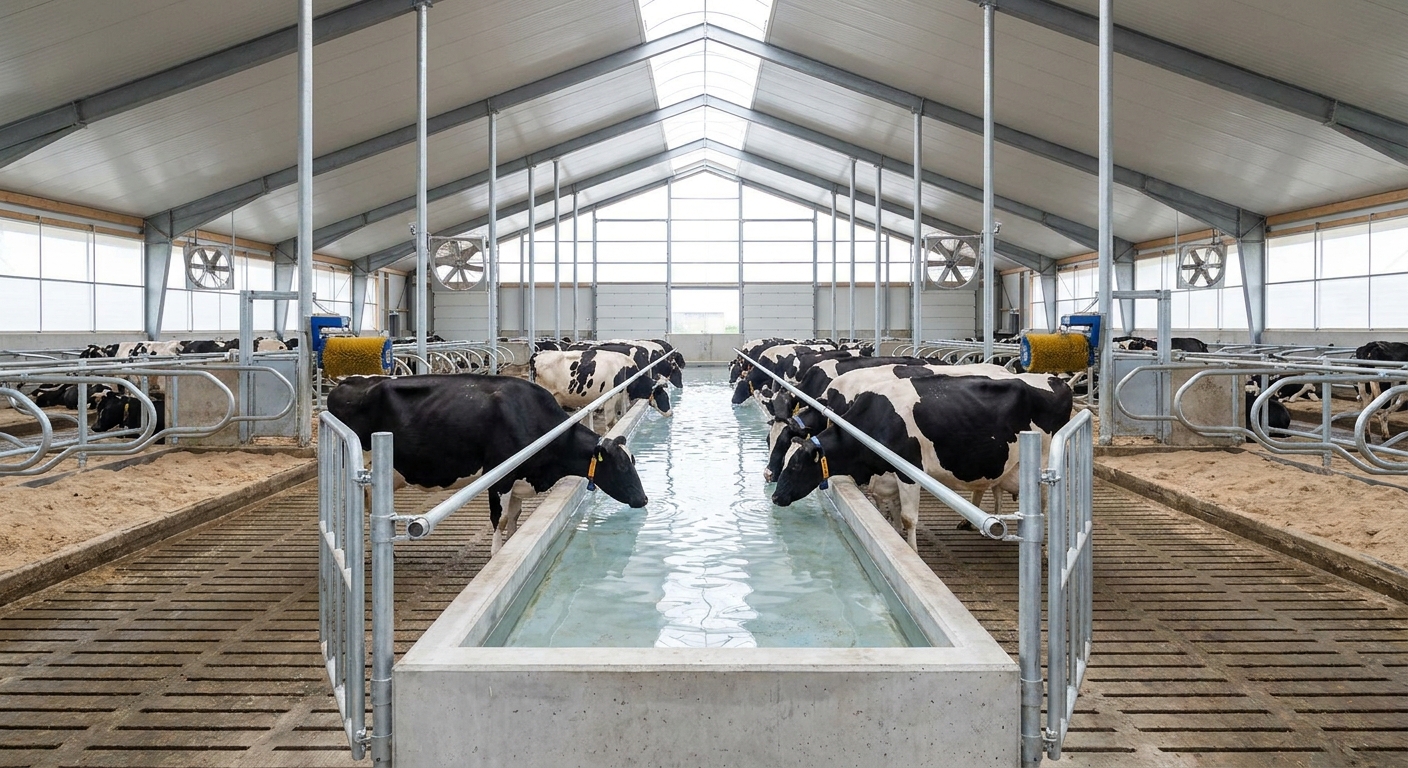
Extreme temperatures change the density of animals you can house, directly affecting how much space does a cow need in a shed. During the summer, cows need more room to allow for airflow around their bodies to dissipate heat. If the shed is too crowded, the ambient temperature will rise quickly, leading to heat stress and reduced immune function.
What are the best strategies for summer cooling?
The fact is that industrial circulating fans and misters are the most effective ways to lower the temperature inside a steel shed. You must ensure that the fans are positioned to move air across the entire floor area where the cows rest.
- Large ceiling fans
- Wall-mounted misters
- Open sliders for breezes
How do you protect cattle during freezing winters?
Look: while mature cows are cold-hardy, they still need deep bedding and protection from drafts to stay warm. Ensure your shed is oriented to block prevailing winds while maintaining the ridge ventilation required for air quality.
| Season | Primary Risk | Solution | |
|---|---|---|---|
| Summer | Heat Exhaustion | Fans & Water | |
| Winter | Pneumonia/Chills | Windbreaks/Bedding |
Active temperature management ensures your cows remain comfortable and productive regardless of the season outside.
Key TakeawayClimate control strategies must be adapted for both extreme heat and bitter cold to keep your herd healthy year-round.
How does pasture change how much space does a cow need in a shed?
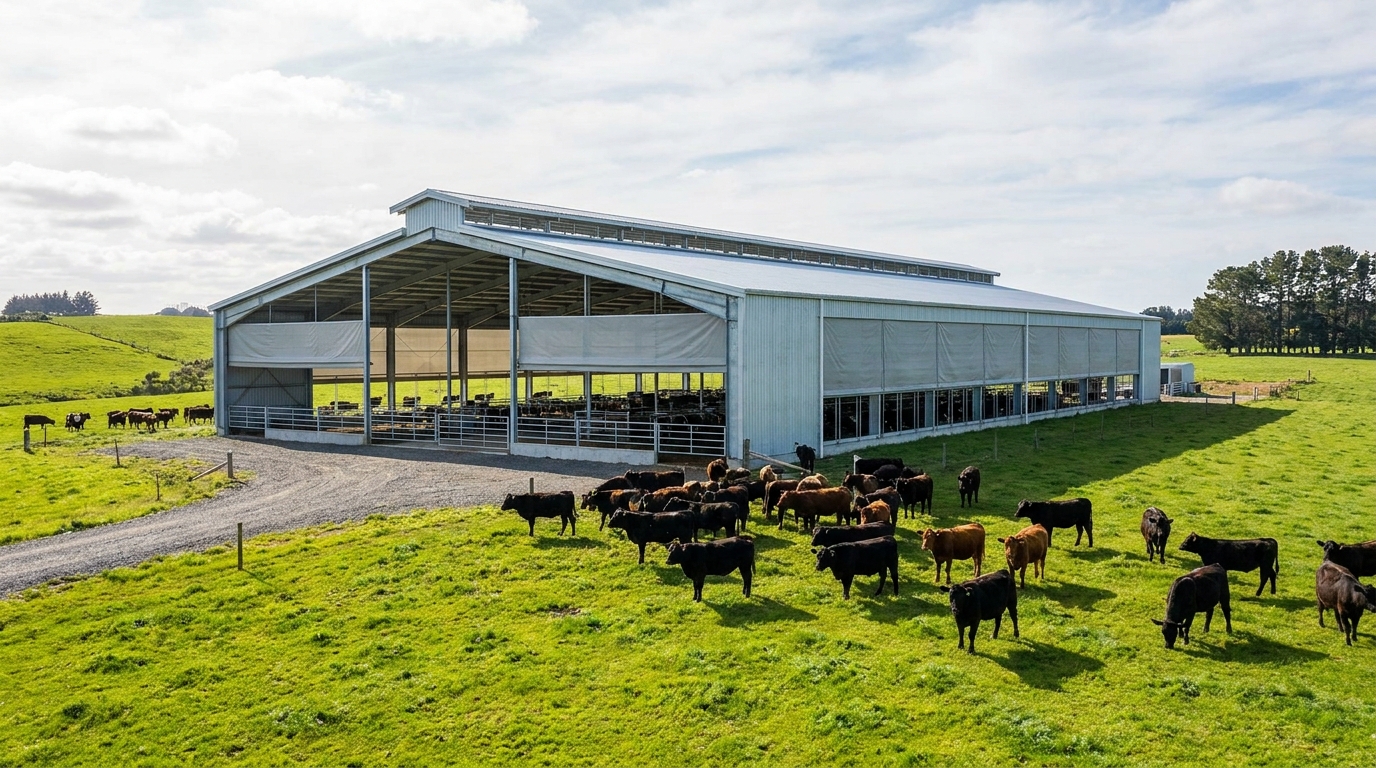
Outdoor access is a vital component of housing, and it influences how much space does a cow need in a shed as a retreat. If your residents have 24/7 access to large pastures, the indoor how much space does a cow need in a shed might be slightly less critical. Ideally, you should provide at least one to two acres of healthy pasture per cow to support their natural grazing instincts.
Why is rotation essential for pasture management?
The secret is that cows are heavy grazers and can quickly turn a lush field into a mud pit if they aren’t moved regularly. A rotation system allows the grass to regrow and prevents the buildup of parasites in the soil.
- Soil recovery time
- Parasite lifecycle break
- Continuous forage supply
How much grazing land do you need per resident?
Think about it: the quality of your land determines your stocking rate; high-quality grass supports more animals than dry, rocky terrain. Always err on the side of providing more space to ensure the land remains sustainable for the long term.
| Land Type | Acres Per Cow | Rotation Cycle | |
|---|---|---|---|
| Lush Pasture | 1.0 – 1.5 | 3 Weeks | |
| Arid Range | 5.0 – 10.0 | 6 Weeks | |
| Mixed Scrub | 3.0 – 5.0 | 4 Weeks |
Integrating vast outdoor spaces with your steel shed creates a holistic environment that honors the animals’ biological needs.
Key TakeawayPasture rotation and generous acreage are necessary for the nutritional health and psychological well-being of grazing animals.
Can fences alter how much space does a cow need in a shed?
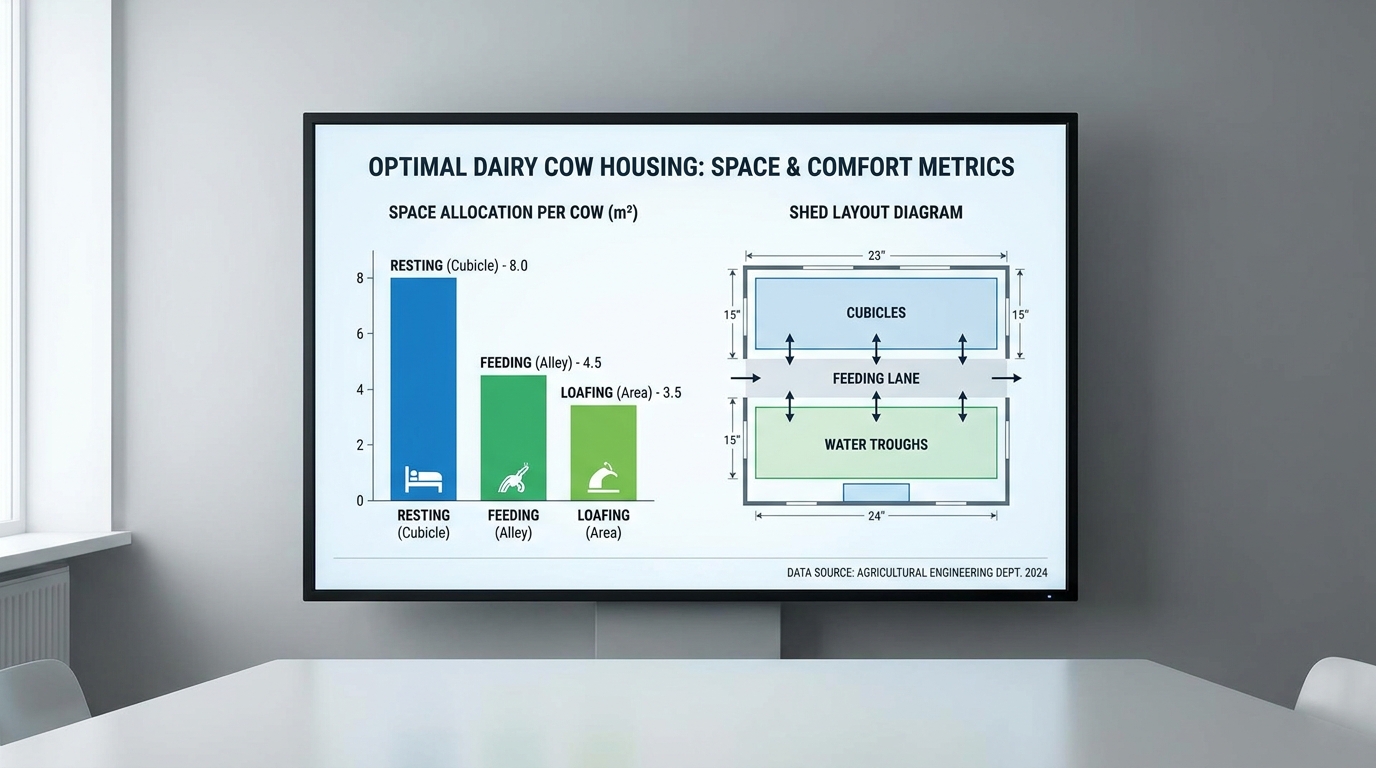
Perimeter design dictates the usable outdoor area and influences how much space does a cow need in a shed for safe entry and exit. Fences must be robust to handle the weight of an animal that decide to lean or scratch against it. Poorly installed fencing can shrink the perceived space of your facility and create “trap points” where animals can be cornered.
What are the most durable fencing materials?
The fact is that lightweight aluminum or thin wire will not last with cattle. We recommend a combination of heavy-duty wooden posts and 12-gauge galvanized woven wire reinforced with a top wooden rail.
- 12-gauge woven wire
- 6-inch diameter posts
- Reinforced top rails
How do you prevent fence damage from rubbing?
Look: cows love to scratch, and they will use your fence posts as their primary tools. Installing dedicated scratching posts or brushes inside the paddock can divert this behavior away from your structural fencing.
| Fence Type | Durability | Safety Risk | |
|---|---|---|---|
| Woven Wire | High | Low | |
| Barbed Wire | High | Extreme | |
| High Tensile | Medium | Medium |
Secure fencing provides peace of mind, ensuring your residents remain safe within their designated living areas at all times.
Key TakeawayHeavy-duty fencing is an absolute requirement for the safety and containment of large bovines in any professional facility.
Conclusion
Cows require more than just a roof; they need a carefully engineered environment that accounts for their size, social nature, and biological requirements. By solving the problems of cramped housing, poor ventilation, and inadequate durability, you can create a sanctuary that truly serves your herd. Whether you are expanding an existing farm or starting a new sanctuary, our team is ready to design the perfect steel structure for your needs. We believe every cow deserves a safe, spacious home that stands the test of time. To get started on your customized building project, contact us today .
Get Free Engineering Design Advice
Email:sales@showhoo.com.cn
Phone/WhatsApp:+86 186 7895 5927
FAQ
Can I use concrete floors if I add extra bedding?
Fact. While extra bedding helps, concrete is still fundamentally too hard for a cow’s long-term joint health; we recommend covering concrete with thick rubber mats.
What’s the best way to handle a cow that can’t stand?
You should use a tractor-mounted hoist and a specialized bovine sling; this requires a shed with high vertical clearance.
How do I know if my barn has enough ventilation?
If you notice condensation on the ceiling or a strong ammonia smell, your airflow is insufficient for the number of residents.
Can I house different breeds of cows together in one shed?
Yes. You can house different breeds together, but you must provide enough square footage to prevent larger breeds from accidentally bullying the smaller ones.
What’s the best material for a cow shed roof?
Galvanized steel is the best option for its durability and fire resistance, but it must be paired with snow guards in cold climates.