
The pros and cons of different building materials hinge on balancing structural longevity, load-bearing capacities, and cost-efficiency against the specific environmental and architectural demands of your project. Imagine finalizing your project design only to discover months after completion that your choice of cladding is letting moisture seep into the framing, or your foundation is settling unevenly. This type of pre-construction oversight leads to skyrocketing maintenance costs, safety hazards, and catastrophic structural failures that can destroy your firm’s professional reputation. To avoid these expensive errors, you need a systematic understanding of the mechanical and economic trade-offs associated with today’s leading construction materials , ensuring you optimize your choice before the ground is even broken.
Is wood still a viable framing choice today?

Wood remains a highly viable framing choice today because of its exceptional strength-to-weight ratio, ease of on-site customization, and naturally low carbon footprint. When evaluating wood against modern engineered alternatives, it stands out as one of the most cost-effective and renewable raw construction materials available. However, developers must balance its natural benefits with concerns regarding long-term pest resistance and fire vulnerability. Properly managed, timber continues to serve as an industry staple for agricultural, residential, and light-commercial frameworks.
Why timber framing delivers high versatility
Think about it: The physical flexibility of wood allows for rapid modifications on-site without heavy machinery or specialized metalworking tools. This significantly reduces overall labor hours and helps keep your project on schedule.
- High Strength-to-Weight Ratio: Extremely lightweight and easy to transport compared to heavier materials.
- Renewable Resource: Offers a low carbon footprint when sourced from certified sustainable forests.
- Excellent Natural Insulation: Low thermal conductivity helps reduce HVAC demands in residential builds.
Combustibility and the structural risks of wood
But there is a catch: Wood is highly vulnerable to environmental factors like decay, mold, and destructive insect infestations. Exposure to persistent moisture will trigger rotting, leading to compromised structural integrity over time.
- Combustible Nature: Requires expensive chemical fire-retardant treatments to meet commercial safety codes.
- Pest Vulnerability: Susceptible to termites and wood-boring beetles that destroy structural integrity.
- Moisture Sensitivity: Prone to rot, warping, and decay when exposed to damp environments.
Key Takeaway: Timber framing is highly economical and structurally efficient for low-rise and light-duty projects, but it requires diligent moisture protection and fire treatments to ensure safety.
| Material Class | Primary Pros | Primary Cons | |
|---|---|---|---|
| Wood / Timber | High versatility, renewable, lightweight, low initial cost. | Combustible, prone to rot, requires ongoing pest protection. |
Having evaluated timber’s traditional appeal, let us analyze why structural steel has become the dominant alternative for large-scale development.
How does structural steel lead in B2B projects?

Structural steel leads B2B projects due to its superior tensile strength, remarkable architectural malleability, and speed of prefabricated installation. In modern commercial construction, steel has surpassed traditional frameworks to become the foundational skeleton of choice. It is highly resistant to pests, rot, and fire, ensuring that structures last for decades without degrading. Understanding how this metal behaves under load helps engineers safely utilize these heavy-duty construction materials in modern industrial projects.
Tensile strength and wide-span capabilities
Here is the deal: Steel’s massive load capacity allows architects to design vast, column-free internal spaces. This is perfect for modern warehouses, manufacturing centers, and aircraft hangars.
- Exceptional Tensile Strength: Allows architects to design wide-span structures and ultra-tall buildings.
- Precise Prefabrication: Off-site fabrication minimizes on-site assembly errors and shortens timelines.
- Inherent Pest and Fire Resistance: Completely immune to insect attacks and will not feed a structural fire.
Oxidation risks and anti-corrosive measures
Why does this matter? Without protective coatings, steel exposed to oxygen and moisture will rapidly oxidize and rust. This corrosion eats away at the load-bearing metal, eventually causing structural failure if left unaddressed.
- High Thermal Conductivity: Requires advanced thermal breaks to prevent energy loss.
- Corrosion Susceptibility: Must be galvanized or painted to prevent rusting in humid zones.
- High Heat Softening: Loses structural integrity at extreme temperatures, requiring fireproof insulation.
Key Takeaway: For heavy industrial, warehouse, and high-rise applications, steel remains the premier choice due to its speed of assembly and exceptional durability, provided it is properly insulated and coated.
| Material Class | Primary Pros | Primary Cons | |
|---|---|---|---|
| Structural Steel | High tensile strength, fast assembly, dimensionally stable. | High thermal conductivity, susceptible to rust, high upfront cost. |
While steel structures dominate vertical and wide-span frameworks, foundation design still relies heavily on a different, massive material.
Choose the best construction materials for durable, cost-efficient builds.
Email:sales@showhoo.com.cn
Phone/WhatsApp: + 86 186 7895 5927
Is reinforced concrete the ultimate foundation?

Reinforced concrete is the ultimate foundation material because of its massive compressive strength, heavy-duty load-bearing capacity, and excellent fire resistance. Foundations and sub-grade civil works rely entirely on this cast-in-place material to distribute heavy structural loads into the soil below. Integrating steel rebar into the matrix ensures that the cured material can handle complex bending stresses. This union of steel and stone makes concrete one of the most reliable construction materials globally.
Compressive performance and thermal storage
Let me explain: Concrete handles downward, crushing pressure better than almost any other material on earth. Once cured, it creates a stable, dense platform that protects the rest of the building from soil shifting.
- High Compressive Strength: Ideal for foundations, heavy structural columns, and bridges.
- Exceptional Fire Protection: Does not burn or weaken easily when exposed to direct fire.
- Excellent Thermal Mass: Absorbs and stores heat energy, reducing temperature swings in buildings.
Tensile limitations and curing constraints
But that is only half the story. Unreinforced concrete is highly brittle and cracks easily when subjected to pulling or bending forces. Additionally, the chemical curing process requires weeks to achieve full design strength, which can delay consecutive building phases.
- Low Tensile Strength: Requires steel rebar reinforcement to handle bending forces.
- Long Curing Time: Needs up to 28 days to reach full structural capacity, slowing down projects.
- Highly Demanding Labor: Mixing and placing require precise skill to avoid voids and structural flaws.
Key Takeaway: Concrete is the ultimate material for foundations and sub-grade structures, but its low tensile strength and long cure times require careful engineering integration with reinforcing steel.
| Material Class | Primary Pros | Primary Cons | |
|---|---|---|---|
| Reinforced Concrete | High compressive strength, long life, excellent fire protection. | Low tensile strength (requires steel), heavy, slow curing. |
While concrete forms the subterranean footprint, above-ground vertical divisions are frequently constructed using a more modular approach.
Does masonry provide superior acoustic damping?
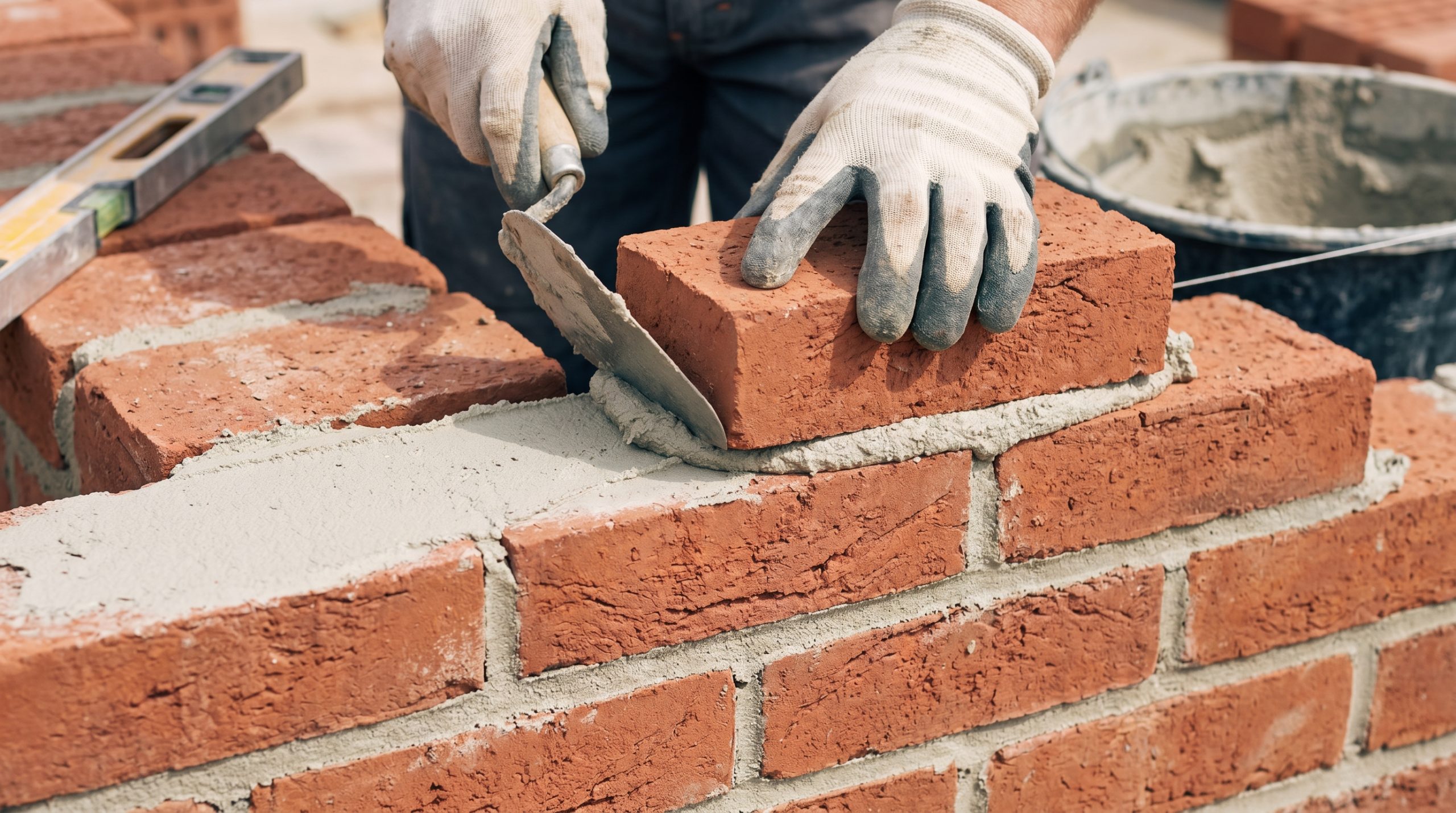
Masonry provides outstanding acoustic damping and fire protection due to the sheer density and thermal mass of clay bricks and concrete blocks. It remains a popular selection for mid-rise multi-family housing, municipal complexes, and exterior architectural accents. Because of its modular nature, laying masonry is a highly structured process that demands strict quality control. Utilizing these traditional construction materials allows builders to construct load-bearing walls that offer unmatched structural separation.
Acoustic insulation and fire safety benefits
Think about it: The sheer weight and density of a completed brick wall absorb sound waves rather than reflecting or transmitting them. This creates highly quiet, private interior environments, making it ideal for multi-family complexes.
- Exceptional Acoustic Dampening: Dense masonry blocks block external noise transmission effectively.
- Outstanding Weather Resistance: Brick and blockwork stand up to extreme wind, rain, and hail.
- Low Maintenance Needs: Does not require regular painting or sealing compared to timber siding.
Mortar degradation and seismic vulnerabilities
But here is the catch: The mortar holding the bricks together is far weaker than the blocks themselves. Over years of exposure to rain, wind, and freeze-thaw cycles, this mortar degrades and must be professionally repaired.
- High Structural Weight: Requires robust, heavy foundations to support massive gravity loads.
- Mortar Vulnerability: Joint mortar degrades over time and requires expensive tuckpointing.
- Seismic Susceptibility: Rigid structures perform poorly during earthquakes unless heavily reinforced.
Key Takeaway: Masonry provides outstanding fire safety and soundproofing, making it perfect for high-traffic buildings, though seismic reinforcement remains critical in active geographic zones.
| Material Class | Primary Pros | Primary Cons | |
|---|---|---|---|
| Masonry / Brickwork | High durability, low maintenance, excellent noise dampening. | Labor-intensive, weak under seismic load, heavy weight. |
Beyond heavy, solid walls, modern high-rise architecture relies heavily on transparent, lightweight materials to complete the building envelope.
Why is glass dominant in modern high-rises?

Glass dominates modern high-rise facades because it maximizes natural interior daylight, offers a premium architectural aesthetic, and provides crucial thermal insulation when engineered correctly. Integrating architectural glass with structural metal framing allows for the creation of lightweight, weather-resistant curtain walls. This modern design reduces the structural load on building columns while transforming the interior environment. Selecting the right glazed systems allows engineers to utilize glass effectively among advanced construction materials to meet modern energy-efficiency targets.
Daylighting benefits and aesthetic appeal
Here is the thing: Natural sunlight directly improves worker productivity and reduces the electrical demands of building lighting systems. A reflective glass facade also projects a sleek, modern, and highly professional corporate image.
- Maximized Natural Light: Floors flooded with daylight reduce artificial energy dependency.
- Premium Aesthetic: Creates iconic, highly reflective exteriors that define modern city skylines.
- Corrosion Resistance: Unlike metals, glass is entirely immune to rust, rot, and chemical weathering.
Structural limits and solar heat gain
But that is only half the story. While glass is chemically durable, it possesses virtually no structural impact resistance unless heavily tempered or laminated. Additionally, large glazed areas can trap excessive solar heat, drastically increasing the cooling loads on HVAC systems.
- High Thermal Gain: Uncoated glass allows solar radiation to overheat interior workspaces.
- Brittleness: Prone to sudden shattering from high-impact events or severe structural shifts.
- High Installation Costs: Requires heavy machinery, specialized structural sealants, and precision labor.
Key Takeaway: Architectural glass is unmatched for daylighting and high-end aesthetics, but B2B developers must invest in insulated, low-emissivity double-glazing to control thermal gain.
| Material Class | Primary Pros | Primary Cons | |
|---|---|---|---|
| Architectural Glass | Unmatched daylighting, corrosion-free, high-end premium aesthetic. | Brittle, high solar heat gain, requires specialized structural framing. |
To understand how these individual systems compare mechanically, let us look at the quantitative criteria that drive engineering choices.
How do mechanical trade-offs define selection?

Mechanical trade-offs define material selection by forcing engineers to evaluate tensile, compressive, and financial parameters against a building’s expected lifecycle. No single substrate is perfect for every application, meaning a successful project relies on a tailored hybrid approach. For instance, pairing the flexibility of timber with the high load capacity of steel optimizes both cost and safety. Understanding how these structural variables interact is essential for choosing the best construction materials for your specific site conditions.
Balancing physical stress and cost limits
Let me explain: An ultra-strong material like steel is unnecessary for a low-load, low-rise residential building where wood easily suffices. Conversely, using concrete in place of steel beams for long horizontal spans would lead to structural failure due to weight constraints.
- Tensile vs Compressive Strength: Wood and steel handle pulling forces, whereas concrete excels under squeezing.
- Weight Considerations: Heavier materials require deep, expensive foundations, driving up early costs.
- Material Compatibility: Mixing dissimilar substances can cause issues like galvanic corrosion or cracking.
Lifecycle costs vs initial expenditure
Here is the deal: Cheaper initial choices often lead to astronomical maintenance and repair bills over a thirty-year timeline. Savvy commercial developers view material selection as a long-term investment, choosing durable products that lower operational overhead.
- Maintenance Frequency: High-durability materials like steel require minimal repairs compared to wood.
- Energy Efficiency: Well-insulated structural envelopes drastically lower monthly heating and cooling bills.
- Demolition and Recycling: Easily recyclable metals retain scrap value at the end of a building’s life.
Key Takeaway: Structural material selection must balance upfront acquisition costs against mechanical capacities and long-term maintenance requirements to ensure the highest lifetime return on investment.
| Material Class | Primary Pros | Primary Cons | |
|---|---|---|---|
| Engineering Selection | Optimizes performance, minimizes safety risks, controls project costs. | Requires extensive analysis, complex engineering, and precise data. |
With sustainability rising on global B2B agendas, modern developers are looking closely at how sustainable alternatives fit these physical metrics.
Choose the best construction materials for durable, cost-efficient builds.
Email:sales@showhoo.com.cn
Phone/WhatsApp: + 86 186 7895 5927
Are eco-friendly materials structurally viable?

Eco-friendly materials are structurally viable for low-rise and architectural projects when engineered properly, though they require strict quality control to meet building codes. B2B developers are increasingly turning to renewable substrates like bamboo, hempcrete, and rammed earth to satisfy green regulations. These solutions drastically lower the carbon footprint of modern developments while improving indoor air quality. By analyzing how green options compare to traditional construction materials, you can implement sustainable solutions like those discussed on our about page .
Reducing embedded carbon and indoor VOCs
Think about it: Using fast-growing organic materials like bamboo sequesters carbon directly inside the building’s physical structure. This prevents greenhouse gases from heating the atmosphere while avoiding the toxic synthetic binders found in traditional boards.
- Extremely Low Carbon Footprint: Minimizes the environmental damage associated with heavy industrial processing.
- Zero Harmful Off-gassing: Avoids chemical VOCs, resulting in significantly healthier interior air.
- High Natural Insulation: Organic cellular structures trap heat naturally, lowering energy demands.
Code approval hurdles and load limitations
But there is a catch: Many local building inspectors are unfamiliar with non-traditional materials, which can lead to frustrating delays in securing permits. Furthermore, raw organic materials exhibit variations that make it difficult to guarantee uniform structural load capacities.
- Regulatory Permitting Hurdles: Lacks standardized, globally recognized engineering codes in many jurisdictions.
- Structural Capacity Limits: Generally unable to support massive vertical loads for multi-story buildings.
- Moisture Vulnerability: Highly susceptible to rot, mold, and biological breakdown if left unsealed.
Key Takeaway: Eco-friendly materials are excellent for reducing environmental impact and improving indoor health, but developers must carefully verify structural load limits and local code compliance.
| Material Class | Primary Pros | Primary Cons | |
|---|---|---|---|
| Eco-Friendly Green | Minimal carbon footprint, non-toxic, excellent natural insulation. | Inconsistent load ratings, complex code approvals, high rot risk. |
While natural, green materials are excellent, synthetic polymers are simultaneously making massive gains in water-exposed areas of building design.
Why is plastic cladding and PVC growing?
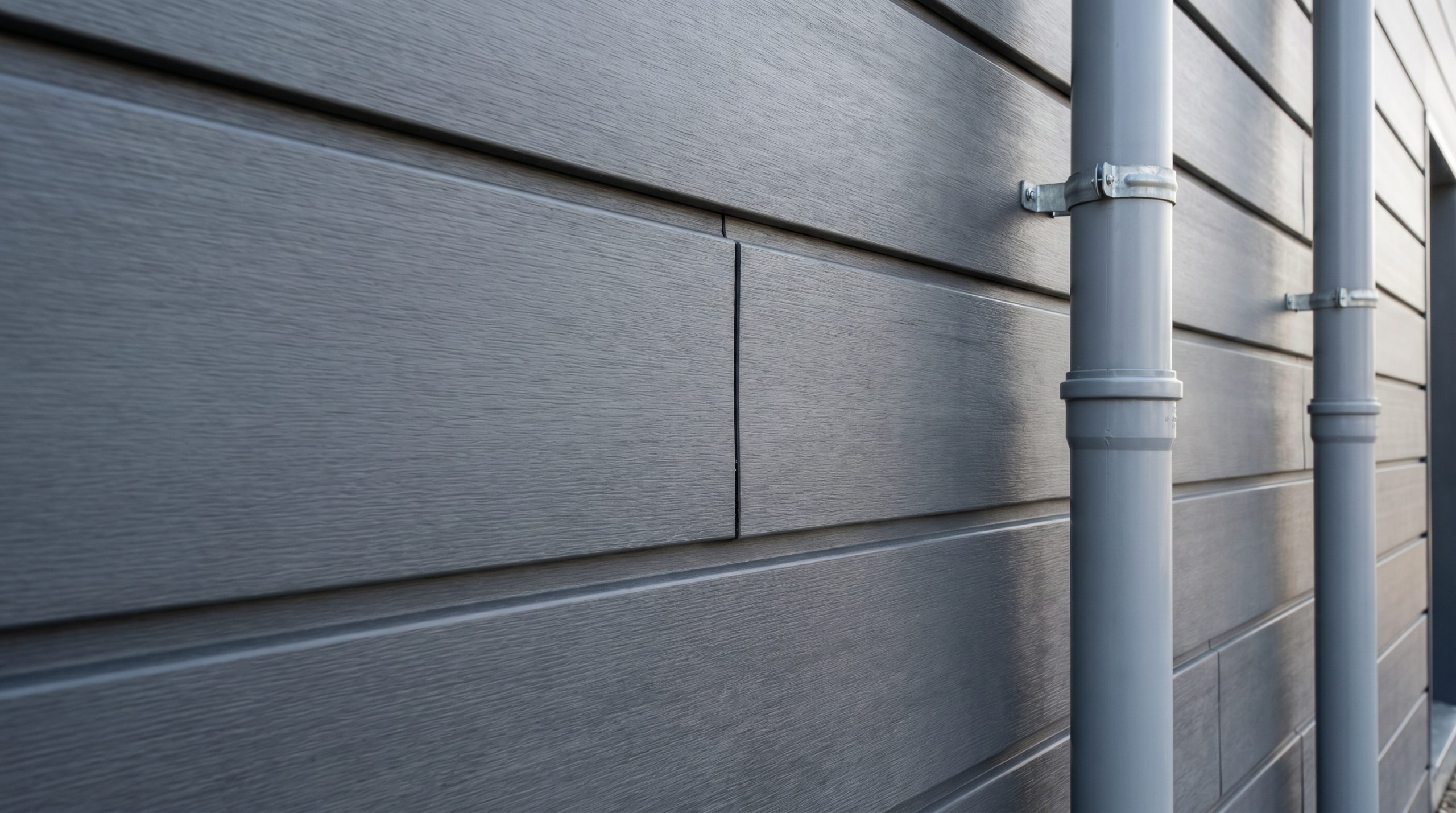
Plastic cladding and PVC products are growing rapidly because they are exceptionally moisture-resistant, lightweight, and virtually maintenance-free. Polymers have replaced metal and clay in modern siding, roofing underlayments, and underground drainage networks. They do not rust, rot, or support the growth of destructive mold, ensuring reliable performance in wet environments. Integrating these modern plastics alongside structural construction materials helps protect the core building skeleton from moisture-related failures.
Waterproofing advantages and low weight
Here is the thing: PVC and plastic composite systems create an absolute barrier against driving rain, protecting delicate interior framing. Their low physical weight makes transport and installation incredibly rapid, cutting down on overall labor costs.
- Complete Moisture Protection: Immune to rotting, rust, mold growth, and water-induced warping.
- Ultra-Lightweight Handling: Easily managed and installed on-site without heavy crane equipment.
- Low Maintenance Overhead: Never requires painting, staining, or sealing over its entire service life.
UV degradation and thermal expansion issues
Why does this matter? Plastics expand and contract significantly more than steel or wood when exposed to shifting outdoor temperatures. If the panels are not installed with specialized flexible expansion joints, they will buckle and warp.
- Thermal Expansion and Contraction: Requires careful installation to prevent warping under changing temperatures.
- UV Degradation Risks: Prolonged sunlight exposure can make untreated plastics brittle, faded, and cracked.
- Environmental Concerns: Non-biodegradable synthetic polymers are difficult to recycle at the end of their use.
Key Takeaway: Plastic cladding and PVC systems are highly effective for waterproofing and keeping maintenance costs low, provided installers account for thermal movement and UV exposure.
| Material Class | Primary Pros | Primary Cons | |
|---|---|---|---|
| Plastics & PVC | Fully waterproof, lightweight, requires zero regular maintenance. | High thermal expansion, susceptible to UV aging, difficult to recycle. |
In addition to synthetic exterior cladding, material science is transforming the performance of heavy foundation substrates through smart technology.
Can smart concrete heal its own cracks?

Smart concrete can heal its own cracks through embedded bacterial or chemical agents that react with incoming moisture to seal structural fissures automatically. This cutting-edge material science breakthrough represents a massive shift in how we manage structural durability. By addressing small cracks before they expand, self-healing concrete drastically reduces long-term maintenance costs. Reviewing real-world applications of these innovative construction materials reveals how smart technology is transforming modern infrastructure.
Bacterial repair systems and longevity
Let me explain: When water enters a hairline crack, it activates dormant bacterial spores embedded deep within the concrete matrix. These active bacteria consume calcium nutrients to produce limestone, filling the crack from the inside out.
- Automatic Self-Repair: Seals internal micro-cracks without requiring manual injection or excavation.
- Extended Infrastructure Lifespan: Protects interior steel rebar from moisture, preventing catastrophic corrosion.
- Lower Lifetime Maintenance: Reduces the need for routine foundation patching and waterproofing repairs.
High initial costs and developmental limits
But that is only half the story. The advanced biological and chemical additives required for self-healing concrete make it significantly more expensive than standard mixes. Currently, these systems are reserved for critical infrastructure projects where manual repairs are physically impossible.
- Excessive Upfront Surcharges: Extremely high initial cost compared to conventional concrete formulations.
- Crack Size Limitations: Currently only capable of healing hairline cracks up to a fraction of a millimeter.
- Developmental Status: Still primarily used in specialized pilot projects and undergoing long-term testing.
Key Takeaway: Self-healing concrete is a revolutionary development for extending infrastructure life, but high upfront costs limit its current use to critical B2B infrastructure.
| Material Class | Primary Pros | Primary Cons | |
|---|---|---|---|
| Self-Healing Concrete | Automatic repair, prevents steel corrosion, extends building life. | Extremely expensive, restricted to small cracks, limited availability. |
No matter how advanced your materials are, their structural performance depends heavily on how they are managed and stored prior to assembly.
How does proper on-site storage protect assets?
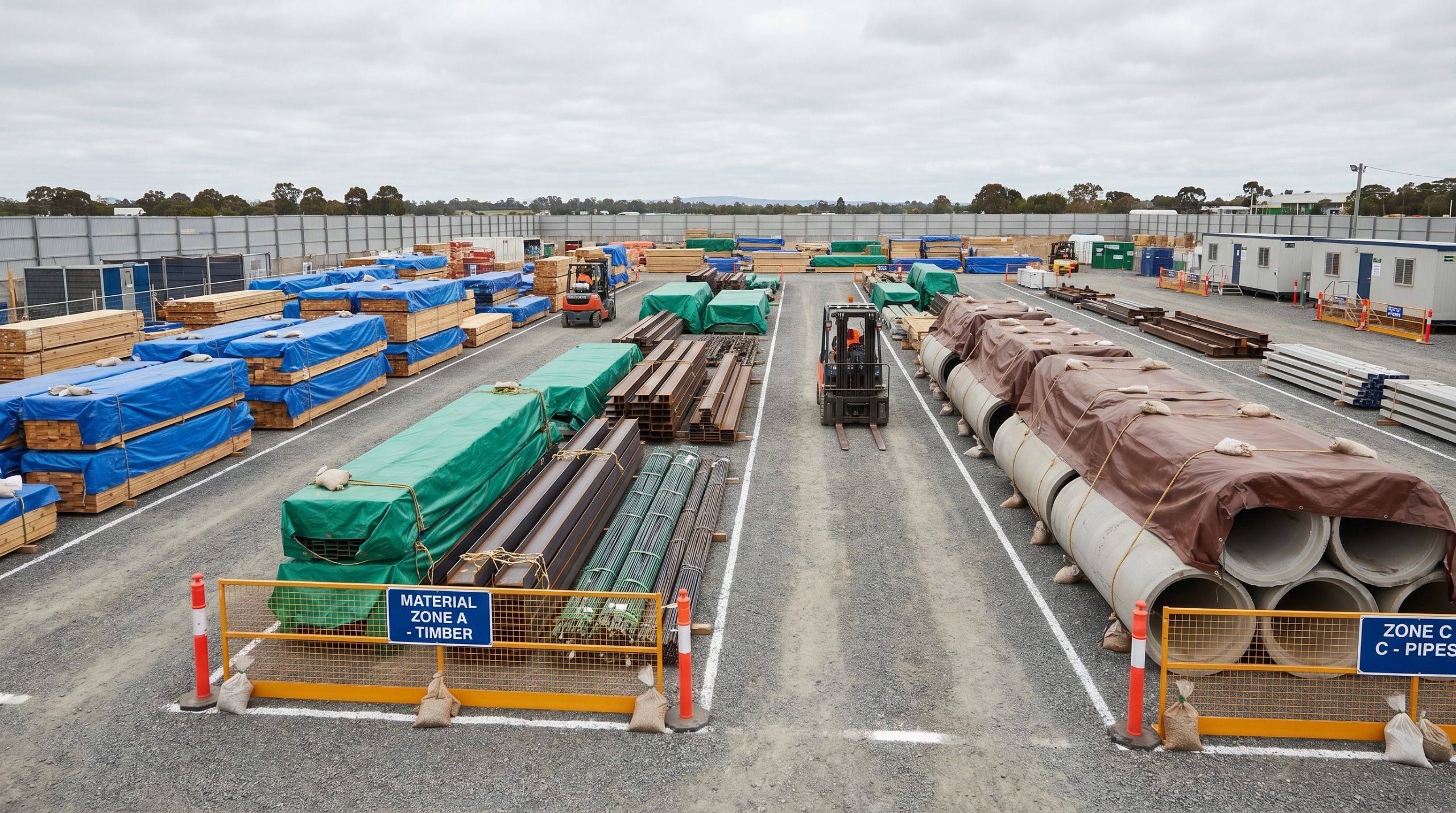
Proper on-site storage protects structural assets by preventing moisture damage, rusting, and mechanical warping before installation begins. Even the highest-grade raw materials can degrade rapidly if left exposed to rain, mud, and direct sunlight on a chaotic job site. Setting up an organized, weather-protected yard is a critical first step for any B2B development project. Implementing these strict logistical practices preserves the physical properties of your construction materials, ensuring they perform exactly as engineered.
Elevation techniques and breathable covers
Think about it: Placing structural timber or steel directly onto damp soil allows moisture to pool against the material’s surface, triggering rapid rot or rust. Elevating your inventory on support dunnage allows air to flow freely, keeping the materials completely dry.
- Elevated Dunnage Stacking: Keeps structural elements off the wet ground to prevent moisture absorbency.
- Breathable Tarps and Covers: Shields inventory from heavy rain while allowing internal condensation to escape.
- Even Weight Distribution: Prevents sagging, warping, and permanent bending in stacked structural beams.
Heavy load management and settlement risks
But here is the catch: Heavy piles of steel, masonry, or concrete pipes can put immense, concentrated pressure on the storage yard’s ground. If the soil shifts or settles under the weight, the stacks can tilt, leading to material damage or severe safety hazards.
- Soil Settlement Hazards: Concentrated heavy loads can cause ground failure, destabilizing material stacks.
- Access and Handling Damage: Crowded yards increase the risk of forklift collisions denting structural components.
- Theft and Security Vulnerabilities: Unsecured, chaotic storage invites theft of high-value metals and components.
Key Takeaway: Diligent on-site material management and weather protection prevent pre-assembly damage, keeping your structural components in peak condition for installation.
| Material Class | Primary Pros | Primary Cons | |
|---|---|---|---|
| Storage & Logistics | Prevents early rot and rust, maintains safety, preserves material shape. | Requires extra yard space, adds labor costs, needs regular security. |
With your materials properly protected and understood, you are now ready to make an informed, strategic selection for your structural project.
Frequently Asked Questions
Can I use sustainable green materials without compromising building codes?
Yes, absolutely. Modern engineered green options, such as cross-laminated timber, undergo strict testing to meet or exceed regional structural safety rules. However, you must double-check approvals with local building officials beforehand, as some jurisdictions lack standard codes for non-traditional materials.
What is the best material for erecting a highly durable warehouse?
Steel is the undisputed champion. It offers unparalleled tensile strength, faster assembly times, and excellent resistance to insect damage compared to timber. Furthermore, prefabricated steel framing simplifies construction and allows developers to build large clear-span spaces, which maximizes usable storage floor space.
How do I know if concrete is the right choice for my building’s foundation?
It depends on your soil’s load-bearing capacity and local environmental hazards. Unstable soils and heavy moisture require reinforced concrete foundations to prevent shifting and resist moisture damage. For large industrial workshops, reinforced concrete slabs are essential to handle heavy machinery and heavy traffic.
Can I combine timber framing with steel structures in industrial applications?
Yes, you can. Hybrid construction allows engineers to combine the light weight and low cost of timber with the high load capacity of steel. This combination is highly effective for building agricultural facilities, such as horse riding arenas, where a steel main frame can support wide roofs while timber panels provide cost-effective interior walls.
How do I know if my stored steel frames are protected from onsite corrosion?
Regular physical inspection is key. If you observe any moisture accumulation or early-stage discoloration on exposed joints, you must dry them and apply protective coatings immediately. For best protection, store steel elements off the wet ground on support blocks and shield them with waterproof, breathable covers.
Conclusion
Selecting the right building materials requires finding the ideal balance between structural performance, durability, and cost. Each material brings distinct benefits and trade-offs. Timber offers great affordability and easy on-site modification, while concrete supplies unmatched compressive strength for foundational elements. Meanwhile, structural steel stands out as the premier option for high-strength, fast-assembling commercial and industrial spaces.
By analyzing these characteristics carefully during the pre-construction phase, you can avoid costly structural failures, project delays, and long-term maintenance headaches.
Our team at Showhoo Steel Structure Co., Ltd. is dedicated to designing and manufacturing top-tier, custom prefabricated steel buildings that fit your specific agricultural, commercial, or industrial requirements. Whether you are expanding a logistics warehouse, erecting an agricultural workshop, or planning a multi-family project, we deliver engineered excellence. To secure a custom design consultation and an expert-reviewed quote for your next build, contact us today !
Choose the best construction materials for durable, cost-efficient builds.
Email:sales@showhoo.com.cn
Phone/WhatsApp: + 86 186 7895 5927