
Building a layer chicken house involves a systematic approach to site selection, structural engineering, and the integration of automated environmental controls. Many producers face the recurring challenge of low egg yields and high bird mortality due to poor housing insulation or inadequate predator protection. This operational instability leads to significant financial stress and prevents your farm from reaching its true commercial potential. By choosing to invest in high-performance poultry houses, you can secure a stable biological environment that guarantees consistent egg production and long-term business growth.
Why are specific poultry houses required for layers?
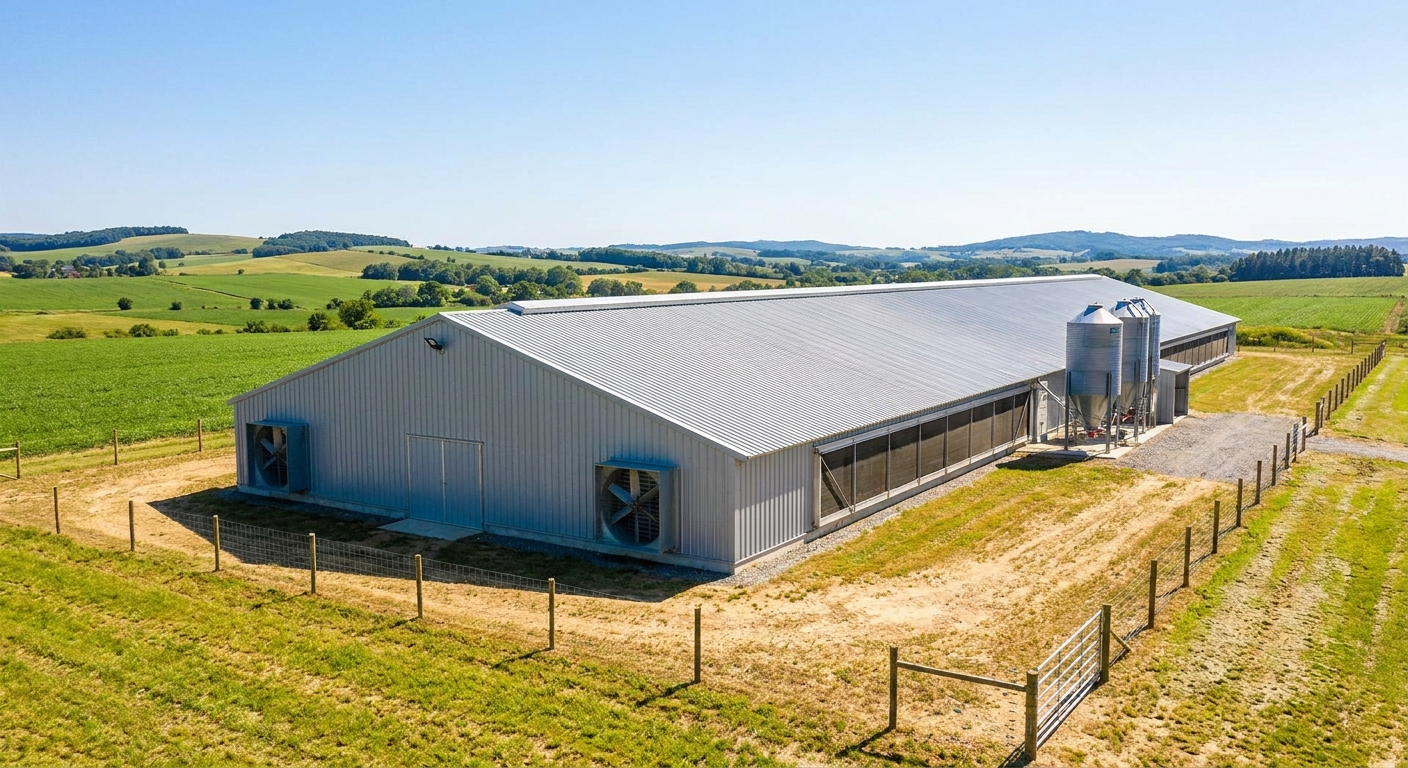
Specific housing is necessary because layers have unique biological requirements for light, temperature, and space that standard shelters cannot provide. These poultry houses are designed to minimize stress and maximize the hen’s metabolic focus on egg formation. You must ensure the structure provides total protection from external climate fluctuations and biological threats.
Can automated systems improve output?
Automated systems allow you to maintain a consistent schedule for feeding and egg collection without human-induced stress. By removing the need for constant manual entry, you keep the birds calm and the environment bio-secure. This technology tracks bird health metrics in real-time to prevent disease outbreaks.
- Automated feeding delivery.
- Climate sensor integration.
- Remote monitoring capabilities.
Think about this: A calm hen is a productive hen.
How do houses optimize egg cycles?
The structural layout of the house is designed to support the specific duration of the laying cycle. You can control the environment to ensure hens stay in their peak production phase for as long as possible. Proper design prevents the birds from entering early molting cycles due to temperature shocks.
- Uniform light distribution.
- Precision temperature zones.
- Ergonomic cage placement.
You might be wondering why. It is because consistency is the foundation of poultry profitability.
Key Takeaway: Specialized layer housing is not just a shelter; it is a precision-engineered production tool for biological efficiency.
| Feature | Impact on Layers | ROI Level | |
|---|---|---|---|
| Climate Control | Stabilizes egg output | High | |
| Bio-security | Prevents mass mortality | Critical | |
| Automation | Reduces labor overhead | Medium |
Modernized housing transforms a volatile farming activity into a predictable industrial process.
Where should you locate new poultry houses?
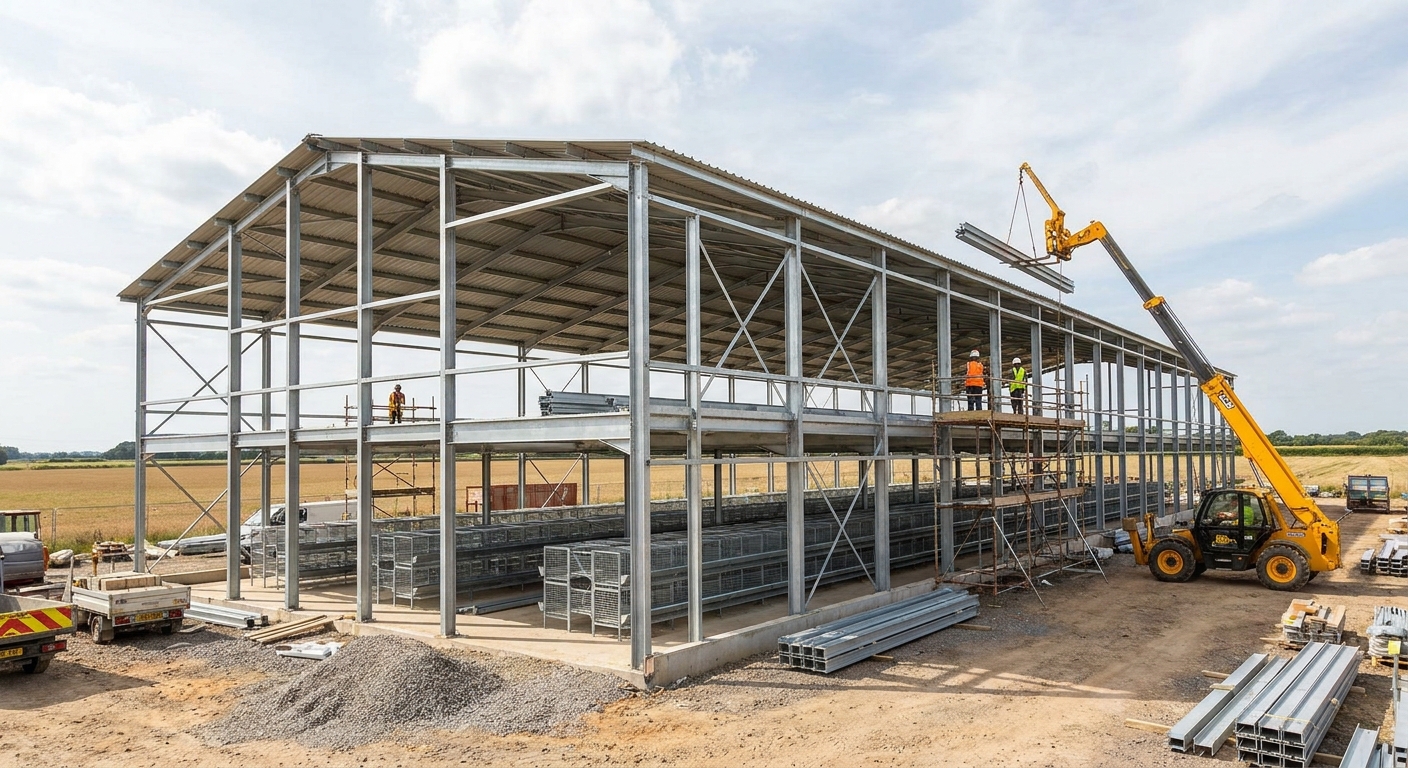
Choosing the correct site for your poultry houses is the most critical decision in the pre-construction phase. You need to identify a location that offers natural drainage, easy access to utilities, and sufficient distance from other livestock to maintain bio-security. High-quality poultry houses must be situated on high ground to prevent flooding during heavy rains.
What environmental factors matter?
Environmental factors like prevailing wind direction and sun exposure dictate how you orient the building. You should position the long axis of the house East-to-West to minimize direct solar heat gain on the side walls. This orientation helps you keep the interior cool during peak summer months without overworking your fans.
- Prevailing wind patterns.
- Annual rainfall data.
- Average humidity levels.
Here is the best part: Proper orientation can save you thousands in energy costs.
Is bio-security easier with isolation?
Locating your facility away from public roads and other bird populations reduces the risk of airborne pathogens. You should ensure the site allows for a gated entry where vehicles can be disinfected before approaching the production zone. This physical distance acts as a primary barrier against devastating diseases.
- Perimeter fencing requirements.
- Disinfection station space.
- Restricted access zones.
It gets even better. Strategic isolation means fewer vaccines and lower veterinary bills for your flock.
Key Takeaway: Site selection determines the baseline efficiency and health risks of your entire poultry operation for decades.
| Site Metric | Requirement | Importance | |
|---|---|---|---|
| Drainage | High-slope ground | Essential | |
| Orientation | East-West Axis | Critical | |
| Accessibility | Heavy vehicle load | High |
Selecting the right terrain eliminates environmental stressors before the first bird ever enters the house.
How do you design airflow for poultry houses?
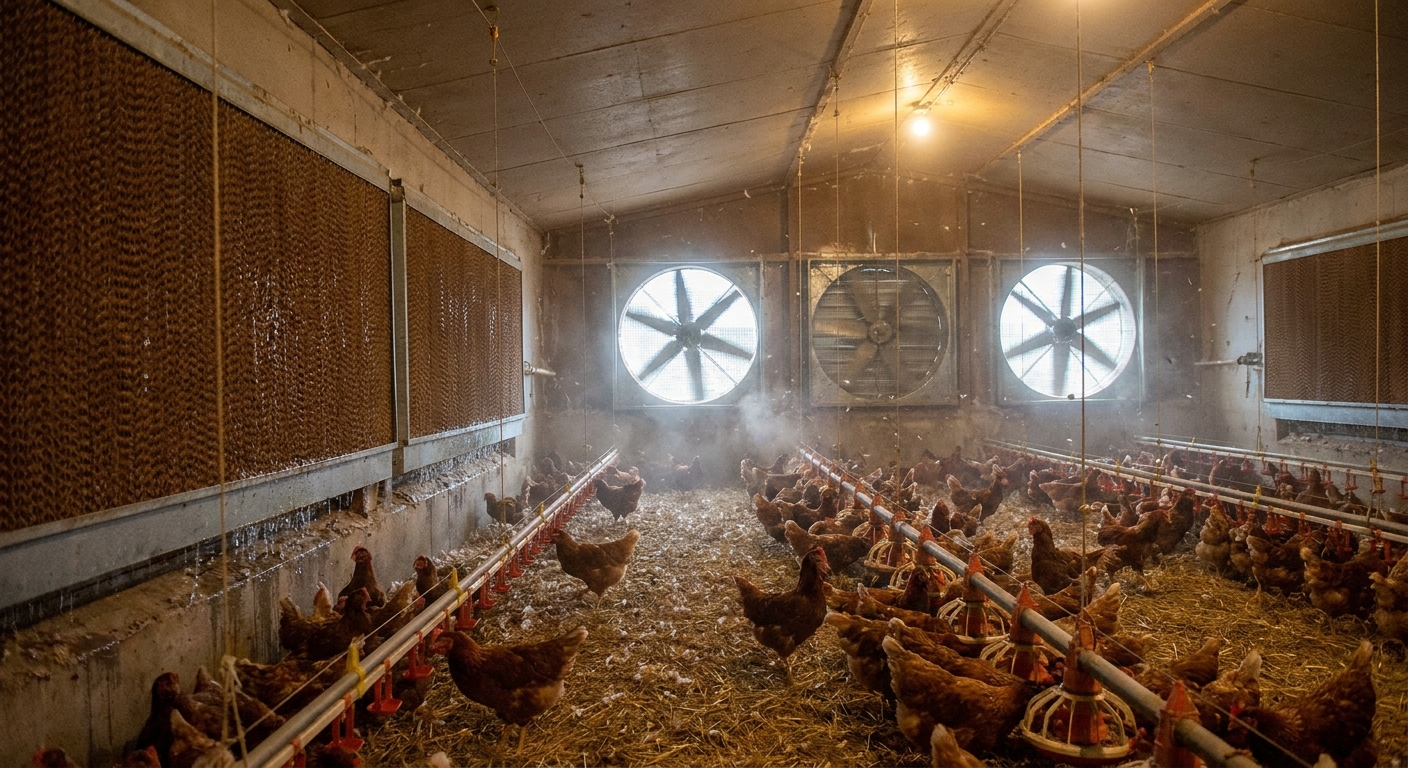
Airflow design in poultry houses must prioritize the removal of ammonia and heat while providing a steady supply of oxygen. You should implement a negative pressure ventilation system that pulls fresh air through cooling pads and across the entire bird population. Effective ventilation in poultry houses ensures that no “dead spots” of stagnant air exist where bacteria can thrive.
Natural vs. mechanical airflow?
Natural ventilation is cost-effective but often insufficient for high-density commercial layer operations. You should rely on mechanical systems like tunnel ventilation to maintain a wind-chill effect during hot seasons. This ensures your birds remain comfortable even when outside temperatures reach extreme levels.
- Variable speed exhaust fans.
- Evaporative cooling pads.
- Automated air inlets.
You might be wondering if it’s worth it. Mechanical control is the only way to guarantee production in tropical climates.
How to manage house temperature?
Temperature management involves balancing the heat produced by the birds with the cooling capacity of the airflow. You must use sensors placed at bird level to provide accurate readings of what the hens are actually experiencing. Adjusting the air speed allows you to regulate the temperature without causing direct drafts on the birds.
- Zone-based thermostats.
- Emergency alarm systems.
- Cooling pad saturation timers.
Wait, there’s more. Digital controllers can manage these adjustments automatically while you focus on other tasks.
Key Takeaway: Proper airflow is the “lungs” of your poultry house, directly impacting respiratory health and egg shell quality.
| Ventilation Component | Primary Function | Efficiency Gain | |
|---|---|---|---|
| Exhaust Fans | Ammonia removal | 15% | |
| Cooling Pads | Heat reduction | 25% | |
| Air Inlets | Fresh oxygen flow | 10% |
Precision airflow control creates a microclimate that shields your birds from the volatility of external weather.
What materials ensure durable poultry houses?
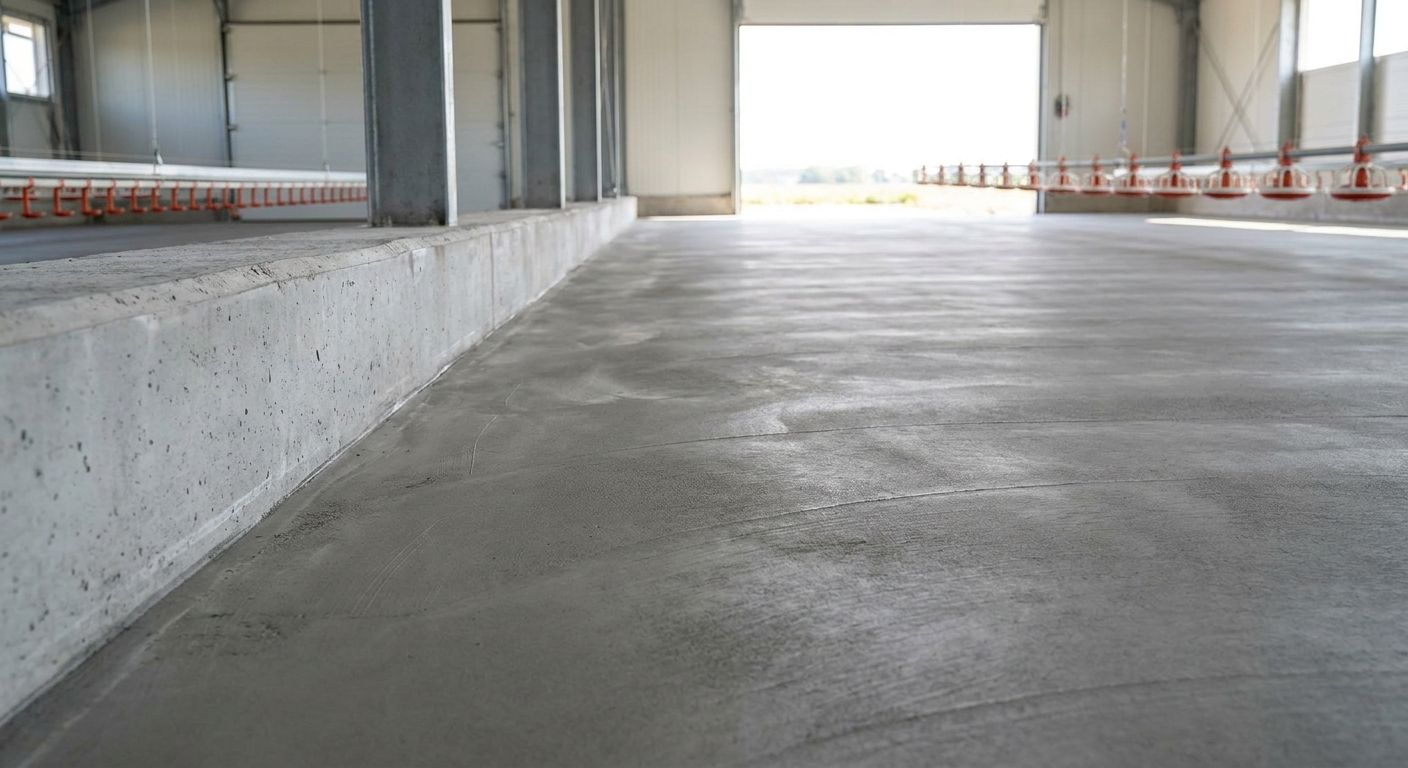
Durable poultry houses require high-strength steel frames and reinforced concrete foundations to withstand environmental loads and equipment weight. You must choose materials that are resistant to the corrosive effects of poultry manure and high humidity. Investing in premium poultry houses made of galvanized steel ensures the structure lasts for over 20 years with minimal maintenance.
Why choose steel structures?
Steel offers superior strength-to-weight ratios compared to wood or bamboo and is completely resistant to pests like termites. You can achieve wider spans without internal pillars, which gives you more flexibility for cage layouts and automated machinery. This material also facilitates faster construction times, allowing you to begin production much sooner.
- Hot-dip galvanized coating.
- Fire-resistant properties.
- Modular assembly speed.
The kicker is this: Steel structures maintain their resale value much better than traditional materials.
Are concrete floors necessary?
Concrete floors are essential for effective sanitation and the prevention of rodent infestations. You should ensure the floor has a smooth finish to prevent waste buildup and to allow for easy pressure washing between flocks. A thick foundation also supports the heavy loads of multi-tier cage systems without cracking or shifting.
- High-PSI concrete mix.
- Reinforcing rebar mesh.
- Integrated drainage slopes.
You need to know this. Dirt floors are a bio-security nightmare that can harbor pathogens for years.
Key Takeaway: Material quality is the primary factor in the lifespan of your investment and the ease of your daily sanitation routines.
| Material Type | Durability Rating | Maintenance Need | |
|---|---|---|---|
| Galvanized Steel | 25+ Years | Very Low | |
| Treated Timber | 10-15 Years | Moderate | |
| Reinforced Concrete | 30+ Years | Low |
A foundation of steel and concrete provides the structural integrity needed to host sophisticated automation equipment.
How should you size commercial poultry houses?
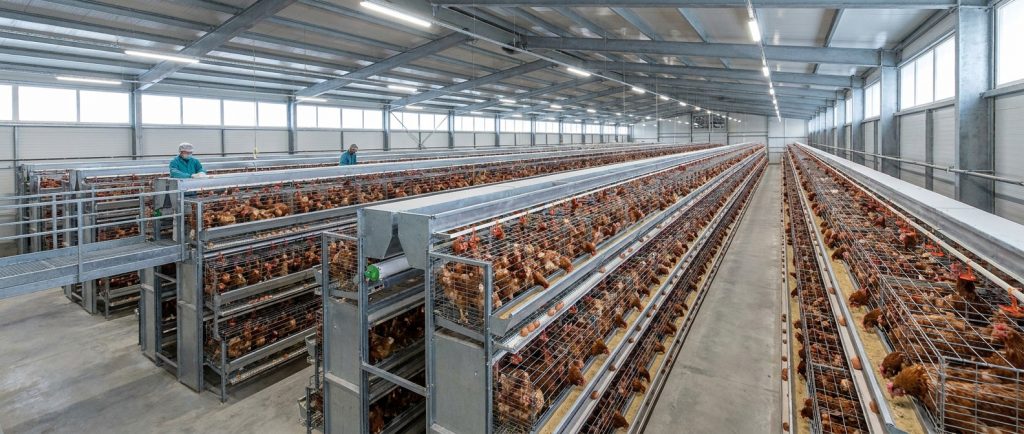
Sizing poultry houses correctly requires a balance between bird density and the operational space needed for automated systems. You should calculate the total house dimensions based on the target bird count while allowing for future expansion. Modern poultry houses are typically designed with widths of 12 to 15 meters to optimize the efficiency of tunnel ventilation systems.
Calculating bird density?
Bird density determines how much heat the house will generate and how many tiers of cages you can install. You should aim for a balance that maximizes your ROI per square meter without causing heat stress or social aggression among the birds. Properly sized aisles ensure that your staff can easily move through the house for inspections.
- Tiers per cage row.
- Birds per cage unit.
- Total square meterage.
Here is the secret: High density requires higher levels of automation to be successful.
Planning for future expansion?
You should design your initial house and site layout with the assumption that your business will grow. Leaving space between houses prevents future construction from interfering with the airflow of your existing buildings. This foresight allows you to add new houses to the same infrastructure grid, saving you significant costs later.
- Site master planning.
- Shared utility lines.
- Modular house designs.
It gets better. Growing in phases allows you to use profits from the first house to fund the second.
Key Takeaway: Correct sizing prevents overcrowding, which is the leading cause of stress-related production drops in layer flocks.
| Density Strategy | Birds per m² | Automation Level | |
|---|---|---|---|
| Standard Cage | 12 – 15 | Moderate | |
| High-Tier H-Type | 25 – 40 | High | |
| Floor Raising | 6 – 9 | Low |
Strategic sizing ensures that your facility remains profitable even as market demands and bird populations fluctuate.
What equipment is vital in poultry houses?
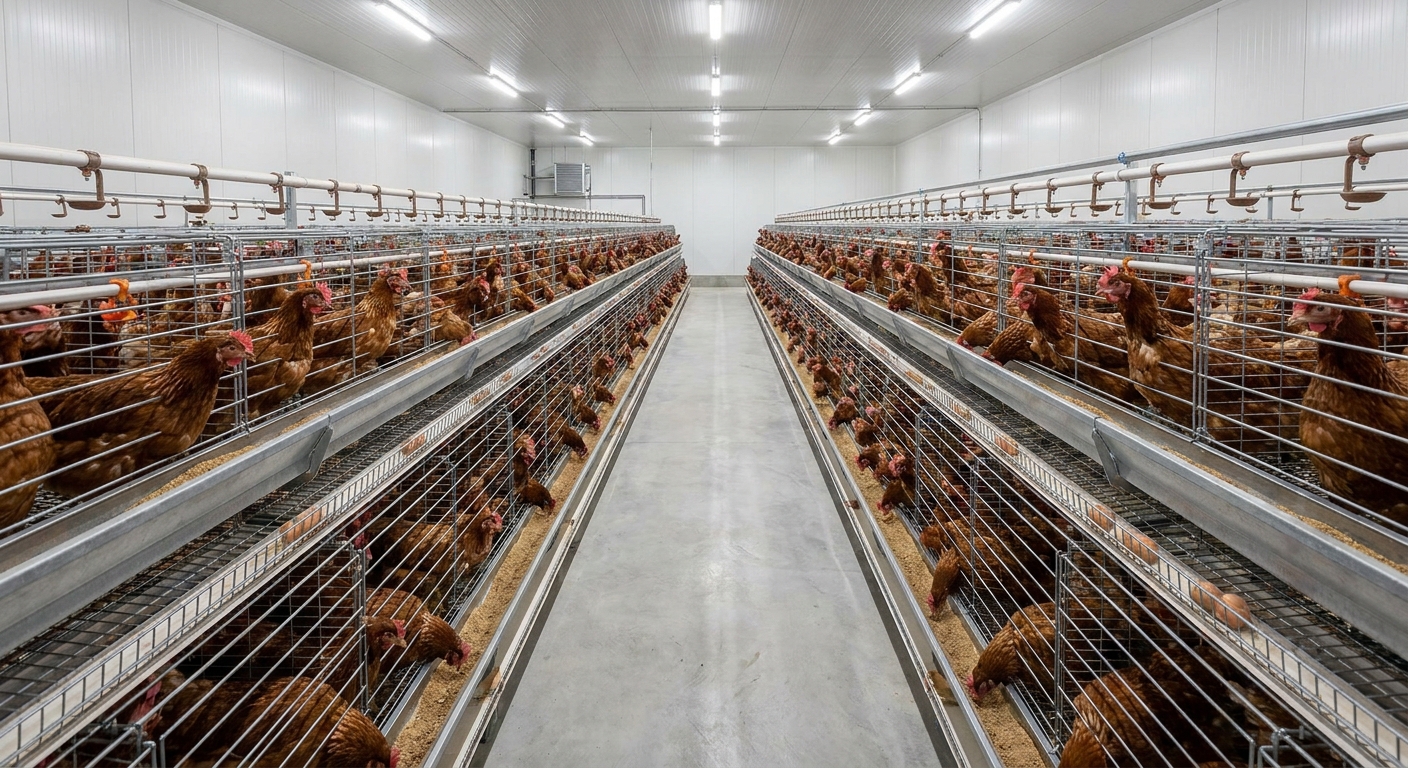
Vital equipment in poultry houses includes automated feeding lines, nipple drinking systems, and environmental control computers. You should prioritize equipment that reduces manual labor and provides precise measurements of feed and water intake. High-efficiency poultry houses integrate these systems into a single control panel for ease of management.
How do feeding systems work?
Automated feeding systems use augers or chains to distribute a precise amount of feed to every bird simultaneously. This prevents competition among hens and ensures that all birds receive the same nutritional profile for uniform egg size. You can program the system to deliver feed at specific intervals to stimulate appetite and reduce waste.
- Silo storage integration.
- Weighing sensor accuracy.
- Anti-waste trough design.
The best part? You can track feed conversion ratios daily with almost zero effort.
Why use nipple drinkers?
Nipple drinking systems provide a closed water supply that stays clean and free from environmental contaminants. You should use a system with integrated pressure regulators to ensure water is available even at the end of long cage rows. This technology significantly reduces water wastage and keeps the manure under the cages dry.
- Enclosed piping system.
- Stainless steel nipples.
- Water meter tracking.
Think about it: Dry manure means less ammonia and fewer flies in your house.
Key Takeaway: Modern equipment acts as the nervous system of the poultry house, ensuring every bird’s biological needs are met precisely.
| Equipment Type | Primary Benefit | Labor Reduction | |
|---|---|---|---|
| Auger Feeder | Nutritional uniformity | 80% | |
| Nipple Drinker | Water sanitation | 90% | |
| Control Panel | Data-driven management | 70% |
Investing in high-quality hardware reduces your operational risks and empowers you with actionable farm data.
How is waste managed in poultry houses?
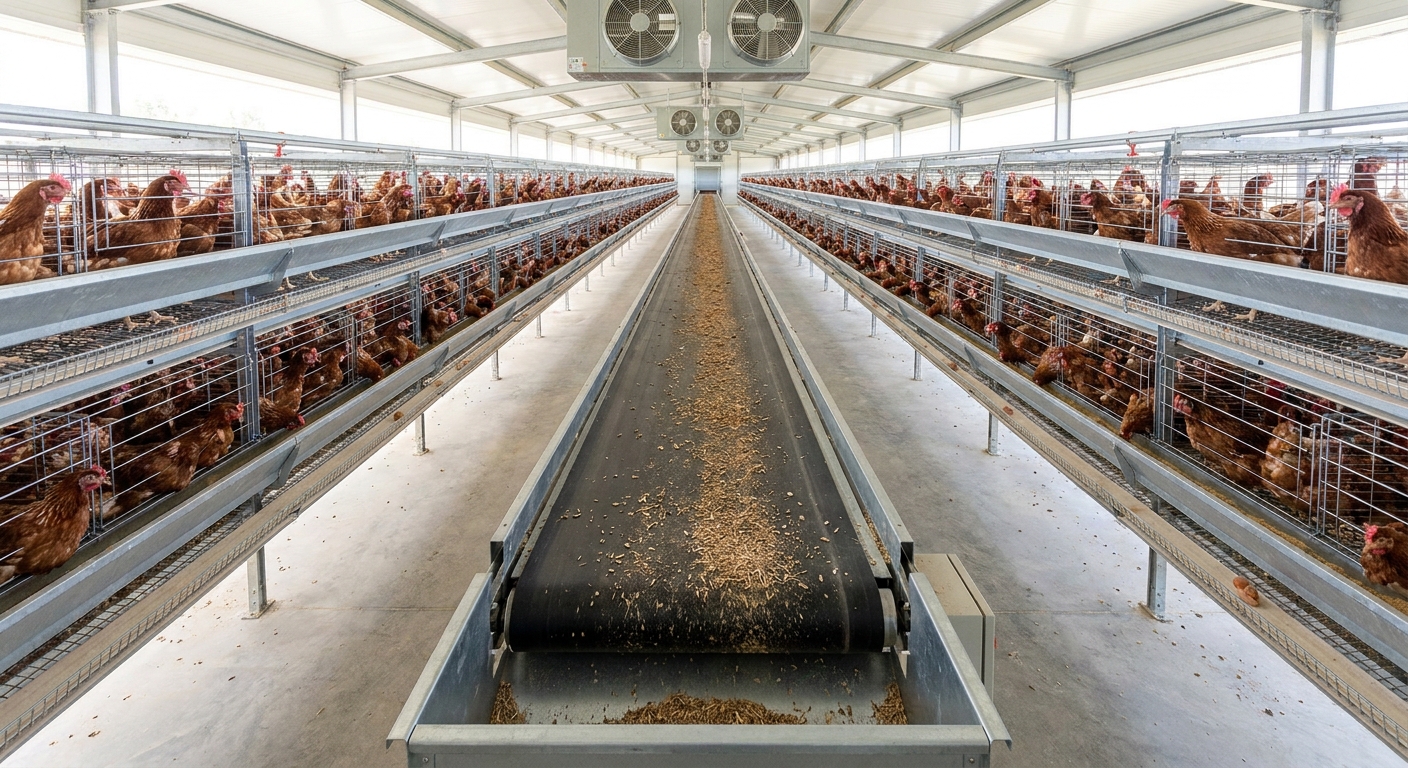
Waste management in poultry houses focuses on the rapid removal of manure to maintain low ammonia levels and prevent disease. You should utilize automated manure belts located under each tier of cages to transport waste out of the building daily. Efficient waste handling in poultry houses is a major factor in maintaining high egg quality and bird respiratory health.
Are manure belts effective?
Manure belts are the most efficient way to keep the environment clean because they remove the waste before it has a chance to ferment. You can schedule the belts to run once or twice a day, delivering the manure directly to a cross-conveyor and into a disposal truck. This process keeps the air inside the house fresh and significantly reduces the population of harmful pests.
- Polypropylene belt durability.
- Automatic scraping mechanisms.
- Cross-conveyor integration.
Here is the kicker: Drier manure can be sold as high-value organic fertilizer to local farmers.
How to control odor?
Odors are primarily caused by moisture in the manure and poor ventilation. You should combine frequent waste removal with proper airflow to ensure that any remaining moisture is quickly evaporated. This dual approach keeps the “chicken smell” to a minimum, which is vital if your farm is located near residential areas.
- High-velocity air drying.
- Bio-filter implementation.
- Regular waste hauling.
You might be surprised. A well-managed house should have almost no detectable ammonia smell to a human visitor.
Key Takeaway: Rapid manure removal is the single most effective way to improve bird health and reduce environmental impact simultaneously.
| Waste Method | Removal Frequency | Odor Level | |
|---|---|---|---|
| Automated Belt | Daily | Low | |
| Scraper System | Weekly | Moderate | |
| Deep Litter | Monthly/Yearly | High |
Transforming waste from a liability into a resource improves both your farm’s hygiene and its secondary revenue streams.
Are battery cages standard in poultry houses?
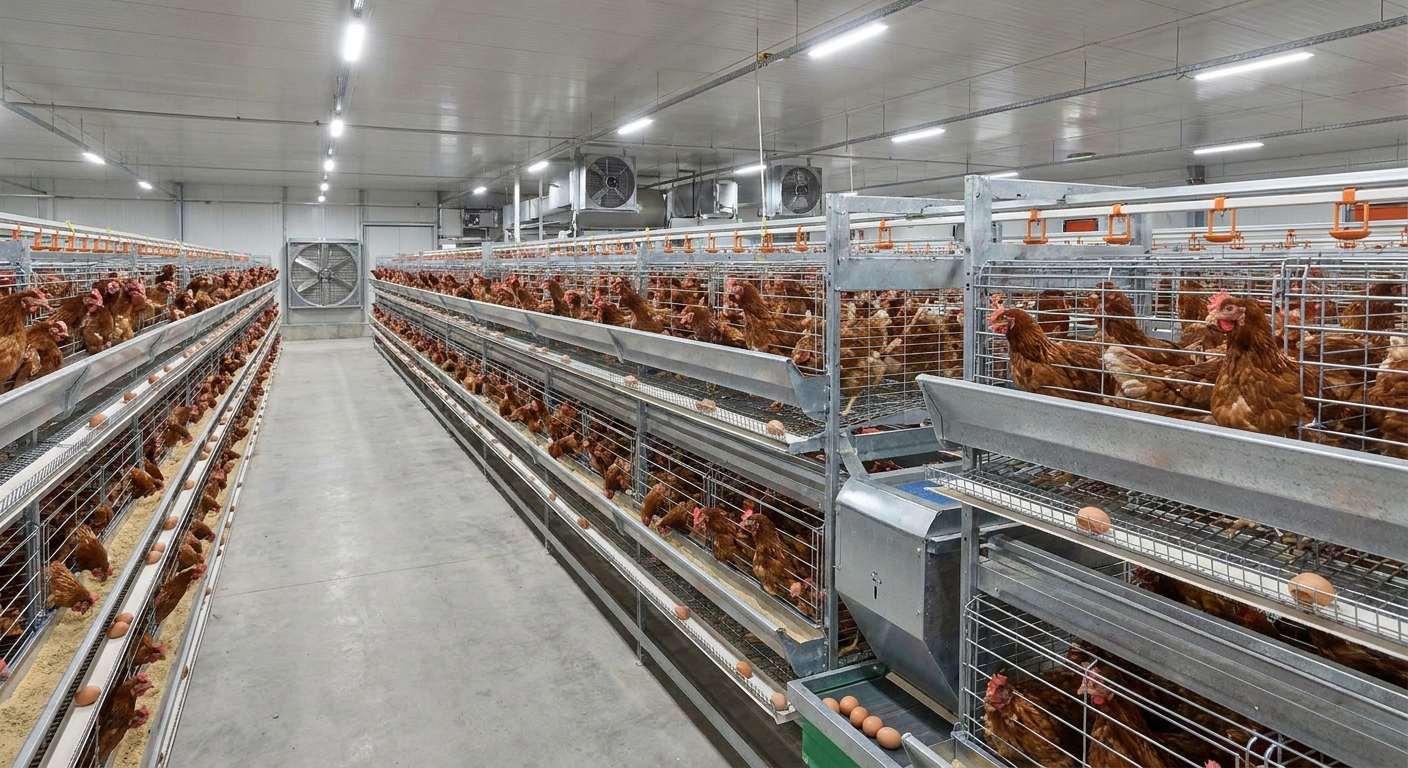
Battery cages, particularly H-type systems, are the industry standard for high-density poultry houses due to their efficiency. You should choose cage designs that provide adequate space for the hens to stand and move while allowing eggs to roll safely onto a collection belt. Standard poultry houses use these systems to maximize the number of birds while maintaining individual health monitoring.
What are A-type cages?
A-type cages are tiered in a ladder-like fashion, which allows manure to fall naturally into a pit below. You will find these systems are easier to ventilate naturally and are generally more affordable for farmers starting at a smaller scale. However, they take up more floor space per bird compared to more vertical H-type configurations.
- Natural manure shedding.
- Simple maintenance requirements.
- Cost-effective for beginners.
But wait, there’s more. They are perfect for regions with inconsistent power for manure belts.
Benefits of H-type systems?
H-type systems are vertically stacked, allowing you to house significantly more birds in the same building footprint. You must use these in conjunction with automated manure belts and environmental controls to manage the high biological load. This system provides the highest possible return on your investment in land and building infrastructure.
- High vertical space usage.
- Integrated feeding troughs.
- Automated egg collection.
It gets even better. H-type cages provide a more controlled environment for every single bird in the flock.
Key Takeaway: Cage selection should match your budget, your land availability, and the level of automation you are prepared to manage.
| Cage System | Vertical Capacity | Automation Potential | |
|---|---|---|---|
| A-Type | Low – Moderate | Moderate | |
| H-Type | Very High | Maximum | |
| Floor System | None | Low |
The right cage system turns your poultry house into a high-density, high-output production environment.
How is lighting optimized in poultry houses?
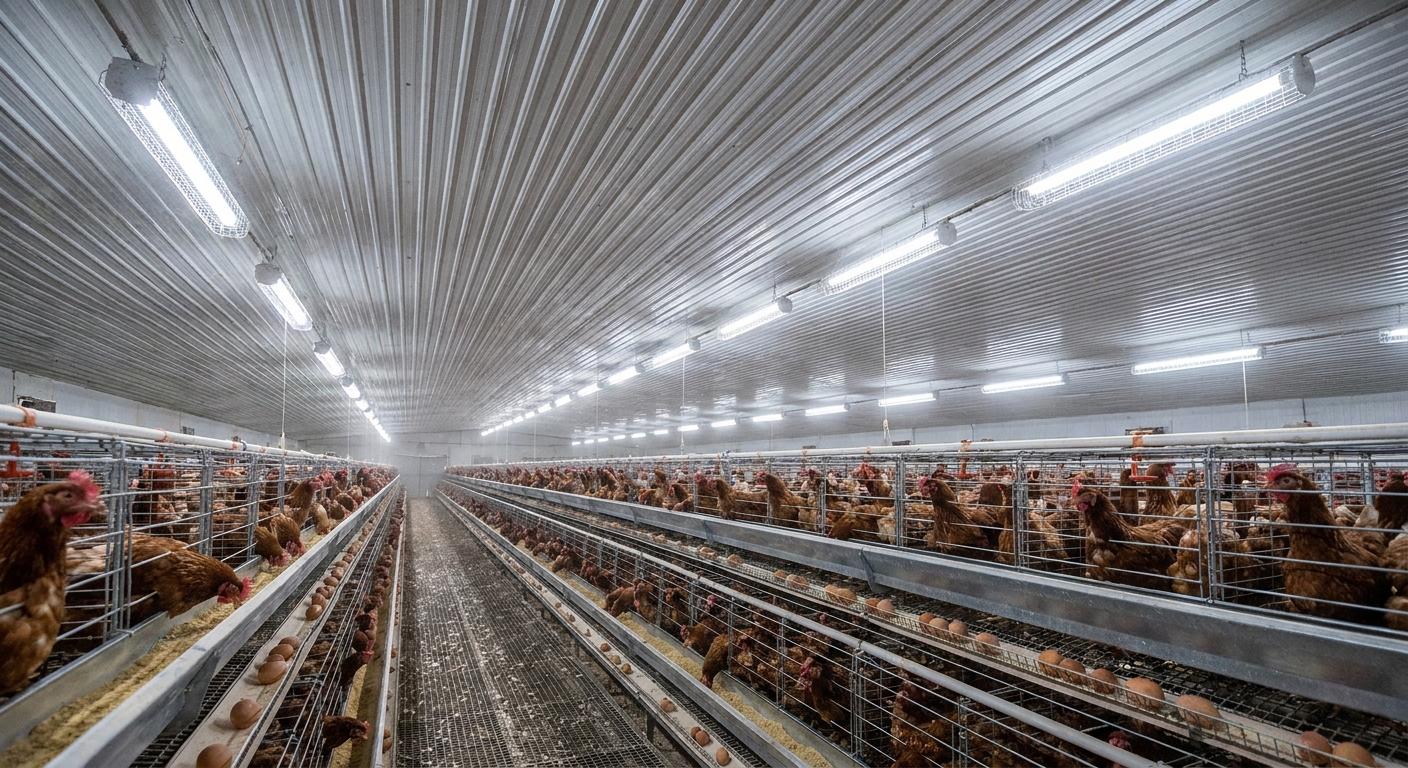
Lighting optimization in poultry houses involves controlling both the intensity and the duration of light to stimulate the reproductive systems of the hens. You should use LED lighting systems that are specifically designed for poultry, as they offer the correct spectrum and flicker-free performance. In modern poultry houses, lighting is used to simulate natural day cycles and encourage consistent laying patterns.
How much light is needed?
Hens require approximately 16 hours of light per day to maintain peak egg production. You should program your lighting controllers to provide a “dawn and dusk” effect, gradually increasing and decreasing intensity to prevent startling the birds. This controlled photoperiod prevents the hens from going into a resting phase where they stop producing eggs.
- 16-hour light schedules.
- Dimming functionality.
- Automated timer systems.
The secret is this: Even an hour of unexpected darkness can disrupt production for days.
Why use LED technology?
LEDs are far more energy-efficient than traditional bulbs and can withstand the harsh, dusty environment of a chicken house. You can select specific color temperatures, like warm white, which have been shown to improve the calming behavior of the hens. These bulbs also have a much longer lifespan, reducing the labor required for frequent replacements.
- Low energy consumption.
- Spectrum-specific output.
- IP65 waterproof ratings.
It gets better. Uniform light distribution prevents dark corners where hens might try to hide or lay floor eggs.
Key Takeaway: Lighting is the biological switch that controls your flock’s productivity; precise management is non-negotiable.
| Light Metric | Target Value | Impact | |
|---|---|---|---|
| Duration | 16 Hours | Egg production | |
| Intensity | 20 – 30 Lux | Bird activity | |
| Spectrum | 2700K – 3000K | Calming effect |
A well-lit house ensures that every bird in the system remains in a peak productive state throughout the year.
How to maintain high-quality poultry houses?
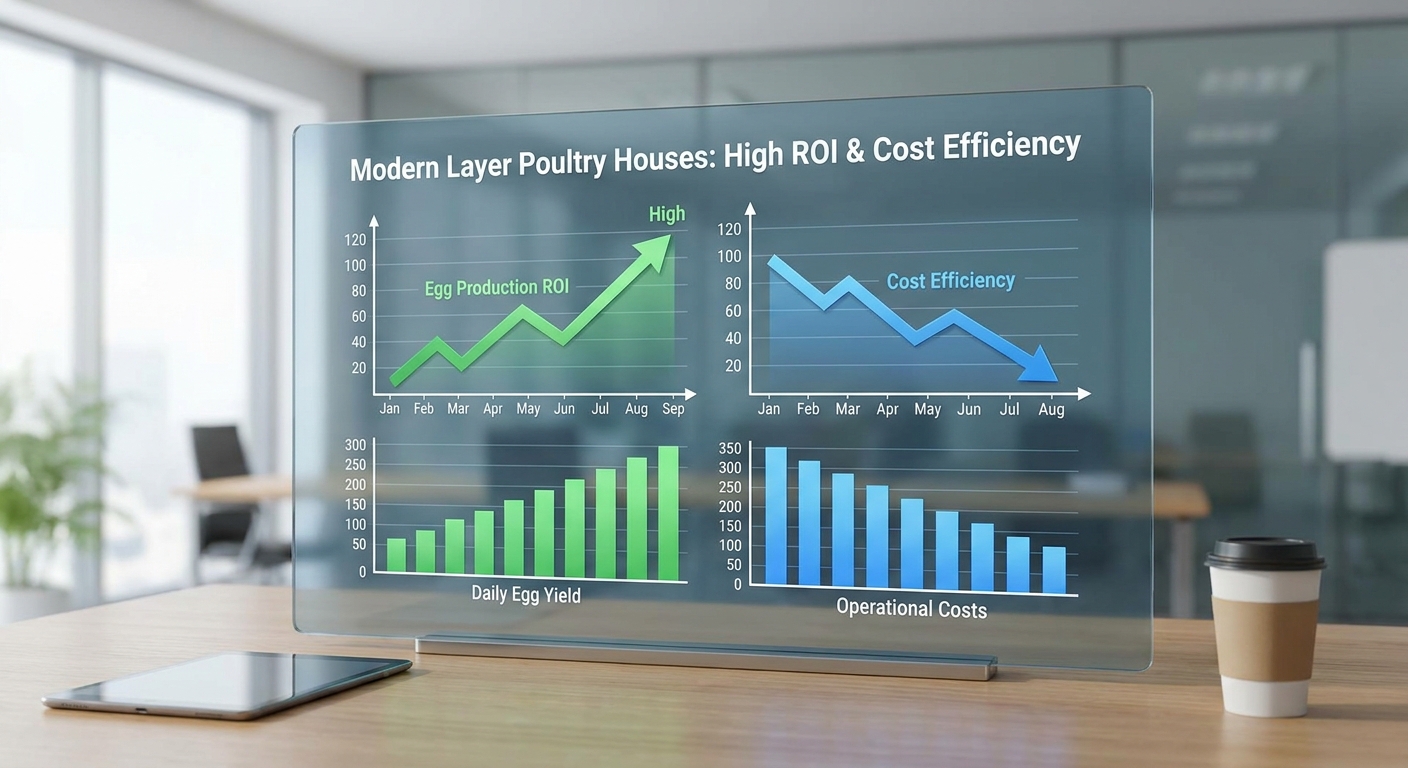
Maintaining high-quality poultry houses requires a rigorous schedule of structural inspections and equipment lubrication. You must treat your facility as a high-performance engine that needs regular tuning to prevent costly breakdowns. By following a strict maintenance protocol for your poultry houses , you protect the ROI that your farm generates every single day.
What is a routine schedule?
A routine schedule includes daily equipment checks, weekly belt cleaning, and monthly structural audits. You should look for signs of wear in conveyor belts and listen for unusual noises in the ventilation fans or auger motors. Catching a small mechanical issue today prevents a total system failure that could endanger your entire flock.
- Daily sensor calibration.
- Weekly fan belt checks.
- Monthly roof inspections.
Think about this: Prevention is always cheaper than an emergency repair.
How to ensure structural integrity?
Structural integrity maintenance involves checking for rust on steel components and ensuring all foundation bolts remain tight. You should also inspect the insulation panels for any gaps or damage caused by rodents, as this directly impacts your energy efficiency. Keeping the exterior of the house clean and well-maintained also deters predators and pests.
- Rust prevention painting.
- Pest entry point sealing.
- Foundation crack monitoring.
It gets even better. A well-maintained building retains its value and performance for decades longer than a neglected one.
Key Takeaway: Consistent maintenance is the only way to ensure that your high-tech poultry house continues to deliver a high return on investment.
| Maintenance Task | Frequency | Risk Level if Ignored | |
|---|---|---|---|
| Fan Belt Inspection | Monthly | High (Heat Stress) | |
| Feed Line Check | Daily | Moderate (Waste) | |
| Structural Audit | Annually | Very High (Collapse) |
Proactive management of your facility’s physical health is the key to sustainable, long-term commercial success.
Conclusion
The future of poultry farming lies in the seamless integration of structural durability and intelligent automation. As global demand for high-quality protein continues to rise, the producers who invest in modern, bio-secure, and efficient housing will lead the industry into the next decade. We are committed to providing the engineering expertise and high-performance materials needed to make your farming vision a reality. For a customized blueprint and expert consultation on your next project, contact us today .
| sales@showhoo.com.cn | |
| Phone/WhatsApp | +86 186 7895 5927 |
Frequently Asked Questions
Can I build poultry houses on a budget?Yes, but you should prioritize the structure and foundation over luxury add-ons. Choosing an A-type cage system and natural ventilation can significantly lower initial costs while still providing a professional environment for your birds.
What’s the best floor for poultry houses?Concrete is the superior choice for any commercial operation. It is the only floor type that allows for total disinfection between flocks and prevents rodents from entering the building from below.
Can I automate existing poultry houses?Yes, most steel-structure houses can be retrofitted with automated feeding, watering, and ventilation systems. This is a cost-effective way to improve the efficiency of an older facility without building a new one from scratch.
What’s the best size for layer poultry houses?A width of 12 to 15 meters is ideal because it allows for optimal air velocity in tunnel ventilation systems. The length should be determined by your bird count, typically ranging from 70 to 120 meters.
How long do steel poultry houses last?With proper hot-dip galvanization and routine maintenance, a steel-structure poultry house can last 25 to 30 years. This makes it a much more sustainable investment than wood or bamboo structures.