
Building a layer chicken house requires a strategic blend of structural engineering, climate control, and efficient equipment integration to ensure high egg production. Managing rising material costs and bird health risks can be overwhelming for growing agricultural businesses seeking to expand their operations. Professional low cost poultry farm design solutions provide a turnkey answer to these challenges by optimizing space utilization and building durability.
How to start a low cost poultry farm design project?

Planning your poultry project begins with a detailed assessment of flock density and cage layout requirements. Integrating a low cost poultry farm design from the blueprint stage ensures that you do not waste resources on oversized structures. You must calculate the exact footprint needed for feeding alleys, egg collection belts, and manure management systems.
Calculating Flock Density and Space
Determining the number of birds per square meter is the first step in engineering a high-efficiency house. Here is the deal: if you over-densify the space, your mortality rates will climb and egg quality will drop significantly. Think about it:
- Standard H-type cages require specific vertical clearance.
- Aisle widths must accommodate manual or automated collection carts.
- Ventilation math depends entirely on the total biomass of the birds.
Key Takeaway: Precise planning of bird density prevents structural waste and optimizes your initial capital expenditure.
| Planning Factor | Standard Requirement | Impact on Design | |
|---|---|---|---|
| Bird Density | 12-15 birds/m² (Layer) | Determines total building length | |
| Aisle Width | 1.0 – 1.2 meters | Affects collection efficiency | |
| Vertical Height | 3.5 – 4.5 meters | Dictates ventilation volume |
The following breakdown illustrates how initial spatial planning dictates the long-term operational costs of the farm.
Where should you locate a low cost poultry farm design?
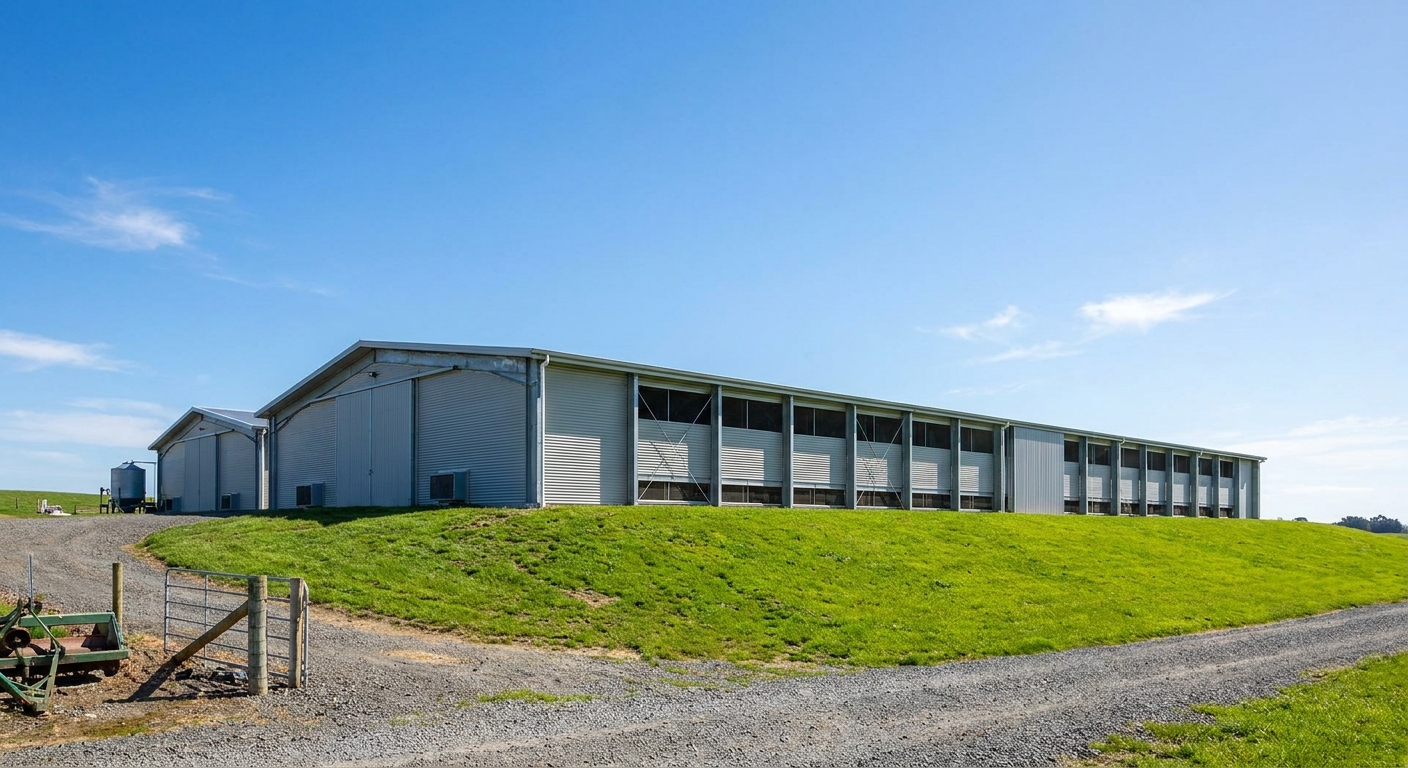
Selecting the ideal site for your chicken house involves evaluating terrain drainage and orientation for natural wind flow. A low cost poultry farm design thrives when the environment assists in climate regulation rather than fighting against it. You should prioritize slightly elevated land to prevent flooding during heavy rains.
Terrain and Drainage Factors
Look at it this way: a building standing in water is a breeding ground for disease and structural rot. You must ensure the ground is leveled and compacted to support the weight of a steel structure and thousands of birds.
- Orient the long axis east-to-west to minimize direct sun exposure on walls.
- Ensure the site has easy access to clean water and reliable electricity.
- Maintain a safe distance from other farms to enhance biosecurity protocols.
Key Takeaway: Proper site selection reduces the need for expensive mechanical site correction and enhances natural disease resistance.
| Site Element | Ideal Condition | Benefit | |
|---|---|---|---|
| Soil Type | Well-drained sandy loam | Prevents foundation shifting | |
| Orientation | East-West Axis | Reduces cooling energy costs | |
| Accessibility | Proximity to main roads | Lowers transport and logistics fees |
This comparison highlights how geographical positioning can significantly offset the cost of mechanical climate control.
Why choose steel for a low cost poultry farm design?
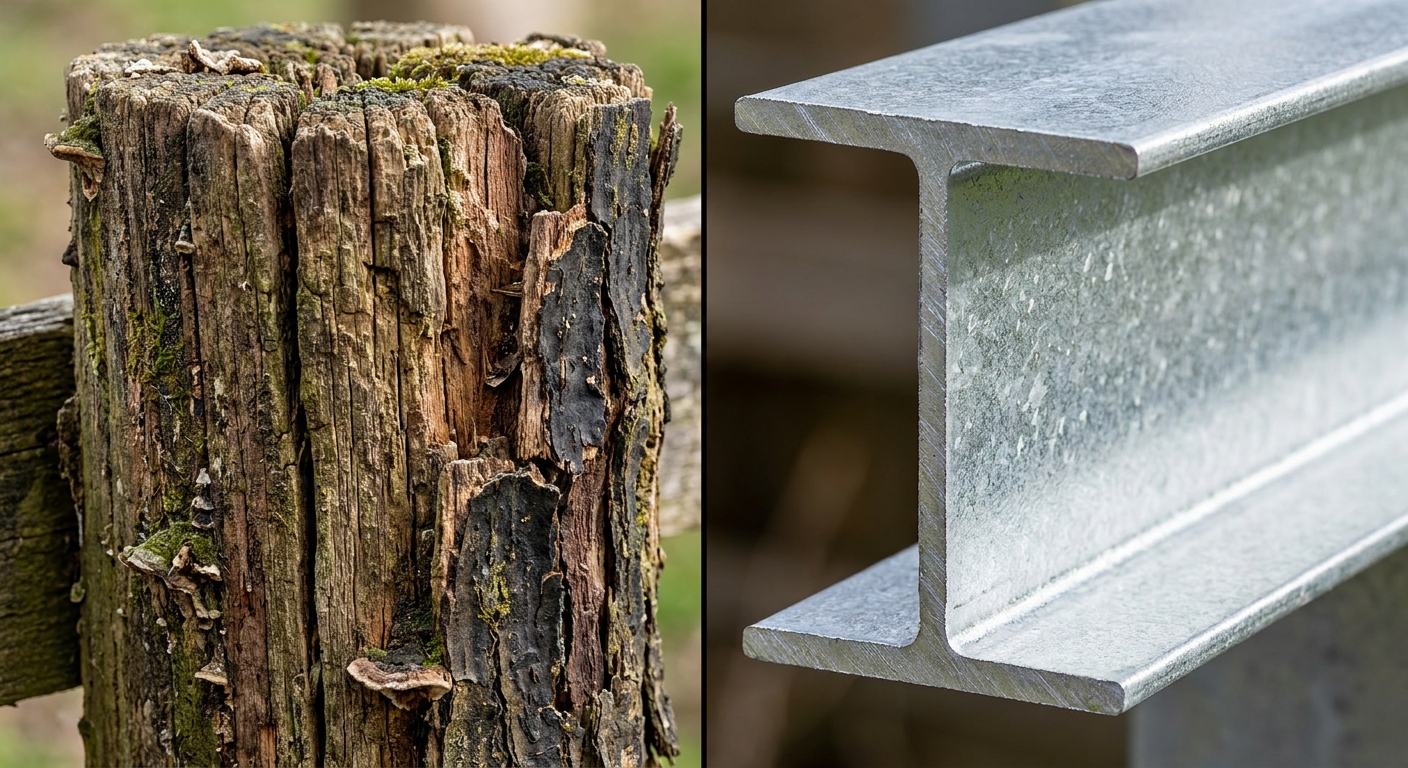
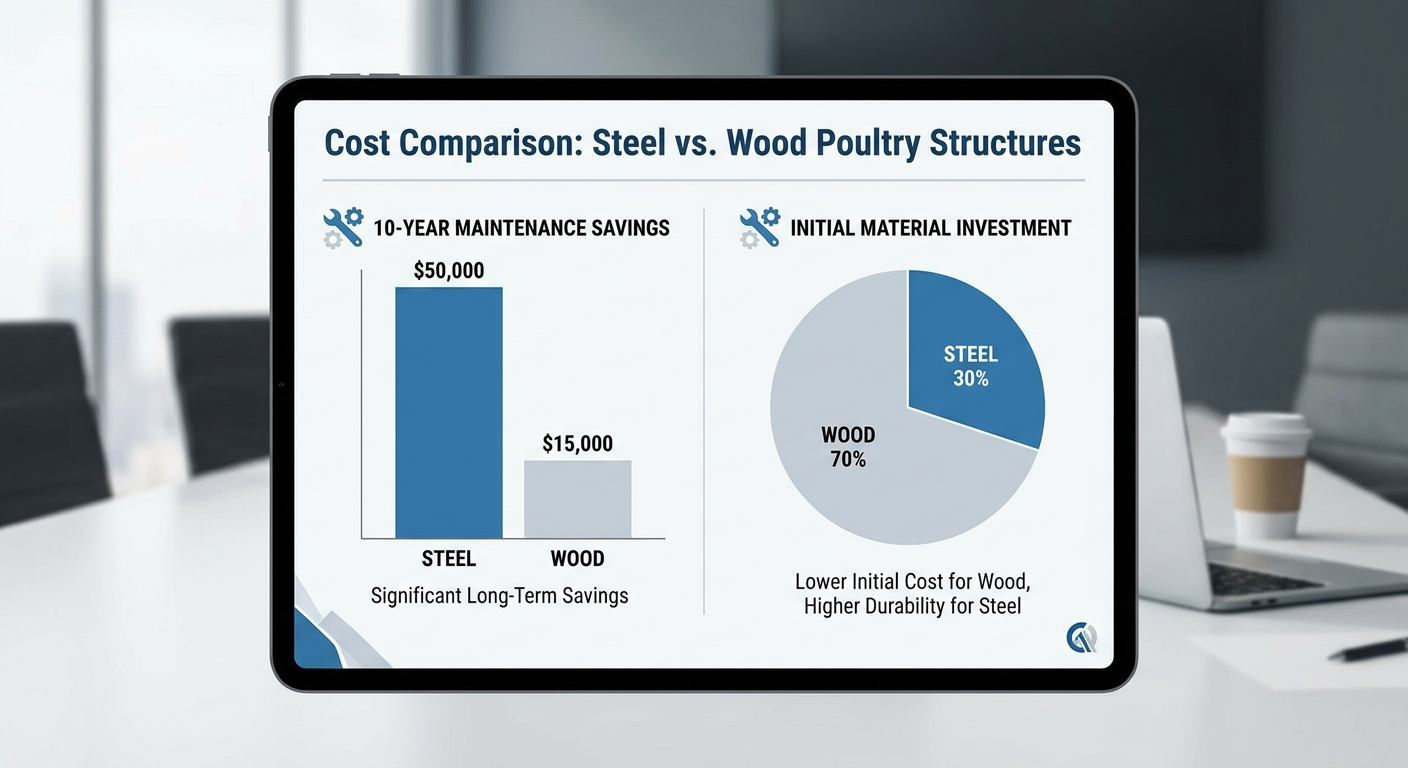
Opting for a steel frame is the most durable path for your layer operation compared to traditional wood or bamboo. A low cost poultry farm design utilizing galvanized steel resists the high humidity and ammonia levels common in chicken houses. Wood tends to rot and harbor mites, which can devastate your flock’s health over time.
Comparing Long-term Maintenance
The truth is: steel is an investment in your farm’s future because it requires almost zero maintenance for decades. While wood might seem cheaper upfront, the cost of repairs and pest control will eventually exceed the price of a steel building.
- Galvanized coatings protect against corrosive manure gases.
- Steel is fire-resistant and cannot be eaten by termites.
- Prefabricated components allow for rapid assembly on-site.
Key Takeaway: Steel structures offer a superior return on investment through durability and reduced disease harboring.
| Material Feature | Steel Structure | Wood/Bamboo | |
|---|---|---|---|
| Lifespan | 30+ Years | 5-10 Years | |
| Pest Resistance | High (No termites) | Low (Harbors mites/lice) | |
| Fire Safety | Non-combustible | High Risk |
The data provided confirms that steel is the logically sound choice for any commercial-scale poultry venture.
What are the main parts of a low cost poultry farm design?
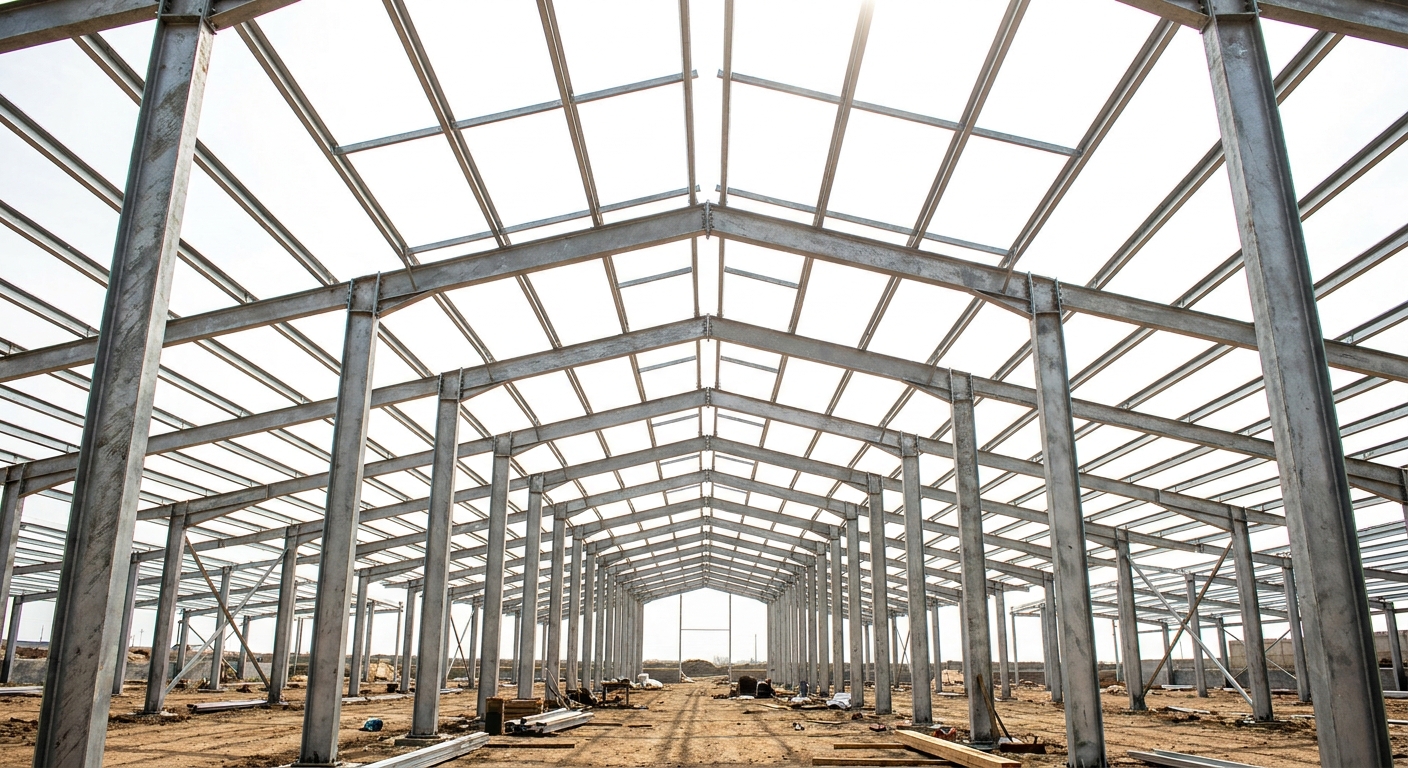
A robust chicken house structure consists of several critical engineering components that work together to provide shelter. Your low cost poultry farm design must include high-tensile H-section columns and C/Z section purlins for the roof. These elements ensure the building can withstand heavy wind and snow loads in your local region.
Structural Integrity Basics
Think about it: the skeleton of your building is what keeps your investment safe from extreme weather. You need to ensure every bolt and bracing is placed according to professional engineering standards.
- Primary Frame: H-section steel columns and roof beams.
- Secondary Frame: Wall purlins and roof purlins for panel support.
- Cladding: Insulated sandwich panels or single-color sheets.
Key Takeaway: Understanding the role of each structural member ensures you don’t overspend on unnecessary materials.
| Component | Function | Material Specification | |
|---|---|---|---|
| Main Column | Load-bearing support | Q235/Q345 Steel | |
| Roof Purlin | Supports roof panels | Galvanized Z-section | |
| Tie Rod | Prevents frame swaying | Circular steel pipe |
These specifications ensure that the building remains stable and safe for the birds throughout its lifecycle.
How to vent a low cost poultry farm design house?
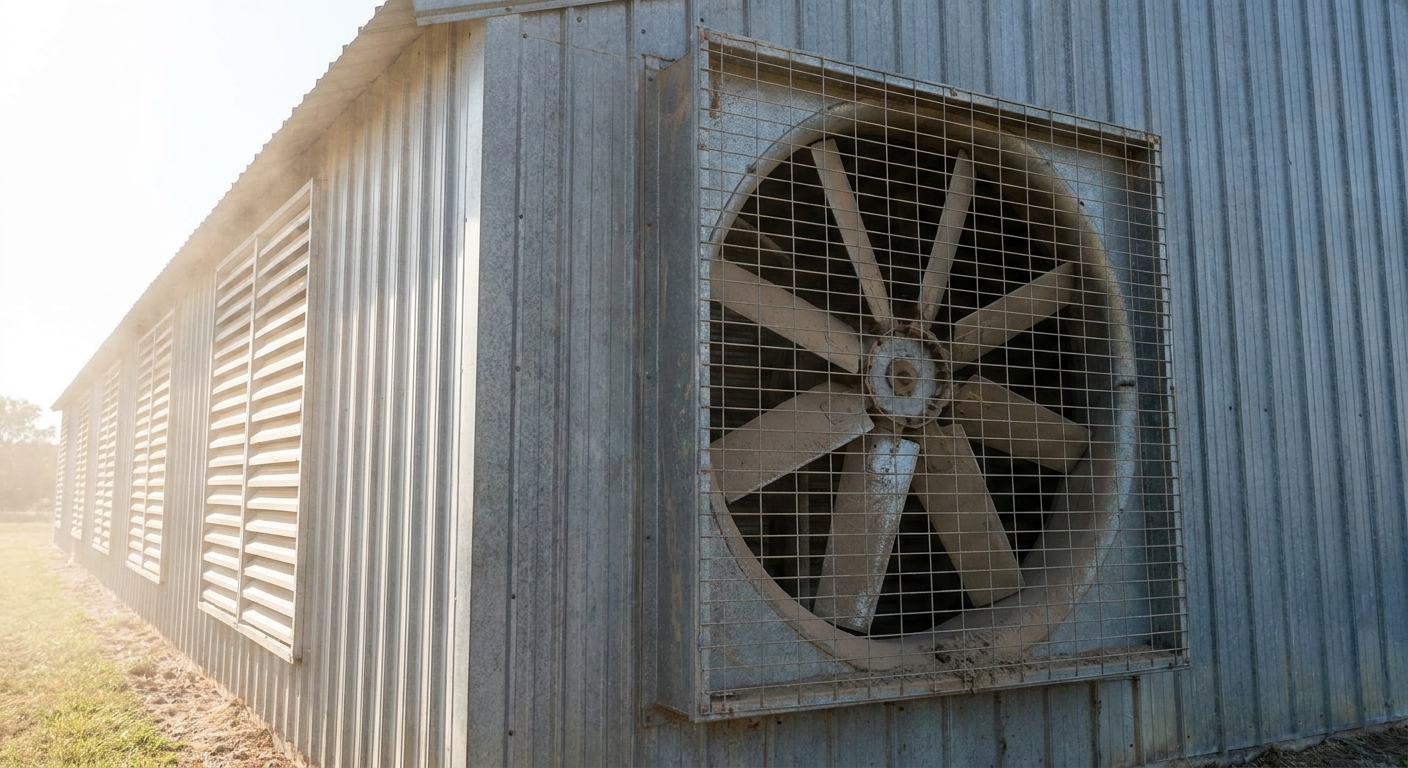
Effective ventilation is paramount for maintaining air quality inside the facility and preventing ammonia buildup. A low cost poultry farm design often utilizes tunnel ventilation systems paired with cooling pads. You must ensure that fresh air reaches every bird, even those in the center of the house.
Tunnel Ventilation Strategy
Here is the deal: if the air stays stagnant, heat stress will stop your hens from laying eggs almost immediately. You need high-capacity exhaust fans at one end and air inlets at the other to create a constant breeze.
- Install cooling pads to lower temperatures by up to 10 degrees.
- Use side windows for natural ventilation during mild seasons.
- Monitor air speed to ensure it is effective but not stressful for the birds.
Key Takeaway: Automated ventilation systems are non-negotiable for commercial egg production in hot climates.
| Equipment Type | Quantity Guide | Purpose | |
|---|---|---|---|
| Exhaust Fans | 1 fan per 250m² | Removes stale air/heat | |
| Cooling Pads | 15m² per fan | Lowers intake air temp | |
| Air Inlets | Every 3-5 meters | Balances air pressure |
This equipment configuration is essential for maintaining the optimal biological environment for high-output layers.
What floor is best for a low cost poultry farm design?
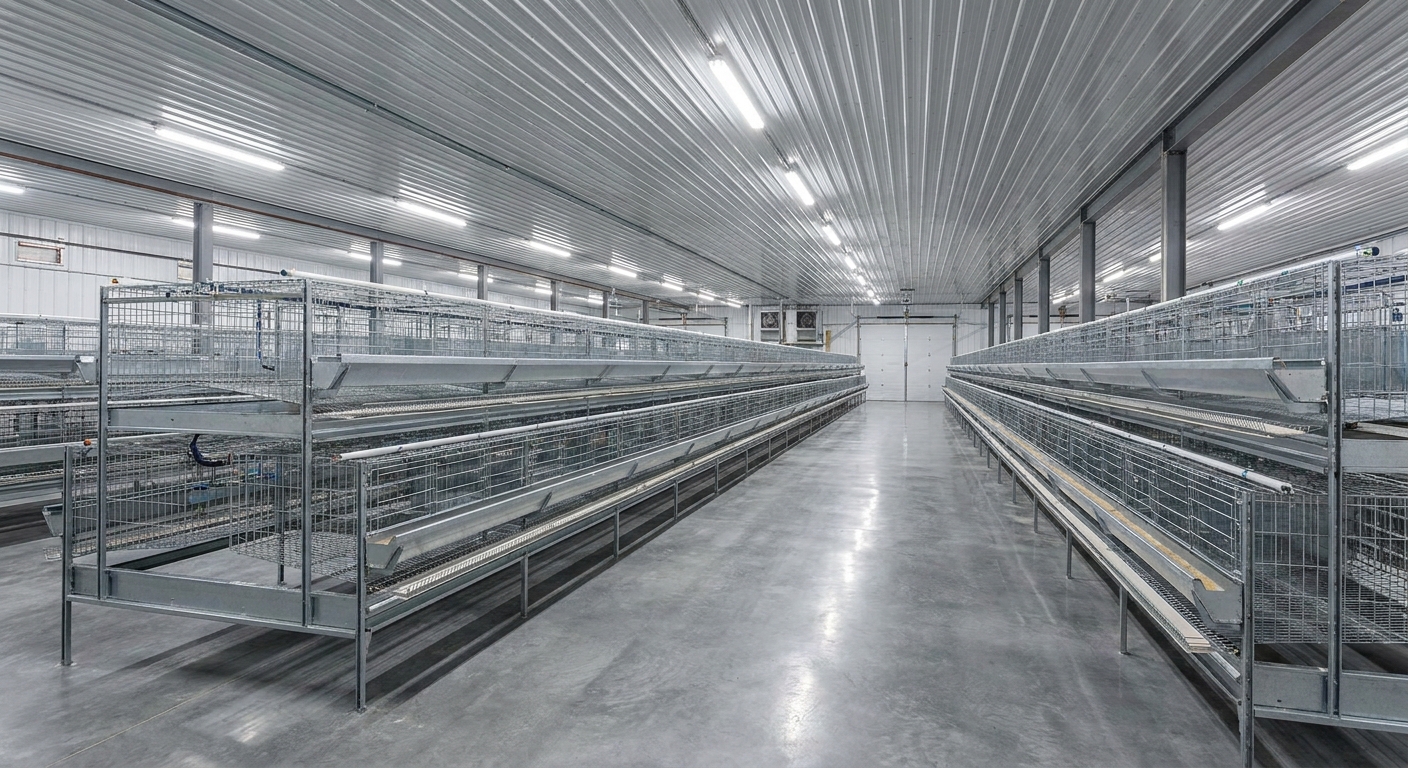
The foundation of a high-yielding layer house should be a reinforced concrete slab for maximum biosecurity. Your low cost poultry farm design needs a floor that is easy to wash and disinfect between flock cycles. Dirt floors harbor pathogens and make manure removal a labor-intensive nightmare.
Reinforced Concrete Foundations
Look at it this way: the floor is where your equipment sits and where your staff walks every single day. A solid concrete base prevents the building from settling and keeps rodents from burrowing into the house.
- Include a vapor barrier to prevent moisture from rising through the slab.
- Design a slight slope towards drainage channels for easy cleaning.
- Use high-strength concrete to support the weight of multi-tier cages.
Key Takeaway: A professional concrete foundation is the bedrock of a successful and hygienic poultry operation.
| Foundation Layer | Thickness | Material | |
|---|---|---|---|
| Hardcore Base | 150 – 200mm | Compacted gravel | |
| Concrete Slab | 100 – 150mm | C25 Reinforced concrete | |
| Surface Finish | Smooth troweled | Easy-clean epoxy/concrete |
This structural breakdown ensures that your facility remains clean and durable under heavy operational use.
How to save money on a low cost poultry farm design?
Achieving budget efficiency involves optimizing material procurement and choosing structural engineering that minimizes waste. A low cost poultry farm design is best achieved through factory-direct sourcing of all steel components. You save money by eliminating middlemen and utilizing pre-engineered designs that reduce on-site labor.
Factory-Direct Sourcing Benefits
The bottom line is: buying directly from the manufacturer allows you to customize the building to your exact needs without extra fees. You get the benefit of professional engineering at a fraction of the cost of a local custom build.
- Standardized building widths (12m, 15m, 18m) reduce steel waste.
- Pre-drilled holes and marked parts speed up assembly.
- Bundled shipping reduces logistics costs per square meter.
Key Takeaway: Efficiency in design and procurement is the most effective way to lower your poultry farm’s startup costs.
| Cost Saving Area | Strategy | Estimated Savings | |
|---|---|---|---|
| Material | Factory-direct steel | 15-25% | |
| Labor | Pre-engineered assembly | 30-40% | |
| Maintenance | Galvanized protection | 50% over 10 years |
This financial analysis proves that smart engineering choices lead to significant capital savings for the farmer.
How to secure a low cost poultry farm design from pests?
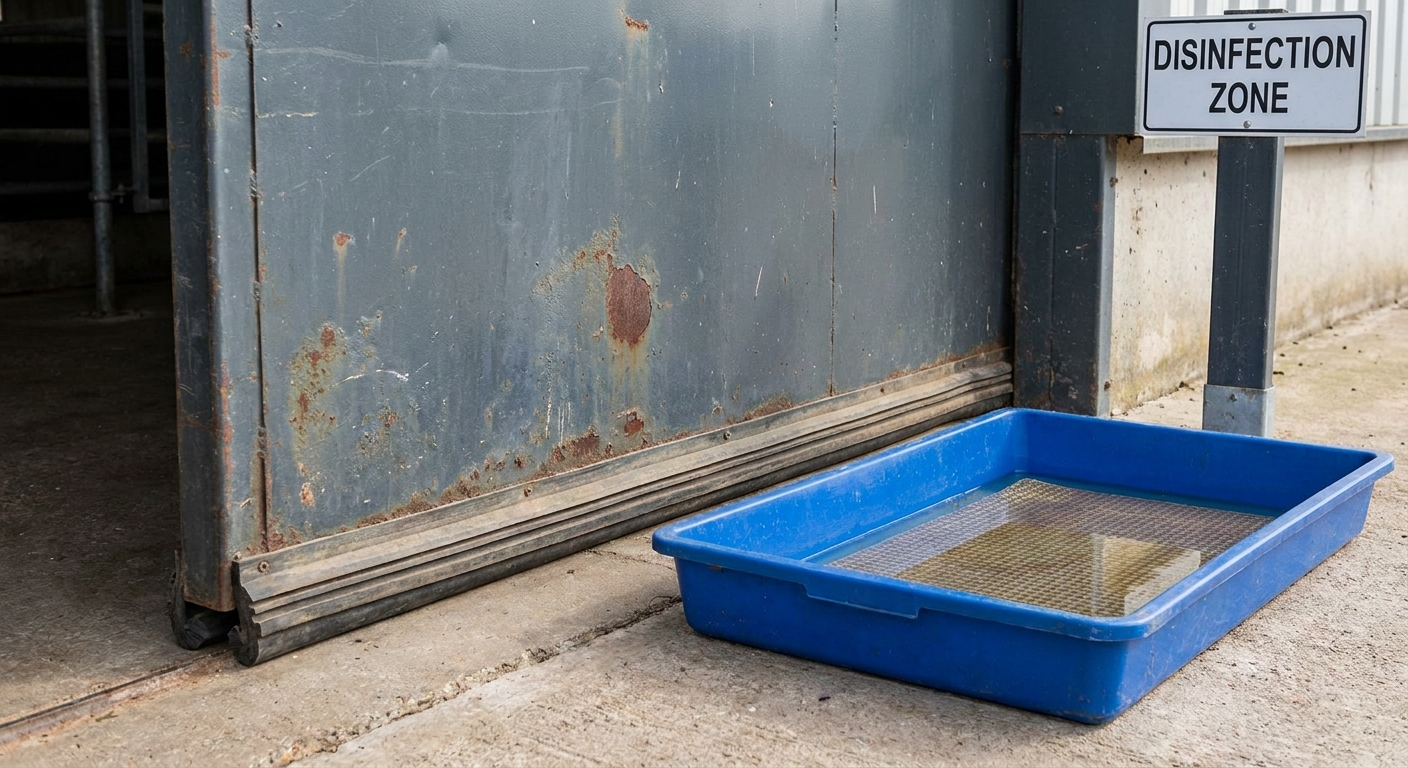
Protecting your birds from predators and biosecurity threats requires a sealed construction with secure entry points. Your low cost poultry farm design must feature tight-fitting doors and wire mesh over all ventilation openings. Rodents and wild birds are the primary vectors for diseases like Avian Influenza.
Sealing Against Rodents
Think about it: a single gap the size of a coin is enough for a rat to enter and steal eggs or spread disease. You must ensure the building is a fortress that only authorized personnel can enter.
- Install metal kick-plates on the bottom of all wooden or composite doors.
- Use fine-gauge mesh on all air inlets and windows.
- Implement a disinfection zone with a footbath at every entrance.
Key Takeaway: Biosecurity is a design feature, not just a management practice; it must be built into the structure.
| Security Feature | Protection Target | Requirement | |
|---|---|---|---|
| Wire Mesh | Wild birds/bats | 1/2 inch galvanized mesh | |
| Steel Doors | Foxes/Stray dogs | Lockable industrial grade | |
| Concrete Apron | Burrowing rodents | 500mm width around building |
Implementing these features creates a secure environment that protects your flock and your profits.
Is automation part of a low cost poultry farm design?
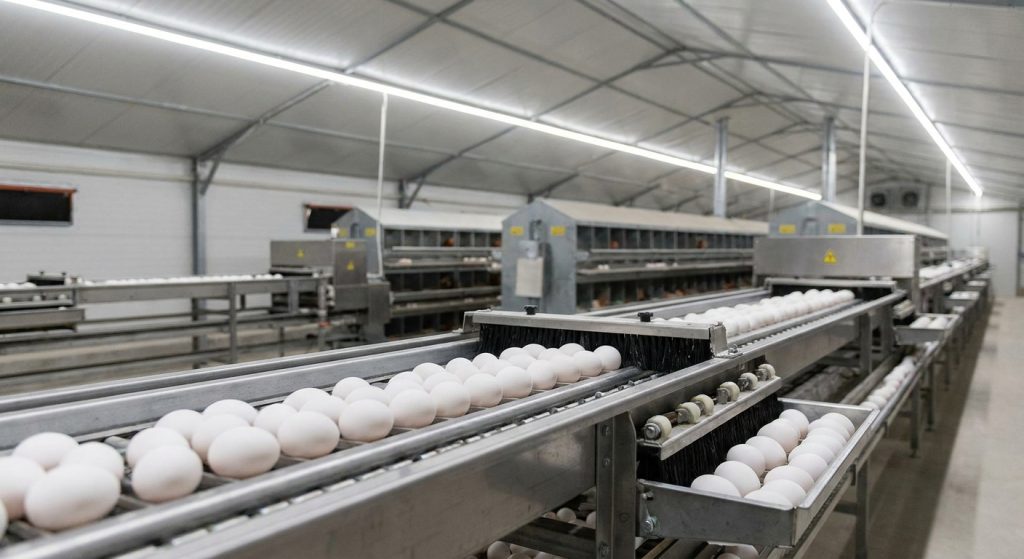
Modern poultry management relies heavily on integrated automated systems for feeding, watering, and egg collection. A low cost poultry farm design should be designed to accommodate these systems from day one to reduce long-term labor costs. While the initial investment is higher, the reduction in egg breakage and feed waste is immense.
The Rise of Smart Farming
It gets better: automation allows a single worker to manage tens of thousands of birds effectively. This efficiency is what separates profitable commercial farms from struggling backyard operations.
- Automated feeding lines ensure every bird gets the right nutrition.
- Nipple drinkers provide clean water while keeping the floor dry.
- Egg conveyor belts bring products directly to the packing room.
Key Takeaway: Designing for automation today prevents expensive retrofitting costs as your business scales.
| System Type | Impact on Labor | ROI Period | |
|---|---|---|---|
| Automatic Feeding | 60% Reduction | 18 – 24 Months | |
| Egg Collection | 80% Reduction | 12 – 18 Months | |
| Manure Removal | 90% Reduction | 12 Months |
Automating these core processes is the most reliable way to ensure consistent product quality and farm profitability.
How to install a low cost poultry farm design shed?
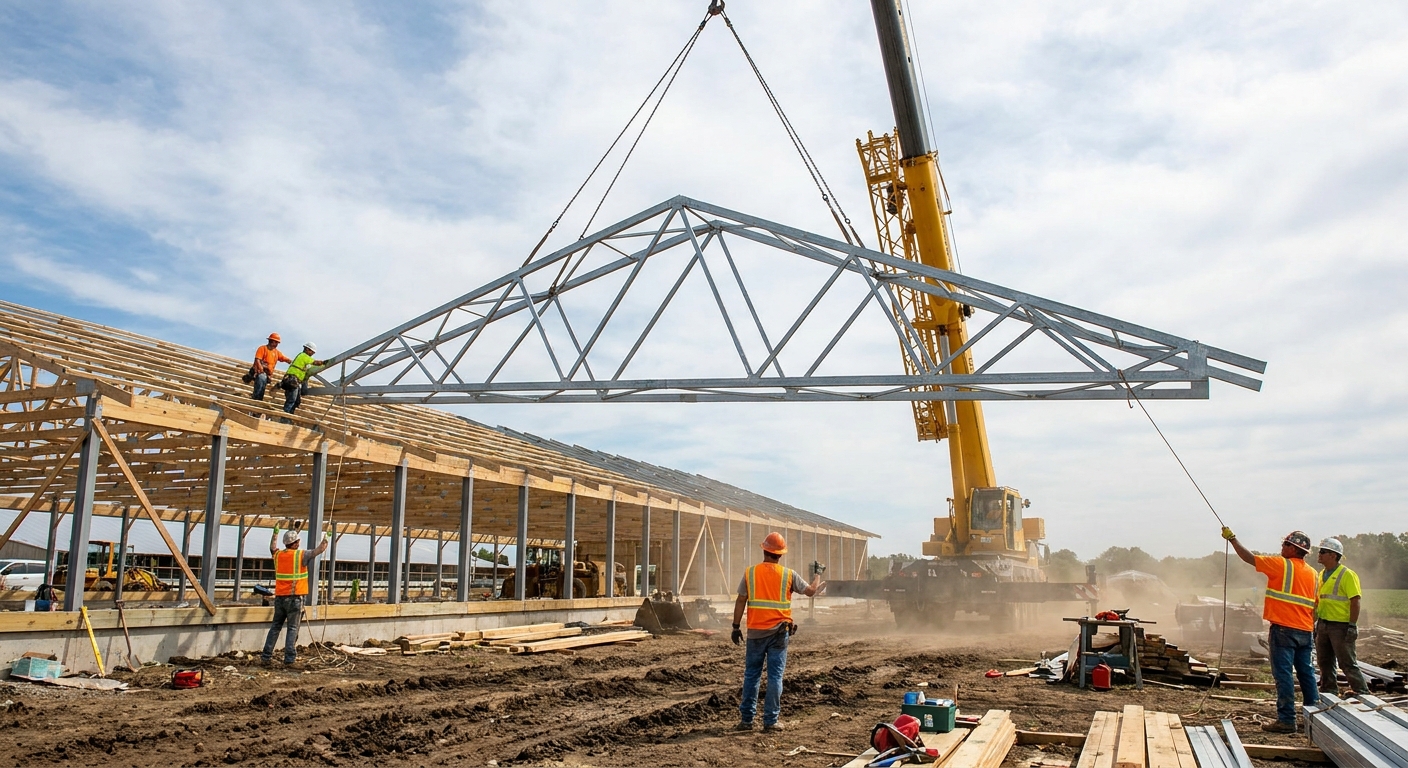
The final construction phase involves the precise assembly of pre-engineered steel components using professional equipment. Your low cost poultry farm design will arrive as a complete kit that needs to be erected on your prepared foundation. It is highly recommended to use a crane for lifting heavy roof trusses to ensure safety and speed.
Professional Erection Steps
Look at it this way: the speed of installation directly affects how soon your birds can start producing eggs. A well-organized construction crew can finish a standard 100-meter house in just a few weeks.
- Fix the anchor bolts precisely into the concrete foundation.
- Erect the main columns and connect the roof trusses.
- Install the wall and roof purlins before cladding the structure.
Key Takeaway: Hiring professional supervisors for the installation ensures the building meets all structural safety codes.
| Installation Phase | Duration (Approx) | Equipment Needed | |
|---|---|---|---|
| Foundation | 7 – 10 Days | Mixer / Leveler | |
| Steel Frame | 5 – 7 Days | Crane / Scaffolding | |
| Cladding/Doors | 4 – 6 Days | Power drills / Sealants |
Following these structured steps ensures your poultry building is erected correctly and stands the test of time.
Build Your Future with Showhoo Building
Creating a high-performance layer house is a complex engineering task that requires specialist knowledge. By choosing a partner that provides integrated design and manufacturing, you ensure your project is completed on time and within budget. We believe in empowering farmers with structures that combine international standards with practical, cost-effective solutions. For expert guidance on your next project, contact us today to receive a customized building solution.
| sales@showhoo.com.cn | |
| Phone/WhatsApp | +86 186 7895 5927 |
FAQ
Can I build a layer house using local wood?
Yes. However, wood is prone to rot, termites, and harbors parasites, leading to higher long-term costs compared to steel.
What is the best width for a commercial chicken house?
Absolutely 12 to 15 meters. This width allows for optimal ventilation air-speed and efficient multi-row cage placement.
Is concrete necessary for the floor?
Yes. A concrete slab is the only way to ensure proper biosecurity, prevent rodent entry, and allow for thorough disinfection.
How many fans do I need for my house?
Certainly, this depends on your flock size, but a standard rule is one large exhaust fan for every 250 square meters of floor space.
Can a steel house be moved?
Yes. Because steel structures are bolted together, they can be disassembled and relocated if your farm needs to change sites.