
Building a steel structure warehouse requires a comprehensive approach to site preparation, specialized engineering for clear-span requirements, and the use of high-strength prefabricated components to ensure long-term durability. You may be struggling with rising material costs or the threat of fire and pests that plague traditional wood buildings. These issues can lead to significant operational delays and financial loss if not addressed with a robust structural solution. Utilizing a steel warehouse structure provides a rapid, cost-effective, and secure way to protect your inventory and scale your business.
Why choose a steel warehouse structure for your project?
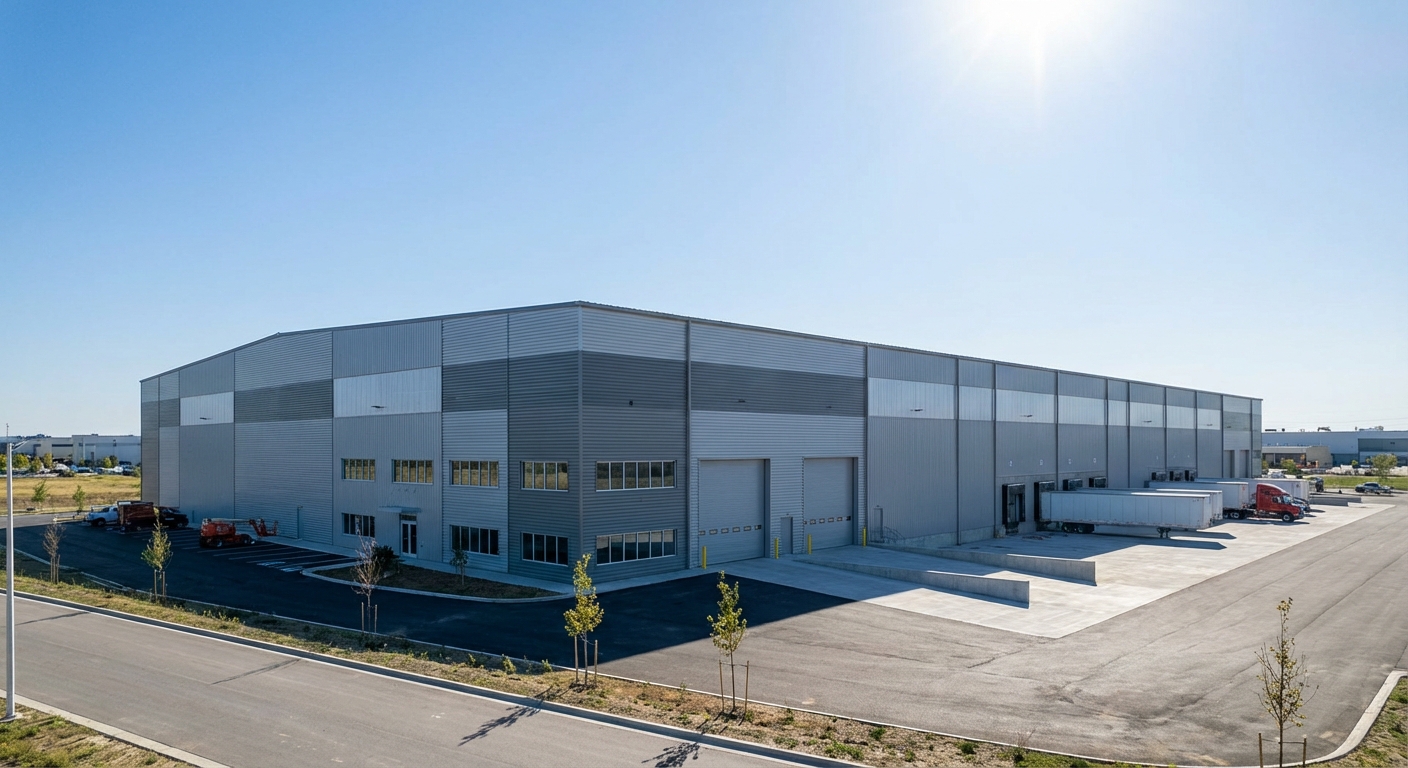
Choosing a steel warehouse structure provides your project with unmatched durability, non-combustible safety, and a significantly faster construction timeline compared to traditional wood or masonry. This material is resilient against environmental threats such as termites, rot, and seismic activity. By opting for steel, you ensure a high-capacity storage environment that remains stable for decades.
Is steel more durable than traditional materials?
Steel is a non-combustible material that offers superior resistance to extreme weather and natural disasters. Unlike wood, it does not warp, rot, or settle over time, ensuring your facility remains airtight and secure.
Here is the deal:
- Steel is resistant to termites and pests.
- It maintains structural integrity in earthquake-prone zones.
- The material does not contribute fuel to warehouse fires.
How does prefabricated steel speed up construction?
Components are cut, welded, and drilled in a factory setting before being delivered to your site for immediate assembly. This streamlined process can reduce your total build time by up to 33%, allowing you to begin storage operations much sooner.
But wait, there is more:
- Prefabrication eliminates most on-site cutting and welding.
- Sequential delivery ensures parts are ready as soon as the foundation is set.
- Reduced labor hours lead to significant savings on construction costs.
Key Takeaway: Steel structures provide a unique combination of fire resistance and rapid deployment that traditional lumber or masonry cannot match.
| Feature | Steel Structure | Traditional Wood | |
|---|---|---|---|
| Construction Speed | High (Prefabricated) | Moderate to Slow | |
| Fire Resistance | Non-combustible | High Risk | |
| Durability | No settling or warping | Prone to rot and pests | |
| Sustainability | 100% Recyclable | Limited |
The following data compares the core performance metrics of steel against conventional building methods to highlight long-term value.
What are the benefits of a steel warehouse structure?
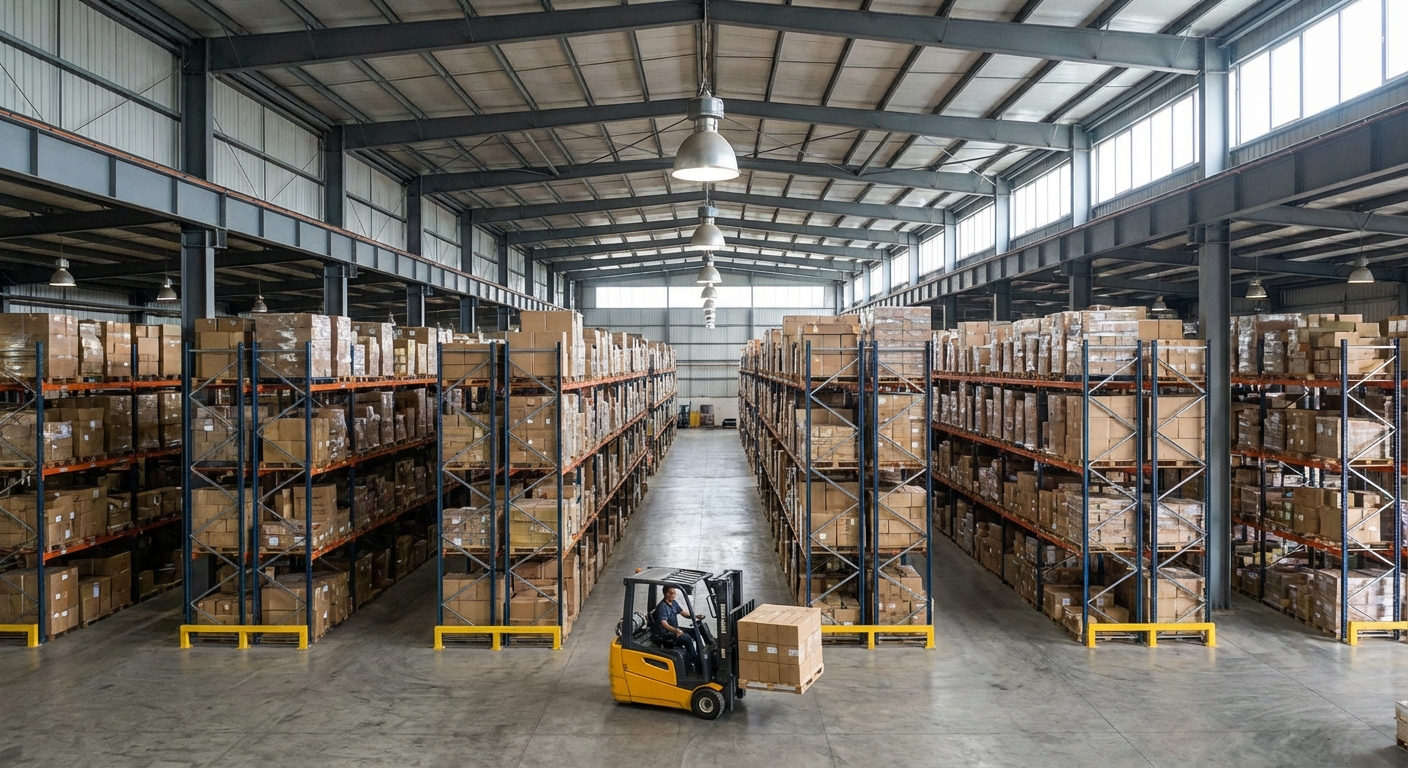
The primary benefits of a steel warehouse structure include massive clear-span interior spaces, lower insurance premiums due to fire resistance, and minimal long-term maintenance requirements. These buildings are engineered to optimize every square foot of your floor plan. You can store more inventory without the interference of bulky interior support columns.
Can you achieve 150 feet of clear-span space?
Yes, rigid steel framing allows for wide-open interiors that can span up to 150 feet without any load-bearing columns. This flexibility is essential for high-density SKU storage and the unhindered movement of forklifts.
The best part?
- Maximum floor space for racking and machinery.
- Easier reconfiguration of internal layouts as your business grows.
- Improved safety for vehicle operators within the facility.
Is steel a fire-resistant choice for storage?
Steel does not burn, which significantly lowers the risk of total inventory loss in the event of an accident. Many insurance companies offer lower premiums for steel structures because of this inherent safety feature.
Think about it:
- Lower annual insurance overhead for your business.
- Enhanced protection for high-value equipment and stock.
- Compliance with the strictest local fire safety codes.
Key Takeaway: Maximizing floor space through clear-span design is the most effective way to optimize warehouse logistics and storage capacity.
| Benefit | Impact on Operations | |
|---|---|---|
| Clear-span Design | Flexible layout and maximum storage volume. | |
| Low Maintenance | Reduced long-term costs for repairs and upkeep. | |
| Non-combustible | Enhanced safety and potentially lower insurance. |
This table outlines how specific structural benefits translate into tangible operational advantages for your logistics facility.
How do you design an efficient steel warehouse structure?
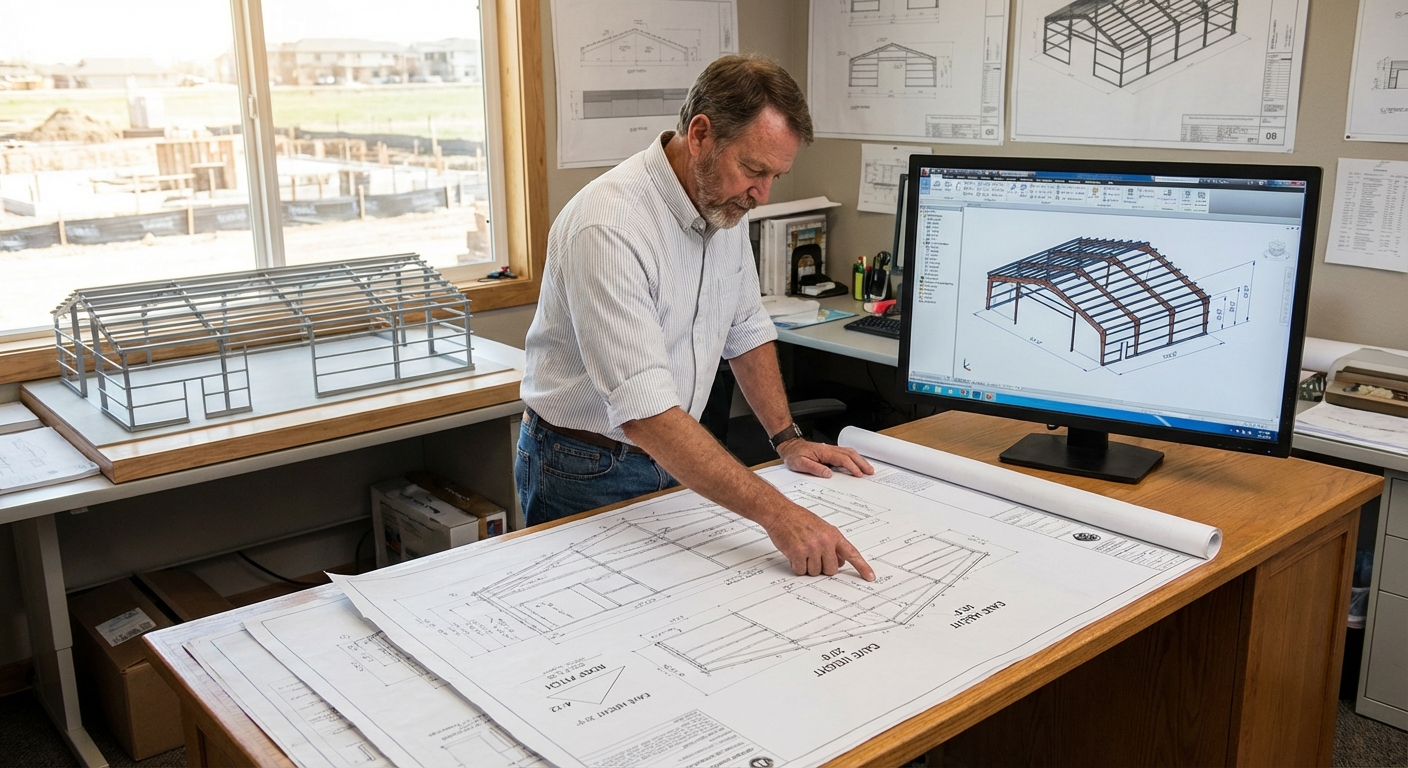
Designing an efficient steel warehouse structure involves calculating the ideal eave height, choosing a functional roof pitch, and planning for specialized equipment clearance. You must consider both your current inventory volume and future growth projections during the initial engineering phase. Proper design ensures that your building remains a high-performing asset for years to come.
Which roof pitch is best for your inventory?
A higher roof pitch provides additional vertical clearance for high-density stacking and improves water or snow runoff. You should choose between a single-slope or peaked roof based on your local climate and drainage requirements.
As it turns out:
- Peaked roofs are ideal for heavy snow regions.
- Single-slope roofs can simplify drainage for smaller additions.
- Roof height directly impacts your total storage volume.
How does interior clearance impact your SKUs?
Standard warehouse heights often reach 40 feet, but custom engineering can extend this to accommodate high-reach cranes. You need to ensure there is a buffer zone between your tallest racks and the building’s ceiling members.
Bottom line:
- Plan clearance for overhead cranes and lighting fixtures.
- Ensure doors are tall enough for your largest transport vehicles.
- Vertical space is often more cost-effective than expanding the footprint.
Key Takeaway: Efficient warehouse design starts with vertical volume; always plan your roof pitch and eave height based on your tallest equipment.
| Design Element | Considerations | |
|---|---|---|
| Eave Height | Determined by racking height and crane clearance. | |
| Roof Type | Single slope or peaked (Double slope). | |
| Column Placement | Minimized or eliminated via rigid frame engineering. |
Strategic design choices regarding height and slope are the foundation of a high-yield storage facility.
Which customizations fit your steel warehouse structure?
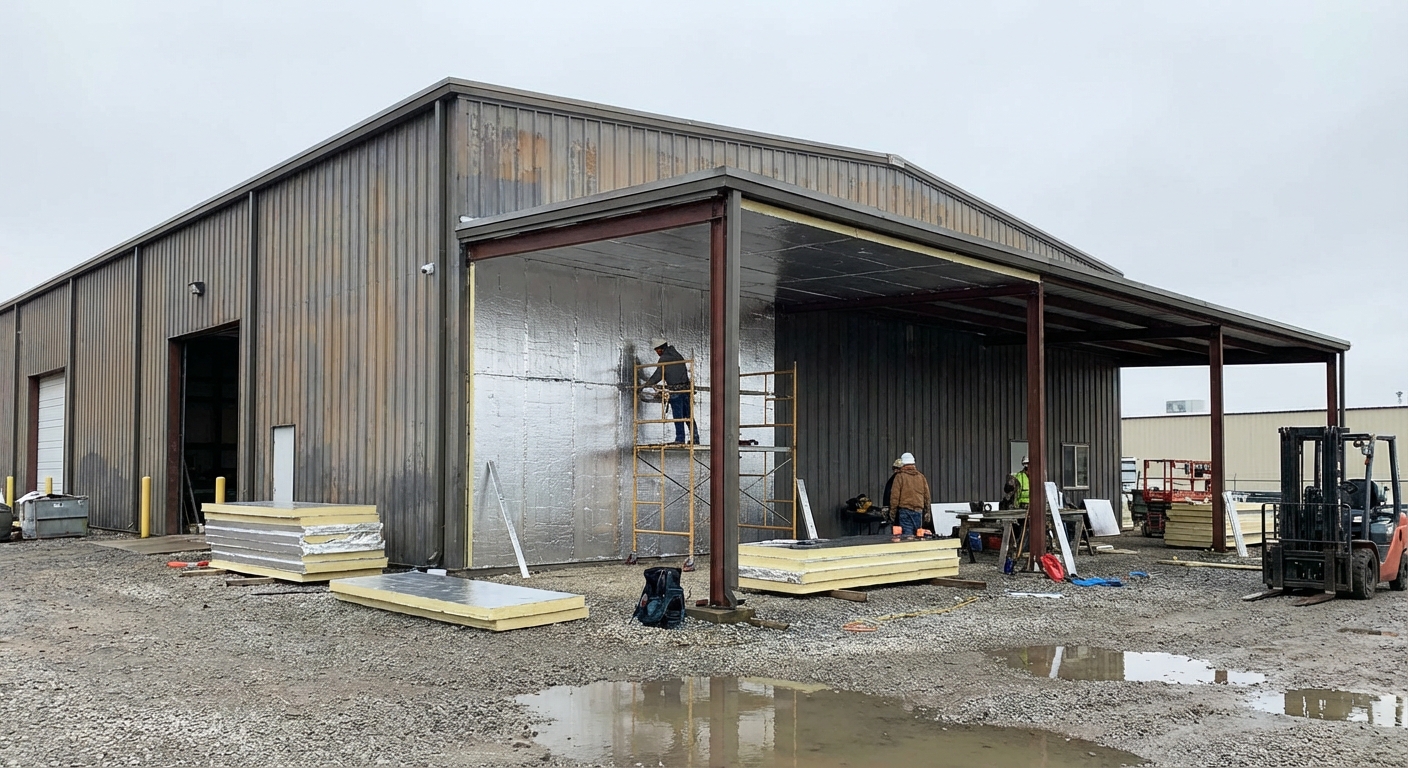
Customizations for a steel warehouse structure range from high-R-value insulation for climate control to lean-to additions for extra loading space. You can tailor every aspect of the building envelope to meet the specific needs of your stored goods. These modifications help control energy costs and protect the structural integrity of your facility.
Do you need specialized insulation for climate control?
For temperature-sensitive inventory, high-quality insulation prevents condensation and reduces the energy needed to heat or cool the interior. Modern envelope solutions provide a tight seal that protects your products from humidity and temperature swings.
Now:
- Fiberglass blankets are cost-effective for general storage.
- Sandwich panels offer superior thermal performance.
- Insulation helps prevent rust on the interior steel frame.
Should you add lean-to structures for extra protection?
Lean-to additions provide a covered exterior area for staging materials or protecting equipment from the rain. These structures are attached to the side wall of your main facility, offering a low-cost way to expand your usable space.
Believe it or not:
- Lean-tos can serve as dedicated loading docks.
- They protect outdoor equipment from sun and moisture damage.
- These additions are easy to install during the initial build or later.
Key Takeaway: Customizations like gutters, downspouts, and insulation are not just add-ons; they are critical components for moisture control and energy efficiency.
| Customization | Purpose | |
|---|---|---|
| Insulation | Energy efficiency and climate control. | |
| Lean-to | Covered loading zones and extra storage. | |
| Gutters/Downspouts | Moisture management and foundation protection. |
The following table summarizes the most common customizations used to enhance the functionality and lifespan of industrial warehouses.
How to calculate steel warehouse structure costs?
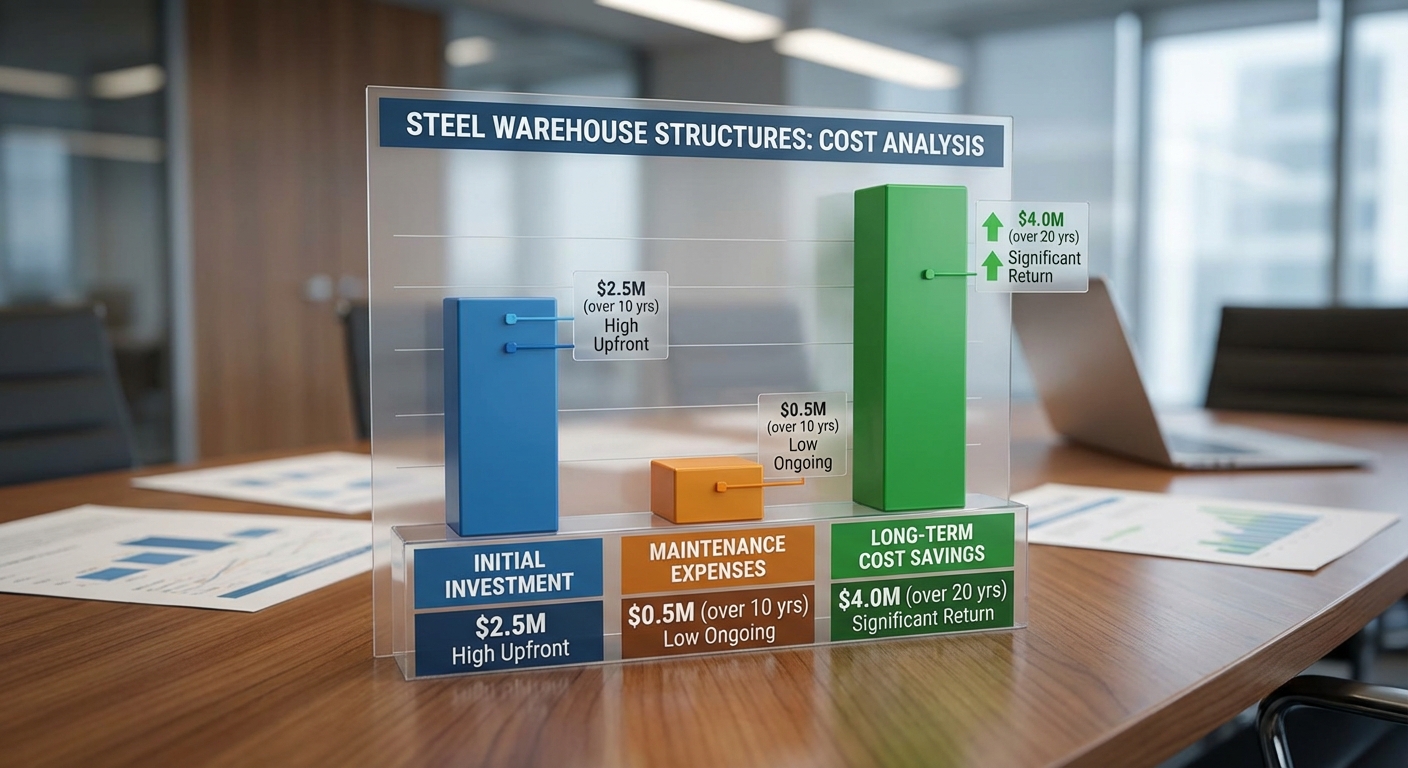
Calculating the total cost of a steel warehouse structure requires looking beyond the initial purchase price to include long-term maintenance and insurance savings. Working directly with a manufacturer eliminates the middleman, ensuring you get factory-direct pricing for all components. You should evaluate the “total cost of ownership” to see the true financial advantage of steel.
Why is factory-direct pricing more cost-effective?
By sourcing your building directly from the manufacturer, you avoid the markups charged by third-party brokers and retailers. This allows your budget to be spent on higher-quality steel grades and more advanced protective coatings.
It gets better:
- Direct communication reduces design errors and rework.
- You receive a complete bill of materials from a single source.
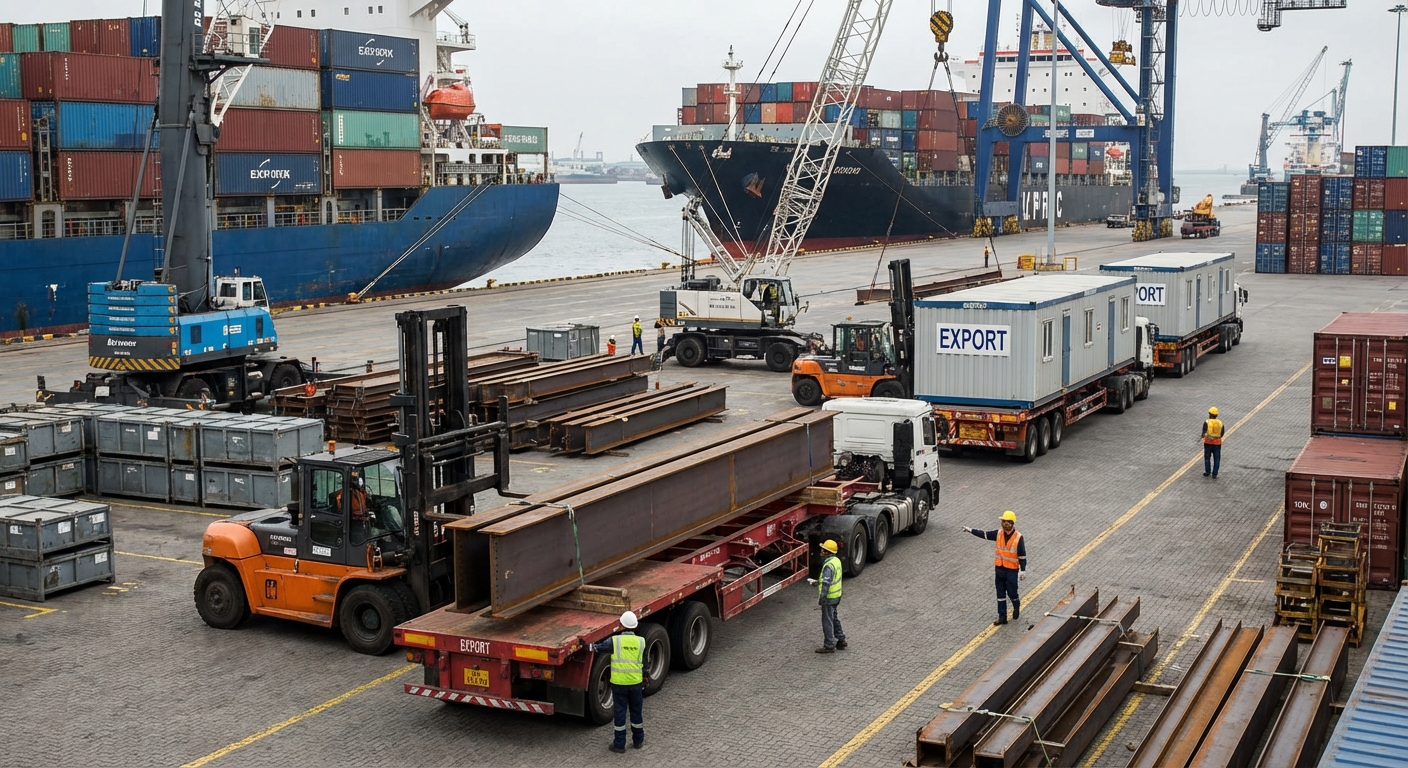
- Shipping logistics are often more streamlined and predictable.
How do you reduce maintenance expenses long-term?
Steel buildings require very little upkeep compared to wood, which needs regular painting and pest treatments. High-quality galvanization and modern paint systems prevent rust, keeping your maintenance budget low for decades.
Simply put:
- Steel does not rot or require expensive chemical treatments.
- Roof panels are designed for long-term weather resistance.
- Lower maintenance needs mean fewer operational disruptions.
Key Takeaway: Look beyond the initial purchase price; steel’s low maintenance and durability offer the best long-term financial value.
| Cost Factor | Steel Structure | Benefit | |
|---|---|---|---|
| Initial Price | Competitive (Factory-Direct) | Budget control. | |
| Maintenance | Very Low | Long-term savings. | |
| Insurance | Lowered Premiums | Reduced operational overhead. |
Understanding these cost drivers allows you to make an informed decision that balances immediate budget needs with future profitability.
What is the steel warehouse structure assembly process?
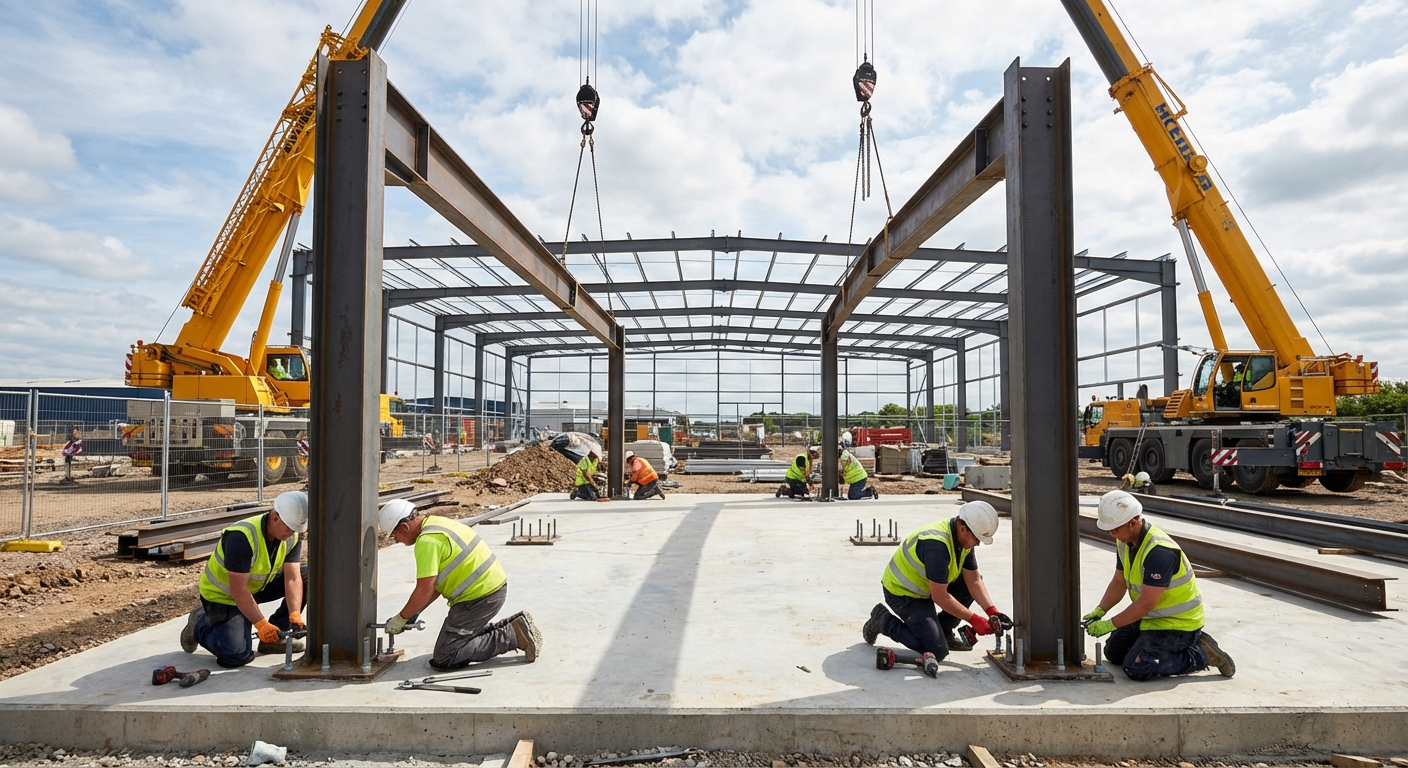
The assembly process of a steel warehouse structure is a highly sequenced operation that begins with precise foundation work and ends with the installation of the building envelope. You will receive detailed erection drawings that mark every component for easy on-site identification. This methodical approach ensures the structural integrity and safety of the completed facility.
How are anchor bolts and foundations prepared?
The foundation must be perfectly level and the anchor bolts placed with extreme precision to match the pre-drilled holes in the steel columns. Any misalignment at this stage can cause significant delays during the main frame erection.
Here is the deal:
- Concrete must be fully cured before heavy steel is placed.
- Accurate bolt placement ensures the columns are plumb.
- Professional surveyors often verify the foundation layout.
What is the role of secondary structural members?
Purlins, girts, and bracings form the secondary structure that supports the wall and roof panels. These components transfer the environmental loads, such as wind and snow, to the main steel frame.
But wait, there is more:
- Bracing provides stability during the erection process.
- Purlins serve as the attachment points for roofing.
- Girts provide the necessary framing for doors and windows.
Key Takeaway: Following a sequenced installation guide prevents field modifications and ensures the structural integrity of the entire system.
| Assembly Step | Key Action | |
|---|---|---|
| Step 01 | Foundation and Anchor Bolt setting. | |
| Step 02 | Main Frame (Columns and Beams) erection. | |
| Step 03 | Secondary Structure (Purlins/Bracing) install. | |
| Step 04 | Cladding (Wall and Roof Panels) application. |
This sequence of operations is designed to maximize site safety while minimizing the time required to close in the building.
How does a steel warehouse structure handle weather?
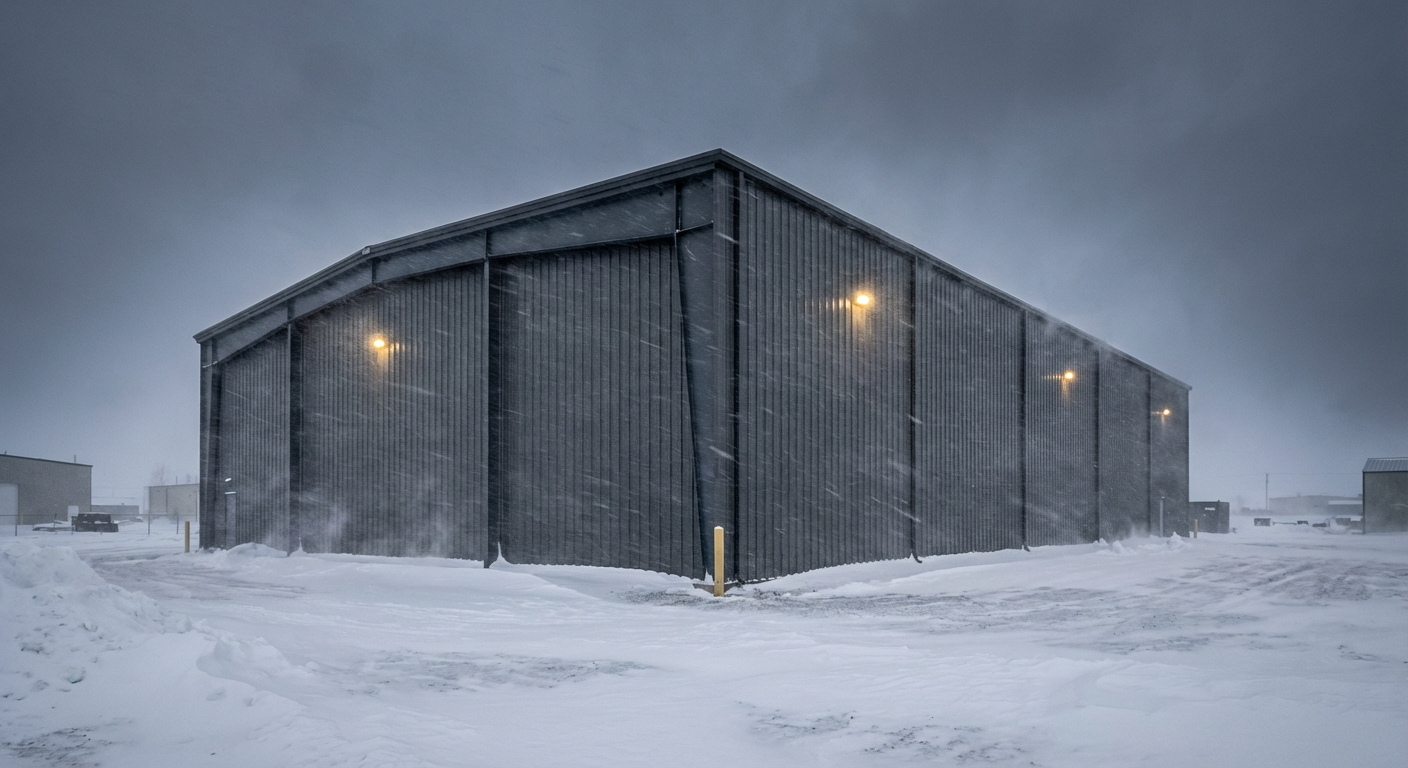
A steel warehouse structure is engineered to meet or exceed local building codes for wind, snow, and seismic loads. You can customize the thickness of the steel and the strength of the fasteners to handle the most extreme climates on earth. This specialized engineering ensures that your inventory remains safe even during severe weather events.
Can your building withstand high wind and snow?
Yes, professional engineering calculates the exact pressure your roof and walls will face based on historical weather data for your specific location. Reinforced purlins and specific roof pitches are used to prevent structural failure under heavy snow loads.
The best part?
- Rigid frame design resists high-speed wind uplift.
- Fasteners are tested for pull-out strength in storm conditions.
- Heavy-duty steel grades provide the necessary tensile strength.
Are there coating options for corrosive environments?
If your facility is located near the ocean or in a high-humidity area, you can opt for hot-dip galvanization or marine-grade paint. These coatings provide a sacrificial layer that prevents oxidation and extends the life of the steel frame.
Think about it:
- Galvanized steel lasts longer in salty coastal air.
- Specialized coatings reduce the frequency of repainting.
- Protection against corrosion preserves your building’s resale value.
Key Takeaway: Engineering your building to local codes is the only way to guarantee safety and compliance in extreme weather conditions.
| Weather Challenge | Steel Solution | |
|---|---|---|
| High Wind | Rigid frame engineering and high-strength fasteners. | |
| Heavy Snow | Reinforced roof purlins and specific roof pitches. | |
| Corrosion | Galvanized steel and specialized coatings. |
The technical solutions listed here demonstrate how modern engineering mitigates environmental risks for industrial structures.
What doors work with a steel warehouse structure?
Selecting the right doors for your steel warehouse structure is critical for maintaining efficient logistics and site security. You can integrate various door types, including vertical rolling doors, sliding doors, and standard personnel exits. These openings are pre-engineered into the framing to ensure the load is properly distributed across the structure.
Are vertical rolling doors better for heavy equipment?
Vertical rolling doors are the industry standard because they save interior space and can be motorized for high-traffic use. They are mounted to jamb extensions that can support heavy industrial weights without compromising the wall’s integrity.
As it turns out:
- Motorized options speed up loading and unloading.
- They provide a high level of security against unauthorized entry.
- Rolling doors are easier to maintain in busy warehouse environments.
How do framed openings support custom access?
Framed openings are structural sub-frames built into the wall to support doors and windows. By engineering these into the initial design, you avoid the need for costly field modifications during the assembly process.
Bottom line:
- Pre-engineered openings ensure a perfect fit for every door.
- They maintain the building’s thermal seal when closed.
- Custom sizes can be designed for oversized machinery.
Key Takeaway: Plan your door sizes based on the largest equipment you expect to use, allowing for at least a 2-foot buffer on all sides.
| Door Type | Best Use Case | |
|---|---|---|
| Industrial Roller | High-traffic logistics and heavy equipment access. | |
| Sliding Doors | Large agricultural or hangar openings. | |
| Personnel Doors | Safe entry and exit for staff and visitors. |
The choice of access points is vital for the daily functionality and security of your storage operations.
How to ensure steel warehouse structure quality?
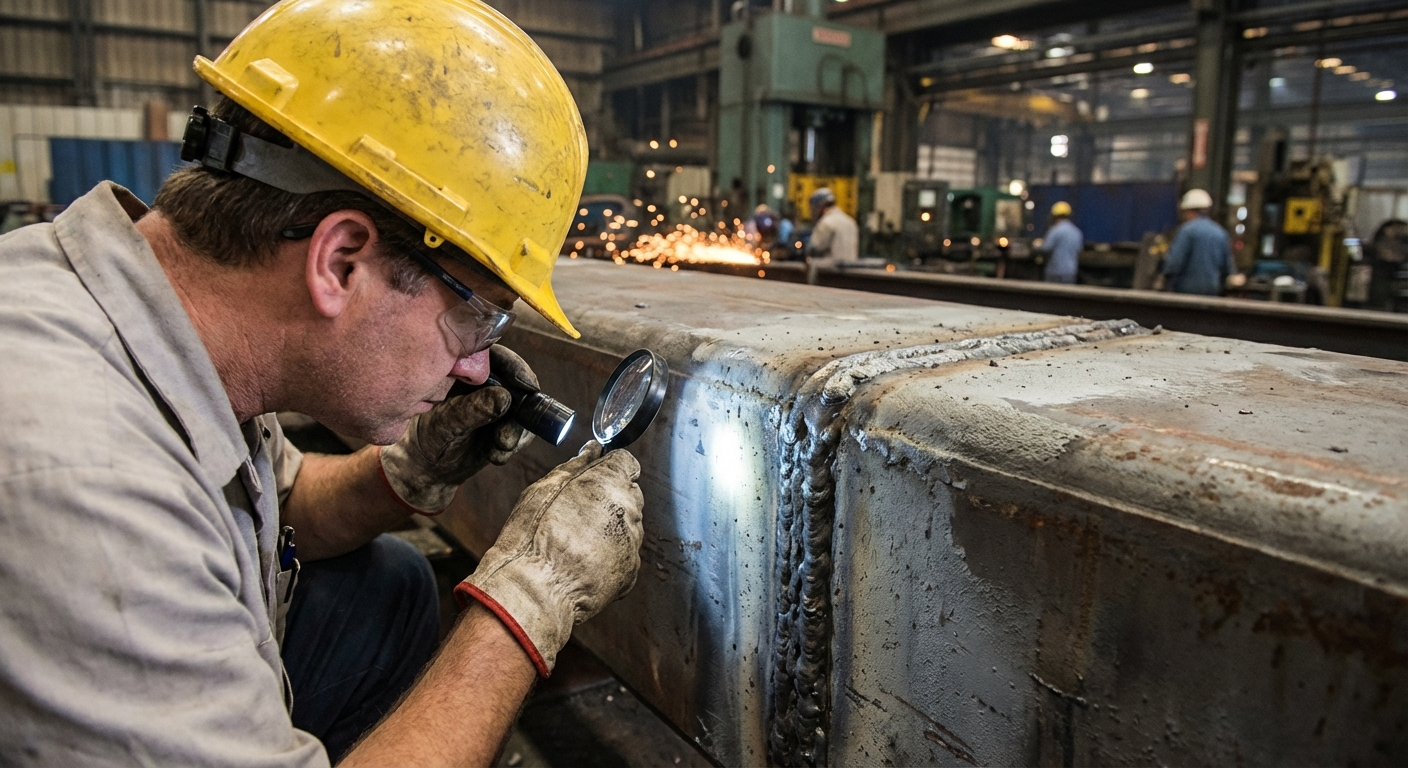
Ensuring the quality of your steel warehouse structure involves rigorous factory-level inspections and the verification of material certifications. You should look for manufacturers that provide full traceability for their steel, from the raw mill stage to the final coating. High-quality control standards prevent safety issues and expensive delays during the erection phase.
Why are third-party inspections important?
Third-party inspections provide an unbiased check on welding quality and material thickness before the building leaves the factory. This layer of oversight guarantees that your structure meets international engineering standards.
Now:
- Inspectors verify that weld penetrations meet design specs.
- They check for uniform coating thickness on every member.
- These reports provide peace of mind for you and your investors.
What certifications should you look for?
You should always request mill test certificates that prove the tensile strength and chemical composition of the steel used in your building. These documents ensure that the materials meet the requirements set by your structural engineer.
Believe it or not:
- Certificates prevent the use of substandard or recycled scrap steel.
- They are often required for local building permit approvals.
- Traceability helps in the rare event of a material warranty claim.
Key Takeaway: Quality control at the factory level prevents costly delays and safety issues during on-site assembly.
| Quality Check | Objective | |
|---|---|---|
| Mill Certificates | Material traceability and strength verification. | |
| Welding Inspection | Ensures structural integrity of main frames. | |
| Coating Check | Verifies thickness for corrosion resistance. |
Maintaining strict quality standards is the only way to ensure the long-term safety and performance of your industrial investment.
Clear answers to your most common questions
Can I modify the design once production has started?It depends on the stage of fabrication. While minor changes can sometimes be accommodated, major structural modifications during production may lead to additional costs and timeline delays. It is best to finalize your design before the steel is cut.
What’s the best way to prevent rust in a humid climate?Hot-dip galvanization is the most effective solution for high-humidity or coastal areas. This process coats the steel in a protective layer of zinc that prevents oxidation, even if the surface is scratched or dinged.
How do I know if my local building codes are met?Our engineering team coordinates directly with your local structural engineer or building department. We adapt our fabrication drawings to meet specific regional standards like AISC, Eurocode, or AS/NZS to ensure full compliance.
Can I install the building myself with a local crew?Yes, we provide detailed erection drawings and step-by-step video guidance to assist your local contractors. We also offer remote technical support to address any questions that arise during the assembly process.
What is the maximum span for a steel warehouse?It depends on the engineering requirements, but clear spans of up to 40 meters (130-150 feet) are common. This provides completely unobstructed floor space, which is ideal for logistics centers and large-scale manufacturing.
Conclusion
Building a steel structure warehouse solves the critical challenges of construction delays, high insurance costs, and limited interior flexibility. By choosing a prefabricated solution, you gain a fire-resistant, durable, and highly customizable facility that protects your investment and streamlines your operations. At Showhoo, we are committed to providing engineered excellence and factory-direct value to partners worldwide. Our vision is to empower businesses with structural solutions that are safe, scalable, and easy to assemble. If you are ready to start your next industrial project, contact us today for a comprehensive design analysis and a free quote.