
Choosing an engineered prefabricated cattle shed provides agricultural operations with an optimized, long-lasting environment that dramatically reduces construction timelines, cuts structural costs, and maximizes animal health through superior steel structural integrity. Imagine waking up to find your traditional wooden barn rotting under manure gases, with poor ventilation causing your livestock to suffer from respiratory infections and dairy yields plummeting. The constant cycle of costly structural repairs, rising veterinary bills, and delayed construction timelines eats directly into your hard-earned profits, leaving you frustrated and financially strained. Transitioning to a modern steel-framed prefabricated cattle shed solves these structural issues entirely by delivering a highly durable, hygienic, and climate-controlled environment tailored to secure your farm’s long-term financial growth.
What is a prefabricated cattle shed?

A prefabricated cattle shed is an engineered, factory-assembled steel structure specifically designed to provide a secure and climate-optimized environment for modern livestock management. This advanced building system consists of high-tensile steel frames, durable wall cladding, and integrated ventilation accessories. By moving the structural fabrication process off-site, you receive a highly standardized kit ready for rapid installation.
What components make up these steel systems?
These systems utilize galvanized portal frames, purlins, and specialized cladding to form an exceptionally robust shell.
Here is the deal:
- Heavy-duty structural steel columns and rafters.
- Corrosion-resistant zinc-coated purlins and girts.
- Insulated sandwich panels for optimal thermal control.
You get a building where every single component is designed to fit together seamlessly on your farm.
Key Takeaway: Choosing factory-engineered steel parts ensures your agricultural structure fits together with high precision and eliminates field-welding risks.
| Structural Component | Primary Material | Main Function | |
|---|---|---|---|
| Rigid Portal Frame | High-grade structural steel | Carries primary snow and wind loads | |
| Galvanized Purlins | Zinc-coated cold-formed steel | Supports roof cladding and adds lateral stability |
Investing in certified manufacturing standards protects your structural capital from early material fatigue.
Why choose a prefabricated cattle shed?
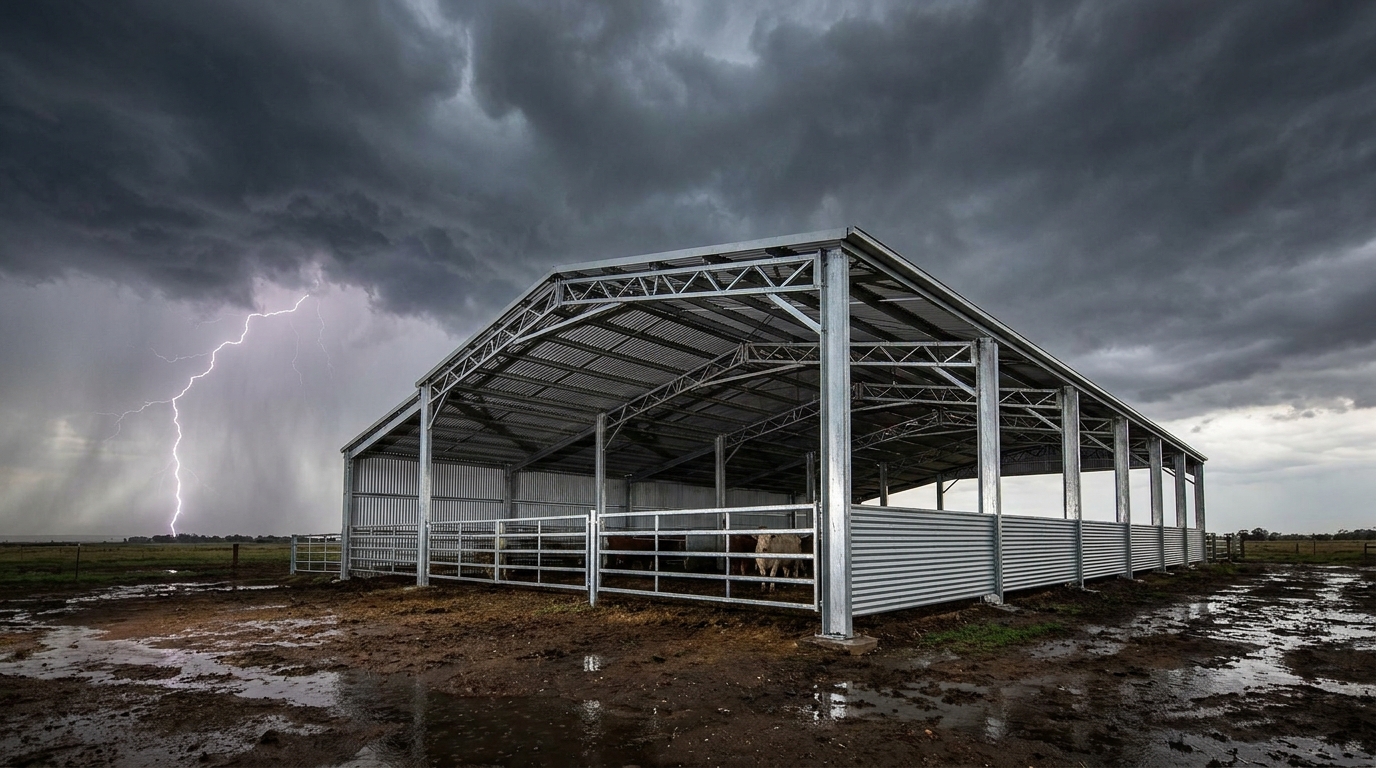
Choosing a prefabricated cattle shed guarantees unmatched protection against extreme environmental elements while dramatically improving the day-to-day comfort of your herd. These structures feature wide open spans that eliminate awkward internal columns that can cause physical injuries to cattle. You can seamlessly configure your layout to streamline feeding, cleaning, and milking workflows.
Why does steel outperform timber designs?
Steel stands out because it does not rot, warp, or harbor destructive pests like wood does over time.
Think about it:
- Complete resistance to wood-boring insects and rot.
- Non-combustible materials that lower structural fire risks.
- High structural tensile strength supporting wider clear spans.
You will spend far less time managing structural decay and more time focusing on animal productivity.
Key Takeaway: Shifting to non-combustible steel framing reduces structural vulnerability and safeguards your livestock long-term.
| Feature | Conventional Timber Barn | Modern Steel Shed | |
|---|---|---|---|
| Rot Resistance | Low, deteriorates with manure gases | Extremely high, unaffected by organic acids | |
| Fire Safety | Combustible, high risk factors | Non-combustible, class-A safety rating |
Transitioning to inorganic construction materials creates a highly secure, biosecure operational environment for your cattle.
Upgrade your farm now with a durable, efficient prefabricated cattle shed!
Email:sales@showhoo.com.cn
Phone/WhatsApp: + 86 186 7895 5927
How to design a prefabricated cattle shed?
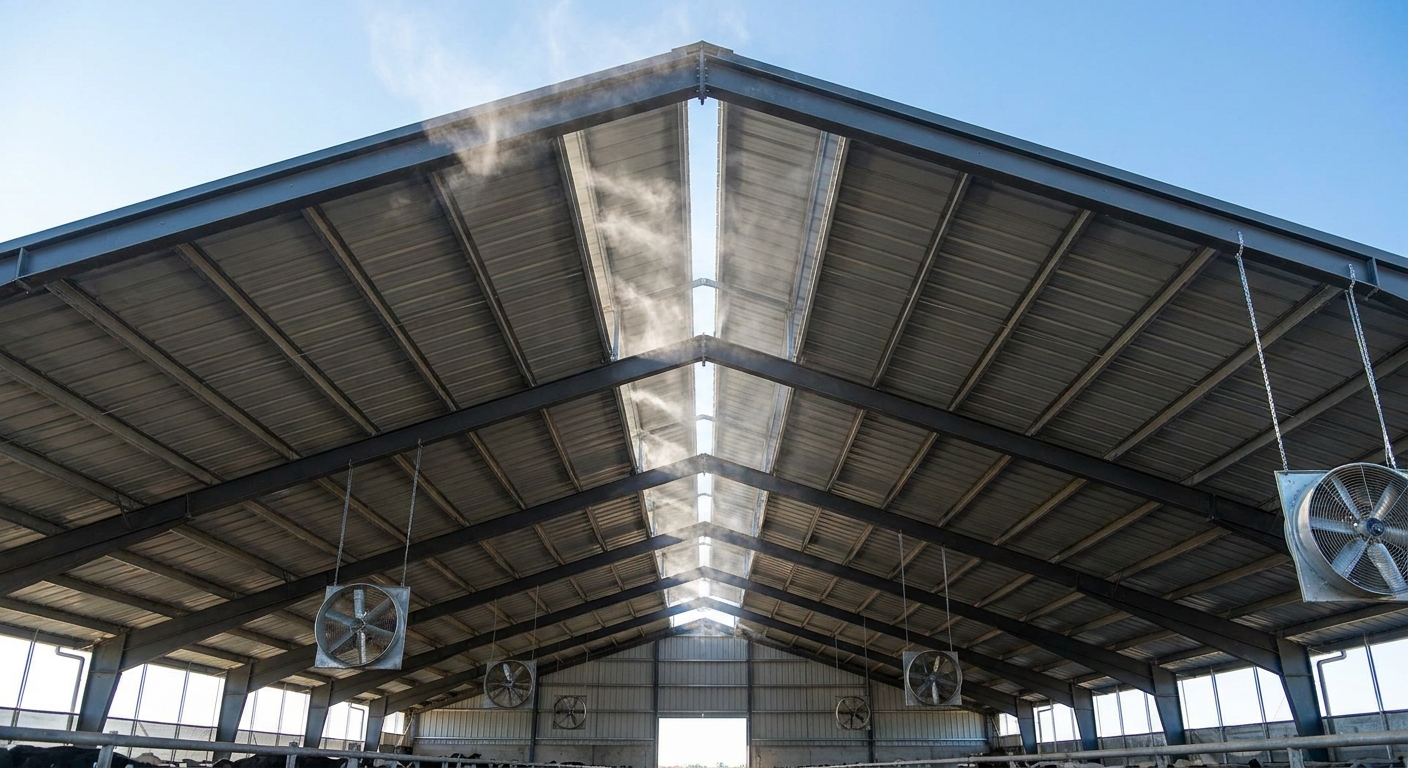
Designing a prefabricated cattle shed requires evaluating your herd size, local weather extremes, and operational workflows to map out the ideal clear-span footprint. By consulting with specialized agricultural structural engineers, you can customize the eave heights and roof slopes to manage snow loads. This targeted planning ensures your final facility stands strong against local microclimates.
How do open spans improve herd logistics?
Open-span layouts remove structural obstructions so you can route heavy feeding machinery without any bottlenecks.
But that’s not all.
- Unobstructed pathways for efficient manure scraping.
- Flexible stall configurations that adapt as herd sizes grow.
- Wider feeding lanes that reduce animal crowding and stress.
You gain total control over how you sequence daily animal movements and cleaning tasks.
Key Takeaway: Unobstructed interior spans minimize operational bottlenecks and allow you to configure layouts for peak herd efficiency.
| Design Aspect | Open-Span Steel Configuration | Impact on Efficiency | |
|---|---|---|---|
| Traffic Lanes | Clear, wide pathways for vehicles | Reduces daily feeding labor hours | |
| Stall Adjustments | Modular rails bolted to floor | Allows rapid reallocation of herd space |
Tailoring your layout around unobstructed spans remains the most cost-effective way to boost daily milk yields.
Will a prefabricated cattle shed save money?
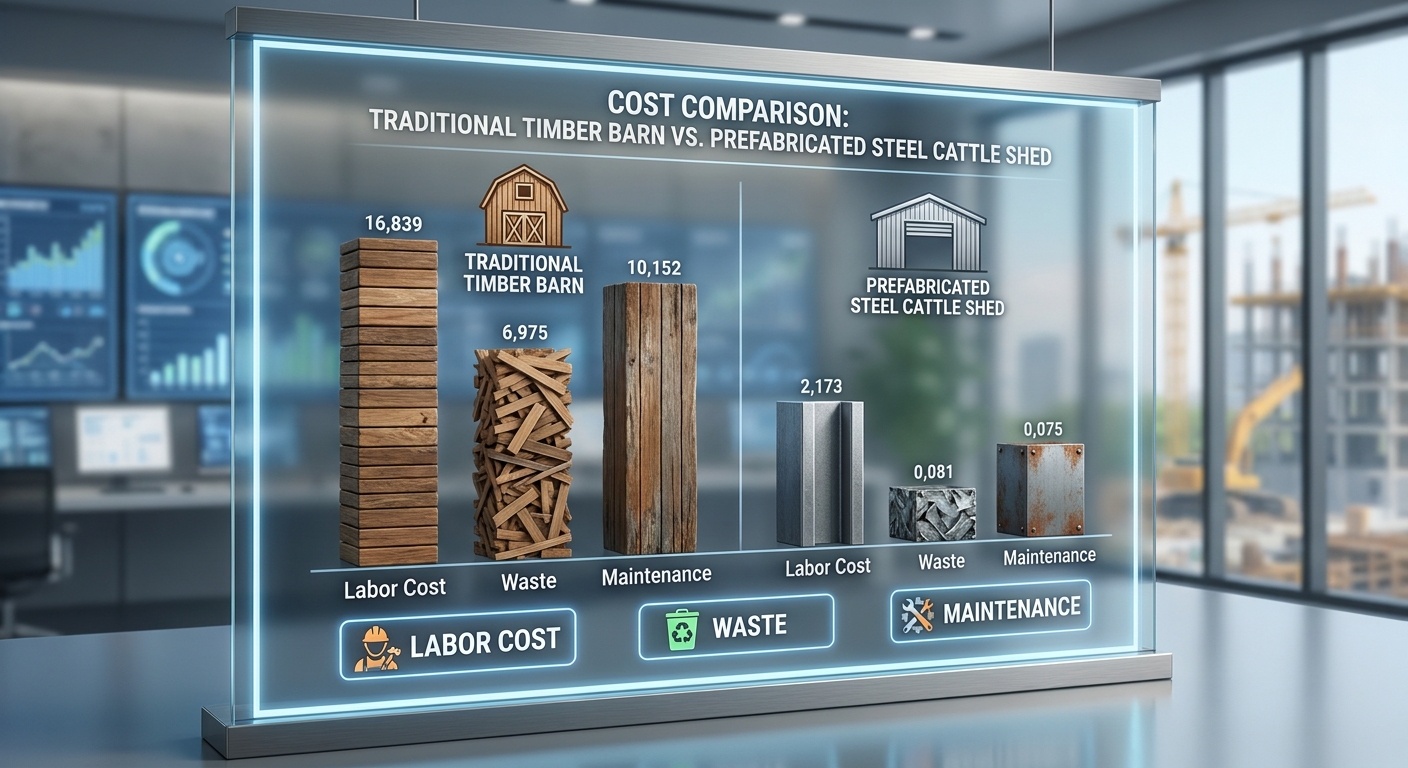
A prefabricated cattle shed saves you significant money by cutting construction labor, reducing material waste, and minimizing long-term maintenance bills. Because the main structural components are pre-cut and pre-drilled at the factory, your on-site building crew completes the project quickly. This efficient workflow directly lowers your initial capital expenditure.
Where do long-term savings accumulate?
Long-term savings accumulate through lower insurance premiums and extremely low repair costs over decades of active farming.
Look at this:
- Massive reductions in annual structural repair expenses.
- Lower insurance rates due to fire-resistant building materials.
- Decreased herd veterinary expenses due to cleaner, dry air.
You will see these compounding financial benefits reflect positively on your balance sheet year after year.
Key Takeaway: Minimizing ongoing structural repairs allows you to reallocate vital farm capital toward expanding your herd.
| Expense Category | Traditional Construction | Prefabricated Steel Shed | |
|---|---|---|---|
| Installation Labor | Highly intensive field fabrication | Fast, bolt-together kit assembly | |
| Ongoing Maintenance | Regular rotting repairs and painting | Simple annual power washing schedules |
Shifting assembly tasks to a factory-controlled environment protects your capital from volatile raw material price swings.
How to build a prefabricated cattle shed?

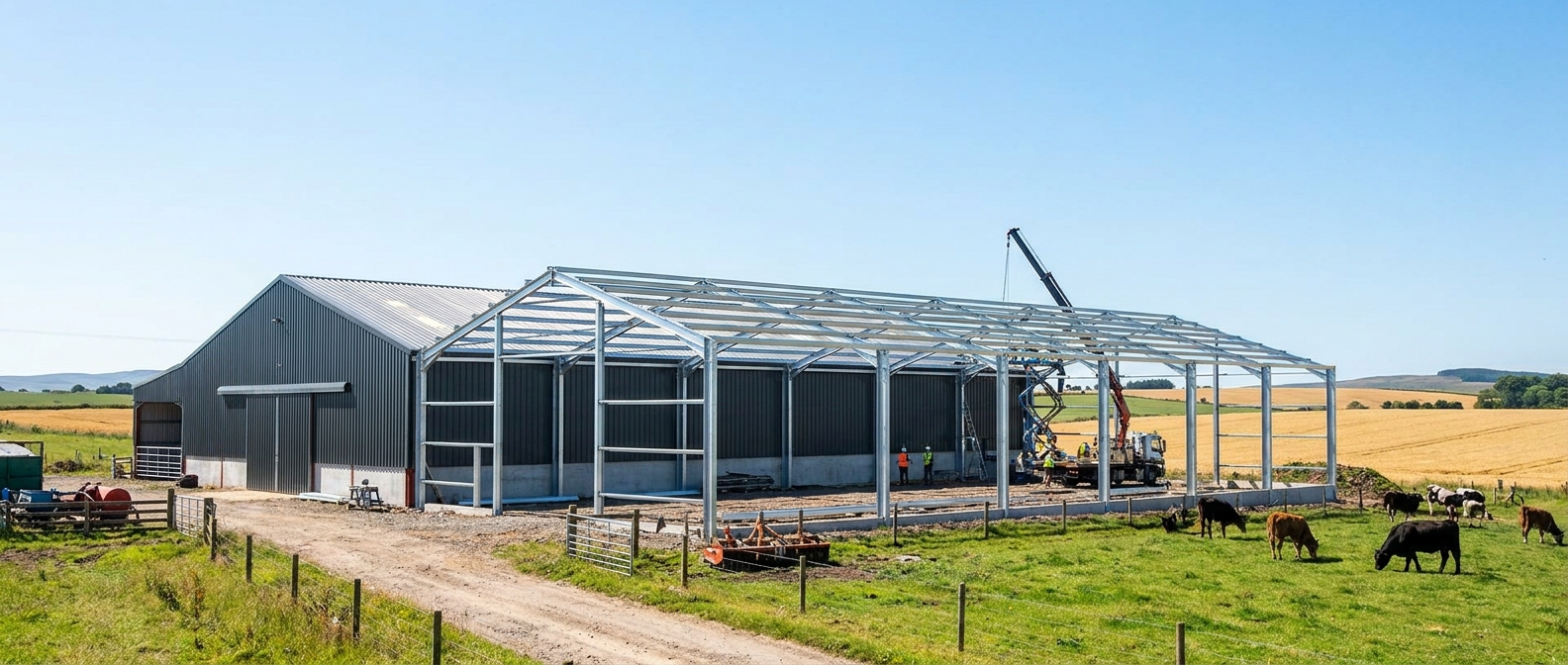
Building a prefabricated cattle shed involves preparing a level concrete foundation, raising the prefabricated steel portal frames with a crane, and bolting the structural members together. This streamlined approach bypasses the tedious field measuring, cutting, and welding typical of conventional builds. Your construction crew can erect the complete structure in a fraction of the usual timeframe.
What are the key installation phases?
The assembly flows in a logical sequence that coordinates site preparation with fast structural frame erection.
Here is the truth:
- Pouring precision anchor bolts into the concrete foundation.
- Erecting the main structural columns and roof truss assemblies.
- Installing the wall panels, roofing sheets, and ventilation ridge vents.
You will appreciate how quickly the building goes up without unexpected engineering delays.
Key Takeaway: Standardized bolt-together connections eliminate field fabrication errors, accelerating your operational timeline by weeks.
| Construction Phase | Traditional Build Time | Prefabricated Steel Erection | |
|---|---|---|---|
| Frame Erection | 3 to 4 weeks of field welding | 3 to 5 days of bolt assembly | |
| Cladding Installation | High material waste and cutting | Factory-sized panels fit immediately |
Compressing your construction timeline means your livestock can move in sooner, accelerating your path to positive cash flow.
Is a prefabricated cattle shed easy to clean?

Yes, a prefabricated cattle shed is exceptionally easy to clean because its inorganic, non-porous steel surfaces do not absorb organic waste or moisture. Unlike porous timber that absorbs liquid waste and harbors pathogens, steel can be power-washed and disinfected rapidly. This characteristic is crucial for maintaining excellent herd biosecurity and reducing diseases like hoof rot.
How does hygiene improve milk production?
Maintaining high hygiene standards in a clean barn environment directly reduces mastitis rates and boosts overall milk quality.
Think about this:
- Inorganic framing prevents the cultivation of toxic mold.
- Hygienic surfaces reduce pathogen transmission between cows.
- Easy chemical sanitization keeps milking parlors completely sterile.
You will notice a healthier herd and a far cleaner, more professional agricultural environment.
Key Takeaway: Implementing sterile, easy-to-sanitize steel surfaces protects herd biosecurity and helps you avoid costly veterinary interventions.
| Sanitization Property | Porous Wood Columns | Non-Porous Steel Frame | |
|---|---|---|---|
| Pathogen Harboring | High risk, absorbs bacteria deeply | Zero absorption, easy chemical wash | |
| Mold Resistance | Poor, decays in high humidity | Complete immunity to fungal growth |
Upgrading to non-porous structural frames forms the baseline of any modern, veterinary-approved disease prevention protocol.
Upgrade your farm now with a durable, efficient prefabricated cattle shed!
Email:sales@showhoo.com.cn
Phone/WhatsApp: + 86 186 7895 5927
Is a prefabricated cattle shed sustainable?
A prefabricated cattle shed is highly sustainable because steel is the most recycled material on Earth and can be reused infinitely without losing strength. By selecting green structural steel, you reduce your agricultural operation’s overall environmental carbon footprint. Additionally, factory precision-cutting processes yield virtually zero material waste during manufacturing.
How does steel support green farming?
Steel structures allow you to easily integrate sustainable additions like rainwater collection systems and solar roof panels.
Let’s be honest:
- 100% recyclable building frame at the end of its lifespan.
- Durable structural framing that prevents wood deforestation.
- Engineered load capacities designed for solar panel arrays.
You are investing in a structure that actively supports both local ecosystems and global environmental initiatives.
Key Takeaway: Choosing infinitely recyclable steel ensures your modern agricultural business meets the highest environmental standards while preserving natural resources.
| Ecological Metric | Concrete & Timber Construction | Recycled Steel Framing | |
|---|---|---|---|
| Waste Footprint | Significant field scrap and offcuts | Under 1% factory material scrap | |
| Circular Lifecycle | Difficult to recycle at end-of-life | 100% recyclable steel recovery |
Integrating energy-producing solar panels onto robust steel roofs helps future-proof your farm against rising utility costs.
Does a prefabricated cattle shed work well?

Real-world operations prove that a prefabricated cattle shed performs exceptionally well, significantly boosting average milk yield and reducing livestock mortality rates. Commercial dairies that switch to engineered steel solutions note immediate improvements in herd behavior and health. The combination of open-span design and active ventilation creates a perfect production environment.
What do long-term case studies show?
Long-term agricultural case studies confirm a high return on investment driven by reduced maintenance overhead.
That is not all:
- Milk production increases of up to fifteen percent.
- Drastic drops in respiratory illnesses during heavy winters.
- Extremely stable indoor temperatures despite summer heatwaves.
You can rely on these verified performance metrics to secure structural financing for your next expansion project.
Key Takeaway: Investing in modern livestock housing creates a highly optimized biological environment that pays dividends in milk and beef yields.
| Farm Performance Metric | Before Steel Shed Upgrade | After Steel Shed Upgrade | |
|---|---|---|---|
| Herd Stress Incidents | High competition, column injuries | Zero column obstructions, relaxed herd | |
| Airway Disease Cases | Frequent respiratory issues | Dramatically reduced via open ridges |
Reviewing commercial yield data reveals that upgrading barn air quality directly translates into higher farm profitability.
How to find a prefabricated cattle shed maker?
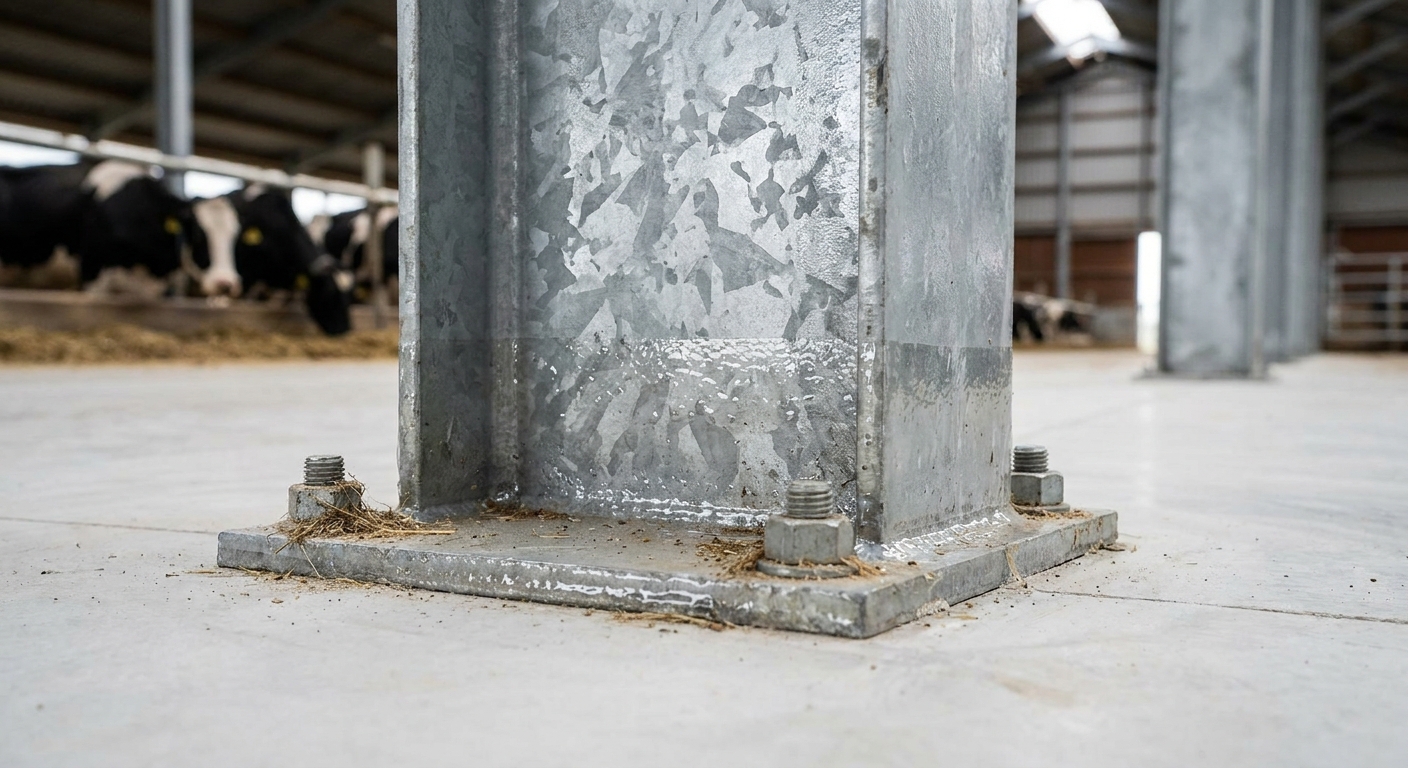
To find a reliable prefabricated cattle shed manufacturer, you must evaluate their industrial certifications, custom design capabilities, and global delivery track record. Choosing a factory-direct partner who manages both engineering and shipping guarantees a seamless purchasing experience. This comprehensive oversight eliminates costly communication gaps between multiple suppliers.
What quality standards are essential?
Ensuring your supplier uses certified steel fabrication standards protects your project from low-quality materials.
Here is the science:
- Certified raw steel sourcing with verifiable test reports.
- Precision robotic welding that meets global structural codes.
- Comprehensive hot-dip galvanization for lifelong rust resistance.
You will secure a high-value building asset designed to serve your family farm for decades.
Key Takeaway: Partnering with a certified, factory-direct steel manufacturer ensures your building is engineered to meet strict agricultural codes.
| Supplier Criteria | Low-Cost Local Supplier | Certified Steel Manufacturer | |
|---|---|---|---|
| Steel Coating Quality | Light primer paint, prone to early rust | Heavy hot-dip galvanizing, long-lasting | |
| Engineering Support | Standard templates, no customization | Full architectural design and load modeling |
Conducting due diligence on your supplier’s engineering credentials prevents catastrophic structural failures under heavy snow loads.
What is next for the prefabricated cattle shed?
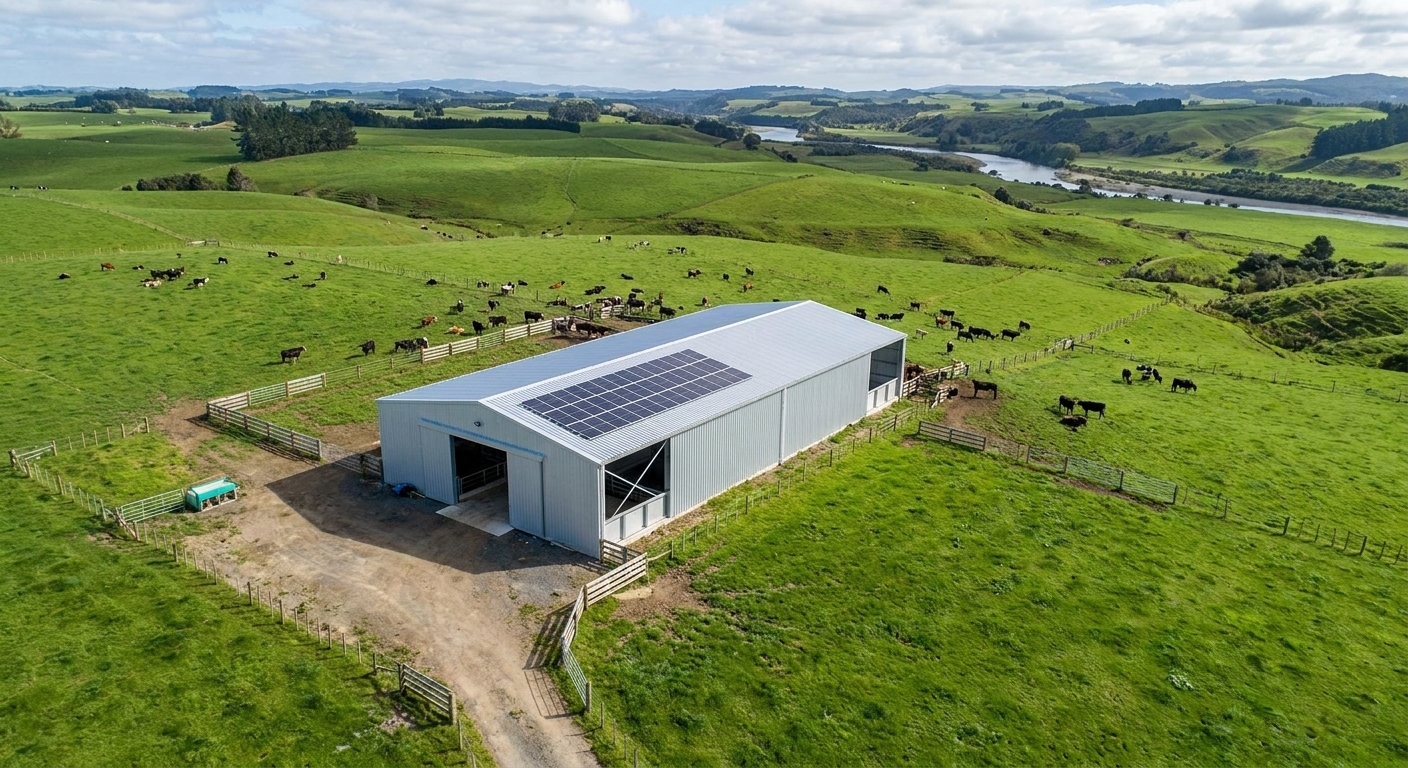
The future of the prefabricated cattle shed centers on the integration of smart automated sensors, green solar systems, and advanced microclimate ventilation. Modern agricultural buildings are rapidly evolving into intelligent hubs that actively monitor and adjust temperature levels. This technological progress ensures optimal cattle performance under changing environmental conditions.
What smart features are trending?
Smart technology integration allows you to monitor air quality, feeding cycles, and animal health remotely.
But that’s not all.
- Automated curtain walls responding to wind and temperature changes.
- Integrated overhead misting fans to eliminate summer heat stress.
- Solar-powered energy networks for independent farm grid operations.
You can manage your entire livestock operation with higher efficiency and significantly lower labor overhead.
Key Takeaway: Adapting to smart, energy-efficient steel designs positions your commercial agricultural enterprise for maximum profitability in the coming decades.
| Trend Category | Traditional Barn Features | Future Intelligent Steel Sheds | |
|---|---|---|---|
| Ventilation Control | Manual window opening | Smart automated climate sensors | |
| Energy Source | Traditional grid utility reliance | Integrated solar panels and storage |
Embracing automation and clean energy solutions is the single most effective way to protect your farm margins from inflation.
Conclusion
To secure the future of your agricultural business, transitioning to high-efficiency steel structural solutions is the ultimate operational upgrade. Traditional wooden barns expose your livestock to poor air quality and expose your capital to skyrocketing maintenance costs. Our comprehensive design, manufacturing, and shipping services ensure you receive a durable, highly ventilated, and fully customized facility that maximizes animal comfort and farm profitability. We are committed to pioneering highly sustainable, cost-effective, and exceptionally strong steel structures that empower livestock operations to scale seamlessly. If you are ready to construct a farm legacy built to last for generations, contact us today to receive an expert engineering consultation and custom quote tailored to your specific agricultural goals.
Upgrade your farm now with a durable, efficient prefabricated cattle shed!
Email:sales@showhoo.com.cn
Phone/WhatsApp: + 86 186 7895 5927
Frequently Asked Questions
Can I customize the interior layout of my prefabricated cattle shed?
Yes, you can easily customize the layout because the open-span steel framing eliminates obstructive internal support columns. This gives you complete freedom to place stalls, feeding pathways, and sorting gates exactly where you need them.
What’s the best way to prevent corrosion near manure alleys?
The best approach is utilizing hot-dip galvanized steel columns combined with heavy-duty epoxy coatings. These specialized barrier coatings isolate the raw steel from moisture, urine, and corrosive animal waste gases.
How do I know if my site is suitable for a steel prefabricated cattle shed?
Our professional engineering team will determine suitability by analyzing your local soil conditions, wind speeds, and snow loads. This detailed assessment allows us to customize the foundation design and structural engineering to fit your exact site parameters.