
Creating a good home for pigs requires a balance of secure, insulated, and well-ventilated shelter, combined with ample outdoor rotational acreage to facilitate natural behaviors like rooting, wallowing, and socializing. Unfortunately, creating an optimal swine habitat is fraught with hidden operational hazards. Many operators install standard agricultural shelters only to realize too late that poor air circulation, structural weakness, and improper thermal insulation lead to chronic respiratory illnesses, high veterinary costs, and localized herd stress. Watching your herd’s health decline due to damp concrete floors, stagnant ammonia fumes, and continuous drafts is incredibly stressful for caregivers and devastating to overall operational efficiency. When swine housing is poorly configured, managing daily chores becomes a labor-intensive nightmare, and your initial capital investment quickly degrades under the corrosive, high-humidity environment of a typical swine barn. Fortunately, constructing a highly optimized, engineered pig shed solves these physical bottlenecks by delivering a sterile, durable, and climate-controlled microclimate that perfectly balances bio-security with natural swine behaviors.
Why is a pig shed vital for herd health?
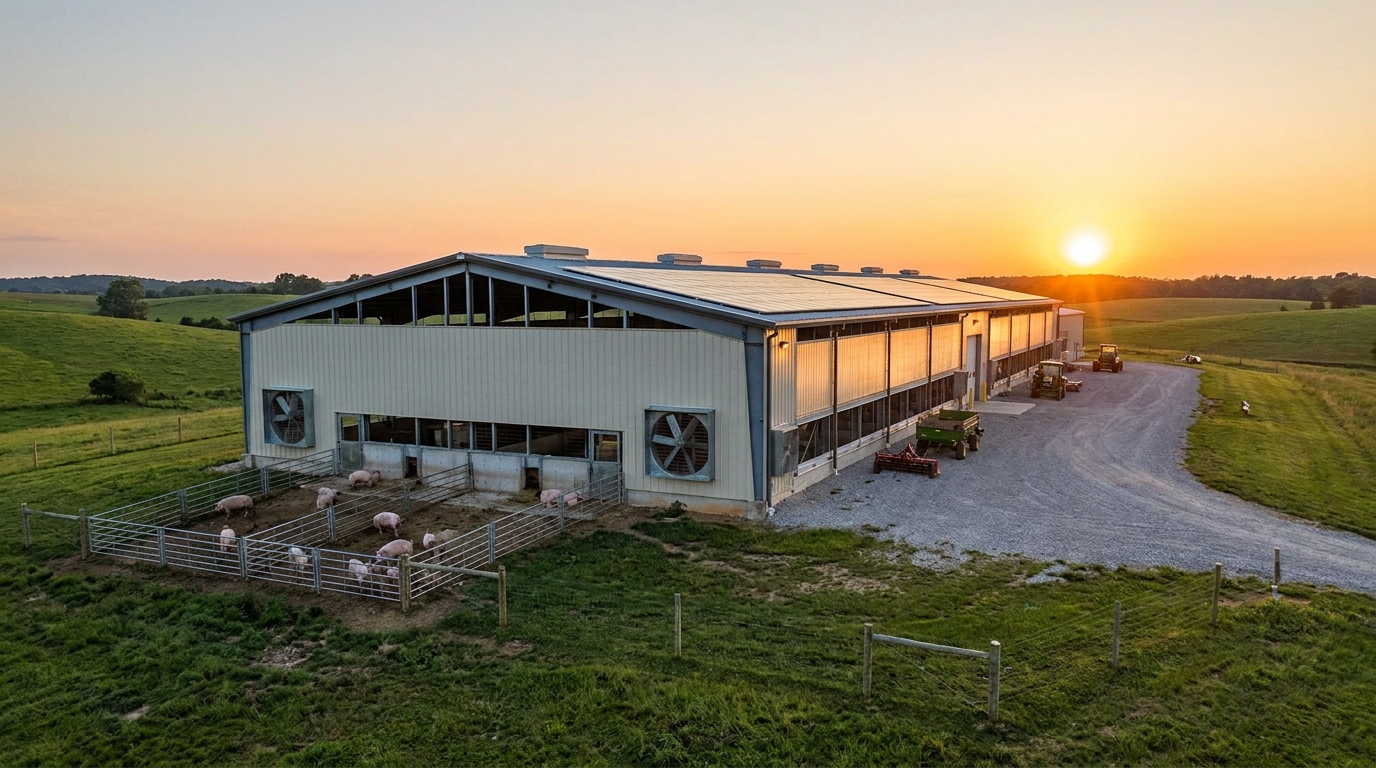
A premium pig shed is vital for herd health because it provides the ultimate physical barrier against disease vectors, predator intrusions, and life-threatening weather extremes. Swine lack advanced thermoregulation capabilities and are highly vulnerable to localized environmental pathogens. Investing in structural durability directly decreases long-term mortality rates and minimizes emergency veterinarian overhead.
A properly designed barn ensures that you can safely contain all animals during mandatory veterinary treatments or severe bio-security alerts. It also serves as a secure sanctuary where compatible groups can establish stable social structures away from territorial stressors. This robust enclosure safeguards your long-term agricultural investments.
What does compassionate care look like?
Compassionate swine management prioritizes design elements that foster emotional agency and physical autonomy within the herd. When you allow pigs to choose their own resting zones and social groups, you minimize behavioral issues like resource guarding.
Think about this: when you design with the animal’s natural psychology in mind, herd stress metrics drop drastically.
- Multi-zone layouts allowing pigs to self-select sleeping partners.
- Low-stress handling corridors integrated directly into the framing.
- Generous clearance heights to ensure handlers can work safely.
How does shelter prevent extreme weather risks?
Extreme weather conditions can cause rapid onset hypothermia or fatal heat stress in unprotected swine. You need a four-sided insulated building to seal out freezing drafts and reflect scorching solar heat.
Key Takeaway: A properly insulated four-sided structure is the single most effective defense against catastrophic weather events, securing both herd welfare and business continuity.
| Weather Threat | Structural Protective Feature | Swine Physiological Benefit | |
|---|---|---|---|
| Extreme Winter Cold | Double-walled insulation and windbreaks | Prevents hypothermia and frostbite | |
| Summer Heatwaves | High-volume exhaust fans and misting arrays | Prevents fatal heat stroke and stress | |
| Heavy Precipitation | Sloped standing-seam roofing and gutters | Eliminates mud-related hoof rot |
The table above demonstrates how targeted structural protections directly shield pigs from severe weather threats.
How much indoor space should a pig shed have?
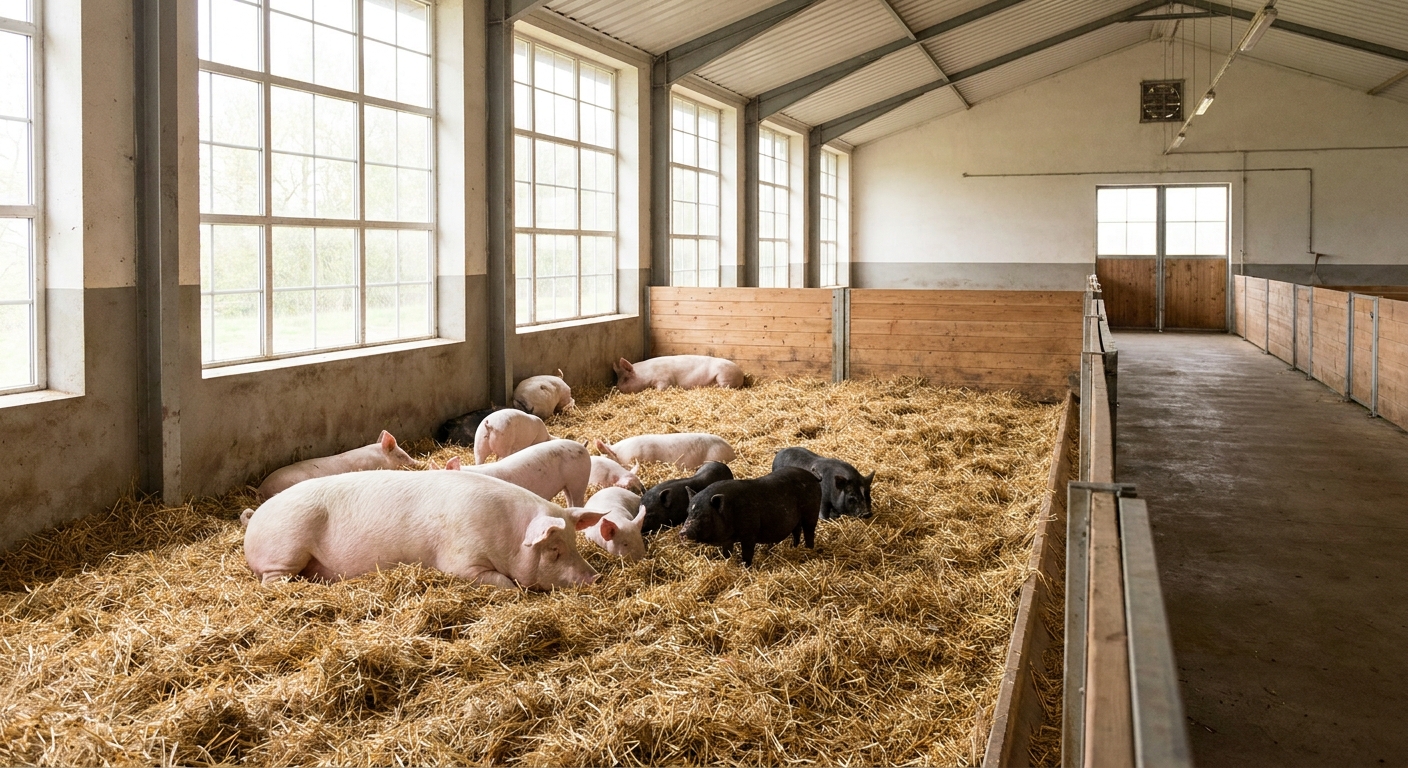
A high-performance pig shed must feature at least 64 square feet of indoor floor space per adult pig to ensure proper social dynamics and comfortable rest. This spatial allocation prevents territorial disputes and allows compatible groups to sleep comfortably. Large-breed swine require significantly more physical clearance than mini-pig breeds to prevent crushing injuries during movement.
Squeezing too many animals into a confined area inevitably leads to skin lesions and elevated stress. You must size your indoor layouts carefully to accommodate full adult growth over time.
How do you calculate minimum space requirements?
Determining your spatial footprint requires analyzing breed-specific mass, projected herd growth, and local regulatory welfare mandates. You should always build with expansion in mind to avoid overcrowding your facility later.
Here’s the kicker: under-allocating space to save on initial material costs always results in increased fighting and systemic injury.
- Mini-pigs: Minimum of 30-50 square feet per adult resident.
- Large-breed commercial pigs: Minimum of 64-100 square feet per adult resident.
- Sick/Quarantine bays: Minimum of 120 square feet per individual for safe veterinary access.
Why dynamic groups require flexible sizing
Swine hierarchies are dynamic, meaning aggressive individuals can block subordinate pigs from resources if pens are too narrow. You must provide clear flight paths so submissive animals can easily escape confrontation.
Key Takeaway: Dynamic herd housing must utilize modular, adjustable gating to easily scale interior pens as social structures shift over time.
| Herd Group Dynamic | Recommended Square Footage Per Head | Primary Behavioral Outcome | |
|---|---|---|---|
| Established Monogamous Pairs | 120 – 150 sq. ft. total | Low friction, high resting cohesion | |
| Mixed Dynamic Herds (5+ pigs) | 80 – 100 sq. ft. average | Reduced resource guarding and aggression | |
| Single Quarantine Residents | 120 sq. ft. dedicated | Safe handling and bio-security separation |
Reviewing these metrics helps you optimize pen configurations for balanced social dynamics.
Which materials build the safest pig shed?
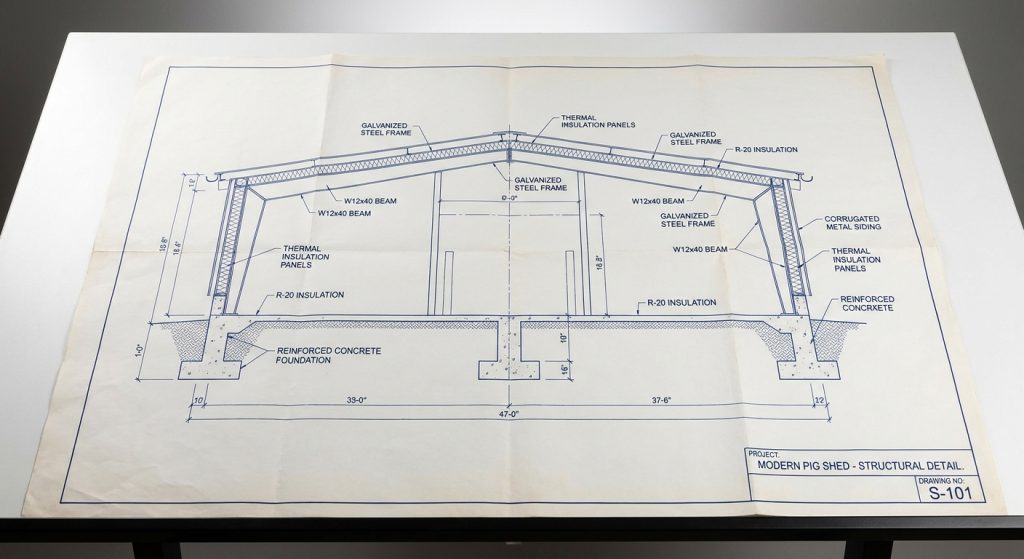
The safest materials for constructing a modern pig shed are high-grade structural steel frames paired with moisture-resistant polyurethane sandwich panels. Unlike wood, which absorbs ammonia fumes and harbors bacterial pathogens, structural steel is easily sanitized with high-pressure washers. Solid steel columns withstand the extreme physical forces of fully grown, 800-pound swine scratching and rooting against the walls.
Choosing robust metal cladding eliminates the safety hazards of splintered wood and rusted nails. This modern structural approach guarantees a clean, secure bio-security environment for decades.
Why robust structural steel outperforms wood
Wood framing rapidly degrades when exposed to the highly corrosive, high-humidity, and ammonia-rich atmosphere of a swine barn. You will spend excess time and capital replacing rotted structural members if you choose inferior timber.
Wait, there’s more: steel structures completely eliminate the risk of structural collapse caused by wood rot or persistent wood-chewing behaviors.
- Q235B/Q355B structural steel provides superior structural integrity against seismic and wind loads.
- Hot-dip galvanized coatings offer decades of resistance to corrosive animal waste.
- Non-porous surfaces prevent the colonization of dangerous respiratory pathogens.
How sandwich panels protect against corrosion
Insulated sandwich panels feature smooth steel facings that prevent localized moisture penetration and resist chemical cleansers. You can easily blast these surfaces clean without worrying about water logging or mold.
Key Takeaway: Integrating insulated polyurethane (PU) sandwich panels maintains stable microclimates while establishing an easily sanitized barrier against corrosive gases.
| Material Type | Lifespan in Swine Barns | Corrosive Chemical Resistance | Sanitation Ease | |
|---|---|---|---|---|
| Treated Softwood Siding | 5 – 10 Years | Extremely Low (Absorbs moisture) | Poor (Porous grain) | |
| Standard Corrugated Iron | 10 – 15 Years | Moderate (Prone to rust at ground level) | Good (Smooth surface) | |
| Galvanized Steel & PU Panels | 30+ Years | Exceptional (Corrosion resistant) | Excellent (High-pressure washer safe) |
Evaluating these material characteristics enables you to choose a structure that minimizes maintenance overhead.
What flooring works best inside a pig shed?
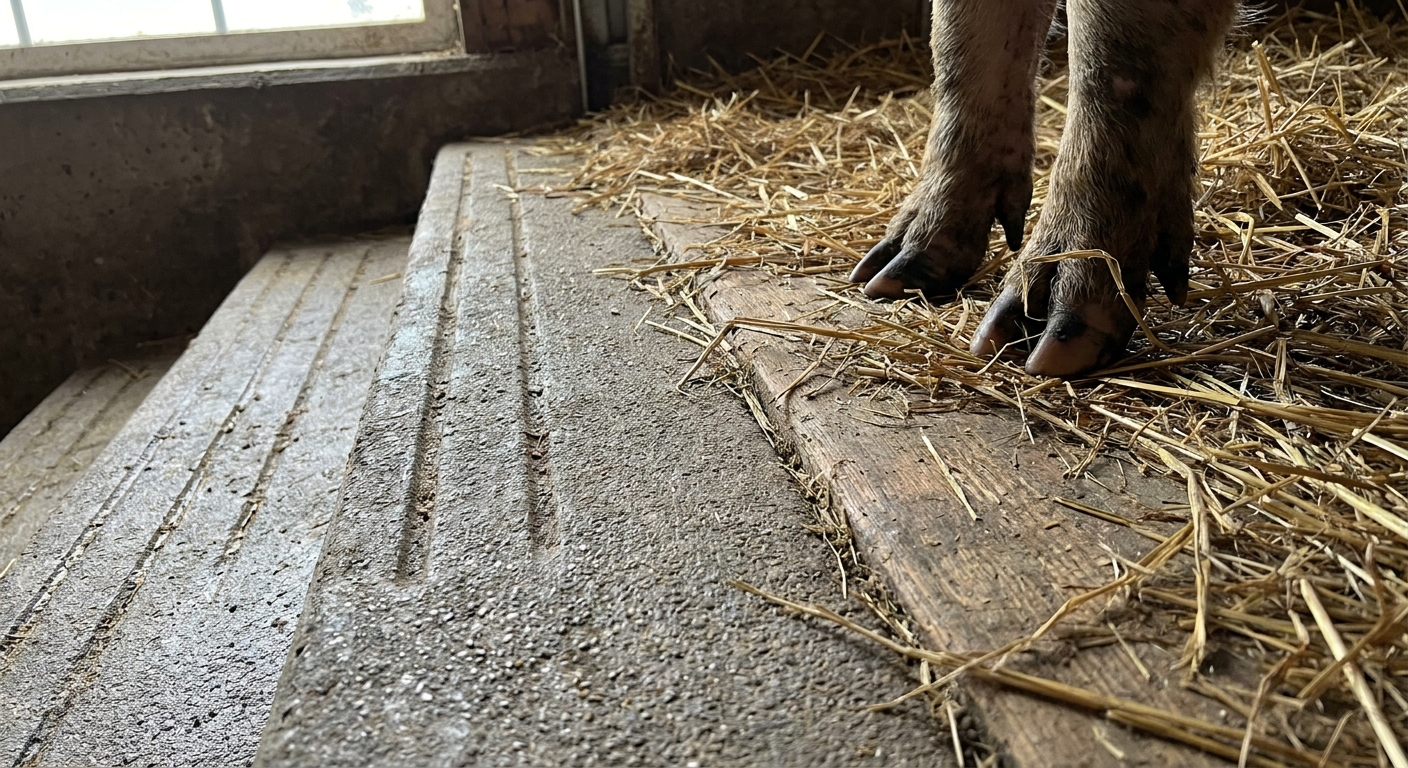
Elevated, packed dirt floors work best inside a pig shed because they provide essential natural joint cushioning, excellent traction, and superior thermal insulation. Maintaining these floors requires establishing a positive slope away from the barn perimeter to prevent water pooling. Natural packed dirt surfaces combined with thick bedding mimic the wild swine habitat, drastically reducing chronic foot problems.
Swine hooves require soft but firm contact zones to wear down naturally without splitting. Overlooking flooring physics can lead to irreversible joint damage in your herd.
Why packed dirt floors protect pig joints
Swine are highly prone to developing painful osteoarthritis, making soft, shock-absorbing dirt substrates critical for lifetime joint health. You will notice pigs move more freely and confidently when spared from walking on hard surfaces.
Here is the bottom line: a dirt floor is dynamic and must be regularly maintained to fill in the low spots created during cleaning.
- Eliminates the structural pressure points associated with hard surfaces.
- Allows deep moisture absorption without creating slippery pooling hazards.
- Facilitates natural thermo-regulation as pigs lie on cool subsoil in summer.
What are the dangers of hard concrete surfaces?
Raw concrete floors are highly abrasive to swine hooves, leading to painful structural cracks and septic joint infections. You should avoid exposing your herd to bare concrete to minimize lameness and expensive antibiotic treatments.
Key Takeaway: Uncovered concrete surfaces act as a catalyst for joint degradation and foot rot, requiring complete isolation from swine resting zones.
| Flooring Substrate | Joint Shock Absorption | Hoof Wear Rate | Maintenance Requirement | |
|---|---|---|---|---|
| Packed Dirt (Recommended) | Excellent (Highly elastic) | Optimal (Natural wearing) | Moderate (Filling divots regularly) | |
| Textured Concrete | Extremely Poor (Rigid) | High (Abrasive cracking risk) | Low (Sweeping and washing) | |
| Thick Rubber Mats (on Concrete) | Moderate (Slight cushioning) | Low (No natural wear) | Extremely High (Must clean underneath) |
Analyzing this matrix highlights why prioritizing soft dirt and thick bedding reduces veterinarian costs.
Why does a pig shed need proper ventilation?
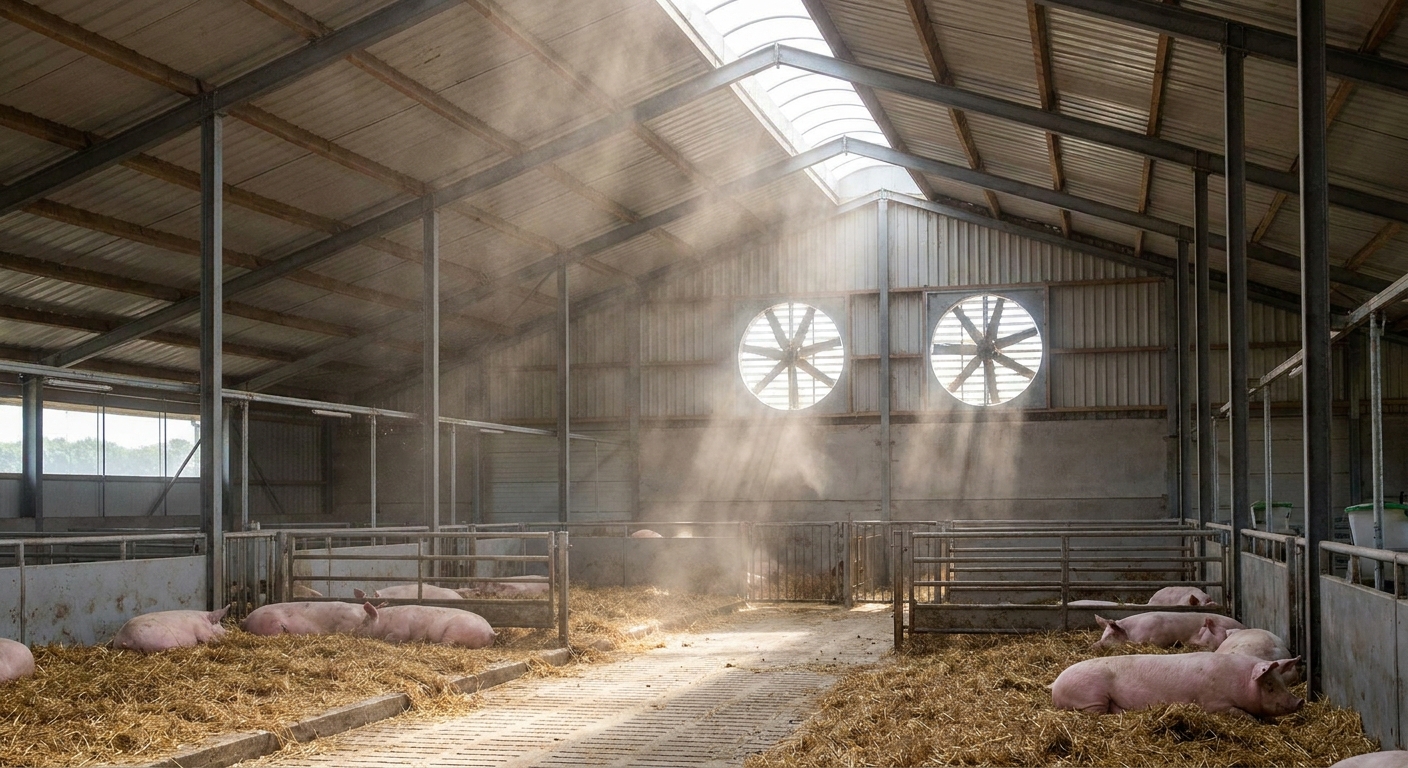
A pig shed must have proper ventilation to safely evacuate hazardous ammonia fumes, control interior humidity levels, and supply continuous fresh oxygen to the herd. Without consistent air exchanges, the warm, moist air inside a pig shed quickly breeds dangerous airborne pathogens. Swine have extremely small lung capacities relative to their body weight, making clean air critical for preventing pneumonia.
A damp, stagnant environment acts as a vector for rapid bacterial replication. You must design high-capacity airflow paths to prevent these chronic bio-security failures.
How do you prevent ammonia buildup?
Ammonia is heavier than oxygen and accumulates rapidly near the floor, directly burning the delicate nasal passages of resting swine. You must implement active exhaust systems to draw these heavy gases out of the breathing zone.
Let that sink in: long-term exposure to low levels of ammonia completely destroys a pig’s natural respiratory defenses.
- Install high-volume, variable-speed exhaust fans positioned close to the floor line.
- Utilize continuous ridge vents to allow lighter, warm gases to escape.
- Maintain a strict daily spot-cleaning protocol to remove saturated bedding materials.
Why condensation indicates immediate danger
Water droplets forming on the ceiling or structural steel beams are a clear warning sign of inadequate ventilation. You should inspect your ceilings daily to catch these humidity spikes before they cause respiratory illness.
Key Takeaway: Condensation on interior surfaces is an emergency signal that humidity levels are dangerously high, requiring immediate fan speed calibration.
| Gas / Climate Metric | Safe Target Threshold | Critical Emergency Level | Primary Risk to Swine | |
|---|---|---|---|---|
| Ammonia Gas (NH3) | Under 10 ppm | Over 25 ppm | Severe chemical respiratory burns | |
| Relative Humidity | 50% – 70% | Over 85% | Rapid pathogen replication & pneumonia | |
| Carbon Dioxide (CO2) | Under 1,500 ppm | Over 3,000 ppm | Lethargy, hypoxia, and immune suppression |
These environmental thresholds must be maintained consistently to prevent pneumonia outbreaks.
How do you control a pig shed temperature?
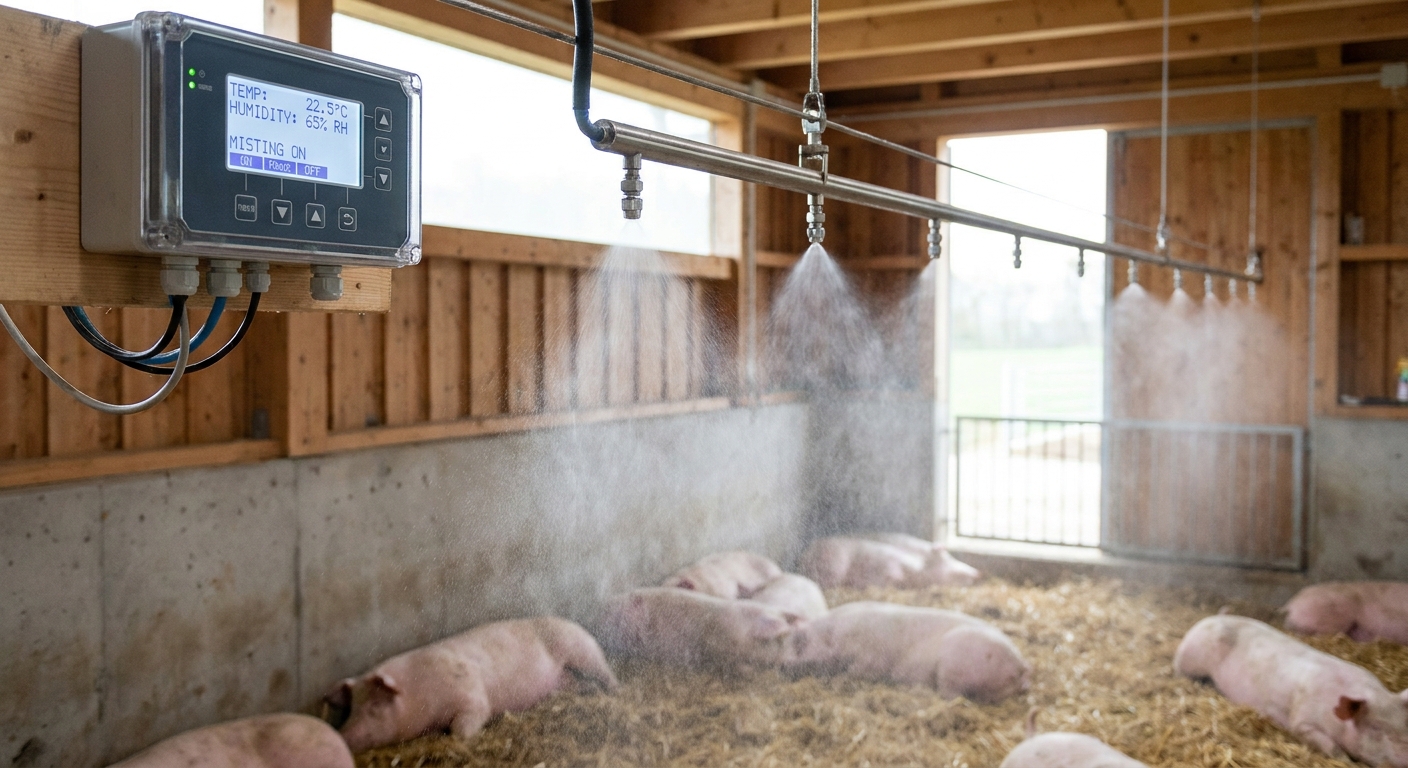
You control a pig shed temperature by combining active evaporative misting systems for summer heat with deep, insulating straw bedding to prevent winter drafts. Automated temperature controllers must adjust fan speed and heater outputs based on real-time sensor feedback. Maintaining a consistent thermal neutral zone prevents the immune system suppression associated with rapid temperature swings.
Swine are sensitive to thermal extremes, meaning that a sudden frost can be just as hazardous as a summer heatwave. You must configure your climate controls to respond seamlessly to external weather shifts.
What keeps swine cool in summer heat?
Swine cannot sweat, meaning they rely entirely on evaporative cooling from fine misting arrays and high-velocity air movement to dump body heat. You will need to monitor temperature-humidity indices closely to prevent fatal heat stroke.
Here is the crucial part: misters must operate in cycles to prevent the barn from becoming a humid sauna.
- Run high-volume circulating fans continuously to maximize wind-chill cooling.
- Integrate intermittent, automated misting nozzles to wet the pigs’ skin.
- Provide cool, continuous drinking water at multiple interior stations.
How do you eliminate winter drafts safely?
Direct cold drafts blowing across resting swine will cause rapid respiratory distress and localized muscle stiffness. You should seal all low-level building gaps and provide deep, long-fibered straw for nesting.
Key Takeaway: Sealing low-level structural gaps and utilizing thick plastic strip curtains allows easy animal access while stopping cold drafts.
| Season | Core Cooling/Heating Technology | Target Swine Temperature Range | |
|---|---|---|---|
| Peak Summer | Exhaust fans, high-pressure misters, swamp coolers | 68°F – 72°F (Active temperature suppression) | |
| Transition Fall | Thermostatic louvers, variable speed fans | 65°F – 70°F (Maintains clean air circulation) | |
| Deep Winter | Ceramic thermal panels, heavy straw, windbreaks | 55°F – 62°F (Prevents hypothermic shivering) |
Managing these seasonal settings ensures your herd remains comfortable and stress-free all year.
Should your pig shed have safe electricity?
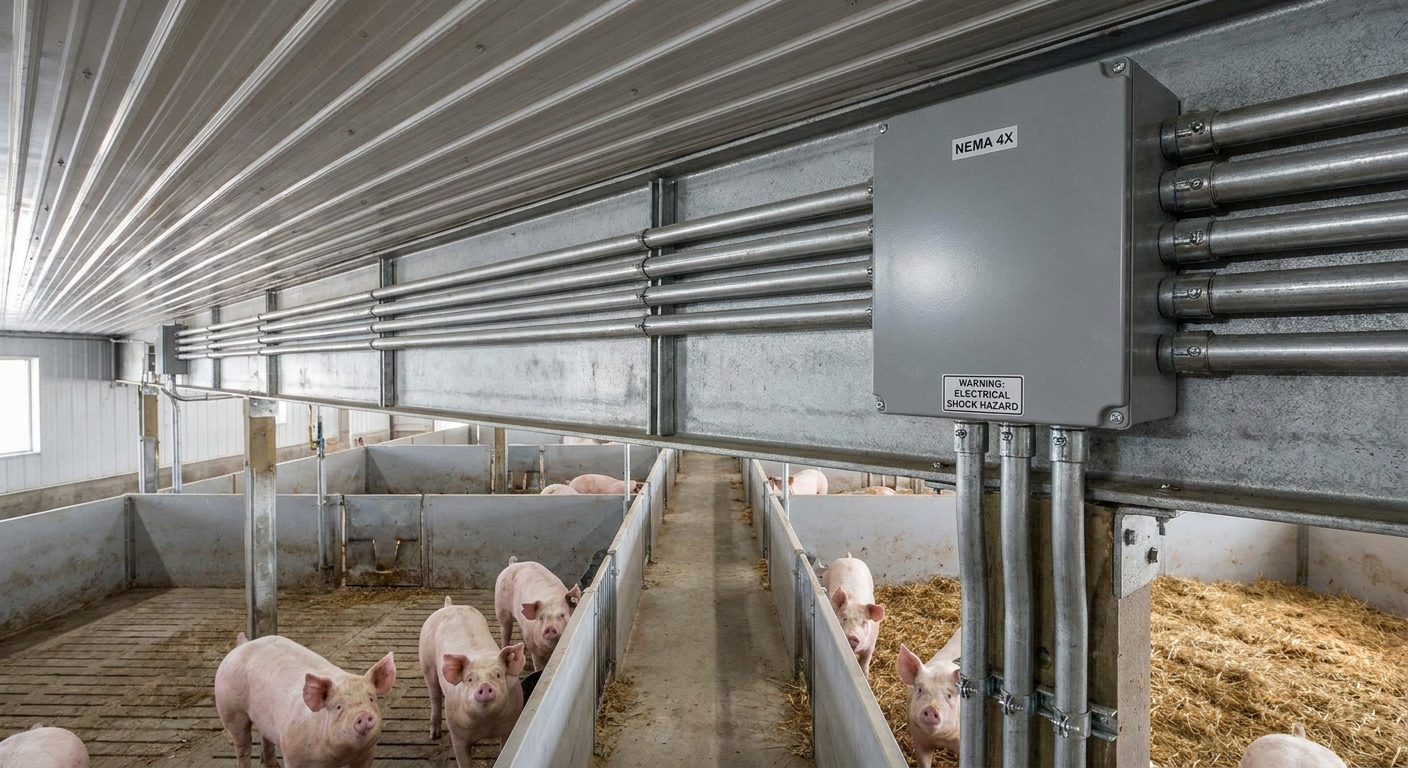
Yes, your pig shed should absolutely have professionally installed, safety-compliant electricity to run essential automated ventilation, heating, and freeze-proof watering systems. All electrical lines must be routed through heavy-duty metal conduits to prevent chewing damage by rodents and curious swine. Agricultural environments are high-dust zones, making dust-tight, moisture-proof electrical enclosures mandatory to prevent spark ignition.
A single short-circuit can have catastrophic consequences in a high-bedding environment. You must hire a licensed industrial electrician to secure your facility’s power supply safely.
Why conduit protection prevents barn fires
Rodents are naturally drawn to warm barn spaces and will chew through standard exposed electrical wires, creating a major fire hazard. You must protect every inch of exposed wire to eliminate the threat of electrical arcs.
Look at this: pigs will enthusiastically investigate and pull on any loose wire or conduit they can reach.
- Route all structural wiring through rigid steel conduits rather than flexible plastic.
- Mount all control boxes and outlets at least seven feet above the floor line.
- Install Ground Fault Circuit Interrupters (GFCI) on every individual branch circuit.
How to install heated automatic waterers
Continuous hydration is essential for digestion, making heated automatic watering units a critical investment in freezing climates. You must ground these units professionally to avoid sending dangerous stray voltage through the drinking cups.
Key Takeaway: Safely grounding and insulating automatic heaters ensures swine have year-round access to fresh water without electric shock risks.
| Infrastructure Component | Required Electrical Protection | Swine & Operator Safety Function | |
|---|---|---|---|
| Heated Automatic Waterers | Heavy-duty copper grounding rod and GFCI | Prevents stray voltage and accidental shocks | |
| High-Volume Exhaust Fans | IP55 dust-tight, moisture-proof motors | Prevents motor overheating and dust explosions | |
| Overhead LED Lighting | Vapor-tight, shatter-resistant polycarbonate tubes | Eliminates glass breakage and water intrusion |
Implementing these industrial electrical standards minimizes fire hazards and guarantees continuous operational safety.
How much outdoor space fits a pig shed setup?
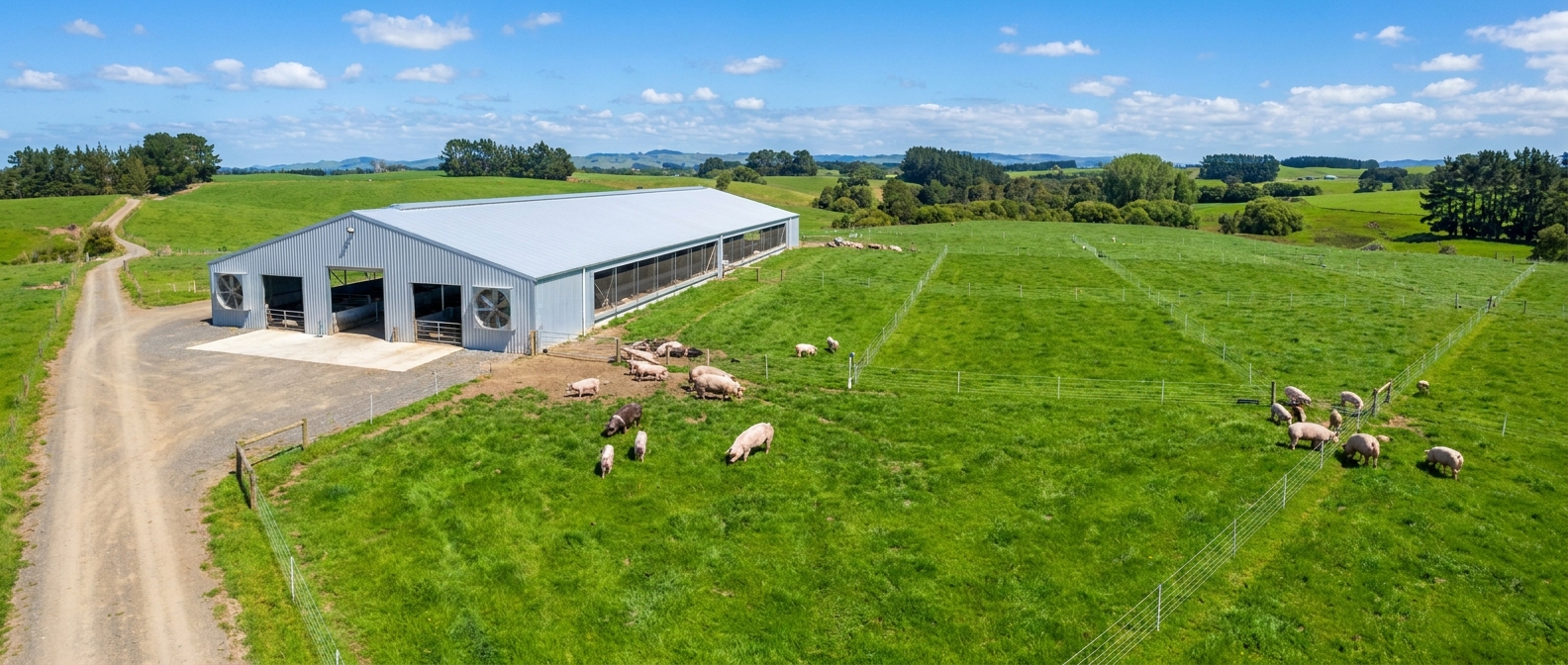
A commercial or sanctuary pig shed setup fits best with at least one acre of clean, mixed pasture and woodland per pair of compatible pig residents. This generous spatial allocation prevents the rapid destruction of pasture turf and mitigates soil-borne parasite loads. Providing ample pasture encourages daily foraging, which directly prevents chronic joint stiffness and obesity in mature swine.
Confining active pigs to small dirt pens leads to behavioral boredom and structural soil compaction. You must balance indoor shelter with wide, stimulating outdoor acreage to maintain herd vitality.
What is the ideal acreage per pig pair?
Overcrowding outdoor zones quickly strips vegetation and turns green pastures into sterile, muddy wastelands. You should plan your pasture boundaries based on the carrying capacity of your local soil.
You might be wondering: will underestimating space lead to complete pasture decimation in less than a single season?
- Minimum of 0.5 acres per individual mini-pig to maintain green grass.
- Minimum of 1.0 acre per pair of large-breed commercial/sanctuary pigs.
- Maintain a dedicated dry-lot recovery zone to protect pastures during heavy rain.
Why pasture rotation protects soil and hooves
Dividing your acreage into multiple rotational paddocks allows grasses to recover and prevents the soil from becoming acidic and muddy. You can reseed and fertilize rested sections to keep your pasture ecosystems highly productive.
Key Takeaway: Implementing a robust multi-pasture rotational schedule breaks parasite life cycles and prevents the moist soil conditions that cause hoof rot.
| Rotation Phase | Target Pasture Status | Optimal Swine Group Size | Swine Hoof Health Impact | |
|---|---|---|---|---|
| Phase 1: Active Grazing | Lush, dry green turf grass | 2 – 4 pigs per acre | Natural wear, dry hoof maintenance | |
| Phase 2: Soil Recovery | Restricted access (Reseeding) | Zero (Pasture resting) | Complete rest from rooting compaction | |
| Phase 3: Dry-Lot Isolation | High-drainage gravel or sand | All residents during downpours | Prevents softening and bacterial hoof rot |
Adhering to these grazing phases balances pasture longevity with maximum herd hoof protection.
What outdoor features complement a pig shed?
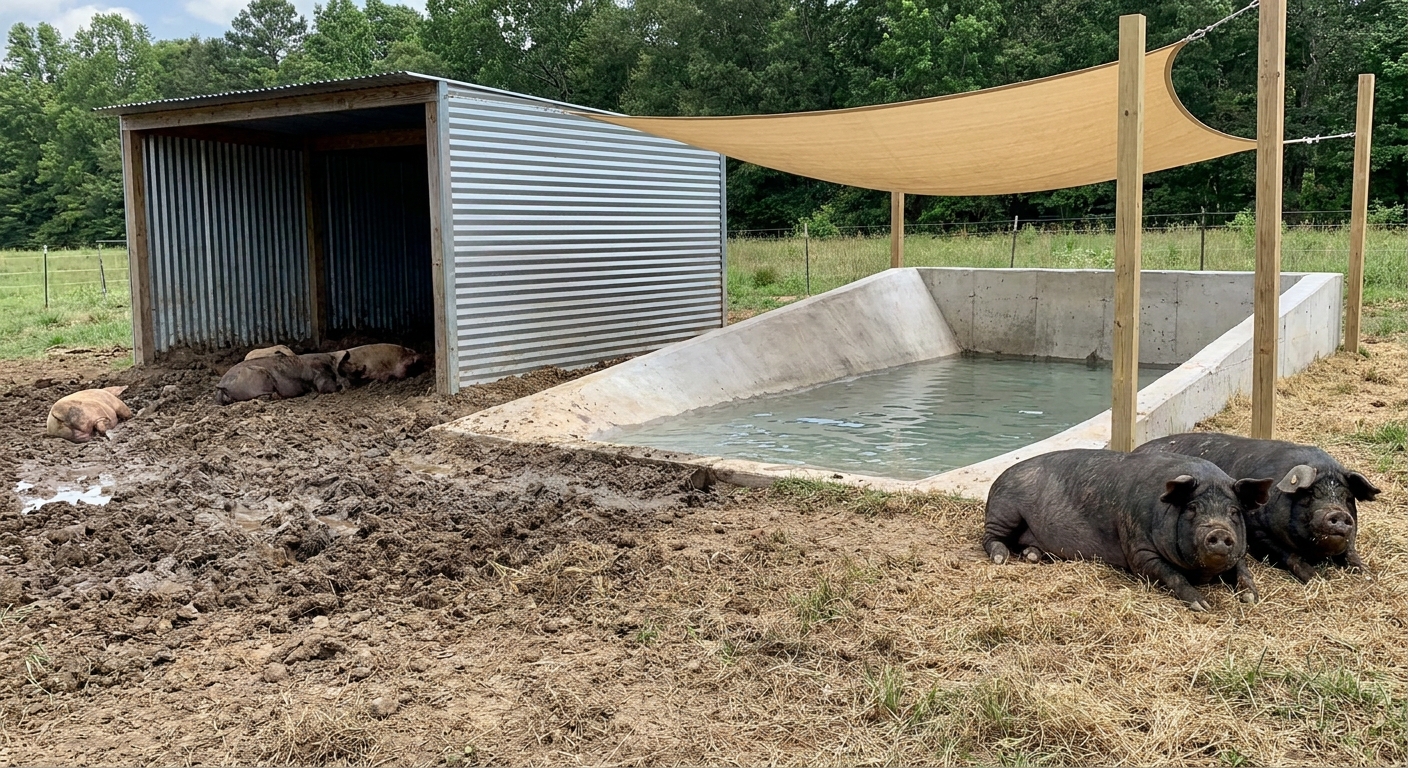
Natural mud wallows, robust mesh fencing, and continuous shade structures are the essential outdoor features that complement a professional pig shed installation. These features work together to facilitate natural swine behaviors while keeping the herd safe and secure. A well-designed mud wallow serves as an all-natural sunscreen and acts as a highly effective external parasite repelling agent.
Pigs require diverse outdoor enrichment to express their natural instincts without destroying your infrastructure. Providing these targeted facilities prevents behavioral frustration and escape attempts.
How mud wallows act as natural cooling systems
Mud provides a long-lasting cooling effect on swine skin, continuing to evaporate and cool long after the pig has left the wallow. You should establish dedicated wallowing zones equipped with fresh water lines to keep the mud clean.
But it gets better: mud wallows must be regularly flushed and cleaned to prevent them from breeding dangerous bacterial pathogens.
- Excavate a dedicated clay-bottomed basin away from primary drinking water units.
- Maintain a daily fresh water filling routine to keep the mud clean and wet.
- Design a concrete entry ramp to prevent swine from slipping during entry.
Why secure woven wire fencing is essential
Swine are incredibly strong and will easily root under or bend weak agricultural fences to escape. You should install heavy-duty woven wire combined with wood posts to resist their continuous pushing forces.
Key Takeaway: Installing heavy woven wire mesh combined with a robust wooden bottom rail prevents pigs from rooting under pasture boundaries.
| Fence Component Type | Optimal Dimension / Spec | Primary Security & Safety Function | |
|---|---|---|---|
| Main Fence Fabric | 2″ x 4″ woven wire mesh, 12.5 gauge | Prevents nose entrapment and tusk snagging | |
| Support Posts | 6″ x 6″ pressure-treated wood | Resists heavy body impact and scratching forces | |
| Ground-Level Barrier | 2″ x 8″ wooden board against soil | Prevents pigs from rooting and lifting the bottom wire |
Selecting high-quality fencing materials avoids costly structural breakouts and protects swine from local predators.
How does a pig shed simplify daily feeding?
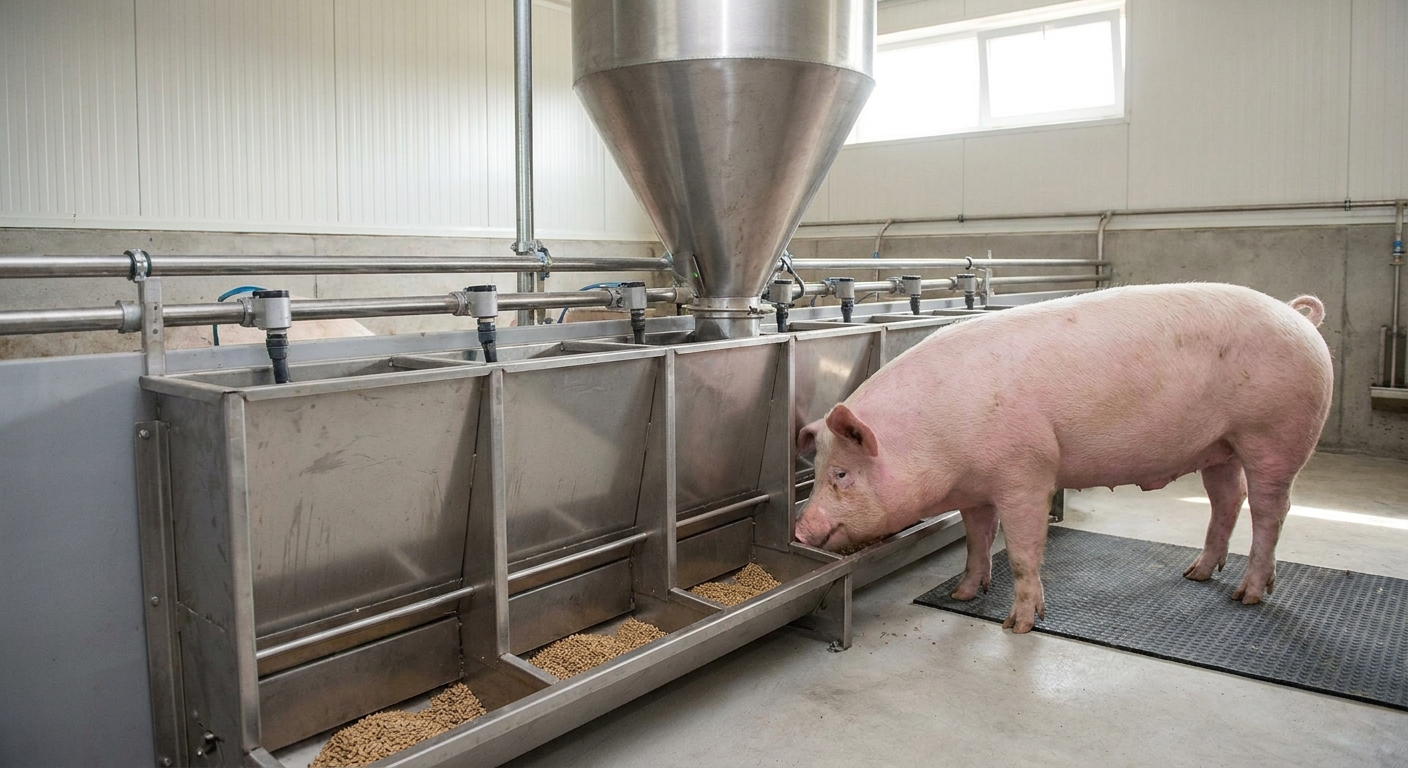
A customized pig shed simplifies daily feeding by integrating dedicated, covered feeding pavilions that prevent food aggression and allow controlled portion management. These areas must be constructed with durable concrete pads to prevent feed from mixing with mud and debris. Keeping the feeding zone elevated and separate from the sleeping nests ensures excellent sanitation and prevents rodent infestation.
Feed-time excitement can become dangerous for human handlers if space is tight and layout is poorly optimized. Designing separate gating allows you to prepare food safely before letting the pigs enter.
Why designated feeding areas prevent obesity
Swine are highly food-motivated, making structured individual feeding spaces vital for preventing dominant pigs from overeating. You can monitor each pig’s intake and administer medical treatments privately when utilizing partitioned troughs.
What does this mean? It ensures subordinate pigs can eat at their own pace without constant harassment.
- Utilize individual feeding stalls to allow submissive pigs to eat in peace.
- Install heavy-duty, tip-proof stainless steel troughs.
- Elevate the feeding platform slightly to ensure it stays dry and clean.
How do you design elements for easy cleanup?
Feed spills will rot quickly and attract rodents if the feeding area is not designed for fast, high-pressure washing. You should integrate a slight floor slope and a dedicated drainage path to wash away grain residue in seconds.
Key Takeaway: A sloped concrete feeding pad with an integrated drainage channel reduces daily cleanup time and prevents standing water accumulation.
| Cleanup Phase | Action Required | Target Sanitation Metric | |
|---|---|---|---|
| Immediate Post-Feed | Sweep away loose grain and food particles | Prevents rodent attraction and mold growth | |
| Daily High-Pressure Wash | Hose down concrete pad and stainless troughs | Eliminates caked-on feed and organic waste | |
| Weekly Disinfection | Apply animal-safe virucidal cleanser | Prevents cross-contamination of herd pathogens |
This structured cleanup routine maintains a sterile feeding zone and keeps pest vectors away from your barn.
Conclusion
To achieve optimal herd health, high operational efficiency, and lasting structural durability, investing in a professionally designed steel facility is the most strategic decision you can make. Designing a customized swine facility requires careful planning and engineering expertise. From structural wind ratings to customized thermal ventilation, our engineering team is here to design and manufacture your ideal setup. Let our team turn your operational plans into a durable, profitable reality— contact us today for a free engineering blueprint review and factory-direct project quote!
Build A Better Pig Shed With Expert Design Support Today !
Email:sales@showhoo.com.cn
Phone/WhatsApp:+86 186 7895 5927
Swine Housing Decision FAQ
What’s the best flooring option for heavy swine breeds?
Packed dirt floors are the absolute best choice because they provide natural joint shock absorption, prevent hoof slippage, and completely eliminate the structural stress points associated with concrete surfaces. To maintain these floors, you must elevate the dirt pad slightly above the surrounding terrain to ensure proper drainage.
Can I use standard wooden fencing for large pigs?
No, standard wooden fencing alone is rarely sufficient because large pigs can easily splinter, chew, or root underneath wooden boards. We recommend combining 12.5-gauge woven wire mesh (with small 2″ x 4″ openings) with robust, pressure-treated wood posts and a heavy ground-level wooden board to prevent them from lifting the bottom wire.
What’s the best way to prevent summer heat stroke?
Automated evaporative misting combined with industrial exhaust fans is the most effective method to cool swine, as they cannot sweat. This setup should run in cycles to prevent high humidity buildup inside the barn, and must always be paired with multiple shaded zones and unlimited access to cool drinking water.
Can I install standard residential wiring in a pig barn?
No, standard residential wiring is highly unsafe in a swine environment due to high dust levels, heavy moisture, and the chewing behaviors of swine and rodents. All electrical lines must be run through heavy-duty rigid metal conduits, with outlets and switches protected in IP55 dust-tight, moisture-proof enclosures mounted high out of the animals’ reach.
How do I know if my ventilation system is failing?
You will know your ventilation is failing if condensation builds up on your ceiling or walls, or if a strong ammonia odor persists near the ground. High humidity and stagnant ammonia gas are leading causes of swine pneumonia, meaning you must immediately increase your exhaust fan capacity and clean out damp bedding.