
Building a high-efficiency chicken house involves integrating durable steel materials with advanced climate control technologies to ensure bird health and maximum profitability. Many poultry producers struggle with traditional wooden structures that rot, harbor pests, and fail to provide adequate insulation against extreme weather. This structural instability leads to increased bird mortality rates, soaring energy bills, and constant maintenance costs that slowly drain your business profits. Modern steel-framed solutions offer a sanitized, weather-resistant, and scalable environment that streamlines your operations and protects your investment for decades.
Why should you choose steel for your poultry facility?
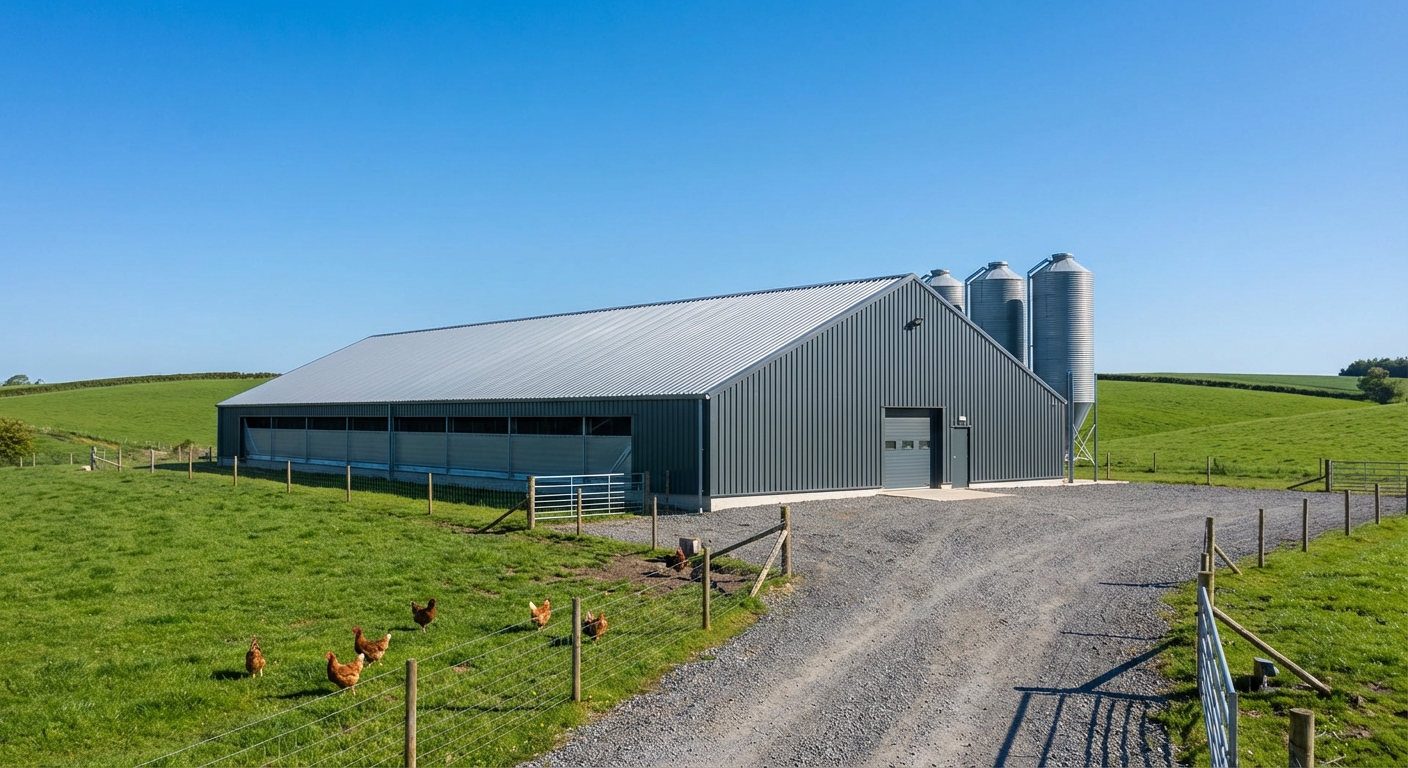
A steel-framed chicken house provides unmatched durability and biosecurity compared to traditional building materials like wood or masonry. Steel is naturally resistant to the corrosive environment created by poultry waste and high humidity levels.
Is steel more durable than wood?
Steel structures are engineered to withstand extreme wind loads, heavy snow, and even seismic activity. Unlike timber, steel does not warp, crack, or succumb to termite infestations over time.
Think about it: If your building frame fails during a storm, your entire flock is at risk. Steel ensures the safety of your birds regardless of the external environment.
Does steel improve hygiene?
The smooth surfaces of steel columns and panels prevent the buildup of bacteria and parasites. This makes the cleaning and disinfection process much faster and more effective between flock cycles.
- Non-porous materials prevent mite nesting.
- High-pressure washing does not damage the frame.
- Galvanized coatings prevent rust in humid conditions.
Key Takeaway: Choosing steel for your poultry infrastructure ensures a long-lasting, pest-free environment that requires minimal structural repairs over its 50-year lifespan.
| Feature | Steel Structure | Wood Structure | |
|---|---|---|---|
| Lifespan | 50+ Years | 10-15 Years | |
| Pest Resistance | High (Immune) | Low (Termite prone) | |
| Fire Safety | Non-combustible | Highly Flammable |
Understanding the material benefits is just the beginning of your agricultural journey.
What exactly is a modern industrial poultry shed?
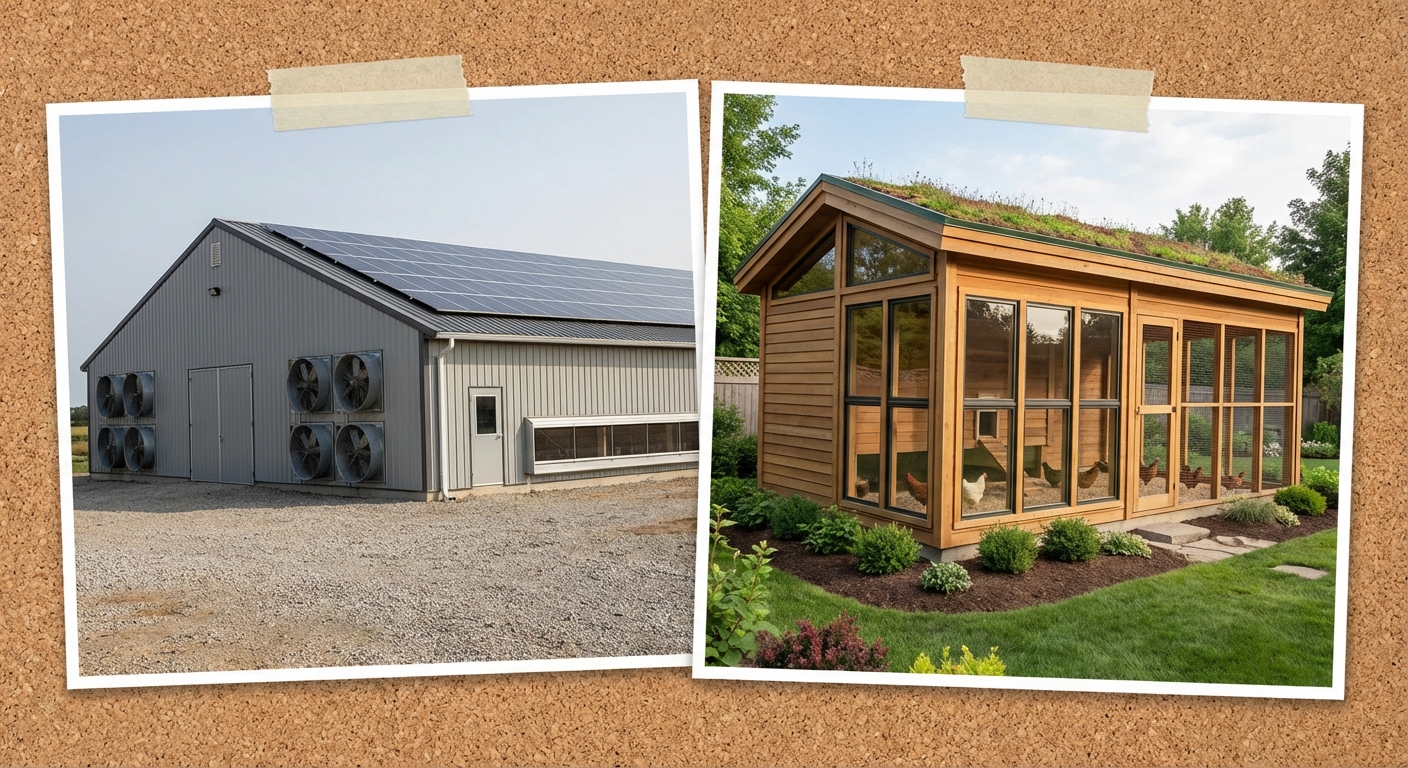
A modern chicken house is a precision-engineered steel structure designed specifically to house large flocks of poultry under optimized environmental conditions. These buildings act as a complete biosecure system rather than just a simple shelter.
What are the main components?
Every industrial shed consists of a primary steel frame, secondary purlins, and specialized wall cladding. These components work together to provide a sealed environment that keeps predators out and heat in.
Look: A building is only as strong as its weakest connection. Using high-strength bolts and H-beams ensures the entire system remains rigid.
How does it protect your chickens?
The structure serves as a barrier against external diseases and wild birds that carry viruses. By controlling every entrance and exit point, you can maintain a strict biosecurity protocol.
- Insulated panels regulate internal temperature.
- Sealed joints prevent drafts and moisture leaks.
- Steel mesh prevents small predator entry.
Key Takeaway: A modern poultry building is a sophisticated biological housing unit that integrates structural strength with environmental control.
| Component | Function | Material | |
|---|---|---|---|
| Primary Frame | Load-bearing support | H-section Steel | |
| Cladding | Thermal insulation | Sandwich Panels or Corrugated Steel Sheet+Insulation Mateirals | |
| Purlins | Panel attachment | C/Z Section Steel |
Once you understand the concept, you must look closer at the physical skeleton.
What defines the structural integrity of a poultry barn?
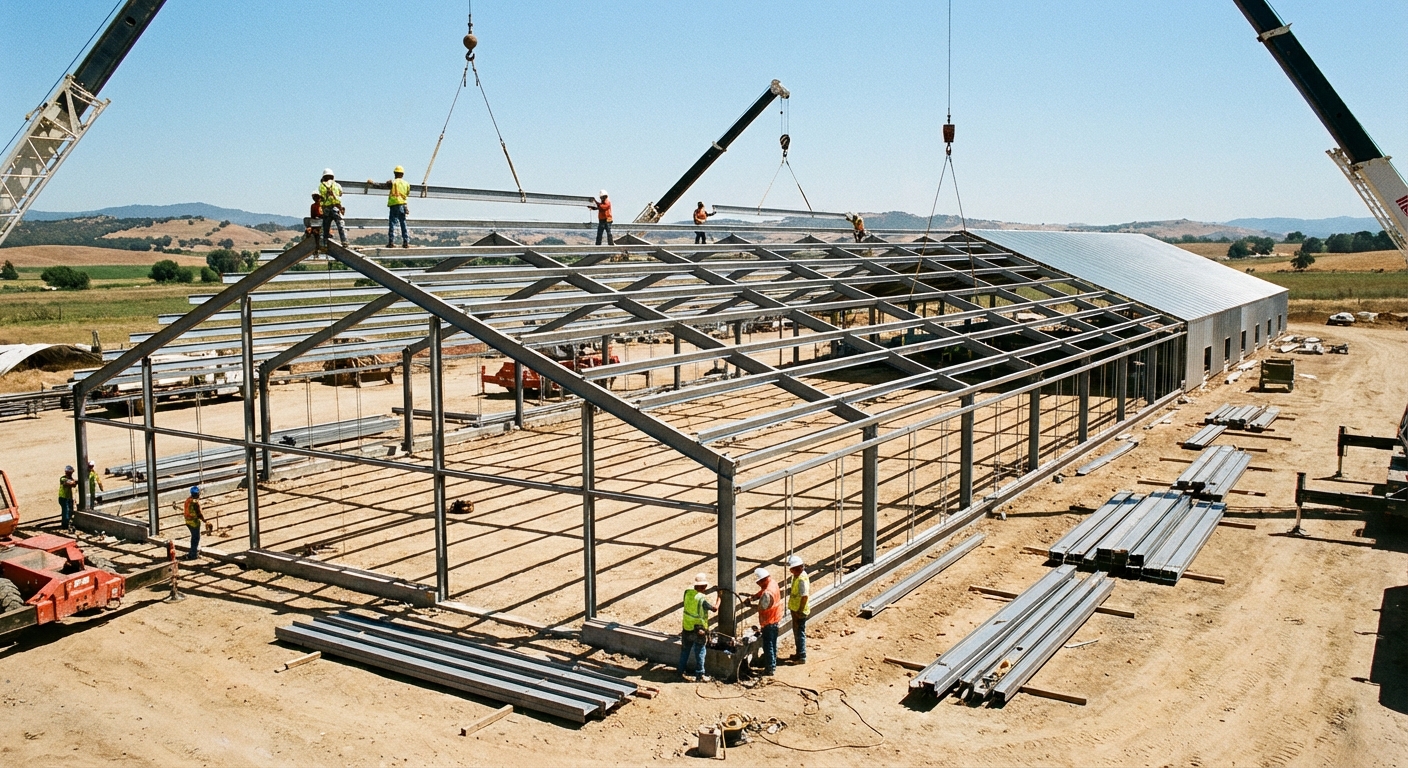
The structural skeleton of a chicken house typically consists of H-section steel columns and beams that support the entire building load. These members are engineered to handle the weight of heavy feeding and watering systems suspended from the roof.
What are primary frames?
Primary frames are the heavy-duty H-beams that form the “ribs” of your building. They are often hot-dip galvanized to ensure they do not corrode when exposed to ammonia gases from bird droppings.
Here is the deal: If you cut corners on steel quality, the roof may sag under the weight of automated equipment. High-grade steel is non-negotiable for large-span agricultural buildings.
How do secondary structures help?
Secondary structures like C-purlins and tie rods provide lateral stability and provide a surface for attaching the roof and wall panels. They ensure the building does not twist or sway during high winds.
- Bracing systems transfer wind loads to the foundation.
- Purlins support the weight of the insulation.
- Sag rods keep everything perfectly aligned.
Key Takeaway: A well-engineered steel skeleton allows for large clear spans up to 40 meters, giving you an open interior for easy equipment layout.
| Structural Member | Standard Material | Coating Type | |
|---|---|---|---|
| Main Columns | Q355B Steel | Painted or Galvanized | |
| Roof Beams | Q355B Steel | Painted or Galvanized | |
| Wall Purlins | Q235B or Q355B Steel | Galvanized |
With a strong frame in place, you can decide on the specific poultry application.
Which type of poultry house best fits your needs?
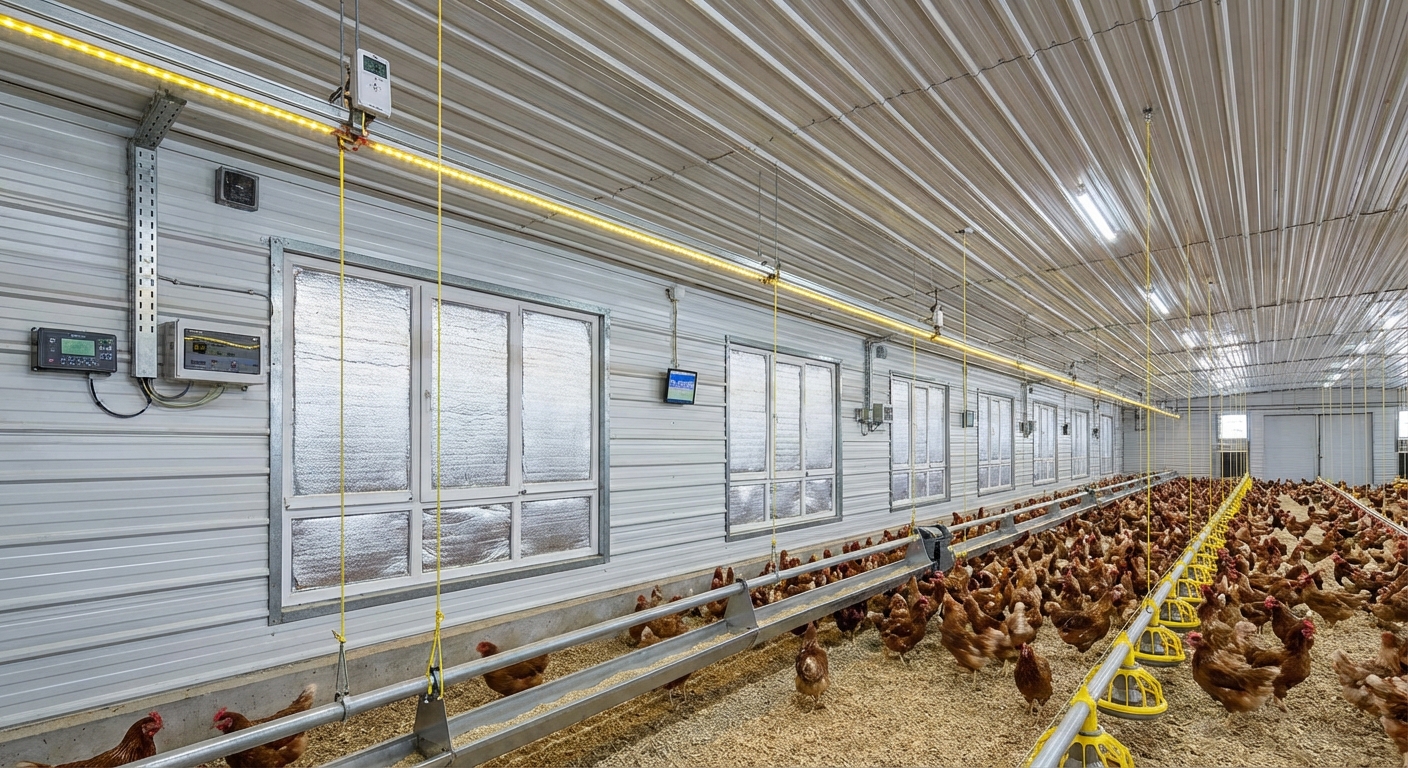
Selecting the right chicken house depends on whether you are raising broilers for meat or layers for egg production. Each type requires a unique internal configuration and equipment set to maximize yield.
What is a broiler house?
Broiler houses can be wide, open-floor buildings where meat chickens roam on litter. These require specific ventilation layouts to keep the floor dry and the air fresh. Brolier houses also can use multi-tier battery cages to feed more chickens.
The best part? Steel structures can be built extremely wide without interior columns. This allows for unobstructed movement of birds and automated litter cleaning machines.
How does a layer house differ?
Layer houses are designed for egg-laying hens and often feature multi-tier battery cages or aviary systems. Typically equipped with automated egg collection systems. These buildings must be taller to accommodate the vertical stacking of the birds. Of course, according to your requirement and national policy, you also can chose open-floor feeding style.
- Vertical space utilization increases bird density.
- Automated egg collection belts save labor.
- Manure removal systems keep the environment clean.
Key Takeaway: Whether you choose a floor-based building or a cage system based building, a steel structure provides the flexibility to install any internal equipment.
| House Type | Main Goal | Layout Style | |
|---|---|---|---|
| Broiler House | Rapid meat growth | free range or cage system | |
| Layer House | High egg production | free range or cage system | |
| Breeder House | Fertile egg production | Partitioned sections |
The type of birds you raise will directly dictate your capacity planning.
How do you plan the layout for maximum bird capacity?
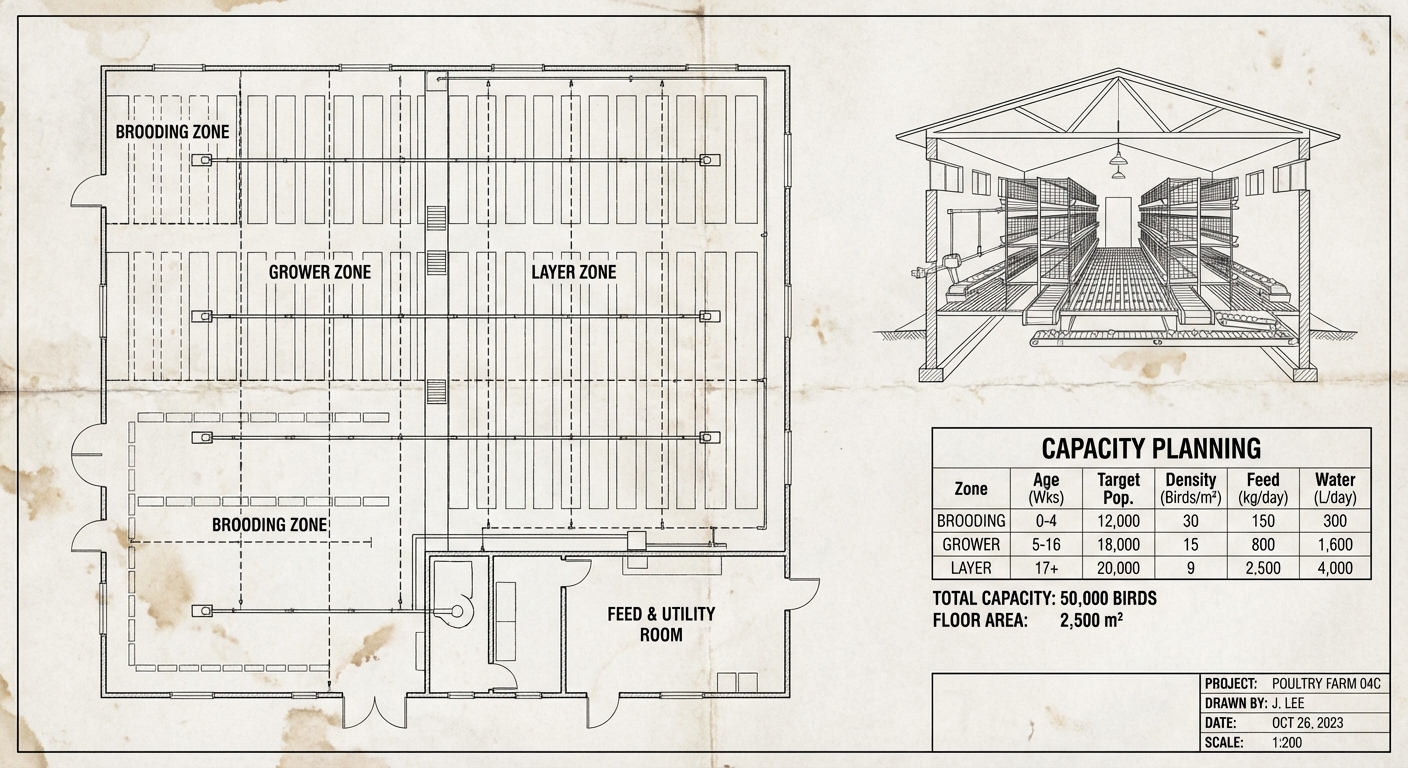
Designing an efficient layout for a chicken house requires balancing floor space with automated equipment zones to maximize bird density safely. Overcrowding can lead to stress and disease, while under-utilization wastes your investment.
Why is floor area critical?
The total floor area determines how many birds you can raise per cycle. Standard industry practices suggest specific bird counts per square meter based on your ventilation capacity.
Think about it: A 1,000 square meter house could hold 15,000 broilers or 30,000 layers in cages. Your layout must account for feeding lines and walking paths for workers.
How do you calculate bird density?
Bird density calculations should factor in the weight of the birds at maturity. High-density houses require more powerful fans and cooling pads to maintain a safe climate.
- Calculate total bird weight per square meter.
- Plan for equipment “dead zones” like feed silos.
- Ensure easy access for bird loading and unloading.
Key Takeaway: Effective layout planning maximizes your return on investment by ensuring every square meter of the building is productive and safe for the flock.
| Metric | Broiler (Floor) | Layer (Caged) | |
|---|---|---|---|
| Birds per m² | 12 – 16 birds | 20 – 40 birds | |
| Clear Span Width | 12 – 18 meters | 12 – 15 meters | |
| Minimum Height | 2.1 – 3.0 meters | 3.5 – 8.0 meters |
Capacity is only one side of the coin; bird health depends on the environment.
What design factors ensure optimal flock health?

Ventilation and thermal insulation are the most critical design factors in a modern chicken house to prevent respiratory diseases and heat stress. A well-designed building maintains a consistent temperature regardless of outside weather.
Why is ventilation vital?
Birds generate significant heat, moisture, and CO2. Tunnel ventilation systems use large exhaust fans to pull air through the house, creating a “wind chill” effect that cools the birds.
It gets better: Automated controllers can adjust fan speeds based on real-time sensor data. This ensures the environment is always perfect without manual intervention.
How does insulation work?
Sandwich panels with fiberglass or polyurethane cores are used for the roof and walls ( you also can choose corrugated steel sheet + insulation materails to save cost). These panels keep the house warm in winter and prevent solar heat gain in the summer.
- Reduces energy costs for heating and cooling.
- Prevents condensation on interior surfaces.
- Provides a smooth, washable interior finish.
Key Takeaway: Climate control is the “heart” of your poultry operation; without proper ventilation and insulation, bird performance will suffer.
| Design Factor | Equipment Used | Purpose | |
|---|---|---|---|
| Cooling | Evaporative cooling pads | Lowering intake air temperature | |
| Air Flow | 50-inch exhaust fans | Removing ammonia and heat | |
| Thermal Barrier | EPS/Glass wool panels | Maintaining temperature stability |
High-performance design sounds expensive, but the economics are surprising.
What determines the total cost of construction?
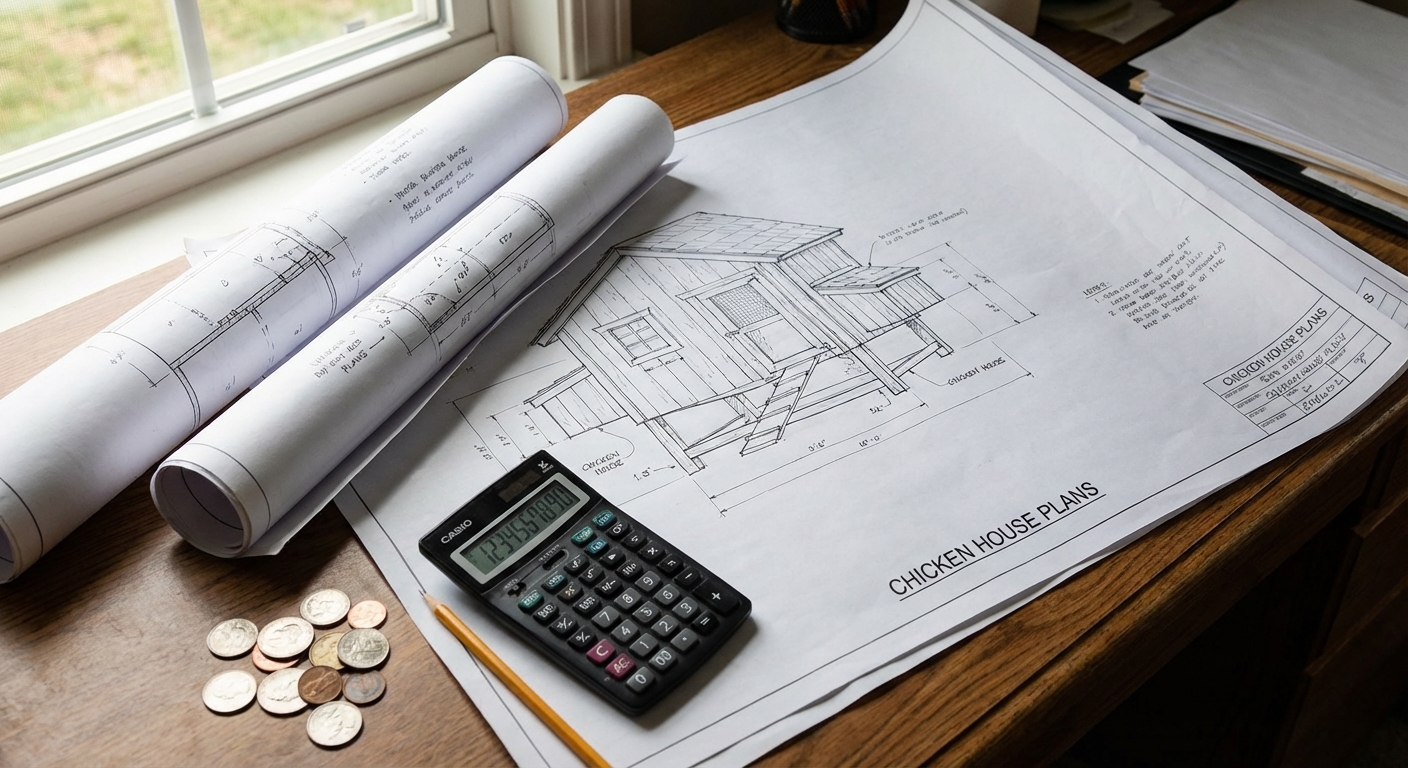
The construction cost of a chicken house is influenced by the price of raw steel, the size of the building, and the complexity of the integrated systems. While the upfront cost is higher than wood, the long-term ROI is significantly better.
Is prefabricated steel cheaper?
Prefabricated steel structures are manufactured in a factory and bolted together on-site. This reduces labor costs and construction time, which often saves 20-30% compared to traditional on-site building.
Look: Time is money in farming. The faster your building is finished, the sooner you can start your first flock and generate revenue.
What are the long-term savings?
Steel buildings require almost zero structural maintenance. You won’t spend money on painting wood, replacing rotten beams, or repairing termite damage every few years.
- Lower insurance premiums due to fire resistance.
- Reduced energy bills from superior insulation.
- High resale value of the steel structure.
Key Takeaway: Investing in a steel poultry barn is a capital-efficient decision that pays for itself through lower operating costs and higher bird productivity.
| Cost Factor | % of Total Budget | Impact on ROI | |
|---|---|---|---|
| Steel Frame | 40% – 50% | Structural longevity | |
| Insulation Panels | 20% – 25% | Energy efficiency | |
| Labor & Install | 15% – 20% | Construction speed |
Numbers are useful, but seeing real-world results proves the value.
How have other farmers succeeded with steel structures?
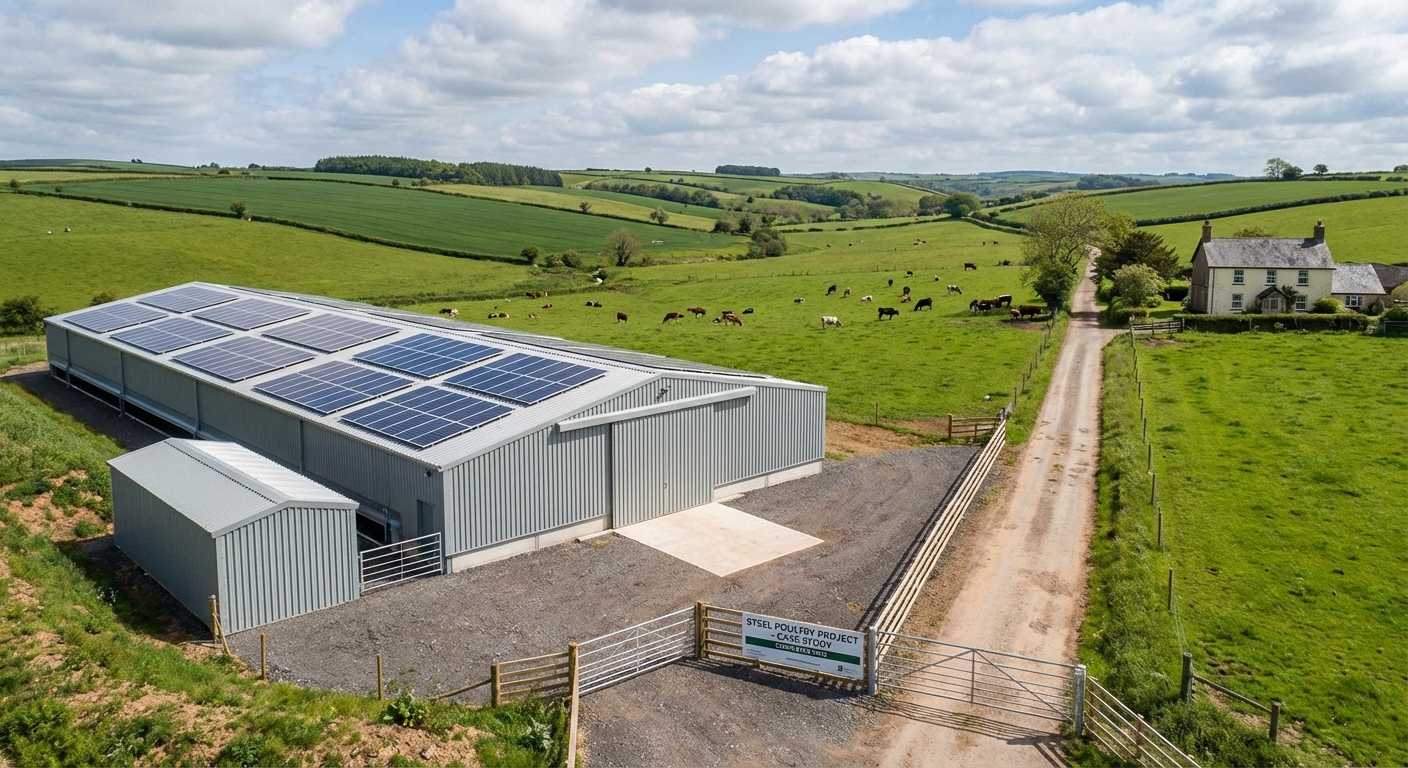
Real-world data from a completed chicken house project shows a significant reduction in construction time compared to masonry buildings. Farmers across Australia, the Philippines, and Africa have transitioned to steel to scale their operations.
What did the Australia project show?
A project in Australia required a structure that could withstand high humidity and coastal salt spray. The use of hot-dip galvanized steel ensured the building remained rust-free.
But wait, there’s more: The client reported that the modular design allowed them to assemble the entire 1,500m² structure in just four weeks with a small local crew.
Why choose global expertise?
Manufacturers with experience in over 50 countries understand local building codes and climate challenges. They provide detailed drawings that make site installation foolproof.
- Pre-marked parts for easy sorting.
- Comprehensive installation guides.
- Remote engineering support for site questions.
Key Takeaway: Global case studies prove that prefabricated steel buildings are the international standard for professional, high-yield poultry farming.
| Project Location | Size (sqm) | Construction Time | |
|---|---|---|---|
| Philippines | 2,000 | 5 Weeks | |
| Australia | 1,500 | 4 Weeks | |
| Ghana | 1,200 | 3 Weeks |
Even the best-built house needs a maintenance plan to last a lifetime.
How do you maintain a large poultry building?
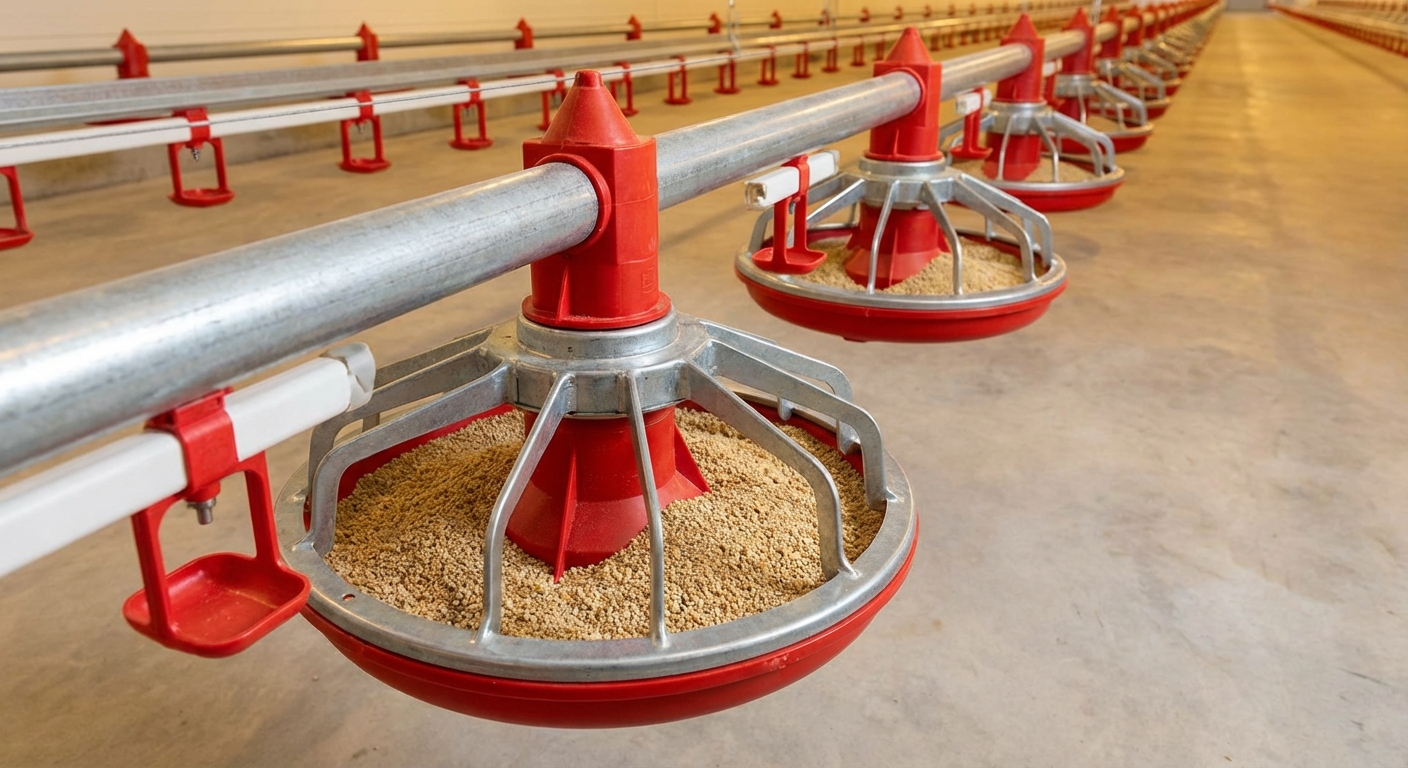
Routine maintenance of a chicken house focuses on cleaning the smooth steel surfaces and ensuring the automated feeding systems are functioning correctly. Because steel is durable, most maintenance is preventative rather than corrective.
How easy is cleaning?
Steel buildings are designed for “wash-down” cycles. The metal panels and galvanized frames can be sprayed with high-pressure water and disinfectants without fear of structural rot.
Here is the deal: If you can clean your house faster, you reduce the “down-time” between flocks. This allows for more cycles per year and higher annual profit.
Why check the automation?
Automated feeding and watering lines are the lifeblood of the operation. Regular checks prevent feed waste and ensure every bird has constant access to clean water.
- Lubricate moving parts in the feed auger.
- Check fan belts for tension and wear.
- Test the backup generator weekly.
Key Takeaway: Minimal structural maintenance allows you to focus your time and energy on managing bird health and optimizing feed conversion ratios.
| Task | Frequency | Objective | |
|---|---|---|---|
| High-Pressure Wash | Between flocks | Pathogen elimination | |
| Fan Inspection | Monthly | Ventilation efficiency | |
| Bolt Tightening | Annually | Structural check |
Finally, let’s look at how these buildings impact the future of the planet.
Does steel construction support farm sustainability?
An eco-friendly chicken house utilizes recyclable steel and energy-efficient insulation to minimize the environmental footprint of your operation. Modern farms are increasingly looking for ways to reduce waste and carbon emissions.
Is steel a green material?
Steel is the most recycled material on Earth. When a building eventually reaches the end of its life, the steel can be repurposed without losing its structural properties.
The best part? You are building with a material that doesn’t require the cutting of forests. It is a responsible choice for the modern, environmentally conscious producer.
How does design save energy?
By using high-performance insulation, you significantly reduce the amount of electricity needed to heat or cool the building. Some modern houses even integrate solar panels on the large roof surface.
- High R-value panels trap heat efficiently.
- Solar-ready roofs support green energy.
- Reduced water waste through nipple-drinker systems.
Key Takeaway: Sustainability and profitability go hand-in-hand; energy-efficient steel buildings lower your carbon footprint while slashing your utility bills.
| Sustainable Feature | Benefit | Long-term Impact | |
|---|---|---|---|
| 100% Recyclable | Zero waste | Circular economy | |
| Low Energy Usage | Cost savings | Reduced CO2 | |
| Durable Coating | No toxic runoff | Soil protection |
Steel provides the foundation for a farm that lasts for generations.
Building Your Future in Poultry
This article has explored the critical role of structural integrity, environmental control, and material choice in building a successful poultry operation. By choosing steel, you solve the problems of rot, high maintenance, and poor biosecurity that plague traditional farms. We are here to provide the engineering excellence and factory-direct quality you need to transform your agricultural vision into a high-yielding reality. Our mission is to empower global farmers with durable, innovative steel solutions that stand the test of time and climate.
To start your journey toward a more profitable farm, contact us today for a customized project analysis.
Common Questions (FAQ)
Can I build a steel chicken house in a tropical climate?
Yes, you certainly can. Steel structures are ideal for tropical regions because they can be hot-dip galvanized to resist high humidity and equipped with powerful cooling systems to combat extreme heat.
What’s the best way to prevent rust inside the building?
Hot-dip galvanization is the most effective solution. This process coats the steel in a protective layer of zinc that prevents the ammonia gases and moisture inside the house from reaching the raw metal.
How do I know if I need a broiler or a layer house?
It depends on your business model. If you want a quick turnover (6-8 weeks) for meat production, choose a broiler house; if you want a steady daily income from eggs over a longer period (70+ weeks), choose a layer house.
Can I expand my poultry house later?
Absolutely. One of the primary advantages of steel is that it is modular, allowing you to easily add additional sections to the length of the building as your flock size grows.
How do I know if my site is ready for a steel building?
A flat, compacted soil surface with a concrete foundation is required. You should consult with an engineer to ensure the foundation can support the specific weight and wind-load requirements of your local area.