
Designing and pricing a 25,000 sq ft warehouse requires a strategic balance between pre-engineered steel material selection and optimized floor plan logistics. Launching a large-scale industrial project often feels like navigating a financial minefield, where the sheer complexity of budgeting for a 25,000 sq ft warehouse results in paralyzing indecision. Small errors in span calculations or material selection can balloon into six-figure losses, risking underutilized floor space or overpayment for structural components. This comprehensive guide deconstructs every variable of the process, providing the data-driven insights needed to deliver a high-performance 25,000 sq ft warehouse using a step-by-step cost guide for 20,000 sq ft projects as a foundational pricing benchmark.
1. What is the cost of a 25000 sq ft warehouse?
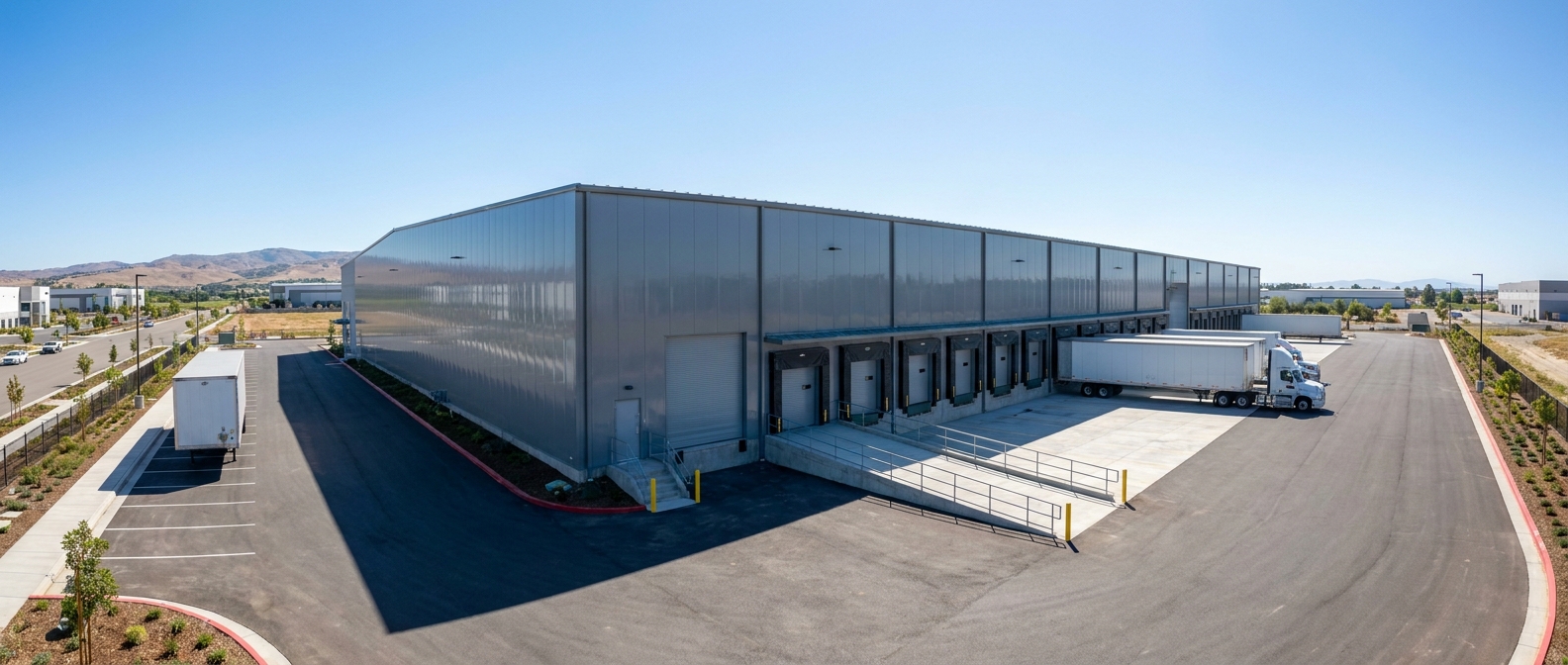
The total investment for a 25,000 sq ft warehouse typically ranges from 750,000 to 1.25 million for the completed shell and foundation. You should expect the base cost of a 25000 sq ft warehouse to average between 15 and 25 per square foot for the primary structural kit.
Breaking down the core expenses
Here is the bottom line. The steel building kit itself accounts for the largest portion of your budget, followed closely by site preparation and concrete labor.
- Steel building kit: 12−18 per sq ft.
- Foundation and slab: 5−9 per sq ft.
- Erection and labor: 4−7 per sq ft.
Total investment summary
The key takeaway is that local building codes and snow load requirements will significantly influence the final thickness of your steel framing. You must account for these environmental variables early to avoid mid-construction budget spikes.
| Cost Component | Estimated Price (Per Sq Ft) | Total for 25,000 Sq Ft | |
|---|---|---|---|
| Steel Building Kit | 12−18 | 300,000−450,000 | |
| Foundation & Slab | 5−9 | 125,000−225,000 | |
| Erection & Labor | 4−7 | 100,000−175,000 |
This pricing model demonstrates that bulk material purchasing offers a distinct economy of scale for large footprints.
2. How to design a 25000 sq ft warehouse?
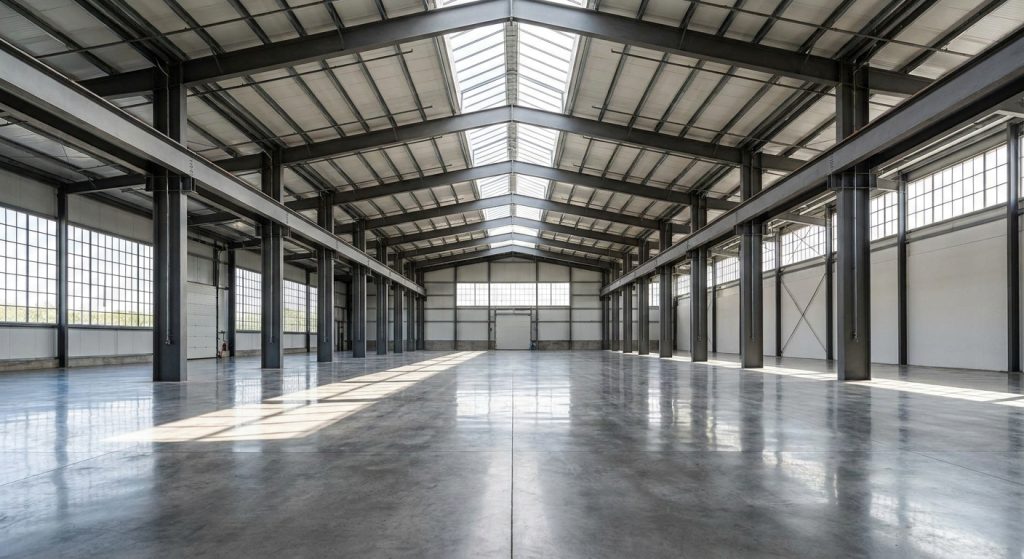
Effective design centers on selecting a clear-span frame to ensure maximum interior flexibility without obstructive central columns. When you explore industrial steel structure warehouse solutions , you will find that a 25000 sq ft warehouse benefits most from a high eave height of 28 to 32 feet.
Clear-span or multi-span?
You might be wondering which layout is better for your operation. Clear-span designs are superior for logistics centers because they allow for unrestricted forklift movement and modular racking setups.
- Maximum floor space utilization.
- Flexible racking configurations.
- Improved safety for heavy machinery.
Determining the optimal eave height
The key takeaway is that vertical space is often cheaper than horizontal expansion. By increasing your eave height to 30 feet, you can effectively double your storage capacity via high-bay racking systems.
| Design Element | Recommended Specification | Benefit | |
|---|---|---|---|
| Structural Frame | Rigid Frame Steel | High durability & span | |
| Eave Height | 30 Feet | 4-5 level racking | |
| Roof Pitch | 1:12 | Efficient drainage |
Utilizing verticality ensures your footprint works harder for your business without increasing the ground-level property costs.
3. Why choose steel for a 25000 sq ft warehouse?
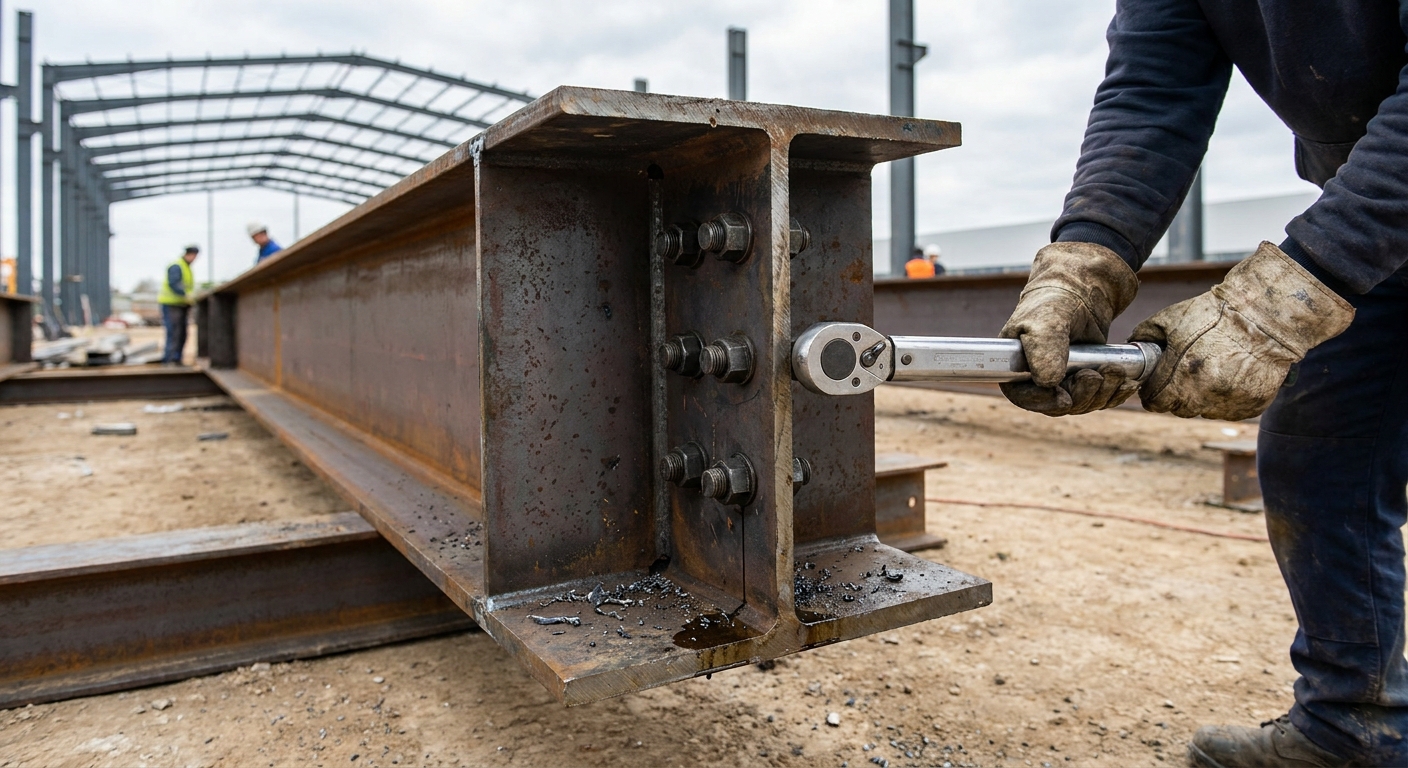
Steel is the preferred material due to its rapid construction speed, fire resistance, and long-term structural integrity. Building a 25000 sq ft warehouse with pre-engineered metal components reduces labor hours and minimizes on-site waste significantly.
Long-term durability and safety
Think about this before choosing concrete or wood. Steel buildings offer lower insurance premiums because they are non-combustible and resistant to pests or rot.
- 100% recyclable materials.
- Superior seismic performance.
- Minimal maintenance requirements.
Why speed of construction matters?
The key takeaway is that pre-engineered steel kits can be erected up to 30% faster than traditional tilt-up concrete methods. This allows your business to become operational and generate revenue much sooner than other construction types.
| Material | Construction Speed | Maintenance Level | |
|---|---|---|---|
| Pre-Engineered Steel | Fast (Weeks) | Very Low | |
| Concrete Tilt-up | Medium (Months) | Low | |
| Wood Frame | Slow (Months) | High |
Rapid assembly timelines make steel the most financially viable option for businesses looking to scale operations quickly.
4. How to estimate 25000 sq ft warehouse costs?
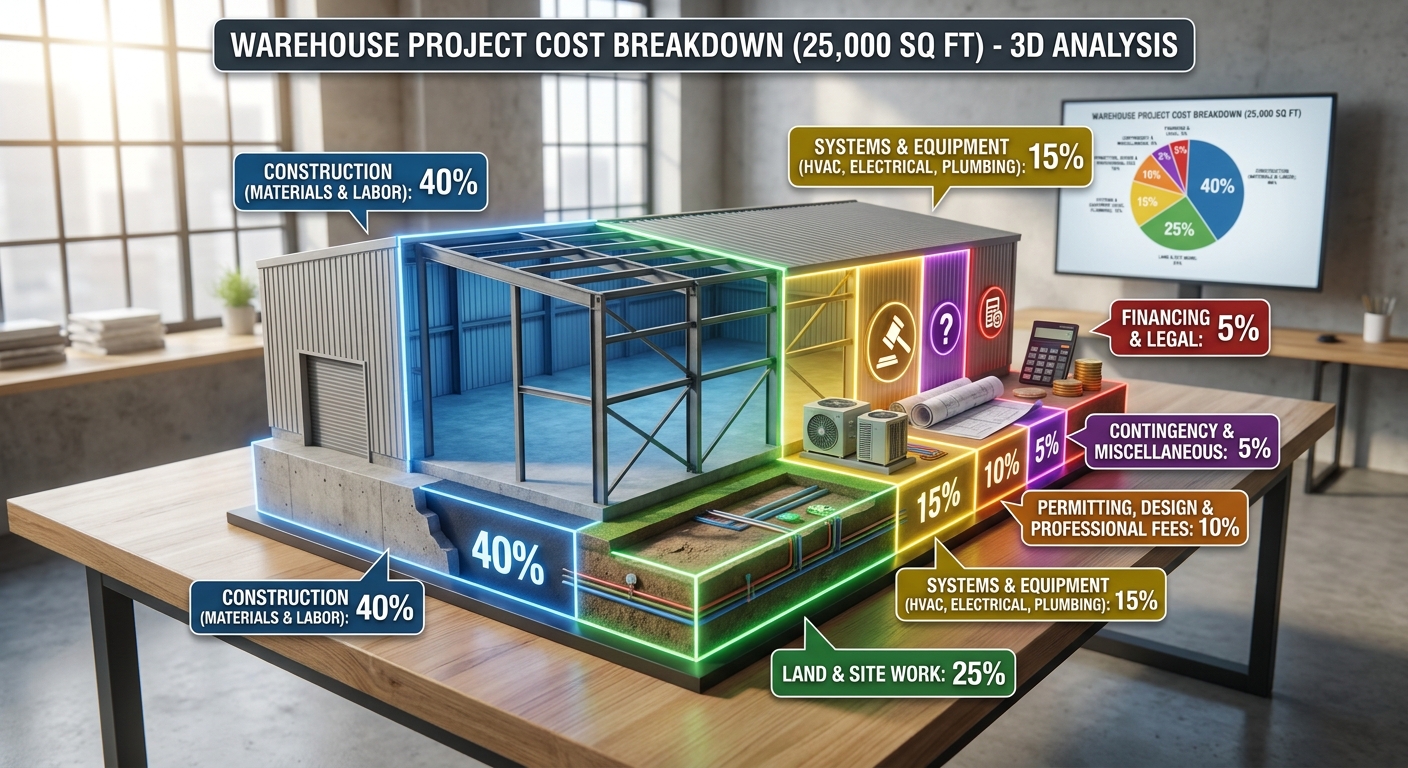
Estimating the cost involves aggregating site preparation, material delivery, and professional engineering fees into a single project budget. You can accurately estimate large steel warehouse cost by using benchmarks for a 25000 sq ft warehouse that account for regional labor variances.
Site preparation and soft costs
Let’s dig deeper into the hidden expenses. Permits, utility hookups, and soil testing can account for up to 15% of your total project expenditure.
- Geotechnical soil reports.
- Stormwater management plans.
- Local zoning and permit fees.
Scaling the material budget
The key takeaway is that material costs for steel fluctuate with global market trends, making early procurement essential. Locking in your steel price at the design phase prevents inflation from eroding your project’s profitability.
| Phase | Percentage of Budget | Action Item | |
|---|---|---|---|
| Pre-Construction | 5% | Permits & Soil Tests | |
| Materials | 50% | Steel Kit & Insulation | |
| Site Work | 20% | Grading & Paving |
A structured estimation approach ensures that you have a 10% contingency fund ready for unforeseen geological or regulatory challenges.
5. How to optimize a 25000 sq ft warehouse?
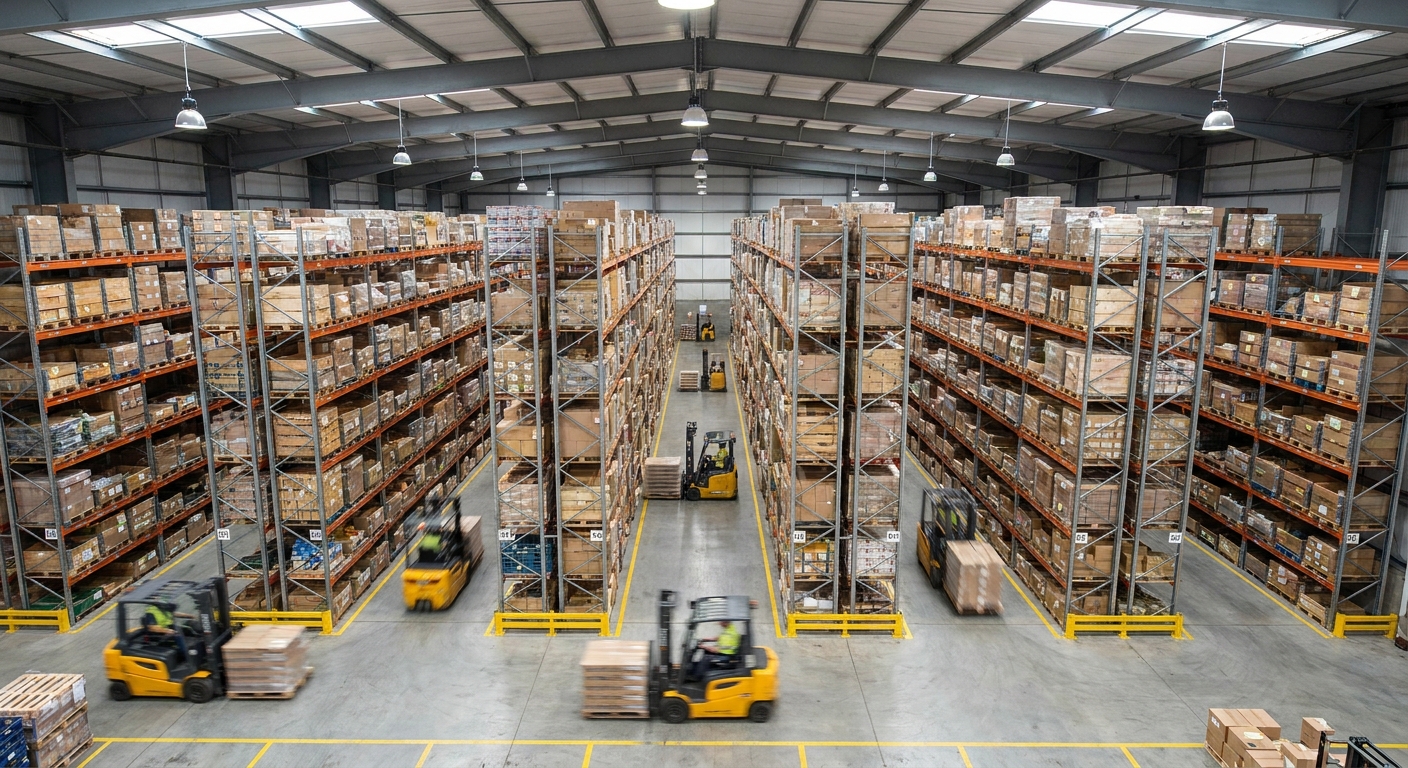
Optimization is achieved through high-density racking and strategic dock placement to streamline the flow of goods. In a 25000 sq ft warehouse, you must prioritize the “Golden Zone” near loading docks for the fastest-moving inventory.
Increasing storage density
The secret is here in the layout. By implementing narrow-aisle racking, you can increase your pallet capacity by up to 40% within the same physical footprint.
- Use of directional floor markings.
- Installation of automated dock levelers.
- Strategic mezzanine integration.
Workflow for logistics efficiency
The key takeaway is that minimizing the distance between receiving and shipping docks reduces labor costs and handling time. A cross-docking design is highly effective for high-volume distribution centers of this size.
| Optimization Strategy | Impact | Cost Effort | |
|---|---|---|---|
| Vertical Storage | +40% Capacity | Medium | |
| Cross-Docking | -20% Handling Time | Low (Design Phase) | |
| LED Lighting | -30% Energy Bill | Low |
Focusing on internal flow ensures your facility remains competitive and efficient as your inventory volume grows.
6. How long to build a 25000 sq ft warehouse?
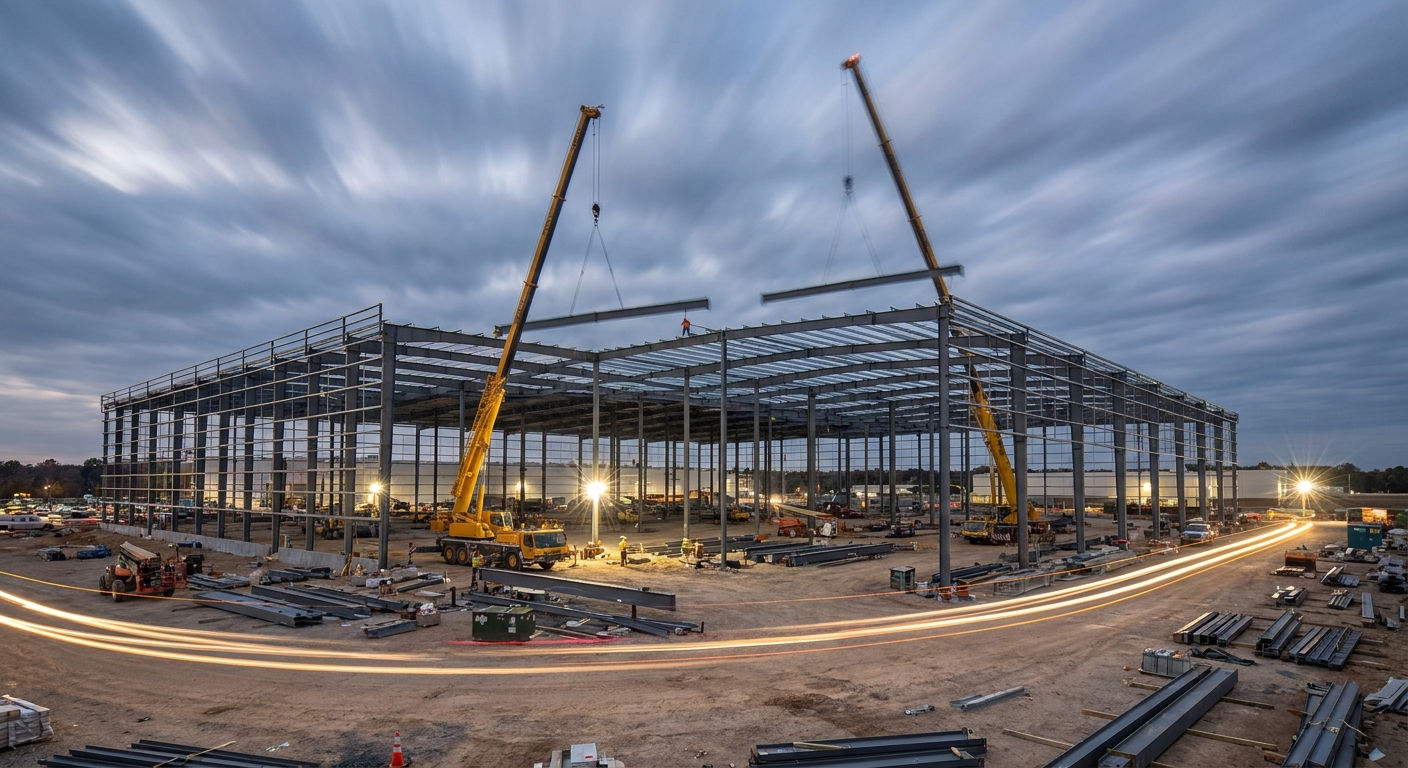
A standard construction timeline for this size is approximately 4 to 6 months from initial design to final move-in. When checking the warehouse category for similar projects, you will see that a 25000 sq ft warehouse benefits from concurrent site prep and off-site steel fabrication.
Pre-engineered delivery timeline
It’s faster than you think. While your foundation is being poured and cured, the steel frame is precision-manufactured in a factory setting to ensure perfect fitment.
- Design & Permitting: 4-8 weeks.
- Fabrication: 6-10 weeks.
- On-site Erection: 5-8 weeks.
Managing construction delays
The key takeaway is that weather and permit approvals are the most common causes of project stagnation. Planning your ground-breaking during dry seasons can save weeks of potential downtime during the slab-pouring phase.
| Milestone | Duration | Cumulative Week | |
|---|---|---|---|
| Design & Permitting | 4-8 Weeks | Week 8 | |
| Fabrication | 6-10 Weeks | Week 14 | |
| On-site Erection | 5-8 Weeks | Week 22 |
Adhering to a strict project management schedule ensures your facility is ready for operation before peak seasonal demand.
7. What specs fit a 25000 sq ft warehouse?
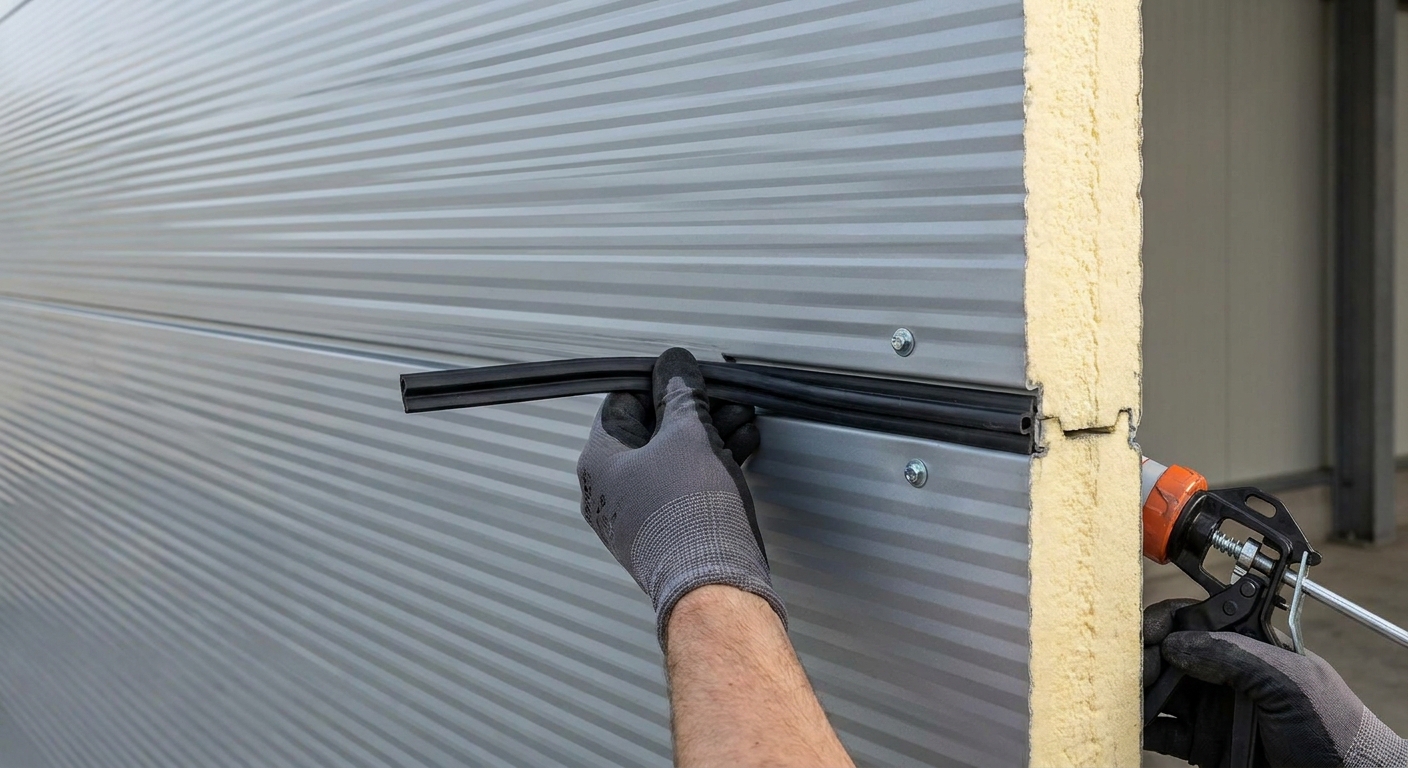
Critical specifications include R-value insulation, 3-phase electrical power, and heavy-duty floor slabs to support industrial machinery. You should customize your 25000 sq ft warehouse based on whether you require climate control or cold storage capabilities.
Insulation and environmental control
The devil is in the details of the wall panels. Using sandwich panels with high R-values can reduce your annual energy costs by 25% while protecting sensitive inventory.
- R-30 sandwich panels for cold storage.
- 12′ x 14′ overhead dock doors.
- High-bay LED lighting systems.
Floor and roof requirements
The key takeaway is that the floor slab must be reinforced with rebar to handle the point loads of heavy-duty racking systems. Standard 6-inch concrete is sufficient for general storage, but 8-inch reinforced slabs are better for manufacturing.
| Component | Standard Spec | Heavy-Duty Spec | |
|---|---|---|---|
| Insulation | R-11 Fiberglass | R-30 Sandwich Panel | |
| Floor Slab | 6-inch Concrete | 8-inch Reinforced | |
| Roof Material | 26 Ga PBR | Standing Seam |
Investing in high-quality specs during initial construction prevents costly facility upgrades and repairs in the future.
8. What foundation for a 25000 sq ft warehouse?
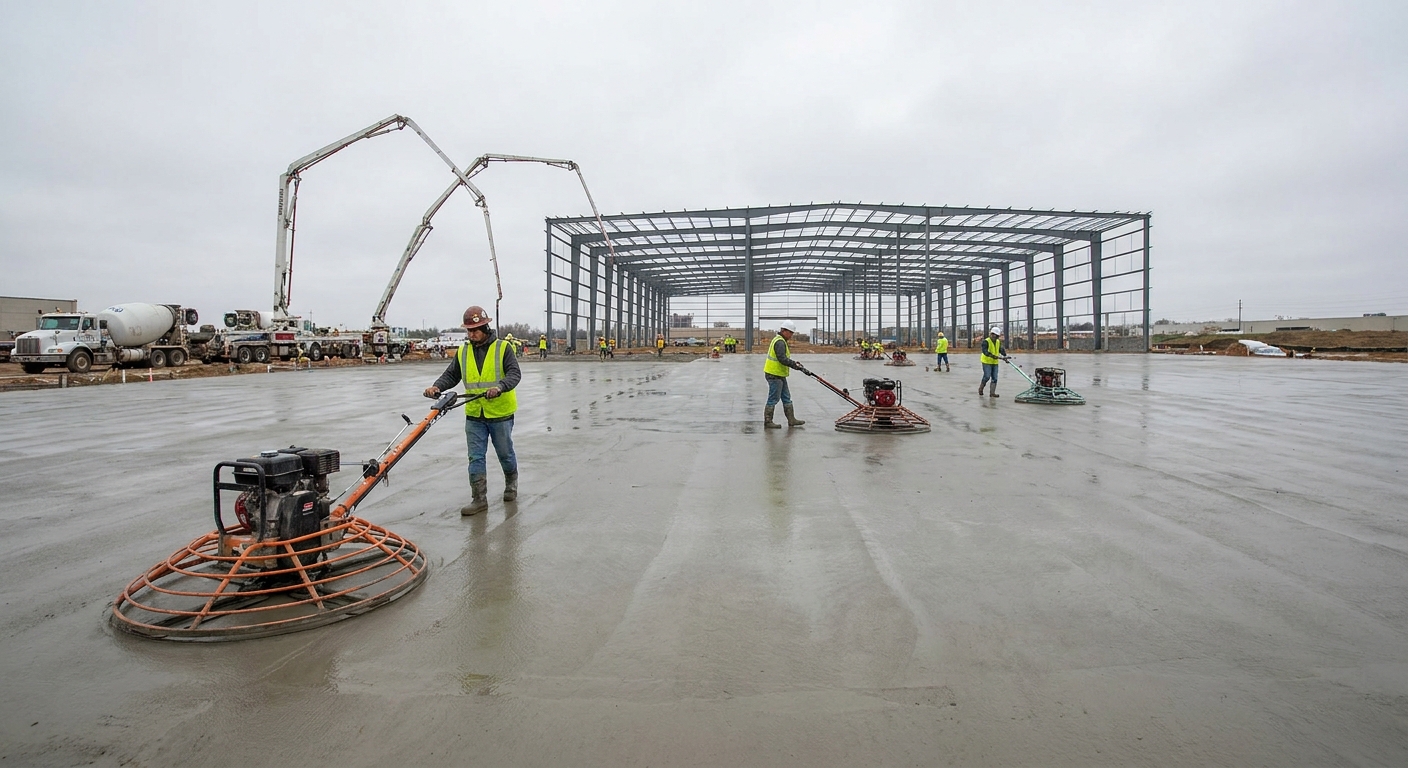
A reinforced pier-and-beam or thickened slab foundation is required to support the concentrated weight of the steel columns. While maximizing storage efficiency depends on the interior, the structural safety of your 25000 sq ft warehouse depends entirely on the soil’s bearing capacity.
Foundation types and soil capacity
Everything rests on this single phase. Unstable soils may require deep piers, which can increase your foundation budget by up to 40% compared to standard floating slabs.
- Vapor barriers to prevent moisture.
- Rebar reinforcement for forklifts.
- Expansion joints to prevent cracking.
Concrete costs and requirements
The key takeaway is that the foundation typically costs between
6and
10 per square foot depending on the level of reinforcement. It is the most critical component for ensuring the long-term structural alignment of your steel frame.
| Foundation Type | Best For | Typical Depth | |
|---|---|---|---|
| Floating Slab | Light Loads | 4-6 Inches | |
| Reinforced Mat | Heavy Machinery | 8-12 Inches | |
| Pier & Beam | Unstable Soil | Varies by Soil |
A properly engineered foundation provides the stable base necessary for maintaining the precision of your steel structure.
9. How to save on a 25000 sq ft warehouse?
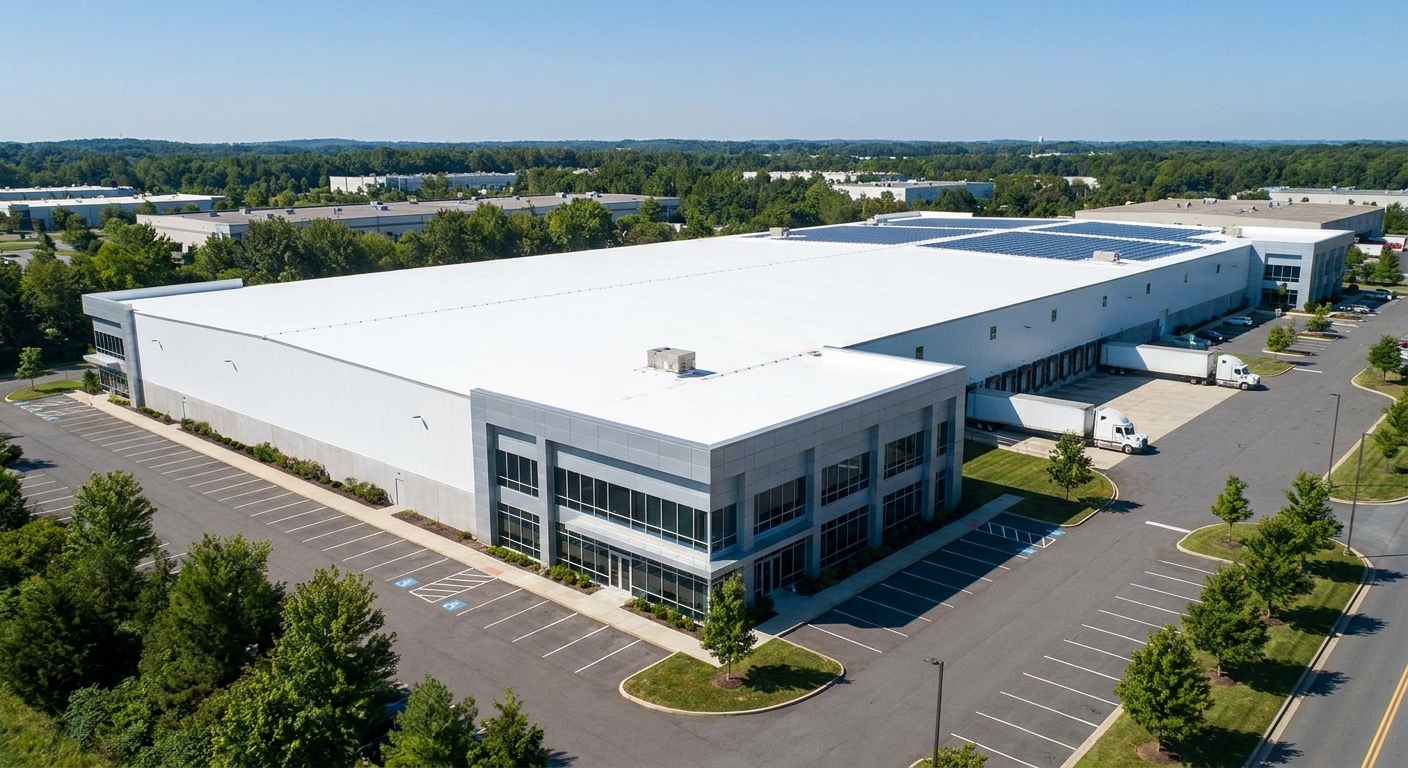
Savings are found by utilizing standard bay spacing and purchasing factory-direct steel kits to eliminate middleman markups. For a 25000 sq ft warehouse, using standard 20-foot or 25-foot bay increments avoids the need for expensive custom engineering fees.
Smart material and design choices
Here is the shortcut to a lower price tag. Choosing a light-colored roof can significantly reduce cooling costs, providing ongoing savings throughout the building’s operational life.
- Standard modular dimensions.
- Pre-painted metal panels.
- Manual vs. motorized dock doors.
Factory-direct advantages
The key takeaway is that buying direct from the manufacturer can save you up to 20% on the total building kit price. This allows you to reallocate funds toward interior equipment or high-grade insulation systems.
| Saving Method | Potential Savings | Trade-off | |
|---|---|---|---|
| Standard Dimensions | 10,000−30,000 | Less Customization | |
| Light Color Roof | 15% Cooling Costs | None | |
| Pre-painted Panels | $5,000 (Maintenance) | Higher Initial Cost |
Value engineering during the design phase is the most effective way to keep your industrial project under budget.
10. Can you expand a 25000 sq ft warehouse?
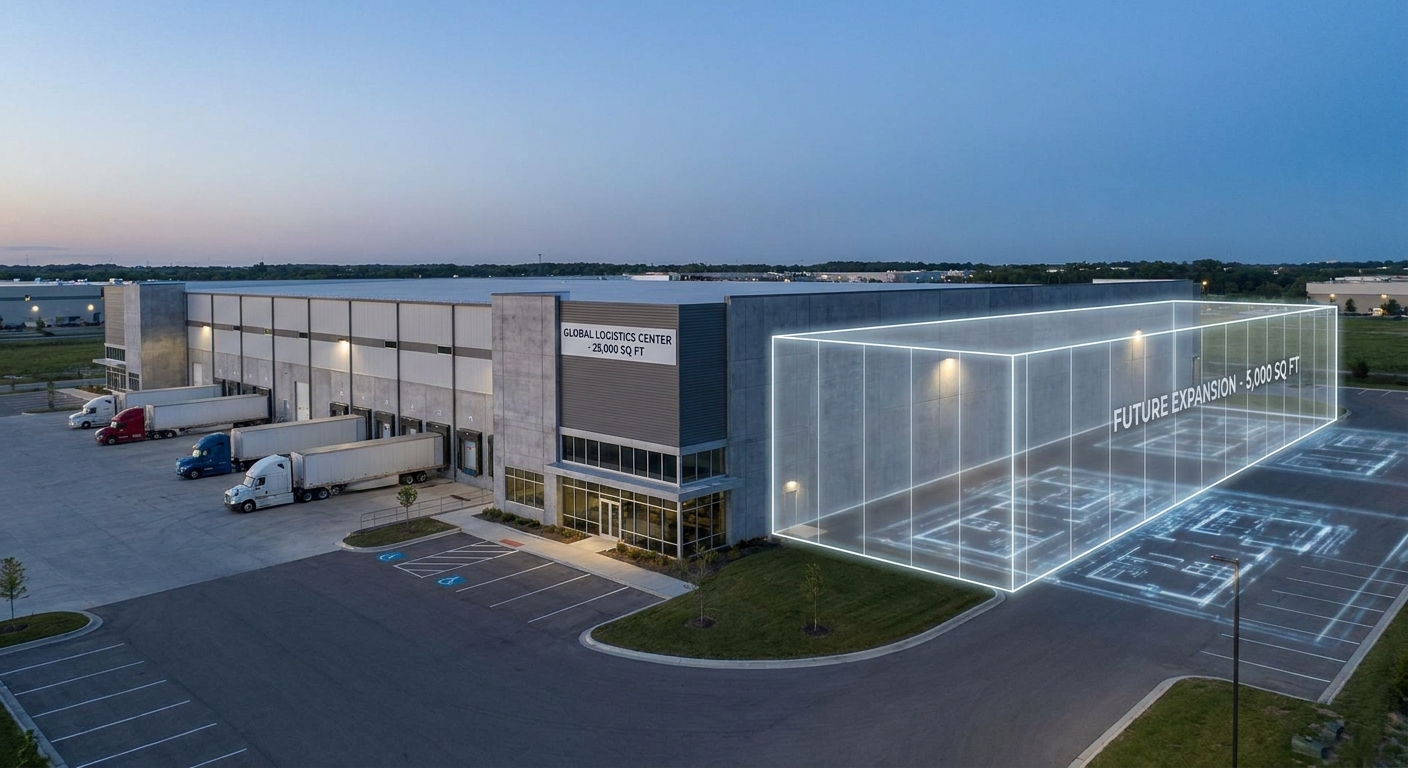
Yes, pre-engineered steel buildings are designed with expandable end-walls that allow for seamless future growth. When you plan a 25000 sq ft warehouse, you should prepare the site and utility connections today to accommodate a future 50,000 sq ft footprint.
Planning for structural growth
Don’t box yourself in during the first phase. Modular site plans ensure that you don’t need to rezone the land or overhaul your drainage systems when you decide to expand.
- Expandable end frame rafters.
- Oversized utility panels.
- Bolt-together frame connections.
Future-proofing your investment
The key takeaway is that including an expandable end wall adds minimal cost today but saves hundreds of thousands in demolition and reconstruction later. It is a strategic move for any business anticipating steady market growth.
| Expansion Feature | Requirement | Future Benefit | |
|---|---|---|---|
| Expandable End Frame | Specific Rafter Design | Easy connection | |
| Modular Site Plan | Extra Paving Space | No land rezoning | |
| Oversized Utilities | High-Capacity Panel | No electrical upgrades |
Future-proofing ensures that your facility evolves alongside your business needs without requiring a complete relocation.
Conclusion
Navigating the design and pricing of a massive industrial facility is a complex undertaking that demands precision. Many stakeholders find themselves over budget or stuck with inefficient layouts because they failed to plan for vertical density or modular expansion. By leveraging pre-engineered steel kits and standardized bay spacing, you can overcome these obstacles and deliver a facility that maximizes ROI. The future of industrial logistics belongs to those who build with scalability and efficiency in mind. If you are ready to begin your project or need a custom quote, contact us today to speak with an engineering expert who can bring your vision to life.
| sales@showhoo.com.cn | |
| Phone/WhatsApp | +86 186 7895 5927 |
FAQ
Can I build a 25,000 sq ft warehouse on any soil type?Yes, but specialized foundations are required. Most soil can support steel, though unstable types need deep piers that increase foundation costs.
What’s the best way to ventilate a 25,000 sq ft warehouse?A combination of ridge vents and louvers is best. These are cost-effective, but HVLS fans are better for active, high-volume air circulation.
How do I know if I need a permit for a 25,000 sq ft warehouse?You will always need one. A structure of this size requires zoning, environmental, and building permits including a fire marshal’s review.
Can I use a 25,000 sq ft warehouse for manufacturing?Yes, but you must upgrade the slab. Heavy machinery requires an 8-inch reinforced foundation rather than the standard 6-inch slab.
What’s the best roof for a 25,000 sq ft warehouse?A standing seam metal roof is the best choice. It offers superior leak resistance and a longer lifespan compared to standard PBR panels.