
You likely face the challenge of expanding your storage while keeping overhead low and avoiding construction delays. Needing space but fearing the price can stall your business growth for years. Establishing an accurate cost to build 10000 sq ft warehouse ensures your business scales efficiently without compromising structural integrity or safety.
What is the cost to build 10000 sq ft warehouse?
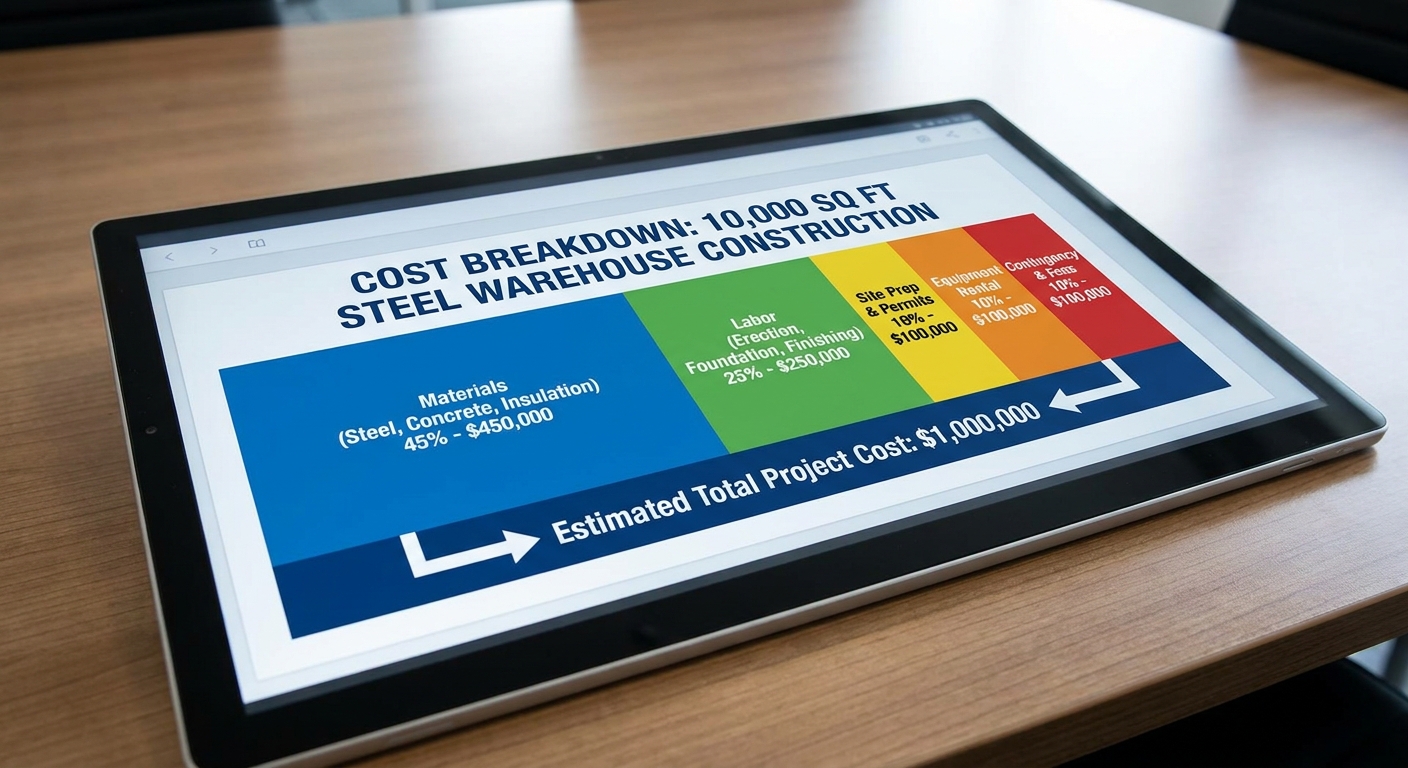
A basic 10,000 sq. ft. steel warehouse shell usually starts at approximately $150,000, though specialized features can drive that figure higher. When you evaluate the cost to build 10000 sq ft warehouse, you must account for the shell, the foundation, and the basic utilities required for operation.
Think about this: Prices fluctuate based on the complexity of the frame and the quality of the exterior cladding you select. You should expect the final price to reflect a combination of material procurement and expert labor.
Estimating the Baseline Investment
Determining your starting point involves looking at the raw price of pre-engineered steel. These kits are often the most economical way to secure a large-scale facility quickly.
The base price usually covers:
- Primary and secondary steel framing.
- Standard industrial doors and windows.
- PBR metal wall and roof panels.
Comparing Hard and Soft Costs
Hard costs are the tangible components you can touch, such as the steel beams and the insulation panels. Soft costs are the administrative necessities like taxes and architectural fees.
Knowing the difference helps you avoid “sticker shock” when the final invoice arrives. Properly segmenting these financial requirements allows for a more transparent and manageable construction timeline.
Key Takeaway: The baseline price for a warehouse is just the starting point; you must budget for a mix of tangible materials and essential administrative fees.
| Expense Category | Percentage of Budget | Primary Components | |
|---|---|---|---|
| Hard Costs | 65% – 75% | Steel frame, roofing, foundation, labor | |
| Soft Costs | 25% – 35% | Permits, design, insurance, legal fees |
Analysis: Hard costs dominate the budget, meaning material selection is your biggest leverage point for savings.
Why calculate the cost to build 10000 sq ft warehouse?
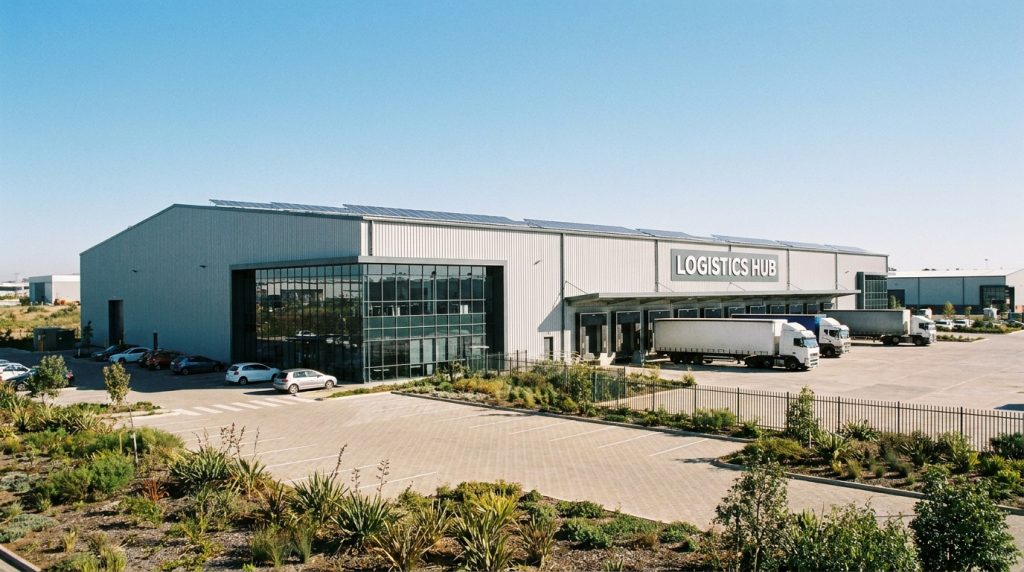
Calculating your budget early prevents unexpected financial strain and allows you to secure financing with accurate data for lenders. Understanding the cost to build 10000 sq ft warehouse is the first step in ensuring your supply chain remains resilient and profitable.
It gets better: A well-planned budget considers not just the day you open the doors, but every day after that. You want to ensure that the monthly debt service on the building is lower than the revenue it helps generate.
Justifying the Initial Capital Outlay
Investment in a steel warehouse is a long-term asset play that enhances your operational capacity. You are not just buying a building; you are buying the ability to store more inventory and fulfill more orders.
Strategic benefits include:
- Steel structures retain their value better than wood.
- Larger facilities allow for bulk purchasing of inventory.
- Ownership builds equity instead of paying monthly rent.
Key Takeaway: Strategic financial planning transforms a building project from a simple expense into a powerful engine for long-term equity and growth.
| Financial Benefit | Strategic Advantage | Value Impact | |
|---|---|---|---|
| Bulk Storage | Lowers per-unit inventory costs | High | |
| Ownership | Builds business equity over time | Very High | |
| Asset Durability | Reduces future replacement needs | High |
Analysis: Early calculations allow you to project an accurate return on investment (ROI) before breaking ground.
Which factors impact cost to build 10000 sq ft warehouse?
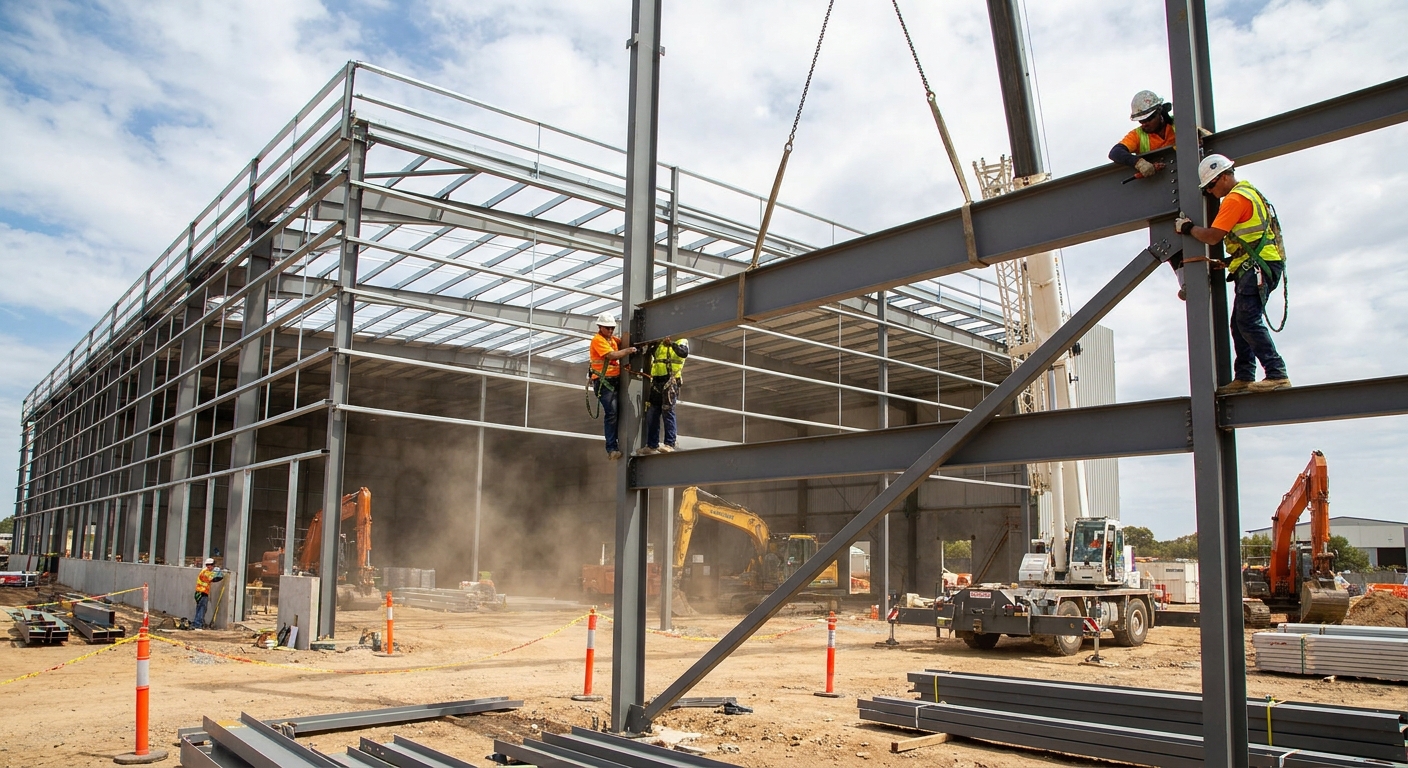
Location, building design, and the type of goods you plan to store are the primary drivers of your total construction budget. The cost to build 10000 sq ft warehouse can shift by 20% or more based on local seismic requirements or snow load ratings.
Here is the truth: Every municipality has different rules for industrial construction, and permit fees are usually based on the total value of the building. You will need an engineer to sign off on your plans to ensure they meet safety standards.
Analyzing Regional and Geographical Impacts
Where you build is just as important as what you build because local codes dictate the amount of steel required. Coastal areas may require extra wind bracing, while northern climates demand thicker insulation.
Regional variables include:
- Shipping costs based on proximity to the factory.
- Local labor rates for assembly crews.
- Soil quality and foundation depth requirements.
Evaluating Operational and Inventory Needs
Storing perishable goods requires refrigeration, which significantly increases both the build cost and the long-term utility bills. If you only need dry storage, a standard pre-engineered frame will likely suffice.
Operational drivers include:
- Specialized fire suppression for high-piled storage.
- Reinforced flooring for heavy machinery.
- Number of loading docks for high-frequency shipping.
Key Takeaway: Never assume a generic price quote applies to your specific site; always tailor your budget to local environmental codes and storage needs.
| Cost Driver | Impact Level | Strategic Fix | |
|---|---|---|---|
| Climate Zone | High | Optimize insulation and bracing | |
| Inventory Type | Medium | Select targeted safety systems | |
| Site Access | Low | Plan deliveries to minimize downtime |
Analysis: Environmental factors are fixed, so you must adjust your structural design to stay within your target budget.
How do materials affect cost to build 10000 sq ft warehouse?
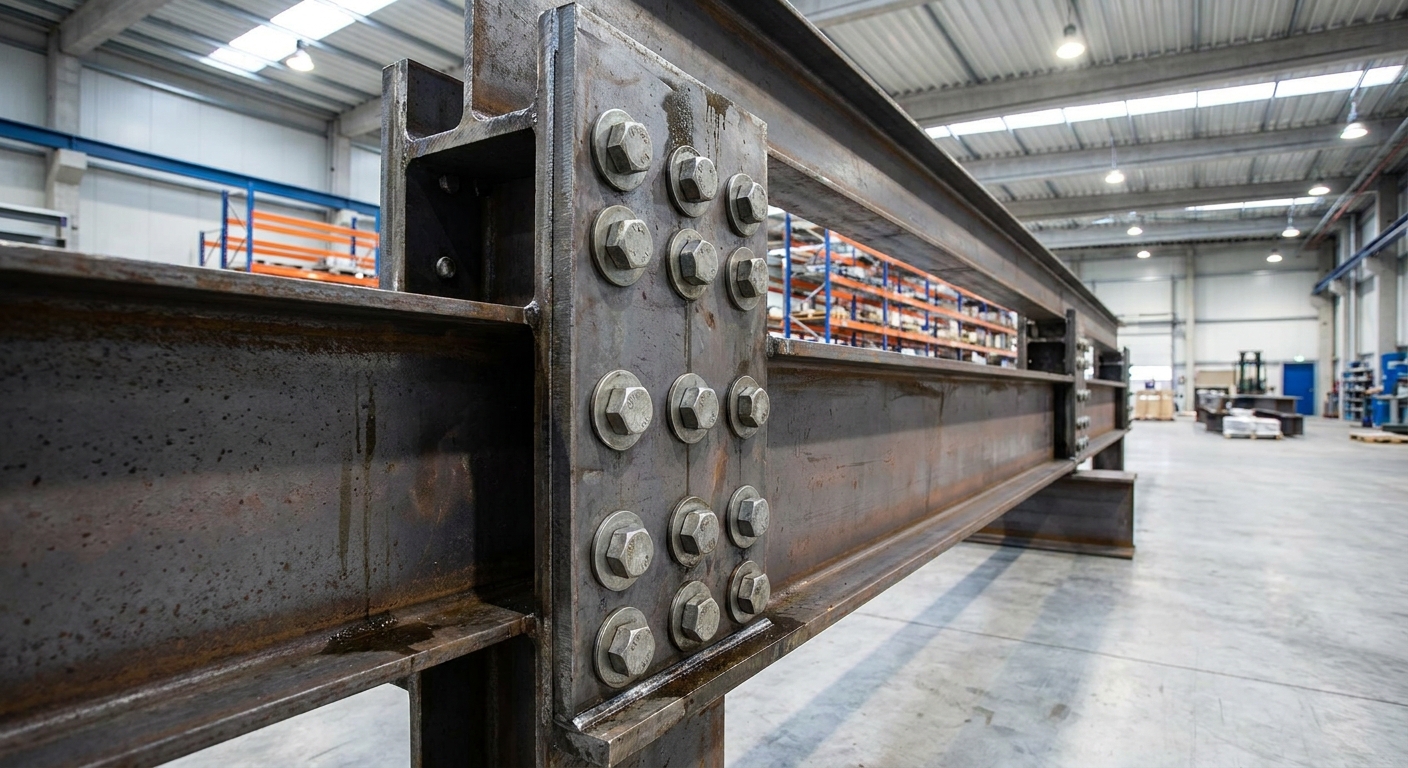
The quality and type of steel you choose directly influence the longevity and safety of your structure over the coming decades. When analyzing the cost to build 10000 sq ft warehouse , materials represent the largest single expense in the hard costs category.
Think about this: Not all steel is created equal, and choosing higher-grade materials can prevent issues like rust and structural fatigue. You should look for manufacturers who provide mill certificates and quality assurance reports.
Selecting Between Basic and Premium Steel
You have the option of basic metal cladding or high-performance insulated metal panels that offer better thermal efficiency. The choice you make today will affect your energy bills for the life of the building.
Premium material benefits:
- Hot-dip galvanized steel for superior corrosion resistance.
- High-tensile strength beams for wider clear spans.
- Specialized coatings that protect against UV fading.
Key Takeaway: Material quality should never be sacrificed for price; investing in high-grade steel pays for itself through reduced maintenance and durability.
| Material Type | Typical Application | Price Relative to Standard | |
|---|---|---|---|
| Galvanized Steel | Corrosive or humid environments | +10% to +15% | |
| Insulated Panels | Cold storage or office space | +20% to +30% | |
| Standard Panels | General dry storage use | Baseline |
Analysis: Choosing standard PBR panels for dry storage offers the fastest path to a lower initial budget.
Where do soft costs fit in cost to build 10000 sq ft warehouse?
Soft costs typically account for 25% to 30% of your total budget and cover all the non-physical elements required for legality. Even though they are invisible, these fees are a mandatory part of the cost to build 10000 sq ft warehouse.
It gets better: Insurance companies base a warehouse’s premiums primarily on its resistance to damage. Steel buildings often qualify for lower insurance rates because they are inorganic and fire-resistant.
Budgeting for Permits and Design Fees
You must navigate a maze of zoning laws, environmental impact studies, and structural engineering approvals before a single beam is placed. Overlooking these costs can lead to project delays or even heavy fines from local authorities.
Standard soft costs include:
- Structural engineering and 3D design fees.
- Environmental impact and site survey studies.
- Municipal permit and zoning application fees.
Key Takeaway: Treat soft costs as a non-negotiable fixed expense; they are the foundation of your project’s legality and long-term asset protection.
| Soft Cost Category | Estimated Budget | Importance | |
|---|---|---|---|
| Engineering/Design | 5% – 10% | Critical for site safety | |
| Permits/Zoning | 3% – 5% | Legal mandate for construction | |
| Insurance/Legal | 2% – 4% | Risk mitigation for investment |
Analysis: Planning for soft costs early ensures your project doesn’t stall during the crucial permitting phase.
When can labor lower the cost to build 10000 sq ft warehouse?
Choosing a prefabricated steel system can reduce your labor costs by up to 33% compared to traditional stick-built or concrete construction. When you lower the cost to build 10000 sq ft warehouse , you are essentially paying for efficiency and speed on the job site.
Think about it: Components are clearly marked for easy sorting and bolt-together assembly is faster than traditional welding. Uniform parts mean less specialized equipment is required on-site during the erection phase.
Utilizing Prefabricated Engineering Methods
Modern steel buildings arrive at your location ready to be bolted together, which eliminates the need for extensive on-site cutting. This streamlined process means fewer workers are needed for a shorter period, saving thousands in wages.
Labor saving factors:
- Controlled factory environments ensure part precision.
- Modular systems reduce the need for field modifications.
- Shorter construction windows reduce heavy machinery rentals.
Key Takeaway: Efficiency in construction is as valuable as the materials themselves; choosing a modular system is the fastest way to slash labor expenses.
| Assembly Method | Labor Intensity | Construction Speed | |
|---|---|---|---|
| Prefab Steel | Low | High (Weeks) | |
| Concrete Tilt-Up | High | Medium (Months) | |
| Conventional Steel | Medium | Medium (Months) |
Analysis: The reduced time on-site provided by pre-engineered kits directly lowers the total cost of construction labor.
Who manages the long-term cost to build 10000 sq ft warehouse?
As the owner, you are responsible for managing the ongoing operational expenses that begin the moment construction is complete. The cost to build 10000 sq ft warehouse is only part of the story; you must also plan for energy bills and routine upkeep.
Here is the truth: Steel buildings are naturally low-maintenance, but they still require a systematic approach to cleaning and inspection. Proper management ensures the building lasts for 50 years or more without needing major structural repairs.
Planning for Routine Maintenance Systems
Regular inspections can catch small issues like loose fasteners or clogged gutters before they turn into expensive leaks. You should establish a schedule for checking the roof and the exterior paint every year.
Maintenance benefits of steel:
- Steel does not warp, rot, or attract wood-boring pests.
- Inorganic materials prevent the growth of harmful mold.
- Paint finishes are warranted for decades against cracking.
Key Takeaway: While steel is incredibly durable, a consistent maintenance schedule is the only way to protect your warranty and maximize lifespan.
| Maintenance Task | Frequency | Benefit | |
|---|---|---|---|
| Gutter Cleaning | Bi-annually | Prevents water damage and rust | |
| Structural Audit | Annually | Ensures bolt tension and safety | |
| Exterior Washing | Every 2-3 years | Maintains paint and prevents rot |
Analysis: Low-maintenance steel structures significantly reduce your total cost of ownership over the building’s lifecycle.
How does design change the cost to build 10000 sq ft warehouse?
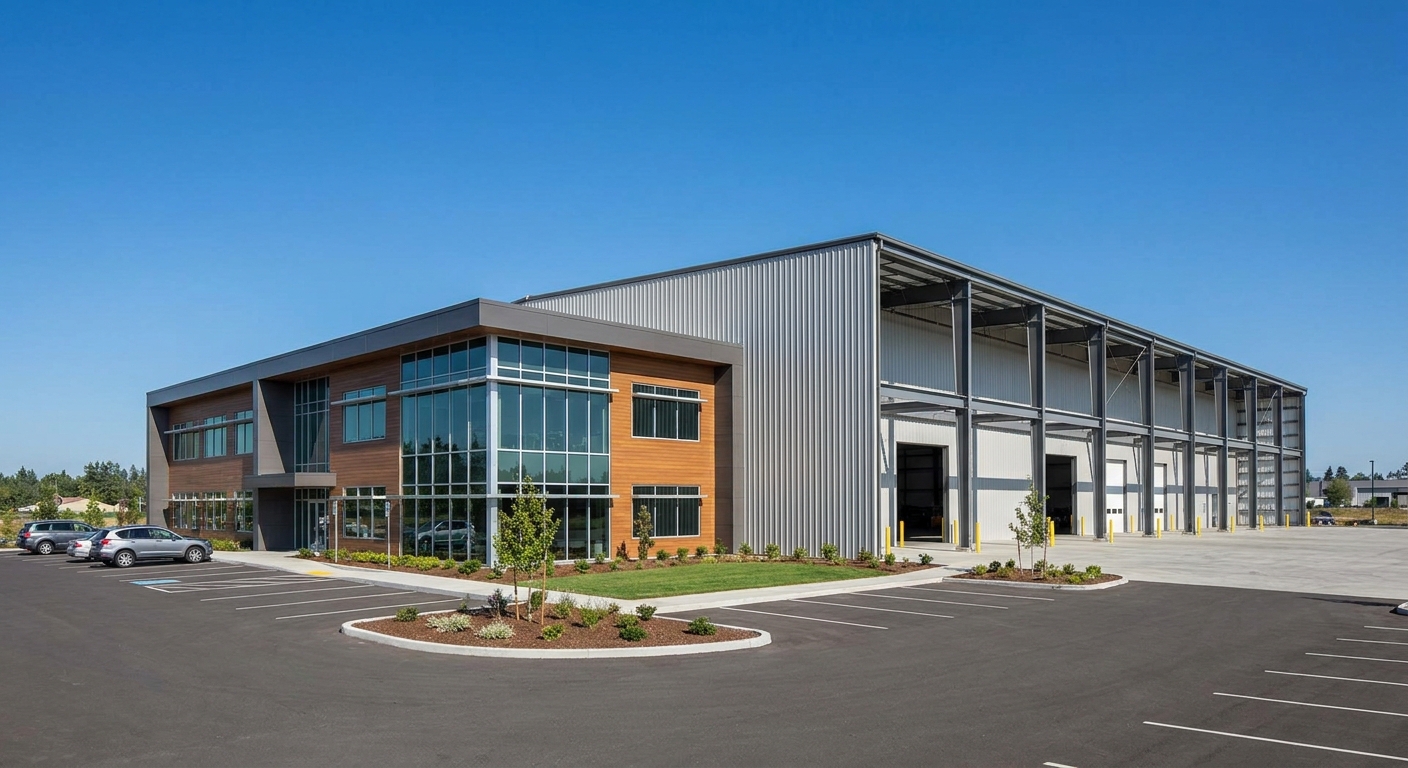
A simple rectangular design with a standard gabled roof is the most cost-effective way to achieve your 10,000 sq. ft. goal. Complex shapes and custom aesthetic features will increase the cost to build 10000 sq ft warehouse significantly.
It gets better: Modular designs allow you to add sections later if your business grows without tearing down your original structure. You can choose end-walls that are designed for easy removal and reconnection in the future.
Balancing Aesthetics with Structural Utility
If your warehouse will also serve as a retail showroom or office space, you may want to invest in decorative facades. However, if it is purely for industrial storage, a functional and streamlined design is usually the best financial choice.
Cost-effective design tips:
- Stick to standard clear-span widths for efficiency.
- Use standard sizes for doors and windows to save.
- Avoid unnecessary architectural bumps and roof valleys.
Key Takeaway: Symmetry and simplicity are your best friends when trying to lower costs; only add design complexity where it provides a tangible advantage.
| Design Feature | Cost Impact | Operational Benefit | |
|---|---|---|---|
| Clear Span Frame | Higher | Total floor freedom without columns | |
| Modular End-Walls | Moderate | Easy to add length in the future | |
| Standard Gable | Low | Efficient water drainage and build cost |
Analysis: Strategic design choices allow you to balance immediate budget constraints with the long-term needs of your business.
Why choose steel for the cost to build 10000 sq ft warehouse?
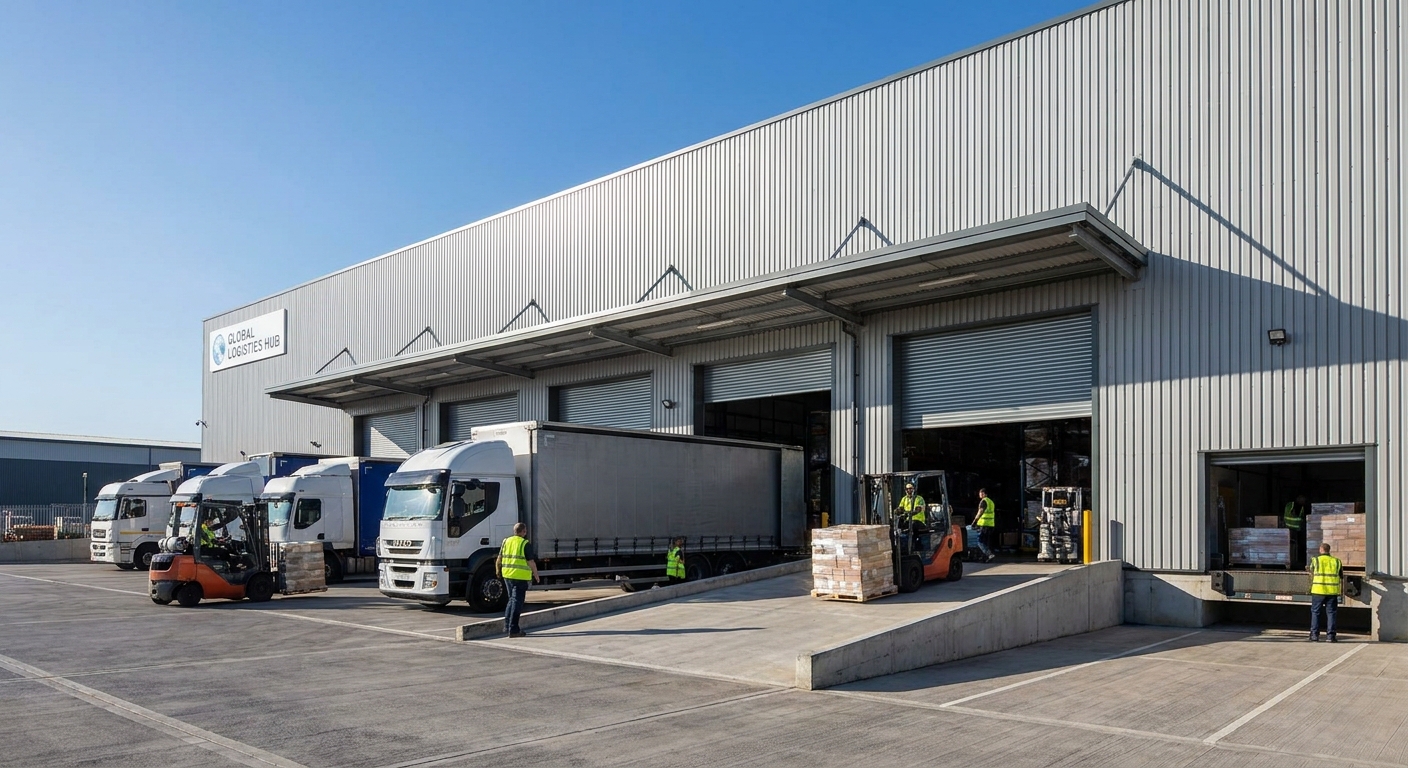
Steel provides the highest strength-to-weight ratio of any building material, making it the safest and most durable choice for industrial use. When you consider the cost to build 10000 sq ft warehouse, steel’s resistance to fire and natural disasters offers unmatched peace of mind.
Think about this: Steel is non-combustible, which lowers fire risk significantly and protects both your inventory and your employees. Ductile properties allow steel to absorb energy during earthquakes without the risk of sudden collapse.
Maximizing Durability and Safety Standards
Steel buildings are designed to withstand extreme wind speeds, heavy snow loads, and seismic activity. Using steel can also help your building qualify for green building certifications because it is nearly 100% recyclable.
Safety advantages include:
- High resistance to fire damage and spread.
- Safe grounding for lightning strikes in the frame.
- High strength-to-weight ratio for severe weather.
Key Takeaway: Choosing steel is a commitment to safety and sustainability; it is the only material that offers elite protection against fire and time.
| Material | Fire Resistance | Pest Resistance | Recyclability | |
|---|---|---|---|---|
| Steel | Excellent | 100% Immune | 100% Recyclable | |
| Wood | Poor | High Risk | Limited | |
| Concrete | Good | Immune | Moderate |
Analysis: The inherent properties of steel make it the superior choice for any high-value industrial or commercial storage facility.
How to start planning the cost to build 10000 sq ft warehouse?
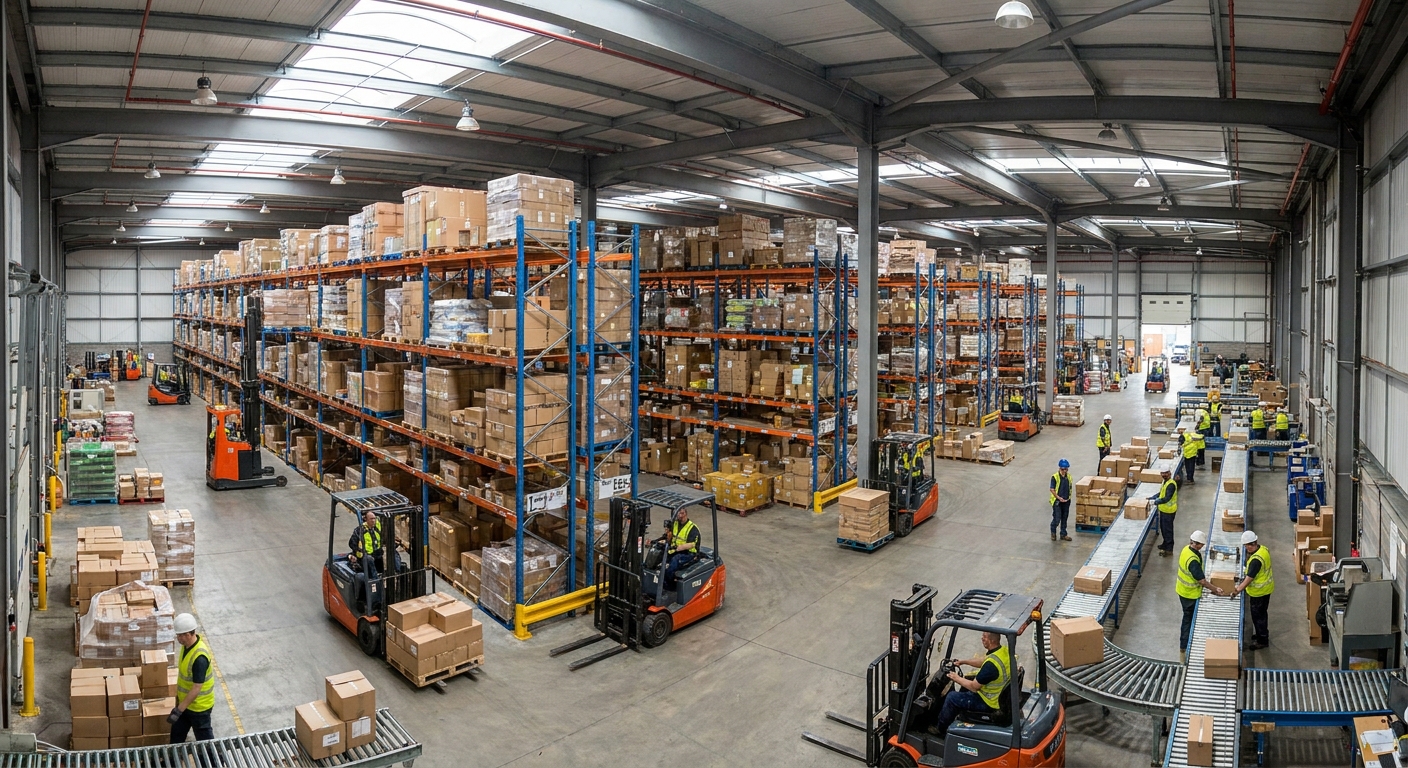
The best way to start is by securing a detailed quote from a factory-direct manufacturer that handles both design and production. Getting an accurate cost to build 10000 sq ft warehouse requires a clear understanding of your site’s specific requirements.
Here is the truth: Moving from a vision to a reality requires a methodical approach to planning that prioritizes transparency and expert collaboration. Working with experts ensures that your engineering is sound and your delivery is on time.
Selecting a Reliable Manufacturing Partner
A manufacturer with global experience understands how to navigate shipping logistics and local code compliance. You should look for a partner that offers end-to-end support, from initial drawings to installation guidance.
Key planning steps:
- Conduct a professional site survey for soil quality.
- Define your “must-have” features vs “nice-to-haves”.
- Lock in fixed-price contracts to avoid market spikes.
Key Takeaway: Your construction project is only as strong as your planning phase; partner with a proven manufacturer early to align your budget.
| Planning Step | Action Item | Expected Outcome | |
|---|---|---|---|
| Site Survey | Check soil and local zoning laws | Confirms buildability | |
| Feature List | Define doors, docks, and HVAC needs | Locks in functional needs | |
| Quote Phase | Get factory-direct pricing data | Finalizes the total budget |
Analysis: A clear Bill of Materials (BOM) prevents missing parts on-site and keeps your construction timeline predictable.
Conclusion
Building a 10,000 sq. ft. warehouse is a landmark achievement for any business, but it requires a disciplined approach to budgeting and material selection. By prioritizing high-quality steel and efficient prefabricated designs, you can overcome the challenges of rising material costs and labor shortages. We are committed to providing factory-direct, engineered solutions that meet international standards and local codes. Our stance is clear: quality and precision should never be sacrificed for speed, yet our systems allow you to achieve both. If you are ready to secure a durable, cost-effective space for your operations, contact us today for a comprehensive project analysis.
FAQ
Can I customize the height of my 10,000 sq. ft. steel warehouse?Yes, because steel frames are highly flexible and can be engineered to accommodate tall racking systems or mezzanine levels. You simply need to specify your required eave height during the design phase so the structural integrity is maintained.
How do I know if my site is suitable for a steel warehouse?A professional soil report and land survey are the best ways to judge suitability because they reveal load-bearing capacity and potential drainage issues. Most sites can be adapted for steel construction, but ground preparation costs will vary based on these findings.
Can I add insulation after the building is already erected?Yes, but it is much more expensive and less efficient than installing it during the initial assembly process. You should ideally include your thermal barriers in the original design to ensure a seamless fit and maximum energy efficiency.
How long does the entire process take from quote to completion?Typically, the process takes a few months, depending on the complexity of your design and local permit approval times. The actual on-site erection of a 10,000 sq. ft. steel kit usually only takes a few weeks once the foundation is cured.
Can I expand my warehouse in the future?Yes, steel buildings are designed for modular growth, allowing you to add length or mezzanines with minimal structural disruption. Choosing expandable end-walls at the start of your project makes this future growth even more cost-effective.