
Creating a good home for pigs requires a strategic blend of animal welfare standards and industrial-strength construction. Many caretakers struggle with inadequate shelters that lead to chronic health issues, including respiratory infections and severe behavioral stress. A poorly designed structure isn’t just uncomfortable—it is dangerous for your residents. Slick floors cause permanent lameness, while poor ventilation allows ammonia to build up and damage sensitive lungs. Without a proper house for pig inhabitants, you risk the long-term well-being of your animals and face spiraling veterinary costs. By following animal-centered design principles and structural best practices, you can create a sanctuary that fosters health, safety, and natural behaviors.
What are the essential requirements for a modern house for pig?
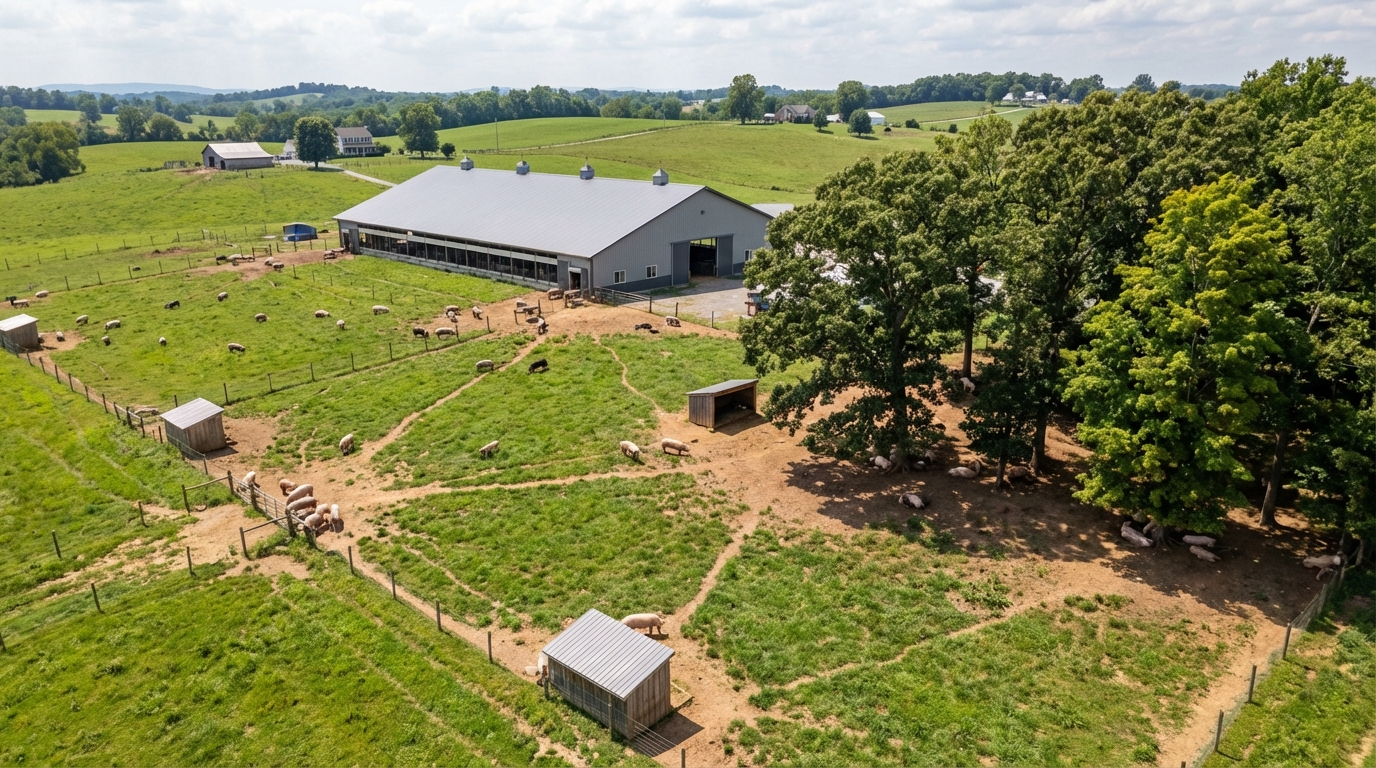
A high-quality house for pig residents must provide a solid, four-sided structure to protect against extreme weather and predators. These buildings should be constructed from materials strong enough to withstand natural rooting and scratching behaviors. Ensuring the structure is “pig-proof” prevents frequent repairs and keeps the environment secure.
Think about this:
The Benefits of Fully Enclosed Structures
Fully enclosed buildings provide superior climate control compared to three-sided sheds. They allow you to manage airflow and temperature much more effectively during extreme seasons.
Accessibility for Daily Caregivers
- Minimum height of 8 feet allows for comfortable human access and mechanical cleaning.
- Internal layouts should include designated spaces for medical treatments.
- Safe containment zones allow for easy cleaning without animal interference.
Proper accessibility ensures that your staff can perform health checks without risk of injury. Large residents require wide aisles to prevent caregivers from being cornered during high-activity periods.
Key Takeaway: Structural integrity and human-safe access points are the foundations of any professional facility.
| Requirement | Benefit | |
|---|---|---|
| Enclosed Walls | Protection from predators and wind | |
| Heavy-Duty Materials | Resistance to rooting and scratching | |
| 8-Foot Ceiling | Ease of cleaning and caregiver safety |
Professional designs focus on both animal security and the logistical needs of the humans managing the herd.
How much indoor space is necessary for healthy inhabitants?
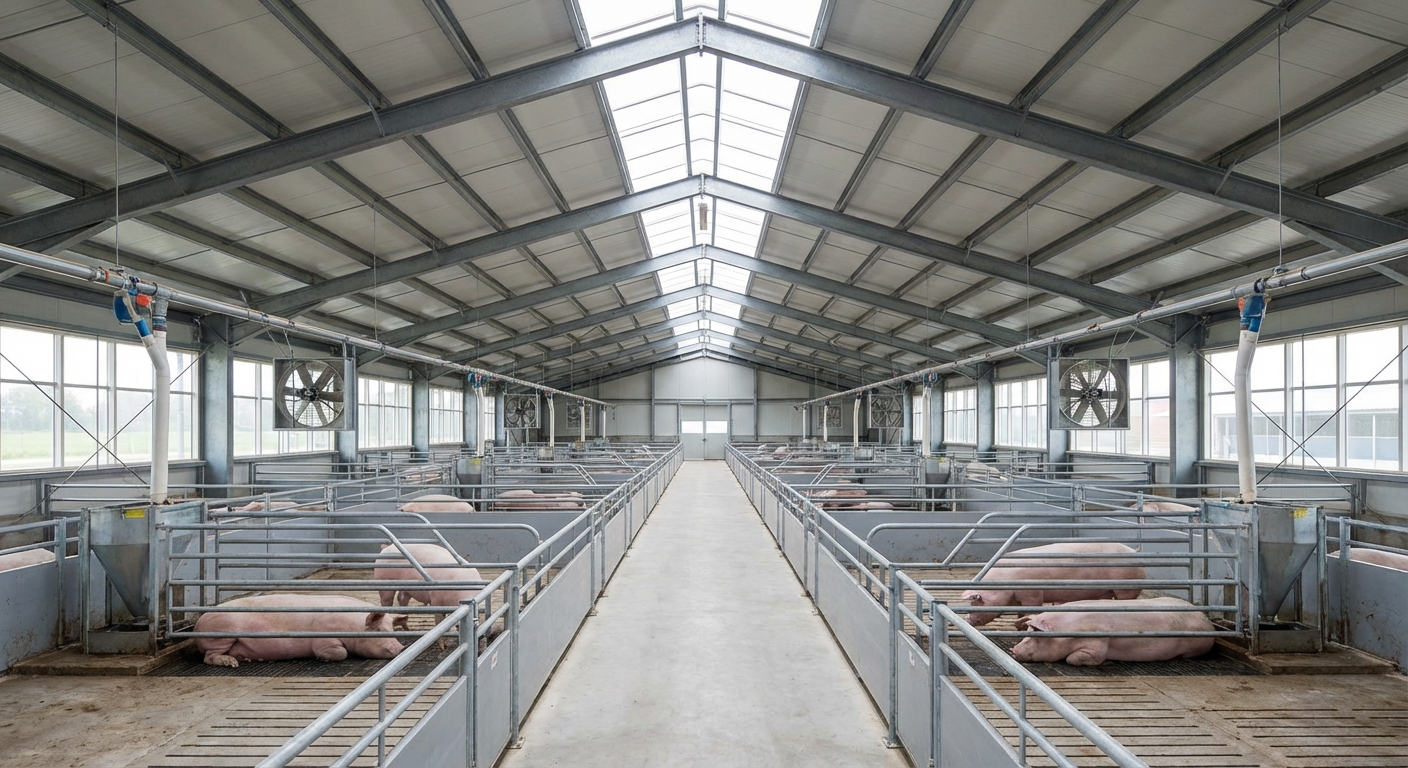
Providing adequate square footage in a house for pig group is critical to prevent social tension and territorial aggression. Minimum standards often suggest 64 square feet per adult, but large-breed pigs weighing over 600 pounds typically require significantly more room. You must evaluate the specific needs of your herd based on their size and social dynamics.
Here is the deal:
Adjusting for Group Dynamics
Social dynamics play a huge role in how much space you should allocate per animal. Territorial individuals need room to spread out to avoid physical confrontations during rest.
Square Footage Standards
- GFAS minimum: 64 sq. ft. per adult pig.
- VCA recommendation: 130 sq. ft. per pair for mini-pigs.
- Large breed adjustment: Increase space by 50% for commercial breeds.
Space planning must also account for feeding areas where animals congregate. Insufficient room leads to bullying and unequal access to resources like water and bedding.
Key Takeaway: Always exceed minimum space guidelines to account for social stress and large-breed growth.
| Pig Type | Minimum Recommended Space | |
|---|---|---|
| Mini-Pig | 64 sq. ft. per individual | |
| Large Breed | 100+ sq. ft. per individual | |
| Tense Groups | 150% of standard allocation |
Generous spacing directly reduces behavioral issues and helps maintain a cleaner living environment.
What is the best flooring for a house for pig comfort?
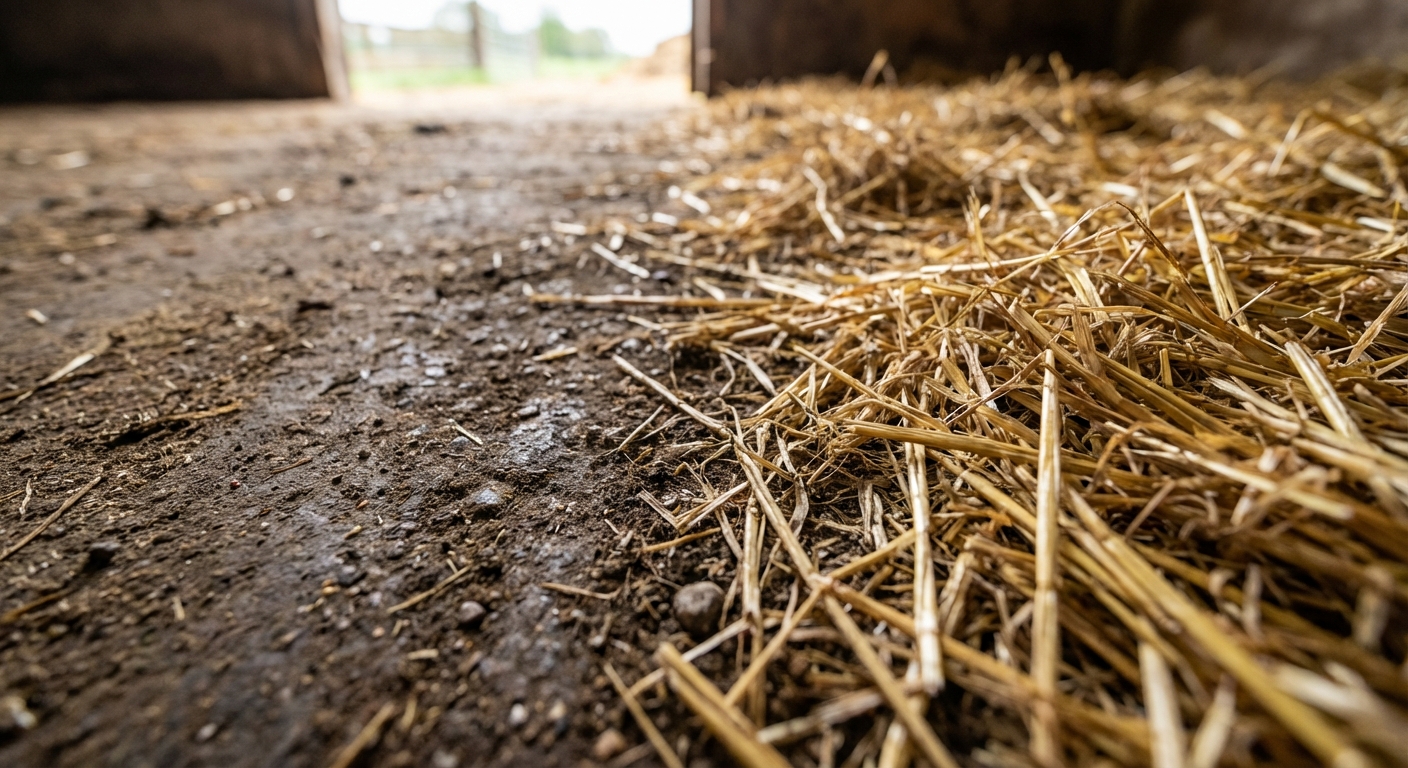
The floor of a house for pig setup must offer both traction and joint support to prevent lameness. Packed dirt is often considered the gold standard because it allows for natural drainage and is easy on porcine feet. However, you must raise the floor level slightly higher than the surrounding ground to prevent water runoff from entering.
It gets better:
Avoiding Hard Flooring Hazards
Concrete and wood floors are generally discouraged for long-term residents. Concrete is far too abrasive and leads to chronic osteoarthritis and painful foot infections.
Bedding as a Safety Layer
- Long-fibered straw provides excellent insulation for nesting.
- Sand can be used for mobility-impaired residents needing extra cushion.
- Absorbent substrates help manage moisture in urination zones.
Wood floors lack traction and pose a risk of structural failure if a heavy resident breaks through. Dirt floors require regular maintenance to fill divots that could otherwise become trip hazards for humans.
Key Takeaway: Prioritize packed dirt and deep straw to protect joints and facilitate natural nesting.
| Substrate | Joint Safety | Maintenance Needs | |
|---|---|---|---|
| Packed Dirt | Excellent | High (must fill divots) | |
| Concrete | Poor | Low (easy to sanitize) | |
| Wood | Moderate | Moderate (risk of rot) |
A soft, well-drained floor is the most effective way to prevent long-term mobility issues in your herd.
How do you ensure proper ventilation in a house for pig?
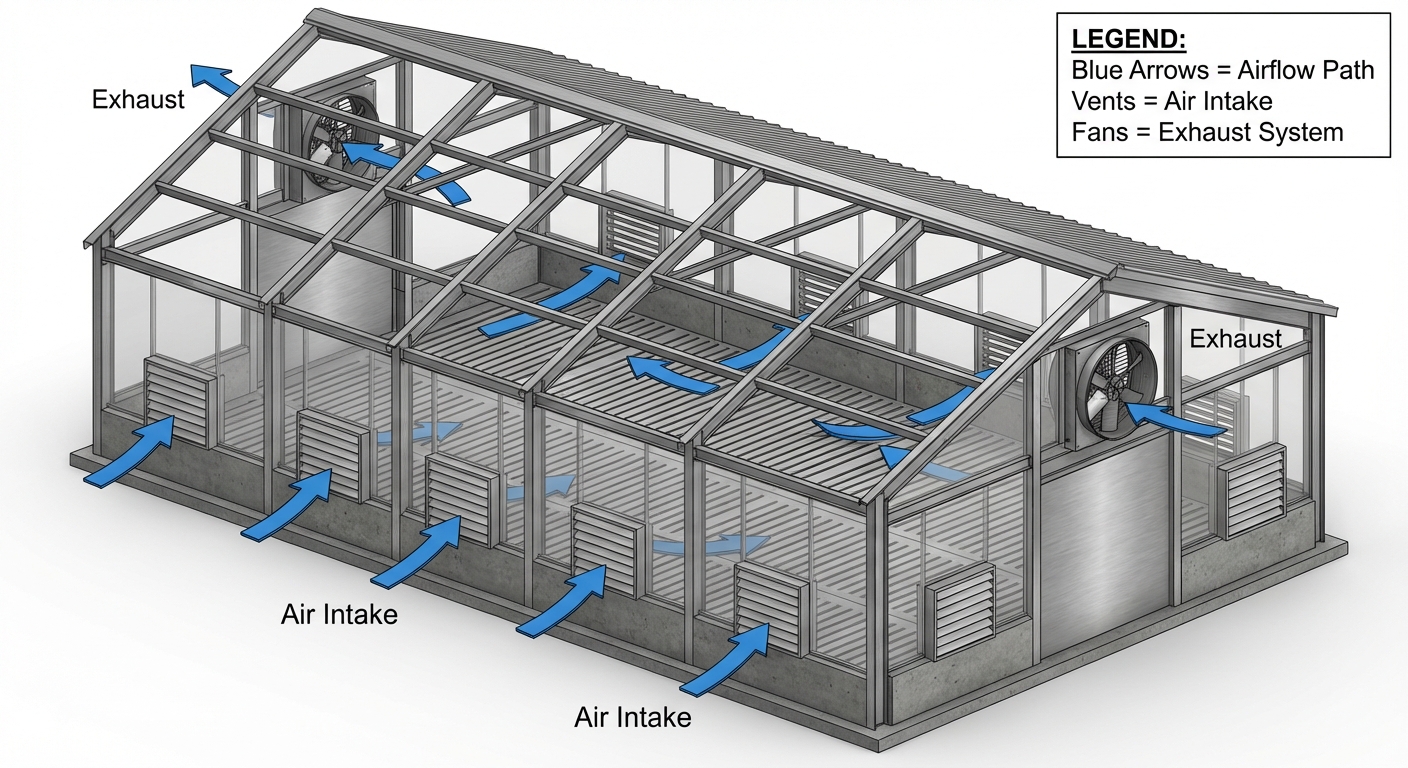
Proper air exchange in a house for pig residents is vital for exhausting ammonia and preventing porcine pneumonia. Ammonia gas is heavier than air and settles near the ground where your animals sleep, making constant circulation a priority. You should monitor for condensation on walls as a primary sign of ventilation failure.
Look at this:
Natural Airflow Management
Strategic placement of doors and windows creates cross-breezes that refresh the air naturally. This is especially effective in steel structures with wide-span interiors that do not block moving air.
Mechanical Exhaust Systems
- Industrial fans should be placed high enough to avoid resident reach.
- Electrical conduits must be used to protect wiring from curious snouts.
- Ridge vents allow rising heat and moisture to escape the roof.
During the winter, many caretakers close structures too tightly, which traps moisture. Maintaining a small, constant air exchange prevents the dampness that fuels bacterial growth in bedding.
Key Takeaway: If you see condensation or smell ammonia, your ventilation system needs immediate adjustment.
| System Type | Best For | Requirement | |
|---|---|---|---|
| Natural | Spring/Fall cooling | Strategic door placement | |
| Mechanical | High-density herds | Electrical protection | |
| Ridge Vents | Moisture removal | Unobstructed roof peak |
Effective ventilation systems balance temperature retention with the need for fresh, oxygen-rich air.
What are the safety requirements for doors and gates?
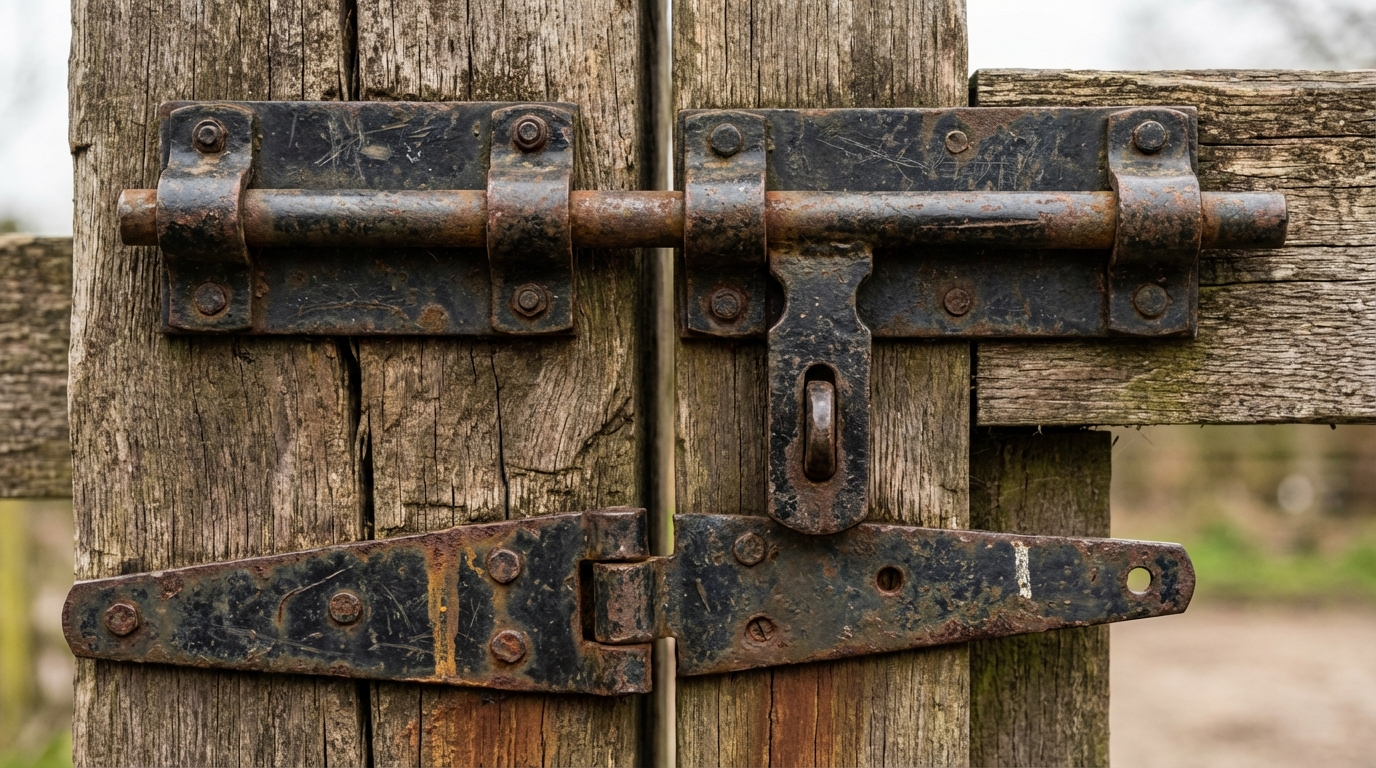
Gates and entries in a house for pig must be robust enough to withstand prying snouts and heavy body weights. Standard lightweight aluminum or residential-grade hardware will quickly fail under the pressure of an adult resident. You should install heavy-duty, double-latching systems to prevent accidental escapes and ensure resident safety.
Keep this in mind:
Heavy-Duty Hardware Selection
Pigs are remarkably intelligent and can learn to lift simple sliding bolts. Using industrial-strength latches that require multiple steps to open is the safest approach for high-security areas.
Threshold and Entry Design
- Avoid raised thresholds to protect sensitive hooves from damage.
- Ensure wide clearances for large-breed residents to pass through safely.
- Use stay rollers on sliding doors to prevent wind-swung accidents.
Raised steps or steep ramps should be eliminated whenever possible to reduce the risk of trips. Providing a flat, level transition between indoor and outdoor spaces preserves the integrity of the hoof.
Key Takeaway: Industrial-strength, double-latching hardware is mandatory for containing high-strength porcine residents.
| Hardware Feature | Function | Animal Safety Impact | |
|---|---|---|---|
| Double Latches | Redundant security | Prevents accidental escapes | |
| Stay Rollers | Stabilizes sliders | Prevents swinging injuries | |
| Flush Threshold | Level entry | Protects hooves and joints |
Using professional-grade hardware reduces maintenance time and prevents the dangerous failures common with residential gates.
How do you manage temperature during the summer?
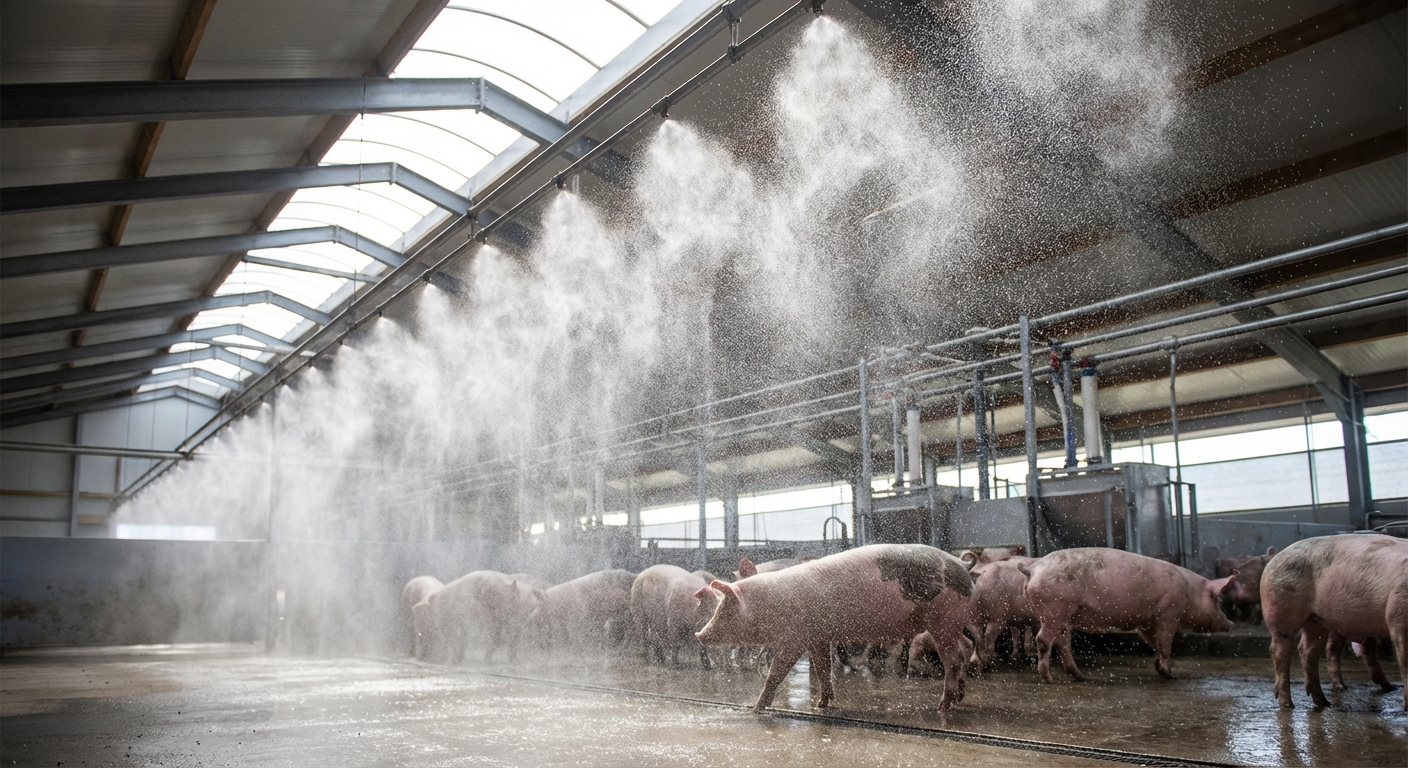
Pigs cannot sweat, which makes heat stress a major risk inside a house for pig during hot months. High humidity lowers the temperature threshold at which pigs become vulnerable to heat exhaustion. You must provide active cooling methods like industrial fans and misting systems to keep internal temperatures safe.
Believe it or not:
Evaporative Cooling Strategies
Misting systems attached to circulating fans create a fine vapor that lowers ambient temperatures through evaporation. You must monitor moisture levels to ensure the bedding does not become overly saturated or moldy.
Natural Thermoregulation Tools
- Shallow mud wallows provide sun protection and cooling.
- Exposed dirt floors allow pigs to dissipate heat via contact.
- Shade structures block direct solar radiation from entering the barn.
Bedding depth should be reduced in the summer to allow animals to reach the cooler substrate below. Ensuring that water units are placed in shaded areas prevents residents from rejecting water that has become too warm.
Key Takeaway: Active cooling is non-negotiable for pigs once temperatures exceed 75 degrees Fahrenheit.
| Cooling Method | Benefit | Risk | |
|---|---|---|---|
| Misting Systems | Immediate temperature drop | Damp bedding issues | |
| Industrial Fans | High airflow | Dust circulation | |
| Mud Wallows | Natural UV protection | High sanitation needs |
A multi-layered cooling approach ensures that your herd remains comfortable regardless of the external heat index.
What winter considerations are vital for a cozy house for pig?
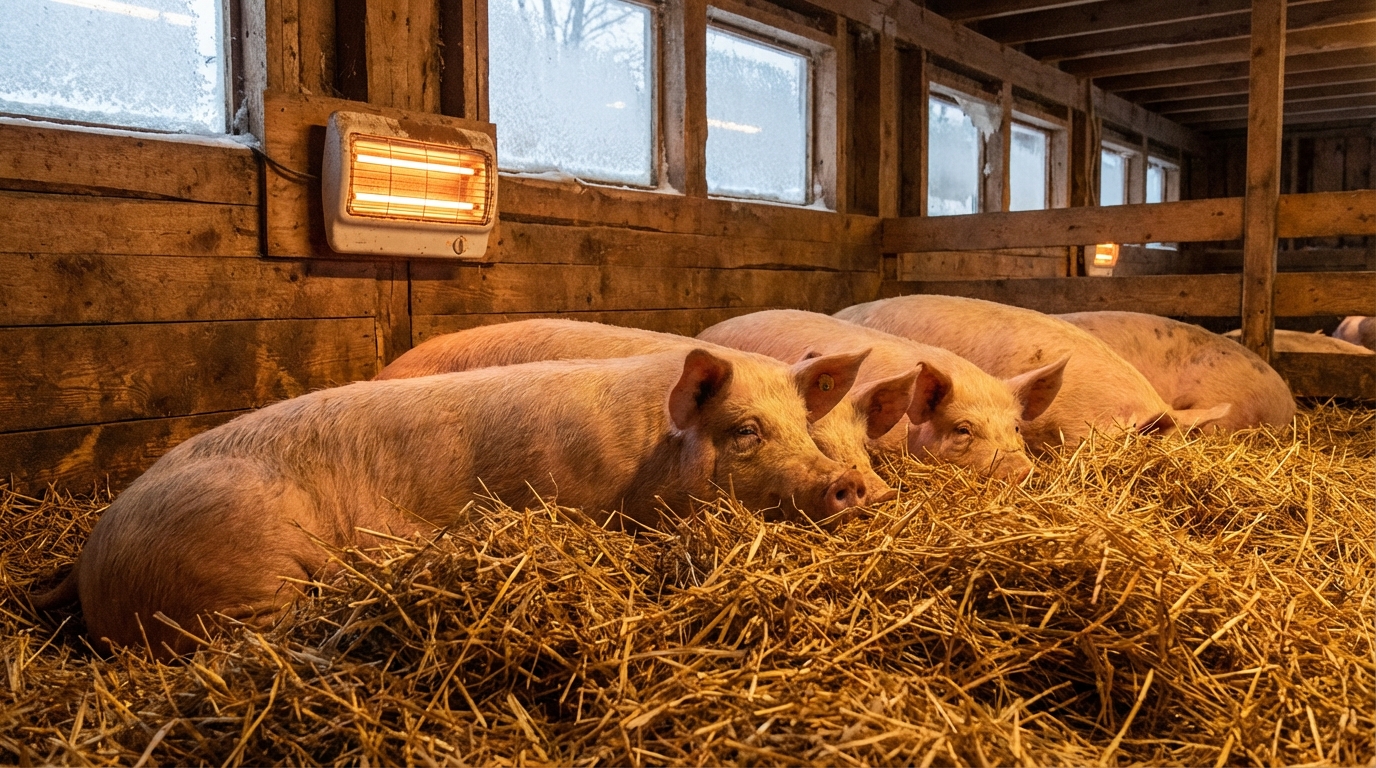
Winter care in a house for pig revolves around draft elimination and deep nesting opportunities. Cold temperatures are dangerous, but a damp draft is even more likely to cause illness in your residents. You should use thick plastic strip curtains over entries to block the wind while still allowing animals to move freely.
Don’t miss this:
Draft Elimination Techniques
Sealing gaps in the wall and positioning entryways away from prevailing winds can significantly raise internal temperatures. This allows the residents to retain more of their natural body heat within the sleeping area.
Winter Nesting and Warmth
- Provide extra-deep, long-fibered straw for burrowing.
- Encourage “buddy snuggling” by providing open communal spaces.
- Use ceramic heating panels rather than fire-prone heat lamps.
Pigs will often completely bury themselves in straw to self-insulate against the cold. You must change the bedding more frequently in winter to prevent moisture buildup from their breath and waste.
Key Takeaway: Deep straw and draft-free enclosures are the most effective ways to maintain winter warmth safely.
| Feature | Winter Function | Priority | |
|---|---|---|---|
| Strip Curtains | Blocks cold wind | High | |
| Ceramic Panels | Safe supplemental heat | Moderate | |
| Deep Straw | Natural insulation | Essential |
Proper winter management prevents the cold-stress that often leads to decreased immunity and seasonal illness.
Why are steel structures superior for a house for pig?
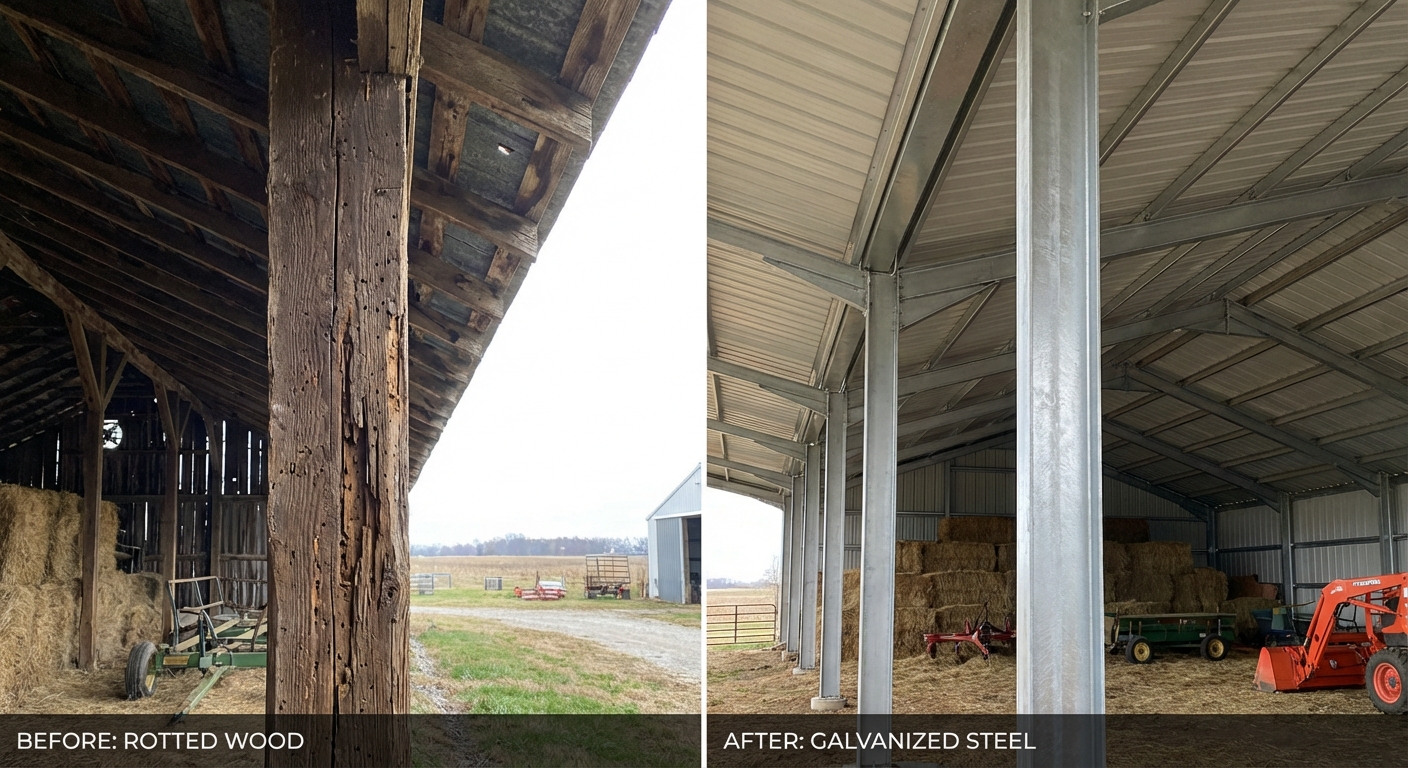
Building a house for pig residents out of steel offers unmatched durability against the destructive power of rooting and chewing. Wood is susceptible to rot from high moisture and ammonia levels, and it can be easily damaged by residents using beams as body scratchers. Steel structures provide a fire-resistant and easy-to-sanitize environment that lasts for decades.
Think about this:
Resistance to Decay and Pests
Hot-dip galvanized steel resists the corrosive effects of porcine waste and the high humidity levels found in livestock barns. Unlike wood, it does not harbor pests like termites or mold that can weaken the building’s integrity.
Speed and Customization
- Prefabricated components allow for rapid installation on-site.
- Wide spans provide column-free interiors for better airflow.
- Modular designs allow for easy expansion as your herd grows.
Steel buildings are essentially “pig-proof” right from the start, requiring almost no structural maintenance. The smooth surfaces of metal cladding are much easier to pressure wash and disinfect than porous wood.
Key Takeaway: Steel structures offer 40% faster installation and eliminate the risk of structural rot from ammonia.
| Material | Lifespan | Sanitation Ease | |
|---|---|---|---|
| Galvanized Steel | 30-50 Years | High (Non-porous) | |
| Treated Timber | 10-15 Years | Low (Porous) | |
| Concrete Block | 40+ Years | Moderate (Grout issues) |
Investing in steel construction reduces your long-term capital expenditures by eliminating the need for frequent repairs.
How much outdoor roaming space should complement a house for pig?
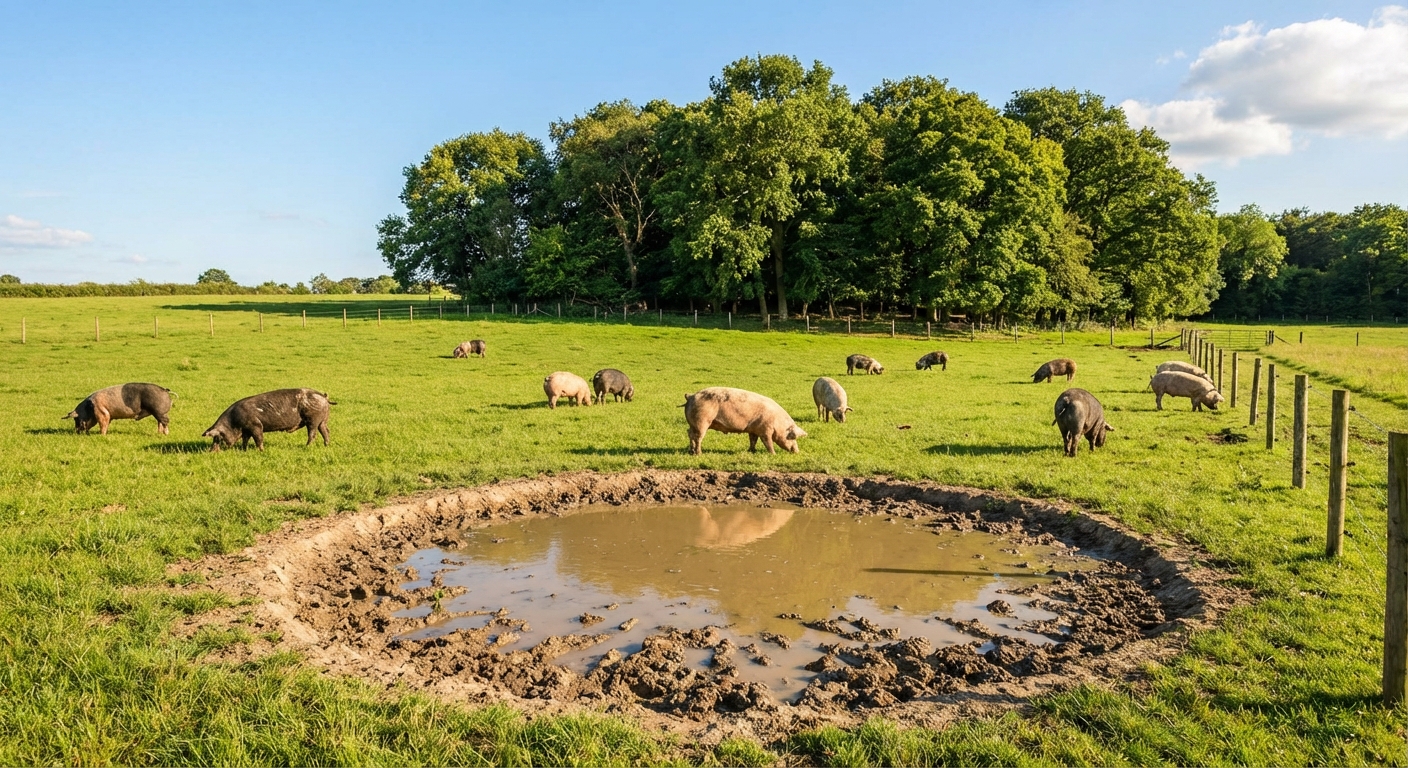
An effective house for pig sanctuary must include access to at least one acre of outdoor space per pair of pigs. This land provides essential foraging and rooting opportunities that prevent boredom and promote physical health. You should provide a mix of open pasture for grazing and wooded areas for shade and exploration.
Here is the deal:
Managing Foraging and Rooting
Pigs will quickly decimate small patches of grass, turning them into permanent mud pits. Rotating pastures is a vital management strategy to maintain soil health and reduce parasite loads in the herd.
Outdoor Safety and Maintenance
- Remove toxic plants and old farm debris from the land.
- Ensure dry areas are available to protect hoof integrity.
- Provide clean mud wallows for natural thermoregulation.
Walking your pasture regularly to check for unearthing hazards is necessary because pigs root up everything in their path. Maintaining a healthy mix of vegetation ensures your residents get the supplemental fiber they need.
Key Takeaway: One acre per pair of pigs is the recommended minimum to prevent habitat destruction and manage parasites.
| Land Type | Benefit | Management Need | |
|---|---|---|---|
| Open Pasture | High-fiber grazing | Seasonal reseeding | |
| Wooded Area | Natural shade | Toxic plant removal | |
| Mud Wallows | Cooling and UV protection | Frequent flushing |
Outdoor access is the best way to encourage activity and manage obesity in sanctuary-style residents.
What fencing materials are durable enough for a perimeter?
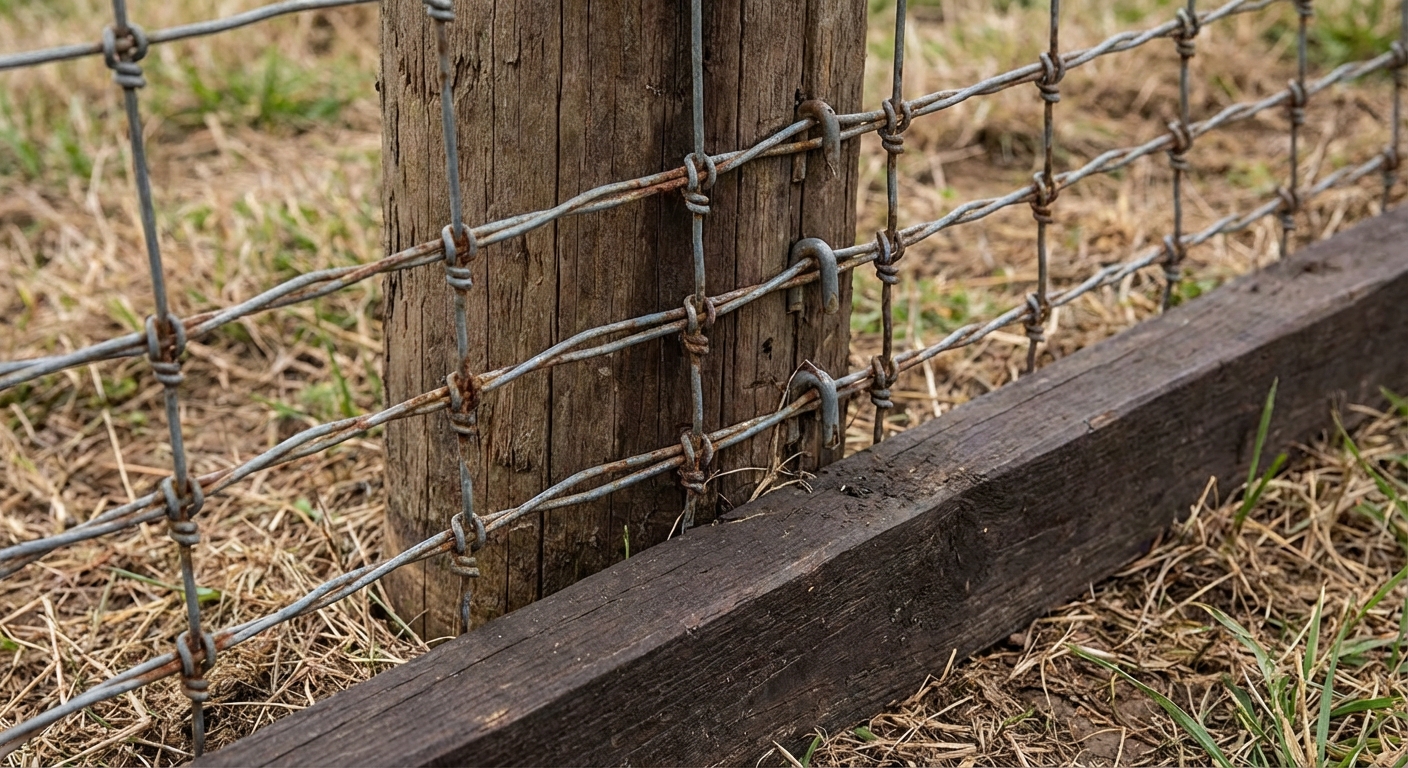
Perimeter security for a house for pig requires woven wire mesh with small openings to prevent tusk entanglement. Using 2×4 woven mesh is the standard for safety, as it stops residents from sticking their noses through and getting stuck. You should always reinforce the bottom of the fence with horizontal boards to prevent rooting underneath.
Look at this:
Selecting Posts and Mesh
Wood posts are generally superior to metal T-posts because they can withstand the force of a large pig leaning or scratching against them. If you use metal posts, they may bend or snap over time under the immense weight of the animals.
Reinforcement Techniques
- Install horizontal ground boards to stop rooting under fences.
- Use heavy-gauge wire to prevent “fence-rolling” behaviors.
- Add external rails to protect the mesh from body-rubbing pressure.
Predator protection is also a factor, especially for smaller breeds or piglets. A robust, well-maintained fence keeps your residents safely inside while preventing local wildlife from entering their roaming zones.
Key Takeaway: Always use 2×4 woven mesh and a ground board to ensure both containment and resident safety.
| Fencing Component | Purpose | Strength Rating | |
|---|---|---|---|
| 2×4 Woven Mesh | Prevents tusk snags | High | |
| Wood Corner Posts | Structural stability | Excellent | |
| Ground Boards | Prevents rooting/digging | Essential |
Durable fencing reduces the risk of expensive escapes and protects your animals from external threats.
Recapping our analysis, building a proper home for pigs requires more than just four walls; it requires an understanding of their biological and behavioral needs. From choosing the right flooring to ensuring industrial-grade ventilation, every detail contributes to a higher quality of life. We believe that professional-grade steel structures offer the best ROI for sanctuaries and farms alike by providing a fire-resistant, rot-proof environment. Our mission is to help you build facilities that stand the test of time while keeping your residents safe and comfortable. For expert guidance on prefabricated steel structures designed for livestock, contact us today to begin planning your ideal facility.
FAQ
Can I use concrete for my house for pig flooring?No, concrete is generally discouraged because it is too hard on porcine joints and lacks the necessary traction for safety. Packed dirt or thick textured rubber mats are much safer options for preventing long-term lameness.
How do I prevent drafts in a winter house for pig?Judgment dictates that you seal all wall gaps and use heavy plastic strip curtains over entrances. This strategy allows your residents to move freely while successfully blocking cold air from entering the primary sleeping area.
Can I keep a pig in a three-sided shelter?Yes, but only in very mild climates where the shelter is oriented to block prevailing wind and rain. For most regions, a four-sided structure is necessary to provide adequate protection and climate control.
How do I make my house for pig “pig-proof”?Judgment suggests using heavy-duty materials like steel or thick timber and protecting all electrical wiring in conduits. You must also use robust gate hardware that cannot be lifted or nudged open by a snout.
How often should I clean the house for pig bedding?Yes, you should spot-clean the area daily to remove soiled portions and replace all straw once it becomes damp. This frequent maintenance prevents respiratory issues and skin infections caused by ammonia and mold.