
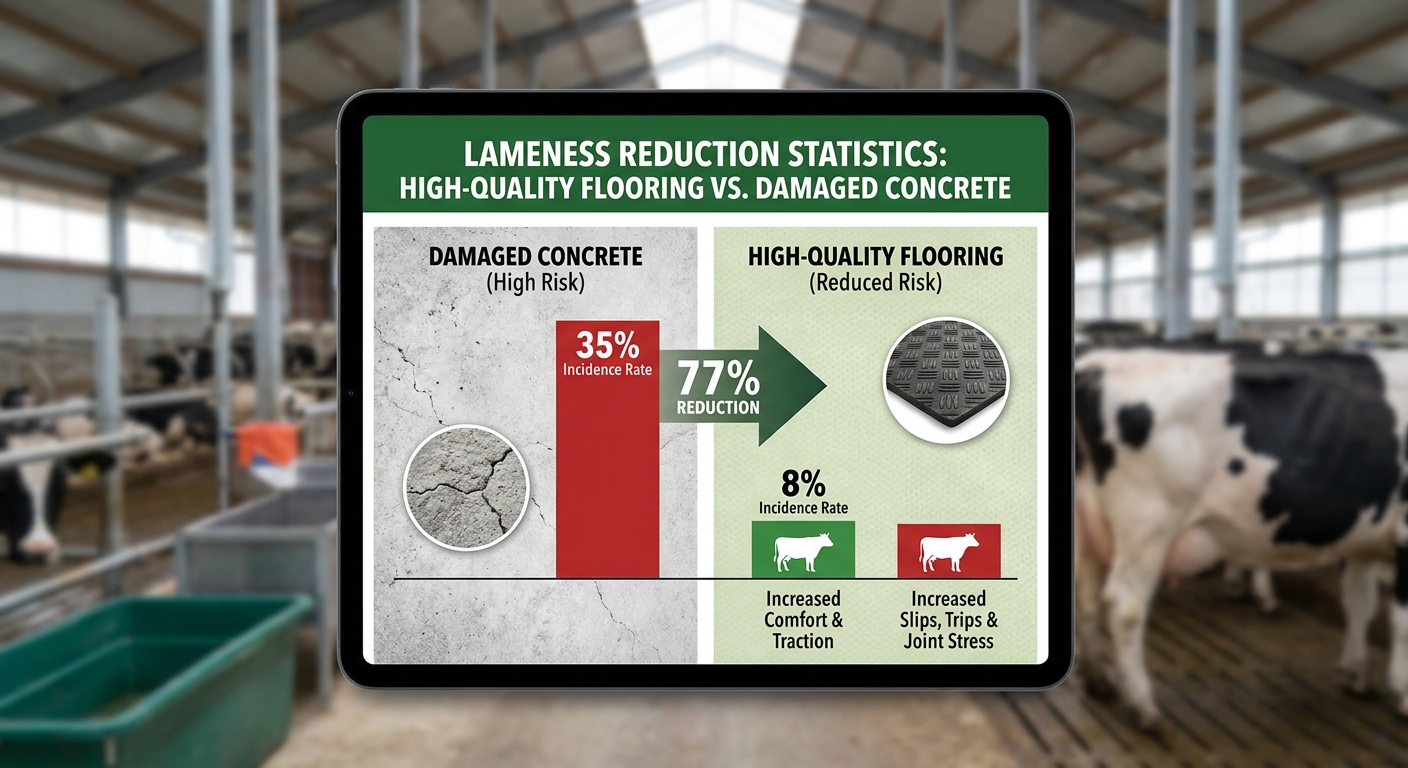
Optimizing cow longevity requires soft, resilient rubber flooring in high-traffic alleys, precision-cut grooved concrete foundations, and sloped solid surfaces that drain waste immediately. Imagine walking into your dairy barn and seeing high-yielding cows walking with hesitant, painful steps. When cows struggle with lameness, their milk yields drop, their reproductive rates plummet, and your veterinary bills skyrocket, leading to high rates of involuntary culling. The ultimate solution lies in installing high-quality cow shed flooring that balances traction, cleanliness, and cushioning to keep your herd healthy and productive for years.
Why is modern cow shed flooring vital for drainage?
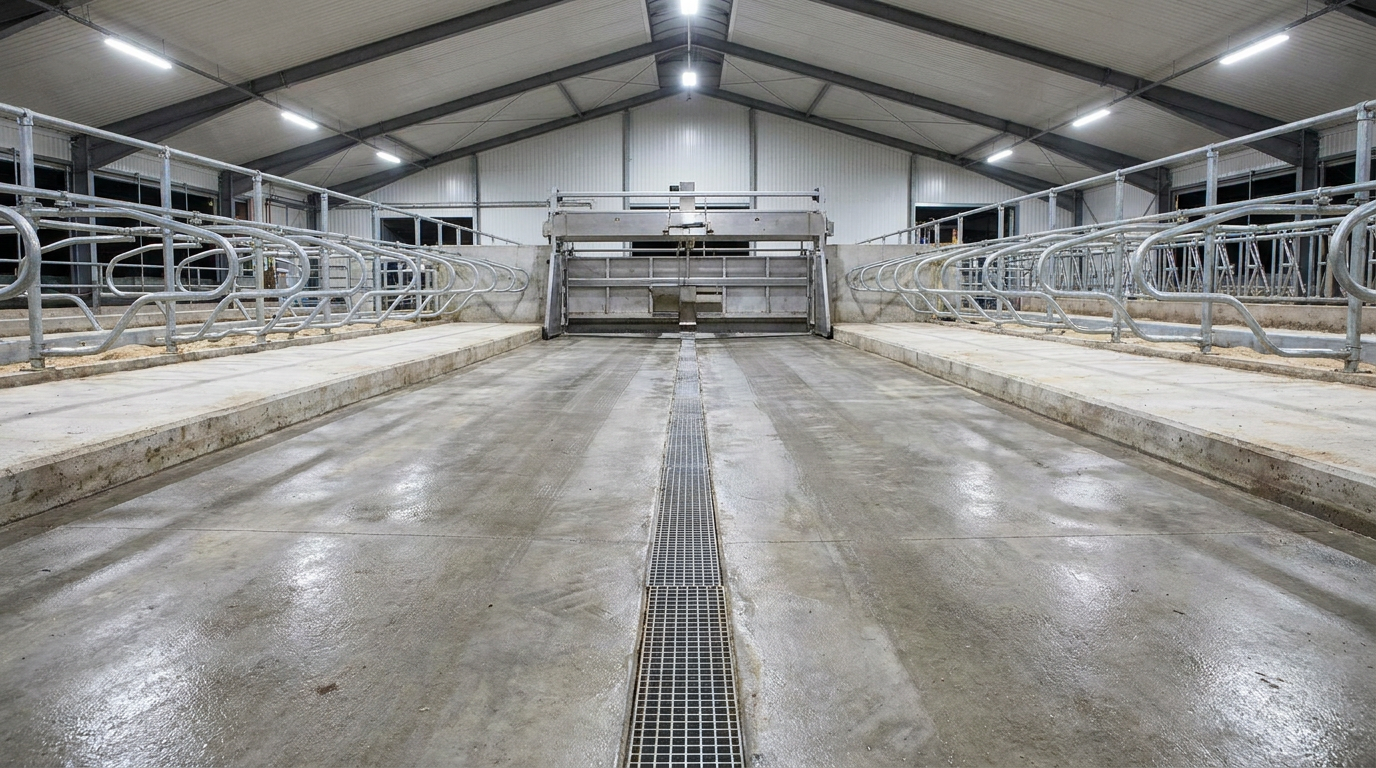
Proper water and waste drainage requires cow shed flooring designed with integrated slopes or high-clearance slats that channel liquids away from standing animals. When urine and manure pool in the walking lanes, hooves soften and become prone to painful infections and joint strain. Investing in a smart drainage system keeps your barn clean and reduces ammonia build-up.
Enhancing Liquid Separation to Keep Feet Dry
Keeping your barn floor dry is a daily challenge when handling high-volume dairy herds. Think about it: standing in pooled urine and manure constantly softens the bovine hoof, leaving it highly vulnerable to bacterial infection and painful lesions. This softening weakens the claw wall and leads to long-term lameness issues.
- Fast liquid run-off prevents pooling and protects hoof health.
- Dry surfaces drastically reduce the growth of digital dermatitis bacteria.
- Improved air quality reduces lung irritation from ammonia fumes.
Sloped Solid Floors and Continuous Cleansing
Building a smart drainage layout is the secret to maintaining clean walking alleys. But that’s not all. By sloping solid surfaces toward central drainage canals, you can naturally guide urine away while automatic scrapers handle the remaining manure. This keeps the environment dry and healthy for your cows.
- A 2% slope separates urine immediately to control emissions.
- Automated scrapers remove manure without creating dangerous waves.
- Clean, dry alleys keep cows moving comfortably to the feed bunk.
Key Takeaway: Designing an integrated slope system keeps your dairy herd on a dry, secure surface, reducing hoof-softening moisture and cutting down on disease-causing bacteria.
| System Element | Plain Concrete Alleys | Sloped Alleys with Drainage Canals | |
|---|---|---|---|
| Moisture Retention | High (Urine pools easily) | Low (Liquids drain away immediately) | |
| Ammonia Emissions | Elevated (Manure and urine mix) | Minimal (Urine separates instantly) | |
| Slip Hazard | High (Slick manure buildup) | Low (Dryer, cleaner walking surface) |
Review these differences to make the right investment for your herd.
Why does poor cow shed flooring cause lameness?
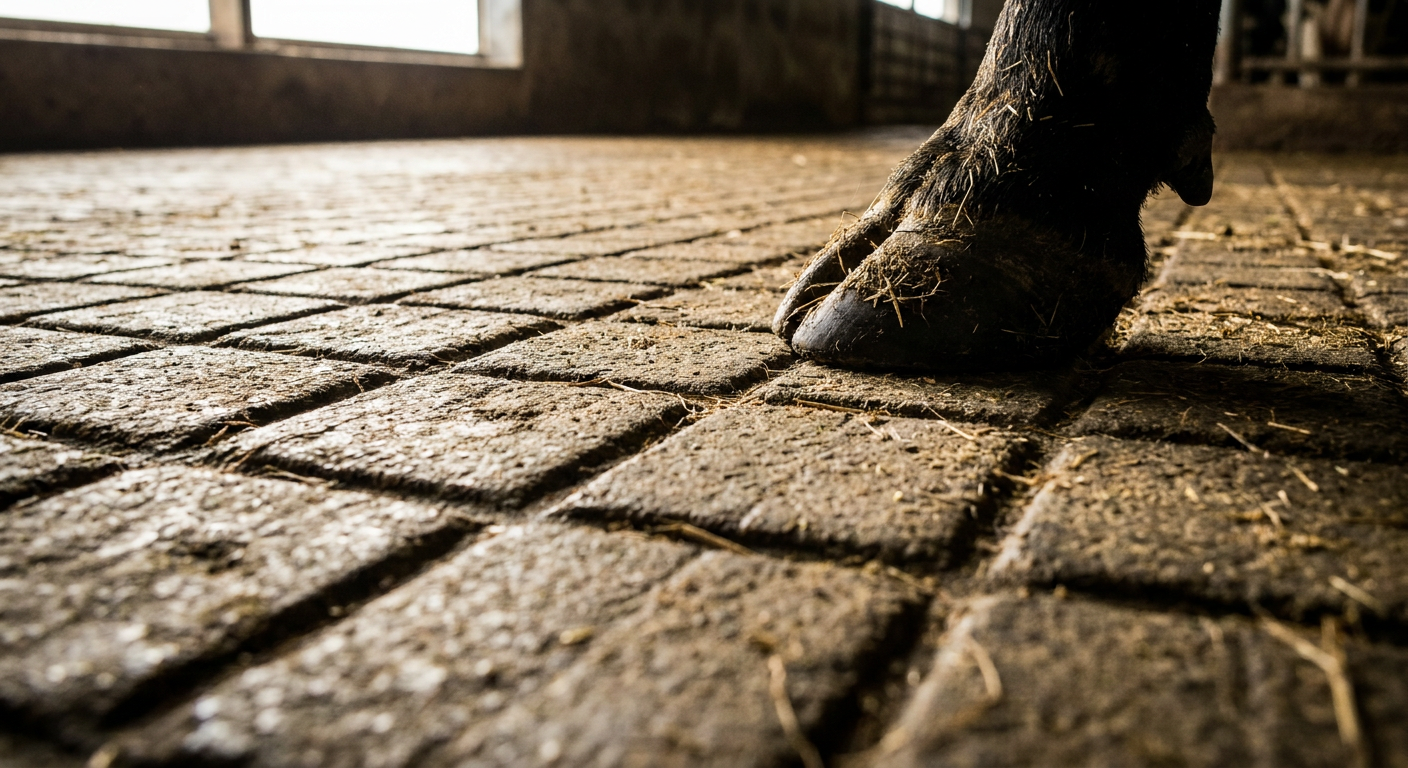
Substandard cow shed flooring causes lameness by forcing dairy cattle to walk on rough, unyielding, or slippery surfaces that damage the hoof tissue. When hooves are constantly exposed to damp concrete and rough stones, painful sole ulcers and white line lesions develop quickly. Over time, this physical wear limits natural movement and leads to high culling rates.
How Wet Conditions Soften Cow Hoof Horn
Standing in wet manure for hours is a primary threat to the physical strength of a cow’s claw horn. Think about it: the natural lipids that protect the hoof are quickly worn away by moisture and manure acids, making the skin soft and weak. This chemical damage weakens the white line region of the hoof, leading to painful abscesses.
- Wet horn is up to 15% softer than dry horn, increasing wear rates.
- Bacteria easily enter the softened tissue, causing heel erosion.
- Keeping the alleys dry is essential to keeping hooves strong.
The Biomechanical Impact of Standing Fatigue
When your cows stand too long on hard surfaces, they experience excessive mechanical stress in their joints and ligaments. It gets worse: the pressure inside the claw compromises blood flow, leading to subclinical laminitis and thin soles. This prevents the corium from recovering from daily weight-bearing stress.
- Cylindrical bone structures in bovine legs need soft surfaces to absorb shock.
- Standing fatigue reduces the time cows spend lying down and resting.
- Constant pressure causes painful bruising on the heel and sole areas.
Key Takeaway: Hard, unyielding floors increase standing fatigue and wear hooves down too quickly, so adding cushioned surfaces is vital to protecting your herd’s health.
| Floor Factor | Damp, Overcrowded Alleys | Well-Spaced, Dry Alleys | |
|---|---|---|---|
| Daily Standing Time | Too High (Cows hesitate to lie down) | Balanced (Proper resting budgets met) | |
| Claw Stress | High (Pivoting on rough surfaces) | Low (Comfortable, natural movement) | |
| Infection Risk | Extreme (Softened hooves) | Controlled (Stronger, drier claw horn) |
Analyze these physical impacts to safeguard your herd’s health and performance.
Is concrete still useful for cow shed flooring?
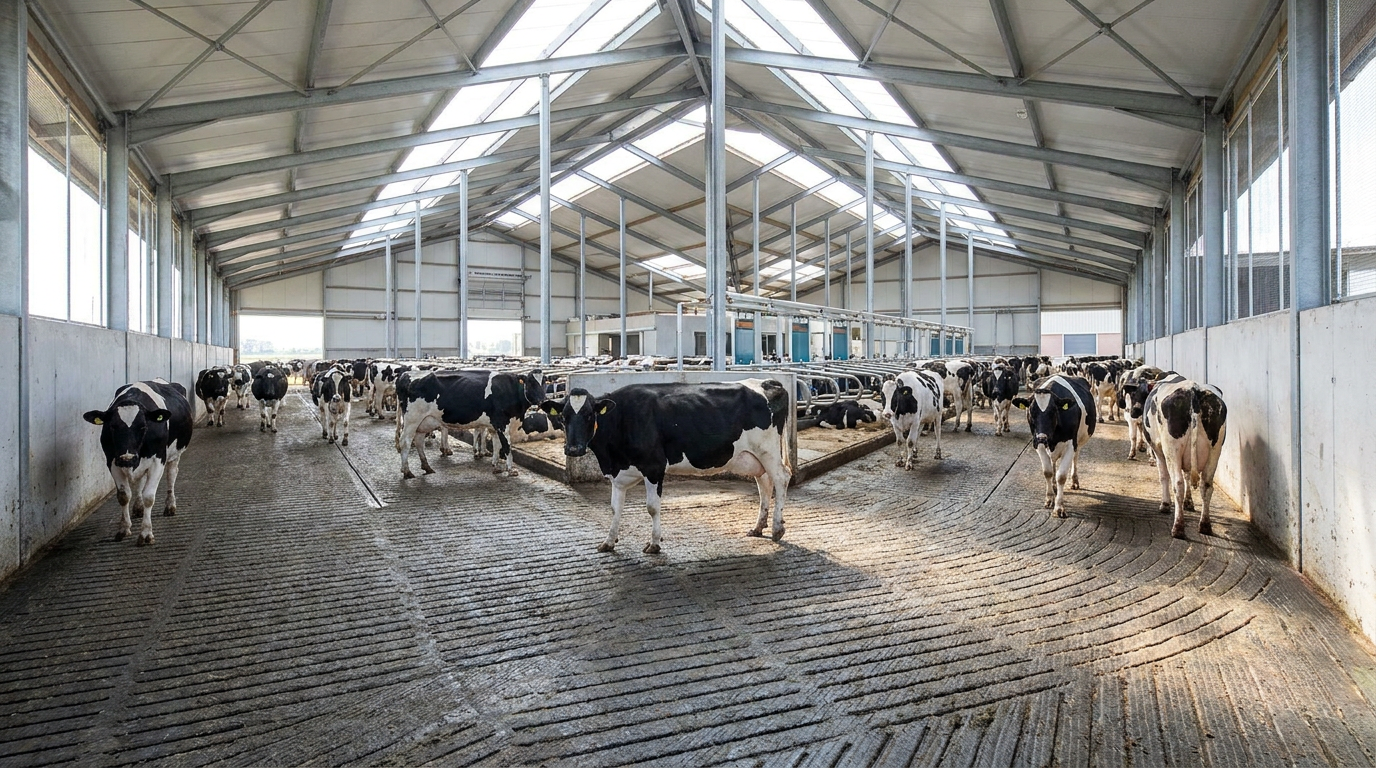
Bare concrete is still a highly useful structural foundation for cow shed flooring because of its outstanding durability and low initial cost, though it be modified to prevent slipping. Over years of heavy scraper wear, concrete alleys naturally become slick and polished, which increases slipping hazards. Adding protective overlays or precision grooving is essential to keeping concrete barns safe for cattle.
The Dangers of Polished Concrete Alleys
As concrete surfaces age, continuous tractor scraping and heavy cattle traffic polish the concrete smooth. Let’s face the facts: wet, polished concrete has almost no traction, turning your barn alleys into dangerous slipping areas. This makes cows walk slowly and increases their stress levels.
- Polished concrete causes severe hip injuries and split-leg slips.
- Fear of slipping makes cows walk slowly, reducing feed and water intake.
- Herd stress levels rise when cows do not trust their footing.
Sharp Grooves Provide Crucial Traction
Cutting precise grooves into hard concrete is a proven way to improve traction on walking surfaces. But don’t be fooled: stamped concrete patterns wear down quickly, while cut grooves with sharp edges provide lasting grip for your herd. This simple modification keeps your cows moving safely and confidently.
- Sharp, cut grooves provide superior traction compared to rounded stamps.
- Optimal groove spacing supports the outer hoof wall safely.
- Grooves be cleaned regularly to prevent manure from packing inside.
Key Takeaway: Bare concrete is a strong foundation, but it be cut with sharp, clean grooves or covered with rubber to prevent slips and support confident cow movement.
| Concrete Finish | Slipperiness Profile | Hoof Wear Rate | Cost and Longevity | |
|---|---|---|---|---|
| Smooth Polished | Extremely High Risk | Low (No traction) | Low cost, low safety | |
| Stamped Pattern | Medium-High (Wears fast) | Moderate | Medium cost, short life | |
| Sharp Cut Grooves | Low (Reliable grip) | Balanced | Long-lasting safety |
Review these concrete options to build a safer and more durable foundation.
How does rubber optimize your cow shed flooring?
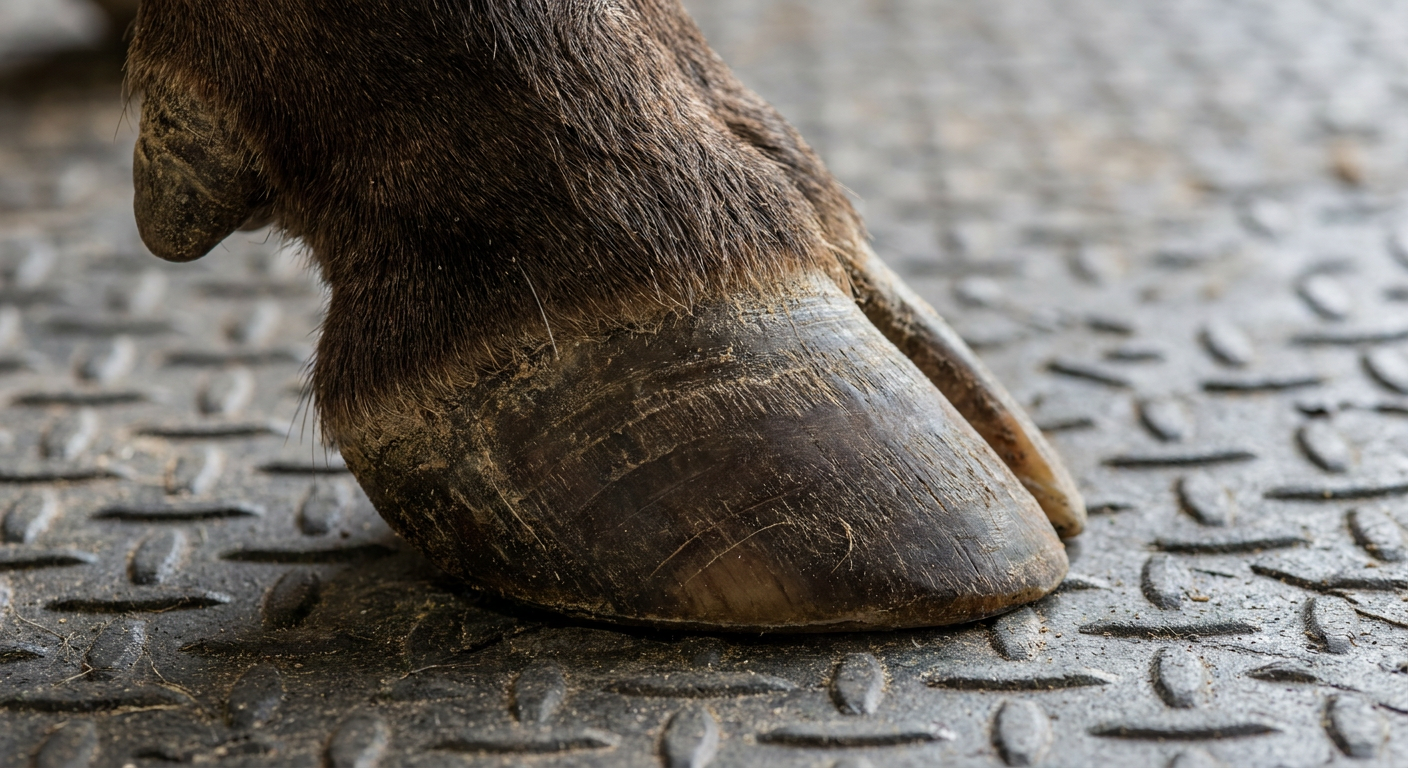
Cushioned rubber overlays optimize cow shed flooring by providing a yielding surface that mimics natural pasture soil and reduces joint stress. When rubber mats are installed in high-traffic alleys, cows walk confidently and comfortably to feed mangers. This added cushion protects hooves and joints from the impact of bare concrete.
Cushioned Alleys Promote Active Movement
Cows naturally walk better on surfaces that yield slightly under their weight, just like soft pasture soil. Here is a remarkable stat: dairy heifers housed on rubber mats are up to ten times less likely to become lame than those on plain concrete. This makes transitions much easier for first-calf heifers.
- Resilient rubber absorbs up to 40% of peak walking impact forces.
- Natural gait dynamics prevent hock swelling and joint inflammation.
- Confident walking encourages cows to display signs of estrus naturally.
Selecting the Right Rubber Quality
Not all rubber mats will perform the same in a harsh dairy barn environment over time. Think about it: if the rubber is too hard or lacks texture, it can become as slippery as polished concrete when wet. Choosing premium texturing ensures long-term slip resistance.
- Requires a calibrated Shore hardness to balance comfort and durability.
- Embossed surface patterns maintain grip, even under wet conditions.
- Manure-acid resistant compounds prevent mats from swelling and warping.
Key Takeaway: High-quality, textured rubber mats provide the cushion and traction dairy cows need, keeping them active, healthy, and highly productive.
| Flooring Surface | Impact Shock Absorption | Estrus Expression Rate | Slip and Fall Risk | |
|---|---|---|---|---|
| Standard Concrete | Minimal (Hard, unforgiving) | Low (Cows walk hesitantly) | High Risk | |
| Premium Rubber Mat | Excellent (Cushions joints) | High (Cows display natural heats) | Very Low Risk |
Evaluate these surface features to invest in a healthier future for your herd.
Which cow shed flooring reduces claw wear most?
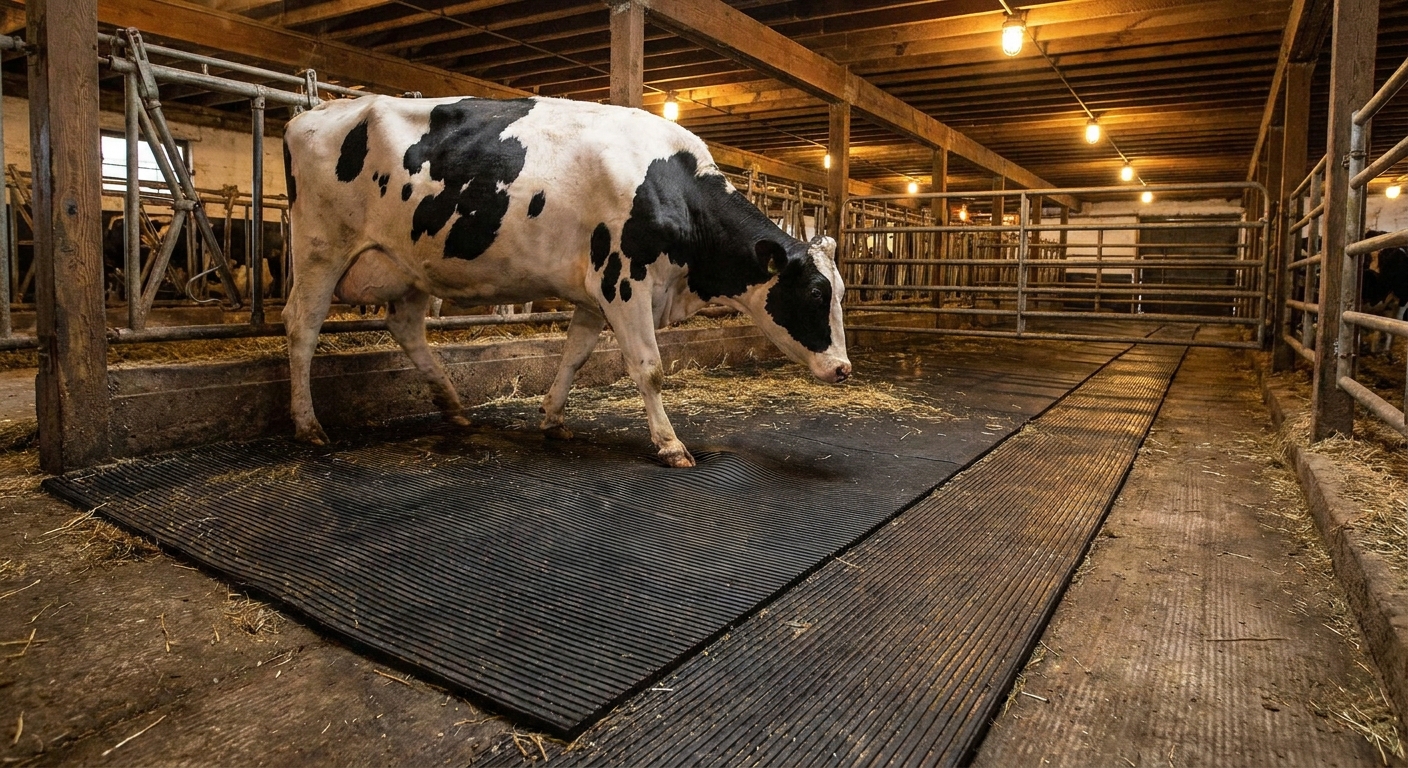
A premium rubber-surfaced cow shed flooring is the most effective choice for minimizing hoof wear because it prevents the excessive abrasion caused by concrete or asphalt. While dairy cows need some traction to prevent slipping, rough surfaces wear down claw horn too fast, leading to thin soles. Soft, resilient rubber helps maintain a perfect balance between claw growth and gentle wear.
The Drawbacks of Highly Abrasive Asphalt
Some barns use mastic asphalt because of its excellent grip and durable wear. Look at this alternative: while asphalt prevents slips, its high abrasion rate can wear down the protective claw horn too quickly, leading to painful thin-sole issues. This rapid wear requires careful management of walking distances.
- Asphalt acts like sandpaper, rapidly thinning the sole horn.
- Fast wear can expose the sensitive inner corium of the hoof.
- Asphalt can soften in hot weather, creating uneven footing.
Preventing Laminitis with Resilient Alleys
Softer alleys protect the sensitive tissue inside the hoof from bruising. This is critical: when cows stand on hard concrete all day, the concussive pressure can cause internal bleeding, leading to painful laminitis and sole ulcers. Using rubber walkways maintains healthy blood flow.
- Rubber cushioning prevents bruising on the weight-bearing points of the hoof.
- Healthy blood flow is maintained, promoting stronger hoof horn growth.
- Softer walkways reduce the need for corrective therapeutic hoof trimming.
Key Takeaway: Soft rubber flooring prevents thin-sole issues and internal hoof bruising, helping you avoid costly laminitis treatments and premature culling.
| Flooring Material | Hoof Wear Rate | Corium Bruising Risk | Walking Comfort | |
|---|---|---|---|---|
| Mastic Asphalt | Very High (Thin sole risk) | Moderate | High (Very high friction) | |
| Bare Concrete | High (Uneven wear patterns) | High | Low (Hard on joints) | |
| Premium Rubber | Balanced (Healthy growth) | Minimal (Shock absorbing) | Very High (Pasture-like) |
Consider these claw wear dynamics to choose the most protective flooring material.
How do you drain waste from cow shed flooring?
To drain waste efficiently, you should design cow shed flooring with a sloped solid surface or a slatted layout with automated scraper systems. Separating urine and manure immediately keeps walking alleys dry and safe, preventing claw disease. A well-engineered drainage plan is essential for keeping cow feet clean and lowering barn humidity.
Sloped Solid Alleys for Gravity Drainage
Designing solid floors with a slope is a smart way to let gravity do the work. Here is how it works: by shaping alleys with a 2% slope toward a central drainage channel, you can separate urine from manure right away. This limits chemical reactions that produce harmful ammonia gas.
- A 2% slope drains urine quickly into central parallel canals.
- Keeping urine and manure separate stops ammonia from forming.
- Dryer walking surfaces keep hooves from getting soft and weak.
Clean Slatted Floors with Fast Removal
Slatted floors drain waste instantly, keeping the walking surface clean. On the other hand: slatted concrete floors offer less hoof support and can be slippery if they aren’t covered with high-quality rubber overlays. Combining rubber slats with robotic scrapers keeps alleys perfectly clean.
- Slatted designs let waste fall through, keeping the surface cleaner.
- Rubber slat covers provide walking comfort and secure traction.
- Under-slat scraping systems prevent gas build-up in deep manure pits.
Key Takeaway: Rapid waste drainage through sloped solid floors or rubber-covered slats keeps cow hooves dry, reducing claw erosion and cutting barn ammonia.
| Drainage Method | Solid Alleys with 2% Slope | Slatted Alleys with Rubber Covers | |
|---|---|---|---|
| Waste Removal Speed | Moderate (Relies on gravity/scrapers) | Immediate (Falls through slots) | |
| Surface Dryness | Good (Urine drains off quickly) | Excellent (Minimal pooling on slats) | |
| Hoof Traction | High (On grooved or rubber surfaces) | Very High (With rubber slat covers) |
Compare these drainage options to build a cleaner, drier barn environment.
Can clean cow shed flooring prevent herd infection?
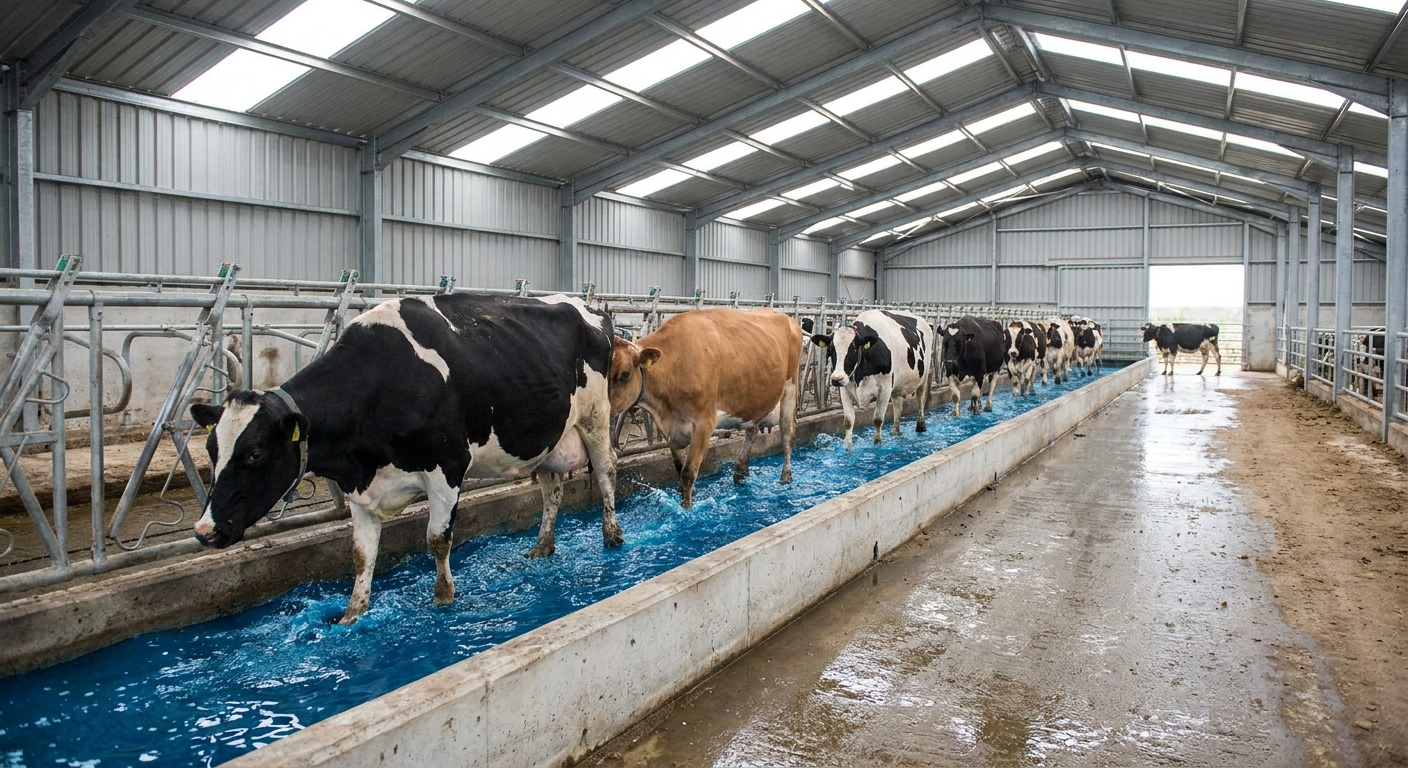
A highly hygienic cow shed flooring prevents infectious diseases by keeping hooves clean and dry, which makes treatments like foot baths much more effective. Standing in deep manure coats hooves in organic matter, blocking sanitizing solutions from reaching and killing bacteria. Regular scraper sweeps and dry alleys are essential to protecting your herd from painful foot diseases.
Maximizing Foot Bath Effectiveness
Foot bathing is a great way to prevent claw infections, but it only works if hooves are clean. If a cow’s hooves are caked with thick manure, the treatment solution cannot reach the infected skin. This makes floor scraping a critical prep step.
- Clean floors keep hooves free of manure before they enter the bath.
- Clean skin lets foot bath treatments work faster and more deeply.
- Dry, post-bath walkways let the treatment solution dry on the claw.
Automated Scrapers Keep Alleys Clean
Automated scrapers and robotic alley cleaners are vital for maintaining daily barn hygiene. It gets even better: frequent scraping keeps manure from building up, preventing the waves of waste that splash onto cow legs and udders. This keeps the entire environment dry and healthy.
- Programs automated scrapers to run frequently without disturbing cows.
- Robotic alley scrapers clean hard-to-reach cross-alleys and corners.
- Drier floors prevent dirt from being carried into clean resting cubicles.
Key Takeaway: Clean alleys and automated scraping keep hooves clean and dry, helping your foot baths work better and preventing infectious claw diseases like digital dermatitis.
| Hygiene Standard | Manure-Caked Bare Concrete | Clean Scraped Alleys | |
|---|---|---|---|
| Bacterial Infection Risk | Extreme (Constant manure contact) | Controlled (Dry surfaces with scrapers) | |
| Foot Bath Effectiveness | Poor (Organic matter blocks solution) | Excellent (Chemicals reach clean skin) | |
| Stall Bedding Cleanliness | Low (Dirt is carried into stalls) | High (Cows walk with clean hooves) |
Select the right scraping and hygiene setup to protect your herd from infections.
Does great cow shed flooring boost farm profits?
Investing in premium cow shed flooring pays for itself quickly by reducing involuntary culling, lowering vet bills, and maintaining high milk production. When cows walk comfortably, they eat more and transition easily through their lactations, maximizing their lifetime value. Upgrading your barn flooring is a smart capital investment that protects your herd and boosts your profits.
The Direct Financial Impact of Hoof Health
Treating a lame cow is a major, ongoing expense that cuts into your farm’s bottom line. Let’s look at the numbers: Swedish animal welfare studies estimate that a single culled cow costs a farm approximately $3,000 USD. This direct loss can easily be avoided with proper surface planning.
- Saving just one cow a year pays for 300 square meters of rubber mats over 10 years.
- Comfortable cows stand and eat more, leading to higher daily milk yields.
- Healthy cows breed back sooner, lowering overall reproduction costs.
Showhoo Steel Barns Protect Your Assets
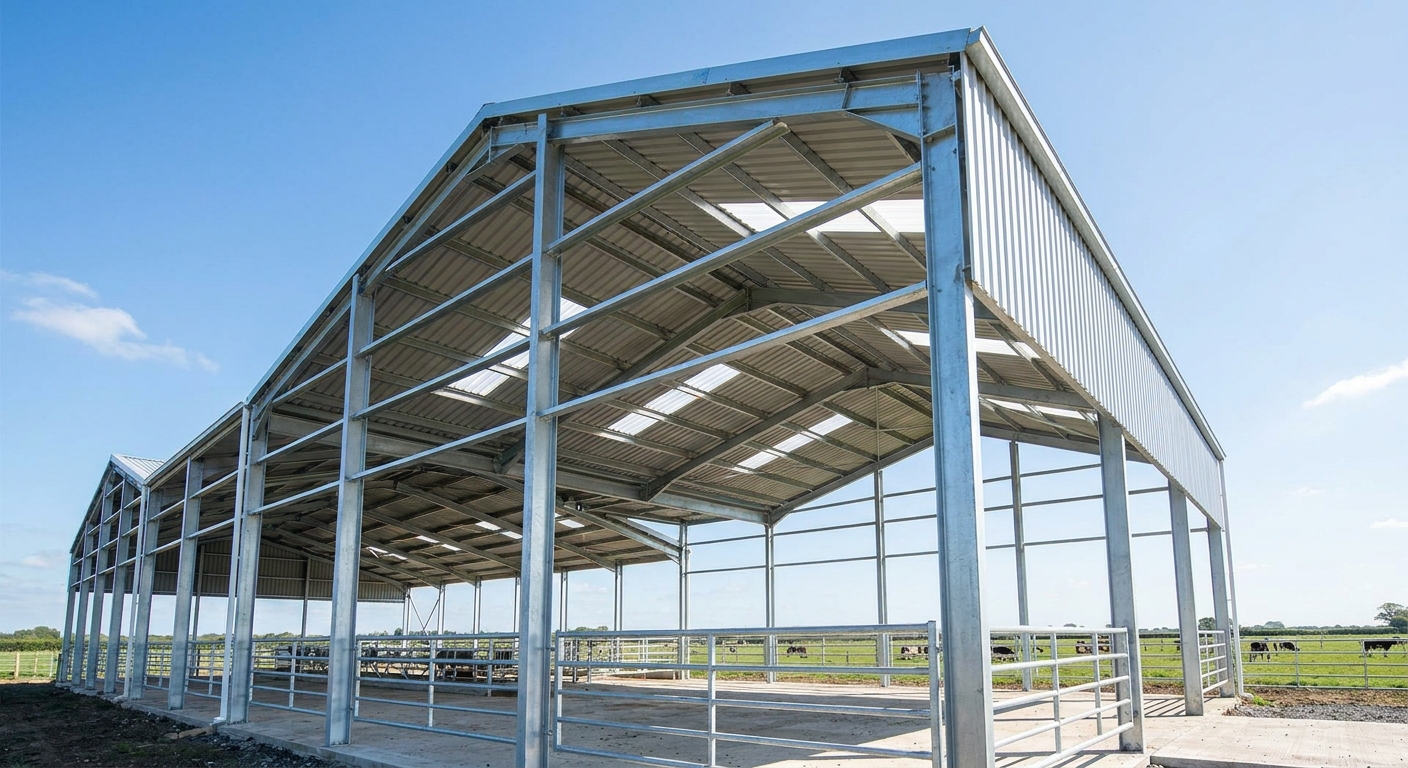
Your flooring investment works best when it is paired with a durable, protective building structure. Think about it: a premium galvanized steel barn protects your herd, your floors, and your automated scrapers from the weather. This ensures your capital assets remain in peak condition.
- Hot-dip galvanized steel resists rust from damp, ammonia-rich air.
- Pre-engineered designs fit modern scraping and feeding setups perfectly.
- High-clearance roofs allow excellent natural ventilation to keep floors dry.
Key Takeaway: Upgrading to comfortable rubber flooring inside a durable Showhoo steel barn is a smart financial move that cuts culling rates and maximizes milk yields.
| Investment Option | Bare Concrete / Unprotected Barn | Rubber Overlays / Showhoo Galvanized Barn | |
|---|---|---|---|
| Involuntary Culling Rate | High (Due to lameness and injuries) | Very Low (Excellent cow safety and comfort) | |
| Structure Lifespan | Low (Corrosion from moisture and gases) | Extremely Long (Galvanized steel protection) | |
| Return on Investment | Low (High veterinary and culling bills) | Fast payback (Optimized animal performance) |
Review these financial advantages to plan your next facility upgrade.
How do you lay out your new cow shed flooring?
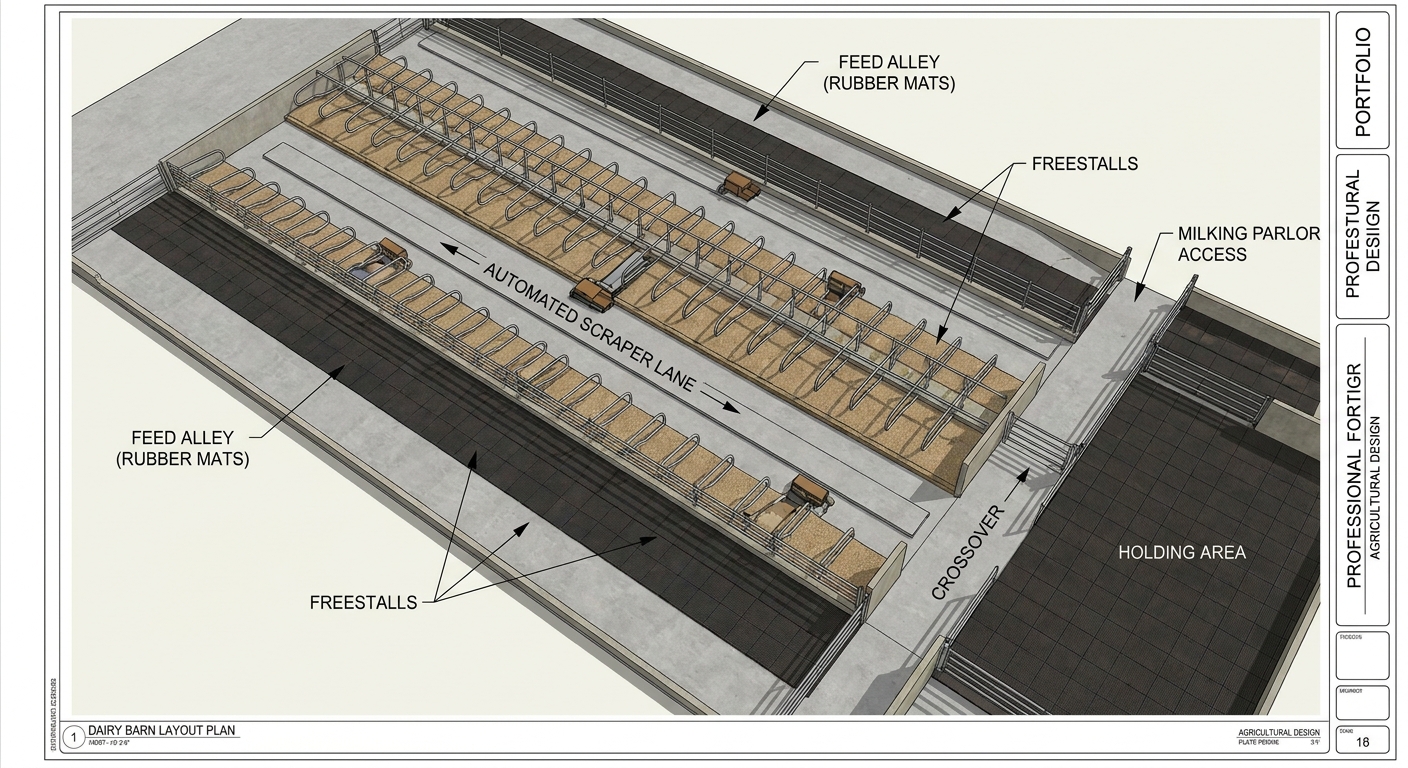
A smart layout for cow shed flooring places soft rubber mats in high-traffic feed stalls, secures non-slip pasture exits, and designs wide, smooth paths for cattle traffic. Planning your layout carefully prevents dominant cows from trapping others and reduces sudden, sharp turns that strain cow joints. Designing comfortable walking paths encourages your herd to move naturally and stress-free.
Planning Comfortable Feed Stalls
Feeding areas are busy spots where cows stand for hours and interact with each other. Here is where to start: installing raised feed stalls covered with rubber mats keeps cows comfortable while they eat and out of the wet scraped manure alleys. This protects their hooves during active feeding times.
- Raised stalls keep cows’ back feet out of scraped manure lanes.
- Rubber feed stall mats encourage cows to stand and eat longer.
- Feed stalls give cows a safe place to stand, away from scraper passes.
Wide Paths Prevent Congestion and Stress
Narrow lanes and sharp corners can cause accidents and stress in your herd. Think about flow: wide alleys and rounded corners prevent dominant cows from cornering others, reducing sudden, painful twists. This keeps animal movement smooth and steady throughout the day.
- Wide cross-alleys (3-4 meters) stop traffic jams and stress.
- Rounded corners stop cows from pivoting sharply and wearing down claws.
- Logical grouping reduces fighting and competition at the feed fence.
Key Takeaway: A smart barn layout with raised feeding stalls and wide walking paths reduces stress and joint strains, protecting claw health and extending herd life.
| Layout Component | Standard Dimensions | Hoof Health Purpose | |
|---|---|---|---|
| Feeding Lane Width | 3.6 to 4.2 meters | Lets cows pass each other comfortably | |
| Feed Stall Height | 15 to 20 cm (Raised) | Keeps back feet out of scraped manure waves | |
| Cross-Alley Spacing | Every 15 to 20 cubicles | Prevents long walks and eliminates dead-ends |
Use these layout dimensions to create a smooth, comfortable traffic plan for your herd.
Where should you source your cow shed flooring?
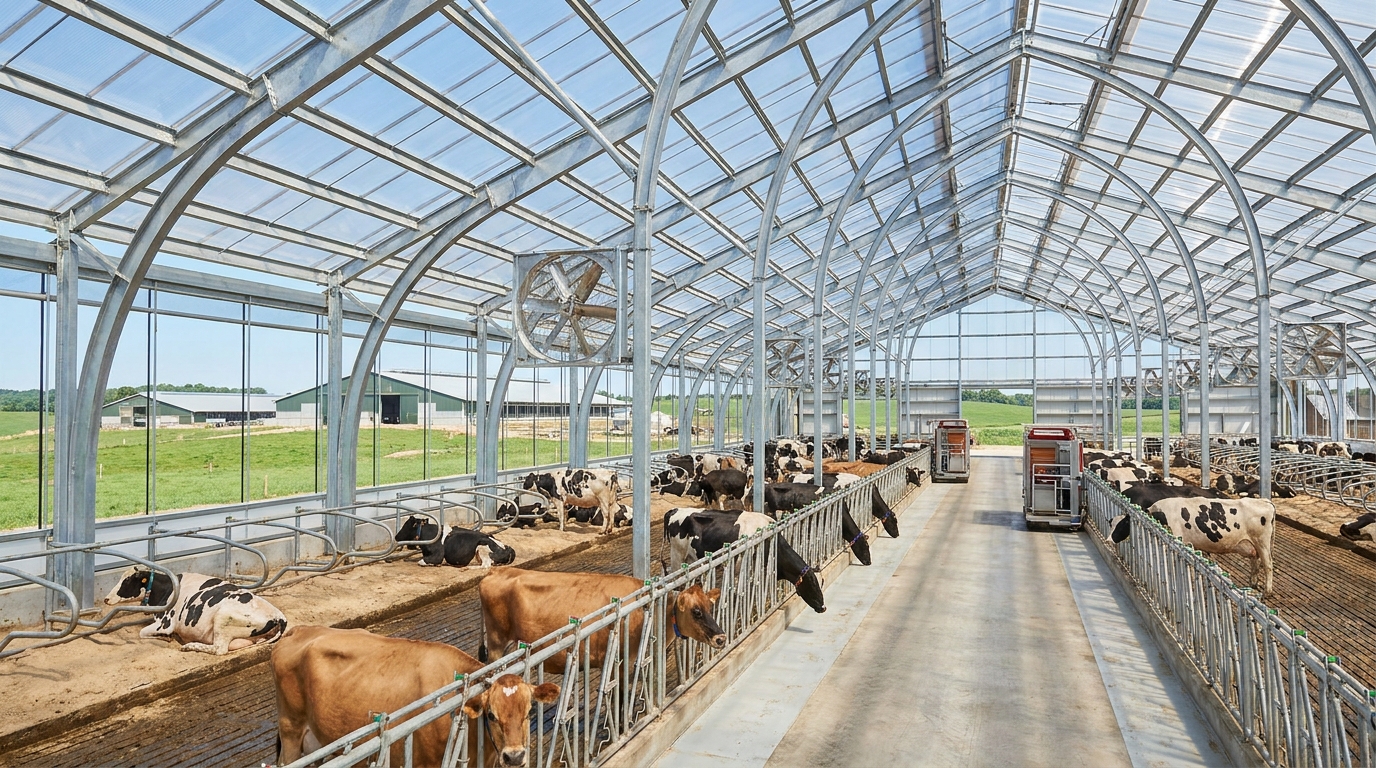
You can source top-tier cow shed flooring and fully integrated agricultural buildings directly from Showhoo, a leading global manufacturer of prefabricated steel livestock structures. Ordering factory-direct ensures competitive pricing, customized designs, and a building engineered to support modern scraping and comfort systems. Partnering with a specialized supplier makes your entire barn project simple, reliable, and highly profitable.
The Benefits of Factory-Direct Steel Barns
Buying factory-direct from Showhoo gives you full control over your project’s design and budget. Here is the smart business move: by avoiding middleman fees, you get competitive prices and high-quality steel structures built to last. This lets you allocate more budget to premium floor overlays.
- No middleman markups mean competitive, budget-friendly prices.
- Strict quality control from raw steel to final packing on site.
- Coordinated design matching structural frames and flooring needs.
Customizing Steel Buildings for Livestock Comfort
Your livestock barn be designed for animal welfare and structural longevity. Customization is key: Showhoo designs steel sheds that fit modern farming needs, featuring tall roofs for great ventilation and open-sided walls. This matches natural grazing environments while providing complete storm protection.
- Structures are engineered for local wind, snow, and seismic loads.
- Hot-dip galvanized steel framing resists corrosion from manure gases.
- Flexible layouts fit automated feeding and scraper systems easily.
Key Takeaway: Partnering with Showhoo ensures you get a durable, custom-engineered steel barn built to support premium rubber flooring, helping you secure long-term herd health and farm profits.
| Project Stage | Traditional Construction Route | Showhoo Integrated Steel Delivery | |
|---|---|---|---|
| Design Coordination | Separate (Different teams for frame & floors) | Coordinated (Pre-engineered for scrapers & mats) | |
| Corrosion Protection | Field-painted (Vulnerable to quick rust) | Hot-Dip Galvanized (High resistance to ammonia) | |
| Assembly Speed | Slow (On-site cutting and welding required) | Fast (Bolt-together design with pre-marked parts) |
Review these benefits to choose a reliable structural partner for your dairy farm.
Ready to install the best cow shed flooring today?
Upgrading your facility is the most effective way to eliminate the painful, costly problems of herd lameness, premature culling, and poor barn hygiene. By transitioning to comfortable rubber alleys and designing sloped, fast-draining concrete foundations, you can protect your cows’ hooves and secure your farm’s long-term profitability. At Showhoo, we manufacture premium pre-engineered steel livestock buildings designed to integrate perfectly with advanced automatic scrapers and rubber mats. Our vision is to empower modern dairy farms with durable, high-efficiency structures that maximize animal comfort and lifetime productivity. To start planning your custom barn layout and get a factory-direct quote, please contact us today to connect with our structural experts.
Build safer cow shed flooring for healthier dairy herds !
Email:sales@showhoo.com.cn
Phone/WhatsApp: + 86 186 7895 5927
What questions remain about cow shed flooring?
Can I install rubber mats over older, cracked concrete?
Yes, you can. Before installing the new rubber overlays, you thoroughly wash, clean, and patch any deep cracks or uneven spots in the old concrete. This ensures the mats sit perfectly flat and can be securely bolted down with corrosion-resistant fasteners.
What’s the best slope for draining solid concrete barn floors?
A 2% lateral slope is the best option. This angle is steep enough to let gravity drain urine away quickly into central channels, keeping the walking surface dry. At the same time, it is gentle enough to prevent cows from slipping or straining as they walk.
How do I know if my current barn flooring is too slippery?
Yes, you can tell by watching your herd’s behavior. If your cows take short, hesitant steps, hold their heads low, or slide when turning, your floors have lost their traction. You groove the concrete or add rubber mats immediately to prevent severe hip injuries.
Can I use automated scrapers on textured rubber mats?
Yes, you absolutely can. High-quality vulcanized rubber mats are designed to withstand the daily wear of automated scrapers and robotic cleaners. Just make sure the scraper blades are adjusted correctly to glide smoothly without tearing the rubber seams.
How do I know if overstocking is damaging my cows’ hooves?
Yes, you will see clear behavioral signs. When there are more cows than cubicles, animals stand in the wet alleys for hours waiting for a place to rest. This constant exposure to damp manure softens their claws and quickly leads to painful infections.