
The base price for erecting these facilities generally runs between $25 and $75 per square foot. Property owners often seek profitable passive income streams, yet unpredictable material pricing makes initial budgeting incredibly frustrating. Miscalculating your required capital can quickly derail a promising commercial project before pouring any concrete. Fortunately, grasping every hidden detail regarding your cost to build mini storage helps developers launch a highly lucrative venture with absolute confidence.
What is the average cost to build mini storage in 2026?
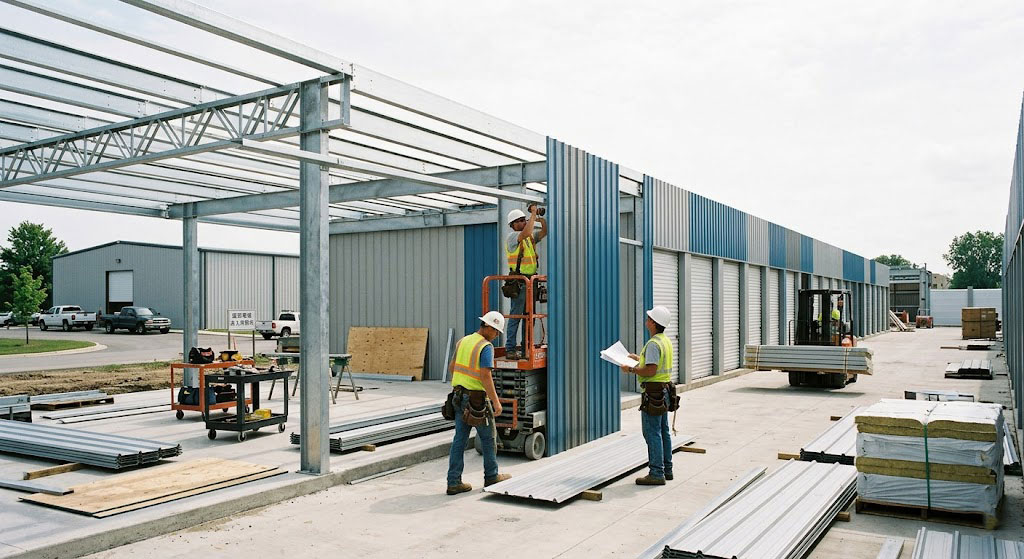
Baseline expenses typically range from $25 per square foot for basic structures up toward $75 for complex commercial builds. Accurately projecting your exact cost to build mini storage ensures investment capital remains fiercely protected against inflation. Relying on outdated data easily leads investors toward severe financial shortfalls.
Is $25 per square foot a realistic target?
Achieving that bottom-tier pricing requires perfectly flat land alongside minimal custom architectural features. Here is the deal: developers must understand how different tier upgrades multiply baseline expenses exponentially. Knowing these tiers prevents unrealistic financial expectations from ruining your business plan.
- Basic non-climate units save significant money.
- Premium insulation demands higher upfront capital.
- Urban plots inflate standard pricing massively.
| Facility Tier | Estimated Price Per Sq Ft | Typical Features |
|---|---|---|
| Basic | $25 – $35 | Standard metal, rural land |
| Mid-Range | $35 – $50 | Better security, suburban lot |
| Premium | $50 – $75 | Climate control, urban zoning |
This data clearly highlights how adding premium functional features pushes base construction estimates significantly upward.
Key Takeaway: Setting a realistic baseline budget prevents financial surprises and protects your long-term ROI.
How do materials alter the cost to build mini storage?
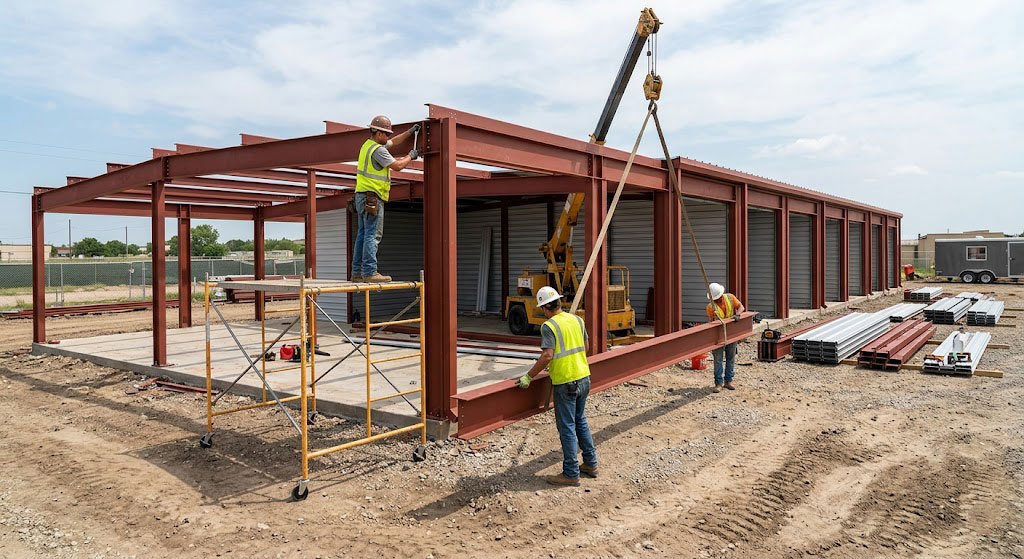
Building materials consume nearly half of your total construction budget, heavily dictating final expenditure numbers. Choosing durable structural steel heavily impacts your cost to build mini storage but saves massive amounts long-term. Cheaper alternatives often result in disastrous structural failures during severe weather events.
Which materials offer the best ROI?
Premium metal kits dominate commercial construction due to their unmatched durability against harsh environmental elements. Think about it: spending slightly more upfront on galvanized panels drastically reduces future headache-inducing repairs.
- Steel framing withstands high winds perfectly.
- Wood construction invites expensive pest damage.
- Metal roofing prevents disastrous water leaks.
| Material Type | Cost Impact Level | Long-Term Durability |
|---|---|---|
| Galvanized Steel | Moderate | Excellent |
| Traditional Wood | Low | Poor |
| Insulated Panels | High | Outstanding |
Steel clearly dominates as the most cost-effective structural solution for commercial building longevity.
Key Takeaway: Investing in premium steel structures drastically reduces maintenance overhead over the building’s entire lifespan.
Act Now—Get Premium Steel Solutions Fast!
Email:sales@showhoo.com.cn
Phone/WhatsApp:+86 186 7895 5927
Why does site prep shift the cost to build mini storage?
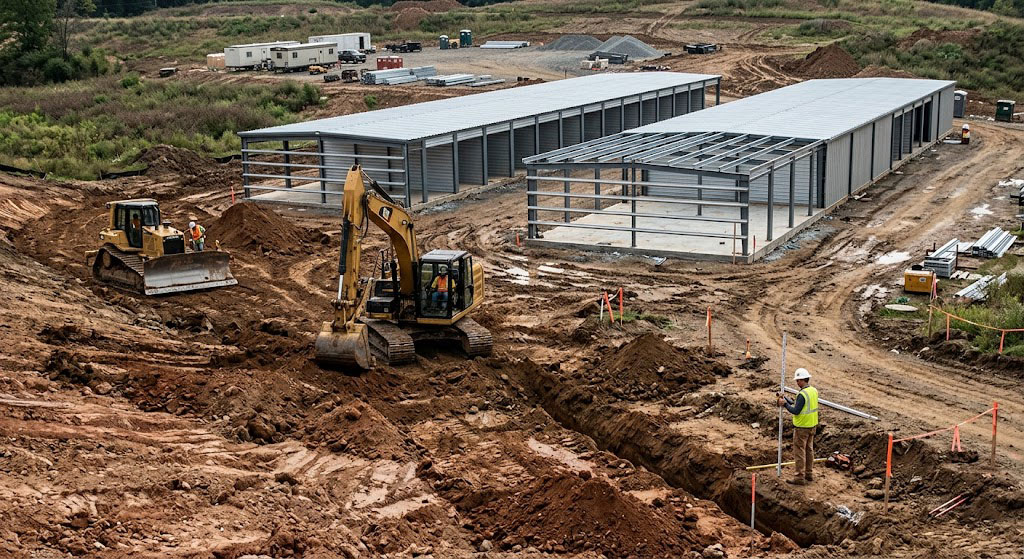
Site preparation shifts your budget because uneven land requires incredibly extensive grading and trenching work. Unstable soil conditions can unexpectedly double the overall cost to build mini storage if developers ignore geotechnical surveys. Preparing raw land properly remains an absolutely non-negotiable step for structural integrity.
Are you budgeting enough for groundwork?
Clearing forestry and blasting bedrock destroys conservative budgets faster than any other construction phase. You might be wondering: how can investors mitigate these massive excavation risks? Conducting thorough land assessments before purchasing real estate saves investors millions.
- Leveling uneven ground requires expensive heavy machinery.
- Installing deep utility lines adds weeks.
- Pouring robust concrete slabs guarantees stability.
| Preparation Task | Average Expense | Budget Risk Level |
|---|---|---|
| Tree Clearing | $2,000 – $5,000 | Low |
| Soil Grading | $5,000 – $15,000 | Medium |
| Bedrock Blasting | $10,000+ | High |
Extensive ground leveling and utility trenching form the bulk of your land preparation expenses.
Key Takeaway: Conducting a thorough geotechnical survey limits unexpected excavation fees and keeps timelines strictly intact.
What labor expenses factor into the cost to build mini storage?
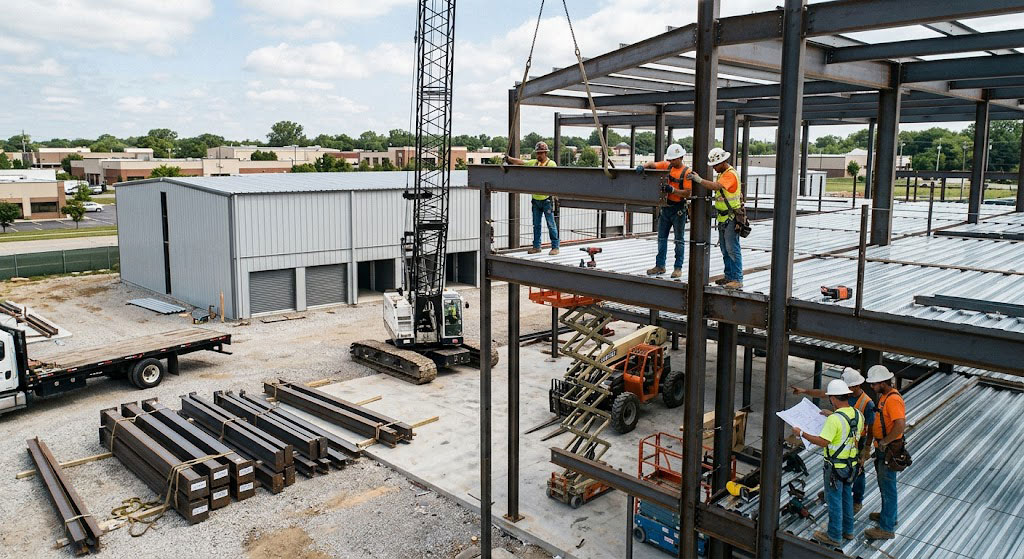
Labor expenses generally consume 20% to 40% of your total commercial construction budget. Hiring highly experienced erecting contractors directly influences the final cost to build mini storage and project completion speed. Untrained crews frequently cause disastrous delays that destroy your projected opening dates.
Can fast construction reduce your labor fees?
Utilizing prefabricated building kits slashes required man-hours because components arrive pre-cut and heavily standardized. But wait, there is more: faster erection times mean you can start collecting rental income much sooner.
- Specialized erectors work much faster.
- General laborers require constant site supervision.
- Prefabricated parts eliminate onsite welding needs.
| Crew Type | Efficiency Rate | Hourly Wage Impact |
|---|---|---|
| Specialized Erectors | Very High | Premium |
| General Contractors | Moderate | Standard |
| Unskilled Labor | Low | Cheap |
Specialized erectors command higher wages but significantly accelerate the entire commercial building process.
Key Takeaway: Utilizing prefabricated structural kits drastically reduces the expensive man-hours required on your site.
How do permit fees increase the cost to build mini storage?
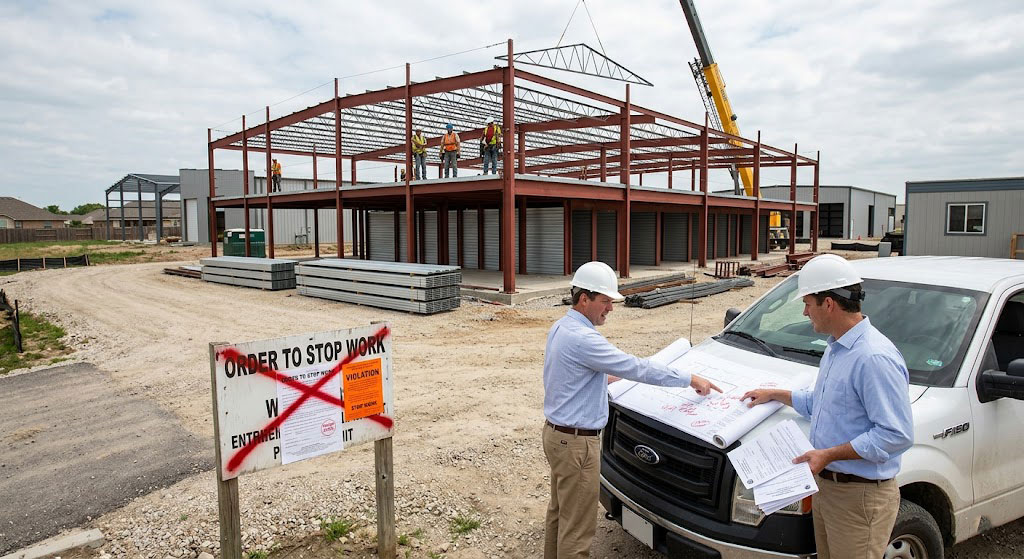
Permit fees increase your budget by adding mandatory local government charges for strict zoning approvals. Regulatory bureaucratic requirements easily add thousands onto the overall cost to build mini storage. Ignoring local zoning laws results in devastating fines or forced project demolition.
What soft costs should you anticipate?
Local municipalities charge heavily for environmental impact studies and commercial building safety inspections. Here is the catch: these hidden administrative fees must be paid before contractors break any ground.
- Zoning permits secure legal operating rights.
- Environmental impact fees protect local ecosystems.
- Architectural stamps ensure total structural safety.
| Soft Cost Type | Estimated Range | Required Phase |
|---|---|---|
| Zoning Approval | $1,000 – $3,000 | Pre-Construction |
| Building Permits | $2,000 – $10,000 | Pre-Construction |
| Utility Tap Fees | $5,000 – $15,000 | Mid-Construction |
Local zoning and environmental impact fees represent the largest unpredictable soft cost variables.
Key Takeaway: Securing necessary permits early prevents incredibly costly project delays and potential legal complications.
Will climate control raise the cost to build mini storage?
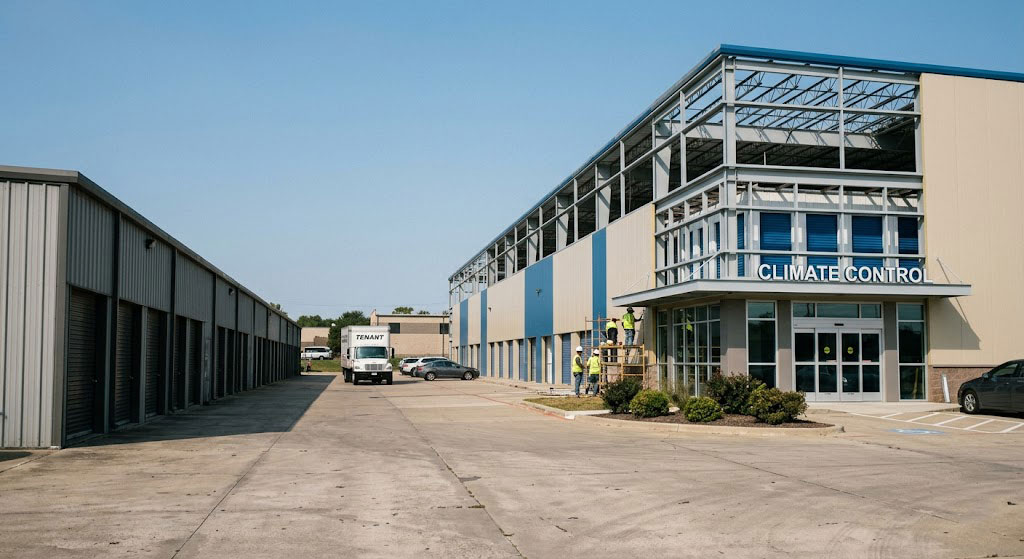
Adding climate control raises initial expenses by approximately $15 to $25 per square foot. Upgrading mechanical systems will definitely increase your cost to build mini storage, yet doing so heavily attracts wealthy renters. Standard units cannot compete against temperature-regulated facilities in extreme humidity environments.
Do premium features guarantee higher returns?
Customers gladly pay premium monthly rates for protecting sensitive electronics, antique furniture, and valuable documents. Consider this: the extra mechanical investment pays for itself through significantly higher monthly occupancy rates.
- HVAC systems require specialized electrical routing.
- Insulated doors prevent expensive energy waste.
- Regulated temperatures attract lucrative commercial clients.
| Feature Type | Construction Cost | Rental Rate Potential |
|---|---|---|
| Standard Drive-Up | Lowest | Average |
| Fully Climate-Controlled | Highest | Maximum |
| Hybrid Facility | Moderate | High |
The steep initial HVAC investment gets quickly offset by charging premium monthly rental rates.
KeyীবKey Takeaway: Climate-controlled units cater perfectly toward lucrative demographics storing sensitive, incredibly high-value commercial goods.
Does maintenance affect the overall cost to build mini storage?
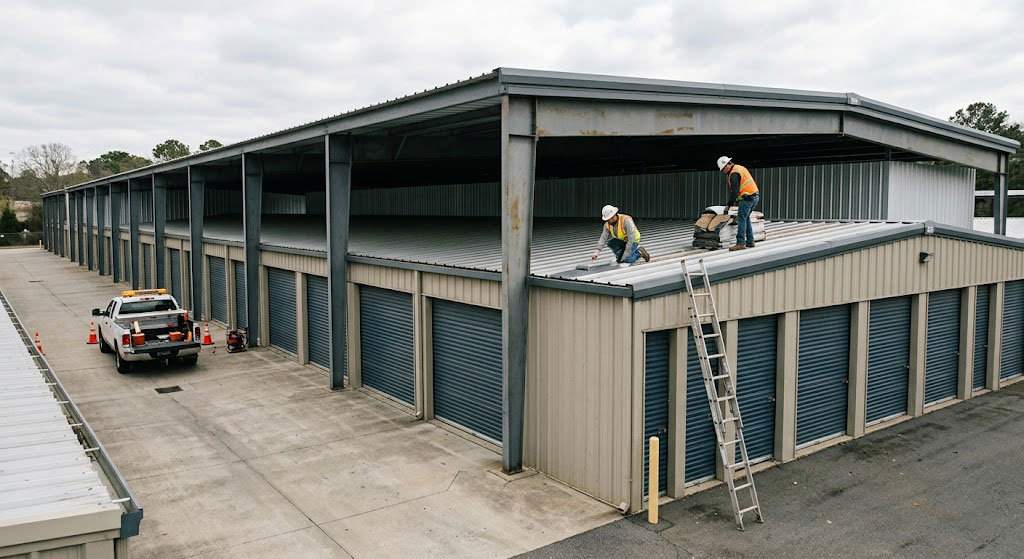
Ongoing maintenance affects your lifetime budget by introducing recurring operational repair expenses continuously. Factoring in future upkeep gives developers a true picture regarding the cost to build mini storage. Neglecting structural maintenance inevitably leads toward disastrously expensive roof replacements.
How can you minimize future repair expenses?
Selecting durable materials during phase one drastically cuts your annual facility upkeep budgets. Truth be told: cheap initial construction always results in massive long-term repair nightmares.
- Washable metal walls resist damaging stains.
- Galvanized steel frames repel destructive termites.
- Sloped roofs prevent dangerous water pooling.
| Material Quality | Initial Investment | 10-Year Maintenance Cost |
|---|---|---|
| Low Grade Wood | Cheap | Very High |
| Standard Metal | Moderate | Moderate |
| Premium Steel | Expensive | Extremely Low |
Utilizing premium galvanized steel completely eliminates frequent repainting needs and structural rot issues.
Key Takeaway: Choosing high-quality, heavily weather-resistant materials upfront aggressively slashes your lifetime maintenance bills.
Can smart financing offset the cost to build mini storage?
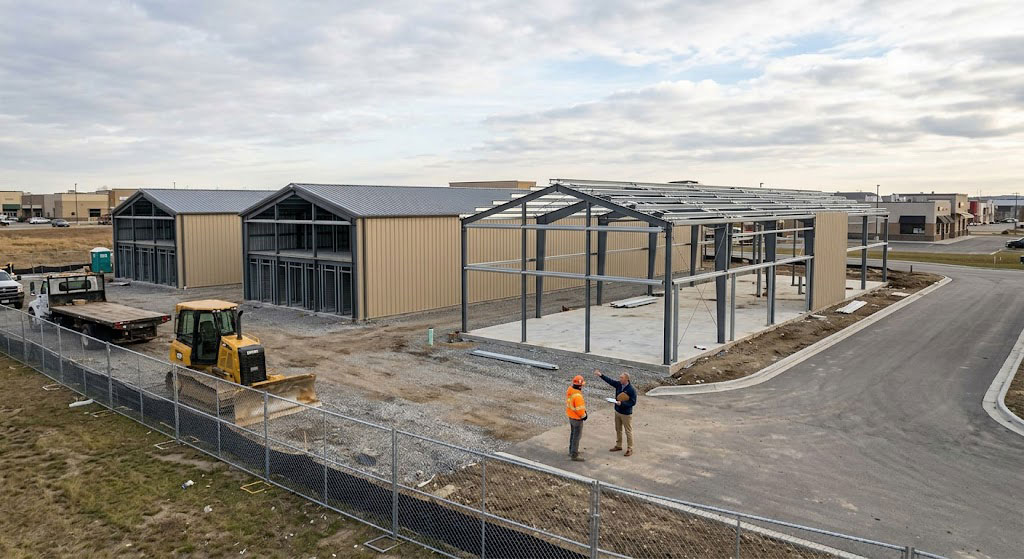
Smart financing strategies offset massive initial burdens by spreading capital requirements across favorable commercial loan terms. Securing a low-interest banking loan makes the high cost to build mini storage entirely manageable. Utilizing leverage allows investors to scale their commercial portfolios much faster.
Which loan type fits your business model?
Government-backed programs offer incredibly favorable terms for serious commercial real estate developers. Look at it this way: keeping your liquid cash reserves high protects your business during early lease-up phases.
- SBA loans require lower down payments.
- Traditional bank loans demand excellent credit scores.
- Private investors provide fast alternative funding.
| Loan Option | Typical Down Payment | Interest Rate Style |
|---|---|---|
| SBA 504 Loan | 10% – 15% | Fixed/Favorable |
| Traditional Bank | 20% – 30% | Variable/Fixed |
| Private Lender | 30%+ | High/Short-Term |
SBA loans offer the absolute most favorable terms for investors holding slightly smaller liquid reserves.
Key Takeaway: Leveraging specialized commercial loans maximizes your operational cash flow during the critical early lease-up phase.
Does location change the baseline cost to build mini storage?
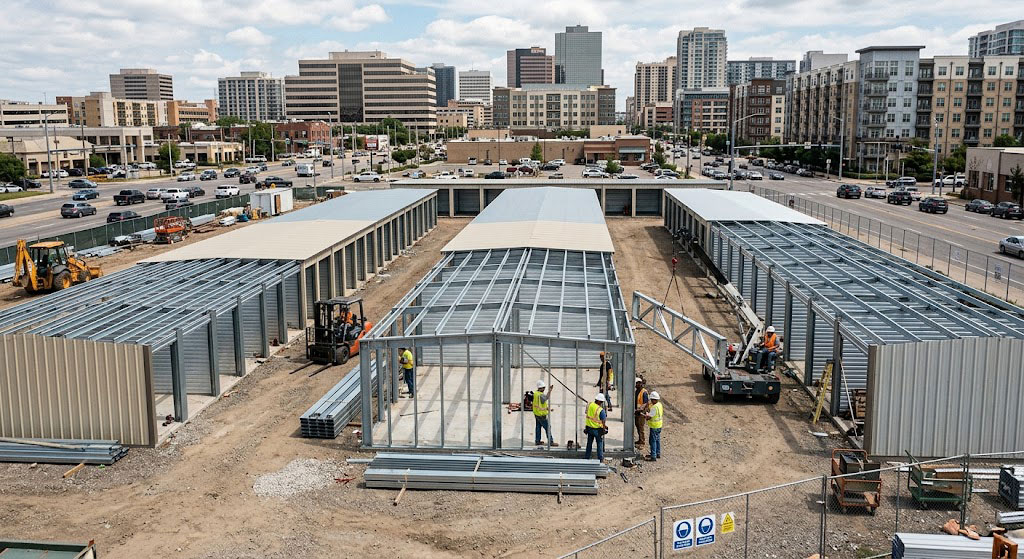
Location heavily dictates baseline prices due to wildly varying land values and local labor rates. Building in a highly dense urban zone will skyrocket the initial cost to build mini storage. Rural areas offer cheap land but suffer from significantly lower consumer demand.
Why do urban vs rural prices differ so much?
City plots demand absolute premium prices while imposing incredibly strict architectural design guidelines. The bottom line is: developers must find a perfect balance between land affordability and local population density.
- Urban lots boast massive customer foot traffic.
- Rural plots provide unlimited expansion space.
- Suburban areas offer the best overall balance.
| Location Type | Land Acquisition Cost | Average Occupancy Rate |
|---|---|---|
| Urban Center | Extremely High | 90%+ |
| Suburban Zone | Moderate | 85% |
| Rural Outskirts | Low | 60% |
While urban commercial plots are expensive, they boast significantly higher demand and faster occupancy rates.
Key Takeaway: Selecting a highly visible suburban lot perfectly balances reasonable land prices with incredibly strong consumer traffic.
What mistakes raise the total cost to build mini storage?
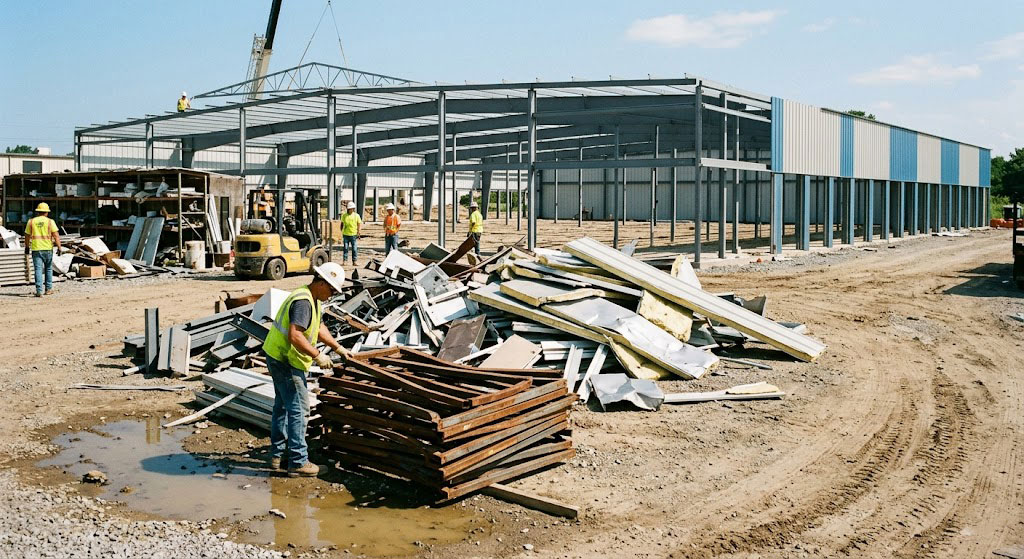
Poor logistical planning and skimping on quality materials remain the primary mistakes inflating total budgets. Avoiding common operational pitfalls drastically reduces the final cost to build mini storage. Educating yourself prevents amateur errors from destroying your profit margins.
How can you prevent catastrophic budget overruns?
Hiring unverified contractors without checking references guarantees massive financial headaches later. Let that sink in: changing structural designs mid-construction incurs absolutely devastating penalty fees.
- Always secure multiple competitive contractor bids.
- Never skip crucial geotechnical soil testing.
- Avoid altering blueprints after pouring concrete.
| Construction Mistake | Financial Impact Level | Prevention Strategy |
|---|---|---|
| Skipping Soil Tests | Devastating | Hire geotechnical engineers |
| Choosing Cheap Metal | High | Buy premium steel kits |
| Mid-Build Changes | Very High | Finalize designs early |
Failing to secure multiple competitive contractor bids consistently leads toward the largest percentage of budget overruns.
Key Takeaway: Partnering directly with highly experienced structural engineers eliminates costly mid-construction design changes completely.
Conclusion
Understanding building expenses fundamentally transforms how developers approach commercial real estate investments. We successfully broke down how materials, site preparation, labor, and location dictate your overall budget. We provide premium structural steel solutions designed to maximize your long-term return on investment effortlessly. Our brand firmly believes high-quality commercial structures should never cause unnecessary financial distress for smart investors. Reach out and contact us today so our experts can bring your profitable vision into reality.
Act Now—Get Premium Steel Solutions Fast!
Email:sales@showhoo.com.cn
Phone/WhatsApp:+86 186 7895 5927
FAQ
Can I build a facility for under $200,000? Yes, achieving this budget is possible for very small rural footprints. Building a modest non-climate-controlled facility on inexpensive land keeps initial capital requirements extremely low.
What is the absolute best material for these units? Steel represents undeniably the best commercial choice available today. It offers maximum structural durability against severe weather while requiring virtually zero long-term maintenance.
How do I know if climate control is actually necessary? It depends entirely upon your local demographic demand and weather patterns. Areas suffering from extreme humidity or freezing temperatures practically require temperature regulation to attract premium renters.
Can I save money by erecting the building completely myself? No, attempting DIY construction invites massive safety and legal risks. Professional contractors ensure structural integrity while keeping the project strictly compliant with local zoning codes.
What is the smartest way to secure commercial financing? Securing an SBA 504 loan typically represents the smartest financial route. These government-backed loans provide much lower down payments and highly favorable interest rates for serious developers.