
Buying a horse is an absolute dream, but many prospective owners save only for the upfront purchase price without realizing that buying the animal is actually the most affordable step of the entire journey.
Hidden monthly expenses—such as escalating feed costs, routine farrier work, unexpected veterinary crises, and high boarding fees—can quickly transform your lifelong equestrian dream into an overwhelming financial burden.
To protect your investment and budget responsibly, this complete 2026 guide systematically breaks down every hidden and overt expense of horse ownership, giving you the strategic insights needed to optimize care and build cost-effective infrastructure.
How much does a horse cost on average?
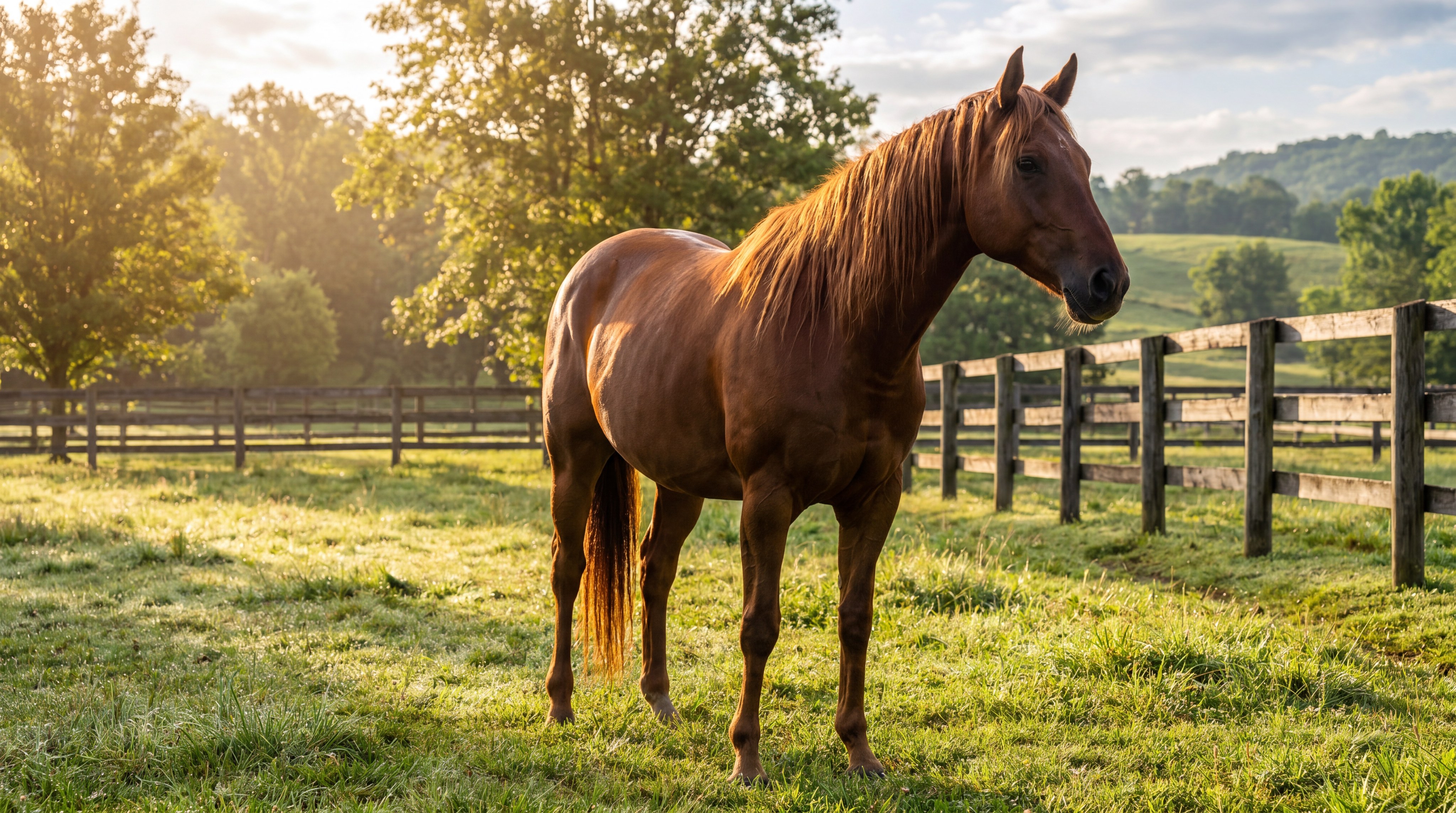
When evaluating how much does a horse cost , you must separate the initial price tag from the long-term operational investments. Far too many prospective owners fall into the trap of analyzing only the upfront sticker price.
Let’s get right to the point.
What are the main price tiers?
The equine market covers a massive financial spectrum, stretching from zero-dollar adoptions to premium competitive show jumpers that command six-figure investments. For the vast majority of recreational riders, hobbyists, and stable owners, a safe, structurally sound, and well-trained riding horse will average between 3,000 and 10,000.
These tiers are heavily defined by the animal’s physical capability, training depth, and pedigree. Understanding these categories allows you to align your capital allocation with your ultimate performance goals.
| Acquisition Category | Price Range (USD) | Best Suited For | |
|---|---|---|---|
| Rescue / Adoption | 0–500 | Experienced owners, companion animals, rehabilitation | |
| Beginner Riding | 1,000–3,000 | Novice riders, light trail work, pasture companions | |
| Well-Trained Riding | 3,000–10,000 | Regular recreational riding, family use, local performance | |
| Competition Horse | 10,000–50,000+ | Regional showing, specialized athletic disciplines | |
| Elite Show Horse | $100,000+ | Professional national or international sport levels |
Analytical Guidance: While adoptions minimize upfront costs, purchasing an already well-trained riding horse saves thousands in specialized professional instruction down the road.
How much does a horse cost by breed?
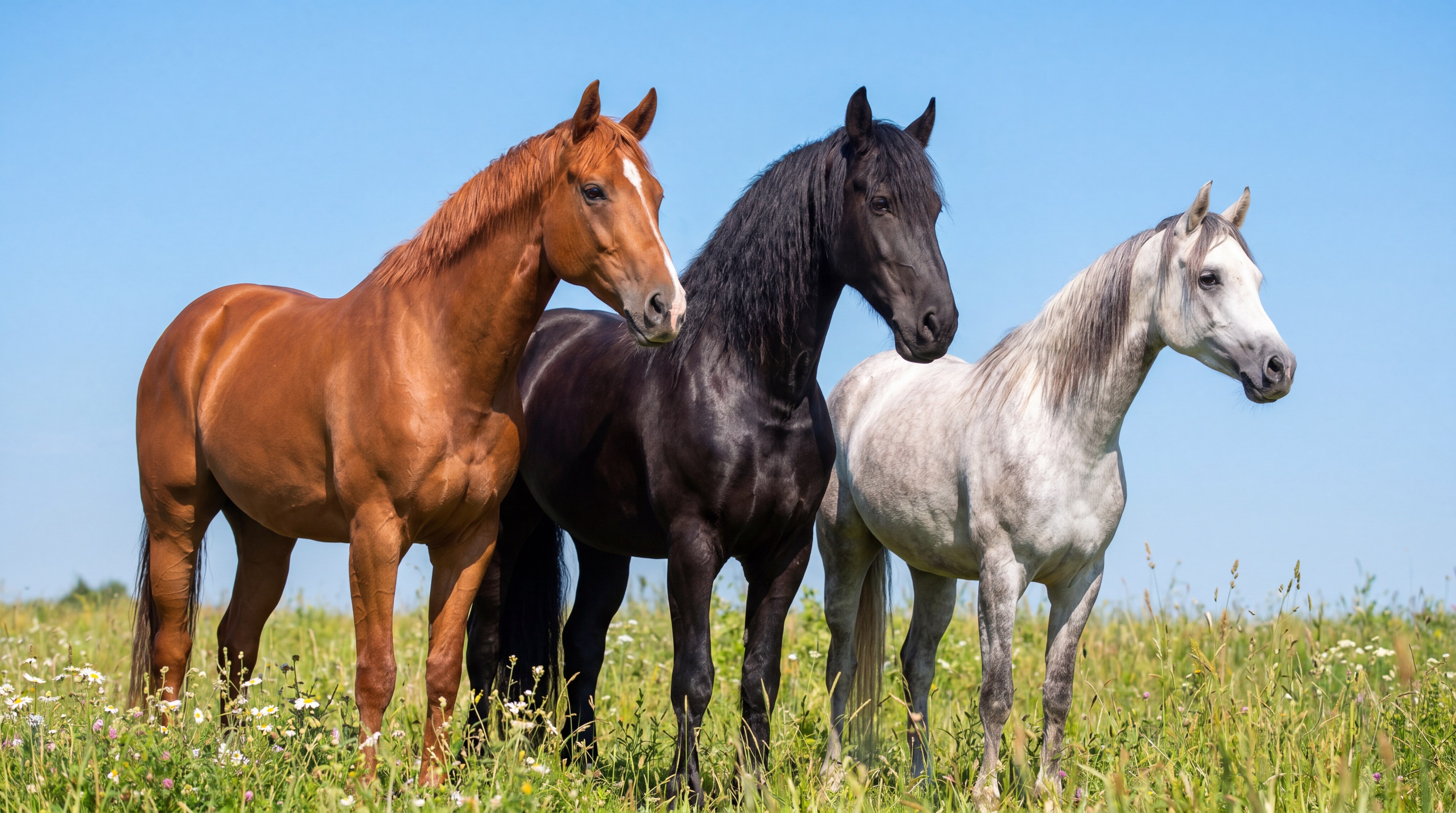
The breed you choose plays a massive role in both the initial purchase price and the specialized care requirements. Popular breeds are highly liquid assets, while specialty or rare breeds command premium rates.
Here is what you need to know:
What are the price ranges for popular breeds?
American Quarter Horses remain highly economical due to their widespread availability and versatile nature, making them perfect for ranch work, trail riding, and western performance. On the other end of the spectrum, specialized Warmbloods command a premium for Olympic-discipline performance like dressage and show jumping.
Heavy draft breeds, such as Clydesdales and Percherons, are valued for heavy farm work and carriage driving, but they also require more expensive feed and specialized farrier services due to their immense size.
| Horse Breed | Typical Price Range | Performance Discipline | |
|---|---|---|---|
| American Quarter Horse | 3,000–10,000 | Ranch work, western riding, trail | |
| Arabian Horse | 5,000–20,000 | Endurance riding, showing | |
| Thoroughbred | 2,500–50,000 | Racing, eventing, jumping | |
| Draft Horse | 3,000–15,000 | Heavy farm work, pleasure driving | |
| Wild Mustang (Adopted) | 125–1,000 | Versatile riding (requires professional training) |
Analytical Guidance: High-demand performance breeds carry premium price tags, but selecting a highly versatile, common breed like the Quarter Horse provides the best value-to-cost ratio.
Get Your Custom Horse Stall Quote Now
Email:sales@showhoo.com.cn
Phone/WhatsApp:+86 186 7895 5927
How much does a horse cost to train?
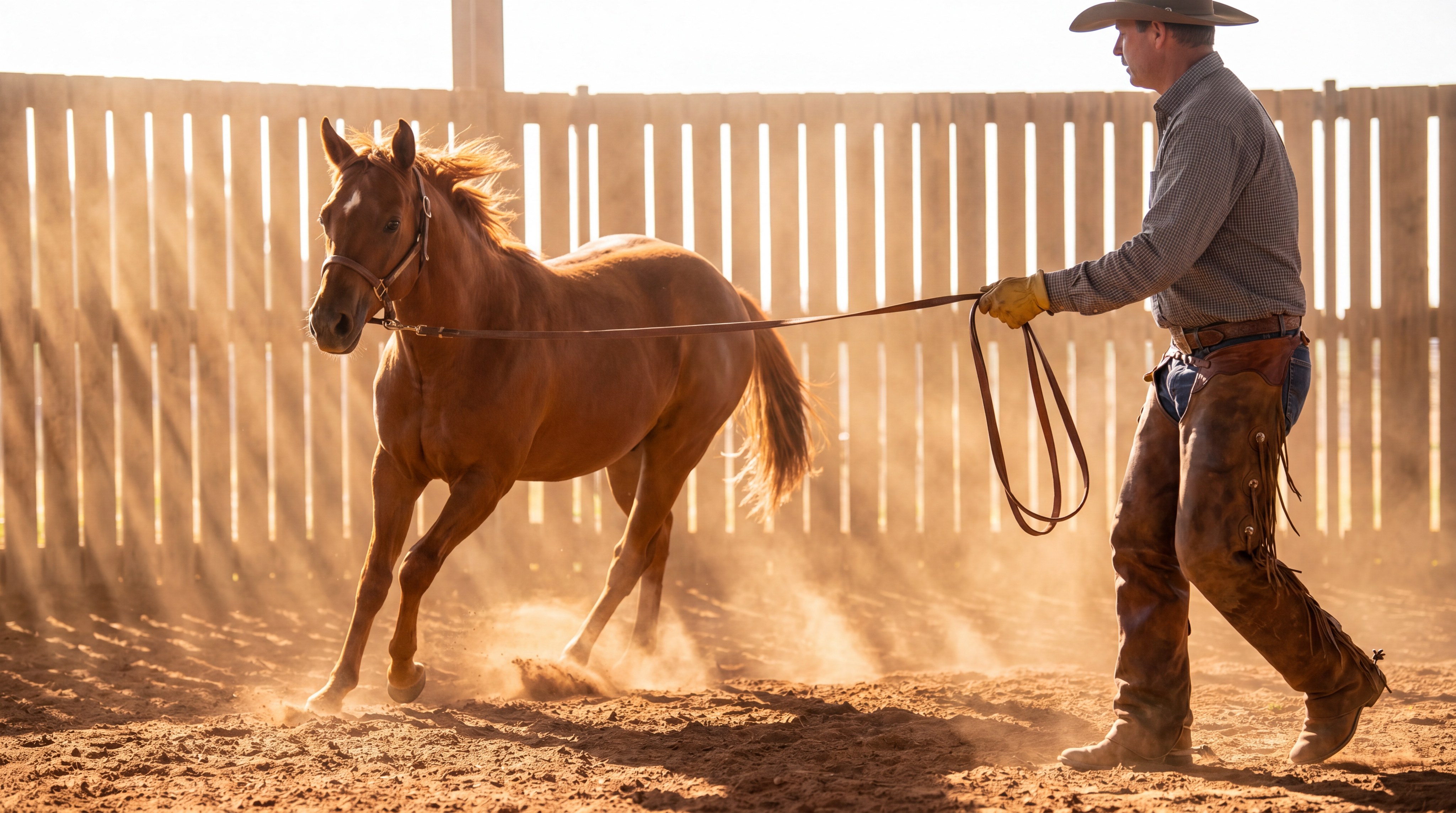
An unhandled horse is a major liability, making it critical to factor professional training into your budget. To safely assess how much does a horse cost to get under saddle, you must look at regional monthly rates for reputable trainers.
But here is the catch:
What does basic and specialized training cost?
Professional trainers typically charge on a monthly basis, which includes the horse’s stall board and daily training sessions. Basic saddle training typically requires a minimum stay of 30 to 90 days.
If you require discipline-specific expertise, such as cutting, reining, or advanced hunter/jumper work, expect to pay a premium. This phase of development cannot be rushed, as improper training in the early years can permanently ruin a horse’s utility and market value.
| Training Level | Monthly Cost Range | Typical Duration Required | |
|---|---|---|---|
| Groundwork / Halter | 400–800 | 30 Days | |
| Basic Saddle Training | 600–1,200 | 60 – 90 Days | |
| Specialized Discipline | 1,000–2,500+ | Ongoing basis |
Analytical Guidance: Buying an untrained horse to save money is a common mistake; the cost of professional training quickly outpaces the premium of buying an already-finished horse.
How much does a horse cost to feed?
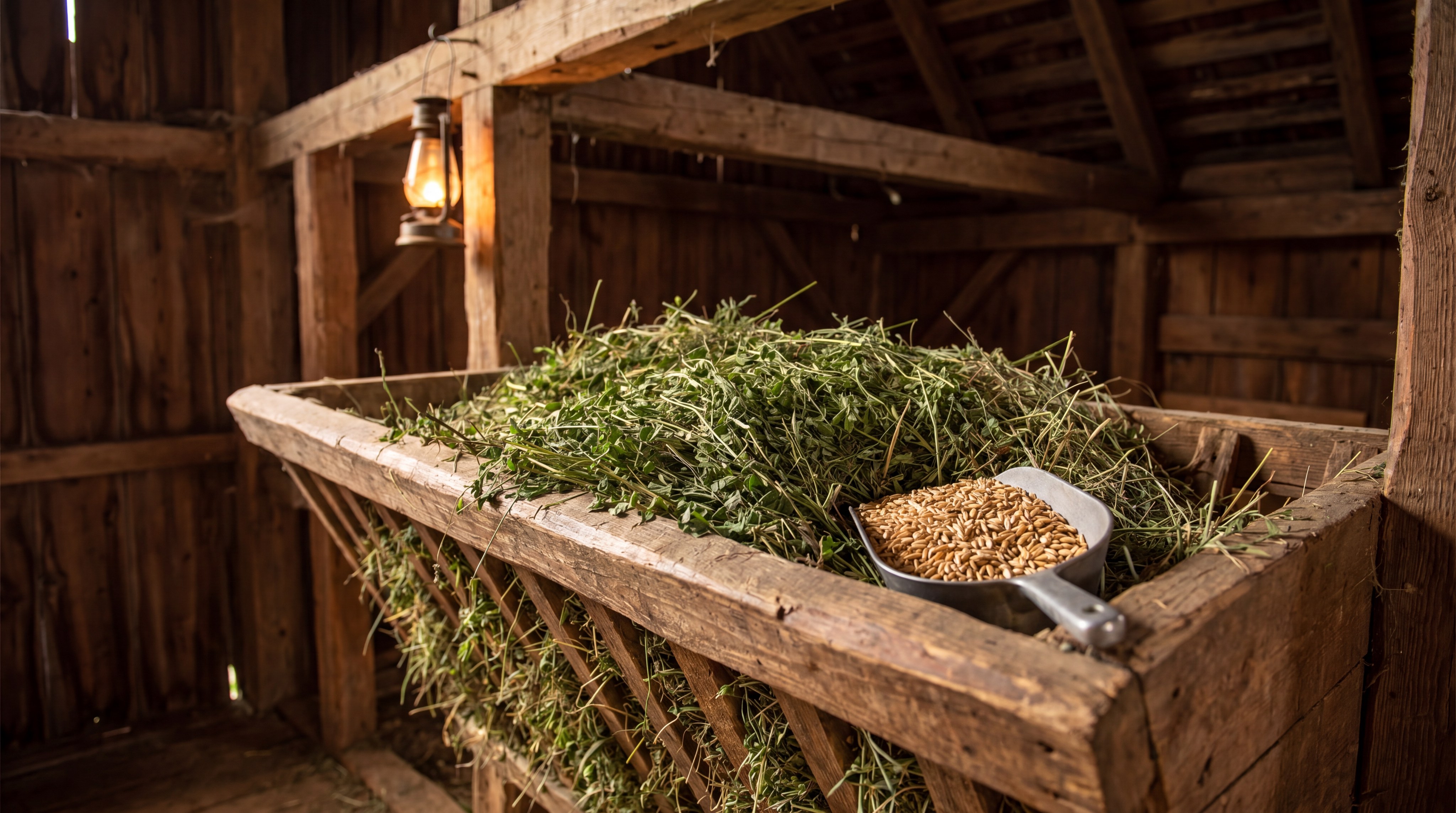
Nutrition is a non-negotiable expense that continues every single day of your horse’s life. Fueling a 1,000-pound animal requires a robust understanding of dry matter intake and bulk forage purchasing.
Think about it this way:
How much do hay, grain, and supplements cost?
An average horse requires approximately 1.5% to 2% of its body weight daily in high-quality dry forage. If you rely entirely on baled hay, this translates to roughly 15 to 20 pounds of forage per day.
- Forage Quality: Alfalfa or high-end orchard grass is more expensive but provides superior crude protein levels compared to standard coastal grass.
- Concentrates: Hard-working horses, senior animals, or pregnant mares require grain mixes and ration balancers to maintain appropriate body condition scores.
- Supplements: Hoof, joint, and digestive health additives are essential for high-performance animals but will add to your monthly overhead.
| Dietary Component | Monthly Cost | Annual Cost | |
|---|---|---|---|
| Standard Grass Hay | 100–250 | 1,200–3,000 | |
| Grain / Concentrates | 30–80 | 360–960 | |
| Targeted Supplements | 20–100 | 240–1,200 |
Analytical Guidance: Forage prices fluctuate with regional weather patterns and drought. Buying hay in bulk directly from local producers during the harvest season can slash annual feed costs by up to 40%.
How much does a horse cost to board?
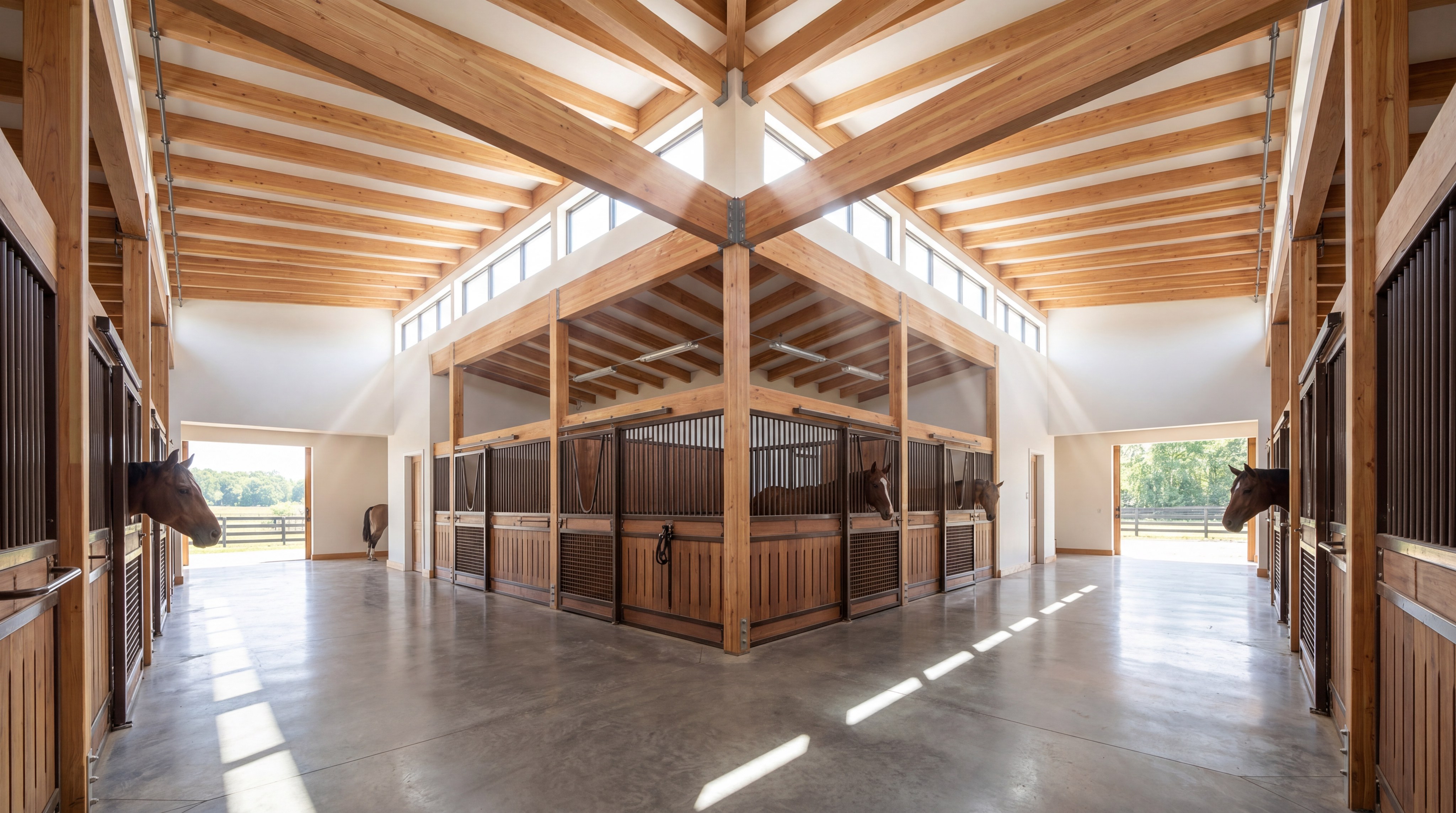
Choosing where your horse lives is the single most significant factor in your ongoing operational budget. When calculating how much does a horse cost over time, the choice between commercial boarding and home-based stabling is pivotal.
Here’s where the real choice lies:
Should you board your horse or keep it at home?
Commercial boarding facilities range from simple pasture turnout to luxury show barns with indoor arenas and staff-managed feed schedules.
- Pasture Boarding: The most economical option, where the horse lives outside in a herd environment with access to run-in shelters.
- Full-Care Barns: These facilities take over all daily labor—including mucking stalls, blanketing, and feeding—but they charge a premium.
- Home-Based Infrastructure: If you own land, transitions to building your own permanent stable solutions eliminate recurring rental fees. Opting for high-durability, pre-engineered steel stables ensures a long-lasting, fire-resistant asset that protects your horses while increasing your overall property equity.
| Boarding Class | Monthly Pricing Range | Key Deliverables | |
|---|---|---|---|
| Pasture Board | 150–400 | Outdoor shelter, herd socialization, continuous water access | |
| Self-Care Stable | 200–500 | Dry stall access only; owner provides all labor and feed | |
| Full-Care Board | 400–1,500+ | Daily hay, stall cleaning, turnout services, facility access |
Analytical Guidance: Boarding fees are the single largest source of financial leakage in horse ownership. Investing in durable home-based infrastructure pays for itself within a few short years by eliminating rent.
How much does a horse cost in vet bills?
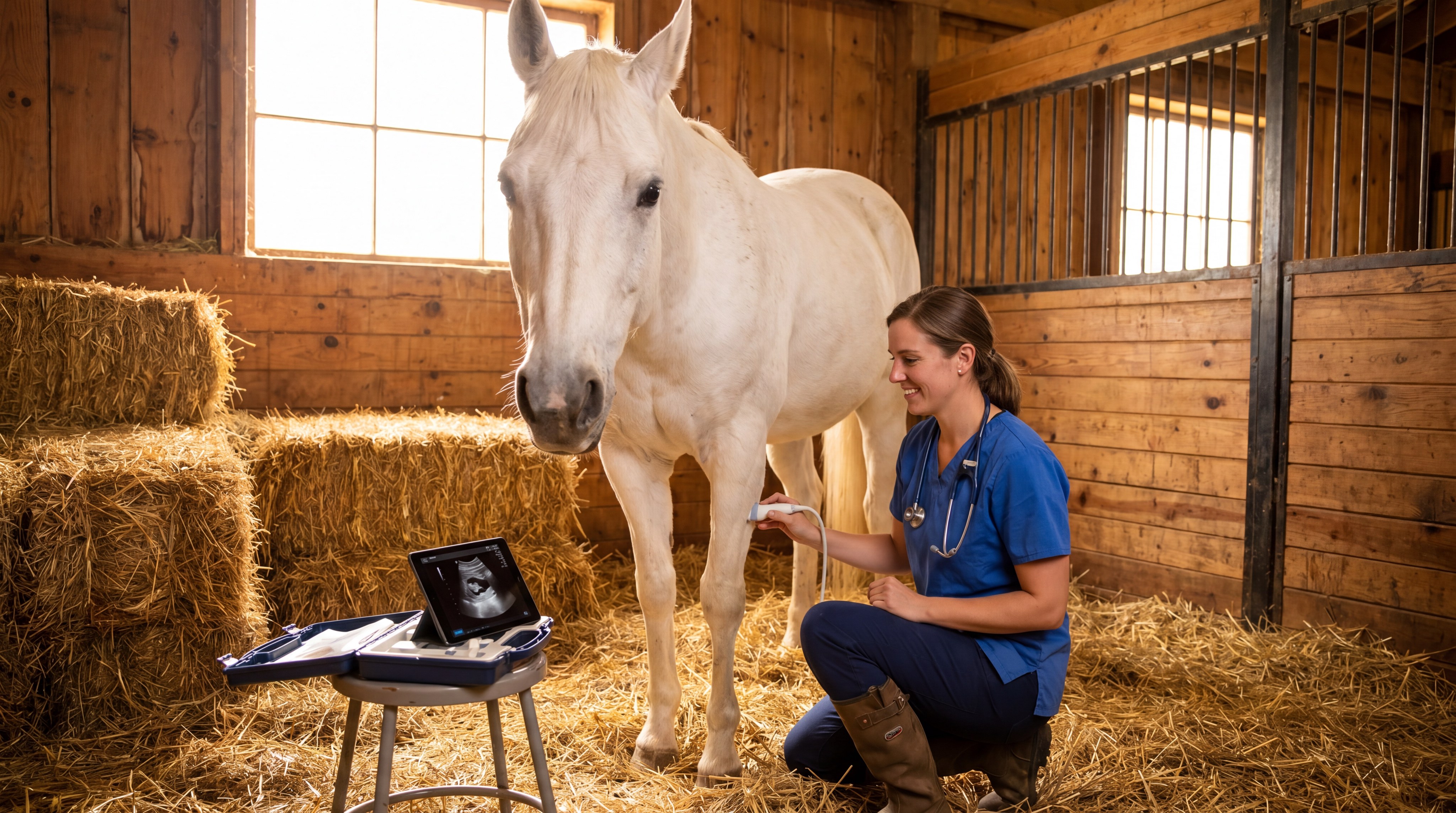
Equestrian veterinary expenses can range from highly predictable preventative maintenance to astronomical emergency surgical bills. Protecting your horse’s health requires both a proactive wellness plan and a dedicated emergency fund.
Prepare yourself for this:
What are the routine and emergency vet costs?
Preventative care is highly manageable and typically occurs on an annual or bi-annual basis.
- Vaccinations: Crucial shots for Rabies, West Nile Virus, Tetanus, and Eastern/Western Equine Encephalomyelitis.
- Dental Care: Horses’ teeth grow continuously throughout their lives; annual “floating” (filing down sharp enamel points) is required to prevent mouth ulcerations.
- Emergencies: Colic, severe lameness, or pasture lacerations can result in immediate, high-cost surgical intervention or intensive care clinic visits.
| Medical Service | Frequency | Cost per Incident | |
|---|---|---|---|
| Routine Wellness & Vaccines | Annual | 150–400 | |
| Dental Floating | Annual | 120–250 | |
| Minor Injury Vet Call | As Needed | 300–1,000 | |
| Colic Surgery (Hospitalized) | Emergency | 5,000–12,000+ |
Analytical Guidance: Skipping regular preventative health care like dental floating or routine deworming inevitably results in major nutritional and physiological emergencies that cost thousands more to treat.
Get Your Custom Horse Stall Quote Now
Email:sales@showhoo.com.cn
Phone/WhatsApp:+86 186 7895 5927
How much does a horse cost to equip?
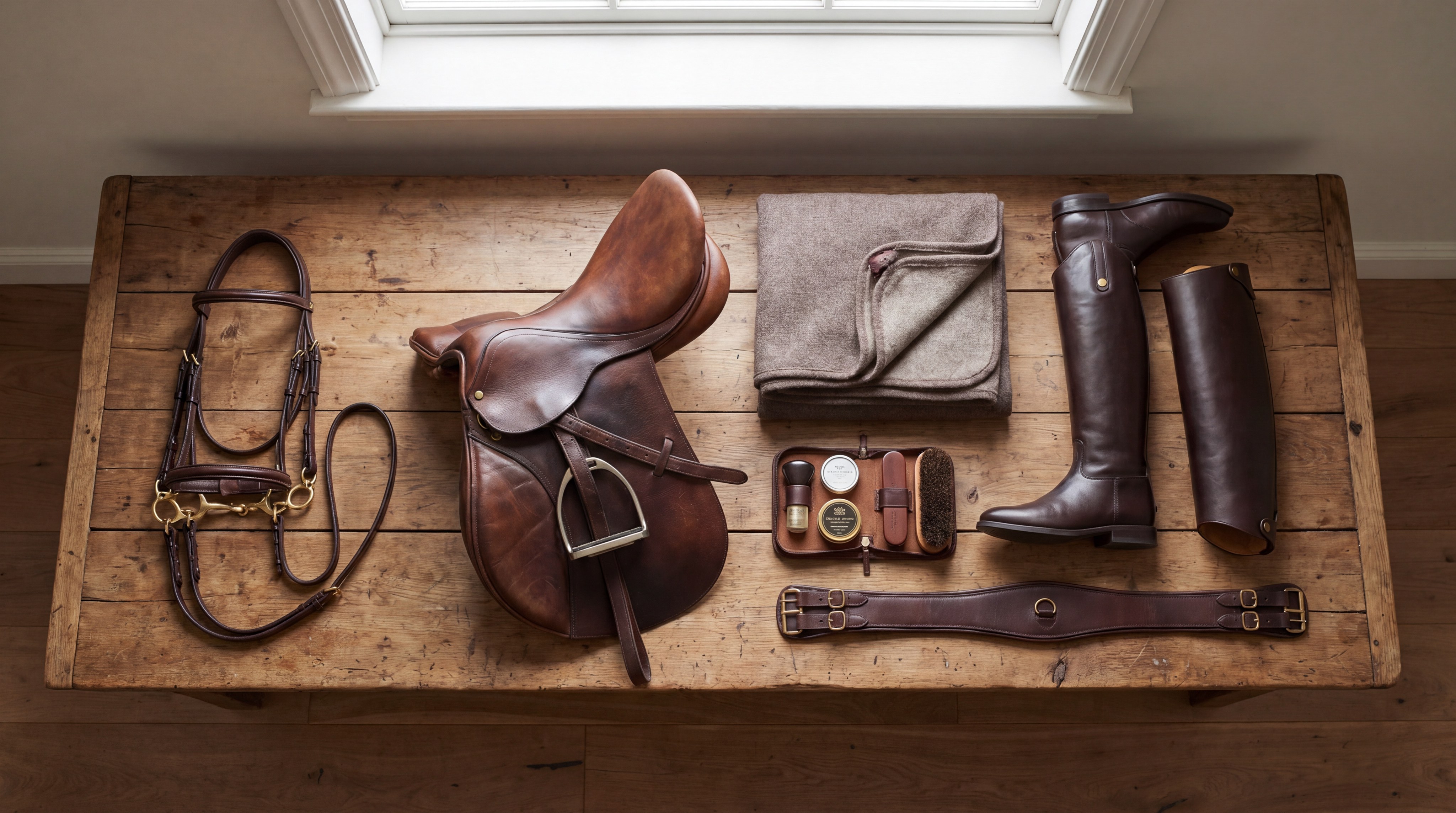
You cannot ride a horse without the appropriate gear, and high-quality equipment is essential for both safety and comfort. If you are calculating how much does a horse cost to properly equip, you will need to prepare for substantial startup costs.
Let’s look at the gear:
What is the cost of essential tack and gear?
The equipment needed to safely ride and handle a horse is broadly categorized as “tack.”
- Riding Saddles: A major capital outlay. High-quality English or Western saddles are engineered to distribute the rider’s weight evenly without pinching the horse’s spine.
- Bridles and Bits: Essential communication tools. Cheap metal or poorly fitting leather can cause behavioral resistance and pain.
- Rider Protection: Never compromise on safety. A certified, brand-new helmet and riding boots with a distinct heel are mandatory for safety.
| Equipment Item | Entry-Level Cost | Premium Cost | |
|---|---|---|---|
| Saddle (New or Used) | $300 (Used) | 2,500–6,000 (New) | |
| Bridle & Bit | $75 | $300 | |
| Grooming Kit / Halter / Lead | $50 | $150 | |
| Certified Safety Helmet | $60 | $400+ |
Analytical Guidance: Buying high-quality used saddles from reputable tack shops is an excellent way to save up to 60% on startup costs, but rider helmets must always be purchased brand new.
How much does a horse cost to transport?
Whether you plan to compete in regional shows or simply need to transport your horse for veterinary care, transit logistics are a critical part of ownership. You must decide whether to invest in your own transport setup or hire professionals.
It gets more complicated:
Should you buy a trailer or hire a transporter?
Owning your own horse trailer offers immense freedom, but it carries a significant financial burden.
- The Tow Vehicle: You cannot pull a horse trailer with a standard sedan or light-duty crossover. A heavy-duty truck with a robust towing capacity is required.
- Trailer Maintenance: Annual inspection of trailer floorboards, tires, electrical brakes, and hitches is crucial to prevent catastrophic road failures.
- Commercial Hauling: For horse owners who only travel occasionally, hiring professional transporters on a per-mile basis is a highly strategic and cost-efficient alternative.
| Transport Method | Cost Model | Average Pricing | |
|---|---|---|---|
| Commercial Shipper (Local) | Flat Fee | 150–300 flat | |
| Commercial Shipper (Interstate) | Per Mile | 1.50–3.50 per mile | |
| Trailer Purchase (2-Horse) | Capital Investment | 8,000–25,000 (New) |
Analytical Guidance: For casual riders traveling fewer than five times a year, commercial hauling is significantly cheaper than buying, registering, and maintaining a dedicated tow vehicle and trailer.
How much does a horse cost in hidden fees?
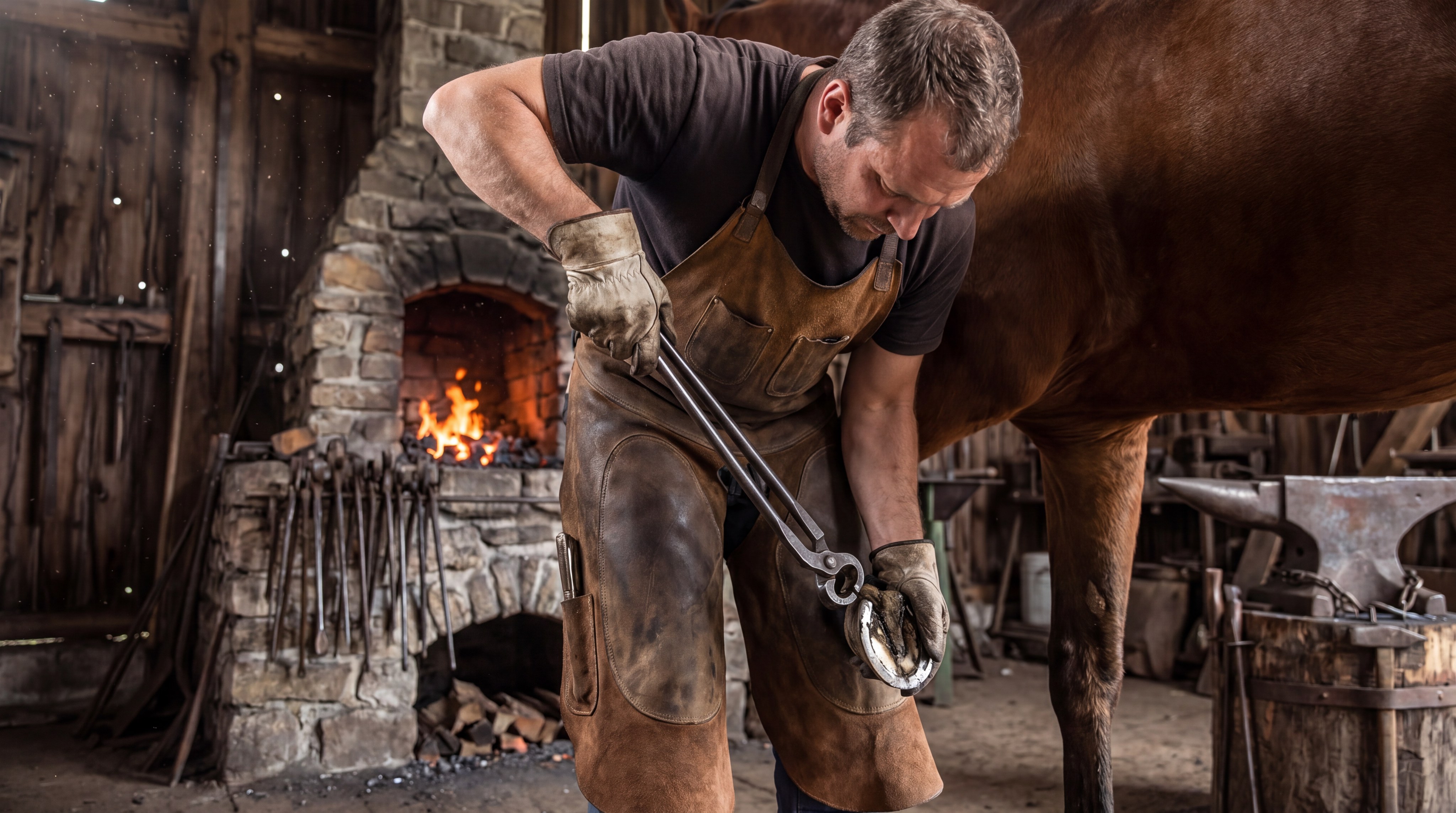
Beyond food, shelter, and training, there are numerous recurring service fees that catch new horse owners off guard. When you calculate how much does a horse cost on a monthly basis, these hidden items must be explicitly modeled.
Don’t overlook these details:
What are the hidden hoof care and insurance fees?
A horse’s hooves grow constantly and require professional farrier services every 4 to 8 weeks.
- Barefoot Trimming: Ideal for pasture-kept horses or light-use animals with naturally strong, balanced hooves.
- Corrective Shoeing: Essential for high-performance animals, horses working on hard surfaces, or those with genetic conformational faults that require corrective metal shoes.
- Equine Insurance: Covers major medical and mortality, protecting you from sudden financial ruin in the event of an emergency.
- Bedding Materials: If stabled, your horse will go through multiple bags of wood shavings per week to maintain a clean, dry, ammonia-free environment.
| Hidden Cost Category | Frequency | Cost Range | |
|---|---|---|---|
| Routine Hoof Trim | Every 6 Weeks | 45–80 | |
| Full Metal Shoes (Four Hooves) | Every 6 Weeks | 150–350 | |
| Mortality & Major Medical | Annual | 250–1,500 | |
| Bedding / Wood Shavings | Monthly | 50–150 |
Analytical Guidance: High-quality farrier care is a mandatory cost of ownership. Neglecting hooves leads directly to severe lameness issues, which can permanently ruin a horse’s long-term utility.
How much does a horse cost over its life?
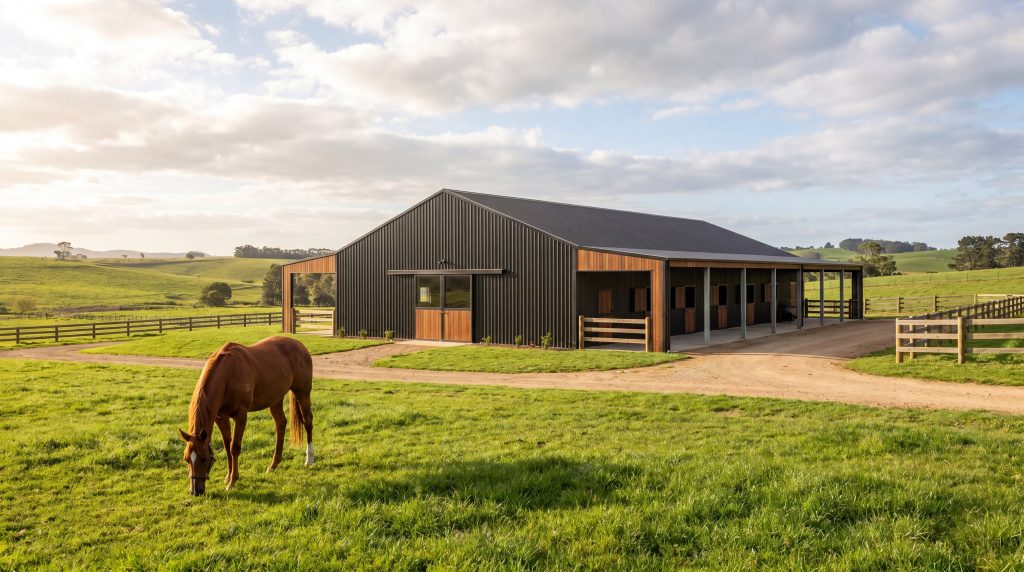
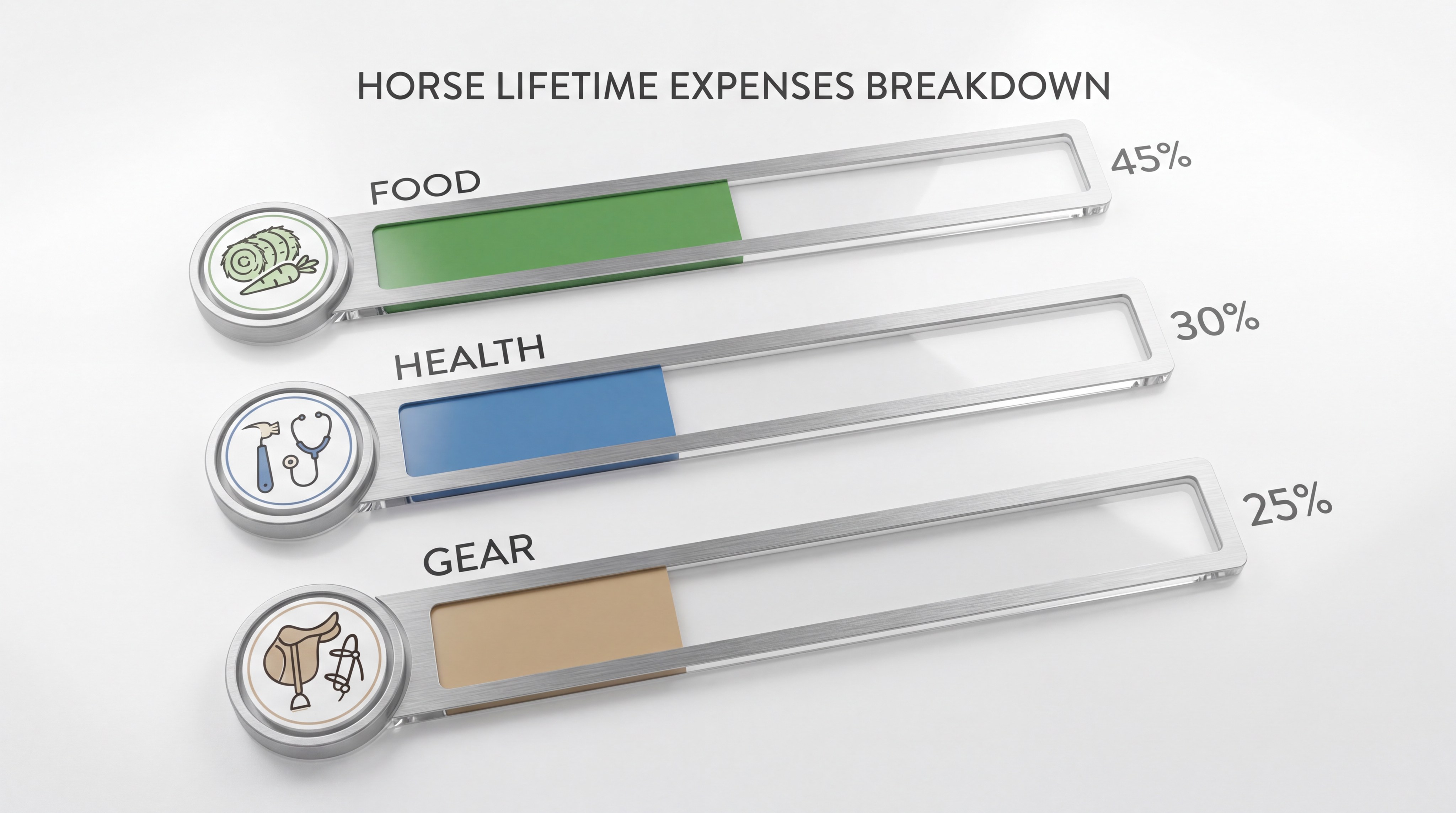
Amortizing the cost of your equine partner over their entire lifespan reveals the true scale of this agricultural commitment. When you plan for the next 20 to 30 years, strategic infrastructure choices become your primary cost-saving mechanism.
Let’s look at the big picture.
How do you calculate lifetime horse expenses?
With a typical lifespan of 25 to 30 years, the total cost of ownership is highly comparable to purchasing a family home.
- Compounding Costs: Daily feed, annual dental floating, and boarding fees compound significantly over three decades.
- Mitigation Strategies: Transitioning from commercial boarding to building custom, high-durability steel agricultural structures on your own land can save you over $200,000 throughout your horse’s life.
- Health Management: Proactive preventative health plans and high-quality facilities reduce chronic inflammation, pasture injuries, and long-term veterinary expenses.
| Lifetime Phase (30 Years) | Low-Cost Estimate | High-Cost Estimate | |
|---|---|---|---|
| Acquisition & Initial Gear | $3,500 | $15,000 | |
| Feed & Forage Costs | $36,000 | $90,000 | |
| Boarding / Stabling Costs | $54,000 (At Home) | $270,000 (Full Care) | |
| Veterinary & Hoof Care | $25,500 | $81,000 | |
| Total Lifetime Projection | $119,000 | $456,000 |
Analytical Guidance: The lifetime cost of a horse is immense. Building durable private infrastructure and prioritizing preventative care are the most effective ways to lower your lifetime expenses.
Conclusion
Understanding the true financial metrics of horse ownership is the key to a rewarding, sustainable equine journey. While upfront acquisition costs are highly accessible, ongoing care and shelter expenses demand thorough financial planning. If you own acreage, you can eliminate the continuous drain of commercial boarding fees by investing in a permanent, high-quality, and fire-resistant steel facility from Showhoo Building to provide safety, lower your annual overhead, and build long-term value on your own property.
Get Your Custom Horse Stall Quote Now
Email:sales@showhoo.com.cn
Phone/WhatsApp:+86 186 7895 5927
Frequently Asked Questions
How much does a horse cost per month on average?
The average monthly cost of maintaining a horse ranges from 500 to 1,800. This figure varies significantly based on whether you board your horse at a full-care facility (400–1,500+) or keep them on your own property. Monthly feed and hay expenses run 100–250, while farrier and veterinary reserve funds require an additional 70–250 per month.
Is it cheaper to board a horse or build a metal barn at home?
While building a metal barn requires a larger upfront capital investment, it is significantly cheaper over the long run. By housing your horse on your own property, you can save 3,000 to 12,000 per year in commercial boarding fees, paying off your construction investment in just a few short years while building permanent equity.
What is the single biggest hidden cost of horse ownership?
The single biggest hidden cost is emergency veterinary care. While preventative vaccines and annual dental floats are easy to budget for, unexpected conditions like colic, pasture injuries, or acute lameness can lead to immediate emergency surgical bills ranging from 5,000 to over 12,000.
How much does a horse cost over its average lifetime?
With an average lifespan of 25 to 30 years, a horse’s lifetime ownership cost typically ranges from 120,000 to over 450,000. Keeping your horse on your own pasture with high-quality, low-maintenance shelter represents the lower end of this cost spectrum, while long-term full-care boarding represents the higher end.