
Modern steel structure horse stall solutions provide pre-engineered, highly durable, and safety-focused equine housing systems designed to withstand animal stress and harsh barn environments while maximizing daily operational efficiency. Many horse owners and stable managers face constant frustration when traditional wood and low-grade metal stables rot, warp, and break under heavy daily use. This structural failure exposes your valuable horses to dangerous splinters, structural collapse, and toxic bacterial environments, resulting in sky-high maintenance costs and heartbreaking veterinary bills. Opting for a pre-engineered, heavy-duty steel framing design resolves these threats by establishing a lifetime of structural integrity, superior ventilation, and unparalleled safety. By incorporating a modern horse stall system into your facility, you elevate both equine wellness and long-term asset value.
Why choose a modern steel horse stall design?
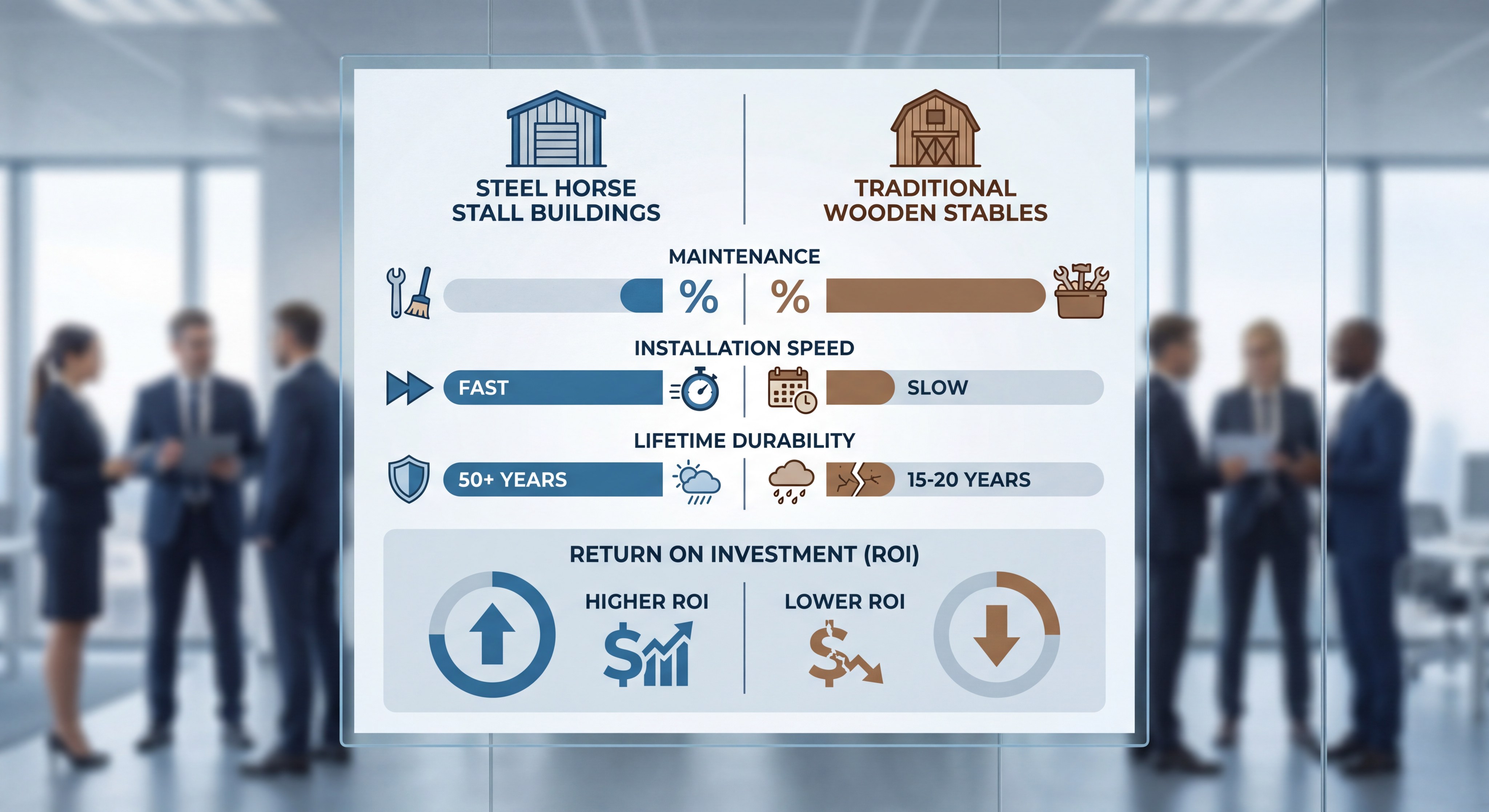
Choosing a modern steel horse stall design guarantees unmatched long-term durability and safety compared to traditional wood options. These engineered steel structures eliminate common maintenance headaches such as wood rot, structural warping, and pest infestations. By selecting steel, you ensure a secure environment for your horses while minimizing lifetime repair bills.
What makes steel superior to wood?
When you invest in equine housing, you want materials that endure decades of heavy animal wear without degrading.
Here is the truth: traditional timber stables warp and splinter under the impact of kicks and chewing. Steel framing prevents these structural failures entirely while maintaining its structural integrity.
- Zero cribbing damage: Horses cannot bite or chew through heavy-duty steel.
- Fire resistance: Steel is inherently non-combustible, protecting your valuable animals.
- Structural persistence: Metal components will not sag, twist, or rot over time.
How does steel enhance physical safety?
Your horses deserve a living space that minimizes physical risks and prevents painful accidents.
Think about this for a moment: a splintered wooden plank can easily cause deep punctures and severe leg injuries. Engineered steel designs utilize smooth, rounded edges and hidden fasteners to eliminate these hazards completely.
- Smooth contours: Rounded steel caps shield your horse from cuts.
- Concealed hardware: Hidden bolts prevent skin abrasions during movement.
- Impact absorption: Heavy-duty framing handles severe kicks without breaking.
Key Takeaway: Choosing a steel design provides superior protection against impact injuries while eliminating wood-chewing behaviors entirely.
| Performance Metric | Traditional Wood Stalls | Modern Steel Stalls | |
|---|---|---|---|
| Lifespan | 5 to 10 Years | 30+ Years | |
| Cribbing Resistance | Extremely Low | 100% Resistant | |
| Fire Safety | Highly Combustible | Non-Combustible | |
| Maintenance Needs | Constant Repairs | Virtually Zero |
Evaluating these metrics highlights why equestrian professionals are shifting toward heavy-gauge steel structures.
Is a galvanized horse stall truly rust-proof?
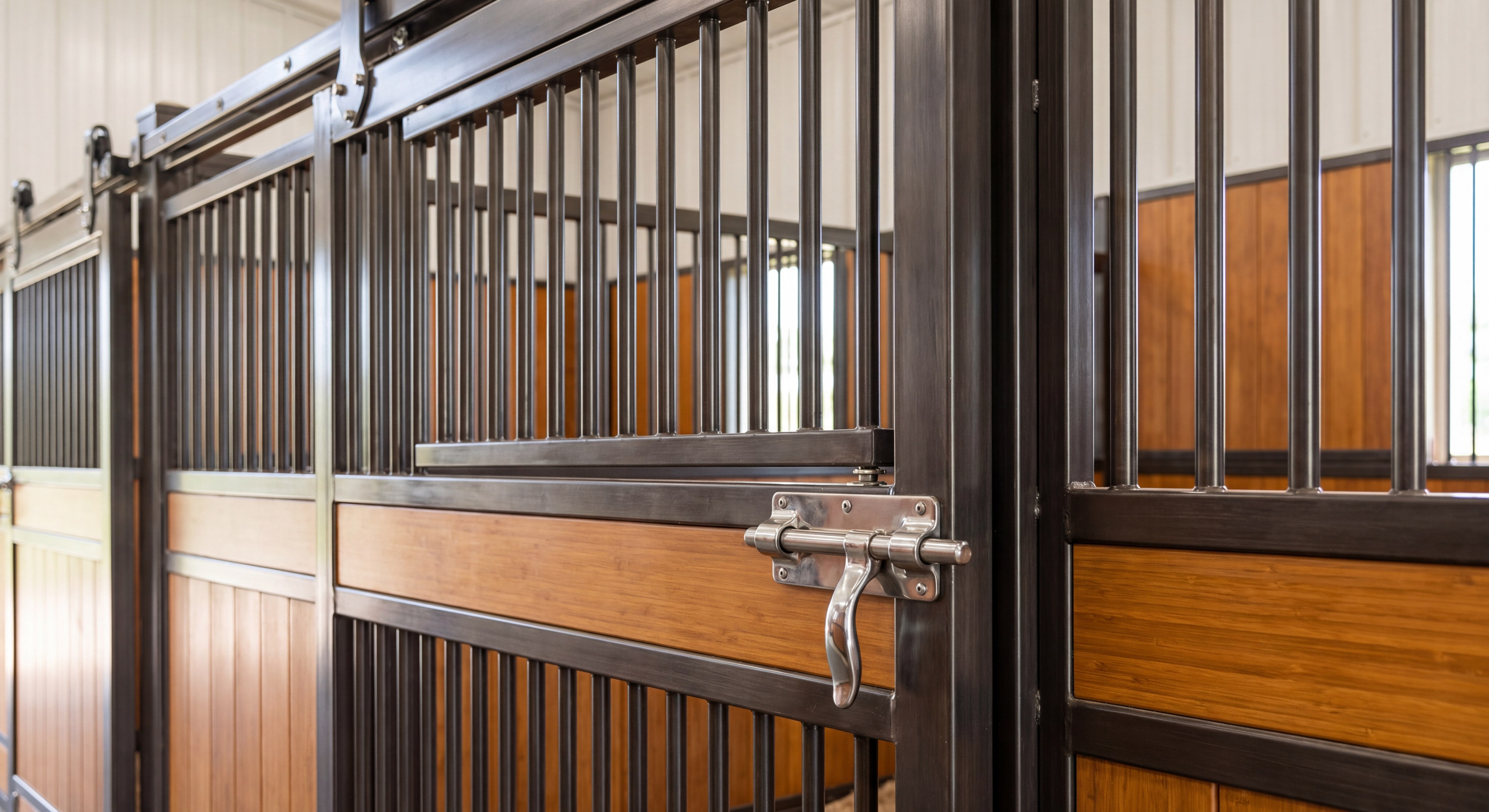
A high-quality galvanized horse stall is highly resistant to rust because it uses a specialized zinc coating that shields the metal from corrosive elements. This protective layer ensures that urine, washdown water, and humidity do not compromise the stable’s structural foundation. Investing in galvanization keeps your facility safe, clean, and visually appealing for decades to come.
What are the differences in galvanization types?
You must choose the right coating process to guarantee that your metal stables do not rust in damp barn environments.
You must know the difference: hot-dip galvanizing coats both the inside and outside of the steel tubing, whereas pre-galvanized options offer a smoother finish that is perfect for additional powder coating.
- Hot-dip galvanizing: Delivers maximum protection for high-moisture washing bays.
- Pre-galvanizing: Provides a highly aesthetic, clean finish for luxury barn designs.
- Corrosion defense: Zinc layers actively self-heal minor scratches to stop rust.
Why should you combine galvanization with powder coating?
If you want to achieve both ultimate rust protection and a beautiful aesthetic finish, combining these two methods is ideal.
Want to take your barn’s durability to the next level? A professional powder coat layered over galvanized steel creates an impermeable dual-barrier shield against moisture and chemicals.
- Dual-layer barrier: Two independent layers prevent oxidation.
- Custom colors: Allows you to match your barn’s corporate brand colors.
- Scratch protection: High-impact finishes resist wear from horse hooves.
Key Takeaway: Combining hot-dip galvanizing with a powder-coated finish gives you the highest level of corrosion defense available.
| Coating Method | Rust Prevention | Aesthetic Level | Scratch Resistance | Estimated Lifespan | |
|---|---|---|---|---|---|
| Raw Unpainted Metal | Extremely Low | Poor | Low | 1-3 Years | |
| Standard Pre-Galvanized | Medium-High | Medium | Medium | 15-20 Years | |
| Hot-Dip Galvanized | Maximum | Industrial | High | 30+ Years | |
| Powder over Galvanized | Maximum | Premium | Maximum | 30+ Years |
This comparative breakdown indicates that investing in powder-coated galvanized steel delivers the best long-term return.
Act now—secure faster delivery and premium quality today!
Email:sales@showhoo.com.cn
Phone/WhatsApp:+86 186 7895 5927
How does effective horse stall ventilation work?
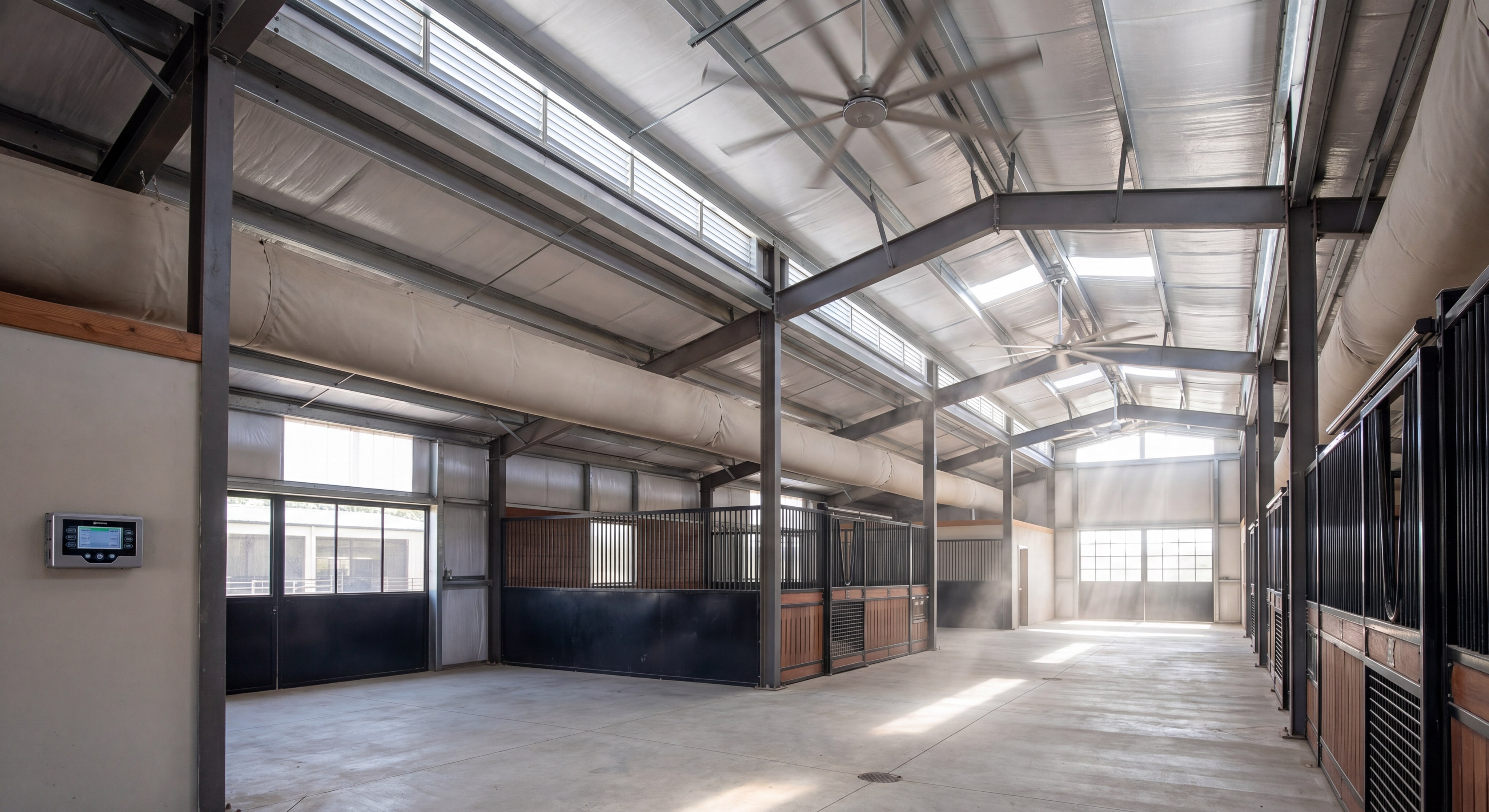
Effective ventilation in a steel horse stall operates by using natural thermal buoyancy to draw stale, warm air upward and out through high roof vents. This continuous air exchange prevents the buildup of harmful ammonia, dust, and excess moisture that causes respiratory diseases. Implementing a strategic airflow design ensures your horses breathe clean, fresh air throughout the year.
Why is vertical air movement so critical?
You must prioritize vertical airflow to keep your barn’s atmosphere healthy and free of toxic fumes.
Look at the facts: warm air generated by your horses naturally rises, taking moisture and ammonia gases along with it toward the ceiling. High-ceiling steel structures capitalize on this process to exhaust stale air and replace it with fresh cross-breezes.
- Ammonia reduction: Drives heavy gases away from the lower stall levels.
- Heat relief: Lowers interior barn temperatures during hot summer days.
- Mold prevention: Mitigates condensation buildup on steel trusses and rafters.
How do stall grill spacings assist ventilation?
You can improve air exchange dramatically by optimizing the design and spacing of your stall grills.
Think ahead: closely spaced bars block airflow, while properly engineered steel grills promote maximum ventilation without sacrificing safety.
- Optimal bar spacing: 2-inch to 3-inch gaps maintain safety and permit airflow.
- Drop-down yokes: Let horses stick their heads out to enjoy aisleway cross-breezes.
- Mesh panel options: Improve airflow through lower partition walls.
Key Takeaway: Proper vertical ventilation combined with open steel grills keeps your barn smelling fresh and protects equine respiratory health.
| Ventilation Style | Air Flow Rate | Odor Reduction | Moisture Control | Relative Efficiency | |
|---|---|---|---|---|---|
| Solid Wood Partitions | Low | Poor | Poor | 25% | |
| Standard Steel Grills | High | Good | Good | 80% | |
| Grills with Drop-Downs | Maximum | Excellent | Excellent | 98% |
This data demonstrates why open steel grills are vital for maintaining high indoor air quality.
What safe horse stall latches are the best?
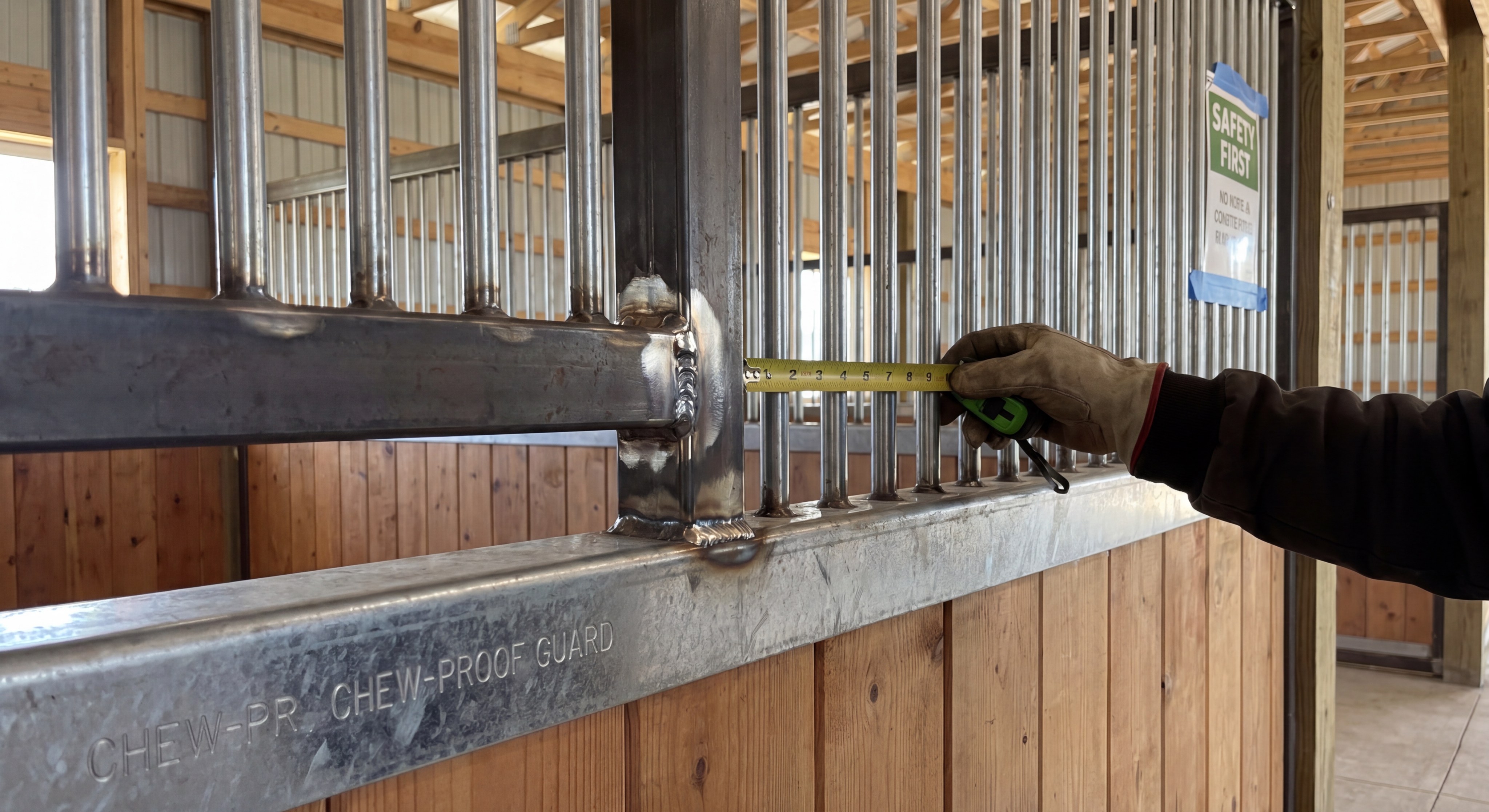
The best safe horse stall latches utilize a recessed, flush-mounted, or spring-loaded plunger design that clever horses cannot manipulate with their hooves or teeth. These heavy-duty locking mechanisms ensure that doors remain securely closed under high impact while staying out of the way of handlers and horses. Selecting an engineered latch system prevents accidental escapes and keeps your barn aisle entirely safe.
Why choose flush-mounted plunger latches?
You need to eliminate protruding metal parts in your barn aisle to prevent painful impact injuries to your horses.
This is entirely preventable: standard exterior latches stick out and can scrape a horse’s hips as they pass through the doorway. Flush-mounted latches are recessed into the steel frame to provide a perfectly smooth surface.
- Zero protrusion: Completely removes catch points from your stable entrances.
- Tear prevention: Keeps expensive winter blankets and fly sheets from snagging.
- Clean aisleways: Achieves a modern, streamlined look throughout your stable.
How do horse-proof lock designs operate?
You know how clever some horses can be when they are bored in their stalls.
Here is the solution: modern steel latches require a dual-motion human action that is physically impossible for a horse to replicate with its muzzle.
- Dual-action trigger: Requires a pull-and-slide motion that clever horses cannot mimic.
- Heavy-duty spring: Keeps the latch bolt firmly engaged inside the steel door frame.
- One-handed control: Allows busy handlers to open doors while carrying water buckets.
Key Takeaway: Installing recessed, dual-action plunger latches protects passing horses from physical scrapes and stops clever escape artists.
| Latch Mechanism | Escape Prevention | Catch Hazard Risk | Ease of Operation | Material Quality | |
|---|---|---|---|---|---|
| Gravity Drop-Latch | Low | High | Easy | Medium | |
| Sliding Bolt | Medium | Medium | Easy | Medium | |
| Recessed Plunger | Maximum | Zero | Very Easy | High-Grade Steel | |
| Dual-Action Flush | Maximum | Zero | Very Easy | Heavy Stainless |
Selecting recessed hardware is the most reliable way to secure your stables while eliminating physical hazard points.
Are modular horse stall kits affordable?
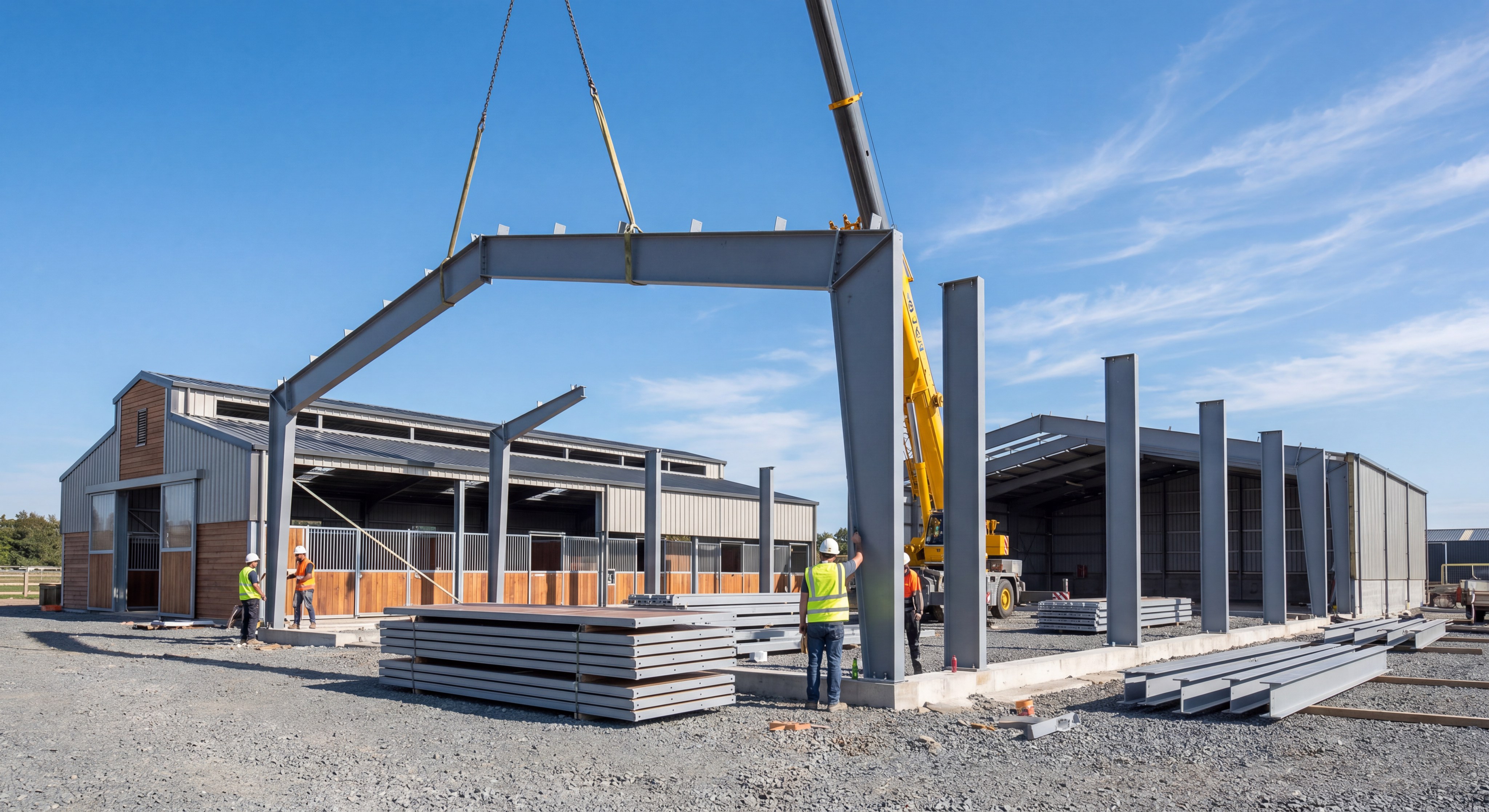
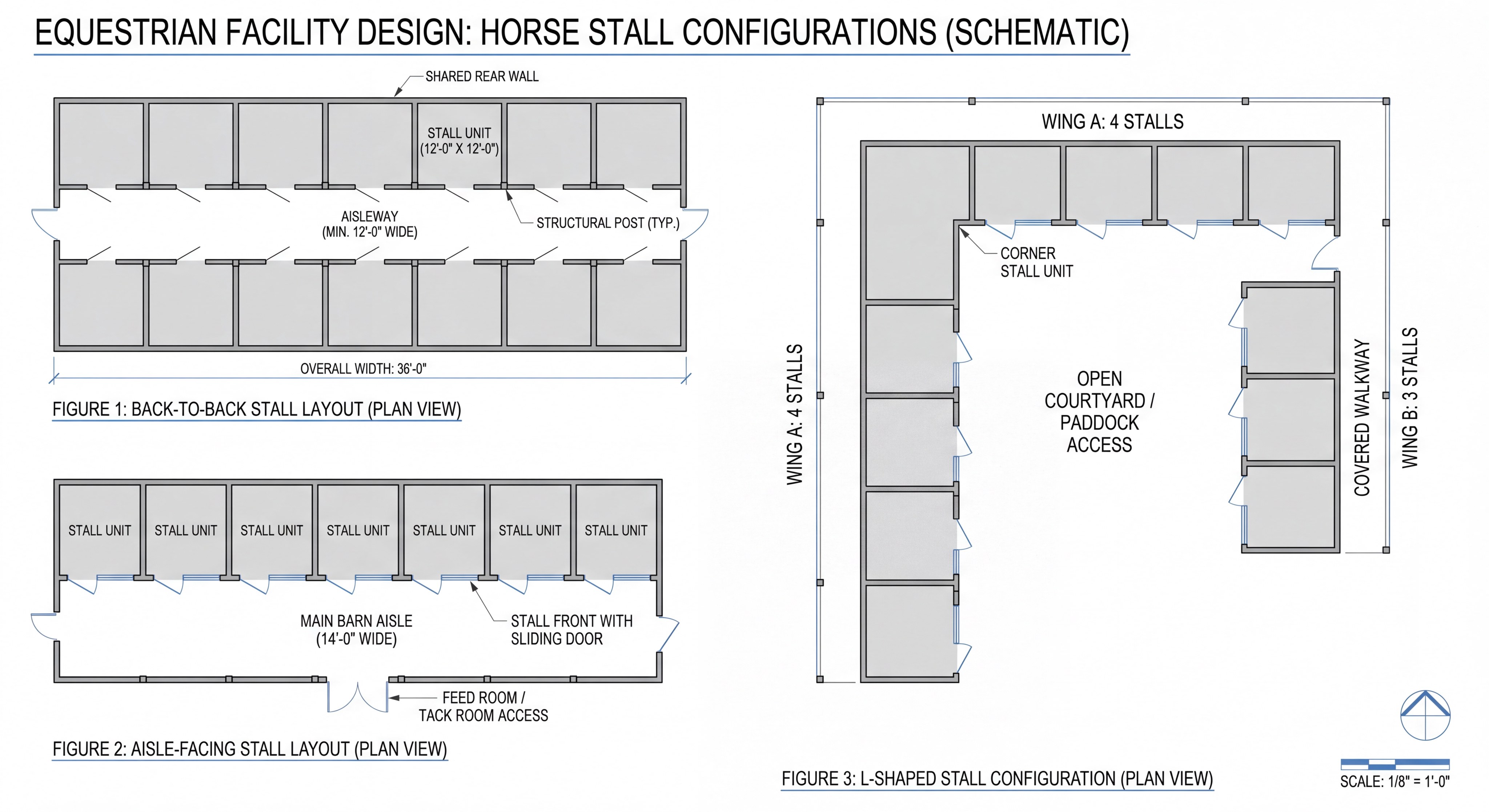
Yes, a modular horse stall kit is highly affordable because it is prefabricated in a controlled factory to minimize raw material waste and lower on-site construction costs. These pre-engineered panels arrive at your property ready to assemble, reducing the need for expensive custom carpentry and long installation timelines. Opting for a modular layout allows you to save on initial labor while building a highly scalable equine facility.
How do modular kits lower total setup costs?
You can save thousands of dollars on construction labor by choosing modular metal stable kits over custom builds.
The answer is prefabrication: because every single steel post and panel is pre-drilled and cut to size, you do not have to pay contractors for days of measuring and welding.
- Zero waste: You pay only for the exact materials used in your stalls.
- Rapid assembly: Reduces on-site builder fees due to the simple bolt-together design.
- Flat-pack freight: Decreases shipping costs by maximizing cargo space during transit.
Why does modularity increase your property’s value?
You must think about the long-term flexibility of your horse farm as your equine business evolves.
Think ahead: if your breeding or boarding needs change, modular steel stables can be easily disassembled, reconfigured, or moved to a new building.
- High resale value: Reclaim your initial investment by selling panels if you relocate.
- Easy expansion: Scale your facility effortlessly by adding matching bays.
- Floor plan freedom: Adjust stall partition sizes to accommodate foaling mares.
Key Takeaway: Modular kits provide a cost-effective path to building professional-grade barns while retaining the flexibility to expand.
| Design Option | Material Cost | On-Site Labor Cost | Installation Time | Future Adaptability | |
|---|---|---|---|---|---|
| Custom Carpentry | High | Very High | 2-3 Weeks | Zero | |
| On-Site Metal Welding | Medium-High | High | 1-2 Weeks | Low | |
| Modular Steel Kits | Medium | Low | 1-2 Days | Maximum |
This cost comparison highlights how modular systems dramatically reduce both initial labor costs and long-term upgrade expenses.
How do you prepare your horse stall foundation?
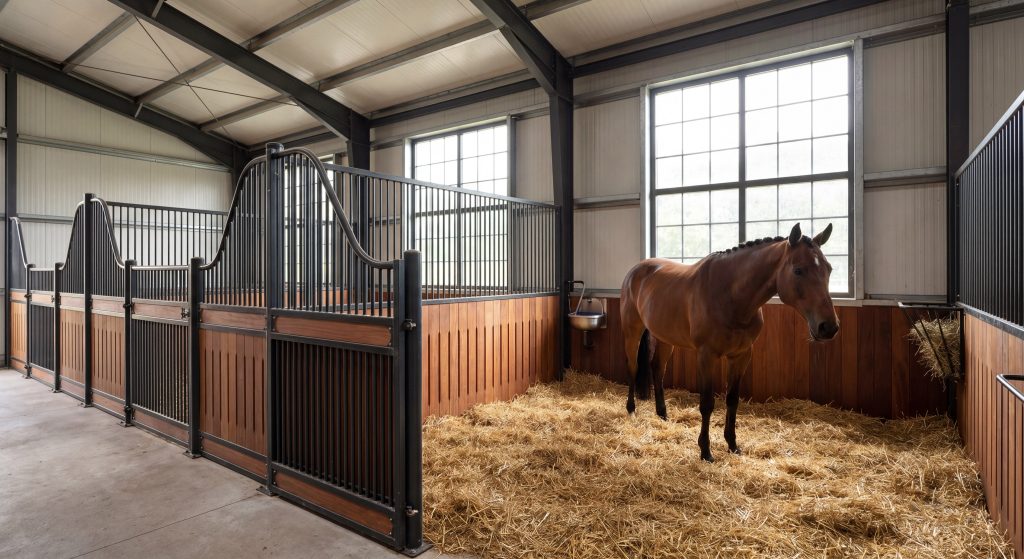
Preparing your horse stall foundation requires leveling the subgrade and installing compacted crushed stone topped with heavy-duty rubber mats to ensure adequate drainage and structural stability. This level base prevents the steel support posts from shifting and ensures that your sliding doors continue to glide smoothly. A well-engineered sub-floor maintains a healthy environment by routing moisture away from your horses’ hooves.
What are the best subgrade foundation materials?
You must construct a foundation that offers both structural support for your steel framing and safety for your horses’ joints.
You must choose your base material wisely to keep your horse sound: combining compacted aggregate with a layer of heavy rubber mats delivers the perfect balance of drainage and cushion.
- Compacted limestone: Forms a dense, level floor that allows urine to drain.
- Concrete footings: Provide deep structural anchoring for heavy steel columns.
- Thick rubber mats: Absorb impact to protect your horse’s joints and ligaments.
How do you achieve perfect barn drainage?
You need to prevent standing water and urine from pooling inside your stable to avoid severe bacterial infections.
Take action early: sloped subgrade floors combined with exterior French drains keep your barn dry and eliminate harmful moisture pockets.
- Sloped base design: Directs waste liquids toward the back of the stall.
- Drainage gravel: Prevents water from standing around the steel base plates.
- Moisture barriers: Protect the bottom timber infills from damp soil.
Key Takeaway: Building a level, well-draining stone base keeps your horse’s hooves dry and ensures the steel frame remains structurally square.
| Foundation Layer | Primary Material | Main Purpose | Lifespan | |
|---|---|---|---|---|
| Subgrade Base | Compacted Limestone | Provides a stable, draining floor | Lifetime | |
| Column Support | Concrete Footings | Anchors steel framing securely | Lifetime | |
| Surface Layer | Heavy Rubber Mats | Delivers joint cushioning and slip-protection | 10-15 Years |
This layered approach proves that foundation preparation is critical for both the steel structure’s life and animal comfort.
Act now—secure faster delivery and premium quality today!
Email:sales@showhoo.com.cn
Phone/WhatsApp:+86 186 7895 5927
Which custom horse stall doors fit best?
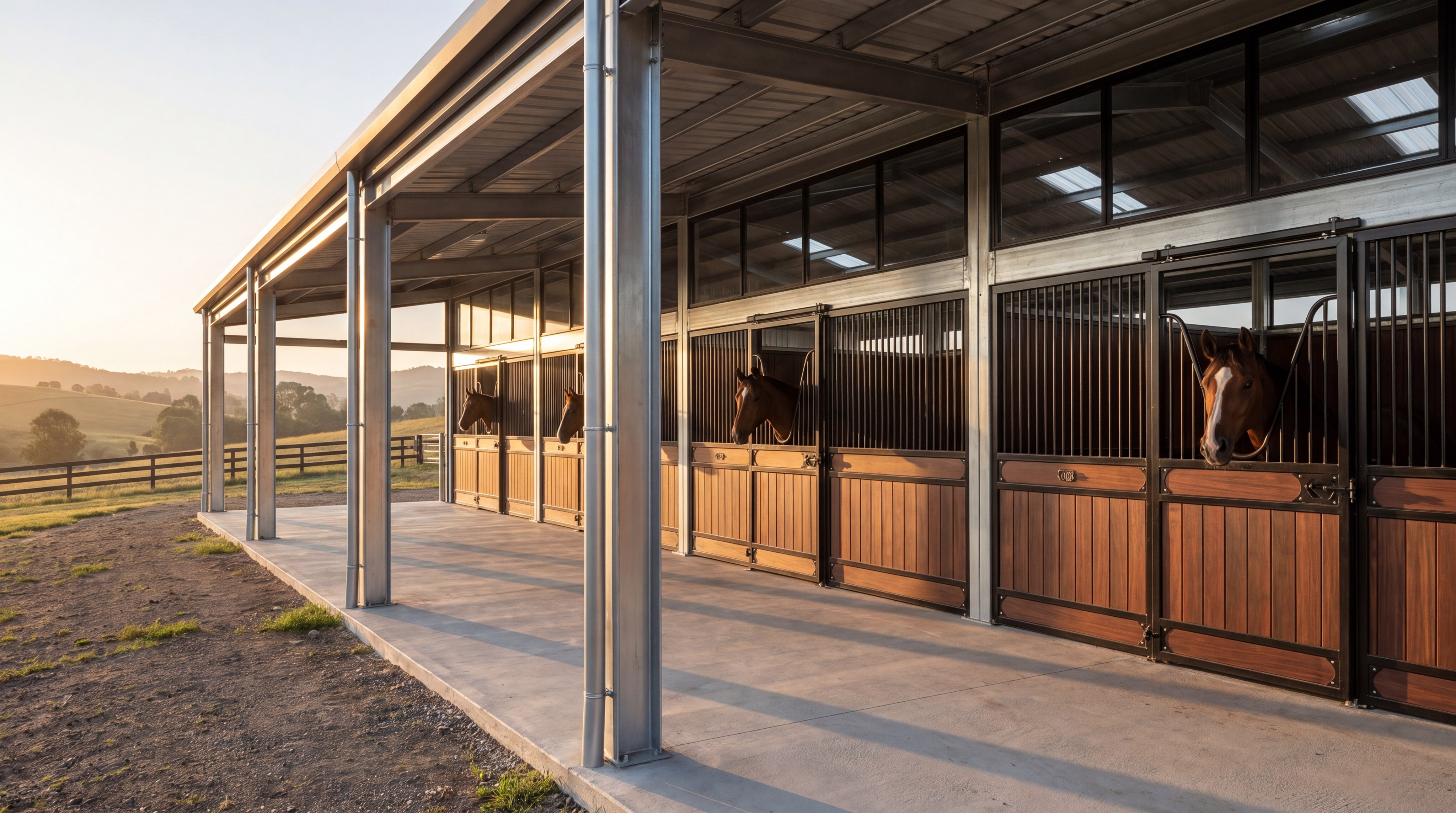
The custom doors that fit your steel horse stall best depend on your available aisleway space, overall ventilation needs, and individual horse temperaments. Sliding door systems are ideal for saving space in narrow barn corridors, while Dutch doors provide excellent ventilation and direct turnout access. Choosing the right configuration improves daily chore efficiency and makes handling horses significantly safer.
What are the primary benefits of sliding doors?
You should consider sliding doors if you want to optimize space and ensure safe, clear stable aisles during peak hours.
Are you dealing with limited aisle space? Sliding steel doors operate on self-cleaning overhead rollers, keeping your walkways completely unobstructed.
- Space conservation: Doors slide parallel to the wall, eliminating swing hazards.
- Whisper-quiet glide: Prevent startling flighty horses during early feeding.
- Interlocking tracks: Ensure doors cannot be kicked off their guide rollers.
Why choose exterior split Dutch doors?
You want your horses to enjoy natural daylight and fresh air even when they are confined to their stables.
Consider this: a classic Dutch door allows you to open the top half for daylight and socialization while keeping the bottom securely closed.
- Natural light: Floods dark stall interiors with health-promoting sunshine.
- Direct turnout access: Allows horses to walk straight from their stall to paddocks.
- Double ventilation: Increases air exchange across the entire barn floor.
Key Takeaway: Implementing sliding doors saves interior aisle space, while Dutch doors enhance ventilation and simplify paddock turnout.
| Door Style | Aisle Space Efficiency | Ventilation Level | Access Type | Cost Category | |
|---|---|---|---|---|---|
| Traditional Swing | Low | Medium | Interior Only | Budget | |
| Overhead Sliding | Maximum | High | Interior Only | Mid-Range | |
| Split Dutch Door | High | Maximum | Interior & Exterior | Premium |
This comparison shows that sliding and Dutch doors offer the greatest combination of space-saving design and air exchange.
Can you self-assemble a horse stall kit easily?
Yes, you can self-assemble a modern horse stall kit easily because they are specifically engineered with pre-punched holes and bolt-together frames that require only basic tools. This modular DIY approach allows horse owners to avoid high general contractor fees while achieving professional-grade construction. Following a systematic assembly plan makes it highly feasible to complete a stall row over a weekend.
What basic tools do you need for DIY setup?
You do not need to purchase expensive commercial machinery or specialized welding gear to install your new modular stables.
You don’t need a massive commercial workshop to get this job done: most pre-engineered kits use heavy-duty fasteners that you can secure with standard tools.
- Socket set: Perfect for tightening heavy steel framing bolts quickly.
- Magnetic spirit level: Keeps your steel posts and door frames vertical.
- Cordless impact driver: Speeds up the installation of timber infill screws.
What is the typical installation timeline?
You can plan a highly efficient weekend project with a friend to assemble your horse housing without farm disruption.
With a helper, it’s fast: two capable adults can easily erect the steel frames and slide in the wood panels in less than two days.
- First phase: Secure the steel posts and align the main framing.
- Second phase: Install the sliding tracks, hang doors, and add lumber.
- Operational speed: Minimizes downtime for your horses’ training schedules.
Key Takeaway: Self-assembling modular steel kits saves you money on contractor fees without sacrificing structural safety.
| Assembly Route | Labor Cost | Tools Required | Average Timeline | Quality Guarantee | |
|---|---|---|---|---|---|
| DIY Assembly | $0 (Sweat Equity) | Hand Tools | 1-2 Days | Dependent on Care | |
| Contractor Hire | High | Heavy Equipment | 4-8 Hours | Insured & Guaranteed |
Reviewing these options helps you decide if the financial savings of DIY installation align with your mechanical skills.
How to clean a steel horse stall quickly?
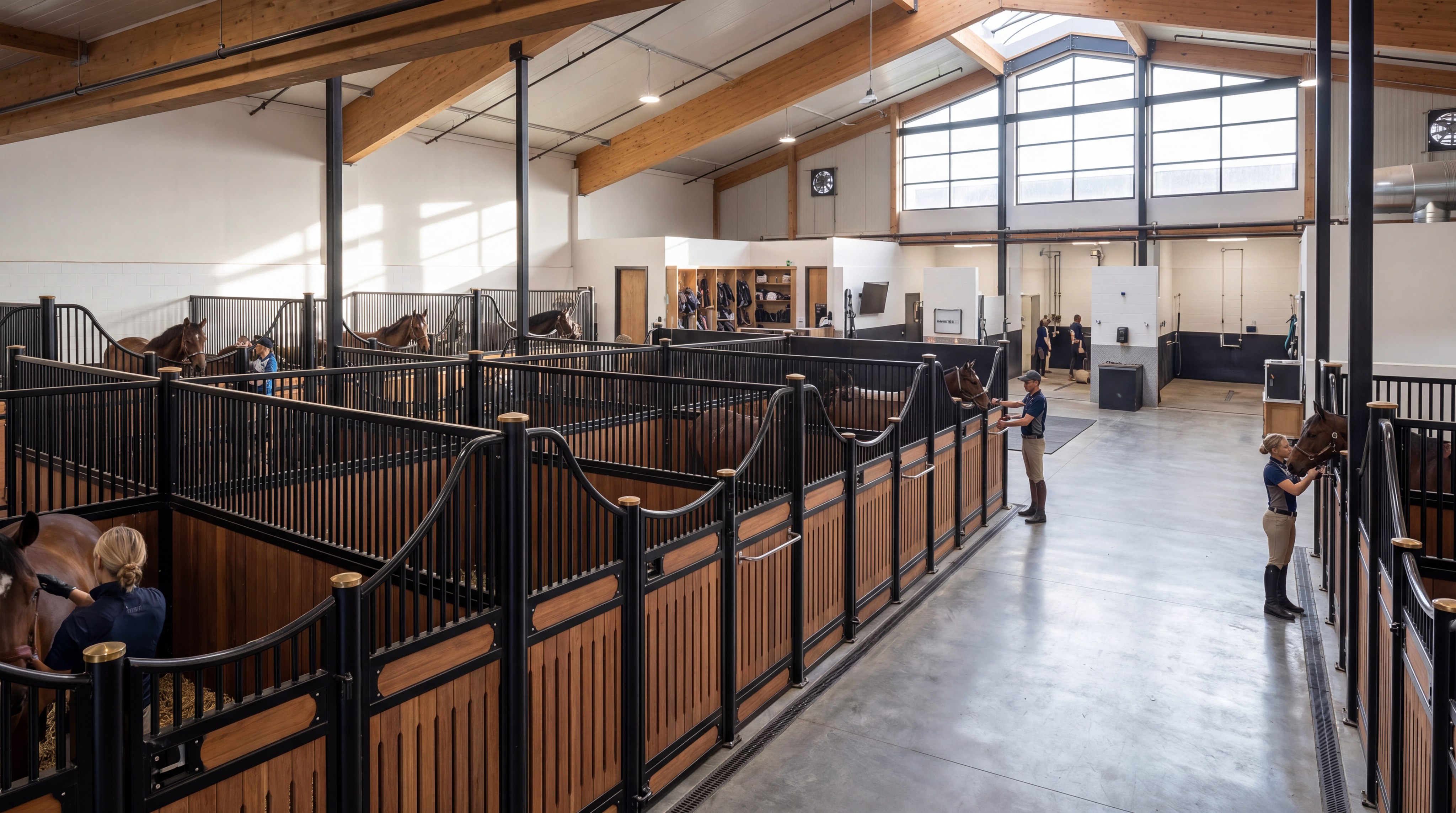
Cleaning a steel horse stall quickly involves clearing out the bedding and using a high-pressure washer to sanitize the non-porous steel frames and powder-coated grates. Unlike traditional timber, which absorbs moisture, urine, and harmful pathogens, steel provides an impermeable barrier that you can sanitize in seconds. This sanitary surface prevents the spread of infectious equine diseases and significantly cuts down your weekly labor hours.
Why is steel more hygienic than wood?
You need to choose stall materials that resist the growth of mold, fungi, and dangerous bacteria to keep your horses healthy.
But steel is different: the slick, non-porous surface of pre-galvanized and powder-coated steel prevents moisture and biological waste from soaking into the walls.
- Impenetrable barrier: Stops urine and bacteria from deep-soaking the partitions.
- Mold resistance: Prevents hazardous mold spores from growing in damp stalls.
- Chemical safety: Stands up to strong veterinary disinfectants without eroding.
What is the fastest barn washdown routine?
You can establish a highly efficient cleaning schedule that keeps your stable looking and smelling pristine.
Follow this simple guide: stripping, disinfecting, and high-pressure rinsing keeps your steel panels looking brand new in minimal time.
- Bedding removal: Strip all waste and sweep the sub-floor clean.
- Sanitizer spray: Apply a safe, biodegradable equine disinfectant to all metal parts.
- Power washdown: Rinse frames from the top down to flush grime into drains.
Key Takeaway: Utilizing non-porous steel stalls slashes your sanitation time and creates a highly sanitary environment for your horses.
| Stable Material | Absorption Rate | Sanitizing Method | Cleaning Time per Unit | |
|---|---|---|---|---|
| Softwood Planks | High | Manual scrubbing only | 45-60 Minutes | |
| Powder-Coated Steel | Zero | High-pressure wash | 10-15 Minutes | |
| Galvanized Steel | Zero | High-pressure wash | 5-10 Minutes |
This comparative data proves that investing in steel components reduces cleaning efforts and helps prevent equine disease.
Act now—secure faster delivery and premium quality today!
Email:sales@showhoo.com.cn
Phone/WhatsApp:+86 186 7895 5927
Will a steel horse stall survive severe storms?
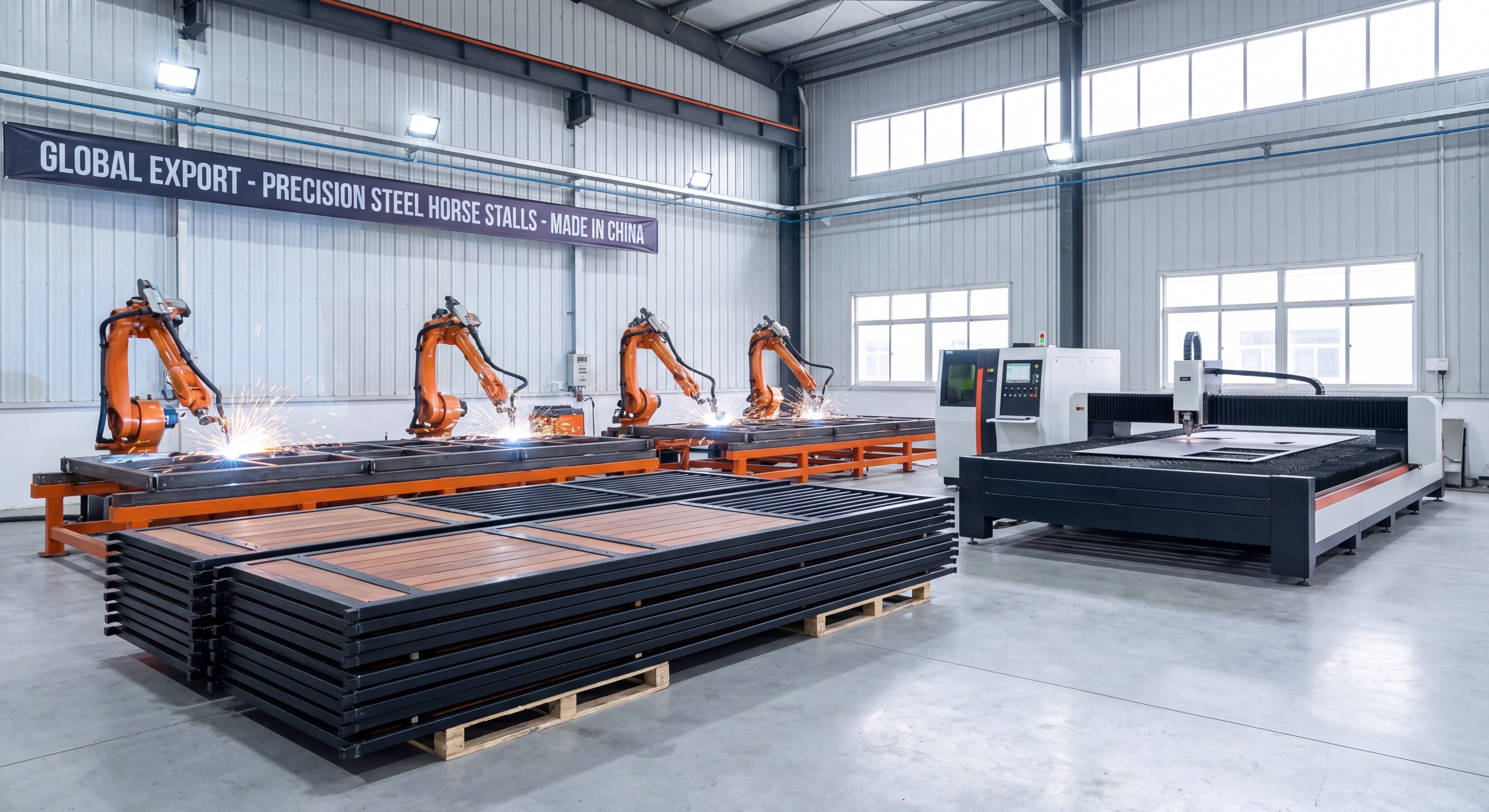
Yes, a pre-engineered steel horse stall is built to survive severe storms because high-grade steel provides excellent structural ductility and exceptional wind-load resistance. When integrated directly into a heavy-duty steel building framing, these stalls withstand heavy snow loads, earthquakes, and hurricane-force winds. Building with high-tensile steel guarantees that your high-value horses remain safe during extreme weather events.
How does steel resist high wind loads?
You must build your barn to withstand extreme lateral wind loads and sudden weather changes in your region.
You need an engineered shield: unlike wood frames that split and collapse under severe pressure, steel structures flex slightly to absorb dynamic loads safely.
- Wind load design: Engineered to resist hurricane-force winds up to 150 MPH.
- Solid anchoring: Heavy steel columns are bolted directly to concrete foundations.
- High strength-to-weight: Delivers maximum structural strength without excessive weight.
Why does steel offer superior fire protection?
You know that a barn fire is the single most terrifying event for any horse farm manager or breeder.
Steel offers life-saving protection: steel is completely non-combustible, which means it will not fuel a fire or collapse as rapidly as a wooden structure.
- Non-combustible framing: Prevents fires from spreading throughout stall rows.
- Life-saving window: Retains structural integrity longer to allow safer horse evacuation.
- Insurance discounts: Reduces your annual agricultural property insurance premiums.
Key Takeaway: Building with heavy-duty structural steel protects your livestock from catastrophic storm collapses and devastating barn fires.
| Hazard Type | Timber Barn Performance | Pre-Engineered Steel Performance | |
|---|---|---|---|
| High Wind Storms | Poor (collapses easily) | Up to 150+ MPH wind rating | |
| Heavy Snow Loads | Low-Medium (roof sags) | Customized to local snow codes | |
| Fire Exposure | Combustible (fuels flames) | Class A Non-Combustible |
This engineering table shows why high-performance steel is the safest choice for protecting horses in storm-prone regions.
Conclusion
Protecting your equine investment and optimizing daily operations requires a structure that stands up to heavy animal stress and natural weather elements. Modern pre-engineered steel stable solutions completely resolve traditional safety hazards, moisture-related wood rot, and poor barn ventilation. Choosing heavy-duty steel guarantees high structural integrity and a clean environment for your horses.
Are you ready to build a safe, modern, and efficient equine facility? Do not let decaying timber structures compromise your farm’s productivity and animal safety. We are here to help you design, manufacture, and deliver the perfect customized layout to fit your specific needs. To receive a customized, free design quote for your next high-durability building project, contact us today and let us bring your equestrian vision to life.
Act now—secure faster delivery and premium quality today!
Email:sales@showhoo.com.cn
Phone/WhatsApp:+86 186 7895 5927
Frequently Asked Questions
Can I customize the sizing of my horse stall panels?
Yes, you can fully customize the dimensions and configurations of modular steel systems to fit your barn’s exact layout. This flexibility makes it simple to integrate larger foaling stalls or custom tack room partitions.
What is the best steel coating to prevent rust in wet environments?
Hot-dip galvanized steel is the absolute best option for maximum long-term rust prevention in damp barns. This specialized zinc coating shields both the inside and outside of the metal frames from animal waste and cleaning chemicals.
How do I know if my facility requires an engineered floor system?
You will know you need an engineered floor system if your stables experience high ground moisture, frequent heavy washdowns, or poor natural drainage. This setup ensures your horses’ stalls dry quickly and prevents bacterial hoof infections.
Can I expand my steel horse barn as my business grows?
Yes, steel structures are inherently modular and easily expandable as your equine business or herd scales. You can bolt on new framing bays or reconfigure interior partitions without tearing down existing structures.
How do I maintain the powder coat finish on my horse stall frames?
The best way to maintain a powder coat finish is to wash it annually with mild soap, warm water, and a soft brush to remove dirt and salt buildup. This simple maintenance routine keeps the protective barrier clean and looking brand new for decades.