
A healthy backyard chicken typically costs between 3 for a young baby chickand 30 for a mature, egg-laying pullet. You might be planning to purchase a small group of birds to enjoy fresh morning eggs on your homestead. However, you quickly realize that setting up standard wooden coops leaves your flock vulnerable to predators, damp weather, and devastating drafts. We provide the complete blueprint to secure your birds using modern steel structures that protect your investment and boost egg yields. Before you buy your first flock, you must look beyond the initial question of how much does a chicken cost and evaluate the physical shelter that protects your birds.
How much does a chicken cost for new backyard keepers?
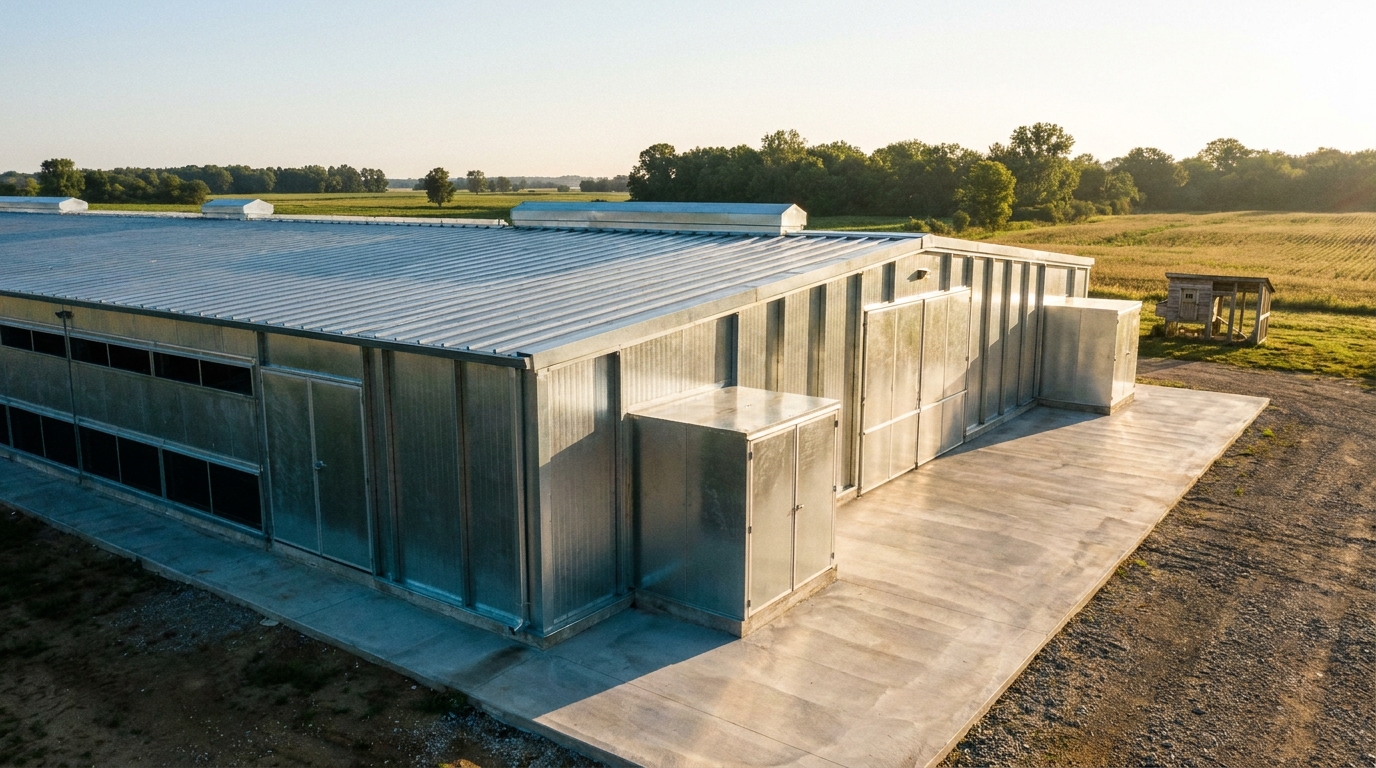
For new backyard keepers, a chicken costs between 3 for a newly hatched baby chick and 30 for a young started pullet. Understanding how much does a chicken cost is the first step toward building a successful flock. While common breeds are highly budget-friendly, specialty ornamental birds will require a higher upfront investment.
You must also prepare for immediate brooding equipment and initial feeding supplies before your birds arrive. Standard timber setups often require constant repairs, which quickly inflates your overall startup budget.
What startup supplies must you purchase first?
Here is the deal: your baby chicks cannot survive without a secure brooding environment that mimics their mother’s warmth. Investing in high-quality feeders and a sturdy structural environment ensures you do not lose your entire investment to early diseases.
- Infrared heat lamps: Crucial for maintaining a constant 95°F temperature.
- Watertight chick feeders: Prevents water contamination and feed waste.
- Draft-free brooder guards: Protects chicks from fatal cold drafts.
Key Takeaway: Carefully calculating your initial bird expenses alongside durable, draft-proof housing ensures high survival rates and a faster path to fresh backyard eggs.
| Bird Type | Average Purchase Price | Setup Shelter Type | Projected Annual Yield | |
|---|---|---|---|---|
| Baby Chicks | 3–6 | Heated Brooder | 0 (First 5 Months) | |
| Started Pullets | 15–30 | Secured Coop | 150 – 200 Eggs | |
| Mature Laying Hens | 30–50 | Secured Coop | 200 – 280 Eggs |
This comprehensive comparison highlights how initial bird selection directly dictates your immediate structural and equipment needs.
Why does how much does a chicken cost affect design scale?
The individual price of your birds affects design scale because larger, high-volume flocks require wide-span structures to maintain a low cost per bird. When analyzing how much does a chicken cost, you must look at how density dictates structural scale. If you scale from a micro-flock to a commercial-sized operation, lightweight modular steel frames become essential for maximizing usable floor space.
Wide-span structures with no internal pillars give your birds the room they need to thrive. This industrial layout helps prevent overcrowding, reducing disease transmission and physical stress on your flock.
Can you scale your agricultural footprint efficiently?
Let’s dig deeper. If you try to build massive structures using traditional lumber, you will face high material costs and constant structural sagging.
- Clear-span layouts: Up to 36 meters of unobstructed space.
- Modular bolt-together framing: Simple and fast on-site assembly.
- Scalable footprints: Easy to extend as your flock grows.
Key Takeaway: Utilizing clear-span steel buildings ensures you can safely expand your bird density without compromising structural safety or ventilation flow.
| Structural Metric | Traditional Timber Frame | Prefabricated Steel Structure | |
|---|---|---|---|
| Max Clear Span | Limited to 12 meters | Up to 36+ meters | |
| Pathogen Risk | High (porous wood harbors bacteria) | Zero (non-porous steel) | |
| Assembly Speed | Slow manual carpentry | Fast modular bolting |
The comparison table illustrates why prefabricated steel dominates when scaling up your poultry operation.
Protect Your Flock with Durable Steel Poultry Buildings Today!
Email:sales@showhoo.com.cn
Phone/WhatsApp: +86 186 7895 5927
How does how much does a chicken cost shift materials?
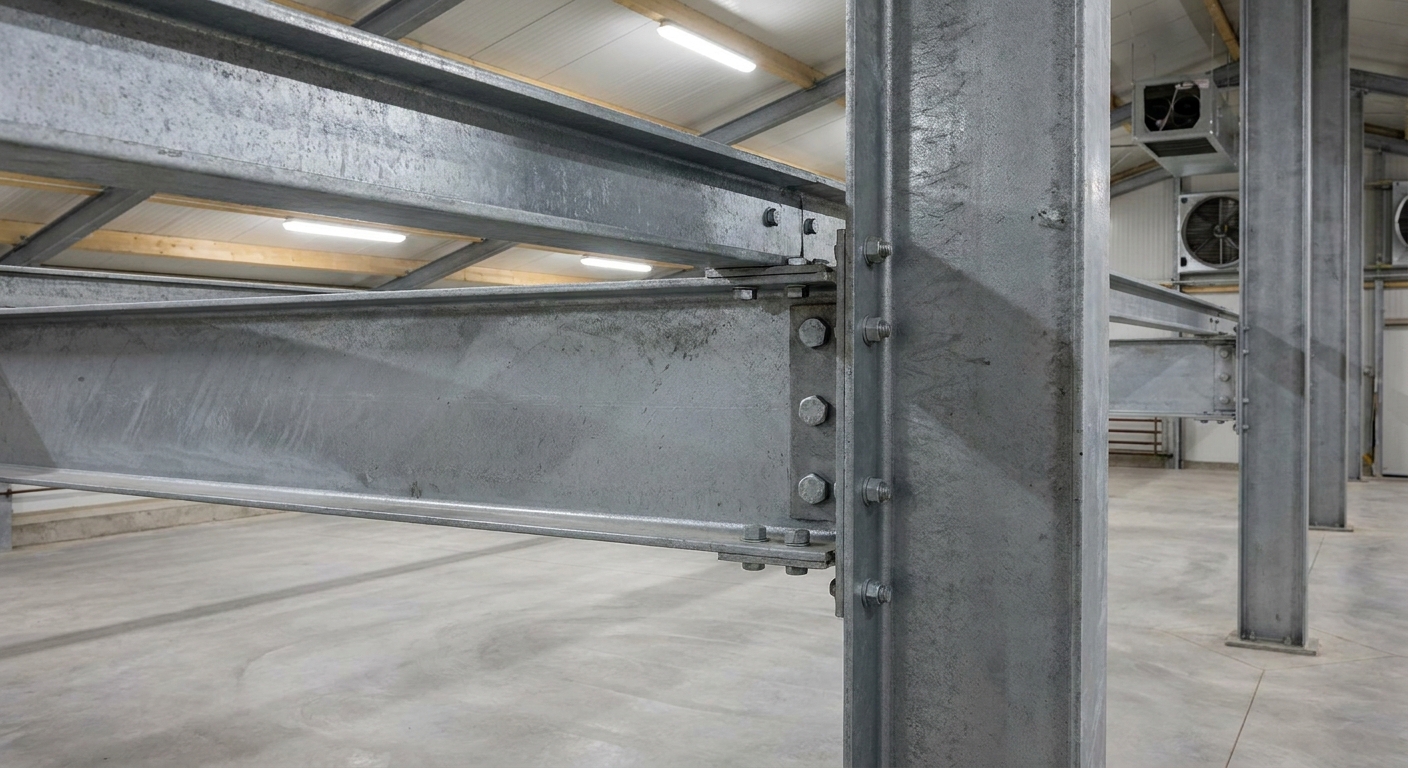
The price of your chickens shifts materials from timber to steel because high-value birds require highly durable, pest-impermeable structures to survive. As you calculate how much does a chicken cost , you will see that protecting expensive genetic assets requires highly durable building materials. Timber coops degrade rapidly under the high-ammonia conditions of chicken manure, whereas hot-dip galvanized steel frames resist corrosion for decades.
Porous wood coops absorb moisture and harbor harmful mites that can ruin your flock’s health. Switching to structural steel protects your high-value birds from both biological pathogens and structural failures.
Why do wooden coops pose high biosecurity risks?
Think about it: wood is organic and absorbs moisture, bacteria, and ammonia vapors like a sponge. When you use non-porous galvanized steel, cleaning and sanitizing your housing becomes incredibly simple.
- Pathogen control: Easy to pressure wash and disinfect.
- Ammonia resistance: No wood rot or structural weakening from waste.
- Predator protection: Steel sheets prevent rats and weasels from chewing through.
Key Takeaway: Choosing steel framing protects your flock’s biosecurity, drastically reducing bird mortality and protecting your long-term capital investment.
| Material Characteristic | Timber Structure | Galvanized Steel Frame | |
|---|---|---|---|
| Moisture Absorption | Highly porous (rots) | Completely non-porous | |
| Lifespan in Ammonia | 3 – 5 Years | 30+ Years | |
| Pest Infestation | High (harbors mites) | Zero |
This table highlights how choosing steel over timber safeguards both your birds and your long-term infrastructure investment.
When does how much does a chicken cost justify steel coops?
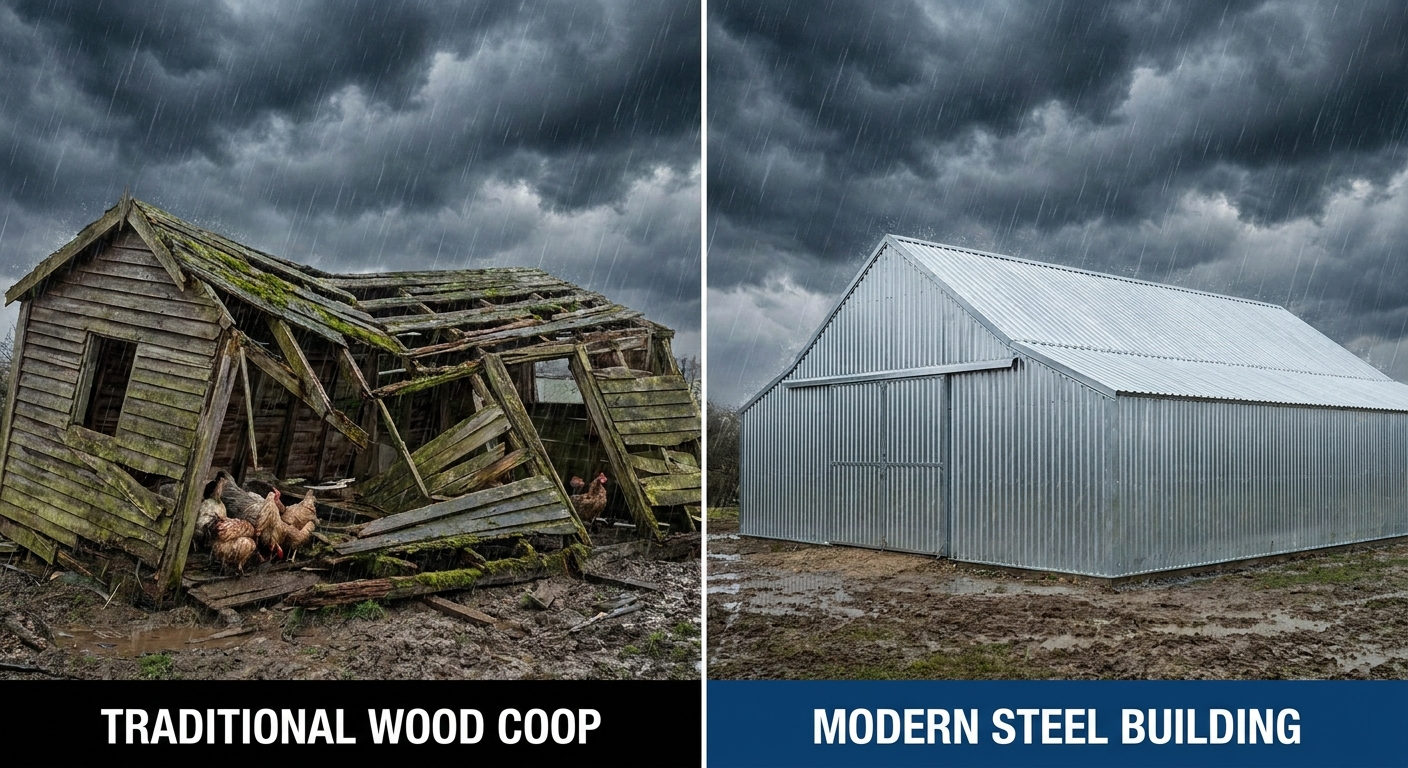
The total value of your flock justifies steel coops when you scale beyond 100 birds, as the high risk of mortality in wooden coops outweighs the upfront cost of steel. It becomes vital to evaluate how much does a chicken cost when deciding on your physical infrastructure. If you are keeping a large flock, the financial impact of a single structural collapse or predator attack can be devastating.
Steel structures provide the ultimate defense against extreme weather, high wind loads, and heavy snow. This makes steel the only sensible choice for anyone looking to build a secure, profitable commercial enterprise.
Where is the economic tipping point for your flock?
Here is the deal: your bird density directly influences how quickly you can break even on your physical assets. Small timber coops might seem cheap initially, but their high maintenance costs soon drain your operating capital.
- Flock size 1–50: Timber coops can work but require frequent patching.
- Flock size 100–500: Modular steel coops prevent escalating labor costs.
- Flock size 1,000+: Clear-span steel buildings are essential for automated success.
Key Takeaway: Investing in a steel poultry house early protects you from structural replacement costs and ensures steady, uninterrupted production.
| Flock Scale | Recommended Housing Type | Structural Risk Level | ROI Break-Even Period | |
|---|---|---|---|---|
| 1 – 50 Birds | Wooden / DIY Coop | High | 5 – 7 Years | |
| 100 – 500 Birds | Modular Steel Coop | Low | 3 – 4 Years | |
| 1,000+ Birds | Industrial Steel Building | Zero | 1 – 2 Years |
This financial breakdown shows why industrial-scale steel structures deliver the fastest path to profitability.
Where does how much does a chicken cost alter insulation?
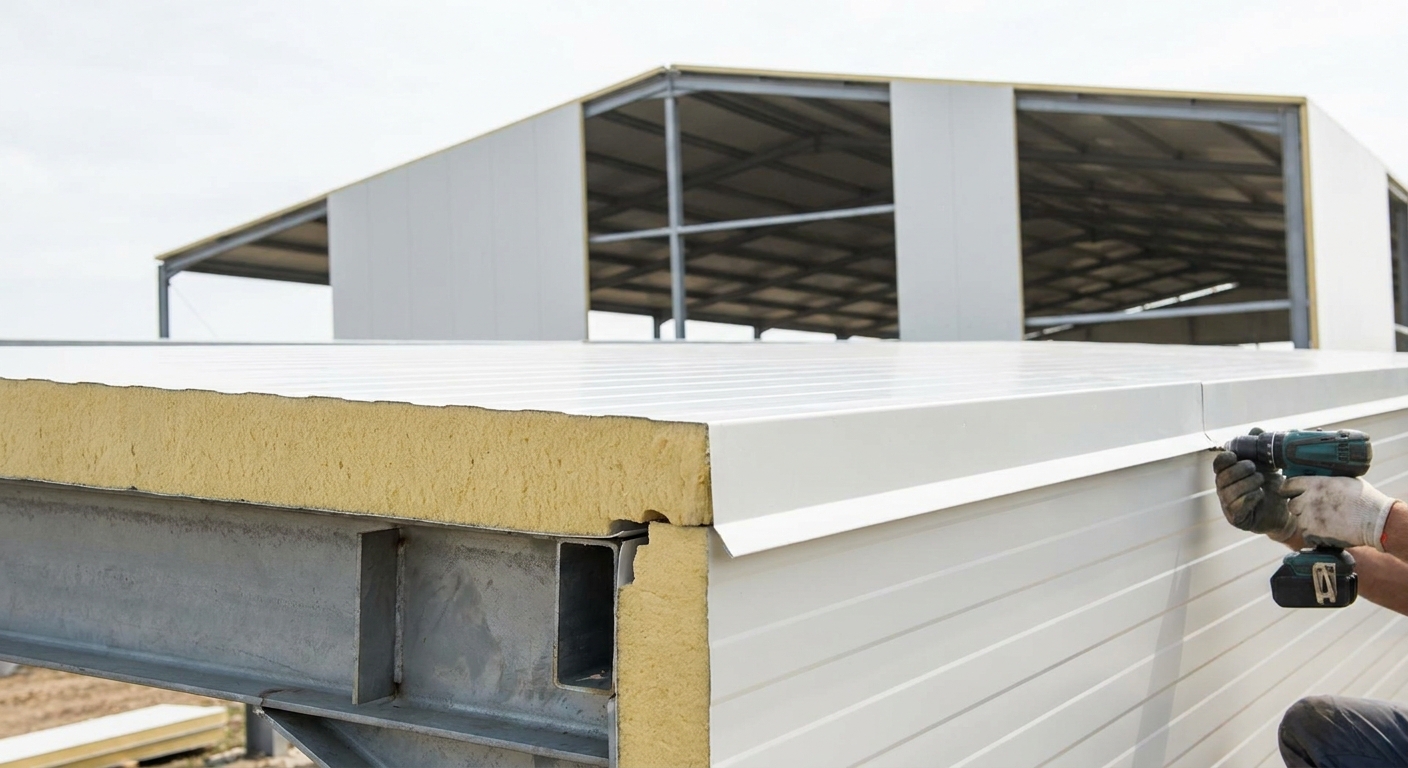
The price of your chickens alters insulation because high feed conversion ratios require high-density sandwich panels to maintain a stable interior climate. If you analyze how much does a chicken cost , you will quickly see that feed is your largest ongoing operational expense. If your poultry building lacks high-quality insulation, your birds will eat much more feed just to maintain their body temperature.
High-density polyurethane or rockwool sandwich panels keep your building comfortable all year round. This thermal efficiency keeps your operating costs low while protecting your flock from extreme heatwaves or freezing winters.
How do sandwich panels optimize your climate control?
What does this mean for you? It means you can easily maintain a steady temperature inside your house without running expensive heating systems all day.
- Polyurethane (PU) Core: Superior thermal barrier with zero moisture retention.
- Rockwool Core: Highly fire-resistant with excellent acoustic insulation.
- Pre-painted Galvanized Sheets: Tough outer shell that resists extreme weather.
Key Takeaway: High-grade insulated wall panels dramatically lower your energy bills while keeping your chickens stress-free and productive.
| Insulation Type | Thermal Conductivity (R-Value) | Moisture Resistance | Lifespan | |
|---|---|---|---|---|
| Uninsulated Wood | Low (R-1 to R-3) | Poor (absorbs water) | 3 – 5 Years | |
| Rockwool Panel | High (R-13 to R-16) | Good (fireproof) | 25+ Years | |
| Polyurethane Panel | Excellent (R-18 to R-22) | Outstanding (waterproof) | 30+ Years |
The data clearly demonstrates how modern sandwich panels outperform traditional materials to protect your pocketbook.
Which how much does a chicken cost metrics dictate FCR?
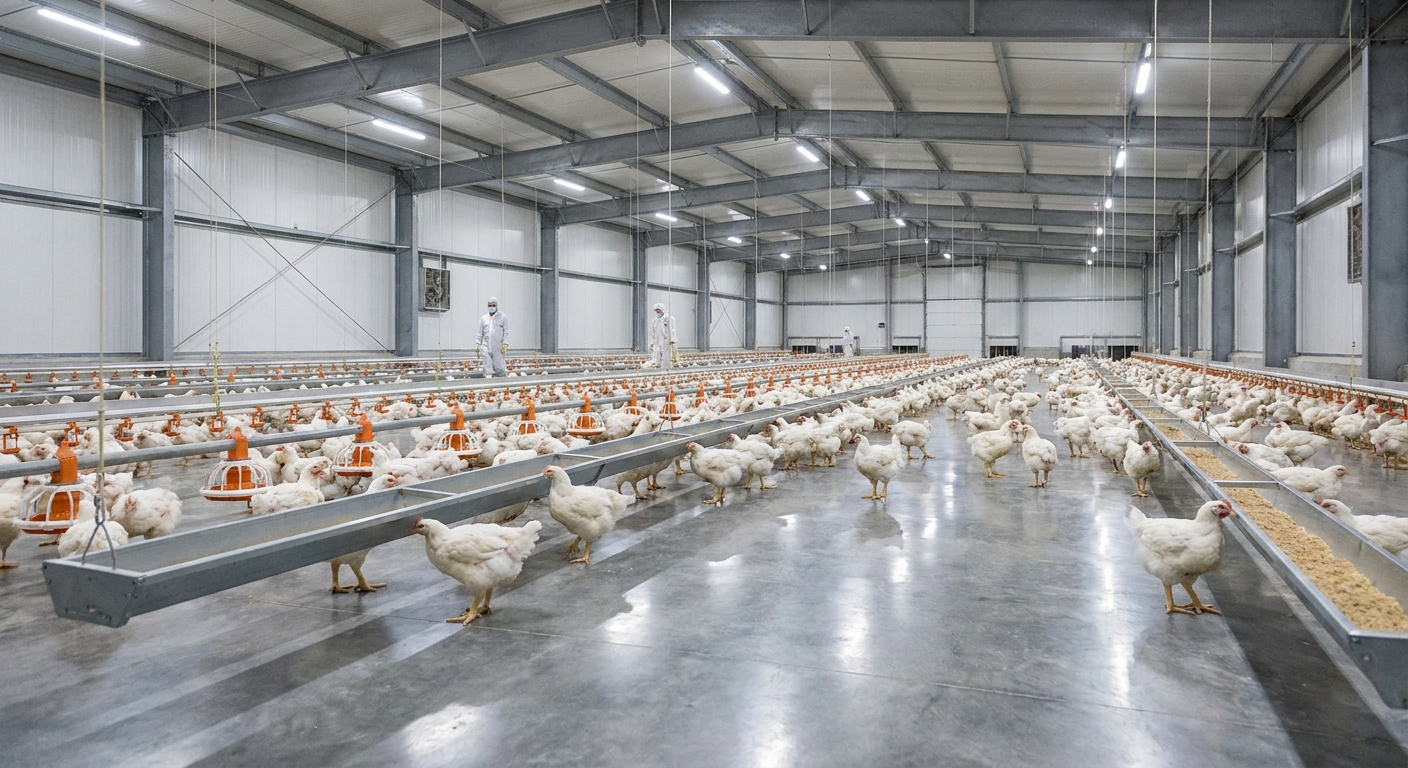
The key metrics determining how much a chicken costs are feed prices and daily bird weight gains, which dictate the Feed Conversion Ratio (FCR) of your entire project. When you calculate how much does a chicken cost, you must look closely at its lifetime feed consumption. Efficient poultry production depends on a highly optimized environment where feeding and watering lines are perfectly integrated into the building’s design.
By mounting heavy-duty automated feeding lines directly from high-strength steel roof trusses, you can maximize available floor space. This structured design keeps your birds healthy, active, and highly productive.
What structural loads must your roof trusses support?
But wait, there’s more: modern automated poultry farms suspend thousands of pounds of equipment directly from the roof. Your structural framework must be carefully engineered to support these heavy dead loads without any sagging.
- Automated feeding tracks: Continuous feed delivery to reduce manual labor.
- Nipple drinking lines: Leak-proof watering systems that keep litter dry.
- Heavy exhaust fans: Constant air circulation to remove ammonia gases.
Key Takeaway: Engineering your steel trusses to support suspended automated equipment maximizes your floor space and significantly improves FCR.
| Equipment Load Parameter | Minimum Requirement | Recommended Steel Gauge | Structural Support System | |
|---|---|---|---|---|
| Suspended Feeding | 12 kg/m² | 14 Gauge Galvanized | Double-Truss System | |
| Suspended Watering | 8 kg/m² | 14 Gauge Galvanized | Purlin Hook Integration | |
| Ventilation Fans | 5 kg/m² | Heavy Structural Steel | End-Wall Frame Bracing |
This table details the exact structural parameters needed to safely support automated equipment in a modern steel facility.
Protect Your Flock with Durable Steel Poultry Buildings Today!
Email:sales@showhoo.com.cn
Phone/WhatsApp: +86 186 7895 5927
How does how much does a chicken cost shape automation?
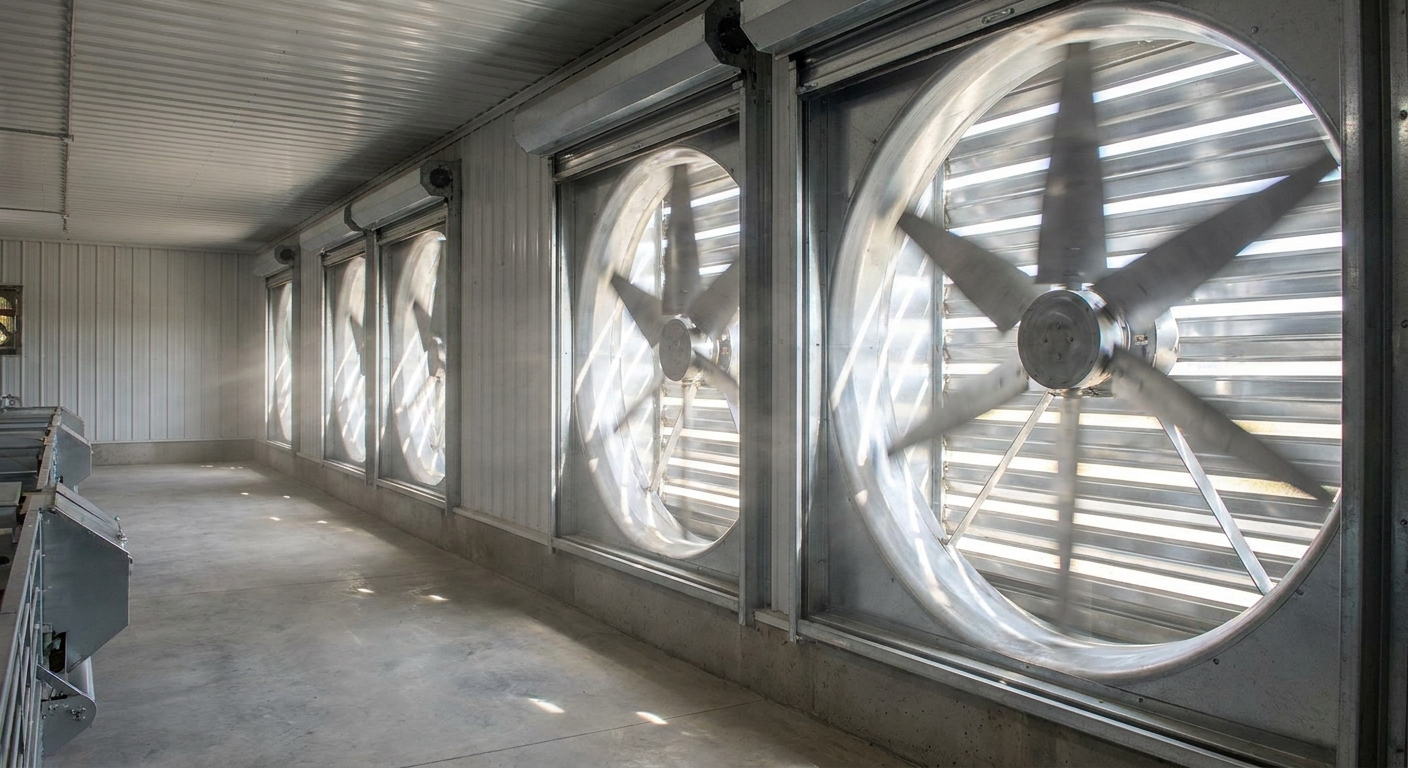
The overall cost of raising chickens dictates automation levels because eliminating manual labor through automated ventilation and feeding systems reduces your per-bird overhead. To reduce how much does a chicken cost, commercial growers must replace expensive manual labor with advanced automation. Placing these automated systems inside a wide, clear-span steel building products structure allows everything from manure scrapers to egg collectors to run without physical obstruction.
Pillars and columns in traditional wood structures disrupt automated machinery, forcing you to rely on slow, manual labor. Clear-span steel frames give you a completely open floor plan to maximize your farm’s efficiency.
Can you future-proof your farm with automation?
Let’s dig deeper. Integrating high-volume ventilation fans and automatic cooling pads ensures that your interior climate remains perfectly stable all year round.
- Tunnel ventilation: Pulls clean air through the building to remove ammonia.
- Automated manure scrapers: Cleans the floors quickly to maintain biosecurity.
- Smart climate sensors: Continuously tracks temperature, humidity, and airflow.
Key Takeaway: Choosing a clear-span steel design allows you to seamlessly integrate modern automation, minimizing labor costs and keeping your birds healthy.
| Automated System | Clear-Span Steel Compatibility | Timber Frame Compatibility | Operational Impact | |
|---|---|---|---|---|
| Tunnel Ventilation | 100% (High airflow) | Poor (prone to air leaks) | 40% reduction in mortality | |
| Manure Scrapers | 100% (Unobstructed floor) | Difficult (blocked by posts) | 50% labor hours saved | |
| Smart Sensor Arrays | 100% (Easy to mount) | Fair (limited wire routing) | Real-time health tracking |
This comparison highlights how a clear-span steel frame is the essential foundation for any modern automated poultry system.
Why does how much does a chicken cost rise without zinc?

Raising chickens costs significantly more without a heavy-duty zinc coating because ammonia-laden humidity rapidly rusts unprotected steel, leading to premature structural collapse. When calculating how much does a chicken cost, you cannot afford to ignore the long-term cost of rust and structural decay. Chicken manure releases high concentrations of ammonia gas, which quickly ruins standard, lightly painted metal frames.
Hot-dip galvanized steel frames are protected by a thick zinc-coated barrier that prevents rust. This specialized protection ensures that your building remains secure and structurally sound for decades.
Why is hot-dip galvanization essential for you?
Here is the kicker: standard painted steel will begin to rust within just a few years of exposure to chicken waste. Hot-dip galvanization bonds a tough zinc coating directly to the steel, protecting it from both humidity and harsh sanitizers.
- Ammonia resistance: Withstands the corrosive fumes of high-density manure.
- Rust prevention: Thick zinc coating protects against constant high humidity.
- Zero painting needed: Requires no maintenance or re-coating for over 30 years.
Key Takeaway: Investing in hot-dip galvanized steel framing protects your physical assets from rust, ensuring your business stays profitable for decades.
| Framing Coating | Corrosion Resistance | Lifespan in Poultry House | Maintenance Cost | |
|---|---|---|---|---|
| Uncoated/Painted Steel | Low (rusts quickly) | 3 – 5 Years | High (constant painting) | |
| Light Electro-Galvanized | Moderate (thin layer) | 8 – 10 Years | Moderate (periodic touch-ups) | |
| Hot-Dip Galvanized | Outstanding (zinc alloyed) | 30+ Years | Zero |
The data proves that hot-dip galvanized steel is the most cost-effective and durable choice for modern poultry operations.
Who knows how much does a chicken cost to prefab safely?
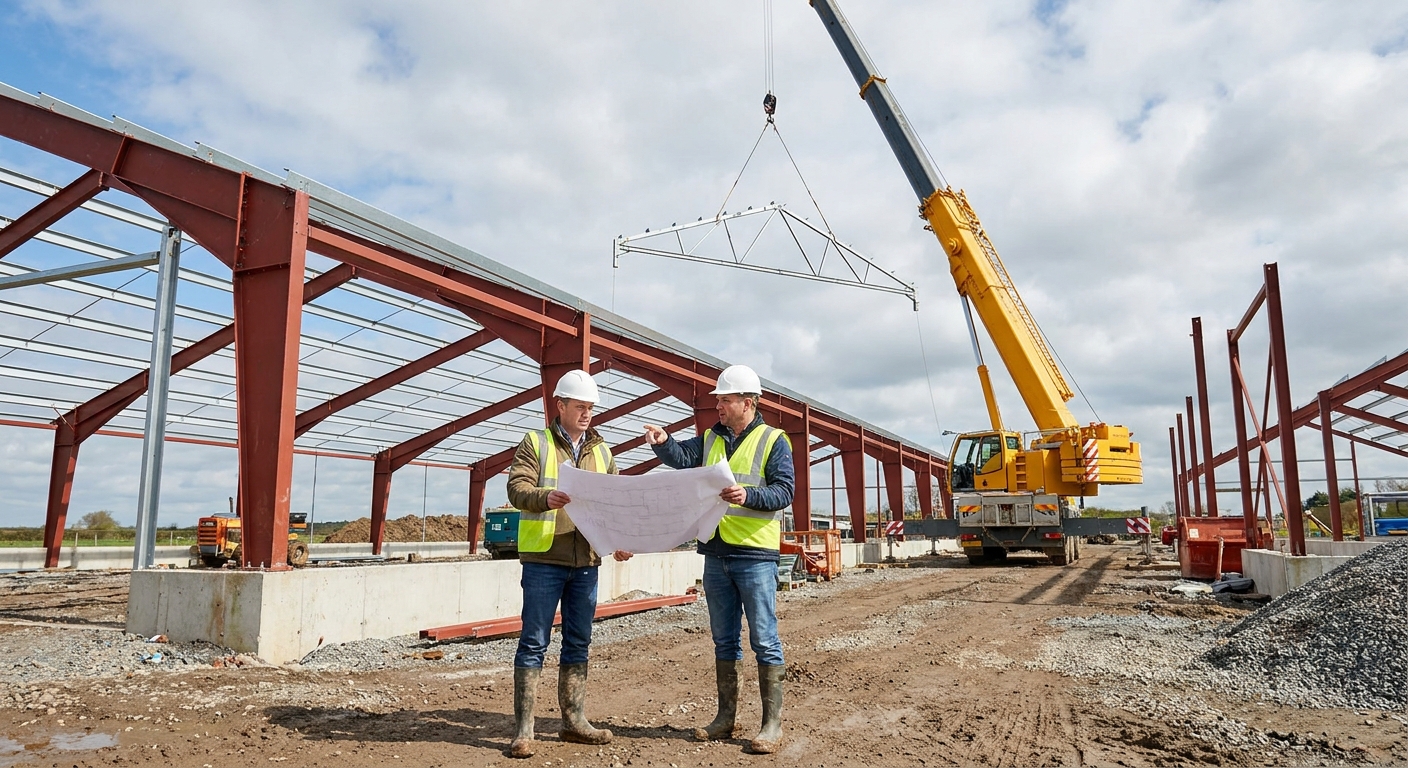
An experienced, certified steel fabrication manufacturer knows how to prefab poultry structures safely to keep your building costs low and ensure rapid on-site assembly. To control how much does a chicken cost, you must work with an industry-certified steel manufacturer about our manufacturing expertise . Partnering with a dedicated factory ensures your building is engineered to meet local wind, snow, and seismic codes.
Certified engineers supply complete structural calculations and precise installation drawings. This professional support ensures a smooth assembly process and eliminates costly on-site delays.
What should you ask your prefab supplier today?
Think about it: working with a supplier who does not understand agricultural engineering can lead to expensive design mistakes. You need to verify their material quality and engineering standards before signing any contract.
- Steel Grade: Verify they use high-strength Q235B or Q345B steel.
- Structural Drawings: Ensure they provide detailed 3D installation blueprints.
- Certifications: Check for international ISO quality and structural safety standards.
Key Takeaway: Partnering with a certified prefab manufacturer guarantees a safe, durable, and highly efficient poultry building that stands the test of time.
| Supplier Metric | Certified Factory Manufacturer | Intermediary Trading Company | |
|---|---|---|---|
| Structural Engineering | Custom B2B structural calculations | Generic, uncertified designs | |
| Material Traceability | Certified mill test reports | Unreliable material origins | |
| Installation Support | Detailed 3D blueprints and video guides | Minimal or no technical support |
This table highlights why purchasing directly from an experienced factory manufacturer is the safest and most economical choice.
What makes how much does a chicken cost a guide to ROI?
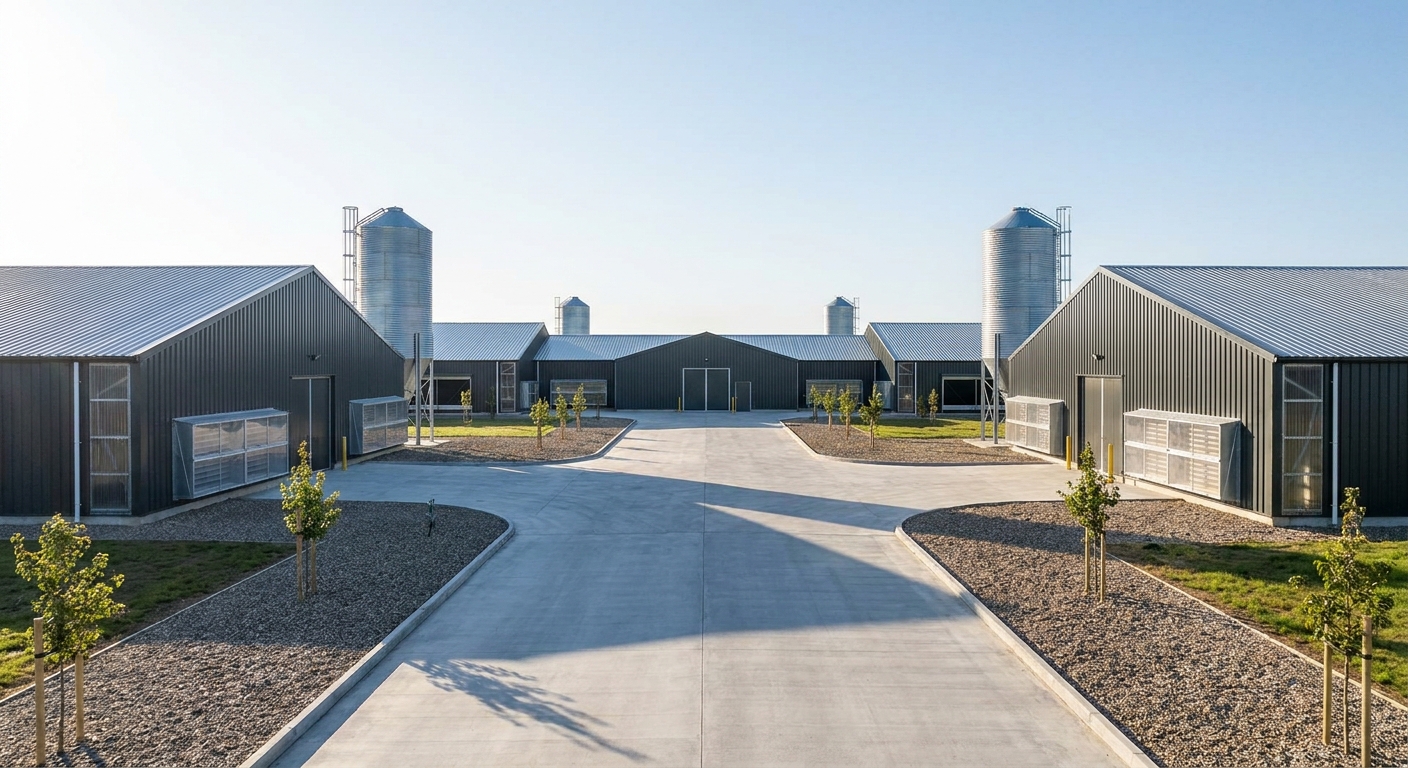
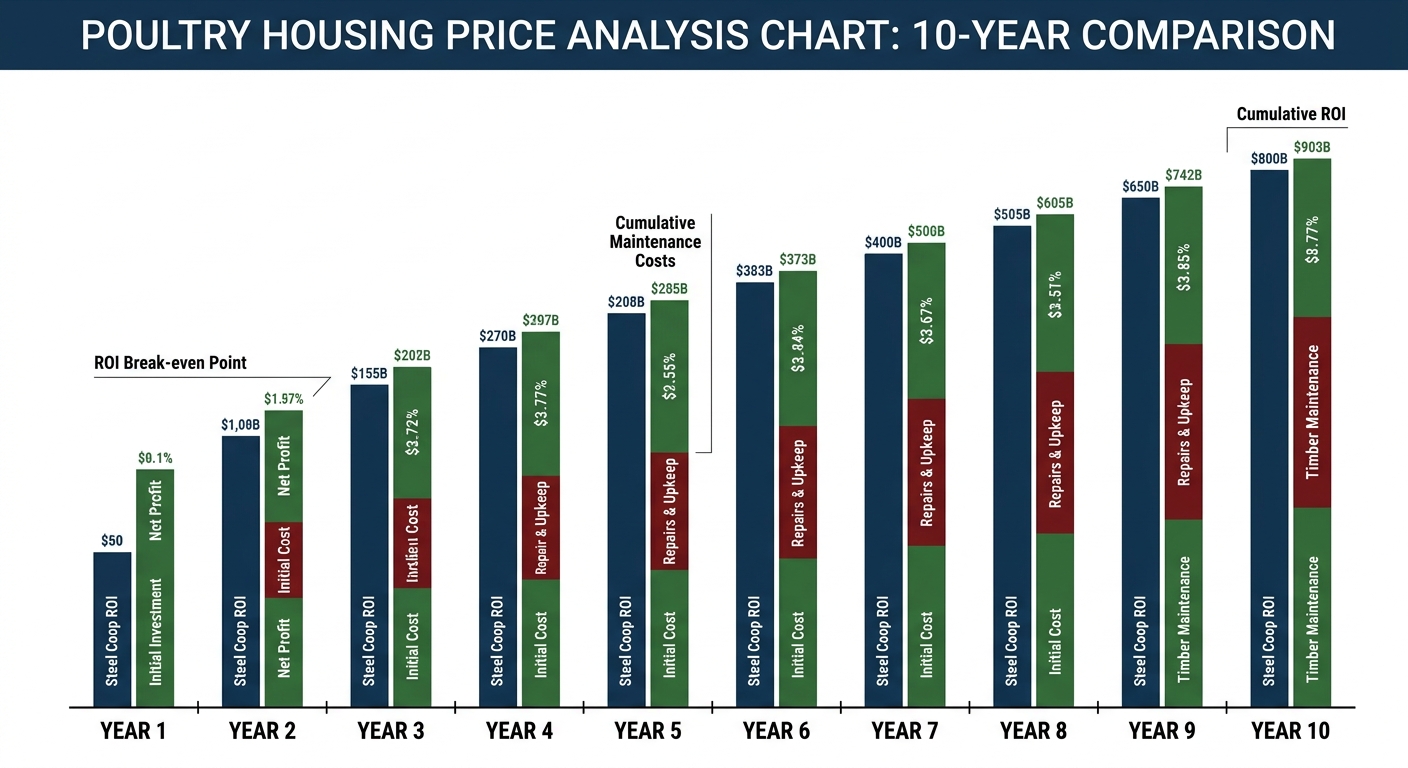
Using the price of your chickens as an ROI guide reveals that durable steel housing delivers superior long-term profits by reducing bird losses and lowering ongoing maintenance. Ultimately, looking at how much does a chicken cost helps you understand the true value of high-quality housing. Cheap wooden coops can easily ruin your business through high bird mortality and constant repair expenses.
Modern steel buildings offer the perfect mix of biosecurity, energy efficiency, and durability. This ensures your farming business remains highly profitable and resilient for decades.
Are you ready to maximize your farm’s profits?
And the best part? When you choose a steel building, you are investing in an asset that retains its value and requires almost no maintenance for decades.
- Lower bird mortality: Safer, climate-controlled, pest-free environments.
- Reduced energy costs: High-performance insulated sandwich panels.
- Faster bird growth: Automated feeding and highly efficient ventilation.
Key Takeaway: Choosing a prefabricated steel structure is the smartest way to protect your flock and secure the highest possible return on your investment.
| Investment Indicator | Traditional Timber Coop | Prefabricated Steel Building | |
|---|---|---|---|
| Initial Capital outlay | Low upfront cost | Higher upfront investment | |
| Flock Mortality Rate | High (predators, drafts, damp) | Low (climate-controlled, biosecure) | |
| Maintenance Overhead | High (constant repairs, painting) | Virtually zero | |
| Structural Lifespan | 5 – 10 Years | 50+ Years |
The comparison table proves that steel structures deliver much higher long-term value and investment security.
Conclusion
Maximizing poultry profitability requires a shift from short-term cost-cutting to long-term structural resilience. This complete price guide reveals that while baby chicks and mature hens are affordable upfront, their real cost is dictated by the durability and biosecurity of their housing. By transitioning from fragile, rot-prone wooden coops to modern, climate-controlled, and hot-dip galvanized steel structures, you protect your flock from extreme weather, predators, and costly disease outbreaks while optimizing feed conversion ratios (FCR).
At Showhoo Building, we solve these infrastructure challenges by designing and manufacturing world-class, prefabricated steel poultry structures customized to your precise climate and density requirements. To protect your flock and secure the highest ROI for your agricultural business, contact us today for a comprehensive structural consultation and custom-engineered quote.
Protect Your Flock with Durable Steel Poultry Buildings Today!
Email:sales@showhoo.com.cn
Phone/WhatsApp: +86 186 7895 5927
FAQ
Can I build a steel poultry house on a concrete foundation?
Yes, you should always build a steel poultry structure on a concrete slab foundation. A clean concrete floor prevents ground moisture from entering the facility, provides excellent structural anchor support, and allows you to easily clean and sanitize the building between flocks.
What’s the best insulation material for chicken farm buildings?
The best insulation material is polyurethane (PU) sandwich paneling. These high-density insulated panels offer superior thermal resistance, prevent moisture absorption, and keep your indoor temperature perfectly stable all year round.
How do I know if my steel structure is protected from rust?
You can confirm this by checking that your supplier uses hot-dip galvanized steel. This heavy-duty zinc coating creates a powerful barrier that completely protects the structural frame from corrosive ammonia vapors and high humidity.
Can I easily expand my steel poultry house in the future?
Yes, you can easily scale a prefabricated steel poultry house due to its modular design. The bolt-together steel frames allow you to quickly add new sections and expand your physical footprint as your flock size increases.
What’s the best way to control ammonia buildup inside a large coop?
The best way is to integrate a high-volume tunnel ventilation system. Using automated heavy-duty exhaust fans mounted directly to your steel structure draws clean air through the building, keeping your birds healthy and stress-free.