
Opening a standard commercial fitness center typically requires an initial capital investment ranging from 30,000 for a lean boutique studio to upwards of 500,000 for a fully equipped big-box facility. Many passionate fitness entrepreneurs watch their dreams collapse under the weight of unexpected renovation expenses, extended labor delays, and landlord holdbacks. Think about the crushing impact of paying thousands in rent on a completely empty shell while waiting months for traditional masonry crews to finish. By opting for a custom prefabricated steel structure, you can bypass these common pitfalls and gain absolute budget control from day one. This highly efficient, factory-direct construction method lowers your overall cost of building a gym while accelerating your timeline to profitability.
How Much Capital Do You Need to Budget for the Cost of Building a Gym?
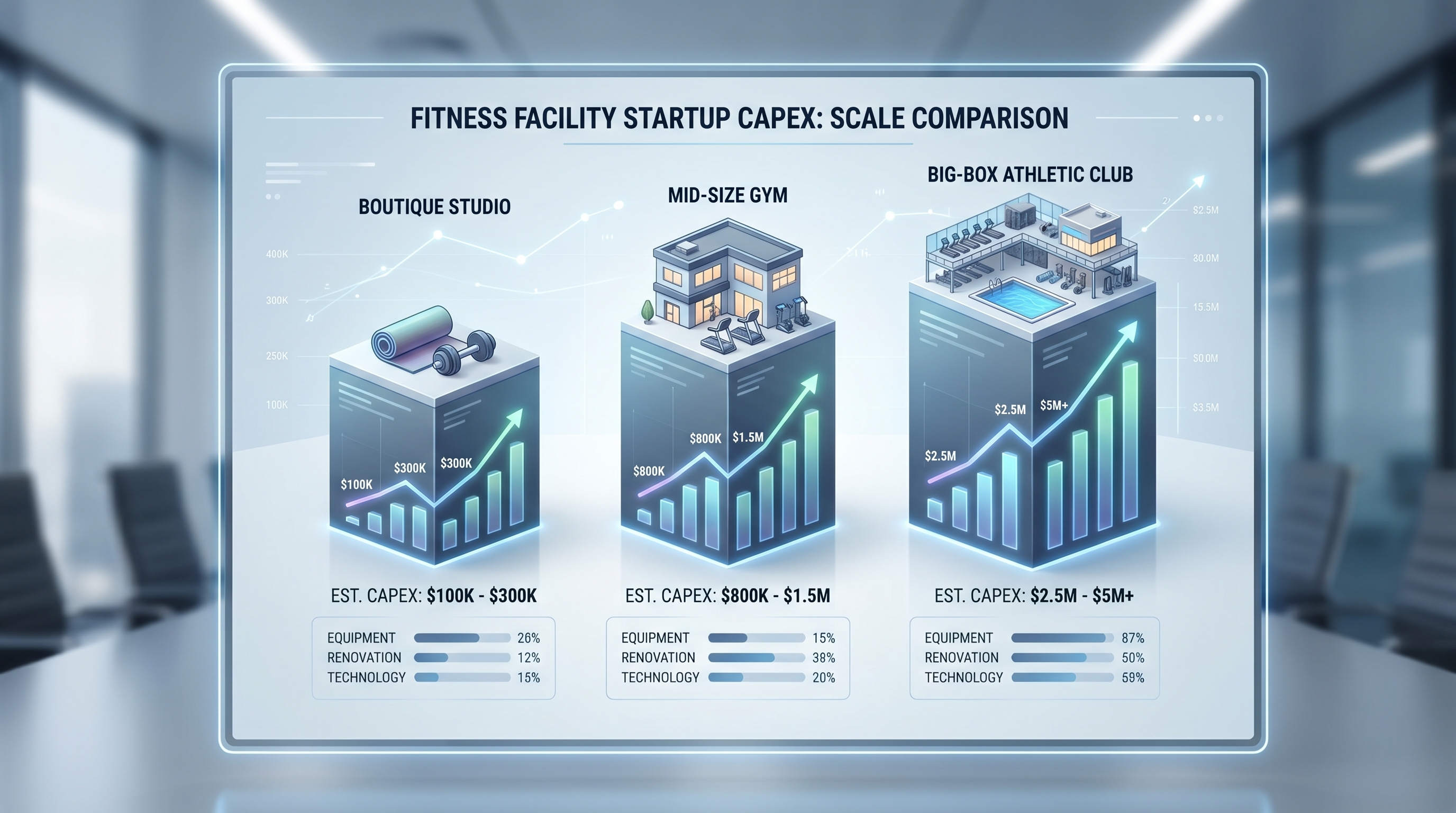
You need to budget between 30,000 and 500,000+ depending on the physical footprint, location, and structural scale of your fitness business. Establishing an accurate baseline for the cost of building a gym requires a detailed breakdown of capital expenditures from the foundation to the final equipment. Planning your budget around factory-direct steel procurement helps eliminate middleman markups and unexpected construction overruns.
Direct Equipment and Interior Finish Allocation
Here is the kicker:
Equipping your facility with professional-grade strength machines, cardio zones, and high-impact rubber flooring represents a major chunk of your initial startup capital. These elements must be durable enough to survive constant daily abuse from hundreds of active gym members.
- Premium commercial cardio treadmills and ellipticals.
- Heavy-duty vulcanized rubber safety flooring tiles.
- Custom structural steel functional training rigs.
Choosing the right equipment layout helps prevent user crowding and maximizes the utility of every square foot. Proper planning ensures that your workout zones flow naturally from heavy free weights to light stretching areas.
Civil Works and Initial Site Development Fees
Make no mistake:
Preparing your building site for structural assembly involves essential civil engineering tasks like grading, soil compaction, and utility connections. These preliminary steps ensure that your building meets all municipal safety standards from the ground up.
- Professional land surveying and structural engineering drawings.
- Heavy machinery excavation and soil preparation.
- Main utility line trenching for water and power.
Working with an experienced local contractor helps prevent costly planning mistakes and unexpected delays during the permitting phase. This strategic oversight ensures that your site is fully ready when the prefabricated frame arrives.
Key Takeaway: Correctly allocating your capital between equipment, site preparation, and structural fabrication prevents budget overruns and accelerates your path to a successful opening.
| CapEx Component | Lean Studio (1,500 sq ft) | Big-Box Gym (10,000+ sq ft) | Sourcing Strategy | |
|---|---|---|---|---|
| Structural Frame | 15,000−35,000 | 150,000−250,000 | Factory-Direct Steel | |
| Fitness Equipment | 20,000−45,000 | 120,000−200,000 | Direct Manufacturer | |
| Interior Finishes | 8,000−15,000 | 50,000−90,000 | Bulk Commercial Supply |
Analyzing this budget breakdown demonstrates that sourcing your structural framework directly from the factory is the most effective way to secure high-value capital.
What Scale of Space Do You Actually Need for a Modern Complex?
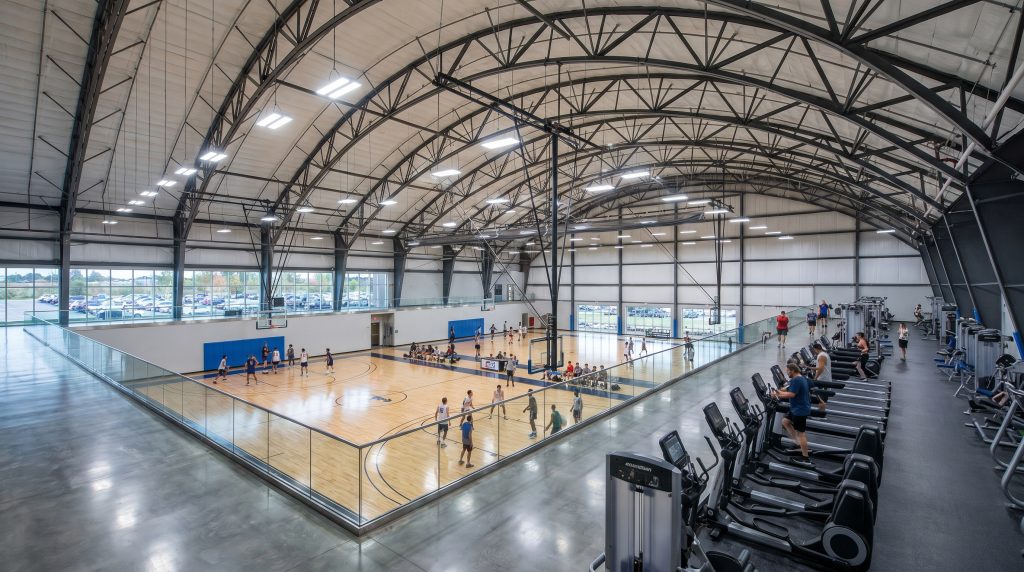
You actually need between 3,000 and 15,000 square feet to construct a highly functional, competitive athletic facility. Determining your spatial requirements directly impacts your overall cost of building a gym because larger footprints demand more robust structural engineering. Opting for a clear-span layout ensures that you can utilize every single square meter without structural interference.
Optimizing Floor Space for Group Training Zones
Think about it:
Modern fitness trends rely heavily on spacious group classes like functional training, indoor cycling, and martial arts. These activities require dedicated open areas where members can move dynamically without bumping into heavy weight machines.
- High-intensity functional fitness training zones.
- Acoustically isolated indoor cycling studios.
- Spacious turf areas for sled pushes and sprints.
Standard column-free designs are perfect for these dynamic environments because they offer unobstructed views for your class instructors. This layout freedom lets you easily adapt your daily training schedules to match seasonal demands.
Locker Room and Administrative Space Allocation
Keep this in mind:
A successful commercial gym requires more than just a wide-open workout floor to attract high-paying members. You must allocate sufficient square footage for professional locker rooms, hot showers, and a secure front reception desk.
- High-pressure commercial shower systems.
- Secured member lockers and changing cubicles.
- Branded front reception and retail displays.
Properly plumbing and waterproofing these wet areas is a major phase of your interior buildout. This infrastructure ensures your facility remains hygienic, comfortable, and welcoming for all visitors.
Key Takeaway: Balancing your dynamic exercise zones with comfortable secondary amenities creates an exceptional member experience that drives long-term retention.
| Facility Type | Min. Square Footage | Key Spatial Focus | Structural System | |
|---|---|---|---|---|
| Boutique Studio | 2,000 sq ft | Group training floor, minimal storage | Light Steel Frame | |
| Mid-Size Gym | 5,000 sq ft | Cardio/weight floor, small locker rooms | Clear-Span Portal Frame | |
| Sports Complex | 12,000+ sq ft | Multi-sport courts, full locker suites | Heavy Portal Frame |
This operational scale comparison reveals that planning your structural layout around clear-span steel is crucial for maintaining complete floor plan flexibility.
GET A CUSTOM STEEL GYM BUILDING FABRICATION QUOTE
Email:sales@showhoo.com.cn
Phone/WhatsApp:+86 186 7895 5927
How Do Foundation Details Impact Structural Construction Costs?
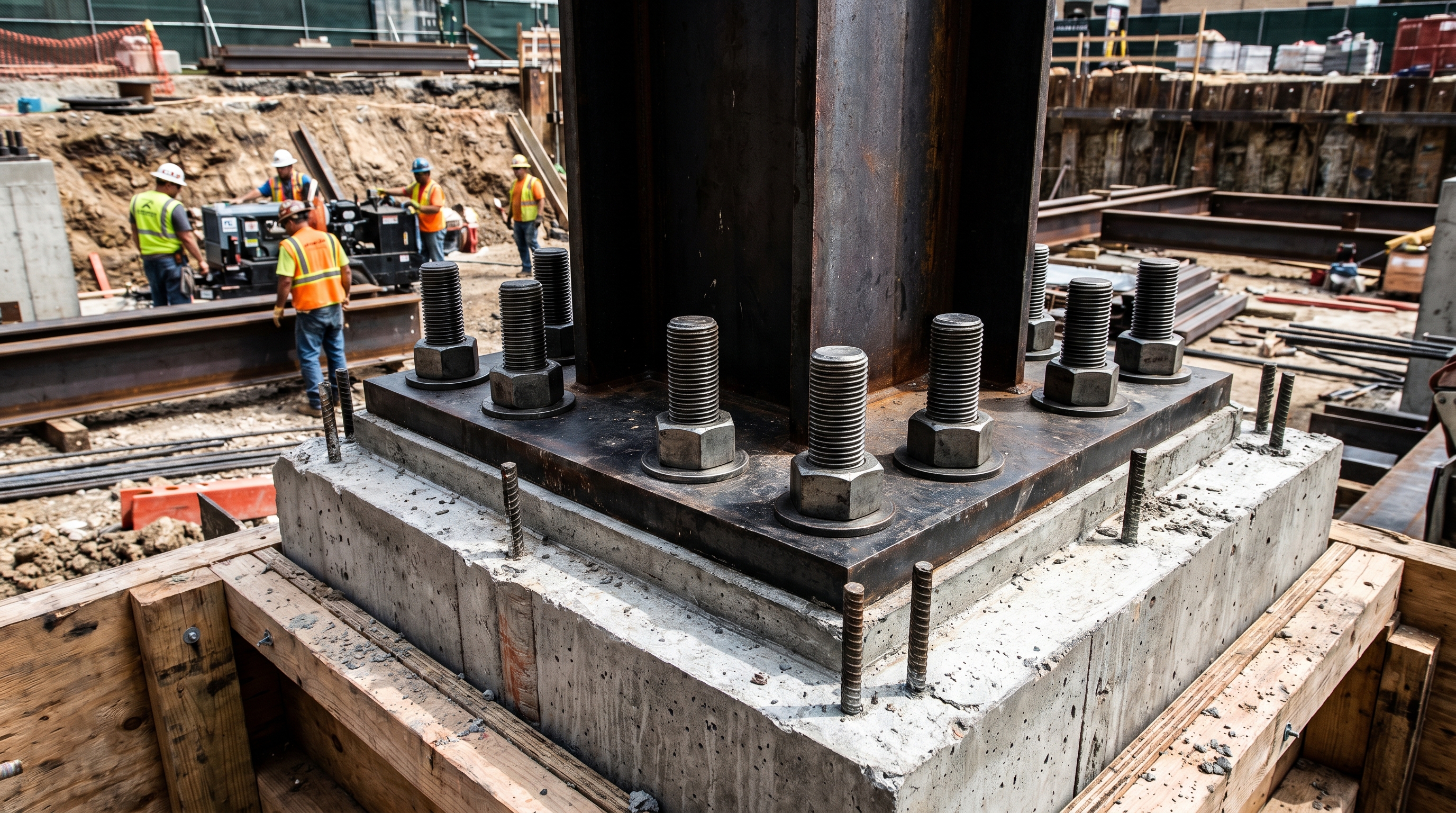
Foundation engineering directly impacts your structural construction budget because a lighter steel building significantly reduces the concrete and excavation volume required. Designing your footings around prefabricated steel optimizes the initial cost of building a gym by preventing unnecessary material waste. Correctly positioned anchor bolts are essential to guarantee a seamless structural steel erection process.
Concrete Slab Thickness for High Impact Loads
Let’s face it:
Dropping heavy Olympic barbells and placing multi-ton leg press machines puts extreme point loads on your commercial floor. If your concrete foundation is too thin, it will quickly crack under the constant mechanical stress.
- Reinforced concrete slabs with heavy-duty steel rebar.
- Thickened slab areas under heavy weightlifting platforms.
- High-density vapor barriers to prevent under-slab moisture.
Specifying a minimum slab thickness of 150mm ensures your foundation can survive decades of high-impact workouts. This structural insurance protects your underlying concrete from structural failure and expensive repairs.
Anchor Bolt Precision and Column Base Alignment
Here is the bottom line:
Prefabricated steel columns rely on high-strength steel anchor bolts cast directly into the concrete foundation. If these bolts are misaligned by even a fraction of an inch, the steel columns cannot be bolted securely.
- Laser-aligned anchor bolt templates for civil crews.
- High-strength grade 8.8 structural steel anchoring rods.
- Non-shrink structural grout for column base support.
Working with highly precise structural plans ensures your civil team installs the anchors perfectly. This coordination prevents expensive on-site structural adjustments and keeps your timeline on track.
Key Takeaway: Engineering your foundation to match a lightweight steel frame reduces raw concrete costs while ensuring the building can withstand high-impact workouts.
| Foundation Component | Standard Specification | Load Capacity | Cost Impact | |
|---|---|---|---|---|
| Concrete Slab | C30/C37 Grade, 150mm thickness | High-impact weight drops | Moderate | |
| Reinforcing Mesh | Double-layer steel rebar grid | High tensile resistance | Low | |
| Anchor Bolts | Grade 8.8 high-tensile steel rods | High shear and uplift force | Low |
This engineering analysis shows that standardizing your concrete specifications to match prefabricated steel reduces initial foundation expenses by up to 25%.
Why Is Prefabricated Steel Best for a Martial Arts Academy?
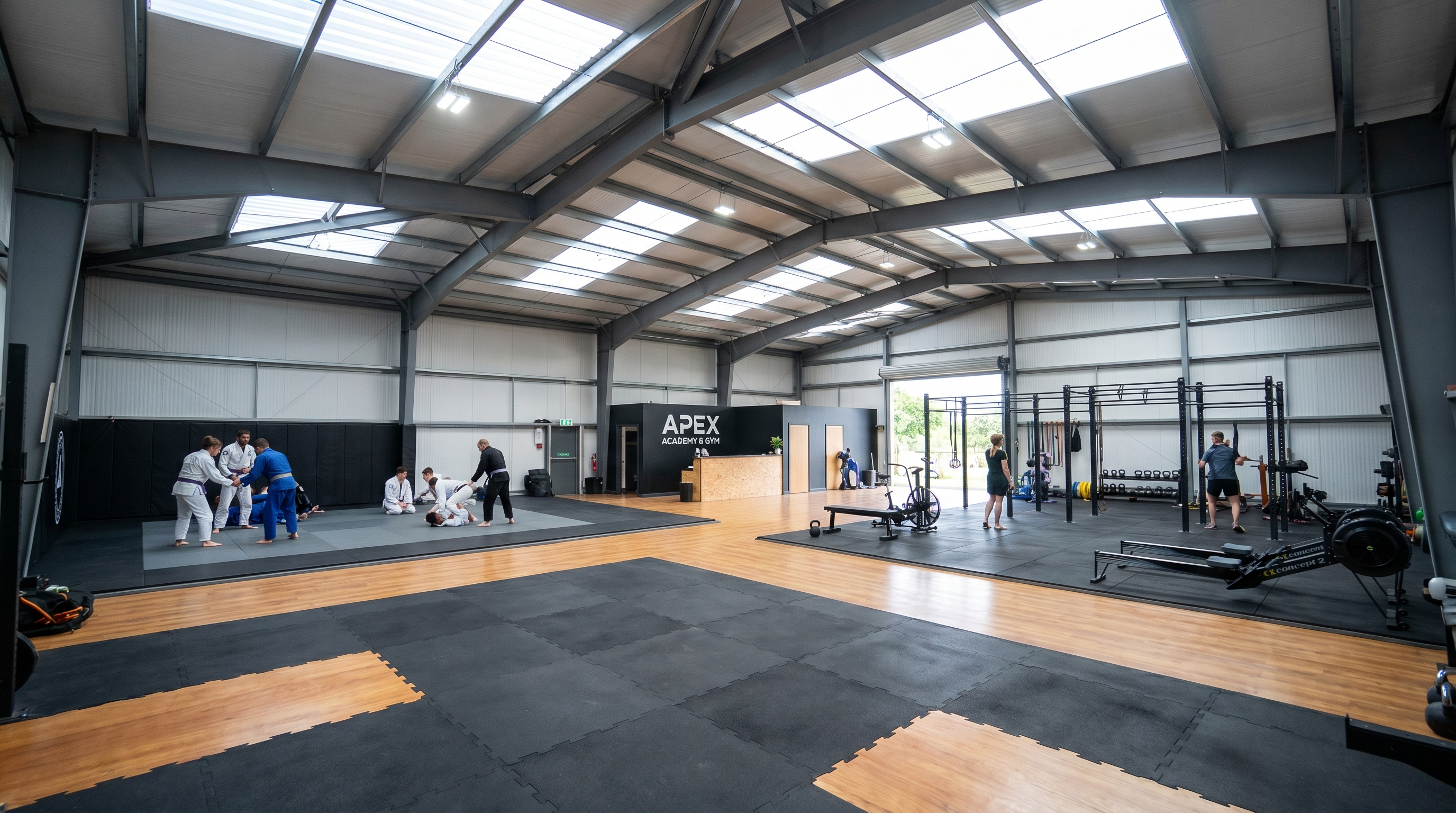
Prefabricated structural steel is the ideal architectural choice because it provides the vast, column-free spaces required for large training mats and throwing drills. Investing in a pre-engineered structure minimizes the total cost of building a gym while maximizing the safety and versatility of your academy. High-clearance steel frames allow for excellent ventilation and unobstructed views for students and coaches.
Unobstructed Mat Areas for Throwing and Sparring
But that is only half the story.
Martial arts academies require completely open floor spaces to layout continuous sparring mats safely. Having a single concrete pillar in the middle of a wrestling zone poses a serious safety hazard to your athletes.
- Uninterrupted judo, wrestling, and jiu-jitsu mat layouts.
- Safe clearance distances from hard structural walls.
- Flexible training zones for multiple simultaneous classes.
A clear-span portal frame completely eliminates the need for vertical support columns within your main training arena. This layout freedom lets your coaches organize sparring matches and throwing drills without worrying about physical obstacles.
High Ceilings for Perfect Ventilation
Think about it:
Intense martial arts training generates a massive amount of heat, humidity, and body odor within a closed space. High structural ceilings allow hot, stale air to rise naturally away from the athletes on the mats.
- Overhead mechanical ventilation and exhaust fans.
- High-clearance eave heights up to 7 meters.
- Natural daylight integration through translucent roof panels.
Integrating powerful ventilation systems into high steel rafters keeps your gym air clean, fresh, and moisture-free. This environmental control prevents mold growth on expensive mats and keeps your students comfortable.
Key Takeaway: Choosing a column-free prefabricated steel frame ensures student safety during high-velocity sparring while keeping air circulation exceptionally fresh.
| Architectural Requirement | Traditional Masonry / Wood | Prefabricated Portal Steel | Safety Impact | |
|---|---|---|---|---|
| Column-Free Span | Hard to achieve over 12m | Easily spans up to 40m | Eliminates collision hazards | |
| Ceiling Height | Limited by truss limits | High-clearance portal frame | Improves air circulation | |
| Wall Attachment | Difficult for heavy bags | Simple bag rig integration | Secure bag support |
This comparison highlights how clear-span steel portal framing provides the safest, most adaptable, and best-ventilated environment for high-occupancy combat sports.
What Structural Challenges Exist When Converting Retail Bays?
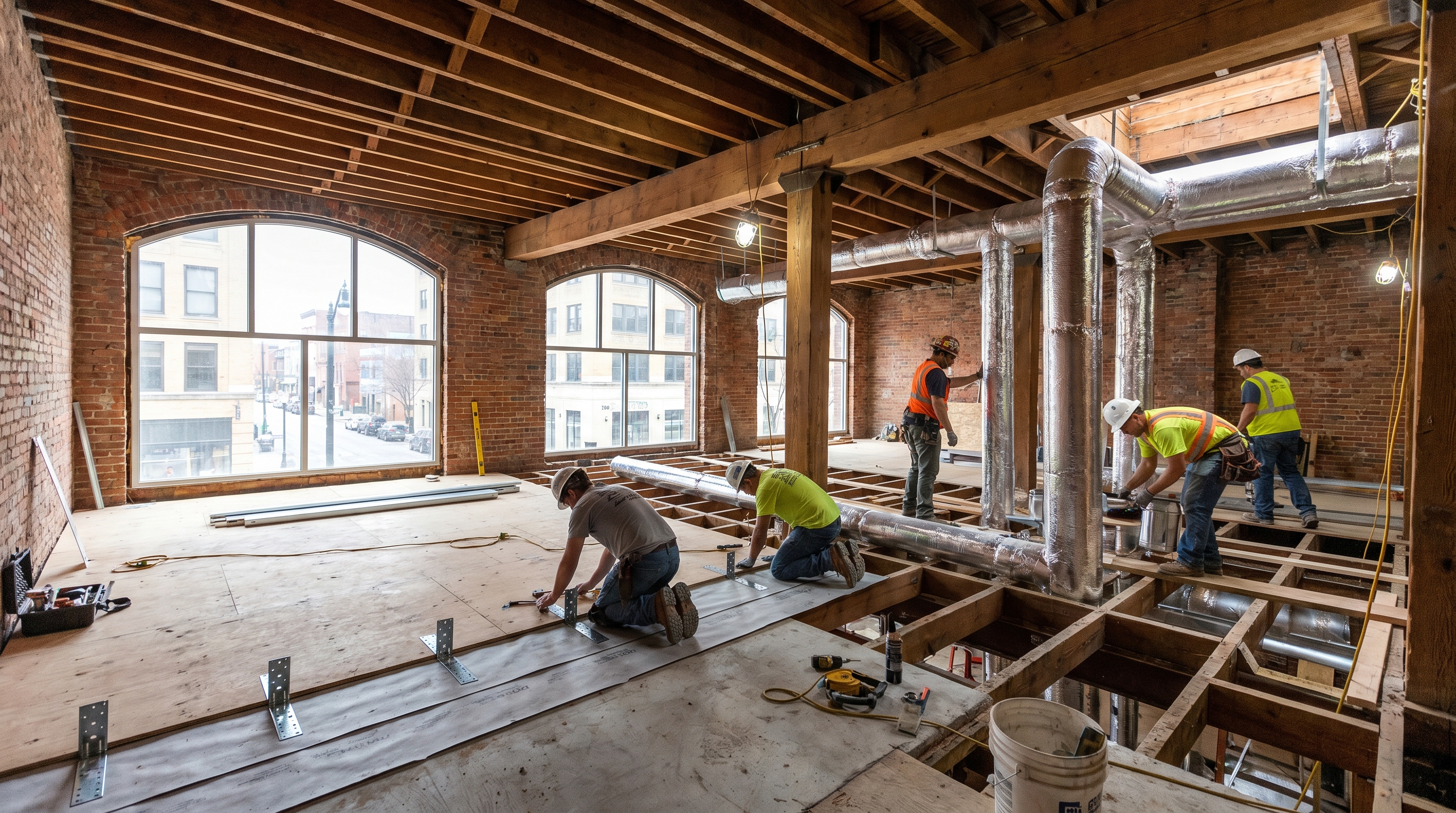
Retrofitting a standard retail bay presents massive structural hurdles, including low ceiling clearances, weak subfloors, and restrictive vertical columns. These unexpected engineering demands can easily double your actual cost of building a gym if not analyzed before signing a commercial lease. Constructing a custom-engineered steel building on your own land offers a much cleaner, more cost-effective alternative.
Overcoming Restrictive Column Grids
Here is the kicker:
Older strip malls are typically constructed with closely spaced concrete columns that dictate your layout and restrict movement. Trying to place a long sprint track or a dynamic group classroom in these spaces is nearly impossible.
- Fixed structural pillars that cannot be removed.
- Awkward floor plan shapes that waste valuable square footage.
- Limited placement options for heavy cardio machines.
These physical restrictions force you to compromise on your ideal gym layout and limit member capacity. This limitation directly hurts your monthly revenue potential by reducing the number of active training zones.
Upgrading HVAC and Electrical Infrastructure
Make no mistake:
Retail spaces are engineered to handle quiet foot traffic, not the heavy humidity and high power consumption of a busy gym. You will frequently be forced to spend tens of thousands on upgraded cooling and air circulation systems.
- Commercial-grade roof-mounted HVAC units.
- High-volume low-speed ceiling fans (HVLS).
- Upgraded three-phase electrical panels for treadmills.
Adding these major mechanical systems to an existing retail structure requires expensive engineering stamps and complex roof reinforcement. These utility overhauls can drain your startup capital before you even install your first weight machine.
Key Takeaway: Retrofitting old retail bays triggers massive infrastructure costs, while building a custom prefab steel facility ensures complete structural compliance from day one.
| Infrastructure Challenge | Retail Bay Retrofit | Custom Prefab Steel Gym | Cost Variance | |
|---|---|---|---|---|
| Interior Columns | Fixed concrete columns | 100% Clear-span interior | High retrofit cost | |
| HVAC Capacity | Underpowered (Needs upgrade) | Custom integrated HVAC ducting | Included in design | |
| Electrical Supply | Standard single-phase power | Custom three-phase design | Optimized layout |
This structural comparison proves that building custom pre-engineered steel avoids the expensive retrofitting pitfalls common to older leased commercial bays.
How Can Sandwich Panels Reduce Your Gym’s Utility Costs?
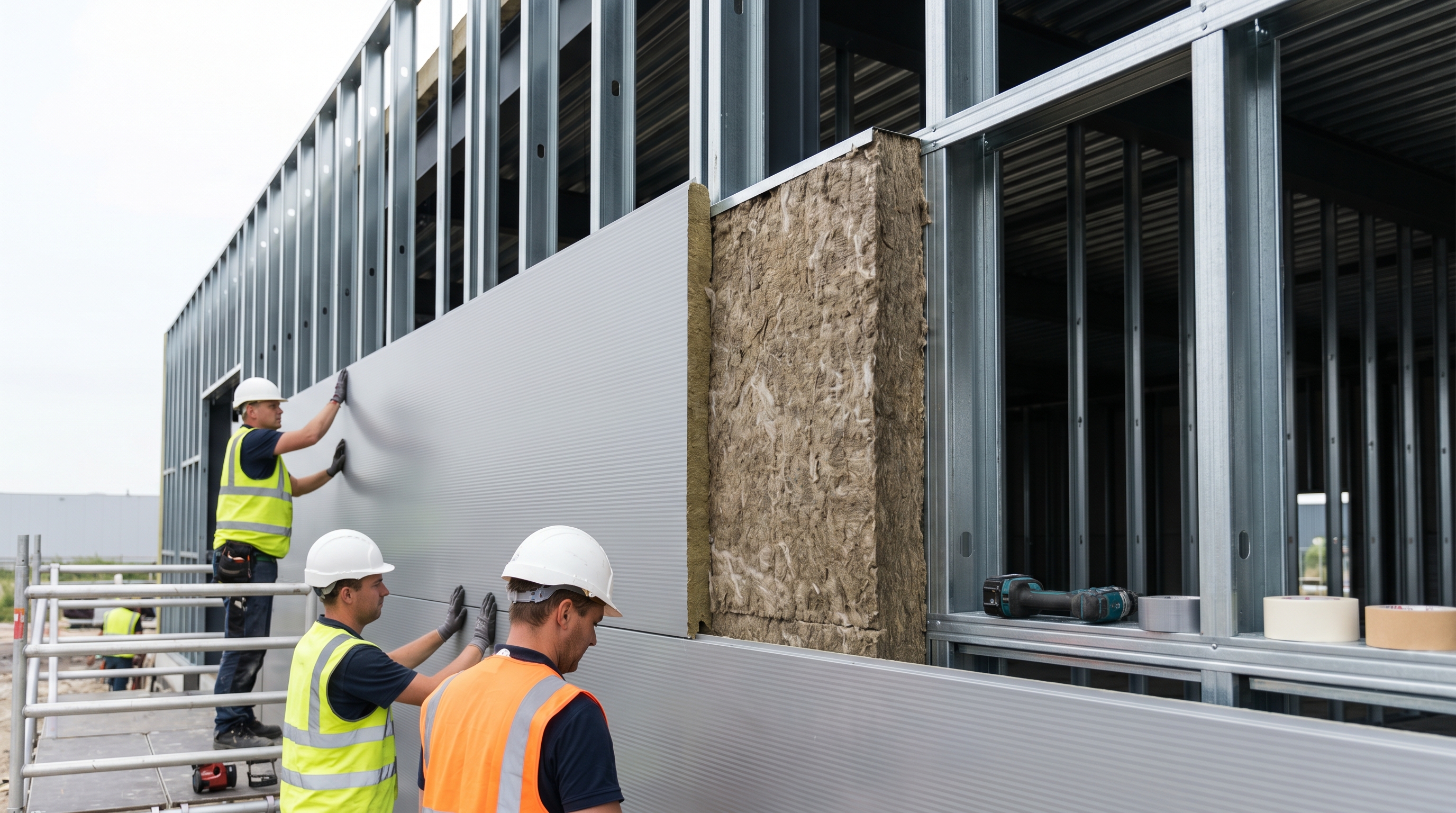
Energy-efficient sandwich panels dramatically reduce your long-term operating expenses by preventing thermal bridging and sealing your building envelope against extreme temperatures. Lowering your monthly utility bills reduces the overall cost of building a gym and operating it sustainably over its entire lifecycle. Choosing high-density insulation cores ensures a highly comfortable interior environment for your active membership.
High-Performance Insulation Core Materials
Keep this in mind:
Standard metal buildings without proper insulation will quickly turn your gym into an oven in the summer and a freezer in the winter. Utilizing thick polyurethane or rockwool sandwich panels prevents outside weather from affecting your indoor climate.
- High R-value polyurethane (PU) insulation cores.
- Fire-resistant, sound-dampening rockwool core panels.
- Durable double-sided galvanized steel facing sheets.
This high-performance cladding creates a continuous thermal envelope that keeps your air-conditioned air inside. This insulation efficiency drastically reduces the wear and tear on your expensive HVAC compressors.
Acoustic Dampening and Sound Absorption
Think about it:
Gyms are noisy environments filled with clanking weights, high-volume music, and shouting trainers. Using insulated wall panels prevents internal noise from leaking out and disturbing neighboring businesses.
- High-density rockwool cores that absorb sound waves.
- Reduced echo and sound reverberation on the gym floor.
- Prevention of exterior traffic noise from entering.
Creating a controlled acoustic atmosphere inside improves the quality of your class sound systems and teacher instructions. This sound management keeps your workout environment feeling highly professional and focused.
Key Takeaway: Installing high-density sandwich panels seals your gym envelope, cutting your monthly utility bills while providing essential acoustic soundproofing.
| Panel Core Material | Thermal Efficiency (R-Value) | Fire Resistance | Acoustic Performance | |
|---|---|---|---|---|
| Polyurethane (PU) | High (R-14 to R-28) | Class B (Flame retardant) | Moderate | |
| Rockwool (Mineral Wool) | Moderate (R-12 to R-20) | Class A1 (Non-combustible) | Excellent | |
| Fiberglass | Low to Moderate | Class B | Fair |
This thermodynamic insulation analysis shows that utilizing rockwool or PU sandwich panels is the single best way to protect your long-term profit margins from soaring energy bills.
GET A CUSTOM STEEL GYM BUILDING FABRICATION QUOTE
Email:sales@showhoo.com.cn
Phone/WhatsApp:+86 186 7895 5927
How Do Shipping Logistics Impact Prefabricated Gym Timelines?
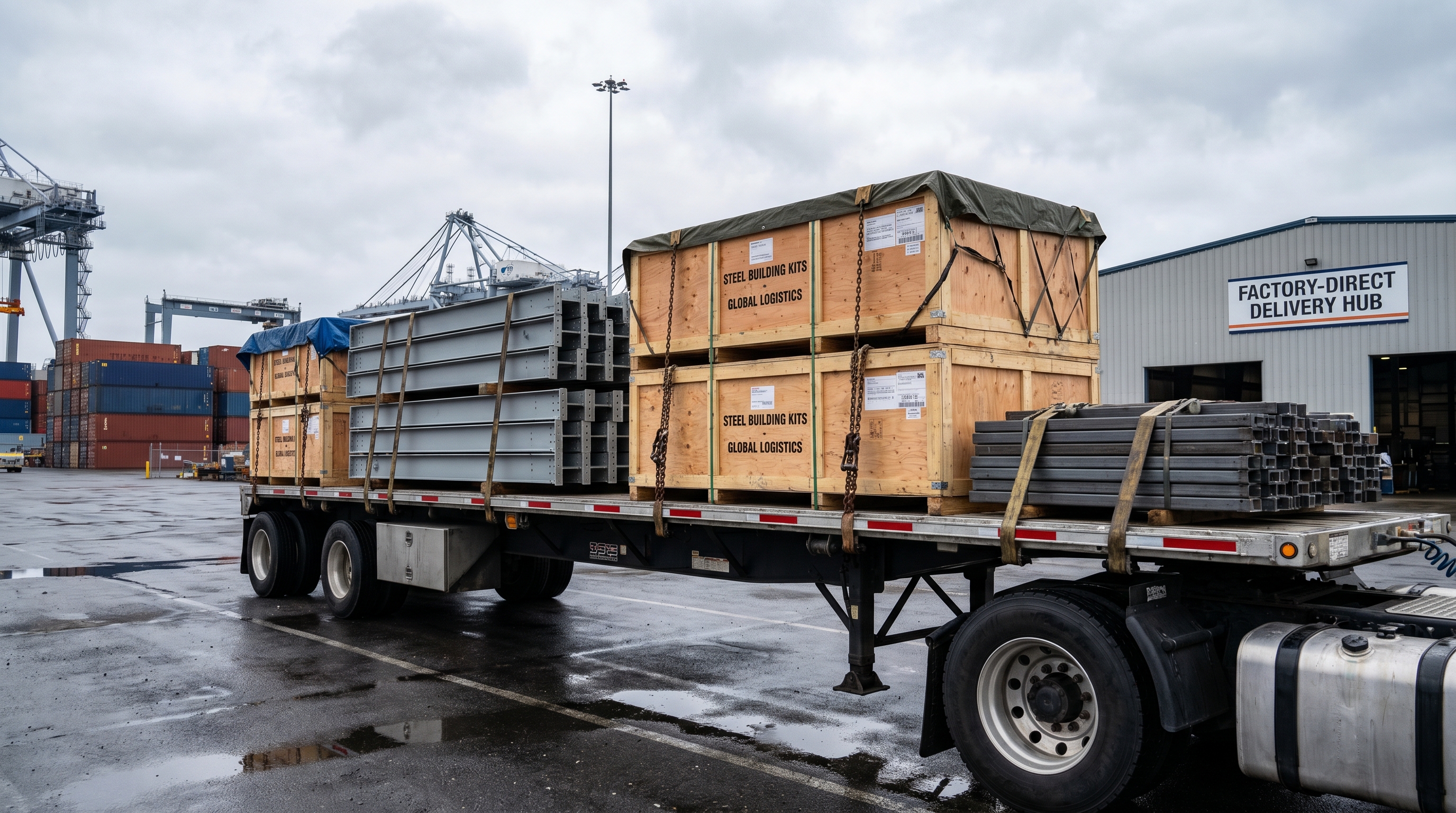
Shipping logistics directly dictate your gym’s assembly timeline because coordinated ocean freight and domestic transport keep your project running without costly on-site delays. Managing shipping details efficiently is a crucial step in controlling the cost of building a gym from initial design to final erection. Selecting a manufacturer with deep global export experience guarantees that every column, beam, and bolt arrives securely packed in standard containers.
Container Consolidation and Direct Shipping
Let’s face it:
Importing a custom steel building requires careful packing to ensure that structural members are not scratched, bent, or damaged during long ocean transits. Your steel package must be organized in sequential order to simplify the unloading process.
- Standard 40ft HQ container loading optimization.
- Protective moisture-resistant wrapping for steel parts.
- Numbered, color-coded parts matching detailed packing lists.
Factory-direct containerization ensures that your materials are loaded efficiently to minimize ocean freight expenses. This precise logistics management guarantees that your structure arrives safely without missing hardware components.
Customs Clearance and Domestic Site Delivery
But that is only half the story.
Navigating customs clearance and port regulations requires accurate structural documentation, bills of lading, and engineering certificates. Any mistake in paperwork can hold your building at the port, triggering expensive daily storage fees.
- Certified custom-declared product invoices and origin docs.
- Pre-scheduled flatbed trailer delivery from port to site.
- On-site crane booking to unload structural components.
Coordinating your site excavation schedule with the container’s arrival date prevents your crew from sitting idle. This synchronized logistics timeline ensures that your assembly team can begin bolting the frame together immediately.
Key Takeaway: Seamless container logistics and structured customs planning prevent on-site delays, ensuring your steel building components arrive intact and ready for rapid assembly.
| Logistics Phase | Est. Timeline (Global) | Primary Risk Factor | Mitigation Strategy | |
|---|---|---|---|---|
| Factory Loading | 2 – 4 Days | Parts mislabeling, poor packing | Pre-shipment QC checklist | |
| Ocean Transit | 20 – 35 Days | Port congestion, vessel delays | Advance booking with key lines | |
| Customs Clearance | 3 – 5 Days | Missing certificates, duty issues | Complete pre-stamped Tekla docs |
This logistics timeline demonstrates that working with a globally certified manufacturer is key to bypassing costly customs delays and protecting your project schedule.
Why Do Portal Frames Offer Superior Safety for Sports Venues?
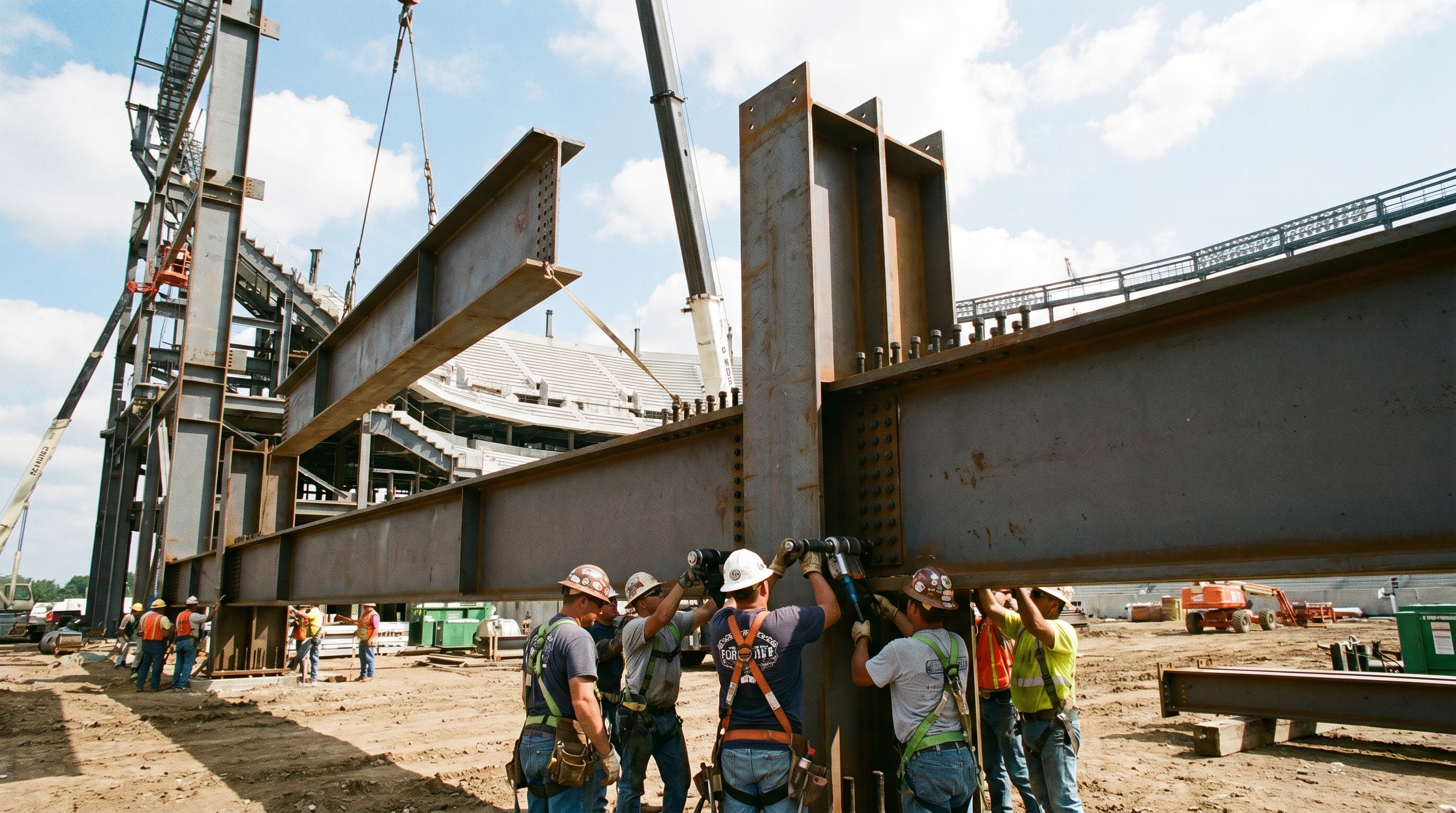
Pre-engineered steel portal frames offer unmatched structural safety because they use ductile Q355B steel that naturally absorbs extreme seismic and wind forces without fracturing. Prioritizing a portal frame design reduces the structural cost of building a gym while meeting the strict public safety codes required for athletic venues. These rigid frames distribute mechanical loads evenly down to your concrete foundation.
Ductile Materials and Seismic Energy Absorption
Here is the bottom line:
High-occupancy public sports venues must be engineered to survive sudden, high-intensity natural disasters like earthquakes. Unlike brittle concrete columns, ductile structural steel frames are engineered to bend slightly without collapsing.
- High-yield Q355B structural steel columns and rafters.
- Moment-resisting frame connections for lateral stability.
- Cross-bracing tie rods to prevent structural twisting.
This natural flexing capability prevents immediate catastrophic structural failure and saves lives during severe ground movement. Investing in this structural safety is essential for protecting both your business assets and your active membership.
Withstanding Extreme Wind and Snow Pressures
Make no mistake:
Coastal locations and cold mountainous regions face extreme wind shear and heavy winter snow accumulation that place massive stress on your roof. A poorly engineered roof truss can easily buckle under the weight of unbalanced snow drifts.
- Wind load engineering up to 150 km/h for coastal zones.
- Reinforced secondary roof purlins and rafter sections.
- Corrosion-resistant galvanized framing components.
Working with an experienced engineering team ensures your steel portal frame is designed to handle your exact local climate loads. This tailored engineering guarantees long-term structural durability and peace of mind.
Key Takeaway: Structural portal frames engineered with high-strength Q355B steel guarantee immediate safety during severe storms and earthquakes while maintaining massive open floor spaces.
| Environmental Threat | Engineering Standard | Structural Defense | Safety Margin | |
|---|---|---|---|---|
| Seismic Ground Shift | AISC Seismic Design Manual | Moment-resistant framing connections | 200% Safety Factor | |
| Hurricane Winds | ASCE 7 Wind Load Standards | High-yield Q355B steel H-beams | Up to 150 km/h winds | |
| Heavy Winter Snow | Local Snow Load Codes | Dense galvanized Z-purlin layout | High vertical load rating |
This engineering analysis shows that portal frame structural fabrication is the safest and most resilient structural system for large-scale sports venues.
Should You Build Your Gym with Concrete or Steel Kits?
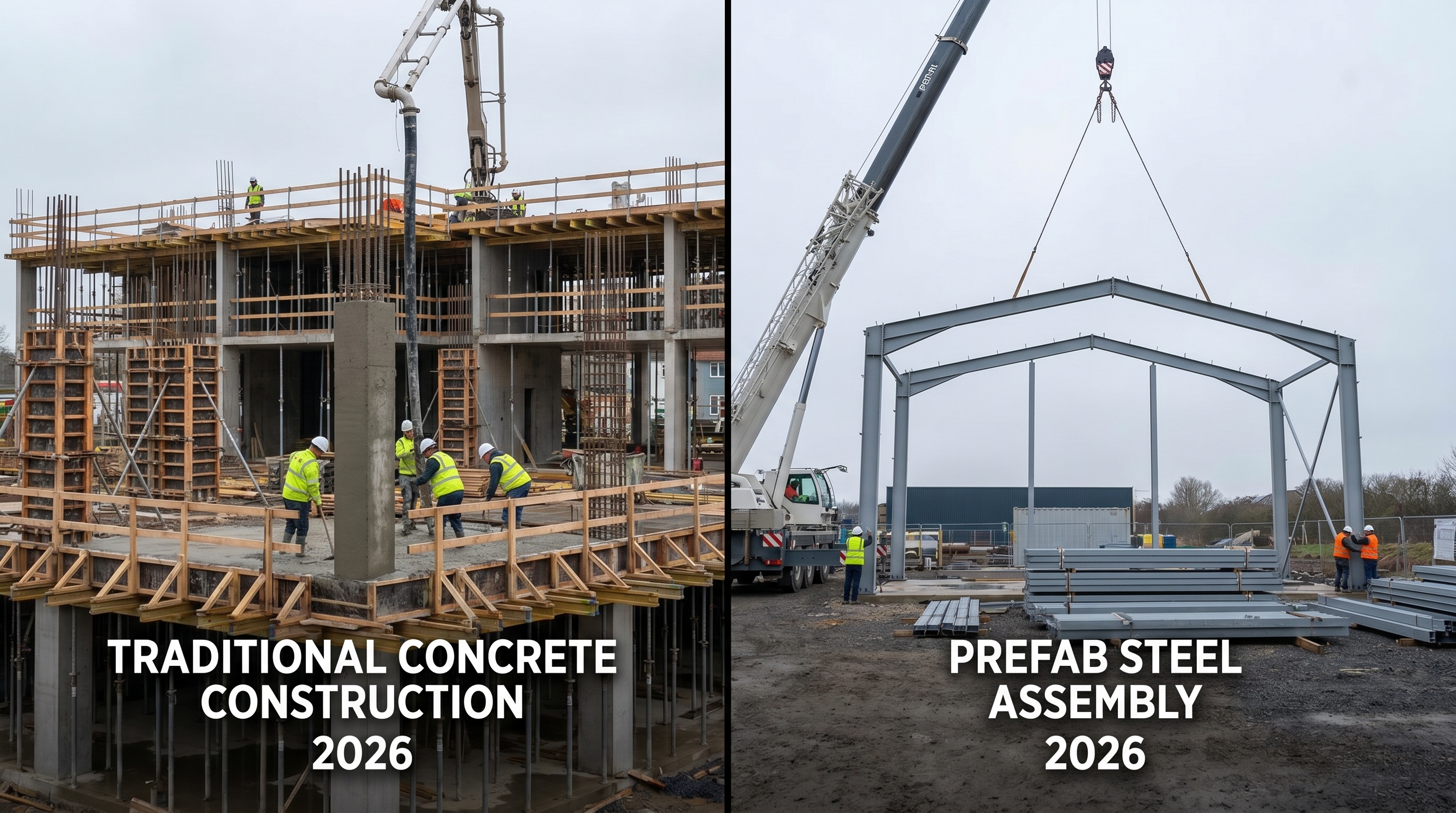
Building your fitness center with a prefabricated steel kit is substantially cheaper, faster, and more versatile than using traditional concrete blocks. Evaluating these construction methods reveals that structural steel minimizes the initial cost of building a gym while providing superior spatial layout flexibility. Steel components bolt together quickly on-site, cutting labor requirements and eliminating weather-related curing delays.
Speed of Assembly and Drastic Labor Savings
Think about it:
Traditional brick-and-mortar construction relies heavily on expensive, highly specialized on-site labor like masons, concrete mixers, and plasterers. These trades are notoriously slow, and cold or wet weather can halt construction for weeks.
- Pre-engineered bolt-together steel frame assembly.
- No wet concrete curing times required for the structural frame.
- Reduced on-site contractor headcount and equipment rental.
A prefabricated steel gym kit can be erected in a fraction of the time by a small local assembly crew. This rapid assembly allows you to begin interior mechanical installations months ahead of traditional construction schedules.
Future Demolition and Reuse Material Value
Here is the kicker:
If your business goals shift or you decide to relocate your gym in the future, traditional concrete buildings are incredibly expensive to demolish. Concrete rubble has absolutely zero salvage value and must be dumped in commercial landfills.
- High scrap value for recyclable structural steel beams.
- Bolt-together components that can be disassembled and relocated.
- Environmentally friendly green building material points.
A steel building is a highly valuable, eco-friendly asset that can be completely recycled or repurposed for other commercial uses. This material value adds an extra layer of financial security to your long-term business asset plan.
Key Takeaway: Prefabricated steel kits outperform concrete in construction speed, site labor cost, and long-term material residual value.
| Construction Criteria | Traditional Wet Concrete | Prefabricated Steel Kit | Strategic Advantage | |
|---|---|---|---|---|
| Erection Timeline | 4 – 8 Months (Slow, weather-dependent) | 4 – 8 Weeks (Fast, pre-drilled parts) | Shaves months off project | |
| On-Site Labor | High cost (multiple specialized trades) | Low cost (bolted assembly crew) | Cuts labor overhead by 50% | |
| Design Adaptability | Extremely difficult (load-bearing walls) | Very simple (modular frame expansion) | Supports future growth |
This performance matrix demonstrates why modern fitness center developers prefer prefabricated steel kits over traditional concrete construction to optimize early-stage cash flow.
How Can a Custom Steel Mezzanine Double Your Gym’s Area?
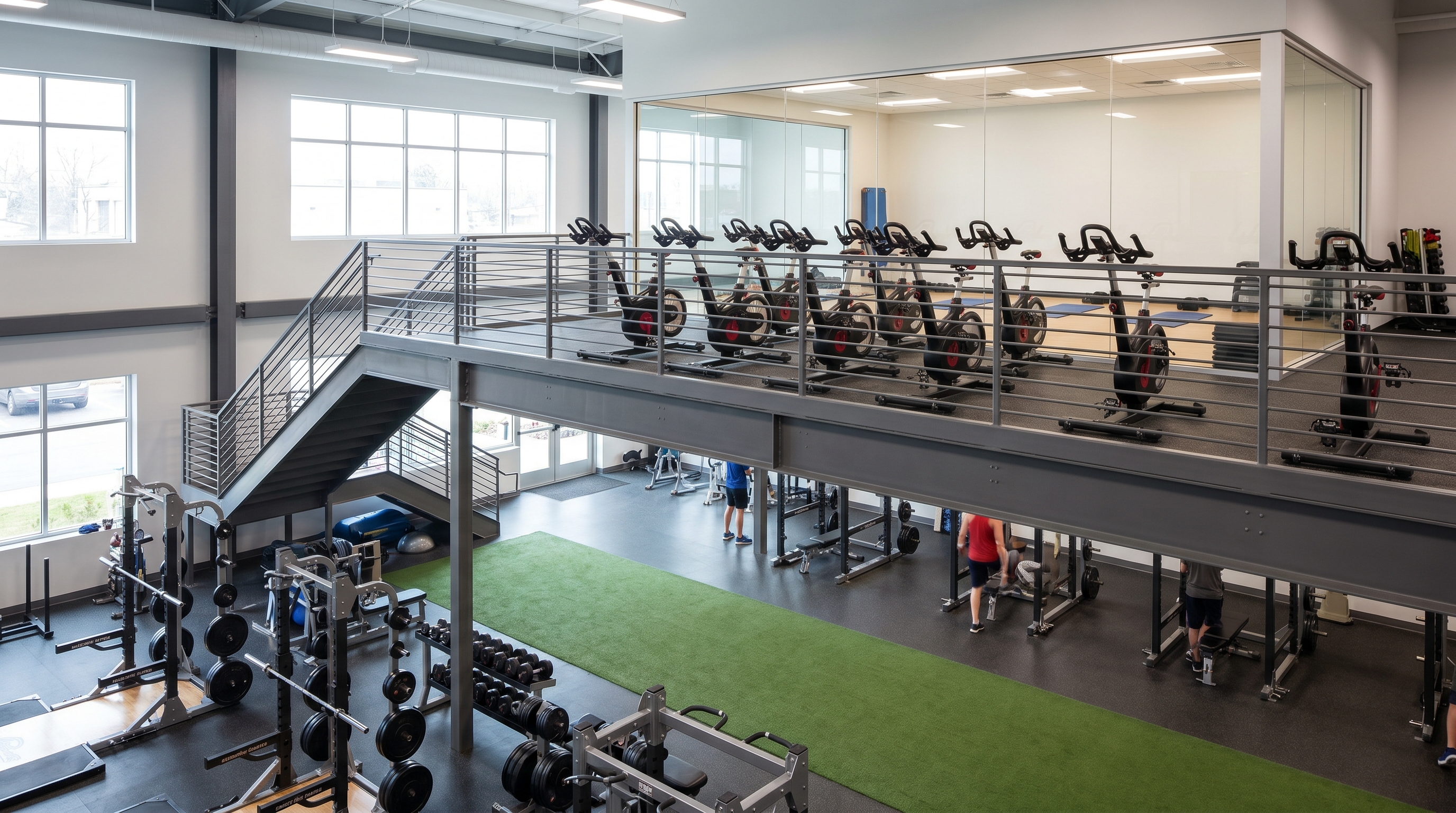
A custom steel mezzanine floor can double your gym’s usable training area by utilizing your vertical space without expanding your building’s concrete foundation footprint. Integrating a mezzanine level reduces your effective structural cost of building a gym per square foot, making it an exceptionally smart architectural choice. These elevated platforms are perfect for placing specialized fitness zones, spin studios, or administrative offices.
Adding Dedicated Yoga and Cycling Zones
Keep this in mind:
Group classes like yoga, pilates, and spin require acoustic isolation from the loud, heavy free-weight dropping on the main floor. Placing these specialized studios on an elevated steel mezzanine creates a premium, private feel for your students.
- Acoustically isolated group fitness rooms.
- Elevated cardio rows overlooking the main gym floor.
- Private consultation offices and member treatment rooms.
This vertical separation allows you to run multiple high-energy classes simultaneously without sound or space interference. This operational versatility increases your daily member throughput and boosts your monthly recurring revenue.
Heavy Duty Load Ratings and Structural Safety
But that is only half the story.
A commercial gym mezzanine must be engineered to handle heavy human traffic and active, bouncing group exercise classes safely. You cannot use flimsy residential materials; you require heavy hot-rolled steel H-beams to support the floor decking.
- Minimum commercial live load rating of 5.0 kN/m².
- Rigid steel column supports tied directly to the main frame.
- High-durability concrete-filled steel decking or solid timber.
Working with an experienced structural design team ensures your elevated platform is completely safe, stable, and wobble-free. This structural integrity guarantees a safe, professional training environment that complies with all commercial safety codes.
Key Takeaway: Utilizing high-strength steel mezzanines doubles your gym’s training area, allowing you to run diverse classes simultaneously and maximize revenue per square foot.
| Mezzanine Component | Standard Specification | Live Load Capacity | Primary Purpose | |
|---|---|---|---|---|
| Support Columns | Hot-rolled Q235B steel H-sections | High compression resistance | Carries vertical mezzanine loads | |
| Decking System | Galvanized steel profile decking sheet | Smooth, uniform load distribution | Floor base for concrete pour | |
| Safety Handrails | 1.1m high structural steel safety guard | Up to 1.0 kN/m lateral force | Protects elevated occupants |
This engineering breakdown demonstrates that a custom steel mezzanine is the most economical way to expand your workout space without paying for costly ground-level land extensions.
Conclusion
Building your own commercial gym is a highly rewarding investment that turns an ongoing rental expense into a tangible, appreciating real estate asset. By opting for a custom-designed, pre-engineered steel structure instead of traditional masonry, you gain complete control over your initial CapEx and future operational layout.
Sourcing your structural frame factory-direct eliminates expensive middleman markups while ensuring total compliance with your local building codes. If you are ready to take full control of your business future, optimize your project capital, and build a lasting athletic asset, contact us today to receive a customized structural feasibility study and comprehensive fabrication quote.
GET A CUSTOM STEEL GYM BUILDING FABRICATION QUOTE
Email:sales@showhoo.com.cn
Phone/WhatsApp:+86 186 7895 5927
FAQ
- Can I design a custom mezzanine floor inside my steel gym structure?
Yes. Structural steel framing easily supports interior mezzanine floors. These are engineered using primary load-bearing H-columns and secondary steel decking. They are perfect for placing spinning studios, administrative offices, or viewing galleries above your main workout floor. This can double your usable square footage without increasing your foundation footprint.
- What’s the best way to prevent echo and high noise levels in a steel gym building?
The most effective approach is to specify thick rockwool sandwich panels for your wall and roof cladding. Rockwool has excellent acoustic absorption values compared to standard metal sheets. Additionally, installing acoustic ceiling baffles, rubberized gym flooring, and acoustic wall panels will easily handle sound reverberation.
- How do I know if my local building codes allow prefabricated steel buildings?
Most commercial zones globally accept prefabricated steel structures, as they are engineered to meet or exceed international building codes. To guarantee local approval, work with a fabricator who designs your frame to local environmental loads and provides stamped structural calculations for your local building department.
- Can I expand my gym facility easily if my membership grows?
Yes. One of the primary advantages of steel portal frame structures is their modularity. If you need to expand in the future, your contractor can easily bolt additional framing spans onto the existing endwall frame. This allows you to expand your facility with minimal disruption and lower costs.
- What’s the best foundation type for a commercial clear-span gym?
The most common and cost-effective foundation for a commercial steel gym is a reinforced concrete slab-on-grade with perimeter grade beams. This design handles the localized column point loads while giving you a perfectly flat, durable surface to install specialized rubber gym flooring.