
Creating a good home for pigs requires a balance between durable structural engineering and animal-centered design that prioritizes safety and comfort. Many owners struggle with wooden structures that rot, harbor bacteria, or fail to withstand the strength of large animals. This leads to constant maintenance stress and potential health risks for your residents. Investing in professional hog housing through Showhoo Building provides the foundational strength necessary to create a thriving, permanent environment for your animals.
How much space is required for indoor hog housing?
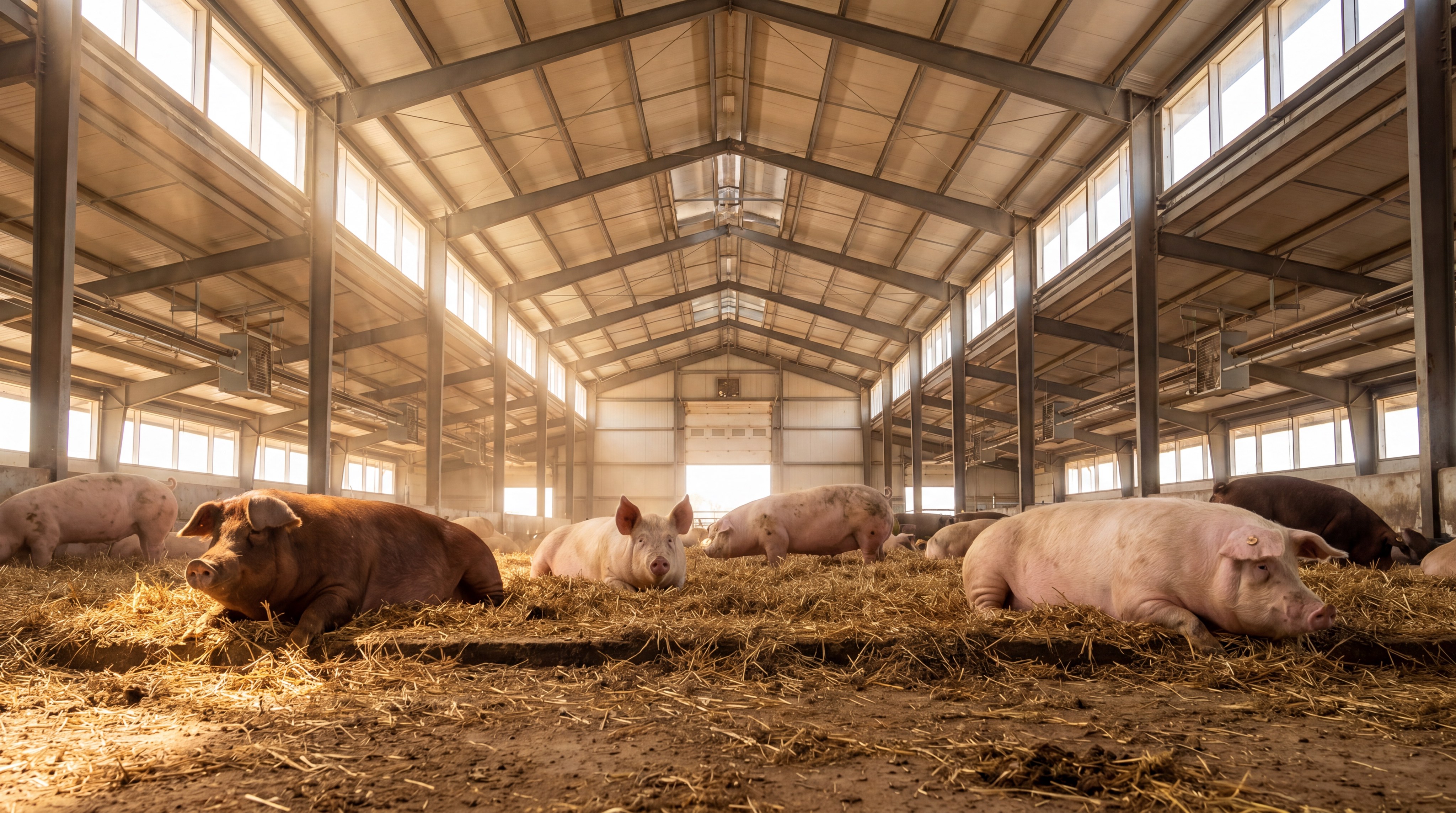
Large breed pigs typically require at least 100 square feet of indoor space per resident to ensure physical comfort and healthy social dynamics. Proper spatial planning for your hog housing prevents territorial disputes and allows for natural movement. You must consider that mini-pigs also need significant room, often requiring over 65 square feet per individual.
What are the minimum spatial standards?
You should always aim to exceed the minimum requirements to foster a stress-free environment.
Think about it.
- Large Breeds: 100-150 square feet.
- Mini-Pigs: 65-100 square feet.
- Nursing Sows: 120-180 square feet.
Key Takeaway: Designing for the maximum potential size of your residents ensures long-term comfort and safety within the facility.
| Pig Type | Minimum Space (Sq Ft) | Recommended Space (Sq Ft) | |
|---|---|---|---|
| Mini-Pig | 65 | 100+ | |
| Large Breed | 100 | 150+ | |
| Nursing Sow | 120 | 180+ |
Generous spacing directly reduces behavioral aggression and improves the overall quality of life for the herd.
How to regulate temperature in steel hog housing?
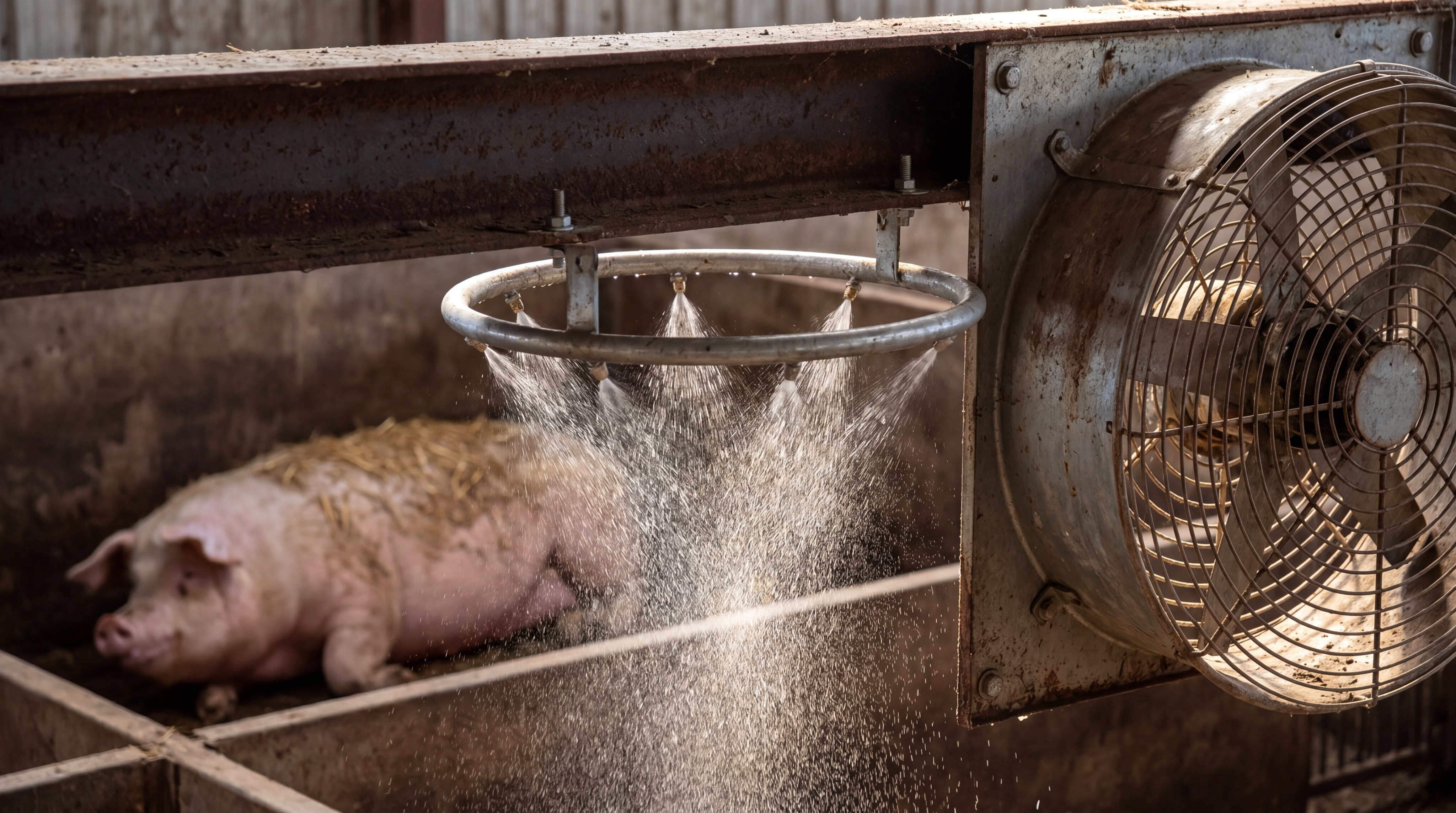
You can regulate temperature in steel buildings by integrating advanced insulation, industrial fans, and evaporative cooling systems. Since pigs do not sweat, they are highly vulnerable to heatstroke in poorly managed hog housing . Utilizing high-quality steel structures allows you to maintain a steady, life-saving environment year-round.
Managing heat stress effectively
You must prioritize cooling solutions as temperatures rise to prevent respiratory distress.
Here is the kicker.
- Industrial fans for constant airflow.
- Evaporative misters to lower ambient temperature.
- High-R value insulation in the roof and walls.
Key Takeaway: Pigs rely on environmental management to survive extreme heat, making industrial cooling systems a necessity.
| Cooling Method | Benefit | Ideal Condition | |
|---|---|---|---|
| Misting Systems | Rapid skin cooling | High dry heat | |
| Industrial Fans | Air exchange | Humid weather | |
| Roof Insulation | Radiant heat barrier | Peak summer sun |
Active thermal regulation is the most critical factor in preventing heat-related fatalities during summer months.
Unlock Your Structural Design Plan
Email:sales@showhoo.com.cn
Phone/WhatsApp:+86 186 7895 5927
Why is ventilation critical for healthy hog housing?
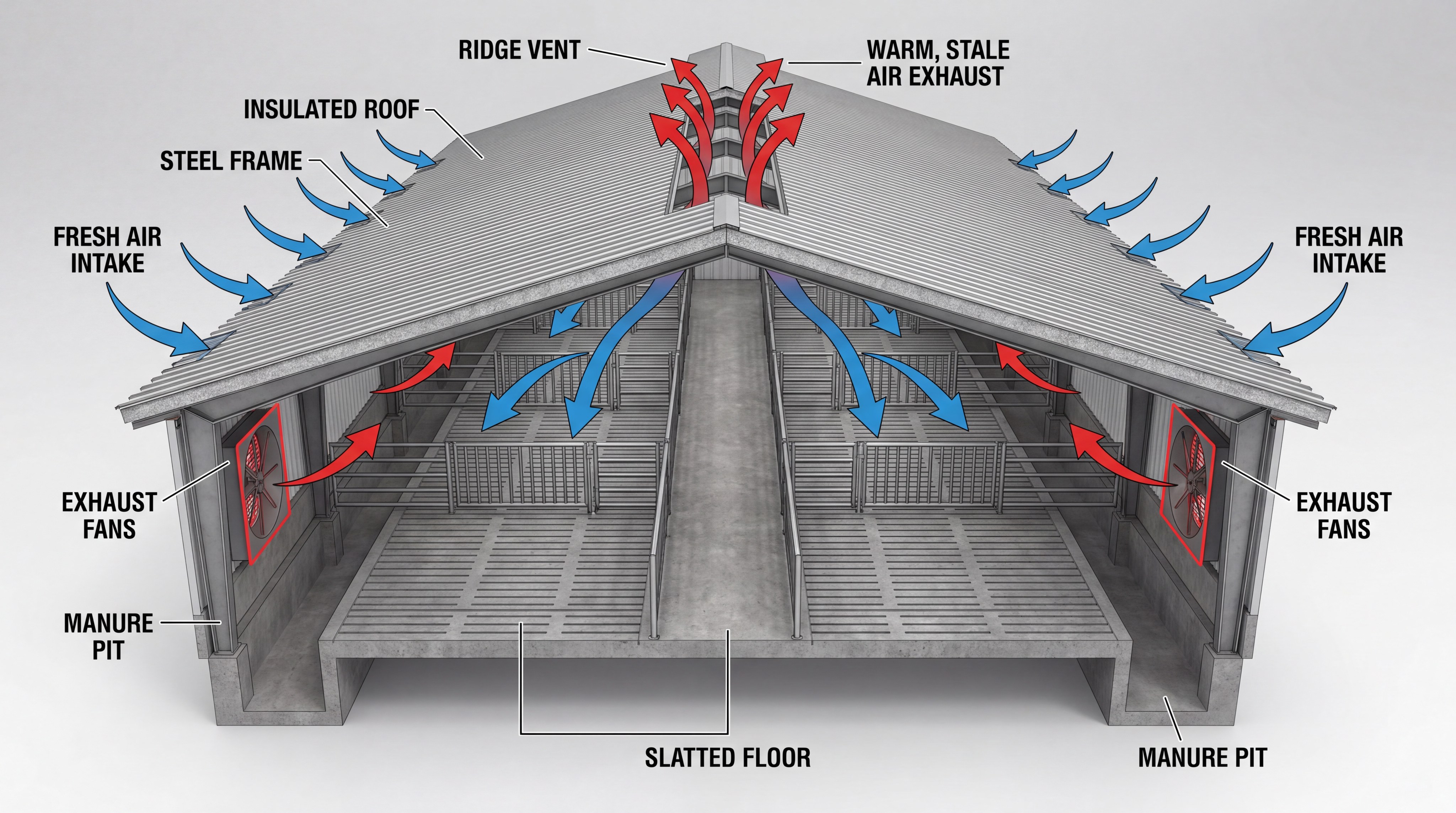
Ventilation is critical because it prevents the buildup of toxic ammonia levels that cause permanent respiratory damage to your pigs. A well-engineered hog housing facility must facilitate a constant exchange of air without creating chilling drafts. Without these systems, moisture and waste gases quickly accumulate to dangerous levels.
How to prevent ammonia buildup?
You should monitor air quality daily to ensure your residents are breathing fresh, clean air.
But that’s not all.
- Central ridge vents for natural rising air escape.
- Eave intakes for fresh air entry.
- Industrial exhaust fans for forced air exchange.
Key Takeaway: Consistent airflow management is the best defense against pneumonia and other common respiratory illnesses.
| Sign | Air Quality Status | Required Action | |
|---|---|---|---|
| Wall Condensation | Poor Ventilation | Increase fan speed | |
| Strong Odor | Dangerous Levels | Immediate cleaning/airflow | |
| Huddling Pigs | Drafty Environment | Adjust intake vents |
Maintaining a balance between air exchange and warmth ensures respiratory health during the coldest months.
What bedding materials work best for hog housing?
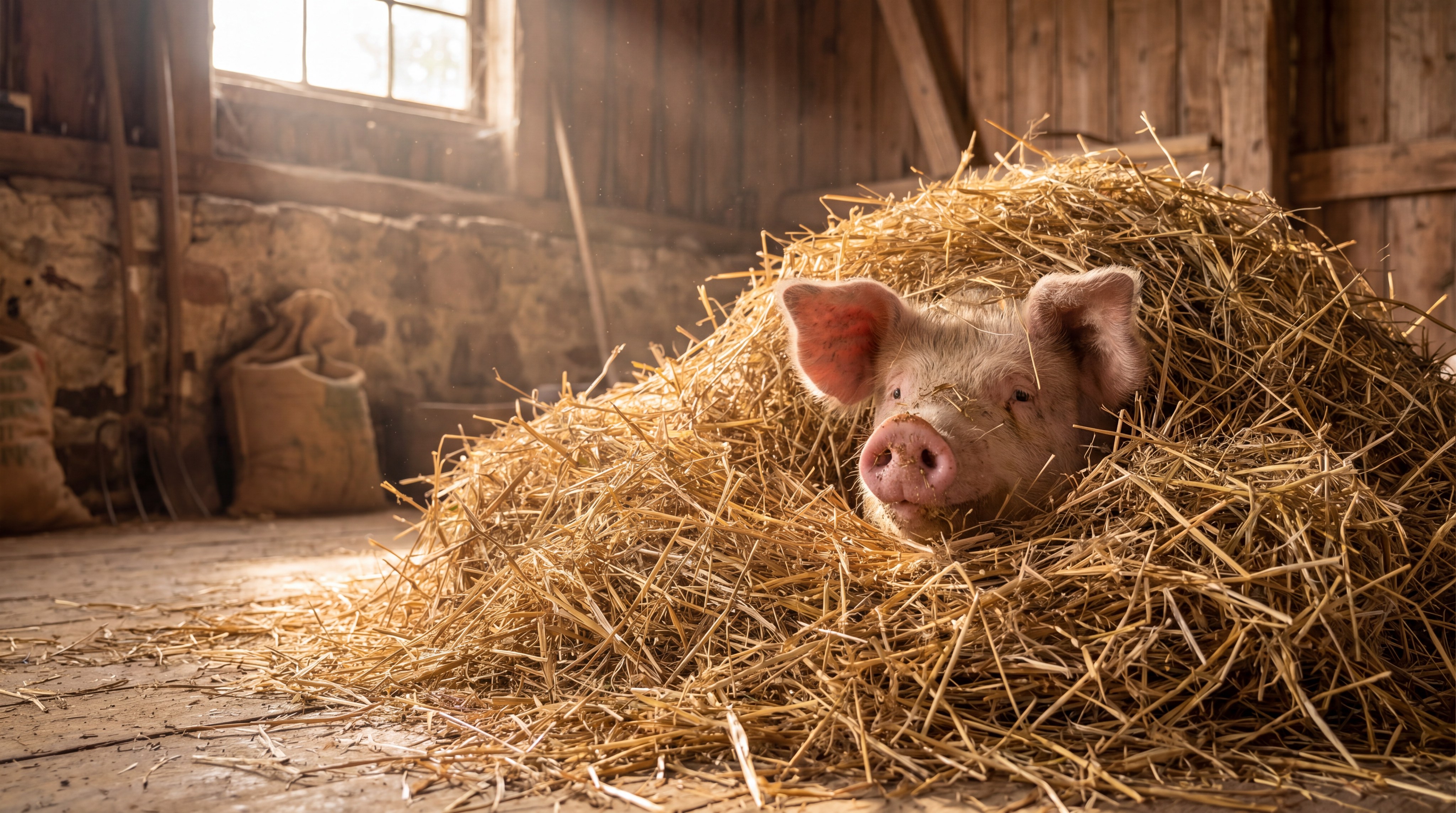
Long-fibered straw is the ideal bedding material because it supports natural nesting behaviors and provides excellent thermal insulation. Choosing the right substrate for your hog housing affects everything from joint health to daily maintenance ease. You should select materials that are dust-free and highly absorbent to protect both pigs and caregivers.
Why is nesting behavior important?
You can improve your residents’ mental well-being by providing deep bedding for burrowing.
Think about this.
- Straw: Best for warmth and nesting.
- Sand: Ideal for pigs with joint issues.
- Wood Shavings: High absorbency for waste areas.
Key Takeaway: The floor-to-bedding interface is the most used part of your structure and dictates joint longevity.
| Bedding Material | Primary Benefit | Best Use Case | |
|---|---|---|---|
| Straw | Thermal insulation | Winter nesting | |
| Sand | Joint cushioning | Elderly pig care | |
| Wood Shavings | Moisture control | Urination zones |
Providing specialized bedding zones allows pigs to choose the most comfortable environment for their current needs.
How to maintain hygiene in prefab hog housing?
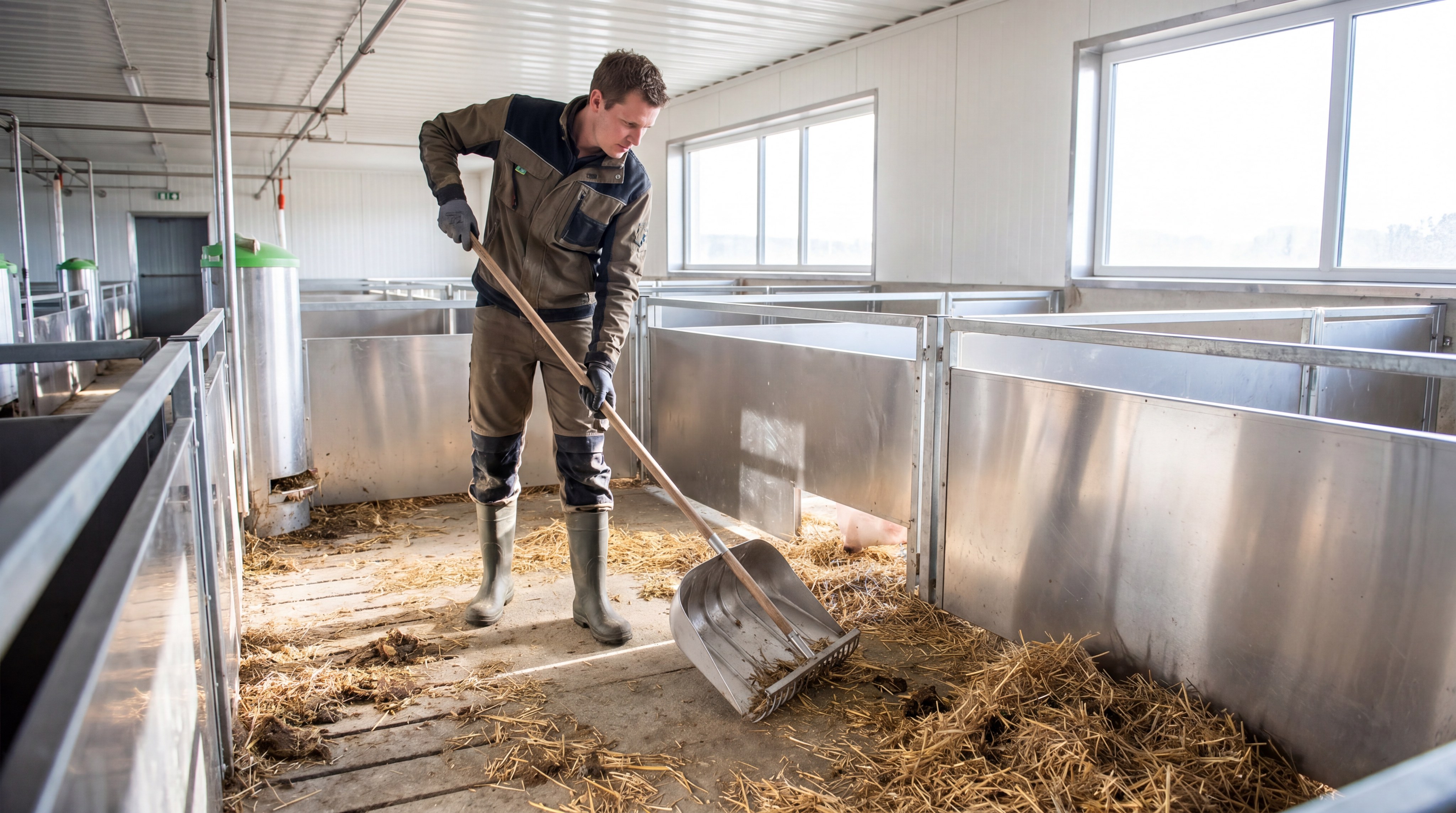
Maintaining hygiene requires a daily routine of spot-cleaning and regular full-building disinfections to prevent disease outbreaks. Prefabricated hog housing surfaces are less porous than wood, making them significantly easier for you to sanitize. A clean environment is your best defense against parasites and mold growth.
What is the best cleaning routine?
You must establish a rigorous schedule to keep the living space safe for long-term residency.
Listen to this.
- Spot-clean waste areas twice daily.
- Fill in rooting divots in dirt floors.
- Flush wallows to prevent bacterial blooms.
Key Takeaway: Non-porous steel walls and meticulous floor maintenance are essential for high-level bio-security.
| Task | Frequency | Purpose | |
|---|---|---|---|
| Spot Cleaning | Twice Daily | Ammonia reduction | |
| Floor Leveling | Weekly | Injury prevention | |
| Deep Disinfect | Monthly | Pathogen control |
A structured hygiene protocol minimizes the risk of infection and reduces the time you spend on intensive repairs.
Unlock Your Structural Design Plan
Email:sales@showhoo.com.cn
Phone/WhatsApp:+86 186 7895 5927
How to design outdoor access for hog housing?
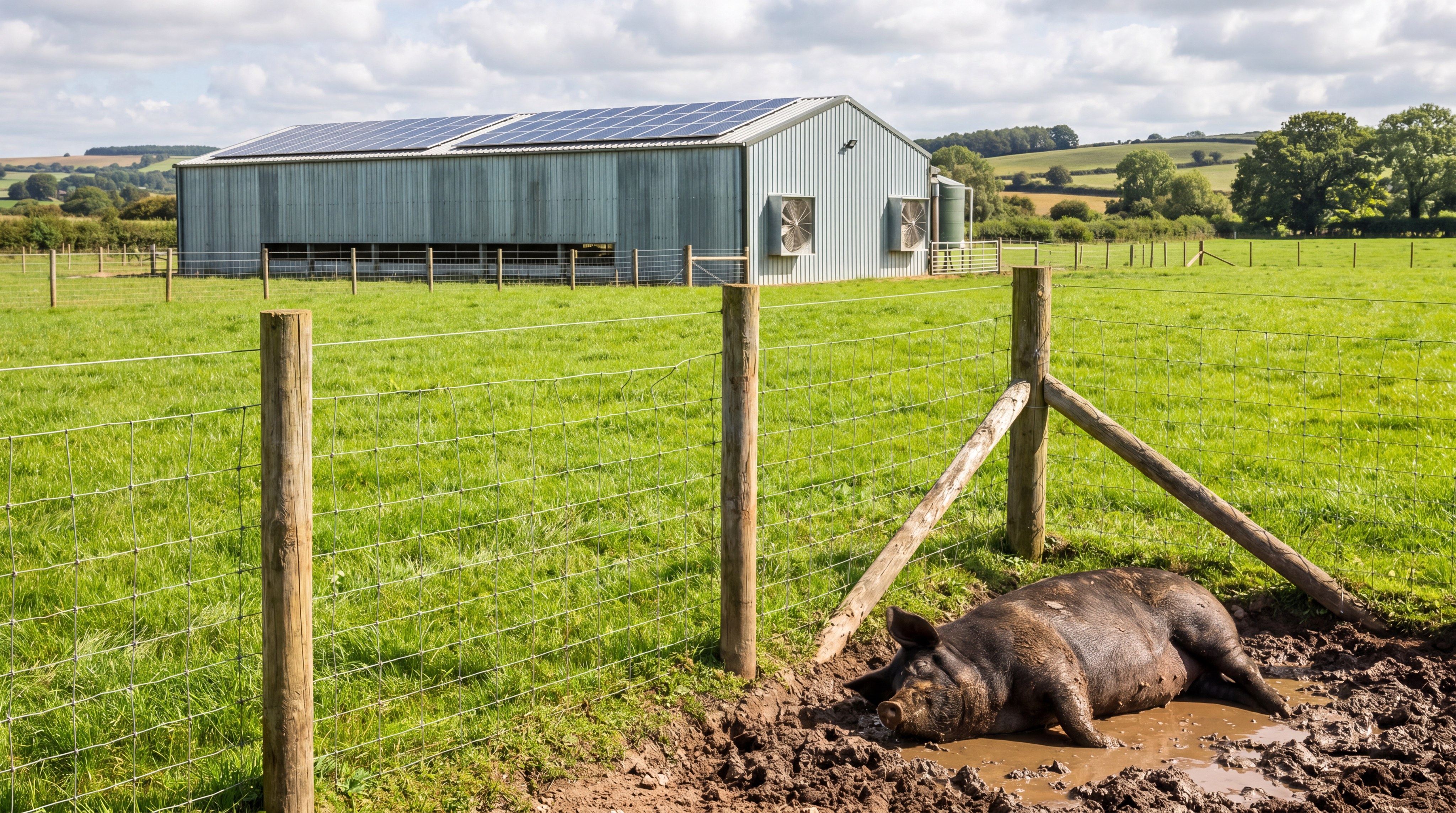
Designing outdoor access involves integrating expansive pastures with indoor shelters to allow for natural foraging and rooting. Successful hog housing designs utilize pasture rotation to prevent the land from becoming a permanent mud pit. You should ensure that outdoor areas offer a mix of terrain to support hoof health and psychological engagement.
What are the pasture benefits?
You will notice a significant reduction in animal stress when they have freedom to explore.
But wait, there’s more.
- Rotation: Allows vegetation to recover.
- Shade: Protects skin from cancer.
- Dry Ground: Prevents “bush foot” infections.
Key Takeaway: Integrated indoor-outdoor designs promote the highest levels of herd health and behavioral freedom.
| Feature | Animal Benefit | Management Need | |
|---|---|---|---|
| Rotational Grazing | Fresh forage access | Multiple fenced zones | |
| Mud Wallows | Natural cooling | Regular water flushing | |
| Shaded Areas | Sun protection | Permanent or temporary huts |
A diverse outdoor environment satisfies the intelligence of pigs while promoting physical activity and weight management.
Is your hog housing secured against predators?
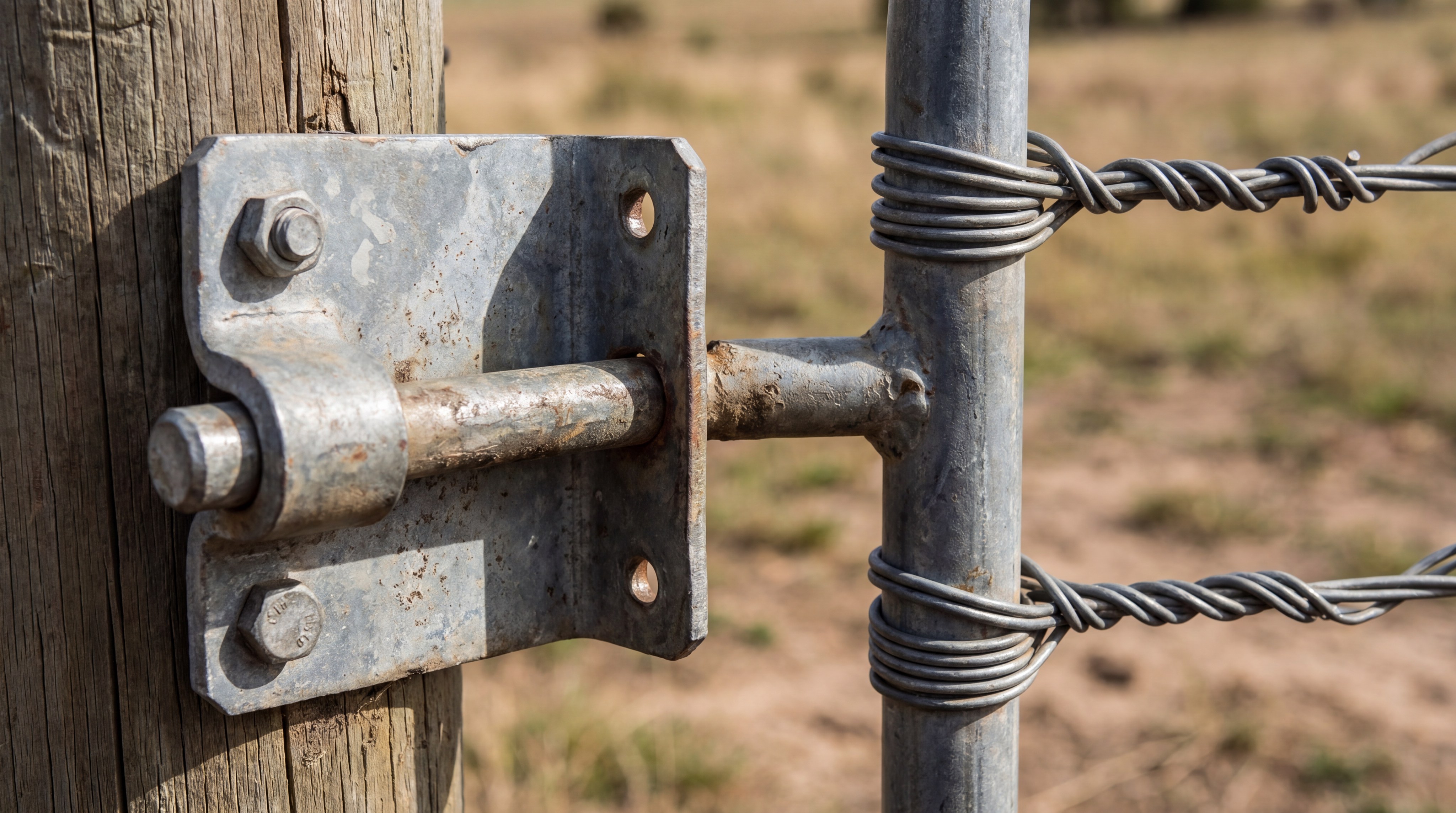
Securing your facility means using heavy-duty fencing and locking latches to keep regional wildlife away from your residents. Your hog housing must be strong enough to keep pigs in while preventing coyotes or stray dogs from entering. While mature pigs are formidable, piglets and smaller breeds are highly susceptible to predator attacks.
What fencing materials are best?
You should invest in woven wire mesh to prevent snouts or tusks from getting caught in the fence.
It gets even better.
- Woven Wire: 2×4 mesh is the safest.
- Bottom Boards: Prevents rooting escapes.
- Heavy-Duty Latches: Secure against clever pigs.
Key Takeaway: Security hardware must be robust enough to withstand both external predators and the strength of the pigs.
| Security Component | Function | Material Requirement | |
|---|---|---|---|
| 2×4 Mesh Fence | Prevents entrapment | Woven galvanized wire | |
| Ground Boards | Stops rooting under | Pressure-treated wood | |
| Locking Latches | Prevents gate opening | Industrial grade steel |
Reliable security infrastructure provides peace of mind and ensures the safety of the most vulnerable herd members.
Unlock Your Structural Design Plan
Email:sales@showhoo.com.cn
Phone/WhatsApp:+86 186 7895 5927
How does hog housing impact social dynamics?
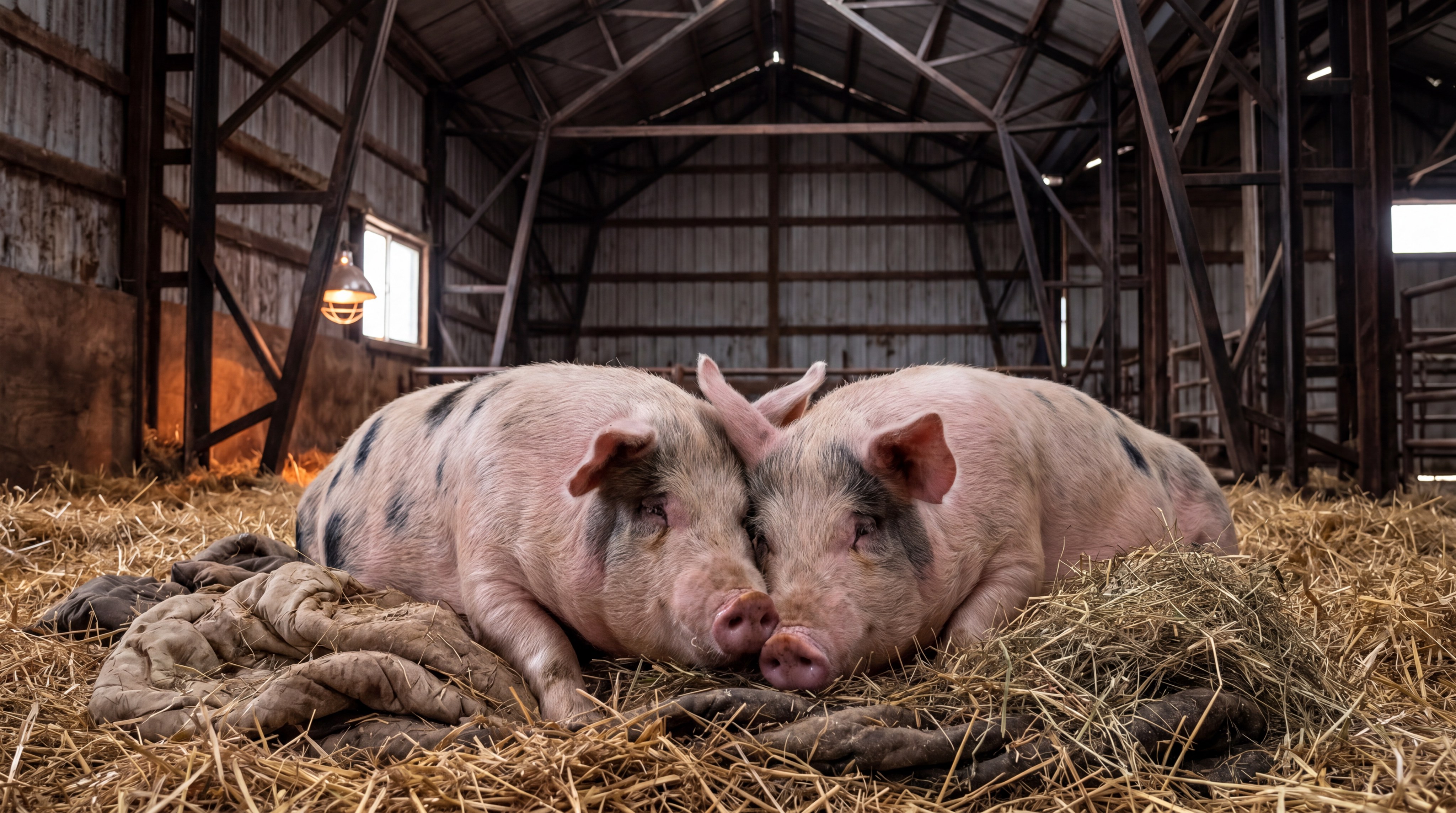
Housing impacts social dynamics by providing enough space and visual breaks to prevent dominant individuals from guarding resources. Our professional hog housing solutions focus on flow-through designs that support natural group hierarchies. You must ensure that doorways are wide enough for two pigs to pass simultaneously to avoid bottlenecks.
Can design foster better agency?
You can empower your residents by offering multiple sleeping huts and choice of companions.
You might be wondering how.
- Wide doorways for safe passage.
- Multiple exits to prevent cornering.
- Scratching posts for grooming needs.
Key Takeaway: Intelligent spatial layout reduces aggression and fosters stronger social bonds within the pig herd.
| Social Feature | Behavioral Impact | Design Requirement | |
|---|---|---|---|
| Multiple Huts | Companion choice | At least 2 structures | |
| Broad Entries | Reduces guarding | 6ft+ width openings | |
| Visual Breaks | Lowers tension | Solid partition walls |
Strategic floor plans allow pigs to manage their own social interactions, leading to a much calmer environment.
Should you build a dedicated hog housing feeding area?
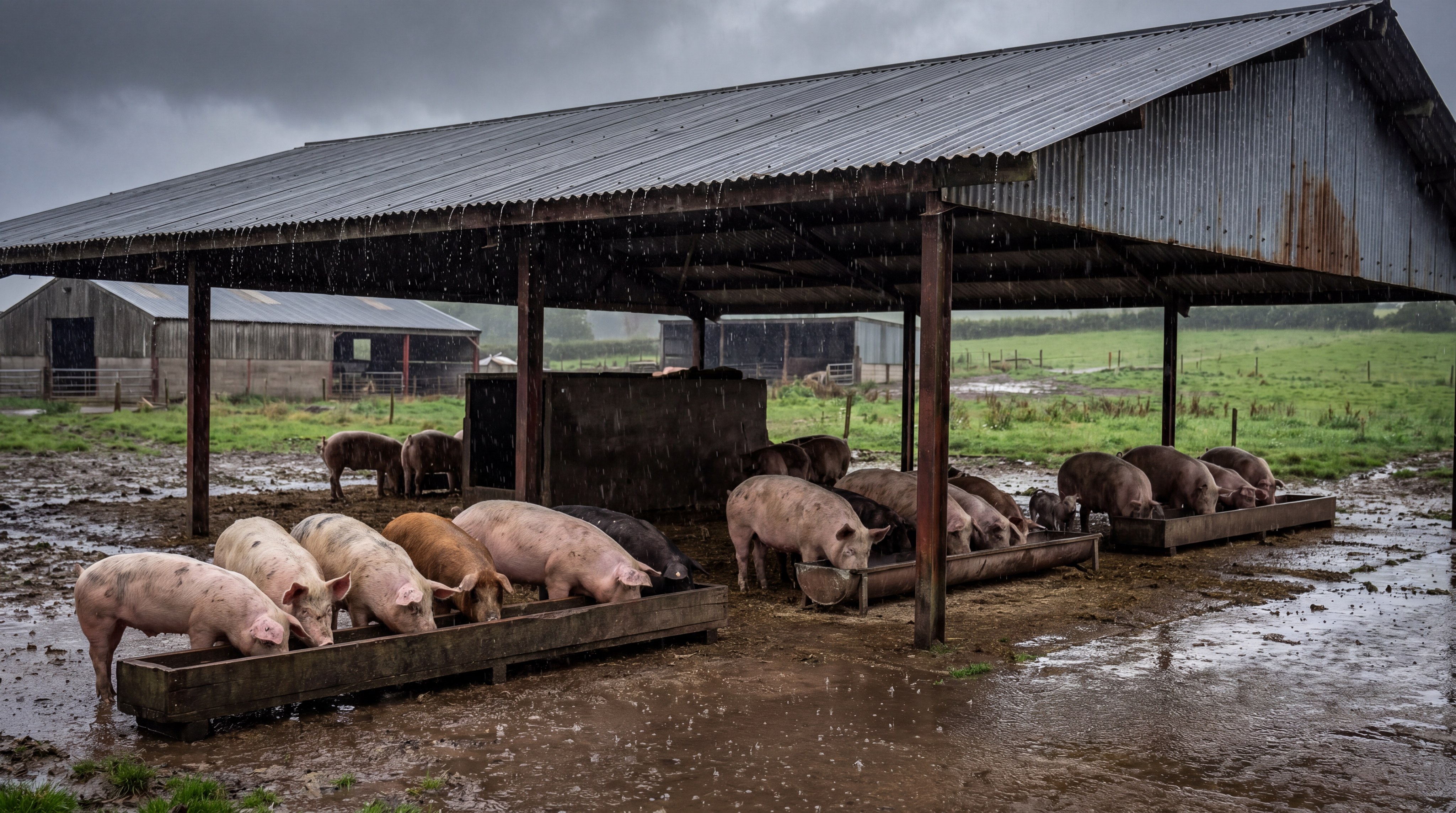
Building a dedicated feeding area is highly recommended to manage individual intake and keep your main hog housing clean. A covered porch or pavilion prevents the “dinner rush” from turning your indoor bedding into a mess of spilled food. You should use a hard-packed or concrete surface in this zone to discourage rodents and make cleanup easier.
Why use a covered porch?
You can monitor every resident’s health more effectively when feeding happens in a structured area.
Here is the kicker.
- Easy Cleanup: Sweeping prevents rodent attraction.
- Meal Management: Prevents obesity in dominant pigs.
- Protection: Keeps food dry during rain.
Key Takeaway: Designated feeding zones improve hygiene and allow for precise nutritional monitoring of each individual.
| Benefit | Impact on Facility | Management Goal | |
|---|---|---|---|
| Concrete Flooring | Easier sanitization | Rodent deterrence | |
| Separate Troughs | Reduced competition | Individual health checks | |
| Roof Overhang | Dry feeding environment | Feed waste reduction |
Separating the feeding zone from the sleeping area is a proven way to maintain high hygiene standards indoors.
Can hog housing design improve long-term health?
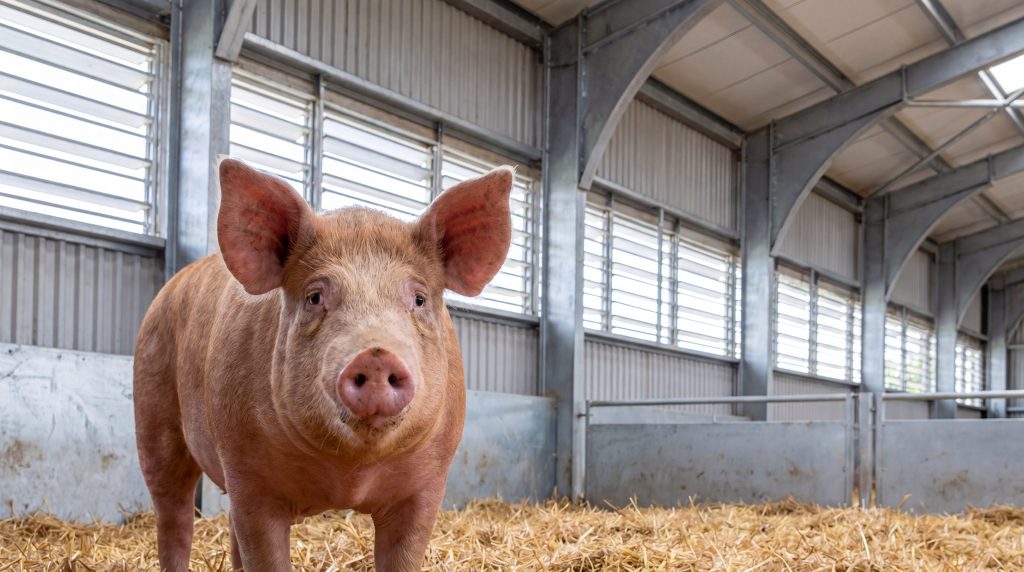
Infrastructure acts as preventative medicine, where slip-resistant flooring and proper drainage eliminate the most common sources of injury. Every design choice in your hog housing either contributes to or detracts from the long-term longevity of the herd. You must prioritize no-threshold entries to prevent hoof cracks and infections.
Preventing chronic health issues?
You should consider the placement of all electrical conduits to keep them out of reach of curious snouts.
Think about it.
- Raised floors for better drainage.
- Conduit protection to prevent fire.
- High ceilings for air volume.
Key Takeaway: Professional-grade construction choices are a direct investment in the lifelong health of your animals.
| Design Feature | Health Benefit | Risk Mitigated | |
|---|---|---|---|
| No-Threshold Entry | Hoof health | Infections/Cracks | |
| Protected Conduit | Fire safety | Electrical chewing | |
| High Air Volume | Respiratory vigor | Ammonia toxicity |
Superior building design reduces veterinary costs and ensures your pigs live a comfortable, disease-free life.
Conclusion
Creating a good home for pigs is a commitment to their lifelong well-being through superior infrastructure and thoughtful design. By prioritizing durable materials, proper ventilation, and ample space, you build more than just a shelter; you build a sanctuary where your animals can truly thrive. At Showhoo Building, we believe that the strength of your facility reflects the strength of your care. Take the first step toward a professional-grade agricultural environment and contact us today to discuss your project needs.
Unlock Your Structural Design Plan
Email:sales@showhoo.com.cn
Phone/WhatsApp:+86 186 7895 5927
FAQ
Can I use concrete floors for my pigs?
It is best to avoid bare concrete as it is hard on joints and hooves, so you should cover it with thick dirt, sand, or textured mats.
What’s the best way to cool pigs in summer?
You should utilize a combination of industrial circulating fans and evaporative misting systems to prevent dangerous heat stress.
Can I build my barn out of wood?
While possible, steel is much better because it is non-porous, easier to disinfect, and can withstand the heavy rubbing and rooting of large pigs.
What is the minimum indoor space for a large pig?
You should provide at least 100 square feet per adult large breed pig to ensure they have enough room for natural social dynamics.
How do I prevent ammonia smells in the barn?
It is essential to install a central ridge vent and high-powered exhaust fans to ensure a constant exchange of fresh air.