
Designing an enclosed chicken house involves integrating structural, ventilation, and automated systems to maximize flock health, biosecurity, and overall profitability. Traditional open-sided poultry farms expose chickens to fluctuating weather, airborne diseases, and wild predators, leading to volatile production rates and massive flock mortalities. Imagine watching your entire poultry farm suffer from sudden temperature spikes or biosecurity breaches that could have easily been prevented. Investing in a high-efficiency Enclosed Chicken House offers total environmental control, absolute biosecurity, and predictable growth cycles for your poultry business.
What is an Enclosed Chicken House blueprint?
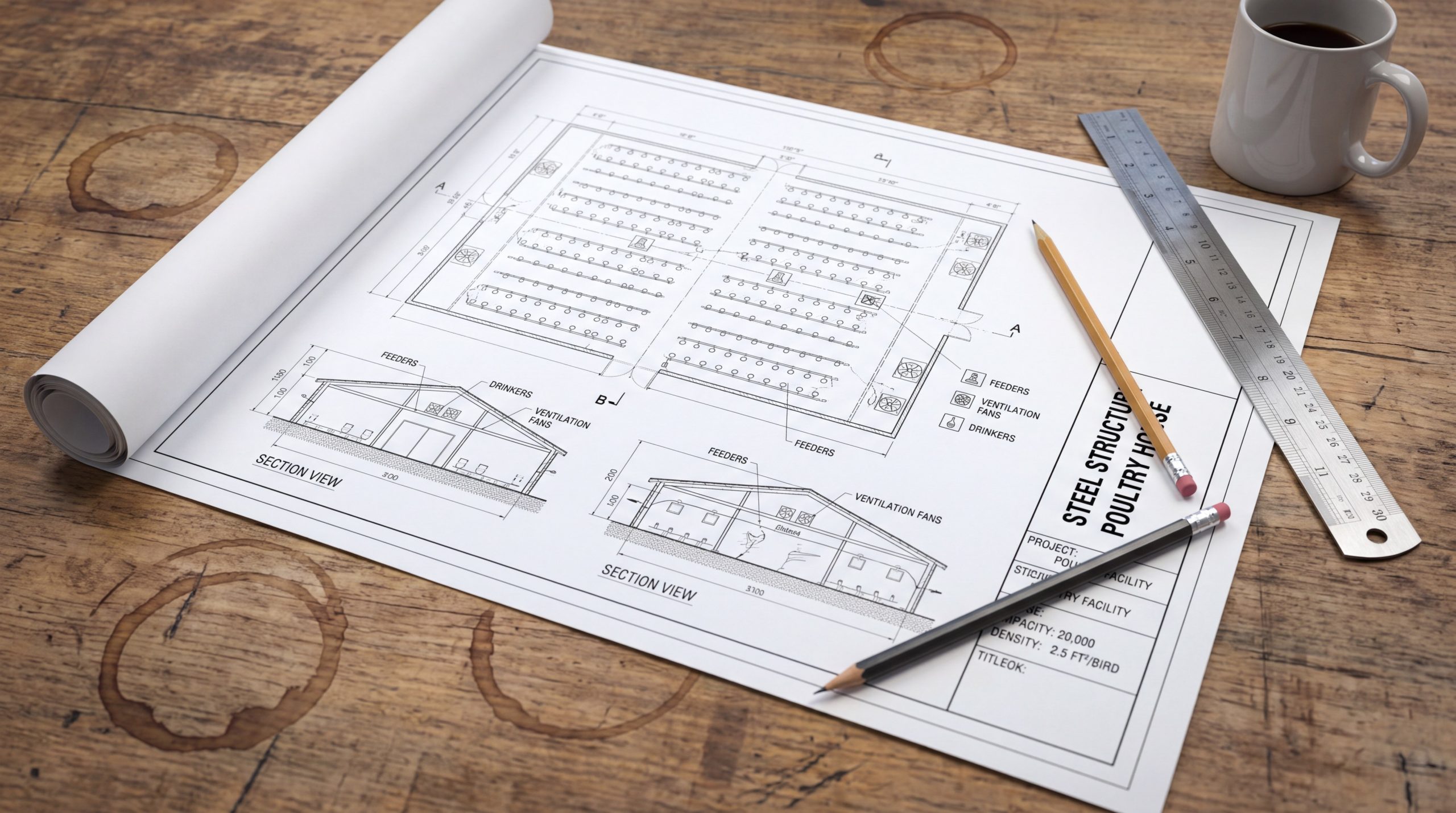
An Enclosed Chicken House blueprint is a precise technical drawing that outlines the structural frame, ventilation routes, and spacing configurations required for high-density modern poultry farming. This foundational document ensures every piece of steel and mechanical equipment fits perfectly to establish an airtight shell. Proper layout planning is essential for balancing operational logistics with animal welfare.
What structural details are in the blueprint?
The blueprint maps out the load-bearing steel frame, purlins, and wall insulation systems. It also details the positioning of major equipment to ensure a stable structure under maximum bird weight. Without these exact specs, steel installation becomes slow and prone to errors.
How is the spacing configured?
Space optimization is crucial for maximizing flock density and movement.
Think about it:
- Broiler floor space allocation per square meter.
- Clear clearance heights for automated feeding lines.
- Safe maintenance walkways and heavy-duty access doors.
Adequate spacing ensures your birds have room to thrive while allowing your staff to work efficiently.
Positioning of ventilation and cooling systems
Blueprints pinpoint exactly where exhaust fans and cooling pads must sit to achieve optimal airflow. This prevents dead zones where toxic ammonia can accumulate and harm your birds. Every component is strategically placed for balanced air distribution.
| Blueprint Section | Key Content | Importance | |
|---|---|---|---|
| Structural Frame | Steel column sizes & purlin spacing | Wind and snow load resistance | |
| Ventilation Layout | Fan locations & cooling pad dimensions | Continuous fresh air circulation | |
| Equipment Map | Feeding, drinking, & lighting routes | Seamless operational automation |
Analyzing the blueprint beforehand ensures all systems integrate seamlessly during the physical build on your site.
Key Takeaway: A detailed technical blueprint is the absolute baseline of your agricultural investment, converting raw spatial planning into a highly optimized, airtight reality.
How does an Enclosed Chicken House compare to others?
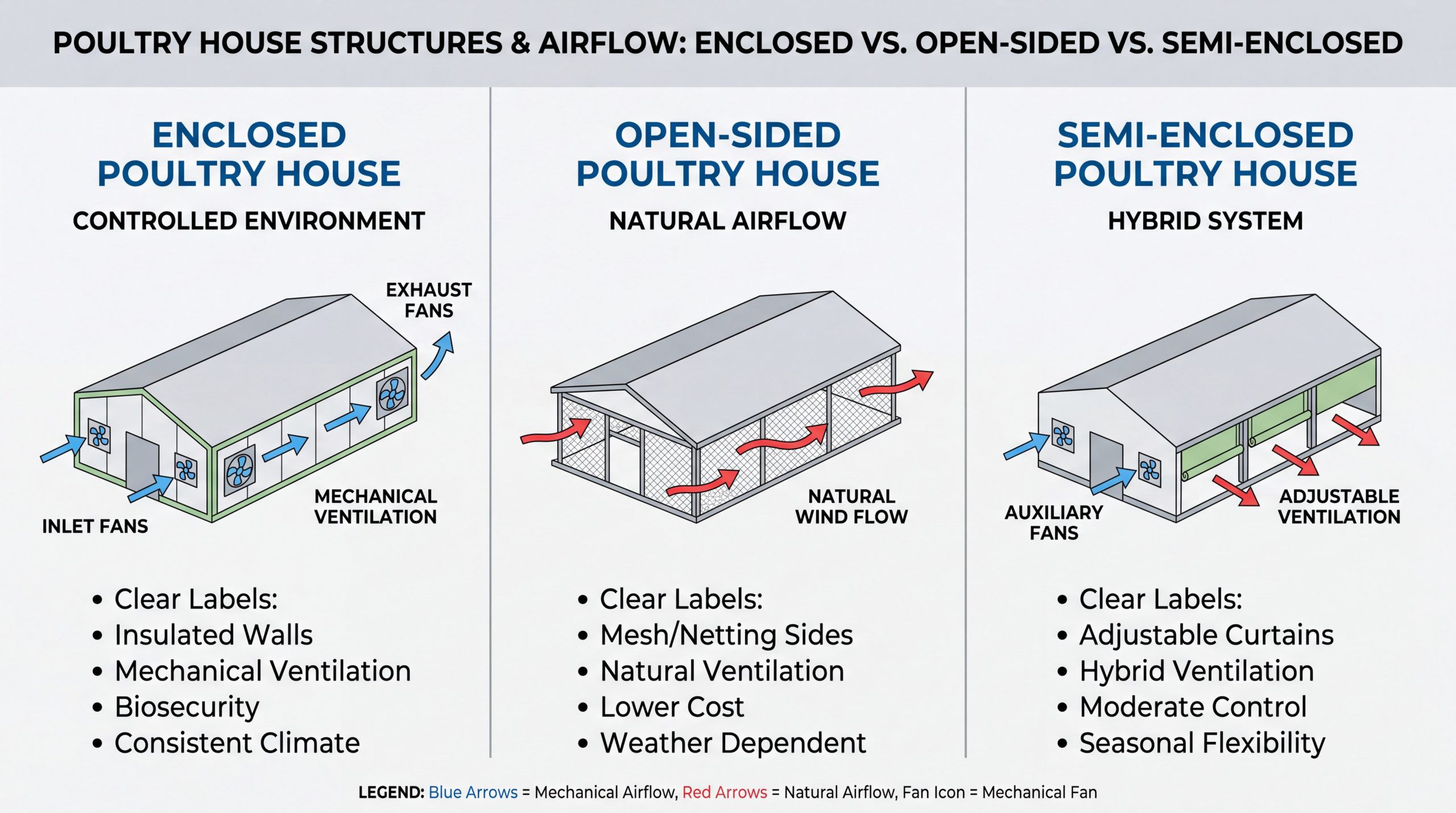
Choosing an Enclosed Chicken House provides superior climate control and biosecurity compared to traditional open-sided or semi-enclosed farming systems. While other structures rely heavily on natural weather, this airtight design relies on mechanical automation to maintain perfect internal conditions. It represents the pinnacle of modern, intensive commercial agriculture.
What makes open-sided structures risky?
Open-sided systems leave birds completely exposed to extreme weather and diseases. A sudden regional heatwave can easily wipe out an entire broiler flock in hours. They also offer zero protection from wild migratory birds carrying highly infectious pathogens.
How do semi-enclosed designs perform?
Semi-enclosed options offer some curtain-based flexibility but still fail during severe winter storms or humid summer peaks. They lack the precise pressure control required for modern commercial yields. Over time, manual adjustment of curtains leads to inconsistent growth cycles.
Why choose complete environmental control?
Full encapsulation ensures constant temperature and humidity levels regardless of external conditions.
Here is the reality:
- Up to 98% flock survival rates under perfect environments.
- Consistent feed conversion ratios all year round.
- Predictable and reliable production cycles for secure supply contracts.
This controlled setting guarantees premium-quality broilers or layers every single batch.
| System Type | Climate Control | Biosecurity Level | Production Reliability | |
|---|---|---|---|---|
| Enclosed House | 100% Automated | Extremely High | Excellent | |
| Semi-Enclosed | Manual / Curtain | Moderate | Medium | |
| Open-Sided | None (Weather Dependent) | Low | Low |
Evaluating different structure types highlights why fully sealed systems have become the global standard for scale.
Key Takeaway: While open and semi-enclosed houses save on initial capital, only a fully enclosed system secures your business from devastating environmental risks.
Build a Smarter Enclosed Chicken House—Get a Quote Today !
Email:sales@showhoo.com.cn
Phone/WhatsApp: + 86 186 7895 5927
Why use steel for an Enclosed Chicken House?
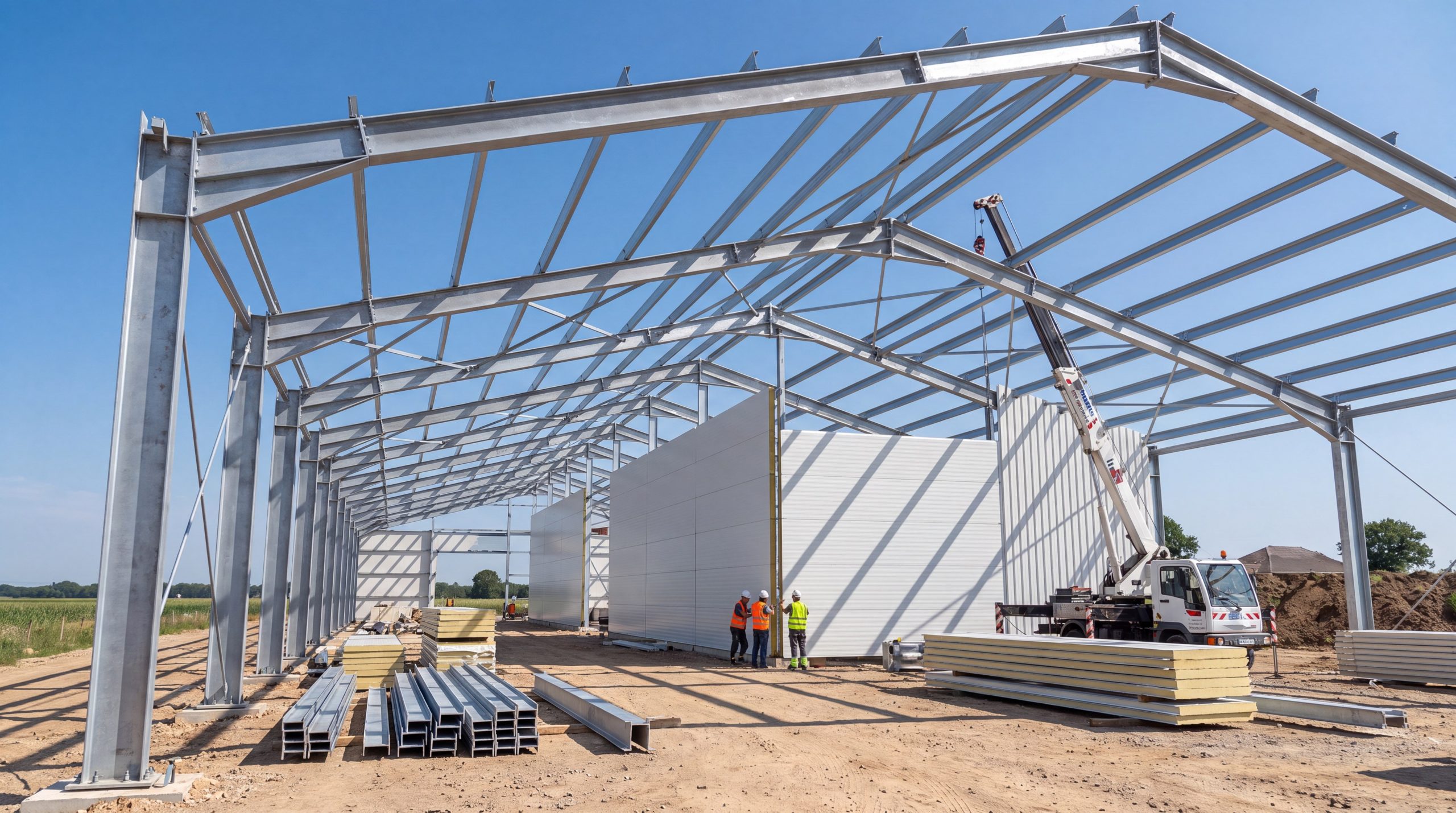
Using structural steel to construct an Enclosed Chicken House guarantees superior structural integrity, rapid assembly, and long-term resistance to harsh agricultural environments. Unlike traditional wood, high-strength galvanized steel does not rot, warp, or harbor dangerous pathogens. It provides a highly durable framing solution that supports massive suspended mechanical equipment.
Is steel more durable than timber?
Steel offers unmatched durability that easily lasts up to 50 years with minimal upkeep. It safely resists severe typhoons, earthquakes, and pest infestations. For long-term agricultural investments, steel provides the lowest lifecycle cost available.
How fast is steel frame construction?
Prefabricated steel components are manufactured off-site and bolted together quickly on your farm.
The best part?
- Drastically reduced local labor costs and overhead.
- Weeks saved on the physical construction timeline.
- Minimal material waste generated on-site during erection.
This rapid turnaround allows you to start stocking birds and earning revenue much sooner.
Why does steel improve farm hygiene?
Non-porous galvanized steel surfaces are incredibly easy to clean and sanitize between flock cycles. This stops bacteria, mold, and viruses from lingering in structural joints. Timber frames, by contrast, absorb moisture and pathogens, making sanitation nearly impossible.
| Material | Lifespan | Hygiene Level | Pest Resistance | |
|---|---|---|---|---|
| Galvanized Steel | 30 – 50 Years | Excellent (Non-porous) | 100% Immune | |
| Untreated Timber | 10 – 15 Years | Poor (Porous) | High Vulnerability | |
| Concrete/Block | 40 – 50 Years | Good | Immune |
Selecting high-quality structural steel ensures your facility remains structurally sound and highly sanitary for decades.
Key Takeaway: Heavy-duty structural steel is the ultimate material choice for poultry housing, providing rapid assembly times, uncompromised safety, and sterile conditions.
How does Enclosed Chicken House ventilation work?
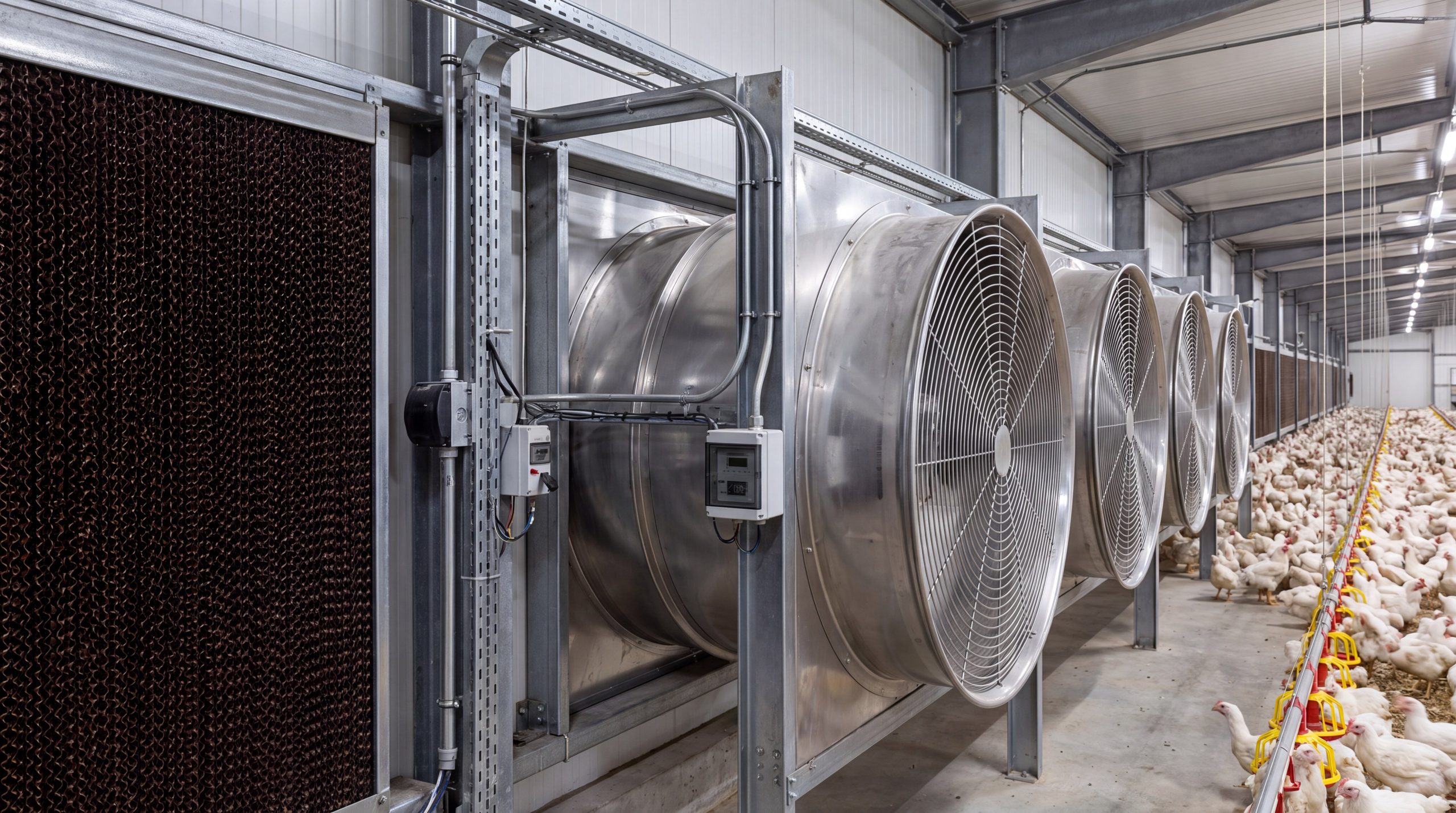
Mechanical ventilation in an Enclosed Chicken House works by pulling fresh air through cooling pads and exhausting hot, stale air out the opposite end. This continuous negative-pressure loop is crucial for keeping temperatures stable and removing harmful gases. Proper airflow design is the single most critical factor in keeping high-density flocks alive.
What is tunnel ventilation?
Tunnel ventilation creates a high-velocity wind-chill effect down the length of the building. This keeps chickens cool and active even during blazing hot summer afternoons. The high-speed air sweep also removes airborne dust and carbon dioxide.
How do evaporative cooling pads help?
Hot outdoor air passes through wet cellulose pads, dropping internal temperatures by up to 10 degrees Celsius.
Think about it:
- Protects your delicate birds from deadly heat stress.
- Maintains consistent feed intake and egg-laying patterns.
- Lowers overall mechanical cooling energy costs.
By utilizing water evaporation, you achieve powerful cooling without relying on expensive air conditioning units.
Why is static pressure control vital?
Maintaining the correct static pressure ensures uniform fresh air distribution without creating cold drafts. Proper balance prevents respiratory illnesses in young chicks. Modern pressure controllers handle these minute adjustments automatically.
| Ventilation Component | Function | Critical Benefit | |
|---|---|---|---|
| Exhaust Fans | Pulls out hot air and toxic gases | continuous fresh oxygen supply | |
| Cooling Pads | Lowers incoming air temperature | Direct heat stress prevention | |
| Air Inlets | Directs fresh air path | Prevents drafts on sensitive birds |
A properly balanced mechanical system ensures there are zero dead zones or temperature spikes inside your farm.
Key Takeaway: Negative-pressure tunnel ventilation is the life-support system of intensive poultry farming, keeping birds comfortable and productive through hot summers.
What automated systems fit an Enclosed Chicken House?
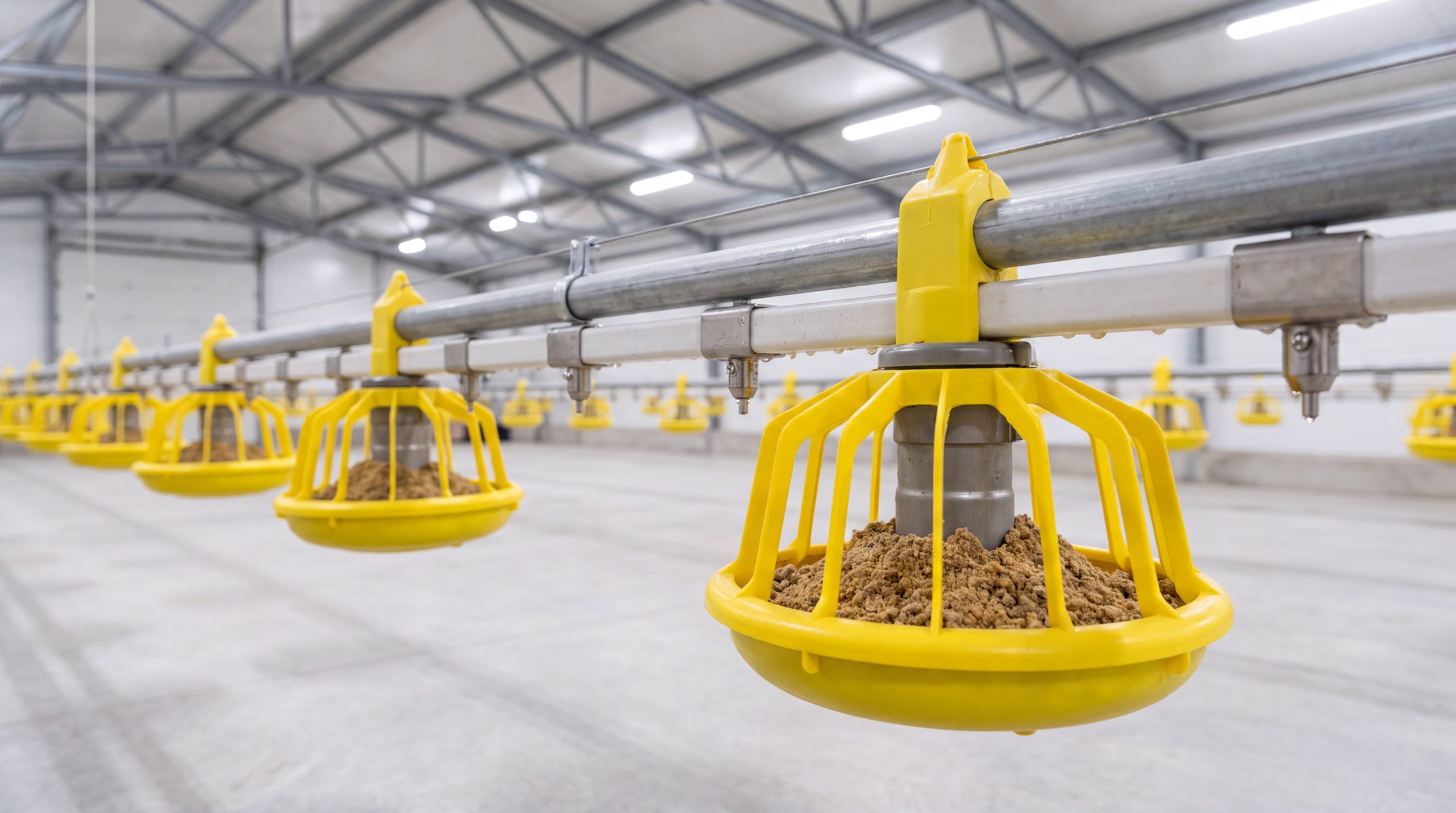
Modern automated feeding, drinking, and climate control systems are engineered to fit an Enclosed Chicken House perfectly to maximize operational efficiency. These systems eliminate manual labor errors, ensuring your birds receive precise nutrition and water 24/7. Automation dramatically reduces operational costs while maximizing bird growth speed.
How do automated feeding lines work?
Overhead augers distribute dry feed evenly down multiple pan lines without spilling. This keeps feed fresh and prevents wastage across the entire barn floor. Uniform distribution ensures all birds grow at a highly consistent rate.
Why are nipple drinking systems better?
Closed nipple drinkers provide clean, pathogen-free water directly to each bird on demand.
Here is the reality:
- Reduces wet litter issues completely by avoiding open water pans.
- Prevents waterborne bacterial outbreaks across the flock.
- Simplifies direct medication and vaccine delivery.
By keeping the water source completely sealed, you secure the fundamental health of your birds.
Can smart controllers run the whole house?
Integrated smart controllers monitor sensors to adjust fans, heaters, and feeders automatically.
The best part?
- Remote management via your smartphone from anywhere in the world.
- Real-time alerts for any system power failures or temperature anomalies.
- Detailed historical data logging to help optimize future flock cycles.
These digital brains make large-scale commercial poultry farming incredibly manageable and secure.
| Automation System | Task Managed | Efficiency Impact | |
|---|---|---|---|
| Pan Feeding Lines | Even feed delivery | Lower feed conversion ratio (FCR) | |
| Nipple Drinker Lines | Clean water supply | Dry litter and clean feet | |
| Environmental Controller | Climate adjustments | 24/7 climate optimization |
Integrating these three core automated systems turns your physical structure into a highly efficient meat or egg factory.
Key Takeaway: Full automation transforms high-density poultry farming from a labor-intensive chore into an optimized, data-driven manufacturing process.
How do you optimize Enclosed Chicken House interiors?
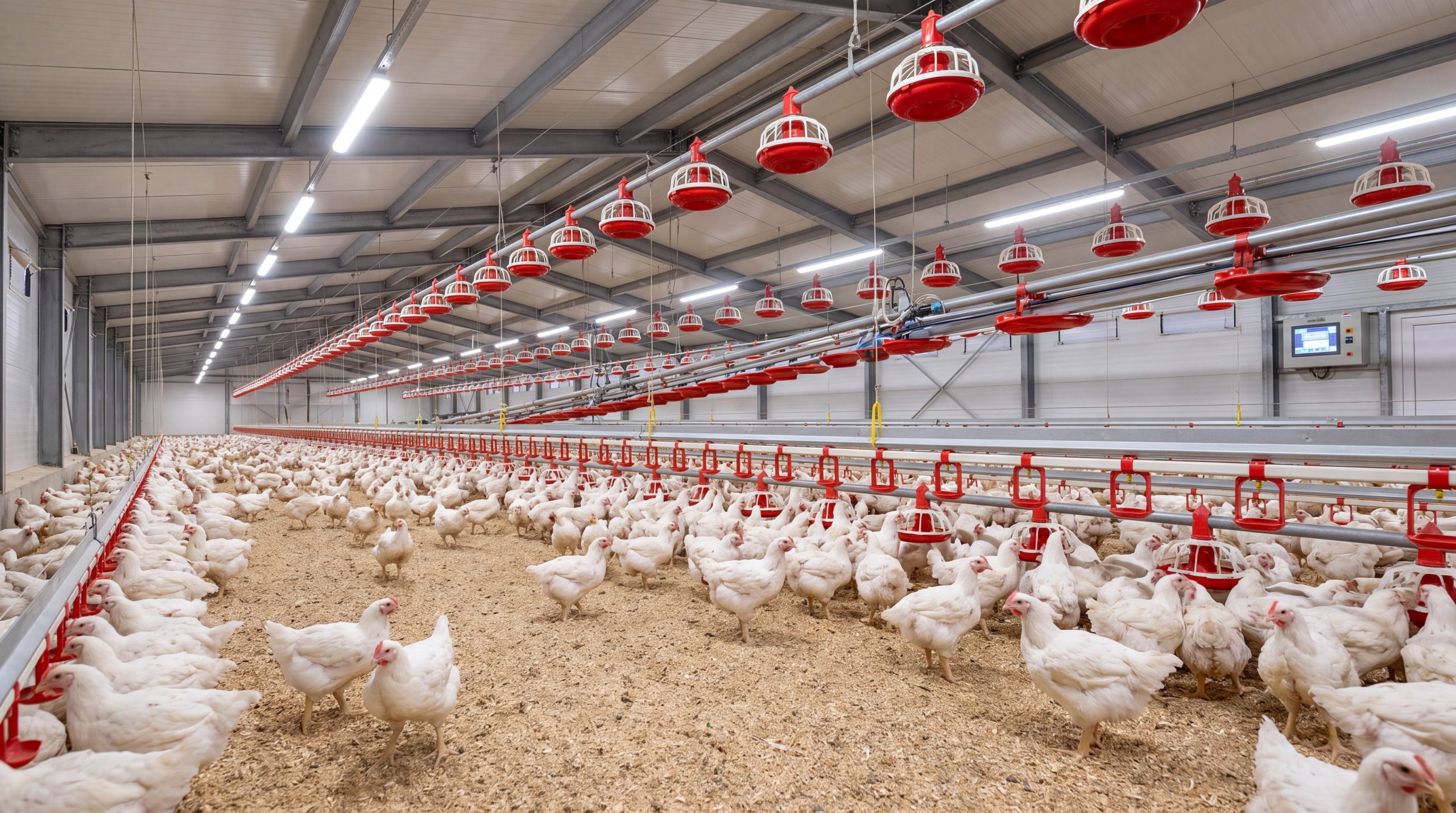
Optimizing the interior of an Enclosed Chicken House requires coordinating lighting, cage layouts, and litter management to achieve the highest possible stocking density. Designing the interior layout strategically prevents overcrowding and ensures easy daily management. The internal configuration must match the specific biological needs of your birds.
What is the best lighting program?
Dimmable LED lighting programs simulate natural day cycles to stimulate growth and feed intake. Properly scheduled dark periods are also essential for skeletal development and immune health. Uniform light distribution avoids bird grouping behaviors that cause suffocation.
Should you choose floor or cage rearing?
Multi-tier battery cages maximize floor space, while deep-litter floor rearing suits broiler welfare standards.
Think about it:
- Cages yield up to 3x higher bird density per square meter.
- Floor rearing offers better bird movement and muscle quality.
- Automatic manure belt systems keep cage environments pristine.
The ideal rearing method depends directly on your target market requirements and investment budget.
How to manage litter moisture?
Keeping litter dry prevents ammonia gas spikes and painful foot pad lesions on your chickens. Good ventilation paired with correct drinker heights keeps litter perfectly crumbly. Dry litter also reduces the overall heating energy required in winter.
| Interior Zone | Key Equipment | Stocking Efficiency | |
|---|---|---|---|
| Floor Rearing | Feed/water lines, dry wood shavings | Standard density, high welfare | |
| Cage Systems | A-frame or H-frame cage batteries | Extremely high density, clean eggs | |
| Manure Removal | Scrapers or integrated belt systems | Low manual cleaning labor |
Strategic interior planning guarantees that maximum stocking density never compromises flock welfare or growth performance.
Key Takeaway: A highly optimized interior balances lighting, bird density, and waste management to ensure every square meter generates maximum profitability.
Build a Smarter Enclosed Chicken House—Get a Quote Today !
Email:sales@showhoo.com.cn
Phone/WhatsApp: + 86 186 7895 5927
Does an Enclosed Chicken House improve biosecurity?
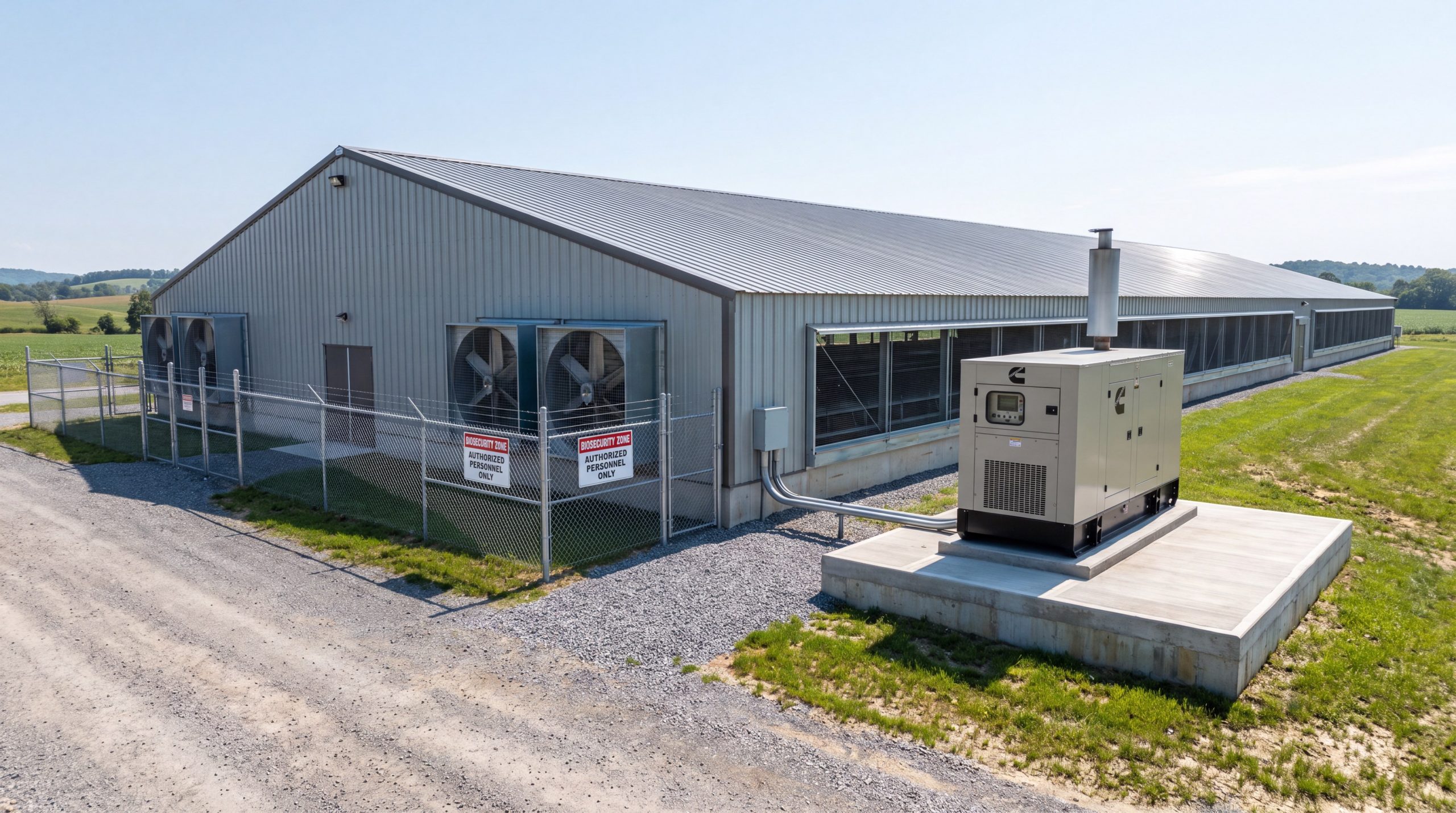
Operating an Enclosed Chicken House significantly elevates your farm’s biosecurity by completely blocking contact with wild birds, disease vectors, and unauthorized personnel. This physical isolation acts as a powerful shield against highly contagious avian viruses. Implementing strict entry protocols becomes much easier when the building is a sealed unit.
How does it stop avian influenza?
Because there are no open windows or mesh screens, wild birds cannot drop feathers or feces inside. This single feature eliminates the primary source of catastrophic bird flu outbreaks. It provides peace of mind during seasonal bird migrations.
Can air filtration systems block pathogens?
Advanced positive-pressure air systems filter out airborne dust particles and pathogens before they reach your flock.
Here is the reality:
- Virtually eliminates airborne disease transmission between adjacent farms.
- Reduces heavy reliance on expensive antibiotics and medical treatments.
- Guarantees export-grade poultry health standards for your brand.
Filtering the air intake ensures that your valuable flock breaths nothing but clean, pathogen-free oxygen.
How to manage personnel entry points?
Built-in sanitation vestibules require workers to change boots and shower before entering the rearing zones. This stops external bacteria from traveling inside on clothing. Having a single controlled entry point makes monitoring staff hygiene completely foolproof.
| Threat Vector | Prevention Feature | Risk Reduction | |
|---|---|---|---|
| Wild Migratory Birds | Solid walls and mesh air inlets | 100% Exclusion | |
| Airborne Pathogens | High-efficiency air filtration | High reduction | |
| Staff & Visitors | Dedicated hygiene entry locks | Extremely low cross-contamination |
By physically sealing the environment, you establish a fortress that protects your animal assets from microscopic threats.
Key Takeaway: Superior biosecurity is not just a benefit; it is an absolute insurance policy that protects your massive poultry investment from viral disasters.
What is the Enclosed Chicken House construction cost?
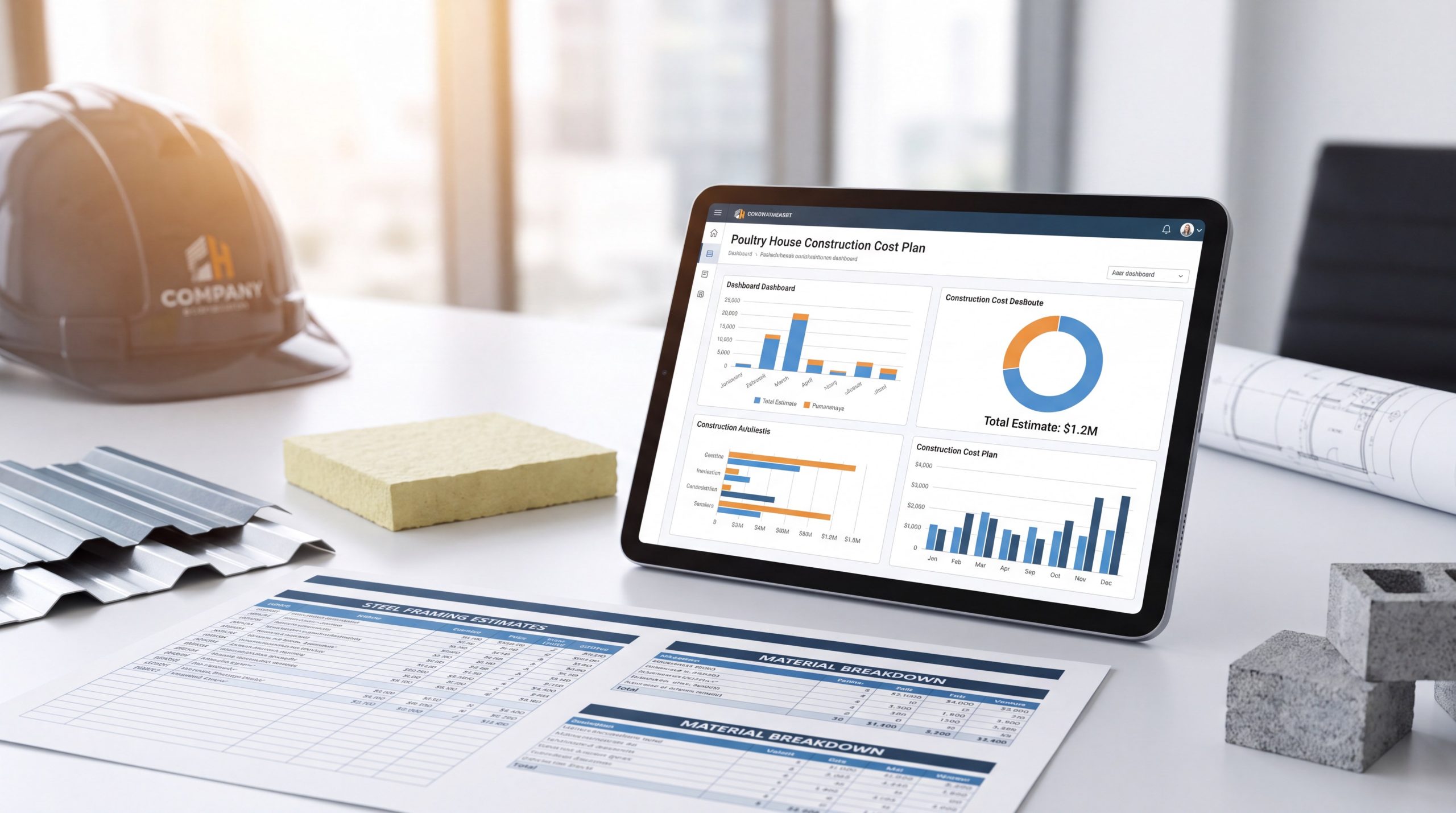
The initial cost to build an Enclosed Chicken House is slightly higher than open structures, but the rapid return on investment makes it highly profitable long-term. Budgeting correctly requires analyzing structural steel, insulation sandwich panels, and automated mechanical components. Accurate cost planning prevents mid-project budget overruns.
What are the main structural expenses?
Heavy-duty galvanized steel framing and insulated PU sandwich panels form the bulk of the building budget. These materials provide the essential airtight insulation needed for climate control. Choosing quality structural materials prevents expensive maintenance issues down the road.
How much does equipment automation cost?
Installing high-performance ventilation, automated feeders, and computerized controllers represents about 40% of the total project cost.
The best part?
- Reduces daily labor costs by up to 70% compared to manual farms.
- Optimizes feed conversion ratios to save thousands on feed bills.
- Prevents accidental feed or water wastage over years of operation.
Investing in automation pays for itself rapidly through lowered daily operating overheads.
What is the expected payback period?
Most commercial growers recover their initial capital investment within three to five years of continuous operation. Higher stocking density and lower mortality rates accelerate these returns. The highly predictable output also makes securing bank financing much simpler.
| Cost Category | Estimated Share | ROI Timeline | |
|---|---|---|---|
| Steel Framing & Panels | 45% of total budget | 3 – 5 Years (Durable asset) | |
| Automated Equipment | 40% of total budget | 2 – 3 Years (Labor savings) | |
| Foundation & Civil Works | 15% of total budget | Long-term land value |
Carefully balancing structural material quality with equipment automation levels guarantees a highly profitable business model.
Key Takeaway: Do not let initial costs deter you; the long-term energy, labor, and feed savings of a sealed house quickly outshine the initial capital setup.
How to choose an Enclosed Chicken House manufacturer?
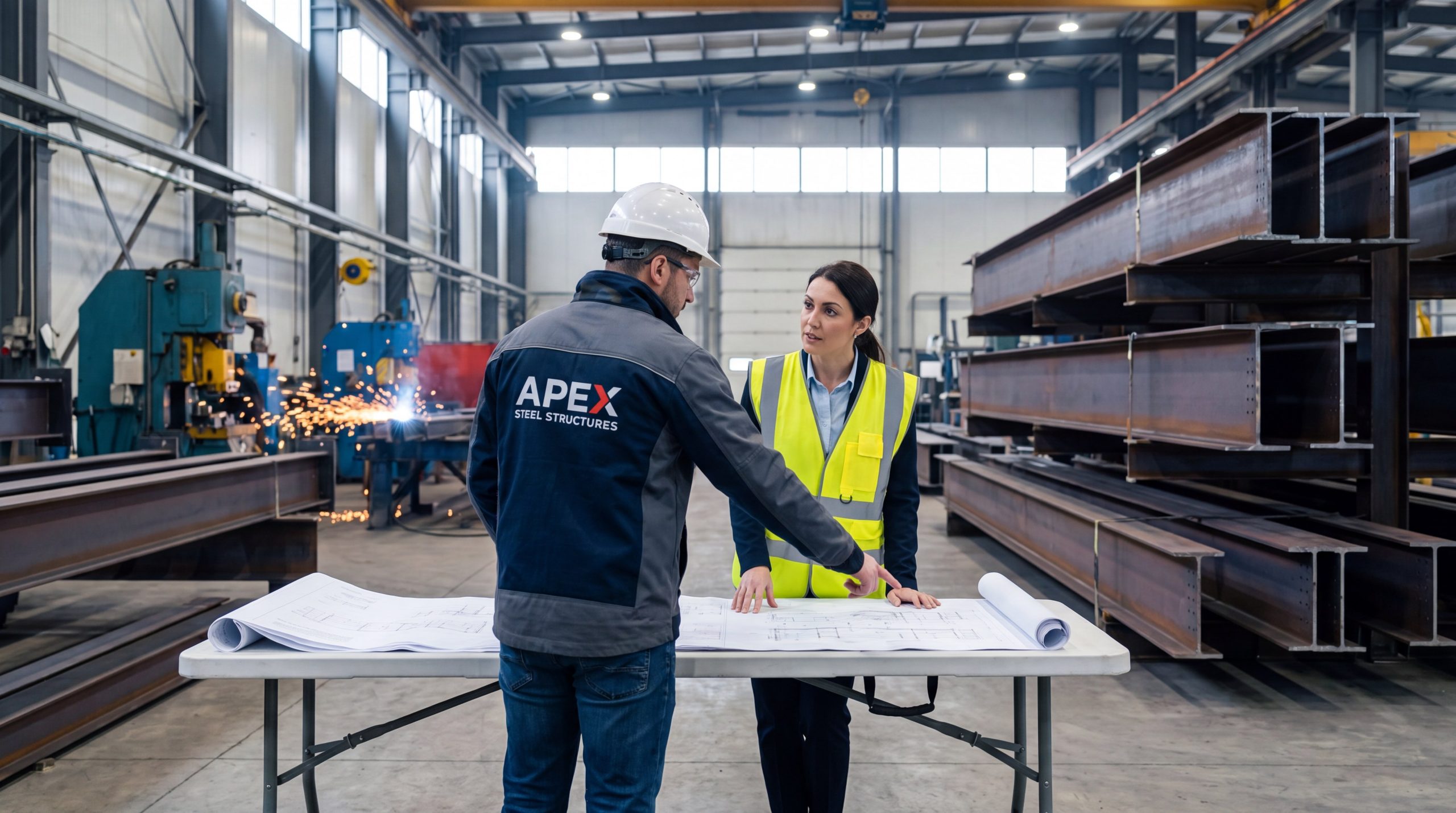
Selecting the right Enclosed Chicken House manufacturer requires finding a team that offers custom engineering designs, factory-direct pricing, and comprehensive technical support. Working with an experienced steel structural specialist ensures your building meets local wind and seismic codes. Partnering with a reliable factory guarantees that your components fit together perfectly on-site.
Why is customized design support critical?
A factory must customize your barn dimensions based on your specific climate and bird capacity. Standard off-the-shelf buildings often fail under unique regional snow loads. Professional engineers tailor the structural thickness to your exact geographic coordinates.
What quality standards should you check?
Always verify that the steel manufacturer holds international ISO certifications and uses heavy hot-dip galvanized coatings.
Think about it:
- Prevents structural rust in high-humidity, high-ammonia barns.
- Guarantees long-term building safety and structural durability.
- Ensures all pre-drilled parts fit perfectly during final assembly.
High-quality manufacturing prevents costly modifications and drilling delays during the erection phase.
Does the manufacturer offer shipping support?
Reliable suppliers handle the entire logistics process, packing steel frames securely into shipping containers to prevent damage. They also provide detailed installation drawings for local crews. This end-to-end service makes importing your building completely stress-free.
| Criteria | Red Flags | Ideal Partner | |
|---|---|---|---|
| Engineering Design | Offers one-size-fits-all dimensions | Custom wind & seismic analysis | |
| Steel Protection | Thin primer paint only | Hot-dip galvanized framing | |
| Technical Support | No construction guides provided | Detailed 3D blueprints & video guides |
Choosing a manufacturer with a proven export track record guarantees a smooth purchasing and installation experience.
Key Takeaway: Partnering with an expert steel manufacturer guarantees that your agricultural building is highly secure, durable, and engineered for maximum operational performance.
What is the lifespan of an Enclosed Chicken House?
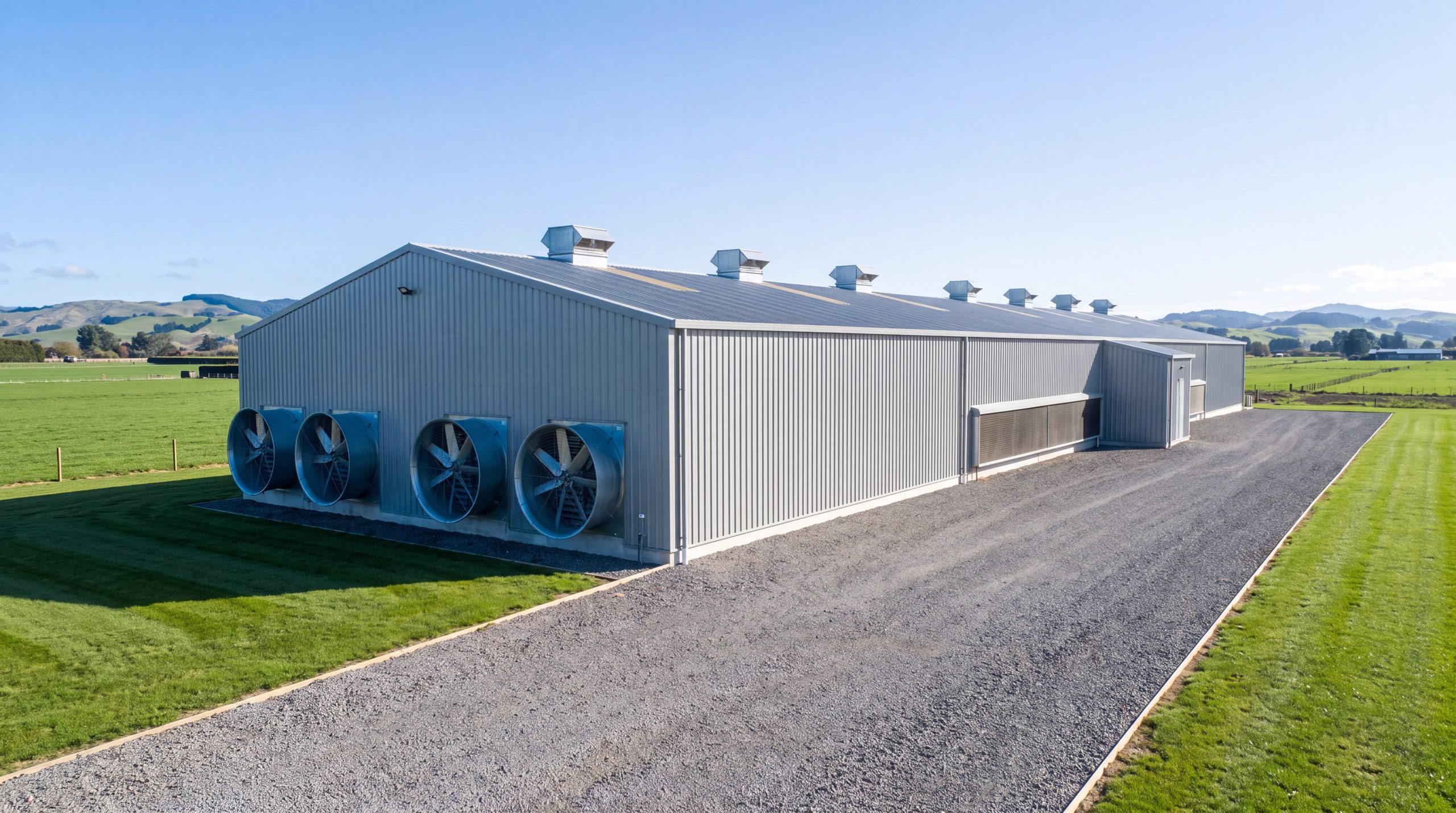
A premium Enclosed Chicken House built with a heavy-duty galvanized steel frame has a design lifespan of 30 to 50 years under standard agricultural operations. Proper routine maintenance and durable cladding materials ensure the farm remains highly productive for decades. The longevity of your building directly secures your long-term business security.
What extends the steel frame’s life?
Hot-dip galvanization is the primary defense against corrosion caused by aggressive poultry manure and moisture. Regular inspections keep the frame perfectly sound. Protecting the core columns from direct manure contact adds years to their structural life.
How durable are the roof and wall panels?
High-grade sandwich panels coated with PVDF paint resist fading, UV damage, and harsh chemical cleaning agents.
Here is the reality:
- Maintains superior insulation values over 20 years.
- Resists surface scratches and aggressive agricultural acids.
- Prevents internal water leaks during heavy rain and snow.
Premium insulation panels maintain their climate control performance over decades without degrading.
What maintenance routines are required?
Annual washing, sealing structural joints, and inspecting mechanical components keep the facility running at peak performance. Quick repairs prevent minor wear from becoming costly structural issues. A well-maintained house retains its resale and operational value beautifully.
| Structural Component | Estimated Lifespan | Key Maintenance | |
|---|---|---|---|
| Galvanized Frame | 40 – 50 Years | Column base check & manure cleaning | |
| Sandwich Panels | 20 – 30 Years | Joint sealing & surface washdowns | |
| Ventilation Equipment | 8 – 12 Years | Regular motor belt & blade replacements |
Understanding the lifespan of each component allows you to schedule upgrades without disrupting your overall production.
Key Takeaway: Investing in hot-dip galvanized steel and high-end insulation panels guarantees a structure that remains a profitable agricultural asset for over 30 years.
Conclusion
Building a commercial poultry facility presents major hurdles, from structural design and system automation to cost estimation and biosecurity risks. This guide has shown how a modern steel-framed, fully enclosed structure addresses these challenges. By taking complete control of your farm’s environment, you insulate your business from unpredictable weather patterns, deadly pathogens, and volatile production yields.
Whether you are expanding an existing business or breaking into large-scale commercial farming, we are here to support you at every stage. We design, manufacture, and deliver custom, premium-grade steel structures equipped with the latest ventilation and automated systems. To get a free expert quote and start planning your project, contact us today. Together, let’s build the future of sustainable, high-efficiency animal agriculture worldwide.
Build a Smarter Enclosed Chicken House—Get a Quote Today !
Email:sales@showhoo.com.cn
Phone/WhatsApp: + 86 186 7895 5927
FAQ Section
Can I build an Enclosed Chicken House in a tropical climate?
Yes. In fact, fully enclosed structures are highly recommended for tropical climates because their advanced evaporative cooling pads and tunnel ventilation systems lower internal temperatures by up to 10°C, protecting your birds from severe heat stress and mortality.
What’s the best insulation material for poultry wall panels?
Polyurethane (PU) sandwich panels are the best choice. They offer superior thermal resistance, water tightness, and acoustic insulation, keeping the internal environment exceptionally stable while reducing overall heating and cooling energy expenses.
How do I know if my steel structure is protected against ammonia corrosion?
Verify that all framing members are hot-dip galvanized. This heavy-duty zinc coating provides excellent defense against the highly corrosive ammonia gases generated by chicken manure, ensuring your steel frame does not rust or weaken over time.
Can I run an Enclosed Chicken House on solar power?
Yes, it is entirely possible. Many modern poultry farms integrate solar PV arrays with backup diesel generators to power their mechanical ventilation and automated systems, significantly lowering long-term utility bills and securing the farm against local grid failures.