
Poultry house ventilation serves as the core mechanism to maintain stable environmental conditions that support broiler health, flock comfort, and structural longevity. When you walk into an unventilated chicken barn, you are often met with thick, suffocating air, rising heat, and heavy ammonia vapors. Leaving this environment unmanaged quickly stresses your flock, leading to respiratory illnesses, poor feed conversion, and devastating mortality rates. Implementing an engineered ventilation system provides the ultimate solution, drawing fresh air through the building to sweep away moisture, heat, and toxic gases before they can damage your investment. This comprehensive chicken house ventilation guide shows you how to design a high-performance system step by step.
How does airflow help remove harmful barn moisture?
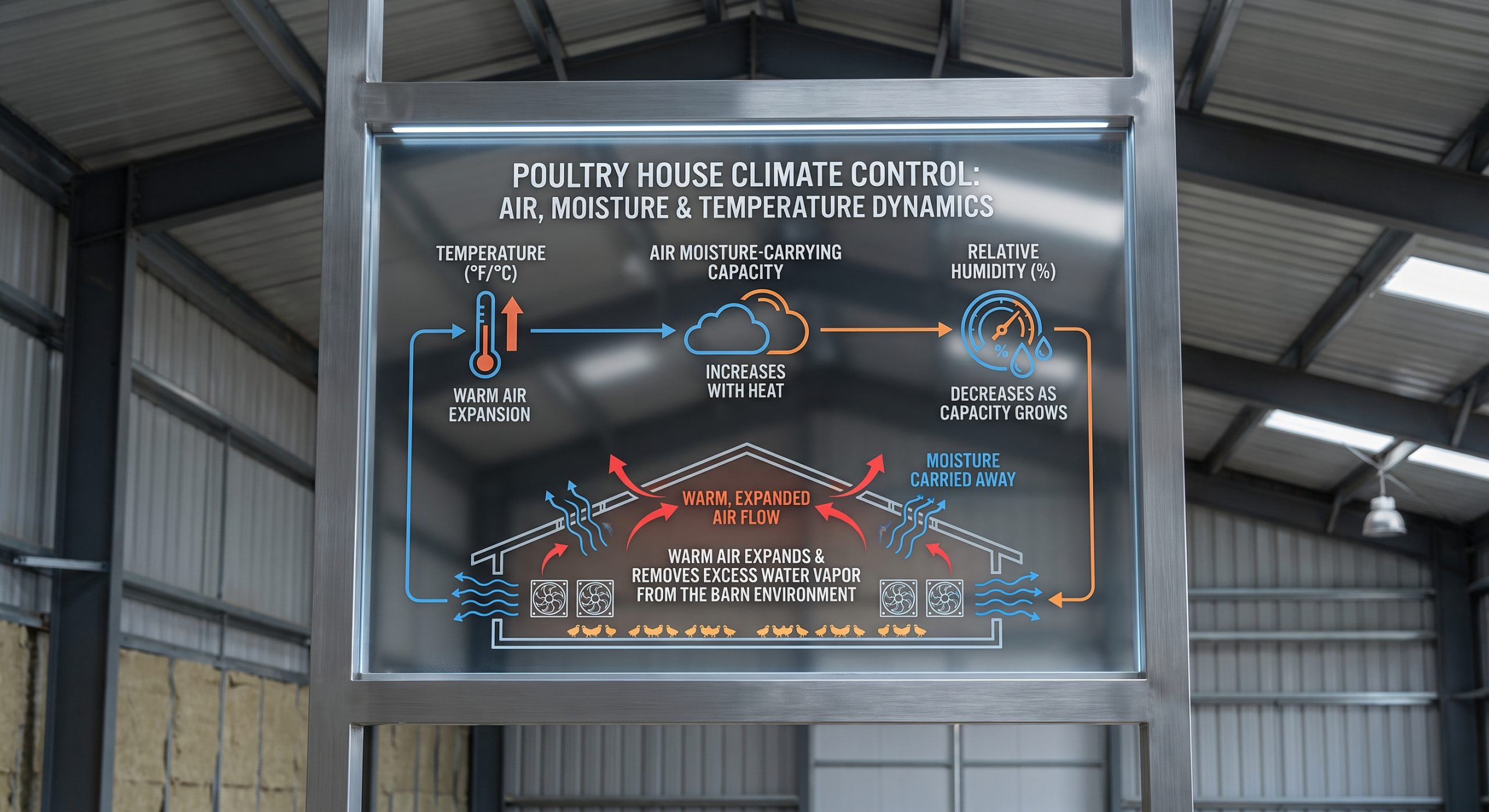
Using controlled airflow to remove water vapor is essential because birds release massive amounts of moisture through respiration and waste, which is why utilizing a comprehensive chicken house ventilation guide is vital. Proper ventilation draws dry outdoor air into the facility and warms it as it circulates. This warming process expands the moisture-carrying capacity of the air before it is exhausted.
Failing to evacuate this humid air causes condensation on structural surfaces. Damp walls and ceiling panels accelerate rust and promote pathogen growth. Keeping the air moving at a steady rate remains highly recommended to prevent cold, damp zones. This continuous cycle ensures your barn stays dry even in humid regions.
Calculating the air volume needed for daily water removal
Here is the deal: every bird in your barn continuously releases water vapor into the air through respiration. Think about it: if you do not remove this moisture, your litter will quickly turn into a wet, slick mess. To prevent this, you should design your system to handle specific air volumes. For instance, warming 10,000 cubic feet of air by 20°F dramatically increases its water-carrying capacity.
To optimize moisture removal, you should track these variables:
- Outdoor relative humidity levels
- Internal target temperature settings
- Total bird biomass inside the house
Managing humidity spikes during cooler night cycles
When night falls, outdoor temperatures drop and relative humidity rises, creating a challenging environment for climate control. Managing these nightly spikes requires precise adjustments to your minimum ventilation runtime. Utilizing automated timers ensures your exhaust fans run long enough to clear humid air without chilling the birds. This step prevents the dew point from being reached inside your structural envelope.
Moisture Control Takeaway: Managing moisture is your primary defense against pathogen growth and structural degradation. Air should be warmed as it enters to maximize its moisture-carrying potential before exhausting it from the facility.
| Air Temperature (°F) | Relative Humidity (%) | Target Water Holding Capacity (Gal/10k CF) | Recommended Air Exchange Rate | |
|---|---|---|---|---|
| 50°F (Incoming) | 70% | 0.45 | Baseline Minimum Ventilation | |
| 70°F (Warmed Inside) | 50% | 1.45 (Net Gain: 1.0 Gal Capacity) | Continuous Low-Velocity Cycle | |
| 85°F (Summer Peak) | 65% | 2.10 | High-Velocity Tunnel Flow |
Monitoring relative humidity levels daily allows you to adjust fan runtime before condensation begins to form on structural frames.
Which negative pressure system fits your barn layout?
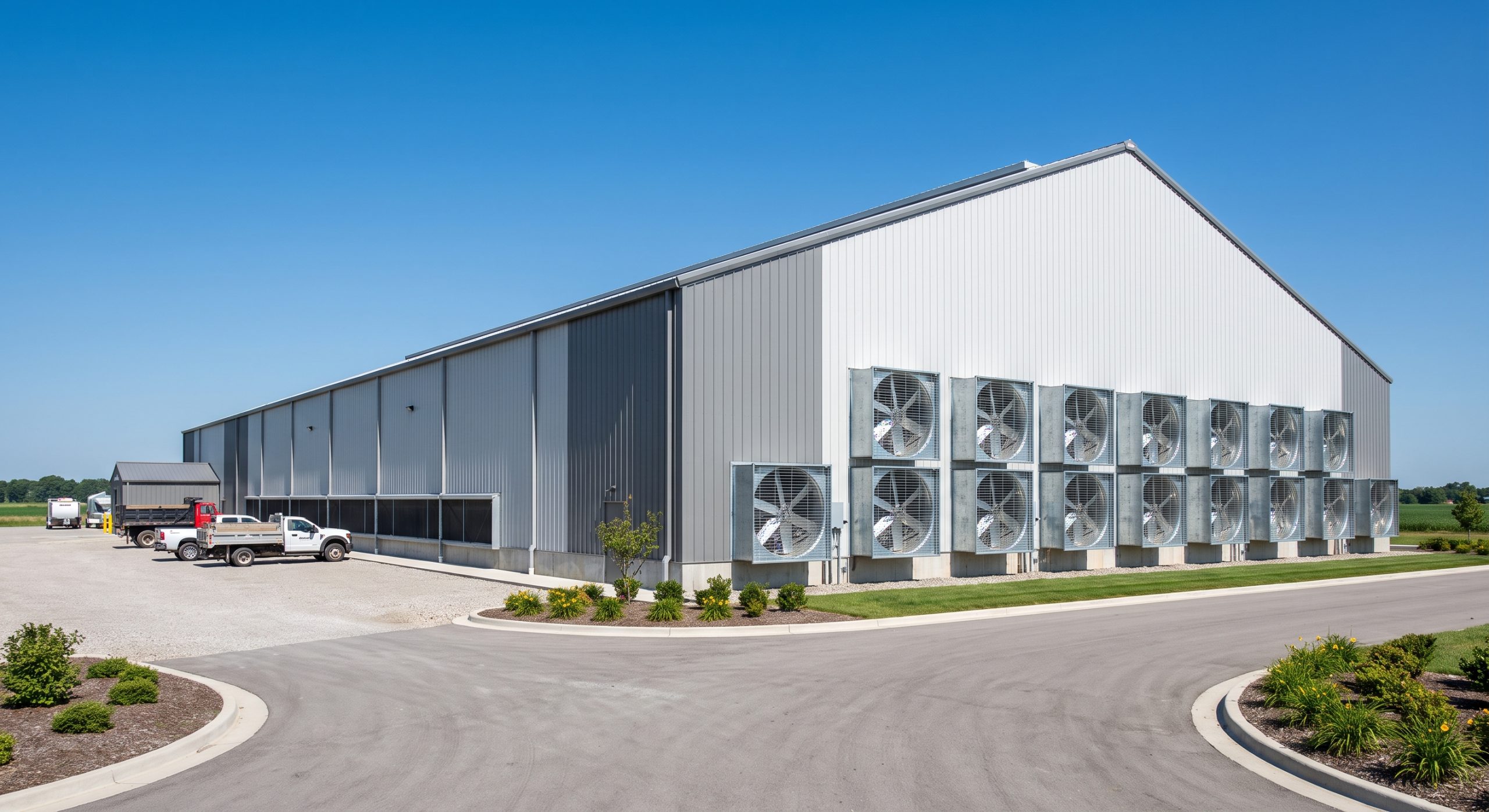
Choosing the correct system depends on your local climate, flock density, and structural layout, making a proper chicken house ventilation guide highly recommended. Negative pressure systems are typically the most effective option for modern commercial facilities. These systems utilize exhaust fans to pull stale air out of the building, creating a slight vacuum. This vacuum draws fresh air in through wall inlets, ensuring even distribution throughout the space.
Natural systems may work for small, open-sided operations in tropical climates, but they lack precise control. Mechanical systems, on the other hand, allow you to adjust the climate regardless of outdoor weather conditions. This control is vital for maintaining a healthy feed conversion ratio. It also reduces stress on the birds during sudden weather shifts.
Comparing natural airflow and mechanical draft systems
Let’s look closer at your options. Natural airflow relies on manual curtains and wind patterns, which can leave your birds vulnerable during stagnant hot days. Mechanical systems give you complete control over every cubic foot of air entering the barn. This predictability is highly recommended for larger, high-density operations where bird heat builds up rapidly.
You should weigh these factors when choosing:
- Initial installation and capital costs
- Ongoing electricity and utility consumption
- Target flock size and density goals
Choosing tunnel vs combi-tunnel setups for hot climates
Tunnel systems pull air lengthwise through the house, creating a high-velocity wind-chill effect that keeps birds cool during peak summer heat. Combi-tunnel setups offer even greater flexibility by switching between sidewall inlets in winter and tunnel flow in summer. This seasonal adaptability is vital for areas with extreme temperature shifts.
System Selection Takeaway: Mechanical tunnel ventilation provides superior climate stability and bird performance compared to natural ventilation, particularly in regions prone to extreme seasonal temperature shifts.
| System Type | Climate Suitability | Control Level | Energy Efficiency | |
|---|---|---|---|---|
| Natural | Mild / Moderate | Low | High | |
| Tunnel | Hot / Humid | High | Medium | |
| Combi-Tunnel | Variable / Extreme | Excellent | Medium-High |
Choosing an adaptable Combi-Tunnel system is highly recommended for operations facing extreme winter and summer temperature fluctuations.
Why is air speed key to uniform climate control?
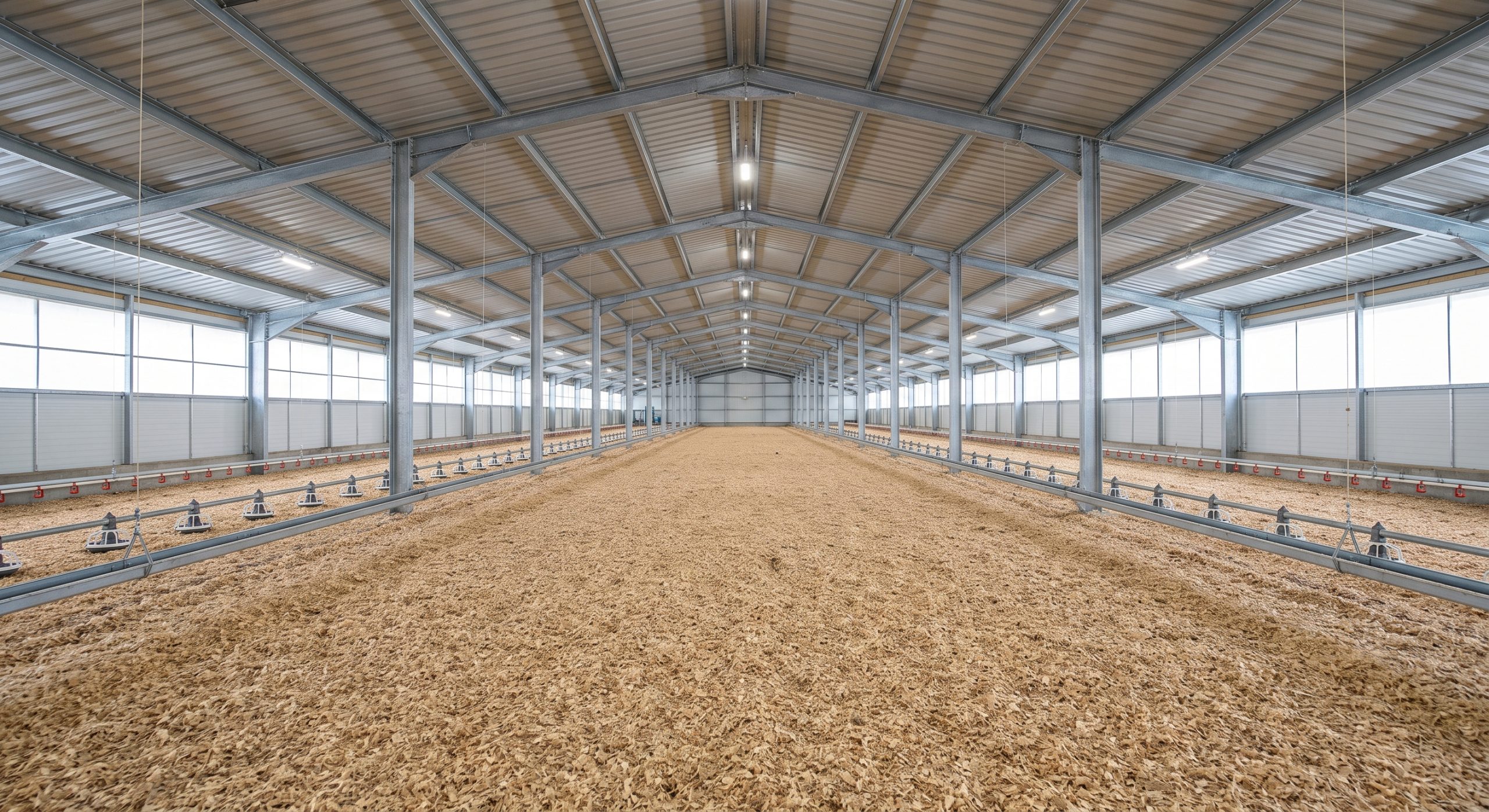
Air speed is critical because it directly influences both static pressure and the wind-chill cooling effect felt by your flock, a concept detailed in our chicken house ventilation guide . Ensuring that air moves at an appropriate velocity is essential to prevent hot pockets and drafts. If the air moves too slowly, heat and ammonia will accumulate in stagnant zones. Conversely, excessive air speeds can chill young chicks and cause severe stress.
Managing static pressure allows you to direct incoming air toward the ceiling peak where it mixes with warm air. This mixing process prevents cold drafts from dropping directly onto the birds. Using circulation fans further enhances air mixing during colder months. These adjustments keep your barn environment uniform from wall to wall.
Regulating static pressure for uniform fresh air delivery
Here is the deal: static pressure is the difference in air pressure between the inside and outside of your barn. When you adjust your wall inlets to maintain a target static pressure, you ensure air enters with enough velocity to reach the center peak. Why does this matter? It prevents cold air from dropping immediately to the floor and chilling your birds.
You can monitor this by checking:
- Inlet opening width and alignment
- Differential pressure gauge readings
- Flock distribution patterns near walls
Utilizing circulation stir fans to prevent cold spots
Stir fans are essential tools to break up thermal stratification by moving warm air from the ceiling down to bird level. During winter, this thermal mixing saves significant heating fuel and dries out the litter surface. You should position these fans evenly down the length of the building to maintain uniform temperatures. This consistent environment keeps your flock comfortable and active.
Airflow Dynamics Takeaway: Uniform air distribution relies on maintaining an optimal static pressure range. Incorrect pressure leads to uneven temperatures, causing stress and reduced feed conversion rates.
| Fan Type | Primary Function | Ideal Placement | Typical Target Velocity | |
|---|---|---|---|---|
| Stir Fans | Thermal Destratification | Center ceiling line | 150 – 200 ft/min | |
| Tunnel Fans | Wind-chill cooling | End walls / Exhaust banks | 500 – 600 ft/min |
Integrating both stir and tunnel fans into your control program ensures excellent air movement across all growth stages.
How does litter care protect bird health?
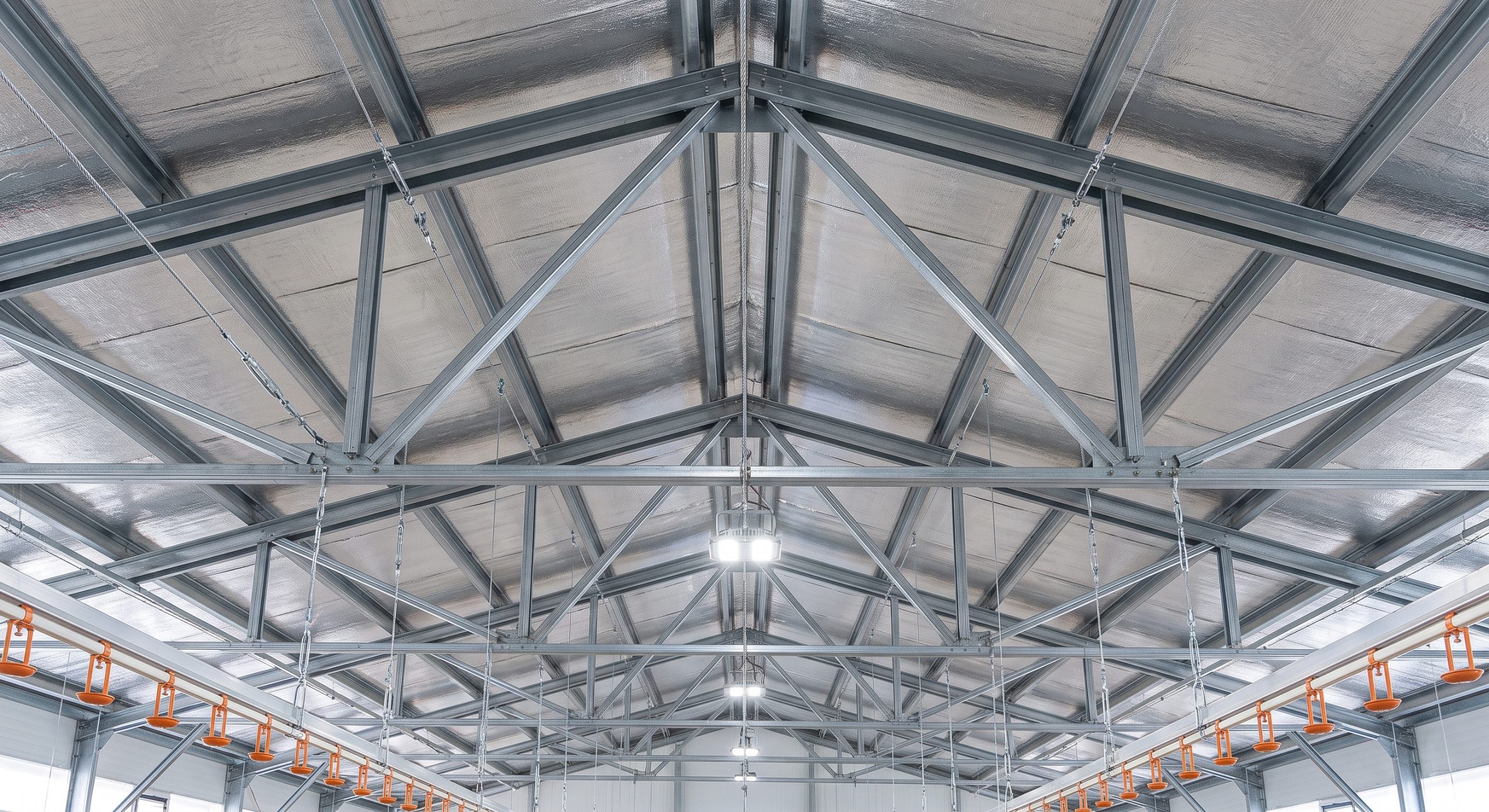
Litter care protects bird health by controlling moisture and ammonia emissions, which are primary focuses of any professional chicken house ventilation guide. Wet litter is a primary cause of footpad dermatitis and respiratory irritation. When moisture exceeds acceptable levels, bacteria thrive and break down nitrogenous waste into ammonia gas. This gas can quickly reach concentrations that stress both your birds and caretakers.
Proper air circulation is highly recommended to dry the litter surface. Removing caked litter regularly is essential to prevent moisture from trapping. Keeping the litter dry and friable maintains a healthy environment. It also protects your structural steel fittings from premature corrosion.
Removing caked litter to prevent humidity trapping
Think about it: caked litter acts like a sponge, trapping moisture and generating massive amounts of ammonia gas. If you do not remove this cake during downtime, drying out the floor becomes highly difficult. You should remove caked areas between flocks to give your new chicks a fresh, clean start. This simple step dramatically reduces the humidity load on your minimum ventilation system.
Ensure you follow these cleanout steps:
- Scrape wet, caked areas under water lines
- Run exhaust fans during the cleanout process
- Level the remaining litter for uniform drying
Using the simple litter squeeze test to measure moisture
How do you know if your litter moisture is correct? The squeeze test is a simple and reliable tool you can use anytime. Grab a handful of wood shavings, squeeze it, and release your grip. If it crumbles slightly, your moisture is in the ideal range.
Litter Health Takeaway: Keeping litter dry via strategic air movement minimizes footpad dermatitis, curbs respiratory illness from high ammonia levels, and extends the service life of internal structural fittings.
| Moisture Level | Physical Indicator | Action Required | |
|---|---|---|---|
| Under 20% | Overly dusty and loose | Monitor dust levels; adjust minimum ventilation | |
| 20% – 25% | Crumbles slightly after squeeze | No action; ideal range for bird health | |
| Over 30% | Clumps into a solid, sticky ball | Increase ventilation rate; remove caked zones |
Using this quick physical test daily is highly recommended to catch moisture issues before they affect your flock.
What warning signs indicate poor airflow?
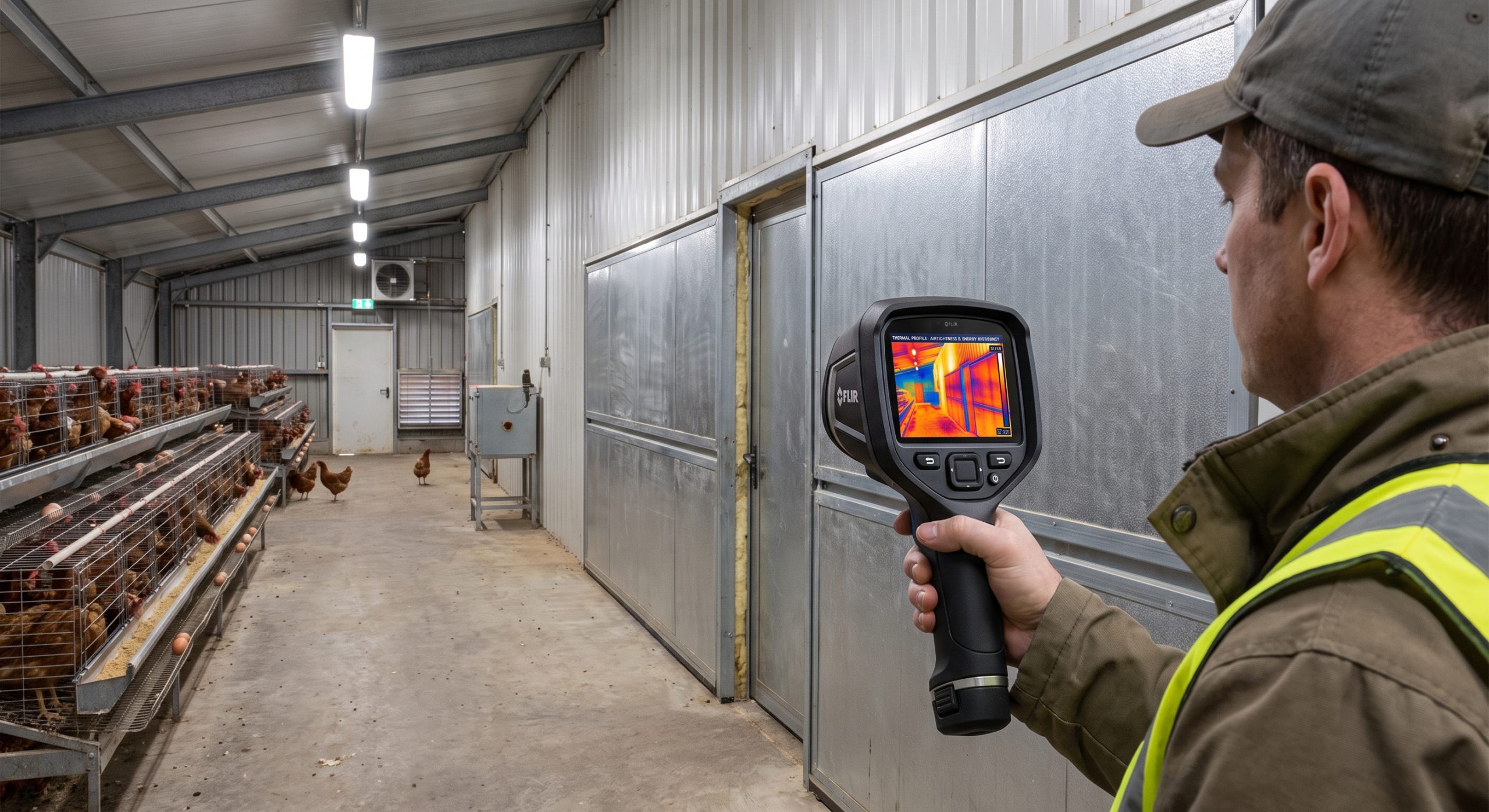
Poor airflow manifests through distinct biological and physical warning signs that you can easily spot by referring to a chicken house ventilation guide . The most reliable biological indicator is the behavior and distribution of your birds. When birds huddle together or avoid specific zones, it typically points to drafts or cold spots. Conversely, panting birds spread out near walls indicate heat stress.
Physical warning signs include heavy condensation on walls, ceiling panels, and fasteners. Dust buildup on fans and inlets is another common issue that reduces system efficiency. Stale, foul-smelling air indicates a dangerous accumulation of ammonia and carbon dioxide. Watching for these signs helps you intervene before productivity suffers.
Spotting early behavioral shifts and bird clustering
But wait, there’s more: your birds are excellent biological sensors that reflect the microclimate around them. If you see them clustering in one section of the house, you should investigate that area immediately. They may be huddling to escape a cold draft from a leaking vent or an uneven wall joint. Correcting these air leaks is highly recommended to maintain flock comfort.
Check for these behaviors:
- Huddling under brooders during active feeding cycles
- Avoiding areas directly under sidewall inlets
- Panting or wing-spreading in localized zones
Monitoring condensation and using thermal imaging
Thermal imaging cameras are outstanding tools for identifying hidden thermal bridges and air leaks. Condensation forming on metal surfaces signals a mismatch between insulation values and internal humidity. Using these diagnostic tools allows you to seal gaps before they cause structural damage.
Diagnostic Takeaway: Birds act as the ultimate biological sensors. Huddling in specific zones indicates draft issues, while even distribution indicates a well-balanced mechanical ventilation system.
| Observation | Likely Root Cause | Immediate Solution | |
|---|---|---|---|
| Bird Huddling | Drafts or low localized temperature | Adjust inlet opening; seal structural gaps | |
| Panting Birds | High temperature or humidity | Increase fan speed; activate cooling pads | |
| Wall Condensation | Insufficient insulation or poor airflow | Run stir fans; inspect sandwich panel seals |
Addressing these warning signs immediately is highly recommended to preserve bird performance and structural integrity.
Does steel framing improve barn airtightness?
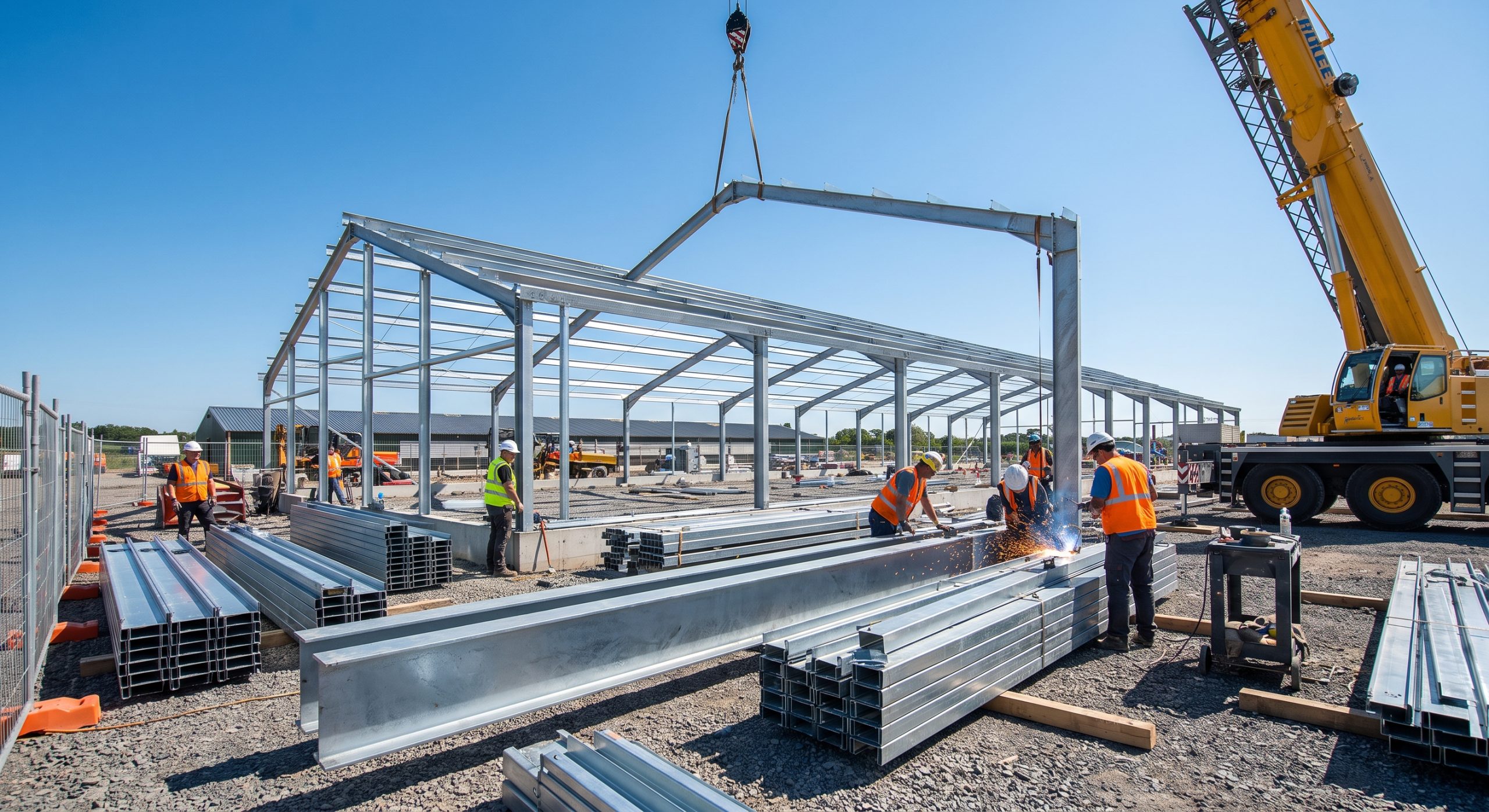
Steel framing improves barn airtightness by providing a dimensionally stable, precision-engineered structural skeleton that prevents air leaks, an asset discussed in our chicken house ventilation guide. Unlike timber, which warps, shrinks, and cracks over time, prefabricated steel columns and beams maintain their shape for decades. This stability ensures that the joints between wall panels and roof panels remain perfectly sealed. A sealed envelope is essential for maintaining the negative pressure required for uniform airflow.
Rigid steel frames also support the weight of heavy exhaust fan banks and cooling systems. These structural components are designed to withstand dynamic wind loads and vibrations. This robust engineering minimizes structural movement that could compromise wall seals. Investing in high-quality steel framing pays off in superior climate control.
Evaluating structural seals in prefab steel assemblies
Why does this matter? A minor gap in your building envelope can completely disrupt the airflow patterns of your negative pressure system. When you use precision-cut, pre-drilled steel framing, you achieve tight connections that prevent unwanted air infiltration. This high level of airtightness is vital for keeping heating costs low during winter.
Airtight framing provides these key benefits:
- Eliminates uncontrolled air leaks
- Maintains precise static pressure levels
- Reduces load on heating and cooling systems
How rigid frame systems support heavy ventilation fans
Exhaust fans and evaporative cooling pads exert continuous structural loads and vibrations on your barn walls. Heavy-duty steel columns and girts are engineered to handle these dynamic forces without flexing. This structural integrity prevents panels from shifting and breaking their silicone seals.
Structural Integrity Takeaway: A sealed building envelope is critical for maintaining negative pressure. Prefabricated steel frames provide the dimensional stability required to prevent air leaks and support heavy automated equipment.
| Framing Material | Dimensional Stability | Resistance to Rot/Corrosion | Dynamic Load Support | |
|---|---|---|---|---|
| Prefabricated Steel | High (No warping or shrinking) | High (Galvanized protection) | Outstanding | |
| Standard Lumber | Low (Prone to twisting and warping) | Low (Subject to rot and pests) | Moderate |
Choosing a steel structure is highly recommended to protect your mechanical equipment investment and ensure precise environmental control.
Which steel panels optimize thermal insulation?
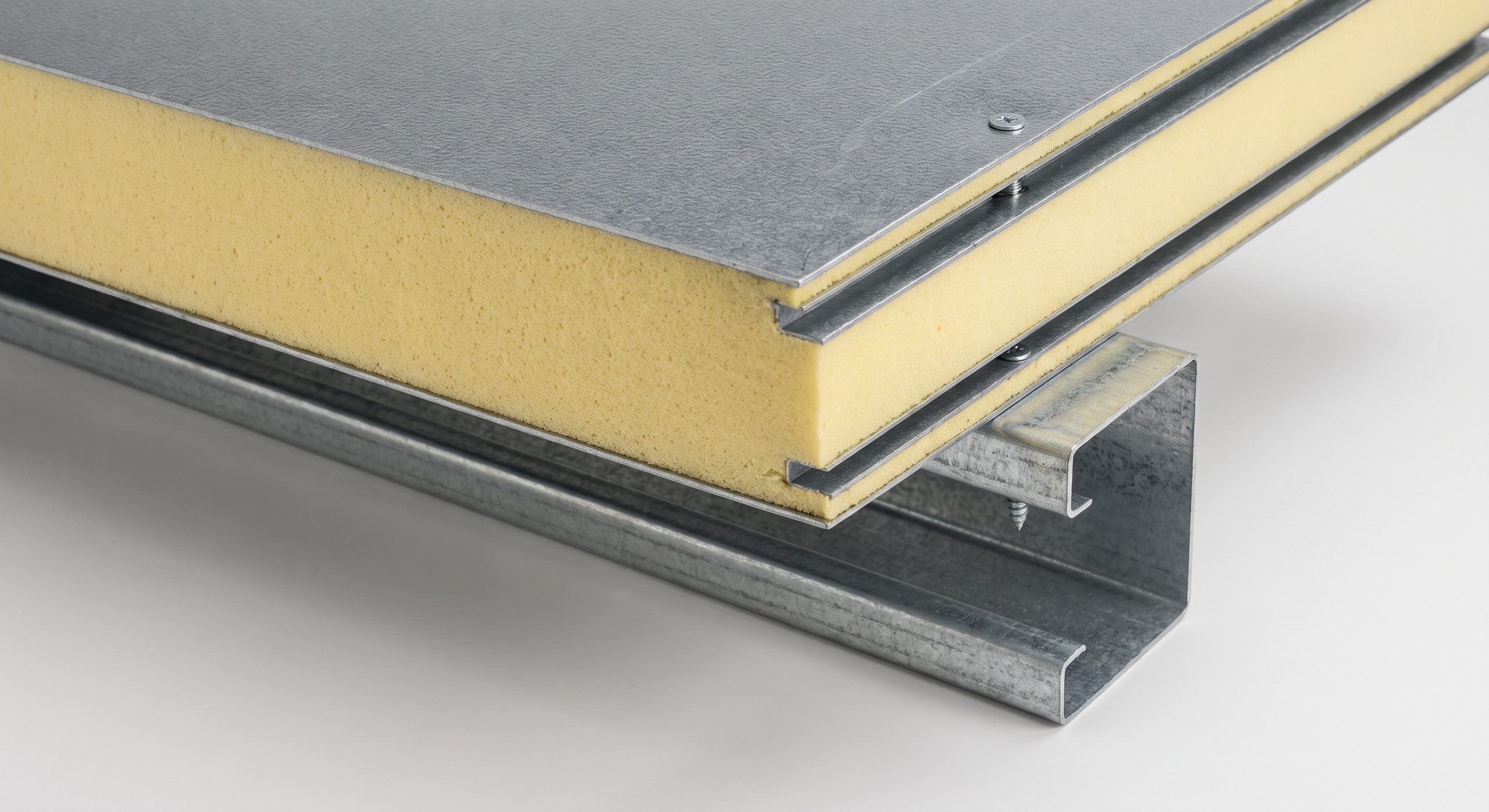
Steel panels optimize thermal insulation by utilizing advanced core materials that prevent heat transfer and condensation, making them a crucial part of a chicken house ventilation guide . Insulated sandwich panels feature a dense core of polyurethane, rock wool, or glass wool. These materials provide exceptional thermal resistance, keeping summer heat out and winter warmth in. This insulation is essential to maintain the stable temperatures your flock requires.
The interior metal skins of these panels should feature anti-corrosive coatings to withstand high-ammonia environments. These specialized finishes prevent chemical degradation and rust. They are also easy to wash and sanitize between flocks. Selecting the right panel system protects your investment for decades.
Thermal insulation options using durable sandwich panels
Here is the deal: not all sandwich panels are created equal. Polyurethane (PU) cores offer the highest thermal resistance per inch of thickness, making them excellent for hot climates. Rock wool cores, on the other hand, provide superior fire resistance and structural strength. You should select the core material that best aligns with your local building codes and climate challenges.
Consider these core material benefits:
- PU panels: Exceptional thermal insulation
- Rock wool panels: High fire rating and sound dampening
- Glass wool panels: Light weight and cost-effective insulation
Preventing corrosive damage in high-ammonia environments
Ammonia vapors combined with high humidity create a highly corrosive atmosphere inside poultry barns. Applying a marine-grade PVDF coating to your steel panels is highly recommended to prevent surface rust. This protective barrier ensures the panel surface remains easy to clean and sanitize.
Panel Performance Takeaway: Insulated sandwich panels are key to controlling internal temperatures. Proper insulation prevents condensation on metal surfaces, protecting both bird health and structural longevity.
| Core Insulation Type | R-Value per Inch | Fire Resistance | Best Suited Climate | |
|---|---|---|---|---|
| Polyurethane (PU) | High (R-7) | Moderate | Extreme Heat / Cold | |
| Rock Wool | Medium (R-4) | Outstanding (Class A) | Fire-prone regions | |
| Glass Wool | Medium (R-3.5) | Excellent | Standard climates |
Specifying PU sandwich panels is highly recommended for operations focused on maximizing energy efficiency and climate control.
How do climate zones alter system configuration?
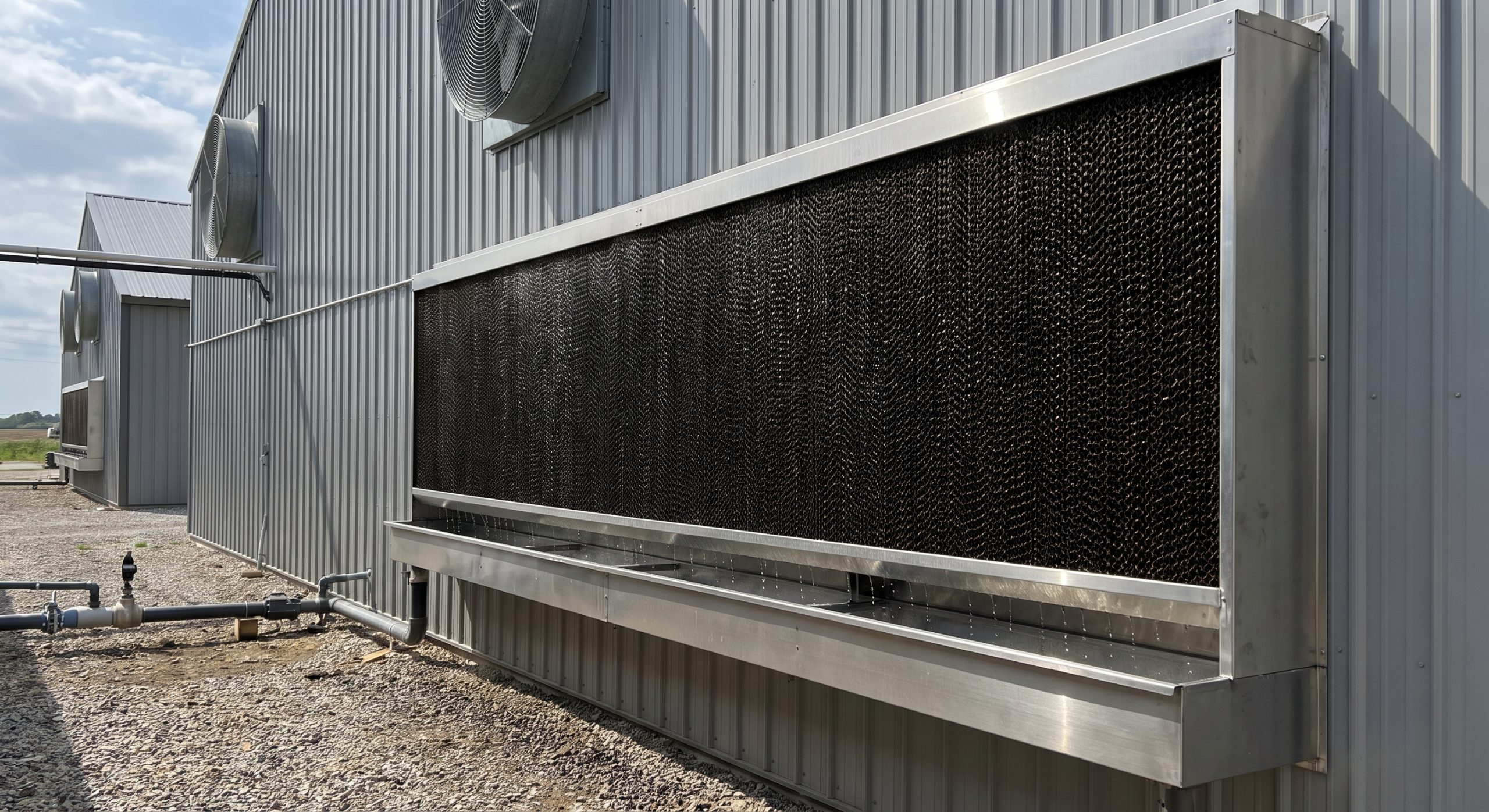
Climate zones alter system configuration because extreme heat or cold requires specialized airflow strategies, as outlined in any professional chicken house ventilation guide. In hot, semi-arid regions, evaporative cooling pads should be paired with tunnel exhaust fans to keep bird temperatures down. This setup uses water evaporation to lower incoming air temperatures significantly. In contrast, sub-zero winters require precise minimum ventilation through insulated inlets to remove moisture without freezing the barn.
Failing to adapt your system design to your local climate leads to excessive energy bills and bird stress. An over-designed cooling system in a cold region is a waste of capital. Conversely, a weak ventilation layout in the tropics will result in high mortality rates. Working with engineers to customize your layout is highly recommended.
Designing for high-temperature areas with cooling pads
Let’s look closer: when temperatures exceed the comfort zone of your birds, heat stress can occur. Evaporative cooling pads are highly recommended for hot climates because they can lower incoming air temperatures by up to 15°F. You should position these pads on the opposite end of the house from your tunnel fans to create a continuous cooling breeze.
Optimizing your cooling system requires:
- Sufficient water flow and drainage capacity
- Proper pad thickness and cleanliness
- Tightly sealed doors to prevent air bypassing
Managing cold climates with precise air inlet control
In cold weather, your focus shifts to removing moisture while conserving valuable heat. This balance requires precise, automated inlet control to prevent cold air drafts from dropping onto the chicks. Running your minimum ventilation on a duty cycle timer is vital to keep air fresh without over-cooling.
Climate Adaptation Takeaway: Ventilation systems must adapt to seasonal variations. This requires combining high-velocity exhaust fans for summer cooling with tightly controlled inlets for winter moisture removal.
| Climate Zone | Key Equipment Required | Primary Ventilation Mode | Seasonal Goal | |
|---|---|---|---|---|
| Hot & Dry | Cooling pads, tunnel fans | Full Tunnel Mode | Heat stress prevention | |
| Cold & Damp | Insulated inlets, stir fans, heaters | Minimum Ventilation | Moisture removal, heat conservation |
Implementing a smart controller that transitions between these modes is highly recommended for year-round flock comfort.
What mechanical features support stable airflow?
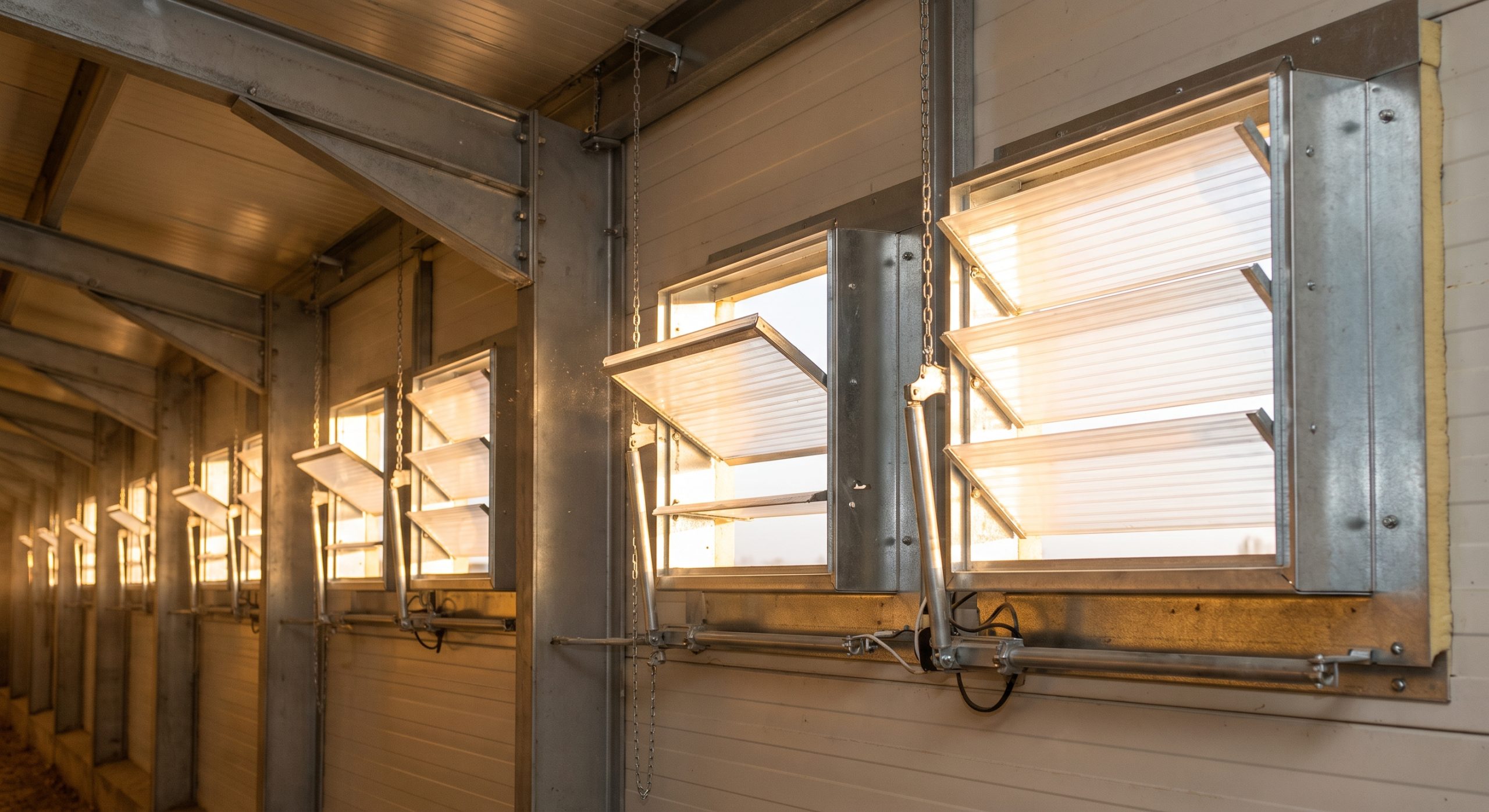
Mechanical features like automated inlets and heavy-duty exhaust fans support stable airflow, which is a major focus of our chicken house ventilation guide . These components should be designed to integrate seamlessly with your building’s secondary steel framing. Wall purlins should be spaced precisely to support the physical weight of these systems. Furthermore, seal integrity around all moving parts is essential to prevent pressure loss.
High-performance exhaust fans are typically rated by their cubic feet per minute air delivery rate. These fans should be certified by reputable organizations to guarantee their field performance. Automated wall inlets adjust their opening width based on static pressure readings. This mechanical responsiveness maintains a perfect mixing zone near the ceiling peak.
Integrating automated sidewall inlets with steel purlins
Think about it: if your wall inlets are manual, you will spend hours making fine adjustments every time the weather changes. Automated inlets use a central mechanical linkage connected to a digital actuator motor. This system adjusts the inlet openings in real time to maintain stable static pressure.
For stable integration, ensure:
- Horizontal purlins are level and true
- Inlet housings are sealed with silicone
- Actuator cables are kept tight and lubricated
Positioning industrial exhaust fans and roller doors
Exhaust fans should be positioned evenly along the end wall to prevent dead air spots in the corners of your barn. Roller doors and entry doors should seal tightly when closed to maintain a robust negative pressure vacuum. Any leaks around doors will pull unconditioned air directly into the floor area, chilling nearby birds.
Equipment Integration Takeaway: Coordinated design between structural steel fabricators and ventilation equipment suppliers eliminates costly field modifications and ensures a perfectly sealed, high-efficiency building envelope.
| Component | Primary Function | Control Method | Maintenance Focus | |
|---|---|---|---|---|
| Automated Inlets | Direct and mix incoming cold air | Static pressure actuator | Clean dust from baffles; check linkage | |
| Exhaust Fans | Extract stale air and moisture | Multi-stage controller | Check belt tension; clean shutters |
Routine cleaning of shutters, inlets, and fan blades is highly recommended to maintain peak airflow performance.
How to apply this guide to your project?
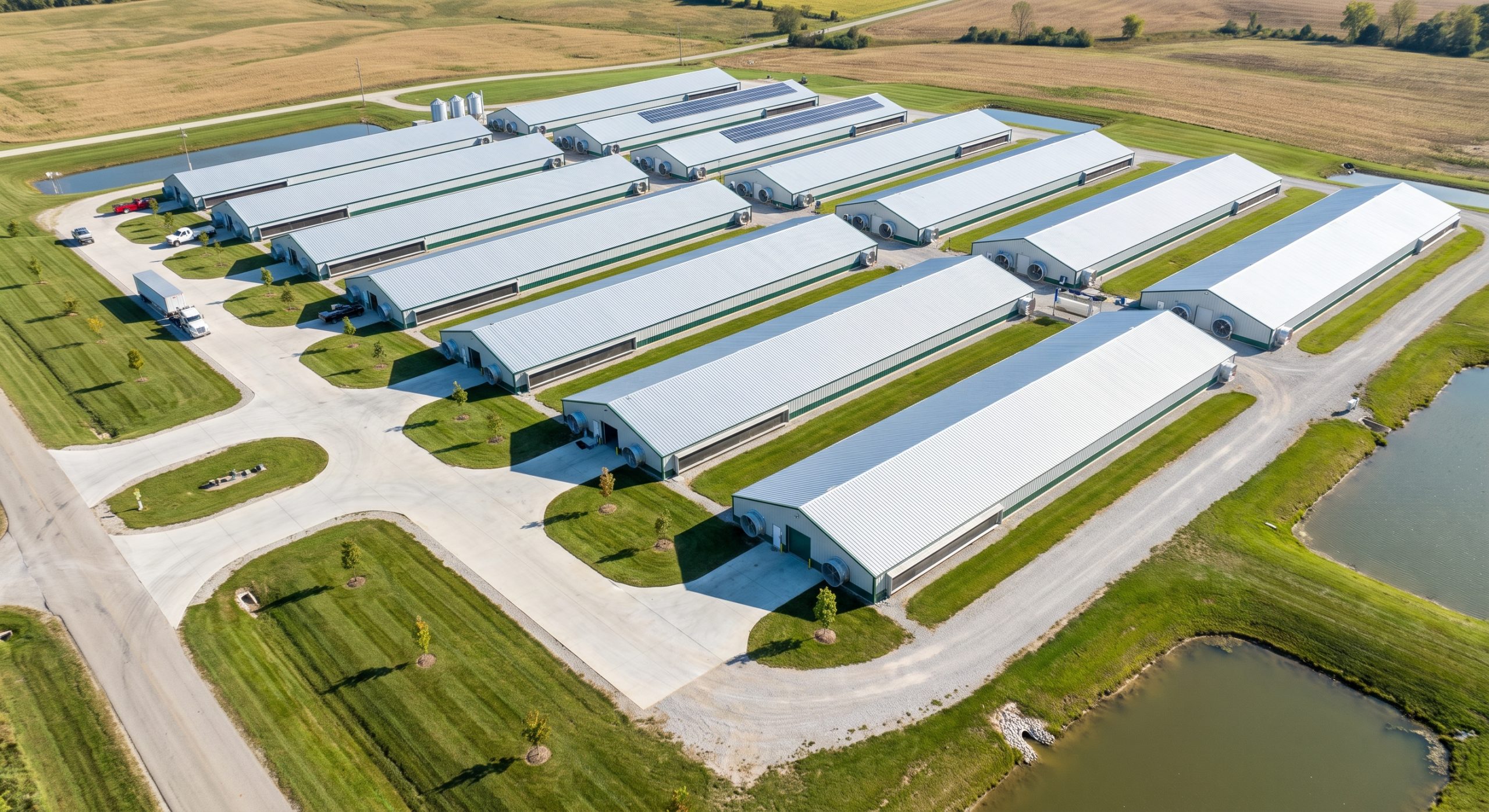
Applying this guide to your project involves working with engineering specialists who can customize a prefabricated steel structure to match your exact climate control needs, completing this chicken house ventilation guide. Precision manufacturing ensures that every column, beam, purlin, and panel fits together flawlessly. This structural accuracy is essential for achieving the airtight seals required for negative pressure systems. Choosing a factory-direct manufacturer also eliminates middleman markups, helping you control project budgets.
Your project team should analyze your local wind, snow, and seismic loads before production begins. They will coordinate shipping logistics so that all materials arrive on-site sequenced and marked. This organization simplifies the field erection process, saving you time and labor costs. Partnering with a dedicated manufacturer is the best path to long-term success.
Working with engineers to align frames and airflow
Here is the path forward: you should consult structural specialists during the initial design phase of your poultry house. These experts can help you determine the optimal framing height and panel thickness for your target climate. This proactive collaboration prevents costly modifications during on-site installation.
Collaborative design steps include:
- Reviewing 3D structural models
- Confirming cutout dimensions for fan banks
- Verifying local building code compliance
Coordinating factory-direct delivery for fast assembly
To ensure a seamless construction process, your steel package should arrive on-site with every single component marked and documented. This pre-sequenced approach allows local crews to erect the structure rapidly and accurately.
Project Delivery Takeaway: Sourcing an integrated steel package directly from the factory ensures structural integrity, precise equipment fitment, and lower total project costs.
| Phase | Engineering Focus | Primary Deliverables | Client Benefit | |
|---|---|---|---|---|
| 1. Custom Design | Local wind/snow load integration | 3D structural models | Compliant layout; exact equipment cutouts | |
| 2. Manufacturing | Precision CNC fabrication, galvanizing | Finished columns, beams, panels | Zero field modifications; high durability | |
| 3. Global Logistics | Packaged and marked shipping containers | Sequenced materials, erection guides | Rapid, error-free on-site assembly |
By partnering directly with a dedicated manufacturer like Showhoo Steel Structure Building Manufacturer , agricultural operators receive an integrated system where every component is engineered to support optimal ventilation performance and long-term asset value.
Conclusion
Designing an efficient poultry house ventilation system requires balancing structural airtightness, high-performance insulation, and precise mechanical components. This guide has addressed the primary challenges of barn management, demonstrating how controlled airflow removes harmful moisture, eliminates toxic ammonia, and prevents bird heat stress. Prefabricated steel buildings provide the ultimate solution to these issues, delivering a highly sealed structural envelope, durable insulated sandwich panels, and pre-engineered openings designed for seamless equipment integration.
Sourcing your prefabricated steel buildings directly from an experienced fabricator protects your flock and optimizes your operational budget. If you are ready to construct a high-performance poultry facility tailored to your local climate and code requirements, contact us today to collaborate with our specialist engineering team.
Design Your Poultry House Ventilation System Today !
Email:sales@showhoo.com.cn
Phone/WhatsApp: + 86 186 7895 5927
Frequently Asked Questions
Can I integrate my own ventilation equipment into your prefabricated steel structures?
Yes, you can. Prefabricated steel columns and wall purlins can be custom-engineered during the design phase to match the exact cutout dimensions of any commercial fan, cooling pad, or inlet system you choose.
What’s the best insulation core material for a poultry house in a cold region?
Usually, the best option is Polyurethane (PU) sandwich panels. PU cores offer the highest R-value per inch of thickness, providing exceptional thermal resistance that keeps heat inside the barn and reduces winter fuel costs.
How do I know if my poultry house is sufficiently airtight for negative pressure ventilation?
You can easily verify this by conducting a static pressure test using your exhaust fans. A well-sealed steel building should easily achieve and maintain a high vacuum reading when all inlets and doors are fully closed.
Can I use natural ventilation for a high-density broiler house?
Typically, natural ventilation is not recommended for high-density commercial operations. Mechanical negative pressure systems are highly recommended because they deliver the consistent, high-velocity airflow necessary to prevent heat stress in tightly packed flocks.
What’s the best way to prevent corrosion on interior steel framing from ammonia fumes?
Usually, the best way is to specify hot-dip galvanized steel or apply high-performance, multi-layer protective coatings during factory fabrication. This barrier prevents corrosive ammonia gases and humidity from contacting the structural metal.