
The average cost for building a 50,000 sq. ft. warehouse steel building typically ranges from 1,500,000 to 2,500,000 for a total project, with the steel shell itself costing between20 and 23 per square foot. As your business expands, you may find your current storage capacity reaching its breaking point while your operational efficiency begins to stall. Paying high monthly rental costs for third-party logistics can drain your capital and prevent you from reinvesting in your core growth. By building a warehouse of your own, you secure a permanent asset that offers long-term stability and full control over your inventory and distribution needs.
Why is demand for building a warehouse rising?
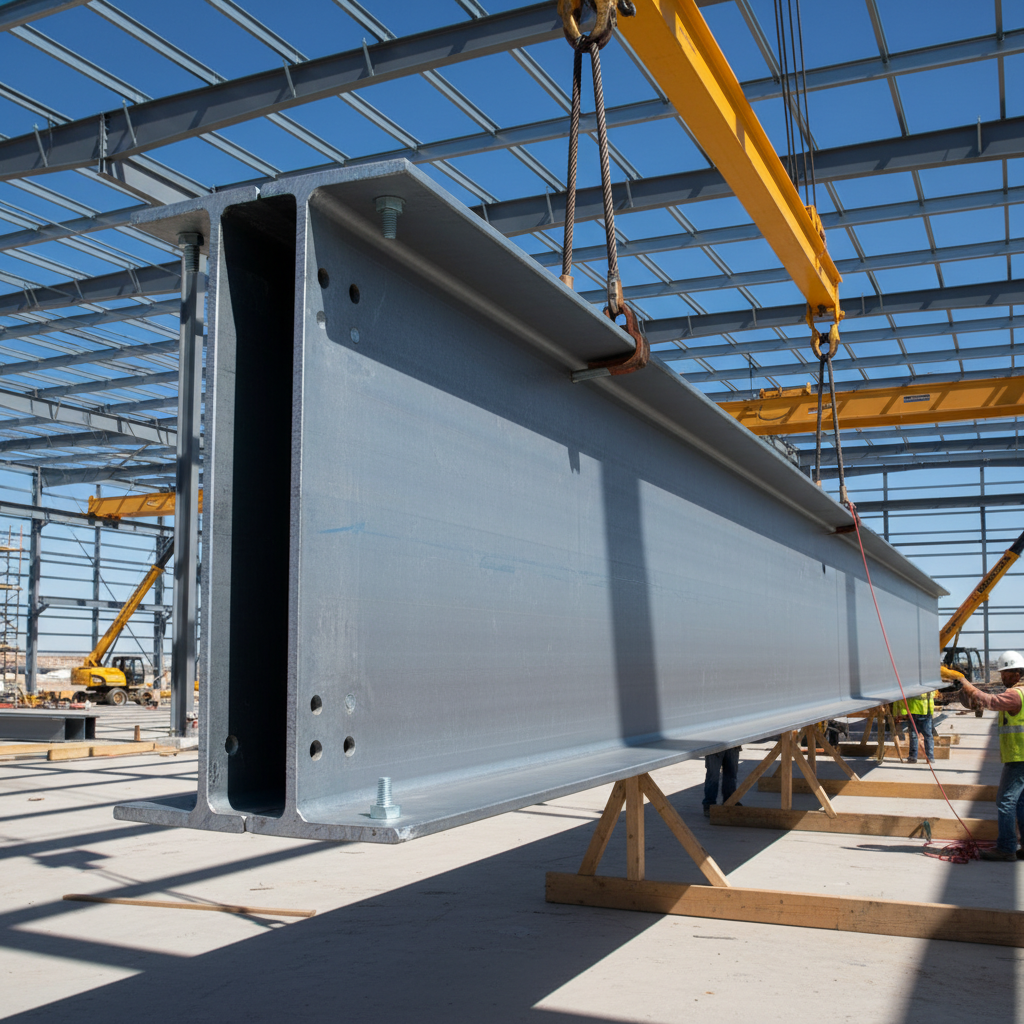
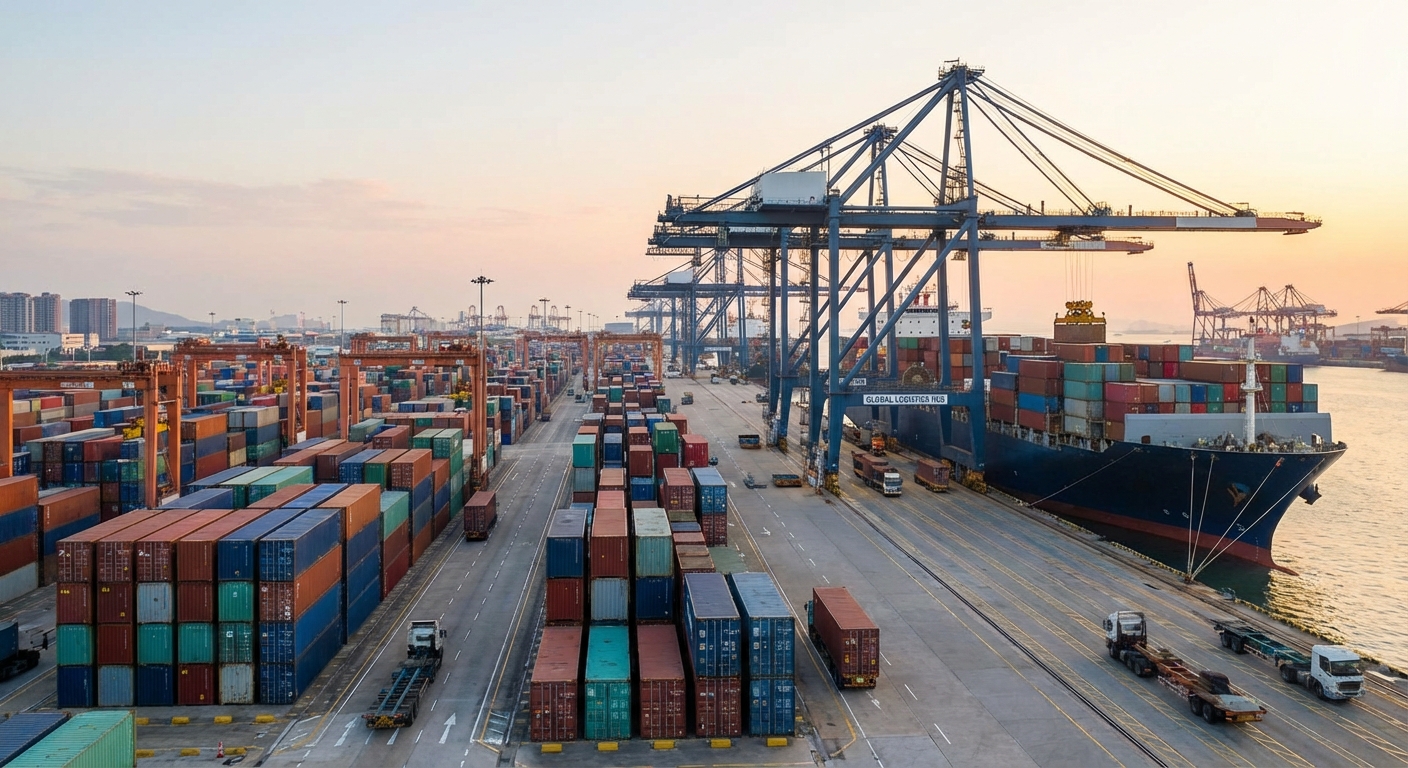
Demand for building a warehouse is rising because global e-commerce growth has fundamentally changed how companies manage their inventory and shipping speeds. You now need larger, more efficient spaces to compete in a market that expects next-day delivery. This trend is particularly evident in the steel warehouse sector, where rapid construction is prioritized.
How does e-commerce impact space needs?
Online retail requires significantly more floor space than traditional brick-and-mortar stores to handle diverse SKU counts and returns. You must accommodate high-density racking and specialized sorting areas to maintain your competitive edge.
The best part?
- You gain full control over shipping timelines.
- Inventory loss decreases through better organization.
- Scalability becomes a built-in feature of your property.
Key Takeaway: Modern logistics demand larger footprints to handle the sheer volume of online transactions and diverse inventory.
| Factor | Impact on Demand | |
|---|---|---|
| E-commerce | High | |
| Global Trade | Moderate | |
| Logistics Hubs | High |
This data shows that digital sales are the primary driver for expanding industrial square footage.
What influences the cost of building a warehouse?
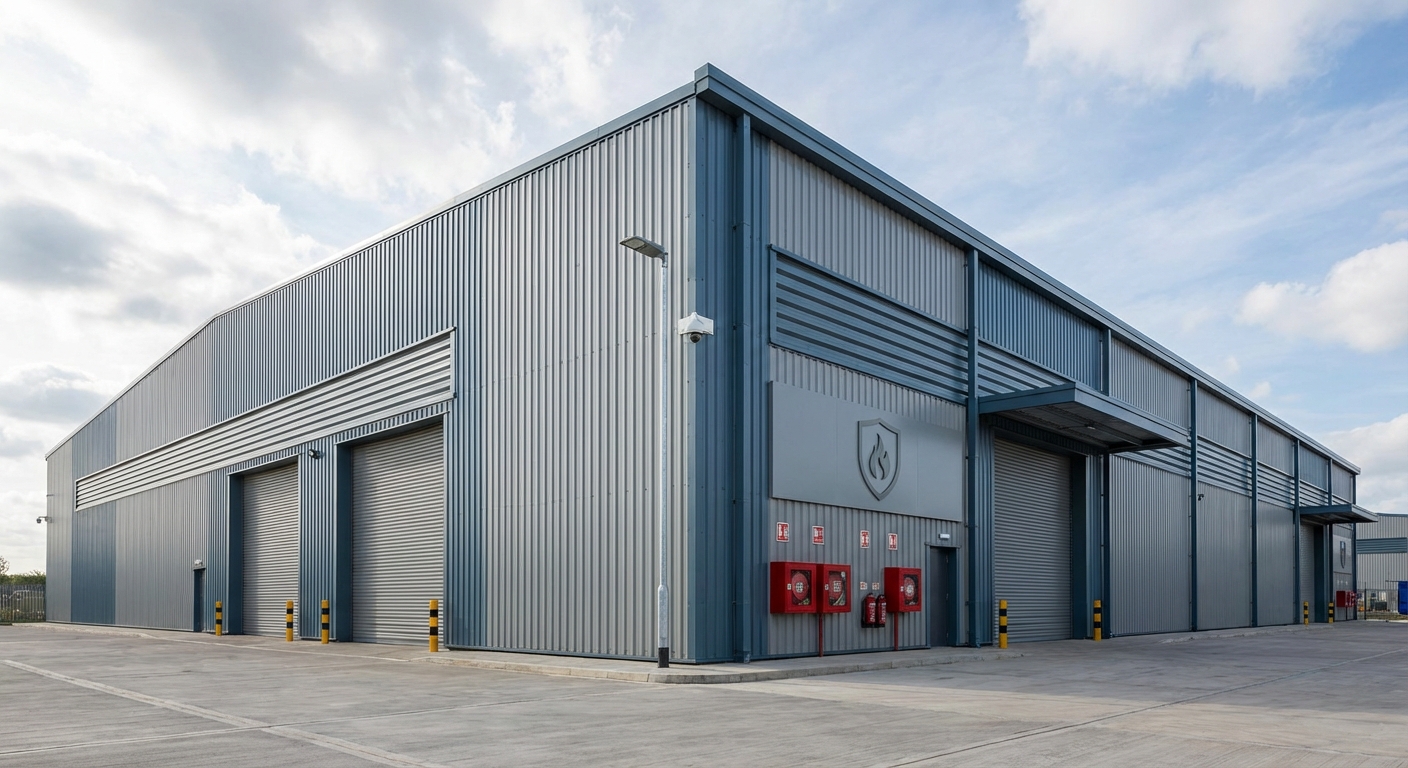
Several critical factors influence the final price when building a warehouse , including the geographic location, site preparation requirements, and specific structural upgrades. You will find that local building codes and soil conditions often dictate the complexity of your foundation and frame.
Why does location play a role in total cost?
Your choice of site affects everything from permit fees to the cost of transporting heavy steel components. Remote areas may save you money on land but increase the expense of bringing in utilities and specialized crews.
Look:
- Permit costs vary by municipality.
- Shipping distance impacts fuel surcharges.
- Local climate determines insulation needs.
Key Takeaway: Choosing the right location balances land savings against the logistical costs of construction and operation.
| Location Type | Relative Cost | |
|---|---|---|
| Urban Hub | High | |
| Suburban Area | Medium | |
| Rural Site | Low |
Strategic site selection remains the most effective way to manage your initial capital outlay.
Why choose steel when building a warehouse?
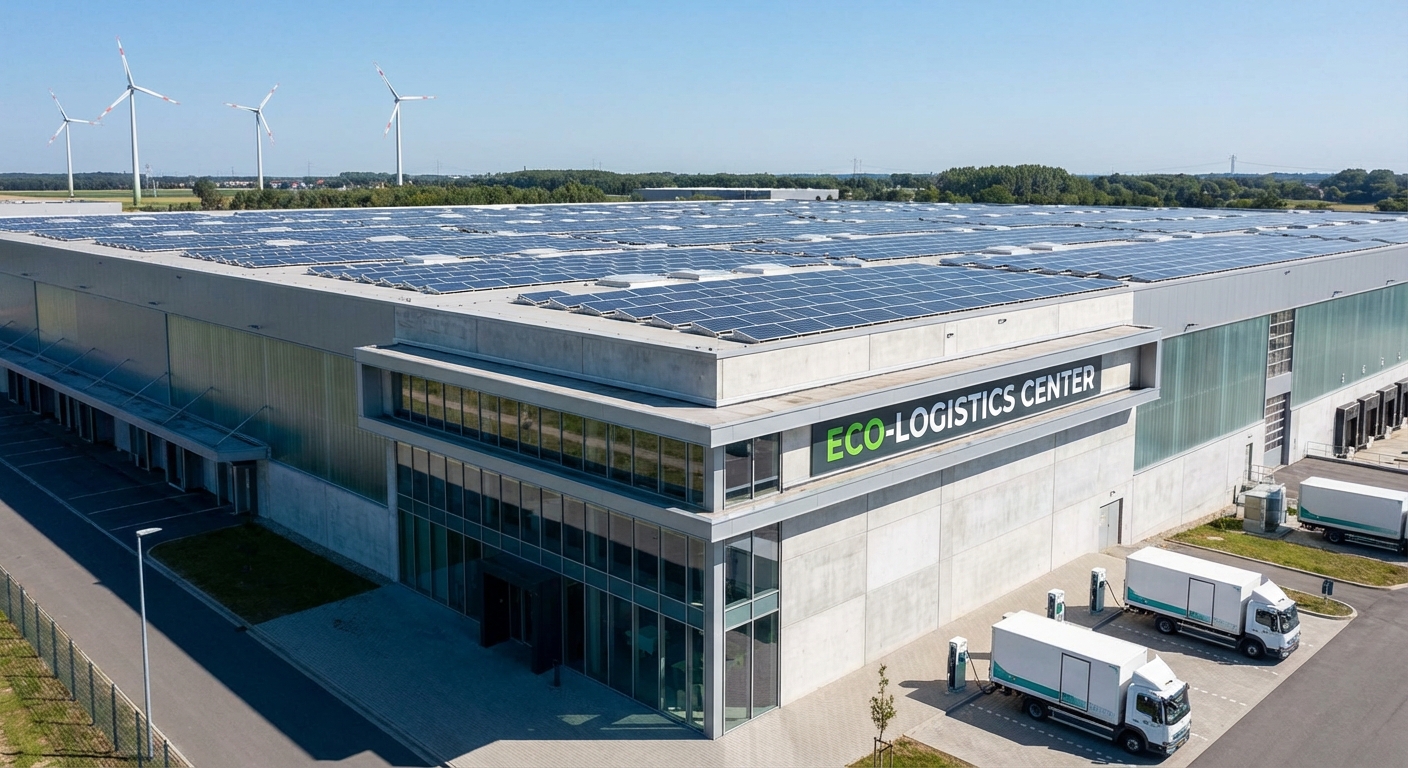
You should choose steel when building a warehouse because it offers unmatched durability, fire resistance, and a faster construction timeline compared to traditional wood or concrete. Utilizing a prefabricated steel structure warehouse allows you to minimize on-site waste and ensure precision engineering.
How do prefab kits speed up construction?
Prefabricated kits arrive at your site ready for assembly, which drastically reduces the time your business is stuck in the construction phase. You can often have the shell erected in weeks rather than months, allowing for faster occupancy.
Here is why:
- Bolts replace complex welding.
- Components are pre-cut at the factory.
- Standardized designs prevent errors.
Key Takeaway: Prefabricated steel components accelerate your ROI by shortening the time between investment and operations.
| Build Method | Estimated Timeline | |
|---|---|---|
| Steel Prefab | 4-6 Months | |
| Concrete Tilt-up | 8-12 Months | |
| Wood Frame | 7-10 Months |
Steel’s speed of assembly makes it the superior choice for businesses needing to scale quickly.
What are the hard costs of building a warehouse?
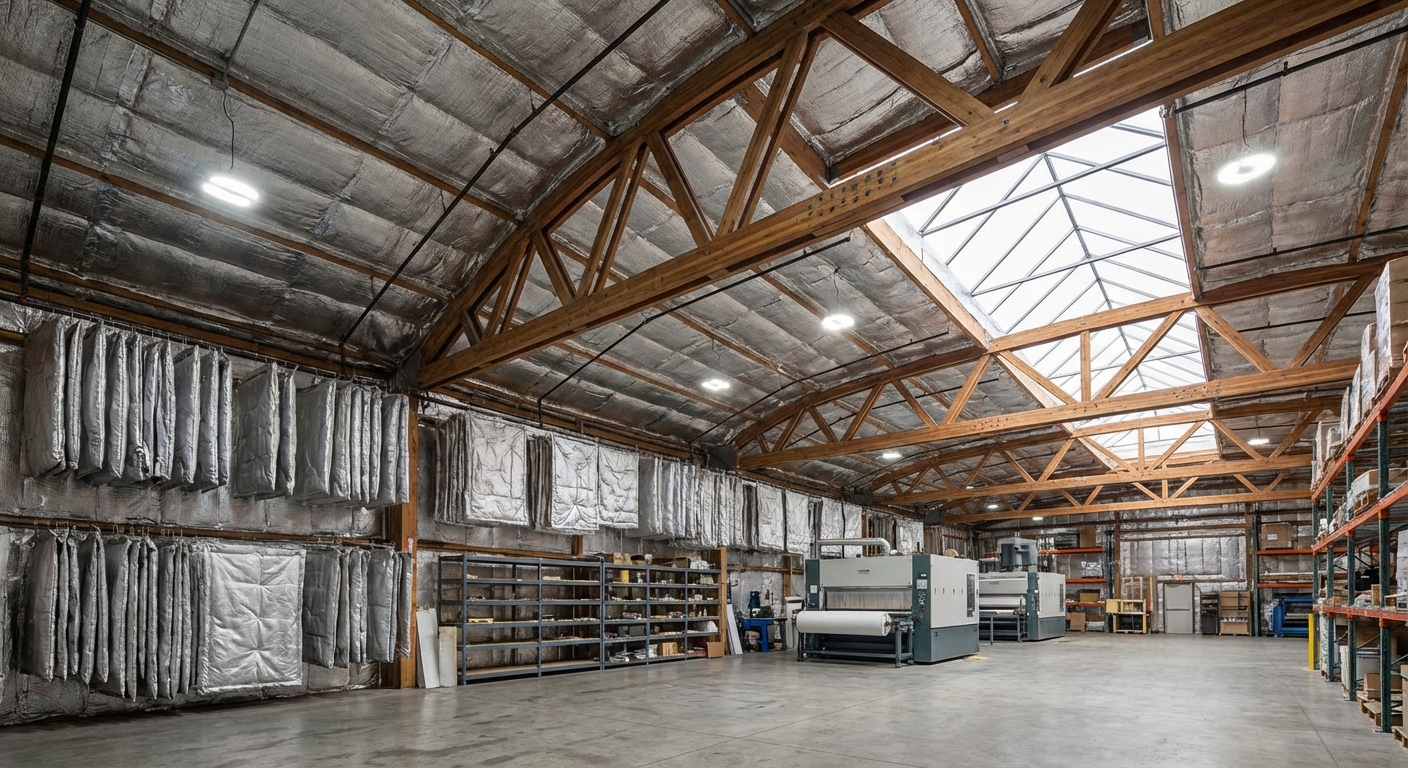
The hard costs of building a warehouse encompass the physical materials, foundation concrete, and the specialized equipment needed for the erection process. You must budget for high-quality steel frames, roof panels, and the concrete slab that will support your heavy machinery and racking systems.
What materials are required for the shell?
The shell requires primary and secondary steel members, wall sheeting, and high-performance roofing systems. You also need to account for fasteners, trim, and weatherproofing seals to ensure the building remains airtight and durable.
The best part?
- Steel is 100% recyclable.
- Materials are resistant to pests.
- Bulk purchasing lowers unit costs.
Key Takeaway: Investing in high-quality raw materials during the shell construction phase prevents expensive repairs later.
| Material | Cost Range ($/sq ft) | |
|---|---|---|
| Steel Frame | 8−16 | |
| Roof & Walls | 2−10 | |
| Concrete Slab | 4−6 |
A breakdown of material costs highlights the importance of the structural frame in your overall budget.
Does design affect cost when building a warehouse?

Yes, design significantly affects the price of building a warehouse, as clear-span requirements and ceiling heights determine the weight of steel needed. You may require a heavy steel structure if your facility needs to support overhead cranes or heavy industrial loads.
How do specialized loads impact the frame?
If you plan to install heavy-duty racking or mezzanine levels, the foundation and columns must be engineered for higher weight capacities. You should communicate these needs early to avoid costly redesigns during the construction phase.
Look:
- Taller buildings use more steel.
- Wide clear spans require heavier beams.
- Mezzanines increase floor load needs.
Key Takeaway: Tailoring your design to your specific operational needs ensures you don’t overpay for unnecessary structural capacity.
| Design Feature | Cost Impact | |
|---|---|---|
| Clear Span | High | |
| High Eave | Moderate | |
| Standard Grid | Low |
Complex designs naturally increase the engineering and material costs associated with your project.
Do market prices affect building a warehouse?
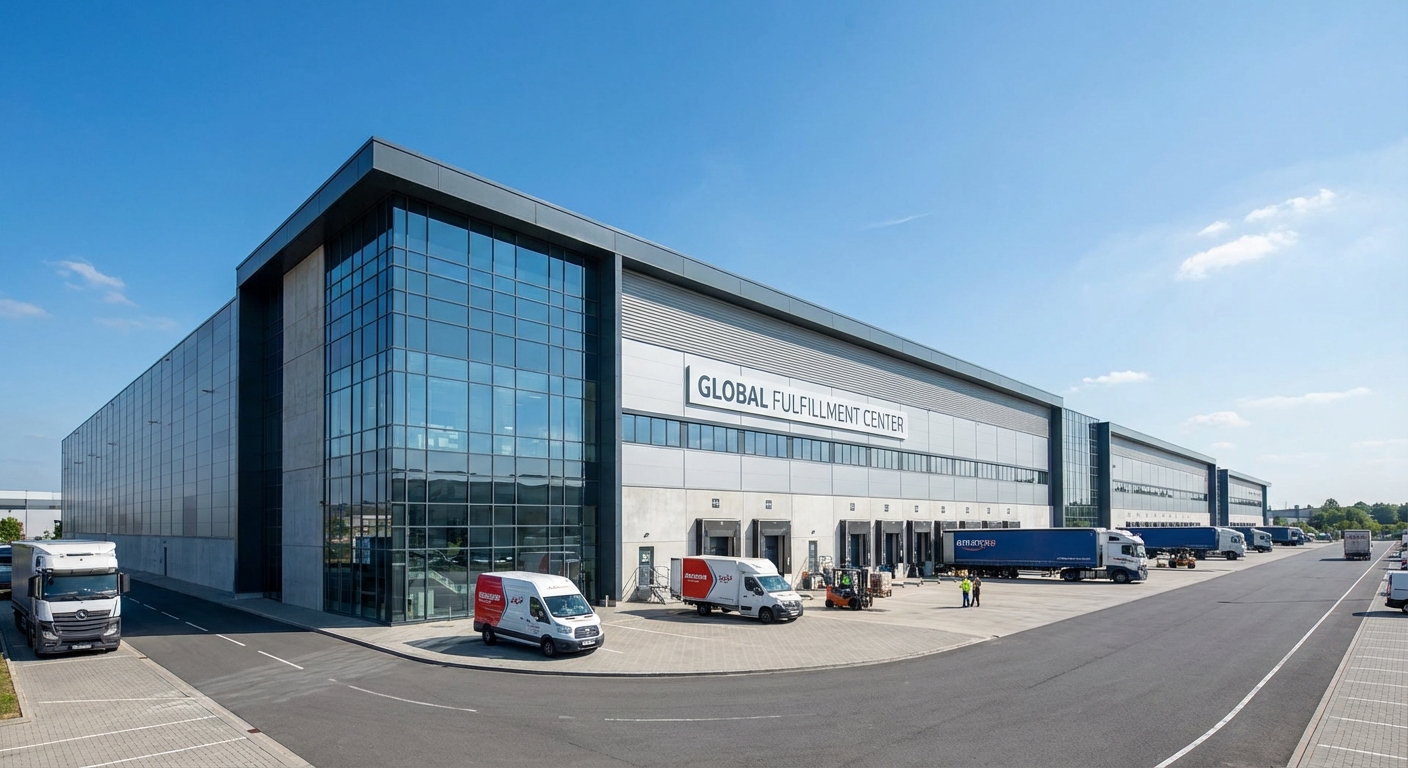
Market fluctuations in raw steel and fuel prices directly impact your budget when building a warehouse . You must stay informed about global supply chain trends to lock in pricing at the most advantageous time.
How often do steel prices fluctuate?
Steel prices can change weekly based on global demand, trade tariffs, and production output from major mills. You should work with a manufacturer who has a stable supply chain to mitigate these sudden price spikes.
Here is why:
- Tariffs can increase import costs.
- High energy prices raise production fees.
- Global demand shifts availability.
Key Takeaway: Timing your purchase during market lows can save you thousands of dollars on a 50,000 sq. ft. build.
| Price Factor | Volatility Level | |
|---|---|---|
| Raw Steel | High | |
| Fuel/Shipping | Moderate | |
| Permits | Low |
Economic variables are the primary reason why quotes for steel buildings often have short expiration dates.
Is labor expensive for building a warehouse?
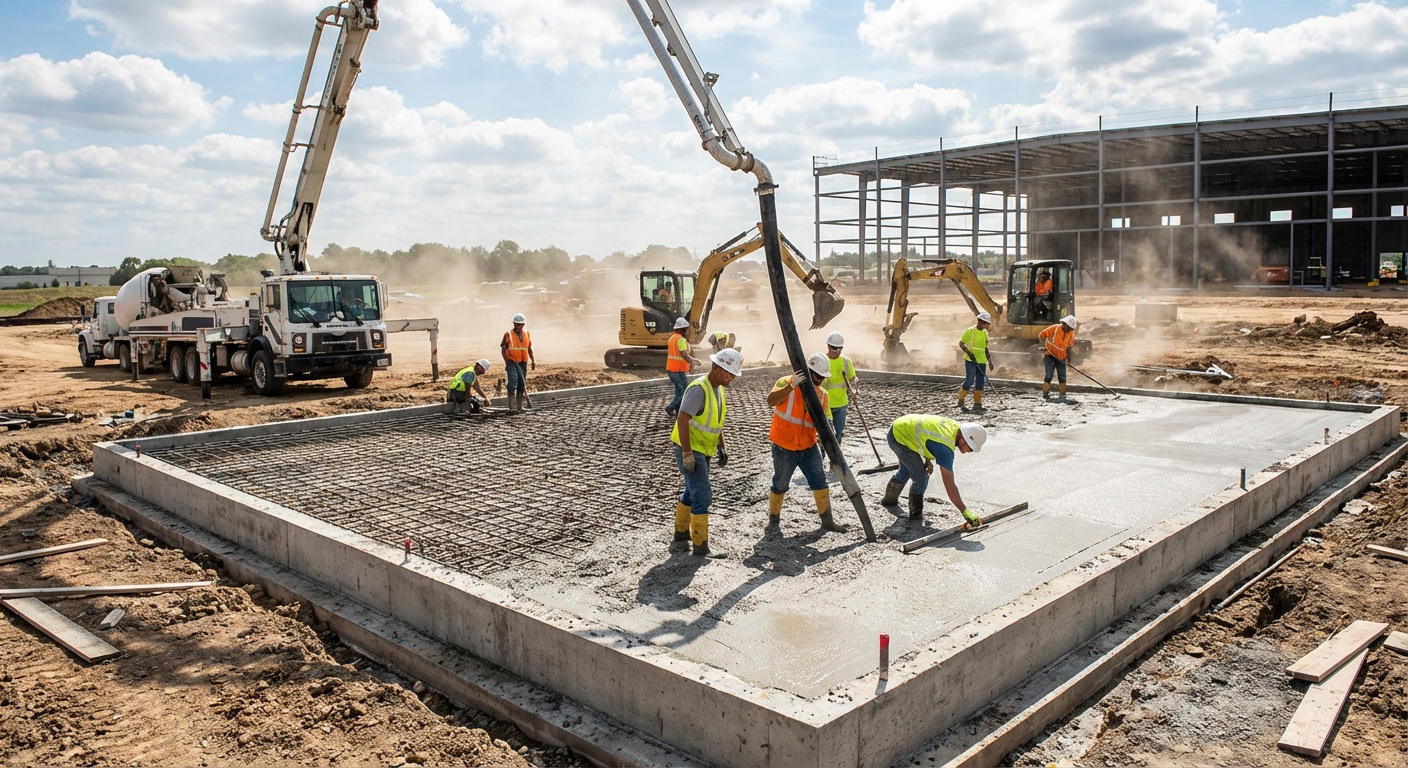
Labor is a significant expense for building a warehouse, typically accounting for 20% to 35% of your total construction budget. You will need to hire skilled erectors, concrete specialists, and certified electricians to ensure your facility meets all safety standards.
What percentage of the budget goes to labor?
A large portion of your funds will go toward the professional assembly of the steel kit and the pouring of the reinforced concrete foundation. You should expect higher labor rates if your project requires specialized skills like crane operation or high-altitude welding.
Look:
- Skilled erectors work faster.
- Union rates vary by region.
- Overtime can bloat your budget.
Key Takeaway: Hiring experienced crews reduces the risk of errors and ensures your building is erected safely and quickly.
| Labor Category | Budget Allocation | |
|---|---|---|
| Steel Erection | 15% – 20% | |
| Foundation/Slab | 10% – 15% | |
| MEP Systems | 5% – 10% |
Efficient labor management is the key to keeping your 50,000 sq. ft. project within its financial limits.
Are there long-term costs to building a warehouse?
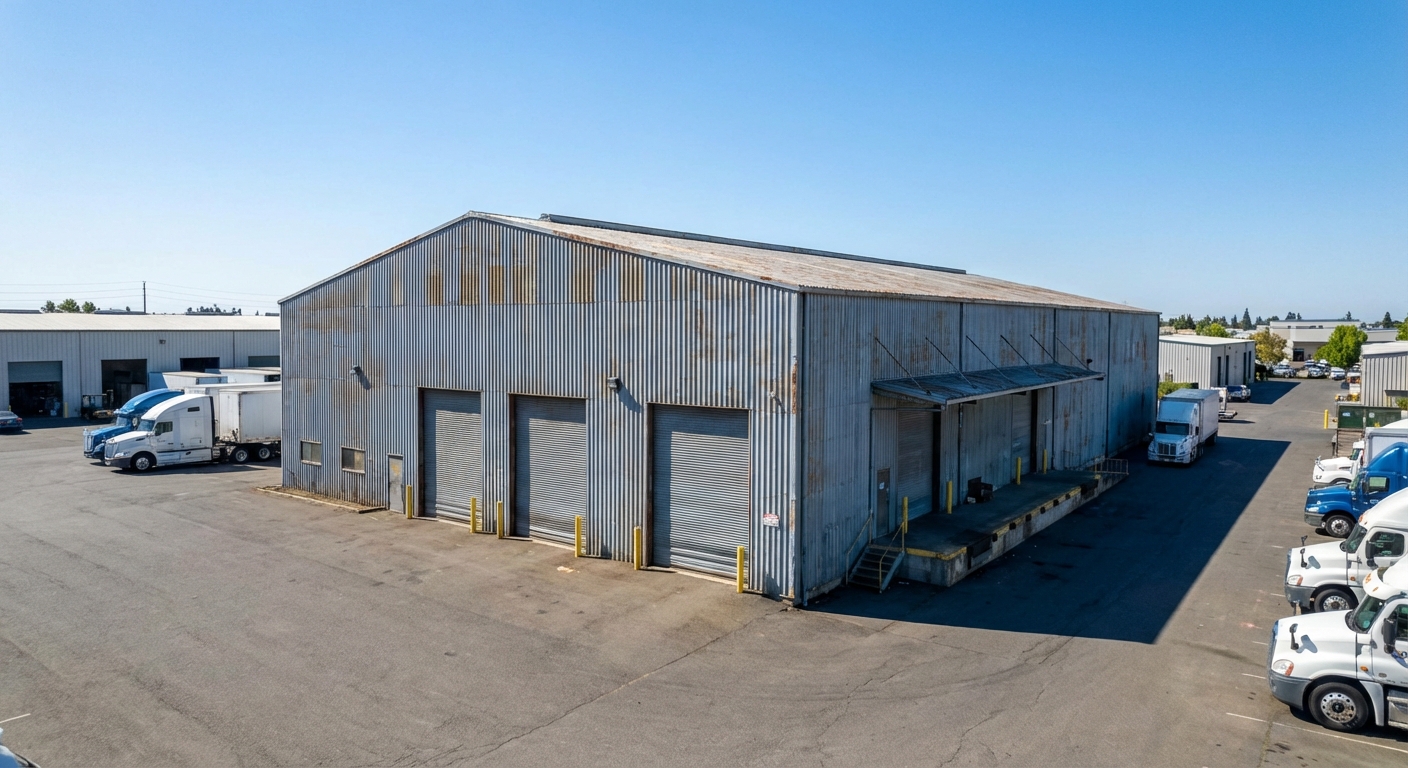
While steel is low-maintenance, you must account for annual inspections and cleaning when building a warehouse . You will save money over time because steel does not suffer from the rot, warping, or pest infestations common in other materials.
How much is annual building maintenance?
Annual maintenance for a 50,000 sq. ft. steel facility is minimal, usually ranging between 500and1,500 for basic cleaning and gutter checks. You should also verify that your protective coatings remain intact to prevent long-term corrosion issues.
The best part?
- No need for frequent painting.
- Roofs last up to 50 years.
- Structural integrity stays constant.
Key Takeaway: The low maintenance requirements of steel make it the most cost-effective long-term storage solution.
| Expense Type | Frequency | Cost Level | |
|---|---|---|---|
| Cleaning | Bi-annual | Low | |
| Inspections | Annual | Low | |
| Major Repairs | 20+ Years | Medium |
Investing in steel means you spend less on upkeep and more on growing your business operations.
Can building a warehouse lower insurance rates?
Building a warehouse with steel can lead to significantly lower insurance premiums because of the material’s inherent fire resistance. You will find that insurers view steel structures as lower-risk assets compared to flammable wooden alternatives.
Why do fire-resistant materials save money?
Since steel does not provide fuel for a fire, the risk of a total loss is greatly reduced, leading to lower policy rates. You also benefit from steel’s ability to withstand high winds and heavy snow loads, which further decreases your risk profile.
Here is why:
- Steel does not burn.
- Pests cannot damage the frame.
- Wind resistance reduces claim risks.
Key Takeaway: Choosing non-combustible materials like steel provides immediate and ongoing savings on your insurance costs.
| Building Material | Insurance Risk | |
|---|---|---|
| Steel | Low | |
| Concrete | Low | |
| Wood | High |
The safety profile of steel is a major financial advantage that compounds over the life of the building.
How to optimize ROI when building a warehouse?
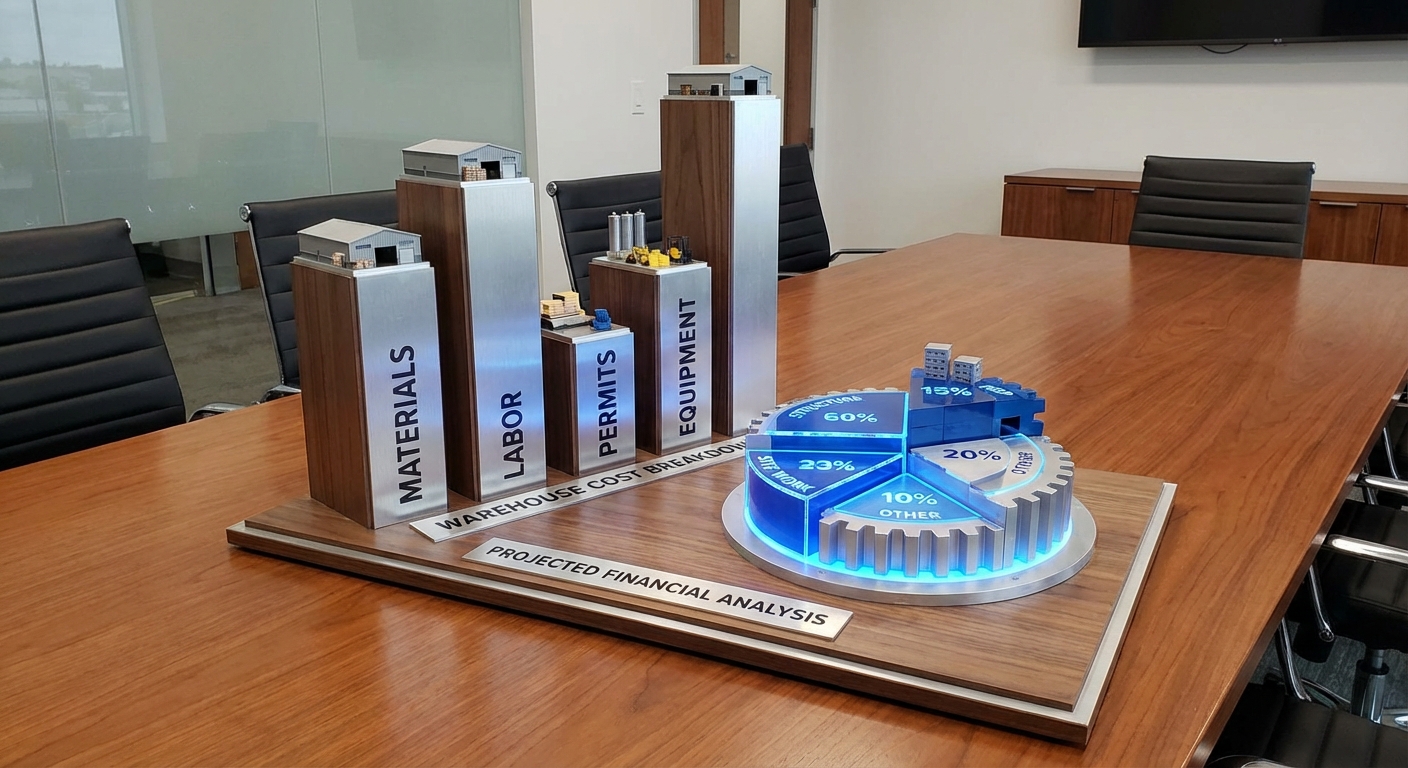
You can optimize your ROI when building a warehouse by integrating energy-efficient features and planning for future expansions. Following a guide on how to design a cost-efficient 50,000 square foot warehouse will help you maximize your usable space and minimize waste.
Can energy efficiency reduce monthly bills?
Installing thick insulation and LED lighting systems can reduce your monthly utility expenses by up to 40%. You should also consider skylights to take advantage of natural lighting during daytime operations.
The best part?
- Lower bills increase net profit.
- Tax credits may be available.
- Resale value of the building rises.
Key Takeaway: Strategic planning for energy and space efficiency ensures your warehouse remains a high-performing asset for decades.
| ROI Strategy | Payback Period | |
|---|---|---|
| Insulation | 3-5 Years | |
| LED Lighting | 1-2 Years | |
| Solar Panels | 7-10 Years |
Efficiency is not just an environmental choice; it is a critical driver of your long-term business profitability.
Conclusion
Building a 50,000 sq. ft. steel warehouse is a strategic move that solves the problem of rising rent and lack of operational control. By investing in a durable, fire-resistant, and low-maintenance steel structure, you secure your company’s future while optimizing your distribution capabilities. Whether you need a simple storage hub or a complex logistics center, our team is ready to help you navigate every step of the process. If you are ready to take the next step toward ownership and scalability, contact us today to get a personalized quote and start your journey toward a more profitable future.
FAQ
1. How long does it take to assemble a 50,000 sq. ft. steel kit?Approximately 6 to 10 weeks. This is because prefabricated components are designed for rapid, bolt-together assembly on-site.
2. Are financing options available for large metal warehouses?Yes, most lenders are comfortable with steel because it is a durable, long-lasting asset with high resale value.
3. What is the typical cost per square foot for a steel shell?Between 20and23 per square foot. This pricing reflects the economies of scale achieved when building larger structures.
4. How does steel compare to traditional wood for insurance?Steel is significantly cheaper to insure. Its fire resistance and structural strength reduce the risk of claims, leading to lower premiums.
5. Can a 50,000 sq. ft. warehouse be expanded later?Yes, quite easily. Steel frames are designed with modular end-walls that allow you to add new bays as your business grows.