
A 20,000 sq. ft. steel warehouse typically costs between 240,000 and 380,000 for the building kit alone. Scaling your logistics operation is a critical milestone, but the volatility of the construction market can make budgeting feel like a guessing game. You risk draining your capital on inefficient wood structures or slow concrete builds that stall your timeline and increase overhead. To protect your investment, you must understand exactly how much is a warehouse from a factory-direct perspective before breaking ground.
How Much is a Warehouse at 20,000 Sq. Ft. in 2026?
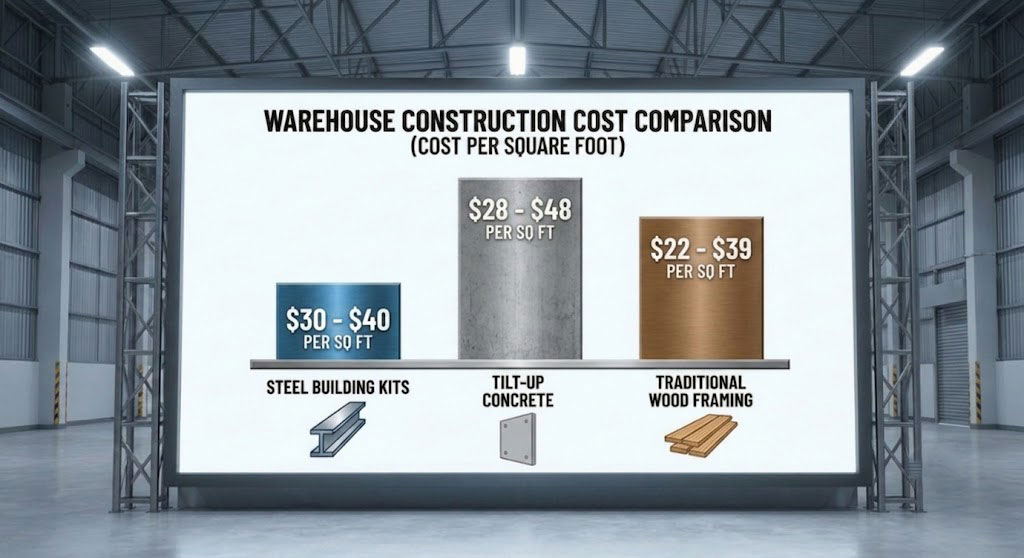
The average cost to build a 20,000 square foot steel structure ranges from 30 to 40 per square foot for the primary material kit. When you analyze how much is a warehouse , you must distinguish between the shell price and the total erected cost. Steel remains the most economical choice for high-volume storage.
The best part? You can lock in factory-direct pricing early.
- Steel Building Kits: 30-40 per square foot.
- Tilt-up Concrete: 28–48 per square foot.
- Wood-Framed Warehouses: 22–39 per square foot.
Understanding the Cost per Square Foot
Material prices fluctuate based on global supply chains and regional demand. A standard 100-ft by 200-ft configuration maximizes steel efficiency and reduces waste during fabrication. This size offers the perfect balance for e-commerce or manufacturing needs.
Lowering your total landed cost starts with choosing a steel structure warehouse designed for your specific site. Engineering for local wind and snow loads ensures you don’t overpay for unnecessary steel weight.
Strategic Planning for Clear Span Designs
Clear span designs provide 100% usable floor space without obstructive interior columns. This feature increases the efficiency of your racking systems and forklift paths. While it may use slightly more steel than multi-span frames, the operational ROI is significantly higher.
Key Takeaway: Pre-engineered steel buildings offer the lowest entry cost and highest speed to market for industrial facilities.
| Construction Type | Avg. Price per Sq. Ft. | Total Project Speed | |
|---|---|---|---|
| Steel Building Kit | 30-40 | Fast (4-6 weeks) | |
| Concrete Tilt-Up | 28−48 | Moderate (12+ weeks) | |
| Traditional Wood | 22−39 | Slow (10+ weeks) |
The price advantage of steel over concrete becomes even more pronounced as building size increases beyond 20,000 square feet.
How Much is a Warehouse Foundation and Site Preparation?
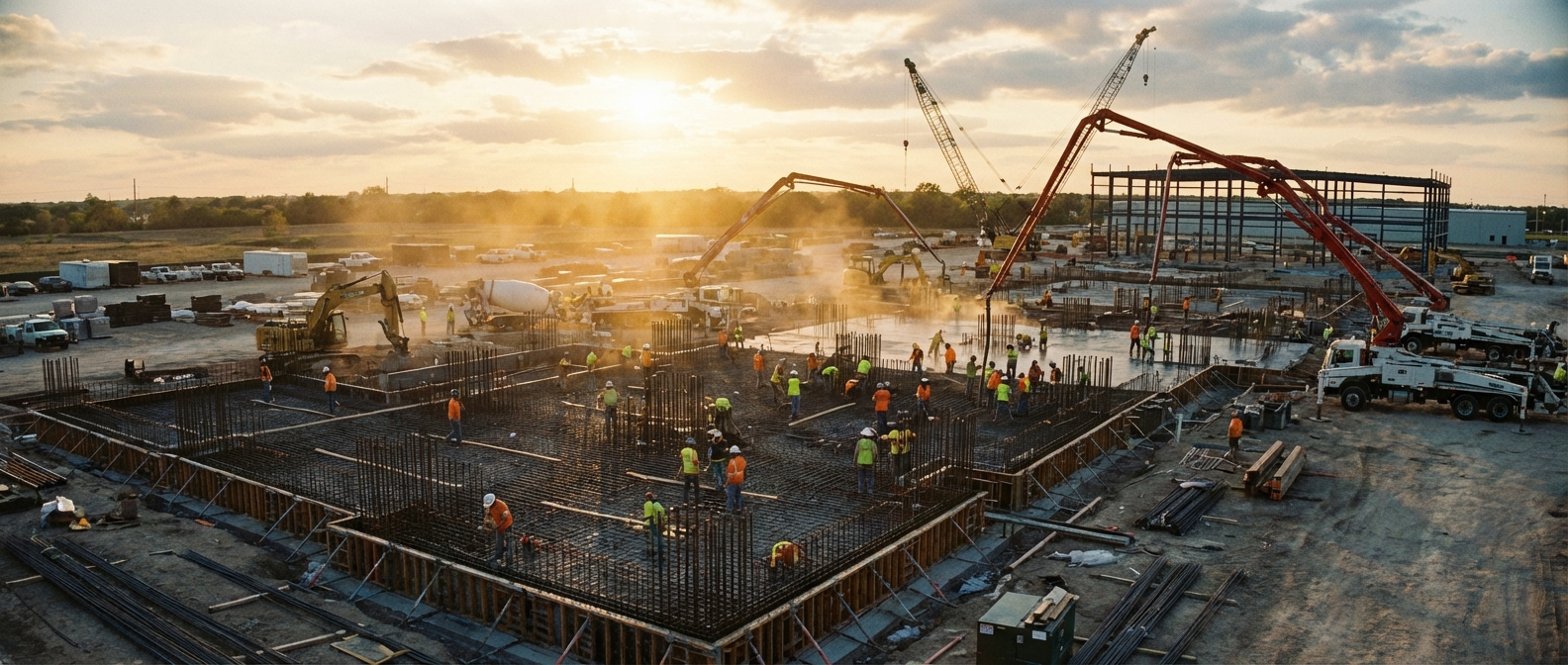
A concrete foundation for a 20,000 sq. ft. warehouse generally costs between 77,000 and 140,000 depending on slab thickness. Early calculations of these “hard costs” are essential to understanding how much is a warehouse project in its entirety. Ground conditions and leveling requirements represent the largest variable in early-stage budgeting.
Think about it: Your floor is the most used part of the building.
- Standard 6-inch poured concrete: 3.85–7.00 per sq. ft.
- Excavation and professional grading labor.
- Reinforcement rebar for heavy equipment and high-piled storage.
- Vapor barriers to prevent moisture damage to inventory.
Foundation Materials and Load Requirements
If you plan to use heavy machinery or high-density racking, you may require a reinforced 8-inch slab. This increases the concrete volume and rebar density, potentially adding 15-20% to your foundation budget. Accurate soil testing prevents future settling issues that could compromise the building’s structural integrity.
Proper drainage and utility trenching should be completed before the pour to save on labor costs. It is far more expensive to cut into existing concrete than to plan conduits in advance.
Grading and Site Leveling
Site preparation involves removing topsoil, leveling the pad, and ensuring proper compaction. Poor soil compaction can lead to cracks in the slab, which are costly to repair once the steel frame is erected. Investing in quality site work protects your structural steel solutions for the long term.
Key Takeaway: Foundation costs are site-specific and must be estimated using local labor rates and current concrete prices.
| Foundation Element | Estimated Cost (per Sq. Ft.) | Total for 20,000 Sq. Ft. | |
|---|---|---|---|
| Grading & Excavation | 1.50−2.50 | 30,000−50,000 | |
| Concrete Slab (6″) | 4.00−6.00 | 80,000−120,000 | |
| Combined Pad Cost | 5.50−8.50 | 110,000−170,000 |
Analytical site preparation ensures that the slab can support the point loads of the primary steel columns without failure.
What are the Hard Costs to Know How Much is a Warehouse?
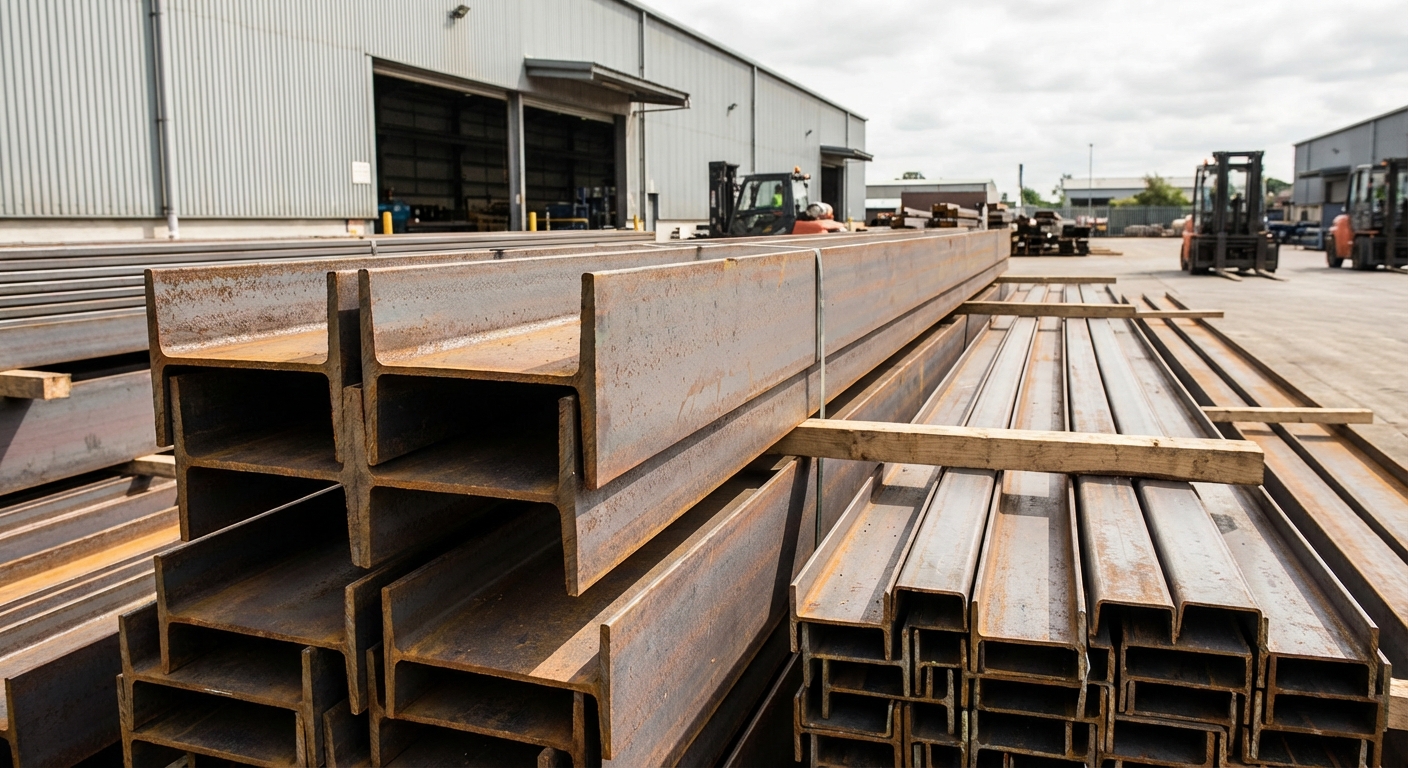
Hard costs refer to the physical materials including the primary frame, secondary purlins, and wall panels. Identifying how much is a warehouse at the manufacturing level allows you to eliminate middleman markups that often inflate retail prices. Direct procurement from the factory ensures you receive a high-quality product at wholesale rates.
Here is the deal: Buying direct changes the math.
- Primary H-section steel columns and roof beams.
- Secondary galvanized purlins, girts, and bracing.
- High-tensile fasteners and structural bolt kits.
- Durable wall and roof cladding panels.
Raw Steel Pricing and Fabrication
Steel prices are dictated by global market indices and can change daily. By purchasing a complete building package, you benefit from bulk steel buying power that individual contractors cannot match. Precision-cut components also minimize material waste, which can account for up to 10% of costs in traditional construction.
Every component is marked and sequenced at the factory. This ensures that the installation-ready system arrives at your job site ready for immediate assembly without field modifications.
Cladding and Protective Coatings
The type of wall and roof panels you select will impact the final hard cost. Standard 26-gauge PBR panels are cost-effective, while insulated metal panels (IMPs) provide superior thermal performance. Galvanized or Galvalume coatings protect the steel from corrosion, especially in coastal or humid environments.
Key Takeaway: Factory-direct purchasing is the most effective strategy to control hard costs and ensure material quality.
| Material Component | Function | Budget Impact | |
|---|---|---|---|
| Primary Frame | Main Load-Bearing Structure | High | |
| Panels & Cladding | Building Envelope | Medium | |
| Fasteners & Bolts | Structural Connection | Low |
Purchasing a complete module ensures all parts are engineered to work together, reducing the risk of missing components on site.
How Do Custom Add-ons Change How Much is a Warehouse?

Customizations such as mezzanines, refrigeration, or crane runways can add 1.50to100 per square foot to your budget. To accurately determine how much is a warehouse for your specific business, you must account for these operational features early in the design phase. A building intended for cold storage will require significantly more insulation and specialized door systems.
But that’s not all. You can design for future expansion today.
- Mezzanine levels for additional office or storage space.
- Industrial roller doors and high-speed loading dock systems.
- Integrated crane beams for heavy manufacturing.
- Skylights and translucent panels for natural lighting.
Insulation and Energy Efficiency
Basic fiberglass blanket insulation is the most affordable way to regulate internal temperatures. However, if you are storing temperature-sensitive inventory, insulated metal panels (IMPs) are a better long-term investment. They offer higher R-values and a cleaner interior finish that is easier to maintain.
High-efficiency HVAC systems and LED lighting layouts further define the facility’s utility. These systems impact the building’s operational costs far more than the initial purchase price.
Accessory Pricing and Logistics Features
The number of walk doors, windows, and overhead doors directly influences the framing complexity. Each opening requires additional structural headers and jambs. Choosing standard sizes for these accessories helps keep the price predictable and the lead times short.
Key Takeaway: Custom features define the building’s utility but require careful balancing against the initial construction budget.
| Feature | Primary Benefit | Estimated Price Range | |
|---|---|---|---|
| Blanket Insulation | Energy Savings | 1.50−3.00/sq. ft. | |
| Mezzanine Floor | Extra Storage Space | 40−100/sq. ft. | |
| Crane Runway | Heavy Material Handling | Case-by-Case |
Investing in high-quality insulation today can reduce your monthly cooling and heating costs by up to 40%.
How Does Assembly Labor Impact How Much is a Warehouse?
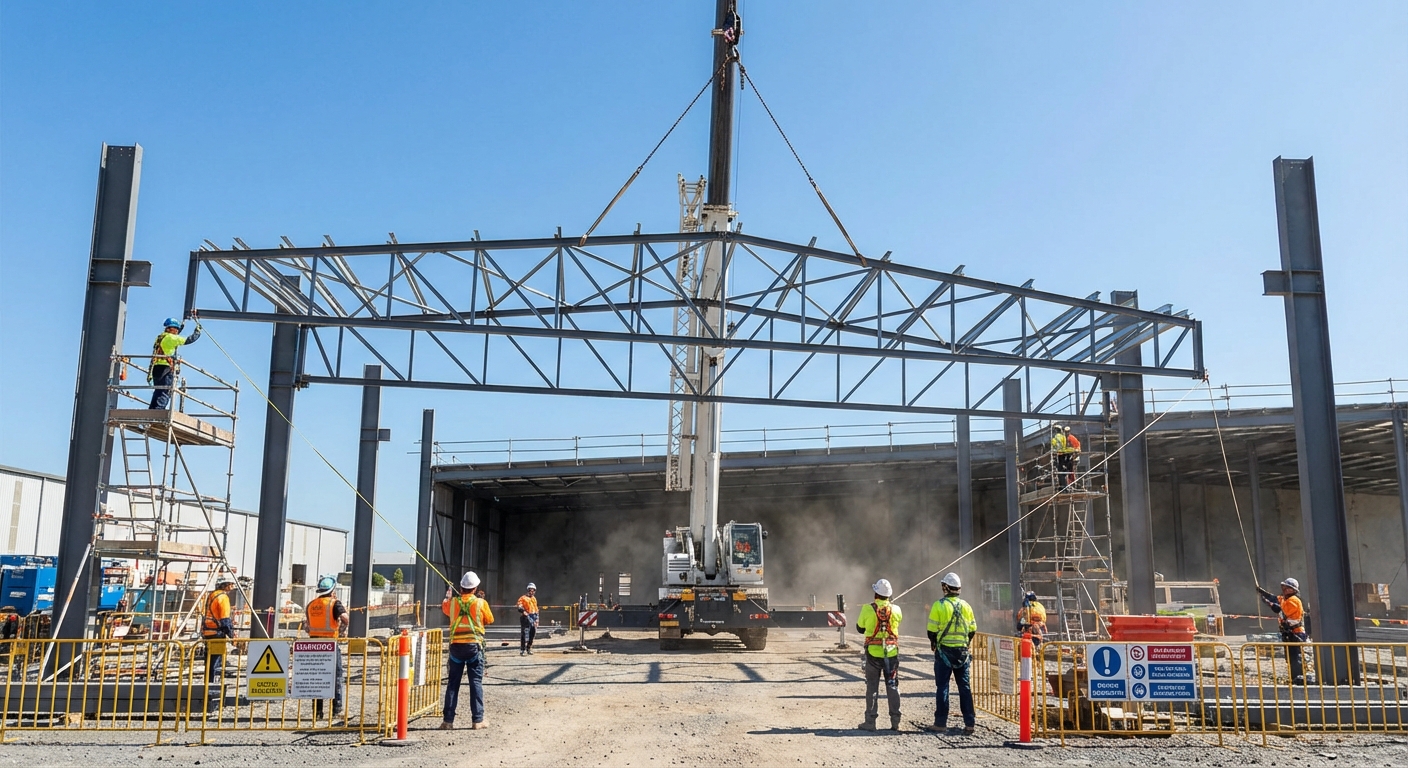
Labor typically accounts for 20% to 40% of the total project budget for a 20,000 sq. ft. metal building. When evaluating how much is a warehouse , the speed of assembly becomes a major cost-saving lever. Prefabricated components allow a smaller crew to erect the structure in a fraction of the time required for traditional methods.
It gets better: Bolt-together construction eliminates most on-site welding.
- Pre-punched holes ensure structural alignment without drilling.
- Sequenced delivery prevents site clutter and downtime.
- Standardized assembly steps reduce the need for specialized trade labor.
- Faster dried-in times allow interior trades to start earlier.
Prefabricated vs. Traditional Assembly
Building with a steel kit is approximately 33% faster than using wood or masonry. This reduction in man-hours directly lowers your insurance and payroll expenses during construction. Because the components are engineered for precision, you avoid the costly field modifications that plague traditional job sites.
Using a factory-direct pricing model often includes detailed erection drawings that your local contractor can follow easily. This clarity reduces the risk of errors and project delays.
Crew Requirements and Equipment
Erecting a 20,000 sq. ft. building requires a mobile crane and a team of 4 to 6 experienced ironworkers. The rental duration for heavy equipment is a significant variable in your labor budget. Efficient scheduling of the crane and lift equipment can save thousands in weekly rental fees.
Key Takeaway: Speed of assembly is the most effective way to reduce the labor portion of your warehouse investment.
| Method | Estimated Time | Labor Intensity | |
|---|---|---|---|
| Steel Building Kit | 4 – 6 Weeks | Low | |
| Wood Frame | 10 – 14 Weeks | Medium | |
| Concrete Tilt-Up | 12 – 18 Weeks | High |
Reducing construction time by several months allows your business to generate revenue from the new space much sooner.
What Soft Costs Affect How Much is a Warehouse Budget?
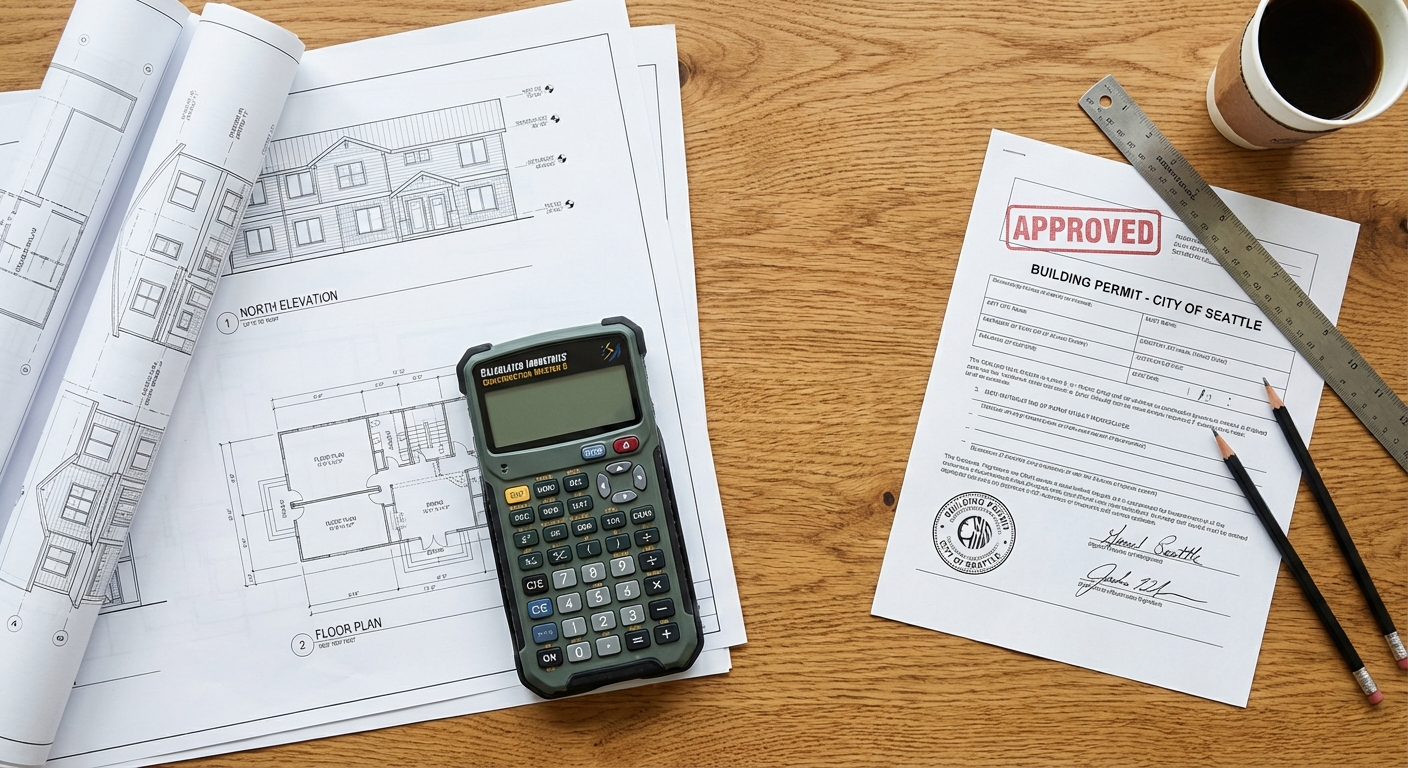
Soft costs include engineering fees, permits, and insurance, often making up 30% of the total project expenditure. You must budget for these items before the first piece of steel arrives to understand how much is a warehouse in reality. These administrative and professional fees are necessary to ensure the building meets local zoning and safety codes.
You might be wondering: Why are these costs so high?
- Architectural and structural engineering stamps.
- Local building permits and environmental impact fees.
- Builder’s risk insurance and construction loan interest.
- Legal fees for zoning and land use agreements.
Permitting and Professional Fees
Every jurisdiction has different requirements for structural design. A 20,000 sq. ft. building usually triggers more complex permit reviews than smaller sheds. Working with a manufacturer that provides engineered drawings simplifies the submission process and reduces architect fees.
Local impact fees can also vary wildly by municipality. It is vital to consult with local authorities during the due diligence phase to avoid surprise costs later in the project.
Risk Management and Financing
Securing a construction loan involves fees and interest payments that must be factored into the “soft” budget. Additionally, builder’s risk insurance protects your investment from weather damage or theft during the construction phase. These costs are non-negotiable for professional-grade commercial projects.
Key Takeaway: Administrative and engineering fees are essential for a legal, safe, and insurable industrial structure.
| Category | Typical Service | Estimated Fee Range | |
|---|---|---|---|
| Engineering | Structural Drawings | 3,000−10,000 | |
| Permitting | Zoning/Building Fees | 2,000−7,000 | |
| Insurance | Builder’s Risk | 1,500−5,000 |
Proper documentation early in the project prevents expensive rework and legal delays during the final inspection.
Can Maintenance Reduce How Much is a Warehouse Costs?
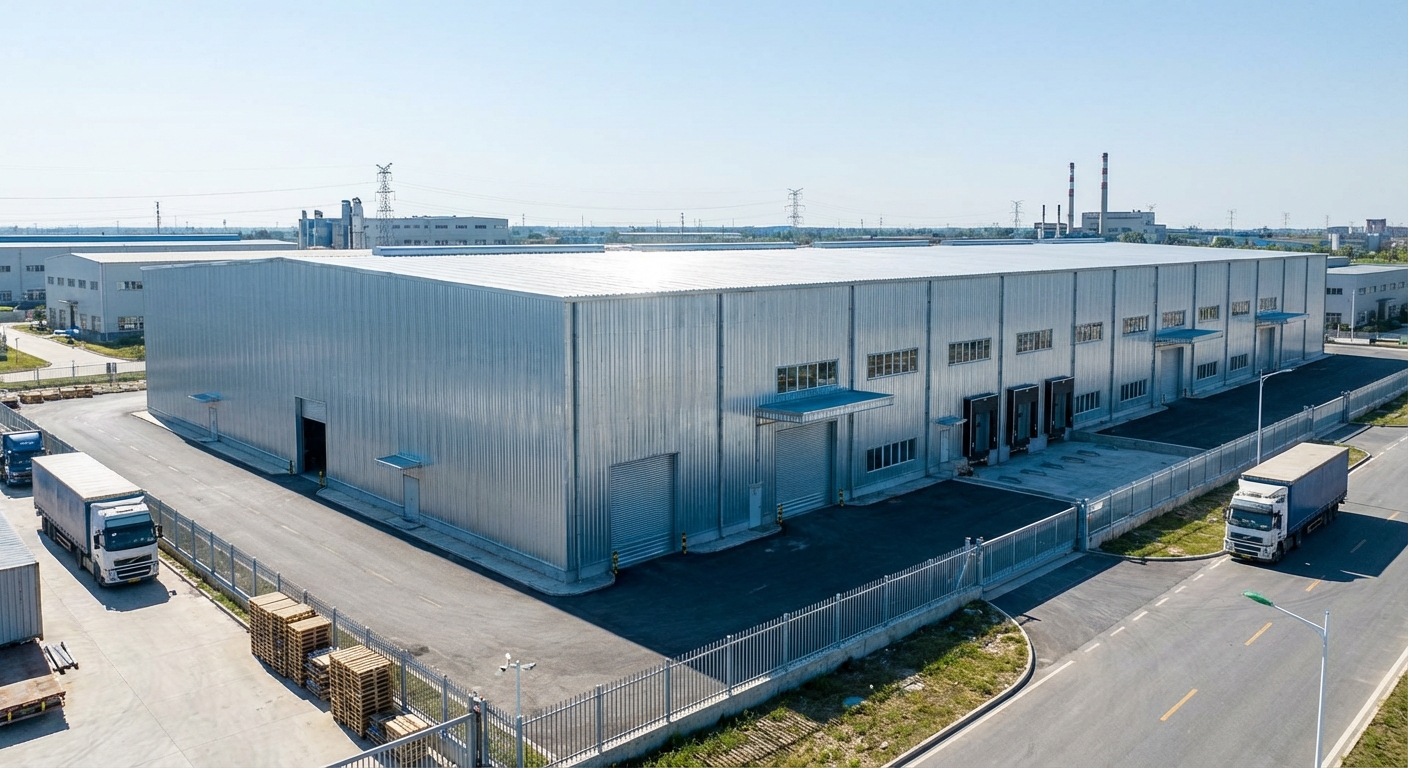
Annual maintenance for a steel building costs between 0.15and0.25 per square foot, significantly lower than wood or masonry. When considering how much is a warehouse , you must look at the 30-year lifecycle cost. Steel’s resistance to pests, rot, and mold makes it the most durable long-term storage solution.
Wait, there’s more: Your insurance company prefers steel.
- Inorganic materials repel termites, mold, and rot.
- Long-lasting paint finishes carry 20-year to 40-year warranties.
- Non-combustible steel frames can lower annual insurance premiums.
- Minimal structural shifting reduces the need for roof and window repairs.
Durability of Galvanized Steel
High-quality steel buildings use galvanized or coated members to prevent oxidation. This protection is critical for the secondary structure (purlins and girts), which are often exposed to condensation. A well-maintained steel envelope will last for decades with only basic cleaning and gutter maintenance.
Steel is also dimensionally stable. Unlike wood, it does not warp or shrink, ensuring that your doors and windows stay properly aligned and weather-sealed.
Fire Resistance and Insurance Savings
Industrial insurance rates are heavily influenced by the building’s fire rating. Steel’s non-combustible nature often results in premiums that are 30% to 40% lower than wood-framed structures. Over the life of the building, these insurance savings can pay for a large portion of the initial construction cost.
Key Takeaway: The low maintenance requirements of steel maximize the long-term profitability of your warehousing investment.
| Material | Maintenance ($/sq. ft.) | 10-Year Estimated Total | |
|---|---|---|---|
| Steel | 0.15−0.25 | 30,000−50,000 | |
| Wood | 0.45−0.75 | 90,000−150,000 |
Selecting a high-performance coating system ensures the building maintains its aesthetic value and structural health for its entire lifespan.
Do Shipping Rates Change How Much is a Warehouse Price?
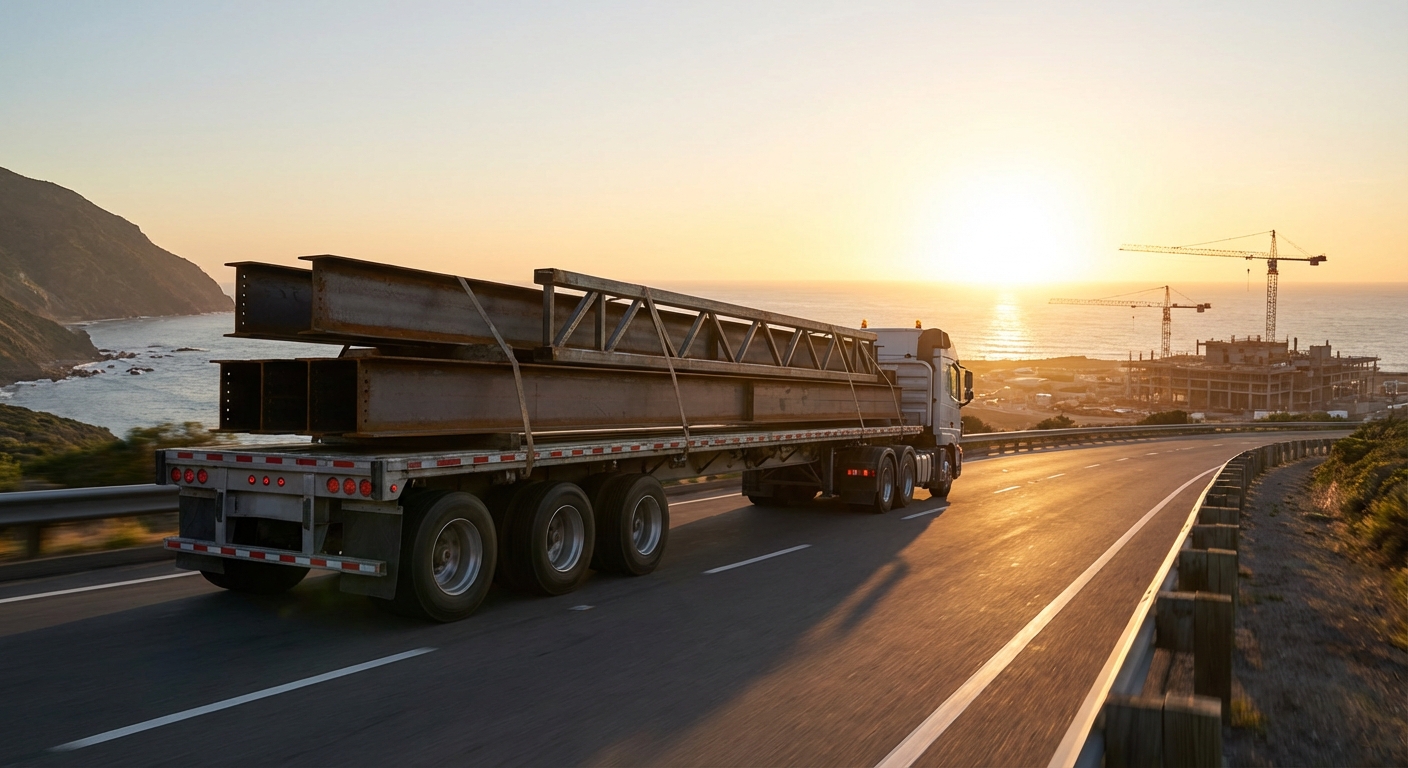
Your geographic distance from the fabrication facility can impact the total landed price by 5,000to15,000. Freight is a critical component in understanding how much is a warehouse when budgeting for 20,000 square feet of material. Heavily loaded steel components require specialized trucking and careful logistics planning.
The result? Strategic logistics planning saves you money.
- Ocean or land freight based on manufacturing hub location.
- Staging and unloading requirements at the project site.
- Compliance with local high-wind or seismic zone codes.
- Increased steel weight for northern snow load requirements.
Freight and Delivery Logistics
Shipping 20,000 sq. ft. of steel requires multiple flatbed trailers or shipping containers. Managing the arrival sequence is vital to keep the assembly crew working efficiently. Most professional manufacturers coordinate the delivery to match the erection schedule, preventing site congestion.
If your site is in a remote or difficult-to-access area, expect higher freight surcharges. Early coordination with the carrier ensures that the equipment can safely enter and unload at your location.
Geographic Building Codes
Building in a coastal hurricane zone or a northern snow belt requires more steel per square foot. This increases both the material price and the freight weight. A building designed for a 150-mph wind load will use heavier columns and more robust bracing than a standard inland design.
Key Takeaway: Local environmental conditions and logistics distance are major variables in your final quote.
| Zone Type | Structural Requirement | Price Impact | |
|---|---|---|---|
| Coastal (Wind) | Extra Bracing & Thicker Steel | +10% to 15% | |
| Northern (Snow) | Heavier Rafters & Purlins | +15% to 20% | |
| Standard Zone | Baseline Design | 0% |
Understanding these geographic factors early prevents the need for expensive structural redesigns during the permitting phase.
How Does Clear Span Influence How Much is a Warehouse?
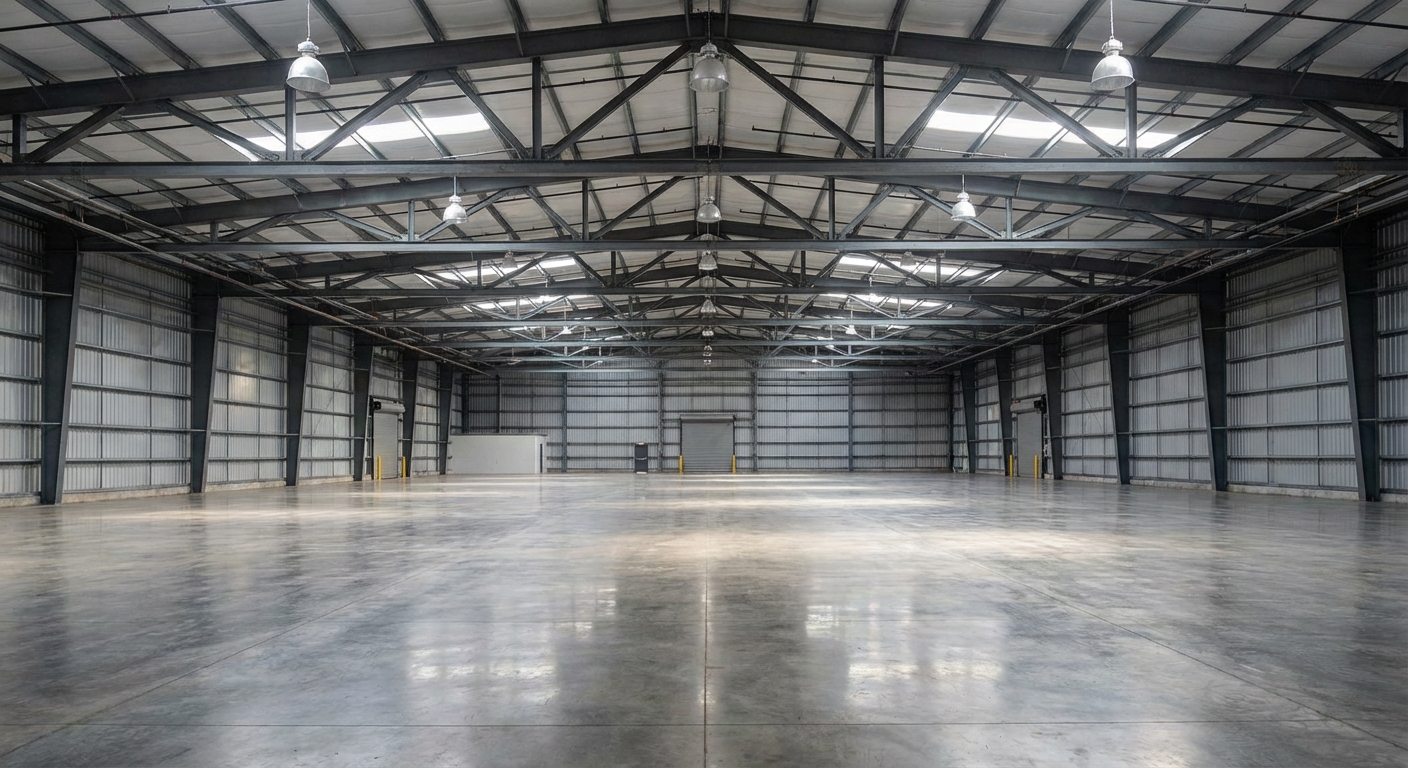
Clear-span layouts offer the highest ROI by providing 100% usable interior volume without columns. While the upfront material cost may be slightly higher, the impact on how much is a warehouse worth operationally is immense. You can reconfigure your inventory layout or production lines at any time without structural barriers.
Bottom line: Columns are an obstacle to your business growth.
- Zero interior columns allow for maximum forklift maneuverability.
- Flexible floor plans accommodate future partitioning or offices.
- Higher eave heights enable vertical racking and storage density.
- Easier installation of large-scale manufacturing equipment.
Maximizing Storage Volume
In a 20,000 sq. ft. facility, the ability to rack vertically is often more valuable than the footprint itself. Clear span allows you to place racks anywhere, optimizing your supply chain flow. This flexibility is why steel is the preferred choice for modern logistics and distribution centers.
Efficient space utilization means you can store more inventory in a 20,000 sq. ft. steel building than you could in a column-supported building of the same size. This higher density lowers your cost per pallet stored.
Future Flexibility and Resale Value
A clear-span building is more attractive to future buyers or tenants because it can be adapted to any industry. Whether it is used as a gym, a showroom, or a logistics hub, the lack of columns ensures it never becomes obsolete. This versatility protects your real estate investment for the long term.
Key Takeaway: Clear-span steel provides the ultimate operational flexibility for evolving industrial needs.
| Building Style | Internal Columns | Usable Floor Space | |
|---|---|---|---|
| Clear-Span Steel | 0 | 100% | |
| Multi-Span Steel | 4 – 8 | 92% – 95% | |
| Traditional Pole Barn | 10+ | 85% – 88% |
Maximizing usable square footage ensures you are getting the full value out of every dollar spent on construction.
How Does Consulting Experts Affect How Much is a Warehouse?
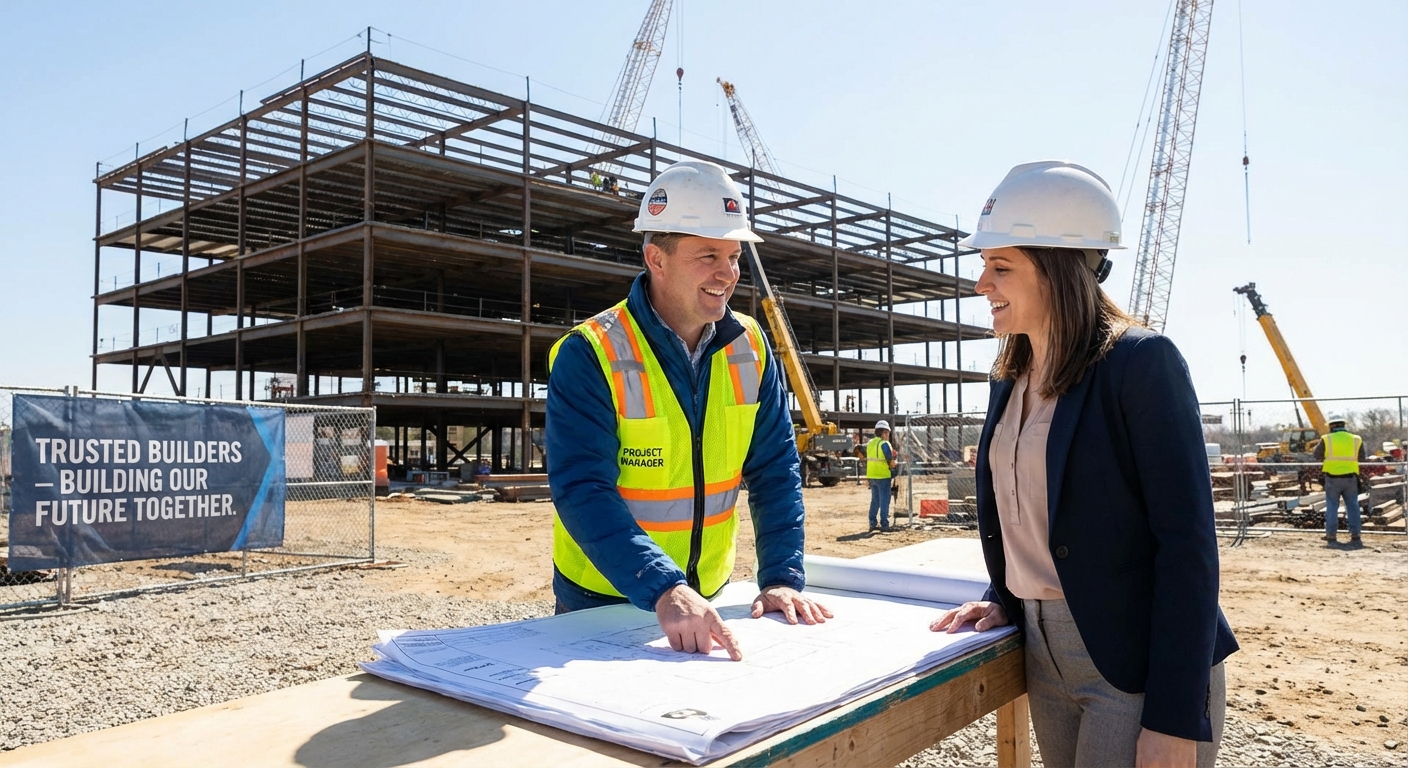
Partnering with an experienced manufacturer can reduce project waste and overhead by up to 20%. When you ask how much is a warehouse, the answer depends heavily on the expertise behind the design. A professional team ensures that your building is engineered to meet codes without over-spending on materials.
The best part? You gain a dedicated project partner.
- Custom design support for unique industrial requirements.
- Accurate, fixed-price quotes with no hidden surcharges.
- Direct access to engineering teams for site-specific questions.
- Comprehensive installation support and remote guidance.
The Factory-Direct Advantage
By cutting out distributors, you communicate directly with the people who fabricate your building. This reduces the risk of communication errors that lead to mismatched parts or site delays. You receive a verified, buildable structure that is backed by international certifications.
Our integrated delivery services ensure all components—from primary frames to the smallest bolt—arrive in one coordinated package. This simplifies your procurement and on-site inventory management.
Engineering Excellence and Compliance
Professional manufacturers design buildings to meet specific international standards (AISC, Eurocode, or local national codes). This ensures that your facility is safe, insurable, and capable of withstanding local environmental stresses. Expert oversight during the design phase prevents costly “field fixes” later.
Key Takeaway: Professional design and direct manufacturing are the most effective ways to ensure project success and budget control.
| Service Level | Benefit | Value Added | |
|---|---|---|---|
| Expert Design | Code Compliance & Safety | High | |
| Direct QC | Material Quality Control | High | |
| Installation Guide | Reduced Labor Risk | Medium |
Analytical planning with a trusted partner transforms a complex construction project into a predictable business expansion.
FAQ
Can I expand my steel warehouse in the future? Yes, modular steel buildings are designed for easy expansion by removing the end wall and adding new bays.
What is the best way to secure financing for a metal building? Lenders require stamped engineering drawings and a firm factory quote to approve construction loans; providing these early speeds up the process.
How do I know if I need a clear-span or multi-span design? Clear-span is necessary if you need unobstructed movement for forklifts or large machinery, while multi-span can save costs if internal columns are not an issue.
Can I install the building myself with a local crew? Provided your crew can read sequential erection drawings and follow safety standards, steel kits are designed for straightforward local assembly.
What is the best roof material to prevent leaks? Standing seam metal roofs provide the best weather seal because they eliminate thousands of fastener holes and use hidden clips to allow for thermal expansion.
Secure Your Industrial Future
Building a 20,000 sq. ft. warehouse is a strategic investment in your company’s logistics and operational capacity. By leveraging factory-direct steel solutions, you minimize the common risks of construction—budget overruns, material waste, and lengthy timelines. We provide an end-to-end system designed for rapid assembly and lifetime durability, ensuring your capital is spent on a facility that grows with you. Our brand is committed to delivering engineering excellence and structural integrity to projects worldwide. If you are ready to move from planning to execution, contact us today to receive a customized quote for your upcoming project.