
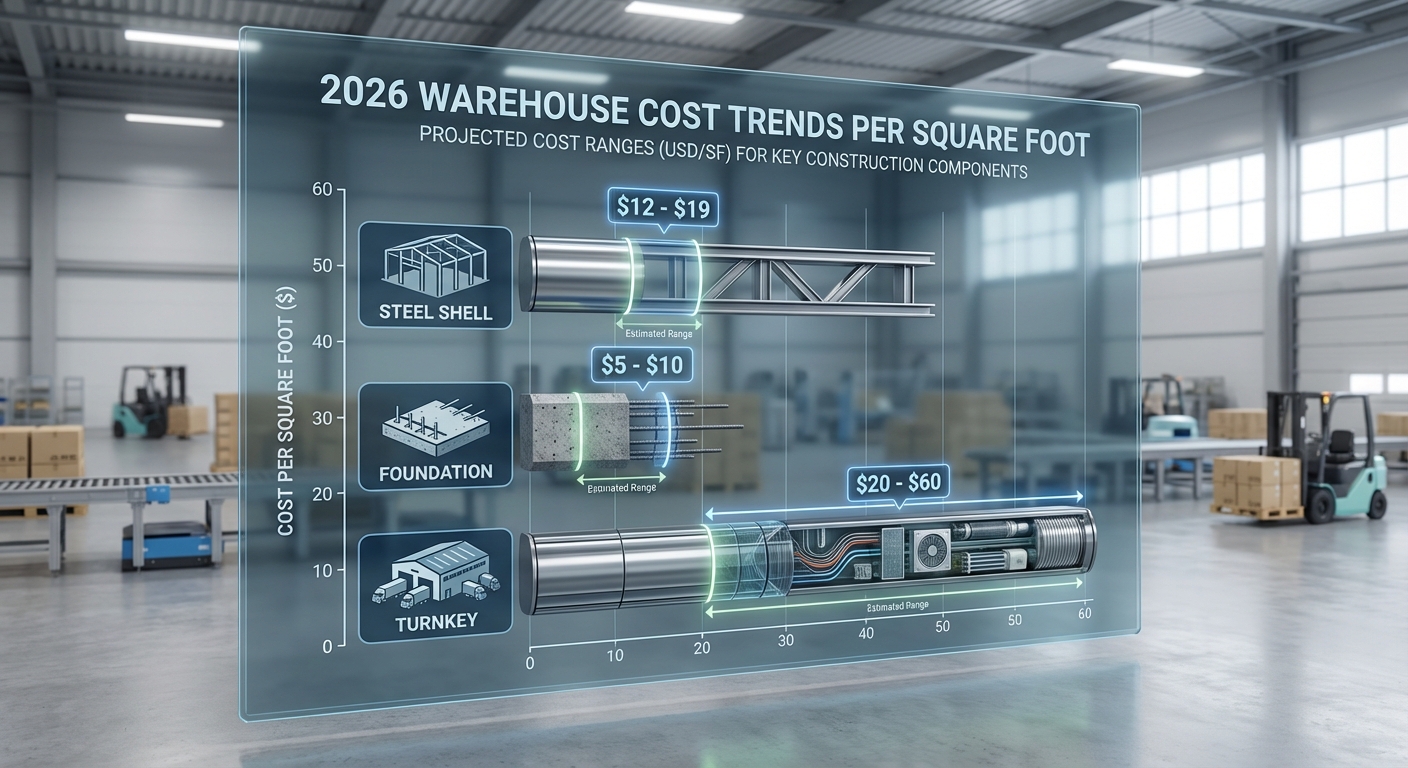
The cost to build a warehouse typically ranges from 12 to 19 per square foot for a basic steel shell, while a complete turnkey facility can cost between 20 and 60 per square foot. You are likely facing the challenge of scaling your business operations but find yourself paralyzed by the lack of transparent pricing in the construction market. Estimating the financial commitment for a large facility is notoriously difficult, and volatile material prices often lead to massive budget overruns that can jeopardize your company’s liquidity. By understanding exactly how much does a warehouse cost , you can navigate these financial hurdles and leverage modern prefabricated steel structures to secure a high-quality facility that fits your budget perfectly.
How much does a warehouse cost per square foot?
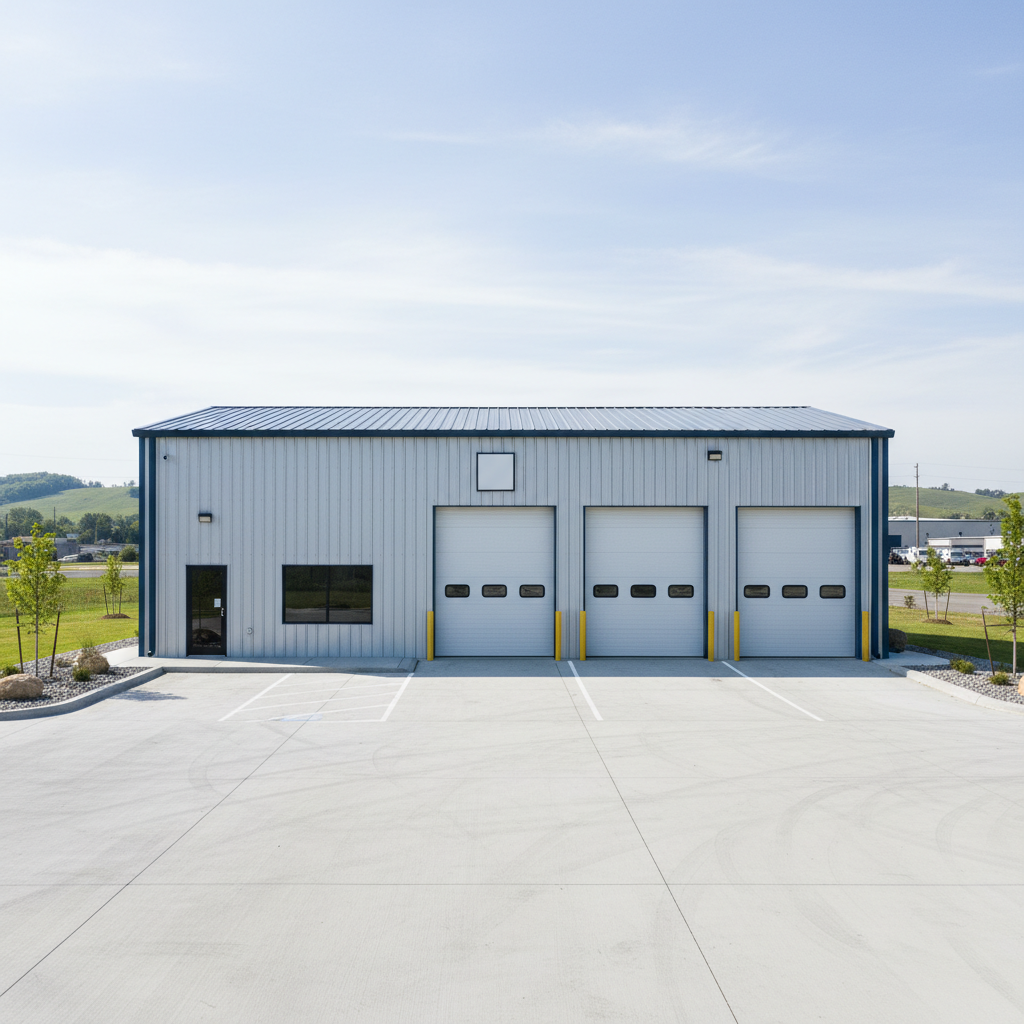
In the current market, how much does a warehouse cost per square foot generally averages between 12and19 for the steel building kit alone. For a fully operational building with a concrete slab and basic utilities, you should budget for a total expenditure of 20to60 per square foot.
What are the main price drivers?
Your final price depends heavily on the level of finishing and the complexity of internal systems you choose to install. Building height and clear span requirements will also dictate the weight of the steel frames required for structural integrity.
- Building height and eave clearance.
- Regional labor rates and local codes.
- Snow and wind load engineering requirements.
But wait, there’s more: Your geographical location plays a massive role in the final invoice. Labor rates in urban centers can be significantly higher than in rural areas, often adding a 15% premium to the total project cost.
Key Takeaway: Starting with a basic steel shell allows you to keep initial costs low while maintaining the flexibility to upgrade internal systems as your budget allows.
| Component | Cost per Sq. Ft. | |
|---|---|---|
| Steel Shell | 12–19 | |
| Concrete Foundation | 5–10 | |
| Turnkey Facility | 20–60 |
The initial per-square-foot investment is just the beginning of your financial planning.
How much does a warehouse cost by material type?
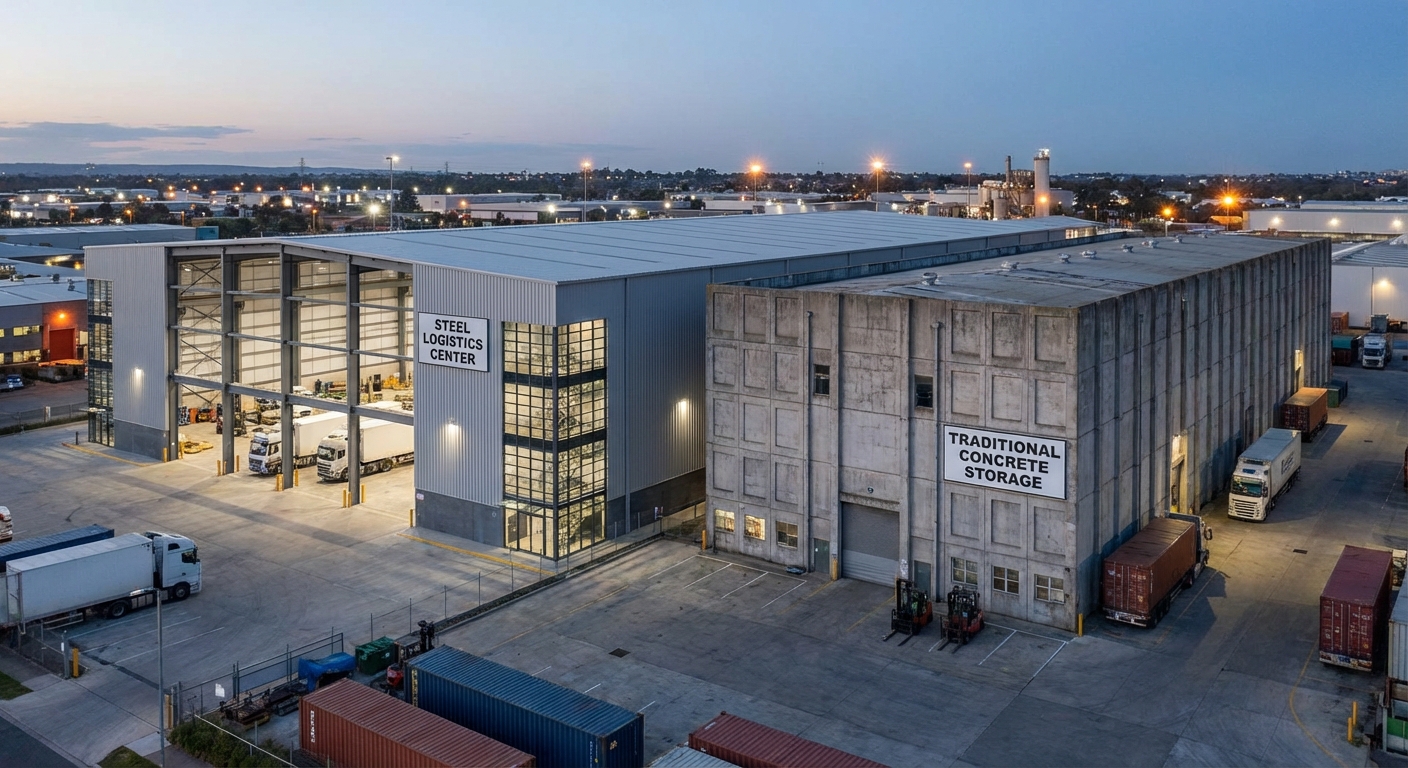
When you compare building materials, how much does a warehouse cost varies significantly, with prefabricated steel structures costing approximately 12to18 per square foot compared to 27to40 for concrete tilt-up. You should choose the most cost-effective construction method to ensure your capital is used efficiently during the expansion phase.
Is steel more affordable than concrete?
Steel structures consistently outperform traditional tilt-up or stud-frame buildings in terms of upfront material costs and long-term durability. Pre-engineered metal buildings utilize high-strength steel that offers a superior strength-to-weight ratio, allowing for wider clear spans.
- Lower material waste during manufacturing.
- Faster assembly times on the job site.
- Resilience against pests, fire, and rot.
Here is the kicker: Steel buildings are often 20% to 30% cheaper to construct than concrete alternatives. This is primarily due to the reduction in on-site labor and the elimination of complex formwork required for poured concrete walls.
Key Takeaway: Prefabricated steel is the most budget-friendly construction method because it minimizes both material waste and expensive on-site labor hours.
| Material Type | Estimated Cost | Labor Intensity | |
|---|---|---|---|
| Prefab Steel | 12–18 / sq. ft. | Low | |
| Concrete Tilt-up | 27–40 / sq. ft. | High | |
| Wood Stud Frame | 23–40 / sq. ft. | Moderate |
Evaluating the material type is a crucial step in defining your project’s total ROI.
How much does a warehouse cost for 30,000 sq ft?
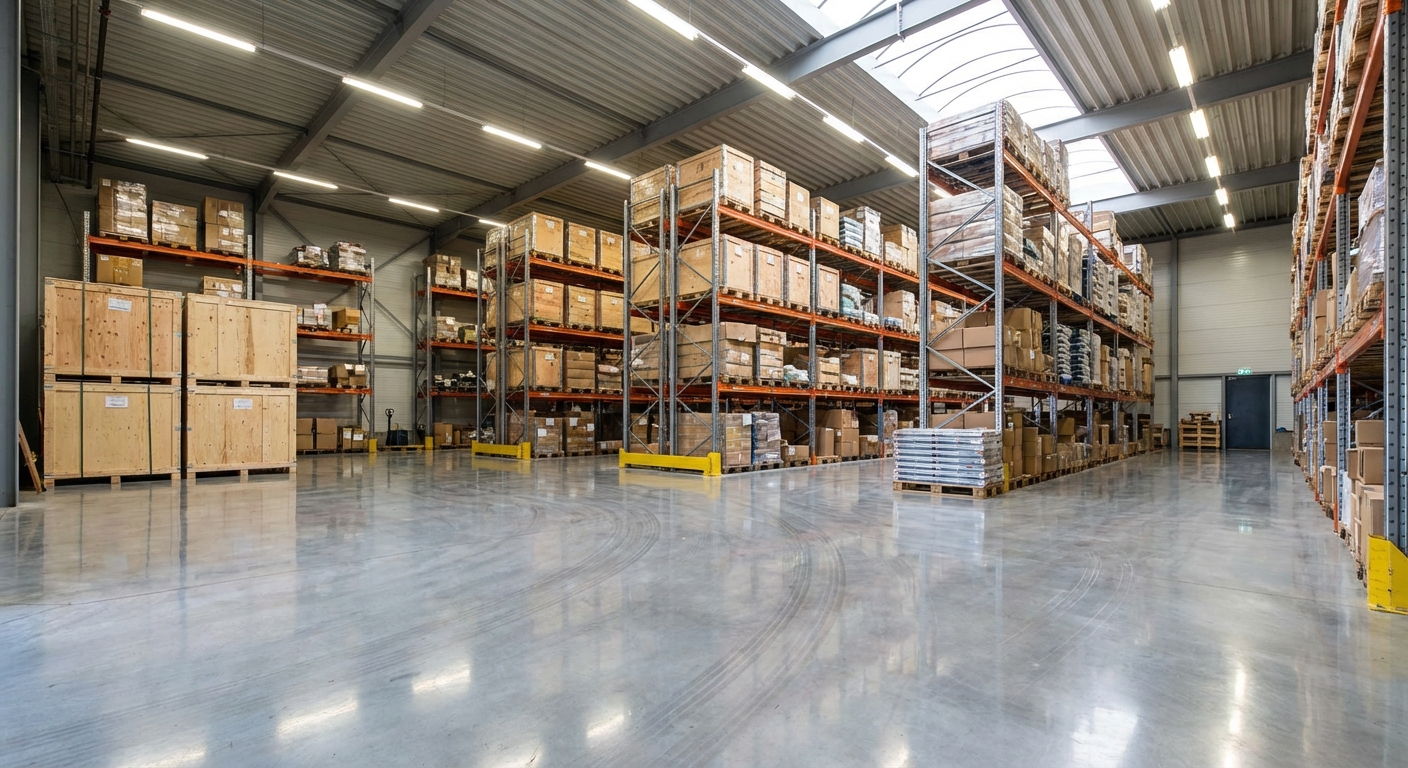
For a 30,000 square foot project, how much does a warehouse cost typically falls between 360,000 and 570,000 for the steel shell components. This specific size is a popular choice for many growing businesses because it offers enough scale to benefit from bulk material purchasing discounts.
Does size offer economies of scale?
As your building footprint increases, your unit price per square foot typically decreases because fixed costs are spread over a larger area. Engineering designs and delivery fees do not double just because you double the square footage of the building.
- Lower cost per ton for bulk steel orders.
- Reduced mobilization fees for heavy equipment.
- Standardized components that speed up erection.
The truth is: A 30,000 square foot facility often results in a unit price that is 10% to 15% lower than smaller 5,000 square foot buildings. This makes mid-sized facilities highly efficient for logistics and storage operations.
Key Takeaway: You can achieve significant savings on a 30,000 sq. ft. project by utilizing standardized clear-span designs that avoid custom engineering premiums.
| Scale Component | 30,000 Sq. Ft. Estimate | |
|---|---|---|
| Steel Building Kit | 360,000–570,000 | |
| Foundation Slab | 150,000–210,000 | |
| Installation Labor | 90,000–150,000 |
Strategic sizing ensures that you maximize your storage volume while minimizing the cost per pallet position.
How much does a warehouse cost for 50,000 sq ft?
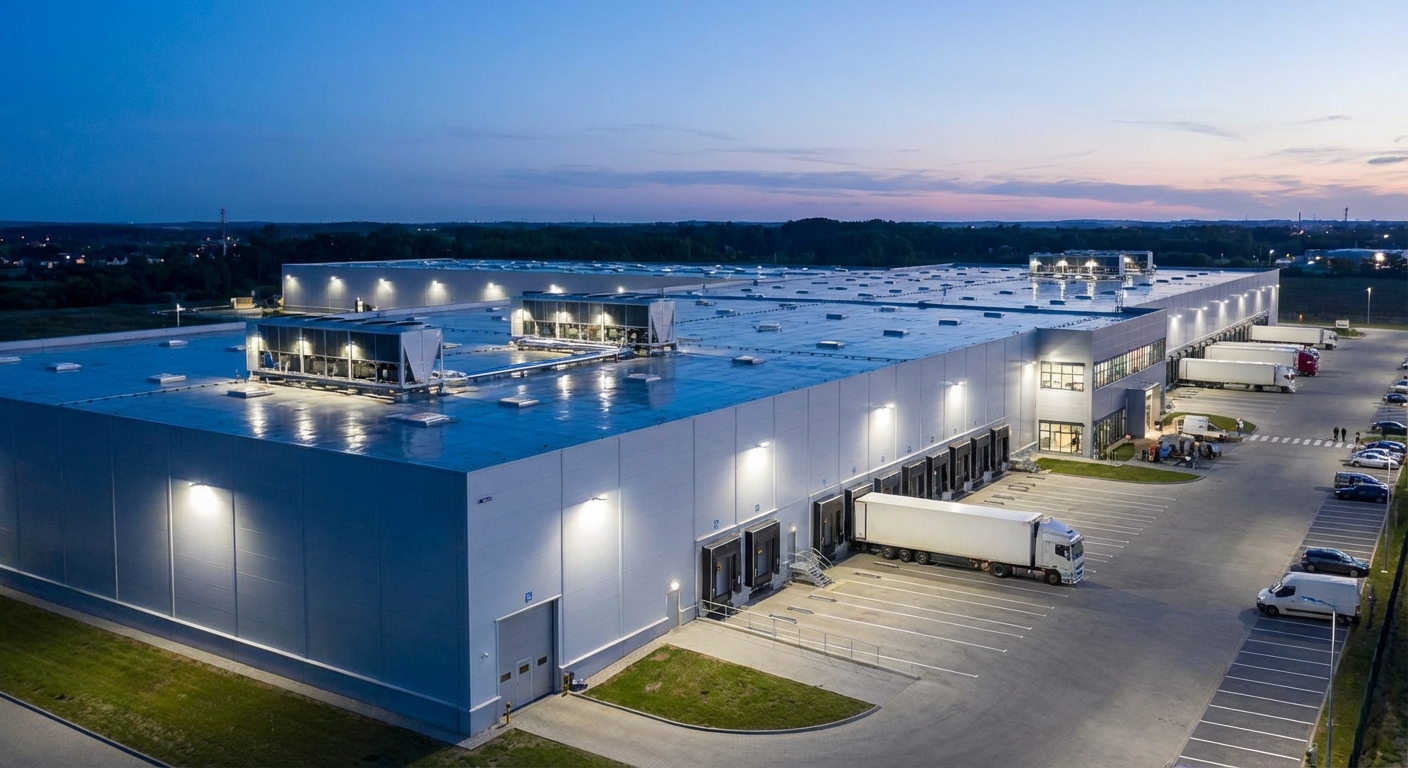
If you are aiming for a large-scale logistics hub, how much does a warehouse cost for 50,000 square feet usually ranges from 1.25millionto2.25 million for a complete build. To design a cost-efficient warehouse , you must align your column spacing with your racking system to avoid paying for unusable “dead space.”
How do loading docks impact the price?
A logistics-heavy 50,000 sq. ft. building will require multiple loading docks and high-speed overhead doors to handle traffic. Each dock assembly, including levelers and seals, adds to the complexity and the final budget of the project.
- Dock levelers and seals.
- High-speed industrial doors.
- Reinforced concrete aprons for heavy trucks.
Believe it or not: Properly planning your dock flow during the design phase can save you thousands in future operational bottlenecks. Each specialized dock unit can cost between 5,000and15,000 depending on the level of automation.
Key Takeaway: Strategic column placement and the inclusion of mezzanines in a 50,000 sq. ft. build can maximize your volume without increasing foundation costs.
| Feature | Budget Impact | |
|---|---|---|
| Loading Docks | 5k–15k per unit | |
| Mezzanine Floor | 20–30 per sq. ft. | |
| Optimized Racking | High ROI |
Large-scale projects require a balance between structural strength and operational flexibility.
How much does a warehouse cost for cold storage?
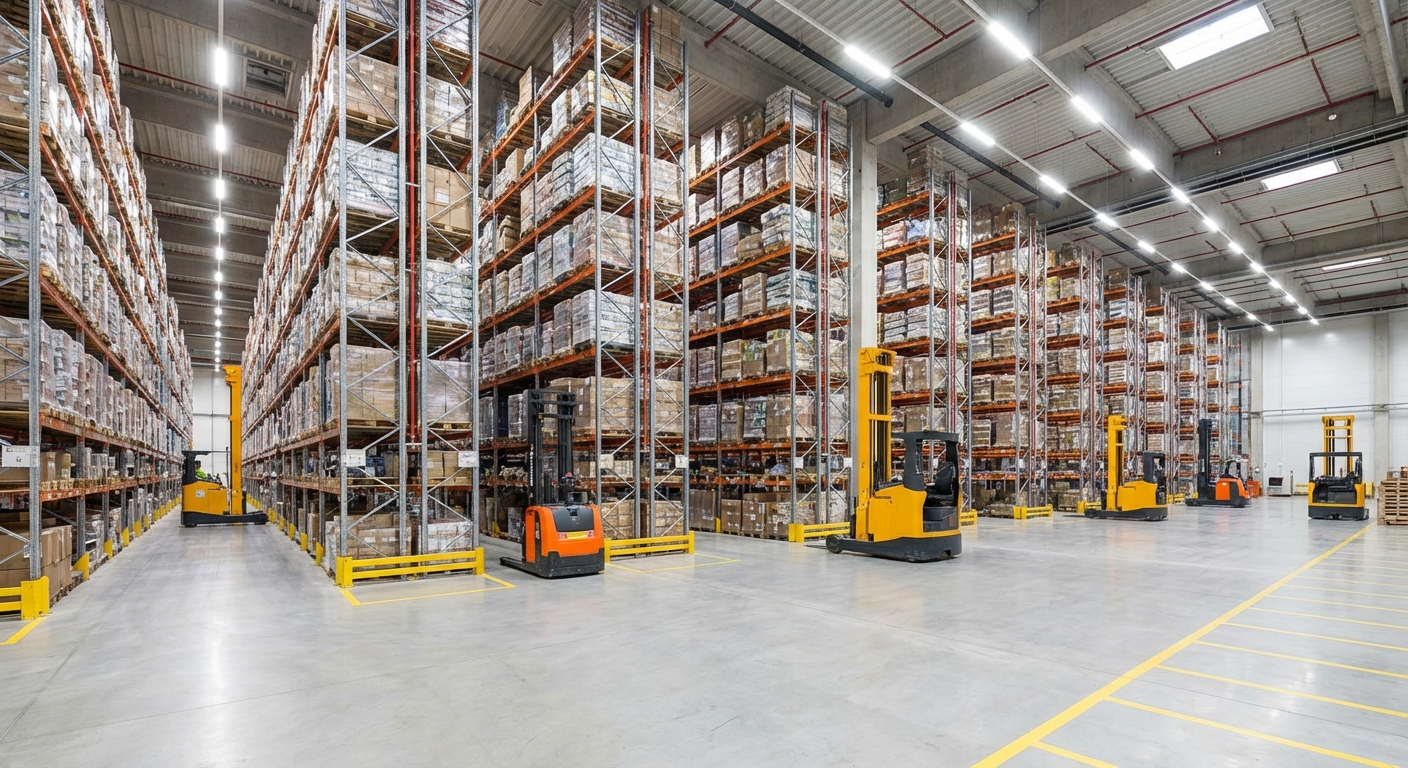
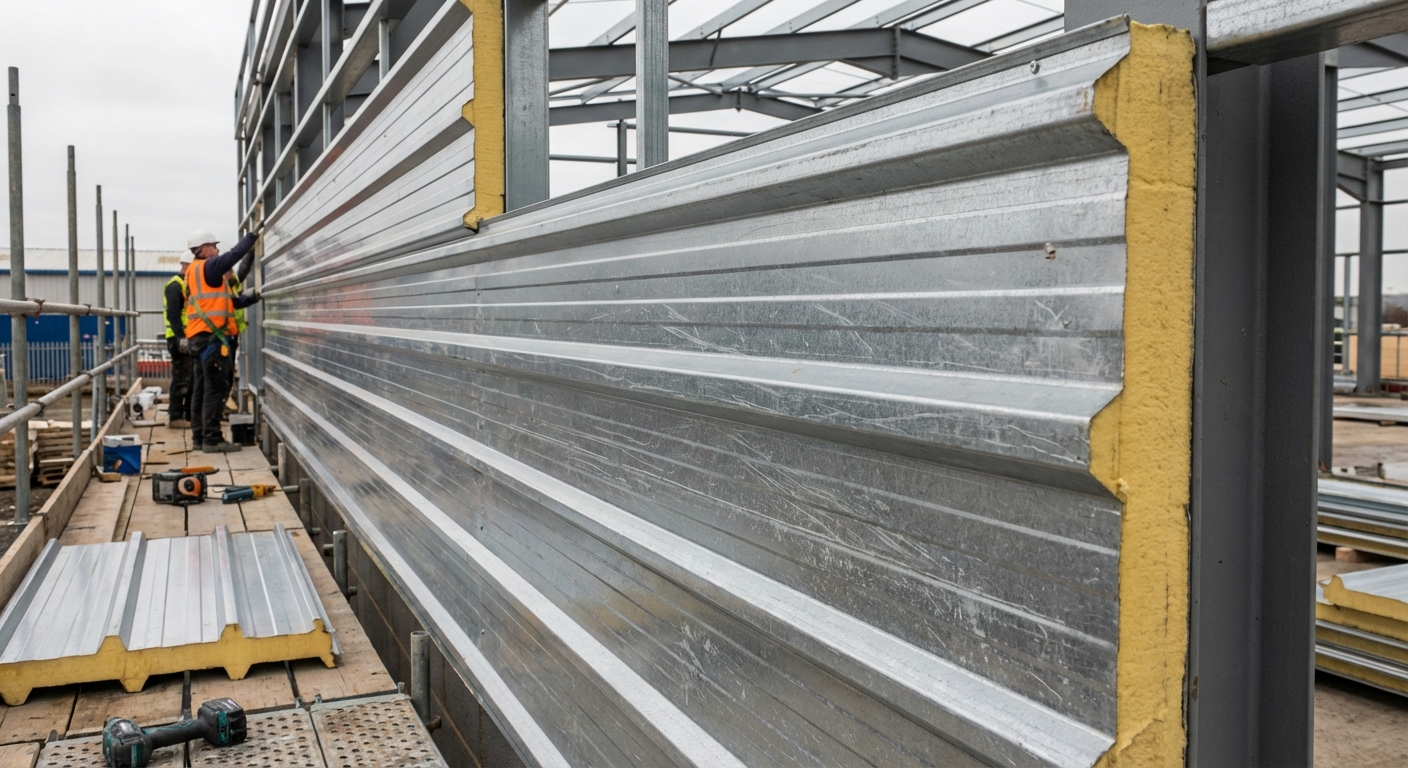
For specialized environments, how much does a warehouse cost for cold storage or climate-controlled facilities jumps to 150to170 per square foot. The primary drivers of this increased price are the thick insulated sandwich panels and the powerful industrial refrigeration units required.
Why is insulation so critical?
In a temperature-controlled environment, your choice of insulation will have a long-term impact on your operating costs and product safety. High-R-value panels are necessary to maintain constant temperatures and prevent your cooling systems from failing under the load.
- PIR or Rockwool sandwich panels.
- High-speed insulated doors.
- Vapor barriers in the floor and walls.
The bottom line is: Standard overhead doors are insufficient for these facilities as they allow too much air exchange. Specialized climate doors can cost three times more but are vital for maintaining energy efficiency and preventing condensation.
Key Takeaway: For cold storage projects, focus your budget on high-quality cladding to lower long-term refrigeration energy costs and protect your inventory.
| Type of Facility | Cost per Sq. Ft. | |
|---|---|---|
| Standard Ambient | 20–40 | |
| Humidity Controlled | 50–80 | |
| Full Cold Storage | 150–170 |
Specialized storage requirements demand a significantly higher capital expenditure compared to general dry storage.
How much does a warehouse cost with site work?

When calculating the total project, how much does a warehouse cost when including site preparation adds roughly 5to10 per square foot to your initial shell estimate. You must calculate the warehouse cost accurately by factoring in land clearing, grading, and the extension of utilities to the building pad.
How does soil quality affect the budget?
If your land has poor load-bearing capacity, you may need specialized foundations like piers or reinforced thick slabs. Standard 6-inch reinforced concrete is usually sufficient for general storage, but heavy machinery requires more volume.
- Soil stabilization and grading.
- Thick reinforced concrete slabs.
- Utility trenching and hookups.
Make no mistake: Ignoring soil reports early can lead to expensive foundation redesigns after construction has already begun. A professional land survey is essential to ensure your building stands on a solid and level foundation.
Key Takeaway: Investing in a professional soil report early can save you from unexpected foundation costs that often occur during the excavation phase.
| Site Work Item | Estimated Range | |
|---|---|---|
| Clearing & Grading | 1,500–5,000 per acre | |
| Utility Connections | 5,000–50,000+ | |
| Enhanced Slab | 2–5 extra per sq. ft. |
Site-specific variables can drastically alter your initial estimates, making thorough pre-construction research mandatory.
How much does a warehouse cost for a 20,000 sq ft kit?
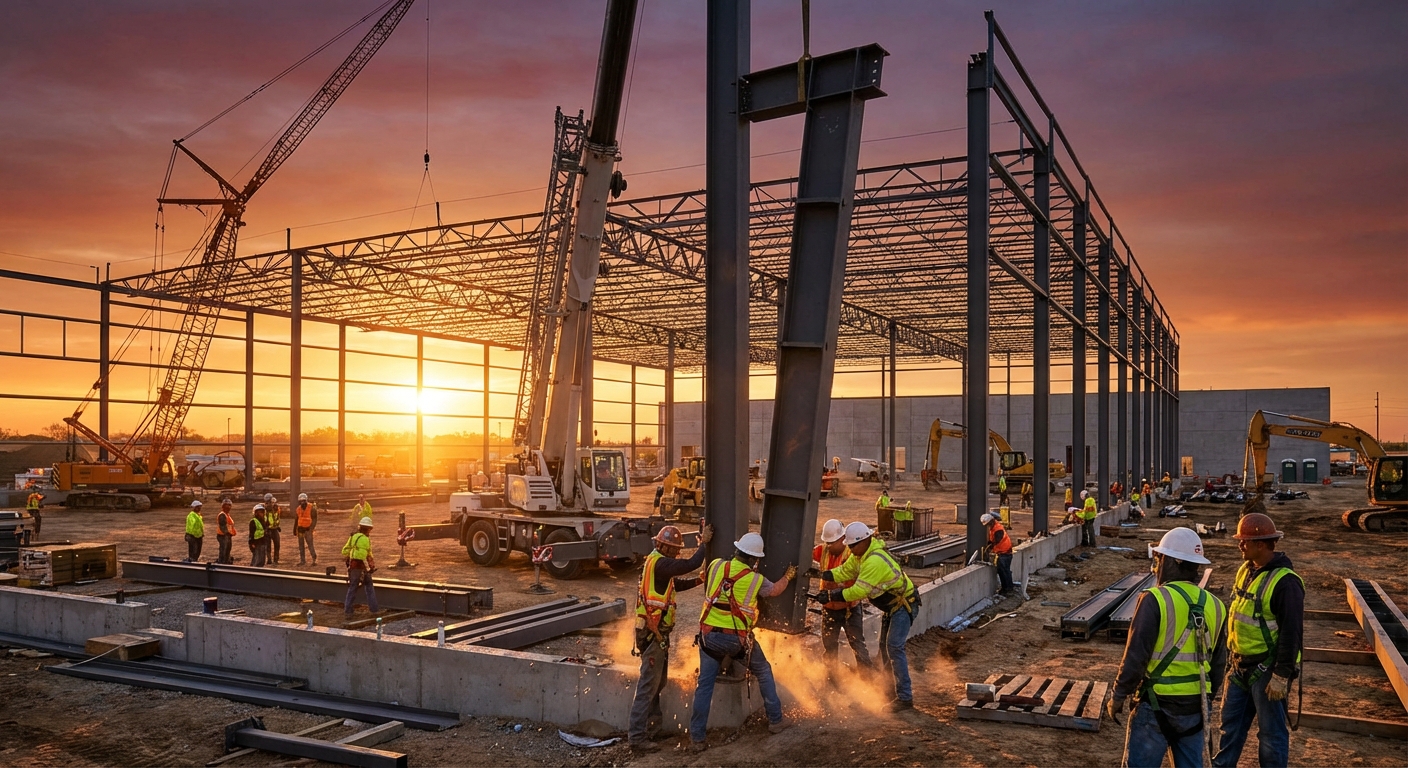
For a standard commercial facility, how much does a warehouse cost for a 20,000 square foot steel kit ranges from 240,000 to 380,000. This size provides the perfect balance for small to mid-sized enterprises looking to move away from expensive leased spaces into owned assets.
Why is the 20,000 sq ft size popular?
This size fits well on most industrial lots while providing significant interior volume for racking and machinery. The structural components are manageable for standard cranes, which helps keep the installation labor costs under control.
- Faster permitting for standard sizes.
- Optimized material usage for portal frames.
- Easy to expand with future additions.
You should know: Prefabricated kits of this size can often be erected in as little as 20 days. This rapid speed to market allows your business to start generating revenue from the new space much sooner than traditional builds.
Key Takeaway: A 20,000 square foot facility offers the ideal balance between operational capacity and cost-per-unit efficiency for growing businesses.
| Phase | 20,000 Sq. Ft. Estimate | |
|---|---|---|
| Steel Kit | 240,000–380,000 | |
| Foundation | 100,000–140,000 | |
| Erection Labor | 60,000–100,000 |
Investing in a standard-sized kit simplifies the construction process and minimizes the risk of custom engineering errors.
How much does a warehouse cost in soft expenses?
Soft costs are the “invisible” expenses, and how much does a warehouse cost in these areas usually accounts for 20% to 30% of your total project budget. You must plan and budget carefully to cover architectural fees, structural engineering, permits, and legal documentation.
What are the typical permit fees?
Permit fees vary wildly by jurisdiction and are often based on the total valuation of the project. Some municipalities also charge “impact fees” to fund local infrastructure like roads and sewers which can add tens of thousands to the bill.
- Architectural and engineering design.
- Municipal permit and impact fees.
- Insurance and legal documentation.
Here is the deal: Failing to account for these soft costs can lead to significant financial strain early in the project. Many of these fees must be paid upfront before any physical construction begins on the site.
Key Takeaway: Always include a 10% to 15% contingency fund in your budget to account for unexpected local code requirements and utility connection fees.
| Soft Cost Category | Budget Allocation | |
|---|---|---|
| Permits & Engineering | 5% – 10% | |
| Design Fees | 5% – 10% | |
| Insurance & Legal | 5% – 10% |
Understanding soft costs prevents mid-project funding gaps that can stall your construction timeline.
How much does a warehouse cost for maintenance?
One of the biggest advantages of steel is low upkeep, and how much does a warehouse cost for maintenance typically averages 1% to 2% of the building’s value annually. Steel is inherently resistant to pests, rot, and fire, which lowers your long-term ownership costs compared to wood.
How does roof choice affect upkeep?
Your choice of roofing material—standing seam versus screw-down panels—will impact your long-term repair bills. A standing seam roof has fewer penetrations and handles thermal expansion better, meaning fewer leaks over a 20-year period.
- Annual roof and gutter cleaning.
- Inspecting fasteners and seals.
- Repainting or coating every 15-20 years.
The reality is: While a standing seam roof costs more upfront, it significantly reduces the need for emergency repairs and interior water damage. Investing in high-quality roof panels is a strategic move that pays for itself over the building’s life.
Key Takeaway: Selecting a standing-seam roof during the construction phase is a strategic move that significantly reduces maintenance costs over decades.
| Task | Frequency | Cost Level | |
|---|---|---|---|
| Roof Inspection | Annual | Low | |
| Fastener Check | 5 Years | Moderate | |
| Major Coating | 20 Years | High |
Long-term financial health depends on small, consistent investments in preventative maintenance for your facility.
How much does a warehouse cost for 2026 projects?
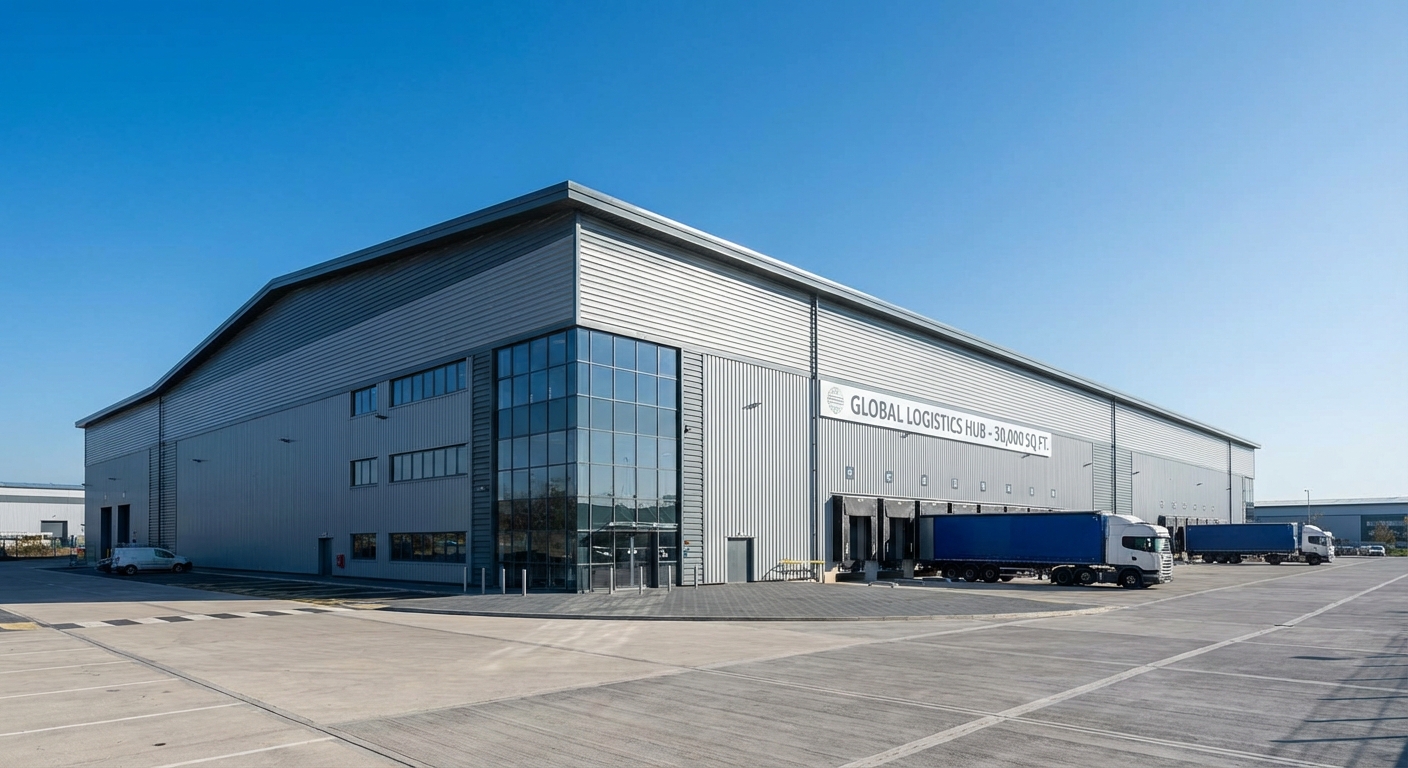
Looking toward future developments, how much does a warehouse cost for 2026 is estimated to range from 25to80 per square meter for the basic steel framework and accessories. You should consult a metal building cost guide to stay updated on the latest global steel price fluctuations and international shipping rates.
What external factors influence 2026 prices?
Steel is a global commodity, and prices can fluctuate based on iron ore costs, energy prices, and international trade policies. Buying directly from a manufacturer who maintains a large inventory can help insulate you from sudden market spikes.
- Global steel price trends.
- International shipping and container rates.
- Import duties and local taxes.
Keep in mind: Higher-grade steel like Q355B allows engineers to use less material to achieve the same structural integrity. This higher efficiency can often offset the higher per-ton cost of premium metal, leading to a more competitive final price.
Key Takeaway: Requesting Q355B steel for your main frame is often more cost-effective because it requires less total material to meet strict safety codes.
| 2026 Budget Element | Cost per Square Meter | |
|---|---|---|
| Factory Supply Kit | 30–60 | |
| Shipping & Import | Variable | |
| Local Works/Labor | 15–40 |
Future-proofing your budget requires monitoring global commodity trends and selecting high-efficiency steel grades.
Conclusion
Building a warehouse is a strategic investment that requires a deep understanding of current market rates and material advantages. From the 12−19 per square foot cost of a basic steel shell to the complex requirements of a $2M logistics hub, the key is detailed planning and leveraging prefabricated steel for maximum ROI. We are dedicated to delivering high-performance, cost-efficient steel structures that empower your business to scale with confidence and durability. If you are ready to secure a precise quote tailored to your specific location and project needs, contact us today to start your project.
FAQ
Can I build a warehouse myself to save money?Definitely not recommended unless you are a licensed contractor. While buying the kit is straightforward, the structural engineering, foundation work, and heavy machinery required for erection demand professional expertise to ensure safety and code compliance.
What’s the best way to reduce my warehouse construction cost?The most effective way is to use a standardized, pre-engineered steel building kit. By avoiding custom architectural designs and utilizing factory-direct components, you can reduce your total project expenses by up to 30%.
Can I expand my warehouse in the future?Yes, steel warehouses are specifically designed for scalability. Because they use a bolt-together portal frame system, you can easily remove end walls and add new bays to increase your square footage as your business grows.
What’s the best insulation for a steel warehouse?PIR or Rockwool sandwich panels are superior for long-term energy efficiency. While they have a higher upfront cost than fiberglass blankets, they provide much better thermal performance and can reduce your monthly energy bills by 40%.
Can I get financing for a prefabricated warehouse?Certainly, most commercial lenders view steel warehouses as high-value, durable assets. Because the costs are predictable and construction timelines are short, many banks are willing to offer competitive construction-to-permanent loans for these projects.