
Building a steel warehouse is a strategic process involving precise engineering, site selection, and rapid assembly to create a durable industrial space. Many businesses face the mounting frustration of overflowing inventory and the high costs of traditional brick-and-mortar expansions. Operating in cramped conditions leads to operational bottlenecks, while using inferior materials invites long-term maintenance nightmares. High-efficiency steel warehouse construction provides the ultimate relief, offering a scalable, fire-resistant, and cost-effective alternative for modern logistics.
Which Site Properties Matter?
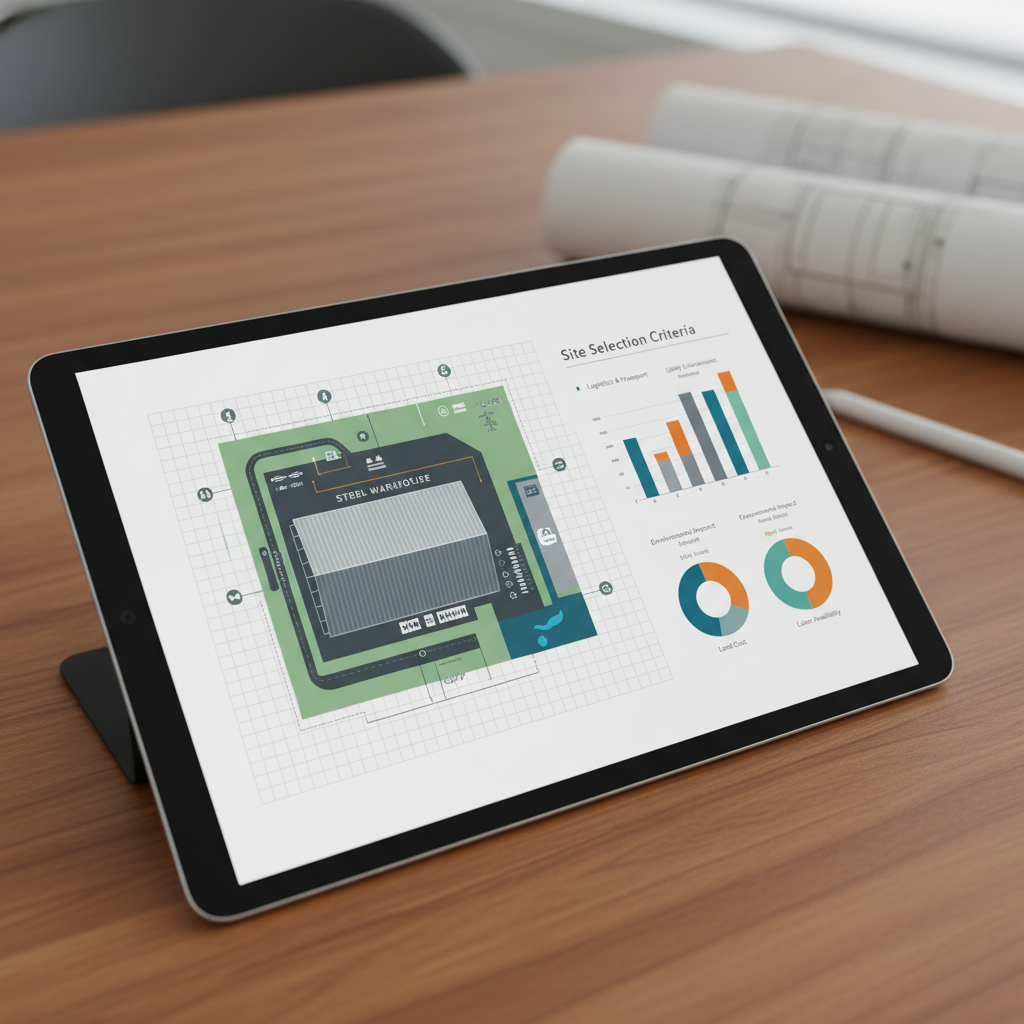
Selecting the right location is the foundational step in professional steel warehouse construction . You must evaluate soil quality, local zoning laws, and proximity to major transport hubs to ensure long-term viability. A flat, well-drained lot reduces initial excavation costs significantly.
Evaluate Local Regulations
Think about it this way: site selection is like planting a tree; if the soil is wrong, nothing else matters. You need to verify that your chosen land is zoned for industrial use and check for environmental restrictions.
- Research local building codes.
- Identify required setbacks.
- Confirm utility access.
Analyze Logistics Access
Look at it this way: a warehouse is only as good as the trucks that can reach it. Your site must accommodate large vehicle turning radiuses and offer seamless access to highways or rail lines.
- Measure entry point width.
- Check road weight limits.
- Assess traffic patterns.
Key Takeaway: Thorough site analysis prevents prohibitive land correction costs and ensures your logistics remain unhindered.
| Factor | Importance | Impact | |
|---|---|---|---|
| Soil Stability | High | Foundation Integrity | |
| Zoning | Critical | Legal Compliance | |
| Proximity | Medium | Logistics Speed |
This evaluation ensures that your investment sits on a stable legal and physical foundation.
Why Choose Steel Over Wood?
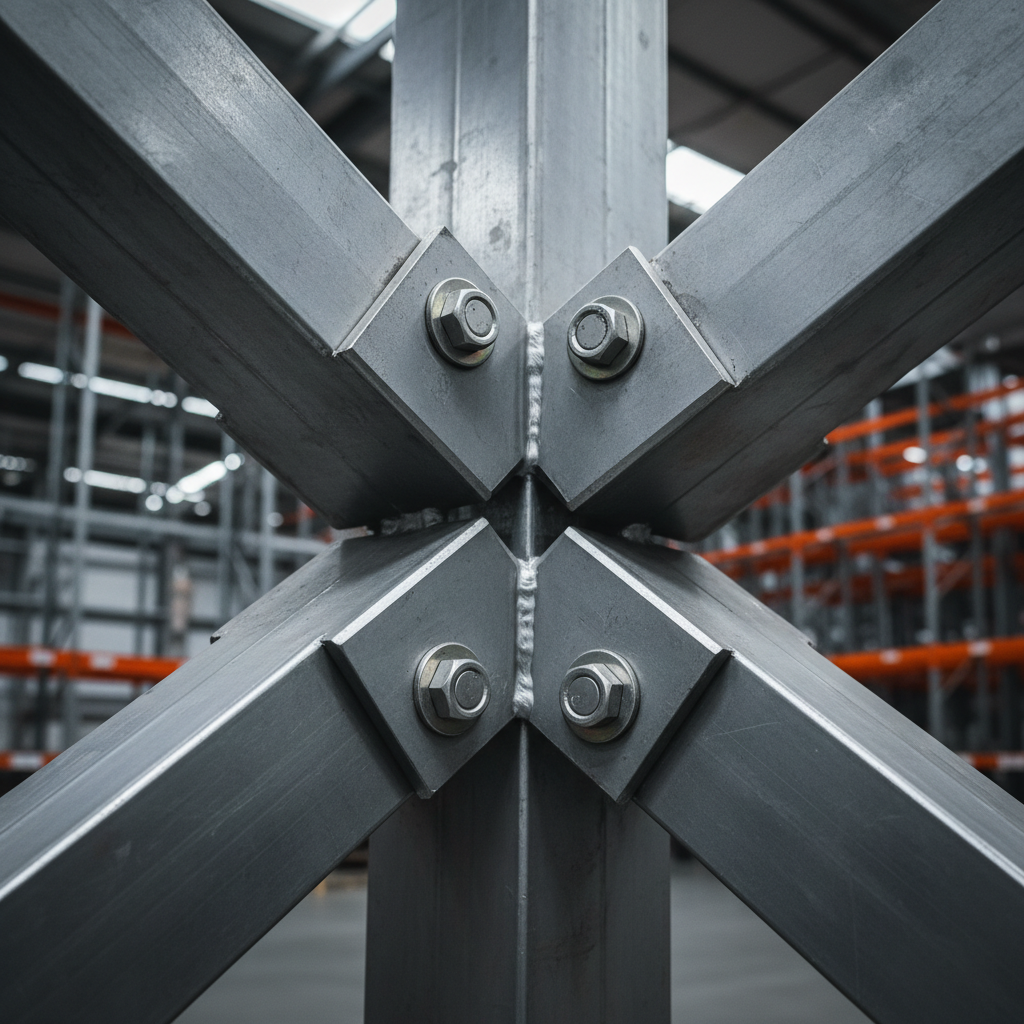
Steel offers superior strength-to-weight ratios compared to traditional wood or masonry. In modern steel warehouse construction, these metallic frames provide clear-span capabilities without the need for obstructive interior columns. This design maximizes your usable square footage for racking and machinery.
Superior Durability Features
Look at it this way: steel doesn’t rot, warp, or invite termites into your inventory. You benefit from a material that maintains its structural integrity for decades with minimal intervention.
- High fire resistance.
- Weather-proof coatings.
- High seismic tolerance.
Clear-Span Design Advantage
Look at it this way: every column you don’t have is an extra foot of profit-generating space. You can design interiors that are completely open, allowing for total flexibility in layout.
- Maximized forklift paths.
- Flexible racking layouts.
- Unobstructed visibility.
Key Takeaway: Steel provides a maintenance-free, open-concept environment that wood simply cannot replicate in industrial scales.
| Material | Lifespan | Column Requirement | |
|---|---|---|---|
| Steel | 50+ Years | Clear-span possible | |
| Wood | 20-30 Years | High frequency | |
| Concrete | 40+ Years | Moderate |
Choose steel to ensure your facility remains adaptable to changing business needs over time.
How Do You Design Plans?
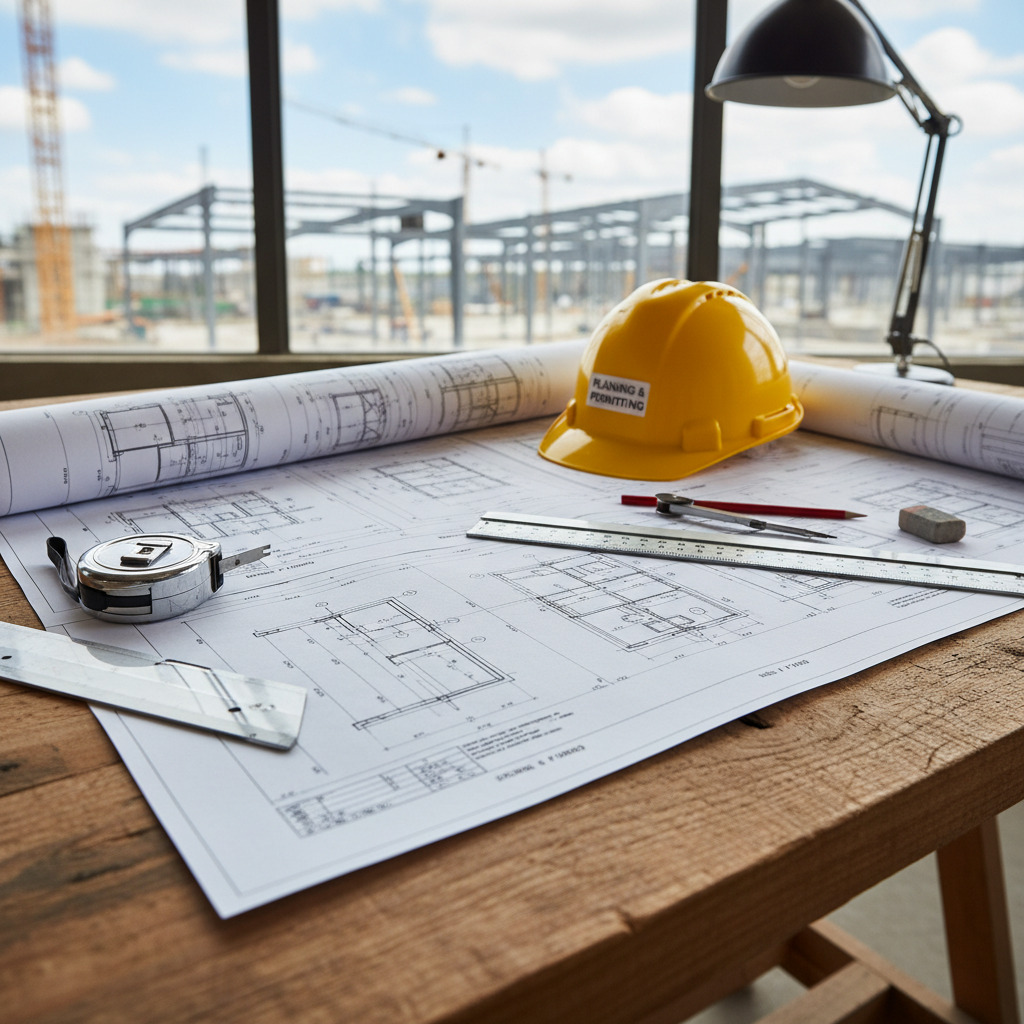
Designing a facility requires balancing operational flow with structural engineering standards. Professional steel warehouse construction relies on Building Information Modeling (BIM) to visualize every bolt and beam before fabrication begins. You should work with engineers who specialize in pre-engineered metal buildings (PEMB) to optimize material usage.
Focus on Workflow Efficiency
Look at it this way: a warehouse is a machine you walk through, so the floor plan must be lean. You must map out the path of goods from the receiving dock to the shipping bays.
- Minimize travel distances.
- Define clear safety zones.
- Optimize dock positions.
Structural Load Planning
Look at it this way: your roof needs to hold more than just itself; think about HVAC and solar. You must account for snow loads, wind speeds, and any heavy equipment suspended from the trusses.
- Calculate dead vs live loads.
- Assess wind uplift ratings.
- Plan for future expansions.
Key Takeaway: Precision products and design minimize onsite errors and ensure the building performs optimally under stress.
| Design Phase | Tool Used | Objective | |
|---|---|---|---|
| Layout | CAD / BIM | Operational flow | |
| Load Calc | Engineering Software | Safety & Compliance | |
| Permitting | Local Blueprints | Legal Approval |
A well-engineered plan serves as the DNA for a successful and safe construction project.
What Are the Total Costs?
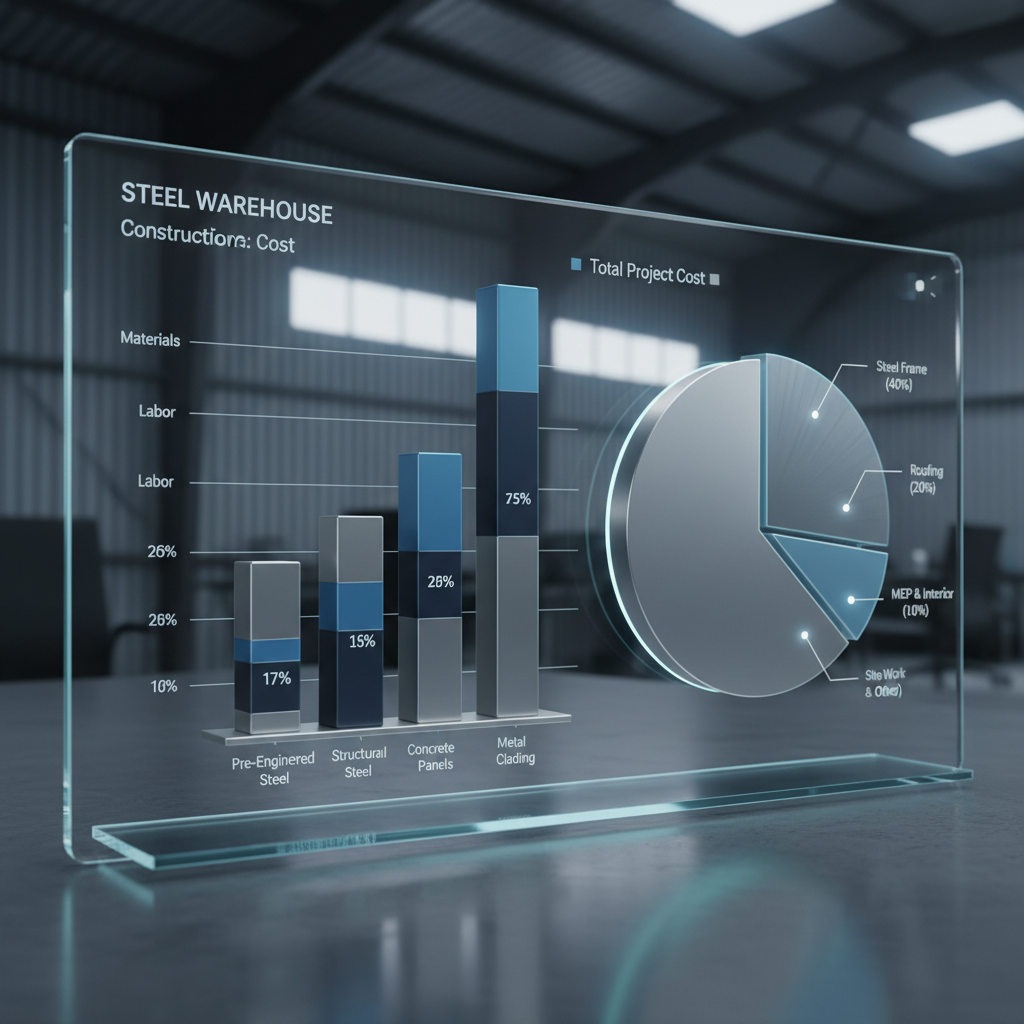
Total costs for a steel warehouse encompass materials, labor, foundation, and interior finishing. While steel warehouse construction has a higher upfront material cost than some options, the rapid assembly time reduces expensive labor hours. You can expect significant savings in long-term insurance premiums due to the metal’s fire-resistant properties.
Material vs. Labor Balance
Look at it this way:
1savedinmaterialsoftencosts
2 in labor if the parts don’t fit perfectly. You save money by using pre-engineered kits that arrive ready for immediate bolting.
- Accurate material quoting.
- Reduced site waste.
- Accelerated build schedule.
Long-Term ROI Factors
Look at it this way: your warehouse should be an asset, not a mounting expense. You will see lower utility bills with proper insulation and significantly lower repair costs.
- Reduced insurance rates.
- Lower energy consumption.
- High resale value.
Key Takeaway: The total cost of ownership for steel is lower than other materials when accounting for speed and maintenance.
| Expense Category | Typical % of Budget | Impact on Speed | |
|---|---|---|---|
| Steel Frame | 40% | High Efficiency | |
| Foundation | 15% | Moderate | |
| Labor | 25% | Rapid Turnaround |
Investing in quality steel upfront translates to substantial operational savings over the building’s life.
Is the Foundation Different?
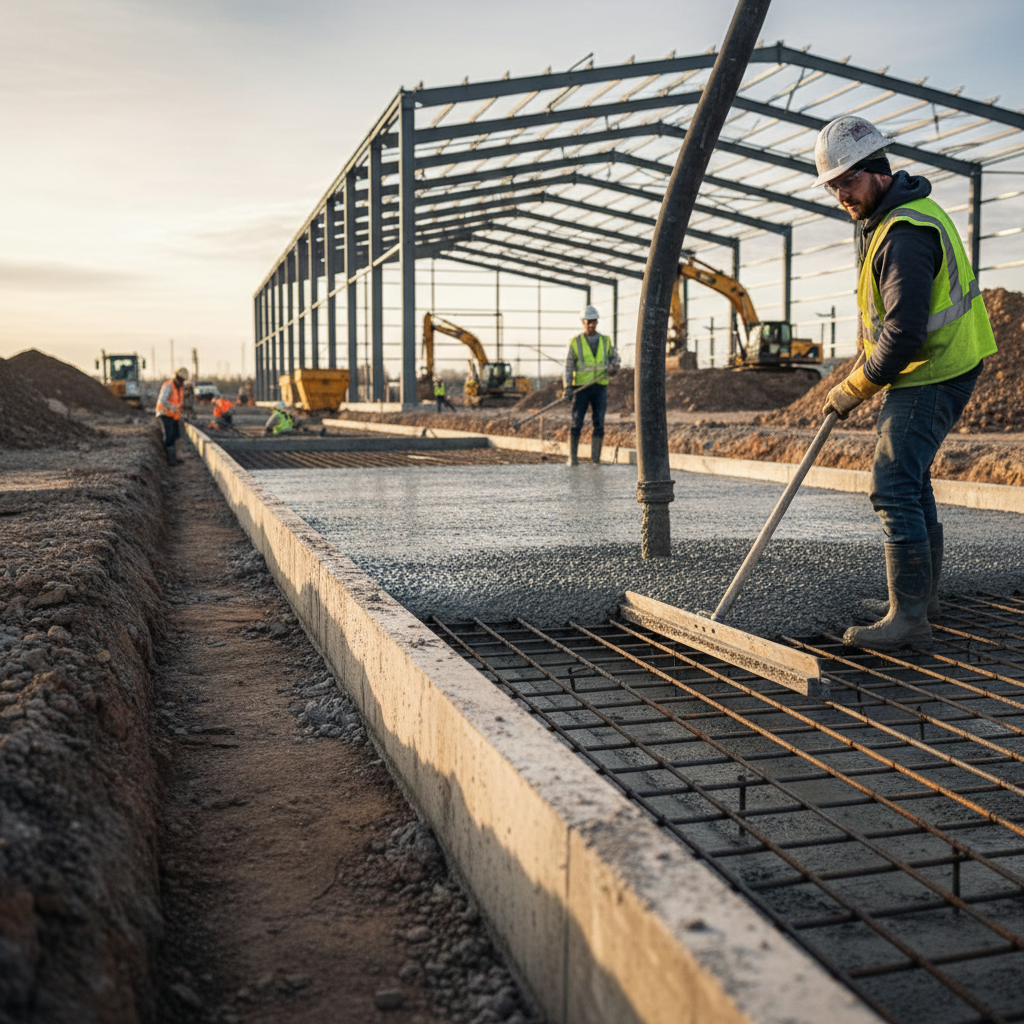
Foundations for steel buildings must be engineered to handle specific point loads where the vertical columns meet the concrete. In steel warehouse construction , high-strength anchor bolts are cast into the concrete to secure the primary frame. You need a level slab that can withstand the heavy PSI requirements of industrial forklifts and high-density racking.
Precision Anchor Placement
Look at it this way: if your anchors are off by an inch, your whole building will be crooked. You must use templates during the concrete pour to ensure every bolt aligns with the pre-drilled steel base plates.
- Use rigid bolt templates.
- Verify curing times.
- Inspect bolt depth.
Slab Load Capacities
Look at it this way: you don’t want your floor cracking under the weight of a 5-ton rack. You need to specify the concrete thickness and reinforcement based on your anticipated inventory weight.
- Proper rebar spacing.
- Vapor barrier installation.
- Saw-cut expansion joints.
Key Takeaway: A precision-poured foundation with correct anchor placement is non-negotiable for a safe steel erection.
| Foundation Type | Use Case | Benefit | |
|---|---|---|---|
| Floating Slab | Light Storage | Cost-effective | |
| Pier & Beam | Heavy Industry | High Load Bearing | |
| Trench Footing | Standard Warehouse | Perimeter Stability |
Solid groundworks ensure the vertical structure remains stable even under extreme environmental pressures.
How Long Is Assembly?
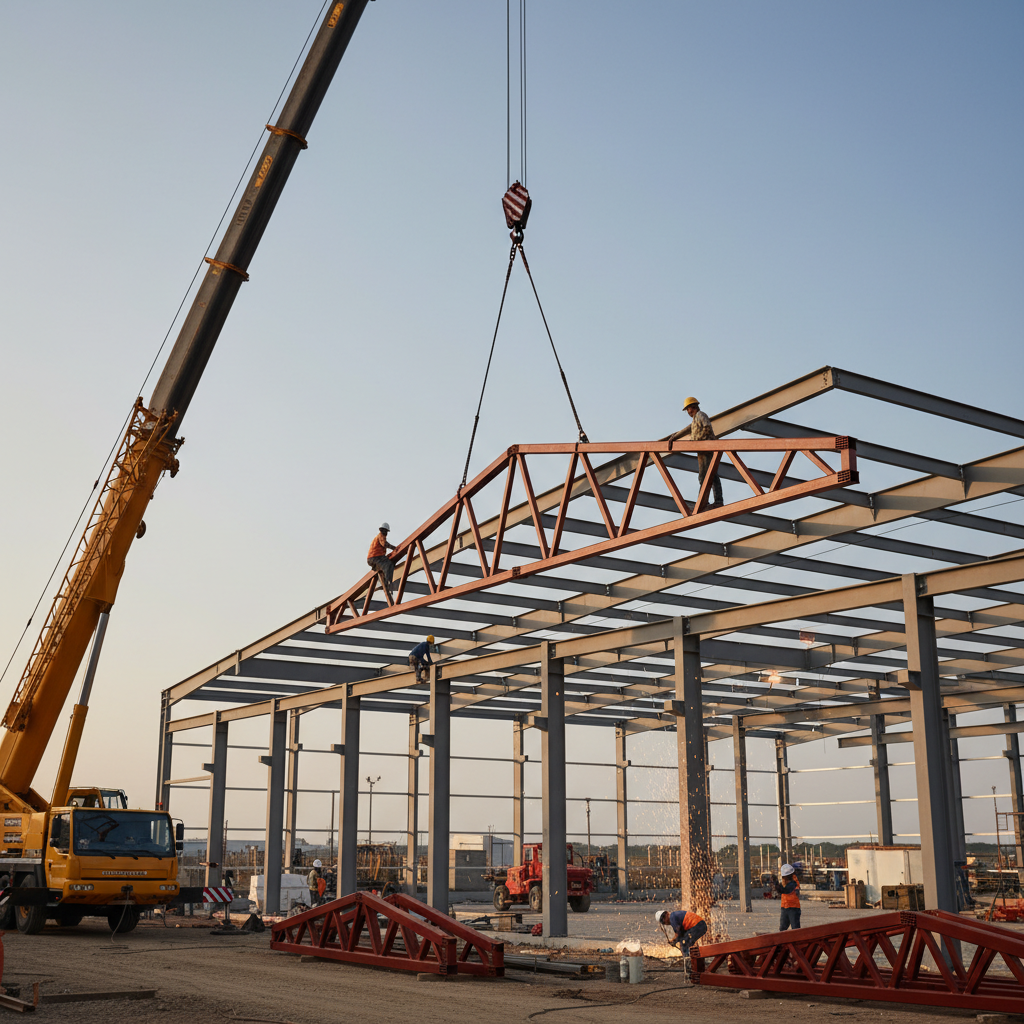
The assembly of a steel warehouse is significantly faster than traditional methods, often taking weeks instead of months. Steel warehouse construction utilizes a “kit of parts” approach where the primary frames are erected first, followed by secondary framing and cladding. This speed allows you to move inventory in and start generating revenue much sooner.
Rapid Frame Erection
Look at it this way: while a mason is laying his first thousand bricks, your entire steel skeleton is already standing. You use cranes to lift pre-welded trusses into place, securing them with high-tension bolts.
- Sequential component delivery.
- Simultaneous wall/roof work.
- Reduced weather delays.
Streamlined Cladding Process
Look at it this way: finishing the exterior is like putting a skin on a body—it happens fast once the bones are there. You can install large-format metal panels quickly to seal the building from the elements.
- Interlocking panel design.
- Integrated window units.
- Fastener-ready purlins.
Key Takeaway: Speed of assembly is a primary driver for steel, allowing for rapid business scaling and occupancy.
| Milestone | Timeframe (Est.) | Primary Tool | |
|---|---|---|---|
| Frame Erection | 1-2 Weeks | Crane & Bolting | |
| Secondary Steel | 1 Week | Scissor Lifts | |
| Exterior Sheeting | 1-2 Weeks | Impact Drivers |
Fast-tracking your facility with steel minimizes the window of vulnerability during the construction phase.
Why Prioritize Insulation?
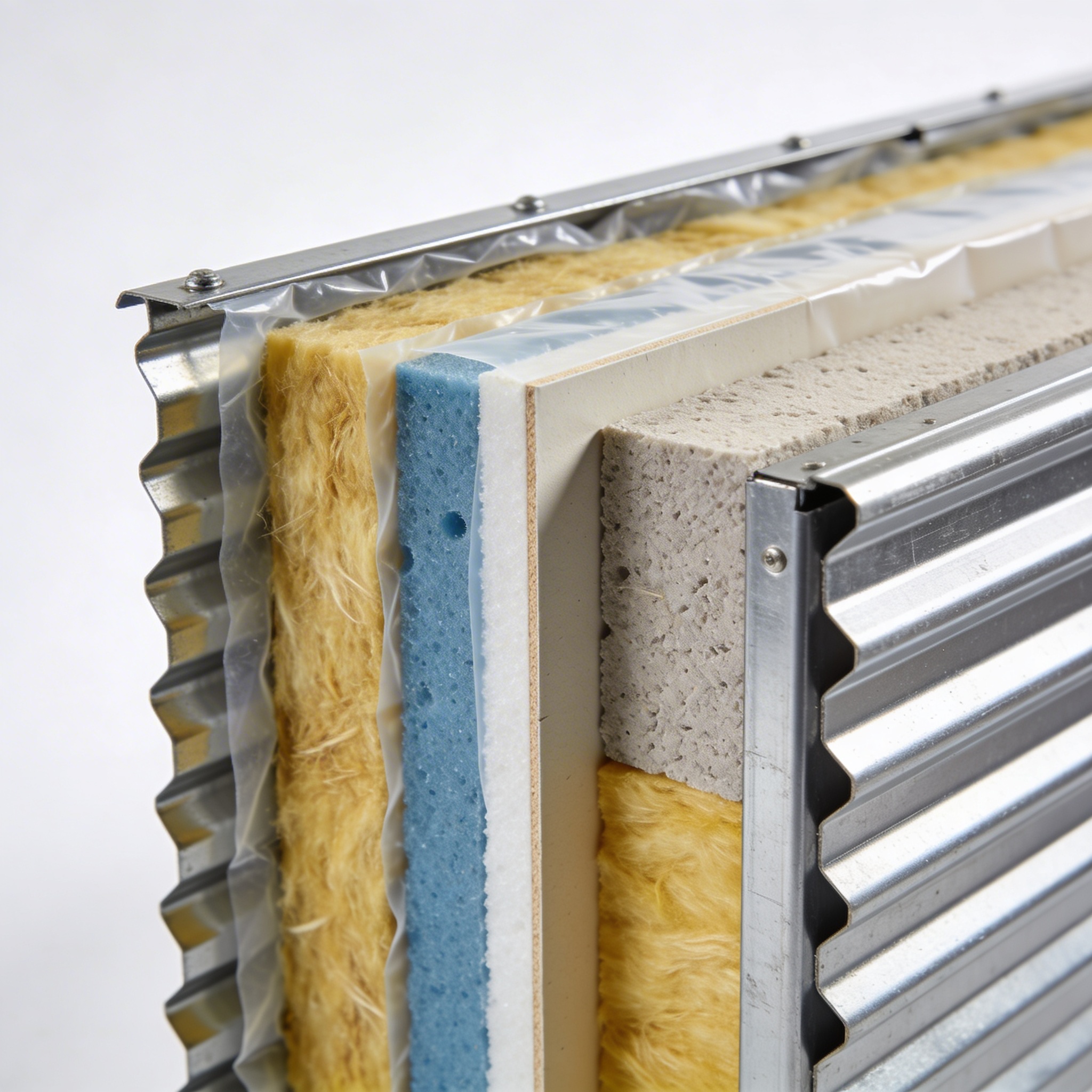
Insulation is vital for temperature control and preventing condensation in steel warehouse construction . Steel is a high conductor of heat, so without a thermal break, your warehouse could become a “sweatbox” that ruins sensitive products. You should choose high-R-value materials that keep your energy costs predictable year-round.
Vapor Barrier Essentials
Look at it this way: without a vapor barrier, your warehouse will literally rain inside due to condensation. You must install a continuous moisture shield to protect your steel frame from premature corrosion.
- Sealed seam technology.
- High-grade facings.
- Moisture-wicking layers.
Modern Insulation Types
Look at it this way: the right insulation pays for itself in just a few summers. You can choose between fiberglass blankets, rigid boards, or spray foam depending on your specific climate needs.
- Fiberglass batts (Cost-effective).
- Sandwich panels (Top efficiency).
- Reflective foils (Heat block).
Key Takeaway: High-quality insulation protects your inventory from moisture damage and slashes monthly utility expenses.
| Insulation Type | R-Value | Moisture Protection | |
|---|---|---|---|
| Sandwich Panels | Very High | Excellent | |
| Fiberglass Batts | Moderate | Good (with facing) | |
| Spray Foam | High | Superior |
Proper climate sealing is the difference between a functional workspace and an unusable storage shell.
Is Interior Layout Flexible?
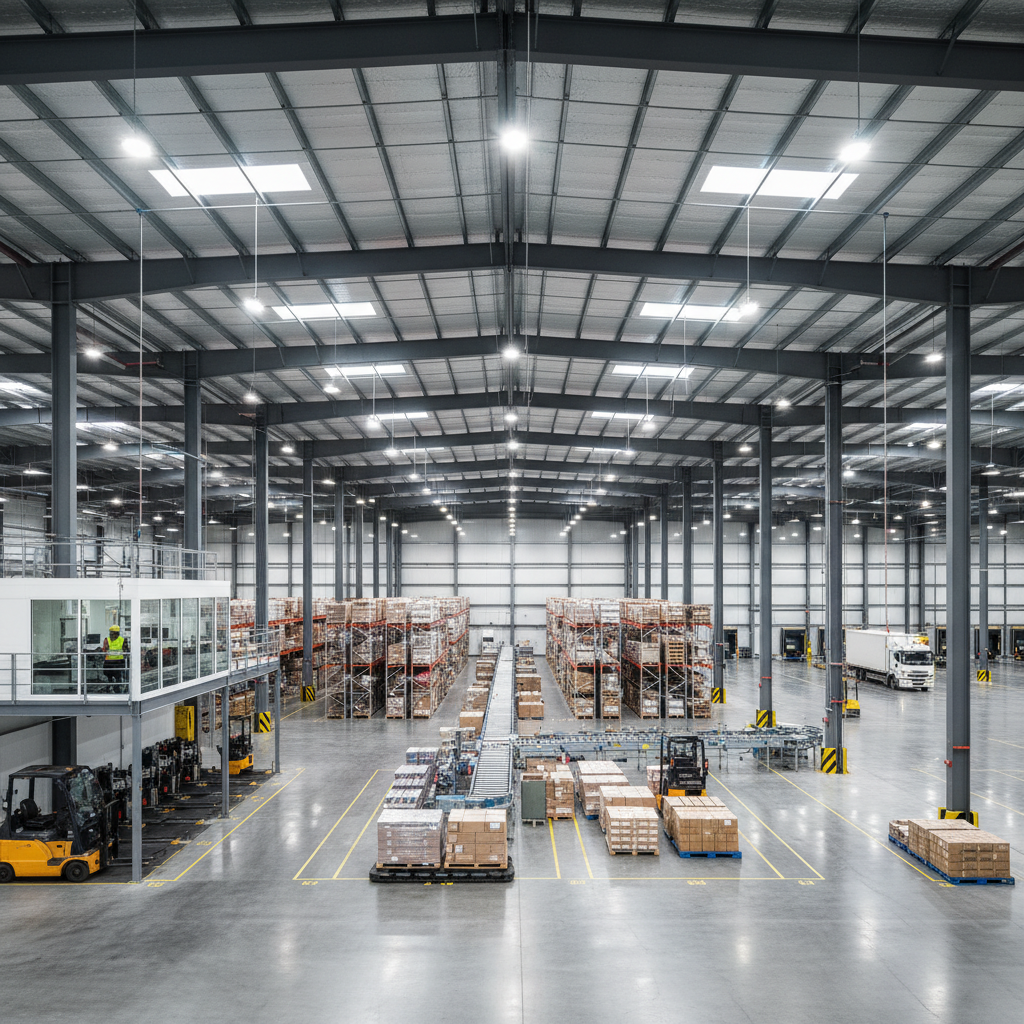
The interior of a steel warehouse is a blank canvas designed for maximum adaptability. Steel warehouse construction supports mezzanine levels and heavy-duty crane systems without compromising the main structure’s integrity. You can reconfigure your shelving or office space as your company grows or your product line shifts.
Mezzanine and Vertical Space
Look at it this way: the sky is the limit when you have 40-foot ceilings. You can double your floor space by adding a steel mezzanine for offices or light assembly while keeping the floor clear for logistics.
- Independent support structures.
- High-capacity floor decking.
- Integrated stair access.
Zone-Based Planning
Look at it this way: your warehouse should be organized like a library. You can create distinct zones for hazardous materials, cold storage, or high-velocity picking using modular partitions.
- Movable internal walls.
- Specialized lighting zones.
- Dedicated charging stations.
Key Takeaway: Steel’s structural versatility allows you to expand vertically and horizontally with minimal structural modification.
| Layout Feature | Benefit | Scaling Ease | |
|---|---|---|---|
| Mezzanines | 2x Square Footage | High | |
| Clear-Span | No Column Barriers | Infinite | |
| Modular Offices | Quick Installation | High |
Designing for flexibility ensures your warehouse remains a high-performing project as your business evolves.
How to Maintain Steel?
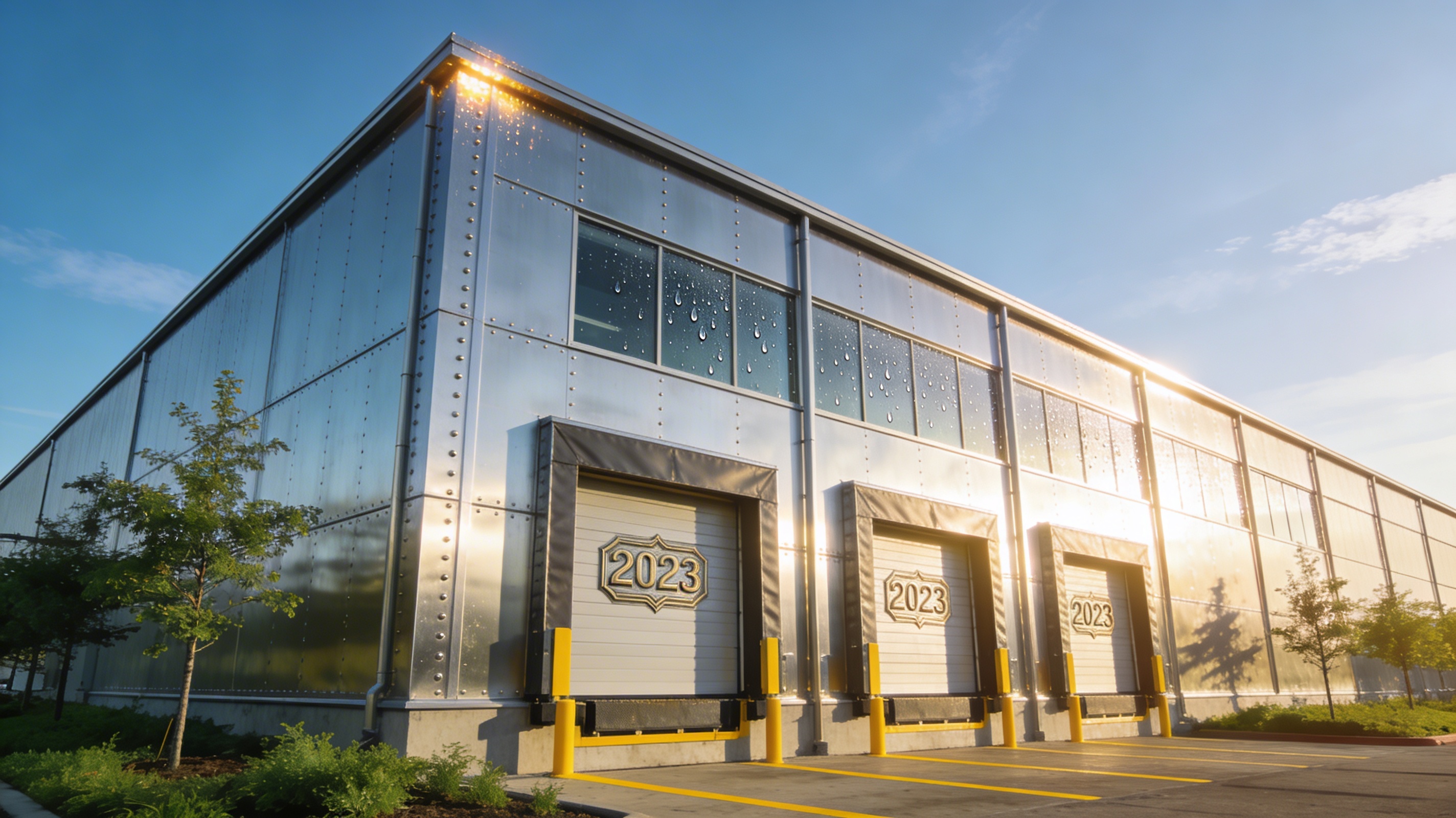
Maintenance for steel structures is remarkably low, focuses primarily on keeping the exterior clean and inspecting fasteners. Unlike other materials, professional steel warehouse construction uses galvanized or painted finishes that resist rust and UV degradation for decades. You only need to perform a simple annual check-up to ensure everything remains watertight.
Annual Inspection Routine
Look at it this way: an hour of inspection today saves a week of repairs next year. You should walk the perimeter, checking for any loose fasteners or debris buildup in the gutters.
- Clear roof drainage paths.
- Inspect door seals.
- Check for paint chips.
Protective Coating Longevity
Look at it this way: modern steel coatings are like high-tech armor for your building. You benefit from advanced polymers that prevent environmental pollutants from reaching the raw metal underneath.
- High-grade Galvalume.
- UV-resistant topcoats.
- Anti-corrosive treatments.
Key Takeaway: Proactive, minimal maintenance preserves the aesthetic appeal and structural safety of your warehouse indefinitely.
| Task | Frequency | Duration | |
|---|---|---|---|
| Gutter Cleaning | Bi-Annual | 2-4 Hours | |
| Fastener Check | Annual | 1 Day | |
| Exterior Wash | Every 2-3 Years | 1-2 Days |
Selecting steel means choosing a facility that works for you, rather than you working for the building.
What Are Common Pitfalls?
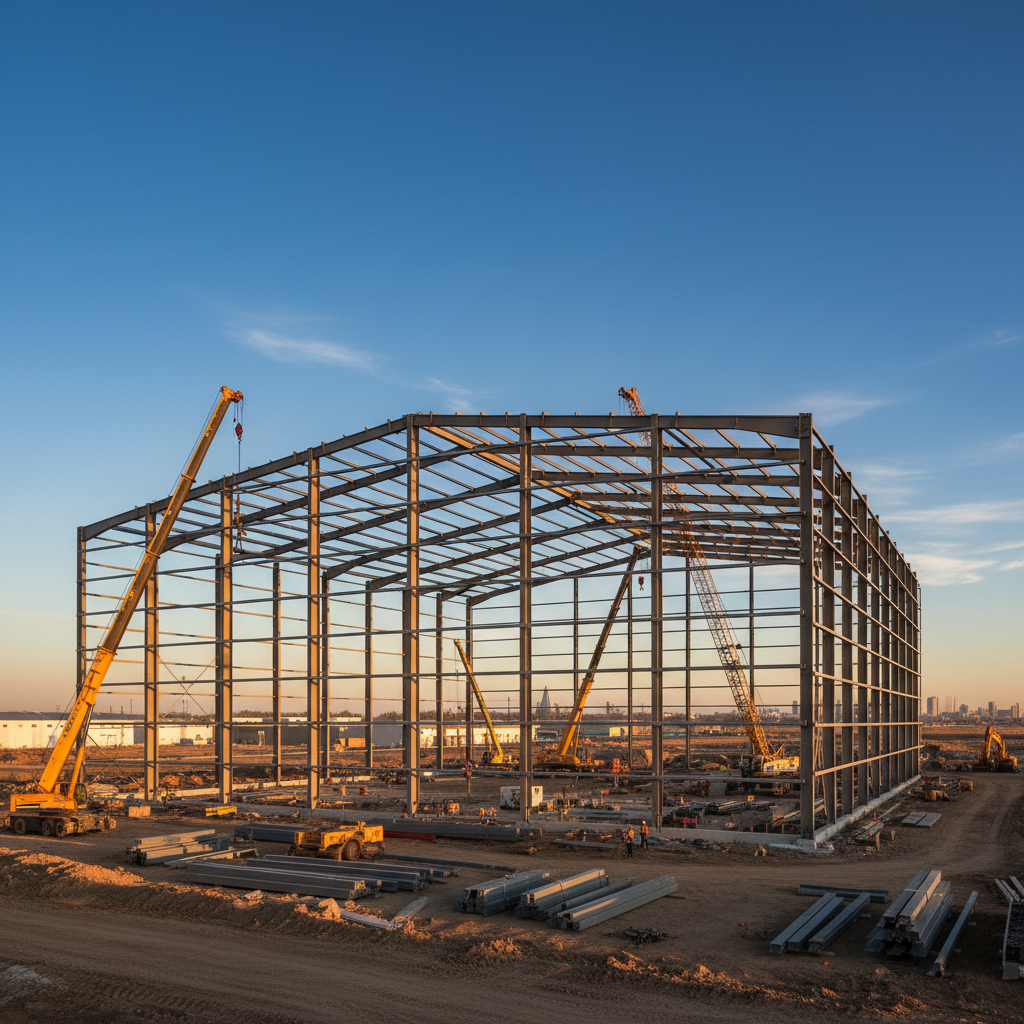
The biggest mistakes in steel warehouse construction often occur during the planning and permitting phases, not the actual build. You might underestimate the time required for local government approvals or fail to account for utility hookup lead times. Working with an experienced partner helps you avoid “hidden” costs like site drainage corrections or incorrect snow load ratings.
Avoid Under-Engineering
Look at it this way: saving a few bucks on a lighter frame is a recipe for disaster in a storm. You must ensure your building is rated for the worst-case weather scenarios in your specific geographic region.
- Overspecify for local wind.
- Check seismic requirements.
- Verify roof snow loads.
Logistics and Permit Delays
Look at it this way: a building sitting in a shipping container is a building that isn’t making you money. You need to align your site prep perfectly with the delivery of the steel to avoid expensive storage fees.
- Apply for permits early.
- Coordinate delivery windows.
- Schedule inspectors in advance.
Key Takeaway: Due diligence during the pre-construction phase eliminates 90% of the risks associated with industrial building projects.
| Pitfall | Risk Level | Mitigation Strategy | |
|---|---|---|---|
| Poor Drainage | High | Professional Grading | |
| Permit Lag | Medium | Early Filing | |
| Wrong Load Rating | Critical | Expert Engineering |
Anticipating these challenges ensures your project stays on schedule and within your established budget.
Frequently Asked Questions
Can I expand my warehouse later?Yes, steel buildings are modular by nature and designed for easy expansion. You can remove end-wall panels and bolt on additional bays or even add a lean-to structure to the side without tearing down the original facility.
What’s the best way to prevent rust?The best way is to utilize Galvalume-coated steel and ensure proper drainage. This aluminum-zinc alloy coating provides a physical barrier and galvanic protection, while keeping the building dry prevents the standing moisture that causes oxidation.
How do I know if I need a professional engineer?You know you need one if you are dealing with large spans, heavy equipment, or strict local building codes. Most jurisdictions require a state-stamped engineered drawing to issue any building permit, ensuring the structure is safe for occupancy.
Can I install solar panels on a steel roof?Absolutely, steel warehouses are ideal for solar because the standing seam roofs allow for non-penetrating mounting brackets. These brackets clip directly onto the seams, maintaining the roof’s watertight integrity while holding the heavy solar arrays securely.
How do I choose the right insulation R-value?You should base your choice on your local climate zone and the sensitivity of your inventory. Cold storage requires much higher R-values (R-30+) compared to generalized dry storage, and using high-efficiency sandwich panels is often the most effective method.
Secure Your Industrial Future
Choosing to invest in a steel warehouse is a commitment to speed, durability, and operational excellence. At the intersection of engineering and efficiency, we provide the structures that anchor modern global commerce. Our mission is to deliver buildings that not only stand the test of time but actively contribute to your bottom line through lower maintenance and maximized space. If you are ready to expand your capacity with a world-class facility, contact us today to start your project.