Steel workshop building types include single-span, multi-span, crane-equipped, open-sided, and enclosed structures designed to optimize industrial efficiency. Finding the right workspace for industrial operations often feels like a balancing act between cost and functionality. Traditional construction methods frequently lead to unexpected delays, ballooning budgets, and rigid structures that cannot adapt to your growing business needs. Without a clear understanding of steel workshop building types , you risk investing in a facility that lacks the necessary clear span for your machinery or the structural integrity to support heavy overhead cranes. This comprehensive guide breaks down every professional configuration available today, ensuring you select a durable solution that optimizes your workflow and protects your bottom line.
Why choose a single span in steel workshop building types?
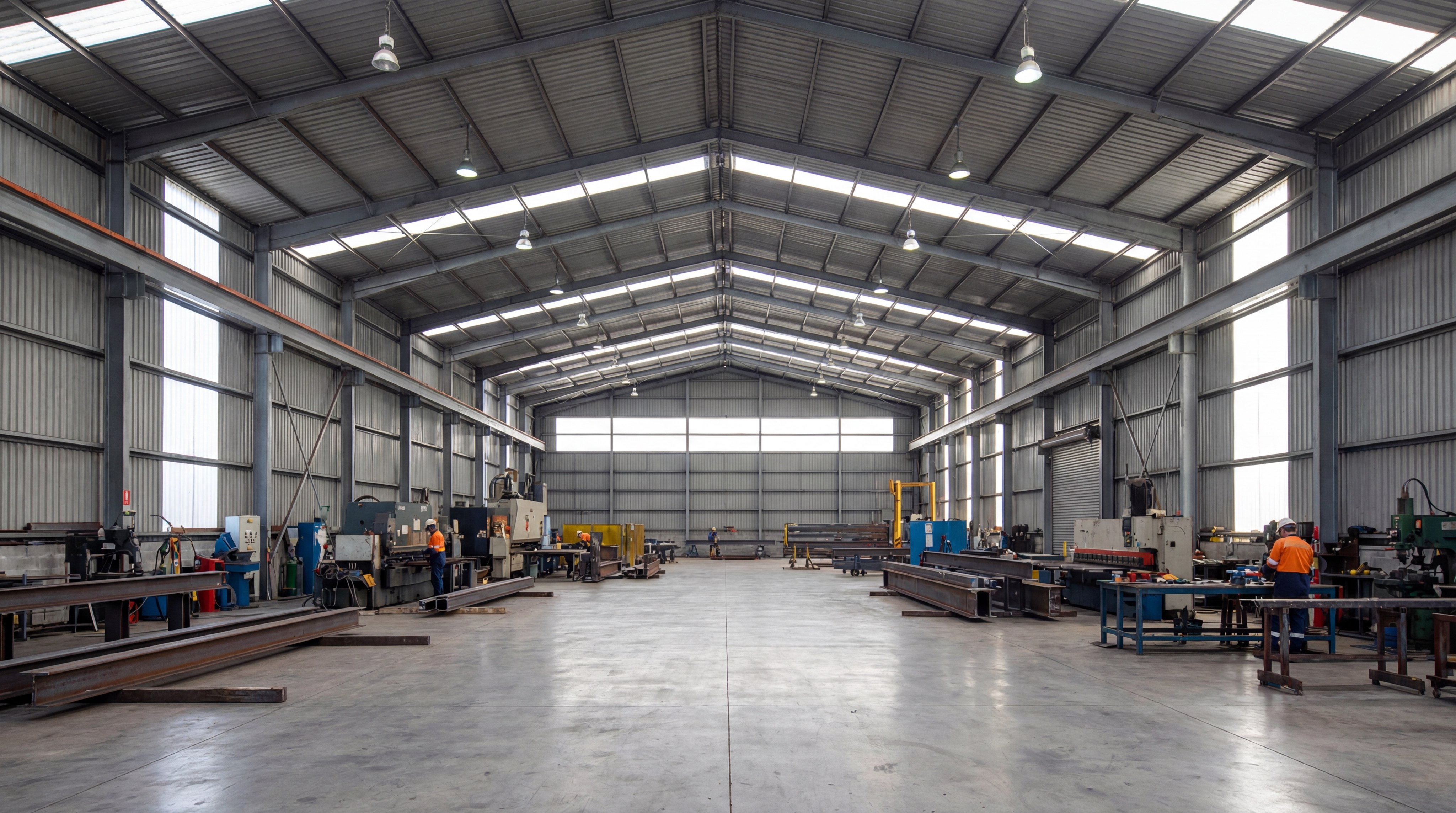
Single span designs prioritize unobstructed floor space by eliminating internal columns between the perimeter walls. When researching different steel workshop building types , many owners prioritize this layout for maximum interior flexibility. This configuration is particularly effective for small to medium manufacturing plants where floor space is at a premium.
Benefits of column-free interior space
The primary advantage of a single span is the “clear span” which accommodates large machinery without structural interference. Here is the best part: you gain unrestricted movement for your forklifts and logistical equipment.
- Unrestricted movement for equipment.
- Flexible equipment placement.
- Easier reorganization of production lines.
Ideal applications for single span designs
Small-scale fabrication hubs and automotive repair shops find this design most efficient for their daily operations. Think about this: without interior columns, you can rotate and move heavy inventory without navigating structural obstacles.
Key Takeaway: Single span workshops provide maximum interior flexibility by eliminating internal columns, making them perfect for operations requiring large, open areas.
| Feature | Single Span Specification | |
|---|---|---|
| Max Width | Typically up to 40 meters | |
| Column Support | Perimeter walls only | |
| Cost Efficiency | High for medium footprints |
This structural choice ensures that your internal workflow remains entirely adaptable to future equipment changes.
When is multi-span needed for steel workshop building types?
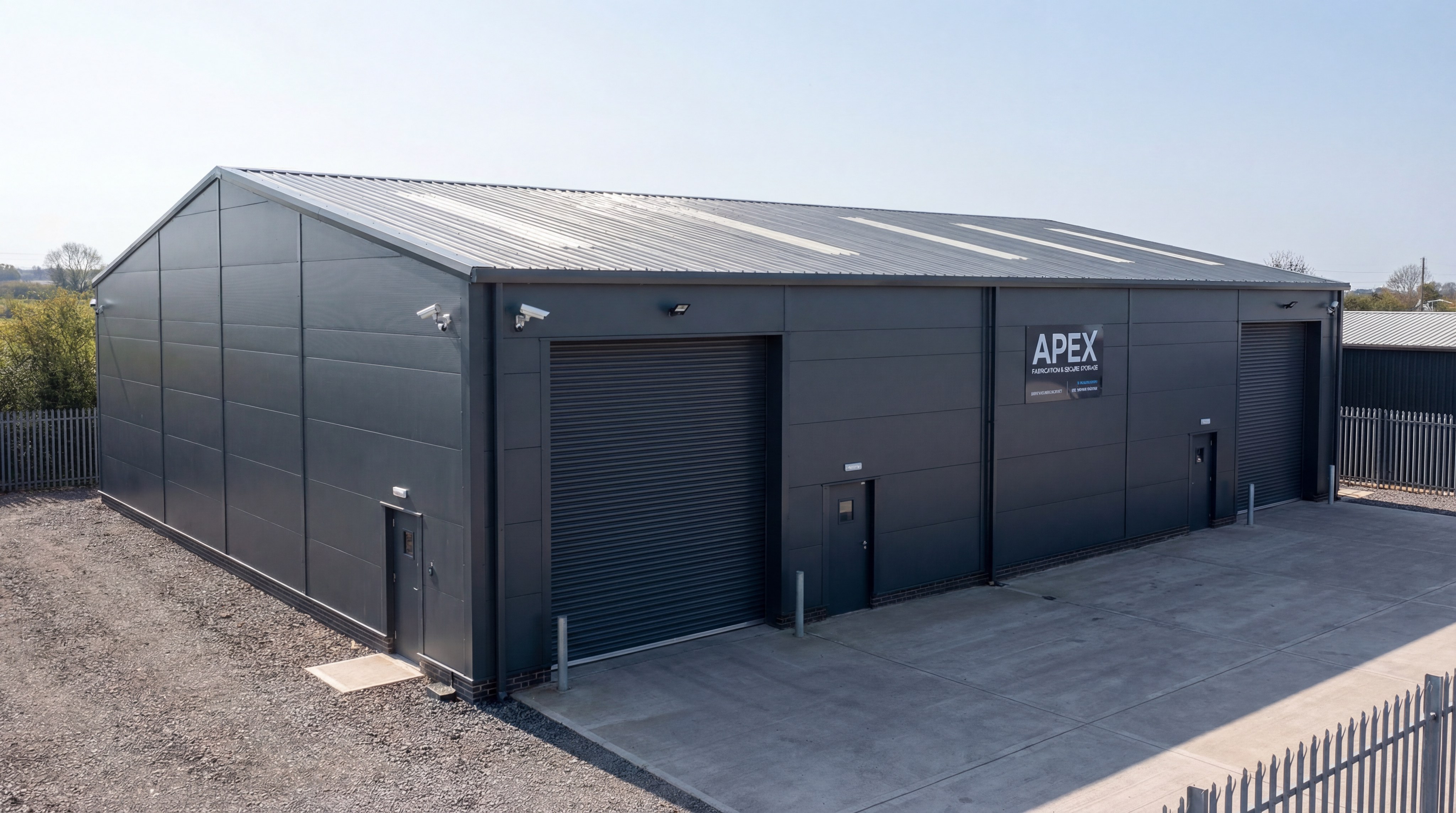
Multi-span designs are necessary for massive industrial complexes where a single span is not structurally feasible or cost-effective. For these steel workshop building types, internal columns support wider total widths and distribute the roof load more evenly across a large area. This approach allows for virtually unlimited building width while maintaining high structural stability.
Maximizing large-scale floor areas
Internal columns allow you to build much wider facilities without requiring massive, expensive rafters. But that’s not all; these columns can also serve as natural partitions between different manufacturing departments.
- Unlimited total building width.
- Increased structural stability for snow loads.
- Segmented zones for different departments.
Structural stability for wide buildings
Wide buildings require strategic portal frame connections to handle environmental stresses like high wind or seismic activity. In other words, the interior supports act as the backbone for massive warehouses and mega-factories.
Key Takeaway: Multi-span structures allow for massive footprints while maintaining structural integrity through the use of interior support columns.
| Feature | Multi-Span Specification | |
|---|---|---|
| Building Width | Virtually unlimited | |
| Load Distribution | Shared internal/external columns | |
| Best Use Case | Massive warehouses |
Choosing a multi-bay setup reduces the raw material weight required for the primary frame, often lowering overall costs for large-scale projects.
How do cranes work with steel workshop building types?
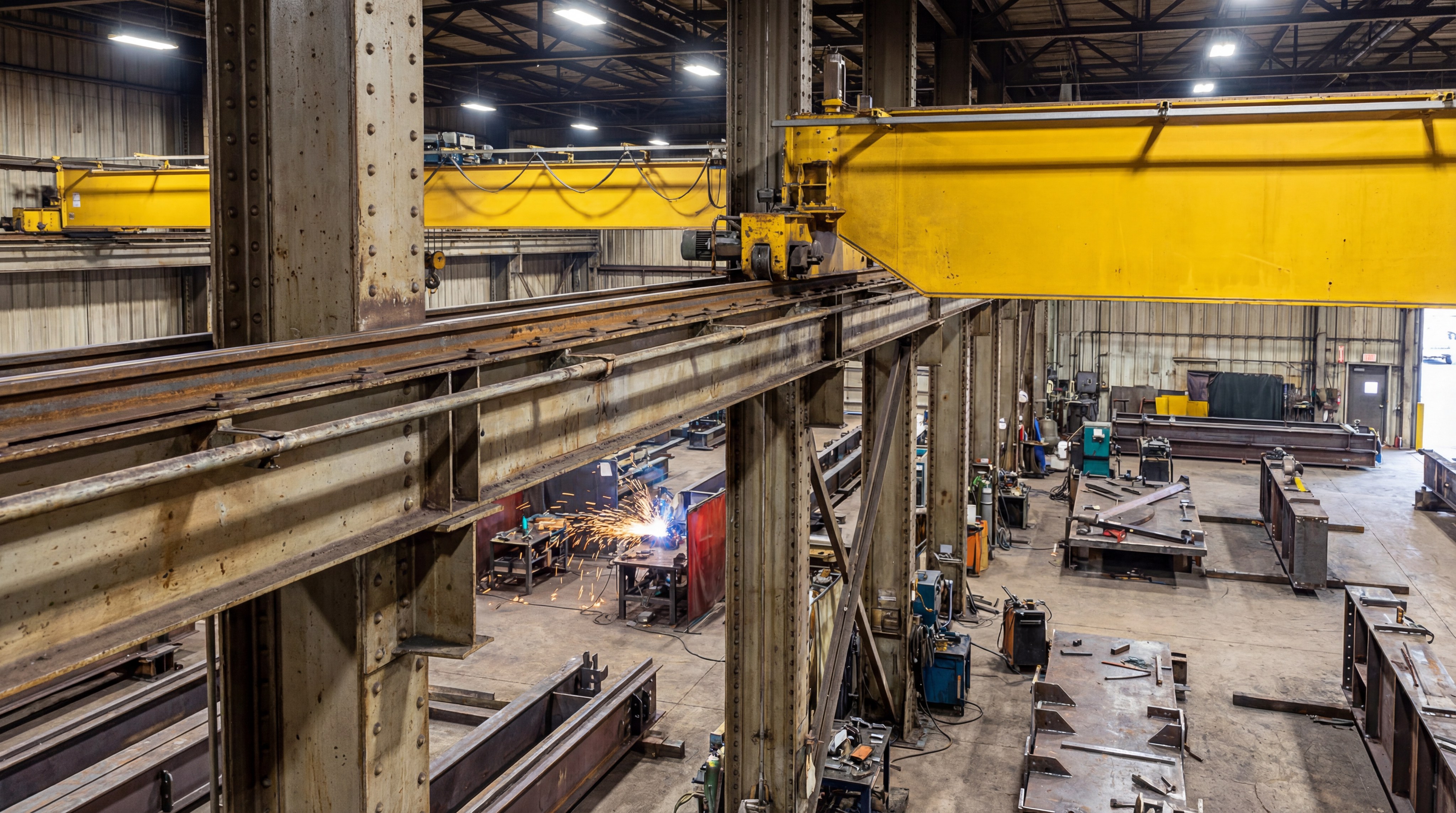
Crane-equipped workshops function by integrating specialized runway beams and reinforced brackets directly into the structural steel frame. Selecting the right steel workshop building types often depends on your specific need for high-capacity vertical and horizontal heavy lifting. The entire building is engineered to handle the dynamic loads generated by moving materials.
Integrated crane runway systems
The structural frame must support crane brackets and rails with precision to ensure smooth operation. Look: the columns in these buildings are significantly heavier than standard frames to prevent swaying during heavy lifts.
- Heavy-duty H-beam columns.
- Runway beams (Gantry rails).
- End carriages and hoist integration.
Load capacity and safety standards
Safety is paramount when calculating lifting limits that typically range from 5 tons to 50 tons or more. What does this mean for you? It means your facility must comply with rigorous international engineering codes for vibration resistance.
Key Takeaway: Crane-equipped workshops are specialized structures designed to handle vertical and horizontal dynamic loads, essential for heavy manufacturing.
| Component | Crane Workshop Detail | |
|---|---|---|
| Crane Capacity | 5t to 50t common ranges | |
| Frame Type | Heavy-duty reinforced portal frame | |
| Utility | Heavy manufacturing and assembly |
Investing in a crane-ready structure from the start prevents expensive retrofitting costs as your industrial output scales.
Is open-sided best for these steel workshop building types?
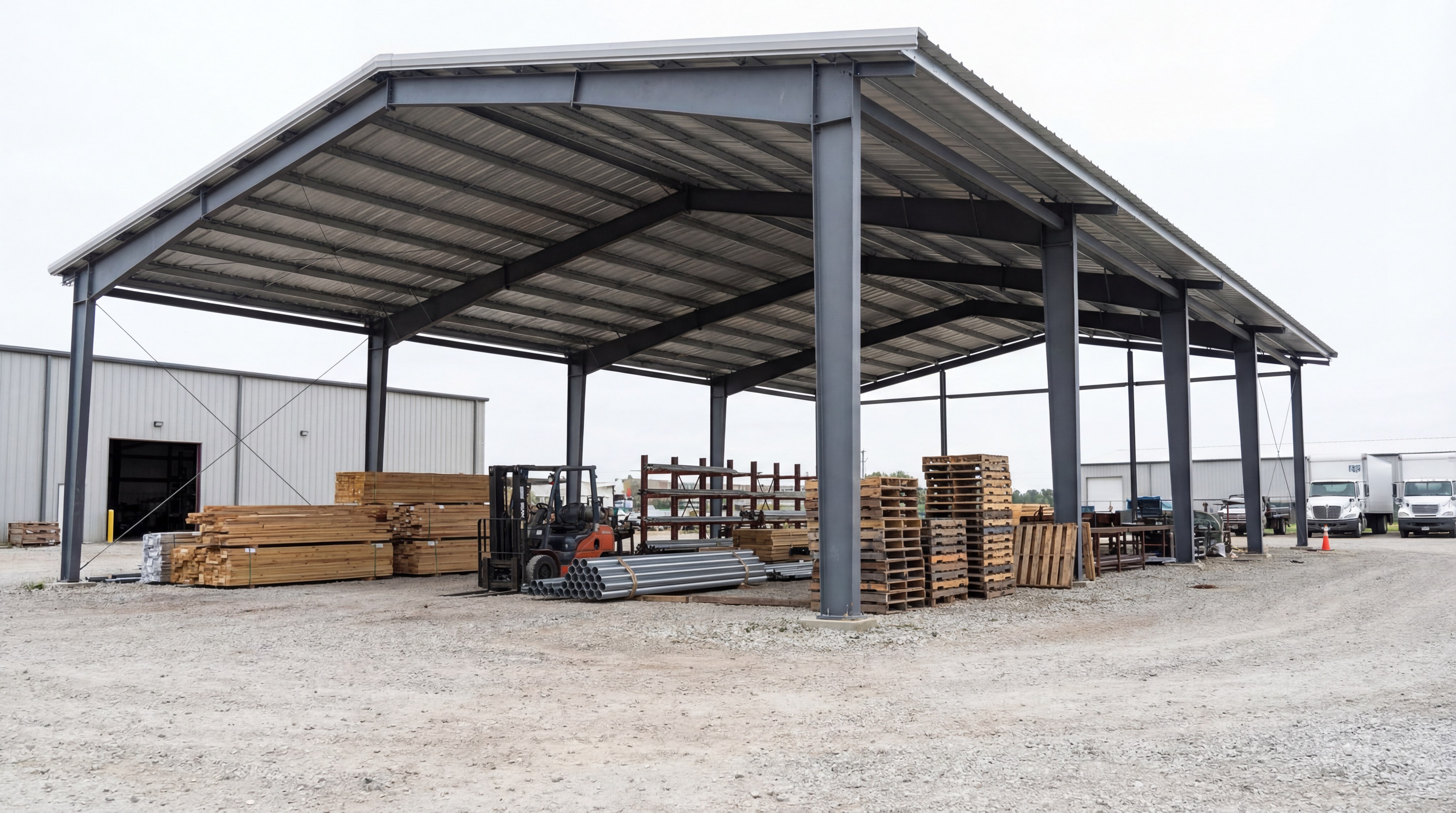
Open-sided buildings are best when full enclosure is not required for weather protection or security. These specific steel workshop building types provide shelter for equipment and materials while allowing for maximum natural ventilation. They are ideal for high-traffic environments where frequent loading and unloading occur throughout the day.
Ventilation and natural airflow perks
An open-type building naturally reduces moisture and heat buildup by allowing wind to pass through the structure. You might be wondering: does this impact cost? Yes, it significantly reduces the need for expensive mechanical ventilation systems.
- Natural smoke and dust extraction.
- Lower lighting and cooling costs.
- Easy access for high-traffic loading.
Cost-effective shelter solutions
By eliminating some or all wall cladding, you save significantly on material costs and installation labor. It gets better: these structures serve as excellent loading docks or bulk storage areas for raw materials that don’t require strict climate control.
Key Takeaway: Open-type steel buildings offer the most affordable way to protect equipment and materials from the elements while providing maximum ventilation.
| Feature | Open Type Comparison | |
|---|---|---|
| Enclosure | Roof only or 1-3 walls | |
| Cost | Lowest initial investment | |
| Climate Control | N/A (Natural environment) |
This model is the most efficient choice for temperate climates or industries that generate significant dust and heat during production.
Why use an enclosed steel workshop building types model?
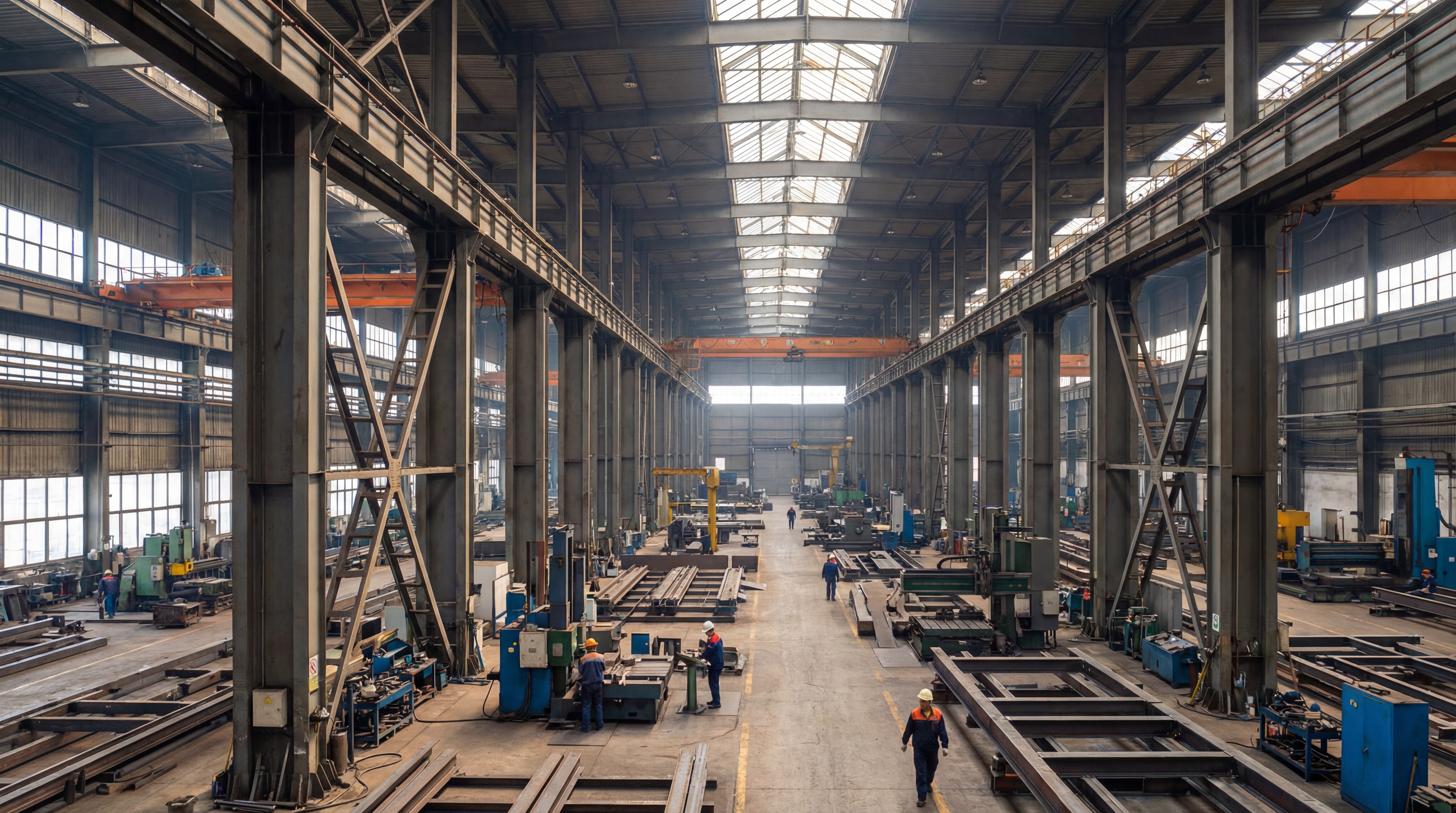
Enclosed models are used to provide the highest level of asset protection and environmental control. Securing your machinery and inventory from the elements is a primary reason to explore enclosed steel workshop building types for your business. These buildings allow you to manage temperature, humidity, and security with high precision.
Climate control and insulation options
Modern insulation using sandwich panels provides a thermal barrier that keeps your interior temperature stable. The truth is: high-value equipment often requires these controlled environments to prevent rust or calibration issues caused by fluctuating heat.
- Stable temperatures for sensitive equipment.
- Noise reduction for urban environments.
- Energy efficiency for HVAC systems.
Enhanced security and equipment protection
A fully enclosed shell protects against theft, pests, and extreme weather events like hurricanes or heavy blizzards. Simply put: you gain peace of mind knowing your industrial investment is locked behind industrial-grade roller doors and fire-resistant cladding.
Key Takeaway: Enclosed workshops provide the highest level of protection and climate management, essential for high-value manufacturing and employee comfort.
| Enclosure Detail | Fully Enclosed Specification | |
|---|---|---|
| Wall Material | Sandwich panels or steel sheets | |
| Insulation | EPS, Glass wool, or Rock wool | |
| Security | High (Lockable access points) |
The use of high-quality cladding materials ensures that your facility remains weather-tight and secure for decades of use.
Light vs heavy in these steel workshop building types?
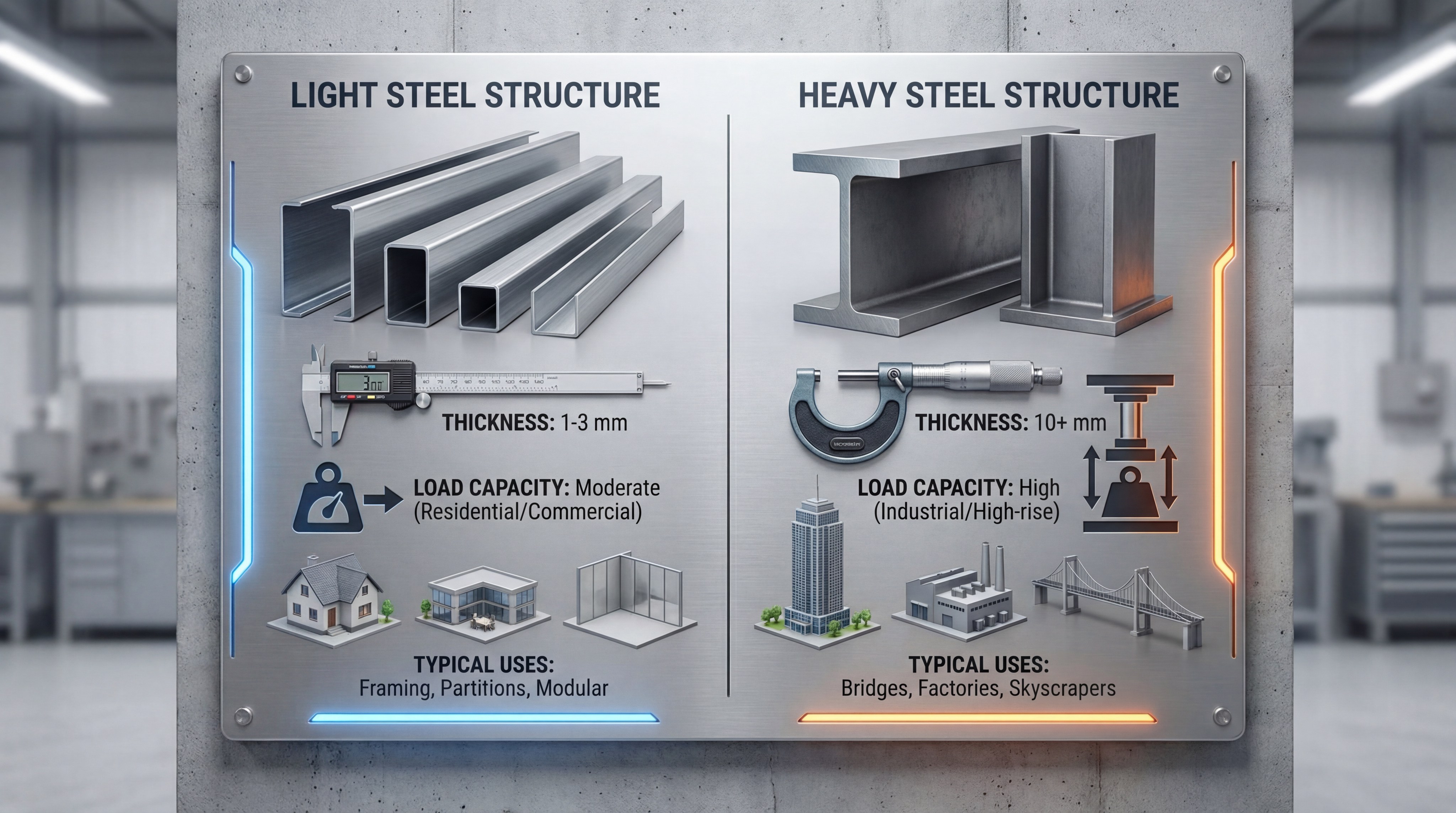
Light steel uses cold-formed members for small structures, while heavy steel utilizes hot-rolled H-beams for industrial-scale buildings. Understanding this material distinction is critical for ensuring your chosen steel workshop building types can survive local wind and snow loads. Heavy structural steel is the industry standard for workshops that require wide spans or overhead cranes.
Characteristics of light gauge steel
Light steel is known for fast production times and easy manual handling during the assembly process. The best part? It is incredibly cost-effective for small storage sheds, offices, or simple equipment shelters that don’t face extreme stressors.
- Fast production times.
- Easy manual handling during assembly.
- Ideal for offices or small storage.
Industrial strength of heavy structural steel
Heavy steel provides superior seismic resistance and the ability to support heavy mezzanine levels or industrial cranes. The reality is: if you are planning a long-term manufacturing facility with a lifespan of 50+ years, heavy steel is the only viable option.
Key Takeaway: While light steel is suitable for simple shelters, heavy structural steel is the industry standard for workshops requiring cranes or wide clear spans.
| Property | Light Steel | Heavy Steel | |
|---|---|---|---|
| Primary Member | Cold-formed C/Z purlins | Hot-rolled H-beams | |
| Typical Span | Small to Medium | Large to Extra-Large | |
| Crane Support | Limited | Excellent |
Selecting the correct gauge ensures your building meets safety regulations without overspending on unnecessary structural weight.
Why are prefab steel workshop building types so efficient?
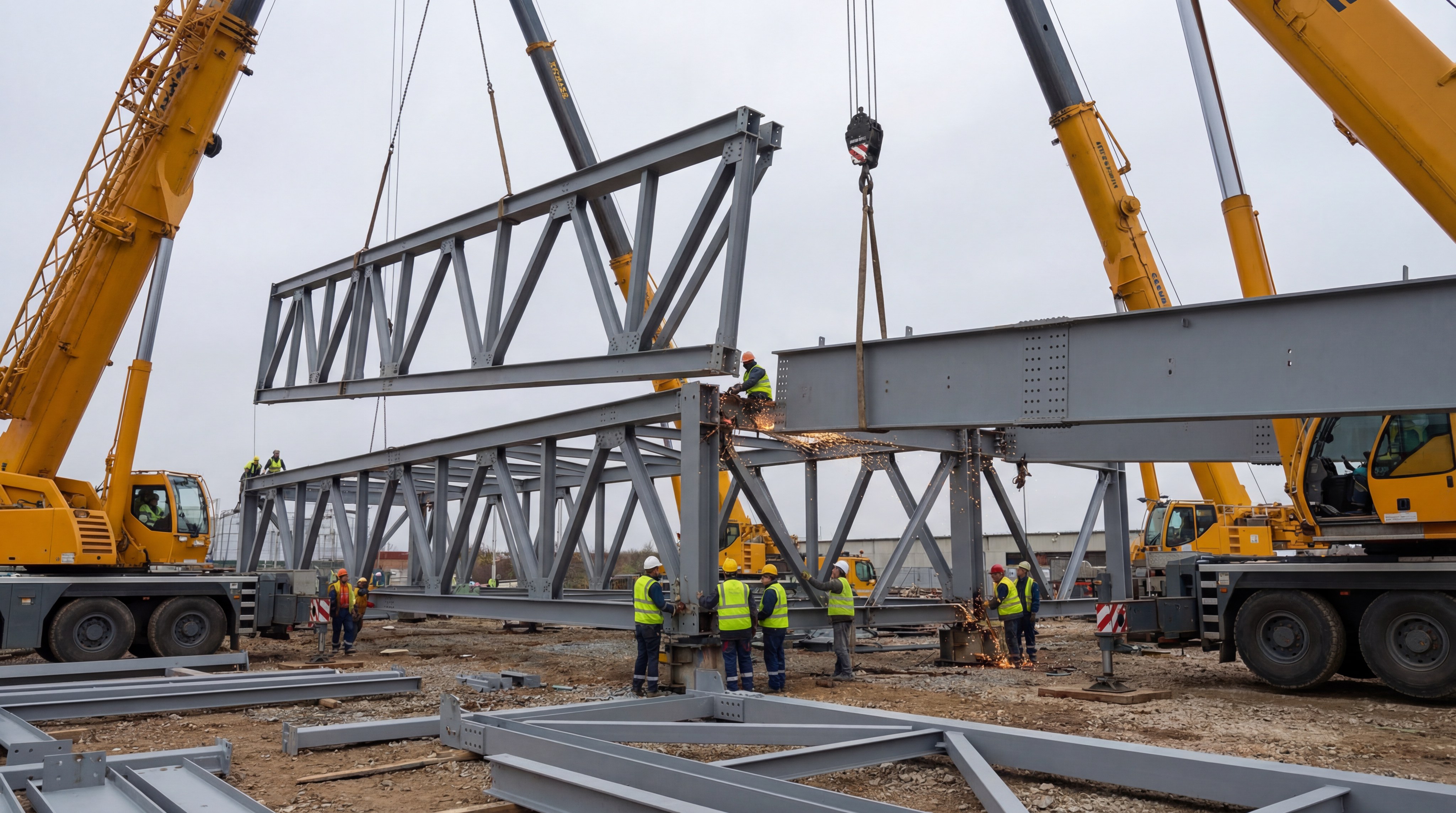
Prefabricated structures are efficient because all components are engineered and manufactured in a factory before being shipped for on-site assembly. Modern steel workshop building types utilize pre-drilled and pre-cut parts to drastically reduce construction timelines. This method eliminates the waste and errors often associated with traditional on-site fabrication.
Rapid on-site assembly processes
Assembly involves bolting together precision-engineered components, which can be done in a fraction of the time compared to concrete. Believe it or not: you can often complete the main frame of a prefab building in just a few weeks.
- Foundation bolt placement.
- Main frame erection.
- Secondary bracing and cladding.
Factory-controlled quality standards
Quality is maintained through CNC cutting and automated welding in a controlled environment. Why does this matter? It ensures that every bolt hole aligns perfectly and that the protective coatings are applied consistently to prevent corrosion.
Key Takeaway: Prefabrication ensures higher quality and significantly faster construction times, allowing you to begin operations months earlier than traditional methods.
| Metric | Prefabricated Detail | |
|---|---|---|
| Construction Speed | 30-50% faster than concrete | |
| Waste | Minimal (Pre-sized components) | |
| Labor Needs | Reduced on-site manpower |
This streamlined process allows project managers to hit tight deadlines and minimize the disruption to existing business operations.
Can you customize your steel workshop building types?
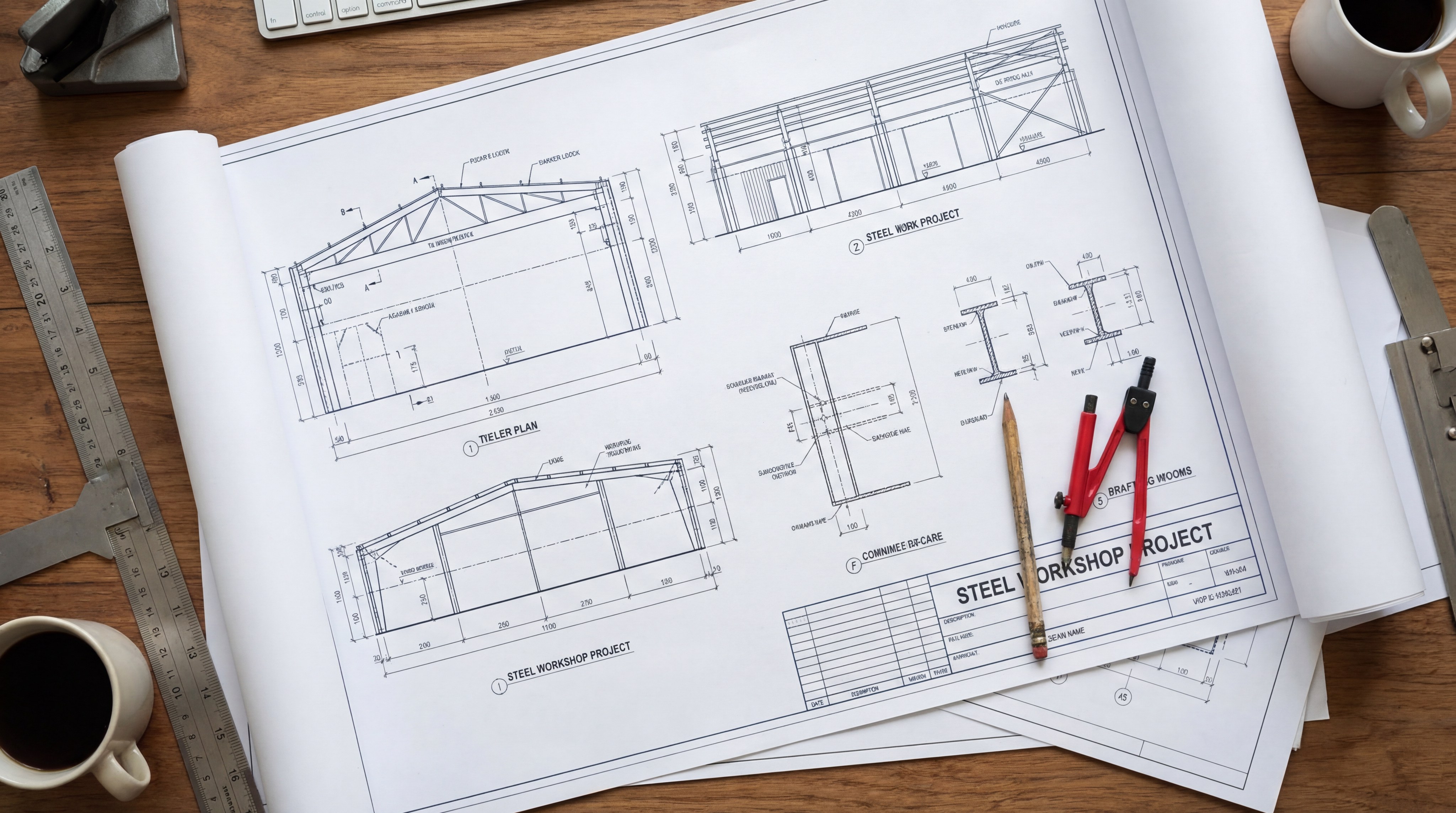
Customization allows you to adapt the height, span, and layout to fit your unique business model. Steel workshop building types are highly flexible, allowing you to integrate office spaces, mezzanines, and specific loading docks where you need them most. You can also select aesthetic features that match your corporate branding or local architectural requirements.
Architectural flexibility and aesthetics
Modern design software allows you to visualize multiple wall colors, parapets, and facades before construction begins. Wait, there’s more: you can also include skylights to harness natural daylighting, significantly reducing your monthly electricity bills.
- Integrated office sections.
- Mezzanine floor levels.
- Polycarbonate skylights for daylight.
Integrating specialized door and window systems
Your logistics needs dictate the placement and type of automatic sectional doors or aluminum alloy windows used. Consider this: choosing the right access points ensures that your supply chain moves without bottlenecking at the workshop entrance.
Key Takeaway: Steel workshops are highly adaptable, allowing for custom heights, spans, and aesthetic features to meet unique operational and branding requirements.
| Custom Element | Available Options | |
|---|---|---|
| Exterior Color | Full RAL palette availability | |
| Lighting | LED integration & Skylights | |
| Floors | Mezzanine decking systems |
Tailoring your building layout from the start ensures that every square meter of floor space contributes directly to your operational efficiency.
How to select ideal steel workshop building types?
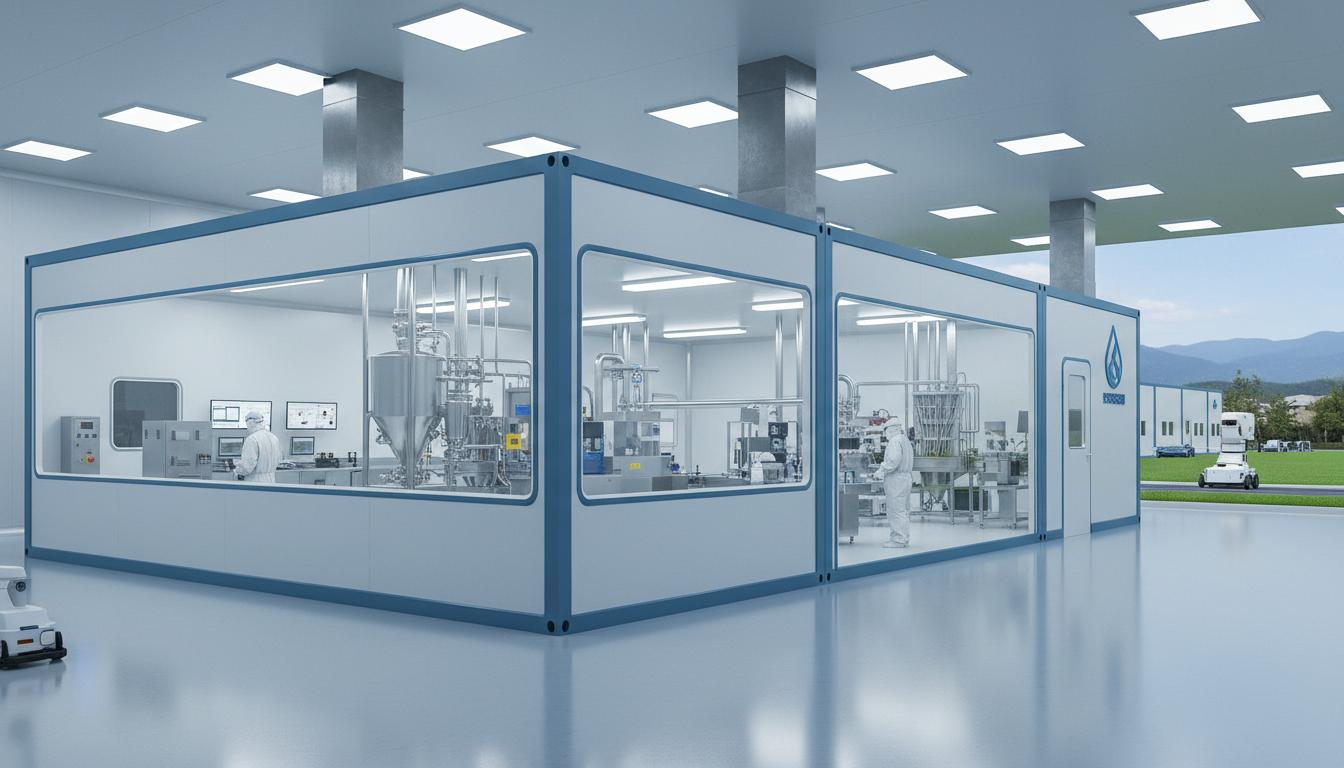
Selecting the ideal type requires a strategic assessment of your current machinery, future expansion plans, and local environmental loads. Comparing different steel workshop building types involves looking at long-term durability rather than just the initial price tag. You must ensure the structure can handle local wind, snow, and seismic requirements while supporting your daily workflow.
Assessing your specific operational needs
Analyze your workflow carefully to determine if you need a clear span for large equipment or if internal columns are acceptable. Think about it: does your production require an overhead crane now, or will you need to add one in five years?
- Crane requirement assessment.
- Local wind and snow load compliance.
- Insulation needs for climate control.
Budgeting for long-term durability
A durable steel structure reduces maintenance costs and can even lower your insurance premiums due to its fire resistance. In the long run, the resale or relocation value of a high-quality steel building far exceeds that of traditional materials.
Key Takeaway: The “right” building type aligns your current budget with your future expansion plans and local environmental demands.
| Criteria | Choice Recommendation | |
|---|---|---|
| Small Auto Shop | Light steel / Single span | |
| Heavy Fabricator | Heavy steel / Crane-equipped | |
| Logistics Hub | Multi-span / High eave height |
Evaluating these factors with an engineering expert ensures that you don’t over-invest in features you don’t need or under-equip your facility for growth.
How to maintain specific steel workshop building types?
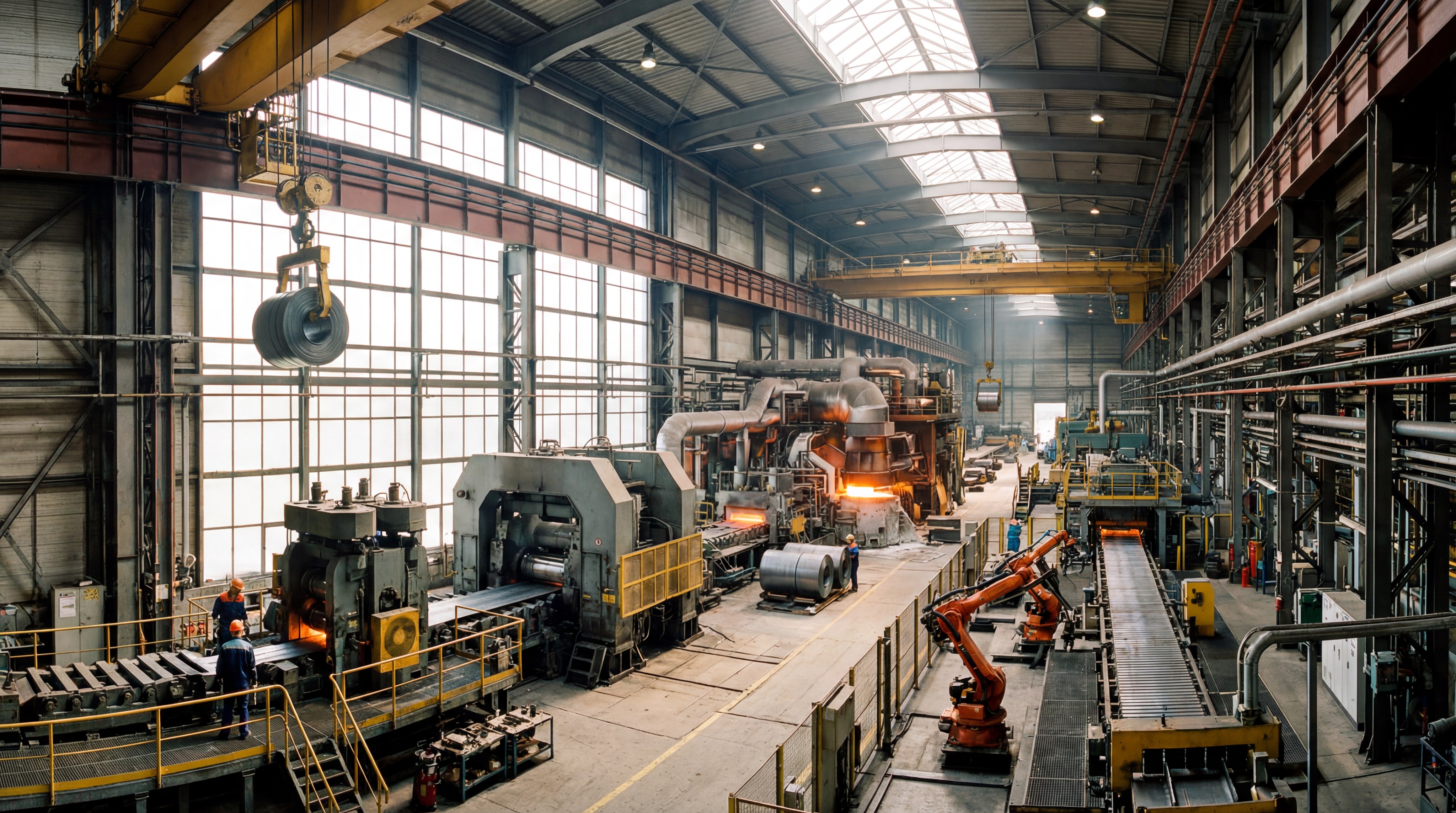
Maintenance involves routine inspections and cleaning to protect the structural integrity and protective coatings of the building. Even the most durable steel workshop building types require annual attention to ensure that gutters stay clear and fasteners remain tight. Preventing corrosion before it starts is the most effective way to protect your long-term industrial investment.
Routine inspection and cleaning tips
Check your roof and gutters at least twice a year to remove debris that could cause moisture to pool against the steel. Check this out: simple tasks like washing salt or chemical deposits off the cladding can extend the life of your building by decades.
- Checking for loose fasteners.
- Clearing gutters and downspouts.
- Inspecting door seals and windows.
Preventing corrosion and wear
If you notice scratches in the protective coating, perform touch-up painting immediately to prevent oxidation. Keep in mind: crane rails and door tracks also require regular lubrication to prevent mechanical wear and excessive friction on the main frame.
Key Takeaway: Simple annual maintenance prevents minor issues from becoming expensive repairs, protecting the structural integrity of your steel workshop.
| Task | Frequency | |
|---|---|---|
| Gutter Cleaning | Twice per year | |
| Bolt Tightening | Every 2 years | |
| Visual Inspection | Every 6 months |
Staying ahead of maintenance ensures that your facility continues to provide a safe, productive environment for your staff and equipment.
Choosing the right workshop type involves evaluating span requirements, lifting needs, and environmental protection. Whether you need a simple single-span open structure or a heavy-duty, crane-integrated enclosed facility, steel provides the fastest and most durable solution. We believe that industrial infrastructure should be a catalyst for growth, not a constraint on your potential. To get a factory-direct quote tailored to your specific project, contact us today and speak with our engineering experts to start building your future.
FAQ
Can I add a crane to my workshop later if I don’t install one now?It depends on the original engineering. You can only add a crane later if the building is initially designed with “crane-ready” columns and reinforced brackets, as retrofitting a standard frame is often prohibitively expensive.
What is the best way to insulate a steel workshop for cold climates?Sandwich panels are the best choice. These panels, typically filled with Rock wool or PU, provide a continuous thermal barrier that significantly reduces heating costs compared to standard fiberglass blankets.
Can I expand my steel workshop in the future?Yes, portal frame steel buildings are modular. You can easily remove an end wall and add new bays to extend the building’s length, making them the most flexible option for growing businesses.
How do I know if I need light or heavy steel?It depends on your building’s height, span, and lifting requirements. If your facility needs to support a crane or spans more than 20-30 meters, heavy structural H-beams are typically required to meet safety codes.
Can I customize the color of my workshop walls and roof?Yes, absolutely. Manufacturers offer a full range of RAL colors for steel cladding, allowing you to match your company’s visual identity or comply with local zoning and aesthetic regulations.