
The average cow shed cost typically ranges from 15 to 40 per square foot, depending on the material quality and structural design. Many farm owners struggle with deteriorating wooden barns that require constant repairs and fail to protect livestock from extreme weather. This constant maintenance drain reduces your profit margins and jeopardizes the health of your herd. By investing in a high-quality cow shed cost solution, you ensure a durable, low-maintenance environment that maximizes milk production and long-term ROI.
What is the average cow shed cost per square foot?
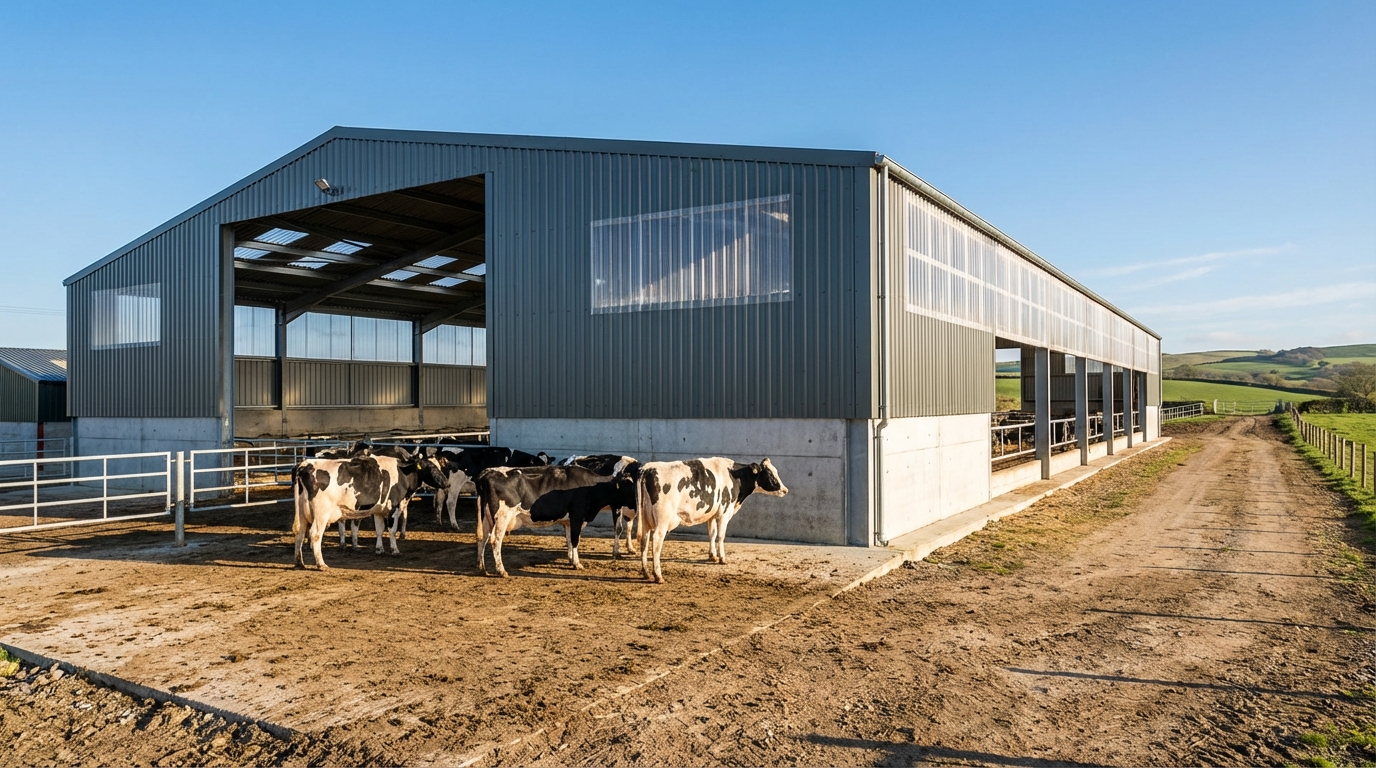
The average cow shed cost per square foot is influenced primarily by the choice of frame and the level of insulation required for your specific climate. You will generally find that basic open-sided structures are at the lower end of the price spectrum.
Understanding Basic Pricing
When you evaluate the cow shed cost per sq ft, you must consider the raw material prices which fluctuate based on global market demand. A standard galvanized steel frame provides the best balance between initial investment and long-term durability.
You should also factor in the foundation requirements, as a reinforced concrete slab will add significant expense to the base price.
- Site preparation and leveling
- Concrete slab thickness
- Drainage system integration
- Anchoring hardware quality
Regional Price Variations
The location of your farm plays a critical role in determining the final price because shipping and local building codes vary. If you are in a high-wind or heavy-snow zone, you will need a reinforced structure that naturally costs more.
Think about it: A shed built for a tropical climate requires maximum ventilation, while one for a northern climate needs heavy-duty insulation and snow-load engineering. You must ensure your quote reflects these environmental necessities to avoid structural failure.
Key Takeaway: Pricing is highly variable, but choosing a steel frame usually offers the most predictable cow shed cost per sq ft over time.
| Cost Component | Low End (per sq ft) | High End (per sq ft) | |
|---|---|---|---|
| Basic Structure | $12 | $20 | |
| Foundation | $5 | $10 | |
| Total Estimated | $17 | $30 |
How does cow shed size and cost vary for large herds?
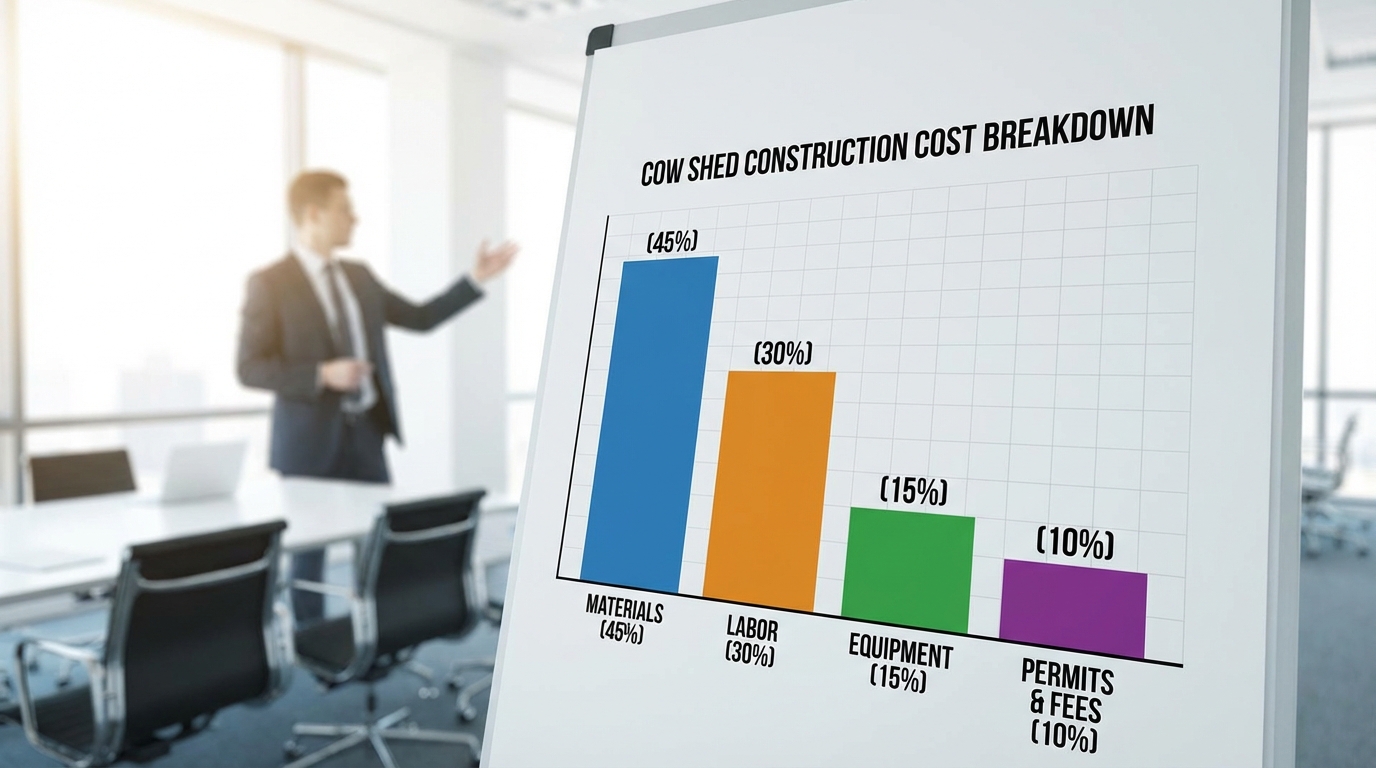
Calculating the cow shed cost for larger operations requires a deep dive into economies of scale and specialized internal layouts. As you increase the footprint of the building, the cost per unit often decreases, but the total investment grows substantially.
Scalability and Herd Management
When you look at cow shed size and cost, the total square footage per animal is the most important metric for herd health. High-density housing might save on initial construction, but it can lead to increased disease and lower milk yields.
The best part? A larger clear-span design allows you to maneuver machinery easily, which reduces long-term operational labor costs. You should plan for at least 75 to 100 square feet per cow to ensure proper comfort and movement.
Impact of Wide Spans
Large-scale dairy operations often require wide-span structures to accommodate feeding lanes and manure scrapers. These wider spans require heavier steel beams, which can impact your overall budget compared to smaller, modular units.
- Single-row housing designs
- Double-row head-to-head layouts
- Four-row or six-row barn configurations
- Integrated milking parlor space
Key Takeaway: Proper planning of cow shed size and cost ensures that your facility can grow alongside your herd without requiring expensive structural modifications later.
| Herd Size | Recommended Sq Ft | Estimated Total Cost | |
|---|---|---|---|
| 50 Cows | 5,000 | 85,000−125,000 | |
| 100 Cows | 10,000 | 160,000−240,000 | |
| 500 Cows | 50,000 | 750,000−1.1M |
Why is steel cow shed cost more effective than wood?
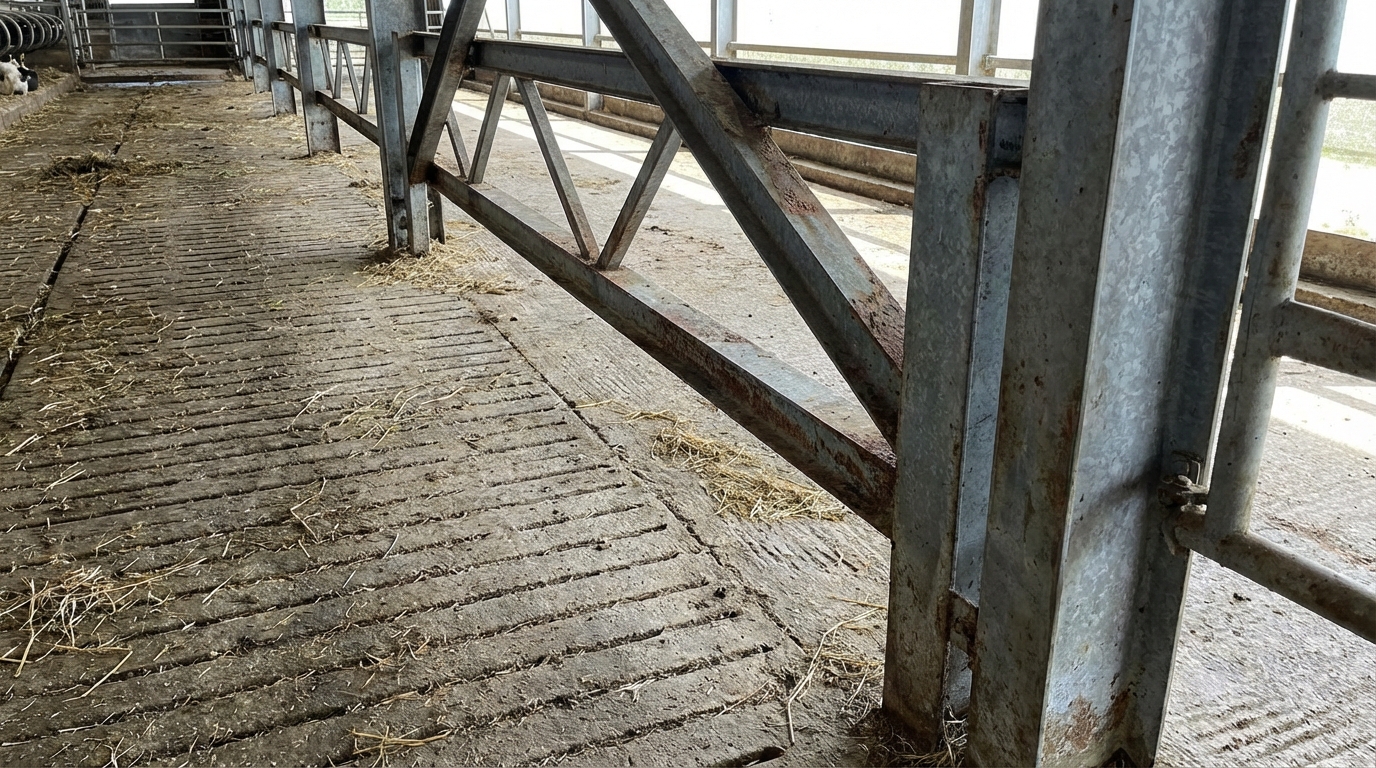
Determining the cow shed cost involves comparing life-cycle expenses where steel consistently outperforms traditional timber. While wood might seem cheaper initially, the susceptibility to rot, pests, and fire makes it a riskier investment for a B2B operation.
Long-Term Maintenance Savings
The steel cow shed cost includes the advantage of pre-engineered components that do not warp or crack over time. You will spend significantly less on annual maintenance because steel does not require frequent painting or chemical treatments against termites.
Here is why: Steel’s inorganic nature means it won’t harbor bacteria or mold, creating a much more hygienic environment for your dairy cows. You can easily power-wash the interior surfaces without worrying about water damage to the structural frame.
Fire Resistance and Insurance
Insurance companies often offer lower premiums for steel structures because they are non-combustible. This is a critical factor when you are calculating the total cost of ownership for your agricultural facility.
- Zero risk of termite infestation
- High resistance to mold and fungal growth
- Lower fire insurance premiums
- Superior strength-to-weight ratio
Key Takeaway: Choosing a steel cow shed cost model reduces your recurring expenses and provides a safer, more permanent home for your livestock.
| Feature | Steel Structure | Wood Structure | |
|---|---|---|---|
| Durability | 50+ Years | 15-20 Years | |
| Maintenance | Minimal | High/Frequent | |
| Pest Resistance | Excellent | Poor |
What factors influence the material cost cow shed builds require?

The primary cow shed cost is driven by the grade of steel, the type of cladding, and the inclusion of specialized ventilation systems. You must balance the quality of materials with your available budget to achieve the best functional outcome.
Steel Grade and Coating
The material cost cow shed projects require is largely dictated by the thickness and protective coating of the H-section columns. You should always opt for hot-dip galvanized steel to prevent corrosion in the ammonia-rich environment of a cattle barn.
In other words: Skimping on the protective coating now will lead to rust and structural weakness within just a few years. You want a coating that can withstand the harsh chemicals used during sanitization and the natural waste produced by the animals.
Roof and Wall Cladding Options
Your choice between simple corrugated sheets and insulated sandwich panels will significantly impact the interior temperature. If you operate in an area with extreme heat, the investment in insulated panels will pay for itself through increased animal comfort.
- Galvanized corrugated steel sheets
- EPS or Rockwool sandwich panels
- Transparent skylight panels for natural light
- Anti-condensation coatings for roofs
Key Takeaway: High-quality material cost cow shed choices lead to better climate control and a longer lifespan for the entire structure.
| Material Type | Pros | Relative Cost | |
|---|---|---|---|
| Single Skin Sheet | Budget-friendly, easy install | Low | |
| Sandwich Panel | Thermal insulation, noise reduction | High | |
| Galvanized Frame | Rustproof, extremely durable | Moderate |
What is the average labor cost cow shed projects incur?
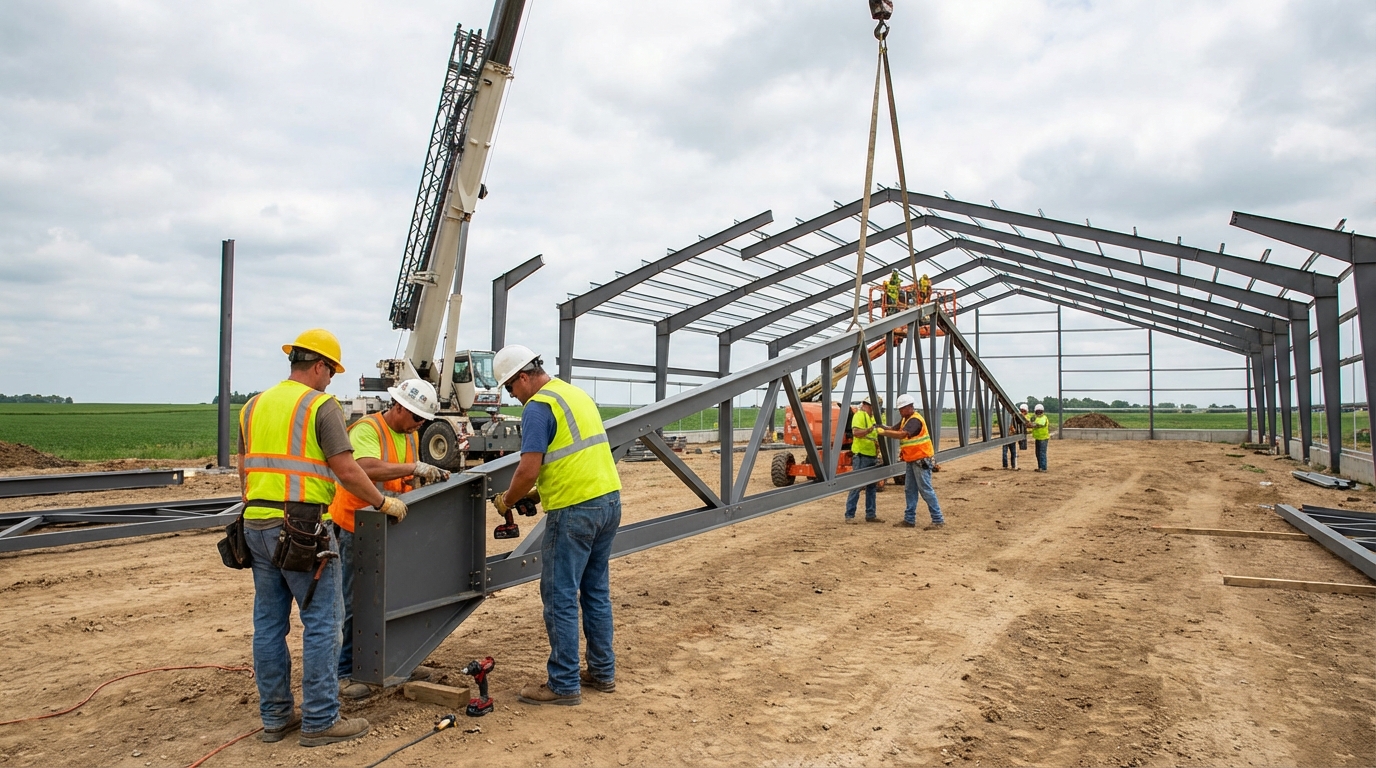
The cow shed cost for labor typically accounts for 20% to 30% of the total project budget, depending on your local market. Hiring an experienced crew is essential to ensure that the heavy steel components are aligned and bolted correctly for maximum stability.
Specialized Skills for Steel Assembly
When you calculate the labor cost cow shed construction requires, you must account for the equipment needed, such as cranes or telehandlers. Professionals who specialize in steel structures work faster and more safely than general contractors.
Think about it: A mistake during the column-setting phase can cause the entire roof to be misaligned, leading to leaks and structural stress. You are paying for the precision that ensures every bolt hole lines up perfectly according to the engineering drawings.
Site Preparation Labor
Labor isn’t just about the building itself; it includes the extensive groundworks required for a modern dairy facility. You will need skilled operators to manage the drainage gradients and the installation of complex flooring systems.
- Land clearing and leveling
- Trenching for water and waste lines
- Rebar installation for concrete
- Final finishing and flashing work
Key Takeaway: Allocating a realistic labor cost cow shed budget ensures a professional installation that protects your structural warranty.
| Labor Phase | Description | Estimated % of Budget | |
|---|---|---|---|
| Foundations | Excavation and concrete pouring | 8% – 10% | |
| Steel Erection | Framing and bolting | 10% – 12% | |
| Cladding & Trim | Roof and wall installation | 5% – 8% |
Why choose a prefab cow shed price over traditional builds?
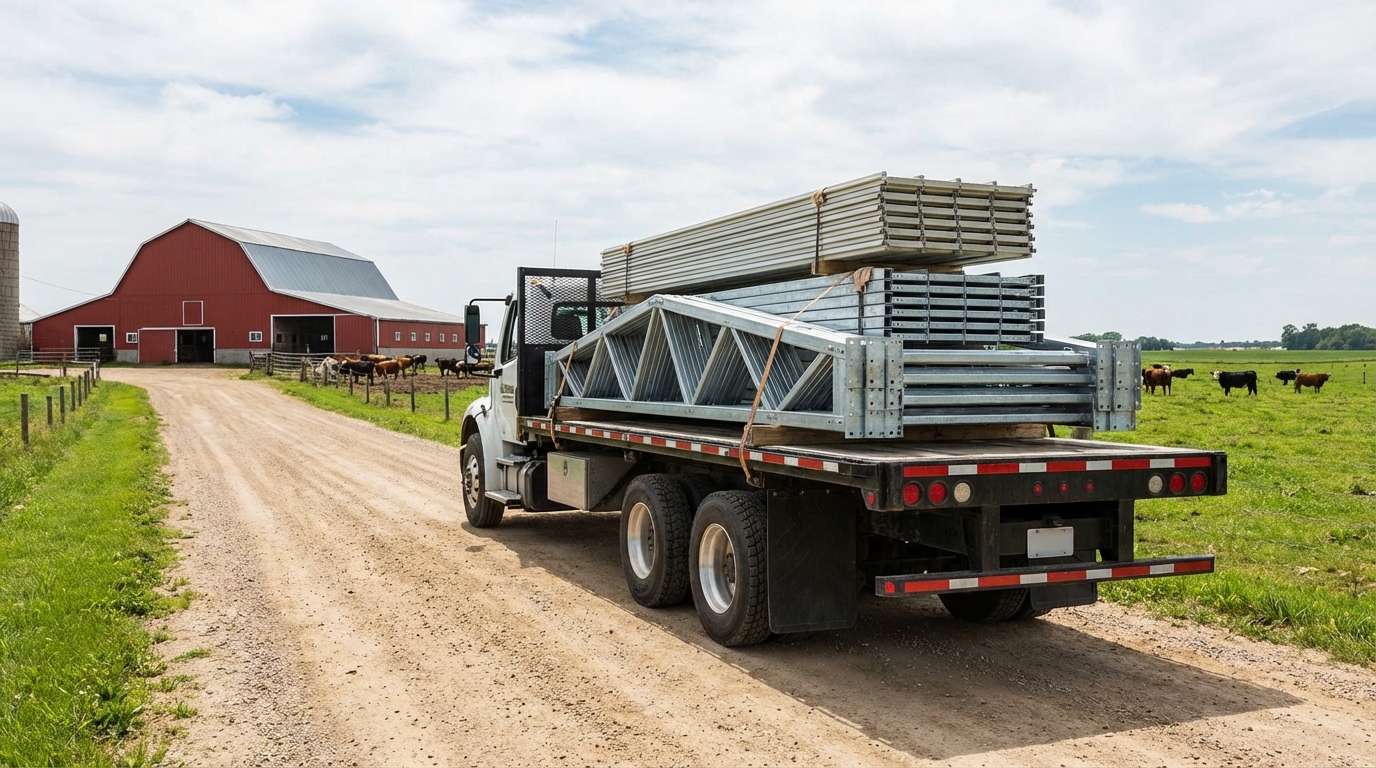
The cow shed cost for prefabricated systems is often 15% lower than traditional on-site fabrication due to manufacturing efficiencies. You benefit from a streamlined process where every component is cut and drilled in a controlled factory environment.
Speed of Construction
The prefab cow shed price includes the advantage of a rapid assembly timeline, which allows you to house your cattle sooner. Because the parts arrive ready to bolt together, you can reduce on-site labor hours significantly.
The best part? You avoid the unpredictable delays associated with sourcing individual materials from different suppliers. A complete package arrives at your site, ensuring that no missing parts halt the progress of your construction crew.
Consistency and Quality Control
When you buy a prefab kit, you are receiving a product that has passed multiple quality checkpoints before leaving the factory. This level of precision is difficult to achieve when welding and cutting steel in a field environment.
- Precision laser-cut connections
- Pre-drilled holes for perfect alignment
- Standardized parts for easy replacement
- Complete installation manuals included
Key Takeaway: A prefab cow shed price provides the most predictable budget and the fastest path to a completed facility.
| Benefit | Prefabricated | On-Site Built | |
|---|---|---|---|
| Construction Speed | 4-6 Weeks | 12-16 Weeks | |
| Waste Material | Near Zero | Significant | |
| Design Accuracy | High (Digital) | Variable |
Where is the best location for a new cow shed?
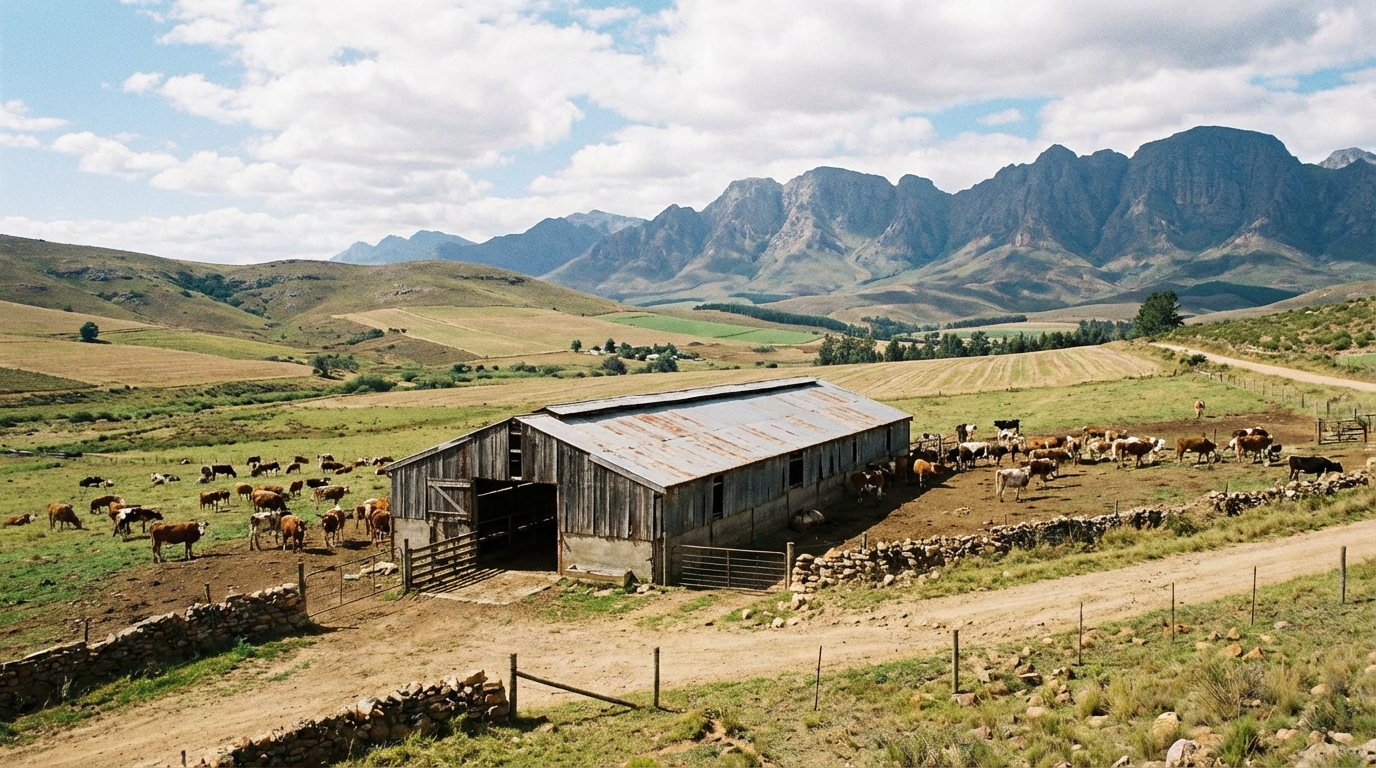
Determining the cow shed cost must involve an analysis of the site location, as ground conditions can force unexpected foundation expenses. You need a site that balances accessibility for feed trucks with proper natural drainage and wind protection.
Topography and Drainage Costs
If you choose a site with poor drainage, your dairy farm shed cost will skyrocket due to the need for extensive gravel backfill and culverts. You should look for a naturally elevated area that allows waste and rainwater to flow away from the structure.
Look at it this way: A muddy environment is the enemy of cattle health and worker efficiency. Investing in proper site selection early saves you thousands in future veterinary bills and repair costs for heavy equipment.
Logistics and Utility Access
You must consider how far you need to run power and water lines from your main farm infrastructure. The further the building is from existing utilities, the higher your “hidden” installation costs will be.
- Proximity to existing water sources
- Ease of access for milk tankers
- Natural windbreak availability
- Future expansion possibilities
Key Takeaway: Strategic site selection minimizes the dairy farm shed cost by reducing the need for complex earthmoving and long utility runs.
| Site Factor | Ideal Condition | Cost Impact if Poor | |
|---|---|---|---|
| Soil Stability | Firm, non-expansive | High (Extra Piling) | |
| Slope | 2% to 4% grade | Moderate (Levelling) | |
| Wind Direction | Cross-ventilation | High (Fans/Cooling) |
How do steel vs concrete cow shed cost structures compare?
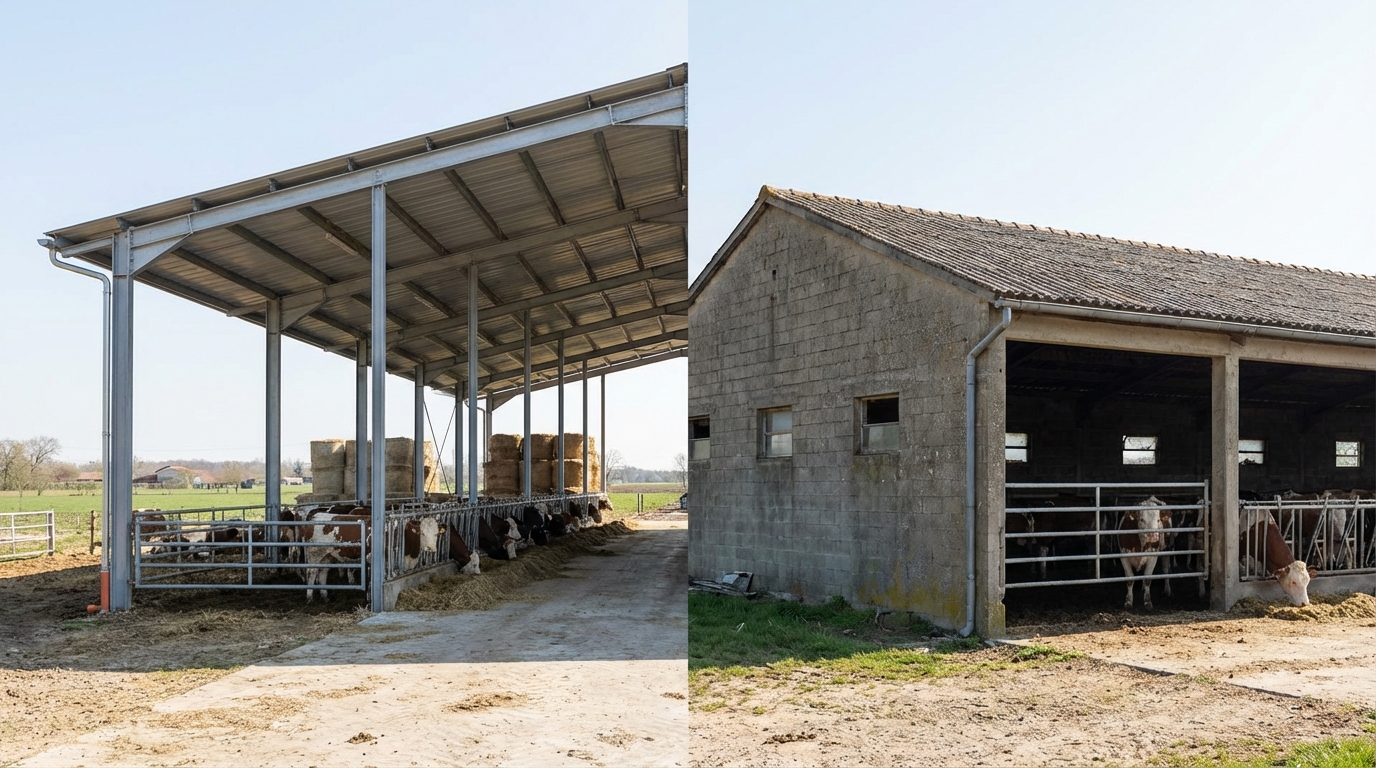
In the B2B farming sector, the cow shed cost for steel is generally more flexible and faster to deploy than all-concrete alternatives. While concrete excels in certain wall applications, a steel frame offers superior interior space and modification options.
Speed vs. Mass
The steel vs concrete cow shed cost debate often centers on construction speed versus thermal mass. Steel buildings can be erected in a fraction of the time it takes to cast and cure large concrete sections.
Think about it: If you need to move or expand your barn in the future, a steel structure can be disassembled or modified with relative ease. A concrete building is permanent and requires heavy demolition if your farm layout needs to change.
Hybrid Design Advantages
Many modern farms utilize a hybrid approach where concrete is used for low-level “kick walls” and steel is used for the main frame. This protects the structure from the corrosive effects of manure while keeping the roof and upper walls lightweight and cost-effective.
- Precast concrete wall panels
- Structural steel roof trusses
- Galvanized steel columns
- Concrete foundation footings
Key Takeaway: Comparing steel vs concrete cow shed cost usually leads to a hybrid solution that maximizes the benefits of both materials.
| Feature | Steel Frame | Concrete Frame | |
|---|---|---|---|
| Construction Speed | Very Fast | Slow | |
| Flexibility | High (Modular) | Low (Fixed) | |
| Cost per Sq Ft | Lower | Higher |
What is the total dairy farm shed cost for modern facilities?
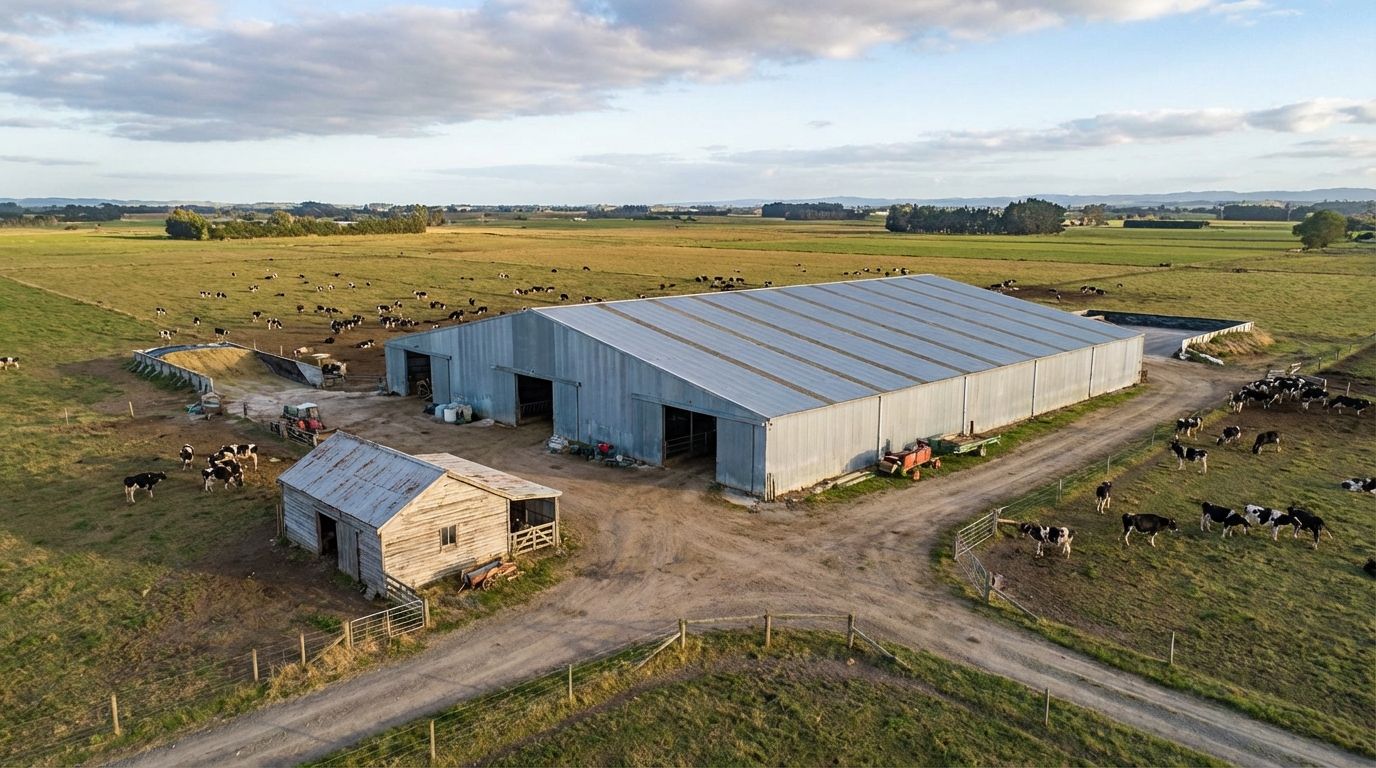
Calculating the total cow shed cost for a modern dairy facility involves more than just the shell of the building. You must account for the internal equipment that transforms a simple shed into a functioning production center.
Integrating Milking Technology
The dairy farm shed cost rises significantly when you include automated milking systems, cooling tanks, and milk processing rooms. These components require specialized plumbing and electrical work that must be planned during the initial design phase.
Here is the kicker: Integrating these systems from day one is much cheaper than retrofitting an existing building. You should work with engineers who understand the specific layout requirements for high-efficiency dairy production.
Ventilation and Waste Management
Modern barns require sophisticated ventilation fans and automated scraper systems to maintain air quality and cleanliness. These systems add to the initial investment but drastically reduce labor and improve animal welfare.
- High-volume, low-speed (HVLS) fans
- Automated alley scrapers
- Slatted floor systems with pits
- Insulated milk storage rooms
Key Takeaway: A comprehensive dairy farm shed cost includes the structure, the technology, and the waste systems required for industrial compliance.
| System | Purpose | Estimated Cost | |
|---|---|---|---|
| Milking Parlor | Milk extraction | 50,000−200,000+ | |
| Ventilation | Climate control | 10,000−30,000 | |
| Waste Scrapers | Cleanliness | 15,000−40,000 |
How do you plan a budget for cow shed construction?
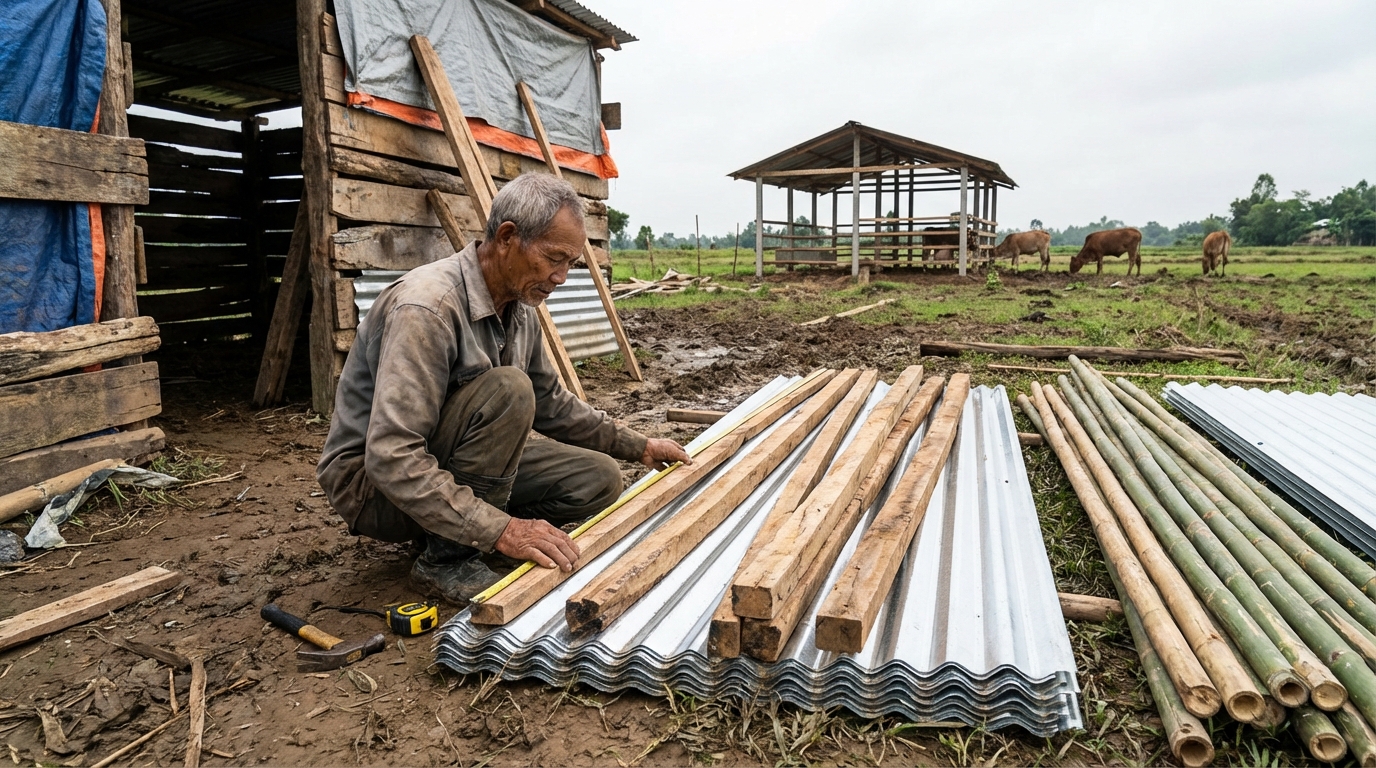
Successful planning for your cow shed cost requires a detailed breakdown of every project phase from permits to final inspection. You must include a contingency fund of at least 10% to handle unforeseen site issues or material price changes.
Defining Your Scope
You should begin by defining the exact number of cows you intend to house and the level of automation you desire. This prevents “scope creep,” where adding features during construction causes your budget to spiral out of control.
Think about it: Changing the roof pitch or adding a bay after the steel has been fabricated will result in heavy change-order fees. It is always more cost-effective to spend extra time in the design phase than to make adjustments on-site.
Getting Accurate Quotes
To get the most accurate pricing, you should provide potential suppliers with a detailed site plan and your specific regional building codes. B2B suppliers can then offer factory-direct pricing that removes middleman markups.
- Define herd capacity and growth
- Select material grades (e.g., galvanized)
- Obtain soil reports for foundation
- Review all local permit requirements
Key Takeaway: A disciplined approach to your cow shed cost planning ensures that your project stays on schedule and within your financial limits.
| Planning Step | Action Item | Priority | |
|---|---|---|---|
| Phase 1 | Herd size & Site selection | Critical | |
| Phase 2 | Material spec & Quoting | High | |
| Phase 3 | Permits & Groundworks | High |
Conclusion
Maximizing your dairy operation’s efficiency starts with a structure that is durable, hygienic, and cost-effective. By understanding the variables of the cow shed cost, from material selection to labor requirements, you can make an informed decision that protects your livestock and your bottom line for decades. Ready to start your project? contact us today for a professional consultation and a customized quote tailored to your farm’s unique needs.
FAQ
Can I build a cow shed myself to save costs? While you can manage the site preparation and simple assembly, the structural integrity of large-scale steel buildings usually requires professional installation to meet safety codes and preserve warranties.
What’s the best material for a cow shed roof? Galvanized steel with an anti-condensation coating is the standard; however, insulated sandwich panels are the best choice if you need to maintain a stable interior temperature in extreme climates.
How do I know if I need a permit for my cow shed? You should always check with your local agricultural department or building office, as regulations vary based on the building size, location, and its intended use for commercial dairy production.
Can I expand my steel cow shed in the future? Yes, one of the greatest advantages of steel structures is their modular nature, which allows you to add extra bays or extend the length of the building with minimal disruption to the existing frame.
What’s the best way to reduce the total project cost? The most effective way is to choose a prefabricated steel kit with factory-direct pricing, as this reduces both material waste and on-site labor time compared to traditional construction.