
Building a commercial chicken house requires an initial capital investment ranging from 300,000 to over 1,000,000 per facility, depending on size, technology integration, and site preparation needs. For new farmers, entering the broiler industry is a sophisticated business venture that demands precise financial planning and engineering. This guide provides the strategic blueprint required to navigate the construction phase and optimize your facility for high-yield production.
1. What are the startup costs for a commercial chicken house?
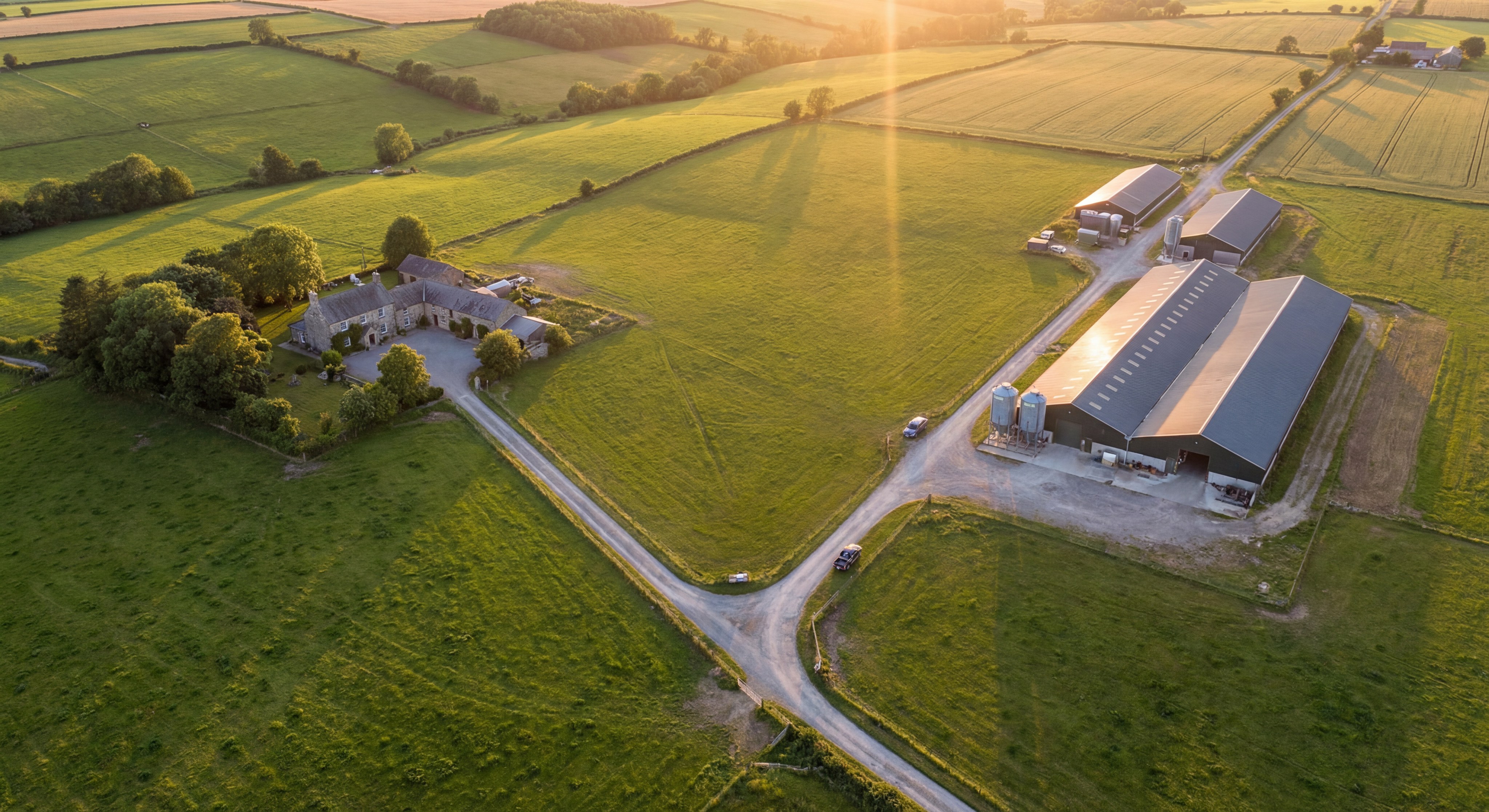
The startup costs for a modern commercial chicken house encompass land acquisition, steel-framed construction, and high-tech climate control systems. Most operators find that “soft costs”—including permits, engineering fees, and utility deposits—can consume up to 10% of the budget before a single piece of steel is erected.
H3: Calculating the Total Capital Requirement
Initial investments are heavily weighted toward the primary structure and integrated equipment. High-efficiency fans, automated feeding lines, and advanced insulation are no longer optional; they are required to meet modern integrator standards.
H3: Why is working capital necessary?
Here is the kicker: New growers often overlook the costs of the first flock. You will need significant liquid cash for litter shavings, chick feed trays, and high utility bills that arrive weeks before your first settlement check from the integrator.
Key Takeaway: Budgeting at least 25% of your annual variable expenses as liquid working capital provides the safety net needed to survive early cash-flow fluctuations.
Summary of Initial Investment Components
| Expense Category | Description | Estimated Budget Impact | |
|---|---|---|---|
| Primary Structure | Steel frame, roofing, and insulation. | 50-60% | |
| Integrated Equipment | Feeders, drinkers, and ventilation. | 20-25% | |
| Rolling Assets | Tractors, trailers, and litter equipment. | 10-15% | |
| Start-up Inputs | Shavings, fuel, and utility deposits. | 5% |
2. Is your land suitable for a new commercial chicken house?
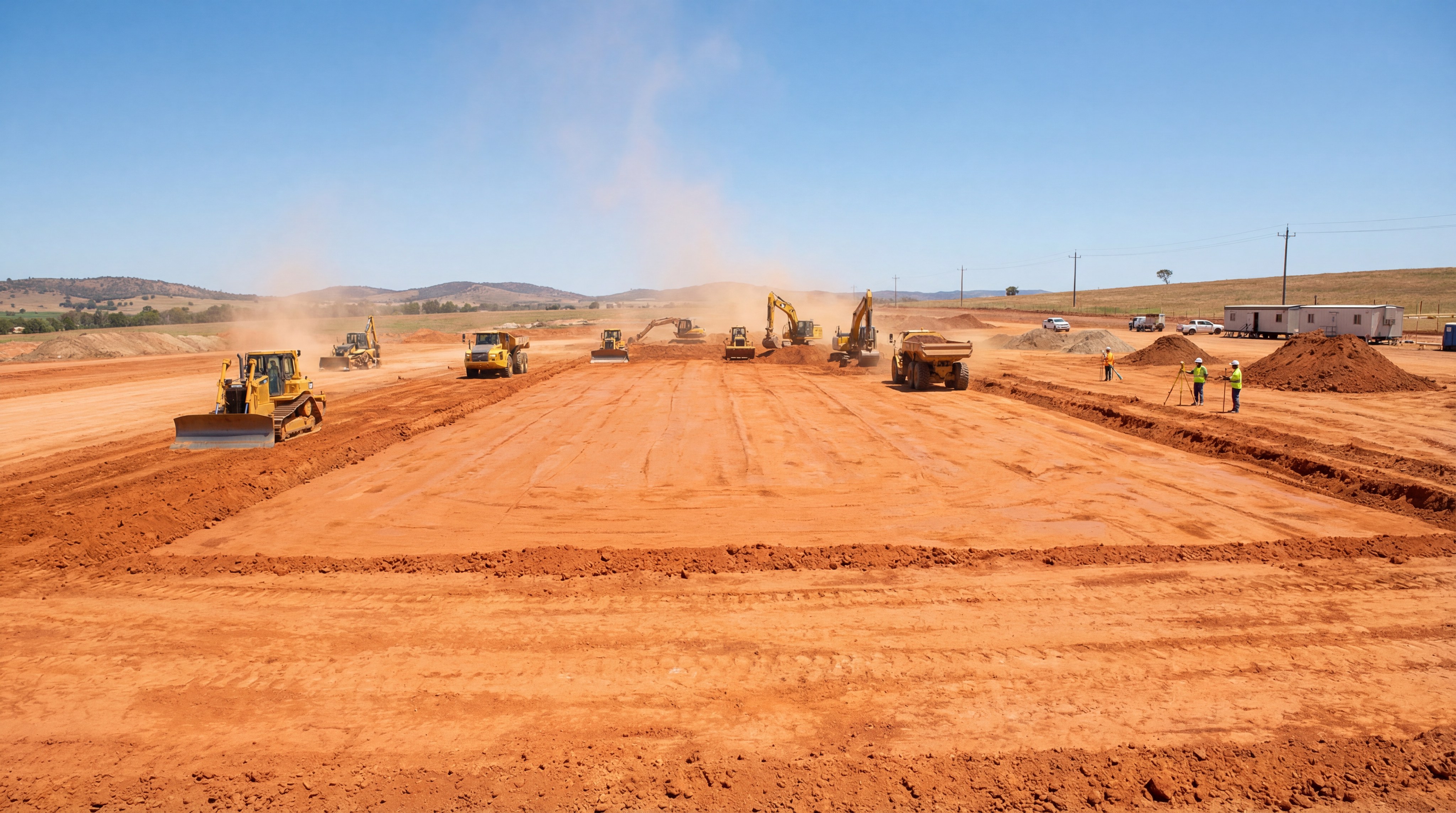
Land suitability is determined by topography, utility access, and proximity to an integrator’s feed mill, typically within a 50-mile radius. You must ensure the property can accommodate massive, level pads without incurring astronomical dirt-moving costs.

H3: Does the topography support large builds?
But that’s not all. Building on extreme slopes leads to drainage issues that threaten structural integrity. Reviewing previous projects in your region can help you understand how local soil types affect site preparation.
H3: Can I meet the good-neighbor policy?
Proximity to developing residential areas can create future conflict. It is vital to consider how prevailing winds and visual impact affect neighbors, as local zoning laws may have strict setback requirements.
Key Takeaway: Always verify the “setback” requirements for your specific state; being even a few feet short of a property line requirement can halt a multi-million dollar project.
Site Suitability Checklist
| Requirement | Standard | Priority | |
|---|---|---|---|
| Integrator Radius | Usually <50 miles from the processing plant. | Critical | |
| Topography | <5% grade preferred for site pads. | High | |
| Setbacks | Distance from wells, roads, and neighbors. | Regulatory |
3. What are the design specs of a commercial chicken house?
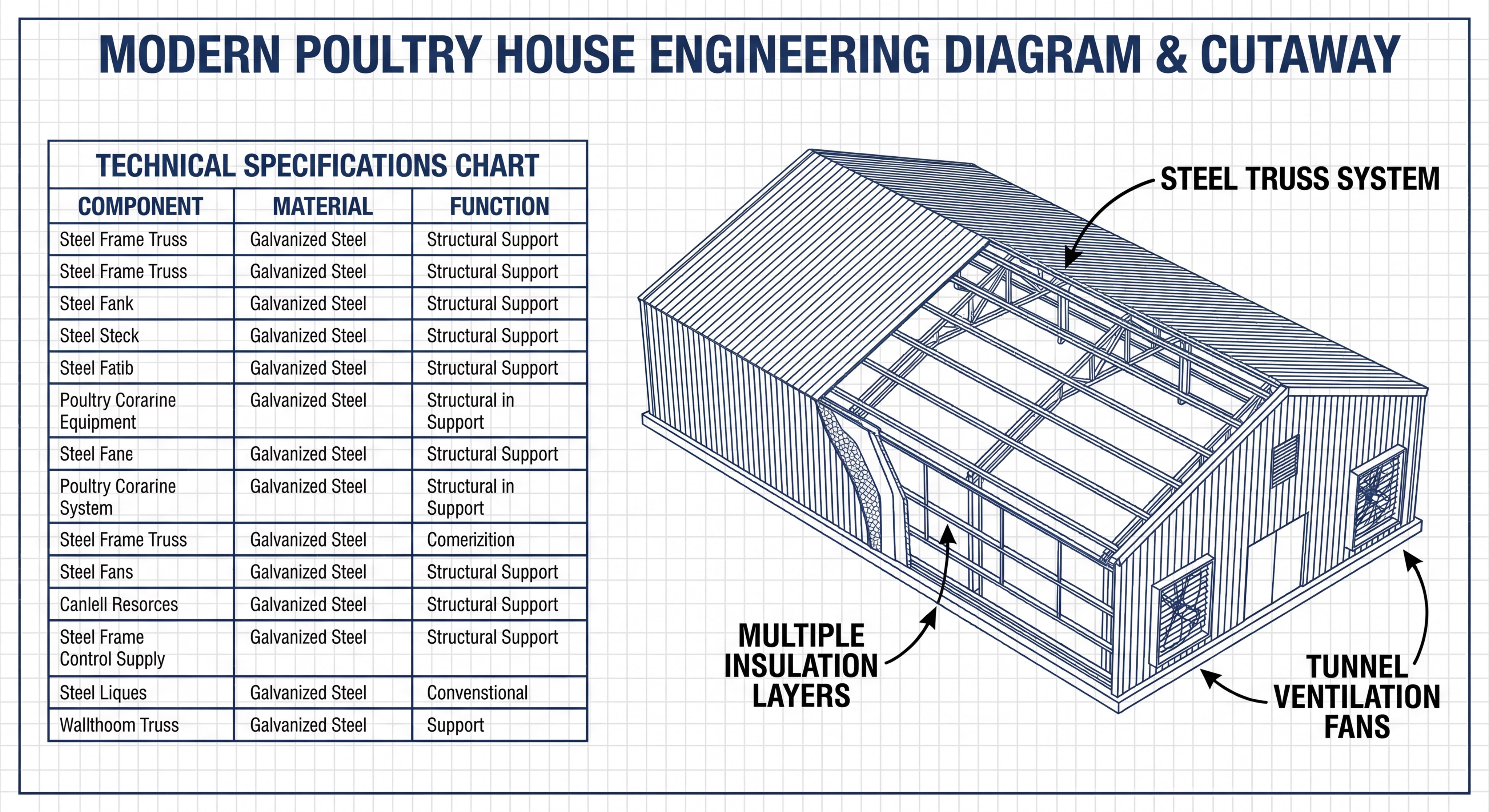
Modern design specs for a commercial chicken house prioritize clear-span steel frames that allow for unobstructed airflow and the installation of automated equipment. These structures are engineered to withstand local wind and snow loads while providing a sterile, corrosion-resistant environment.
H3: Why choose a steel structure warehouse design?
Utilizing a steel-framed framework allows for wider spans and higher ceilings. This maximizes the efficiency of tunnel ventilation fans and provides more space for automated systems without the interference of traditional wood support pillars.
H3: What are the engineering requirements?
Every building must be designed to withstand local environmental stress. Professional drawings, stamped by a certified engineer, are required by both lenders and integrators to ensure the safety of the livestock and the long-term viability of the investment.
Key Takeaway: Modern steel buildings retain their efficiency longer than traditional wood-post houses, leading to lower maintenance costs over the typical 20-year loan period.
Structural Specification Standards
| Feature | Steel Frame Standard | Benefit | |
|---|---|---|---|
| Span Width | 40ft to 66ft (Clear Span) | Unobstructed equipment layout | |
| Material | Hot-dip Galvanized Steel | Ammonia and corrosion resistance | |
| Insulation | R-19 to R-30 Ratings | Superior temperature control |
4. How do I finance a modern commercial chicken house?
Financing a poultry operation requires a specialized agricultural lender who understands the “contract grower” business model and its unique cash-flow cycles. Banks typically require a firm “Letter of Intent” from an integrator before finalizing any construction loan.
H3: What do lenders look for in a grower?
Lenders prioritize your equity position and your relationship with the production company. You can learn more about us and our industry standards to help prepare the technical documentation often requested during the loan underwriting process.
H3: Should I choose a 15 or 20-year loan?
While 20-year terms improve monthly cash flow, they can leave you with a “less-than-desirable” equity position when it comes time for mandatory equipment upgrades.
Key Takeaway: Discussing “worst-case” scenarios—such as extended out-times between flocks—with your lender helps build a more resilient financial plan.
Financing Comparison
| Feature | 15-Year Term | 20-Year Term | |
|---|---|---|---|
| Monthly Payment | Higher | Lower | |
| Equity Growth | Rapid | Slower | |
| Total Interest | Lower | Significantly Higher |
5. What regulations affect building a commercial chicken house?
The primary regulations affecting a commercial chicken house involve environmental protection, specifically nutrient management and waste disposal protocols. Compliance with EPA and NRCS guidelines is mandatory to ensure that high-density animal feeding operations do not impact local water tables.
H3: How do EPA and NRCS guidelines work?
These agencies dictate how you handle litter and mortality. You must maintain a Comprehensive Nutrient Management Plan (CNMP) that outlines how waste will be stored and moved to prevent runoff into riparian water sources.
H3: Structural compliance and safety
But that’s not all. Beyond environmental rules, your building must meet strict international building codes. Failing an inspection can result in heavy fines or the immediate loss of your production contract.
Key Takeaway: Compliance is not a suggestion; environmental records are often the first thing reviewed during integrator audits and bank renewals.
Regulatory Compliance Focus
| Agency | Focus Area | Requirement | |
|---|---|---|---|
| EPA | Water Quality | Zero-runoff waste storage | |
| NRCS | Nutrient Management | Approved litter application plan | |
| Local Zoning | Land Use | Mandatory property line setbacks |
6. Which utilities are vital for a commercial chicken house?
A poultry farm requires high-capacity, redundant systems for water and power to prevent catastrophic bird loss during utility failures. A modern facility often requires a 400-800 amp electrical service and a primary water source capable of delivering 50 gallons per minute at peak demand.
H3: Is one water source enough?
The answer is almost always “no.” Most integrators require a secondary source, such as a high-capacity well, to ensure the farm never runs dry. When planning your steel structure building , ensure the utility layout accounts for these redundant lines.
H3: What are the power backup requirements?
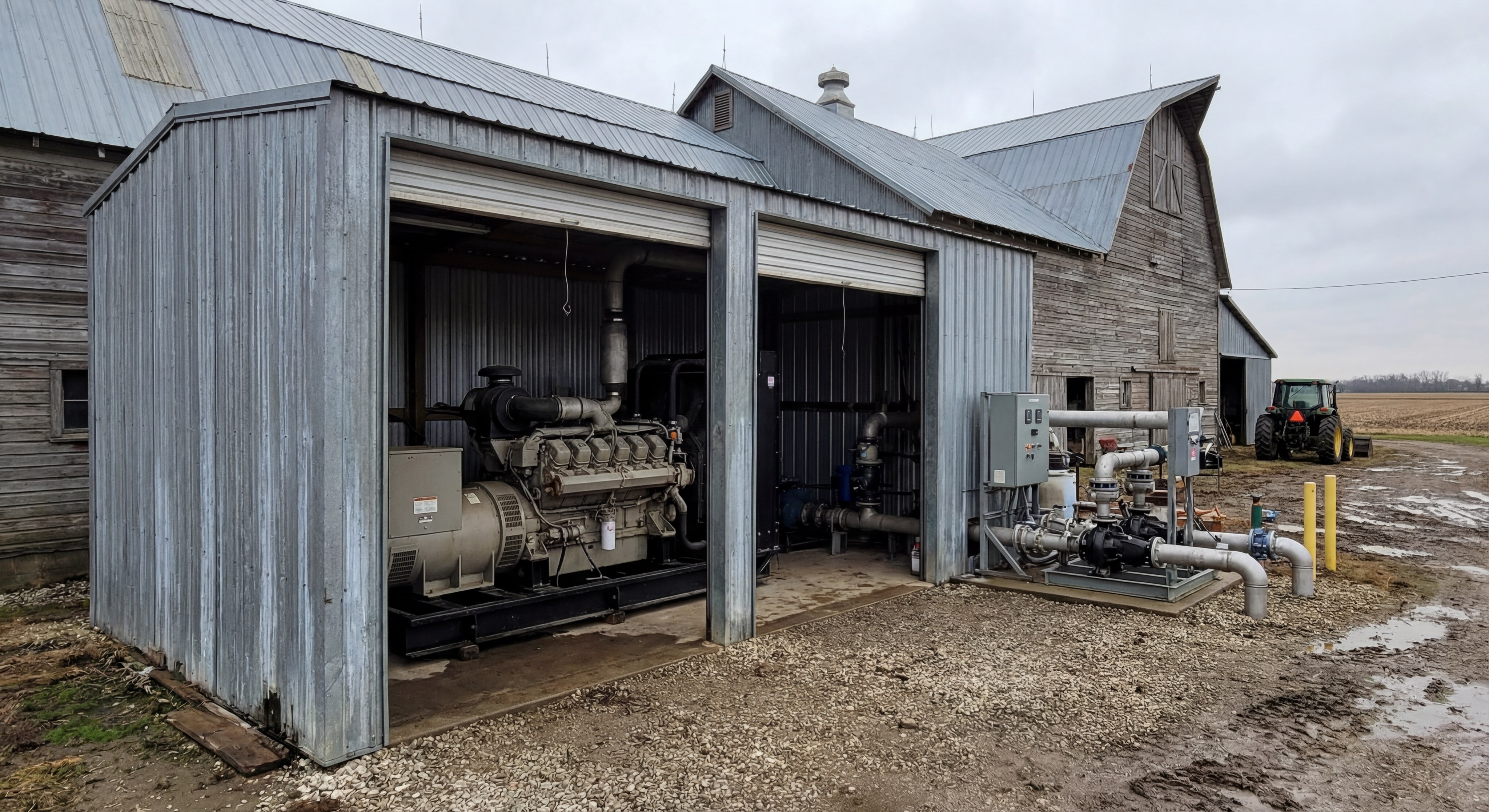
Automatic-start generators are mandatory. These systems must be capable of running the entire ventilation and cooling system during a peak-summer power outage when bird mortality can occur in minutes without airflow.
Key Takeaway: Test your water quality early; high mineral content can clog nipple drinkers and significantly reduce the lifespan of your cooling pads.
Utility Infrastructure Requirements
| Utility | Peak Requirement | Backup Source | |
|---|---|---|---|
| Water | 20-50 Gallons per minute | Dual Wells or Municipal | |
| Electricity | 400-800 Amp service | Auto-start Generator | |
| Fuel | Propane or Natural Gas | Dual Storage Tanks |
7. Can insurance protect a new commercial chicken house?
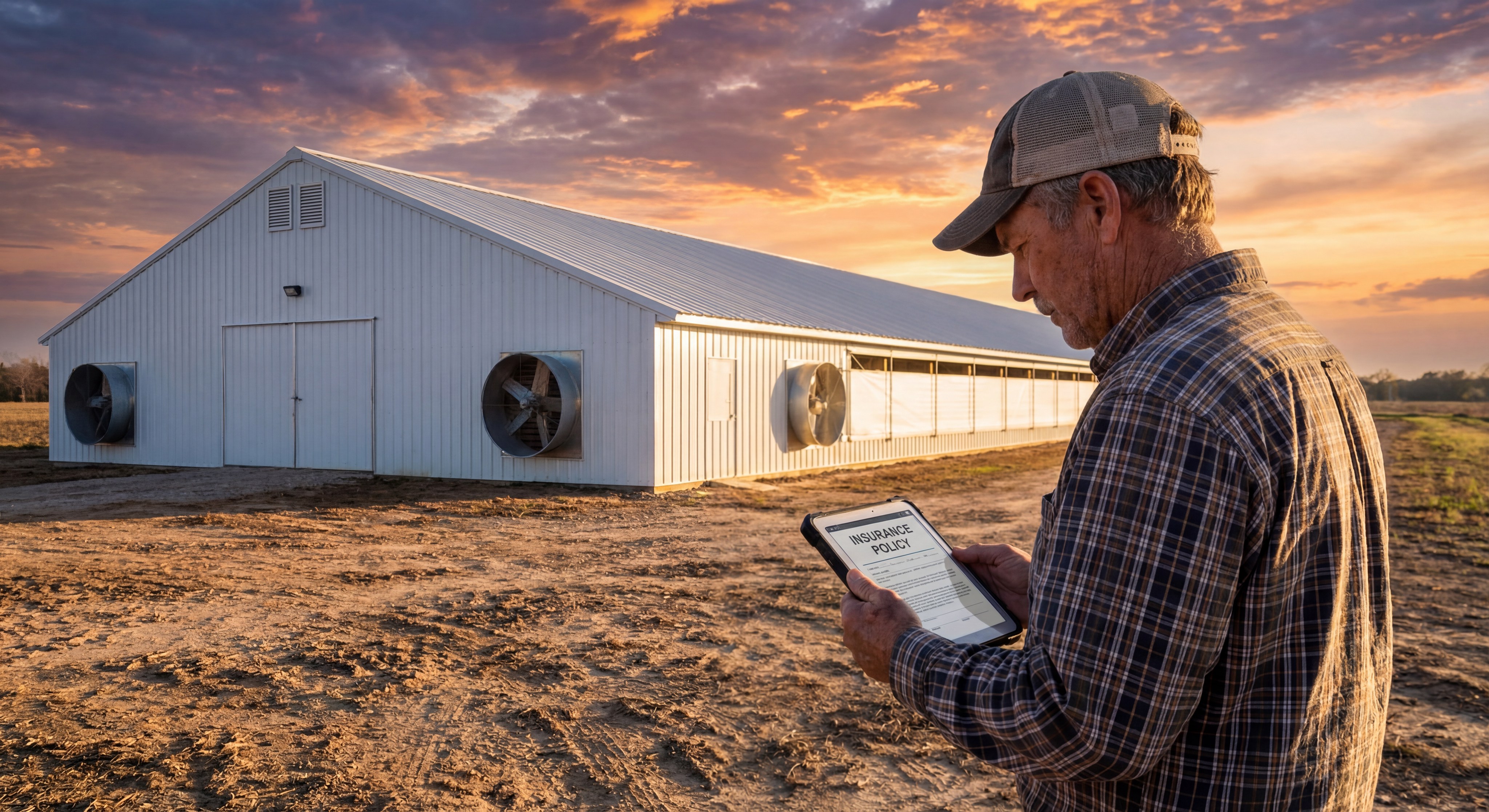
Insurance is a critical risk management layer that protects the grower against property damage and loss of bird income. Lenders will not fund a commercial chicken house without a comprehensive policy that includes coverage for wind, fire, and equipment breakdown.
H3: What is “Loss of Income” coverage?
If a storm destroys your building, property insurance covers the structure, but loss of income coverage pays the revenue you miss while the houses are being rebuilt. This is essential for maintaining loan payments during reconstruction.
H3: Do I need Builder’s Risk insurance?
Yes. During the construction phase, this policy protects materials on-site and partially completed structures from theft, vandalism, or weather damage before the final facility is commissioned.
Key Takeaway: Ensure your policy specifically covers “Equipment Breakdown,” which protects you if a ventilation controller fails due to an electrical surge.
Critical Insurance Coverages
| Policy Type | What it Protects | |
|---|---|---|
| Property Coverage | The physical steel structure and silos. | |
| Loss of Income | Revenue lost during downtime/rebuilding. | |
| Equipment Breakdown | Mechanical failure of fans and controllers. | |
| Builder’s Risk | Materials and structures during construction. |
8. What is the ROI of a high-tech commercial chicken house?
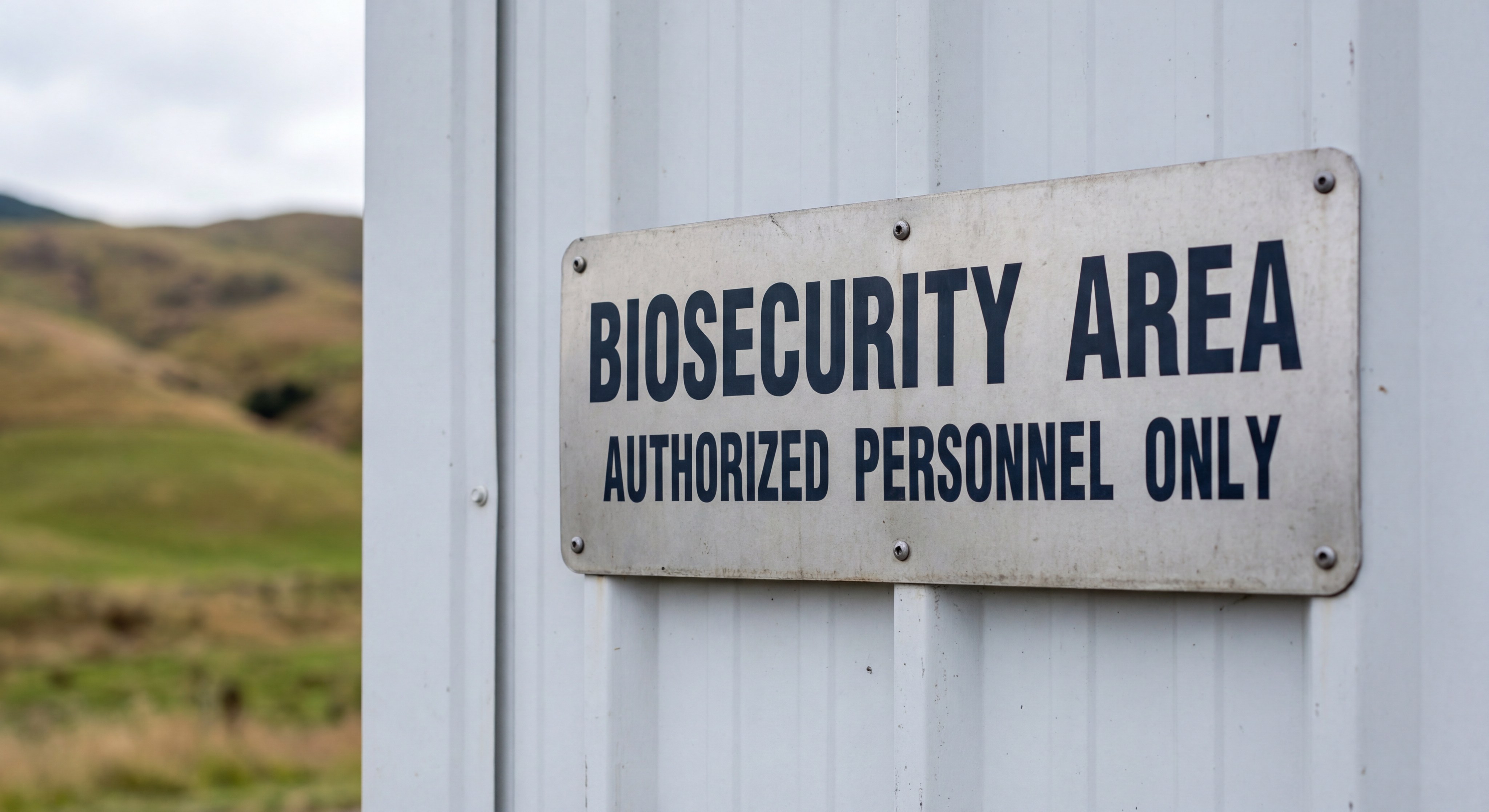
The Return on Investment (ROI) for a modern farm is driven by lower operating expenses and higher bird performance. Modern facilities utilize advanced chicken cage system technology and automated climate controls to reduce variable costs like fuel and electricity by up to 10% compared to legacy farms.
H3: How does technology lower variable costs?
A high-tech house uses attic inlets and superior insulation to keep fuel costs at approximately 25% of gross revenue. Older, less efficient farms often see these costs climb toward 35%, eating directly into the grower’s net profit.
H3: What are the economies of scale?
Building larger houses—such as 66′ x 600′ structures—allows a single grower to manage a larger flock with the same amount of labor. This drastically improves the net profit margin per square foot.
Key Takeaway: The “best returns” in the current market are found on farms that maximize bird density while utilizing automated controllers to maintain a consistent environment.
Operational Efficiency Comparison
| Metric | Legacy House (Pre-2010) | Modern Steel House | |
|---|---|---|---|
| Fuel Expense | ~15% of Revenue | ~8% of Revenue | |
| Maintenance | High (Wood Rot) | Low (Corrosion Resistant) | |
| Bird Performance | Variable | Highly Consistent |
9. How to manage labor in a commercial chicken house?
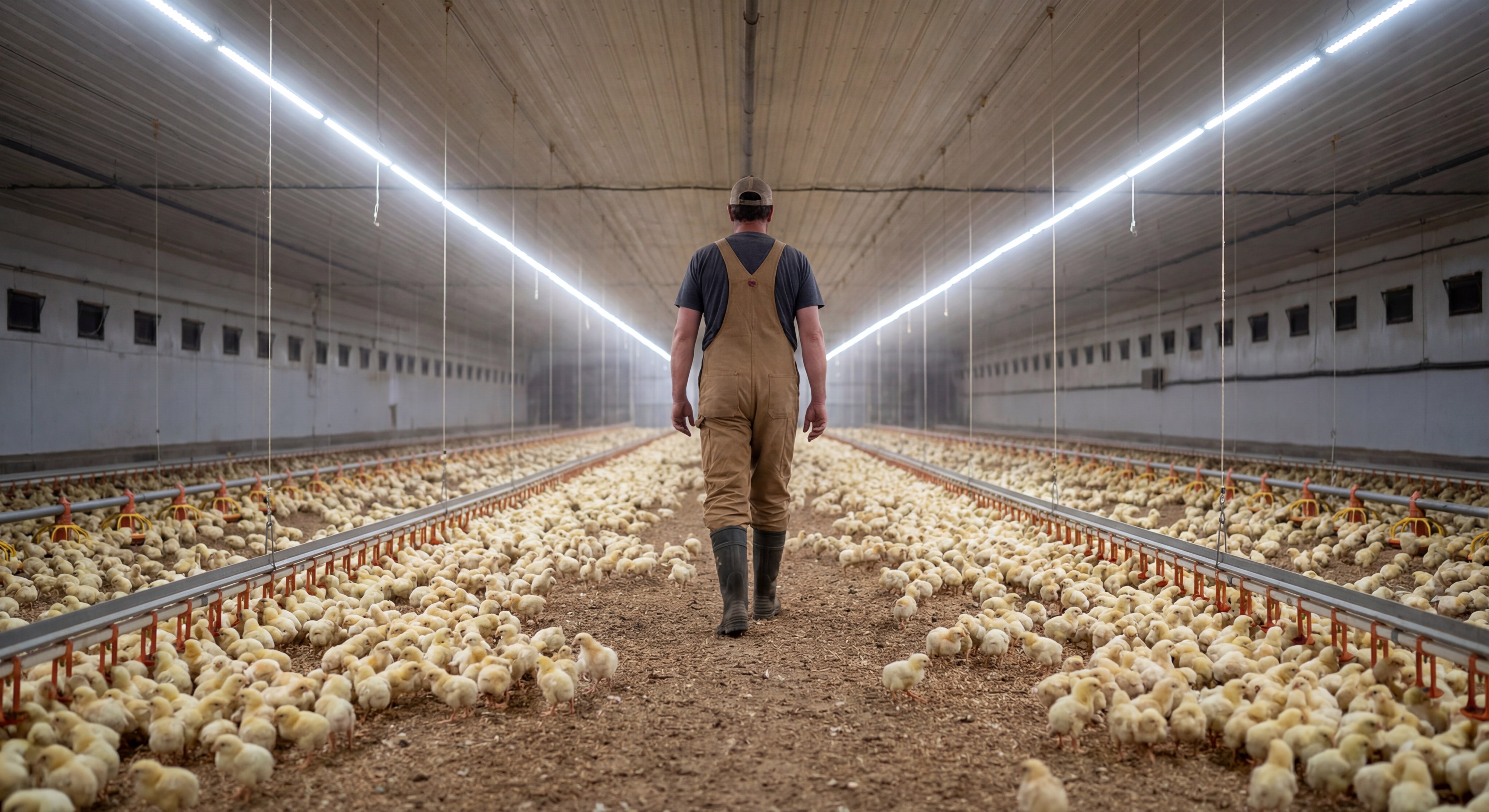
Managing a commercial chicken house is a 24/7 commitment that requires constant human oversight despite high levels of automation. Most integrators require the grower or a full-time manager to live on-site to respond to alarms and perform daily mortality checks.

H3: Can I run a farm part-time?
It is extremely difficult. The “eye of the master” is still the most important tool; automation handles the heavy lifting, but human observation identifies early signs of disease or equipment malfunctions that sensors might miss.
H3: What daily tasks are required?
Walking the houses multiple times a day is necessary to check feed lines and adjust water pressure. Success is closely tied to your family’s satisfaction with the farm lifestyle, as it often limits long vacations or extended time away.
Key Takeaway: Efficiency in labor is achieved through better layout design and automated systems, but human management remains the deciding factor in flock performance.
Daily Management Tasks
| Task | Frequency | Importance | |
|---|---|---|---|
| House Walk-through | 2-3 Times Daily | Critical | |
| Mortality Removal | Daily | Sanitary | |
| Equipment Check | Every Walk-through | Operational | |
| Data Logging | Daily | Performance |
10. Why is biosecurity key for a commercial chicken house?
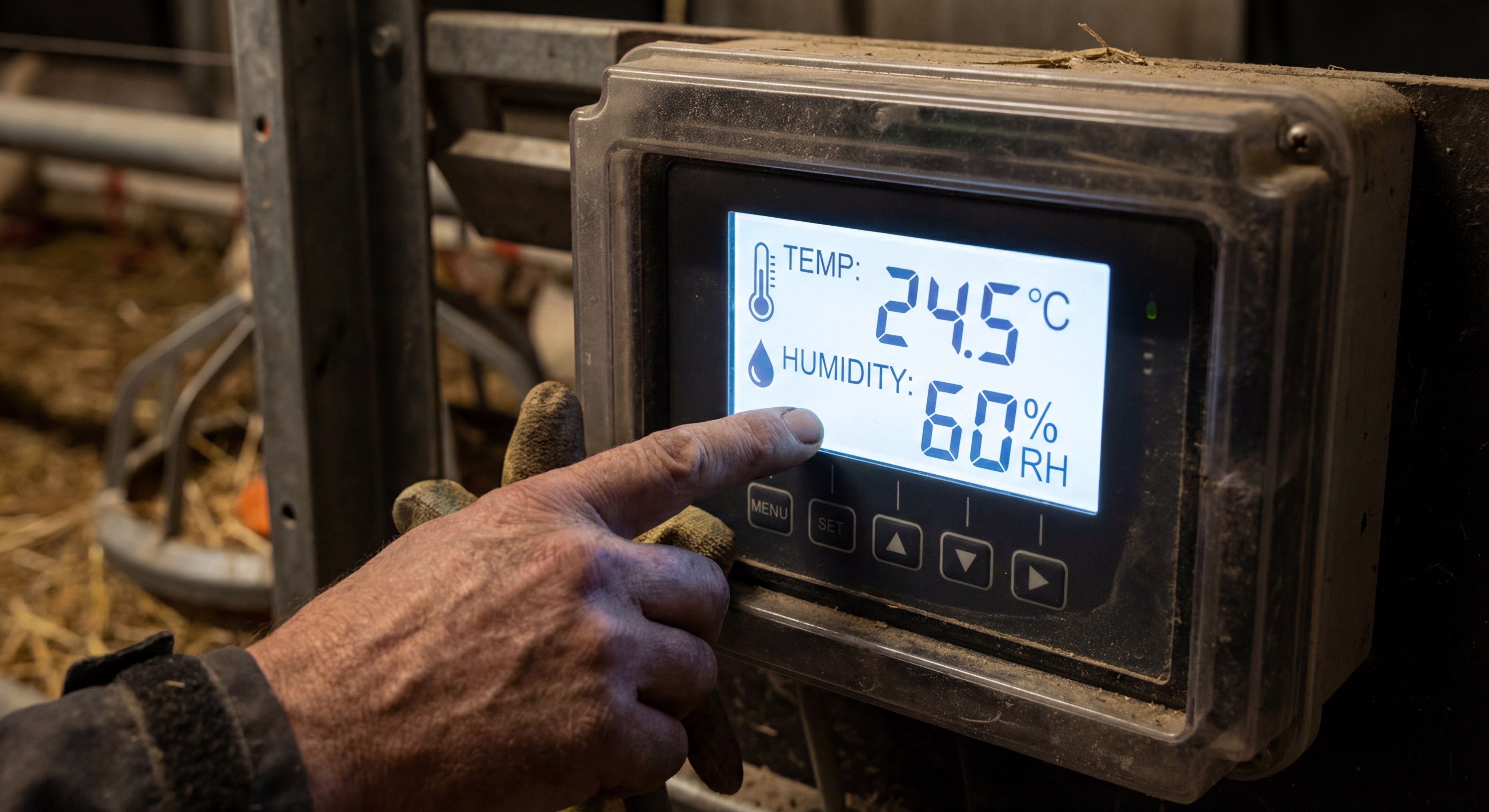
Biosecurity is the practice of keeping pathogens off your farm to protect your investment and the regional food supply. In a high-density industry, a single outbreak can lead to mandatory quarantine or the total depopulation of your flock.
H3: How does farm layout affect biosecurity?
The farm should be designed with a clear “line of separation.” Access roads should be situated so that feed trucks and service vehicles do not have to pass near the exhaust fans of the houses, where dust and feathers are most concentrated.
H3: Can I allow visitors on my farm?
Strict protocols usually forbid unauthorized visitors. Anyone entering the production zone must follow rigorous entry rules, including dedicated footwear, clothing changes, and the use of disinfectant footbaths.
Key Takeaway: A single breach in biosecurity can result in massive financial loss; protecting your flock is about protecting your profit and the safety of the entire food chain.
Biosecurity Management Summary
| Layer | Strategy | Implementation | |
|---|---|---|---|
| Physical | Fencing and Signage | Perimeter Control | |
| Procedural | Footbaths and Logbooks | Entry Protocols | |
| Structural | Sealed Steel Frames | Pest/Rodent Exclusion |
Frequently Asked Questions (FAQ)
Can I build a poultry farm without a contract from an integrator?It is not recommended. Without a contract, you have no guaranteed market for your birds and will likely be unable to secure bank financing for the construction costs.
What’s the best material for poultry house construction?Galvanized steel is the industry standard. It offers superior resistance to the ammonia-rich environment and allows for clear-span designs that maximize equipment efficiency.
How do I know if my water is safe for the birds?You must perform a chemical and bacterial analysis at a certified lab. High levels of sodium, chloride, or bacteria like E. coli will require the installation of a water treatment system.
Can I use the farm litter as fertilizer for other crops?Yes, but it must be part of your Nutrient Management Plan. Litter is a high-value fertilizer, but its application is strictly regulated to prevent environmental runoff.
What happens if the integrator goes out of business?This is a significant risk. It is wise to build in an area served by multiple integrators so that you have options for “re-contracting” if your primary partner closes their local complex.
Conclusion
Building a new broiler farm is a capital-intensive journey that requires the precision of an engineer and the financial discipline of a CEO. By focusing on high-quality steel construction, redundant utility systems, and strict regulatory compliance, you can build a facility that stands the test of time and market fluctuations. If you are ready to take the next step toward agricultural entrepreneurship, contact us today for a consultation on your project.