
Build a 10,000 sq ft steel warehouse by utilizing a pre-engineered system that balances structural integrity with factory-direct cost efficiency. You are likely facing the challenge of limited storage space and skyrocketing rental rates for industrial facilities. This inventory bottleneck agitates your supply chain and prevents your business from scaling to meet increasing market demand. By investing in a warehouse 10,000 sq ft building , you secure a permanent, durable solution that eliminates recurring lease costs and provides total operational control.
What is the cost of a warehouse 10,000 sq ft building?
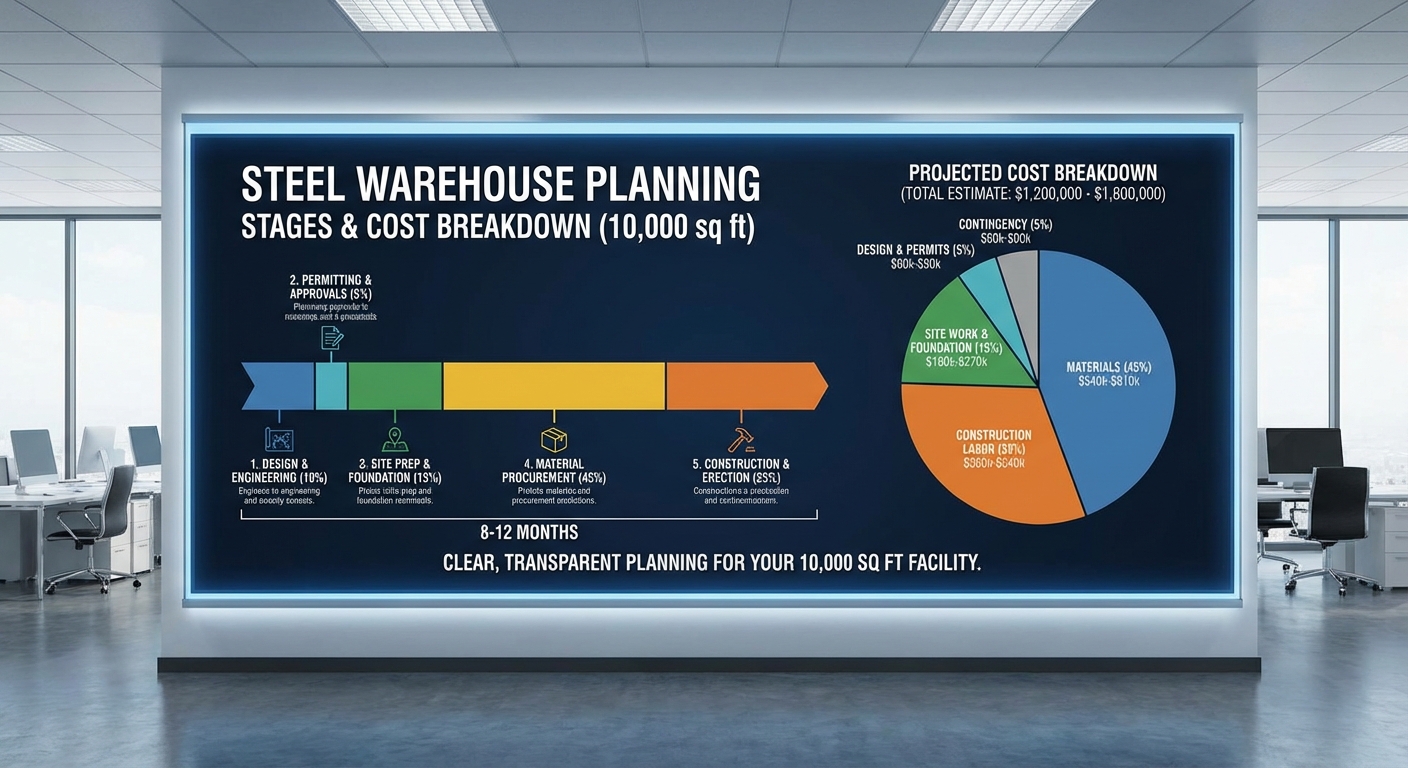
The total price for a warehouse 10,000 sq ft building is determined by a combination of current raw material rates, regional labor costs, and your specific customization choices. You must account for the 10,000 sq ft warehouse cost which includes the primary steel frame, secondary structures, and essential cladding systems.
The best part?
- Primary steel frames (H-section).
- Wall and roof cladding (sandwich panels or single sheets).
- High-strength bolt kits and fasteners.
- Foundation anchor bolts.
Soft costs such as architectural stamps, local permitting fees, and site surveys can represent a significant portion of your total project budget. You should allocate funds for civil engineering to ensure your concrete slab meets the load requirements of a 10,000 square foot warehouse.
Think about it:
- Local building permit applications.
- Site preparation and grading.
- Utility hookups (power and water).
- Freight and logistics for material delivery.
Key Takeaway: Precise budgeting for both hard and soft costs ensures your project remains financially viable from ground-breaking to occupancy.
| Cost Component | Typical Percentage | Driver | |
|---|---|---|---|
| Steel Frame | 45-55% | Market Steel Rates | |
| Foundation | 15-20% | Soil Conditions | |
| Labor/Erection | 20-25% | Project Complexity |
Evaluating these financial drivers allows you to move confidently into the specialized design phase of your facility.
How do you design a warehouse 10,000 sq ft building?

Designing a warehouse 10,000 sq ft building requires optimizing the clear-span interior to maximize your usable storage volume and traffic flow. You should focus on a layout that supports high-density racking while leaving enough space for forklifts and loading dock operations.
Here is the deal:
- Clear-span design for column-free space.
- Strategic placement of industrial roller doors.
- Optimized eave height for vertical stacking.
- Integration of natural lighting panels.
Can you customize the functional layout?
Your 10,000 sqft warehouse can be tailored with specific features like mezzanines for office space or specialized ventilation for manufacturing. Selecting the right door sizes and entry points is critical for maintaining an efficient logistics cycle.
Believe it or not:
- Motorized overhead doors for freight.
- Pedestrian walk-doors for safety.
- Translucent roof sheets for energy savings.
- Internal partitions for multi-use zones.
Key Takeaway: A functional design that prioritizes unobstructed floor space and vertical clearance maximizes the long-term utility of your investment.
| Design Feature | Purpose | Impact | |
|---|---|---|---|
| Clear Span | No interior columns | 100% Floor usage | |
| High Eaves | Vertical Racking | Doubled storage volume | |
| Mezzanine | Office space | Integrated management |
With a layout finalized, the focus shifts to why steel is the superior material choice for this specific footprint.
Why choose steel for your warehouse 10,000 sq ft building?
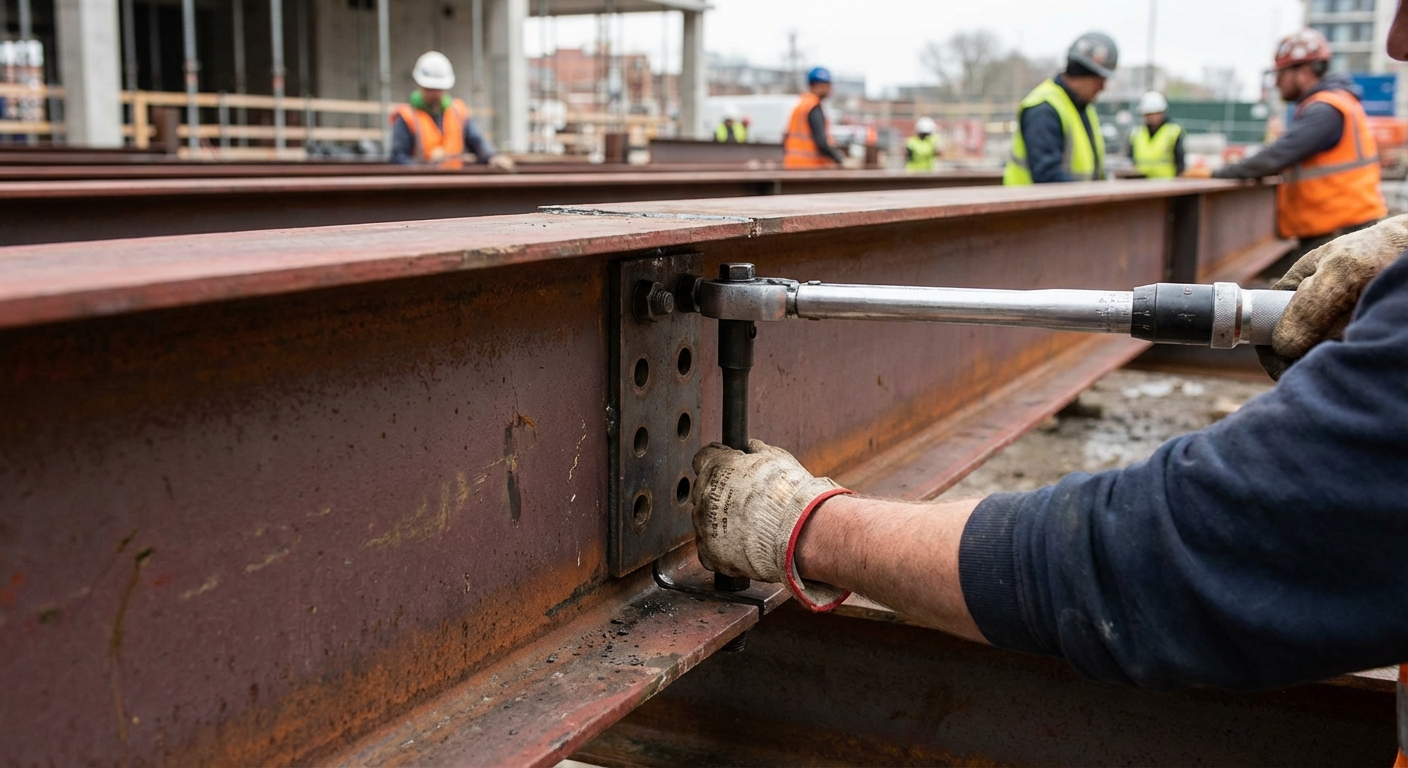
Steel is the ideal material for a warehouse 10,000 sq ft building because it offers an unmatched strength-to-weight ratio and natural resistance to common structural threats. You benefit from a material that does not rot, warp, or succumb to termite infestations like traditional wood-framed structures.
The best part?
- Non-combustible fire resistance.
- Precision factory engineering.
- Resistance to mold and moisture.
- High resale value and longevity.
Is steel more cost-effective long-term?
While timber might seem cheaper initially, the cost to build 10,000 sq ft warehouse using steel is offset by lower insurance premiums and minimal maintenance requirements. Steel buildings maintain their structural integrity for decades, protecting your inventory from the elements.
Look:
- Reduced building insurance rates.
- Lower lifetime maintenance costs.
- 100% recyclable material.
- Rapid assembly reduces labor spend.
Key Takeaway: Choosing steel ensures a resilient, low-maintenance asset that protects your inventory and reduces operational overhead.
| Material | Durability | Maintenance | Fire Rating | |
|---|---|---|---|---|
| Steel | High | Very Low | A1 (Non-combustible) | |
| Wood | Moderate | High | Flammable | |
| Concrete | High | Moderate | Non-combustible |
Structural resilience depends heavily on the physical location and foundation of your new storage hub.
Where is the best site for a warehouse 10,000 sq ft building?
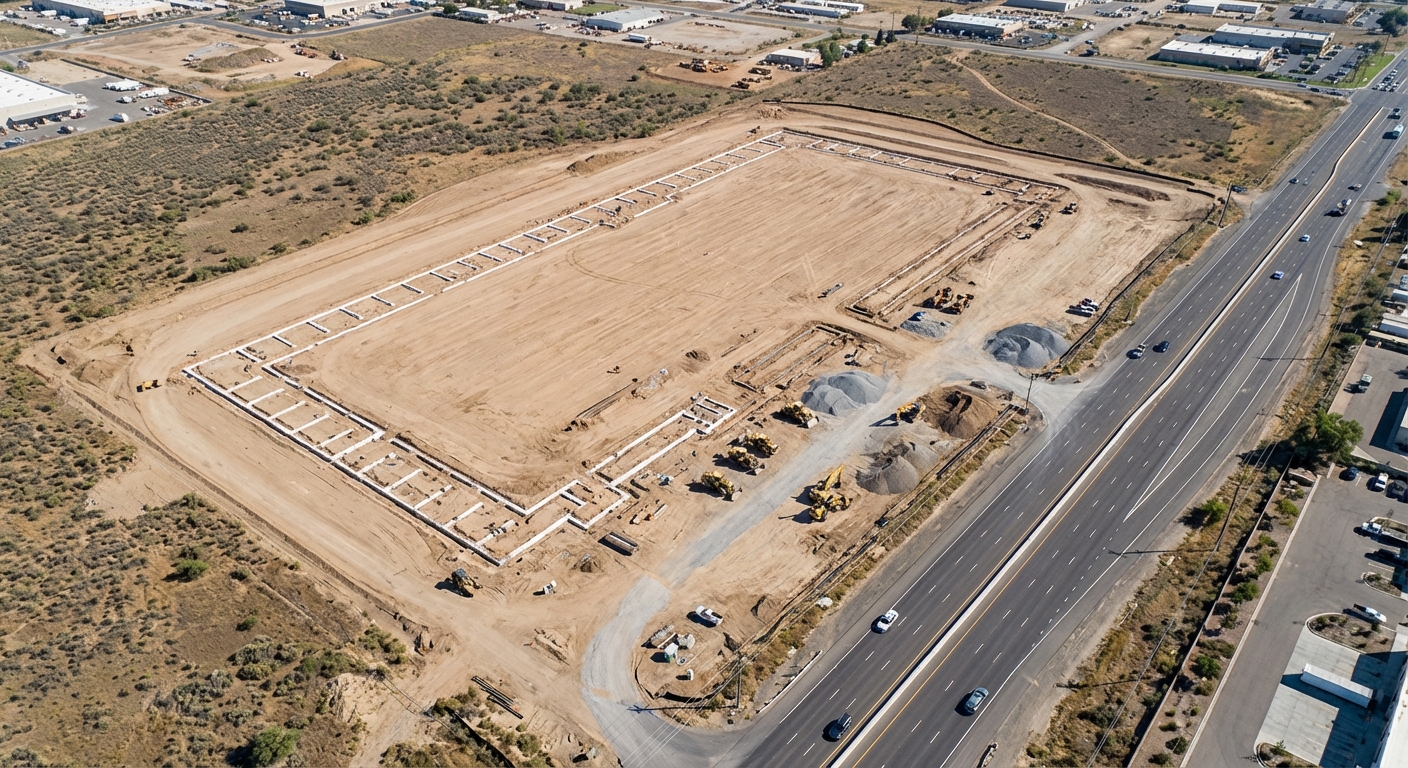
The best site for a warehouse 10,000 sq ft building is one that offers stable soil conditions and convenient access to major highways for freight transport. You must verify that the land is zoned for industrial use and can support the weight of heavy delivery vehicles.
Think about it:
- Proximity to interstate junctions.
- Soil load-bearing capacity tests.
- Sufficient drainage and runoff area.
- Room for future facility expansion.
How do you prepare the foundation?
Constructing a 10,000 square feet warehouse requires a reinforced concrete slab with deep footings at the column connection points. You should work with a local contractor to ensure the slab is perfectly level and cured correctly before the steel arrives.
Here is the deal:
- Excavation and site leveling.
- Vapor barrier installation.
- Steel reinforcement (rebar) placement.
- Precision anchor bolt setting.
Key Takeaway: Proper site selection and foundation preparation are the most critical steps in ensuring the structural life of your warehouse.
| Site Factor | Priority | Benefit | |
|---|---|---|---|
| Soil Quality | Critical | Prevents structural settling | |
| Logistics Access | High | Reduces transport costs | |
| Zoning | Critical | Legal compliance |
Once the site is ready, the speed of pre-engineered steel construction becomes your primary advantage.
How do you build a warehouse 10,000 sq ft building fast?
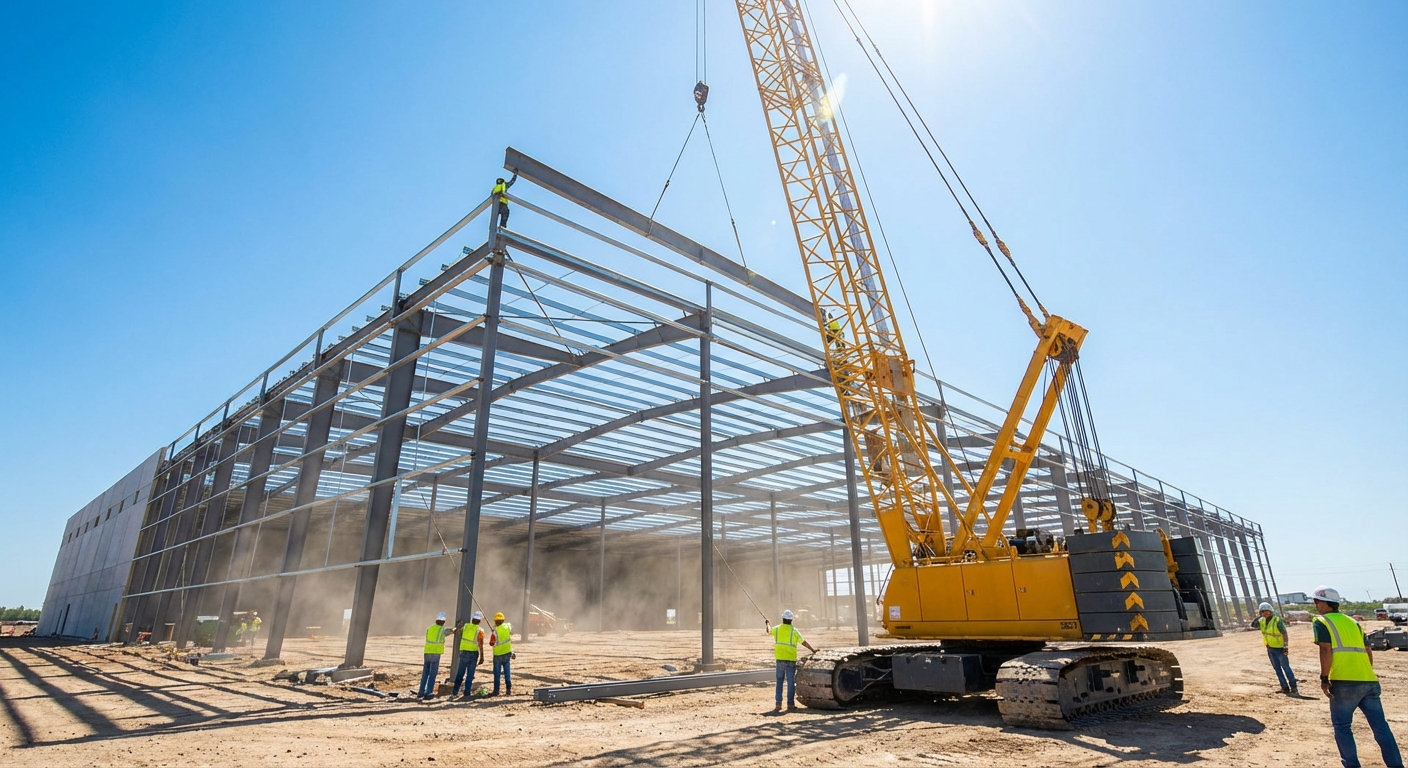
You can build a warehouse 10,000 sq ft building rapidly by using a pre-engineered kit where all components are pre-cut and pre-punched at the factory. This modular approach allows a small crew to bolt the primary frame together in a fraction of the time required for traditional construction.
The best part?
- No on-site welding required.
- Numbered parts for easy sequence.
- Detailed 3D assembly drawings.
- All-weather construction capability.
What is the typical assembly timeline?
For a 10,000 sq ft warehouse, the primary structural framing can often be completed in less than two weeks once the foundation is cured. This speed allows you to move from ground-breaking to operational status much faster than masonry projects.
Look:
- Framing: 7-14 days.
- Cladding/Roofing: 10-15 days.
- Doors/Windows: 3-5 days.
- Interior Finishing: Variable.
Key Takeaway: Factory-direct pre-engineering slashes on-site labor time and allows for rapid occupancy of your new facility.
| Step | Timeframe | Focus | |
|---|---|---|---|
| Framing | 2 Weeks | Structural Skeleton | |
| Sheeting | 2 Weeks | Weather Tightness | |
| Completion | 1 Week | Final Inspection |
Speed of construction does not mean a sacrifice in strength, especially when facing harsh climates.
Can a warehouse 10,000 sq ft building resist storms?
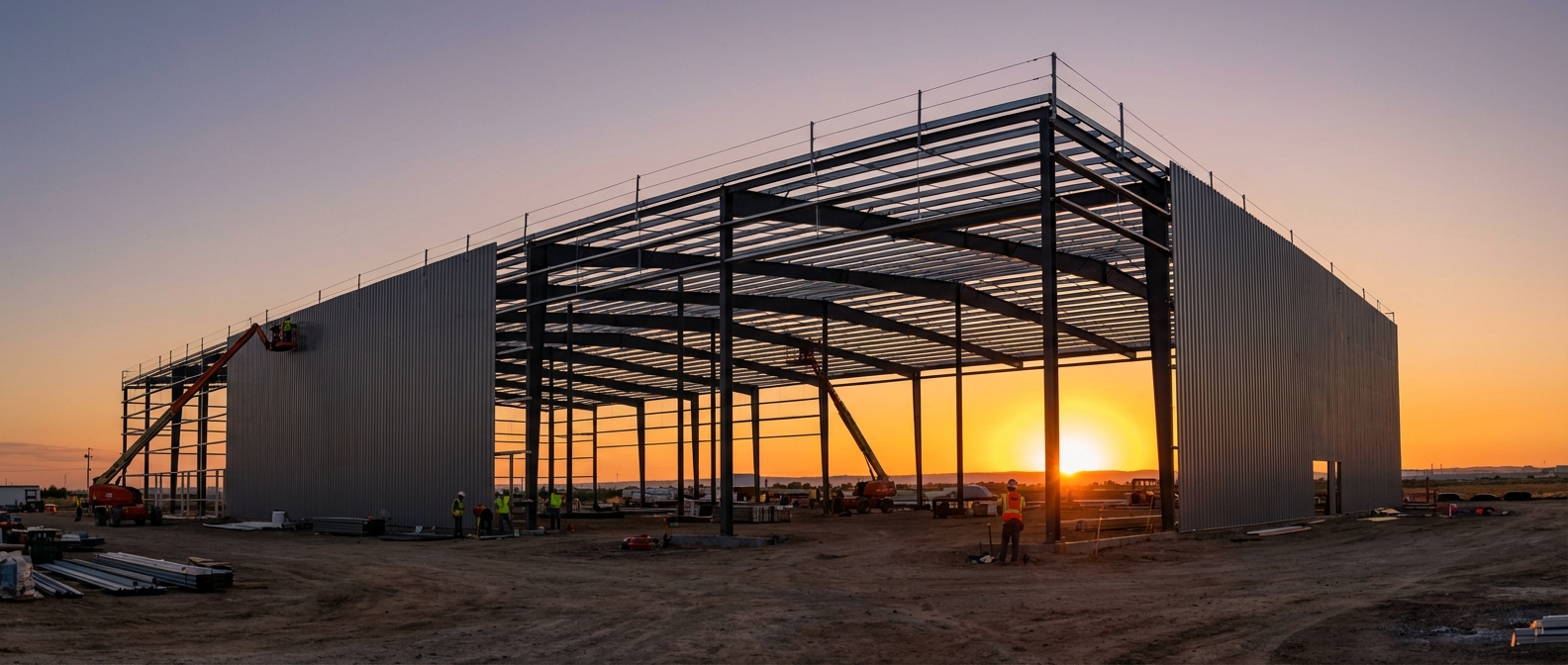
Yes, a warehouse 10,000 sq ft building is engineered specifically to meet or exceed local wind and snow load requirements in your specific region. High-tensile steel frames utilize portal bracing and rod bracing systems to maintain rigidity during hurricane-force winds or heavy blizzards.
Believe it or not:
- Custom wind load engineering.
- Reinforced roof purlin spacing.
- Seismic-rated structural joints.
- Heavy-gauge exterior paneling.
How does the roof handle snow?
The engineering team calculates the exact how much to build a 10,000 sq ft warehouse based on the roof’s ability to shed snow without compromising the frame. By adjusting the roof pitch and steel thickness, your building remains safe even in the harshest northern winters.
Think about it:
- Increased purlin density for snow.
- High-strength roof screw patterns.
- Integrated gutter drainage systems.
- Corrosion-resistant coating systems.
Key Takeaway: Professional engineering ensures your warehouse remains a safe harbor for your assets during extreme weather events.
| Weather Event | Defense Mechanism | Result | |
|---|---|---|---|
| High Winds | Portal Bracing | Zero Structural Sway | |
| Heavy Snow | Reinforced Purlins | No Roof Deflection | |
| Earthquakes | Ductile Steel Connections | Energy Absorption |
Maintaining this level of protection requires a very simple but consistent care routine.
What maintenance does a warehouse 10,000 sq ft building need?
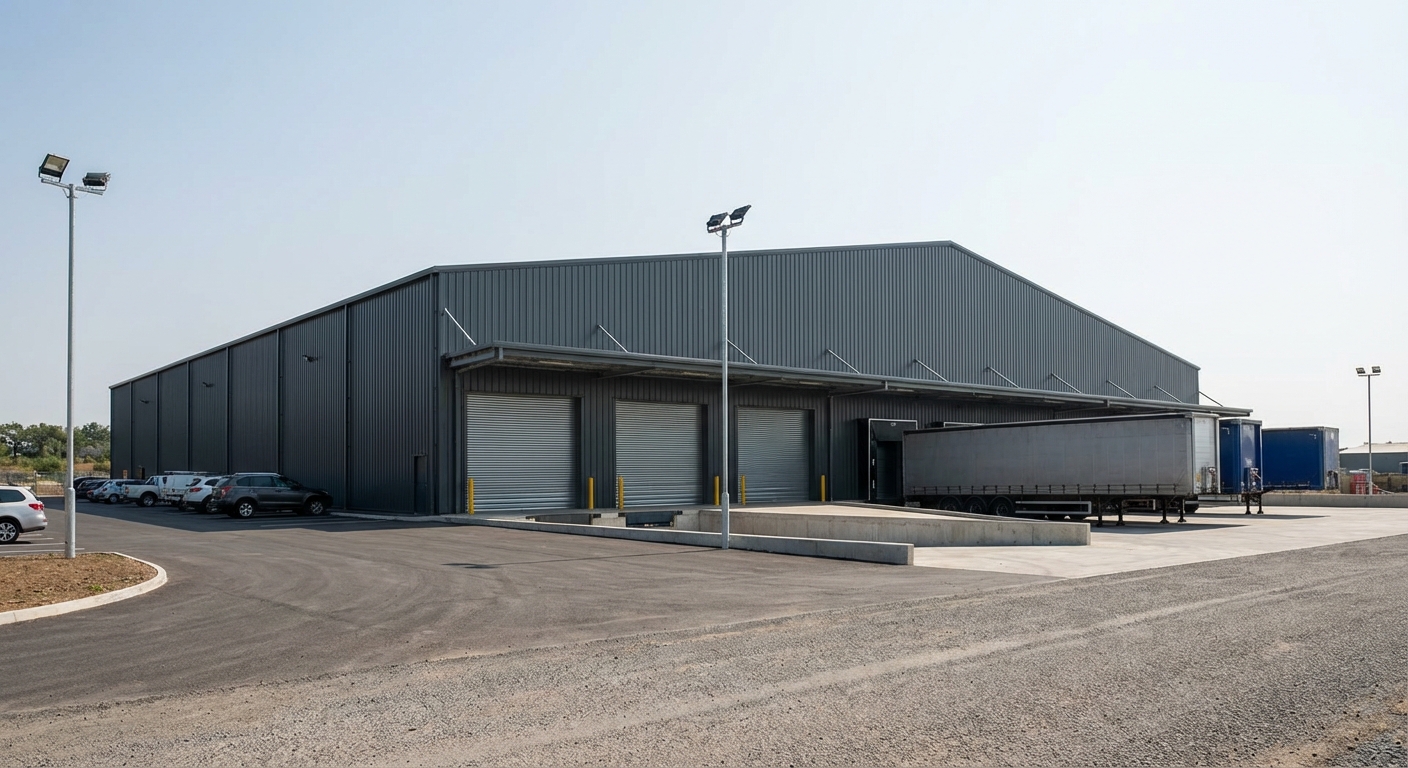
Maintaining a warehouse 10,000 sq ft building is straightforward, primarily involving annual inspections of the exterior panels and cleaning the drainage gutters. Unlike wood or brick, steel does not require frequent repainting or structural repairs if it is kept clean and dry.
The best part?
- High-durability paint finishes.
- Easy-to-clean metal surfaces.
- Simple fastener tension checks.
- Rapid touch-up for scratches.
How do you prevent corrosion?
If your facility is located near the coast, you should rinse the exterior with fresh water periodically to remove salt buildup that can lead to oxidation. Checking the seals around doors and windows ensures that moisture stays outside where it belongs.
Look:
- Annual gutter debris removal.
- Inspection of weather-stripping.
- Checking for panel damage.
- Verifying downspout clearance.
Key Takeaway: Minimal annual maintenance preserves the aesthetic appeal and structural integrity of your steel facility for decades.
| Task | Frequency | Time | |
|---|---|---|---|
| Gutter Cleaning | Twice Yearly | 2-3 Hours | |
| Visual Inspection | Once Yearly | 1 Hour | |
| Door Lubrication | Twice Yearly | 1 Hour |
Beyond the exterior shell, interior climate control starts with the right insulation strategy.
How do you insulate a warehouse 10,000 sq ft building?
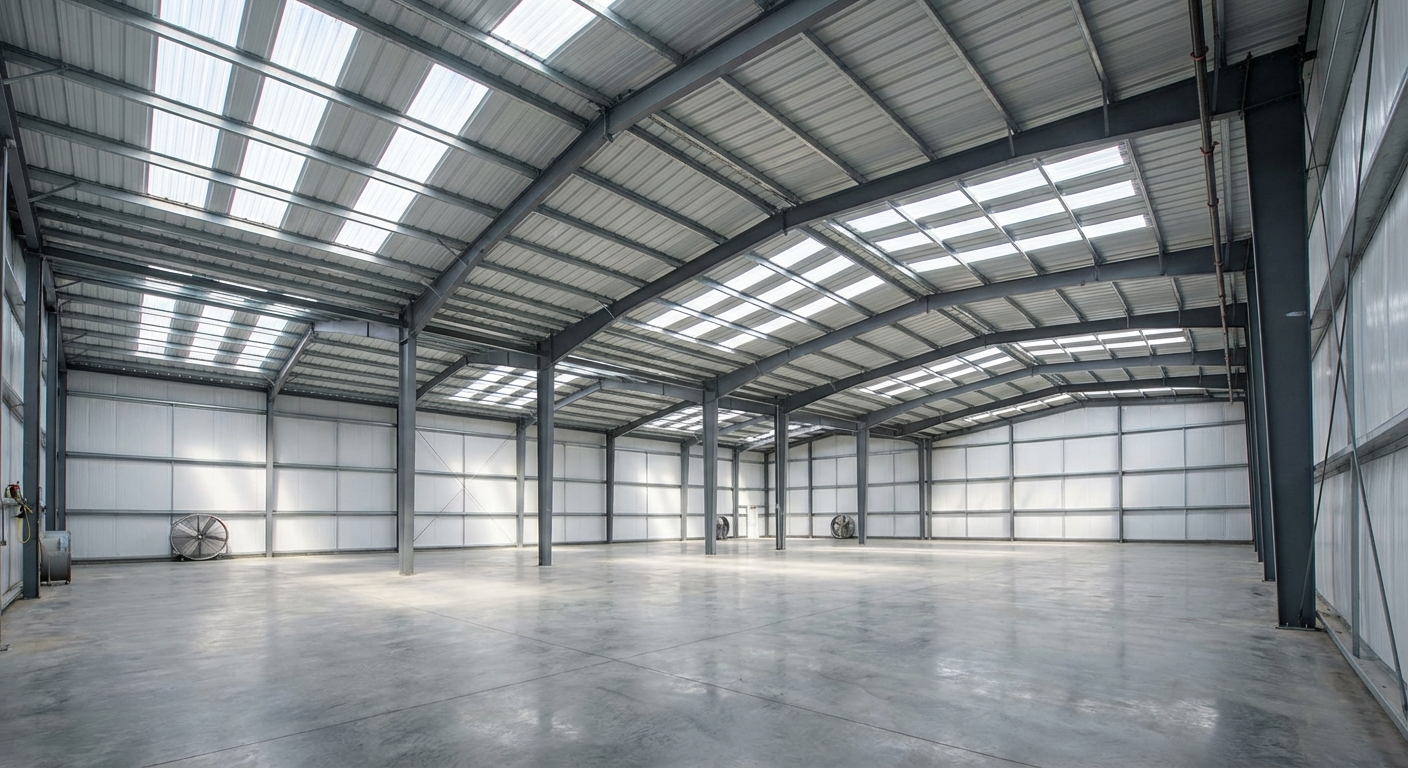
Insulating a warehouse 10,000 sq ft building is best achieved using glass wool blankets or high-performance sandwich panels with an EPS or PU core. Proper insulation prevents condensation buildup on the interior steel and significantly reduces the energy required to heat or cool the space.
Here is the deal:
- Glass wool with vapor barrier.
- Integrated sandwich wall panels.
- Reflective foil radiant barriers.
- Ridge vents for air circulation.
Can you prevent condensation issues?
Condensation occurs when moist air hits cold steel, but a continuous insulation layer effectively eliminates this “sweating” effect. You should also include gravity vents or powered fans to ensure consistent airflow throughout your 10,000 sq ft warehouse.
Believe it or not:
- Continuous vapor retarders.
- Properly sealed panel laps.
- Thermal bridge break tape.
- Automated ventilation controls.
Key Takeaway: Investing in quality insulation protects your inventory from moisture damage and slashes monthly utility costs.
| Insulation Type | R-Value | Best For | |
|---|---|---|---|
| Fiberglass Blanket | Moderate | General Storage | |
| Sandwich Panel | High | Climate Control | |
| Spray Foam | Variable | Retrofit sealing |
Selecting the right insulation is only possible when you partner with a manufacturer that offers integrated solutions.
Who makes the best warehouse 10,000 sq ft building kits?
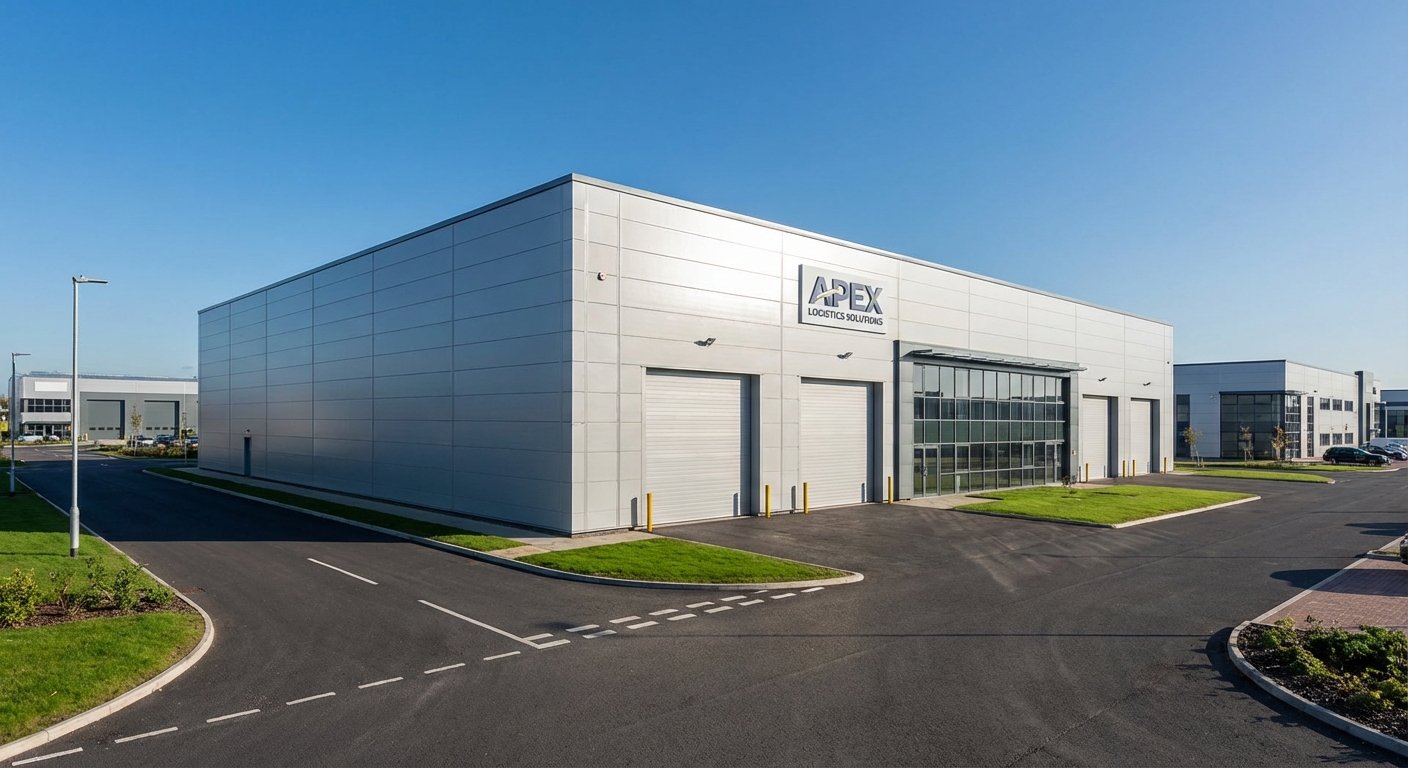
The best source for a warehouse 10,000 sq ft building is a factory-direct manufacturer like Showhoo Building that manages design and fabrication under one roof. By choosing a direct supplier, you eliminate middleman markups and gain direct access to the engineers who designed your structure.
The best part?
- Factory-direct wholesale pricing.
- In-house engineering expertise.
- Global export and logistics.
- Certified quality control.
Why is factory-direct better?
A direct relationship with the manufacturer ensures that every component of your 10,000 sq ft warehouse is tracked and verified before it is crated for shipment. You receive a complete installation-ready system with no missing parts or field modifications required.
Look:
- Faster communication channels.
- Customized material specifications.
- Comprehensive Bill of Materials.
- Installation guidance support.
Key Takeaway: Partnering with a factory-direct manufacturer reduces project risk and ensures you receive a high-performance building at the best price.
| Service | Benefit | Level | |
|---|---|---|---|
| Direct Engineering | Code compliance | High | |
| Factory QC | Material tracking | High | |
| Direct Shipping | Lower freight cost | High |
The final phase of your successful build depends on a structured and professional planning approach.
How do you plan a warehouse 10,000 sq ft building?
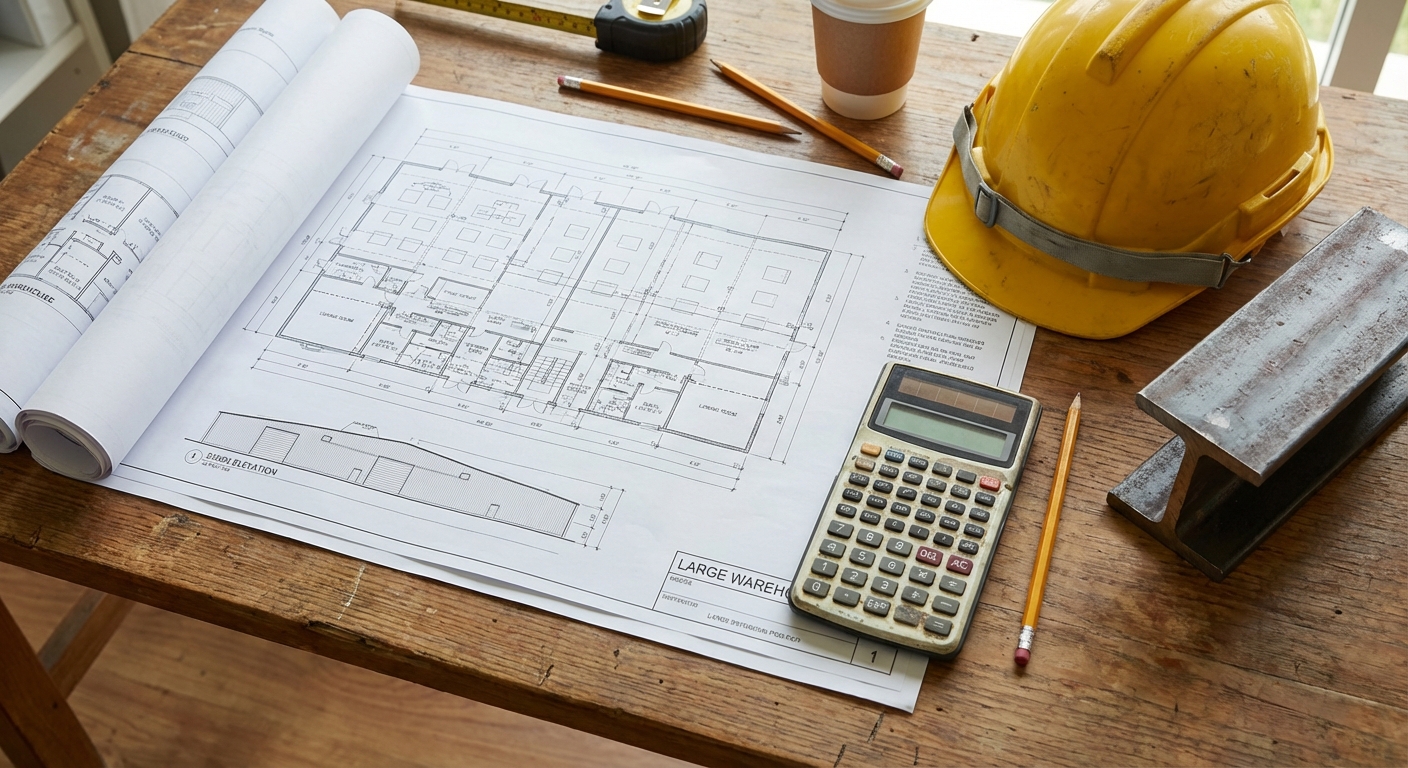
Planning a warehouse 10,000 sq ft building involves setting a realistic timeline for design, fabrication, and shipping while coordinating with local contractors for the site work. You should begin by defining your operational requirements, such as internal clearance heights and the number of loading docks needed.
Think about it:
- Define eave height for racking.
- Determine power requirements.
- Finalize the floor plan.
- Secure project financing.
How do you handle the timeline?
The typical lead time for a pre-engineered 10,000 sq ft warehouse includes four to six weeks for fabrication and another few weeks for international shipping. You should coordinate your foundation pouring to coincide with the arrival of the steel containers.
Here is the deal:
- Finalize architectural drawings.
- Submit for local permits.
- Pour foundation and cure.
- Erect steel and enclose.
Key Takeaway: Proactive planning and timeline coordination prevent site delays and ensure a smooth transition from construction to operation.
| Planning Stage | Duration | Primary Action | |
|---|---|---|---|
| Design/Quote | 1 Week | Finalize Dimensions | |
| Fabrication | 4-6 Weeks | Production in Factory | |
| Shipping | 3-5 Weeks | Sea Transit to Site |
This structured roadmap ensures that your industrial vision becomes a functional, revenue-generating reality.
Building a high-capacity 10,000 sq ft warehouse is a strategic move that provides your business with a durable, scalable foundation for growth. At Showhoo Building, we specialize in providing factory-direct steel structures that combine engineering precision with global delivery reliability. Our team is dedicated to solving your space challenges by delivering a complete, installation-ready system designed for your specific industry. We handle everything from the initial structural design to the final packing, ensuring your project is executed without error.
Take the next step in securing your company’s future and contact us today for a comprehensive project consultation.
Frequently Asked Questions
Can I build a 10,000 sq ft warehouse on any soil type?No, you must conduct a soil test first to determine the load-bearing capacity and design a foundation that prevents the building from settling or shifting.
What’s the best way to determine the height of my warehouse?The best way is to measure your tallest racking system and add at least 3 to 5 feet of clearance for fire sprinklers and forklift operation.
How do I know if I need a permit for a steel building?Yes, almost every jurisdiction requires a building permit for a structure of this size, and you should check with your local planning department before ordering.
Can I move my steel warehouse to a different location later?Yes, because these buildings use bolt-together connections rather than permanent welds, they can be disassembled, transported, and re-erected at a new site.
What’s the best way to protect my inventory from temperature spikes?The best way is to utilize insulated sandwich panels for the walls and roof, which provide a superior thermal barrier compared to standard fiberglass.