
Building a 40,000 sq ft steel warehouse typically costs between 25 and 45 per square foot for the basic shell, totaling 1million to1.8 million. For many developers, the primary challenge lies in the sheer scale of the investment and the high level of uncertainty regarding fluctuating material prices. One minor miscalculation in the planning phase can agitate your bottom line, leading to massive overspending or project delays that stall your business growth. Professional planning and a pre-engineered 40,000 sq ft warehouse provide the structural solution you need to lock in costs and ensure operational efficiency from day one.
What is the average cost for a 40,000 sq ft warehouse?
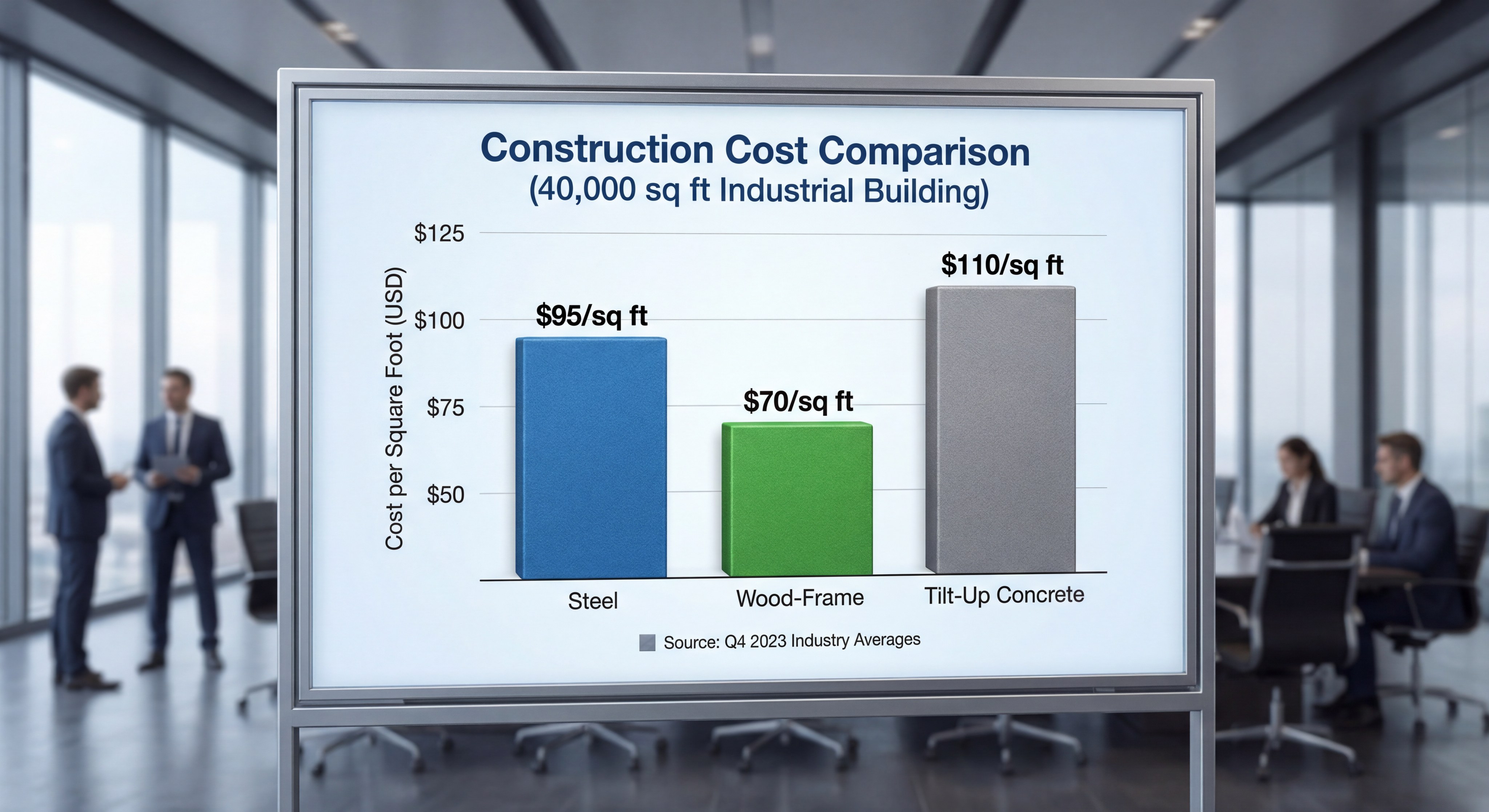
The average total cost for a 40,000 sq ft warehouse investment generally ranges from 1,000,000 to 1,800,000 for a fully functional industrial shell. While the building kit itself represents a significant portion of this budget, you must also account for site preparation, foundations, and professional erection labor.
Base Pricing Factors
Here is the kicker: The “sticker price” of raw steel is only the beginning of your financial roadmap. When you calculate your total expenditure, you must account for the complexity of the frame and local building codes.
- Steel Grade: High-tensile strength steel vs. standard variants.
- Building Height: Taller eaves require more heavy-duty support columns.
- Wind/Snow Loads: High-risk areas require reinforced secondary structures.
Steel Market Volatility
But wait, there’s more: Steel prices are dynamic and influenced by global trade factors. Because we use factory-direct manufacturing, you can often mitigate the price spikes seen in local retail markets.
- Global supply chain shifts.
- Raw iron ore and energy costs.
- Import/Export tariffs on structural components.
Key Takeaway: Budgeting for a large-scale warehouse requires a 15% contingency fund to handle market fluctuations and site-specific engineering requirements.
| Cost Component | Estimated Price per Sq Ft | Total for 40,000 Sq Ft | |
|---|---|---|---|
| Basic Steel Kit | 12.00–19.00 | 480,000–760,000 | |
| Foundation/Slab | 6.00–10.00 | 240,000–400,000 | |
| Erection/Labor | 5.00–9.00 | 200,000–360,000 |
Detailed cost analysis shows that structural kits remain the most predictable expense compared to fluctuating local labor rates.
Why choose a 40,000 sq ft warehouse made of steel?

Choosing a steel structure for your 40,000 sq ft warehouse offers up to 33% faster construction times and significantly lower maintenance costs than wood or concrete. These structures are engineered for maximum durability, providing a long-term ROI that traditional masonry cannot match.
Speed of Assembly
You might be wondering: Why is steel so much faster for your project? Unlike traditional masonry, every component of a pre-engineered kit is precision-cut and pre-drilled.
- Bolt-Together Design: No on-site welding or cutting is required.
- Predictable Timelines: Prefabricated parts arrive sequenced for immediate erection.
- Reduced Labor Costs: Smaller crews can finish the job in weeks rather than months.
Durability and Resilience
The best part? Steel doesn’t rot, warp, or invite pests like termites. It provides a level of structural integrity that is unmatched by organic materials.
- Fire Resistance: Non-combustible materials lower insurance premiums.
- Extreme Weather: Engineered to withstand seismic activity and hurricane-force winds.
Key Takeaway: The long-term ROI of a steel building is realized through reduced insurance rates and minimal structural upkeep over its 50+ year lifespan.
| Material Feature | Steel Buildings | Traditional Wood/Concrete | |
|---|---|---|---|
| Construction Speed | ~33% Faster | Standard Timeline | |
| Maintenance Need | Very Low | Moderate to High | |
| Insurance Cost | Lower Premiums | Higher Premiums |
Steel’s inherent strength-to-weight ratio allows for massive open spaces that are economically impossible with other building materials.
What are the hard costs of a 40,000 sq ft warehouse?
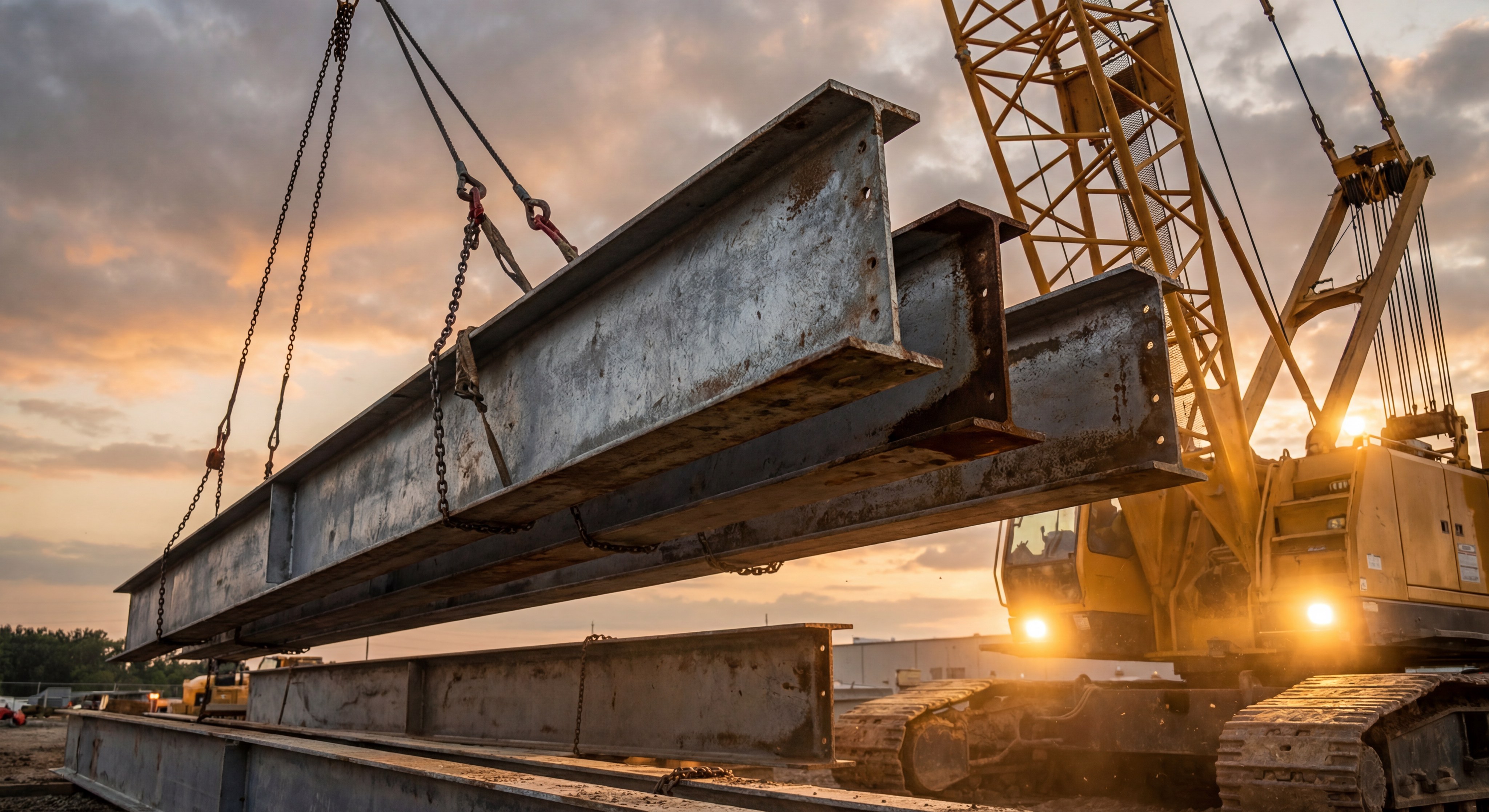
Hard costs for a 40,000 sq ft warehouse include all tangible assets such as raw steel materials, foundation concrete, and the specialized labor required for assembly. These expenses form the “brick and mortar” foundation of your total project budget.
Raw Materials and Fabrication
It comes down to this: The quality of your H-section beams determines the safety of the entire structure.
- Primary Frames: Heavy-duty columns and rafters.
- Secondary Members: Purlins, girts, and bracing.
- Cladding: Roof and wall panels with protective coatings.
Labor and Project Management
But wait, there’s more: Labor isn’t just about “putting pieces together.” Professional project management ensures that your site remains OSHA-compliant and strictly on schedule.
- Foundation Crew: Professional concrete pouring and leveling.
- Steel Erectors: Specialized teams for high-altitude frame assembly.
- Equipment Rental: Cranes, lifts, and scaffolding costs.
Key Takeaway: Hard costs are the most “visible” part of your budget and usually account for 70% of the total project investment.
| Hard Cost Item | Description | Impact on Budget | |
|---|---|---|---|
| Steel Fabrication | H-Beams and Purlins | High | |
| Concrete Work | Foundation and Floor Slab | Moderate | |
| Mechanical Systems | HVAC, Plumbing, Electrical | Moderate |
Understanding the breakdown of material versus labor costs allows you to optimize your procurement strategy for better margins.
Which soft costs impact a 40,000 sq ft warehouse budget?
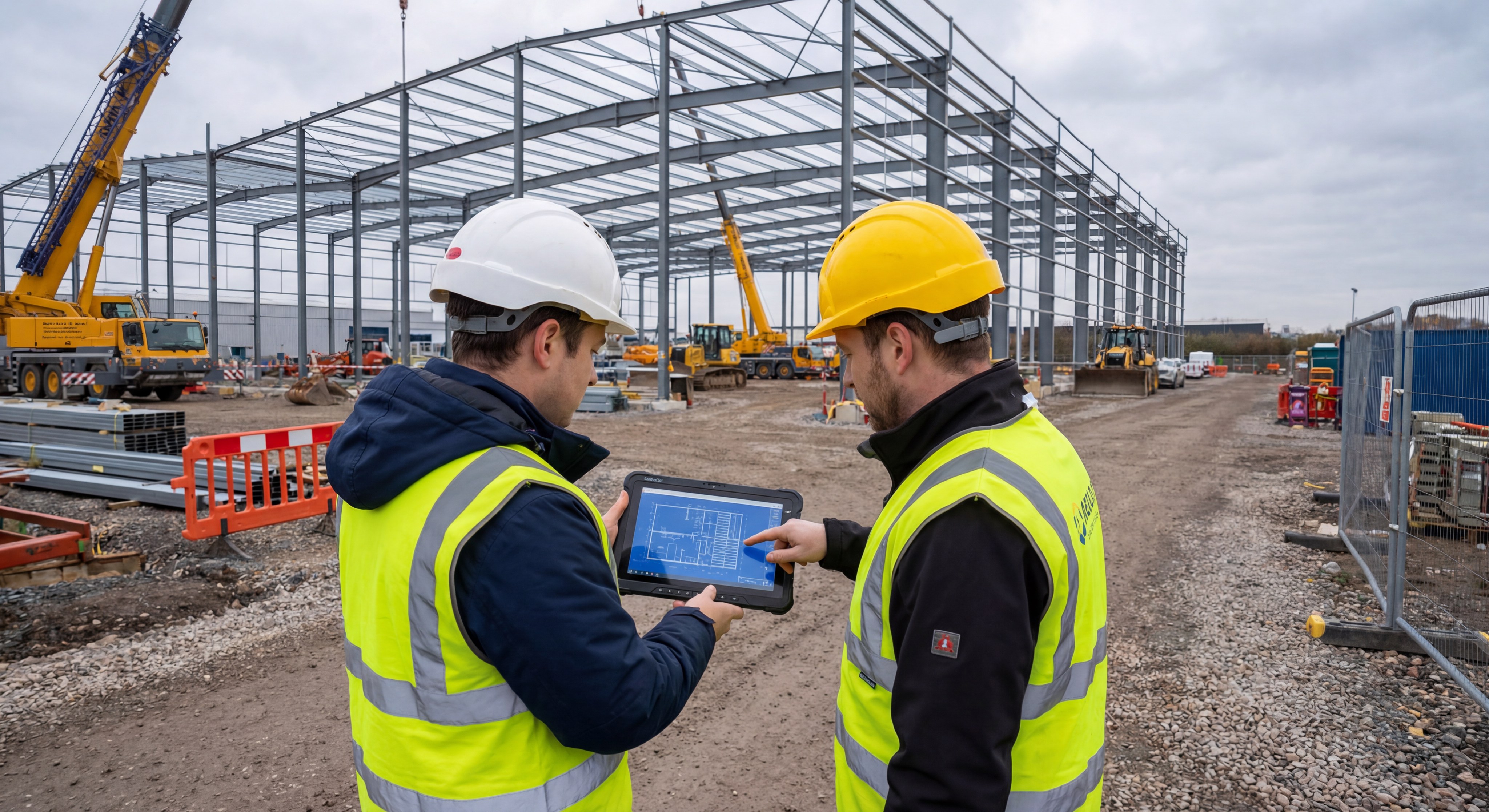
Soft costs for a 40,000 sq ft warehouse encompass architectural fees, permits, land surveys, and insurance premiums. Many of our global projects succeed because we help you identify these costs early in the design phase to avoid hidden surprises.
Permitting and Legal Fees
Don’t overlook this: Every jurisdiction has different requirements for your facility. Skipping a permit can lead to a complete site shutdown and heavy fines.
- Zoning Permits: Ensuring the land is approved for industrial use.
- Impact Fees: Payments to local governments for infrastructure usage.
- Environmental Assessments: Soil testing and drainage studies.
Design and Engineering Costs
Look at it this way: Professional engineering prevents structural failure and ensures safety. Your custom designs must account for internal layouts like overhead cranes or mezzanine levels.
- Structural Drawings: Blueprints for fabrication and erection.
- Site Plan Design: Optimizing truck flow and parking.
Key Takeaway: Soft costs are often intangible but can account for 10% to 20% of your total budget if not managed correctly.
| Soft Cost Category | Estimated Percentage | Focus Area | |
|---|---|---|---|
| Design/Engineering | 3% – 5% | Blueprint Accuracy | |
| Permits/Fees | 2% – 5% | Local Compliance | |
| Financing/Legal | 2% – 4% | Loan Interest/Contracts |
Strategic management of soft costs through early-stage consultation can prevent expensive design revisions during the fabrication phase.
How does flooring affect 40,000 sq ft warehouse prices?
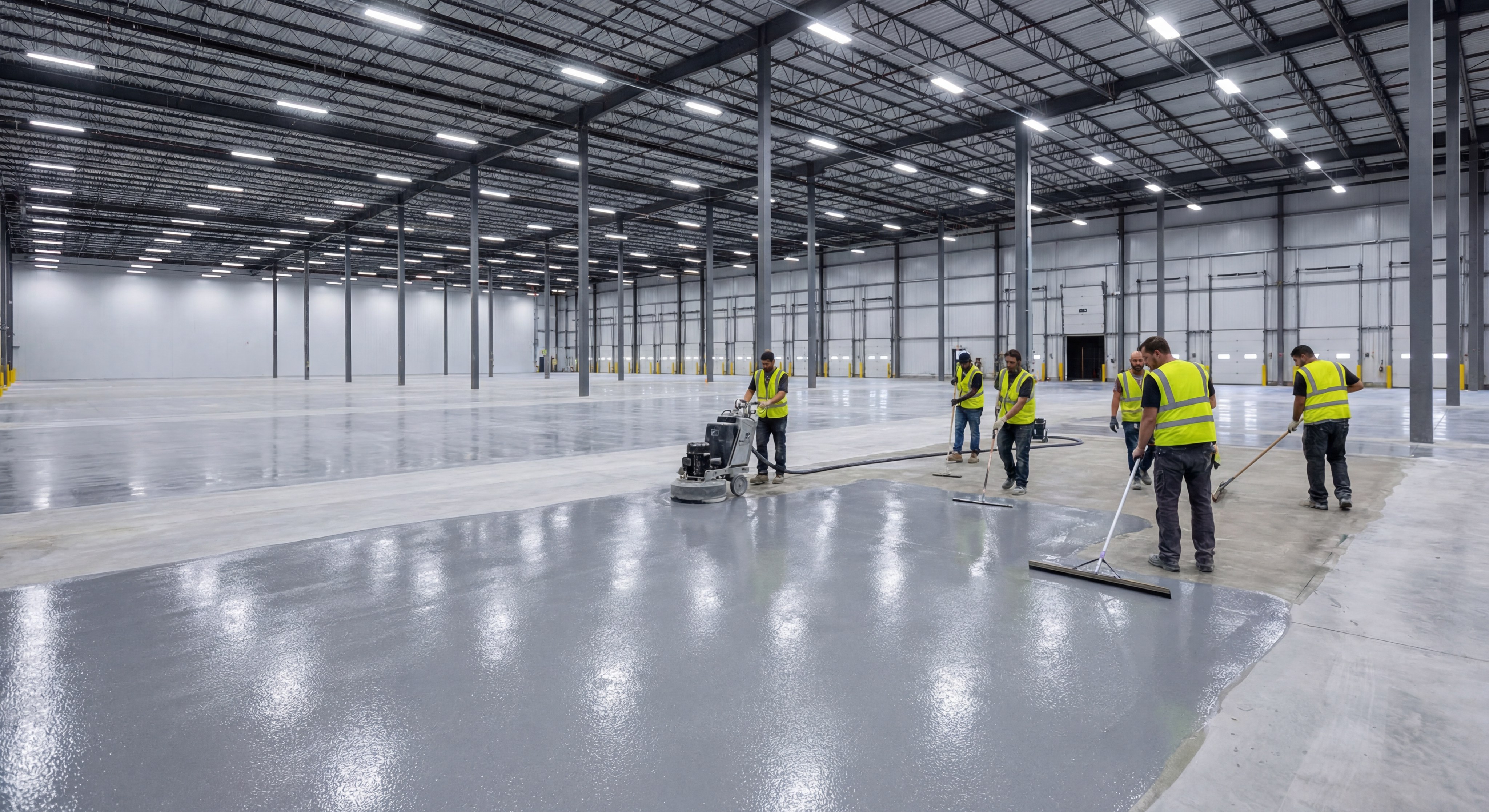
Flooring for a 40,000 sq ft warehouse varies in price depending on whether you choose reinforced concrete, specialized epoxy coatings, or high-durability vinyl. For a large-scale facility, the floor is the most used “tool” in your building.
Concrete Slab Foundations
Here is the bottom line: You need a foundation that can handle your specific operational weight.
- Thickness: 6-inch to 8-inch slabs for heavy machinery or pallet racking.
- Reinforcement: Rebar and vapor barriers to prevent cracking and moisture.
Industrial Coatings and Finishes
But that’s not all: A raw concrete floor is porous and can generate dust, which is detrimental to electronics or food storage.
- Epoxy Resin: Creates a hard, chemical-resistant surface perfect for heavy forklift traffic.
- Polished Concrete: A low-maintenance, high-reflectivity option that reduces lighting costs.
- SPV Vinyl: 100% waterproof options for specific commercial applications.
Key Takeaway: Choosing the right floor finish during the initial build is 50% cheaper than trying to retrofit an industrial coating later.
| Flooring Type | Durability | Relative Cost | |
|---|---|---|---|
| Reinforced Concrete | High | Base Cost | |
| Epoxy Coating | Extreme | +5.00 / sq ft | |
| Polished Concrete | Moderate | +3.00 / sq ft |
Floor specifications directly impact the speed and safety of your warehouse traffic, making it a critical investment for long-term productivity.
What ventilation is needed for a 40,000 sq ft warehouse?
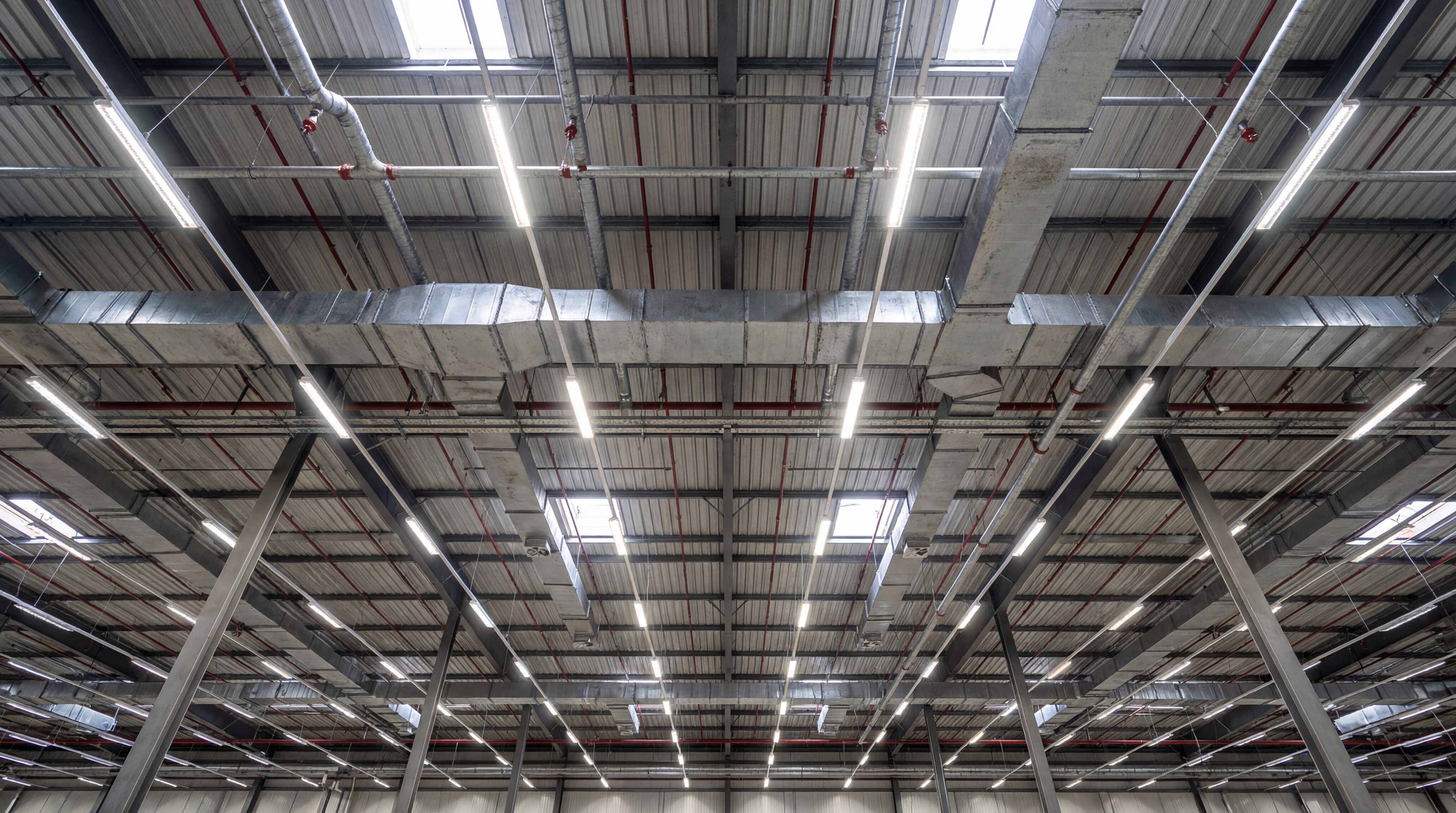
A 40,000 sq ft warehouse requires a combination of natural ridge vents and active mechanical fans to maintain air quality and control moisture levels. Our industrial workshop solutions include integrated ventilation designs to protect your inventory from humidity.
Natural Airflow Solutions
You should know: Natural ventilation is the most cost-effective way to regulate your internal temperature.
- Ridge Vents: Installed at the peak of the roof to let hot air escape.
- Wall Louvers: Strategically placed to allow fresh air intake at the floor level.
Active Mechanical Systems
However: In humid or high-production environments, natural air is rarely enough to protect you.
- Exhaust Fans: Large-diameter fans that force air turnover.
- HVAC Integration: Full climate control for sensitive goods like pharmaceuticals.
Key Takeaway: Proper ventilation prevents condensation, which is the primary cause of corrosion and mold in large-scale metal buildings.
| Ventilation Component | Function | Operating Cost | |
|---|---|---|---|
| Ridge Vents | Heat Exhaust | Zero | |
| Industrial Fans | Air Circulation | Moderate | |
| Full HVAC | Climate Control | High |
Active airflow management ensures a comfortable working environment for employees and prevents structural damage caused by trapped moisture.
Can insulation lower 40,000 sq ft warehouse expenses?
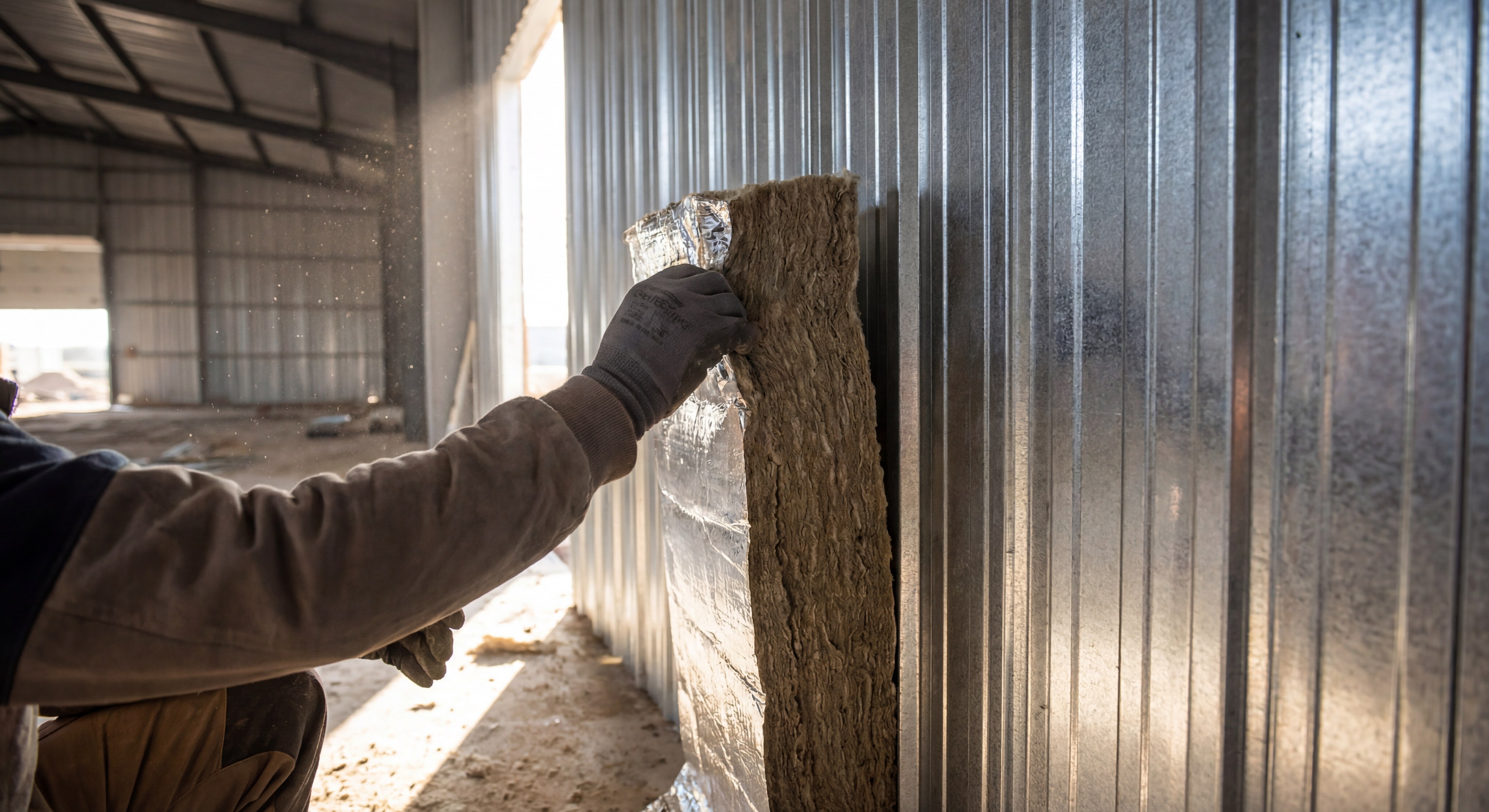
High-quality insulation for a 40,000 sq ft warehouse can reduce long-term energy bills by up to 40% while preventing structural condensation. Without proper thermal protection, your facility will act like an oven in the summer and a freezer in the winter.
Cavity vs. Continuous Insulation
Let’s be honest: Bare steel walls are terrible at regulating temperature for your business.
- Fiberglass Batts: Cost-effective cavity insulation for standard needs.
- Rigid Foam Boards: Provides a continuous thermal break, eliminating cold spots.
- Insulated Metal Panels (IMPs): An all-in-one solution for superior R-values.
ROI of Thermal Protection
The truth is: Your insulation investment pays for itself within a few years.
- Reduced HVAC Load: Smaller units can be used to cool the same 40,000 sq ft space.
- Inventory Protection: Prevents “sweating” on the interior walls that can damage goods.
Key Takeaway: Investing in higher R-value insulation during construction typically sees a full ROI within 3 to 5 years through energy savings.
| Insulation Type | R-Value Efficiency | Installation Cost | |
|---|---|---|---|
| Fiberglass Blanket | Moderate | Low | |
| Spray Foam | High | Moderate/High | |
| Insulated Panels | Extreme | High |
Advanced insulation systems protect the longevity of the steel frame by eliminating the risk of internal condensation and rust.
What are the top uses for a 40,000 sq ft warehouse?
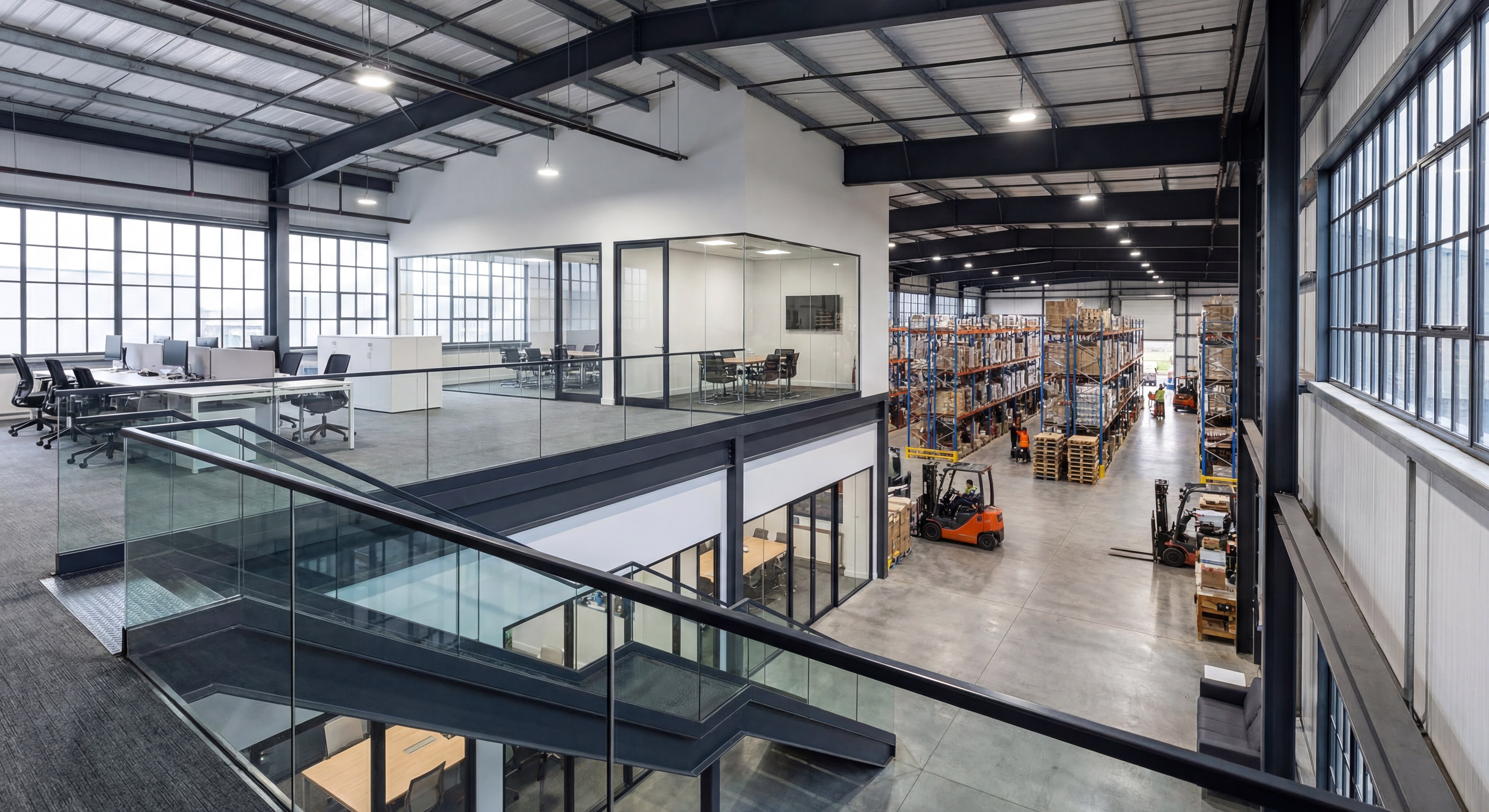
The most common applications for a 40,000 sq ft warehouse include regional distribution centers, heavy manufacturing plants, and large-scale aircraft hangars. These structures provide the massive open floor space required for modern industrial operations.
Logistics and Distribution
Imagine this: A 40,000 sq ft space can accommodate millions of dollars in inventory with the right racking system.
- E-commerce Hubs: Local fulfillment centers for rapid shipping.
- Cold Storage: Insulated facilities for food and beverage distribution.
Industrial Manufacturing
It’s a fact: Steel buildings are the standard for manufacturing because they support massive overhead loads.
- Crane Integration: Brackets for 5-ton to 20-ton overhead cranes.
- Open Floor Plans: Clear spans up to 40m without obstructive columns.
Key Takeaway: The modular nature of a 40,000 sq ft steel building allows the facility to evolve as your business needs change.
| Industry Use | Primary Requirement | Steel Advantage | |
|---|---|---|---|
| Logistics | Clear Height | Maximized Vertical Space | |
| Manufacturing | Structural Load | Crane Support Systems | |
| Aviation | Large Span | Wide Door Openings |
The versatility of steel allows you to integrate office mezzanines and specialized loading docks without compromising structural integrity.
How to optimize 40,000 sq ft warehouse design?
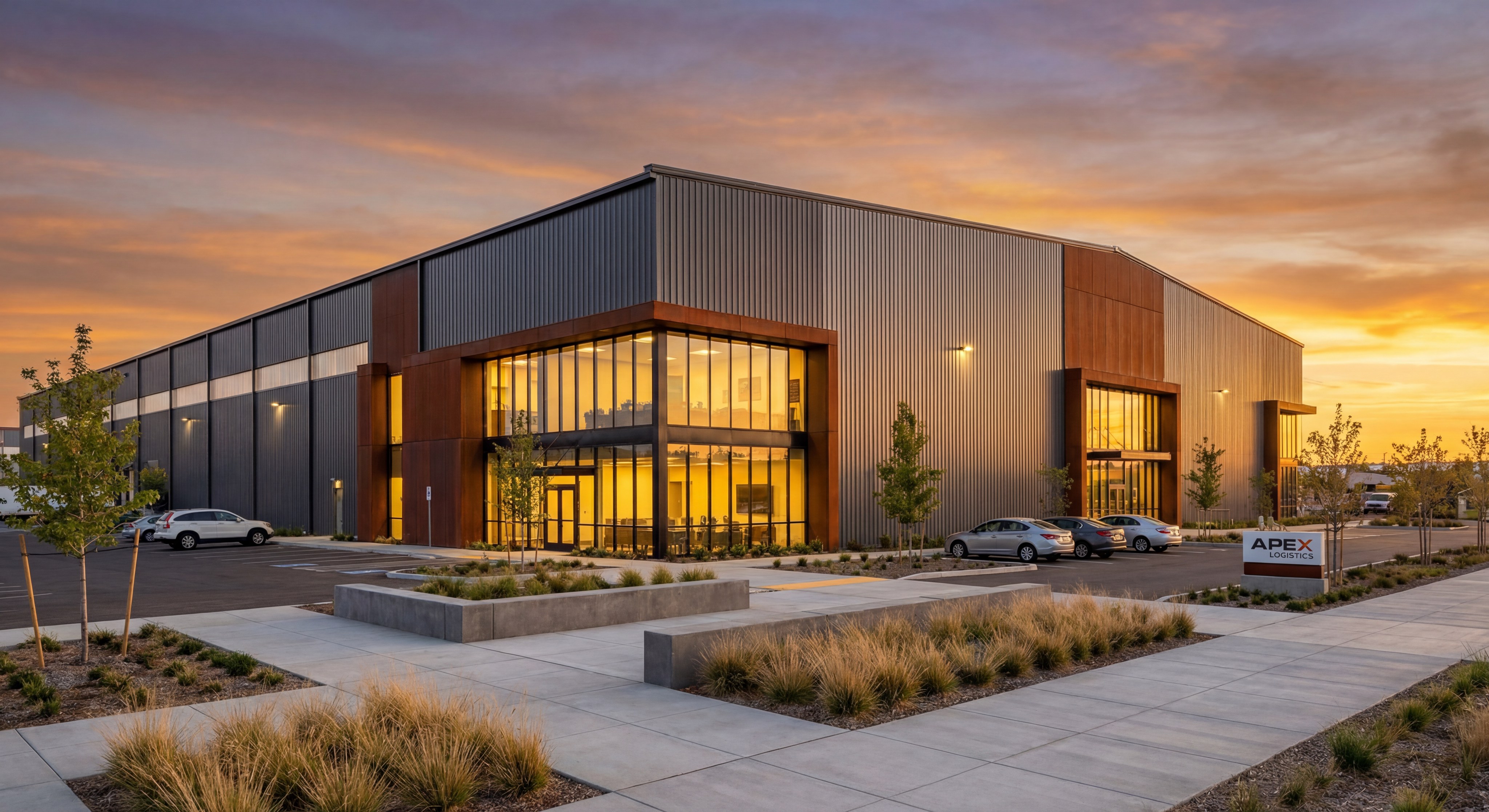
Optimizing your 40,000 sq ft warehouse design involves utilizing clear-span frames to maximize usable floor space without obstructive interior columns. Smart design choices can drastically reduce material weight and overall project costs.
Clear Span vs. Modular Frames
The question is: Do you need an open floor, or can you tolerate columns?
- Clear Span: No interior supports; ideal for aircraft or sports arenas.
- Multi-Span: Uses interior columns to reduce steel costs; ideal for simple storage.
Custom Accessory Integration
Remember: A building is more than just four walls for your operations.
- Mezzanine Levels: Doubling your office space without expanding the footprint.
- Daylighting: Using translucent panels to reduce electricity costs.
Key Takeaway: Smart design choices, like choosing a slightly narrower building width, can drastically reduce the amount of steel required for a 40,000 sq ft span.
| Design Strategy | Benefit | Cost Impact | |
|---|---|---|---|
| Clear Span | 100% Usable Floor | Higher Steel Weight | |
| Translucent Panels | Natural Light | Lower Utility Bills | |
| Mezzanine Floor | Extra Square Footage | Moderate Investment |
Utilizing 3D modeling during the design phase ensures that every inch of the 40,000 sq ft footprint is optimized for your specific workflow.
Where to buy a reliable 40,000 sq ft warehouse kit?
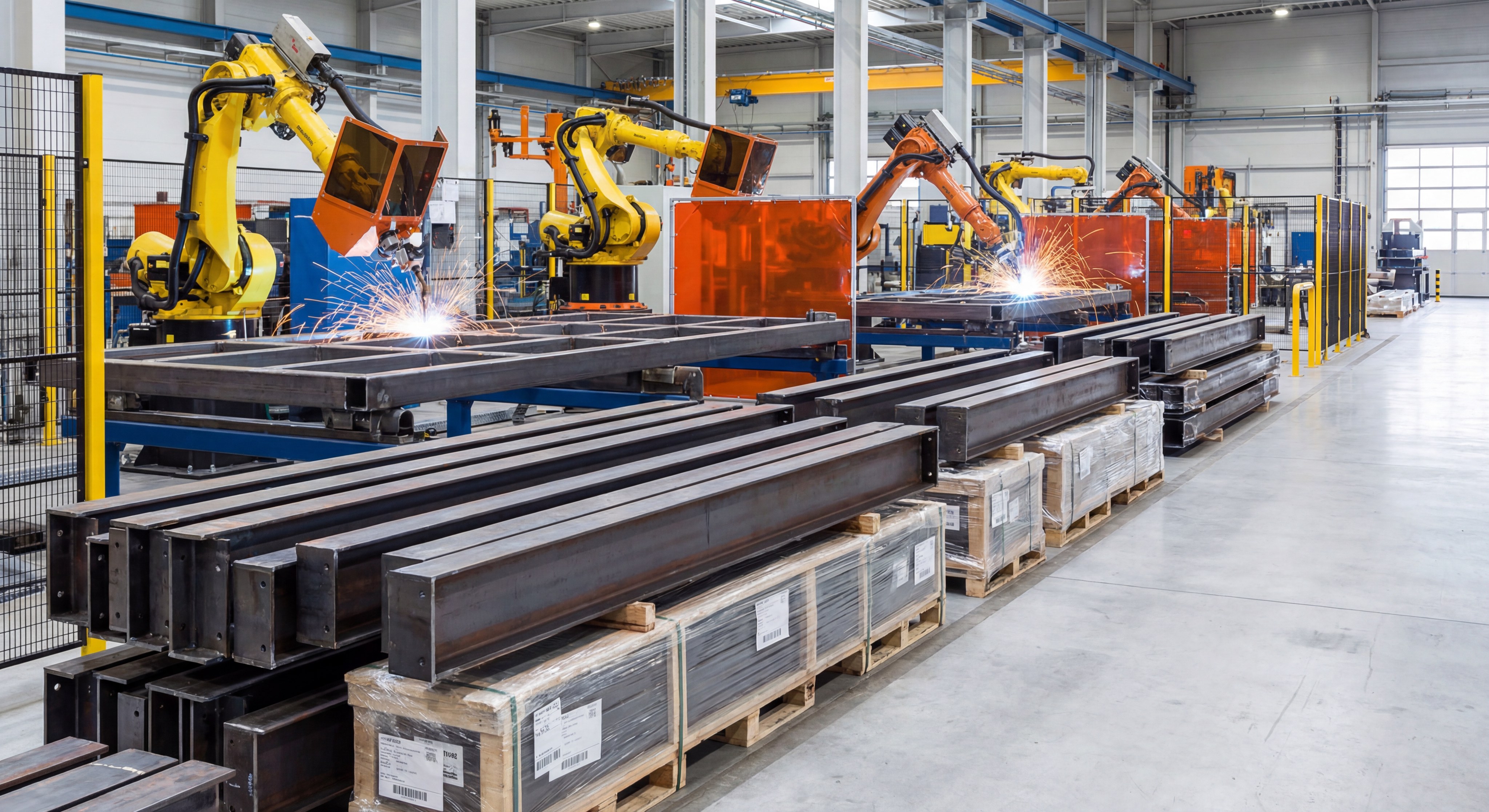
You can purchase a high-quality 40,000 sq ft warehouse kit directly from manufacturers to ensure factory-direct pricing and engineering compliance. Buying direct eliminates middleman markups and puts you in contact with the engineers who actually design your structure.
Finding Factory-Direct Suppliers
Why pay a middleman? Buying direct ensures you are communicating with the team who controls your material quality.
- Manufacturing Ownership: Look for suppliers with their own production facilities.
- Quality Control: Ensure the facility is certified for international welding and fabrication.
Evaluating Manufacturer Quality
Don’t settle: Check for third-party inspection options and mill test certificates for all raw materials.
- Global Experience: Suppliers who have delivered 1,000+ projects worldwide.
- Technical Support: Fast response times for your site installation questions.
Key Takeaway: Partnering with an experienced manufacturer reduces project risk and ensures that your building arrives ready for assembly with no missing parts.
| Supplier Criteria | Why It Matters | Showhoo Standard | |
|---|---|---|---|
| Direct Factory | No Markup Costs | 100% Owned Factory | |
| Engineering | Code Compliance | International Standards | |
| Support | Installation Guidance | Detailed Erection Manuals |
Direct manufacturer partnerships provide the most reliable path to a high-quality building that meets your local codes and budget.
Decision FAQ
Can I customize the height of my 40,000 sq ft warehouse?Yes, you can specify eave heights from 12 feet to over 40 feet to accommodate tall racking systems or specialized manufacturing machinery.
What’s the best way to prevent rust in a coastal area?Hot-dip galvanized coating is the gold standard for secondary structures, combined with a high-performance paint system for main frames to resist salt-air corrosion.
Can I add a second floor later?It is much more cost-effective to design for a mezzanine level during the initial engineering phase so the foundation and columns can support the added weight from day one.
How long does it take to ship a 40,000 sq ft kit?Fabrication typically takes 4 to 8 weeks after final design approval, with shipping times varying based on your specific global project location.
Can I erect the building myself?While a highly experienced crew can handle assembly, professional steel erectors are recommended to ensure structural safety and full warranty compliance.
Ready to start your expansion with a custom industrial facility? To get a precision quote and expert engineering support for your next large-scale project, contact us today .