
Building a 20,000 square foot warehouse is a complex logistical challenge that requires precise engineering to avoid significant cost overruns and structural delays. You may feel overwhelmed by the sheer volume of zoning requirements and material selections, but ignoring these factors today can result in a facility that fails to scale with your business growth tomorrow. By choosing a high-quality steel warehouse building , you provide your operations with a durable, cost-effective solution that streamlines construction and maximizes usable square footage.
Why is a steel warehouse building ideal for 20k sq ft?
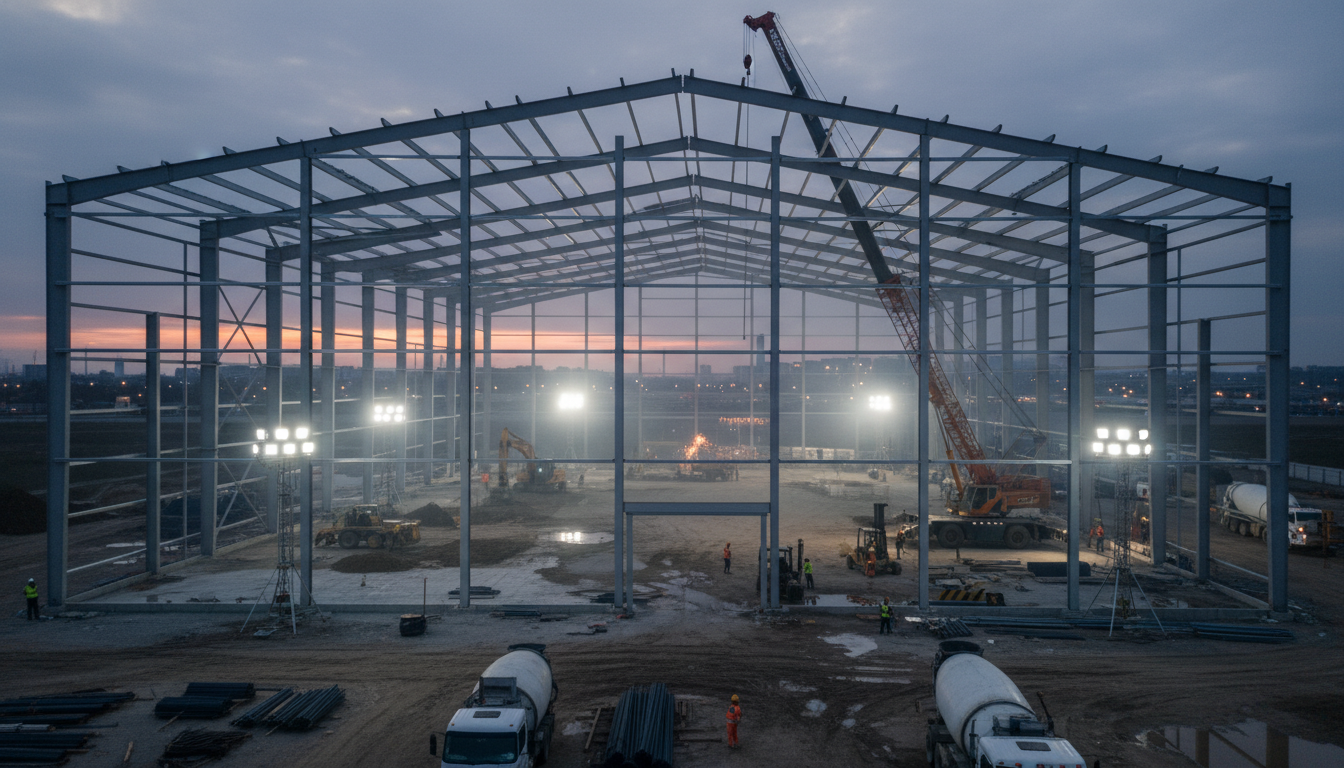
A steel warehouse building offers unparalleled clear-span capabilities that allow for massive open floor plans without the need for obstructive interior columns. This structural freedom is essential for 20,000 square foot facilities where racking efficiency and forklift maneuverability are top priorities.
What are the construction speed benefits?
The prefabricated nature of metal systems means that components arrive at your job site ready for immediate assembly. Because the pieces are cut and welded in a controlled factory environment, you experience fewer delays caused by on-site adjustments.
Think about it:
- Faster erection reduces your total labor costs significantly.
- Accelerated timelines allow you to begin operations months sooner.
- Precision engineering minimizes material waste during the build.
The best part? You can achieve a fully enclosed shell in nearly half the time required for traditional masonry.
Key Takeaway: Metal systems offer superior clear-span capabilities and faster assembly times compared to traditional tilt-up or masonry methods.
| Feature | Benefit for 20,000 Sq Ft | |
|---|---|---|
| Span Depth | Up to 100’+ without interior columns | |
| Build Time | 30-50% faster than traditional builds | |
| Maintenance | Minimal painting and structural upkeep |
Strategic planning of the structural frame is the first step toward achieving a high-performance industrial asset.
How much does a steel warehouse building cost for 20,000 sq ft?
Estimating the cost of a steel warehouse building involves balancing the price of raw materials with specialized labor and necessary site preparation. For a facility of this scale, many owners opt for steel building kits to find a balance between custom engineering and cost efficiency.
What influences foundation and labor expenses?
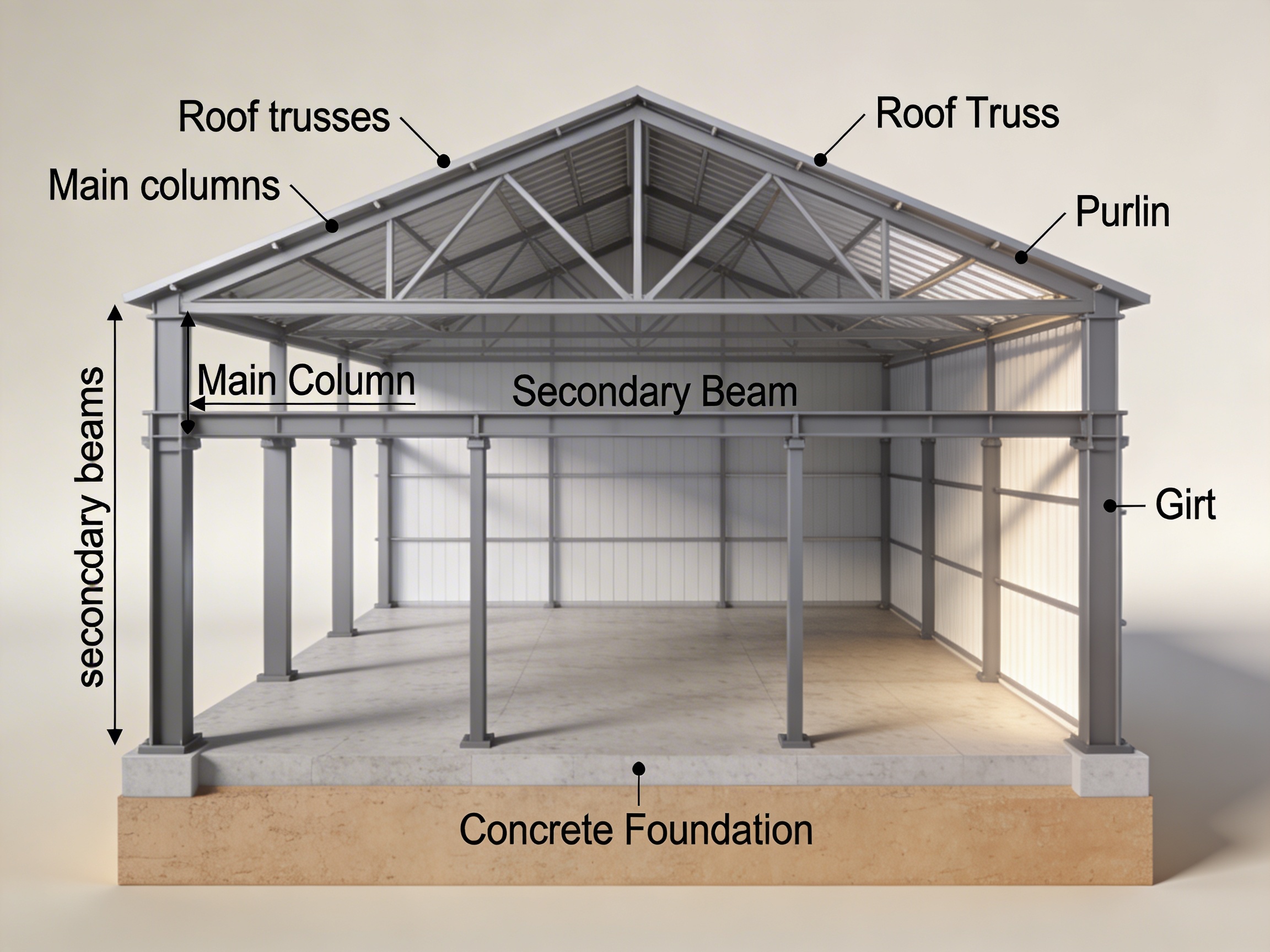
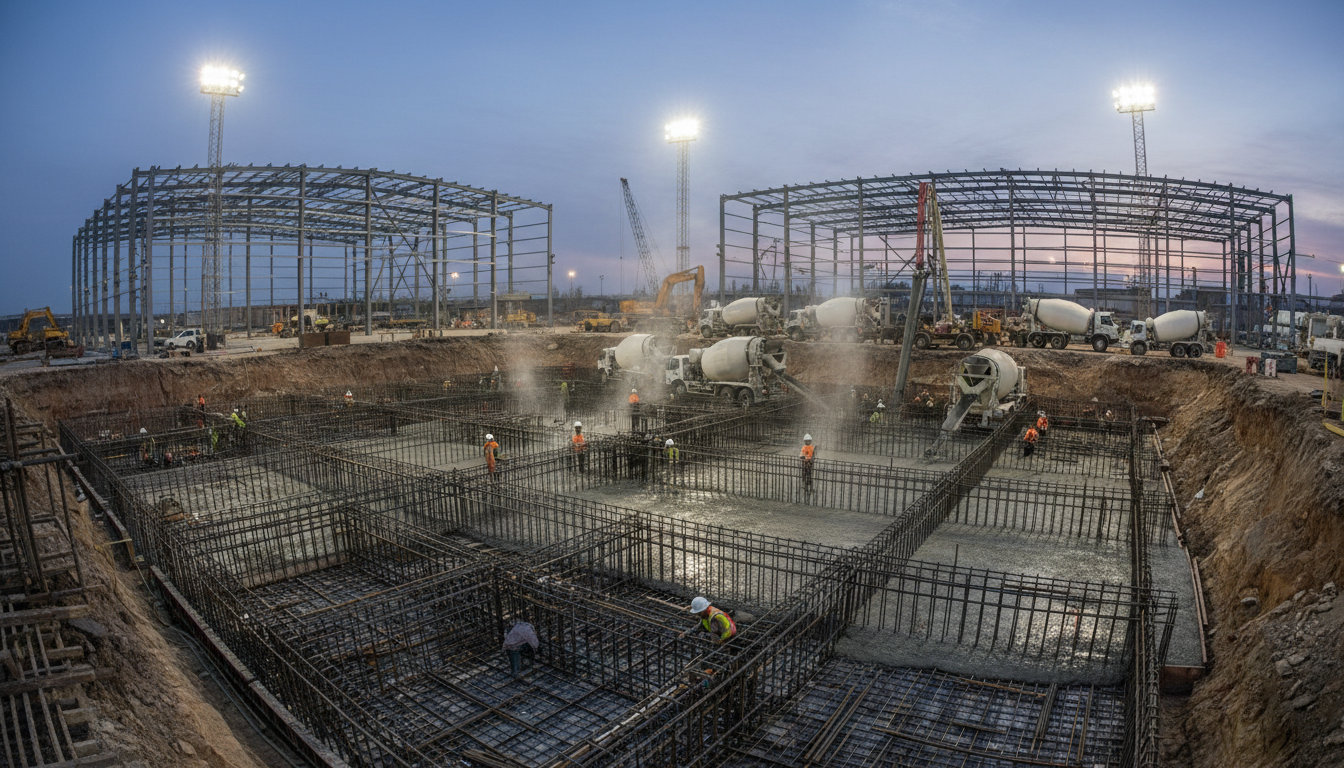
The foundation for a 20,000 square foot structure must be engineered to withstand both the weight of the steel and the dynamic loads of inventory and machinery. Labor rates vary by region, but specialized crews who understand metal erection can often work more efficiently than general builders.
The reality is:
- Soil quality directly impacts how much concrete you need to pour.
- Regional steel market fluctuations can affect your base quote monthly.
- Specialized equipment, like heavy-duty cranes, must be factored into the budget.
Check this out: Even a slight increase in eave height can significantly boost your storage cube without doubling your footprint cost.
Key Takeaway: While material costs fluctuate, the total investment is typically influenced most by site preparation and local labor rates.
| Cost Component | Estimated Percentage of Budget | |
|---|---|---|
| Steel Package | 25% – 35% | |
| Foundation/Slab | 15% – 20% | |
| Erection Labor | 20% – 25% |
Accurate budgeting at the outset prevents mid-project financing hurdles and ensures a smoother path to certificate of occupancy.
Why is a steel warehouse building better for interior flow?
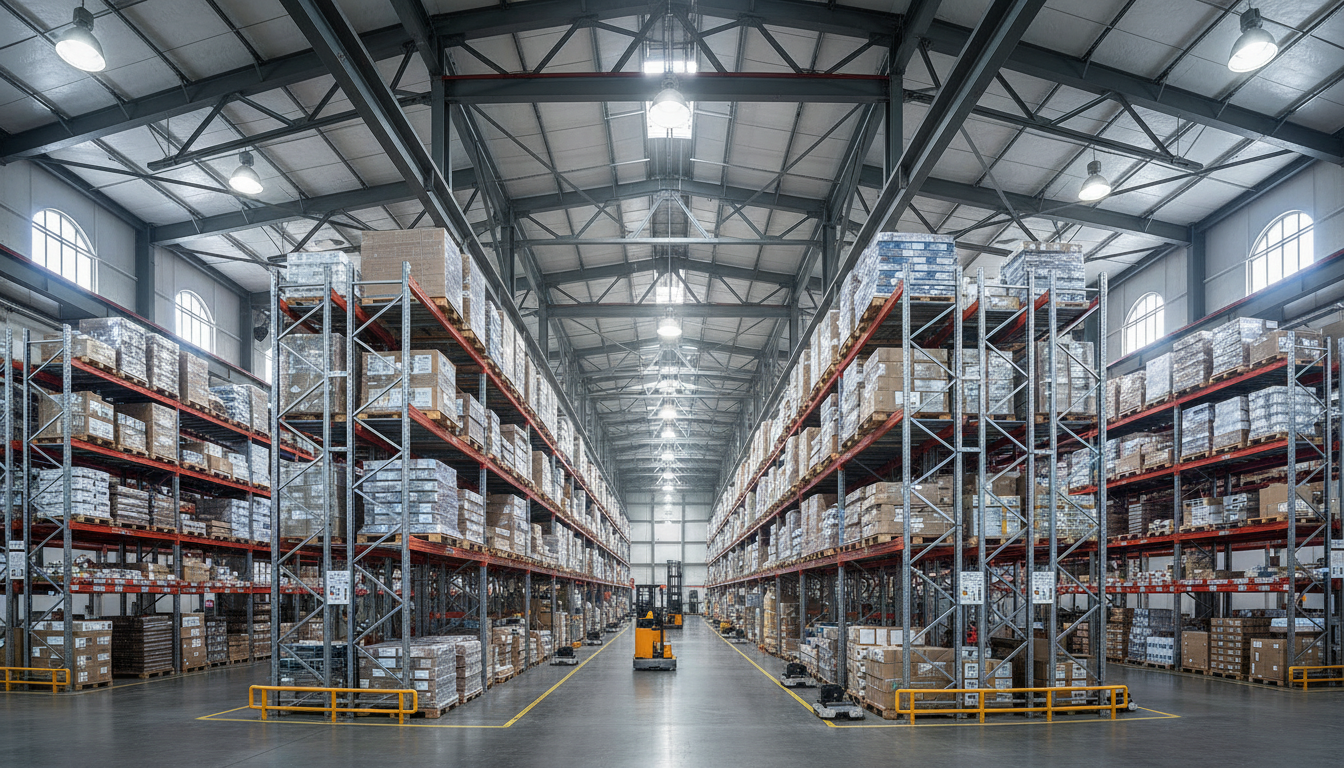
Designing a steel warehouse building allows for specialized layouts that prioritize the movement of goods and personnel. By utilizing industrial steel buildings expertise, you can integrate high-clearance bays that accommodate modern vertical racking systems effectively.
How do you optimize loading dock placement?
Loading docks should be positioned based on your specific logistics flow to prevent bottlenecks between receiving and shipping. In a 20k square foot space, creating a “U-shaped” or “Cross-dock” flow can maximize the speed of inventory turnover.
Consider these factors:
- Standard dock ratios usually suggest 1 dock per 5,000 square feet.
- Eave heights between 24 and 30 feet maximize your vertical storage potential.
- Bay spacing should be calculated based on your specific pallet rack dimensions.
Just imagine: A warehouse where every square foot is optimized for profit rather than wasted on poorly planned aisles.
Key Takeaway: Strategic placement of ingress and egress points ensures that logistics remain fluid as inventory volume increases.
| Design Element | Optimization Goal | |
|---|---|---|
| Dock Ratio | 1 dock per 5,000-8,000 sq ft | |
| Bay Spacing | Standardized for racking efficiency | |
| Eave Height | 24′ – 30′ for maximum vertical cube |
Efficiency in design translates directly into lower operational overhead once the doors finally open for business.
How do steel warehouse building frames handle heavy loads?
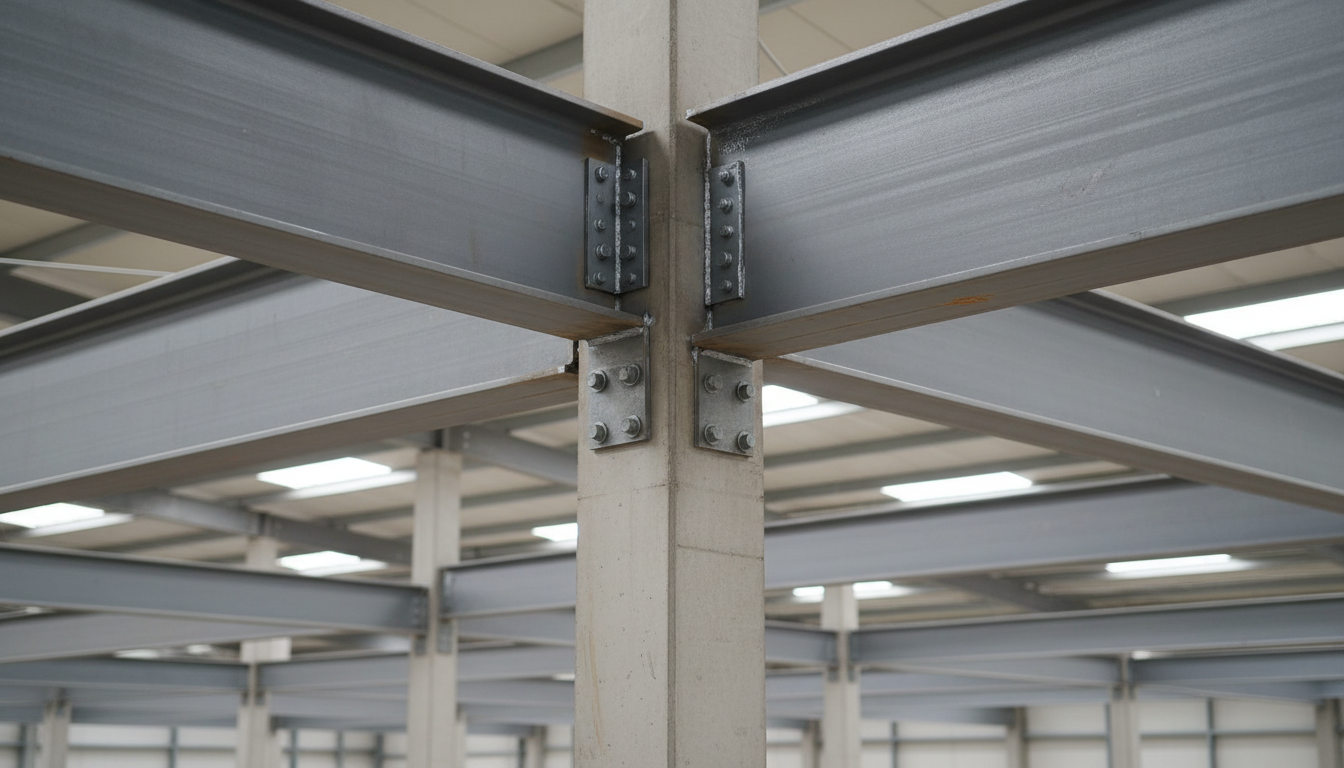
Every steel warehouse building is engineered to meet specific regional load requirements, including snow, wind, and seismic activity. High-strength I-beams and secondary members provide the skeletal integrity needed to support massive roof spans safely over a 20,000 square foot area.
What makes the frame so durable?
The use of high-grade structural steel ensures that the building will not warp, rot, or buckle under the pressure of industrial use. Modern coating technologies also protect the frame from oxidation and chemical exposure common in manufacturing environments.
Keep in mind:
- Bolted connections are often superior to on-site welding for long-term reliability.
- Rigid frame designs allow for the wide, column-free spans industries require.
- Cross-bracing can be strategically placed to ensure maximum wind resistance.
Believe it or not: A properly engineered steel frame can last twice as long as traditional wood-framed commercial buildings.
Key Takeaway: Metal systems offer superior clear-span capabilities and faster assembly times compared to traditional tilt-up or masonry methods.
| Feature | Benefit for 20,000 Sq Ft | |
|---|---|---|
| Span Depth | Up to 100’+ without interior columns | |
| Build Time | 30-50% faster than traditional builds | |
| Maintenance | Minimal painting and structural upkeep |
Understanding the technical strength of your structure provides peace of mind when housing expensive equipment or inventory.
Where is a steel warehouse building most effective?
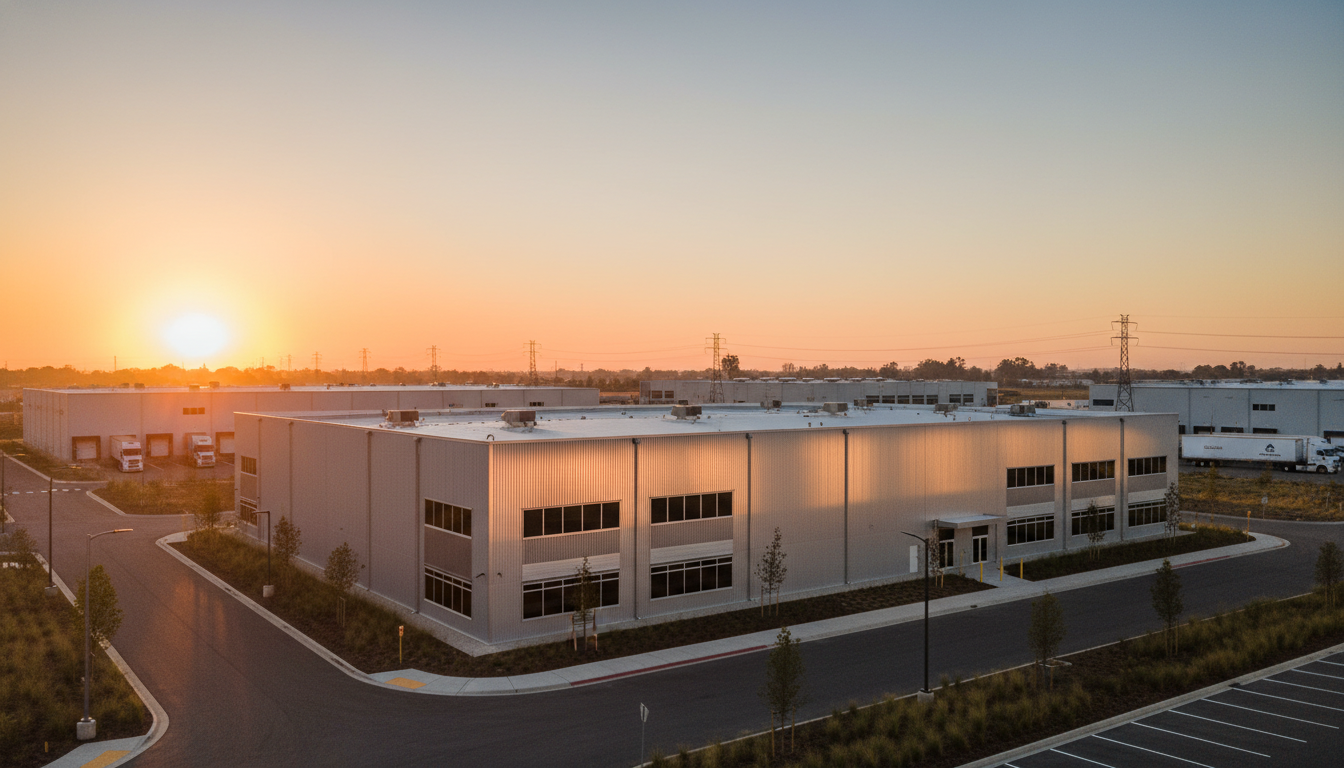
Selecting the right location for your steel warehouse building is as critical as the engineering itself. Factors such as soil stability and proximity to major transport hubs will dictate the long-term utility and ROI of your 20,000 square foot investment.
What are the zoning and permitting essentials?
Before you even order materials, you must ensure that your land is zoned for industrial use and can support the traffic of heavy transport vehicles. Local building codes may also dictate specific setbacks, aesthetic requirements, and drainage solutions for a building of this size.
Top considerations:
- Geotechnical soil reports determine if you need specialized piers.
- Proximity to utilities (power, water, sewer) can drastically change site costs.
- Future expansion plans should influence the initial placement on the lot.
Bottom line: The best building on a bad site will still lead to operational headaches and unexpected costs.
Key Takeaway: Site selection impacts more than just the build; it dictates long-term utility costs and transportation overhead.
| Site Factor | Impact Level | |
|---|---|---|
| Zoning | High (Determines use cases) | |
| Utility Access | Medium (Power/Water requirements) | |
| Soil Load | High (Impacts foundation depth) |
Securing a site with favorable logistics and soil conditions is a prerequisite for a successful industrial development.
Can a steel warehouse building be designed for sustainability?
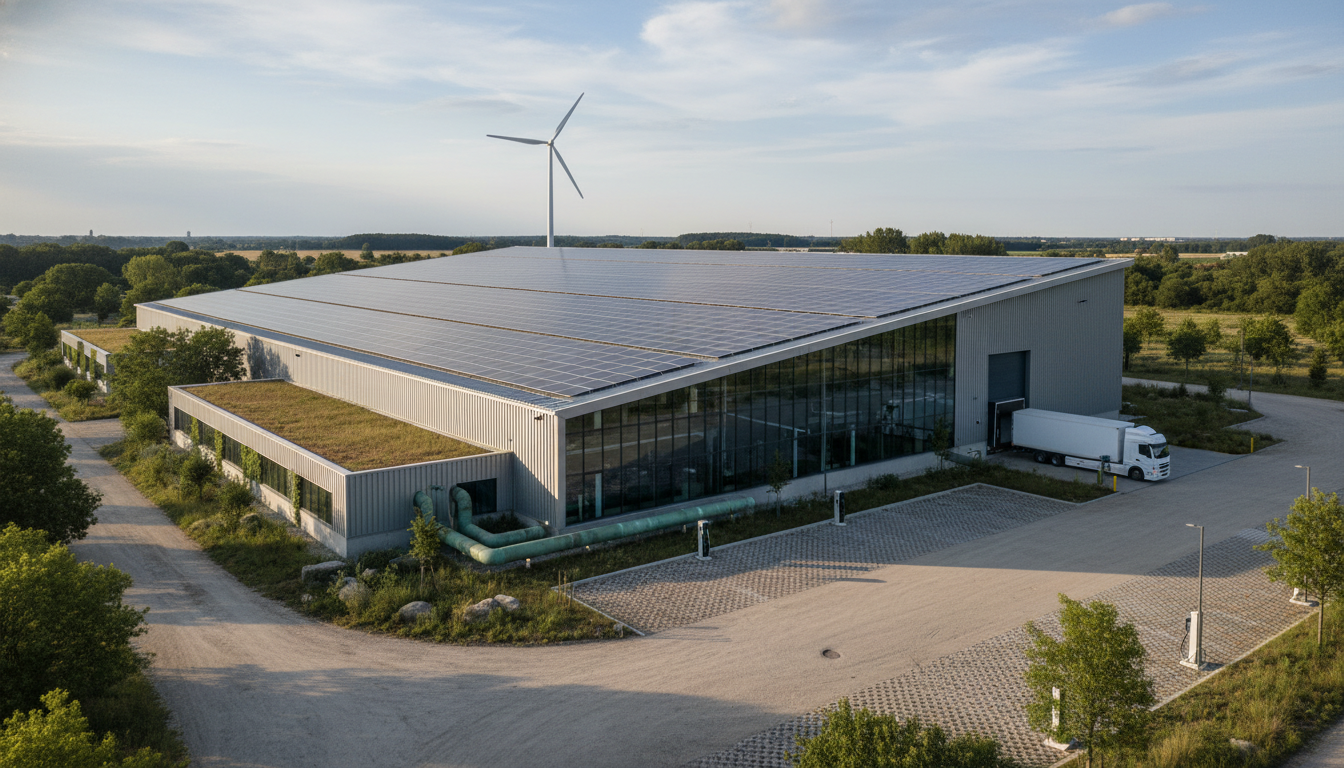
A steel warehouse building is inherently eco-friendly because steel is one of the most recycled materials on the planet. Owners of 20,000 square foot facilities can further reduce their footprint by integrating high-performance insulation and energy-efficient lighting.
How do solar-ready roofs and skylights help?
Modern metal roofs are perfect substrates for solar panels, allowing you to generate your own power for high-demand operations. Furthermore, the strategic use of polycarbonate skylights can reduce your reliance on artificial interior lighting during daylight hours.
Green advantages:
- “Cool roof” coatings reflect solar heat to lower your HVAC bills.
- High-R-value insulation creates a tight thermal envelope for climate control.
- Natural ventilation systems can be integrated into the ridge for airflow.
The results? Lower monthly energy costs and a building that meets increasingly strict environmental building codes.
Key Takeaway: Modern metal buildings can achieve high energy efficiency ratings through thermal breaks and reflective coatings.
| Green Feature | Primary Benefit | |
|---|---|---|
| Cool Roof | Reduces HVAC load by 15% | |
| Fiberglass Batts | High R-value thermal protection | |
| Polycarbonate Panels | Reduces electrical lighting needs |
Sustainable design is no longer just a trend; it is a strategic move to future-proof your facility against rising energy costs.
Why is a steel warehouse building naturally fire resistant?
A steel warehouse building provides a safer environment because steel is a non-combustible material that does not provide fuel for a fire. This inherent safety often leads to lower insurance premiums for 20,000 square foot facilities, as the structural risk is significantly diminished.
What are common passive fire protection measures?
While the steel itself won’t burn, protecting the structural integrity during a fire involves passive measures like intumescent paint or fire-rated drywalls. For a large 20k sq ft space, integrated sprinkler systems are usually a code requirement to protect the contents within.
Safety steps:
- Use fire-rated partitions to compartmentalize high-risk storage areas.
- Ensure all steel assemblies meet local UL (Underwriters Laboratories) ratings.
- Plan egress routes that meet the maximum travel distance codes for warehouses.
One thing to remember: Fire safety is about protecting lives and inventory, not just the building shell itself.
Key Takeaway: Steel is non-combustible, which often results in lower insurance premiums and enhanced safety ratings.
| Safety Measure | Description | |
|---|---|---|
| Intumescent Paint | Expands to protect steel from heat | |
| Fire Walls | Compartmentalizes the 20k sq ft space | |
| UL Ratings | Verification of assembly safety |
Prioritizing fire protection ensures your business can recover quickly even in the event of an emergency.
How to prepare a steel warehouse building for permits?
Getting a steel warehouse building approved requires a complete set of “stamped” engineering drawings that follow local building codes. Utilizing pre-engineered metal buildings simplifies this process because manufacturers provide the structural calculations needed for fast-track permitting.
What are the critical permit phases?
The permitting process typically moves from land use and environmental assessments to structural and electrical approvals. For a 20,000 square foot facility, you must also consider ADA compliance and fire department access as part of your application.
Don’t forget:
- Land use permits can take the longest, often requiring several months.
- Plumbing and mechanical permits are often separate from the structural shell.
- A final occupancy permit is required before you can move inventory inside.
Think about it: Starting the permit process early is the only way to ensure your construction timeline stays on track.
Key Takeaway: Securing early “Stamped” engineering drawings is critical for bypassing local regulatory bottlenecks.
| Permit Phase | Typical Timeline | |
|---|---|---|
| Land Use | 3 – 6 Months | |
| Structural | 1 – 2 Months | |
| Occupancy | Final Inspection Phase |
Effective project management during the permitting phase prevents costly work stoppages and legal complications.
Which insulation is best for a steel warehouse building?
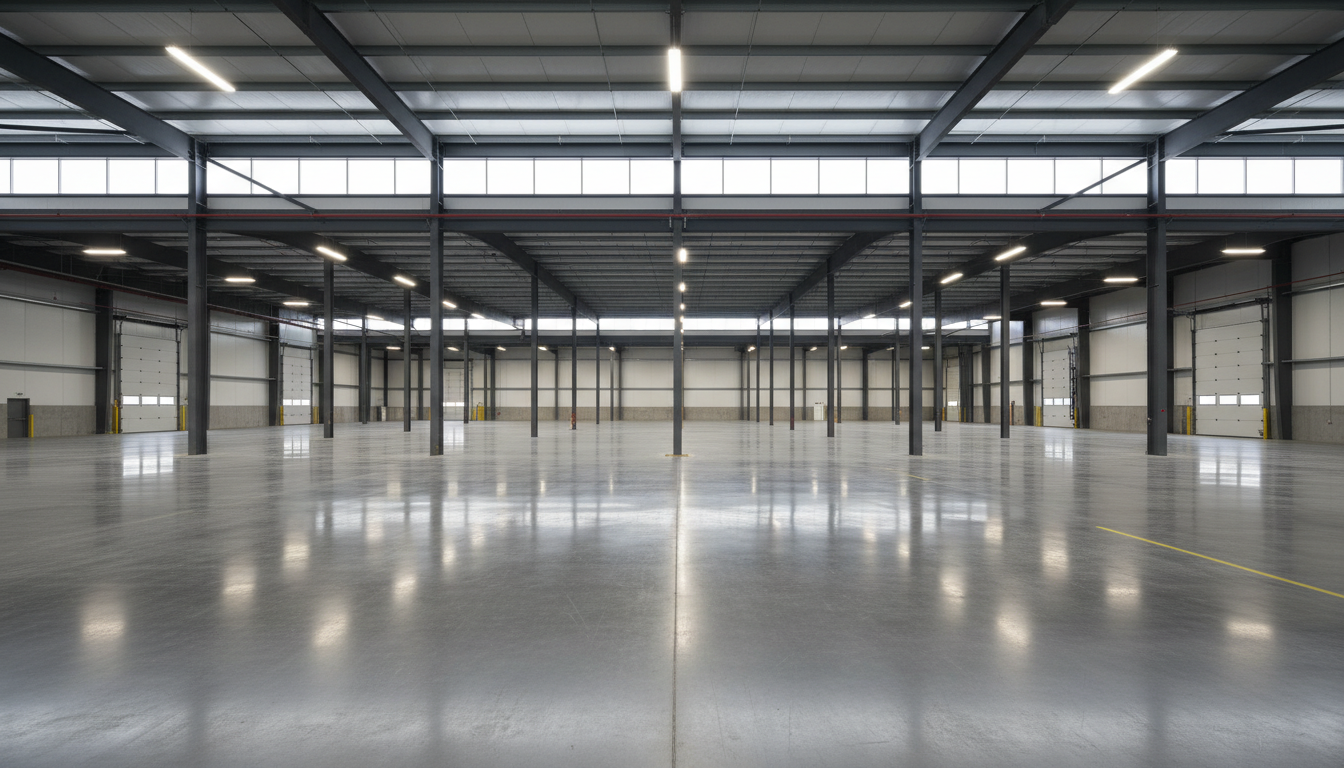
Insulating a steel warehouse building is essential for controlling condensation and maintaining a comfortable environment for workers. Without proper thermal protection, large 20,000 square foot metal structures can experience “sweating,” which eventually leads to corrosion.
Why is a vapor barrier a necessity?
In metal construction, a vapor barrier prevents moist air from reaching the cold steel surface, stopping the formation of water droplets. For climate-controlled warehouses, rigid foam or composite panels are often preferred over standard fiberglass blankets for their superior R-values.
Essential tips:
- Always choose insulation with a high-quality reinforced facing.
- Seal all seams with specialized tape to maintain the vapor barrier’s integrity.
- Consider thermal blocks between the purlins and roof panels to stop heat transfer.
The best part? Well-insulated buildings can save you thousands of dollars in annual climate control energy costs.
Key Takeaway: Proper insulation prevents condensation, which is the primary enemy of structural metal integrity.
| Insulation Type | Ideal Climate | |
|---|---|---|
| Fiberglass | Temperate / Dry | |
| Spray Foam | Humid / High Temperature | |
| Composite Panels | Extreme Cold |
Choosing insulation based on your local micro-climate is the most effective way to protect your structural investment.
Why hire experts for a steel warehouse building erection?
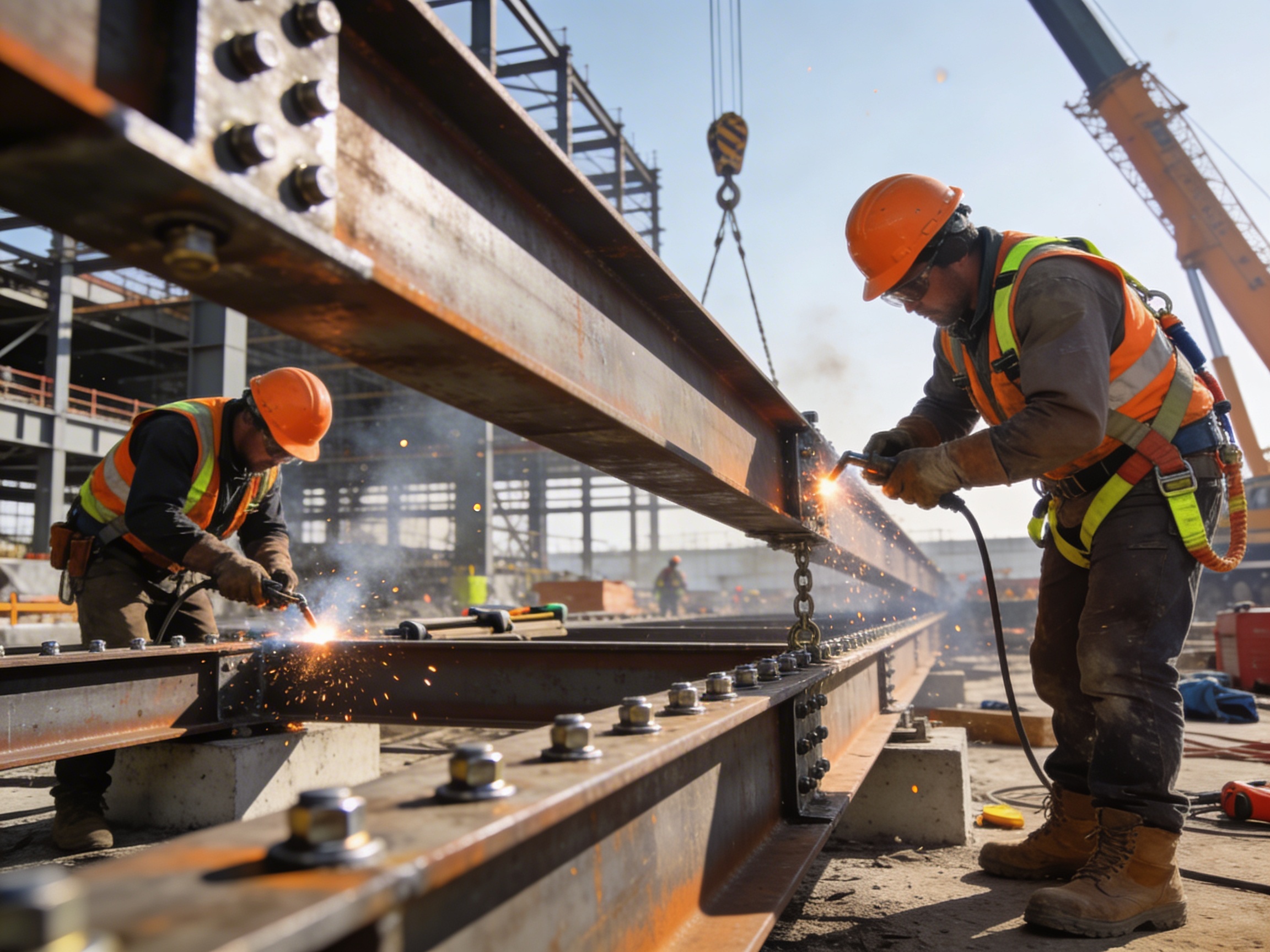
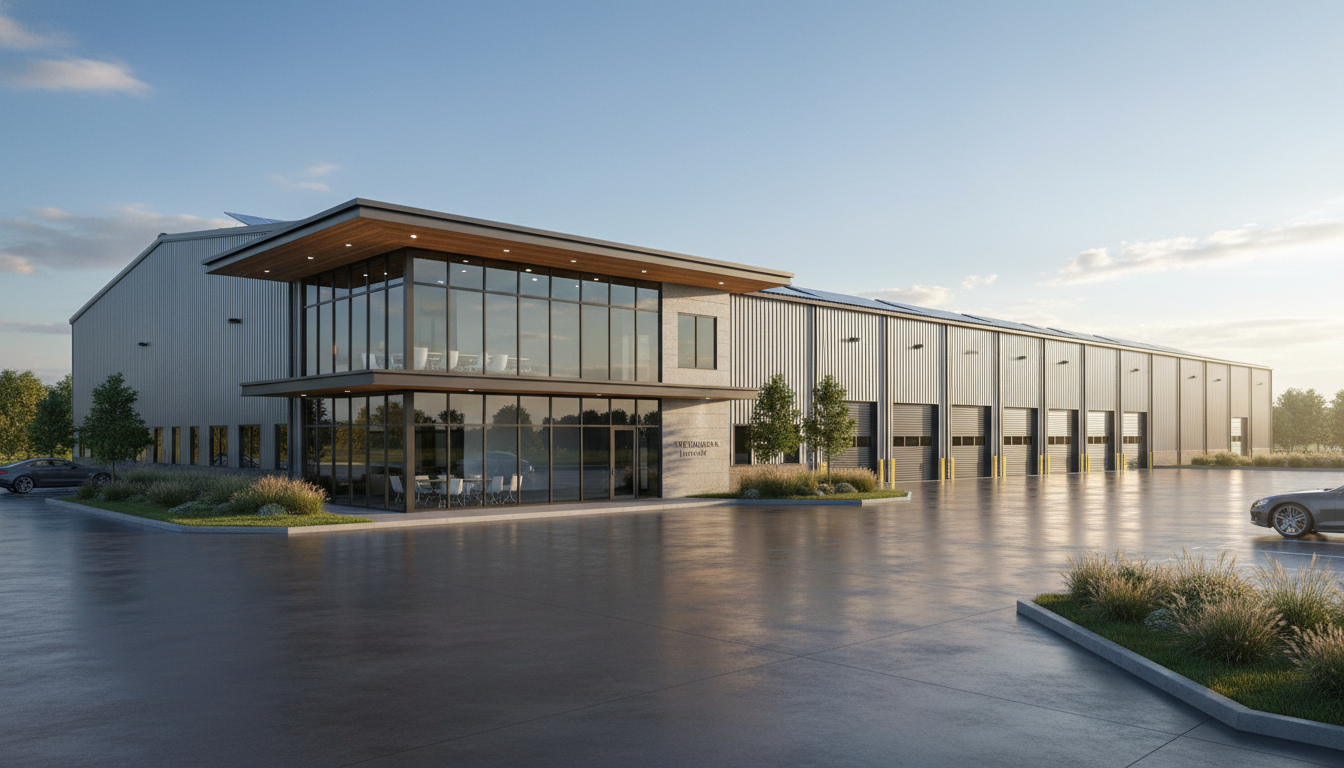
The assembly of a steel warehouse building requires specialized knowledge of heavy equipment and precision alignment. Working with a team that has access to genuine metal building components ensures your 20,000 square foot facility remains under warranty and structurally sound.
What should you look for in a contractor?
An experienced steel erector should have a proven track record, proper insurance/bonding, and a safety-first approach to the job site. While many consider general contractors, hiring a specialized steel crew can often lead to a more precise and faster finish.
Pro-level questions:
- Does the crew have experience with 100-foot-plus clear span frames?
- Can they provide a portfolio of completed industrial projects?
- Are they familiar with the specific manufacturer’s assembly requirements?
The truth is: Minor misalignments during the frame assembly can lead to major leaks and structural issues years down the line.
Key Takeaway: Hiring an experienced steel erector reduces the risk of structural misalignment and ensures warranty validity.
| Vendor Type | Pros | |
|---|---|---|
| General Contractor | Handles end-to-end management | |
| Erection Crew | Specialized speed and precision | |
| Consultant | Quality oversight and cost control |
Vetting your construction partners is the final safety net that guarantees your warehouse meets the highest industry standards.
FAQ
- Can I expand my facility later? Yes, the modular design of these buildings allows you to easily remove end walls for future expansion.
- What’s the best roofing profile for a 20k sq ft space? A standing-seam roof is often recommended to eliminate thousands of fastener holes and minimize leak potential.
- How do I know if I need a specialized foundation? A geotechnical soil report is professional necessity for determining if your building requires piers or a thickened slab.
- Can I customize the exterior aesthetics? Absolutely, as you can integrate glass, stone, or architectural panels to match local design codes.
- What’s the best way to handle ventilation? For 20,000 square feet, a mix of ridge vents and powered louvers provides a cost-effective natural airflow solution.
Conclusion
Building a 20,000 square foot warehouse is an ambitious move that can define your operational success for decades. By choosing a pre-engineered steel system, you ensure that your facility is durable, cost-effective, and fully adaptable to future market shifts. At Showhoo Building, we are dedicated to providing high-performance industrial structures that balance modern engineering with practical ROI. Our vision is to empower global logistics through superior design and manufacturing excellence. To take the first step toward your new facility, contact us today for a professional consultation and a customized project quote.