
Inside a highly functional chicken coop , you must have dry bedding, elevated roosting bars, secluded nesting boxes, clean feeding and watering systems, proper ventilation, and a secure predator-proof door. If you skimp on these essential components, your backyard flock will suffer from freezing drafts, high humidity, and extreme stress, which quickly stalls their daily egg production. You will find yourself constantly fighting persistent pests, cleaning up soggy waste, and treating completely preventable respiratory illnesses. Fortunately, setting up a secure, organized poultry habitat is straightforward when you design your layout with clear, biological-based zoning.
What is essential inside a chicken coop?
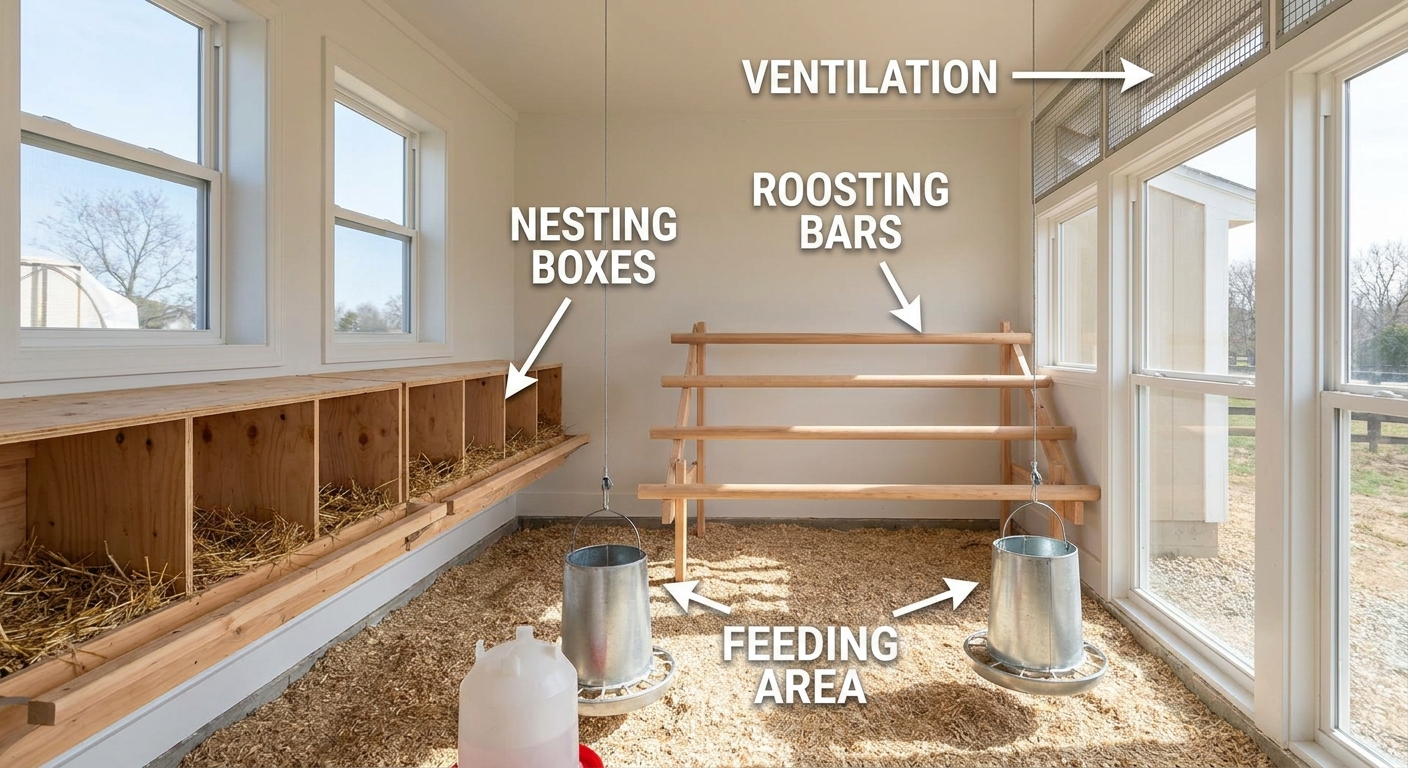
To design a highly functional poultry house, the most essential items inside your chicken coop are elevated roosting bars, dedicated nesting boxes, clean bedding, proper ventilation, and accessible feeding stations. These core biological components ensure your birds remain safe, healthy, and stress-free.
Proper interior zonation keeps waste separate from active eating and laying areas. This division reduces maintenance labor while ensuring your eggs remain clean and easy to collect.
How can you design an efficient internal layout?
Establishing distinct zones inside your birds’ home is the secret to a clean and harmonious environment. Think about it. When chickens are forced to sleep, eat, and lay in the exact same spot, territorial aggression increases and fecal contamination spreads rapidly.
You can easily prevent these common layout issues by separating your space:
- Resting Zone: Elevate your perches on the opposite side of the entry door.
- Laying Zone: Place nesting boxes in the darkest, lowest-traffic corner.
- Active Zone: Position your waterers and gravity feeders near the exit.
Key Takeaway: Proper interior zoning separates resting and active areas, which prevents fecal contamination of food and keeps your daily egg collection clean.
| Zone Type | Essential Equipment | Primary Purpose | Ideal Location | |
|---|---|---|---|---|
| Resting | Roosting Bars | Sleeping & Security | Highest point, opposite nesting boxes | |
| Laying | Nesting Boxes | Secure Egg-Laying | Darkest, quietest corners | |
| Active | Feeders & Waterers | Hydration & Nutrition | Opposite wall from roosting perches |
Determining the general layout is just the first step; you must also calculate the precise physical dimensions required for your specific birds.
How do you choose a chicken coop size?
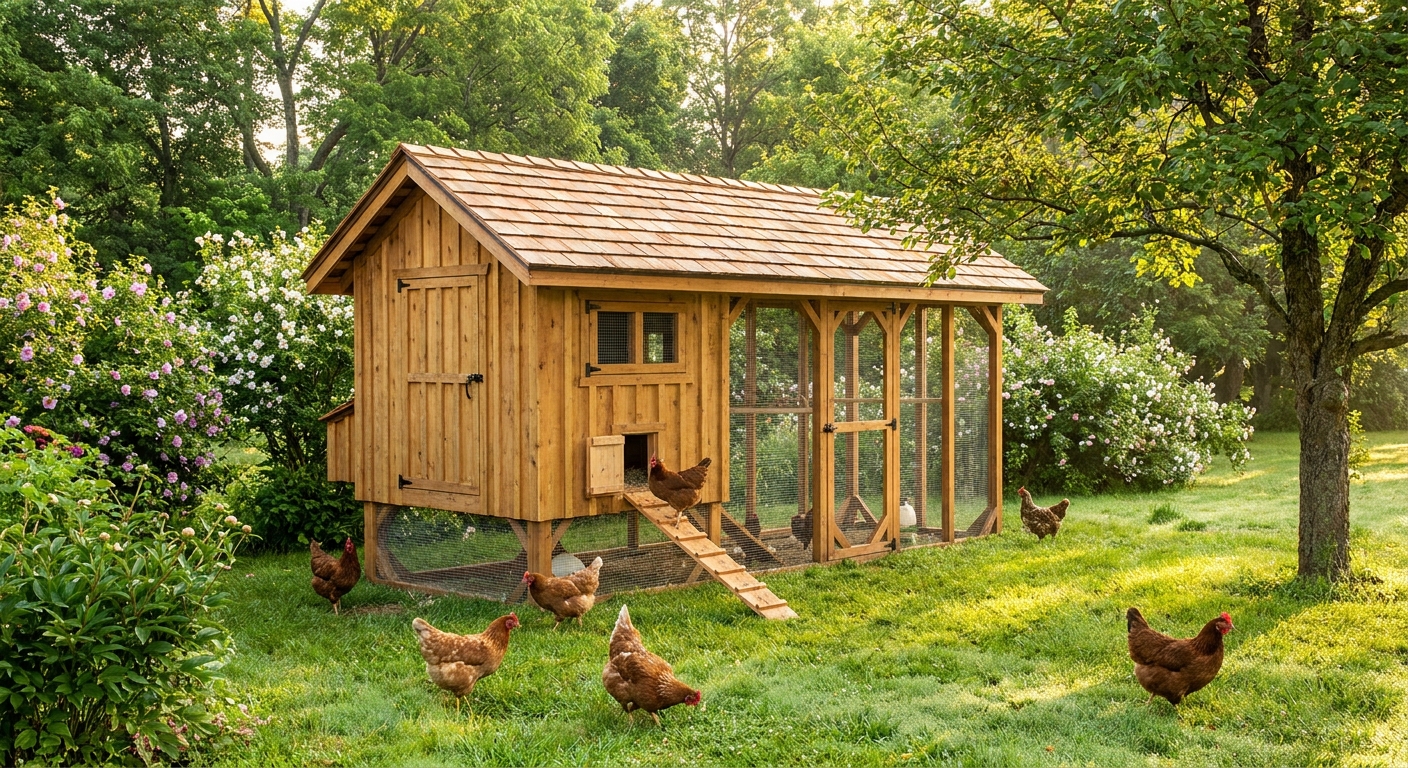
You should choose your chicken coop size by allocating at least 4 square feet of indoor space per standard-sized bird. Bantam breeds can thrive with 2.5 square feet, while heavy breeds require up to 6 square feet of floor space.
Providing sufficient room is critical to prevent territorial stress, aggression, and feather pecking. A cramped footprint also leads to rapid moisture buildup and high respiratory illness rates.
Why must you calculate exact space standards?
Selecting your dimensions based on your specific breed size prevents behavioral issues from developing in the first place. Here is the thing: a crowded floor plan is the fastest way to compromise your flock’s immune systems and ruin their laying cycles.
You must design your footprint according to these professional spatial rules:
- Bantams: Require 2.5 square feet of indoor space and 5 square feet of run space.
- Standard Breeds: Require 4 square feet of indoor space and 10 square feet of run space.
- Heavy Breeds: Require 6 square feet of indoor space and 15 square feet of run space.
Key Takeaway: Stocking density directly dictates flock health; always provide at least 4 square feet of indoor space per standard bird to prevent stress and respiratory diseases.
| Breed Category | Indoor Space (per bird) | Outdoor Run (per bird) | Minimum Roost Space | |
|---|---|---|---|---|
| Bantam | 2.5 Sq. Ft. | 5.0 Sq. Ft. | 8 Inches | |
| Standard | 4.0 Sq. Ft. | 10.0 Sq. Ft. | 10 Inches | |
| Heavy / Giant | 6.0 Sq. Ft. | 15.0 Sq. Ft. | 12 Inches |
Once the structural footprint is correctly sized, your attention must turn to where the birds will spend their sleeping hours.
Get a custom chicken coop built for healthier flocks today!
Email:sales@showhoo.com.cn
Phone/WhatsApp: + 86 186 7895 5927
Where should chicken coop roosts go?
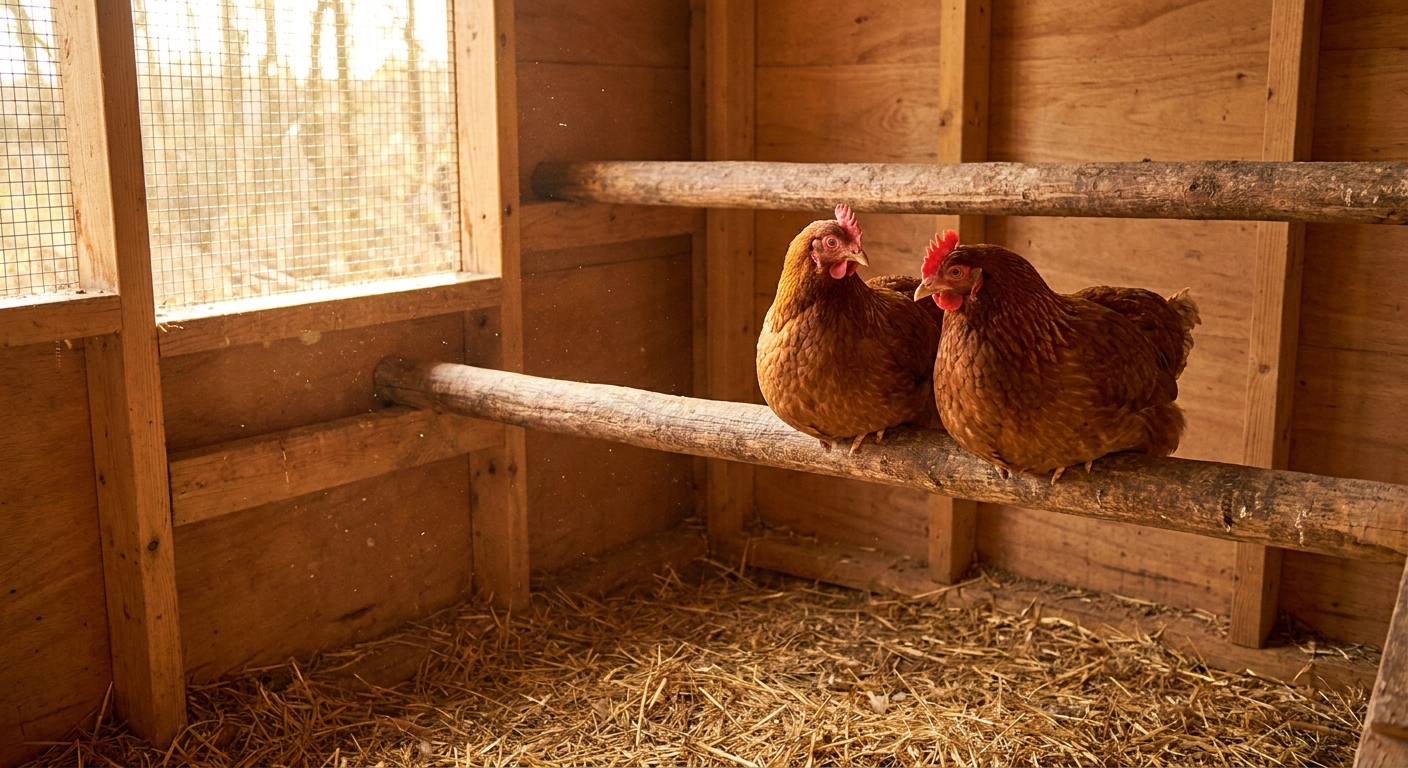
Your chicken coop roosting perches must be positioned higher than the nesting boxes to satisfy the birds’ natural instinct to sleep at the highest point. If you place them too low, hens will sleep inside their nests and cover them in waste.
Perches should be made from flat wooden boards to allow your birds to sit flat on their feet. This orientation protects their toes from freezing during harsh winter temperatures.
What is the best way to design secure perches?
Using narrow metal pipes or slick plastic poles can cause severe foot cramping and painful bumblefoot infections. Look at it this way: a flat wooden surface allows your chickens to completely cover their toes with their warm breast feathers.
You should implement these expert perch specifications:
- Material Choice: Use untreated 2×4 wooden boards with the wide side facing up.
- Spacing Distance: Maintain at least 12 inches of clearance from the back wall.
- Ladder Alignment: Space parallel bars 15 inches apart on a gradual angle.
Key Takeaway: Install flat, wooden 2×4 roosting bars higher than nesting boxes to keep laying areas clean and protect birds’ feet from winter frostbite.
| Perch Parameter | Best Practice | Acceptable Alternative | Avoid Completely | |
|---|---|---|---|---|
| Material | Untreated softwood (Pine) | Thick natural branches (3″ dia) | Metal piping, PVC, plastic | |
| Orientation | Flat 2×4 (3.5″ surface up) | Rounded 2×3 board | Thin round dowels (under 2″) | |
| Wall Distance | 12 inches of clearance | 15 inches from rear wall | Less than 10 inches |
While roosts dominate the nighttime layout, the morning hours require a dedicated, private space for egg production.
Why does a chicken coop need nesting boxes?
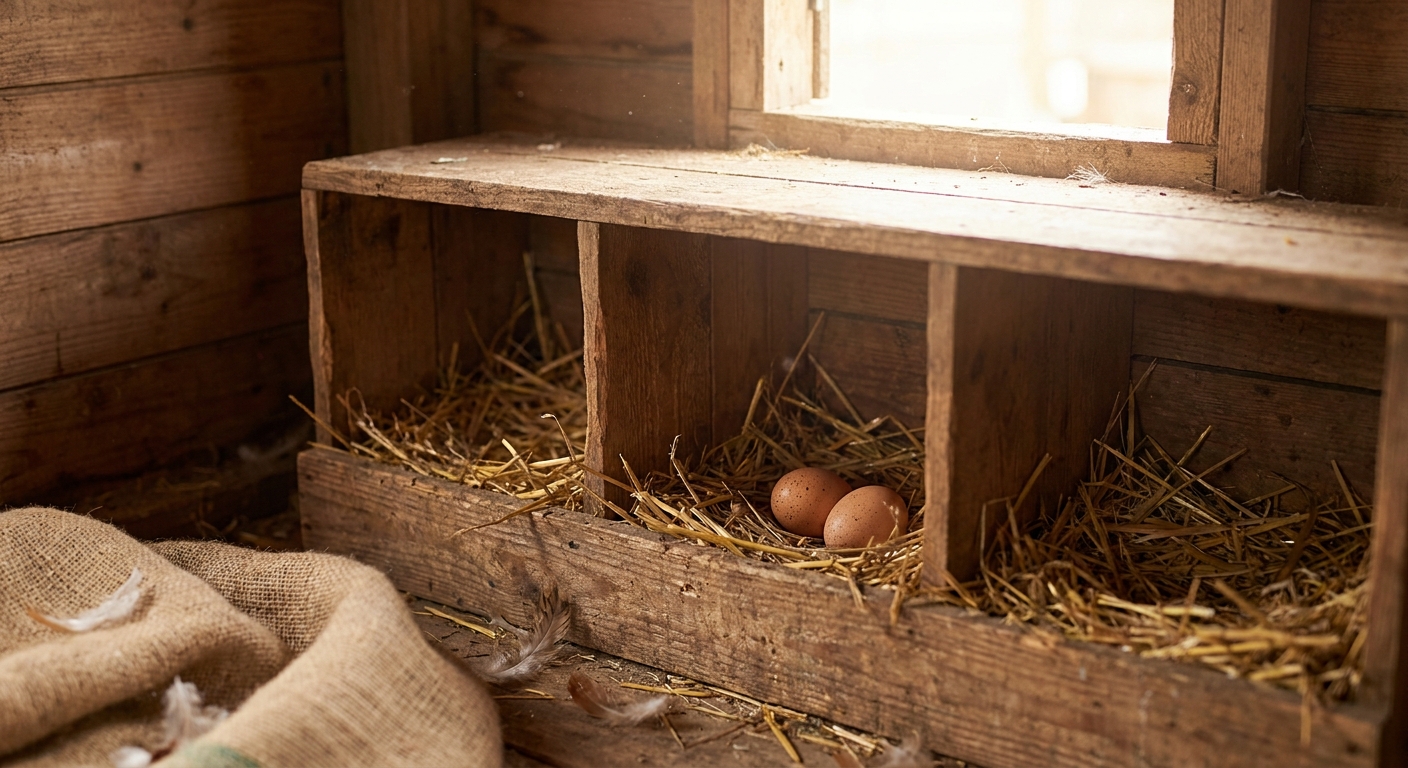
A chicken coop needs nesting boxes to provide your hens with a dark, secluded, and quiet sanctuary to lay their eggs. Without these dedicated cubbies, hens will lay in random dirt corners where eggs are easily broken or eaten by pests.
Providing a clean and private environment encourages consistent egg production and prevents territorial fighting. It also ensures your daily harvest remains clean and protected from feces.
How can you build a perfect egg-laying zone?
Hens require a secure space that mimics their ancestral instinct to hide their eggs from predators. Let’s face it: if your boxes are too bright or exposed, hens will reject them and seek out hidden spots in your yard.
You must build your laying stations using these proven metrics:
- Standard Dimensions: Create cozy 12″ x 12″ x 12″ wooden cubes.
- Front Retaining Lip: Install a 4-inch deep board to hold loose bedding inside.
- Sloped Box Roofs: Design a steep 45-degree roof pitch to prevent birds from sleeping on top.
Key Takeaway: Secure nesting boxes prevent eggs from breaking and keep them clean; maintain a ratio of one 12-inch cube for every 4 to 5 laying hens.
| Box Metric | Standard Hens | Large Breeds | Bantam Breeds | |
|---|---|---|---|---|
| Dimensions | 12″ x 12″ x 12″ | 14″ x 14″ x 14″ | 10″ x 10″ x 10″ | |
| Floor Height | 18 to 24 Inches | 12 to 18 Inches | 12 Inches | |
| Front Lip | 4 Inches | 5 Inches | 3 Inches |
Cushioning your nesting boxes is only a fraction of the equation; you must also manage the floor substrate of the entire interior.
How do you manage chicken coop bedding?
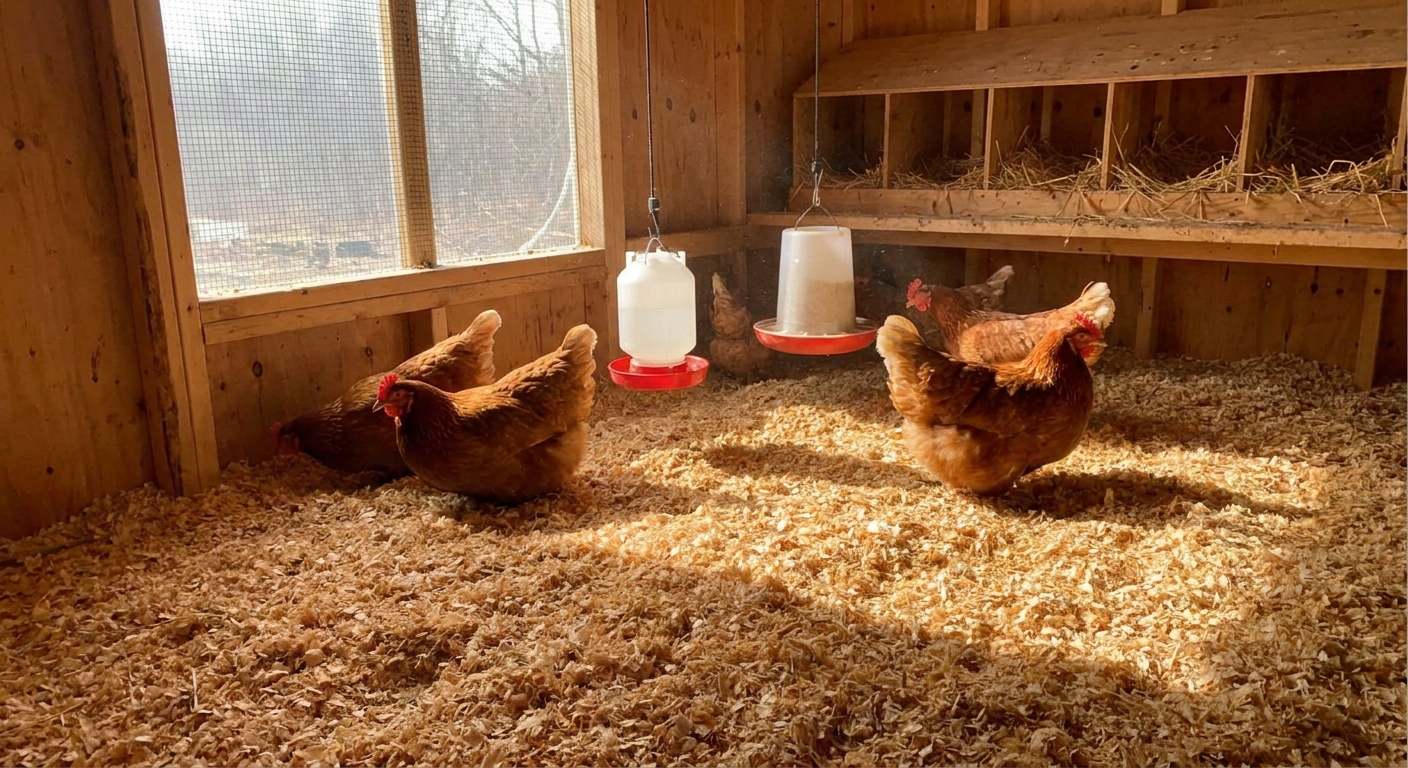
You should manage your chicken coop bedding by selecting highly absorbent, dust-free materials like pine shavings or hemp to control moisture and capture droppings. Bedding acts as a crucial sponge that neutralizes high nitrogen levels from feces.
Keeping the floor substrate dry prevents toxic ammonia fumes from building up and damaging your flock’s delicate lungs. It also provides essential insulation and cushioning from roost falls.
How do you choose between bedding methods?
Selecting the right bedding depends on your local climate, flock size, and physical maintenance schedule. Here is the deal: some materials rot quickly when exposed to spilled water, while others create a highly stable, self-composting ecosystem.
You can select the ideal floor strategy for your project:
- Pine Shavings: Highly affordable, easy to scoop, and naturally aromatic.
- Hemp Bedding: Extremely low dust, highly absorbent, and lasts for months.
- Deep Litter Method: Layer dry bedding continuously to create a warm winter compost floor.
Key Takeaway: Use highly absorbent pine shavings or hemp bedding to control moisture, and avoid toxic cedar wood entirely to protect your birds’ lungs.
| Bedding Type | Absorbency | Dust Level | Mold Resistance | Best Use Case | |
|---|---|---|---|---|---|
| Pine Shavings | High | Low | Moderate | Standard coop floors & nests | |
| Hemp Bedding | Very High | Extremely Low | High | Deep litter systems | |
| Chopped Straw | Low | Medium | Low | Winter insulation |
Absorbent bedding controls floor moisture, but you still need a dedicated airflow strategy to exhaust the humid air rising from it.
Which chicken coop ventilation is best?
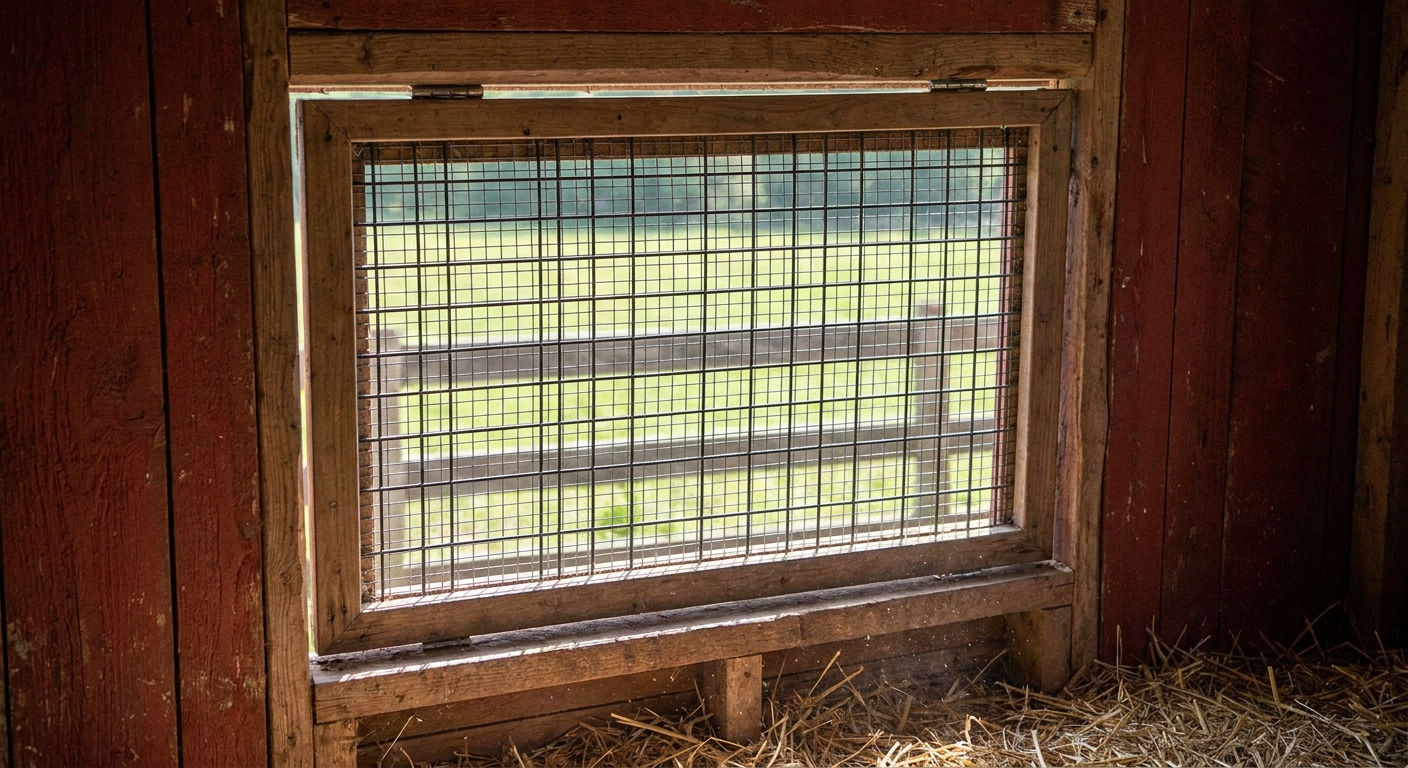
The best chicken coop ventilation system uses high ridge vents and open soffit vents positioned well above the level of the sleeping birds. This setup allows warm, humid, ammonia-laden air to rise and escape without creating cold drafts directly on your roosts.
Chickens release massive amounts of moisture through their breath, which must be constantly vented out. If trapped inside, this moisture condenses on their combs and wattles, causing severe winter frostbite.
How do you secure drafts and maintain warmth?
Achieving constant air exchange without chilling your flock requires placing your vents high up near the roofline. Make no mistake: sealing up your structure completely in the winter is a fatal mistake that traps respiratory toxins inside.
You should structure your ventilation apertures using these principles:
- High Placement: Always position primary vents at least 12 inches above the highest perch.
- Adjustable Controls: Install louvered panels that you can close during heavy windstorms.
- Predator Barriers: Double-lock every vent opening with heavy steel hardware cloth.
Key Takeaway: Place adjustable ventilation openings high above the roosting bars to remove moisture and ammonia without exposing sleeping birds to drafts.
| Vent Style | Placement | Winter Role | Protective Screen | |
|---|---|---|---|---|
| Soffit Vents | Under the eaves | Continuous intake | 1/2″ Steel hardware cloth | |
| Ridge Vents | Peak of roof | Continuous exhaust | Integrated metal mesh | |
| Gable Vents | High side walls | Exhaust support | Louvered panels with mesh |
Venting your coop keeps the air fresh, but those open pathways can invite unwanted guests if they are not heavily fortified.
Get a custom chicken coop built for healthier flocks today!
Email:sales@showhoo.com.cn
Phone/WhatsApp: + 86 186 7895 5927
How can you protect a chicken coop from pests?
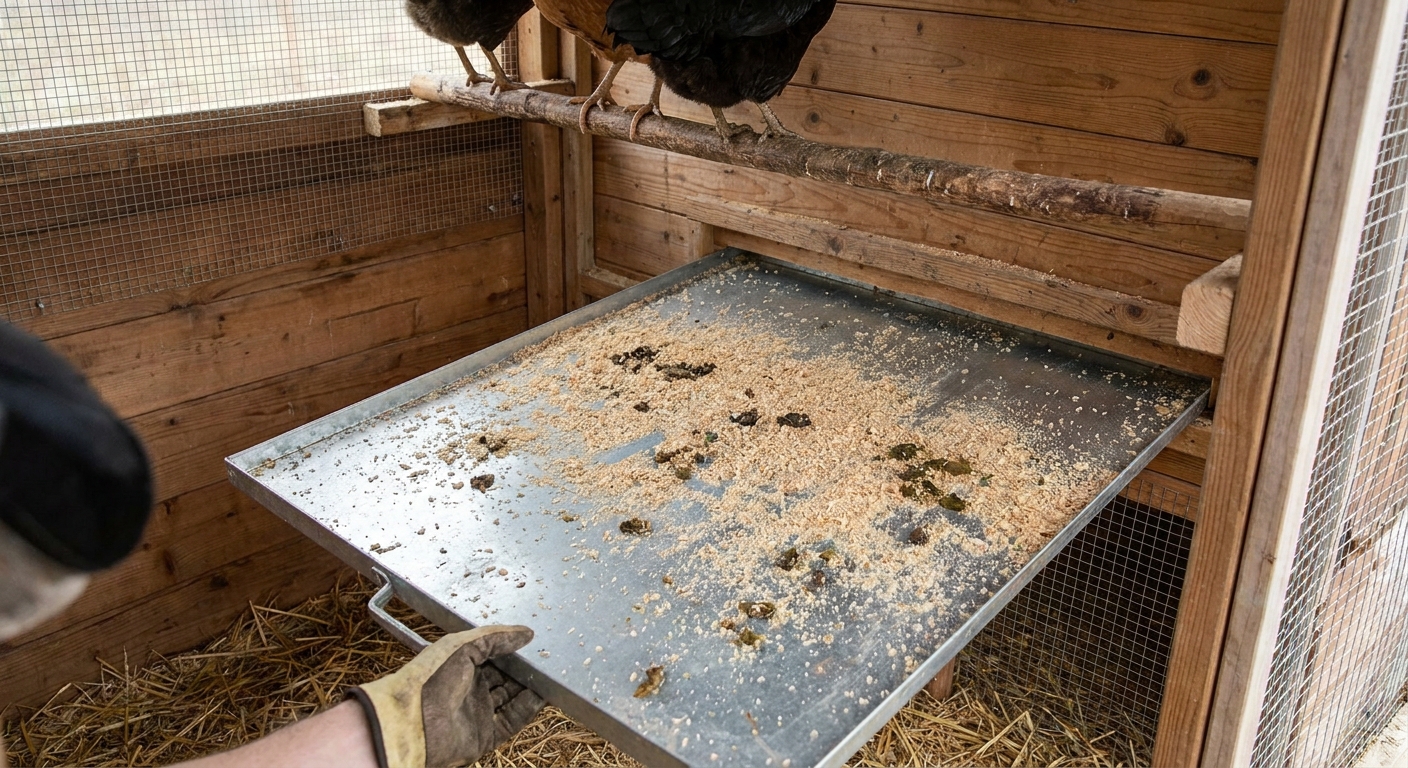
You can protect your chicken coop from pests by covering all ventilation gaps with 1/2-inch steel hardware cloth and installing double-action locking latches on doors. Standard chicken wire is too weak to stop raccoons, weasels, or persistent rodents.
Establishing a solid perimeter barrier and using secure latches is the only way to prevent nighttime break-ins. Keeping the interior dry and clean also removes the visual and scent cues that attract pests.
What are your best options for pest defense?
Clever predators like raccoons can open simple slide bolts, while small weasels can squeeze through tiny one-inch openings. Think about it: installing heavy-duty physical barriers during assembly is much easier than dealing with a tragic loss later.
You should implement these physical security measures:
- Steel Mesh Apron: Lay hardware cloth 18 inches deep along the exterior to block digging animals.
- Droppings Board: Install a removable metal waste tray to quickly discard nocturnal droppings.
- Secure Latches: Use spring-loaded carabiners or padlocks on all nesting box doors.
Key Takeaway: Prevent predator breaches by securing all openings with heavy-duty steel hardware cloth and using secure double-action latches on every door.
| Predator Class | Access Strategy | Minimum Entry | Mitigation Standard | |
|---|---|---|---|---|
| Weasels | Squeezing & Climbing | 1-inch gap | 1/2-inch steel hardware cloth | |
| Raccoons | Latch manipulation | Simple slides | Dual-action locking carabiners | |
| Foxes / Dogs | Subterranean digging | Under-wall gap | 18″ deep L-shaped wire apron |
Securing the outer perimeter keeps pests away, but you must also manage the food and water stations inside to avoid attracting them.
Where should chicken coop feeders be placed?
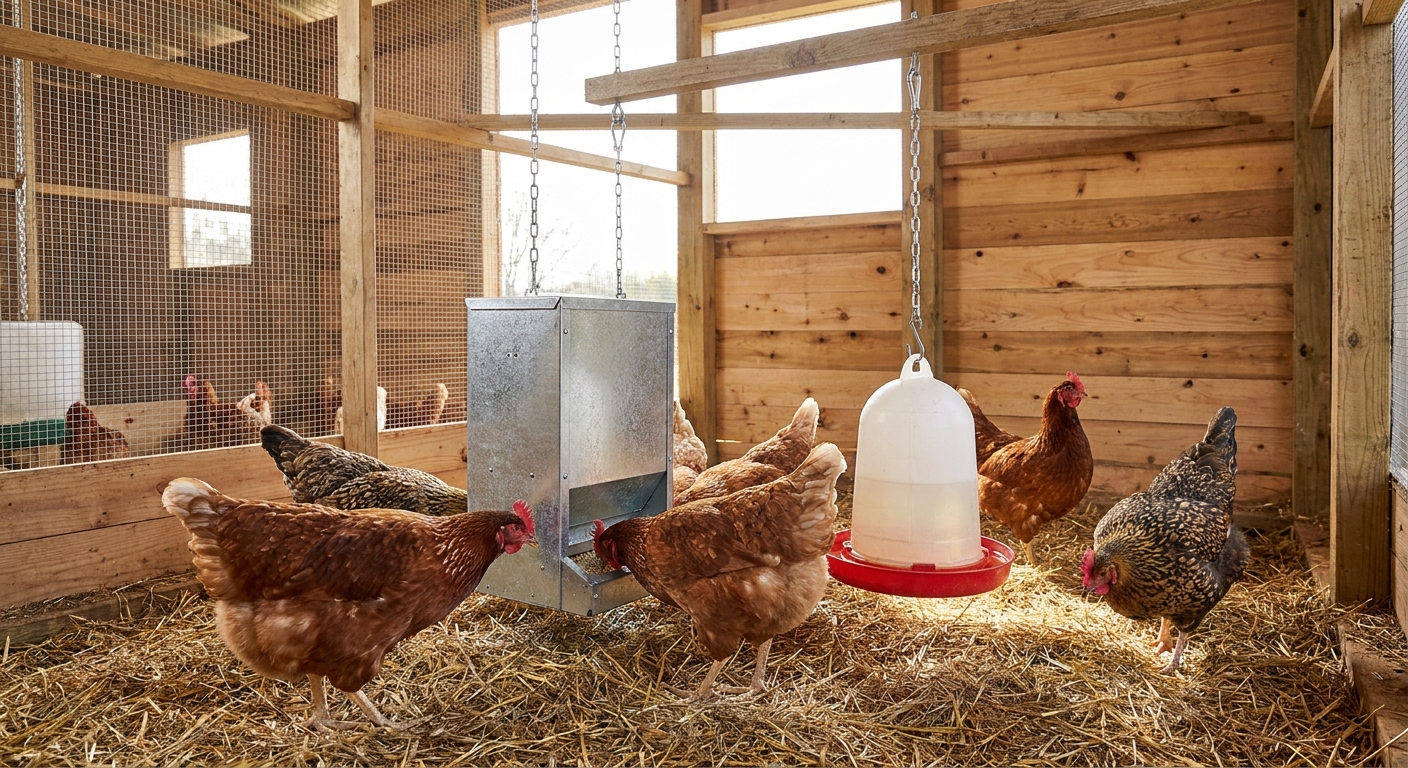
You should place your chicken coop feeders and waterers in a raised active zone opposite the roosting perches, hanging them at the height of your birds’ backs. Elevating these stations prevents the birds from scratching dirty bedding or feces into their nutrition.
Keeping waterers raised also prevents moisture from spilling onto the floor and generating toxic mold. Using specialized gravity-fed or treadle designs is highly recommended to stop wild pests.
How do you design a clean watering platform?
Standard ground-level bowls are quickly filled with flying pine shavings, dirt, and nocturnal pests. Here is the thing: a raised, suspended delivery system is the only way to guarantee your flock receives clean, pathogen-free water daily.
You must build your active stations using these steps:
- Suspension Lines: Hang feeders using heavy steel chains to allow easy height adjustments.
- Water Nipple Systems: Use closed vertical drinking nipples to eliminate open, dirty pools.
- Treadle Food Storage: Install a step-on feeder that remains completely sealed when not in use.
Key Takeaway: Elevate feeders and waterers to the height of your birds’ backs to keep food clean and prevent mold-causing water spills on the floor.
| Feeding System | Placement | Spillage Risk | Pest Protection | |
|---|---|---|---|---|
| Treadle Feeders | Floor-mounted | Low | Very High (Requires bird weight) | |
| Enclosed PVC | Wall-mounted | Extremely Low | High (Deep ports block pests) | |
| Suspended Dome | Over chain line | Medium | Low (Accessible to rodents) |
Feeding stations keep your flock energized, but they also require dedicated areas for grooming and hygiene to stay completely parasite-free.
Why is a chicken coop dust bath crucial?
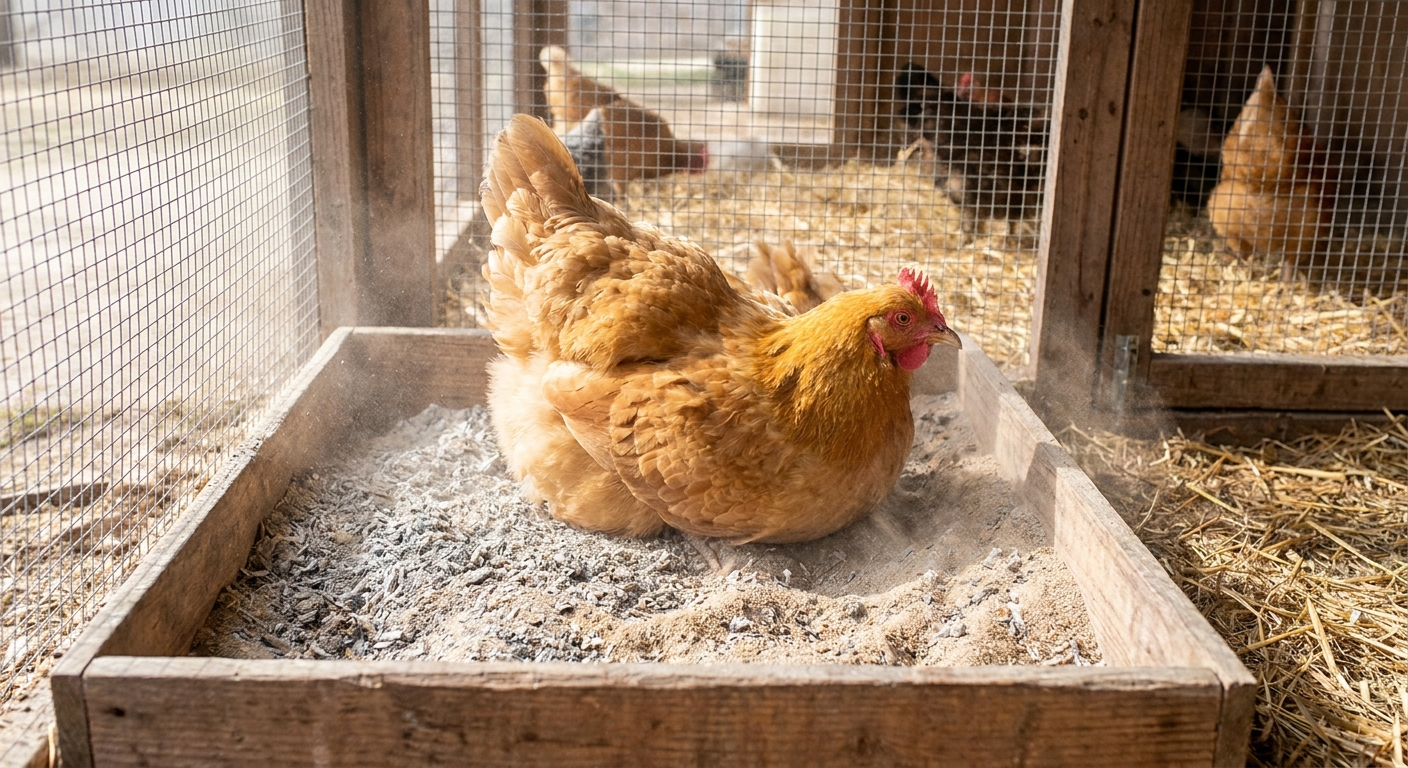
A chicken coop dust bath is absolutely crucial because it functions as your flock’s natural defense against external parasites like mites and lice. Dusting allows birds to clean their feathers, absorb excess skin oils, and maintain healthy skin.
Providing a dedicated grooming container prevents hens from digging deep, destructive holes in your floor bedding. It is an essential component for keeping your birds comfortable and stress-free.
How do you mix an organic pest-fighting bath?
Creating an effective parasite-fighting powder is highly affordable and prevents the need for harsh chemical treatments. Believe it or not: a simple mixture of dry sand, natural wood ash, and diatomaceous earth is all your flock needs to stay clean.
You can mix this highly effective organic recipe:
- Fine Construction Sand (50%): Provides excellent abrasive scrubbing action.
- Clean Wood Ash (30%): Contains natural carbon and salts that repel pests.
- Diatomaceous Earth (20%): Pierces the protective shells of crawling insects.
Key Takeaway: Provide a dedicated dust bath box containing sand, wood ash, and a touch of diatomaceous earth to prevent external mite and lice infestations naturally.
| Bath Ingredient | Primary Benefit | Ideal Proportion | Safety Note | |
|---|---|---|---|---|
| Fine Sand | Scrubs feathers clean | 50% of mix | Avoid playground sand (too dusty) | |
| Clean Wood Ash | Absorbs oils & deters pests | 30% of mix | Use only untreated hardwood ash | |
| Food-Grade DE | Kills mites on contact | 20% of mix | Wear a mask when mixing to avoid dust |
While grooming keeps your flock healthy during the day, managing their internal biological clocks during the dark winter months requires a smart lighting plan.
What are common chicken coop design FAQs?
Understanding the best practices for chicken coop design can be challenging for B2B agricultural project managers and homestead builders alike. Addressing these common structural questions ensures your flock remains healthy, safe, and productive throughout the year.
By exploring these expert answers, you will discover how to optimize space, bedding, and safety. Let us address the most important design questions to make your poultry project a success.
Can I use cedar shavings inside my chicken coop?
No, you should never use cedar shavings as floor bedding. Cedar wood contains strong natural oils and phenols that are highly toxic to poultry, causing severe respiratory issues and chronic eye irritation. Instead, you must stick to dust-free pine shavings or natural hemp bedding to keep your flock healthy and comfortable.
What’s the best height for chicken coop roosts?
The optimal height for roosts is between 18 and 36 inches off the floor. This elevation satisfies your birds’ natural instinct to sleep high off the ground while preventing heavy breeds from injuring their feet when they jump down. Placing them at this height also makes it easy to install a waste droppings board underneath.
How do I know if my chicken coop is overcrowded?
You will know your coop is overcrowded if you notice behavioral issues like feather pecking, egg eating, or continuous fighting. When birds lack space, they become highly stressed, and ammonia from concentrated feces builds up rapidly. Always ensure each standard bird has at least 4 square feet of dedicated indoor space.
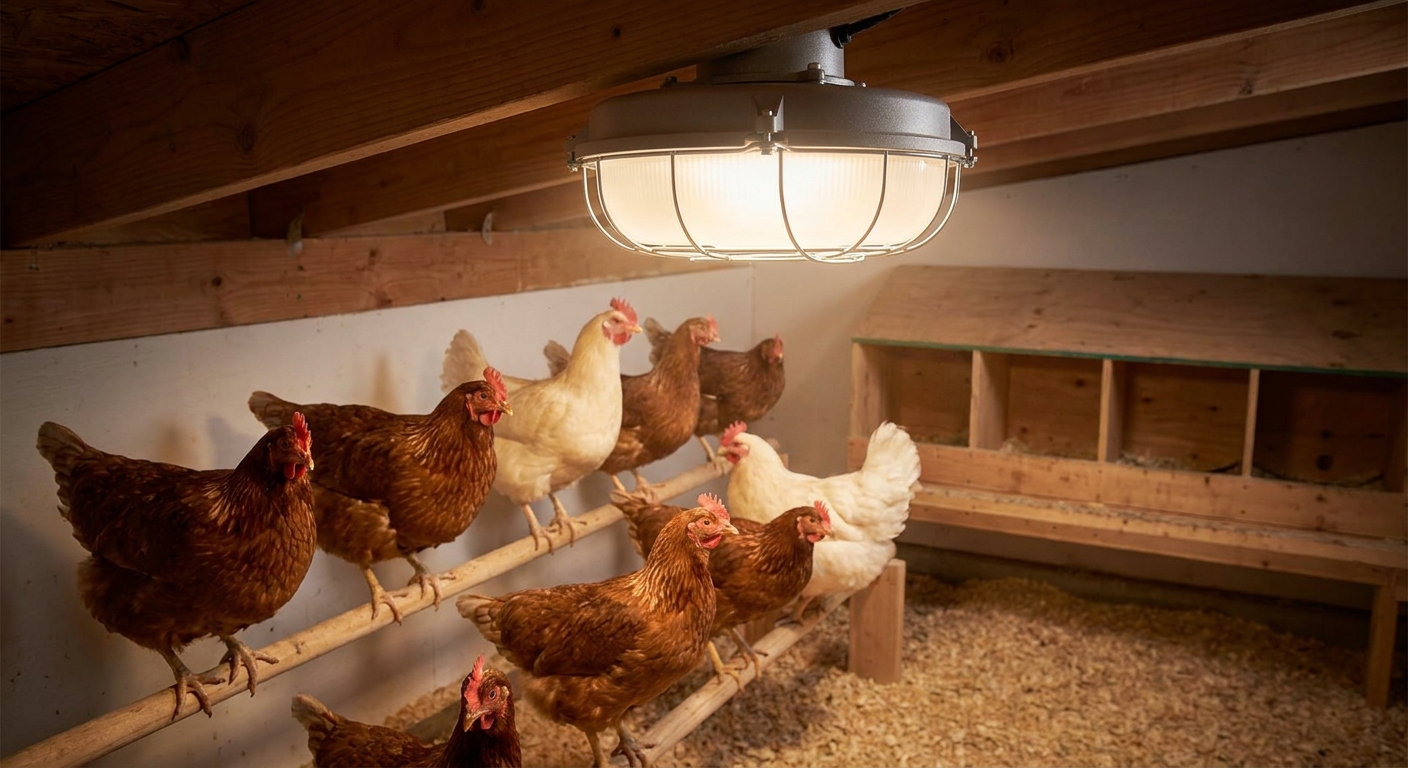
Can I add supplemental light to my chicken coop?
Yes, you can add supplemental LED lighting in the early morning to maintain egg production during winter. Make sure your timer is set to turn the lights on at 4:00 AM rather than extending the light into the evening. This schedule ensures your birds can settle onto their roosts naturally when the sun goes down.
Build Your Ultimate Poultry Haven Today
Designing a safe and highly productive poultry structure is not just about assembling walls; it requires understanding your flock’s core biological behaviors and implementing smart zonation. By separating active, sleeping, and egg-laying zones, you completely eliminate the stress, ammonia buildup, and predator risks that plague poorly designed builds. At Qingdao Showhoo Steel Structure Co., Ltd., we stand firmly by the principle that heavy-duty, commercial-grade steel structures offer the absolute best longevity, biosecurity, and low-maintenance efficiency for modern poultry operations. If you are ready to invest in a durable, climate-adapted housing solution that protects your birds and maximizes your long-term profits, contact us today for a custom project quote.
Get a custom chicken coop built for healthier flocks today!
Email:sales@showhoo.com.cn
Phone/WhatsApp: + 86 186 7895 5927