
Common warehouse types include distribution centers, public facilities, private storage, bonded sites, smart warehouses, cold storage, on-demand spaces, climate-controlled units, consolidation centers, and specialized import facilities. You might find that your current storage solution is lagging behind your production speed, causing bottlenecks that eat into your profits. This friction can lead to missed delivery windows and frustrated customers, potentially damaging your brand’s reputation in a competitive market. We offer the ideal type of warehouse through our custom steel building solutions to streamline your operations and secure your inventory.
How does a distribution center type of warehouse work?
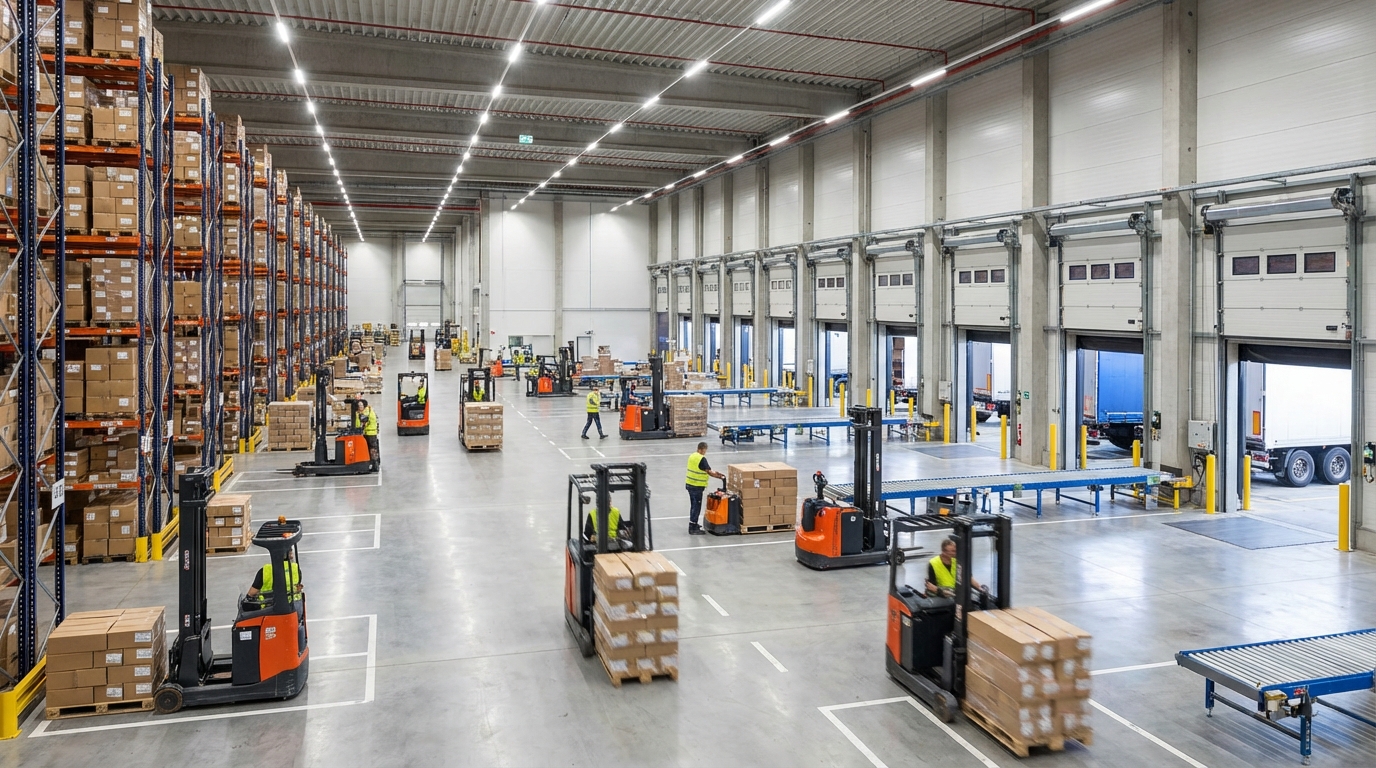
A distribution center type of warehouse acts as a high-velocity transit point where goods are received, processed, and shipped out rapidly. You use these facilities to minimize the time products spend sitting idle by prioritizing throughput over long-term storage. These buildings are often the heart of a retail supply chain, bridging the gap between manufacturers and the end consumer.
High-Speed Movement and Sorting
You rely on specialized layouts to handle the constant flow of incoming and outgoing freight. These structures feature numerous dock doors and large open floors to accommodate conveyor systems and sorting equipment.
Look: Efficient distribution requires a building designed for heavy traffic and fast-paced turnarounds.
- Strategic location near transport hubs.
- Advanced sorting and cross-docking areas.
- Minimal long-term shelving.
- High-frequency shipping schedules.
Streamlining the Fulfillment Process
The primary goal of this facility is to move inventory to its final destination as quickly as possible. You can integrate modern inventory software to track every pallet as it enters and exits the loading bay.
Key Takeaway: Distribution centers are built for speed and movement, ensuring your products reach customers without unnecessary delays.
| Feature | Specification | |
|---|---|---|
| Focus | Rapid movement / Fulfillment | |
| Layout | High dock door count | |
| Tech | Sorting and conveyor systems |
This model emphasizes the transition of goods rather than static storage to keep your supply chain lean.
When should you use a public type of warehouse?
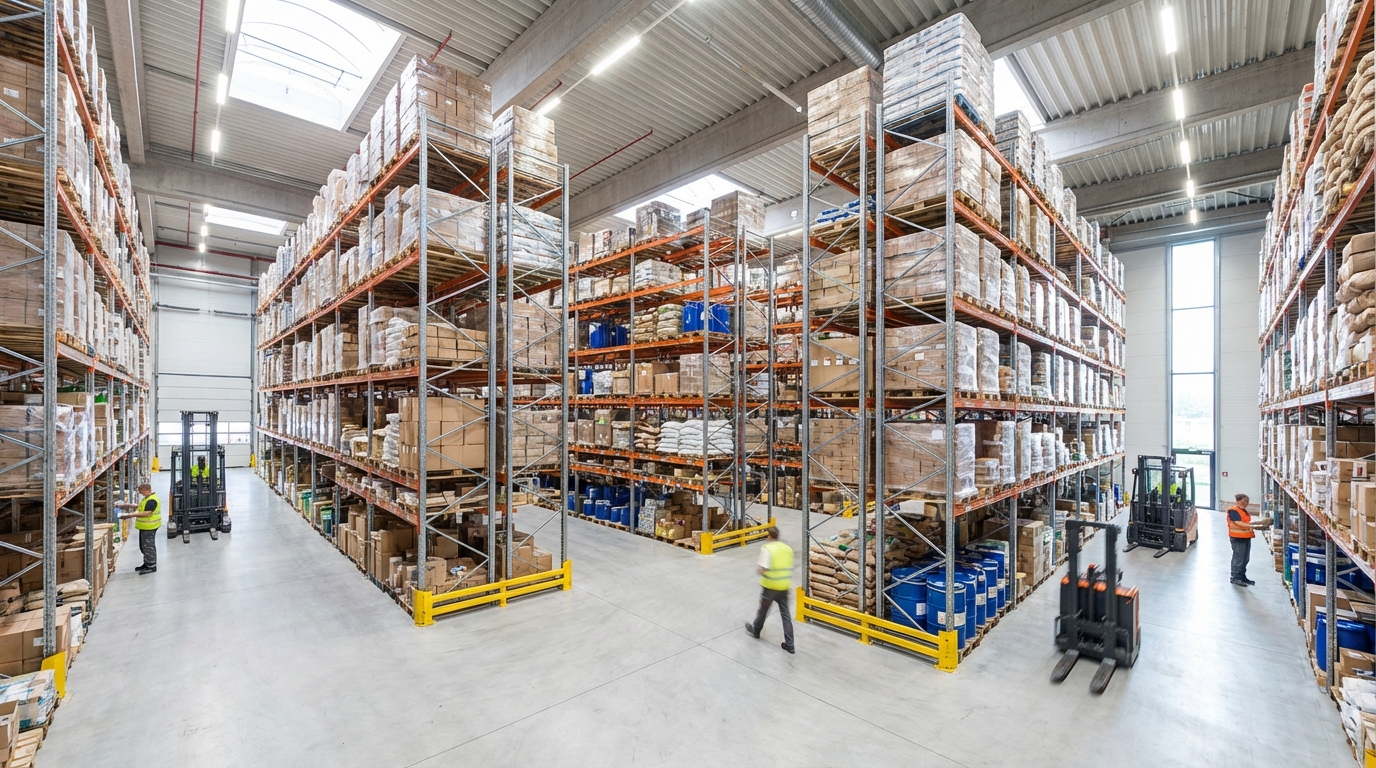
You should use a public type of warehouse when your business requires short-term storage flexibility without the heavy capital investment of owning property. This facility is operated by a third-party provider that rents out space and labor to multiple clients simultaneously. You only pay for the square footage and services you actually use, which helps you manage your budget during slow seasons.
Flexible Storage for Growing Businesses
These facilities are excellent for startups or established companies expanding into new geographic regions without committing to long leases. You can scale your footprint up or down rapidly based on monthly market demand.
The reality is: Public options provide a low-risk entry point for testing new inventory strategies or regional markets.
- No long-term lease commitments.
- Scalable space requirements.
- Professional third-party management.
- Reduced overhead costs.
Access to Professional Logistics Services
Public facilities often handle the complex paperwork and manual labor so you can focus on core business growth. You gain the benefits of a large-scale operation including advanced security and fire protection systems without the maintenance burden.
Key Takeaway: Public warehouses offer the most financial flexibility for businesses with fluctuating inventory levels or limited capital.
| Feature | Specification | |
|---|---|---|
| Ownership | Third-party provider | |
| Cost Structure | Pay-per-use / Monthly rent | |
| Best For | Startups and seasonal surges |
A closer look at these shared models shows how they significantly lower the entry barriers for emerging brands.
What are the advantages of a private type of warehouse?
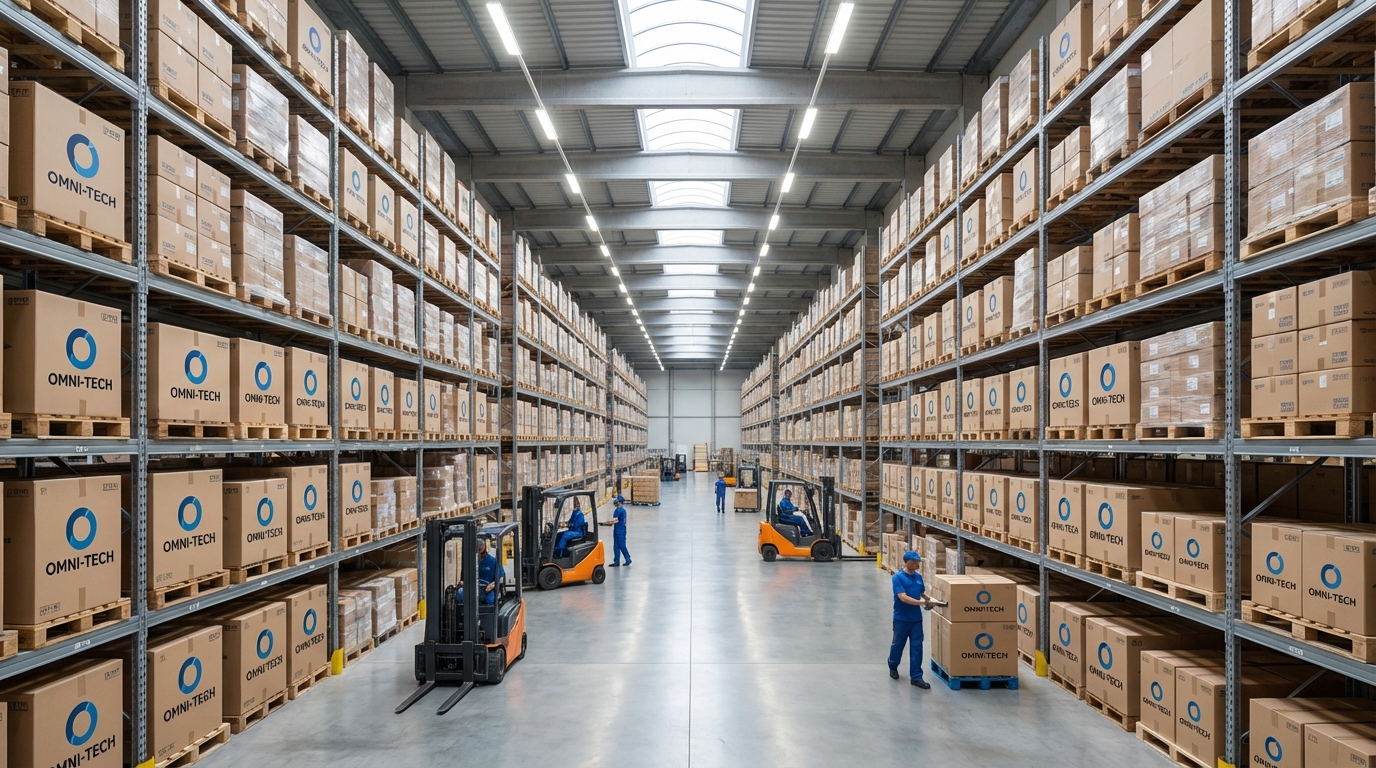
A private type of warehouse gives you absolute control over your storage environment, security protocols, and operational workflows. This is a strategic long-term move for companies with consistent, high-volume inventory needs and specialized handling requirements. You have the freedom to design the interior layout specifically for your unique products and internal processes.
Total Control Over Operations
You decide exactly how goods move through your facility from the moment they arrive at the dock. This allows you to implement proprietary technology or specialized handling equipment that public spaces might not accommodate.
Think about it: Customized workflows often lead to higher efficiency and better quality control over your valuable stock.
- Custom rack and shelving configurations.
- Proprietary security and access controls.
- Dedicated labor and management staff.
- Long-term operational consistency.
Long-term Cost Stability and Equity
While the initial investment is higher, owning your building provides fixed monthly costs and builds corporate equity. You avoid the risk of sudden rent increases or the need to move your inventory due to third-party decisions.
Key Takeaway: Private warehouses are best for established enterprises that require maximum customization and long-term cost predictability.
| Feature | Specification | |
|---|---|---|
| Ownership | Single company / Manufacturer | |
| Customization | High / Unlimited | |
| Commitment | Long-term capital asset |
Evaluating the ownership model reveals that the initial expense often pays for itself through operational sovereignty.
How can a bonded type of warehouse simplify imports?
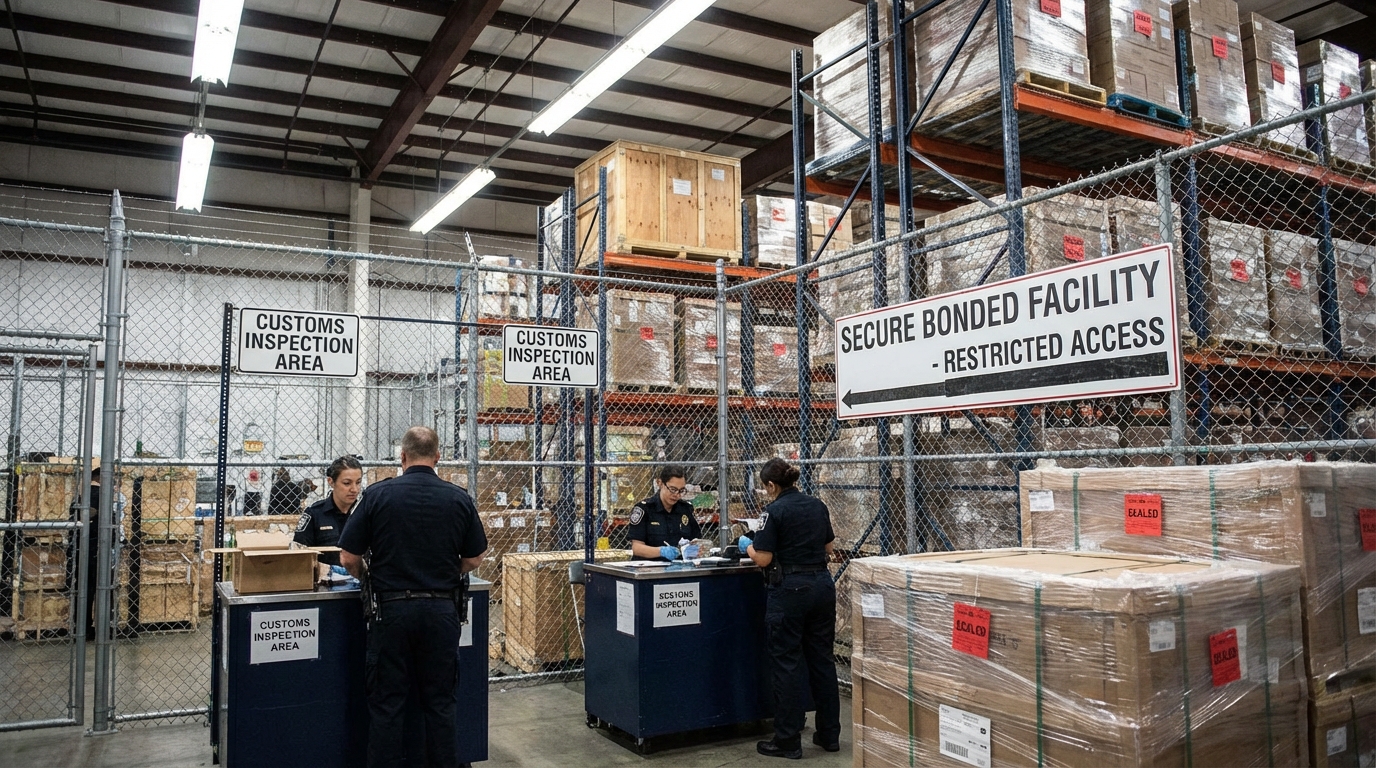
A bonded type of warehouse is a secured facility where imported goods can be stored without payment of duty until they are released. You use these facilities to defer taxes while your products undergo cleaning, packaging, or simply wait for domestic sale. This arrangement provides a major competitive advantage in managing working capital for international trade operations.
Managing International Trade Costs
These facilities are essential for businesses dealing with high-duty items or slow-moving international inventory. You can store your goods for years in some jurisdictions while waiting for favorable market conditions.
Here is why: Bonded storage protects your cash flow by delaying significant tax payments until the moment your product is sold.
- Improved cash flow management.
- Exemption from duties on re-exported goods.
- Secure storage under customs supervision.
- Ability to manipulate goods in storage.
Security and Regulatory Oversight
Bonded facilities are subject to strict government supervision and must meet high physical security standards. You gain peace of mind knowing your high-value imports are stored in a facility that is frequently audited and physically secured.
Key Takeaway: Bonded warehouses act as a financial buffer, allowing importers to manage duties strategically while ensuring high-level security.
| Feature | Specification | |
|---|---|---|
| Regulation | Government / Customs overseen | |
| Duty Payment | Deferred until exit | |
| Storage Duration | Often up to five years |
This regulated framework demonstrates how legal structures can be used to improve your company’s financial liquidity.
Why should you upgrade to a smart type of warehouse?
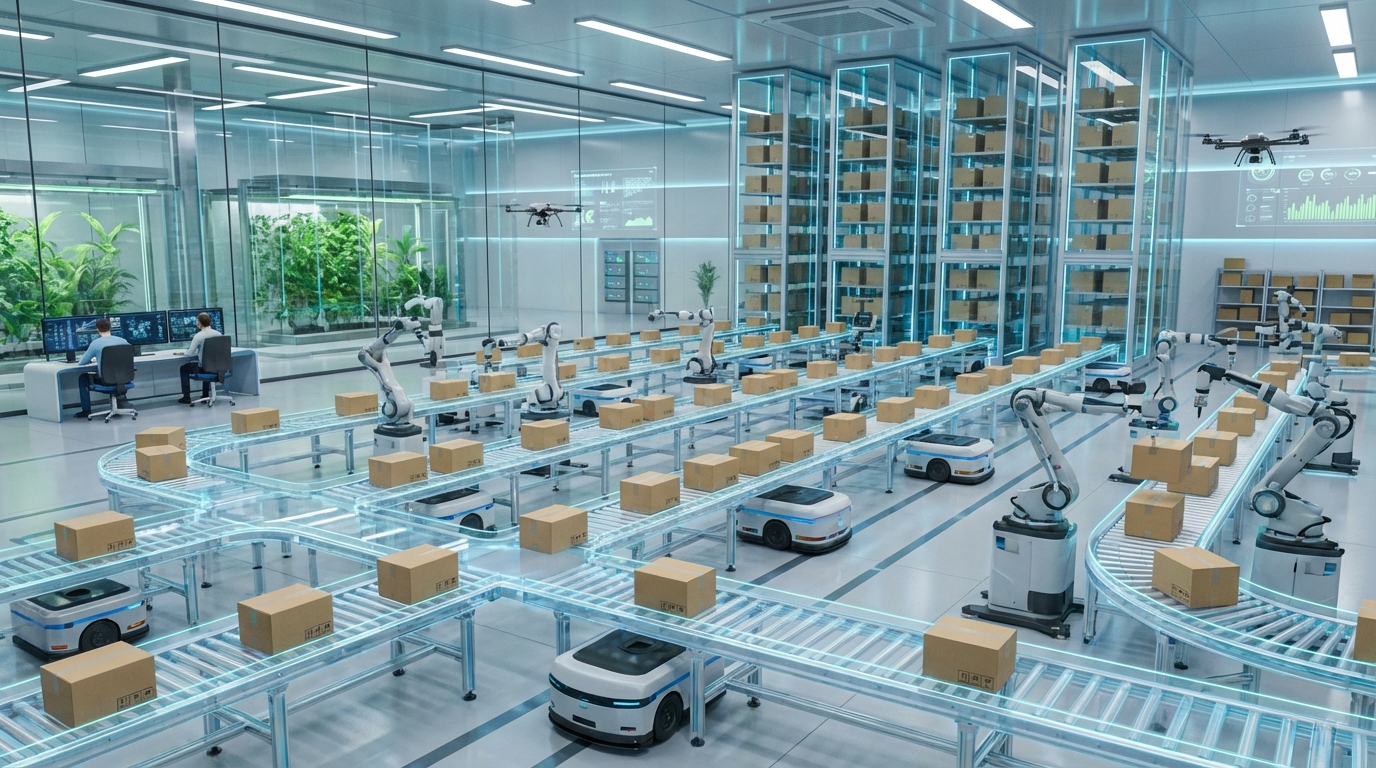
You should upgrade to a smart type of warehouse to leverage automation and real-time data for maximum picking accuracy and speed. These facilities integrate Internet of Things (IoT) sensors, robotics, and advanced software to eliminate human error from your fulfillment process. You can dramatically increase your throughput by allowing machines to handle the most repetitive and labor-intensive tasks.
Automation and Robotic Integration
Smart facilities often utilize Automated Storage and Retrieval Systems (AS/RS) to maximize vertical space and picking efficiency. You can deploy fleets of autonomous mobile robots (AMRs) to move inventory without human intervention.
The best part? Robots can work around the clock without breaks, ensuring your orders are processed even while you sleep.
- Real-time inventory tracking.
- Predictive maintenance alerts.
- Automated sorting and conveyors.
- High-density storage optimization.
Data-Driven Operational Insights
Every movement within a smart facility is tracked and analyzed to identify bottlenecks in your workflow. You use this data to optimize pick paths and labor allocation, ensuring your building operates at its absolute peak capacity.
Key Takeaway: Smart warehouses transform traditional storage into a high-performance logistics engine through the power of automation and data.
| Feature | Specification | |
|---|---|---|
| Technology | AI, IoT, and Robotics | |
| Accuracy | Near 100% picking precision | |
| Efficiency | High throughput / Low labor |
Transitioning to a smart model requires a building that can support sophisticated tech infrastructure and high electrical demands.
Why is cold storage the best type of warehouse for food?
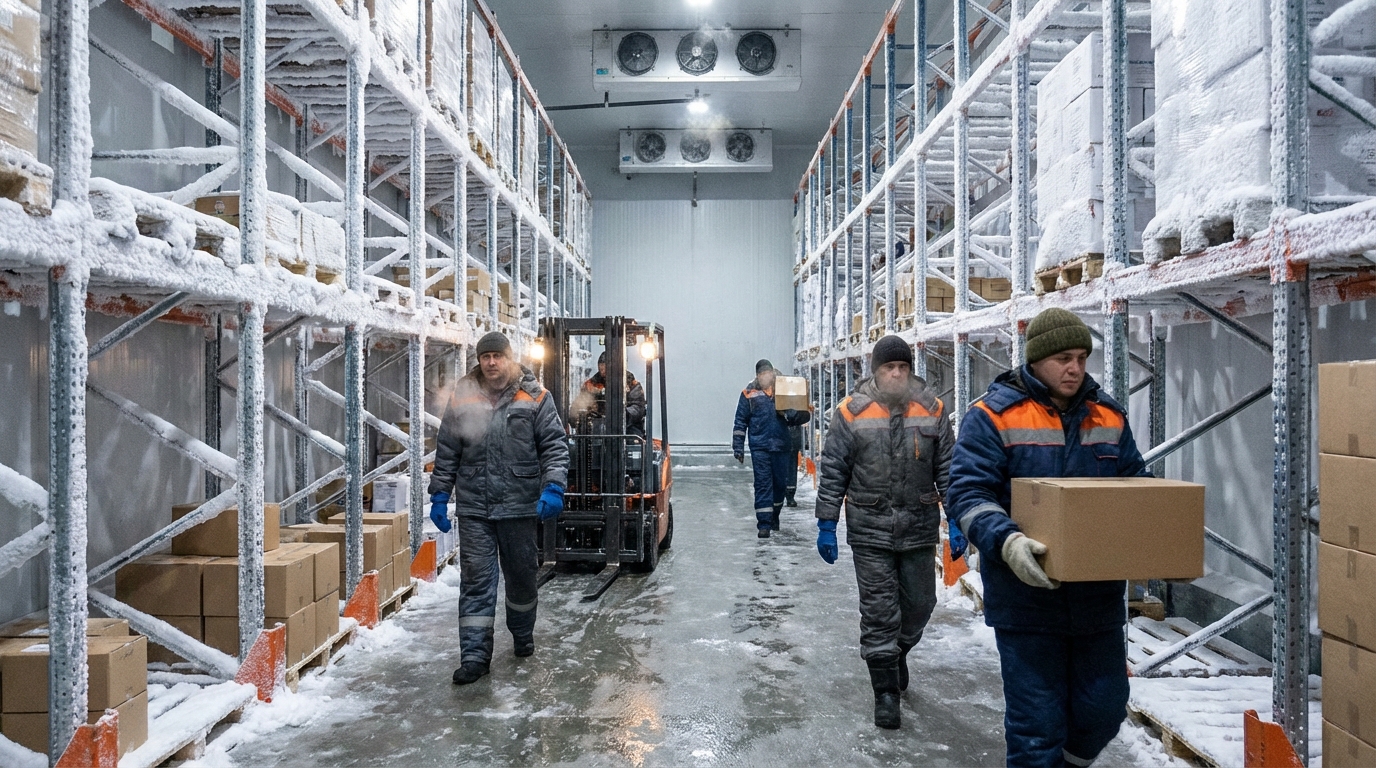
Cold storage is the definitive type of warehouse for preserving perishables that require precise temperature regulation to prevent spoilage. You rely on these facilities to maintain environments ranging from chilled to deep-freeze for food, chemicals, and pharmaceuticals. They utilize specialized refrigeration systems and heavy-duty insulation to protect the integrity of your sensitive inventory.
Precision Temperature Management
Maintaining a consistent thermal environment is the primary function of these specialized steel facilities. You can segment the internal space to accommodate different thermal zones for varied product requirements.
It gets better: High-performance insulated panels minimize thermal bridging, keeping your energy costs low even in extreme environments.
- Vaccine and medicine storage.
- Frozen food distribution.
- Chemical stability maintenance.
- Floral and botanical preservation.
Industry Compliance and Safety
Cold storage is non-negotiable for sectors like pharmaceuticals and the food and beverage industry. You must adhere to strict health regulations that mandate specific storage conditions to ensure consumer safety.
Key Takeaway: Cold storage warehouses provide the environmental stability required for perishable supply chains and high-value medicine.
| Feature | Specification | |
|---|---|---|
| Core Tech | Industrial Refrigeration | |
| Insulation | PIR/PUR Sandwich Panels | |
| Range | -30°C to 10°C |
Effective cold storage relies on a combination of robust mechanical systems and a perfectly sealed building envelope.
Why is an on-demand type of warehouse useful for spikes?
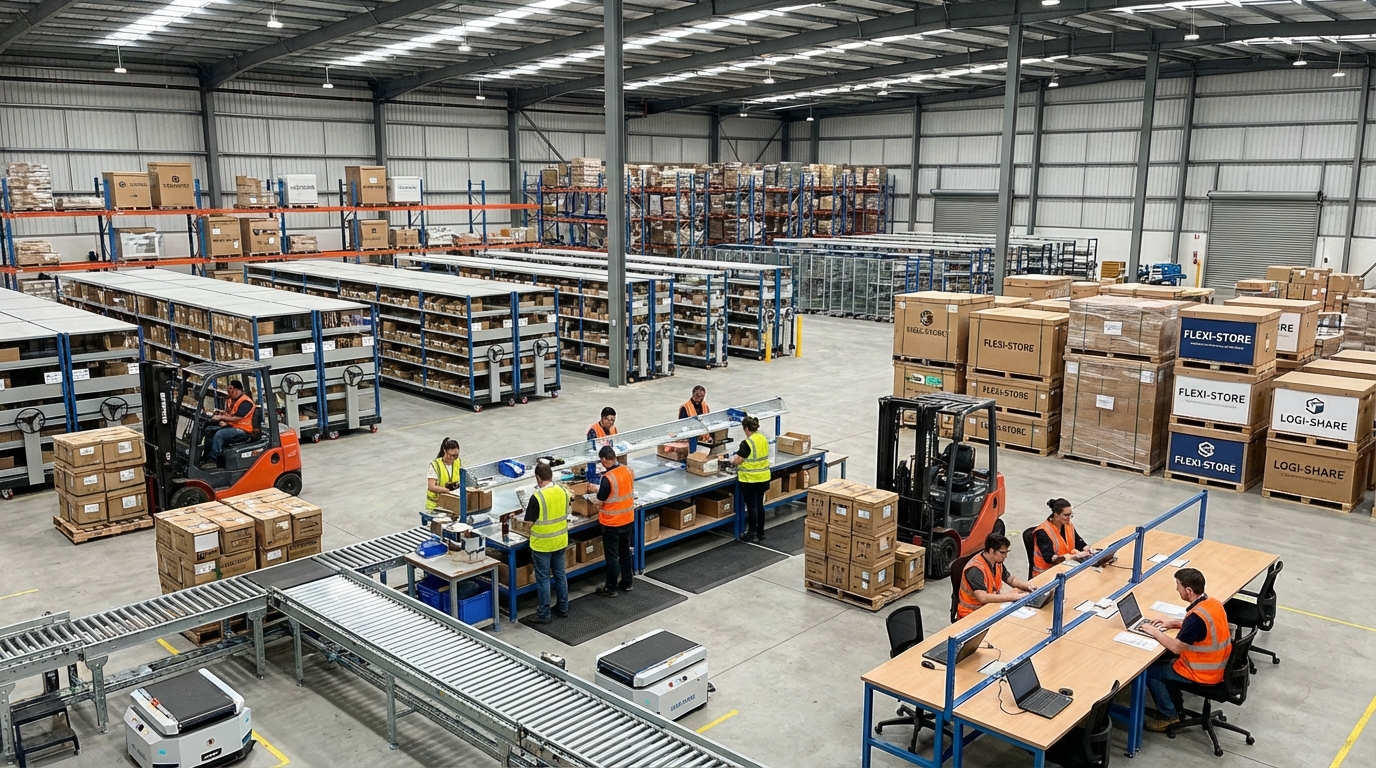
An on-demand type of warehouse provides flexible, short-term storage space that can be activated or deactivated based on your immediate needs. You use this model to handle unexpected inventory surges or holiday peaks without committing to a long-term lease. It functions similarly to a “cloud” service for physical goods, offering rapid scalability when your primary site is full.
Scalability and Market Agility
On-demand warehousing allows you to expand your footprint in days rather than months. You can strategically place inventory closer to your customers during peak seasons to reduce your shipping times and costs.
Look: You only pay for the space you actually use, making this incredibly cost-effective for volatile markets.
- Variable storage capacity.
- Geographic flexibility.
- Reduced capital expenditure.
- Faster delivery times.
Short-Term Commitment Benefits
Unlike traditional warehousing, on-demand platforms typically do not require multi-year contracts. You can secure space for a few weeks or months, providing a safety net for unexpected supply chain disruptions.
Key Takeaway: On-demand warehousing offers the ultimate flexibility for businesses facing fluctuating inventory levels and seasonal demand cycles.
| Feature | Specification | |
|---|---|---|
| Contract Type | Short-term / Pay-per-use | |
| Speed to Market | Extremely High | |
| Storage Model | Shared / Dynamic |
By treating warehouse space as a variable cost, you can protect your profit margins during periods of economic uncertainty.
How does a climate controlled type of warehouse work?

A climate controlled type of warehouse maintains consistent temperature and humidity levels to protect sensitive goods from environmental damage. You use these facilities for items like electronics, artwork, and fine wood furniture that would degrade in standard storage conditions. Unlike cold storage, these units typically maintain a “room temperature” range while preventing moisture buildup.
Humidity and Moisture Control
Excessive humidity can lead to mold growth and the warping of organic materials in your inventory. You rely on industrial-grade dehumidifiers and HVAC systems to keep the air dry and stable.
The thing is: A stable environment extends the shelf life of your products and ensures they arrive at customers in pristine condition.
- Sensitive electronic components.
- Archival document storage.
- Fine wine and artwork.
- High-end textiles and apparel.
Structural Integrity and Insulation
To maintain a controlled climate, the building must have a superior airtight seal and high-quality insulation. Our steel structures provide the perfect framework for these environmental systems, preventing external air from leaking inside.
Key Takeaway: Climate-controlled warehouses are vital for protecting goods that are sensitive to moisture and moderate temperature fluctuations.
| Feature | Specification | |
|---|---|---|
| Primary Goal | Humidity and Heat Control | |
| Typical Temp | 15°C to 25°C | |
| Key Tech | HVAC & Dehumidification |
A well-insulated building envelope is the first line of defense in maintaining a stable climate for your inventory.
Can a consolidation type of warehouse reduce shipping costs?
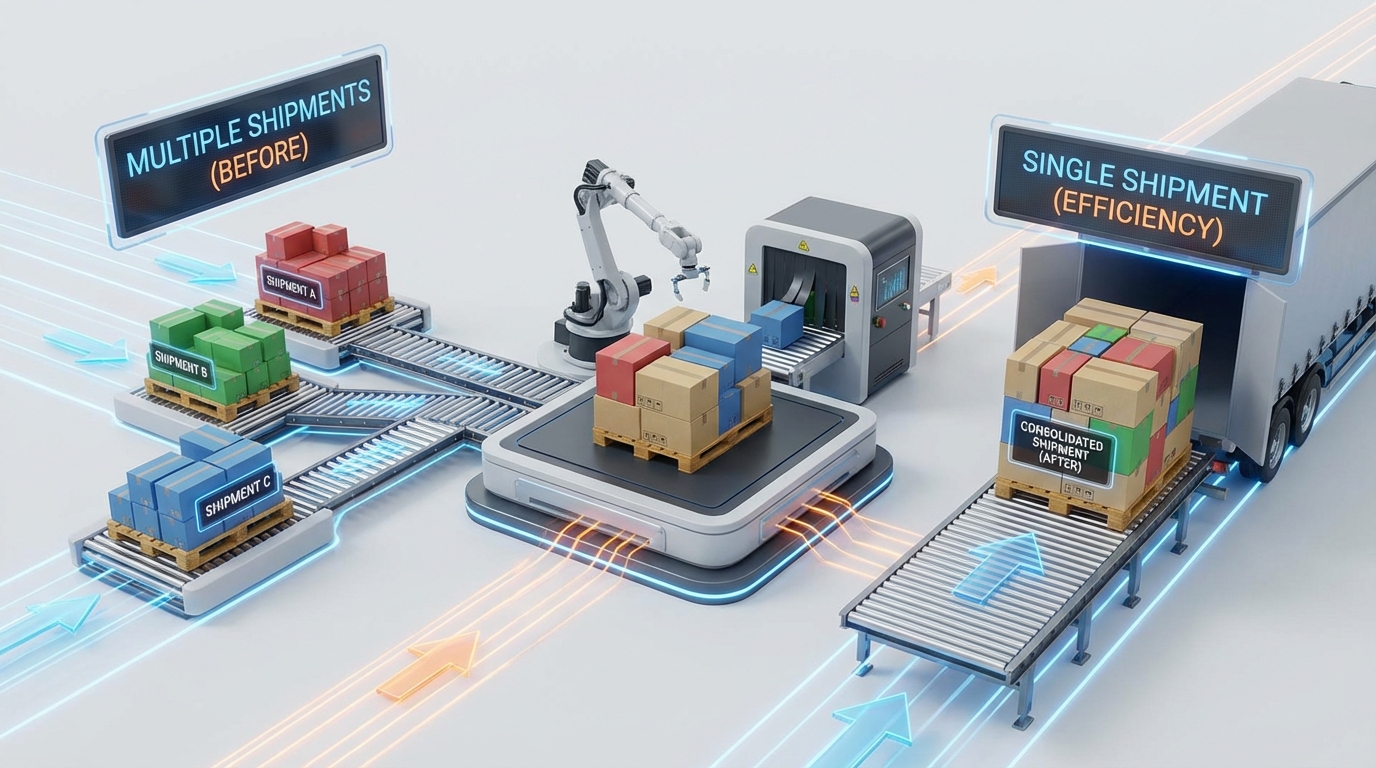
A consolidation type of warehouse is a facility where small shipments from various suppliers are combined into larger, more economical loads. You use this strategy to transform multiple Less-than-Truckload (LTL) shipments into a single Full Truckload (FTL) delivery. This significantly lowers your transportation expenses and reduces the total number of deliveries to your final destination.
Freight Optimization and Efficiency
By merging shipments headed to the same geographic region, you maximize the utility of every trailer. You benefit from lower shipping rates and a reduced carbon footprint due to having fewer vehicles on the road.
Check it out: Consolidating freight decreases the handling frequency of your goods, which lowers the risk of transit damage.
- Reduction in LTL shipping fees.
- Fewer receiving hours required.
- Improved trailer space utilization.
- Lower risk of transit damage.
Enhanced Inventory Control
Consolidation centers allow you to maintain a steady flow of inventory without the high cost of frequent small shipments. You can synchronize your supply chain by holding goods at a central point until a full load is ready for dispatch.
Key Takeaway: Consolidation warehouses are essential for cost-conscious businesses looking to streamline transportation and improve supply chain synchronization.
| Feature | Specification | |
|---|---|---|
| Logistics Strategy | LTL to FTL Conversion | |
| Facility Layout | Extensive Dock Doors | |
| Main Driver | Transportation Savings |
Implementing a consolidation strategy requires a strategically located facility that can handle rapid cross-docking and sorting operations.
When do you need a bonded type of warehouse for security?
You need a bonded type of warehouse when your imported inventory includes high-value or restricted items that require government-level security. These facilities are often fenced off and monitored by customs officials to ensure that no goods are moved without proper documentation. You gain the highest level of protection against theft while deferring your financial obligations to the state.
High-Security Storage Protocols
Bonded warehouses must adhere to rigorous structural and procedural security standards to maintain their certification. You benefit from 24/7 surveillance and restricted access protocols that keep your assets safe from unauthorized entry.
It gets better: The presence of customs officials adds an extra layer of auditing that discourages internal shrinkage and external theft.
- Restricted access zones.
- Continuous 24/7 surveillance.
- Regular customs audits.
- Double-lock security systems.
Compliance for Regulated Goods
Certain goods like alcohol, tobacco, and high-end electronics are often required by law to stay in bonded storage until taxes are paid. You ensure your business remains compliant with international trade laws by using these certified facilities.
Key Takeaway: Bonded warehouses provide unmatched security for high-value imports, combining tax deferment with government-grade protection.
| Feature | Specification | |
|---|---|---|
| Security Level | Government Certified | |
| Personnel | Customs Officers / Guards | |
| Asset Type | High-Value / Restricted |
Choosing a bonded facility is as much a security decision as it is a financial one for your international logistics.
Conclusion
Choosing the right facility is the foundation of a resilient supply chain and a profitable business. Whether you are managing the delicate thermal requirements of cold storage or the high-speed demands of a smart fulfillment center, the structural integrity of your building is paramount. We solve the challenges of space optimization, environmental control, and rapid construction by providing custom-engineered steel solutions. Our team can design and manufacture a facility tailored to your specific operational workflows, ensuring your business has the room it needs to grow.
The future of logistics is built on specialized infrastructure that prioritizes efficiency and sustainability. As global trade becomes more complex, having a dedicated partner to navigate these structural requirements is a competitive necessity. For a building that meets your unique industry standards and scales with your ambition, contact us today .
FAQs
Can I convert a standard warehouse into a cold storage facility?
Yes, but it requires significant modifications to the building envelope to be effective. You must install specialized thermal insulation, vapor barriers, and industrial refrigeration units, which is often more efficiently handled during the initial steel frame construction phase.
What’s the best type of warehouse for a small e-commerce startup?
An on-demand or public warehouse is typically the best starting point for small businesses. These options allow you to access professional storage and fulfillment services without the massive capital investment required to build or lease a private facility.
How do I know if my business needs a bonded warehouse?
You should consider a bonded facility if you import high-value goods and want to defer duty payments until the moment of sale. This is especially beneficial if your inventory has a slow turnover rate or if you plan to re-export the goods to other countries.
Can I combine multiple warehouse types into one building?
Absolutely, as modern “hybrid” facilities often combine distribution and fulfillment functions within a single footprint. Our clear-span steel designs allow you to partition a single structure into distinct zones, such as a smart automation area alongside a traditional bulk storage section.
What is the most cost-effective way to expand my current storage capacity?
Building a pre-engineered steel warehouse is often the most cost-effective long-term solution for capacity expansion. These structures offer faster assembly times and lower maintenance costs compared to traditional tilt-up or masonry construction, providing a better overall return on investment.