
The main cow shed types include free-stall barns, tie-stall barns, and loose housing systems, each tailored to specific herd sizes and management styles. Many farmers struggle with outdated facilities that lead to poor hygiene, frequent health issues, and stagnating milk yields. If you continue using inadequate structures, you risk increasing your labor costs and decreasing the overall lifespan of your herd due to environmental stress. Choosing the right cow shed types allows you to implement a modern dairy farm shed design that prioritizes cow comfort and operational profitability.
Why Is Selecting the Right Cow Shed Types Critical?
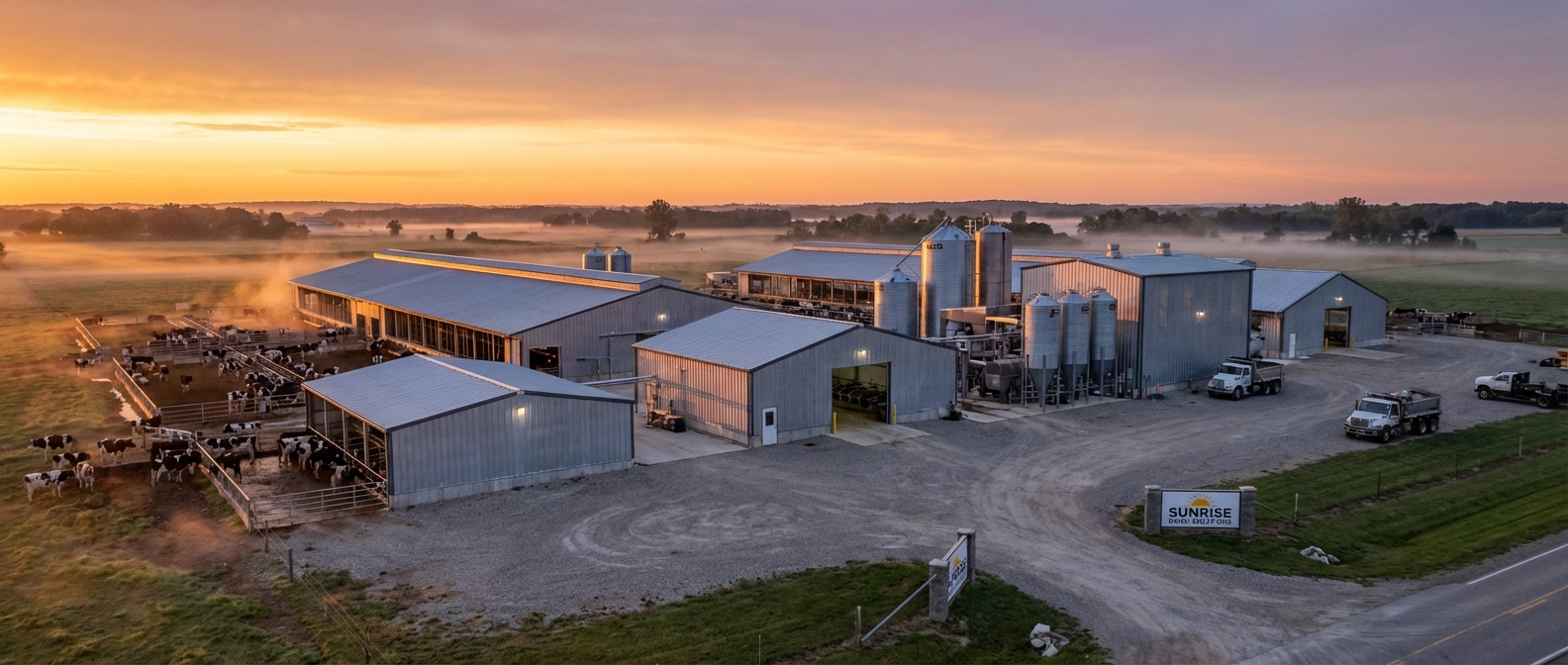
Selecting the right cow shed types is critical because the structure directly dictates the health of your livestock and the efficiency of your daily workflow. A well-designed livestock housing structure provides adequate protection from the elements while facilitating easy manure management. You must consider how different cow shed design types impact air quality and hoof health to ensure long-term success.
Impact on Animal Health and Yield
High-quality cattle shed types provide a comfortable environment that reduces stress and encourages higher milk production. When cows are comfortable, they spend more time ruminating and resting, which is essential for maximizing your return on investment.
- Improved rest cycles through ergonomic stall design.
- Reduced incidence of mastitis and lameness.
- Better temperature regulation during seasonal extremes.
Long-Term Operational Efficiency
Think about it. Choosing a structure that allows for mechanized cleaning can save you hundreds of labor hours every year. Efficient layouts ensure that feeding, milking, and cleaning tasks flow logically without unnecessary bottlenecks.
Key Takeaway: The initial choice of structure determines your farm’s productivity ceiling and its ability to maintain high welfare standards over decades.
| Feature | Traditional Shed | Modern Steel Shed | |
|---|---|---|---|
| Durability | Low (Wood/Thatch) | High (Galvanized Steel) | |
| Cleaning | Manual/Laborious | Automated/Scrapers | |
| Expansion | Difficult | Modular/Easy |
Modern steel sheds offer a significant advantage in durability and hygiene compared to traditional wooden or masonry structures.
Are Free-Stall Barns the Best for Your Dairy Herd?
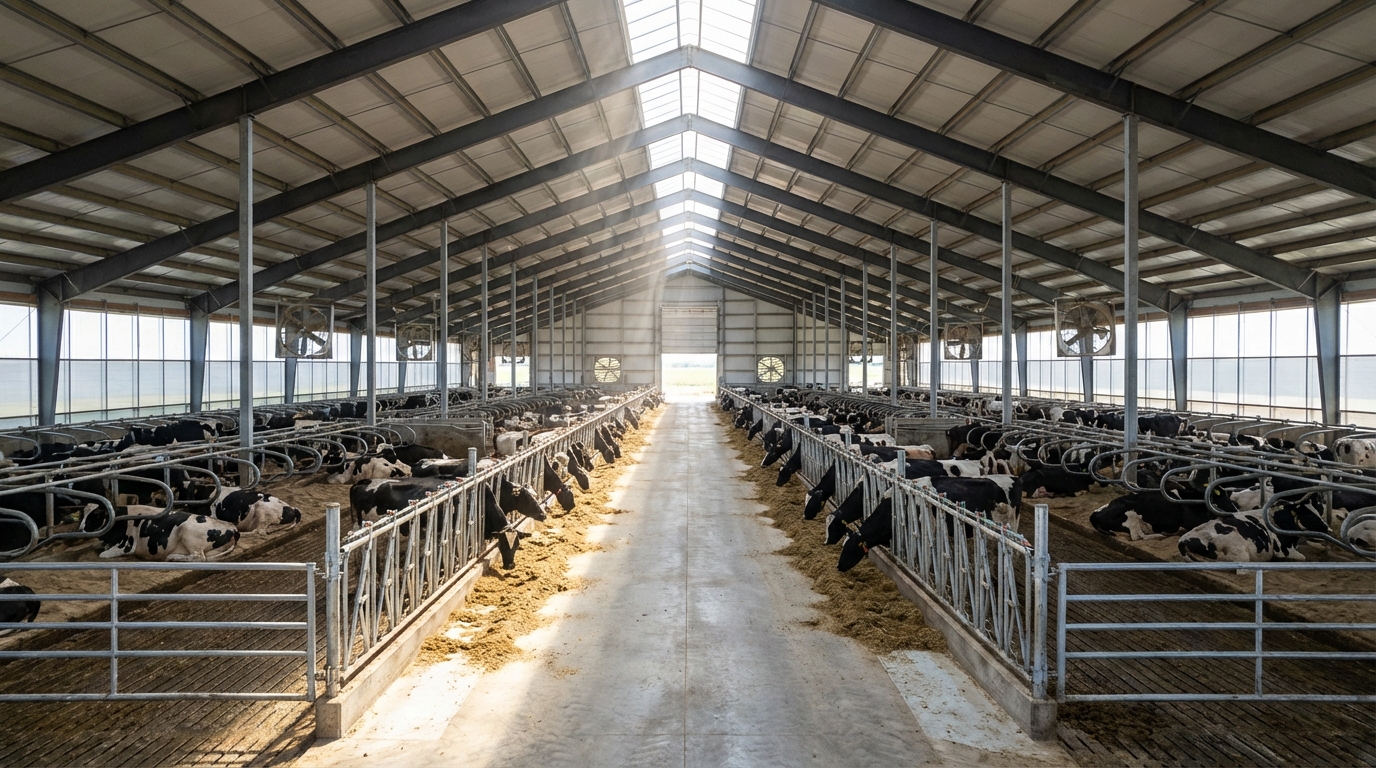
Free-stall barns are widely considered the best for large dairy herds because they allow cows to move freely between resting areas and feeding alleys. These cow shed types emphasize natural behavior, which significantly reduces animal stress and improves metabolic health. By providing individual stalls for resting without confining the animal, you balance comfort with efficient space utilization.
Promoting Natural Movement
A free stall barn vs free stall barn comparison is unnecessary when you realize the freedom of movement promotes better circulation and social interaction among the herd. Cows are social animals, and this layout allows them to express natural behaviors while maintaining access to feed 24/7.
Streamlining Large-Scale Management
But here is the kicker. Free-stall systems are designed for high-density efficiency, making them the best cow shed design for dairy farm operations with over 100 head. They integrate seamlessly with automatic scrapers and large-scale ventilation systems.
- High herd capacity per square foot.
- Simplified feeding via central alleys.
- Easy integration of robotic milking systems.
Key Takeaway: If you are managing a large herd, the free-stall design offers the best balance of animal welfare and industrial-scale efficiency.
| Metric | Free-Stall Barn | Suitability | |
|---|---|---|---|
| Herd Size | 100+ head | Ideal | |
| Labor Level | Medium (Automated) | High Efficiency | |
| Cow Comfort | High (Self-selected) | Excellent |
The free-stall system is the gold standard for commercial dairy operations seeking to maximize throughput while maintaining high welfare.
When Should You Use Tie-Stall Cow Shed Types?
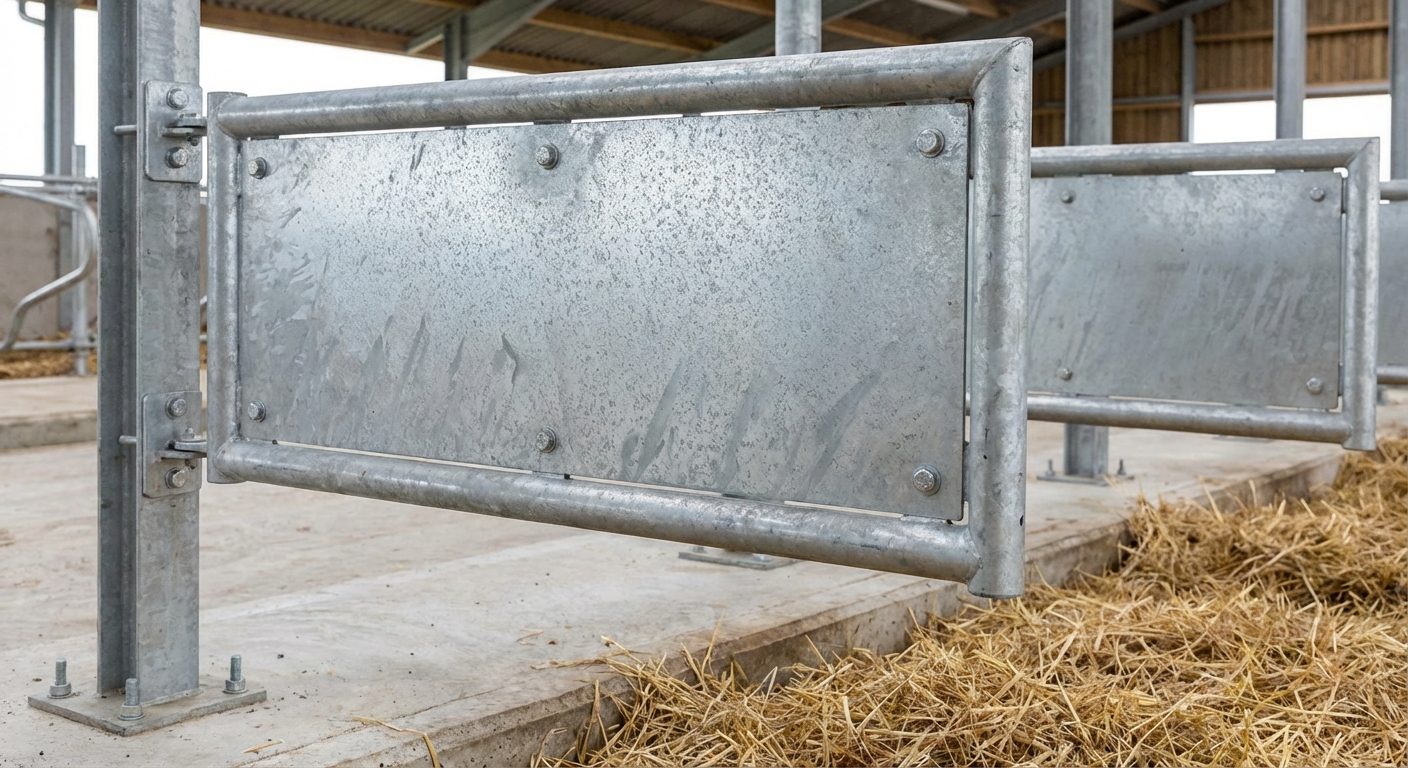
You should use tie-stall cow shed types when managing a smaller herd that requires individual attention or when space for a free-roaming area is limited. In a tie-stall barn vs free stall barn debate, the tie-stall shines for high-value breeding stock where individual monitoring is paramount. Each cow has its own designated space for feeding, resting, and milking, which simplifies health tracking and personalized nutrition.
Individual Cow Care Excellence
This small cow shed design is perfect for farmers who want to closely monitor the feed intake and health of every single animal. Because the animals are stationary, you can easily perform veterinary checks or administer treatments without having to sort the herd.
Maximizing Limited Footprint
Space is often a constraint for family-run farms or specialized breeding facilities.
- Compact footprint for small herds.
- Direct control over every animal’s environment.
- Lower initial complexity for basic operations.
Key Takeaway: Tie-stalls are the preferred choice for intensive individual management and small-scale operations where space is at a premium.
| Requirement | Tie-Stall Barn | Small Cow Shed | |
|---|---|---|---|
| Personal Attention | Very High | Mandatory | |
| Equipment Needs | Basic | Minimal | |
| Maintenance | High (Manual Cleaning) | Labor Intensive |
While labor-intensive, the tie-stall model provides unmatched control over individual animal health and nutritional requirements.
Is Loose Housing Right for Beef Cattle?
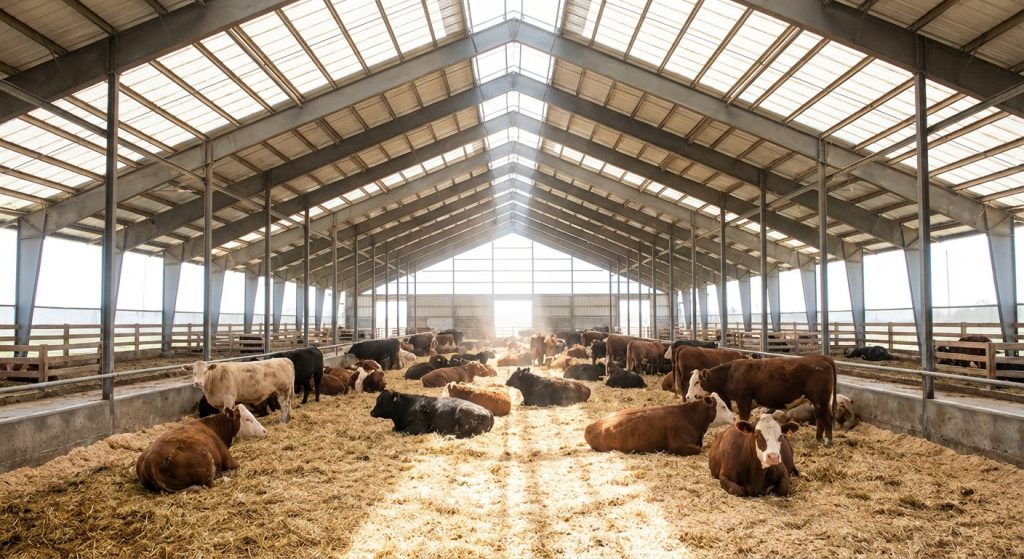
Loose housing is often the right choice for beef cattle because it provides a large, open area where animals can move, socialize, and rest on a bedded pack. These cow shed types are highly versatile and can be adapted for various stages of growth, from calving to finishing. The loose housing system for cattle is generally more cost-effective for beef production compared to individual stall systems.
Versatile Bedded Pack Systems
A bedded pack provides a soft, warm surface that is ideal for animal comfort and manure composting. This system allows you to manage waste by simply adding fresh straw or sawdust on top, creating a “deep litter” that provides natural heat during winter.
Safety in Group Housing
The open nature of these sheds reduces the risk of injury from stalls or partitions.
- Large open spans for easy tractor access.
- Flexible penning for different growth stages.
- Lower stress levels due to herd social dynamics.
Wait for it—this design also allows for the fastest turnaround between batches of cattle.
Key Takeaway: For beef operations, loose housing offers the most flexible and low-stress environment for group-managed livestock.
| Category | Loose Housing | Beef Suitability | |
|---|---|---|---|
| Flexibility | High | Excellent | |
| Initial Cost | Low to Medium | Budget Friendly | |
| Cleaning Frequency | Monthly/Quarterly | Low |
Loose housing remains the most adaptable structure for beef cattle, providing a natural environment that supports rapid growth and health.
How Do Open-Sided Cow Shed Types Manage Heat?
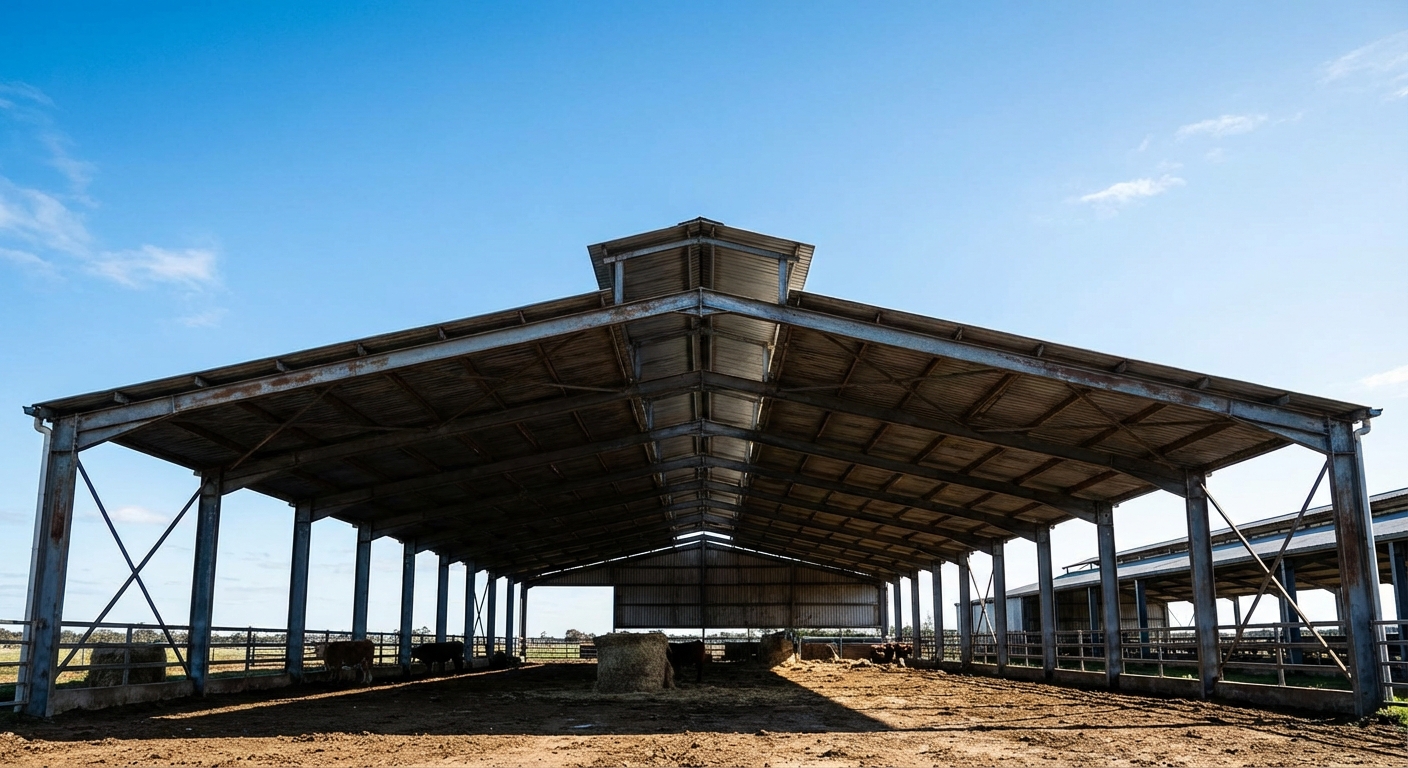
Open-sided cow shed types manage heat by maximizing natural cross-ventilation and using the surrounding environment to pull hot air out of the building. This modern cow shed design is essential in tropical or temperate climates where heat stress can significantly drop milk production. By removing the sidewalls, you allow every breeze to pass through the livestock housing structure, keeping animals cool and dry.
Maximizing Natural Airflow
The open cow shed vs closed cow shed comparison is clear: open designs rely on the wind to maintain air quality without high electricity costs. Ridge vents and high eaves further encourage the stack effect, where hot air rises and is replaced by cooler air from the sides.
Adapting to Changing Weather
What if the weather turns cold? You can integrate heavy-duty curtains that can be lowered during storms or winter months to protect the herd from wind-driven rain.
- Curtains for seasonal flexibility.
- Wide eaves to prevent sun scald.
- Strategic orientation to catch prevailing winds.
Key Takeaway: Open-sided structures are the most energy-efficient way to combat heat stress and maintain high air quality in warmer regions.
| Feature | Open-Sided Shed | Closed Barn | |
|---|---|---|---|
| Temperature Control | Passive/High | Active/Mechanical | |
| Air Quality | Always Fresh | Depends on Fans | |
| Energy Costs | Very Low | High |
Open-sided designs provide a self-regulating climate that reduces operational costs while safeguarding the herd against respiratory issues.
What Are the Primary Costs of Cow Shed Types?
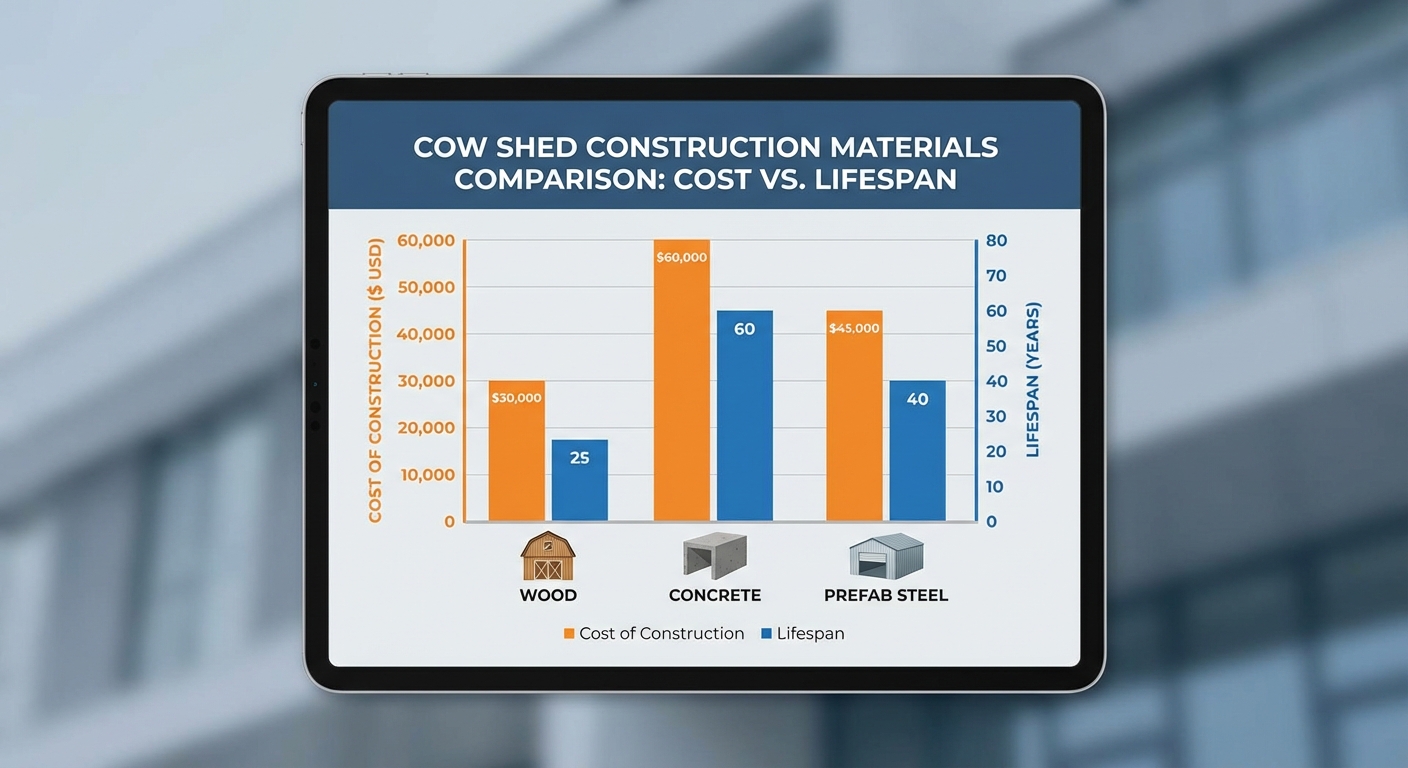
The primary costs of cow shed types include the raw materials, site preparation, professional labor, and long-term maintenance of the chosen structure. While you might be tempted by the initial price tag of wood, a low cost cow shed design often involves using prefabricated steel to reduce on-site labor time. You must factor in the “total cost of ownership,” including how often you will need to repair or disinfect the building.
Material Selection and Longevity
Steel is the most popular choice for modern barns because it resists the corrosive effects of manure and moisture better than timber. While concrete is durable, the labor costs for pouring and curing can significantly bloat your budget compared to a prefab steel cow shed.
Labor and Installation Efficiency
It gets better. Prefabricated kits arrive ready for assembly, which can cut your construction timeline by as much as 40%.
- Reduced on-site welding and cutting.
- Predictable component quality.
- Faster move-in dates for your herd.
Key Takeaway: Focus on long-term durability and speed of assembly rather than just the lowest initial material price to ensure a truly cost-effective build.
| Material | Initial Cost | 30-Year Maintenance | Lifespan | |
|---|---|---|---|---|
| Wood | Low | High (Rot/Pests) | 15-20 Years | |
| Steel | Medium | Low (Galvanized) | 50+ Years | |
| Concrete | High | Medium | 40-50 Years |
Investing in steel provides the best value over time due to its low maintenance requirements and exceptional resistance to the farm environment.
Why Are Steel Cow Shed Types More Durable?
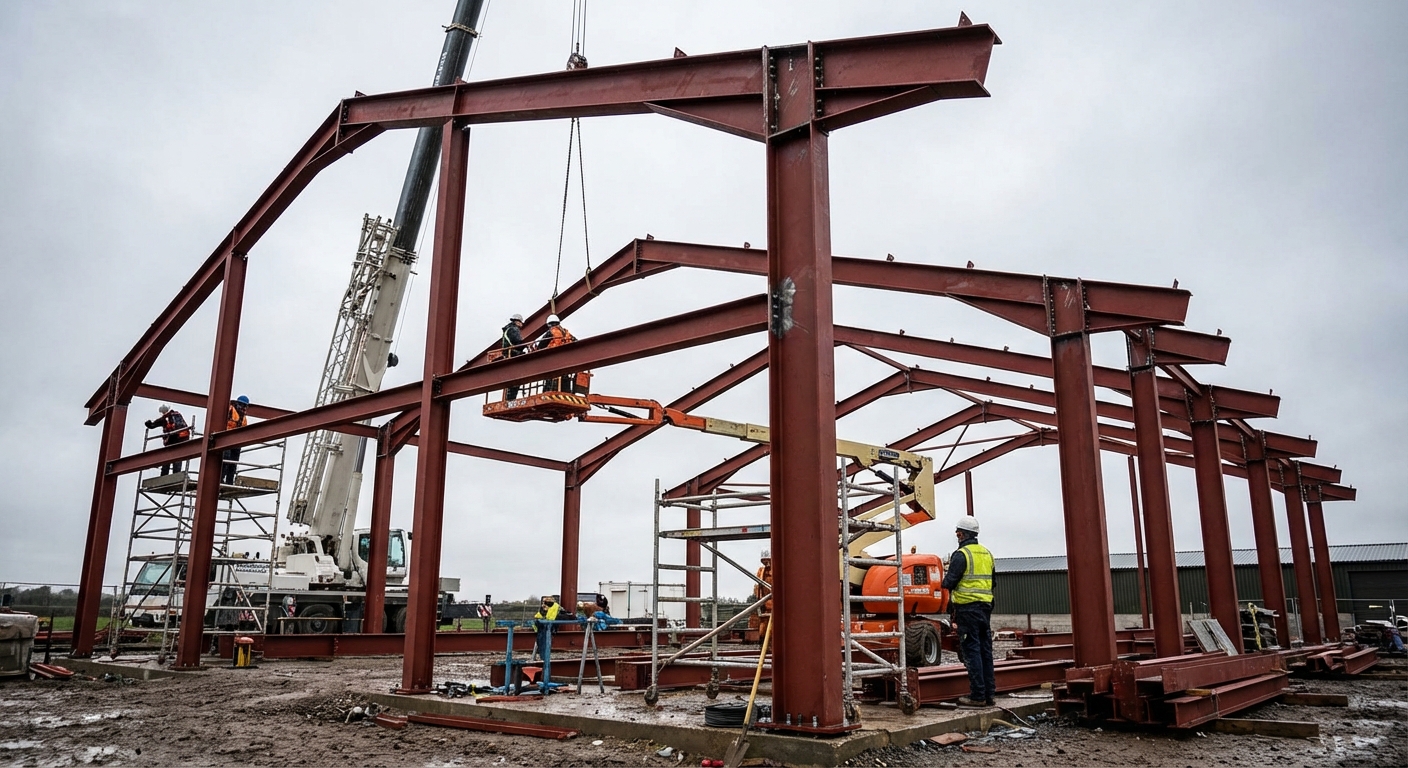
Steel cow shed types are more durable because they are resistant to the pests, rot, and moisture damage that common timber structures face daily. A steel cow shed provides a high strength-to-weight ratio, allowing for large, clear-span interiors without the need for intrusive support columns. This structural integrity ensures that your barn can withstand heavy snow loads and high wind speeds for decades.
Corrosion Resistance in Ag Environments
Agriculture is a harsh environment for any building material due to the high ammonia levels in cattle waste. Modern galvanized coatings protect the steel from oxidation, ensuring that the structure remains safe and aesthetically pleasing without constant repainting.
Structural Stability and Safety
You don’t want to worry about your barn during a storm.
- Non-combustible material reduces fire risk.
- Precision engineering ensures perfect fit.
- Modular design allows for easy repairs or updates.
Key Takeaway: Steel is the ultimate agricultural building material, offering a 50-year lifespan with minimal upkeep in demanding farm conditions.
| Property | Wood Barn | Steel Structure | |
|---|---|---|---|
| Pest Resistance | Poor (Termites) | Absolute | |
| Fire Rating | Combustible | Non-combustible | |
| Column-Free Span | Limited | Extensive (Up to 100m) |
The use of industrial-grade steel eliminates common structural failures, providing a secure and permanent home for your valuable livestock.
How Much Space Do Different Cow Shed Types Need?
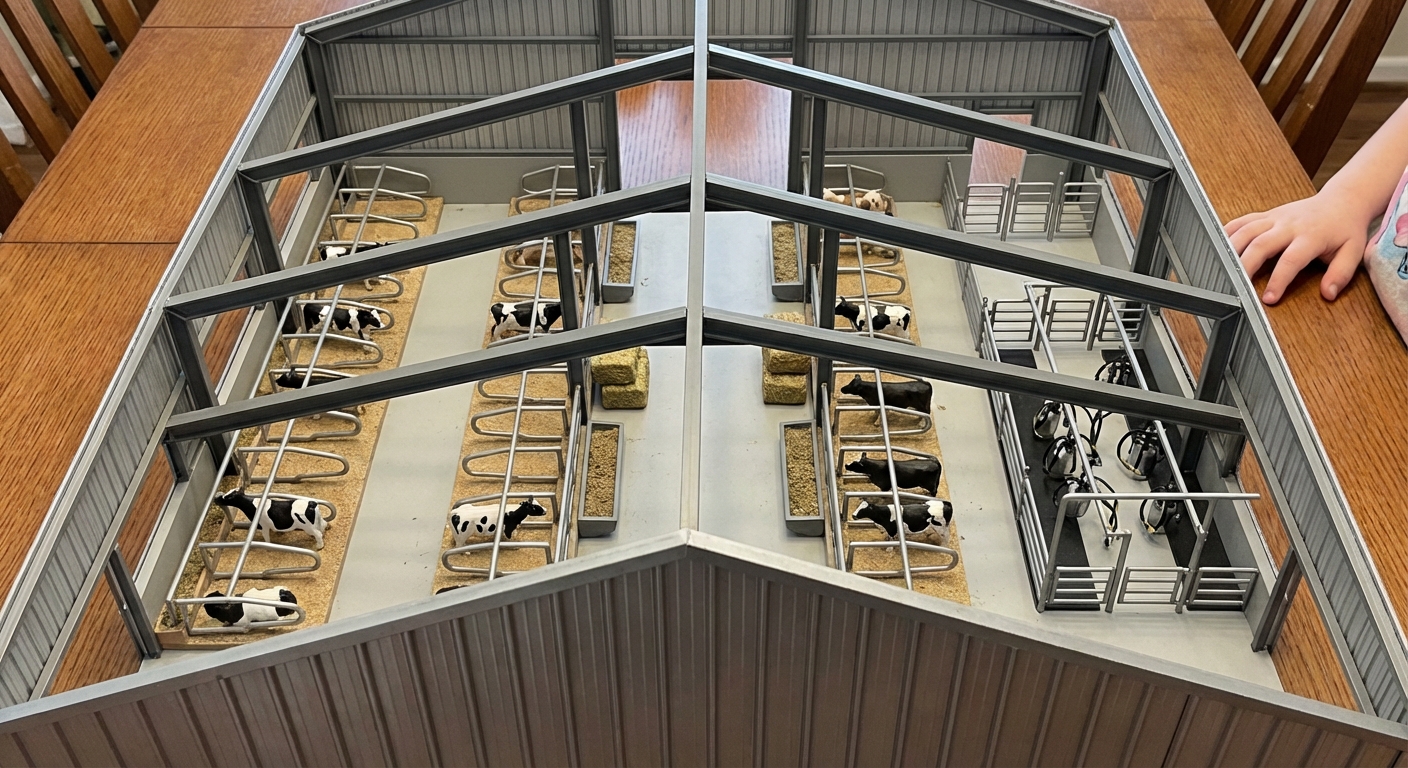
Different cow shed types require varying amounts of space ranging from 40 square feet for basic shelter to over 120 square feet for high-comfort free-stalls. Calculating the correct space needs per cow is the first step in your design process to prevent overcrowding and social stress. You must account for not just the resting areas, but also the feeding alleys, water access, and walking paths.
Dimensioning for Comfort
In a free-stall system, you need enough room for the cow to stand up and lie down comfortably without hitting neighbors. Feeding alleys should be wide enough for two cows to pass behind those who are already eating, preventing bottlenecks.
Planning for Growth
The secret to a successful farm is scalability.
- Leave space at one end of the barn for future extension.
- Ensure ceiling heights are sufficient for modern machinery.
- Design wide gates for easy animal movement and sorting.
Key Takeaway: Proper space planning is the foundation of animal welfare; never compromise on square footage if you want to maintain high milk production.
| Area Type | Sq Ft Per Cow (Average) | Purpose | |
|---|---|---|---|
| Resting Stall | 30 – 45 | Comfort/Rumination | |
| Feed Alley | 25 – 35 | Nutrition Access | |
| Exercise Area | 40 – 60 | Movement/Hoof Health |
A generous layout prevents competition among the herd, leading to a calmer environment and more consistent production levels.
Which Cow Shed Types Provide Best Ventilation?
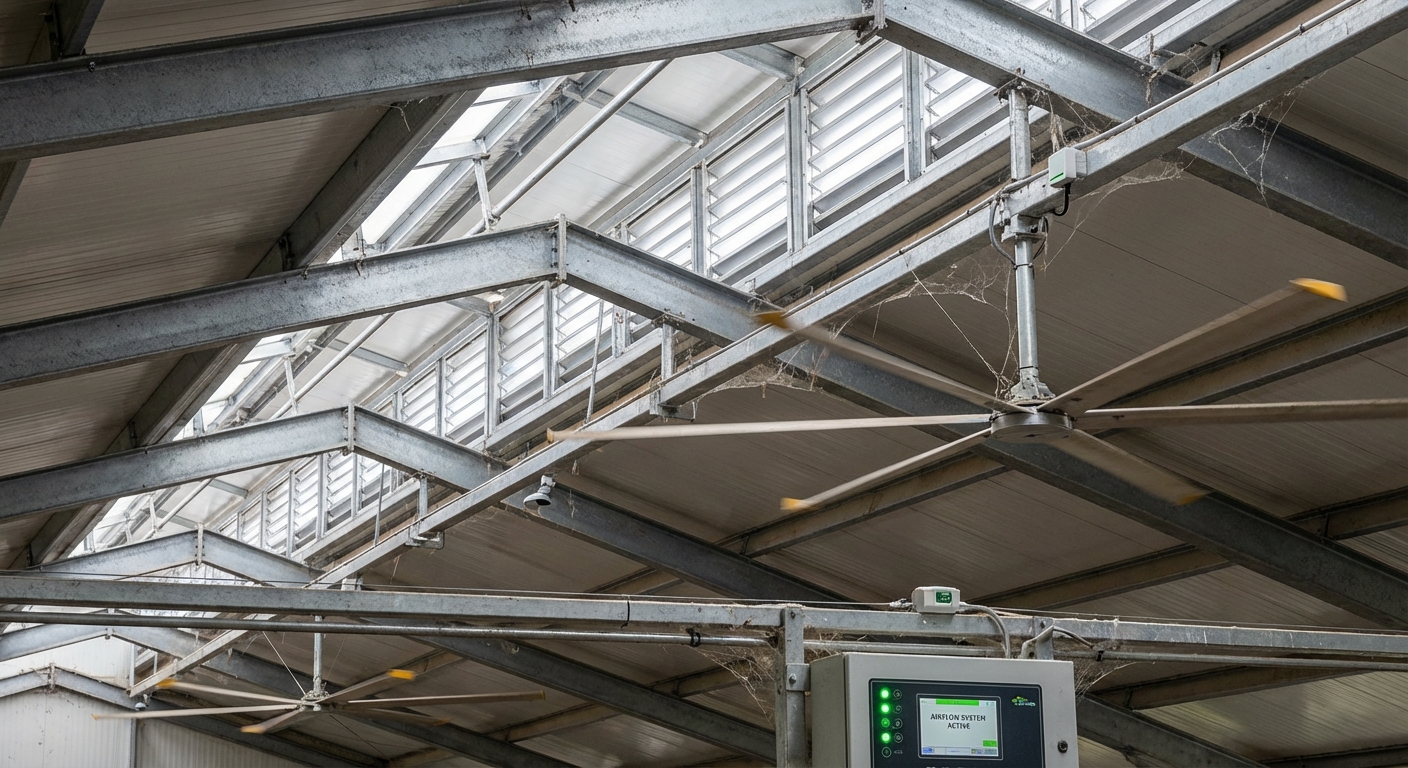
Open-sided and ridge-vented cow shed types provide the best ventilation by utilizing natural buoyancy and wind currents to remove moisture and gases. A specialized cow shed ventilation design prevents the buildup of ammonia and carbon dioxide, which can lead to chronic respiratory diseases. High ceilings in a prefab cow shed allow for a larger volume of air, making it easier to maintain a fresh environment throughout the year.
Natural vs. Mechanical Systems
While natural ventilation is cost-effective, some large-scale barns require mechanical assistance, such as high-volume, low-speed (HVLS) fans. These fans move large amounts of air silently, ensuring that even the center of a wide-span barn stays cool and dry.
Moisture Control and Bedding Health
Don’t overlook this. Excessive moisture in the air leads to damp bedding, which is a breeding ground for bacteria and environmental mastitis.
- High eaves promote air intake.
- Ridge vents exhaust hot air and moisture.
- Fans prevent stagnant air pockets.
Key Takeaway: Ventilation is just as important as the roof over their heads; poor air quality will negate any other welfare improvements you make.
| Ventilation Type | Best Climate | Operational Cost | |
|---|---|---|---|
| Natural (Open) | Temperate/Warm | $0 | |
| Tunnel (Fans) | Very Hot/Humid | High | |
| Cross (Curtains) | Variable | Low |
The most effective systems combine smart structural design with supplemental fans to ensure the herd always breathes clean, fresh air.
How to Future-Proof Various Cow Shed Types?
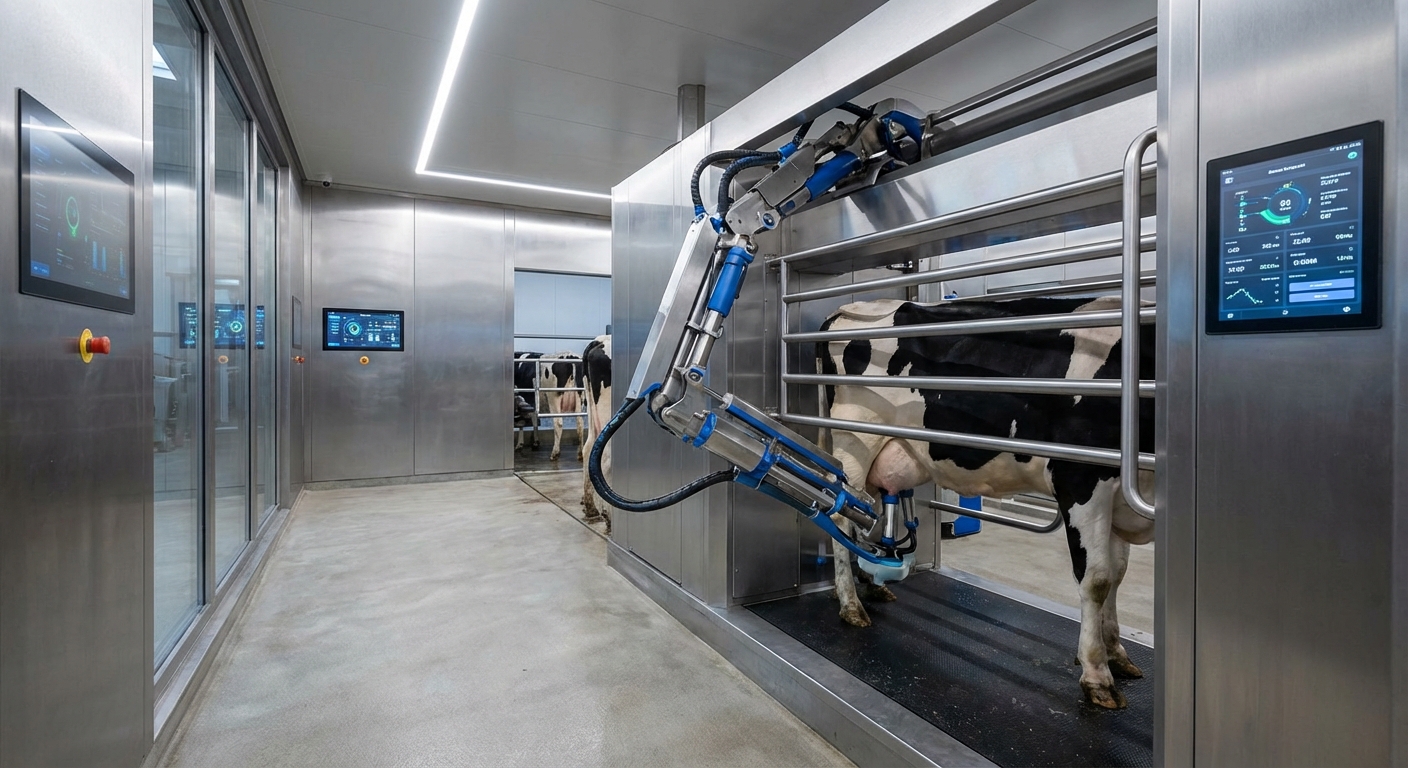
To future-proof various cow shed types, you should design the structure with enough clearance and structural integrity to support the eventual installation of robotic milking and automated cleaning. Modern agriculture is rapidly moving toward automation to combat labor shortages and increase precision. By choosing a clear-span design now, you ensure that you won’t have to remove supporting columns later when you decide to upgrade your technology.
Integrating Robotic Milking Systems
Robotic systems require specific entry and exit flows to manage the herd effectively. Your layout should be flexible enough to accommodate these “smart gates” and the necessary utility connections for the robots without major structural changes.
Smart Sensors and Data Tracking
The digital revolution is here. Modern barns are becoming data hubs, where sensors monitor temperature, humidity, and even individual cow activity levels in real-time.
- High ceilings for sensor mounting.
- Dedicated zones for technical equipment.
- Durable materials that don’t interfere with wireless signals.
Key Takeaway: Building a barn with future technology in mind protects your investment and ensures your farm remains competitive for decades.
| Technology | Integration Difficulty | Benefit | |
|---|---|---|---|
| Robotic Milking | High (Requires Layout) | 24/7 Efficiency | |
| Auto-Scrapers | Low | Cleanliness/Hygiene | |
| Climate Sensors | Minimal | Precision Control |
A future-proof barn is a flexible barn; prioritize open space and durable materials to adapt to the next generation of farming tech.
At Showhoo Building, we understand that your livestock housing is the most important asset on your farm. We have helped thousands of farmers transition from inefficient, high-maintenance structures to state-of-the-art steel barns that last for generations. Whether you need a small-scale beef shed or a massive 1,000-head dairy facility, our engineers are ready to design a solution that fits your budget and your vision. Our brand stance is simple: we provide the structural backbone for the world’s most successful agricultural operations through precision engineering and factory-direct value. To start your journey toward a more profitable farm, contact us today for a custom consultation and quote.
Frequently Asked Questions
Can I expand my cow shed if my herd grows?Yes, you can easily expand your facility if you choose a prefabricated steel structure. Steel barns are modular by nature, allowing you to add new bays or sections to the existing frame without a complete rebuild.
What’s the best cow shed type for high-humidity areas?Open-sided galvanized steel structures are the superior choice for high-humidity environments. They maximize natural airflow to prevent moisture buildup and the galvanized coating protects the frame from corrosion caused by damp air.
How do I know if I need a free-stall or a tie-stall design?Evaluate your herd size and your management goals to make this decision. Free-stalls are better for large-scale efficiency and natural behavior, while tie-stalls are better for small herds where you need to monitor every animal individually.
Is steel better than wood for a modern barn?Steel is undoubtedly the better choice for modern agricultural buildings. It provides a much longer lifespan, requires almost no maintenance, is fire-resistant, and can span much larger distances without internal columns.
Can I install solar panels on these cow shed types?Yes, modern steel cow sheds are designed with the structural capacity to support solar arrays. This allows you to turn your barn roof into a source of renewable energy, further reducing your farm’s operational costs.