
Structural steel framing is a building technique that utilizes hot-rolled steel sections to create a high-strength skeleton capable of supporting all structural loads. Traditional construction methods often struggle to meet the demands of modern industry, where speed, cost-efficiency, and longevity are paramount. Developers frequently face the frustration of ballooning budgets, weather-related delays, and high maintenance costs associated with wood or concrete structures.
Waiting months for a facility to be operational while managing site-intensive labor can cripple a business’s growth and erode your return on investment. Precision-engineered steel framing construction provides a definitive solution to these challenges by utilizing prefabricated components that slash assembly times. This method ensure unmatched structural integrity and offers a low-maintenance lifecycle that protects your capital for decades.
What is steel framing construction and how does it work?
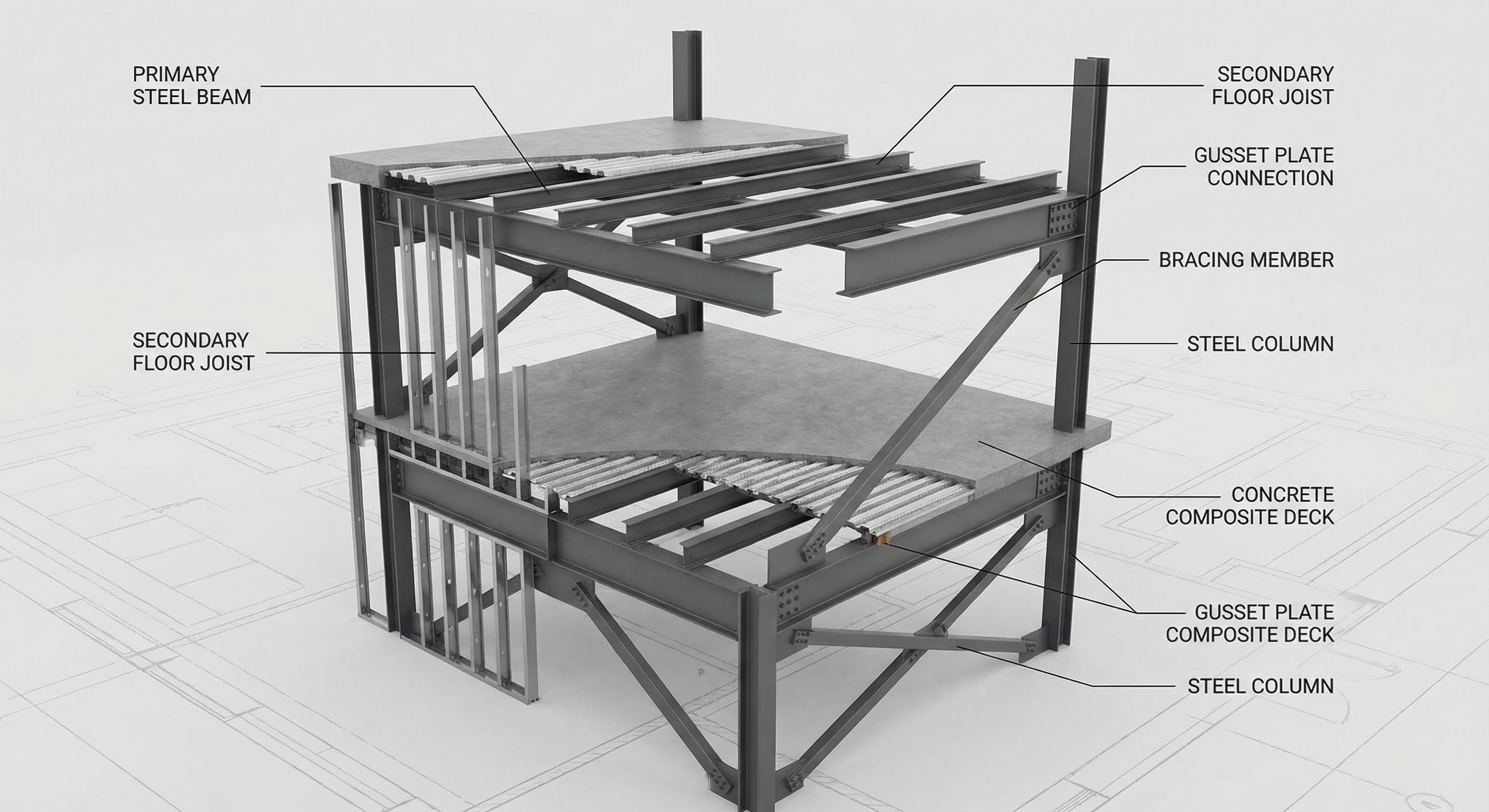
Steel framing construction is a structural method that uses heavy-duty steel columns and beams to form a rigid skeletal support for a building. This framework supports all internal and external loads, transferring them safely to the foundation through a series of interconnected joints. By utilizing steel framing construction , you gain a building system that is manufactured to millimetric precision in a controlled environment.
The process begins with computer-aided design where every bolt hole and connection is mapped out. Components are then fabricated in a factory, ensuring high material quality and consistency. Once the parts arrive at your site, they are bolted together according to the engineering plan. This modularity eliminates much of the guesswork and labor intensity found in traditional masonry.
The Basics of Structural Steel Systems
Structural steel systems utilize hot-rolled sections like H-beams and I-beams to create a skeleton that allows for massive interior flexibility. You will find that these members are far stronger than timber, allowing for much taller and wider buildings without the need for thick support walls.
Think about this:
- Primary frames handle the main gravity and lateral loads.
- Secondary members like purlins support the roof and wall skins.
- Connections are secured with high-strength bolts or specialized welding.
Prefabrication and Site Assembly
Modern engineering allows for most of the hard labor to happen off-site before the first column is ever raised. You can receive a complete building kit that is ready for immediate erection, minimizing the time your crew spends on-site.
But wait, there is more: The precision of factory cutting means that site waste is almost non-existent. Because every piece is numbered and fits perfectly, your assembly team can work through a logical sequence without needing to cut or modify materials in the field. This efficiency is why steel remains the gold standard for industrial growth.
| Component | Function | Manufacturing Method | |
|---|---|---|---|
| H-Beams | Main structural columns and rafters | Hot-rolled high-strength steel | |
| C/Z Purlins | Roof and wall support members | Cold-formed galvanized steel | |
| High-Strength Bolts | Secure primary and secondary joints | Precision machined and graded | |
| Bracing | Maintains lateral stability and rigidity | Steel rods or angle sections |
The data shows that factory-controlled production leads to a higher degree of structural reliability compared to site-poured concrete.
Key TakeawayUnderstanding the skeletal nature of steel allows you to plan facilities that are both robust and flexible for future internal modifications. By moving the majority of the construction work to the factory, you mitigate the risks of human error and weather interference.
Why use steel framing construction for industrial sites?
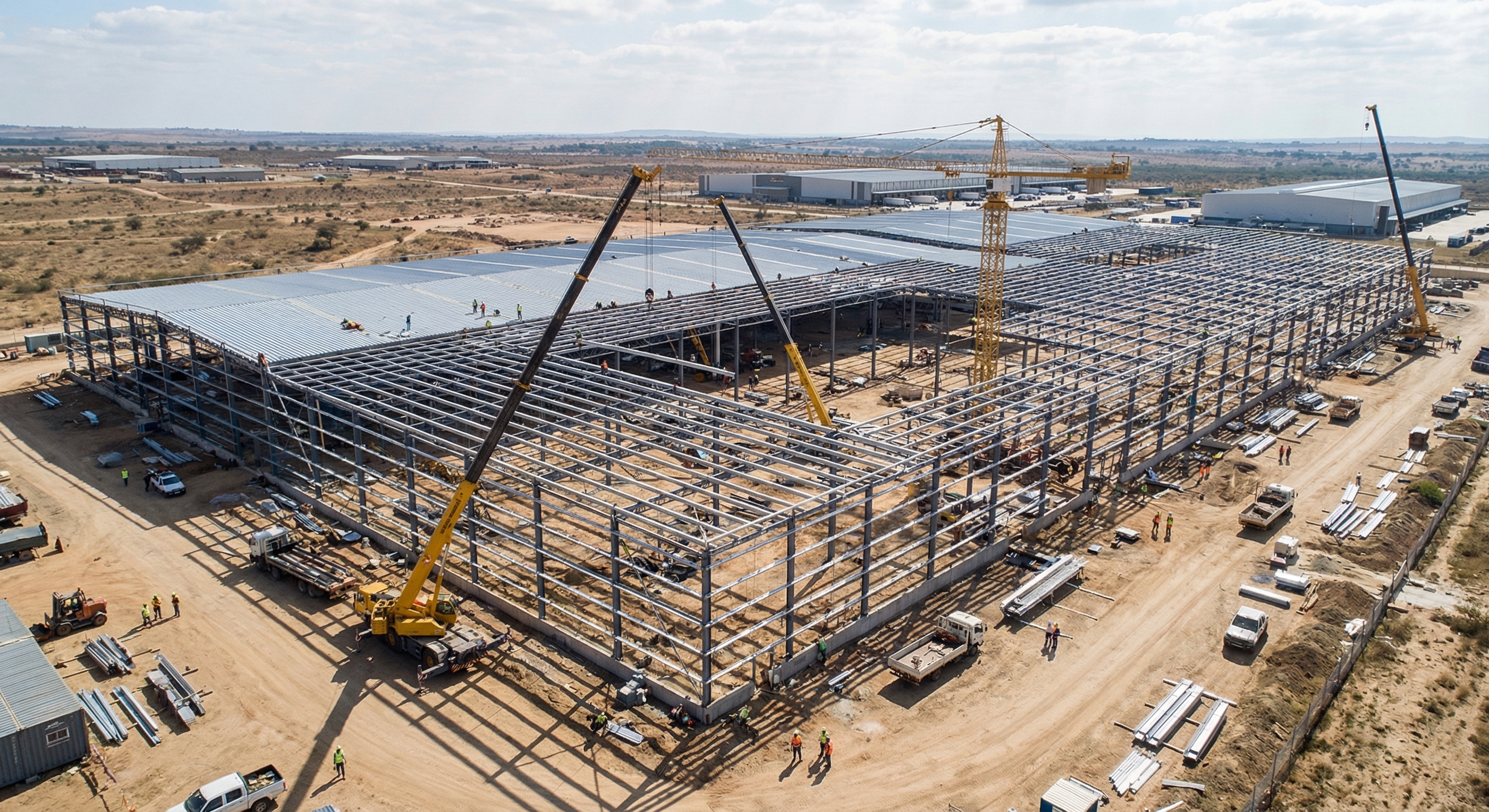
Industrial sites utilize steel framing construction because it offers the clear-span capabilities and height required for large-scale logistics and heavy machinery. Large warehouses and workshops require unobstructed floor space to allow for efficient movement of goods and equipment. Incorporating steel framing construction into your project allows you to eliminate interior columns that would otherwise hinder your operations.
The high strength-to-weight ratio of steel means that it can support heavy cranes and mezzanine floors without bulky reinforcements. You can design your facility with wide bays that accommodate large trucks and production lines. This versatility makes steel the preferred choice for everything from aircraft hangars to massive distribution centers.
Maximizing Warehouse Efficiency
Warehouse operators need to maximize every square meter of vertical and horizontal space for storage racks. You can achieve eave heights exceeding 15 meters with ease, allowing for sophisticated automated storage and retrieval systems.
Here is the deal:
- Clear spans can reach up to 40 meters without intermediate columns.
- The rigid frame handles high-load racking systems without swaying.
- Expansion is simplified by adding new frame modules to either end.
High-Capacity Workshop Structures
If your business involves heavy manufacturing, you likely require overhead cranes to move raw materials. Steel frames are specifically engineered to support the dynamic loads of crane runways and heavy-duty machinery.
The best part? You don’t have to worry about the structural fatigue that plagues other materials under heavy vibration. The elasticity of steel allows it to absorb impacts and heavy loads while maintaining its original shape. This durability ensures that your workshop remains safe and operational even under the most demanding industrial conditions.
| Industrial Requirement | Steel Framing Solution | Operational Benefit | |
|---|---|---|---|
| Clear Floor Space | Long-span portal frames | Unobstructed logistics and movement | |
| Vertical Storage | High-eave rigid frames | Increased pallet capacity per square meter | |
| Material Handling | Crane-ready structural beams | Seamless integration of heavy lift systems | |
| Scalability | Modular frame design | Easy future expansion as business grows |
Large-scale industrial projects benefit significantly from the predictable performance and specialized engineering available in steel systems.
Key TakeawayChoosing a steel skeleton for your industrial project provides the structural backbone necessary for heavy operations while keeping the interior space open. You gain the freedom to configure your internal layout for maximum productivity without working around permanent masonry walls.
How does steel framing construction boost project ROI?
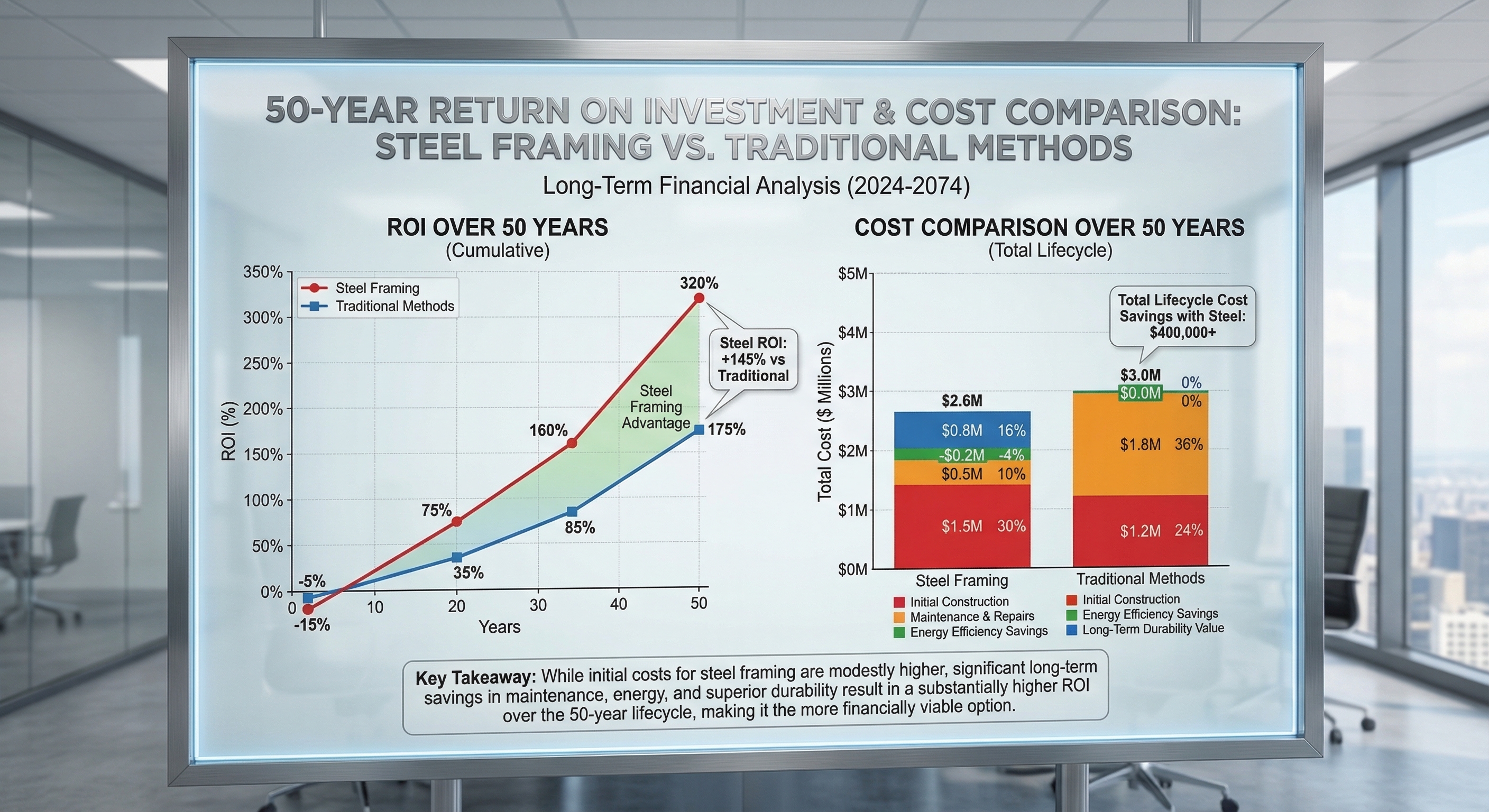
Steel framing construction boosts project ROI by reducing long-term maintenance costs and significantly shortening the time until the building is operational. Every day your building is under construction is a day it is not generating revenue, making speed a critical financial metric. By investing in steel framing construction , you are choosing a material that retains its value and requires minimal upkeep over its 50-year lifespan.
Traditional materials like wood require frequent inspections for pests, rot, and moisture damage, which can lead to expensive repairs. Steel, however, is a non-organic material that does not warp, shrink, or crack over time. This stability ensures that your insurance premiums remain lower and your resale value stays high.
Reducing Long-Term Maintenance Costs
You will find that the lifecycle costs of a steel building are significantly lower than those of concrete or timber alternatives. Because the material is resistant to common environmental threats, your annual maintenance budget can be redirected into core business operations.
Look at it this way:
- Steel does not rot or support the growth of mold.
- Termites and other pests cannot damage the structural integrity.
- Protective coatings like galvanization prevent rust for decades.
Enhanced Resale and Lifecycle Value
A steel building is a versatile asset that can be easily repurposed for different tenants or industries. You can sell a steel facility knowing that its structural integrity is as sound as the day it was erected.
Bottom line? Industrial buyers value the durability and flexibility that a steel frame provides, making it a “blue-chip” asset in the real estate market. The ability to deconstruct and recycle the material at the end of its life also adds a final layer of value that other materials simply cannot match. This creates a circular economy benefit that enhances your overall financial standing.
| Cost Category | Steel Framing Impact | Financial Result | |
|---|---|---|---|
| Operational Start | 30–50% faster completion | Earlier revenue generation | |
| Maintenance | Minimal repairs needed | Significant long-term savings | |
| Insurance | Fire-resistant properties | Lower recurring premiums | |
| Lifespan | 50+ years of stability | Higher total return on investment |
The cumulative savings in maintenance and the gains from early occupancy often outweigh the initial material costs within the first five years.
Key TakeawayYou should view structural steel as a long-term financial vehicle rather than just a construction material. The combination of rapid deployment and near-zero structural maintenance makes it the most efficient way to grow your industrial infrastructure.
Is steel framing construction more durable than wood?
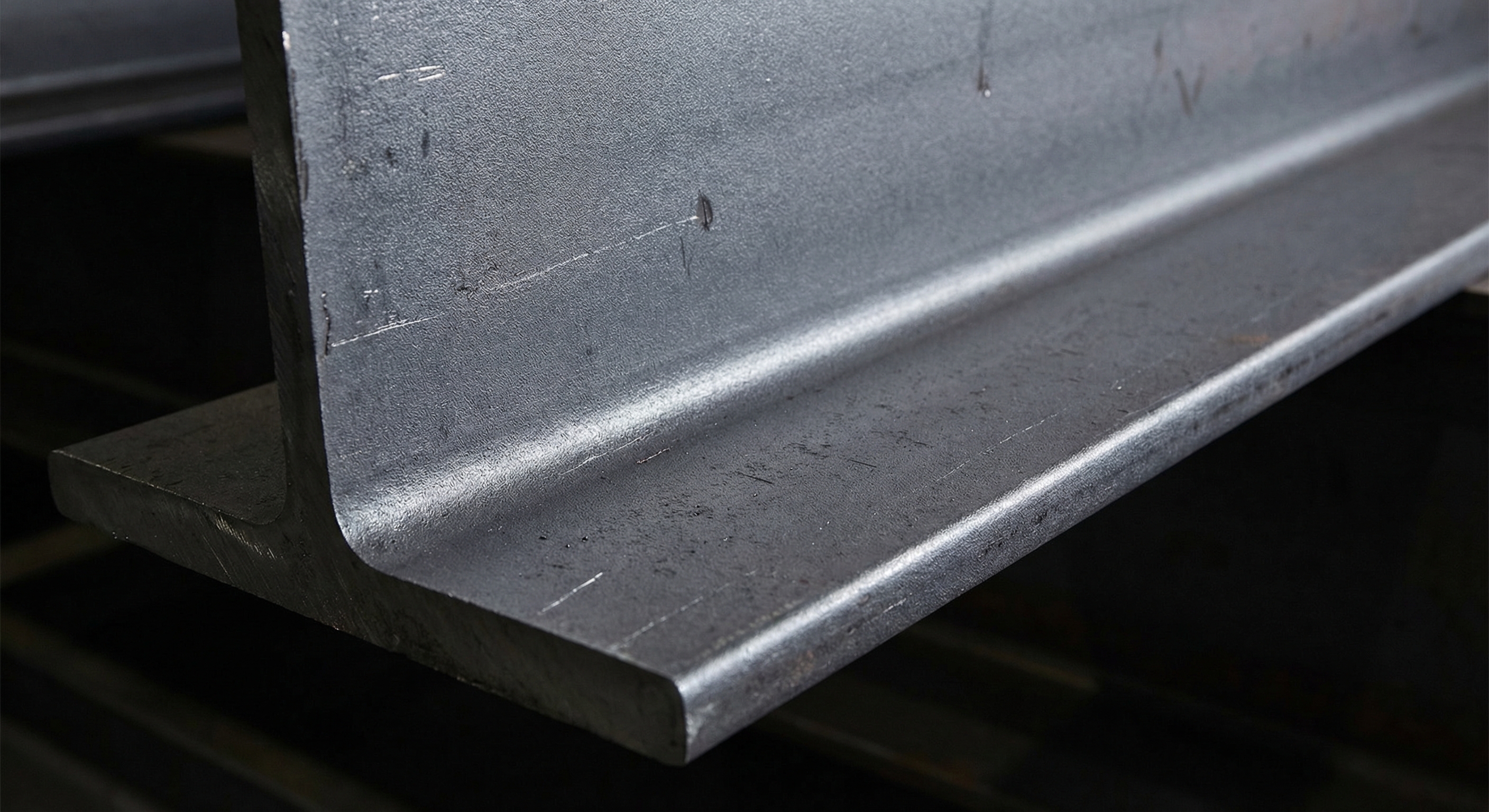
Steel framing construction is far more durable than wood because it is a non-combustible, inorganic material that does not degrade under biological or environmental pressure. Wood is susceptible to moisture, insects, and fire, which can compromise the safety of your building over time. When you choose steel framing construction, you are opting for a material with a high density that can withstand extreme forces without losing its structural shape.
Durability in construction is measured by how well a building maintains its integrity against the elements. Steel beams are manufactured to specific grades that guarantee their strength and performance in high-stress situations. Unlike timber, which can have knots and natural variations, every piece of steel is uniform and predictable.
Fire, Pest, and Mold Resistance
If you are operating in a high-risk environment, the fire resistance of steel is a non-negotiable advantage. You won’t have to worry about a structural failure caused by a small electrical fire that would consume a timber-framed building in minutes.
That is not all:
- Steel is completely impervious to termites and boring insects.
- The material does not absorb moisture, preventing mold growth.
- Non-combustible properties improve safety for your employees.
Structural Integrity in Extreme Weather
You need a building that can stand strong during seismic events or hurricane-force winds. High-strength steel frames are engineered to flex slightly under stress without snapping, which is a critical safety feature in volatile climates.
The result? Your facility remains a safe harbor during natural disasters, protecting both your staff and your expensive inventory. Engineers use advanced software to simulate local wind and snow loads, ensuring that your specific frame is reinforced exactly where it needs to be. This customized protection gives you peace of mind that no organic material can provide.
| Threat Factor | Wood Performance | Steel Performance | |
|---|---|---|---|
| Fire | Highly combustible | Non-combustible | |
| Termites | Major structural risk | Zero susceptibility | |
| Moisture | Rot and warping | No degradation | |
| Seismic | Brittle failure risk | Ductile and flexible |
Comparing these materials clearly shows that steel is the only viable choice for long-term safety in industrial settings.
Key TakeawayChoosing steel over wood is an investment in the physical safety and longevity of your business assets. You eliminate the constant fear of biological decay or fire damage, allowing you to focus on scaling your operations in a secure environment.
Can steel framing construction shorten building timelines?
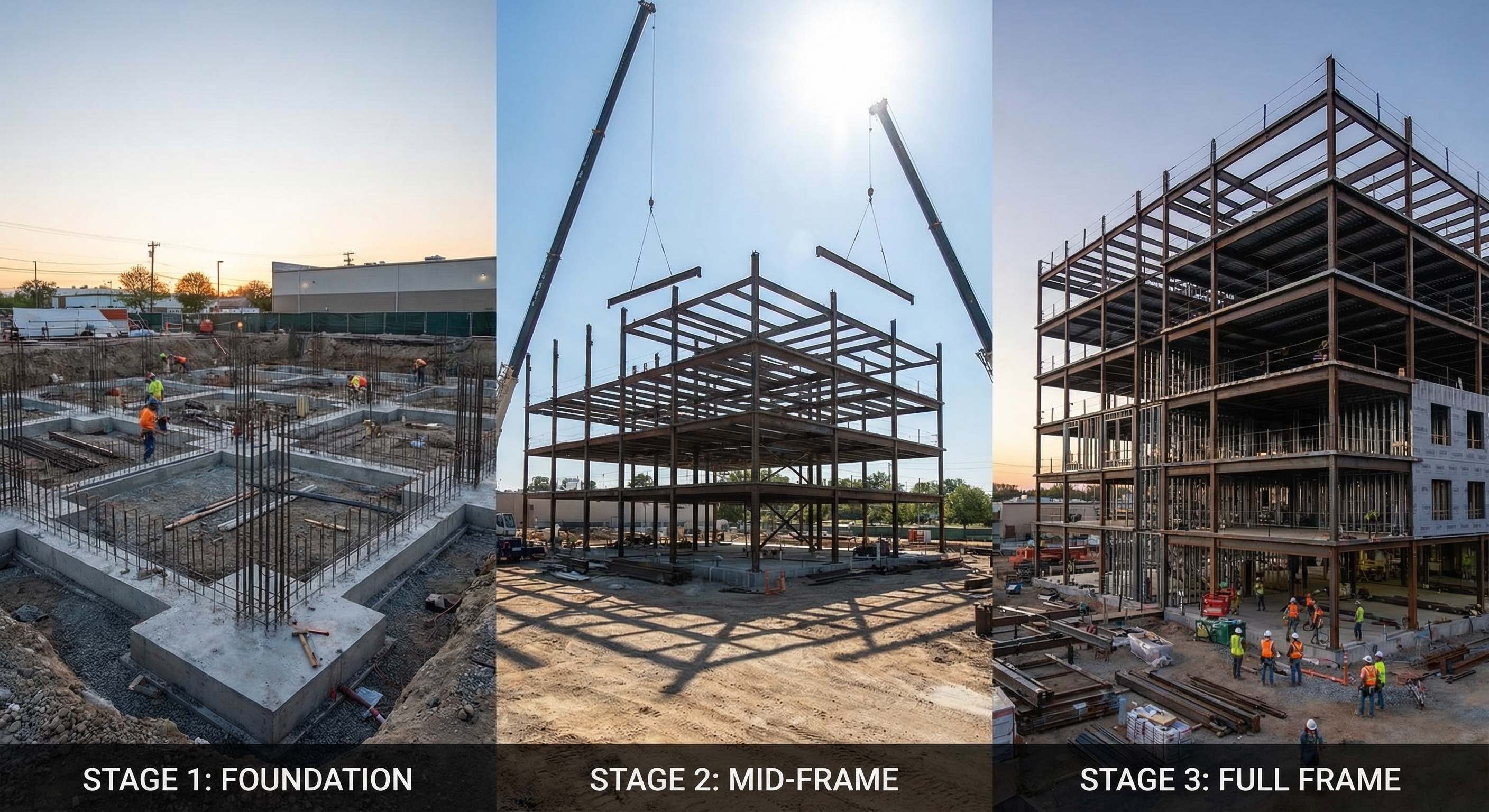
Steel framing construction can shorten building timelines by up to 50% compared to traditional on-site masonry or concrete methods. This speed is achieved through parallel processing, where the foundation work on-site happens simultaneously with the fabrication of the steel frame in the factory. By utilizing steel framing construction , you avoid the long curing times of concrete and the weather-dependent nature of timber framing.
Once the steel components arrive on-site, they are ready for immediate installation. A small, skilled crew can erect thousands of square meters in a matter of weeks. This rapid assembly means you can move in, set up your equipment, and start production months ahead of schedule.
The Benefits of Off-Site Manufacturing
You will notice a massive difference in site management when your primary structure is delivered as a ready-to-assemble kit. The factory environment allows for 24/7 production regardless of the weather, ensuring that your project stays on track even during rainy or cold seasons.
In fact,
- Components are cut and drilled with CNC precision.
- Quality control inspections happen before parts leave the factory.
- Site labor is reduced to bolting rather than fabrication.
Parallel Processing and Rapid Erection
Imagine your warehouse being fully enclosed in just 30 days while your competitors are still waiting for concrete walls to dry. You can schedule your electrical, plumbing, and flooring contractors to start work as soon as the frame is up, further compressing the schedule.
The best part? Because the building is engineered as a system, the integration of doors, windows, and insulation is seamless. You won’t face the common delays of “making things fit” that plague traditional builds. This streamlined workflow is the primary reason why expanding companies choose steel for their urgent infrastructure needs.
| Stage | Traditional Timeline | Steel Framing Timeline | |
|---|---|---|---|
| Design/Eng | 4 Weeks | 4 Weeks | |
| Fabrication | N/A (on-site labor) | 6 Weeks (concurrent with site prep) | |
| Site Prep | 6 Weeks | 6 Weeks | |
| Erection | 16–24 Weeks | 4–6 Weeks |
The time saved during the erection phase allows for a much faster transition from investment to operational reality.
Key TakeawayYou can drastically reduce your “time-to-market” by choosing a prefabricated steel system. This acceleration not only saves on labor costs but also allows your business to capitalize on market opportunities much faster than traditional construction would allow.
What parts define quality steel framing construction?
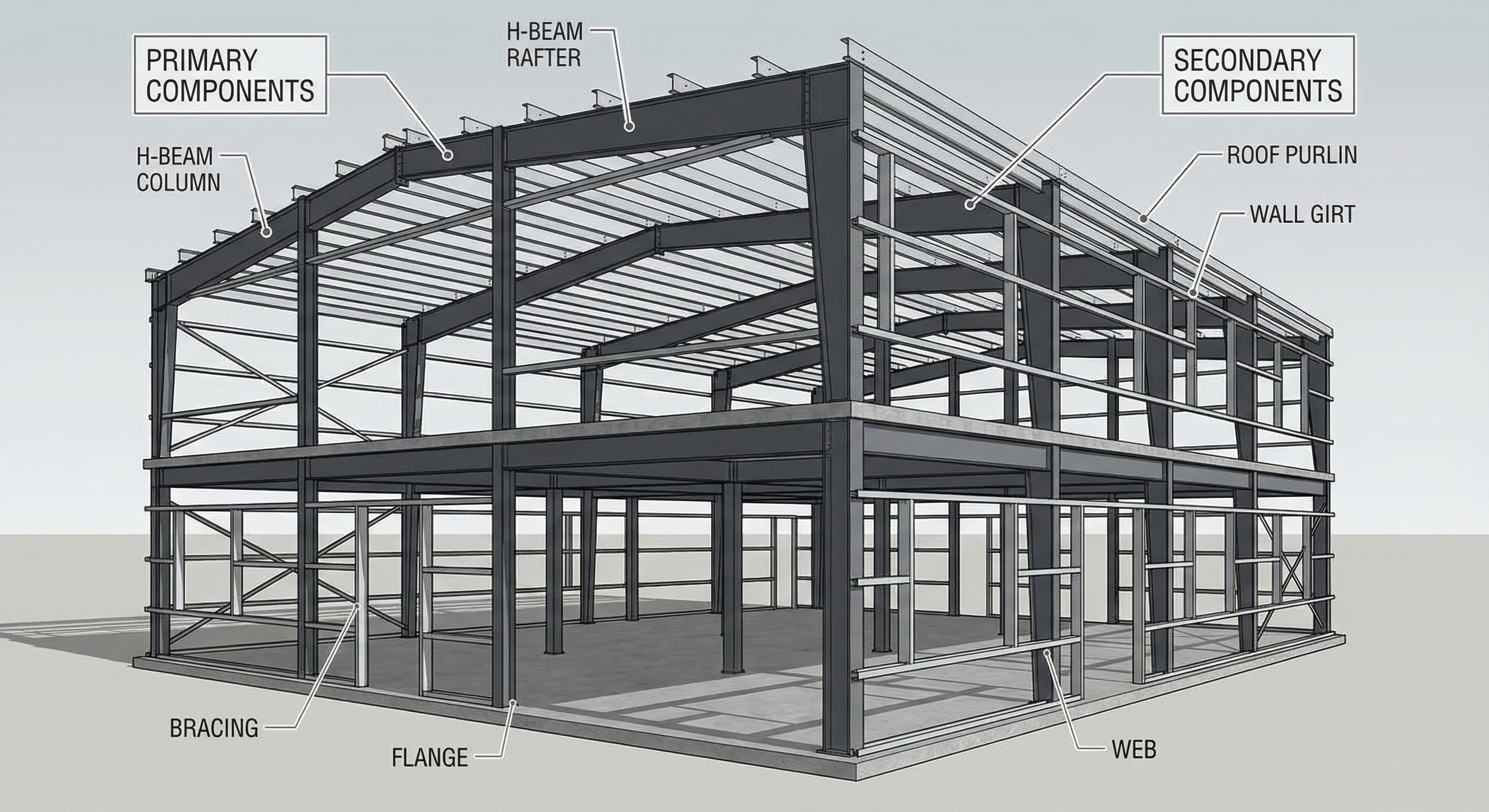
Quality steel framing construction is defined by a combination of primary portal frames, secondary structural members, and high-performance cladding. These components must work in perfect harmony to distribute loads and provide a weather-tight envelope for your operations. When you inspect a site using steel framing construction, you should look for the precision of the joints and the grade of the materials used.
The primary frame acts as the “bones” of the building, while the secondary system acts as the “connective tissue” that holds the skin in place. High-quality systems use galvanized steel for secondary members to ensure they remain rust-free throughout the building’s life. Understanding these parts helps you communicate more effectively with your engineering team.
Primary Frames and Portal Systems
The primary frames are usually made of heavy H-beams that form the main portals of the building. You can think of these as the main arches that provide the height and width of your facility.
Why does this matter?
- H-beams provide the highest strength-to-weight ratio for long spans.
- Portal frames allow for massive openings for large industrial doors.
- Rigid connections ensure the building does not sway under wind loads.
Secondary Purlins and Cladding Options
Secondary members, such as C-purlins or Z-purlins, are used to span the distance between the primary frames. These members provide the attachment points for your roof and wall panels, ensuring the structure is stable.
Here is the deal: You can choose from a variety of cladding options, including single-skin sheets or insulated sandwich panels. Sandwich panels are particularly popular for temperature-controlled environments because they provide both structural support and high-performance insulation in a single step. This integrated approach simplifies the construction process and improves the energy efficiency of your finished building.
| Component Group | Specific Items | Role in Quality | |
|---|---|---|---|
| Primary | H-Columns, H-Rafters | Load-bearing strength and span | |
| Secondary | C/Z Purlins, Wall Girts | Lateral stability and skin support | |
| Fasteners | Grade 8.8 Bolts, Self-drilling screws | Connection integrity and weather-sealing | |
| Cladding | EPS/Fiberglass Sandwich Panels | Thermal insulation and protection |
Every component must meet strict international standards to ensure the overall safety and performance of the building.
Key TakeawayA building is only as strong as its weakest connection, so you must insist on high-grade steel for every component. By focusing on a “system” approach rather than buying individual parts, you ensure that every bolt, beam, and panel is engineered to fit and perform together.
Is steel framing construction truly rust-resistant?
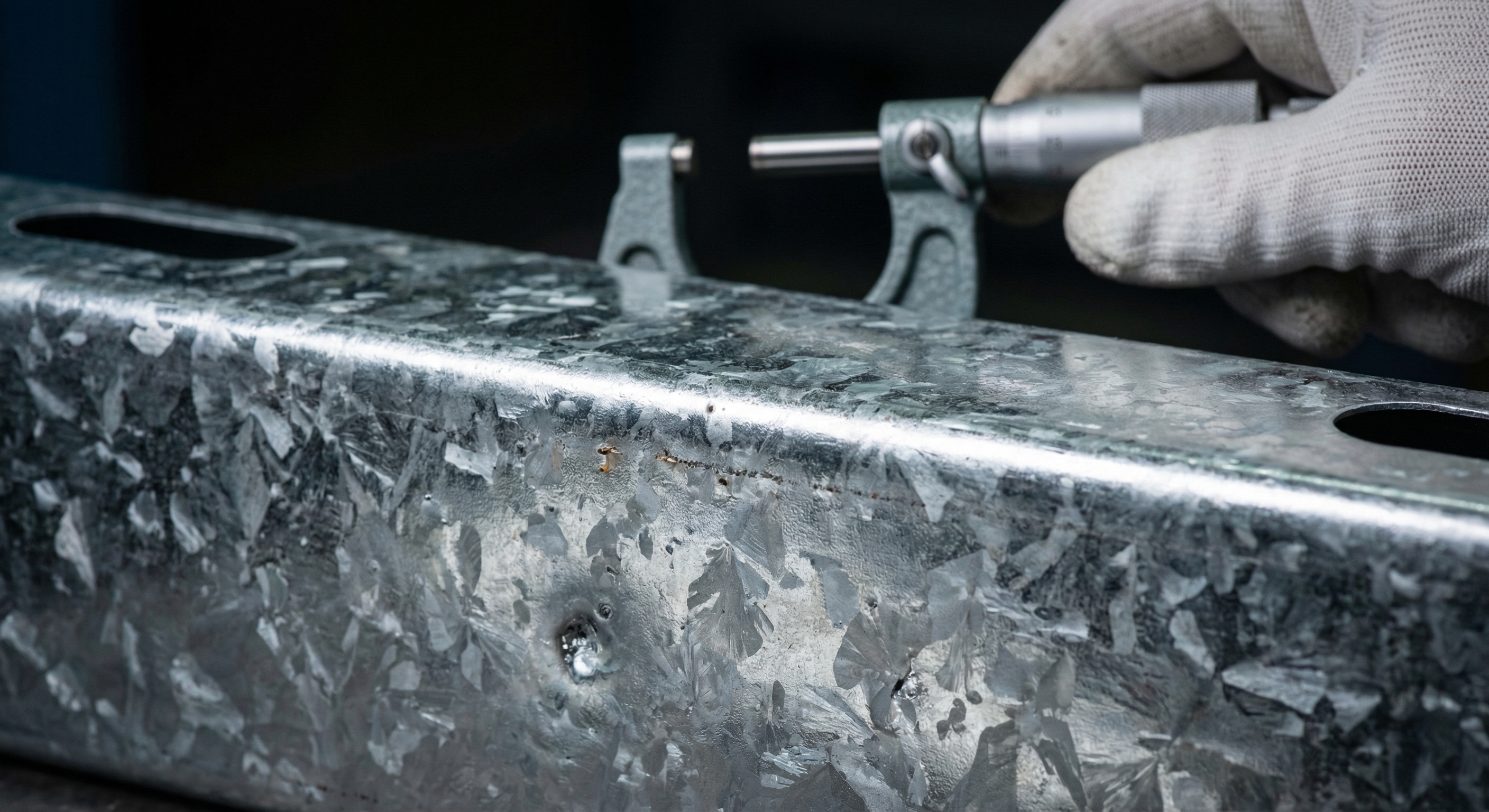
Steel framing construction is highly resistant to rust when the material is treated with hot-dip galvanization or specialized protective coatings. In humid or coastal environments, raw steel would oxidize quickly, but the galvanization process creates a sacrificial zinc layer that prevents corrosion. By selecting steel framing construction that features a high zinc coating mass, you ensure that your structural skeleton remains intact for decades.
For buildings in chemical plants or high-salinity areas, additional layers of epoxy or polyurethane paint can be applied. This creates a multi-barrier defense system that is nearly impossible for moisture to penetrate. You can rest easy knowing that your building’s foundation and frame are protected against the most aggressive environmental conditions.
The Importance of Hot-Dip Galvanization
Hot-dip galvanization involves submerging the steel member into a bath of molten zinc at high temperatures. This creates a metallurgical bond that won’t peel or flake off like standard house paint.
Think about this:
- The zinc layer protects even the interior of hollow sections.
- If the surface is scratched, the zinc “sacrifices” itself to protect the steel.
- Galvanized surfaces require almost zero maintenance over 50 years.
Protective Coatings for Harsh Climates
If your facility is located near the ocean, you need a coating system that can handle constant salt spray. You should consult with your manufacturer to determine the best micron thickness for your specific local environment.
The best part? Advanced coatings can also be used to provide fire-retardant properties (intumescent paint), giving you a double benefit of corrosion resistance and enhanced safety. This specialized treatment ensures that your industrial asset remains structurally sound and visually appealing without the need for frequent repainting or rust removal.
| Coating Type | Best Use Case | Life Expectancy | |
|---|---|---|---|
| Hot-Dip Galvanized | Standard industrial/Humid areas | 50+ Years | |
| Epoxy Primer | Mild environments/Dry storage | 15–20 Years | |
| Polyurethane | High-UV/Coastal locations | 25+ Years | |
| Intumescent | High-risk fire zones | Variable (per code) |
Selecting the right finish during the design phase is the most effective way to prevent future structural issues.
Key TakeawayRust is only a threat to low-quality steel that has not been properly treated. When you invest in a galvanized or professionally coated frame, you are effectively “proofing” your building against the elements and removing one of the biggest risks of industrial ownership.
How to optimize space via steel framing construction?
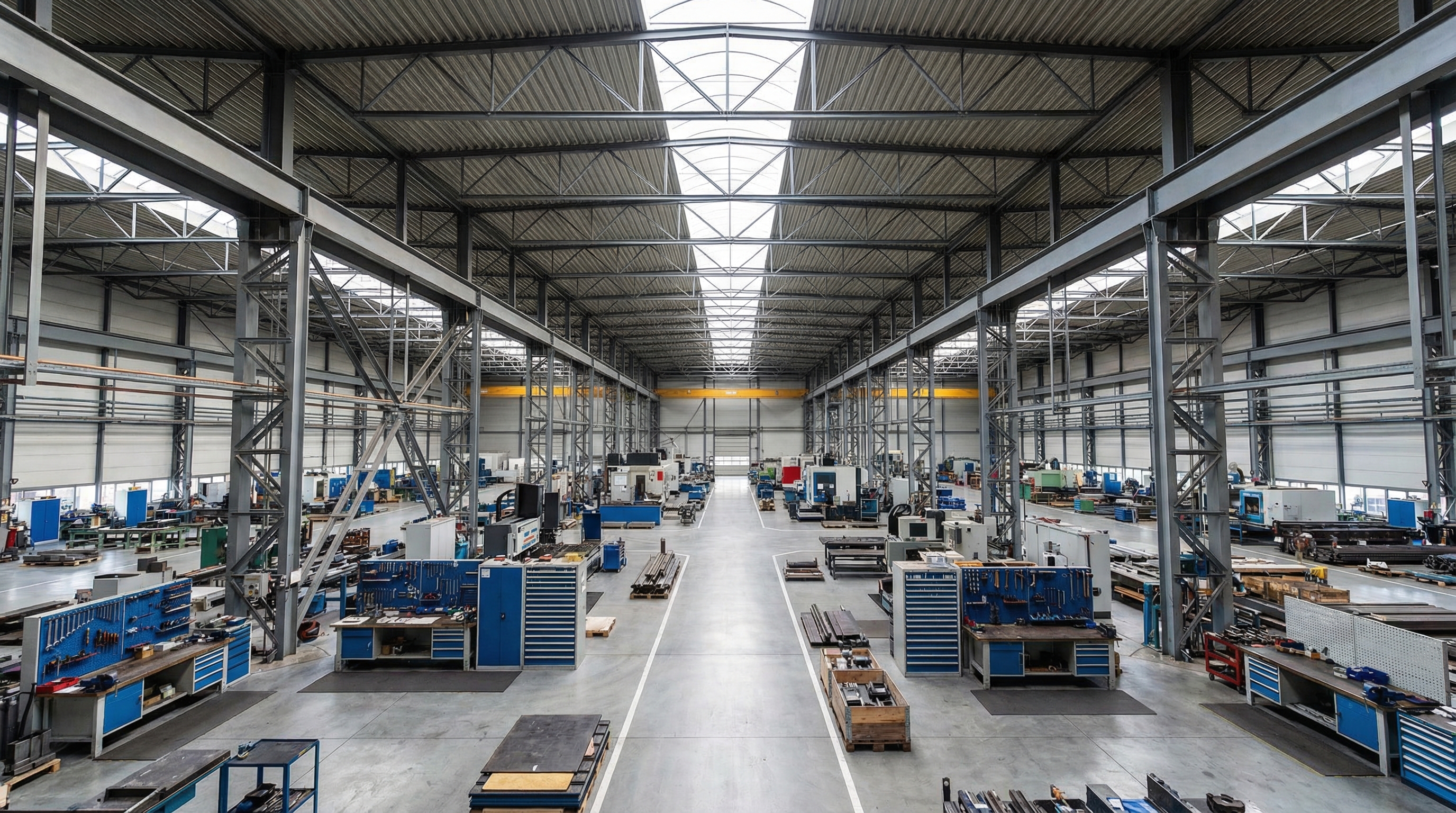
Optimizing space via steel framing construction is achieved through long-span portal designs that eliminate the need for interior support columns. This column-free design is essential for modern workshops where large machinery and vehicles need to move without restriction. By using steel framing construction, you can create a completely open floor plan that can be easily reconfigured as your production needs change over time.
Furthermore, the strength of the steel frame allows you to add mezzanine floors or multi-storey office sections within the same industrial shell. This vertical optimization allows you to separate administrative functions from the factory floor without increasing the building’s footprint.
Achieving Clear-Span Openness
You can design buildings with spans reaching up to 40 or even 60 meters using specialized truss systems. This is particularly useful for aircraft hangars or sports arenas where any interior column would be a major safety hazard or operational blocker.
Look at it this way:
- Clear spans increase the usable floor area by up to 15%.
- Wider bays allow for more efficient racking and aisle layouts.
- The absence of columns reduces the risk of collisions with forklifts.
Multi-Storey and Mezzanine Flexibility
Steel’s high strength-to-weight ratio means it can support heavy second-floor loads with very slim profiles. You can integrate a mezzanine for additional storage or a high-end office space that overlooks your production line.
But wait, there is more: Because the frame is modular, you can often add these mezzanine sections later if your business grows. This “future-proof” design ensures that you don’t have to move to a new building every time you need more space. You simply build upward or outward within your existing steel framework.
| Space Strategy | Structural Requirement | Operational Gain | |
|---|---|---|---|
| Open Layout | Long-span portal frames | Zero obstructions for heavy machinery | |
| Vertical Gain | High-capacity mezzanines | Doubled floor space for offices/storage | |
| Aisle Efficiency | Wide bay spacing | Optimized forklift and robot paths | |
| Modular Growth | Extendable frame design | Low-cost expansion without site disruption |
Maximizing the “air rights” within your building is the most cost-effective way to scale your operations.
Key TakeawayYou should never feel limited by the dimensions of your building when using steel. The ability to span vast distances and build vertically within a single shell gives you the ultimate competitive advantage in spatial efficiency.
Why is steel framing construction an eco-friendly pick?
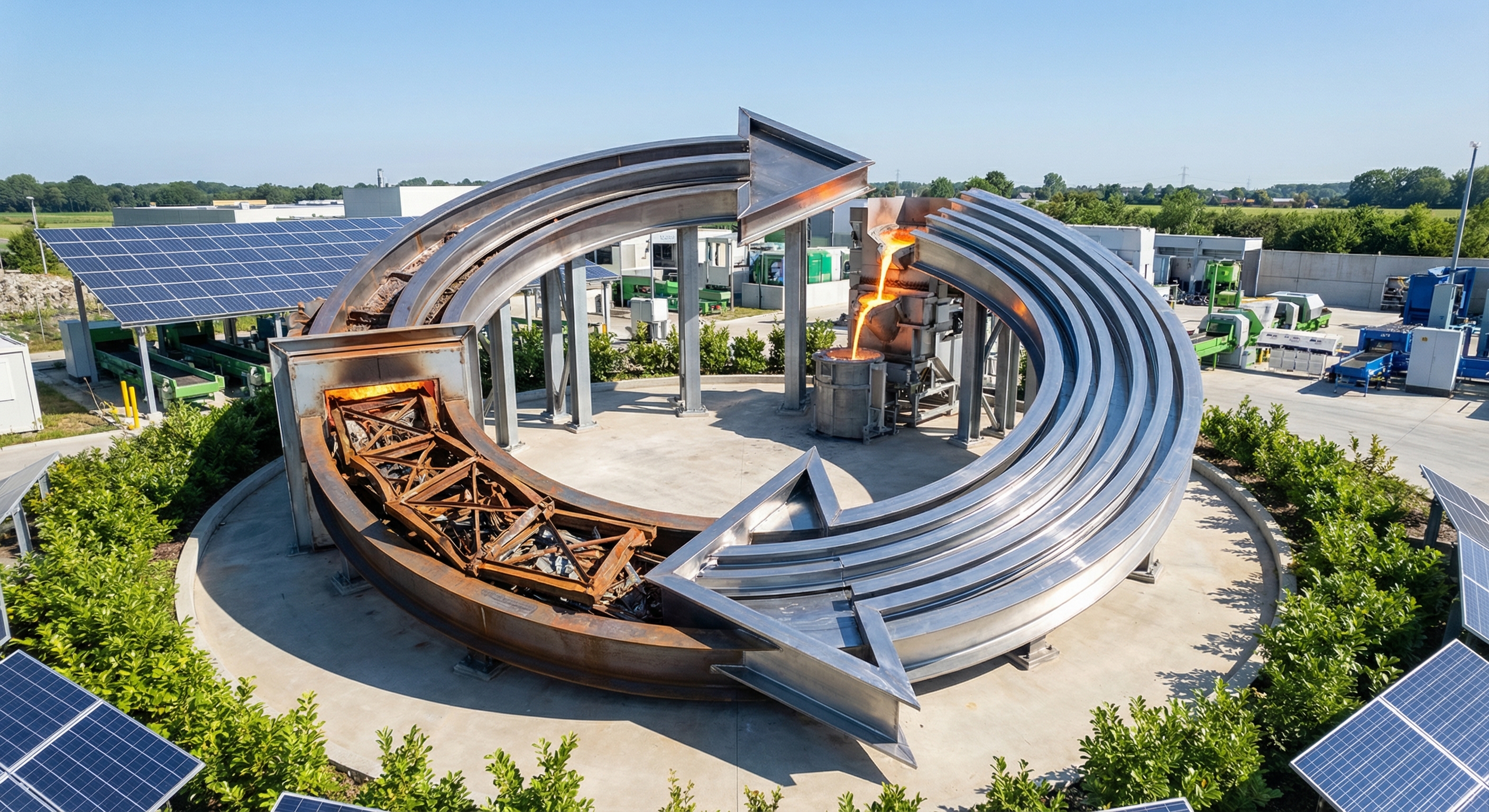
Steel framing construction is an eco-friendly choice because steel is the most recycled material on the planet and produces very little waste during the build process. Unlike timber, which requires the harvesting of trees, most structural steel is made from a significant percentage of recycled content. By choosing steel framing construction , you are supporting a circular economy where materials are reused rather than sent to a landfill.
Additionally, the precision of factory manufacturing means that almost no scrap is generated on your construction site. The light weight of steel components compared to concrete also reduces the energy required for transportation, lowering the overall carbon footprint of your project.
Recyclability and Reduced Material Waste
You can be proud that nearly 98% of structural steel from a deconstructed building can be recycled into new steel products without any loss of quality. This makes steel a permanently sustainable resource that never loses its value.
In fact,
- Most new steel beams contain at least 25% to 90% recycled material.
- Steel recycling saves 75% of the energy needed for virgin production.
- Zero waste on-site keeps your construction project clean and efficient.
Energy Efficiency and Insulation Synergy
Steel frames are designed to integrate perfectly with high-efficiency insulation systems like sandwich panels or fiberglass rolls. You can achieve very low U-values that keep your heating and cooling costs down throughout the year.
The result? Your building becomes a “green” asset that requires less energy to operate, saving you money while protecting the environment. Many modern steel buildings are even designed to support large solar arrays on their roofs, turning your industrial facility into a local power generator. This synergy between the structure and sustainable technology is the future of industrial building.
| Sustainability Metric | Steel Performance | Environmental Impact | |
|---|---|---|---|
| Recycled Content | High (25–90%) | Reduced reliance on virgin mining | |
| Site Waste | Near Zero | Less landfill pressure and cleaner sites | |
| End of Life | 98% Recyclable | Circular economy resource loops | |
| Thermal Efficiency | Excellent with panels | Lower operational carbon emissions |
The ecological benefits of steel align perfectly with the growing demand for sustainable corporate infrastructure.
Key TakeawayWhen you choose steel, you are making a responsible choice for the planet without sacrificing structural performance. This “green” profile can also help your business qualify for tax incentives or sustainability certifications that add further value to your brand.
How to start your steel framing construction project?
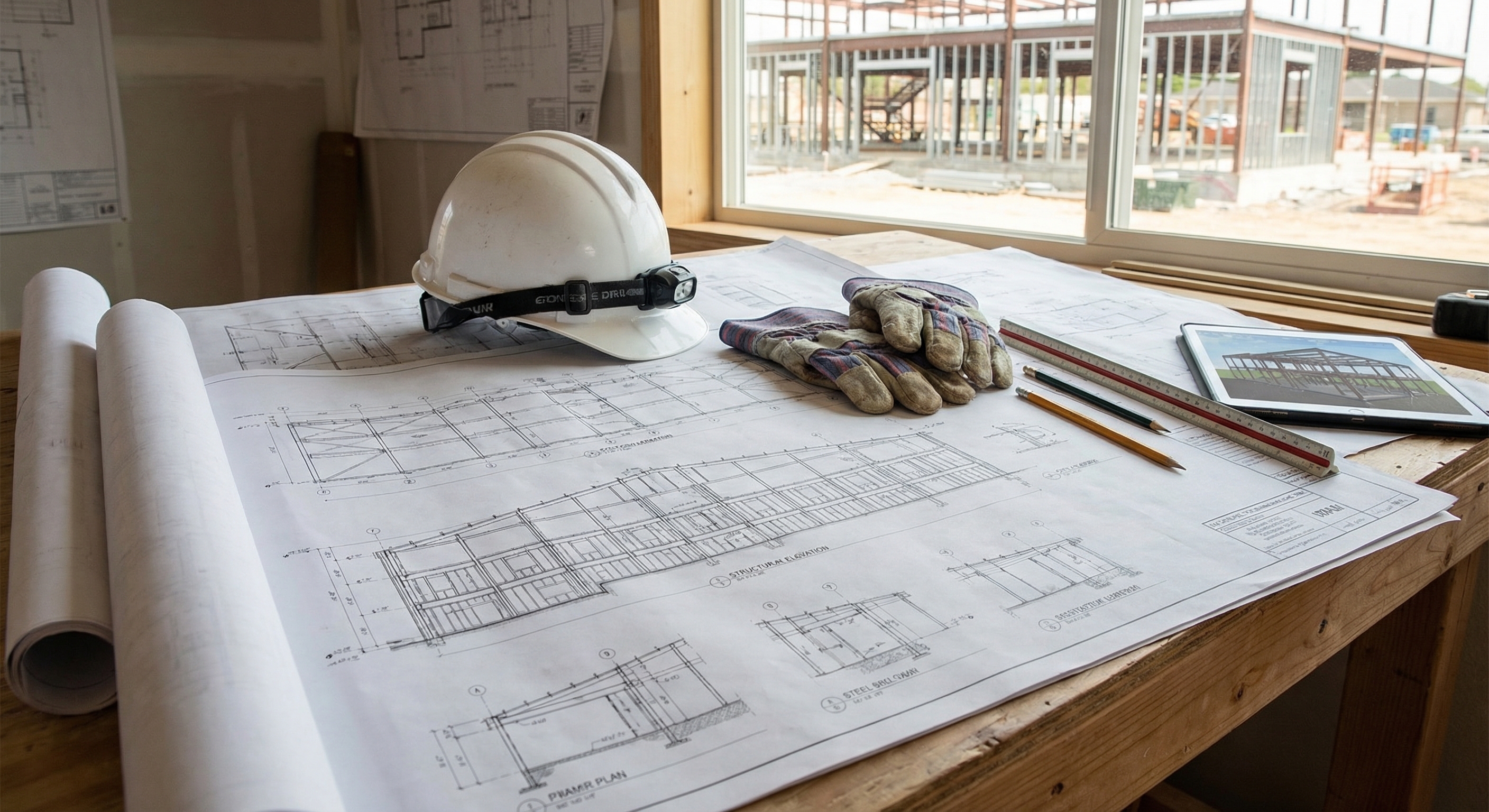
To start your steel framing construction project, you must first define your operational requirements and consult with an experienced engineering team. Every successful build begins with a detailed load analysis that considers local wind, snow, and seismic conditions. Engaging with a specialist in steel framing construction early in the design phase will help you optimize the frame for cost and speed.
Once the design is finalized, the manufacturer will produce detailed fabrication drawings. These drawings act as the “instruction manual” for the factory machines, ensuring every beam is cut to the exact length and every hole is drilled in the right spot.
Planning and Engineering Requirements
You need to ensure that your project meets all local building codes and safety regulations. A qualified engineer will calculate the exact thickness of steel needed for your columns and rafters based on your specific location.
Bottom line?
- Detailed site surveys are essential for a proper foundation.
- Professional engineering stamps are required for most permits.
- Design for future expansion now to save money later.
Selecting the Right Project Partner
Look for a manufacturer that offers a “one-stop” solution—from the initial design and fabrication to the final installation support. This integrated approach reduces the risk of communication errors between different contractors.
Why does this matter? A single point of contact ensures that if a problem arises, it can be solved quickly without “finger-pointing” between suppliers. You want a partner with a proven track record of successful projects in your industry, whether that is a simple warehouse or a complex multi-storey facility. This experience is the best insurance policy you can have for a smooth and successful build.
| Planning Step | Action Item | Importance | |
|---|---|---|---|
| Consultation | Define spans, heights, and loads | Ensures the building meets your needs | |
| Design | Create 3D structural models | Visualizes the project and finds errors | |
| Permitting | Submit engineered drawings | Legal requirement for construction start | |
| Procurement | Order the complete steel kit | Locks in pricing and schedules delivery |
Taking the time to plan thoroughly in the initial stages will prevent costly changes during the erection phase.
Key TakeawayThe most important step is choosing a partner who understands the nuances of prefab steel. By starting with a professional engineering consultation, you set the stage for a project that will be delivered on time, on budget, and built to last.
Building the Future of Industry
Our mission is to solve the classic construction dilemmas of delay and cost overruns by providing precision-engineered, prefabricated infrastructure. We empower global businesses to scale rapidly with buildings that are as resilient as they are efficient. Whether you need a 40-meter clear-span warehouse or a high-capacity industrial workshop, we have the manufacturing expertise to bring your vision to life. We believe that high-quality steel construction should be accessible, sustainable, and built to last for generations. By choosing our precision-engineered steel systems, you are not just erecting a building; you are securing the future of your operations with an asset that grows with you.
Ready to start your next project? Contact us today to receive a comprehensive quote and see how we can accelerate your construction timeline with a custom steel solution.
Frequently Asked Questions
Can I customize the layout of my steel building?Yes. Steel framing is highly modular, allowing you to specify exact door locations, window openings, and internal partitions to suit your specific operational needs.
What’s the best way to prevent condensation?It depends on your climate, but typically proper insulation and ventilation are key. Using high-quality sandwich panels or fiberglass insulation with a vapor barrier effectively manages internal moisture.
Can I expand the building in the future?Absolutely. One of the greatest advantages of steel is the ease of expansion; end walls can be removed and new frames added to increase the length of the building without structural compromise.
How do I know if I need a crane-ready frame?Yes, if you plan to move heavy raw materials or large equipment. You must specify your crane capacity during the design phase so engineers can reinforce the columns and rafters accordingly.
Can I install solar panels on a steel roof?Yes. Steel frames are designed to support significant additional dead loads, provided your engineer accounts for the solar panel weight during the initial design phase.