
Steel building prices in 2025 typically range from 15 to 100 per square foot depending on the structure’s complexity and your specific regional requirements. You are likely facing a construction market where volatility is the only constant, making it difficult to lock in a reliable budget for your next expansion. The fear of overpaying for metal building materials prices or choosing a supplier that cannot deliver on time can paralyze your decision-making process. Fortunately, by understanding the core drivers of the current steel market and logistics, you can make an informed investment that secures your facility’s future.
What factors influence metal building materials prices in 2025?
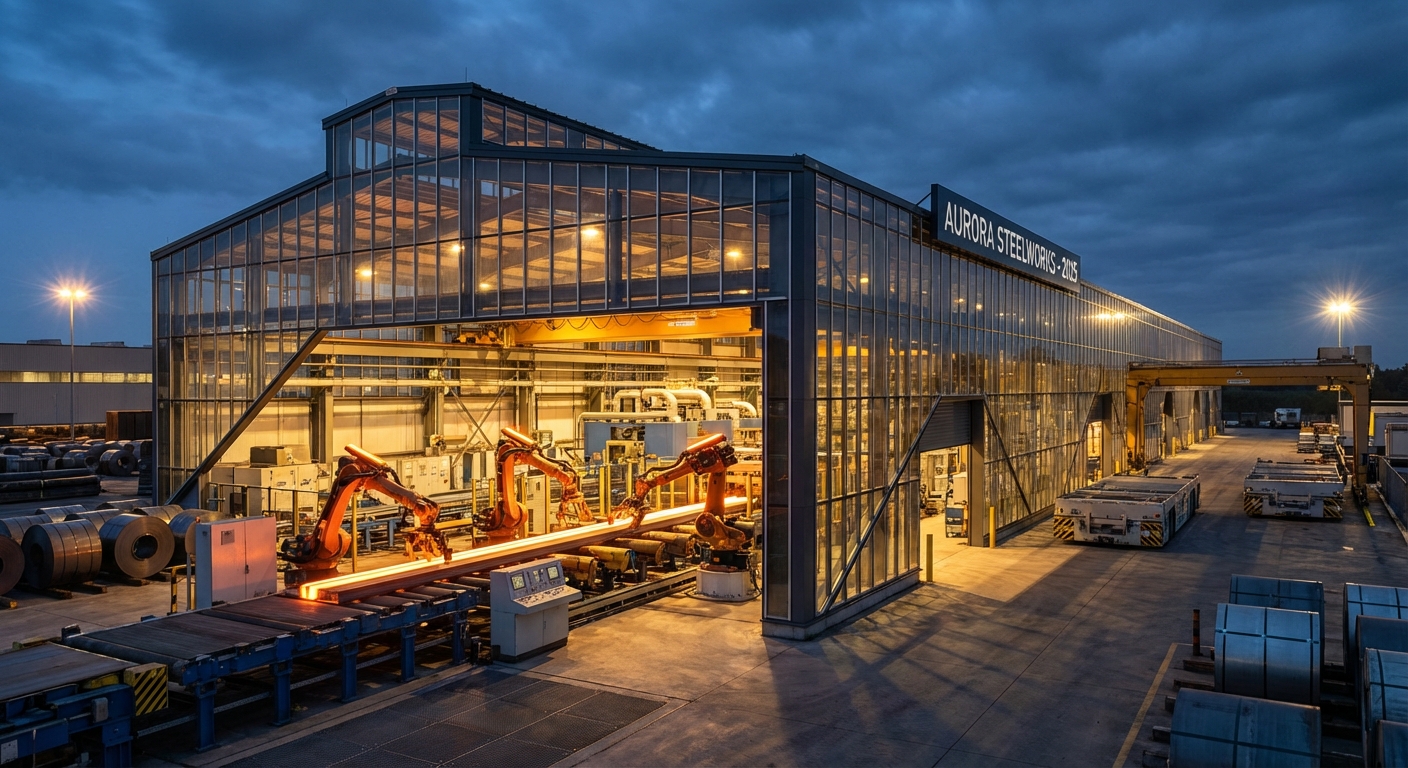
Global demand for high-strength alloys and the availability of raw iron ore remain the primary drivers of metal building materials prices today. You must account for the shift toward sustainable “green steel” production, which involves higher initial manufacturing costs but offers long-term regulatory benefits. These market shifts mean that waiting too long to order can result in significant price hikes as supply lines tighten.
Raw Material Volatility
The cost of scrap metal and iron ore fluctuates based on international trade policies and energy costs. You will find that when energy prices rise, the cost of smelting steel follows suit immediately.
Think about this for a second:
- Global scrap availability impacts the cost of recycled steel components.
- Trade tariffs can add 10-25% to the cost of imported structural beams.
- Energy surcharges often appear on invoices during peak manufacturing seasons.
Fabrication Technology and Labor
Modern CNC machining and automated welding in the factory help stabilize costs by reducing waste. You benefit from precision engineering that ensures every component fits perfectly, reducing on-site labor hours.
It gets even better:
- Automated fabrication reduces the margin for human error.
- Standardized parts allow for faster production runs and lower overhead.
- High-tech facilities can often offer better lead times despite market demand.
Key Takeaway: Understanding raw material and labor trends allows you to time your purchase for maximum cost efficiency.
| Factor | Impact Level | 2025 Trend | |
|---|---|---|---|
| Iron Ore Cost | High | Stabilizing | |
| Energy Surcharge | Medium | Increasing | |
| Automation Savings | Moderate | Increasing |
Analysis: While material costs are volatile, advancements in fabrication technology are helping to offset these increases for the savvy buyer.
How do regional logistics change metal building materials prices?

Regional logistics change metal building materials prices by adding “last-mile” delivery costs and fuel surcharges that vary significantly by state or province. You need to consider the distance between the fabrication plant and your job site, as heavy steel loads require specialized trucking. If your site is in a remote area, transportation can easily add 10% to your total project cost.
Freight and Transportation Efficiency
Shipping steel is a weight-intensive process that requires flatbed trailers and careful scheduling. You can reduce these costs by choosing a supplier with a logistics network that covers your specific region efficiently.
Here is the deal:
- Fuel prices directly influence the freight rates you see on your quote.
- Multi-load shipments require careful coordination to avoid site delays.
- Off-loading equipment, like cranes or forklifts, must be ready to minimize driver wait times.
Regional Building Code Requirements
Local codes dictate the amount of steel required to withstand wind, snow, and seismic loads. You will find that a building in the Midwest requires different structural reinforcement than one in a coastal hurricane zone.
Why does this matter?
- High-snow-load regions require heavier roof trusses and thicker purlins.
- Coastal areas necessitate specialized fasteners and wind-resistant cladding.
- Seismic zones demand specific bracing systems that increase the steel tonnage.
Key Takeaway: Always verify that your quote includes the specific engineering required for your local building department’s standards.
| Region Type | Material Requirement | Pricing Impact | |
|---|---|---|---|
| Coastal / High Wind | Heavily Reinforced | +15-20% | |
| Northern / Heavy Snow | Heavy Trusses | +10-15% | |
| Urban / Standard | Base Engineering | Standard |
Analysis: Geographic location is a non-negotiable cost factor that dictates the minimum structural integrity of your building.
Can finishes and coatings impact metal building materials prices?
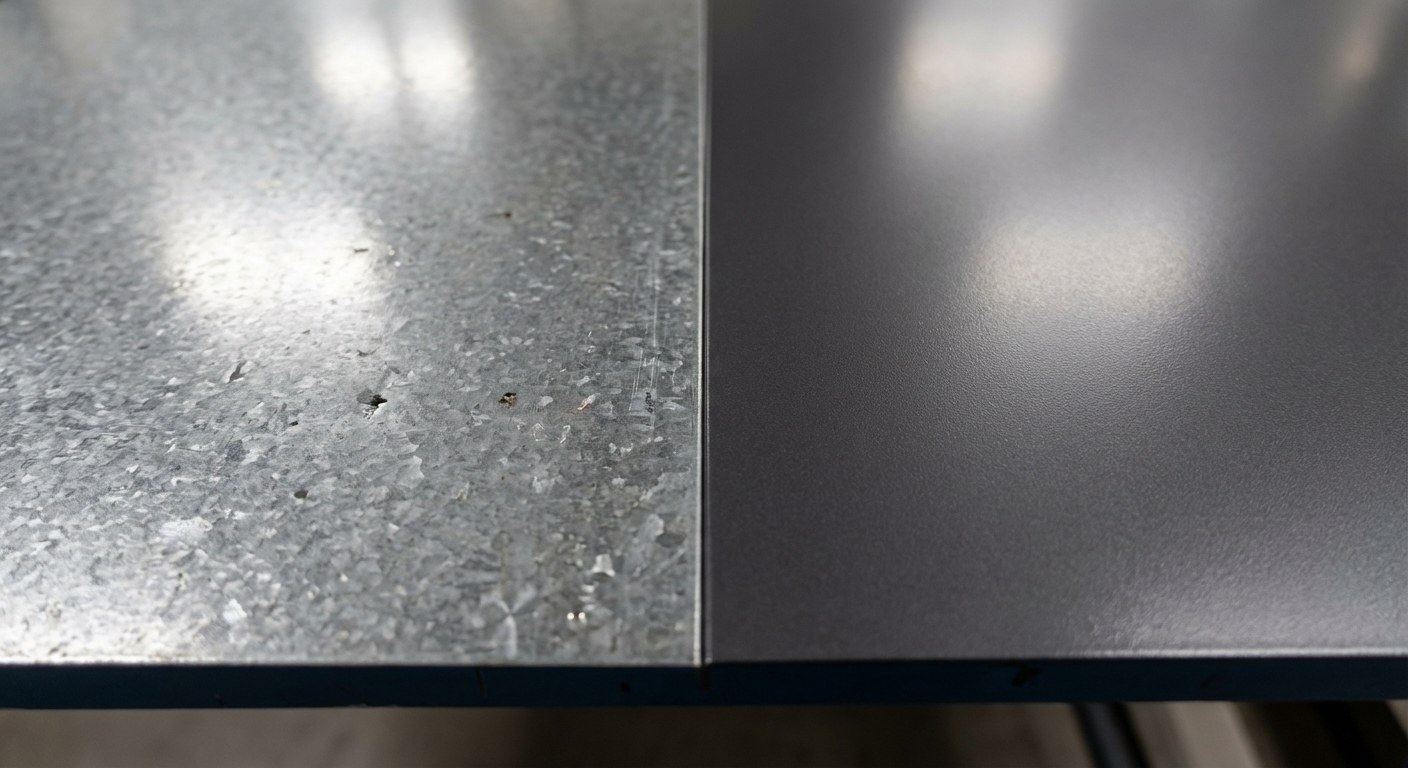
Yes, the choice of protective coatings and aesthetic finishes can alter metal building materials prices by 2to 5 per square foot. You should evaluate whether a standard Galvalume finish is sufficient or if your environment requires a premium Kynar 500 paint system. Choosing the right finish is not just about looks; it is about protecting your investment from corrosion and UV degradation.
Standard vs. Premium Coatings
Galvalume is the industry standard for roofing and siding because it offers excellent rust resistance at a lower price point. You might opt for siliconized polyester paints if you need specific branding colors without a massive price jump.
Let’s dive right in:
- Galvalume coatings use a zinc-aluminum alloy for superior protection.
- Painted finishes provide an extra layer of defense against acidic rain.
- Light-colored finishes can reduce cooling costs by reflecting solar heat.
Specialized Anti-Corrosion Treatments
If your facility is located near the ocean or handles chemicals, you will need enhanced protective layers. You must budget for these treatments to ensure the structure lasts the full 50-year expected lifespan.
Here is why:
- Coastal environments require thick-film primers to prevent salt spray damage.
- Industrial plants may need chemical-resistant coatings for interior surfaces.
- Stainless steel fasteners are often required in highly corrosive zones.
Key Takeaway: Investing in higher-quality finishes upfront prevents the massive costs of rust remediation and repainting later.
| Coating Type | Best Use Case | Cost Level | |
|---|---|---|---|
| Galvalume | Standard Industrial | Low | |
| SMP Paint | Commercial/Retail | Medium | |
| Kynar 500 | Coastal/Architectural | High |
Analysis: Finish selection represents a balance between immediate aesthetic needs and long-term structural preservation.
Why are industrial metal building materials prices often higher?
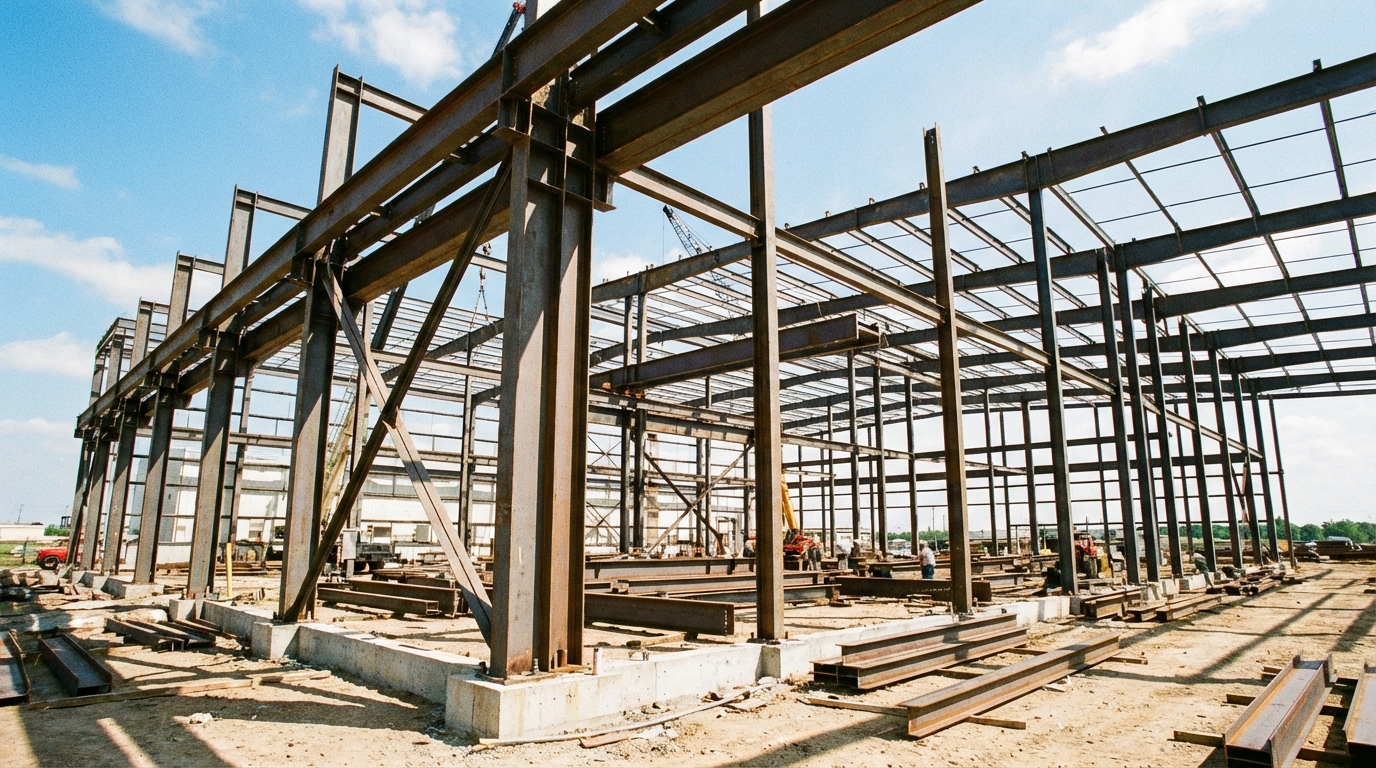
Industrial metal building materials prices are higher because these structures often require massive clear-spans and heavy-duty crane support systems. You are essentially paying for the engineering required to keep a 100-foot-wide space open without interior columns. These industrial solutions also use thicker gauge steel to handle the vibrations and loads of heavy machinery.
Clear-Span Engineering and Volume
Large warehouses require sophisticated truss designs to maintain structural integrity across wide distances. You will see costs increase as the clear-span width grows because the steel beams must become significantly deeper and heavier.
The truth is:
- Clear-span buildings provide maximum flexibility for floor layouts.
- Heavier structural members are required to support large roof areas.
- Tapered columns help manage the stress loads at the eaves and peak.
Crane Systems and Mezzanines
Integrating overhead cranes requires the building frame to be engineered for dynamic loads, not just static weight. You must also factor in the cost of heavy-duty brackets and runway beams that are built directly into the main frame.
Think about this:
- Crane runways require precise alignment that adds to fabrication costs.
- Mezzanines increase the load on the foundation and the primary pillars.
- Industrial buildings often feature taller eaves to accommodate vertical storage.
Key Takeaway: The functional requirements of heavy industry necessitate a more robust structural package than standard storage.
| Feature | Engineering Need | Cost Impact | |
|---|---|---|---|
| Clear-Span > 80ft | Deep I-Beams | High | |
| Crane Support | Dynamic Load Bracing | Moderate | |
| Tall Eaves (>25ft) | Wind Load Reinforcement | Moderate |
Analysis: Industrial costs reflect the physical reality of supporting massive internal volumes and heavy operational equipment.
Do customization choices drive up metal building materials prices?
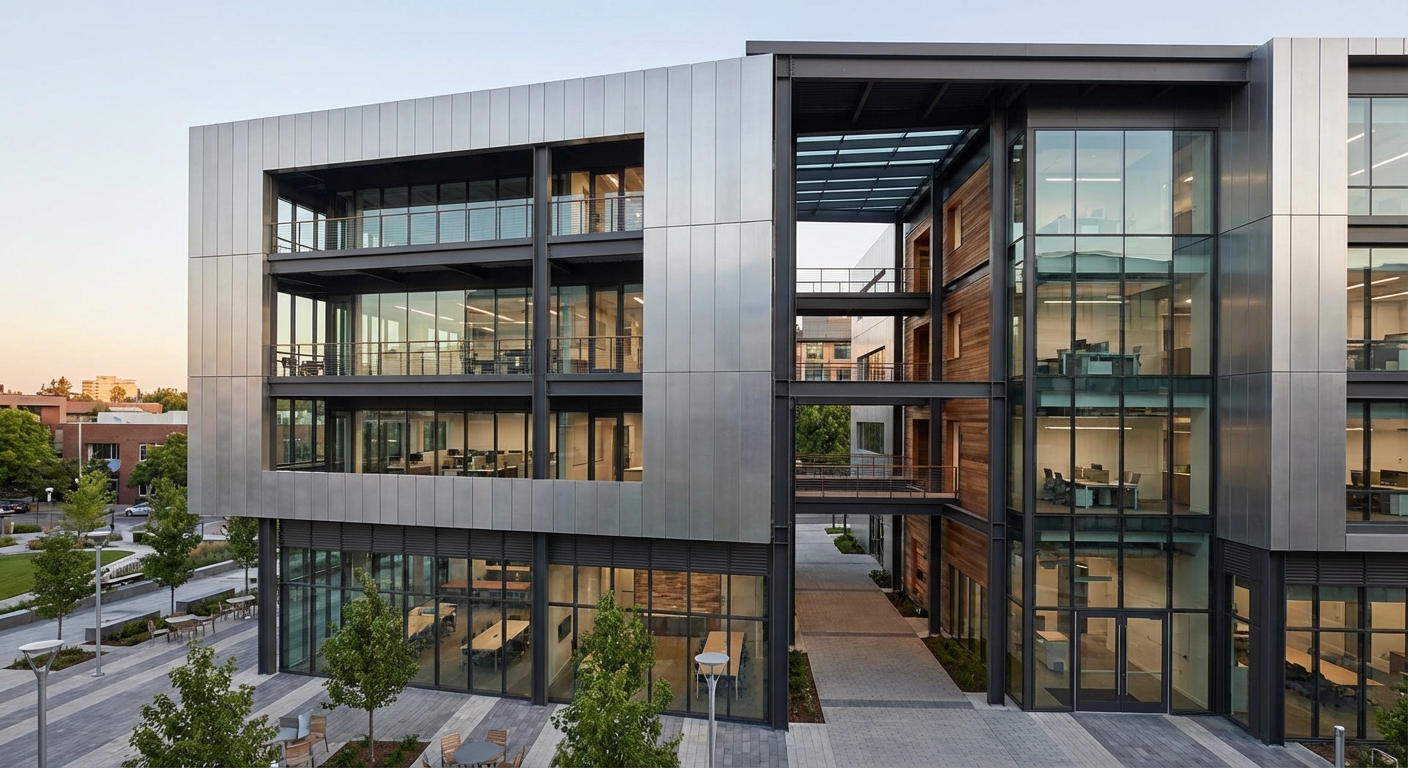
Adding non-standard features like glass curtain walls or complex rooflines will definitely increase metal building materials prices for your project. You can save money by sticking to “pre-engineered” dimensions, but custom architecture often provides the professional look necessary for headquarters or retail shops. Every time you move away from a standard rectangular footprint, the engineering and material waste increase.
Architectural Flexibility and Curb Appeal
Steel is no longer just for “tin sheds,” as modern designs allow for parapet walls, canopies, and mixed-material facades. You might combine steel with masonry or wood to create a high-end commercial appearance that still retains the cost-effectiveness of a metal frame.
It gets better:
- Parapet walls hide sloped roofs for a modern, flat-roof look.
- Large entry canopies provide weather protection for your clients.
- Custom window openings allow for natural light and better energy efficiency.
Specialized Openings and Framing
Standard roll-up doors are inexpensive, but hangar doors or decorative storefront glass require heavy-duty sub-framing. You need to account for the extra steel and labor required to create these structural openings.
Consider this:
- Specialized framing ensures that large doors do not compromise wall strength.
- Insulated glass systems require specific thermal break frames.
- Clerestory windows can be added to rooflines for massive natural illumination.
Key Takeaway: While customization increases price, it also significantly enhances the resale value and utility of the building.
| Custom Option | Purpose | Cost Factor | |
|---|---|---|---|
| Glass Storefront | Aesthetics / Light | High | |
| Parapet Walls | Modern Styling | Moderate | |
| Interior Liner | Cleanliness / Insulation | Low |
Analysis: Strategic customization allows you to balance a professional brand image with the inherent savings of steel construction.
What is the long-term ROI of today’s metal building materials prices?
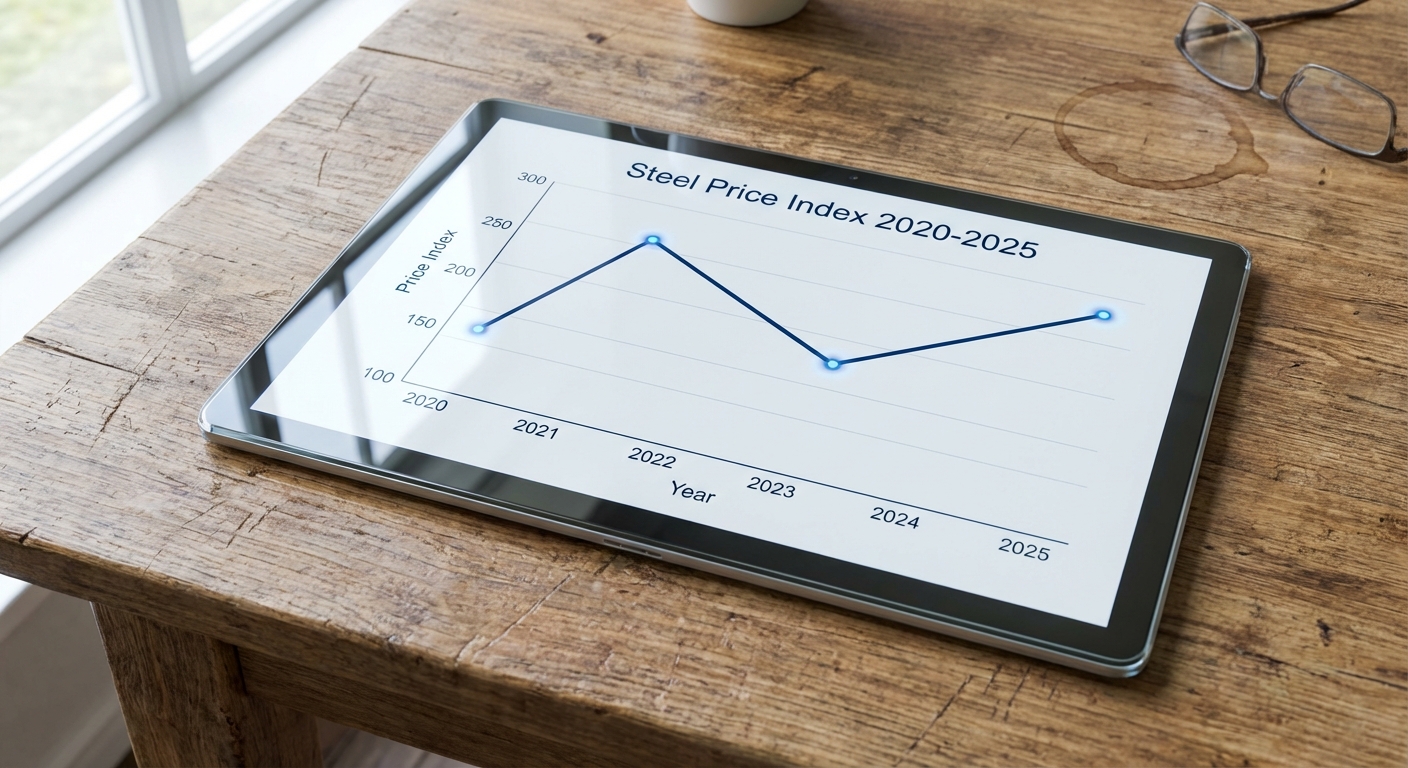
The long-term ROI of today’s metal building materials prices is exceptionally high due to the low maintenance costs and high durability of steel structures. You will save thousands over the life of the building because steel does not rot, warp, or attract pests like wood-frame construction. In many cases, the insurance premiums for a steel building are significantly lower due to its superior fire resistance.
Maintenance and Lifespan Benefits
Steel buildings are designed to last 50 years or more with very little intervention from the owner. You only need to perform basic tasks like cleaning gutters and inspecting fasteners to keep the structure in top condition.
The facts are clear:
- Steel is impervious to termites, carpenter ants, and mold growth.
- Modern paint warranties often cover the building for 25 to 40 years.
- Non-combustible materials reduce the risk of catastrophic loss from fire.
Energy Efficiency and Operating Costs
When you combine a steel frame with high-quality insulation systems, the building becomes incredibly energy-efficient. You can utilize fiberglass batts or insulated metal panels (IMPs) to create a tight thermal envelope that slashes utility bills.
It gets even better:
- Insulated metal panels offer some of the highest R-values in construction.
- Reflective roof coatings lower the “heat island” effect in urban areas.
- Tight seals around doors and windows prevent expensive air leakage.
Key Takeaway: Looking past the initial purchase price reveals that steel is the most cost-effective material over a 30-year lifecycle.
| Metric | Steel Building | Wood/Masonry | |
|---|---|---|---|
| Lifespan | 50+ Years | 25-40 Years | |
| Insurance Cost | Lower | Higher | |
| Maintenance | Minimal | Frequent |
Analysis: The “Total Cost of Ownership” for steel is vastly superior to traditional building methods when accounting for repairs and energy.
How does climate affect regional metal building materials prices?
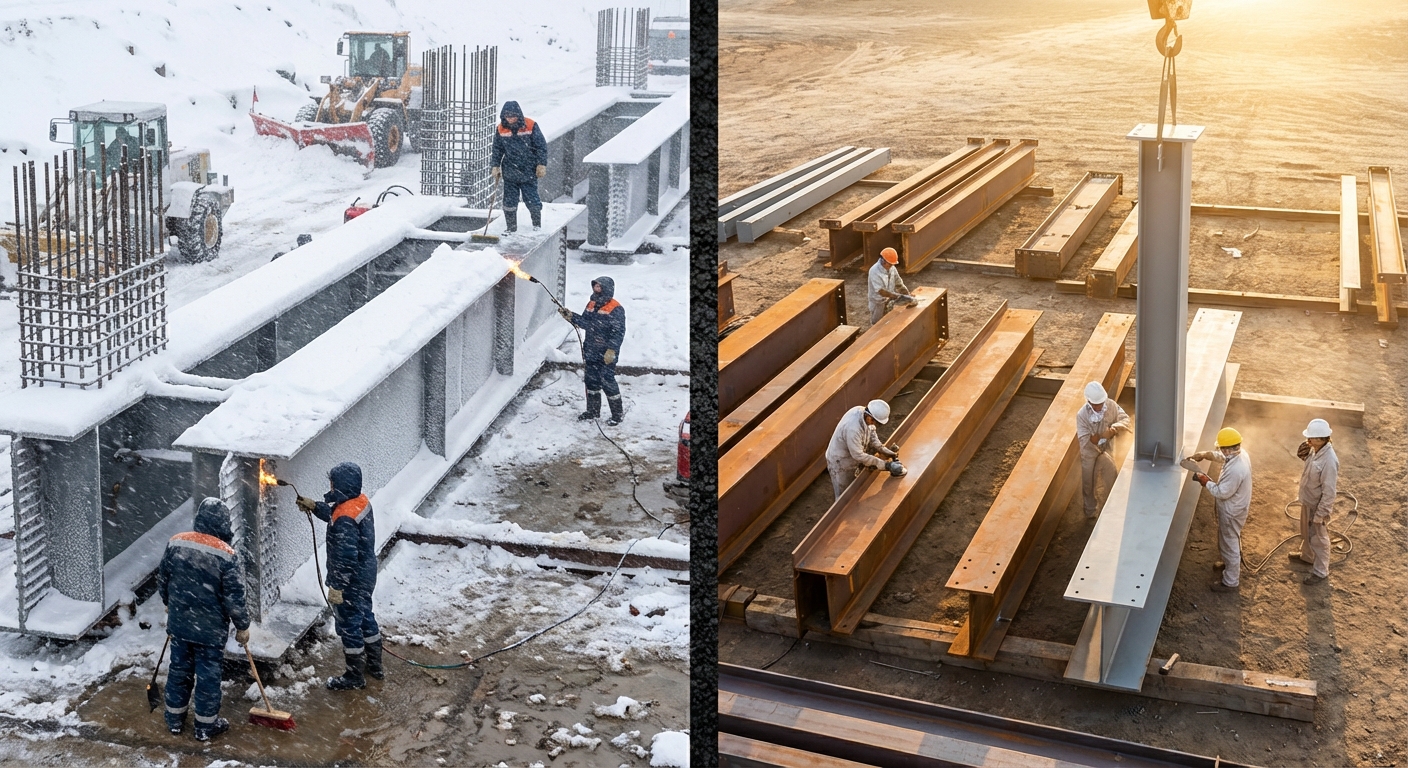
Climate forces a significant adjustment in metal building materials prices because the structure must be engineered to survive local extreme weather events. You will pay more for steel in regions prone to heavy snow or hurricanes because the building requires additional bracing and thicker structural members. Neglecting these climate-specific requirements can lead to structural failure or the denial of building permits.
Snow Load and Seismic Engineering
Heavy snow accumulation on a roof can create thousands of pounds of pressure that a standard building cannot handle. You must ensure your building is designed with a steeper roof pitch or reinforced trusses to shed snow and support the weight.
Why does this matter?
- Roof collapses are a major risk in northern climates without proper engineering.
- Seismic zones require ductile connections that can absorb earthquake energy.
- Heavier purlin spacing is often required to support thick ice layers.
Humidity and Coastal Salt Protection
High humidity and salt-laden air are the enemies of raw steel, requiring you to invest in better protective layers. You should choose galvanized or stainless components for exposed areas to prevent the rapid onset of oxidation.
Let’s be honest:
- Coastal buildings require specific “salt-spray” rated finishes.
- High-humidity environments benefit from better ventilation systems.
- Interior vapor barriers are essential to prevent condensation on the steel.
Key Takeaway: Engineering for your specific climate is a legal requirement and a vital step in protecting your long-term investment.
| Climate Stressor | Engineering Solution | Price Delta | |
|---|---|---|---|
| 50lb Snow Load | Double-Truss System | +12% | |
| 140mph Wind | Heavy Column Bracing | +15% | |
| High Humidity | Enhanced Ventilation | +5% |
Analysis: Local climate factors represent the most critical “hidden” engineering costs in the steel procurement process.
Can structural gauge choice lower metal building materials prices?
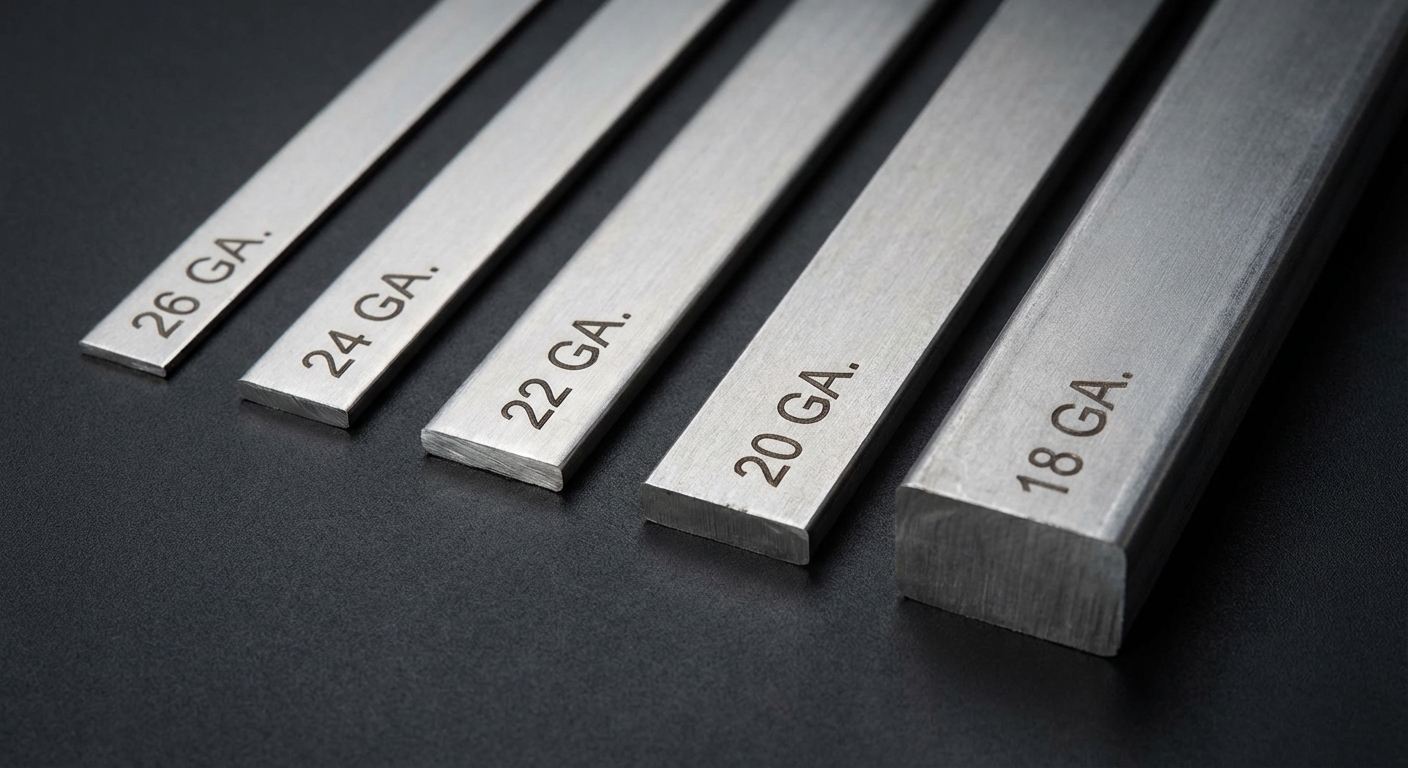
You can lower metal building materials prices by selecting the appropriate gauge of steel for your building’s specific height and span. Using a 26-gauge panel instead of a 24-gauge panel for a small storage shed can save you money without compromising the building’s function. However, you must be careful not to “under-gauge” structural members, as this can lead to bowing or structural instability under load.
Panel Gauge and Weight Savings
The “gauge” refers to the thickness of the steel, with lower numbers representing thicker material. You will find that most commercial projects use 24-gauge for roofs and 26-gauge for walls to balance cost and strength.
Here is the deal:
- 26-gauge is standard for most agricultural and light industrial walls.
- 22-gauge or 24-gauge is preferred for standing-seam roofs.
- Thinner gauges are easier to handle and install, reducing labor costs.
Structural Frame Thickness
The primary frame consists of heavy I-beams or C-channels that provide the skeleton of the structure. You can optimize costs by working with engineers who use sophisticated software to place the steel exactly where it is needed most.
It gets better:
- Web-tapered members provide strength at the joints while saving weight elsewhere.
- High-strength steel allows for thinner sections to carry the same load.
- Properly gauged purlins and girts ensure the “skin” of the building stays rigid.
Key Takeaway: Strategic gauge selection ensures you aren’t paying for “over-engineered” steel that your specific application doesn’t require.
| Steel Component | Standard Gauge | Heavy-Duty Gauge | |
|---|---|---|---|
| Roof Panels | 24 GA | 22 GA | |
| Wall Panels | 26 GA | 24 GA | |
| Interior Liner | 29 GA | 26 GA |
Analysis: Optimizing steel thickness across the structure allows for significant material savings without sacrificing safety.
Are there hidden costs within metal building materials prices?
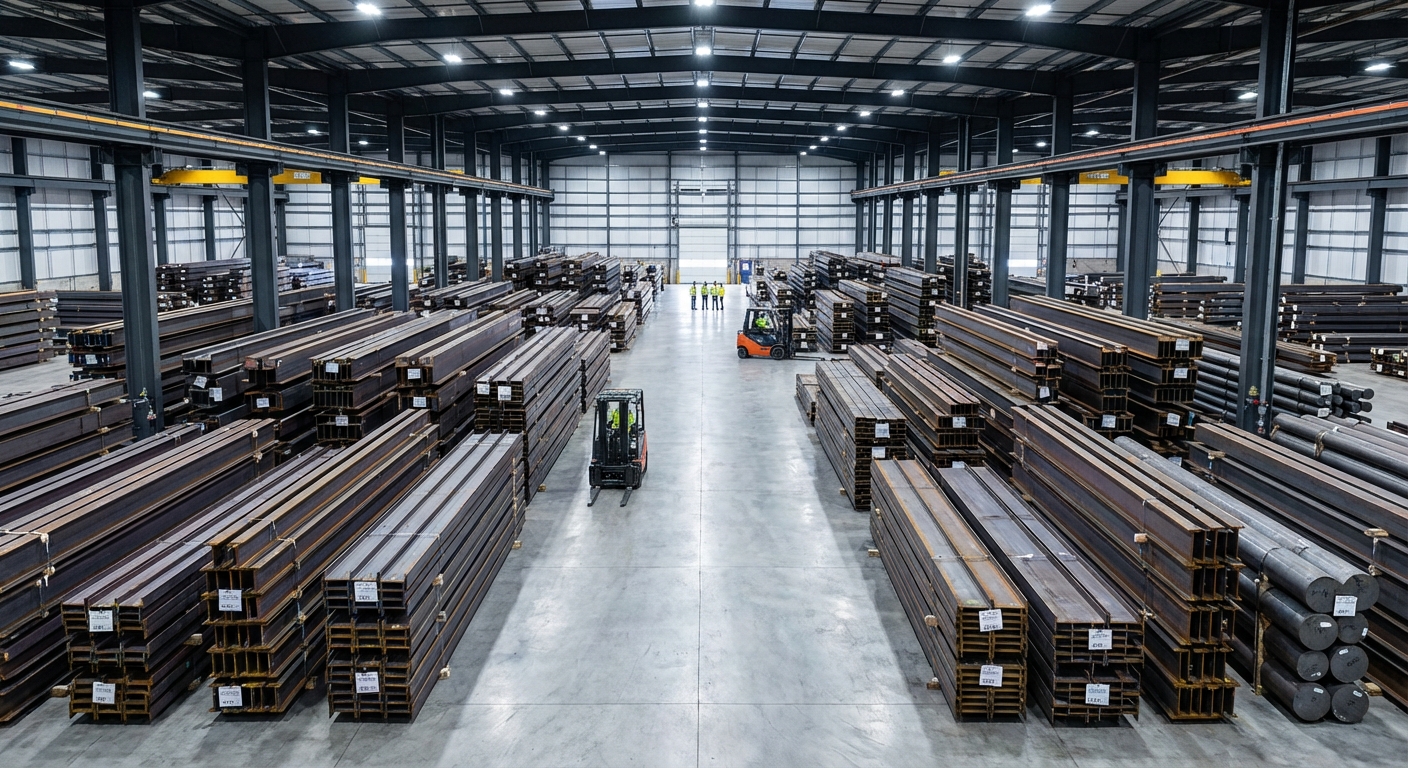
Hidden costs such as anchor bolts, specialized fasteners, and insulation often get overlooked when comparing metal building materials prices from different vendors. You need to ensure that your quote is “all-inclusive” to avoid being hit with thousands of dollars in extra charges during the construction phase. Many cheap quotes exclude critical components like sealants or trim, which are essential for a weather-tight building.
Fasteners and Weather-Sealing Kits
High-quality fasteners with EPDM washers are necessary to prevent leaks at the thousands of points where screws penetrate the panels. You should also verify that the package includes mastic tape and closure strips for the ridge and eaves.
Think about this:
- Cheap fasteners often rust out within five years, causing roof leaks.
- Sealant kits are vital for maintaining the thermal integrity of the building.
- Ridge caps and corner trims are often priced separately in “bare-bones” quotes.
Foundation and Anchor Hardware
The steel building must be securely bolted to a concrete foundation, and the cost of these anchor bolts can vary. You also need to factor in the cost of the concrete slab itself, which is rarely included in the steel building kit price.
Let’s dive right in:
- Anchor bolts must be placed with extreme precision for the frame to fit.
- Concrete costs can fluctuate based on local material availability.
- Site preparation and grading are essential “soft costs” for any project.
Key Takeaway: A comprehensive quote that includes all trim, fasteners, and hardware prevents budget overruns during assembly.
| Overlooked Item | Importance | Estimated Cost | |
|---|---|---|---|
| Insulation (R-19) | High | 1.50−2.50/sqft | |
| Anchor Bolt Set | Critical | 500−1,500 | |
| Deluxe Trim Pkg | Aesthetic | 1,000−3,000 |
Analysis: The difference between a “kit” price and a “completed structure” price usually lies in these vital accessory components.
How do you get an accurate quote for metal building materials prices?
To get an accurate quote for metal building materials prices, you must provide the manufacturer with exact dimensions, your building’s end-use, and your specific zip code. You should avoid “ballpark” estimates, as they rarely account for the regional engineering requirements we discussed earlier. Comparing three itemized quotes will help you see exactly where your money is going and where you can optimize.
Defining Your Scope of Work
Before calling a supplier, decide on your eave height, roof pitch, and the number of framed openings you need. You will receive a much more accurate price if you can provide a basic sketch or a list of required features.
It gets better:
- Itemized quotes allow you to compare material weights between suppliers.
- Clear specifications prevent “scope creep” during the design phase.
- Knowing your required “R-value” ensures the insulation package is correct.
Timing the Market and Finalizing Orders
Steel prices can change weekly, so most quotes are only valid for 7 to 14 days. You should be prepared to place a deposit to “lock in” your steel price if you see a favorable market dip.
Why does this matter?
- Price locks protect you from sudden surges in raw material costs.
- Early ordering ensures your project stays on the fabrication schedule.
- Flexible delivery dates can sometimes earn you a discount on freight.
Key Takeaway: Transparency and detailed specifications are the only way to ensure the price you are quoted is the price you actually pay.
| Quote Step | Action | Outcome | |
|---|---|---|---|
| Dimensioning | Provide L x W x H | Precise Tonnage | |
| Engineering | Input Zip Code | Code Compliance | |
| Optimization | Review Gauges | Cost Savings |
Analysis: Professional procurement requires active participation and a clear understanding of your facility’s operational needs.
Frequently Asked Questions
- Can I save money by choosing a standard color?Yes, opting for “stock” colors usually avoids the upcharge associated with custom paint runs or special order hues.
- What’s the best way to handle shipping costs?The best way is to choose a manufacturer with a plant located within 500 miles of your site to minimize freight and fuel surcharges.
- Can I add insulation later to save on the initial price?While possible, it is significantly more expensive and difficult to insulate a building after the panels are already installed.
- What’s the best steel building for a coastal area?The best choice is a pre-engineered structure with a high-velocity hurricane zone (HVHZ) rating and a premium anti-corrosion coating.
- Can I assemble the building myself to reduce the total cost?You can certainly save on labor, but larger industrial buildings require specialized equipment and experienced crews for safety.
To ensure your project stays on budget and meets the highest industry standards, contact us today for a comprehensive consultation and an itemized quote tailored to your specific needs.