
A steel structure workshop is a pre-engineered industrial building where the primary load-bearing system, including columns and beams, is fabricated from structural steel to offer high strength and large-span capabilities. You are likely facing the common industry headache where traditional brick-and-mortar construction causes your project timelines to spiral out of control. These delays don’t just cost you money; they halt your production and allow competitors to seize your market share while you wait for concrete to cure. By choosing a modern steel structure workshop , you can bypass these bottlenecks with a high-durability, rapid-assembly solution that ensures your facility is operational in weeks rather than months, so please contact us to start your project.
1. What are the basics of a steel structure workshop?
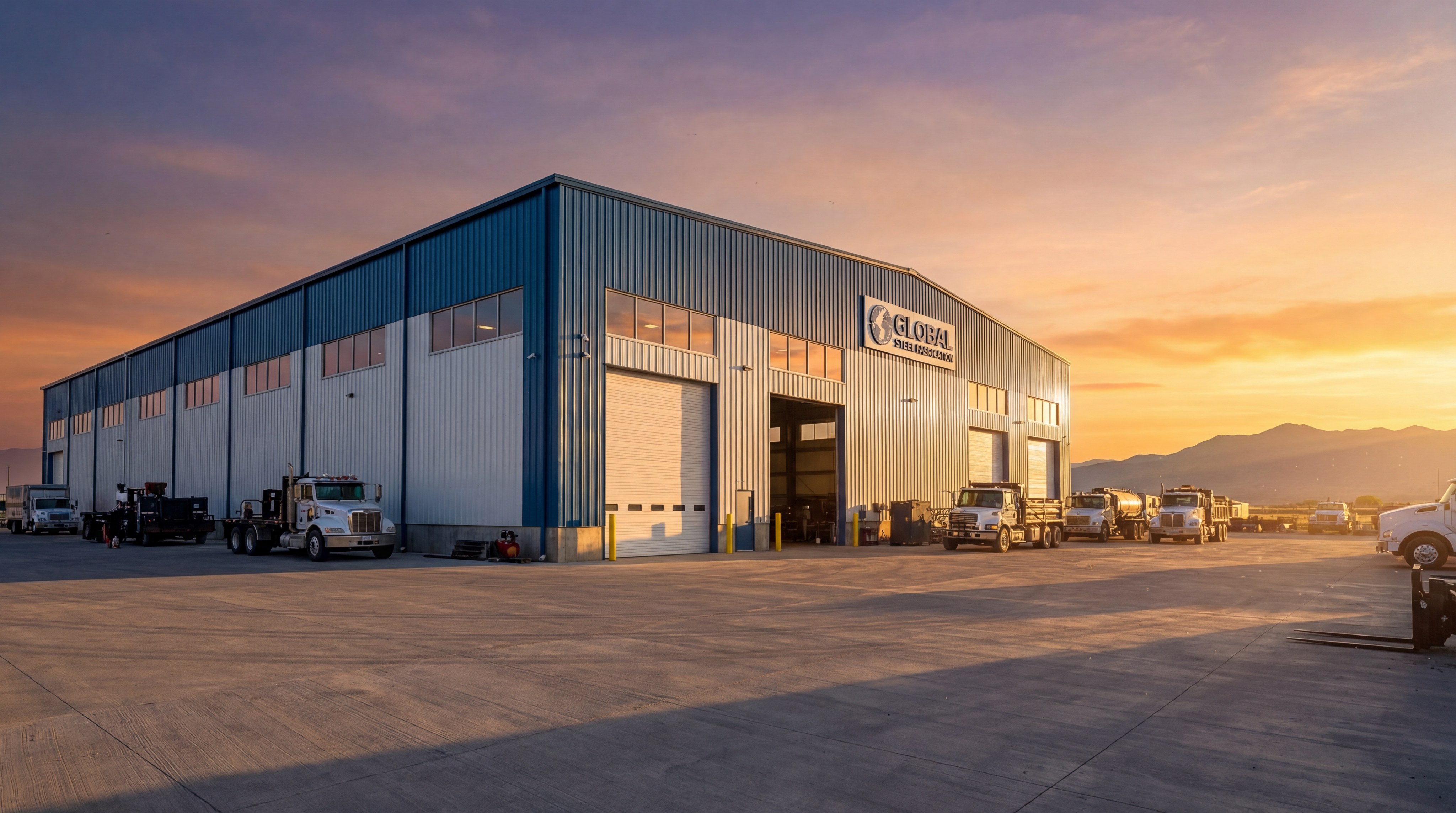
A steel structure workshop is a metal-framed industrial facility designed to support heavy machinery and large-scale manufacturing operations. This building type utilizes a skeleton of vertical columns and horizontal beams to create a vast, open floor space. It provides the necessary height and width for modern industrial workflows that traditional buildings cannot accommodate.
What are the core components?
Think about it: every successful industrial operation starts with a robust and reliable physical foundation. You see, the primary frame consists of high-grade H-section steel that manages the massive weight of the roof and internal equipment.
- Main Columns: Vertical supports that transfer all loads to the ground.
- Roof Beams: Horizontal members that span the width of the building.
- Bracing Systems: Rods and angles that provide lateral stability against wind.
You might be wondering how these parts stay together during extreme weather events. Check this out: the components are joined using high-tensile bolts that allow for slight flexibility while maintaining immense structural integrity.
- Purlins: Secondary members that support the roof cladding.
- Girts: Horizontal members that support the wall panels.
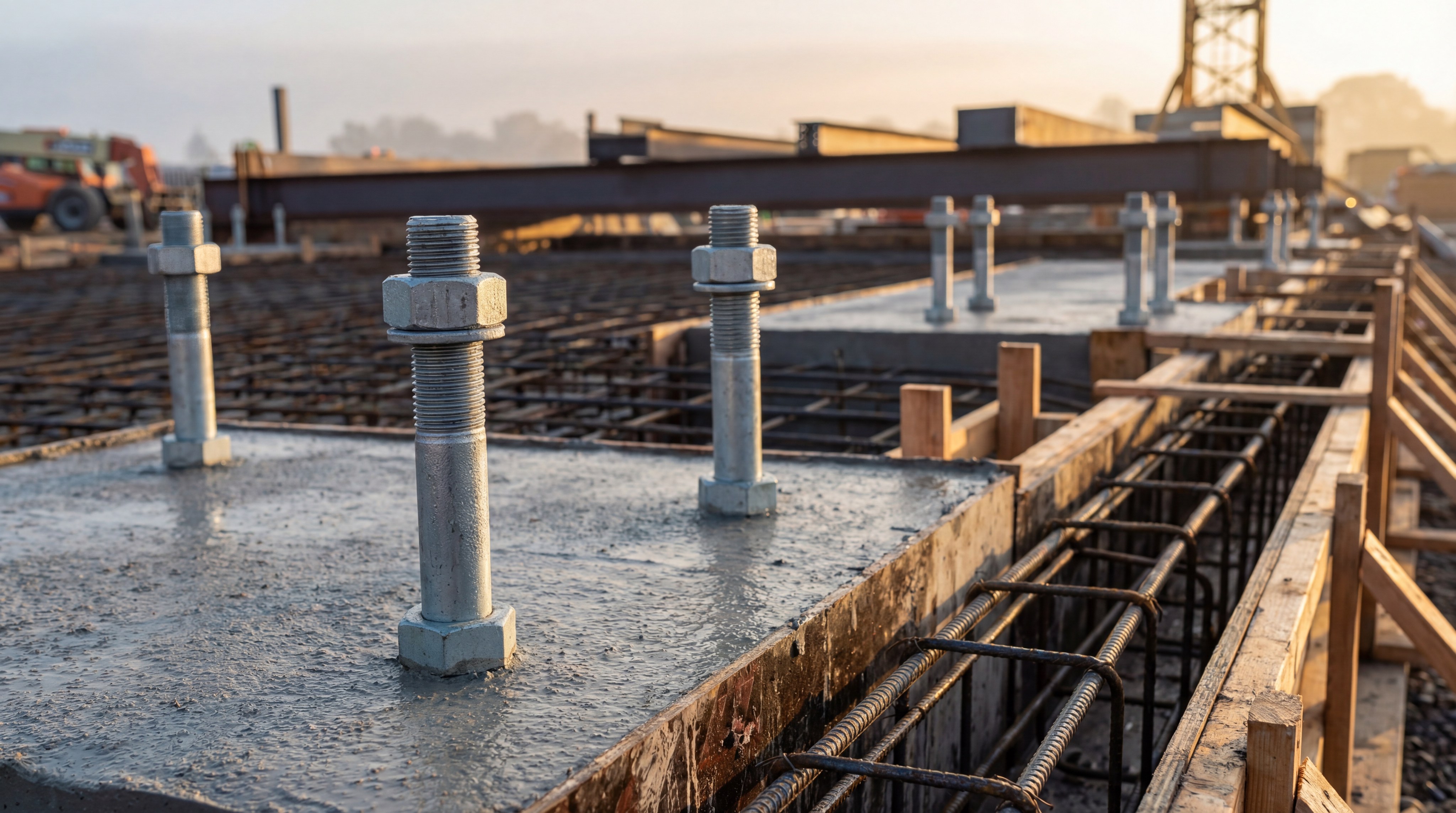
- Anchor Bolts: Heavy-duty fasteners that secure the steel to the concrete.
Key Takeaway: The fundamental strength of a steel structure workshop lies in its high-strength metal skeleton which maximizes usable space.
The following table breaks down the primary material roles within the basic framework.
| Component | Material Grade | Primary Function | |
|---|---|---|---|
| Main Frame | Q345B Steel | Heavy Load Bearing | |
| Secondary Frame | Q235B Steel | Structural Stability | |
| Cladding | Color Steel/Sandwich Panel | Weather Protection |
2. Why is a steel structure workshop highly efficient?
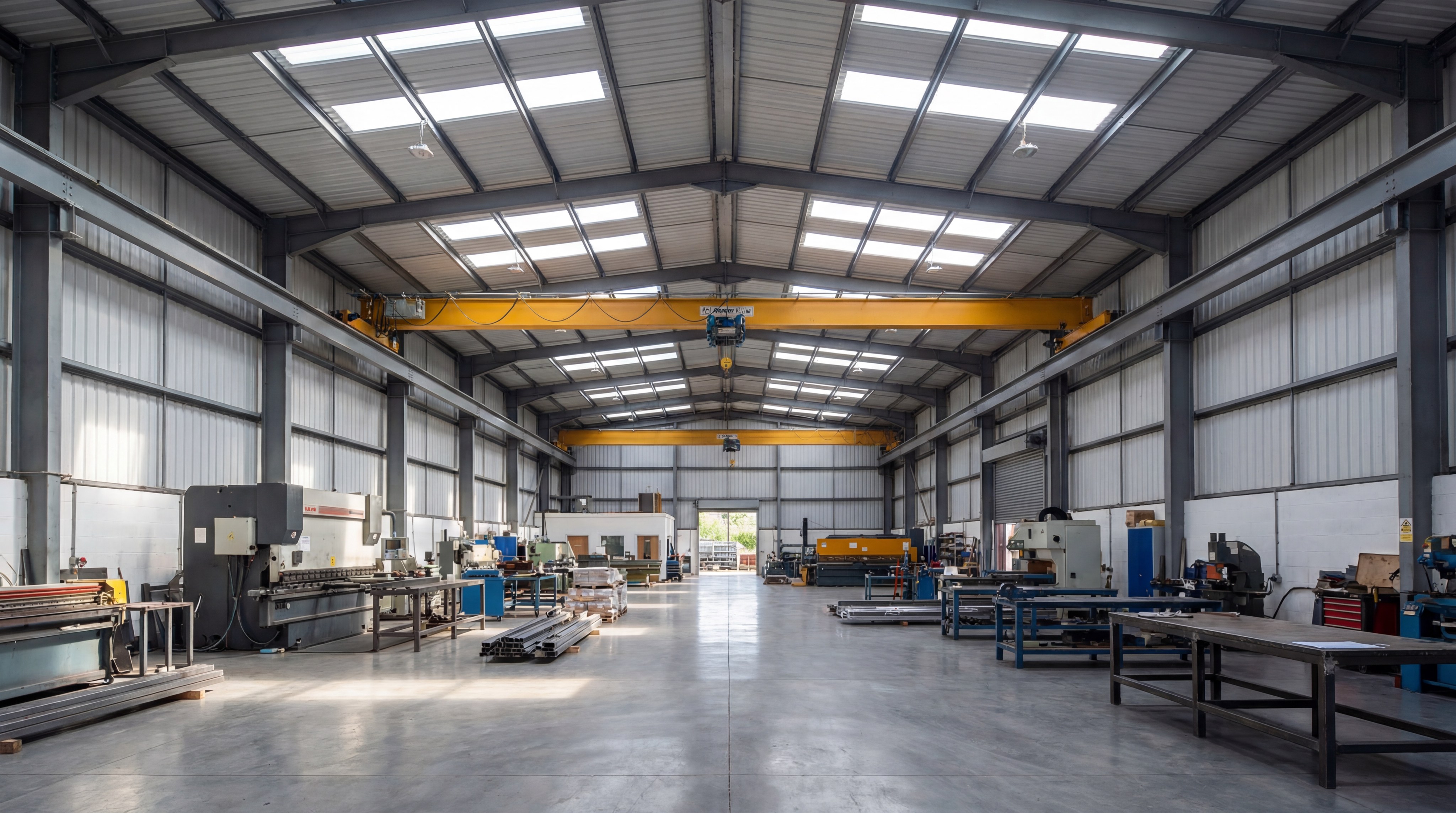
Efficiency in a steel structure workshop is driven by the pre-engineered nature of the components which allows for rapid on-site assembly. You can drastically reduce your time-to-market because the fabrication happens in a controlled factory environment. This parallel processing ensures that your site preparation and building manufacturing occur simultaneously.
Why is construction speed so fast?
Here is the kicker: you can often complete a steel building in half the time it takes for a traditional concrete structure. It is a game-changer because the “wet work” is minimized, allowing for a dry construction process that isn’t delayed by drying times.
- Factory Precision: All parts are pre-cut and pre-drilled.
- Modular Design: Components fit together like a precision-engineered kit.
- Reduced Labor: Fewer workers are needed on-site for the assembly phase.
Believe it or not, the speed of your build directly correlates to your long-term business profitability and cash flow. You see, getting your machines running sooner means you start generating revenue months ahead of schedule.
- Lower Interest: Reduced construction time means lower financing costs.
- Scalability: Steel buildings are easily expanded if your production grows.
- Minimal Waste: Prefabrication ensures that almost no material is wasted on-site.
Key Takeaway: Speed and precision are the hallmarks of steel construction, providing you with a faster return on investment.
This table highlights how efficiency translates into tangible business advantages for your facility.
| Efficiency Metric | Steel Workshop Impact | Business Result | |
|---|---|---|---|
| Construction Time | 40-60% Faster | Quicker Production | |
| On-site Waste | Near Zero | Lower Disposal Costs | |
| Material Usage | Optimized Weight | Lower Foundation Costs |
3. How does a steel structure workshop improve durability?
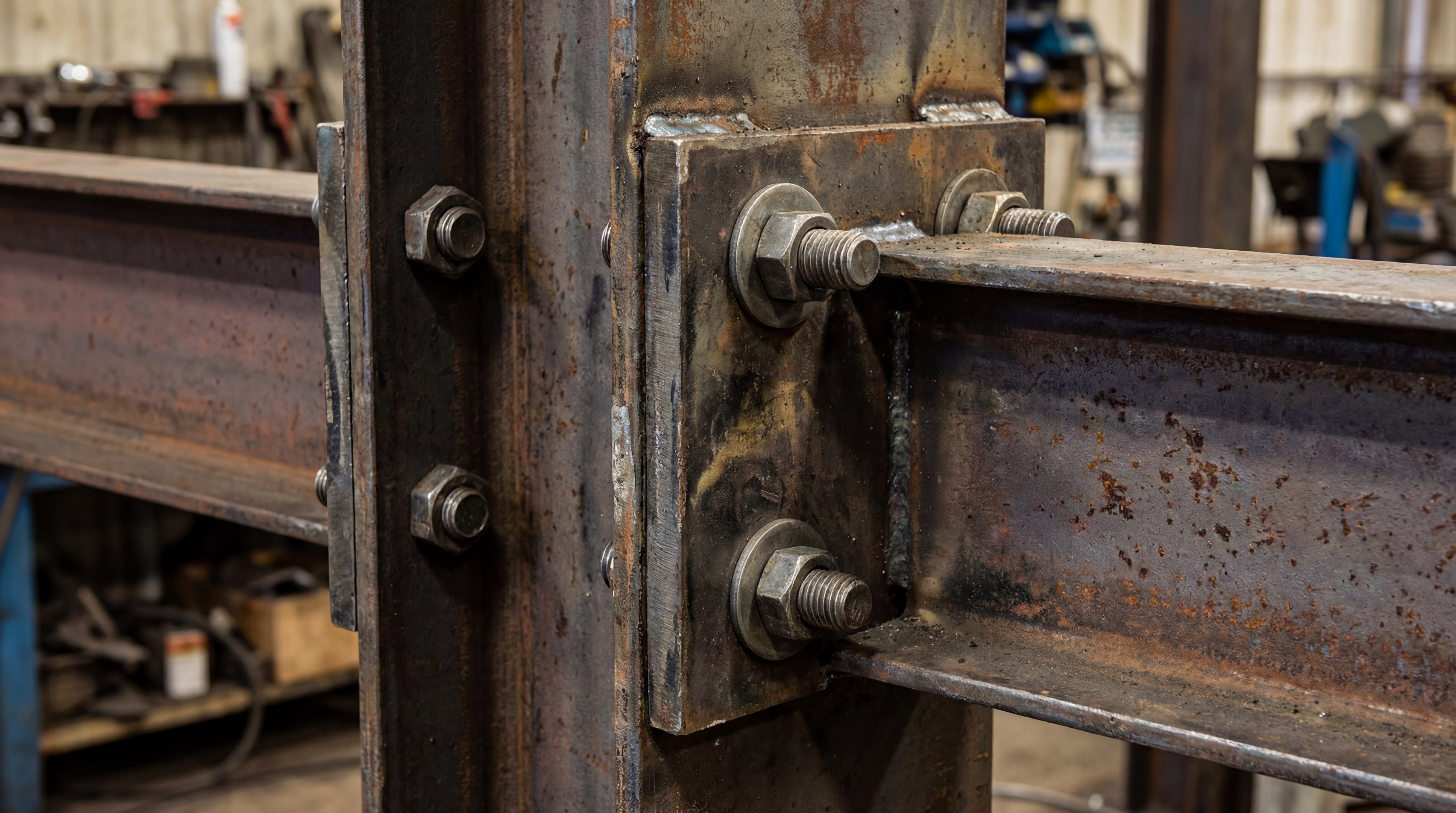
A steel structure workshop improves durability by utilizing inorganic materials that are resistant to rot, pests, and fire compared to wood or standard masonry. Steel possesses a high strength-to-weight ratio, which allows it to withstand extreme environmental stresses. This resilience ensures your high-value inventory and equipment remain protected for decades.
How does it handle extreme weather?
Make no mistake: a well-designed steel building is your best defense against the unpredictable forces of nature. You see, the ductility of steel allows the structure to absorb energy from seismic shocks without collapsing.
- Wind Resistance: Designed to withstand hurricane-force winds.
- Seismic Safety: Superior performance in earthquake-prone zones.
- Snow Load: Engineered to hold massive weights on the roof.
The best part is that the protective coatings applied to the steel prevent the onset of rust and corrosion. Check this out: modern galvanization and high-performance paints create a barrier that keeps the steel pristine even in humid climates.
- Anti-Corrosion: Zinc coatings provide long-lasting surface protection.
- Fire Resistance: Steel does not contribute fuel to a building fire.
- Pest Proof: Termites and rodents cannot damage the structural integrity.
Key Takeaway: Exceptional durability is achieved through the inherent properties of steel and advanced protective finishes.
Review the table below to see how steel compares to traditional materials in harsh conditions.
| Hazard | Steel Performance | Traditional (Wood/Brick) | |
|---|---|---|---|
| Fire Spread | Non-combustible | High Risk | |
| Termite Damage | Immune | High Vulnerability | |
| Earthquake | Ductile/High Safety | Brittle/Variable |
4. What is inside a steel structure workshop skeleton?
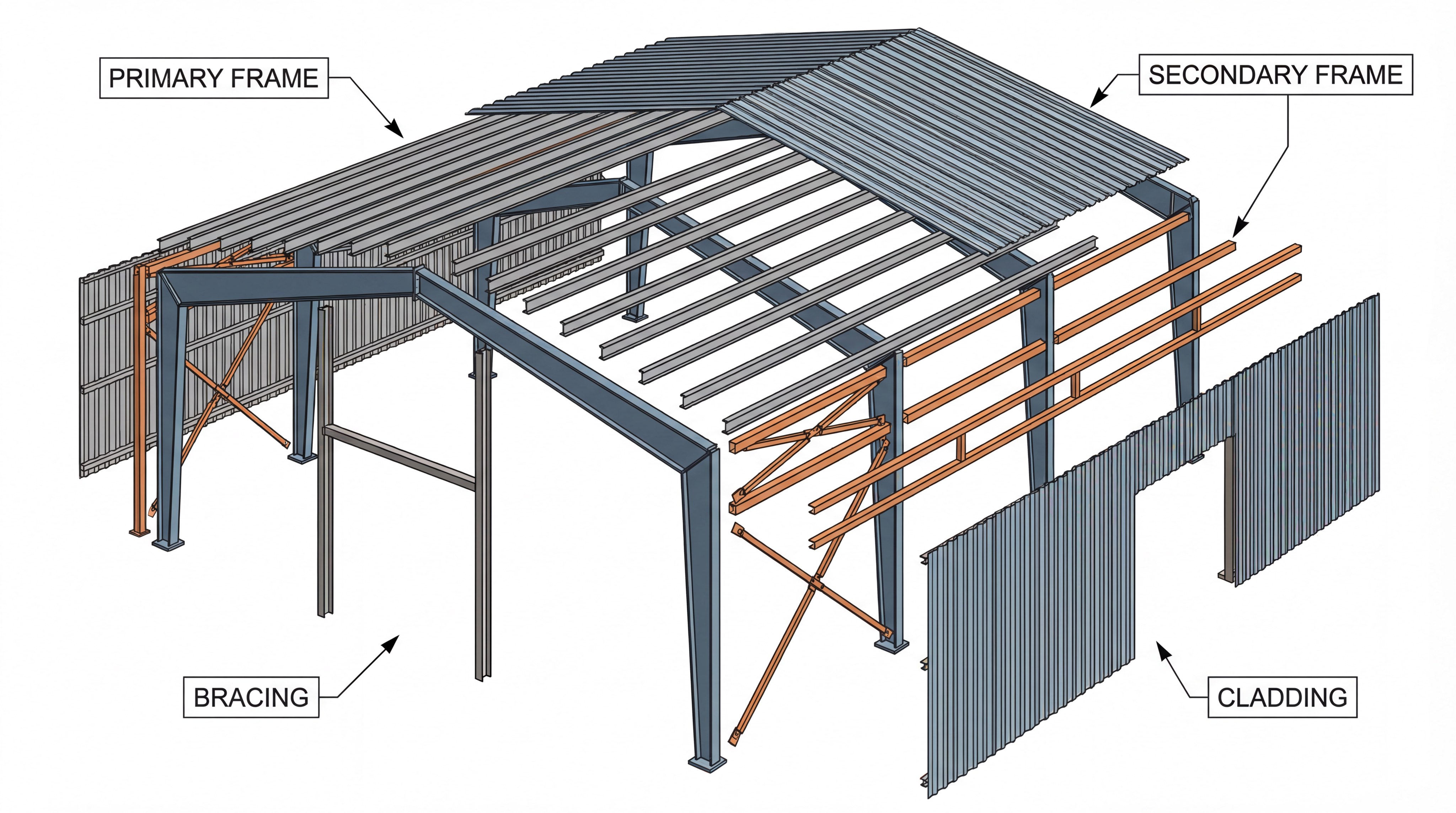
The skeleton of a steel structure workshop consists of a primary frame, a secondary frame, and a comprehensive bracing system that works in unison. Every piece of the “Erector set” is calculated to distribute loads evenly across the entire structure. This interconnected design allows for the massive clear spans that are necessary for large-scale manufacturing and storage.
What are the structural layers?
You see, the magic happens in how the different layers of steel support one another to create a rigid box. Check this out: the primary frame takes the heavy hits, while the secondary frame provides the surface area for the walls.
- Primary Frame: Includes the heavy H-beams and columns.
- Secondary Frame: Consists of C or Z-shaped purlins and girts.
- Bracing: Horizontal and vertical rods that prevent swaying.
Think of the bracing system as the “muscles” that keep the skeleton from twisting under pressure. It is important to realize that without proper bracing, a large building would be vulnerable to lateral forces like heavy wind.
- Portal Bracing: Provides stability while keeping doorways clear.
- Knee Bracing: Reinforces the connection between columns and beams.
- Roof Bracing: Ensures the roof maintains its shape under load.
Key Takeaway: A steel workshop is a sophisticated system of layers where each component enhances the strength of the next.
This structural breakdown identifies the specific role of each layer in the building’s overall stability.
| Layer Type | Major Component | Engineering Goal | |
|---|---|---|---|
| Primary | H-Section Steel | Gravity Load Support | |
| Secondary | C/Z Purlins | Cladding Attachment | |
| Support | Cross Bracing | Lateral Rigidity |
5. Is a steel structure workshop customizable for users?
Every steel structure workshop is highly customizable, allowing you to tailor the dimensions, aesthetics, and functionality to your specific industrial needs. Unlike rigid traditional designs, steel allows for massive internal clear spans without the need for obstructive support columns. You can specify the exact height, width, and length required to house your unique production line.
What features can you change?
You might be wondering if you can adjust the design after the initial plan is made; the answer is a resounding yes. You see, the modular nature of steel components means you can easily integrate specialized accessories.
- Eave Height: Customized to fit tall machinery or storage racks.
- Door Options: From high-speed roll-up doors to massive sliding bays.
- Natural Light: Integration of skylights and translucent wall panels.
It gets even better when you consider the exterior finishes available for your new facility. Check this out: you can choose from a variety of colors and textures for your sandwich panels to match your brand identity.
- Insulation: Select from EPS, Rockwool, or PU for climate control.
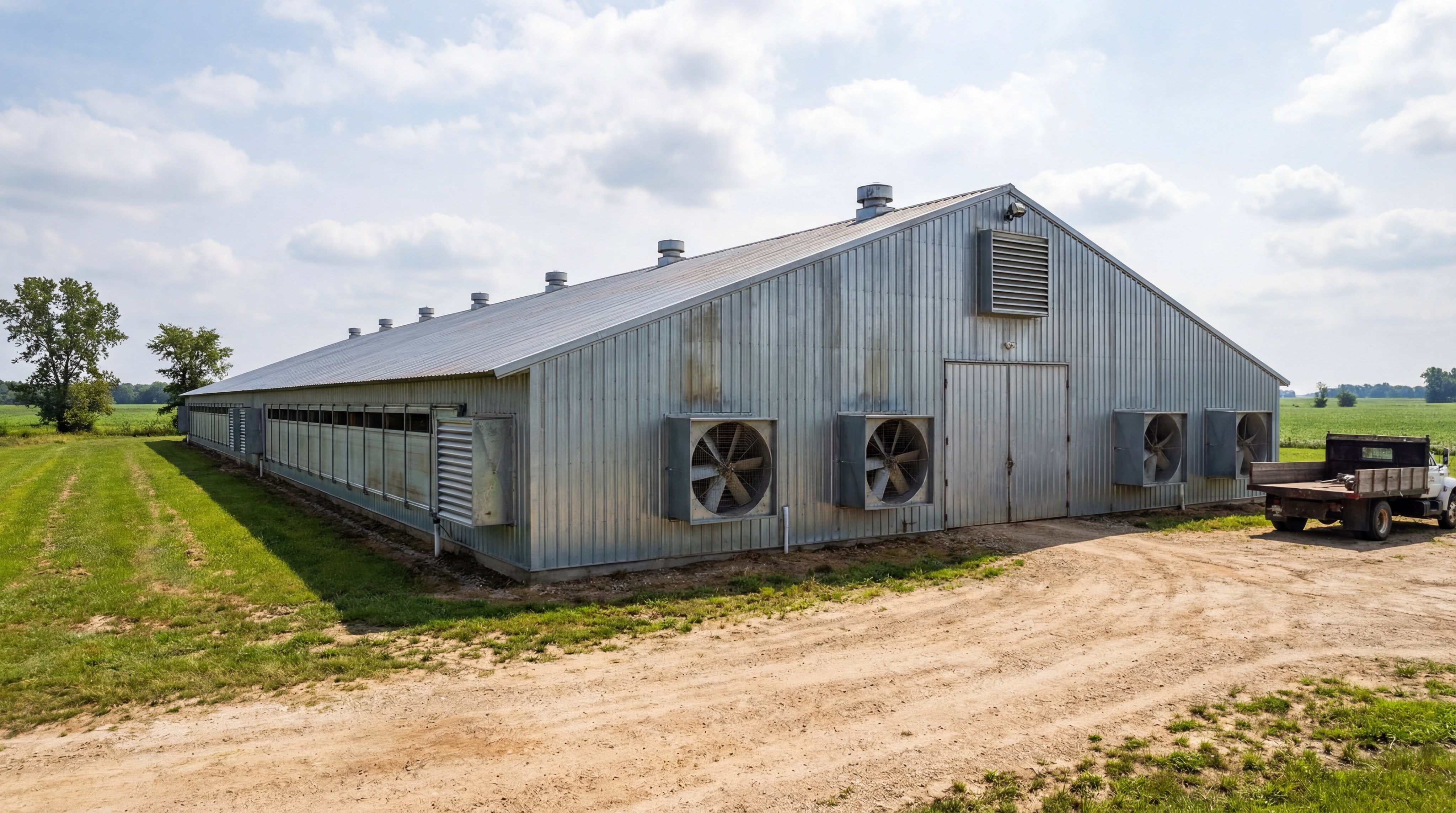
- Ventilation: Customized ridge vents or powered exhaust fans.
- Internal Mezzanines: Add second-story office space within the frame.
Key Takeaway: Customization ensures your workshop is an asset that fits your workflow perfectly, rather than forcing you to adapt to the building.
The table below outlines common customization options and their functional benefits for your business.
| Feature | Customization Option | Operational Benefit | |
|---|---|---|---|
| Span | Up to 60m+ Clear Span | Unobstructed Floor | |
| Doors | Overhead/Sectional | Efficient Logistics | |
| Cladding | Insulated Panels | Temperature Control |
6. Can a steel structure workshop save construction costs?
A steel structure workshop can save significant construction costs by reducing on-site labor hours and eliminating material waste through precision engineering. Because the components arrive ready for assembly, you avoid the high costs of skilled on-site fabrication like cutting and welding. The lightweight nature of steel also reduces the requirements for expensive deep-foundation work.
Where do the savings come from?
The truth is that the “sticker price” of steel is only one part of the total financial picture. You see, the real savings are found in the dramatic reduction of your construction timeline and labor overhead.
- Foundation Savings: Steel is lighter than concrete, requiring less cement.
- Labor Reduction: Small crews can assemble large areas very quickly.
- No Waste: Every piece is used, so you don’t pay for scrap.
You should also consider the long-term maintenance savings that come with a metal building. Check this out: because steel doesn’t warp or rot, your annual repair budget will be significantly lower than traditional alternatives.
- Durability: Less frequent painting and structural repairs.
- Insurance: Lower premiums due to superior fire and storm resistance.
- Longevity: A service life that easily exceeds 50 years with basic care.
Key Takeaway: Lower labor, faster assembly, and reduced maintenance make steel the most cost-effective long-term building solution.
This comparison table illustrates the cost dynamics between steel and traditional construction methods.
| Cost Driver | Steel Workshop | Traditional Masonry | |
|---|---|---|---|
| Labor Hours | Low | High | |
| Foundation Cost | Moderate | High | |
| Maintenance | Minimal | Frequent |
7. How to install a steel structure workshop on-site?
Installing a steel structure workshop on-site follows a logical, step-by-step assembly process that prioritizes safety and structural alignment. The process begins with a precise foundation where anchor bolts are pre-set to match the steel columns perfectly. Once the foundation is ready, a crane is used to hoist the primary frame into place for bolting.
What are the installation stages?
Here is the deal: the installation of a steel building is more like assembling a machine than traditional construction. You see, the sequence must be followed strictly to ensure the building remains stable during the entire erection process.
- Phase 1: Anchor bolt verification and column erection.
- Phase 2: Lifting and securing the main roof beams (trusses).
- Phase 3: Installing the secondary purlins and girts.
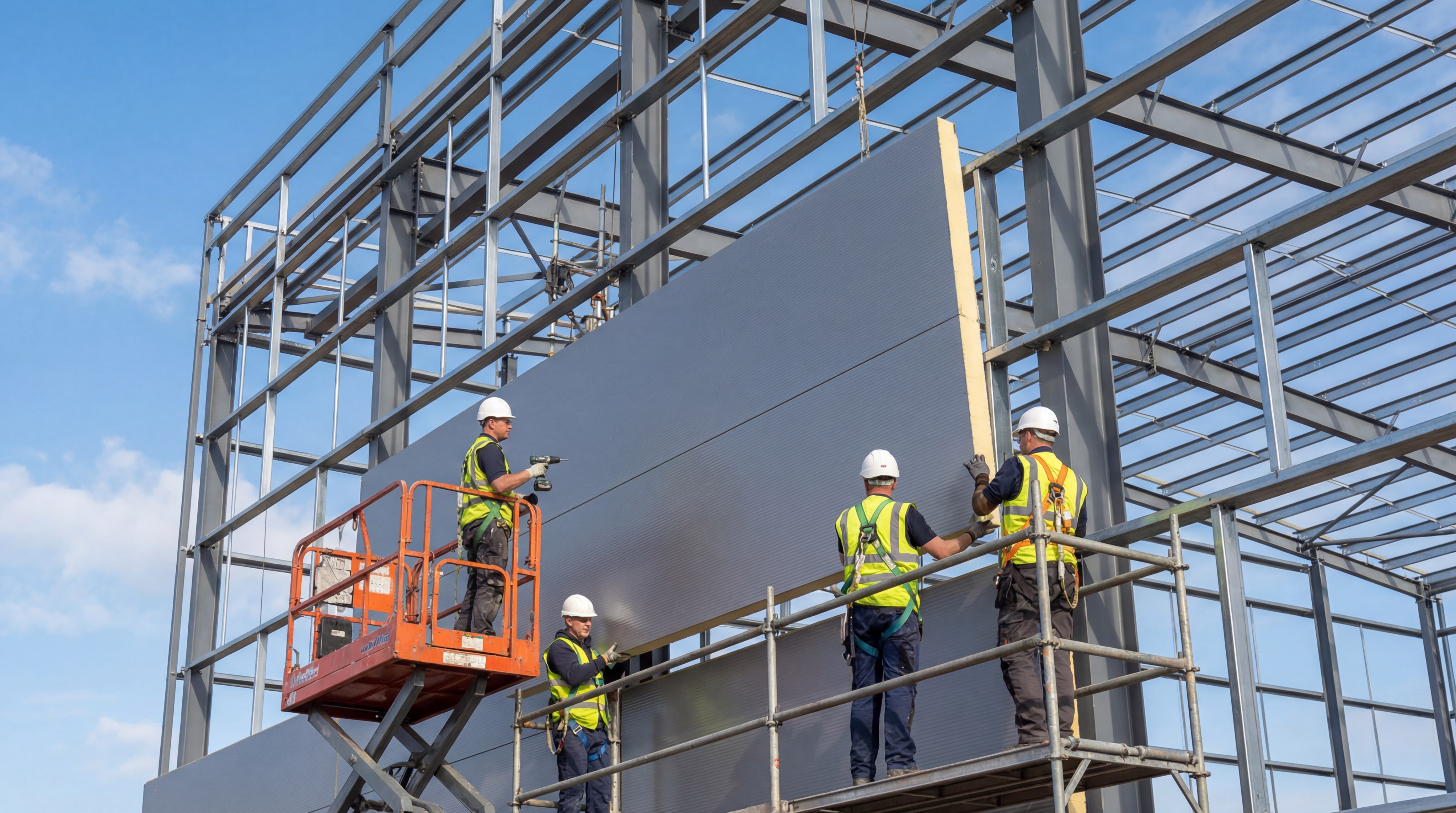
Once the skeleton is standing tall and fully bolted, the focus shifts to the building envelope. Check this out: the wall and roof panels are installed quickly using self-tapping screws, making the building weather-tight in record time.
- Cladding: Attaching the insulated sandwich panels or steel sheets.
- Trimming: Installing flashings, gutters, and downspouts.
- Finishing: Fitting the doors, windows, and ventilation systems.
Key Takeaway: Professional installation is a rapid, bolted process that ensures the facility is weather-tight and structurally sound.
The following table summarizes the equipment and focus for each major installation stage.
| Installation Stage | Primary Equipment | Critical Focus | |
|---|---|---|---|
| Main Frame | Mobile Crane | Vertical Alignment | |
| Secondary Frame | Scissor Lift | Purlin Spacing | |
| Cladding | Suction Lifters | Sealing/Waterproofing |
8. Does a steel structure workshop support heavy cranes?
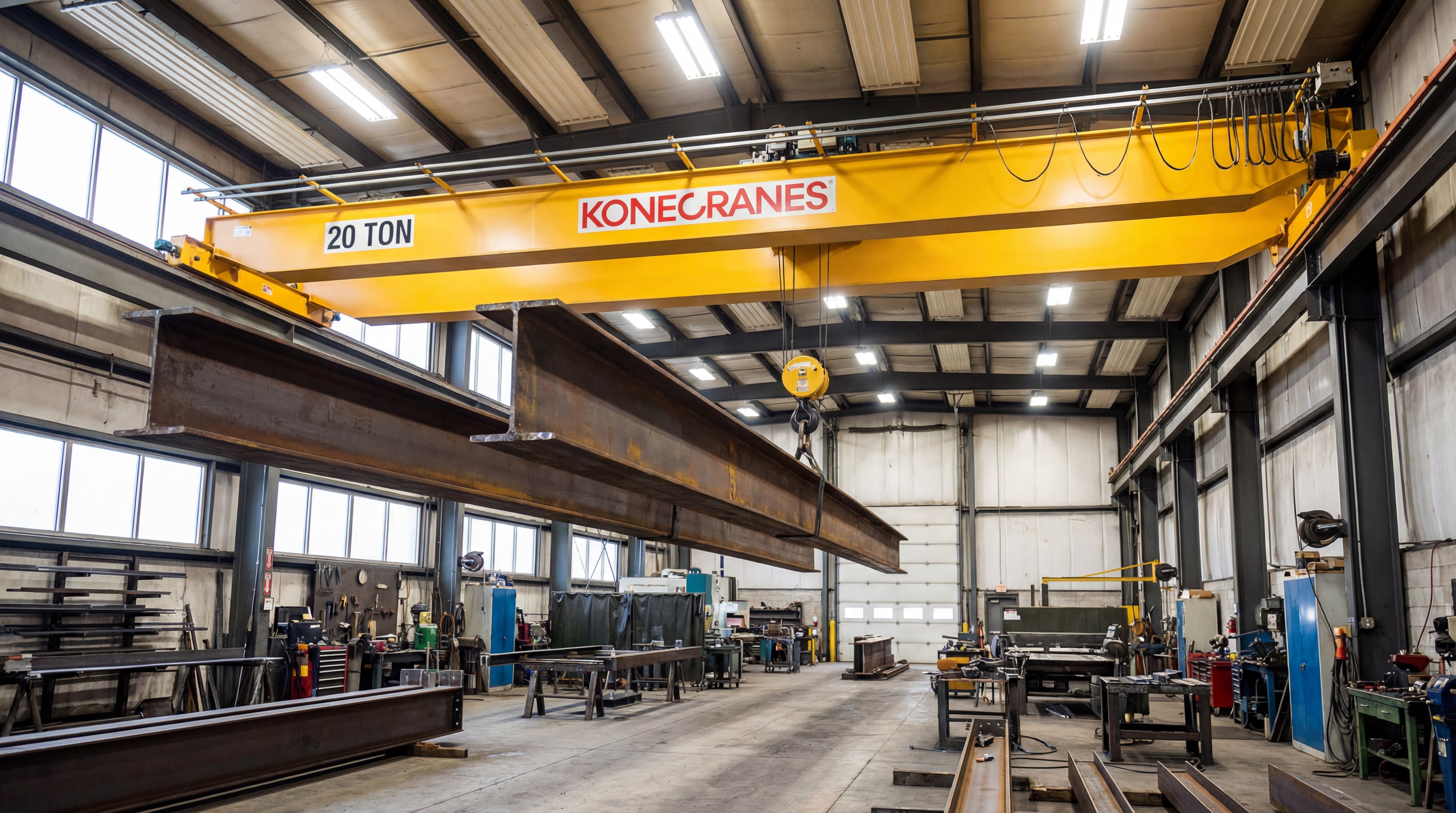
A steel structure workshop is specifically engineered to support heavy overhead cranes, making it the ideal choice for heavy industry and logistics. The steel columns are reinforced with crane brackets or “corbels” that hold the runway beams for the crane to travel on. This integration allows you to move multi-ton loads safely across the entire length of your workshop.
How is the crane integrated?
You see, a crane adds dynamic loads to the building that a standard roof cannot handle. Check this out: the entire frame is beefed up during the design phase to account for the movement and weight of the crane.
- Crane Girders: Heavy-duty tracks that the crane bridge rolls on.
- Brackets: Steel supports welded to the main columns.
- Stop Blocks: Safety devices at the end of the crane rails.
It is important to realize that adding a crane later is much harder than including it in the initial design. You see, by planning for a 5-ton or 10-ton crane now, you save yourself the headache of structural retrofitting in the future.
- Load Calculations: Includes crane weight and max lift capacity.
- Runway Length: Usually spans the entire length of the facility.
- Power Supply: Integrated busbars along the runway beams.
Key Takeaway: Steel frames provide the necessary rigidity and strength to facilitate high-capacity overhead lifting operations.
Review the table below to see how crane integration affects the structural design of your workshop.
| Crane Capacity | Structural Requirement | Typical Application | |
|---|---|---|---|
| 1 – 5 Tons | Standard H-Section | Light Manufacturing | |
| 10 – 20 Tons | Reinforced Columns | Steel Fabrication | |
| 30+ Tons | Lattice Columns | Heavy Engine Assembly |
9. How green is a modern steel structure workshop?
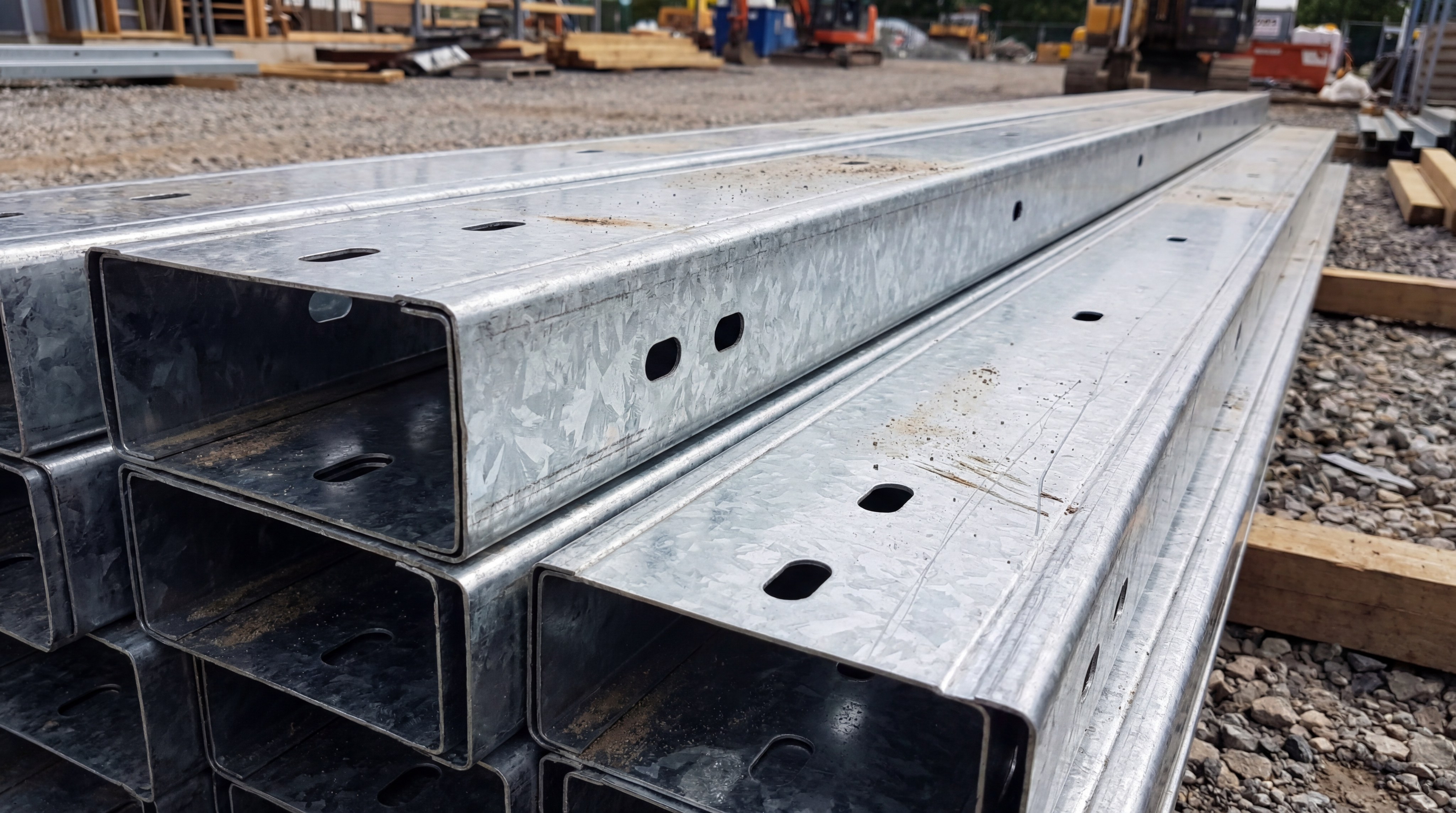
A modern steel structure workshop is one of the most eco-friendly building options available because steel is 100% recyclable without losing its quality. Most structural steel used today contains a high percentage of recycled content, reducing the need for new mining. Additionally, the energy efficiency of the building can be maximized with high-performance insulation.
Why is steel sustainable?
Believe it or not, your workshop could eventually be recycled into a new building decades from now. You see, the “circular economy” of steel ensures that the material never ends up in a landfill, making it a responsible choice for the planet.
- Recycled Content: Most steel is made from melted-down scrap.
- Deconstructable: Buildings can be disassembled and moved.
- Low Carbon: Shorter construction times mean less site pollution.
You might be wondering if metal buildings get too hot or cold, but the reality is quite different. Check this out: by using thick sandwich panels, you can maintain a steady internal temperature while using minimal electricity.
- Solar Ready: Steel roofs are the perfect base for solar arrays.
- Thermal Efficiency: Polyurethane cores provide incredible R-values.
- Natural Ventilation: Ridge vents reduce the need for AC units.
Key Takeaway: Choosing steel helps you meet modern sustainability goals while lowering your facility’s operational carbon footprint.
This table highlights the environmental advantages of steel over traditional building materials.
| Sustainability Factor | Steel Workshop | Concrete/Wood | |
|---|---|---|---|
| Recyclability | 100% | Low/Variable | |
| On-site Pollution | Minimal (Dry) | High (Dust/Water) | |
| Life Cycle Value | High (Scrap Value) | Zero/Negative |
10. Where can you buy a steel structure workshop today?
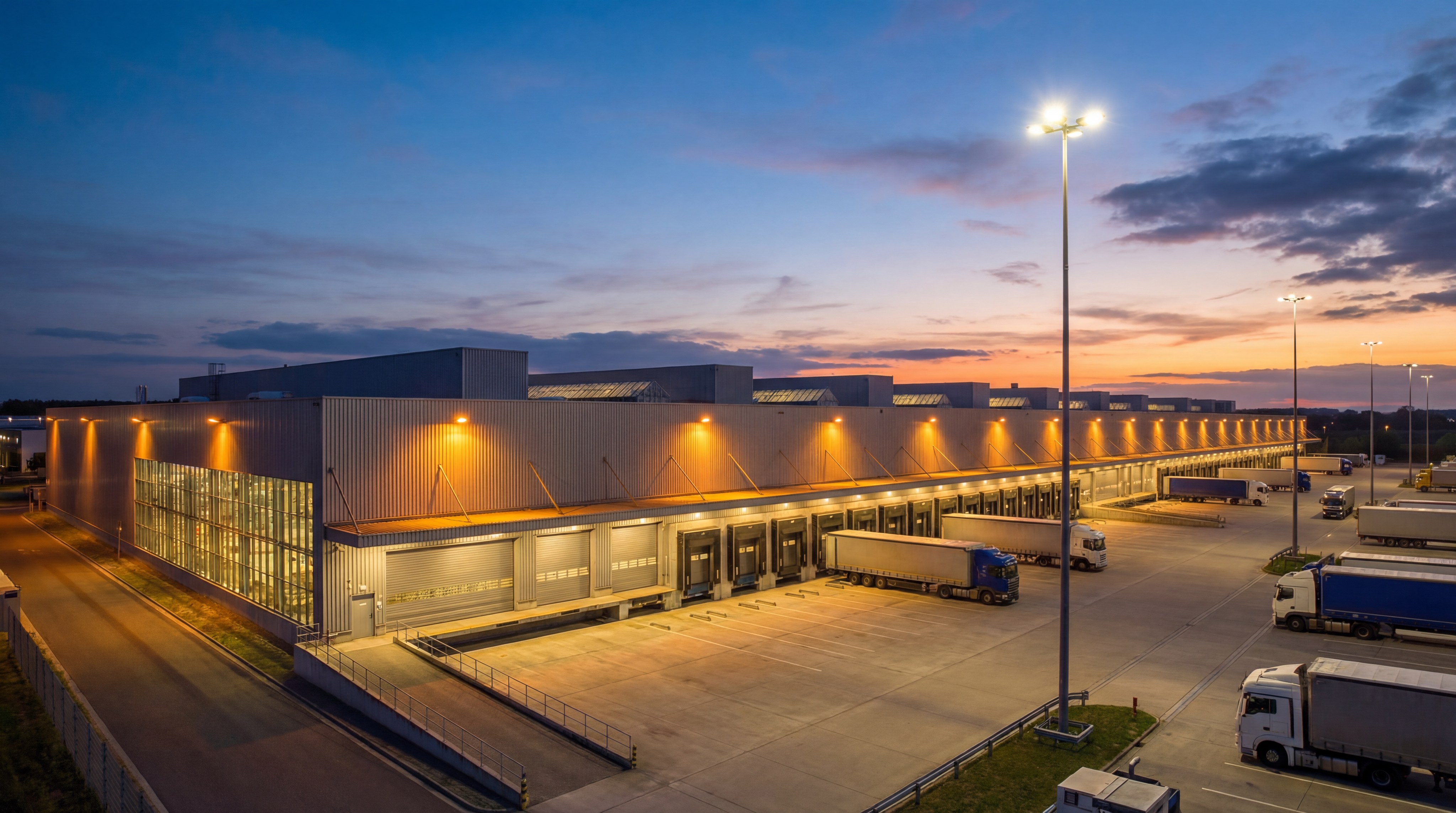
You can buy a steel structure workshop directly from specialized global manufacturers who provide end-to-end design, fabrication, and shipping services. Selecting the right supplier is the most critical decision in your project, as it dictates the quality of the raw materials and the accuracy of the engineering. A reputable manufacturer will provide comprehensive 3D drawings and installation guides tailored to your site.
How to vet a supplier?
Simply put: not all steel buildings are created equal, and your investment deserves the highest standards. You see, you should look for a manufacturer with a proven track record of international exports and local code compliance.
- Certifications: Look for ISO, CE, and AWS welding standards.
- Design Capability: Ensure they use professional CAD and Tekla software.
- Material Quality: Demand mill certificates for all structural steel.
It is also vital to ask about the level of after-sales support they offer during the construction phase. Check this out: the best suppliers provide video consultations or send supervisors to your site to ensure the assembly goes smoothly.
- Logistics: Experience in packing containers to prevent damage.
- Warranty: Solid guarantees on the structure and cladding.
- Documentation: Clear, step-by-step assembly manuals in English.
Key Takeaway: Partnering with an experienced manufacturer ensures your workshop is safe, durable, and delivered on schedule.
This table provides a checklist for evaluating potential steel building manufacturers.
| Evaluation Criteria | High-Quality Supplier | Low-End Supplier | |
|---|---|---|---|
| Steel Grade | Verified Q345B/Q235B | Uncertified Scrap | |
| Welding | AWS Standard / Automated | Manual / Inconsistent | |
| Engineering | Custom 3D Design | Generic Templates |
FAQ
Can I expand my steel structure workshop in the future? Absolutely. One of the biggest perks of a bolted steel frame is that it is modular, meaning you can easily remove an end-wall and add new bays to lengthen the building as your business grows.
What’s the average lifespan of a steel structure workshop? Over 50 years. With basic preventive maintenance like cleaning the gutters and touching up any paint scratches, a galvanized steel structure will outlast most traditional buildings.
How do I prevent rust in my steel structure workshop? High-quality coatings are key. Use hot-dip galvanizing for secondary members and a multi-layer epoxy paint system for the primary frame to ensure a long-lasting, rust-free finish.
Can I install solar panels on the roof of a steel structure workshop? Yes, they are ideal for solar. However, you must inform the engineering team during the design phase so they can include the weight of the panels in the total “dead load” calculations.
What’s the best way to insulate a steel structure workshop? Sandwich panels are the industry standard. Panels with a Rockwool or Polyurethane (PU) core offer the best thermal resistance and also provide excellent fire protection for your facility.
Conclusion
A steel structure workshop is the ultimate solution for any business seeking a balance of speed, strength, and financial efficiency. These buildings empower you to bypass the delays of traditional construction and move directly into a high-performance workspace designed for your specific industry. At our core, we believe in providing the structural backbone that allows global industries to thrive without limits. Don’t let your expansion plans stay on the drawing board any longer. To receive a custom engineering consultation and a detailed quote for your project, contact us today and let’s build the future of your business together.