
Mastering the right warehouse skills requires a balanced combination of technical proficiency, physical reliability, and administrative precision. Many operations struggle with high turnover and frequent errors because staff lack the specialized training needed for high-volume logistics. If you continue to work without a defined skill development plan, you risk burnout and safety incidents that could stall your career. Strengthening your warehouse experience through targeted learning is the most effective way to become an indispensable asset in the supply chain industry.
What are the most vital technical warehouse skills?
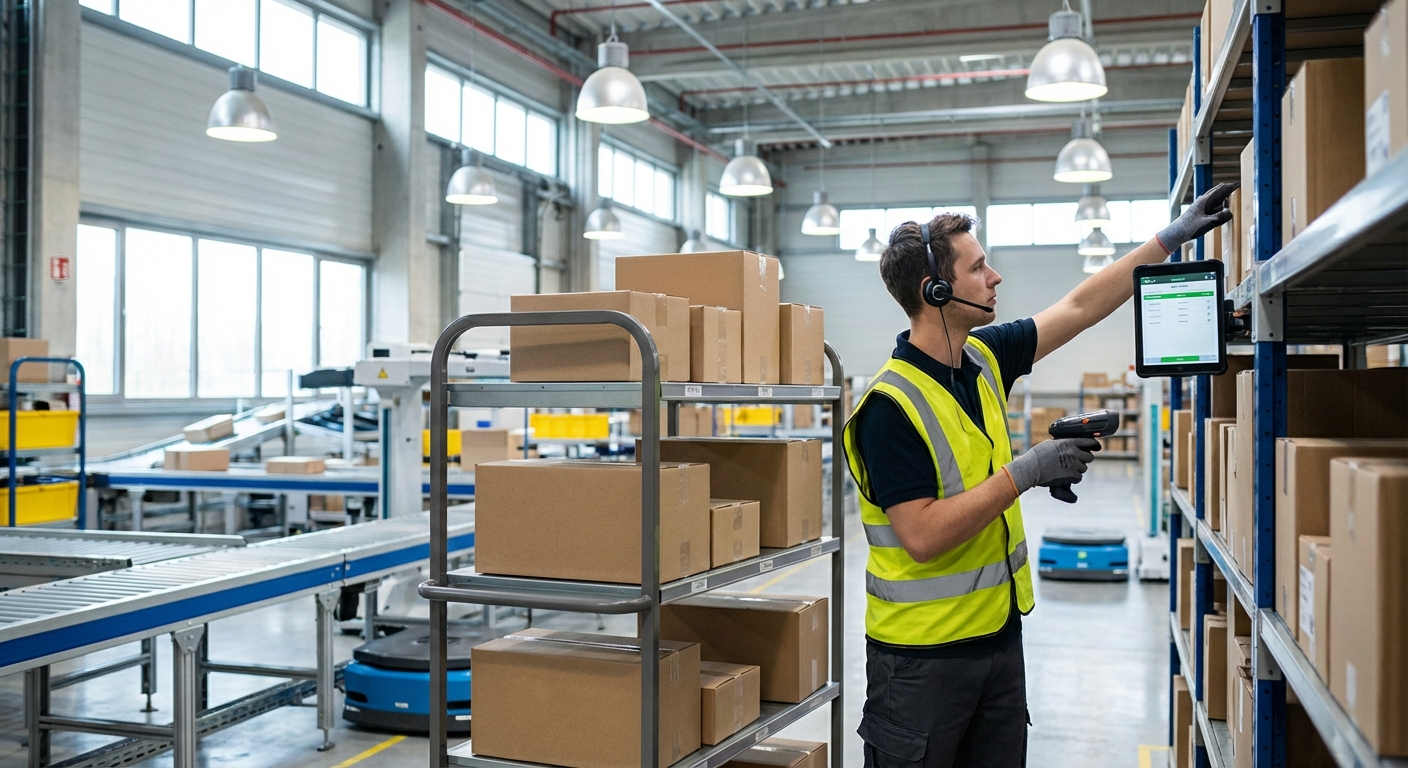
The most vital technical skills include order picking, inventory management, and basic data entry to ensure high-speed operational flow. Developing your warehouse experience in these areas allows you to maintain accuracy while meeting strict hourly quotas.
How does order picking drive accuracy?
Accurate order picking involves more than just finding an item; it requires verifying SKU numbers and checking for product damage. You must learn to navigate different picking methodologies to maximize your efficiency during peak hours.
- Zone Picking: Handling items in specific sections.
- Batch Picking: Selecting multiple orders at once.
- Wave Picking: Coordinating picking with shipping schedules.
Look at it this way: A single error in the picking stage can lead to a costly return and a dissatisfied client. Key Takeaway: Technical accuracy in the initial fulfillment stage prevents downstream logistical failures.
| Technical Skill | Primary Purpose | Efficiency Impact | |
|---|---|---|---|
| Order Picking | Accuracy in fulfillment | High | |
| Inventory Control | Stock level maintenance | Medium | |
| Data Entry | Digital record keeping | Low |
The data suggests that mastery of picking techniques is the strongest predictor of individual throughput.
Why is heavy equipment operation so important?
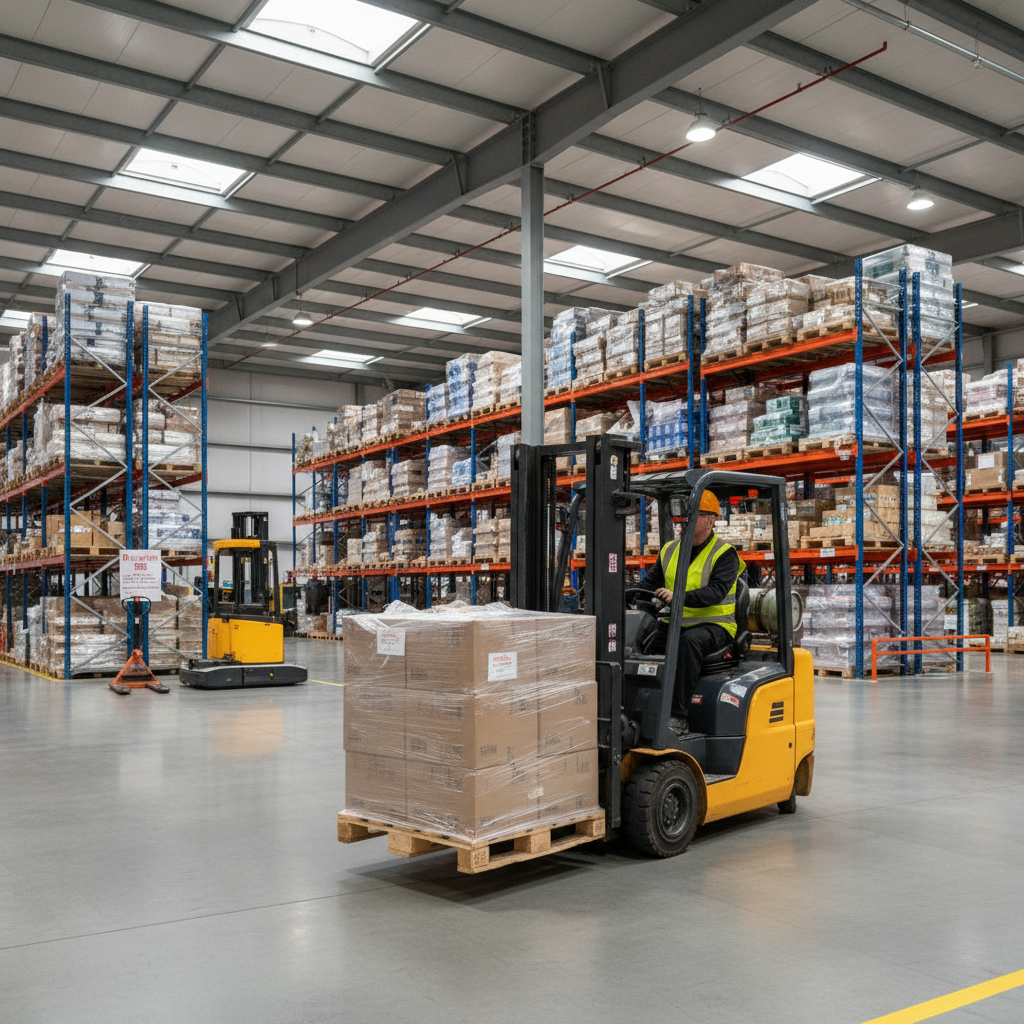
Operating heavy equipment is critical because it enables the movement of palletized goods that are too heavy for manual handling. Expanding your warehouse experience with machinery certifications makes you qualified for higher-paying, specialized roles.
Is a forklift certification mandatory for you?
Obtaining a forklift license is essential if you want to move beyond general labor and into professional material handling. You will learn to navigate tight aisles and manage load stability under various conditions.
- Counterbalance Forklifts: Standard for loading docks.
- Reach Trucks: Specialized for high-bay racking systems.
- Pallet Jacks: Essential for short-distance floor movements.
Truth is: Most industrial facilities require official OSHA-compliant training before you can even touch the controls. Key Takeaway: Certified equipment operation is the most marketable hard skill in modern logistics.
| Equipment Type | Training Level | Salary Potential | |
|---|---|---|---|
| Reach Truck | Advanced | High | |
| Forklift | Intermediate | Medium | |
| Electric Jack | Basic | Entry-level |
Specialized equipment proficiency directly correlates with your ability to handle complex inventory layouts.
How do soft skills influence your daily performance?

Soft skills like communication and teamwork are the “glue” that keeps a fast-paced logistics environment functioning without conflict. While your technical warehouse experience moves the product, your interpersonal skills ensure that the entire team stays aligned.
Why is communication the ultimate workflow tool?
Clear communication prevents the misunderstandings that lead to forklift accidents and misplaced shipments. You need to be able to report discrepancies to management and coordinate movement with your peers on the floor.
- Active Listening: Fully understanding instructions before starting a task.
- Conflict Resolution: Handling disagreements on the floor professionally.
- Verbal Reporting: Clearly explaining equipment issues to maintenance teams.
Think about it: A team of experts who cannot communicate will always be less productive than a synchronized group of novices. Key Takeaway: Strong communication skills reduce operational friction and improve overall workplace safety.
| Soft Skill | Benefit to Team | Risk Reduction | |
|---|---|---|---|
| Communication | Fewer errors | 30% | |
| Teamwork | Faster completion | 25% | |
| Problem Solving | Immediate fixes | 15% |
Developing emotional intelligence allows you to navigate high-stress shifts without compromising production quality.
Can technology literacy redefine your career path?
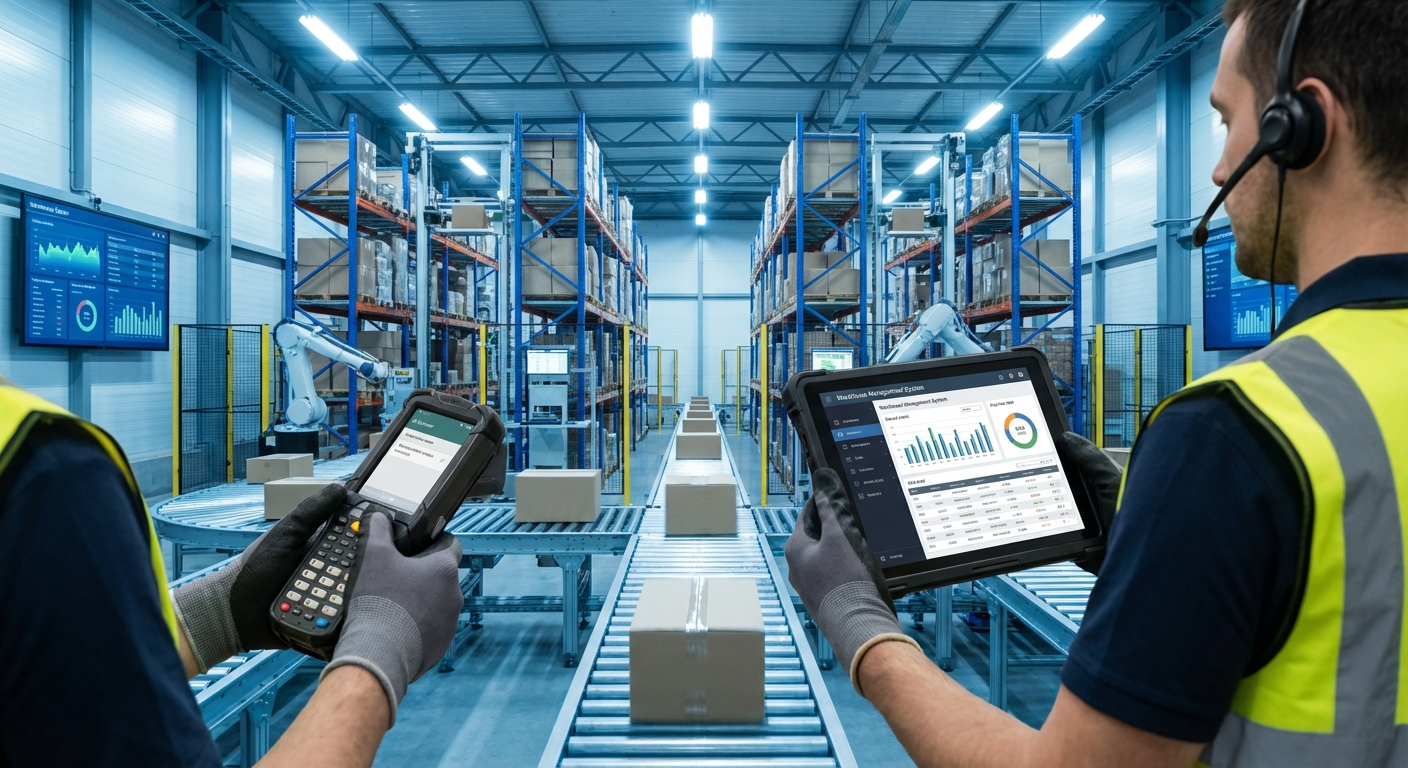
Technology literacy involves mastering Warehouse Management Systems (WMS) and handheld scanning devices to digitize physical movements. Refining your warehouse experience with these digital tools is no longer optional in the modern automated facility.
Do you know how to master RF scanning?
Radio Frequency (RF) scanners are the primary interface you will use to update inventory records in real-time. You must become fast and accurate with these devices to ensure the digital “twin” of the warehouse matches reality.
- Barcode Scanning: Identifying items and locations instantly.
- Data Validation: Confirming that the correct item was picked.
- Real-time Alerts: Receiving instant updates on priority shipping orders.
Better yet: Mastering the software logic behind these tools can help you transition into inventory control or management. Key Takeaway: Digital fluency is the bridge between floor operations and administrative leadership.
| Tool | Digital Function | Accuracy Rate | |
|---|---|---|---|
| RF Scanner | Individual item tracking | 99.9% | |
| WMS Tablet | Workflow oversight | 95.0% | |
| Barcode Printer | Labeling and sorting | 100% |
Technological proficiency is the leading factor in reducing manual paperwork and improving data integrity.
Is physical stamina a requirement for success?
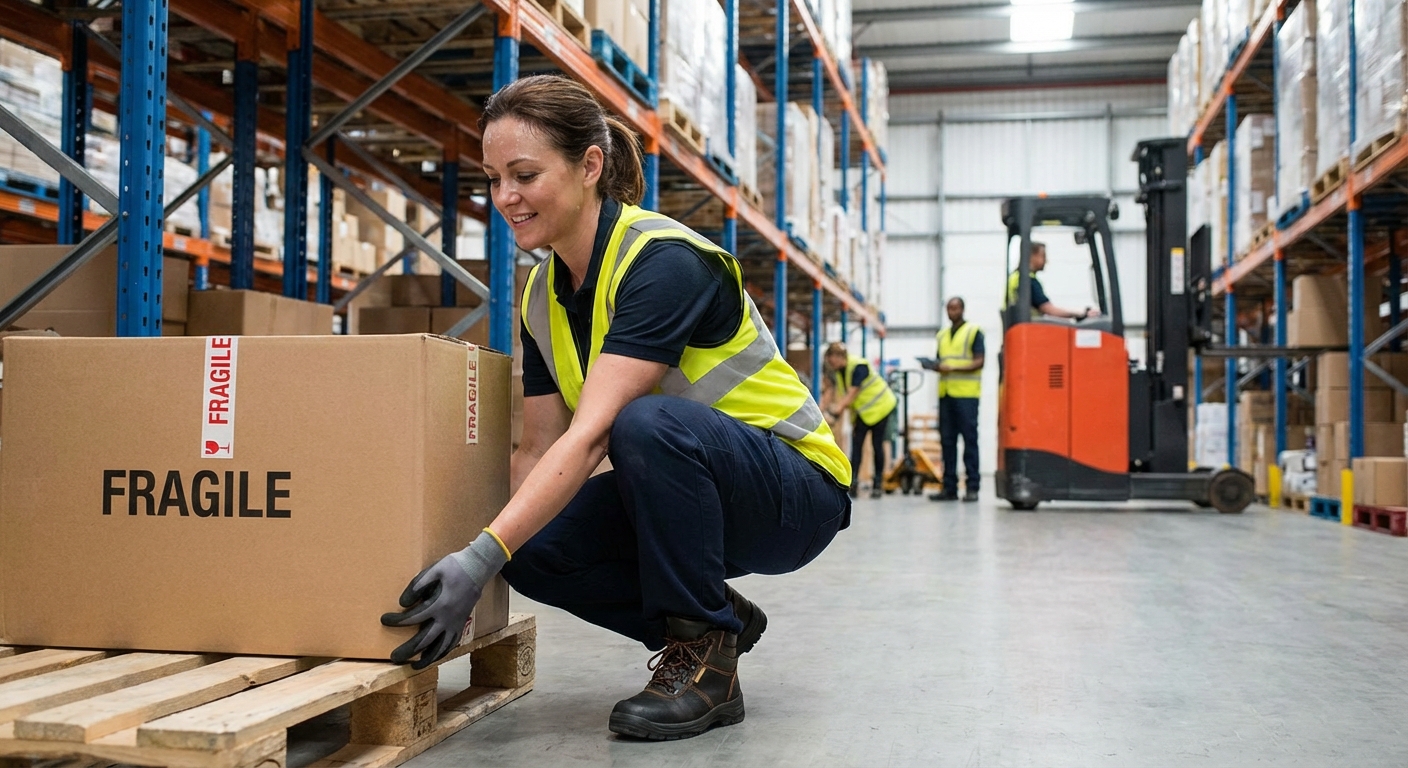
Physical stamina is a foundational requirement because the job often demands standing, walking, and lifting for eight to twelve hours. Building this part of your warehouse experience involves learning how to pace yourself to maintain productivity throughout the entire shift.
What are the best ergonomic practices?
Using proper body mechanics is the only way to avoid long-term injury when handling heavy boxes or awkward loads. You must prioritize safe lifting techniques over speed to ensure you can sustain a long career in the industry.
- Lift with Legs: Never bend your back when picking up items.
- Keep Loads Close: Reduce the leverage on your spine by hugging the load.
- Rotate Tasks: Change your movements frequently to avoid repetitive strain.
Here is the kicker: Your physical health is an asset that requires regular “maintenance” just like any piece of warehouse machinery. Key Takeaway: Ergonomic discipline is the secret to high performance and injury prevention in labor-intensive roles.
| Physical Factor | Maintenance Method | Long-term Impact | |
|---|---|---|---|
| Back Health | Proper lifting posture | Prevent injury | |
| Endurance | Hydration and rest | High throughput | |
| Dexterity | Stretch and flex | Precision movement |
Consistent application of ergonomic principles ensures that high physical demands do not lead to chronic health issues.
How can you effectively improve your current skills?
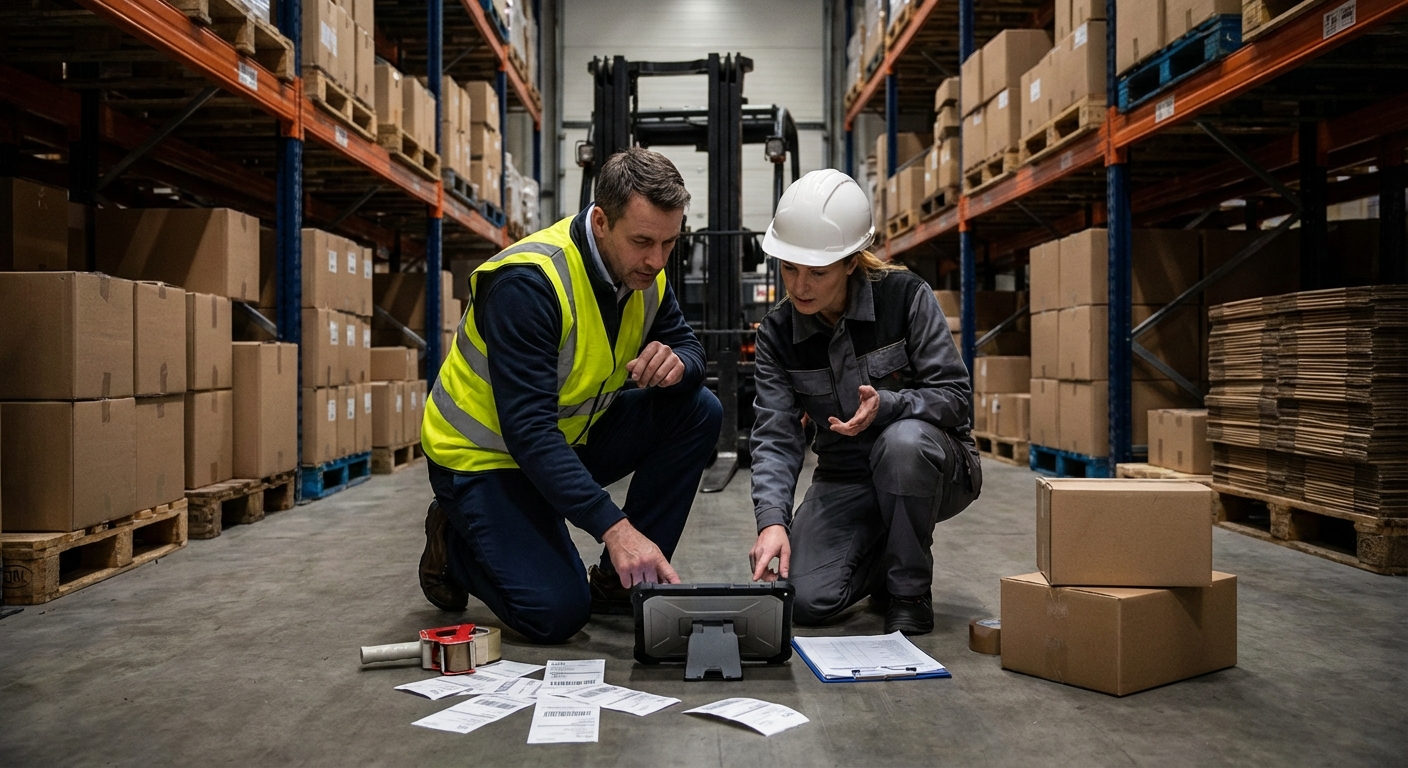
Improving your skills requires a proactive approach to learning through formal certifications and on-the-job mentorship. You can elevate your warehouse experience by seeking out cross-training opportunities in different departments like receiving or shipping.
Should you seek out formal certifications?
Formal certifications provide proof of your expertise to current and future employers, opening doors to supervisory positions. You should look for courses in safety management, supply chain logistics, or specialized equipment operation.
- OSHA Safety Certification: Demonstrates knowledge of federal safety laws.
- Certified Professional in Distribution: Focuses on high-level management.
- First Aid/CPR: Prepares you for emergencies on the floor.
Think about it: Most managers started on the floor and climbed the ladder by documenting their skill growth through certifications. Key Takeaway: Education is the most reliable path to career advancement in the logistics sector.
| Growth Path | Required Commitment | Potential Outcome | |
|---|---|---|---|
| Certification | Low (Days) | Wage increase | |
| Mentorship | Medium (Months) | Role expansion | |
| Cross-training | High (Ongoing) | Management track |
Strategic skill development transforms a temporary job into a long-term professional career path.
Why is efficiency optimization critical for you?
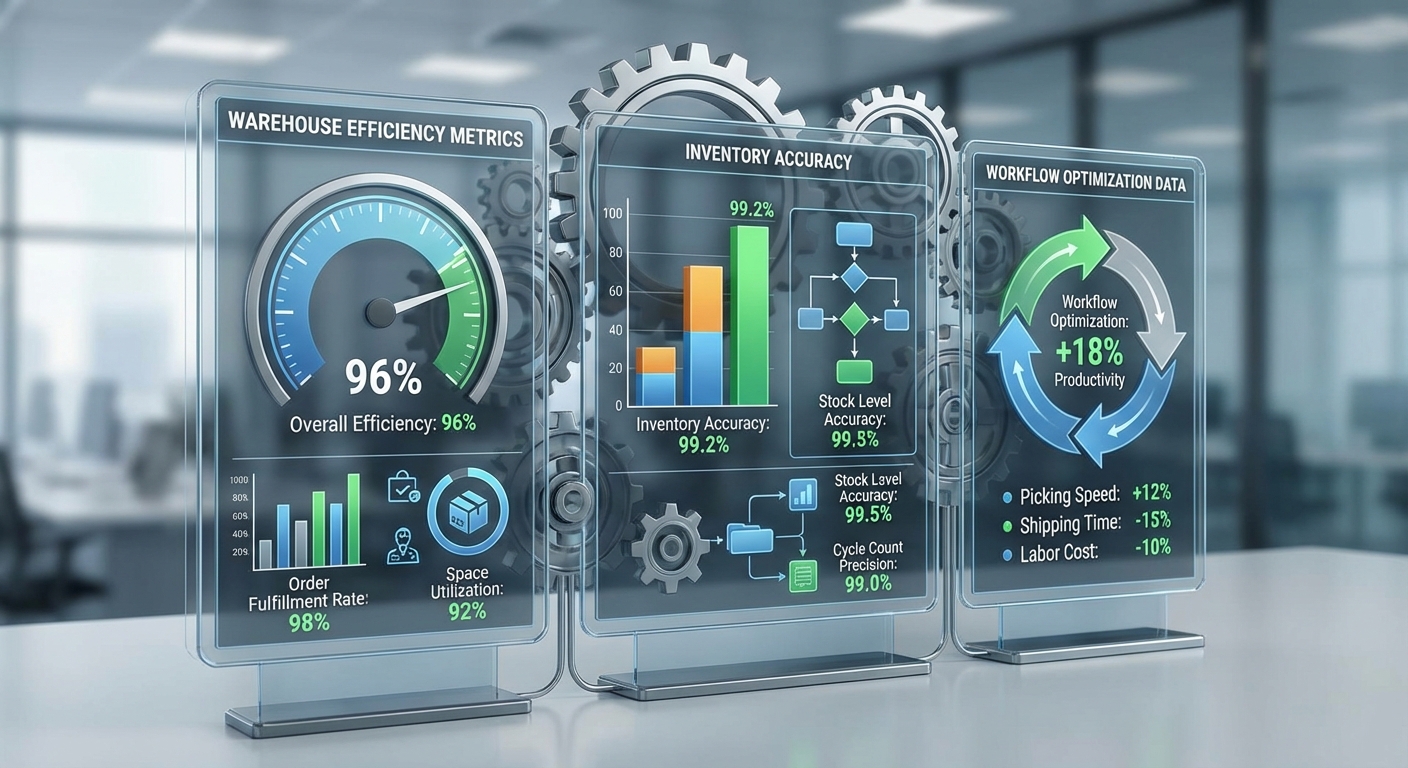
Efficiency optimization is critical because it allows you to produce more results with less physical effort and wasted movement. Understanding the metrics behind your warehouse experience helps you identify bottlenecks in your personal workflow.
How do you identify workflow bottlenecks?
A bottleneck is any part of the process that slows down the entire chain, such as messy aisles or slow scanners. You should constantly look for ways to shave seconds off your picking time by optimizing your travel path.
- Path Analysis: Finding the shortest route between high-volume items.
- Staging Preparation: Organizing your cart before starting a picking wave.
- Tool Readiness: Ensuring your scanner and labels are ready before your shift.
Believe it or not: Saving just ten seconds per pick can add up to an extra hour of productivity every single week. Key Takeaway: Small, incremental improvements in your daily routine lead to massive gains in annual performance.
| Metric | Target Goal | Improvement Strategy | |
|---|---|---|---|
| Picks per Hour | +10% increase | Path optimization | |
| Travel Time | -15% reduction | Better staging | |
| Idle Time | <5% of shift | Preparedness |
Analyzing your personal data allows you to work smarter rather than just working harder.
What is the role of quality control in your work?
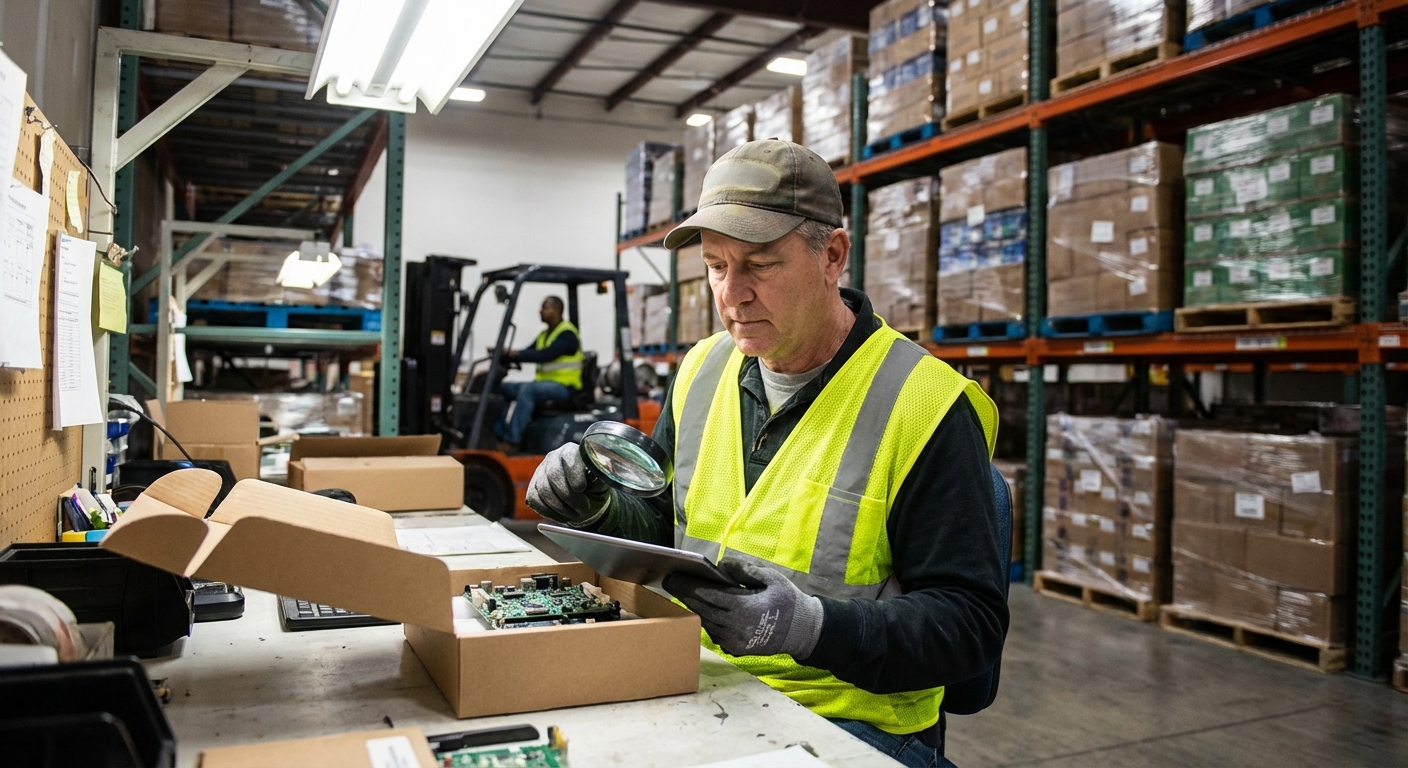
Quality control is the final check that ensures the right product reaches the customer in perfect condition. Strengthening your warehouse experience in inspection prevents the “rework” that drains profitability from the operation.
Spotting defects requires a keen eye for detail and a thorough understanding of the specific packaging standards for each client. You must be willing to stop the line if you see something that doesn’t meet quality expectations.
- Visual Inspection: Checking for crushed boxes or torn seals.
- Weight Verification: Ensuring the package contains all required components.
- Label Audit: Matching the shipping label to the manifest exactly.
The truth is: Speed is useless if the customer receives a broken item that has to be sent back. Key Takeaway: Quality is the foundation of customer trust and a primary metric for your performance reviews.
| Inspection Type | Frequency | Criticality | |
|---|---|---|---|
| Visual Check | Constant | High | |
| Weight Audit | Random | Medium | |
| SKU Match | Per Order | Extreme |
Focusing on quality at the source eliminates the need for expensive post-shipment corrections.
Why must you strictly follow safety protocols?
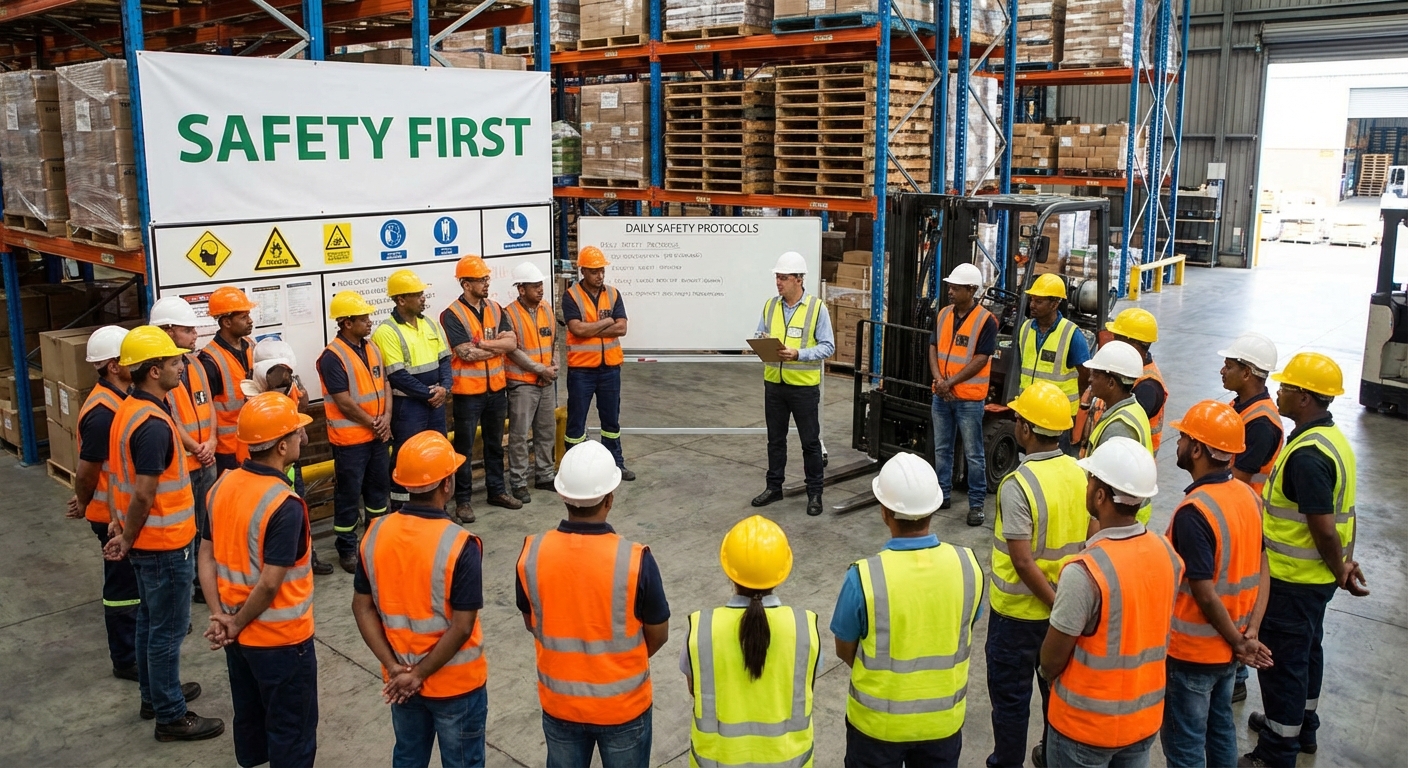
Following safety protocols is mandatory to prevent life-altering injuries in an environment full of moving vehicles and heavy racks. Your safety-related warehouse experience is what protects you and your colleagues from the inherent risks of the industrial floor.
Can safety meetings actually save lives?
Daily safety briefings are designed to keep hazards top-of-mind and address any new risks discovered during the previous shift. You should actively participate in these meetings to stay updated on equipment changes or pedestrian path updates.
- PPE Compliance: Wearing hard hats, vests, and steel-toes at all times.
- Spill Response: Knowing exactly how to contain hazardous materials.
- Emergency Egress: Keeping all fire exits and aisles clear of debris.
Here is the truth: A single moment of complacency can lead to an accident that changes your life forever. Key Takeaway: Safety is not a suggestion; it is a professional requirement that outweighs all other production goals.
| Protocol | Required Action | Outcome | |
|---|---|---|---|
| LOTO | Lock out machinery | No accidental starts | |
| Three-Point Contact | Use on ladders/trucks | Prevents falls | |
| Horn Honking | Signal at intersections | Prevents collisions |
Adhering to safety standards creates a stable environment where long-term productivity is actually possible.
How does building design impact your efficiency?
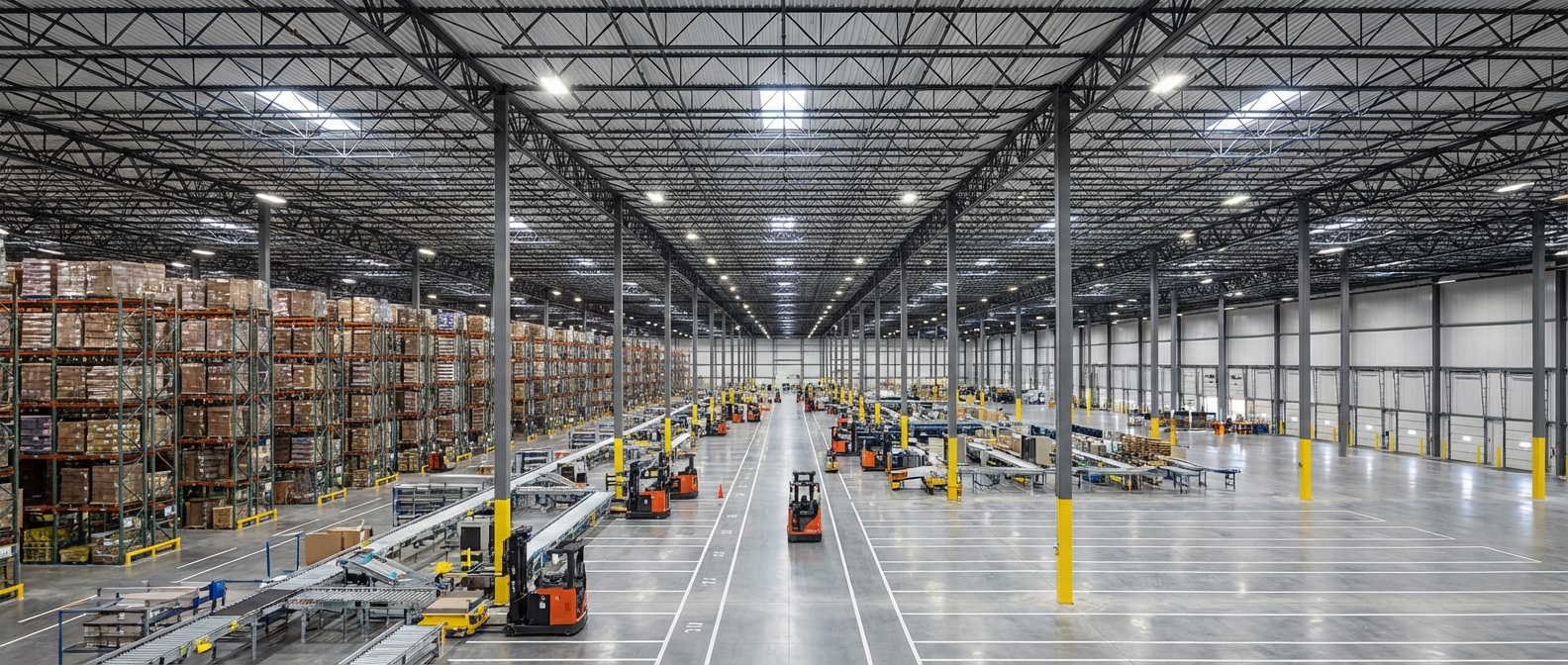
Building design determines the flow of traffic and the accessibility of the inventory you manage every day. Your professional warehouse experience will be significantly smoother in a facility designed with clear spans and logical loading zones.
Why is vertical space optimization important?
Maximizing the “cube” of a building allows for more inventory in a smaller footprint, but it requires higher levels of skill for the operators. You must learn to work safely around high-bay racking systems that utilize every inch of the ceiling height.
- Mezzanine Access: Navigating second-story picking areas.
- High-Reach Stacking: Placing pallets safely at thirty feet or higher.
- Column Spacing: Operating efficiently around structural supports.
Think about it: The layout of your building is either your best friend or your biggest obstacle to hitting your daily targets. Key Takeaway: Modern steel structures provide the open, flexible space necessary for world-class logistics operations.
| Design Element | Operational Benefit | User Impact | |
|---|---|---|---|
| Clear Span | No interior pillars | Easier driving | |
| High Ceilings | More storage | Higher skill needed | |
| Loading Docks | Faster turnaround | Less congestion |
Superior facility design acts as a force multiplier for the skills of every worker on the floor.
Frequently Asked Questions
Can I get a warehouse job with no experience?Absolutely. Many entry-level roles focus on your physical reliability and willingness to learn, allowing you to build your technical skills on the job. Companies often provide training for basic picking and safety tasks.
What’s the best way to handle long shifts?You should focus on consistent hydration, proper nutrition, and wearing high-quality footwear designed for standing on concrete. Taking your scheduled breaks is essential for maintaining focus and physical energy levels.
How do I know if my lifting technique is safe?If you feel any sharp pain or strain in your lower back, your technique is likely incorrect and needs adjustment. You should always be able to feel the work in your leg muscles rather than your spine.
Can I learn warehouse software at home?Yes, while proprietary systems differ, you can learn the basics of ERP logic and inventory management through various online courses. Many WMS providers offer documentation and tutorials that are accessible to the public.
How do I move from general labor to a specialist role?You should proactively ask to be trained on new equipment and volunteer for inventory auditing or safety committee tasks. Earning an official certification is the fastest way to prove you are ready for more responsibility.
“True warehouse expertise isn’t just about moving boxes; it’s about mastering the systems that move the world’s economy.”
At Qingdao Showhoo Steel Structure, we believe high-quality steel structures are the backbone of a skilled warehouse team. Our prefabricated buildings are designed to support the advanced equipment and safety protocols that professional logistics workers need to thrive. If you are ready to optimize your industrial space or start a new construction project, contact us today for a customized solution.