
Correct pig shed design is the primary determinant of your livestock’s health and your facility’s operational longevity. You are likely seeing your margins shrink due to rising feed costs, unexpected disease outbreaks, or structural failures in your current barns. It is deeply frustrating to invest capital only to watch your swine suffer from poor ventilation or inadequate space allocation.
Professional pig shed design provides a systematic solution by integrating climate control, biosecurity zones, and durable steel framing. By optimizing the environment, you ensure maximum growth rates and minimal labor overhead. This guide explores the technical standards required to build a world-class swine production facility.
Why is correct pig shed design vital for ROI?
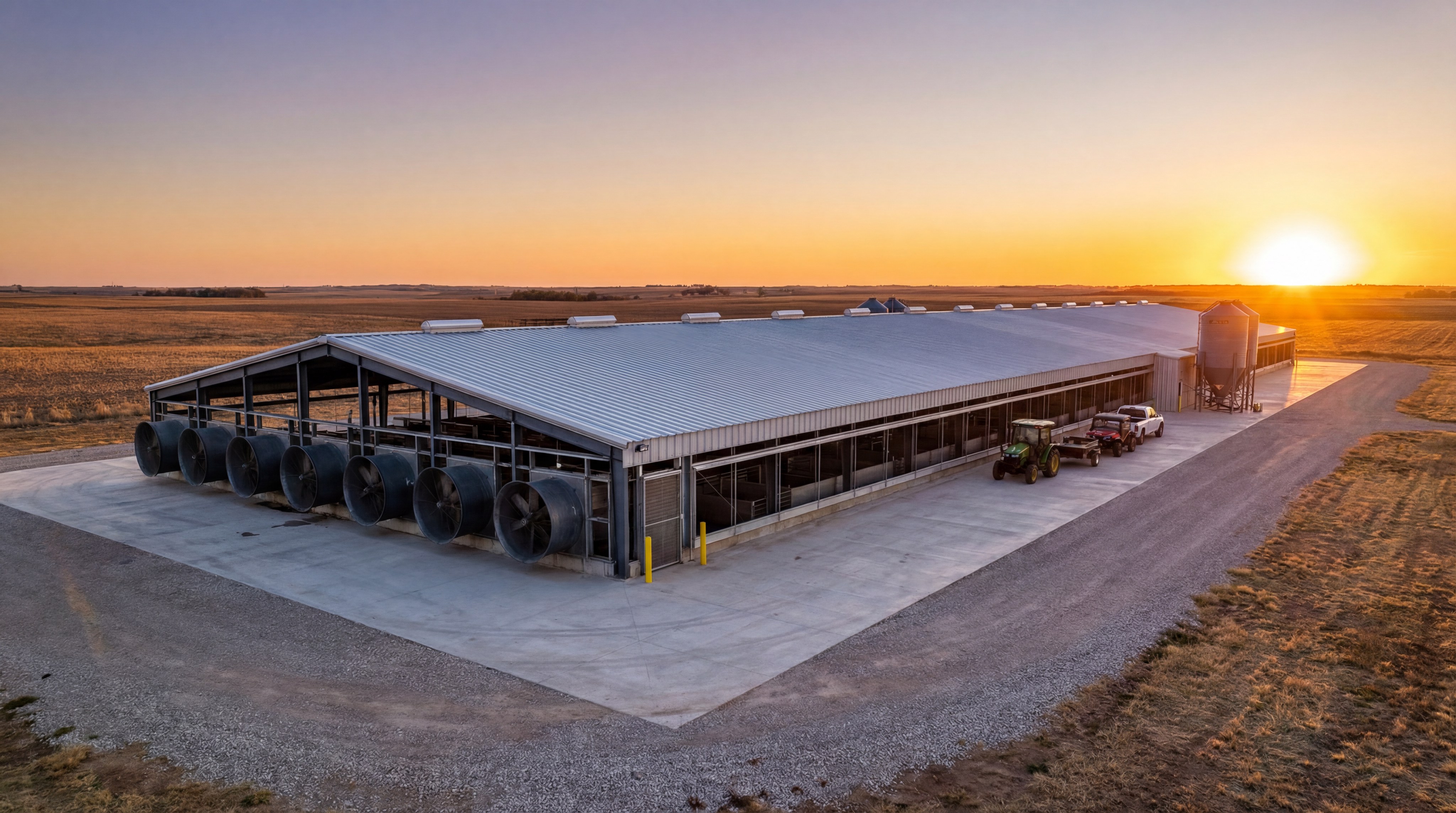
A strategic pig shed design is the foundation of any profitable swine operation. Pigs are highly sensitive to their environment, and a well-ventilated, durable Pig Shed ensures that your animals spend their energy on growth rather than survival. Professional layouts minimize disease transmission and maximize floor space utility.
Poorly planned facilities lead to higher mortality rates and inefficient feed conversion ratios. When you invest in a precision-engineered structure, you are protecting your biological assets from thermal stress and injury. This proactive approach to infrastructure directly correlates with your annual profit margins.
Does housing impact growth rates?
Environmental stress directly correlates with Feed Conversion Ratios (FCR) in all stages of production. When pigs are housed in optimal conditions, typically between 20-25°C, they gain weight more efficiently. This reduces the time to market and significantly lowers your total feed expenditure.
Look:
- Controlled temperatures prevent energy waste.
- Adequate space reduces aggressive competition for food.
- Clean environments lower the metabolic cost of fighting infection.
- Proper lighting schedules can improve feed intake.
How does design prevent disease?
Proper layout allows for “All-In/All-Out” management, which is critical for breaking disease cycles. Smooth, non-porous surfaces and efficient drainage systems make disinfection faster and more effective. Why does this matter? Because a single outbreak can devastate your entire herd’s genetic progress.
Here’s the deal:
- Segregated zones prevent cross-contamination between age groups.
- High-quality finishes prevent bacteria from nesting in cracks.
- Strategic waste flow keeps pathogens away from resting areas.
- Secure perimeters prevent wild animal intrusions.
| ROI Factor | Impact of Poor Design | Benefit of Professional Design | |
|---|---|---|---|
| FCR | High (Feed wasted on warmth/cooling) | Optimized (Maximum weight gain) | |
| Mortality | High due to crushing/respiratory issues | Low due to safety rails/ventilation | |
| Labor Cost | High (Manual cleaning/feeding) | Low (Automated/Easy-access layout) |
The integration of professional design standards ensures that every square meter of your facility contributes to the bottom line through improved animal performance.
Key Takeaway: Optimized ROI depends on an environment that prioritizes Feed Conversion Efficiency and herd health through structural precision.
How much space does a boar require in a pen?
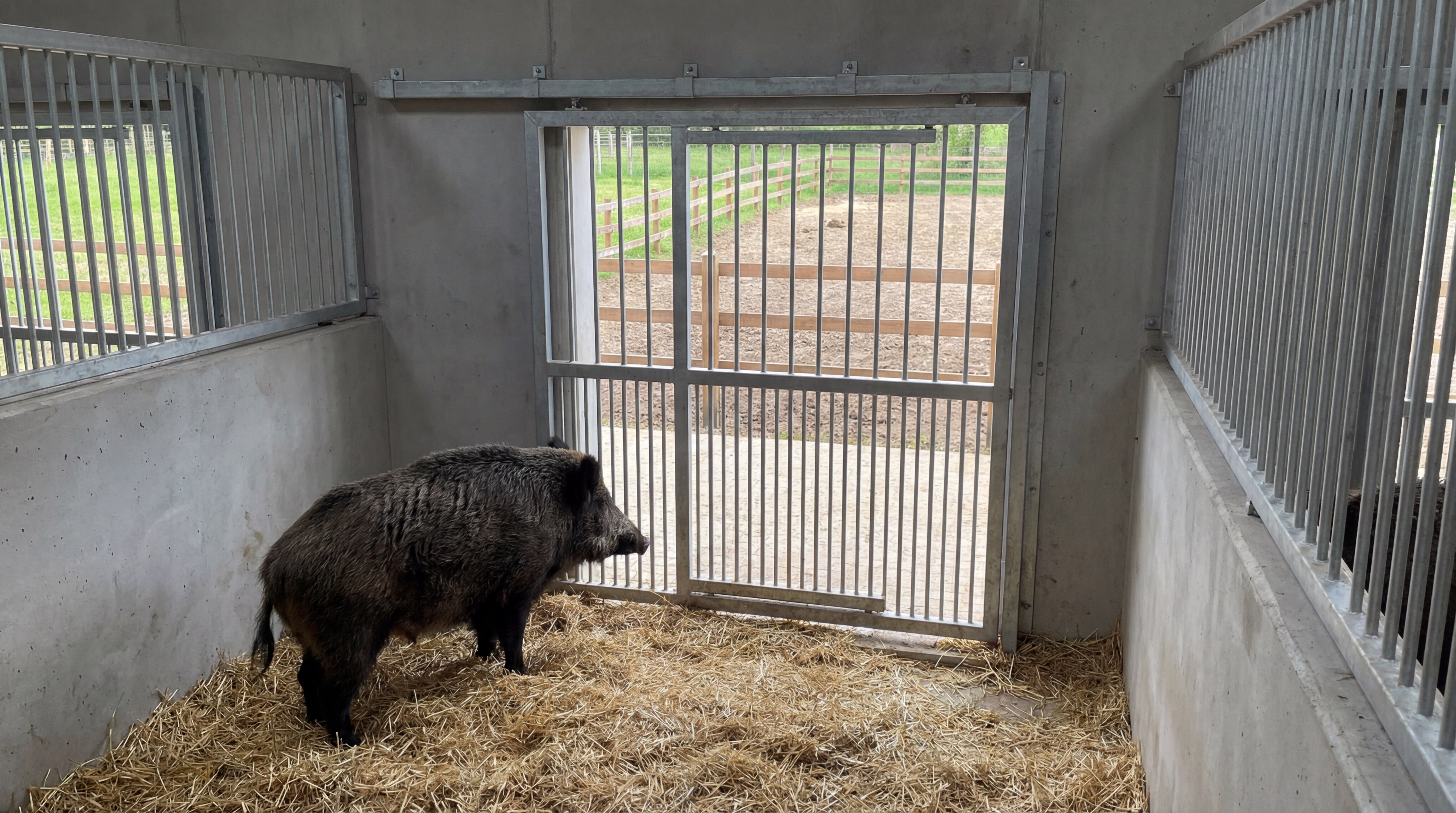
Boars require specialized housing to maintain their health and libido within a professional pig shed design. The boar pen must be robust enough to withstand the animal’s massive strength while providing enough room for exercise. Inadequate spacing leads to foot and leg problems that can prematurely end a boar’s working life.
Because boars are solitary and can be aggressive, their pens must be built with heavy-duty materials. A well-designed pen allows the handler to move the boar safely for breeding or health checks. You must balance the need for containment with the requirement for physical movement.
What are the specific dimensions for boars?
A high-performance boar pen should provide a covered area of 6.25 to 7.5 m² and an additional open area of 8.8 to 12.0 m². This dual-zone approach ensures the boar stays fit and reduces stress-related aggression through environmental variety. Maintaining physical fitness is essential for consistent semen quality and mounting capability.
Why does this matter?
- Exercise prevents obesity, which hinders breeding.
- Separate zones keep the sleeping area cleaner.
- Ample space reduces boredom-induced destructive behavior.
- Clear sightlines allow boars to see other pigs without physical contact.
How high should the walls be?
To prevent boars from jumping or escaping, walls must have a minimum height of 1.5 meters. These walls should be finished smoothly to prevent skin abrasions but built with reinforced concrete or heavy-duty steel. The bottom of the walls must be particularly strong to resist constant rooting and pushing.
The bottom line is this:
- Vertical bars are safer than horizontal ones to prevent climbing.
- Smooth finishes prevent the development of abscesses.
- Reinforced gates are necessary for handler safety.
- Flooring must be non-slip to prevent leg injuries during movement.
| Boar Housing Specs | Requirement | Strategic Purpose | |
|---|---|---|---|
| Covered Area | 6.25 – 7.5 m² | Shelter and resting zone | |
| Open Paddock | 8.8 – 12.0 m² | Exercise and physical fitness | |
| Wall Height | Min 1.5 meters | Security and containment |
Effective boar housing ensures the longevity of your breeding stock by focusing on physical durability and mental well-being.
Key Takeaway: Boar pens must prioritize structural strength and generous exercise space to maintain breeding performance.
What are the farrowing house design standards?
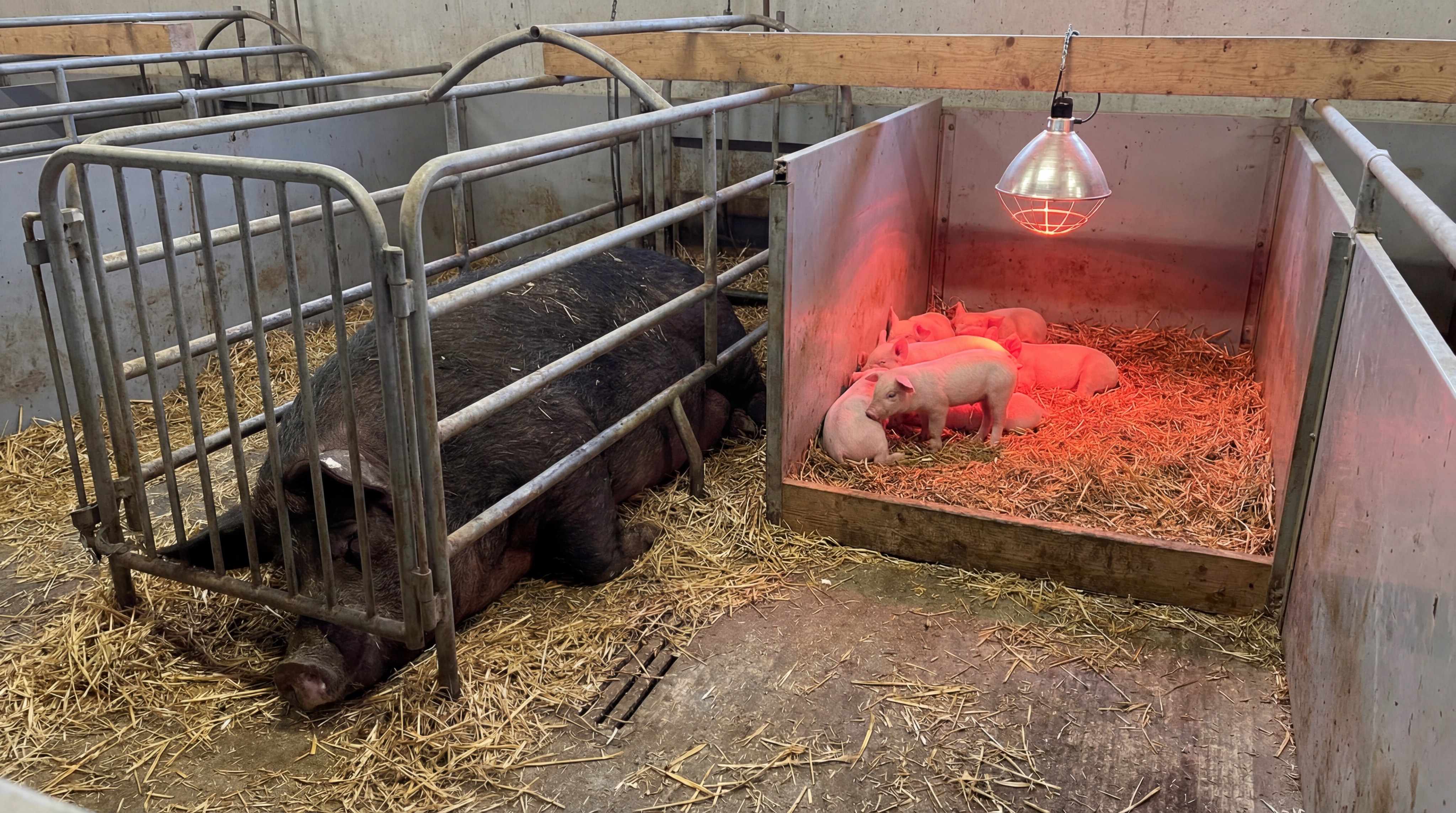
Farrowing is the most critical stage of pig production where pig shed design directly impacts survival rates. A successful layout for farrowing must prioritize the safety of the piglets while providing comfort for the sow. You need an environment that handles the different temperature requirements of the mother and her offspring simultaneously.
In large-scale operations, precision is everything during the first 72 hours of life. If the farrowing house is drafty or cramped, you will lose significant numbers of piglets to crushing or hypothermia. Professional designs incorporate specific features to mitigate these risks.
Why use farrowing crates and rails?
Farrowing crates or pens with guard rails are essential for preventing the sow from accidentally crushing the piglets when she lies down. A standard farrowing pen should be approximately 2.5 x 4.0 meters, totaling 10 m². These structures allow the sow to stand and lie down comfortably while restricting sudden lateral movements.
Here’s the deal:
- Guard rails provide a “safe zone” for piglets.
- Crates facilitate easier medical intervention for the sow.
- Controlled movement reduces piglet mortality by up to 15%.
- Sloped floors keep the farrowing area dry and sanitary.
What is a creep area?
A creep area is a dedicated space within the farrowing pen where only piglets can enter for warmth and supplemental feeding. It usually includes a heat source, such as a lamp or pad, as piglets require a much warmer environment than the sow. This separation is vital for survival during the first few weeks of life.
Look:
- Sows prefer 18-20°C, while piglets need 30-32°C.
- Creep areas prevent piglets from huddling too close to the sow for warmth.
- Protected feeders allow piglets to start solid food without sow interference.
- The area must be easily accessible for human observation.
| Farrowing Component | Technical Specification | Benefit | |
|---|---|---|---|
| Total Pen Area | 10.0 m² | Adequate space for sow and litter | |
| Safety Feature | Guard rails / Farrowing crates | Prevents crushing mortality | |
| Piglet Zone | Creep area with heating | Ensures thermal survival |
Proper farrowing house design creates a micro-climate that supports the drastically different needs of the sow and her piglets.
Key Takeaway: Farrowing success relies on the use of safety crates and heated creep areas to maximize piglet survival rates.
How do you house dry sows and gilts effectively?
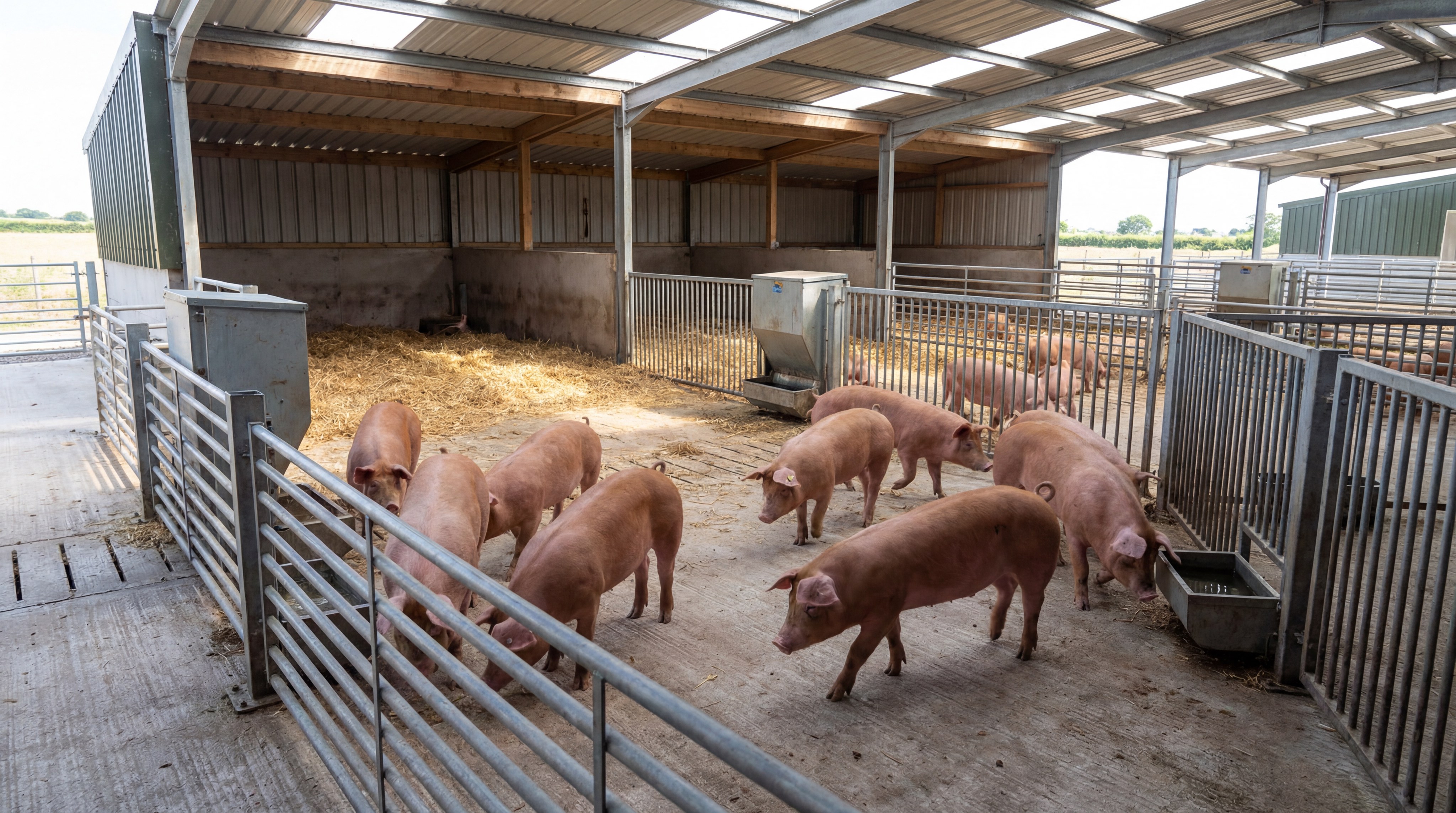
Managing your breeding stock requires flexibility and an understanding of social dynamics within your pig shed design. For dry sows and gilts, the layout usually involves group housing to maximize space efficiency while allowing for individual monitoring. Group housing encourages social interaction, which can improve estrus synchronization.
You must ensure that the group size is manageable and that aggressive behavior is minimized through layout. Providing enough space is the most effective way to reduce stress among female pigs. When sows are relaxed, their reproductive performance remains high.
How many sows can be kept together?
You can typically group 10 to 15 females in a single pen depending on the size of your facility. This social housing reduces stress but requires careful management of feeding to prevent dominant sows from overeating. Modern designs often include electronic sow feeding (ESF) systems to manage individual nutrition within a group setting.
Why does this matter?
- Grouping improves the observation of heat cycles.
- Social interaction reduces stereotypical behaviors like bar biting.
- Exercise improves overall sow health and farrowing ease.
- Group pens are more cost-effective to build and maintain.
What is the space requirement per sow?
For dry sows or gilts, you should provide approximately 2 m² of total area per animal. For high-tech farms, individual stalls or cages made of vertical G.I. pipes can be used temporarily for precise nutrition and health checks. However, the trend is moving toward larger, open-yard systems with partial roofing.
The bottom line is this:
- Gilts need slightly more space per unit of weight to grow.
- Partitioning prevents bullying during rest periods.
- Access to an open yard improves hoof and leg strength.
- Flooring must be well-drained to prevent lameness.
| Breeding Stock | Space per Animal (m²) | Group Size | |
|---|---|---|---|
| Dry Sow | 1.8 – 2.7 (Covered) | 3 – 10 per pen | |
| Gilt | 2.0 (Average) | 10 – 15 per pen |
Balanced housing for dry sows and gilts focuses on social health and nutritional management to ensure future productivity.
Key Takeaway: Successful gilt and sow housing combines social group dynamics with sufficient individual space to reduce stress.
What pig shed design works for fattening pigs?
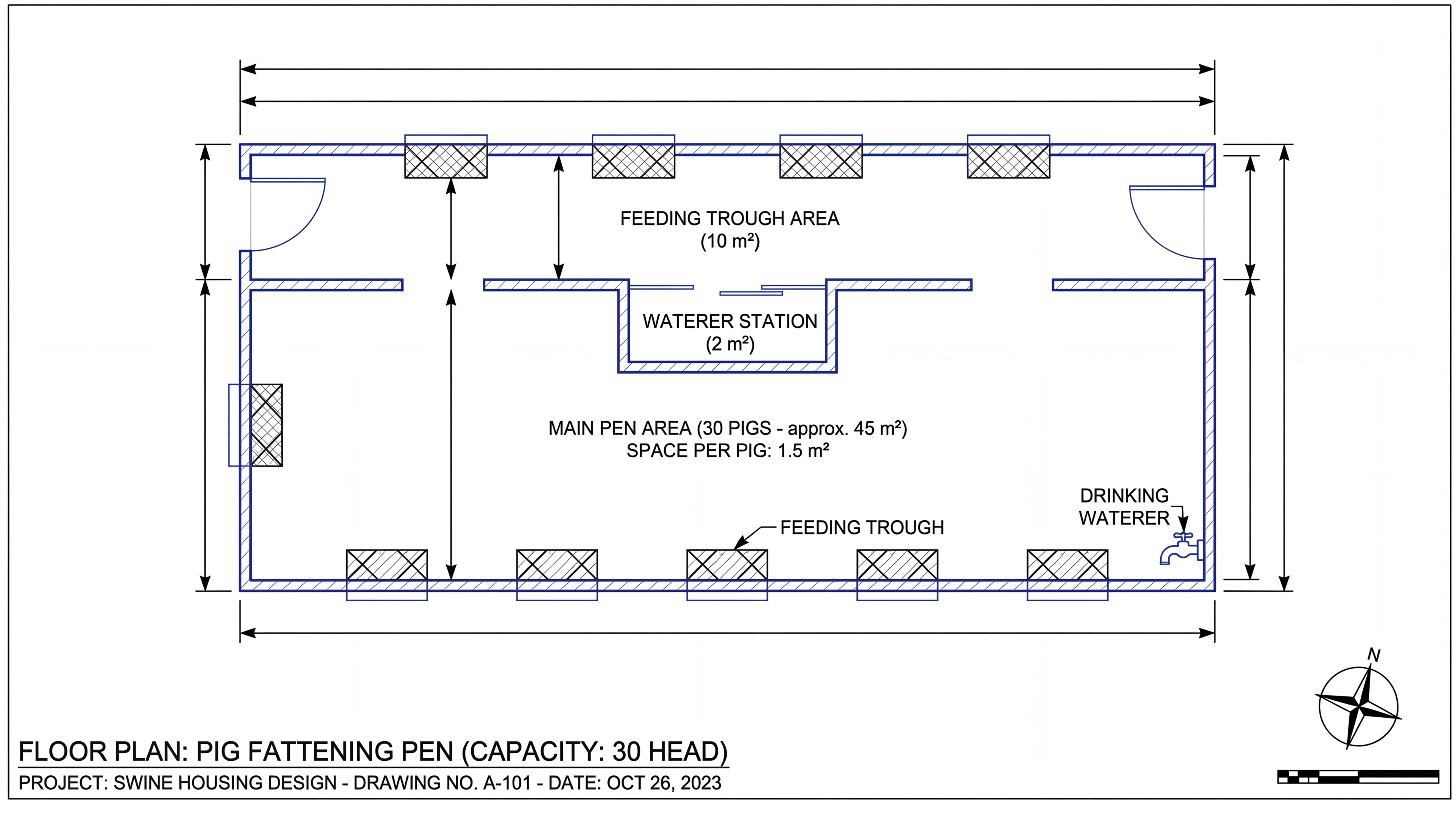
Fattening or “finisher” pigs have the highest density in the facility, making pig shed design for this stage a matter of extreme efficiency. Your plan must balance space efficiency with the high ventilation requirements needed to remove ammonia and heat. Overcrowded pens lead to tail-biting, increased aggression, and a drastic drop in growth rates.
Because these pigs are near market weight, their environment dictates your final product quality. You want a design that facilitates rapid weight gain while making daily cleaning as fast as possible. Most commercial operations utilize large rectangular pens with front-access feeding.
How much space do fatteners need?
Space requirements scale with the age and weight of the pig to ensure health and growth. Growers (3-5 months) need 0.9 to 1.2 m², while finishers (above 5 months) require 1.3 to 1.8 m² per animal. Providing the correct square footage ensures that all pigs have equal access to feeders and waterers.
Look:
- Overcrowding causes stress and slows metabolism.
- Adequate space allows for clear dunging and resting areas.
- Group sizes are usually capped at 30 pigs for social stability.
- Feeders must be wide enough for multiple pigs to eat simultaneously.
Should you use open paddocks for fatteners?
A covered concrete yard for feeding and resting, paired with an open yard in the rear, is a highly effective system. This “open paddock” approach allows pigs to exhibit natural behaviors while keeping the feeding area clean. Why does this matter? It reduces the internal temperature of the barn and improves air quality by moving waste outdoors.
Here’s the deal:
- Open yards reduce the load on mechanical ventilation.
- Pigs are naturally cleaner when they have distinct “wet” and “dry” zones.
- Exercise in open yards improves muscle tone and meat quality.
- Outdoor areas are easier to clean with high-pressure washers.
| Age Group | Covered Space (m²) | Max Pigs per Pen | |
|---|---|---|---|
| 3-5 Months | 0.9 – 1.2 | 30 | |
| 5+ Months | 1.3 – 1.8 | 30 |
The effectiveness of a finisher pen depends on its ability to support high-density growth without compromising the air quality or social hierarchy.
Key Takeaway: Fattening pens must provide scaled space based on weight to prevent aggression and ensure rapid growth.
How do you manage temperature and ventilation?
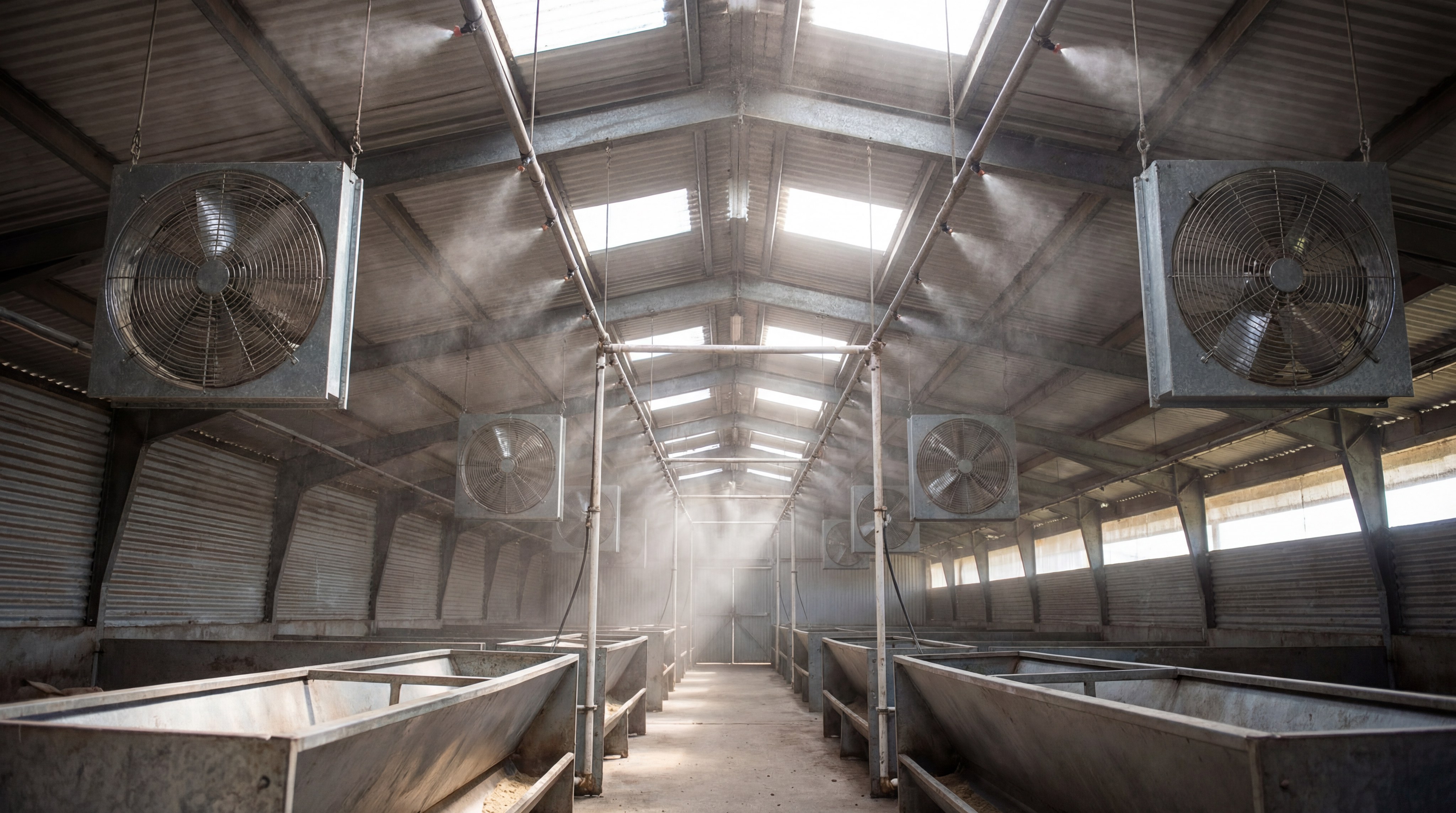
Pigs are extremely sensitive to thermal shifts because they do not have functional sweat glands. An effective pig shed design must maintain a temperature range of 20-25°C to prevent heat stress or respiratory illness. Proper air exchange is also necessary to remove harmful gases like ammonia and hydrogen sulfide produced by manure.
If you fail to manage air quality, your pigs will suffer from chronic respiratory issues that reduce feed intake. You must design for both summer cooling and winter warmth retention. A well-ventilated barn is a healthy barn.
How do pigs cool down in large sheds?
Since pigs cannot sweat, you must provide active cooling devices in professional facilities. High-volume ventilation fans, misting nozzles, and wallowing tanks are standard features in high-performance builds. These systems use evaporative cooling to lower the effective temperature the pigs feel on their skin.
Why does this matter?
- Heat-stressed pigs stop eating, stalling growth.
- Misting systems can drop internal temperatures by 5-10°C.
- Fans ensure that air doesn’t stagnate in the corners of pens.
- Wallowing tanks provide natural behavioral outlets for cooling.
Why is building orientation important?
The shed should be oriented to provide maximum protection against direct sunlight and seasonal winds. In many climates, an East-West orientation minimizes solar heat gain on the long walls of the building during the hottest parts of the day. This natural approach to cooling reduces your reliance on expensive mechanical systems.
Here’s the deal:
- Proper orientation reduces electricity costs for fans.
- Natural wind currents can be harnessed through side curtains.
- Ridge vents allow hot air to escape through the roof naturally.
- Strategic planting of trees can provide additional shade.
| Climate Control Tool | Function | Target Metric | |
|---|---|---|---|
| Fans/Extractors | Ammonia/Heat removal | 20-25°C | |
| Misting Systems | Evaporative cooling | Summer comfort | |
| Insulated Roof | Radiance protection | Internal temp stability |
Managing the thermal environment is a non-negotiable aspect of modern swine production that directly affects mortality and FCR.
Key Takeaway: Ventilation systems must combine mechanical fans and building orientation to maintain a stable, cool environment.
Which materials are best for pig shed durability?
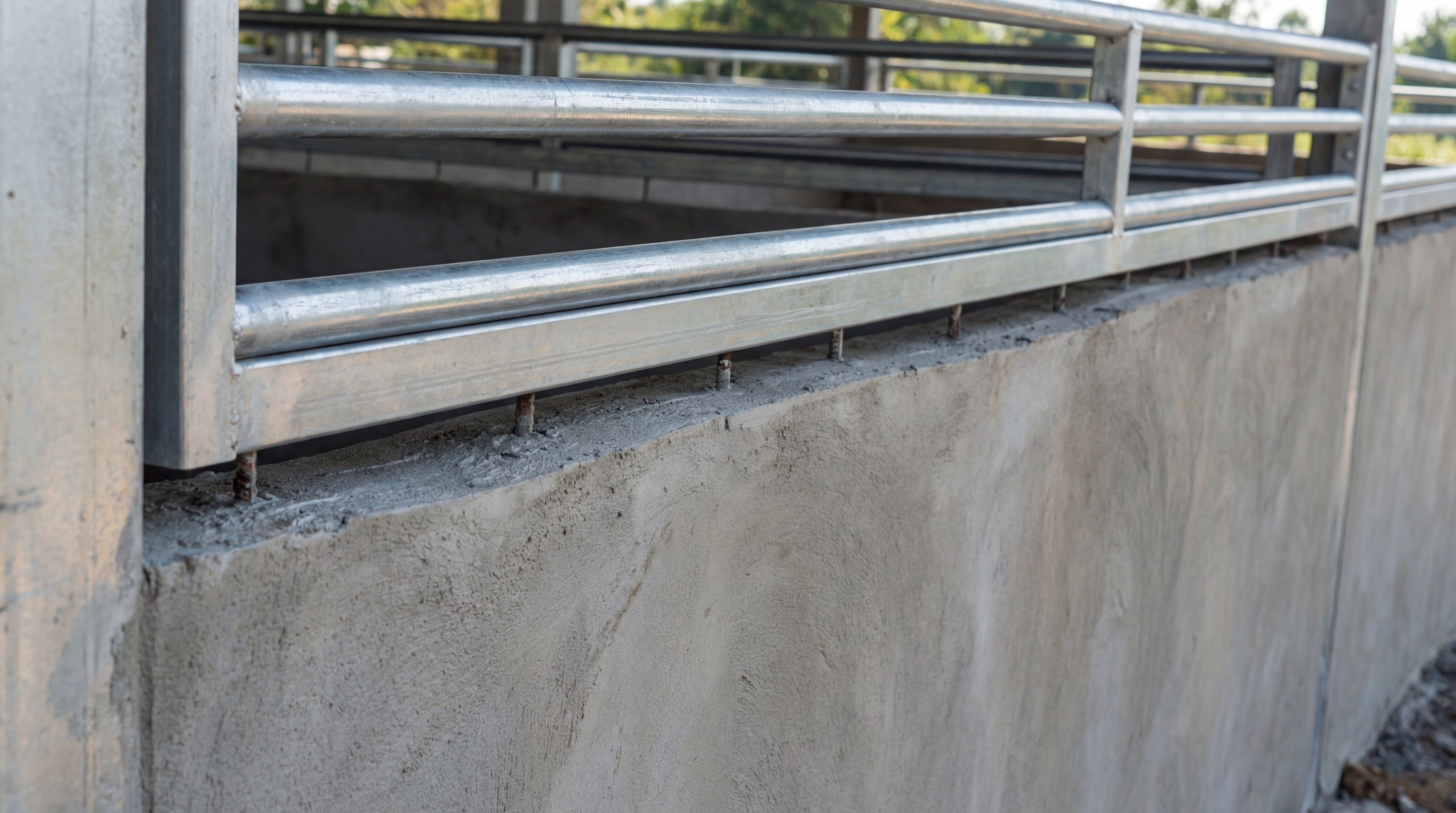
The “rooting” habit of pigs is incredibly destructive to weak structures, making material choice central to pig shed design . You must utilize materials that are both “pig-proof” and easy to sanitize with high-pressure water and chemicals. Many owners find that a Steel Structure Warehouse style building offers the best balance of strength and longevity.
Using porous materials like wood is generally discouraged in commercial settings. Wood absorbs moisture and pathogens, making it nearly impossible to disinfect properly. Instead, focus on non-porous, high-strength options that can survive decades of use.
Why is concrete flooring mandatory?
Concrete is the gold standard for piggery floors because it is durable, withstands rooting, and is easy to wash. The floor should have a slightly rough finish to prevent pigs from slipping while remaining smooth enough for effective drainage. Without proper flooring, you will face constant repair costs and increased hoof infections.
Look:
- Concrete doesn’t harbor parasites like soil floors do.
- Proper sloping (2-3%) ensures waste flows away instantly.
- Reinforced slabs can support the weight of heavy machinery.
- It is resistant to the corrosive nature of pig urine.
Are steel partitions better than brick?
While bricks are excellent for thermal mass, galvanized steel partitions allow for better airflow and visibility. Steel is also much easier to install and can be reconfigured as your herd requirements change. High-grade galvanization is required to prevent the ammonia in the barn from rusting the metal over time.
The bottom line is this:
- Steel pipes allow handlers to see the entire pen at once.
- Smooth metal surfaces are the easiest to sanitize.
- Pre-fabricated panels speed up construction time.
- Vertical bars prevent pigs from climbing and injuring themselves.
| Material | Application | Benefit | |
|---|---|---|---|
| Concrete | Flooring/Lower walls | Durability/Hygiene | |
| Galvanized Steel | Framework/Partitions | Corrosion resistance | |
| Brick/Block | Perimeter walls | Thermal mass/Strength |
Choosing industrial-grade materials ensures that your facility remains functional without the need for constant, expensive maintenance.
Key Takeaway: Durability is achieved through the combination of reinforced concrete floors and galvanized steel partitions.
How can steel structures optimize your layout?
Steel is the preferred medium for modern agricultural builds because it allows for immense design flexibility in your pig shed design. When you partner with an expert in About Us , you gain access to clear-span designs that maximize internal space without obstructive columns. This openness is vital for modern waste management and automated equipment.
Traditional timber buildings often suffer from rot and pest infestations. Steel, however, is inorganic and does not attract rodents or insects. This inherent cleanliness is a massive advantage for maintaining biosecurity on a commercial farm.
What is clear-span design?
Clear-span steel buildings allow for wide, open interiors up to 40 meters across without any supporting pillars. This flexibility is vital for installing automated feeding systems and adjusting pen sizes as your production focus shifts. You can essentially treat the interior of your barn like a modular workspace.
Why does this matter?
- No columns means no obstacles for manure scrapers.
- Large equipment can drive inside for maintenance.
- Layouts can be changed without structural modification.
- Airflow is more consistent without interior pillars.
Is steel resistant to corrosion?
Swine environments are notoriously corrosive due to high levels of ammonia and humidity. However, modern industrial steel structures use high-grade hot-dip galvanization and specialized coatings to ensure the building lasts. These treatments create a chemical barrier that protects the structural integrity of the frame.
Here’s the deal:
- Hot-dip galvanizing protects both the inside and outside of pipes.
- Epoxy coatings provide extra protection in dunging areas.
- Steel doesn’t warp or shrink like wood does over time.
- It provides superior fire resistance compared to timber.
| Feature | Steel Advantage | Traditional Advantage | |
|---|---|---|---|
| Internal Span | Up to 40m without columns | Limited by timber length | |
| Speed | Rapid pre-fab assembly | Slow manual construction | |
| Hygiene | Non-porous, pests can’t nest | Porous, attracts rodents |
Steel structures provide the skeleton for a high-tech facility that can evolve alongside your business needs.
Key Takeaway: Clear-span steel structures offer the modularity and hygiene required for modern large-scale production.
What are the best practices for waste management?
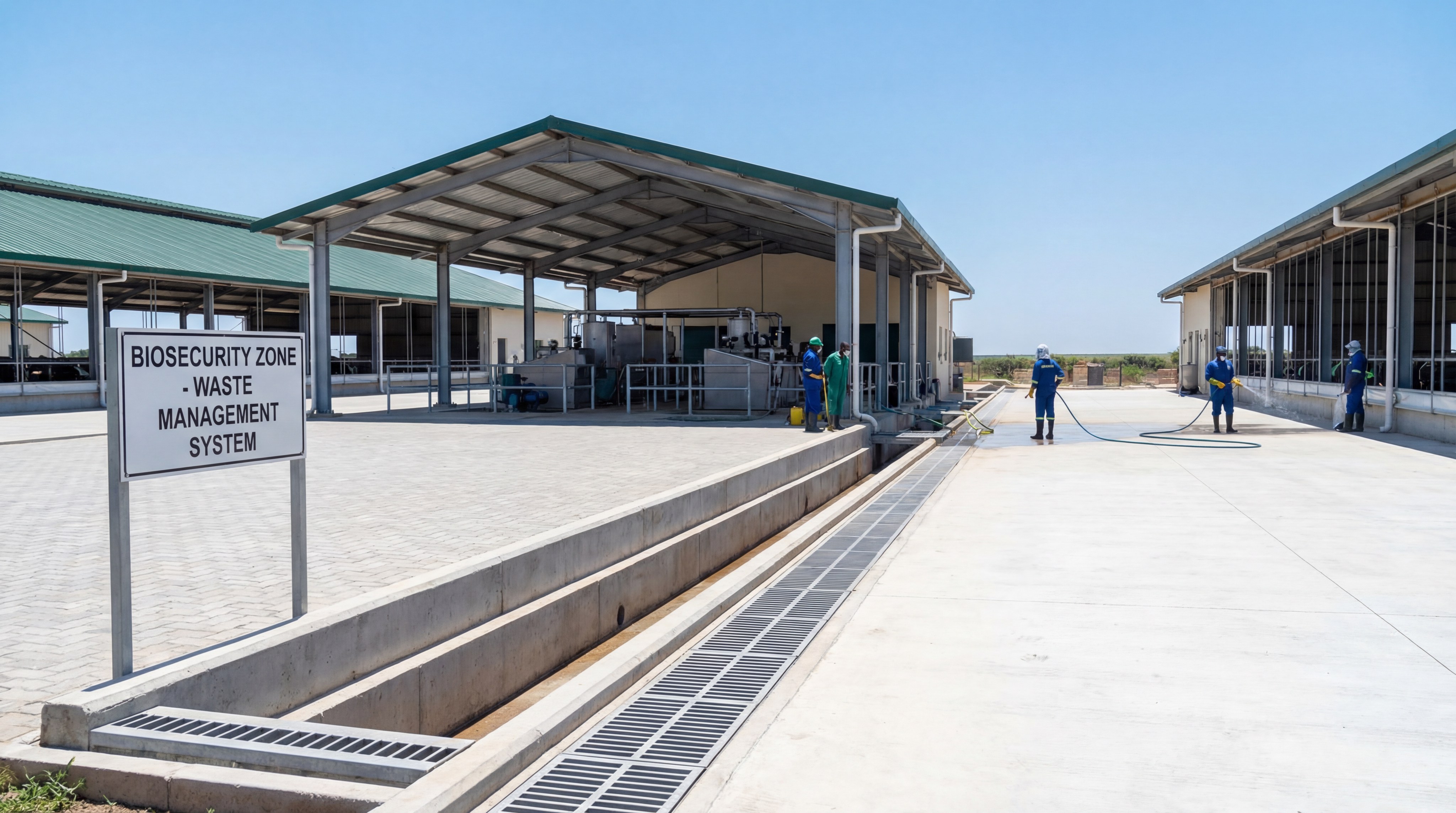
Efficiency in pig shed design isn’t just about the pigs; it’s about managing what they leave behind. Waste management affects biosecurity, air quality, and environmental compliance. If your waste system is slow or manual, it will become your highest labor cost and your biggest health liability.
A modern piggery should be designed so that waste is moved away from the animals as quickly as possible. This reduces the concentration of ammonia in the air, which directly improves respiratory health. Most professional builds now utilize a combination of sloped floors and external collection pits.
How should floors be sloped?
A gentle slope of approximately 2-3% toward a central or rear drainage channel is essential for solid floor pens. This allows urine and wash water to flow away immediately, keeping the resting area dry. Why does this matter? Because dry floors prevent the growth of bacteria and reduce the risk of pigs slipping and getting injured.
Look:
- Slope direction should lead away from feeders.
- Channels must be wide enough for high-volume cleaning.
- Proper drainage prevents the formation of “ammonia clouds” at pig level.
- Dry resting areas improve pig comfort and sleep.
Are slatted floors better?
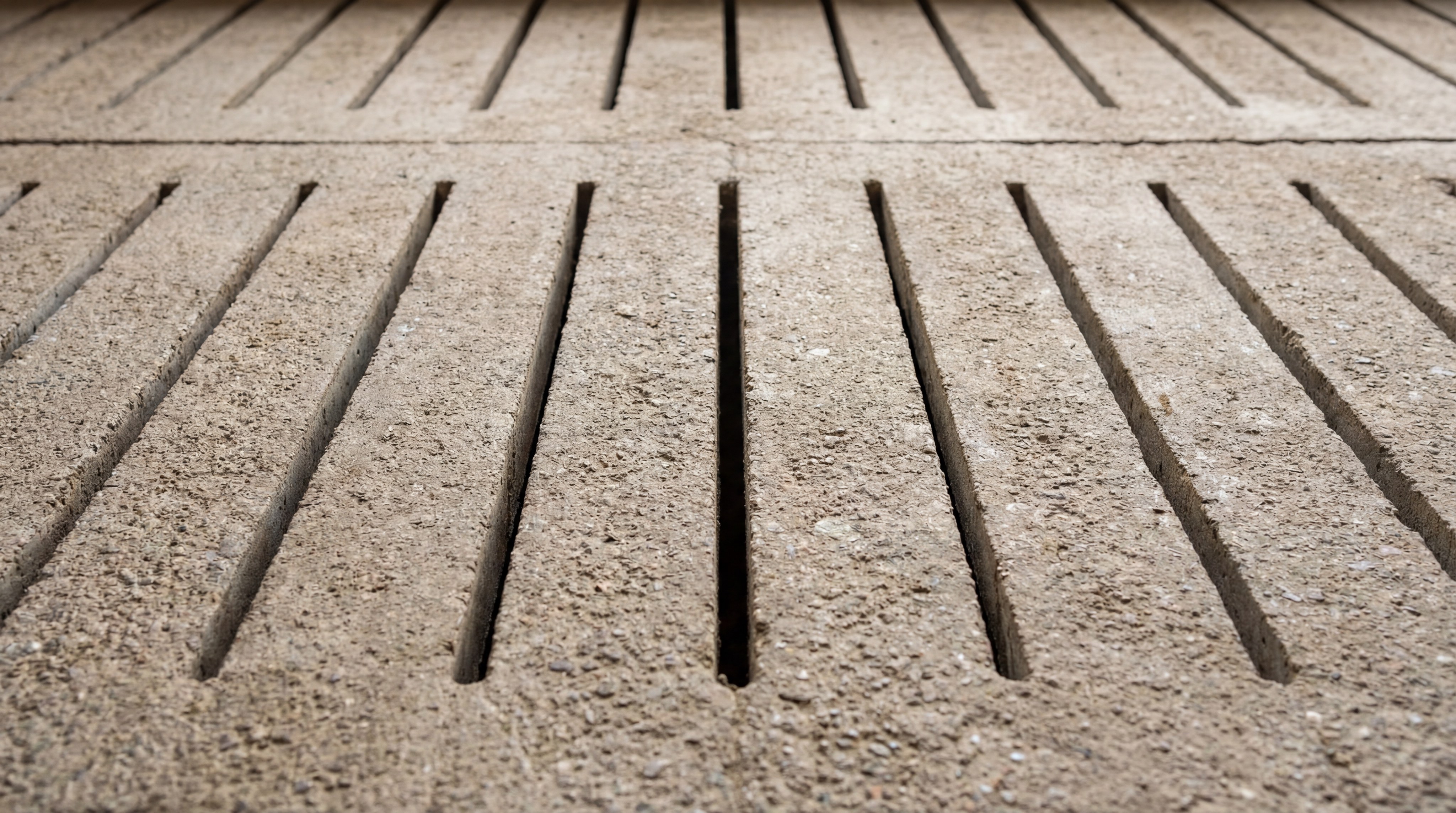
Slatted floors, whether concrete or plastic, allow waste to fall through to a pit or scraper system below. This significantly reduces the labor required for daily cleaning and keeps the pigs much cleaner. While the initial cost is higher, the long-term savings in labor and the reduction in disease often justify the investment.
The bottom line is this:
- Slats eliminate the need for manual hosing of every pen.
- Waste is stored in a way that minimizes air contact.
- Automated scrapers can move waste to a lagoon on a timer.
- Pigs on slats stay cleaner and have fewer skin infections.
| Waste System | Labor Level | Initial Cost | |
|---|---|---|---|
| Solid Floor/Slope | High (Daily washing) | Low | |
| Partially Slatted | Medium | Medium | |
| Fully Slatted | Low | High |
Waste management systems must be integrated into the foundation of the building to ensure long-term biosecurity and labor efficiency.
Key Takeaway: Slotted floors and automated waste removal are essential for maintaining hygiene in high-density facilities.
How do you reduce labor with smart shed design?
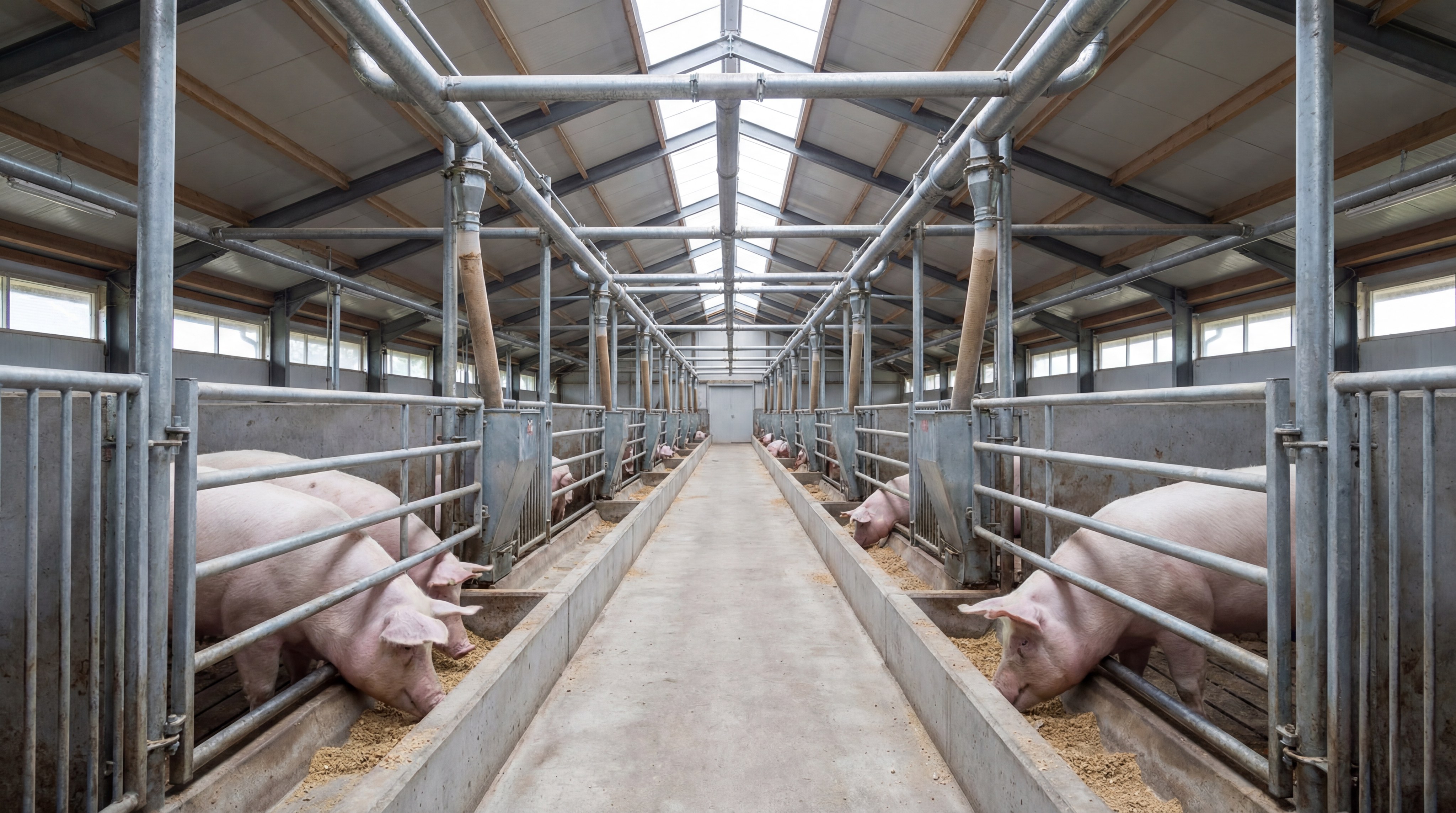
Labor is often the second-highest cost in swine production, but a smart pig shed design can automate the most repetitive tasks. By automating feeding and watering, you allow your staff to focus on animal health and management rather than “grunt work.” Many operators convert a Steel Structure Workshop layout into a high-efficiency feeding center.
Automation also ensures consistency. A machine will never forget to feed a pen or fail to notice a broken waterer if the system is integrated with sensors. This precision leads to more uniform growth across your entire herd.
Where should troughs be placed?
Feed and water troughs should be placed along the front of the pens near the central aisle. This allows staff to feed the animals or inspect troughs from the aisle without entering the pen, which reduces stress on the pigs and saves time. Front-access design is a simple but effective way to boost daily productivity.
Why does this matter?
- Entering pens disrupts pig resting cycles.
- Aisle feeding reduces the risk of staff injuries from aggressive pigs.
- It makes it easier to spot pigs that aren’t eating.
- Cleaning troughs is faster when they are easily accessible.
Can you automate feeding?
Modern designs integrate overhead auger systems that deliver feed directly to troughs on a set timer. This ensures consistent nutrition 24 hours a day and drastically reduces the man-hours required for daily operations. High-tech systems can even track the amount of feed consumed by each pen to monitor for early signs of illness.
Look:
- Auger systems prevent feed waste from manual pouring.
- Nipple drinkers provide a constant supply of clean water without mess.
- Sensors can alert managers to feed blockages instantly.
- Automation allows one person to manage thousands of pigs.
| Automation Feature | Impact on Operations | |
|---|---|---|
| Aisle Troughs | 30% reduction in feeding time | |
| Automatic Nipples | Constant clean water access | |
| Auger Systems | Precision feeding and zero manual lift |
Smart design turns a labor-intensive chore into a streamlined industrial process, allowing for greater scale and profitability.
Key Takeaway: Labor reduction is best achieved through front-aisle trough placement and automated auger feeding systems.
Frequently Asked Questions
Can I build a pig shed using local materials?While you can use local materials for small-scale projects, commercial operations require industrial-grade steel and concrete to withstand the destructive habits of pigs and meet biosecurity standards.
How do I prevent ammonia buildup in my barn?You must combine a sloped floor waste system with high-volume ventilation fans. Ridge vents and side curtains also help by allowing natural air exchange.
Is it better to house sows individually or in groups?The industry is moving toward group housing for dry sows to improve social health and welfare, though farrowing sows still require individual pens for piglet safety.
How often should I clean the floors?In solid floor systems, daily cleaning is mandatory. Slatted floor systems only require deep cleaning between batches, as waste falls through automatically.
What is the best way to cool pigs in summer?The most effective method is a combination of misting nozzles and high-speed fans, which creates an evaporative cooling effect on the pig’s skin.
Investing in a professional facility is the only way to ensure long-term viability in the swine industry. By prioritizing technical space requirements and structural durability, you create an environment where your herd can reach its full genetic potential. To begin planning your high-performance facility, contact us today.